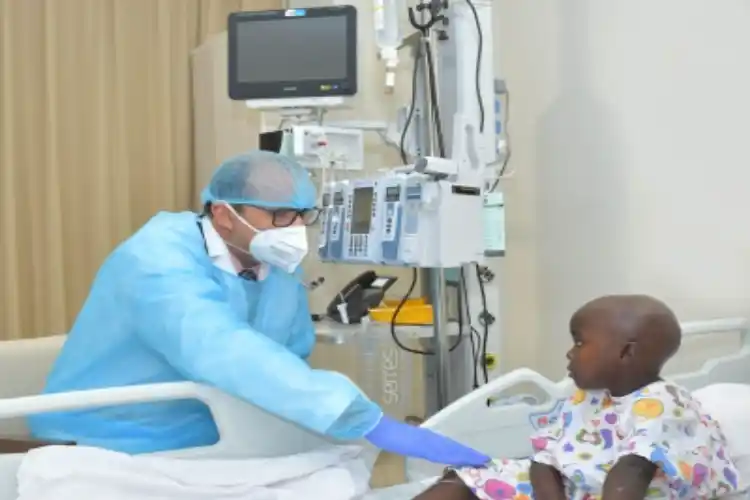
Dr Zainul Aabideen, with his patient, a 5-year-old Ugandan girl.
Abu Dhabi/Thiruvananthapuram :
A Malayali doctor in Abu Dhabi wrote himself into record books when he performed the first pediatric stem cell bone marrow transplant in the UAE.
Dr Zainul Aabideen, a native of Kannur in Kerala, presently Head of the Department of Pediatric Hematology and Oncology at Burjeel Medical City successfully performed the advanced allogeneic procedure on a five-year-old girl from Uganda with sickle cell disease.
Billed as the first such surgery done in the UAE, the patient’s 10-year-old sister donated her bone marrow for the transplant treatment at Burjeel Medical City, a flagship hospital of VPS Healthcare.
Sickle cell disease is a genetic disorder, which results in an abnormality in the hemoglobin found in red blood cells, causing them to become sickle-shaped and leading to several complications including anemia, swelling in the hands and feet, frequent pain, acute chest syndrome, and sometimes stroke.
Prior to the treatment, the child has been regularly admitted to the hospital due to complications arising from her disease since birth.
“As this was a life-threatening condition, the only curative option was bone marrow transplantation. Before this procedure, the patient suffered a lot. The entire care team here at the hospital and the child’s parents are delighted that the transplant will relieve this pain from her life,” said Zainul Aabideen, who headed a team of highly specialised doctors, including a pediatric intensive care team, for the procedure.
The patient has responded well to the treatment and will be discharged in a few days after a five-week stay at the hospital.
Earlier, pediatric patients in the UAE who had to undergo allogeneic stem cell bone marrow transplants travelled to the US, the UK, India, and other European countries.
Zainul Aabideen, completed his MBBS from Calicut University in Kerala and a post-graduate degree in Pediatrics from the University of Mumbai.
He then moved to the United Kingdom to specialise and undertake further training in pediatric hematology, pediatric oncology, and pediatric bone marrow transplantation in various hospitals in the UK.
source: http://www.awazthevoice.in / Awaz / Home> Health / by awazthevoice.in / April 20th, 2022
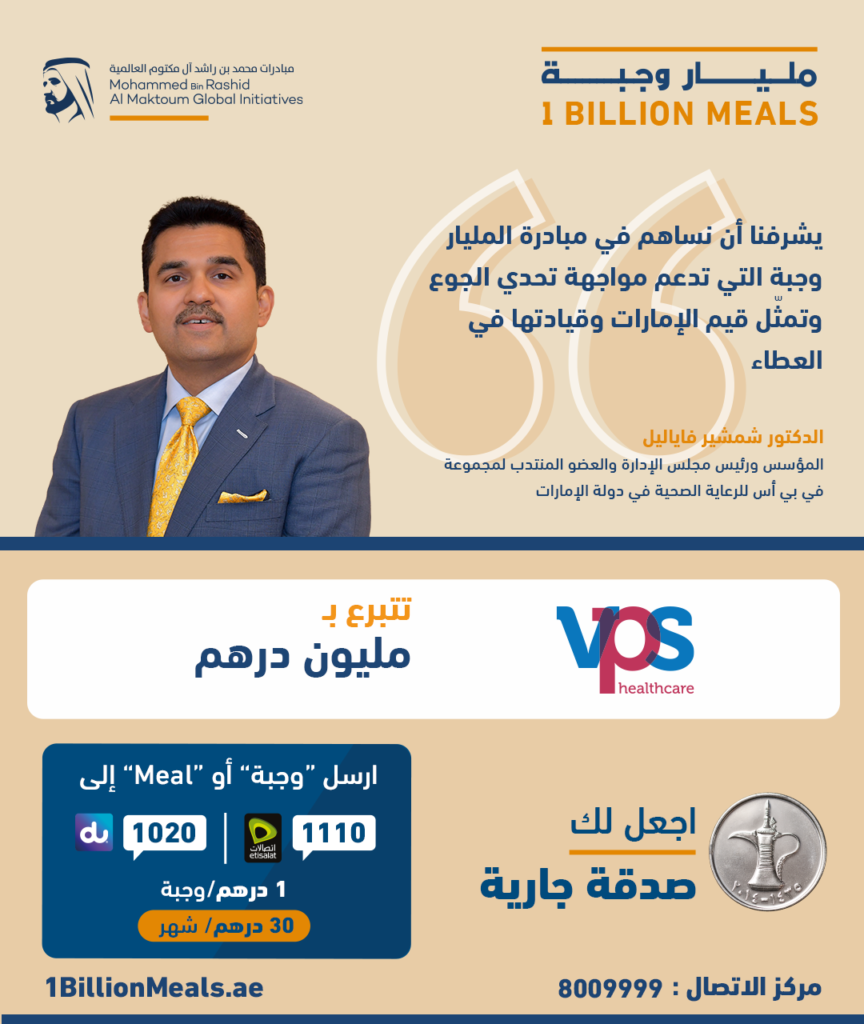
Dr. Shamsheer Vayalil, Chairman and Managing Director of VPS Healthcare Group, has announced a donation of AED1 million to the 1 Billion Meals initiative, the largest of its kind in the region, which aims to assist and provide sustainable food support to the underprivileged and most needy groups in 50 countries in the Middle East, North Africa and the world – in particular children, refugees, displaced persons, and victims of disasters and crises.
The 1 Billion Meals initiative, organised by the Mohammed bin Rashid Al Maktoum Global Initiatives (MBRGI), provides food support in coordination with the United Nations’ World Food Programme (WFP), the Food Banking Regional Network (FBRN), the Mohammed bin Rashid Al Maktoum Humanitarian and Charity Establishment (MBRCH), the United Nations High Commissioner for Refugees (UNHCR), the UAE Food Bank, as well as a number of local charity and humanitarian organisations in beneficiary countries.
Dr. Shamsheer Vayalil said: “We are honoured to contribute to the 1 Billion Meals initiative organised by MBRGI to provide aid and relief to those undernourished, which supports the global battle against hunger and represents the values of the UAE and its wise leadership in giving and expanding the scope of humanitarian work. This is especially true given the escalation of the global hunger crisis and the increase in the number of people affected by it, especially children, refugees, displaced persons, and victims of disasters and crises.”
The initiative, organised by the Mohammed bin Rashid Al Maktoum Global Initiatives (MBRGI), is a continuation of last year’s 100 Million Meals campaign, which ended up distributing 220 million meals, prompting the new goal of one billion meals.
Donors can contribute to the 1 Billion Meals initiative through the following donation channels – the campaign’s official website: www.1billionmeals.ae; bank transfer to the campaign’s account at Emirates NBD, number: AE300260001015333439802.
Donors can also opt to donate AED1 a day through a monthly subscription by sending “Meal” or “وجبة” via SMS to 1020 on the du network or 1110 on the Etisalat network.
Donations can also be made through campaign’s call centre via a toll-free number 8009999.
Making amends for wrongs done requires compassion and a human touch, says Sandeep Virmani of Hunnarshala Foundation
In 2013, Muzaffarnagar in Uttar Pradesh experienced one of the worst communal riots in recent history. Some 62 people died and more than 50,000 were displaced.
Hunnarshala Foundation helped resettle about 250 families who could not return to their original villages. It was a challenging project for the not-for-profit organisation, which has been working with communities in the area of housing and infrastructure for over 20 years now.
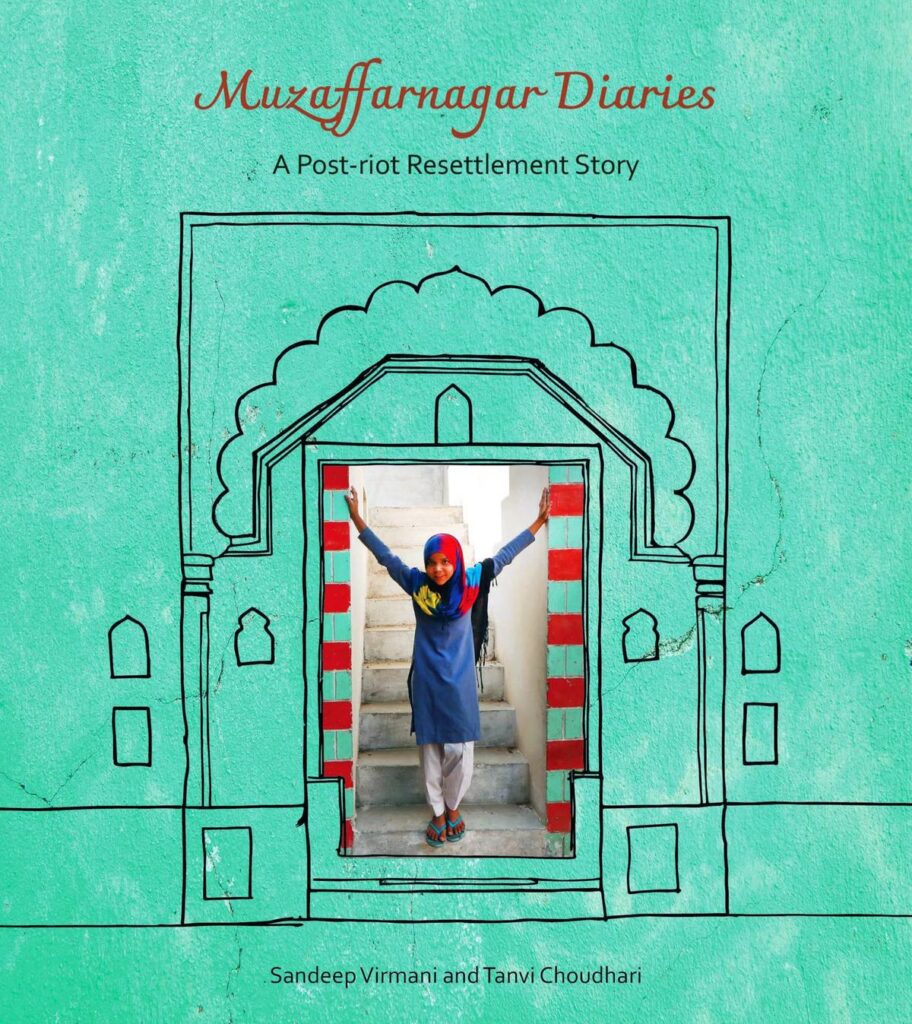
Muzaffarnagar Diaries: A Post-Riot Resettlement Story talks of how the project fell in place. Sandeep Virmani, Executive Vice-Chairman of Hunnarshala, spoke about the importance of empathetic resettlement in the context of this project. Excerpts from the interview:
What is the magnitude of the problem of internally displaced persons (IDPs) in India?
IDPs are people displaced from their homes and communities due to natural disasters, conflicts or development projects. In India, at any given point, we have between 40 lakh and 80 lakh people living in camps, away from home. Of these, about 20,000 are displaced due to conflicts — ethnic, armed, communal, or even targeted violence. India consistently features in the 10 worst affected countries in the world. Conflict victims are the worst hit since invariably, the state is involved in abetting violence or allowing it to happen. For this reason, unlike after natural disasters, very few people come forward to help.
How does Indian law fall short when it comes to reparative justice, especially for victims of incidents such as the 2002 Gujarat riots or the 2013 Muzaffarnagar riots?
Unlike cross-border refugees, IDPs don’t have any rights. Even though the Constitution requires the state to take responsibility for the safety of its citizens, there are no laws, policies, or statutory frameworks for reparative justice. The UN has ‘The Guiding Principles on Internal Displacement’ but these are not binding. Consequently, almost every such event requires the intervention of the courts to provide justice.
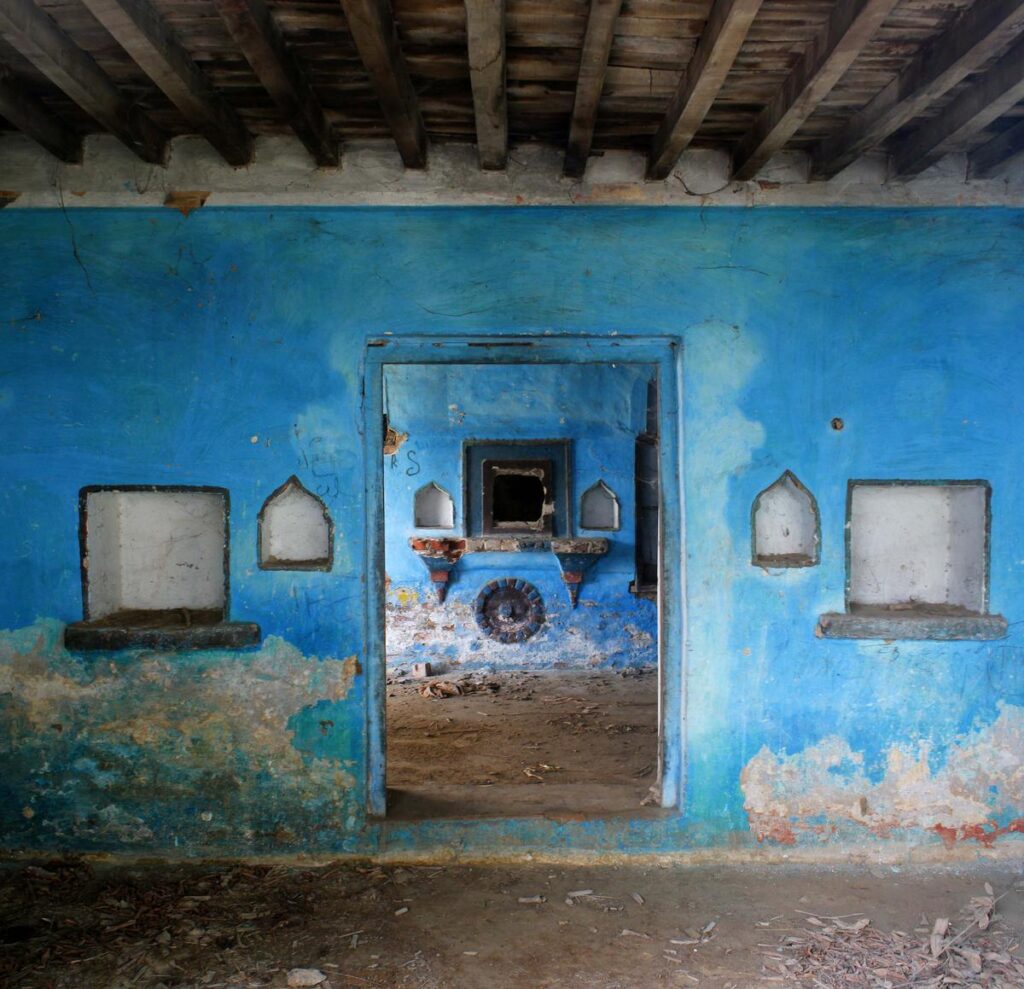
Ruins of a house in Kutba, Muzaffarnagar, after the riots.
The government grants compensation; ₹15 lakh was given per family after the Muzaffarnagar riots. But you call this the ‘compensation trap’?
Invariably, governments directed by the courts want to weigh the losses of IDPs financially and get away with compensation. While compensation for families who lost a member was raised to ₹15 lakh, displaced families who will never be able to return to their villages got ₹5 lakh. But making amends for wrongs done, so that the scars of displacement and loss are healed, requires compassion and a human touch. It requires apology, handholding until they are physically settled, integrated into a new society, so that they and their children can let go of fear. The shock and betrayal, sometimes even unfounded guilt, never leaves one.
When you took up this project, you went to Kutba to see the ruins of the destroyed homes. Can you talk a bit about the ‘culture of spaces’?
The design and skills used in building homes is the collective cultural expression of a community’s values. When you lose everything, you look for hope in two places: community and expression. The process of rebuilding provides both. However, after incidents like the Muzaffarnagar and Shamli riots, most families were scattered in unfamiliar places. It became difficult for them to get new homes. Most used the compensation to rebuild livelihoods and get some land but could not build homes. We helped the community procure land together, so that they were reunited. Giving a house is charity; one is grateful, but it doesn’t rebuild lost confidence. And, invariably, donors and governments give ‘modern’ houses, disregarding cultural moorings.
We wanted to understand their histories, ways of living, skills, aesthetic expressions, identities, before we facilitated the rehabilitation. So, we went to their old village in Kutba. It was difficult; there was fear of the dominant Hindu community, at whose hands they had experienced betrayal, violence, death. People with whom they had lived over generations, people who had convinced them not to migrate to Pakistan in 1947. A mason named Nawab finally agreed to take us there with police escort.
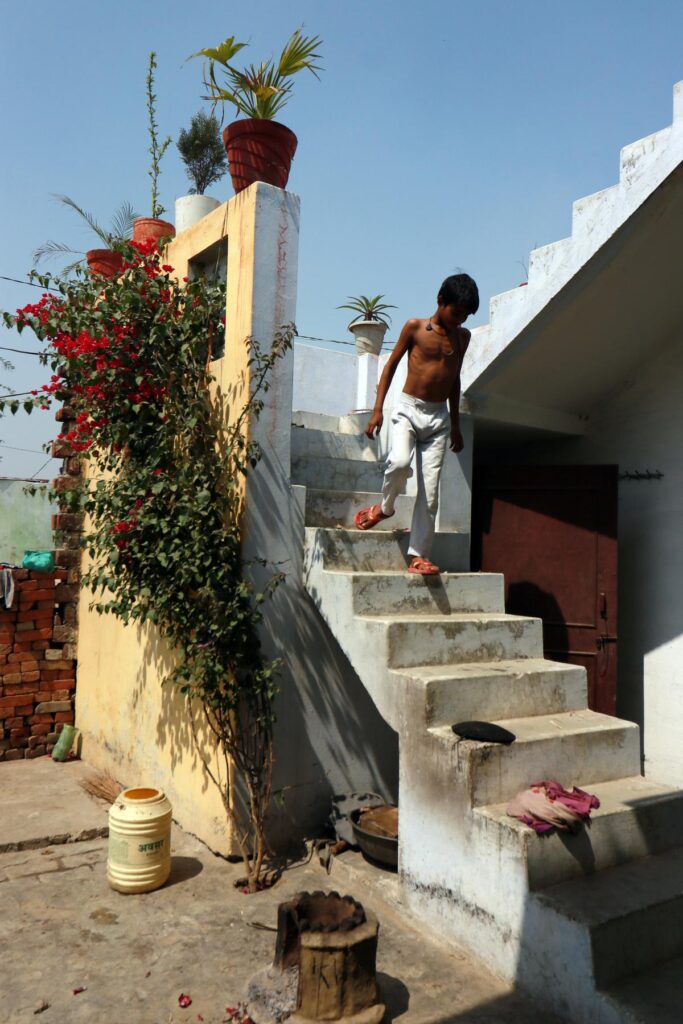
The central stairway in a new house built in Kairana, Shamli district (the ‘chulha’ or stove keeps changing places).
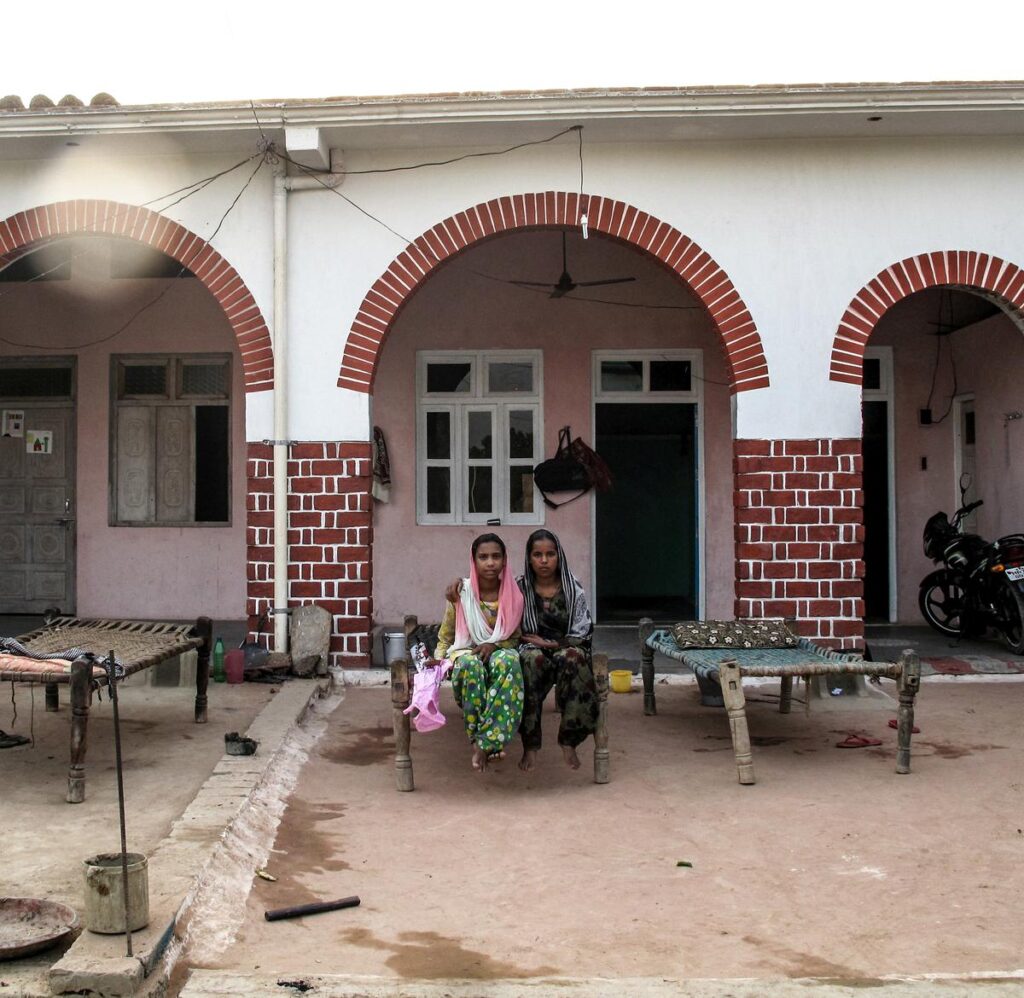
We found a unique lifestyle. For example, the khat (bed) determines the width of the veranda and even the staircase (it is carried to the first floor). The chulha (stove) shifts through the year from kitchen to veranda to courtyard. The old men sit at the juncture of street and house in a unique space called the ‘gallery’. The mother-in-law sits at the other end of the gallery, at a spot from where she can see every part of the house. The sitting room must be accessed straight from the street through a separate door. The houses always have potential for expansion to make room for newly-weds. Families make intricate patterns on coloured cement oxide floors with stencils made from newspapers. They mould concrete into aesthetic forms. The more elaborate the gate, the more the prestige… we found many such features.
A new house in Arya Puri, Muzaffarnagar district, for a rehabilitated family. The house incorporates the classic archways and verandah and makes room for the all-important ‘khats’ (cots).
Your book speaks of how the villagers rejected open-brick facades for painted concrete. Is it a challenge to promote low-cost or green building in the hinterland?
On the contrary, villages are familiar with the advantages of, say, earthen walls or mud mortar for putting bricks together. It is possible to have an informed conversation with them, unlike urban people who reject such technologies based on bias or get fixated on a technology even when not appropriate. In rural homes, many parts of the house are left unplastered due to lack of funds, so exposed material has a different connotation — it means poverty. That is why they wanted to plaster and colour their walls.
Western UP is a seismic zone, but existing building practices are poor due to lack of resources; there is hardly any foundation, very thin mud mortar walls hold up heavy roofs. One shudders to think of earthquakes. We insisted on increasing costs by 15-20% to ensure safe housing. The villagers are extremely proud of this; they say they have the strongest homes in the city now.
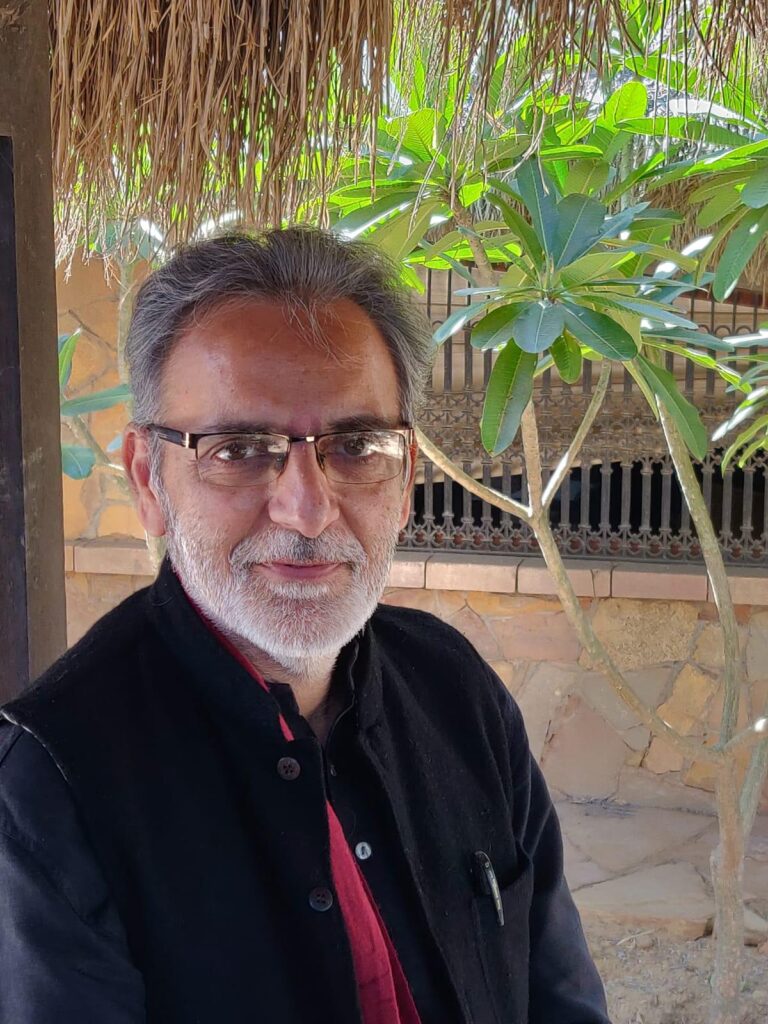
Sandeep Virmani of Hunnarshala Foundation.
What is the nature of the partnership you entered into with the community?
In Shamli, we signed an agreement with each family articulating the roles of the family, the rehabilitation committee, and our organisations. We financed one room, the staircase, and the sanitation. The families paid for the rest.
Misereor Germany gave funding and HT Parekh Foundation supported all sanitation work. It was the government’s responsibility to provide roads, water and electricity, but finally we had to raise money for that too. The villagers were extremely resourceful. They got cheap material and support from former employers. Many local people helped, including a supplier who not just gave extensive credit, but also cash when funding was delayed.
NGOs Sadbhavana and Vanangna supported the rehabilitation committee to ensure that children gave their board exams in their old exam centres and didn’t lose a year. We helped with enrolments into schools, new identity papers, and resuming pensions. We also conducted psycho-social counselling with the children to help them overcome the trauma of loss and separation.
You insisted, for instance, that women be part of the Rehabilitation Committee. Do you think such interventions can have a lasting impact on social mores?
When a big social upheaval happens, it provides opportunities for making paradigm shifts in social norms such as patriarchy. Women are ready to change their roles in a new location where everyone has to contribute; men are ready to turn a blind eye to women in unconventional roles. This provides women the opportunity to not only demonstrate their abilities but also assure men that it doesn’t threaten them. For instance, women are very good at bringing consensus on difficult decisions. It particularly helps the girl child, as they see what is happening and adopt the changes permanently.
And what did you in turn learn from these families?
Perhaps the biggest contribution from the IDPs of Muzaffarnagar has been the building of the daat chat or shallow domes. When we visited the old homes in Kutba, we saw an array of beautifully crafted roofs made with bricks. These roofs look flat but are in fact very shallow domes, where all the bricks are in compression. It allows for flattening the top of the roof and building another storey on top. The masons who build these roofs are expert craftsmen. The importance of the shallow dome roof is that it can reduce the use of cement and steel by 70-75%. This is important; these two contribute most to carbon emissions from the building industry. The roof is cheaper than RCC and more durable. We saw homes with roofs that are 300-400 years old!
We researched and tested the roofs for seismic safety and invited the artisans to share their knowledge at a national conference in Delhi. Since then, many architects are adopting the shallow dome. Artisans are invited to architecture schools to demonstrate and teach the next generation.
Perhaps this is a befitting recognition of a culture and a people who did not deserve to be violently removed from their ancestral homes.
vaishna.r@thehindu.co.in
source: http://www.thehindu.com / The Hindu / Home> Society – In Conversation / by Vaishna Roy / April 16th, 2022
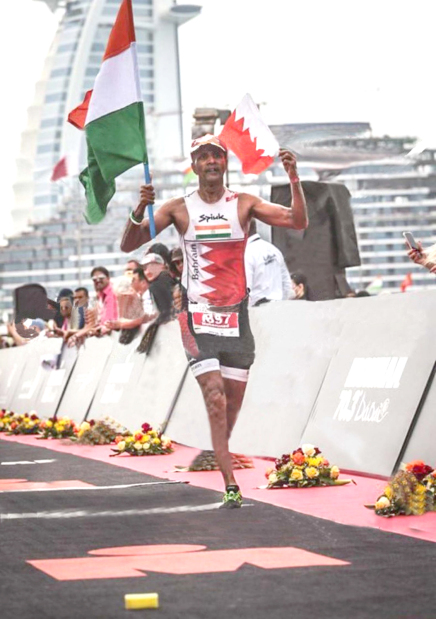
By the time Mohammed Javed participated in his first Ironman competition, he was already 53 – an age when most people have begun making retirement plans.
But, for Javed, now a lithe 62, the Ironman competition in Port Elizabeth, South Africa, in March 2015, marked the beginning of a new life: one that took him on globe-trotting adventures around the world as he participated in more such challenges in France, Germany and Malaysia, among others.
“These are all ‘finisher’ medals,” he told the GDN proudly, pointing to an array of medals he brandished in one hand. “They are given to every athlete that participates in these competitions, regardless of which position they finish in.”
Given the tough nature of the Ironman Triathlon, which requires a 3.8km swim, a 180.2km bicycle ride and a marathon 42.2km run to be completed in under 17 hours, Javed had every reason to beam as he did.
“Even though it was my first Ironman,” he said, referring to the Port Elizabeth event, “I completed it in just over 14 hours and came seventh in my age category. I was extremely happy to just be able to participate in it and to complete it in the time that I managed was the icing on the cake, especially after the really taxing swim in the very rough sea.”
He repeated the feat in Malaysia, almost mirroring the time he managed in South Africa and actually bettered that in the next Ironman he registered for, which was in Nice, France.
Outperform
“It was just by a few minutes and still just over 14 hours,” Javed laughed. “But, as every athlete will tell you, when you compete in such events, you’re not just competing with others, you’re also trying to outperform your previous attempt and trying to improve on it. So I was really happy about that.”
As someone who is essentially only a part-time athlete juggling a full-time job with his passion for running, Javed explained, he approached every competition with the clear understanding that winning was never an option – and that, just the thrill of being able to participate would have to do.
“There’s no way that someone like me, who works 12-14 hours and only gets a couple of hours to train every day, could hope to compete with elite, professional athletes, who are able to devote every day of the year to their training,” he added.
“But, again, I am so happy and blessed that I have been able to participate in these competitions, rub shoulders with those athletes, watch how they go about their business and learn and apply that to my own preparation.
“It’s all due to the very generous support I have been given by my benefactors who have sponsored me and enabled my participation in these events. I am especially grateful to the late Shaikh Ebrahim bin Abdulla Al Khalifa, who was the chairman of Bahrain Road Runners for over a decade, and the very generous Fouad Hussain Showaiter. Both these gentlemen went out of their way to financially support my participation in all these international events.”
The biggest blessing, Javed said, as he looked back on the 40 years he has spent in Bahrain since arriving here as a 22-year-old from Karnataka, India, in 1982, is the opportunity he’s had to grow and flourish as an athlete.
When he first landed in Bahrain, he worked initially as a labourer before a leading construction company hired him as a heavy machinery operator. Then, in 1989, he applied to a leading hotel and was hired in housekeeping and soon made the transition to bell captain.
And then, came the first of many lucky breaks. “The hotel used to have inter-department sports competitions,” Javed said. “I took part in one – a 3km race – and I finished it in 9 minutes 27 seconds. That was it – the trajectory of my life changed from then on.”
The hotel’s general manager was so impressed by his performance that he decided to encourage Javed by granting him access to the health club and swimming pool – usually only allowed to hotel guests and top management.
“I was always a good sportsman – in fact, I was, and still am, a good cricketer too,” Javed explained. “And, suddenly, my athletic ability had a chance to be nurtured and prosper. So I really focused on long-distance running after that. I had run sprints – 100m, 200m – in school, but this was a different ball-game altogether.”
He started participating in every long-distance race that took place in the kingdom, thereafter, and eventually ended up becoming a member of the Bahrain Road Runners, a group that focuses on long-distance running and cross-country races.
“I never missed a single race,” Javed exclaimed, proudly. “Triathlons, biathlons, duathlons, aquathlons … you name it, I participated in it! And I won most of them!”
Now, though, despite the fact that he is still running competitively – he just took part in a Half Ironman event in Dubai in March – Javed is grappling with a difficult decision.
“The last few years have been a bit tough, professionally,” he said, contemplating his medals which he had spread out on a table. “Especially after Covid-19 and now, while I do have a job with a food delivery company, I’ve decided to go back to India next month.”
Then, he perked up again.
“While it would be nice to go back to my village and live a quiet life,” he grinned, “I know I won’t be able to run competitively again. And so, just when I thought I’d made up my mind definitively about moving back, I received a call just today from one of my benefactors who urged me to consider staying back so that I could compete in more competitions. So, maybe, I’ll do that instead!”
source: http://www.gdnonline.com / GDN Online, Gulf Daily News / Home> Other Sports / by Adnan Sipra / April 16th, 2022
Umran Malik, the young pace sensation from Jammu and Kashmir, has done it again.
The 22-year-old Sunrisers Hyderabad pacer on Tuesday set the internet on fire by sending a 150-kmph delivery in the first over of his team’s IPL 2022 match against Rajasthan Royals at the Maharashtra Cricket Association Stadium, here.
And this is not the first time that the express pacer has clocked the 150-kmph on the speed gun in the IPL.
In the second leg of the IPL played in United Arab Emirates (UAE), Malik sent down a 153-kmph thunderbolt, the fastest delivery in IPL history, and had both his skipper Kane Williamson and the then India captain Virat Kohli gushing over the new speed demon of Indian cricket.
After seeing his ability to bowl with lightning speed, SRH gambled and retained him as their third player ahead of the IPL 2022 mega auction.
On Tuesday, that gamble seems to have paid as Malik was their best bowler against Rajasthan Royals, taking two wickets in his four overs spell giving away 39 runs.
Every time he jumps on the popping crease, he outdoes his pace. With his express pace, Malik got the wickets of Jos Buttler and Devdutt Padikkal.
The instant stardom, that he achieved in UAE last year and enhanced on Tuesday, is just a byproduct of his confidence that made him believe that he could make it to the India team at a very young age.
When he was 18, he wrote in his bio on his social media handle, “India Soon”. The pacer, whose father Abdul Rashid is a fruit-seller in Shaheedi Chowk in Jammu, was confident enough to predict that one day he will make it to the national side. His dedication and perseverance paved the way into his state’s Under-19 squad.
A good performance in the Syed Mushtaq Ali Trophy T20 competition helped him make it to the Sunrisers Hyderabad team as a net bowler.
Malik was roped in as a short-term Covid-19 replacement for T Natarajan, who had tested positive for Covid virus ahead of Hyderabad’s encounter against Delhi Capitals on September 22, 2021. After that, Malik’s fortunes completely changed.
Malik, who was part of the Hyderabad contingent as a net bowler, has played eight T20 and one List A match for Jammu Kashmir and has picked a total of four wickets.
Hailing from a modest family in Jammu’s Gujjar Nagar, Malik began playing at a young age. His family has always supported his passion with his father, his mother and two older sisters always there for him.
In the game against Royal Challengers Bangalore in the 2021 IPL, Malik went a step further by bowling the second-fastest delivery of IPL — a 152.95kph thunderbolt that stunned everyone.
At the post-match presentation, RCB’s then skipper Virat Kohli spoke in support of the youngster, “Whenever you see talent like this, you are going to have your eyes on them and make sure you maximise their potential.” “I really felt proud on seeing such a big player talking about me,” Malik had said after the match.
His exploits resulted in him being asked to be part of the Indian senior team’s net bowlers for the T20 World Cup in the UAE last year.
By clocking 150-kmph again on Tuesday, Malik has proved that his exploits last year were not a flash in the pan. He has it in him to consistently hit the 150-mark on the speed gun.
Now he has to build on this brilliant start to fulfill his dream of making it to the Indian team.
–IANS
source: http://www.tribuneindia.com / The Tribune / Home> Sports / by IANS / Pune, March 29th, 2022
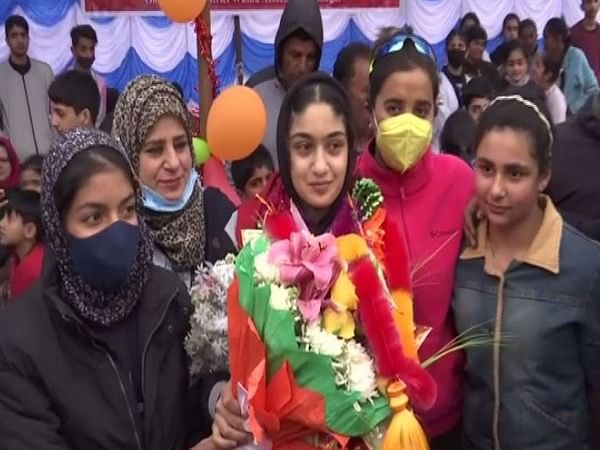
Sadia Tariq who won a gold Medal in the Moscow Wushu Stars Championship received a warm welcome from family and friends who reached Jammu and Kashmir’s Srinagar on Saturday.
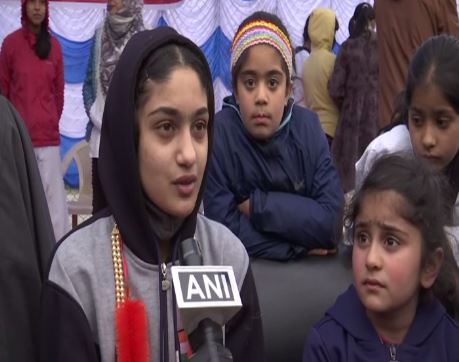
Speaking to ANI, Tariq shared her happiness and thanked her family and coach for supporting her.
“My eyes were in tears when I won the gold medal. If this happened today it is only because of my coach and family. I want to thank my coach who was there supporting me all the time,” she said.
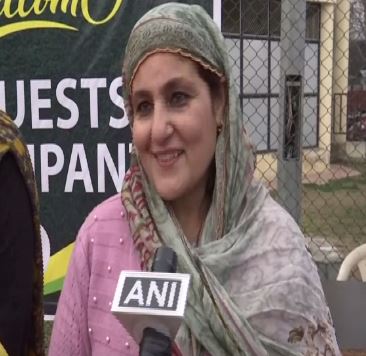
Maimoona Tariq, mother of Sadia said her daughter was passionate about this since she was in the third standard, today she made all of us proud.
“I am proud of my daughter, she made us proud. She was always engaged in this game since the third standard. I want other children to participate in the game also and made their parents proud,” she added.
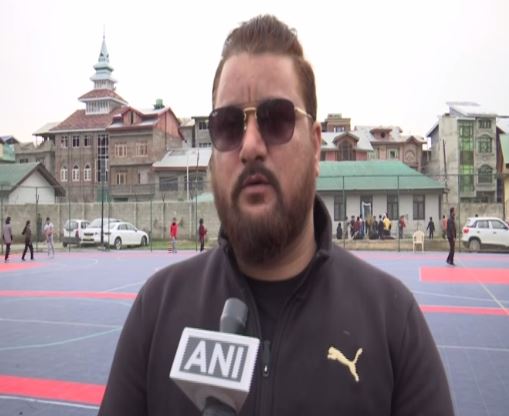
Masood Rather, Joint Secretary of Srinagar Wushu Association said “we all are very proud of Sadia. She performed very well in Wushu Stars Championship. Sadia already won two gold in national, it is her third gold medal.”
“As far as talking about Wushu, it is very popular in Jammu and Kashmir,” he further added.
Earlier in the last week of February, Prime Minister Narendra Modi congratulated Sadia Tariq on winning a gold medal in the Moscow Wushu Stars Championship, which is being held from February 22 to 28.
Sadia won the gold medal in Wushu Championship in Moscow by defeating a local player. Moscow Wushu Stars Championship is the approved event in the Annual Calendar Training and Competition of the Sports Authority of India. (ANI)
This report is auto-generated from ANI news service. ThePrint holds no responsibility for its content.
source: http://www.theprint.in / The Print / Home> India / by ANI / March 06th, 2022
He will help organise the 44th International Chess Olympiad from July 28 to August 10
The Tamil Nadu government on Saturday appointed Darez Ahamed, Special Secretary, Health and Family Welfare Department, as Officer on Special Duty for conducting the 44 th International Chess Olympiad from July 28 to August 10.
As per rules, sanction is granted for creation of a temporary post of Officer on Special Duty, Chess Olympiad, in the Office of Sports Development Authority of Tamil Nadu in the Super Time Scale of IAS for a period of six months, a Government Order issued by Chief Secretary V. Irai Anbu said.
Dr. Ahamed, Mission Director, National Health Mission, Special Secretary to Government, Health and Family Welfare Department, will be placed in full additional charge for the post of Officer on Special Duty.
He will assist the Committee for Organising Chennai Olympiad (COCO) Society with respect to the Olympiad and undertake necessary activities in coordination with the Principal Secretary, Youth Welfare and Sports Development, and Member Secretary, Sports Development Authority of Tamil Nadu.
Dr. Ahamed will also be ex-Officio member of the COCO Society and also Member Secretary of its Executive Sub Committee.
source: http://www.thehindu.com / The Hindu / Home> News> National> Tamil Nadu / by Special Correspondent / Chennai – April 09th, 2022
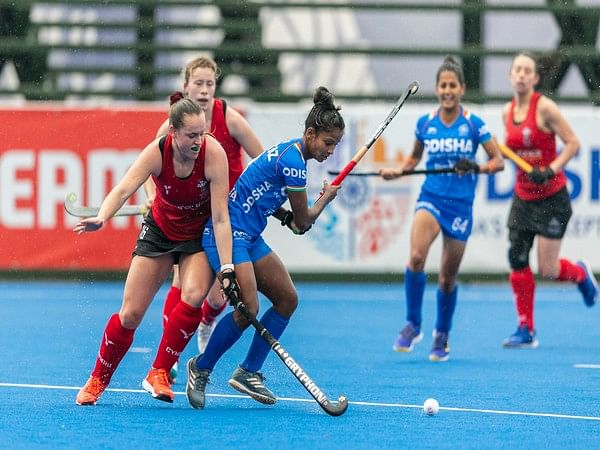
Mumtaz Khan of India Women’s team in action against Wales during Junior Hockey WC (Image: HI)
Lucknow (Uttar Pradesh) April 4 (ANI):
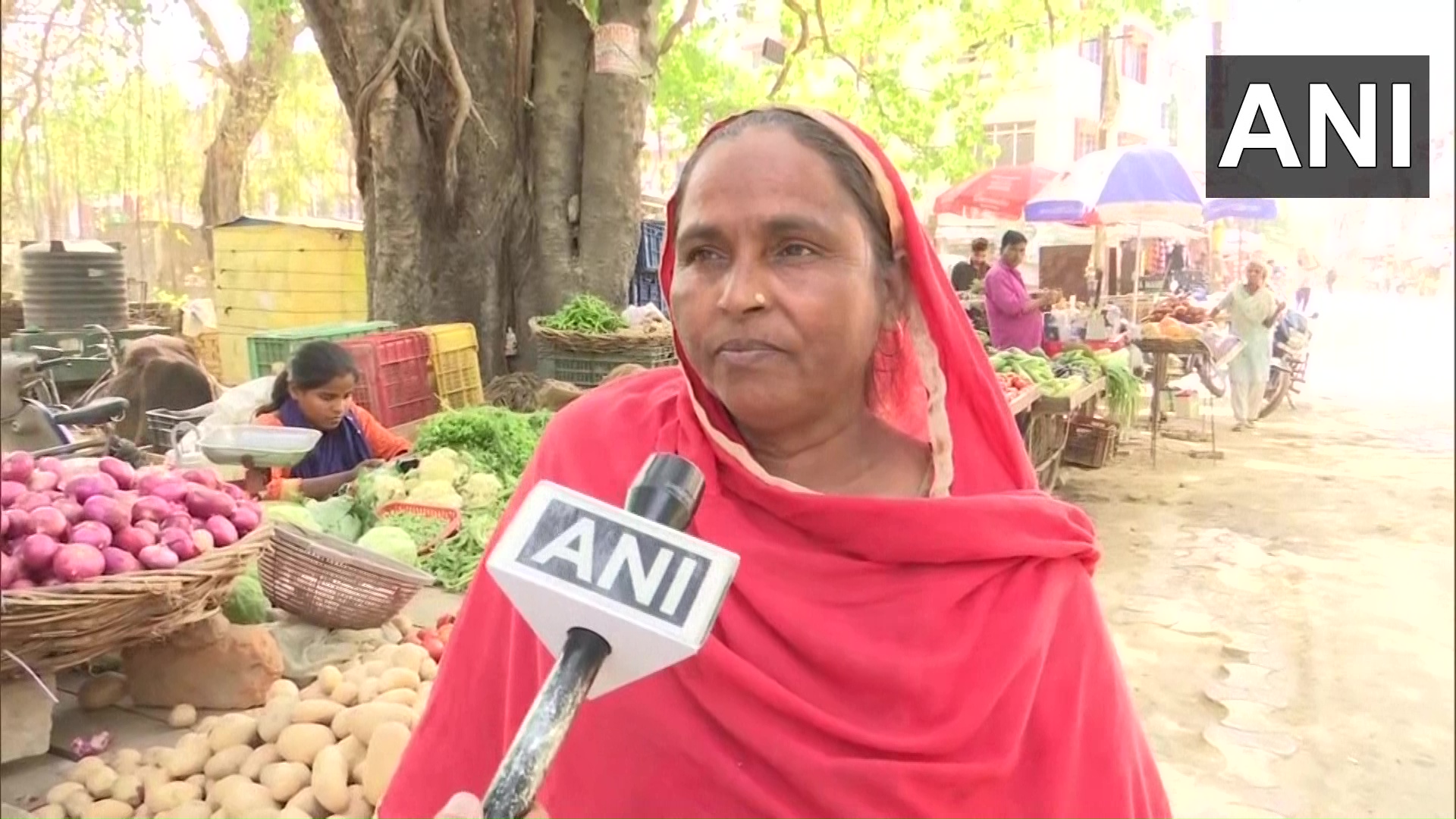
India stunned Germany in the Junior World Cup Hockey pool match after doughty Mumtaz Khan’s powerful drag-flick sent the ball crashing into the nets to send the girls in blue in frenzied celebrations while joys of her mother, Qaiser Jahan, who sells vegetables in Lucknow, knew no bounds.
Mumtaz Khan, 19, is now India’s new hockey sensation, taking her team to the top league while her dribble and powerplay with her stick awing the opponents.
Lucknow, the city of Nawabs and also hockey-lovers, is showering love and appreciation on Mumtaz’s family, which ekes out a livelihood as vegetable vendor.
With the hockey stick, Mumtaz Khan is not only shattering India’s powerful opponents, but also the age-old patriarchal taboos. Her mother is jubilant that Mumtaz Khan, one of her six daughters, has given a resounding slap to all those who taunted her in the past for having only daughters.
“People often made remarks that I only have daughters. Mumtaz has made us proud, and broke the social stigmas,” said Qaiser Jahan, while speaking to ANI at her vegetable shop in Lucknow.
My daughter is equal to 100 sons, said Qaiser Jahan.
While Qaiser Jahan managers to earn Rs 300 daily, she went beyond her means to support Mumtaz Khan pursue her dreams to wear the blue jersey and represent India on astroturf.
The financial strain proved insufficient for Mumtaz Khan to fly with the girls in blue to South Africa to play for the country.
Mumtaz Khan along with other under-19 Indian girls in blue is taking the team to newer heights, with a quarter-final berth sealed. Besides beating the formidable Germany by converting the penalty shoot, Mumtaz Khan had also taken India to an unassailable lead with a 3-1 scoreline with a brilliant field goal in the 41st minute against Wales in the FIH Women’s Junior World Cup at Potchefstroom in South Africa. India finally won the match 5-1.
Her father Hafiz Khan, a vegetable vendor, has all been supportive of Mumtaz Khan’s passion for hockey.
Mumtaz Khan’s journey as a hockey player began when she went to Agra to participate in a race and was spotted by Neelam Siddiqui who trained her at KD Singh Babu Stadium’s Sports Hostel.
“I feel very proud that my daughter is playing for the country. We are getting a lot of respect because of her,” said Mumtaz’s mother.
“I feel proud that my sister is an international hockey player. Despite poverty, our parents have raised us to make us capable to do something for ourselves,” said Farha Khan, Mumtaz’s sister. (ANI)
This report is auto-generated from ANI news service. ThePrint holds no responsibility for its content.
source: http://www.theprint.in / The Print / Home> India / by ANI / April 04th, 2022
A recent collection of his radio talks point to the stellar role birds play in preserving our environment
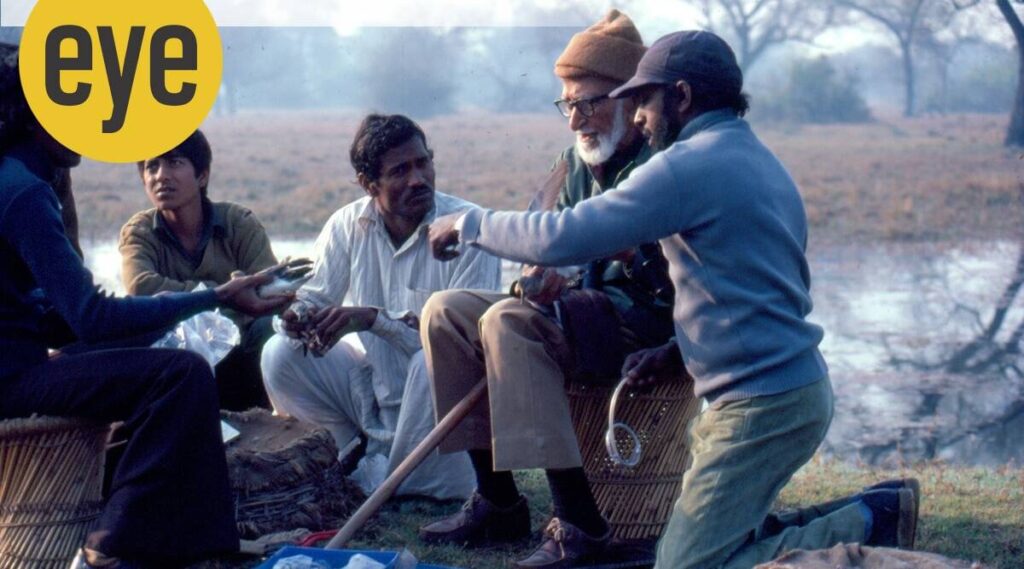
Sálim Ali could reach out to a cross-section of society, telling them about birds and the stellar role they play in preserving our environment. (Source: Black Kite)
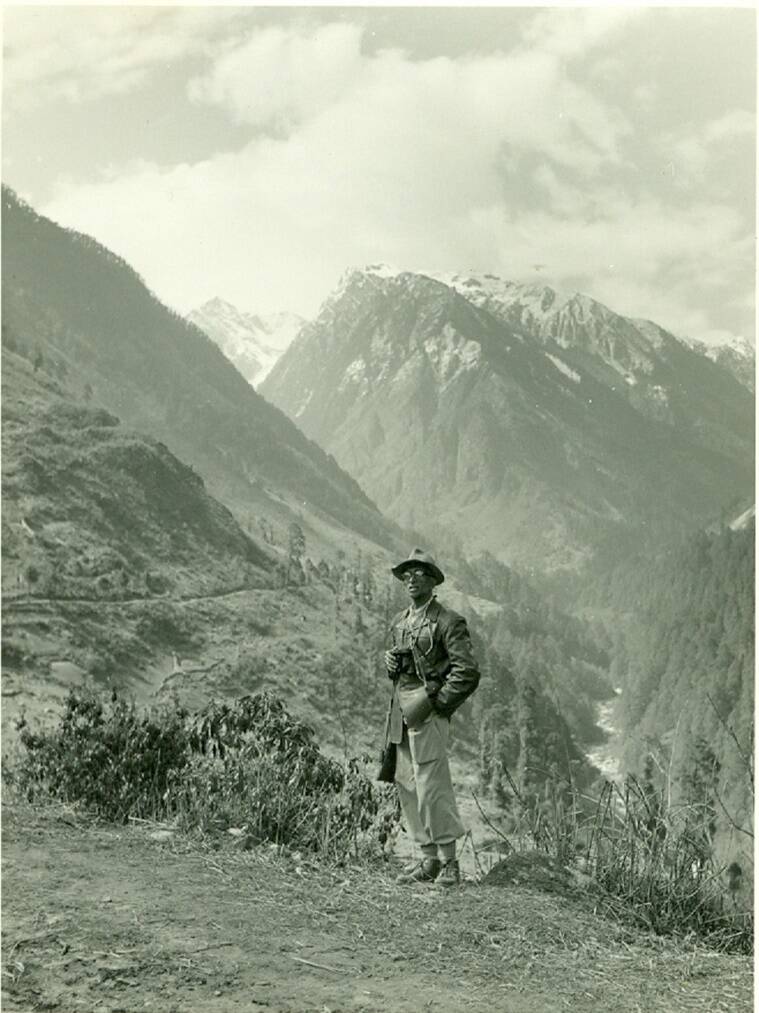
From busting myths about fireflies lighting up the homes of weaver birds to explaining the whys and hows of the spectacular phenomenon of bird migrations, there has been, perhaps, no one better than Sálim Ali, India’s best-known ornithologist, to demystify the avian world. To Ali’s already formidable list of works, comes another: a collection of his radio talks. Edited by Tara Gandhi, Words for Birds (Black Kite), the book shows him doing what he did best — reaching out to a cross-section of society on birds and the stellar role they play in preserving our environment.
“He was an excellent communicator. He gave a number of lectures and he communicated to people of different professions. For instance, while speaking to mountaineers, he would say — ‘since you go to great heights, to places that ornithologists are not able to go to, look out for nesting sites, for Lammergeiers, the big vultures that are seen in high altitudes. Look around and if you see any birds, let us know, take down notes’. He would talk to people to get out of their own turf or specialisation and become interested in the wider picture,” says Gandhi, who was guided by Ali for her MSc. in field ornithology shortly before he passed away in 1987, at the age of 90.
India’s birdman, Sálim Ali. (Source: Black Kite)
He was, as she says, ahead of his times in understanding the importance of involving people in conservation. “You will come across one of his talks where he tells his listeners that if you see any unusual birds on the seashore, write to us. This struck me. Nowadays, we talk about citizen science, lay people’s involvement in scientific documentation. A number of bird watchers are specially involved in citizen science — doctors, teachers and people from many other disciplines are making bird lists and sending them to be compiled. A lot of important material comes out of analysing this data . Those days, nearly 60 to 70 years ago, Sálim Ali would urge his readers and listeners to write to the Bombay Natural History Society (BNHS) to record the information.”
Ali who took over the BNHS after Independence and remained with it for decades, was key in keeping the organisation going and in initiating a systematic study of birds. “He had a vision, which was much ahead of his time and very contemporary,” says Gandhi, who has previously edited A Bird’s Eye View: The Collected Essays and Shorter Writings of Sálim Ali (II Volumes, Permanent Black, 2018) and is the author of Birds, Wild Animals and Agriculture: Conflict and Coexistence in India (The Orient Blackswan; 2015).
Tara Gandhi, who has edited ‘Words for Birds’.(Source: Black Kite)
Delivered between 1941 and 1985, Ali’s talks were recorded mainly at the All India Radio (AIR) station in Mumbai and range from one on trends in bird study to talking about bird life for a school broadcast, in conversational Hindustani titled Chand Hairat Angez Parandon aur Janwaron ke Ghar, speaking to children who didn’t speak English. In his autobiography, The Fall of a Sparrow (Oxford University Press, 1985), he recounts his days as a guide lecturer in the Natural History Section of the Prince of Wales Museum in Mumbai, where he remembers particularly enjoying “talking to pupils from the School for the Blind, because of the lively interest they showed.” Gandhi says, “He made an effort to reach out to children to make them understand more about birds and nature in an easy way.”
After his stint at the Museum, Ali spent a year in Germany, training under Erwin Stresemann at the Berlin University Zoological Museum, returning to India in 1930 and launching on a series of bird surveys across the country. Beginning at a time when ornithology, in his own words, was the “Cinderella of Indian Zoology”, Ali can be credited for taking the discipline outside museums and collections and out in the natural habitat and widening its scope. “The kind of projects he undertook later on from the ’60s onwards were extremely important and absolutely pragmatic. He took on a project on birds in the aviation sector, that is bird hazards in aviation. It was a huge project and it was entirely for saving human lives, for preventing huge losses. The study tried to find methods to avoid bird hits on aircraft — observing the time of the day, the trajectory of the birds, which species were involved and how to prevent them from congregating in the airports. Earlier, his surveys were about collections which became a valuable and permanent resource , but later, he moved away completely from the whole idea of merely collecting specimens when he became the head of BNHS,” says Gandhi.
But being dubbed India’ birdman sometimes shadowed his role as a conservationist. “He would say repeatedly that everything is interlinked in nature. It is not just the birds themselves, it is the habitat of the birds and different ecosystems in India he wanted conserved for the sake of all the flora and fauna within them. He spoke about conservation of endangered species and regretted that so many species had died out. Ali was instrumental in getting a number of national parks and protected areas established. Through his communication skills he was even able to persuade royal families to set aside their hunting reserves for conserving the species within them,” says Gandhi.
source: http://www.indianexpress.com / Indian Express / Home> Books and Literature / by Devyani Onial, New Delhi / April 03rd, 2022
Sufiya Khan began her run from the national capital on December 16, 2020
Sufiya Khan travelled the golden quadrilateral by foot.
Sufiya Khan has set a Guinness World Record for the shortest time taken to travel the ‘golden quadrilateral’ – a network of national highways connecting Delhi, Mumbai, Kolkata and Chennai – by foot. The ultra runner from Delhi completed a journey of 6,002 km in just 110 days, 23 hours and 24 minutes.
Sufiya began her run from the national capital on December 16, 2020. By April 6, 2021, she has completed the golden quadrilateral circuit. A gruelling journey, to be sure, but the 35-year-old athlete was determined to see it through.
“No, I did not think of giving up in the entire attempt,” she was quoted as saying by Guinness World Records. “Though there were very many injuries that happened during the run my full focus was on completing this attempt in minimum time.”
Sufiya was supported on her run by her husband, who drove the support car, took care of her nutrition and physiotherapy and managed her schedule. Besides this, local runners and cyclists joined her at various stretches of her journey.
“Almost all the cities where I was running through, runners and cyclists were joining and supporting us,” Sufiya said. “Most of the time in cities and small-town people were hosting me at their home for a night stay and dinner. Many times during the attempt we took hotels and couple of nights we had to sleep on roadside shelters.”
On Saturday, she was certified as the “fastest female to run along The Indian Golden Quadrilatrel Road.”
_____
Facebook.com / SufiyaSufiRunner
Sunday 27 March 2022 at 06:11
New Guinness World Records and It’s Officially Amazing!! Fastest female to run along The Indian Golden Quadrilatrel Road (6002km in 110 days 23 hours)
Glad to share it with you all who was a part of this amazing world record expedition. I am very grateful to all you amazing people who ran along for few miles to few hundreds miles, who warmly welcomed me in their city, who arranged homefood for me, who encouraged me to run when i was down, who celebrated my every success as t…See more
Sufiya describes ultra-distance running as her passion. Ultra running is any footrace longer than the traditional marathon distance of 42.195 kilometres.
“Ultra-distance running is my passion and I have left my aviation job for it so I always have time for such a journey. I train myself for long runs. This was my third expedition of long-distance running in-country,” she said.
She already holds a Guinness World Record for the fastest woman to run from Kashmir to Kanyakumari.
source: http://www.ndtv.com / NDTV / Home> OffBeat / by Sanya Jain / March 30th, 2022 (headline edited)