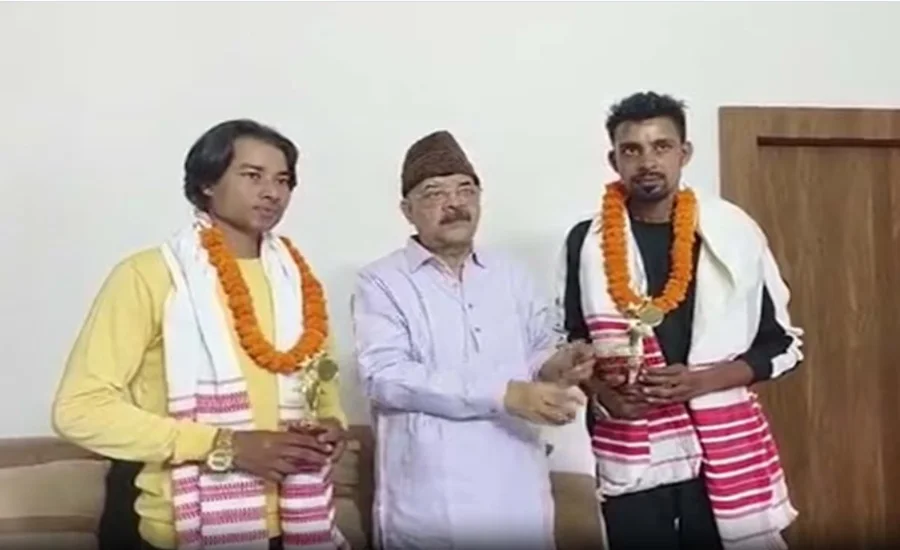
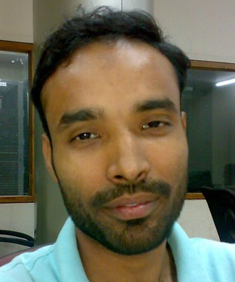
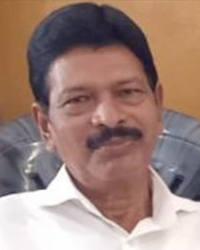
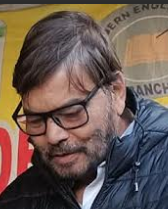
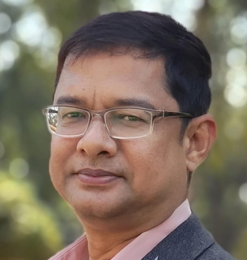
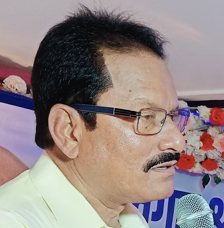
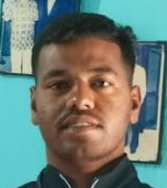
In a remarkable demonstration of courage and humanity, two young men from this capital city of Jharkhand, Abul Fazal and Mohammad Naushad, saved the life of Narayan Pandey, who was drowning in Bada Talab. Their swift and fearless action has earned them widespread accolades across the city.
According to eyewitnesses, Narayan Pandey was struggling in the waters of Bada Talab when Abul and Naushad immediately jumped in, pulling him to safety without any hesitation. “I couldn’t believe my eyes,” said one onlooker. “They didn’t think of anything else; their only concern was saving a life.”
Residents have praised the two youths, emphasising that their bravery is not only heroic but also a strong message against communal prejudice. “The courageous act by Abul and Naushad is like a slap on the face of those who try to divide people on religious lines,” said a local community leader.
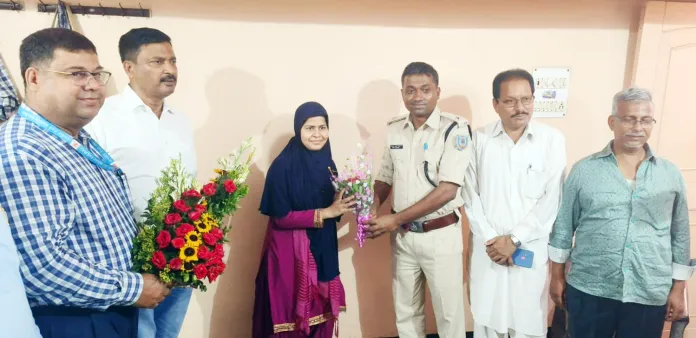
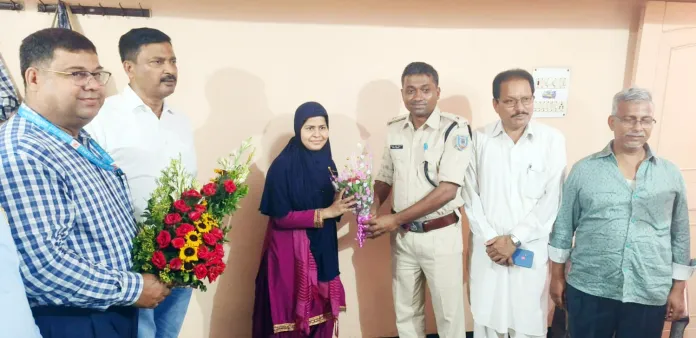
Recognising their selfless act, Shamsher Alam, Vice President of the Minority Commission, formally honoured the youths by presenting them with a memento and incentive money. “This work is an example of true humanity,” Alam said. “They did not see religion or caste; they saved a life for the sake of humanity alone. I urge the district administration and government to provide them employment for their brave efforts.”
The Mahavir Mandal has also appealed to local authorities to encourage and reward such acts of heroism. Jai Singh Yadav, President of Mahavir Mandal, said, “Youth like Abul and Naushad should be recognised and provided small employment opportunities as a token of appreciation for their dedication to human life.”
This incident has highlighted the spirit of communal harmony and the exemplary bravery of young Muslims in the country. Social media users have shared their admiration widely, calling Abul Fazal and Mohammad Naushad role models for all.
In the current climate, where communal tensions often make headlines, the actions of these two youths remind the nation of the enduring values of courage, humanity, and unity. “We must celebrate people who rise above divisions to protect life,” said one resident. “Abul and Naushad have shown the true meaning of bravery.”
As the city hails their heroism, calls for formal employment and recognition reflect a broader desire to encourage selfless acts and reinforce inter-community respect. Their story now serves as an inspiring example for young Indians everywhere.
source: http://www.clarionindia.net / Clarion India / Home> Editor’s Pick> India> Indian Muslims / by Team Clarion (headline edited) / September 05th, 2025
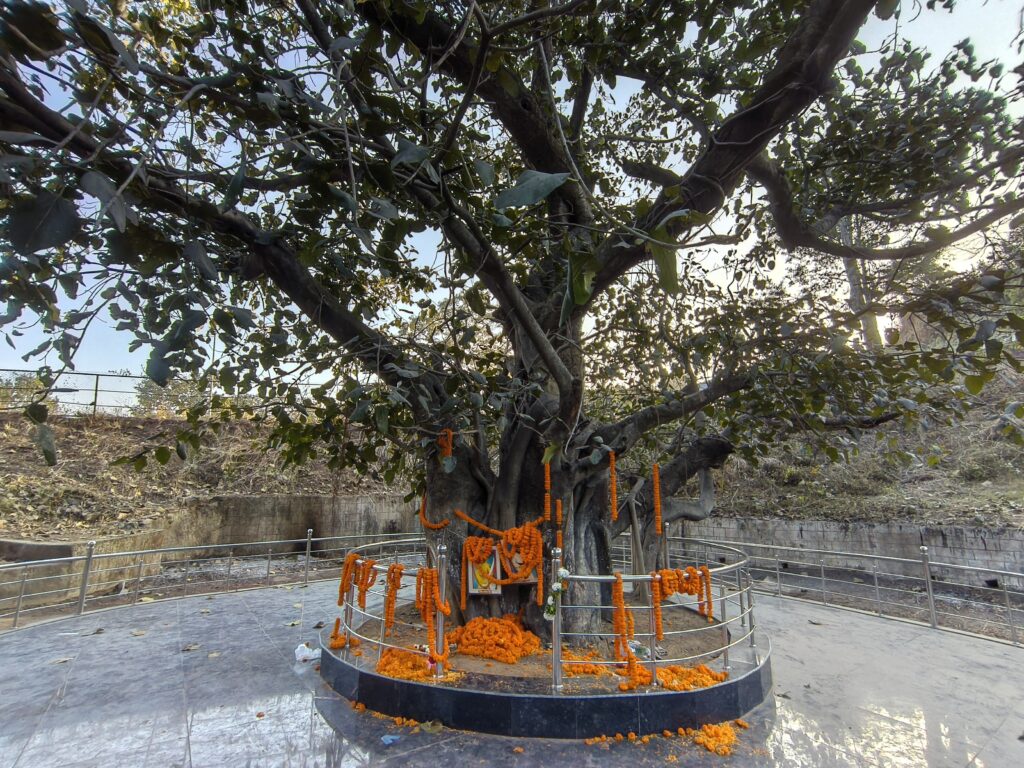
The Banyan tree on which the execution took place. Photo: Ghulam Ahmad Raza
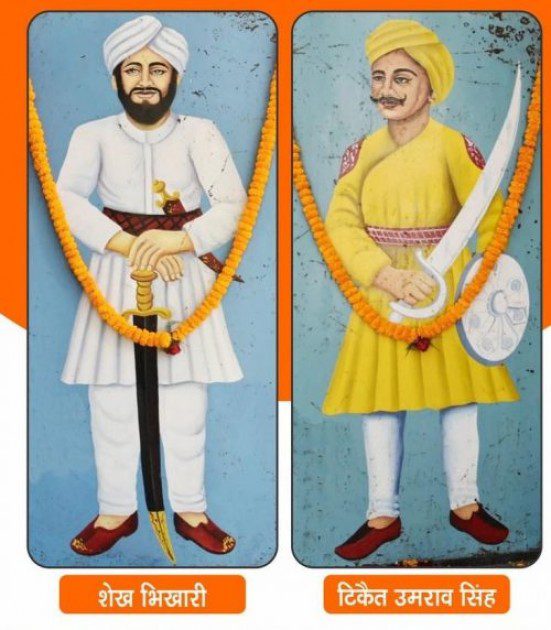
During the 1857 revolt against British rule, Jharkhand too witnessed armed resistance. The rebellion had spread across regions including Ranchi, Hazaribagh, Ramgarh, Palamu and Singhbhum. In the dense forested border areas of Ranchi and Hazaribagh, the rebel forces were led by Shaheed Sheikh Bhikhari Ansari and Tikait Umrao Singh. From the dense jungles of the Chuttu Palu valley, their army fought British troops and prevented Ranchi from falling under colonial control. Both leaders were captured by the British forces on January 6, 1858 and were publicly executed by hanging on January 8, 1858, in the same Chuttu Palu valley.
The banyan tree on which they were hanged still stands today. The Jharkhand government has developed the surrounding area as a martyr memorial with the stated aim of preserving history and keeping alive the legacy of the region’s sites of resistance. Yet even today, many residents of the Chuttu Palu village where the memorial stands remain unaware of who these martyrs were.
Fifty-eight-year-old Nirmal Kumar, who works as a stone breaker near the memorial, often rests inside the premises during breaks. He says he has been coming here since childhood. Despite this, he is unaware of the historical significance of the site and does not recognise the names of Sheikh Bhikhari Ansari or Tikait Umrao Singh.
“I only know that blankets are distributed here every year on January 8,” he said. On the martyrdom anniversary, social workers and officials visit the site to pay tribute and distribute essentials among the poor.
Sanjay Munda, a resident of Chuttu Palu village, said that even today, most villagers do not know about the martyrs or the memorial’s history. “Members of the surrounding Scheduled Tribe (ST) and Scheduled Caste (SC) communities refer to the site in the local language as Fasiyahi Bar (tree where the hanging took place). Most people do not know about the 1857 revolt or the sacrifice of Sheikh Bhikhari and Tikait Umrao Singh,” he told Maktoob.
Despite the lack of awareness, locals often bow their heads in respect when passing the site.
The memory of these two revolutionaries who laid down their lives fighting British rule is slowly fading. Their history has largely been reduced to government files and digital web pages. On martyrdom days, ministers, officials and locals pay tributes, but beyond symbolic gestures, little is done. While the Jharkhand government has taken some steps to acknowledge them, no substantial initiative has been taken by the central government to formally recognise or honour their contributions.
Dr Muzaffar Hussain, researcher and author of Jharkhand ki Muslim Vibhutiyaan, says Muslim, SC and Adivasi martyrs have not received the recognition they deserve. “Jharkhand has produced many revolutionaries who sacrificed their lives for India’s freedom, but recognition has been limited largely to Birsa Munda only,” he said.
He points out that the 1857 revolt took place nearly 40 years before Birsa Munda’s Ulgulan (revolt). “Names like Nadir Ali, Imam Ali, Jatra Tana Bhagat, Sidhu–Kanhu, Phulo–Jhano, Nilambar–Pitambar, Sohbat Miyan, Chandan Miyan, Jaggu Miyan and Najahat Hussain are a part of Jharkhand’s resistance history during the 1857 revolt, yet they remain largely forgotten.”
Hussain argues that the Jharkhand government must project its revolutionaries on a larger scale for the central government to take meaningful steps. “Even platforms like Google and Wikipedia carry very limited information about them,” he said.
He suggests state-funded research, naming welfare schemes and government buildings after revolutionaries and honouring their descendants are ways to restore their place in public memory.
Ruchi Kujur, an activist working on SC and ST rights and a member of the Jharkhand State Commission for Protection of Child Rights, said every state has its own history, and Jharkhand is rich with stories of courage and resistance. “The list of Adivasi and SC heroes is long,” she said.
“People need to be made aware of their ancestors’ sacrifices. When these revolutionaries are honoured, it inspires the younger generation to work for society and the nation.”
Situated amid a valley rich in natural beauty, the martyr memorial complex (Shaheed Sthal) has been developed with basic amenities. Yet, several factors discourage people from visiting the site, further deepening the lack of public awareness about the martyrs. Surrounded by dense forests and hills, the memorial lies in an isolated location, with no human habitation within a radius of nearly five kilometres. This isolation is a major reason why people hesitate to visit the site, either alone or with their families.
The premise includes resting sheds, benches and toilet facilities. However, due to poor maintenance, thick shrubs have grown across the complex. Lights installed in the area and doors of the toilets have reportedly been stolen. Although the police conduct patrols from time to time, the absence of adequate security continues to deter visitors.
Ghulam Ahmad Raza is a Jharkhand-based freelance journalist with over four years of experience. He has worked as a City Reporter with Pratah Awazand as aSub Editor with Prabhat Mantra. His reporting focuses on marginalised communities, forgotten histories and grassroots political narratives.
source: http://www.maktoobmedia.com / Maktoob Media / Home> East India / by Ghulam Ahmad Raza / January 29th, 2026
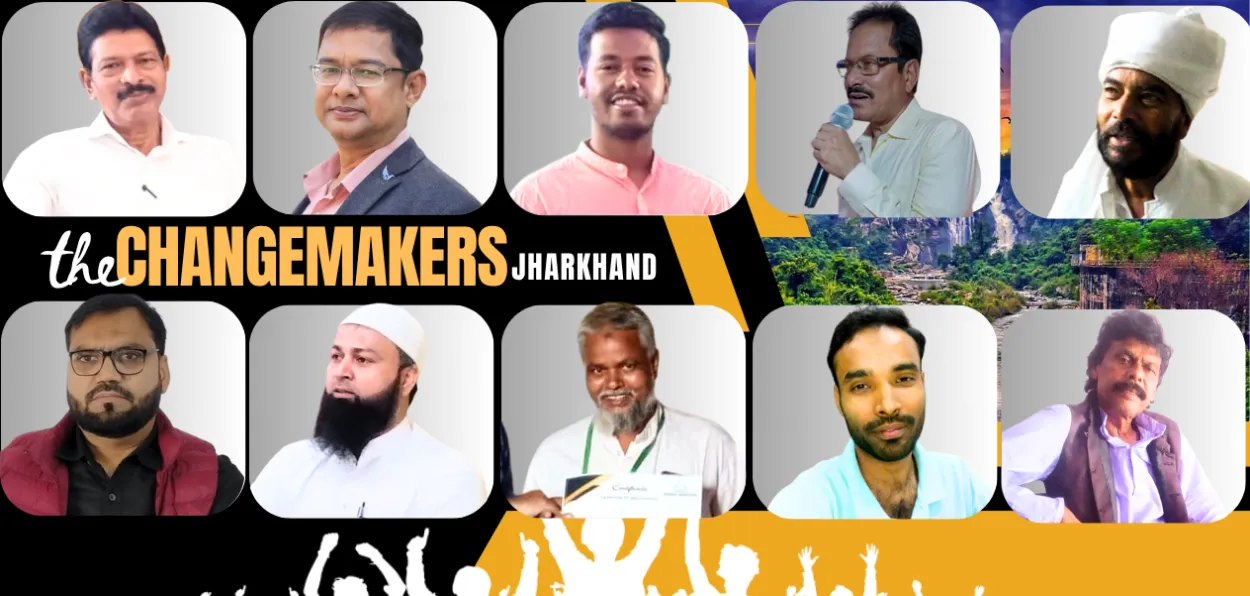
Jharkhand is one of the youngest Indian states, located in eastern India, and is also known as the tribal homeland. Since its inception, it has seen good growth, but the teething problems posed their own challenges. During these exciting times, some individuals have made significant contributions to society.
We, at Awaz-The Voice, bring to you stories of such unsung heroes from the length and breadth of India. Here are stories of ten extraordinary Muslim personalities of Jharkhand, who made a lot of difference to the lives of people and thereby helped state’s growth:
Dr Sajid Hussain
Dr Sajid Hussain left a prestigious research career to build a brighter future for the children of Chitarpur village in Ramgarh. His model, ‘Schoologium’, is redefining education across India.
Sajid explains, “Just as our body needs exercise to stay fit, the brain too needs regular practical workouts to stay active.” At Schoologium, children don’t just study from textbooks — they learn through touch, smell, taste, and experience. It’s learning through interaction and imagination — reminiscent of Rabindranath Tagore’s vision of Shantiniketan.
Sajid worked as a scientist at the National Aerospace Laboratories. But his exposure to premier institutions in India and abroad revealed a painful truth — rural children do not lag because of a lack of intelligence, but because they lack access to quality educational tools.
Determined to bridge this gap, Sajid resigned from his government job in 2012 and returned to his village. That’s where Schoologium was born — the name itself blending “school” and “gymnasium.”
Sattar Khalifa
Sattar Khalifa, better known as Painter Jilani, has brought hope to the people of Palamu, a division in Jharkhand that lags in development and where people face economic deprivation.
In college, Jilani always dreamed of serving people. A painter by profession, Jilani channels his earnings into helping the needy. “Art is my tool, service is my purpose,” he says.
His reputation made sure that even during the peak of Naxal and extremist dominance, Jilani travelled fearlessly between Bishrampur and Daltonganj, through a Naxal-dominated area.
For the poor, Dalits, Mahadalits, and marginalised communities of Palamu and Garhwa, Jilani is a symbol of assurance. From securing ration cards and pensions to arranging drinking water and hospital aid, he is always there.
Mohammad Minhaj
Mohammad Minhaj’s calm countenance hides the fire inside his mind that has driven him to serve society for over four decades. Mihaj has changed many lives in Ranchi’s slums. He ensures the people living in slums get education, health services, and social rights.
His journey began in 1982, when Ranchi was rapidly expanding, but its slums remained shrouded in neglect. Daily wage earners, rickshaw pullers, and working-class families struggled each day just to earn enough for two meals. For them, education was a distant dream. That was when Minhaj decided to step in and make a difference in many lives.
Muzaffar Hussain
Muzaffar Hussain’s dream is simple yet profound — no one in Jharkhand’s Santhal Pargana should sleep hungry. In this remote region, poverty isn’t just a condition — it’s a living reality. The six districts of Pakur, Godda, Sahebganj, Dumka, Jamtara, and Deoghar carry a long and painful history of deprivation, now slowly being rewritten.
A study claims that 82 percent of Santhal people live in extreme poverty, with most owning no land. In the middle of this harsh reality stands Muzaffar Hussain of Pakur, whose battle began even before the Right to Food Act was passed in 2013. Today, while the Act exists on paper, the real task is ensuring food reaches the truly needy — a task Muzaffar has made his life’s purpose. His efforts have borne fruit: around 600–700 families now have ration cards and receive regular supplies of food grains.
Ibrar Ahmad
In Ranchi, the capital of Jharkhand, its lanes, neighbourhoods, and beyond, one name that resonates hope is that of Ibrar Ahmad. Once employed in a bank and associated with the cultural organisation IPTA, Ibrar has been engaged in improving the lives of people around for over three decades. He is known as the person who steps in when a child drops out of school for want of fees, where poor patients wander helplessly for treatment, or where communal tension threatens to tear society apart.
Ibrar Ahmad has consistently reached out to children and youth. As President of Anjuman Islamia Ranchi, he arranged scholarships for poor children, launched talent shows and quiz competitions, ensuring that education went beyond textbooks to build both confidence and skills.
Dr. Shahnawaz Qureshi
The Quraish Academy of Ranchi has produced doctors, engineers, teachers, software developers, and many other bright minds. Located close to Ranchi’s iconic Albert Ekka Chowk is Gudri Qureshi Mohalla, officially declared a slum by the municipal corporation, where the founder of this academy, Dr Shahnawaz Qureshi, was born.
Whether through journalism or social service, Dr Qureshi changed not just the image of his locality but also the mindset of its people.
In 1993, while working with the National Literacy Mission, Dr. Qureshi established a night school in his own neighbourhood. After long days of labour, elderly men and women would gather after evening prayers, notebooks and pens in hand. The sight of wrinkled fingers tracing letters under the dim glow of a kerosene lamp became a symbol of hope and awakening. The classes were free, and the locals provided fuel for the lamps.
Mukhtar Alam Khan
Mukhtar Alam Khan’s efforts have transformed the image of Azad Basti in Jamshedpur, which was once a notorious place. It was once associated with crime, fear, and a negative image—much like Dhanbad’s Wasseypur. Mukhtar is among the few locals who brought about a positive change in this area. Today, Azad Basti’s name is taken with pride.
On any given day, Mukhtar and his team could be seen arranging blood and medicines for patients, feeding the hungry, or supporting children in education and competitive exams.
Tanveer Ahmad
In 2010, when areas like Islam Nagar and Baba Khatal in Ranchi were demolished under encroachment drives, hundreds of families were rendered homeless. The greatest sufferers were children, as some missed their exams, and others dropped out of school permanently.
In this situation, Tanveer Ahmad decided to extend a helping hand to the suffering children.
He thought, if circumstances had taken schools away from them, why not return education to them, as friends. This idea marked the beginning of a journey—from friendship to education.
Tanveer Ahmad says, “Our mission is to reach underprivileged children in Ranchi and Jharkhand who are drifting away from mainstream education. We believe education is the key that can transform their future.”
When one hears the name Ranchi, images of lush greenery, hills, and a rapidly developing city often come to mind. But hidden behind this image lies another reality—a large section of the city’s population lives in slums and makeshift settlements.
Anwarul Haq
Anwarul Haq, a resident of Chadri village in Kanke block, has launched a unique initiative that is changing the lives of children who would otherwise lag due to poverty. By day, he teaches football, and by night, he tutors children. In just three years, his efforts have transformed the lives of many children for whom both education and sports were once a distant luxury.
It all began when Anwarul Haq, a sports teacher at a residential girls’ school in Ranchi, decided to go beyond his job to make a difference. He was disturbed by the condition of children in his and neighbouring villages. Most children were from families surviving on daily wages, skipped school, and some fell into bad company. He had a plan up his sleeve to change their lives by imparting education and sports training to the underprivileged children.
SyedTariq Alam
Syed Tariq Alam has been quietly transforming lives, supporting poor and underprivileged families through education, employment, and social welfare in the Kolhan region of Jamshedpur.
His efforts have been focused on Kapali, a small township just 20 kilometres from Jamshedpur — the industrial hub of eastern India. Jamshedpur draws thousands of laborers from across the country, many of whom settle in Kapali where living costs are lower. While these workers find temporary employment in the steel city, the jobs are often low-paying and unstable.
This insecurity directly affects their children’s education, leading to high dropout rates in Kapali and nearby areas. It was this grim reality that moved Syed Tariq Alam deeply. Determined to bring change, he embarked on a mission that has now become a beacon of hope for thousands.
source: http://www.awazthevoice.in /Awaz, The Voice / Home> The Changemakers / by Aasha Khosa / October 26th, 2025
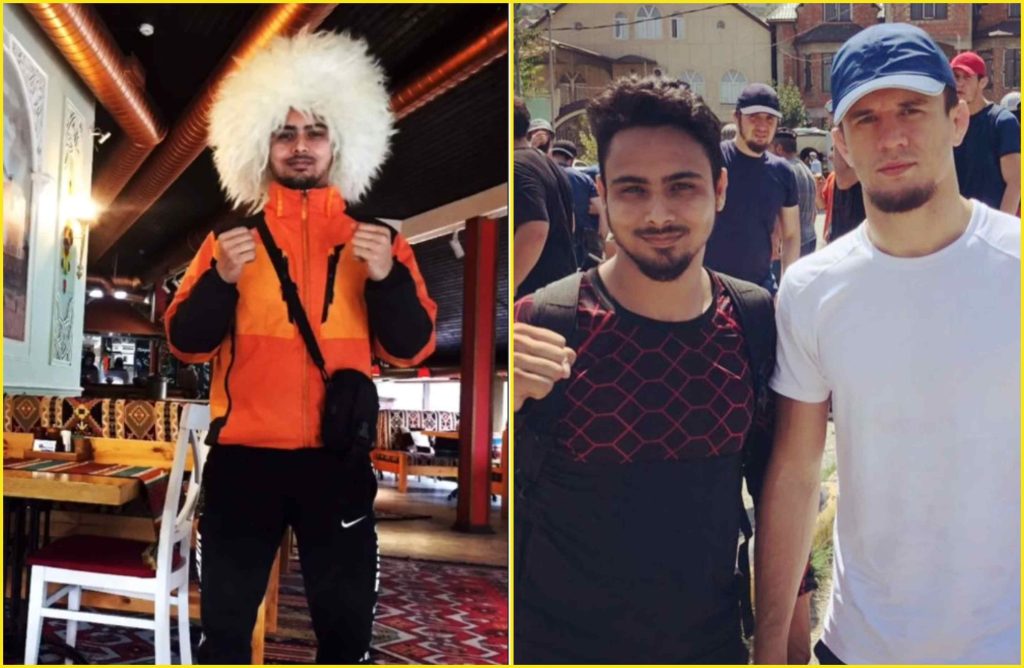
Indian MMA fighter Ehtesham Ansari has signed a four-fight contract with Kazakhstan’s Naiza Fighting Championship. Ehtesham has been training in Makhachkala in Dagestan in a gym owned by former UFC lightweight champion Khabib Nurmagomedov.
Traditionally from a Wrestling background, Ehtesham Ansari is a 2019 National Gold medalist and a Silver medalist at the GAMMA Nationals.
The MMA India Show had the opportunity to chat with Ehtesham Ansari to talk about his life in Dagestan and also his experiences training in the Russian Republic.
Exclusive Interview with Ehtesham Ansari
When did you visit Dagestan?
“I reached at 27th September”
Where did you initially trained?
“In India I started training in Delhi at Knockout Fight Club under Mannan R Datta”.
Tell us about your Martial arts background and the achievements
“My background is wrestling. Before that I participated in the Nationals where I won Gold. I won Silver in Gama National. Till date, I’ve participated in four competitions in total and which I’ve won a Gold and a Silver.”
So you’re training in Dagestan in Khabib’s gym. What are the differences you found while training there?
“The techniques are very different here. The athletes are very strong. People say physically they are strong but I didn’t feel that. But the technical aspect is pretty strong. Their training schedule is also different.”
Tell us the details of your training schedule
“Basically, the warm-up itself is very exhausting. The warm-up is also wrestling-based. The warm-up is amazing. The sparring they do is also pretty technical and cautious. Even if I do sparring for 10 years, it won’t cause any injuries. The problem with Indian athletes that they think sparring is a fight where the athletes injure their fellow training partners. Here we try to keep ourselves and our partners safe and the training regime is smooth. The sparring is done every day but stiff sparring will lead to injuries.”
What is the accommodation like in Daegastan?
“We have a dorm here. I stay in hostel and Khabib’s gym is ten minutes walking distance.”
Are you facing communication issues due to the language barrier?
“Yes. There is a huge problem with the language barrier. Nobody speaks English here.
So how are you dealing with the issue?
“I usually use Google Translate and I’m learning Russian language. I speak a little bit of the language to communicate. The words which I don’t understand I translate them.”
A few months back we spoke to Mohammed Farhad who competes in Brave. He had also gone to Dagestan for training. He said that the Olympic-level training standard in India is similar to the training in Dagestan. Do you feel the same?
“The athletes are technically very strong here. Even when I train with amateur trainees here, I fail to win. They are pretty strong. So you can understand that pro fighters are likely to be even more stronger than them. “
Are you only sparring there or you are also focussing on striking?
“I’m doing proper MMA training. I also train at Abdulrashid Sadulaev’s wrestling academy two days a week. A lot of trainees go there and training is according to several weight classes. Athletes can train according to their needs whether it’s wrestling or any other aspect of MMA.”
Where are you located in Dagestan?
“I’m in the capital, Makhachkala.”
In India, many aspiring MMA fighters are inspired by UFC stars like Khabib and Conor McGregor. Can you share the procedure for the aspiring athletes who want to visit Dagestan?
“A visa permit for a longer duration is difficult to get. I had a conversation with my coach about wanting a training period for longer duration. The coaches here don’t get the time to train a huge number of athletes. But, coaches can personally invite. However, that would be also for three months. Athletes can get Business Visa and train here for three months. The first time I visited the gym here, the security guards sent me back before saying that the gym is already full. My friend here, Islam had helped me to have a word with the coach. The next day, I came here with one of my Russian friend who helped me get the admission. I was asked basic questions regarding my accommodation, food and the language barrier. I paid the fees and got the membership card for training.”
You also recently signed a four-fight deal with Naiza Fighting Championship, please tell us something about that?
When I visited Dagestan last time, I had a friend who was competing in Naiza Fighting Championship. I told him to put in a good word for me and eventually I had gotten a fight, but unfortunately the fight got postponed as my opponent suffered an injury. But when I returned back to Dagestan again, the promotion contacted me and offered me a four-fight contract. I will also be getting four-fights a year and I will be getting a pay increment of $1000 after every fight.
source: http://www.mmaindia.com / MMAIndia.com / Home> Articles> Indian MMA> Exclusive Interviews> Features> News / by Bishal Roy / November 10th, 2022
Everything cannot always be in your hands. But working hard to achieve something is definitely in your hands. Rena Jameel also had to work hard, and today she has become an IAS because of her hard work.
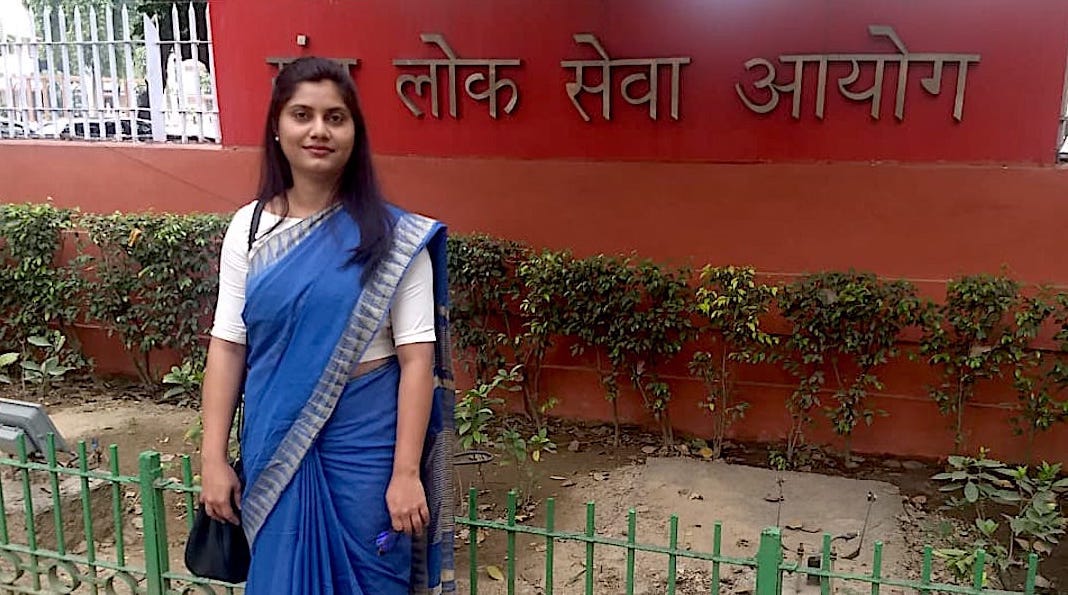
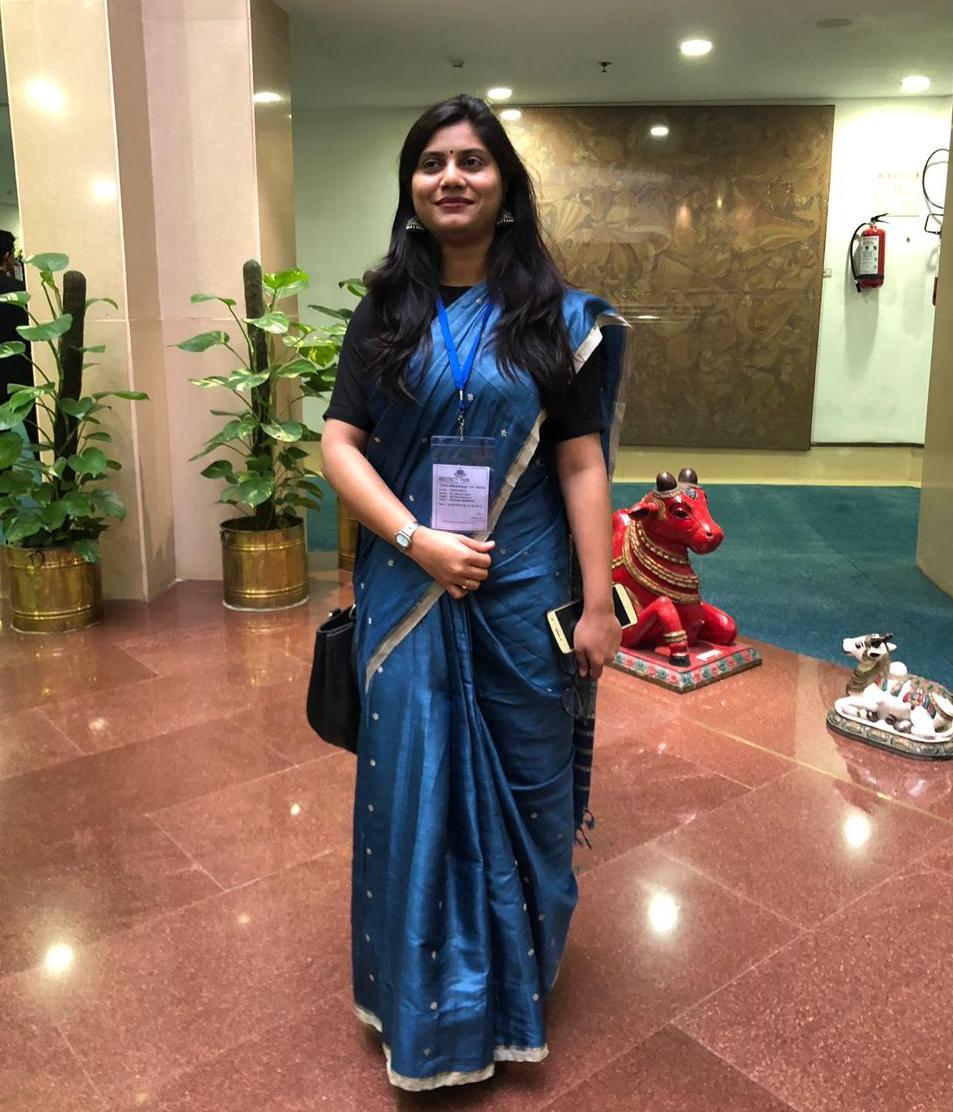
Born in Chhatabad village of Katras area of Dhanbad district of Jharkhand, Rena Jamil has secured 380th rank in the UPSC Civil Service Examination this time. Whereas in the year 2016 examination, she had secured 882 rank.
Rena Jameel says that she got Indian Information Service in 2016. But she had dreams of becoming an IAS. It was also necessary to join training. That is why she gave UPSC again in 2017 along with training, but failed in the prelims itself. Still, I did not give up. I took a few days off and prepared. And as a result, I got 380 rank and now I have become an IAS.
Rena Jamil, UPSC Rank -380
Rena Jameel’s father Mohammad Jameel Ansari has retired from Tata Company. He was a mechanical engineer in Tata. While mother Naseem Ara is a home maker. She has four siblings. Elder brother Raunak Jameel Ansari is in Indian Revenue Service. He had secured 763 rank in 2014. Younger brother is an engineer and is currently working with Prasar Bharati. While younger sister is doing her masters and is preparing for admission in PhD.
Rena studied in Urdu medium from Chhatabad Urdu Middle School till class 8. Then she completed her 10th and 12th from the same school. After that she did BSc in Zoology from S.S.L.N.T. Mahila Mahavidyalaya and M.Sc from P.K. Roy Memorial College. After this she also did B.Ed.
Rena says, Ammi was always motivating for me. She never made me do household chores, rather she always insisted on studying. However, all this was not so easy for me. Just to study in college, I had to travel about 50 kilometers every day. Sometimes by bus, sometimes by auto or sometimes by walking for hours… I would leave in the morning and reach home only at night.
When asked that now you are an IAS, what will be your first task in the district you go to after training, Rena says that every district has its own problems. But my special focus will be on education and health sector. Because my experience with both these sectors has been very bad. I would not want that in my district someone loses his life due to health service and someone’s daughter’s education gets interrupted just because the college is very far away.
Rena Jameel loves Urdu poetry. She has been reading Faiz, Ghalib and Iqbal in particular. The special thing is that Rena herself has written about 50 poems so far. All these poems are in Urdu language.
What was the reason that made you decide that I have to join the civil service?
In response to this question, Rena says that, generally, there is not much focus on the education of girls in our society. Even if the family is educating them, the only purpose is that they will get married in a good family. I also had many friends who were very sharp in studies, but somewhere they could not study further. Could not go ahead. Due to family pressure or other reasons. Many were not sent to college only because the distance to the college was too much, but in my case my family was a little supportive. In such a situation, I started thinking that I have to do something that becomes an example for others. Such people should listen to me who educate their girls only for marriages or do not educate them at all. Then I decided that I have to do something big so that I can become an inspiration for girls.
How and where did you prepare for the exam?
On this, Rena Jameel says that in 2014, my elder brother succeeded in this exam. I came to Jamia on his guidance. Before this, I had read NCERT thoroughly. I also used to read newspapers regularly. I took Zoology for this exam because I had done BSc and MSc in this subject.
In a long conversation, Rena tells about her struggles that there were many ups and downs in my life journey. I could not succeed even after reaching the mains twice. I succeeded the third time but did not get what I wanted. Despite this, I had confidence in myself and kept working towards my goal. Today I am successful because of this. Although I was happy with this service too, but it was not my aim or goal. That is why I kept preparing along with the service. I only wanted to become an IAS and I became one.
What message would you like to give to those preparing for UPSC?
On this question, Rena says that many things are not in your hands. Only hard work is in your hands. And yes! The fruit of hard work is always sweet. I also faced many problems. I also failed. All things kept happening with me. But I kept working hard continuously. I will tell you the same thing that always think about fulfilling your dreams. If I had not done this, then I would definitely not have been an IAS. I would have been doing the service of 2016. Therefore, patience is very important for success in this exam.
Also I would like to say that you must read newspapers because it is important to read people’s thoughts, it helps you to develop your own thoughts. And yes! You should always keep your resources limited. If you keep yourself busy reading everything then you will never be able to complete your syllabus. Whatever you read, read it with all your heart and give it enough time.
What would you like to say to the youth of the country, especially the girls of your community?
On this, Rena says that education is everything today. So pay attention to education at all costs. Never shy away from working hard. If I can do it, then believe me anyone can do it. But for this you will have to come forward and work hard.
She especially tells girls that you need to come forward and work hard. It is also the responsibility of the society to stop looking at girls with narrow mindedness. Rather, they should be encouraged. Girls have a lot of talent. If we just become a little open minded, they will go far ahead. It is also the responsibility of girls to work hard and fulfill their dreams… and yes, the dreams should be a little big.
source: http://www.beyondheadlines.in / Beyond Headlines / Home> India> Real Heroes / by Afroz Alam Sahil, Beyond Headlines / June 19th, 2019
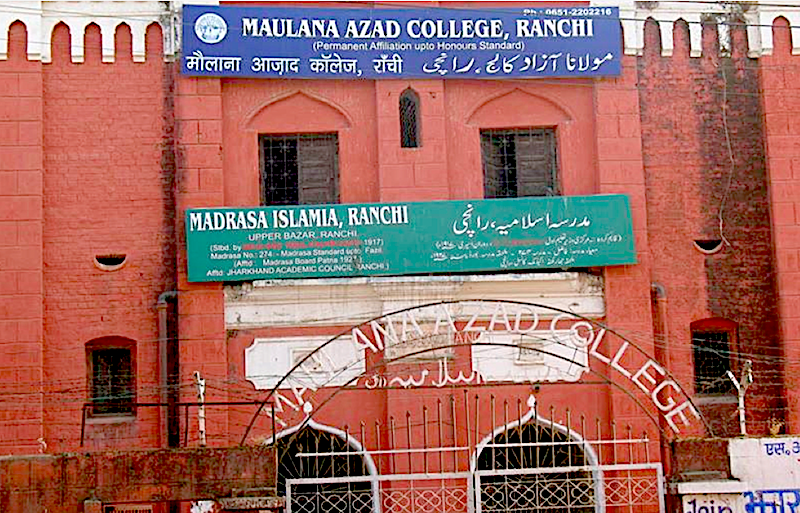
It is ironical that, just in the year of its centenary, the historic Madrasa Islamiya of Ranchi, founded by Maulana Azad (1888-1958) in 1917, is facing extinction. The BJP government of Jharkhand is reportedly contemplating to strangulate it to death by withdrawing its affiliation/recognition as well as fund. Much of the land of the institution has either been encroached upon or been sold out, by the self-serving Muslims, influential in the management of the Anjuman-e-Islamiya, which runs almost 12 subsidiary institutions, including the Madrasa Islamiya. In 1987, it formed a subsidiary called, “Muslim Higher Education Society”, which added a degree college named after Maulana Azad. This Muslim minority college is recognised and funded by the government of Jharkhand. It has got around 500 students.
The management of the Anjuman-e-Islamiya stands divided between two warring factions, respectively by Haji Ibrar and Haji Nesar. The latter is supposed to be making too much of interferences into the functioning of the Anjuman-e-Islamiya. Sections of local population admire Haji Ibrar for having done a lot for the Anjuman; they are supposed to have recently purchased a land few kilometres away from Ranchi, where the Azad College is likely to be shifted.
Because of this dispute, mainly around composition of the electoral college of the Anjuman, election for the managing committee of the Anjuman has not been held since last November. According to the bye-laws of the Anjuman, every three years elections are supposed to be held. Convenor for the election from the provincial government is the Chairman, Jharkhand Waqf Board. The government has not appointed any Chairman since 2014. In its place, an ad hoc CEO is there for the Waqf Board. He has not shown much interest in resolving the dispute, and convening elections, as per the bye-laws of the Anjuman-e-Islamiya. There are various petitions lying before the CEO regarding the composition of the electoral college. The factionalism is also around caste (Biradri). Haji Ibrar is supposed to be representing the Ashrafiya Muslims, whereas Haji Nesar is supposed to be representing Pasmanda (mainly the community of Kalaal) Muslims.
The property (including the buildings) of the Anjuman-e-Islamiya, located in the commercially significant, prime location of the city of Ranchi, has got around 200 shops. Because of self-serving factionalism within the Anjuman-e-Islamiya, the rent of the shops is kept so very nominal and unrealistic that the Anjuman deprives itself of huge revenue. The Anjuman-e-Islamiya also runs a 60 bed, relatively better-furnished, hospital, besides the RahmaniyaMusafirkhana, existing since the days of Maulana Azad. This is a separate (now a four-storey) building. Few years ago, with some fund from the Local Area Development Scheme of the local Parliamentarian, this building has been renovated. It has added a library, a study circle, etc.
There has been some efforts towards getting the main building of the Anjuman-e-Islamiya declared as National Monument, but to no avail, as yet.
The Madrasa Islamiya, at present, has got 900 students, some of them are boarders too. This is an educational institution recognised and funded by the government of Jharkhand’s body, the Jharkhand Academic Council (JAC). Before the creation of the province of Jharkhand in 2000, this was recognised and funded by the Bihar State Madrasa Education Board (BSMEB, Patna), a statutory body of the government of Bihar. There were 126 such madrasas falling in what became Jharkhand. All the 126 madrasas continue to get fund from the Jharkhand government.
After the creation of the province of Jharkhand in 2000, the Anjuman-e-Islamiya, with its ‘autonomy’, has been functioning under the administrative supervision of the Jharkhand Waqf Board.
A Proud History of Anti-colonial Assertion
It is worth re-visiting the historical context in which the Madrasa Islamiya was founded and the ideal objectives its founder envisioned. For this, let us benefit from some historians, such as S. Irfan Habib and Rizwan Qaiser.
For his revolutionary activities, he was into, right since his early ages, Azad was externed from Calcutta in March 1916 under the Defence of India Regulation. In April 1916 he was sent to Ranchi. Influenced with Shyam Sundar Chakravarty (1869-1932) and Aurobindo Ghosh (1872-1950), the Maulana was involved in revolutionary struggle and was preparing for a violent overthrow of British rule. His “continuous exhortation of the Muslims towards education including political education which essentially meant building up self-confidence to resist British rule”, was inviting anxious watch of the colonial regime on him, says Qaiser.
During his internment at Ranchi, for nearly four years (1 April 1916-31 December 1919), Azad established an organization Anjuman-e-Islamiya in August 1917 which started the Madrasa Islamiya. In a list of thirty one donors, headed by Rai Saheb Thakur Das, Rais-i- Ranchi and Babu Jagatpal Sahai, vakil, were also there, among other people, from all walks of life, including Sheikh safdar Ali of Milki (Gaya), informs Prof. Rizwan Qaiser, in his research on the subject. He says that behind all these activities of Azad, the guiding motive was to spread the Islamic education among the less fortunate co-religionists at Ranchi and to mobilise his co-religionists towards the freedom movement. According to Qaiser, Maulana Azad had been thinking around the issues of education in sciences, and also on the medium of instruction, since as early as in 1902, as it comes out of some of the correspondences of Azad.
For the Madrasa Islamiya, a 200 page long document of curricula was prepared by the Maulana Azad; the subjects such as English, mathematics, Indian geography, Indian history, history of Islam and sciences had to be introduced to bring it at par with the government run schools. Azad was very clear about the fact that no system of education could be complete unless the elements of Government University system were also to be introduced. Maulana Azad highlighted the importance of producing more educationists (Mutallemeen), rather than teachers (Muallemeen) alone. The education had to inculcate mazhabi ham-aahangi (mutual religious understanding) and rawadari (tolerance). He addressed from the Jama Masjid on every Friday, teaching them in Hubb-ul-Watani (patriotism), qaumi yekjahti (integration of nationalities), and Mushtareka Wataniyat (composite nationalism). The curricula were actually a part of the one prepared by Maulana Azad for the Madrasa Aliya of Calcutta (established in 1780 by Warren Hastings, mainly to study Arabic, Persian and Muslim Law; during 1826-36, it also taught medical sciences till the Calcutta Medical College was established in 1836; in 2007 it was upgraded as University)
S. Irfan Habib tells us that under Ibn Khaldun’s influence, unquestioning acceptance of theology was something Azad wanted to rectify. Azad found the curricula in the pre-existing Islamic madrasas fundamentally narrow. Its significant omission was mathematics, which is the basis of science and technology. Azad agreed with Rousseau in his advocacy of the children’s necessity and ability to grasp the truth through their own insight.
Another significant influence on Maulana Azad, in the context of science and education was Sir Syed Ahmad Khan Bahadur (1817-98), which attracted Azad towards modern education and modern science for the Muslims, as admitted by Azad, in his very eloquent convocation speech (February 1949) in the Aligarh Muslim University. This is another matter that on political questions, Azad had sharp differences against Sir Syed.
By way of recollection and re-dissemination, Azad’s profound contributions were put together when the National University of Education Planning and Administration (NUEPA), New Delhi, convened a seminar in 2009, and the essays were published in 2010. In the seminar, the then Speaker, Lok Sabha, Somnath Chatterjee, had described that Maulana Azad had re-emphasized the fivefold programme for the expansion of education in the country: These were (a) Universal compulsory basic education for all children of school age, (b) Social education for our adult illiterates, (c) Measures for improvement in the quality of and expansion of facilities for secondary and higher education, (d) Technical and scientific education on a scale adequate to the nation’s needs, and (e) Measures for the enrichment of the cultural life of the community by encouraging the arts and providing facilities for recreation and other amenities.
It is not without any reason that Nehru preferred to take Azad along, as his Education Minister, where he served with great distinction till his death in 1958. It is a lesser known fact that ever since Gokhale proposed in 1910 for right to compulsory free education, it was Azad who pursued it in the Constituent Assembly. Though, it was only as late as in 2009-10, that such a legislation (RTE) could actually be enacted.
During the colonial period unlike Uttar Pradesh, in Bihar, essentially speaking, there was not much of a difference between the votaries of modern education and those of the traditional learning. The Muslim elites of both the streams in Bihar cooperated with each other in imparting both kinds of education. Thus, a modern educated elite, a judge, Nur-ul-Hoda (1854-1935; son of Shams-ul-Hoda) set up the Madrasa Shams-ul-Hoda, at Patna in 1912. It endures till date with buildings constructed in colonial architectural styles, and have got good hostels too. It was recognised by the Government of Bihar in 1919, which affiliated Madrasas across the province, in the capacity of serving as the Bihar State Madrasa Education Board, BSMEB, Patna; the Board was made a statutory body by the Karpuri Thakur led government during 1977-79 ). In 1927, it affiliated the Madrasa Islamiya, Ranchi as well. Ever since then, this Madrasa remains a government recognised and funded institution.
Its syllabi, till Fauqaniya (class X), has all the modern subjects of Natural Sciences, Mathematics, Social Sciences and Literatures of Indian and English language. It has board examination at Middle (Wastania) level as well, which is class VIII. After Independence, this Board became a statutory body.
Interestingly, both the Madrasas (of Patna and of Ranchi) had one person in common, in preparing the curriculum—-Syed Sulaiman Nadvi (1884-1953). The Madrasa Shams-ul-Hoda of Patna produced many students and teachers who participated in the Quit India Movement; after independence some of its students joined the Indian Administrative Services and Indian Police Services.
Another Gift of Maulana Azad’s Stay at Ranchi
Besides the Madrasa Islamiya, another enduring gift of Azad’s stay at Ranchi is the foundation of Imarat-e-Shariah (in 1921, at Phulwari Sharif, Patna) in collaboration with Maulana Sajjad (1880-1940), and the Anjuman-e-Ulema-e-Bihar (founded in June 1917), a precursor of the Jamiat-ul-Ulema-e-Hind. The Sufi shrines—Khanqah-e-Rahmaniya (Monghyr) and Khanqah-e-Mujibiya (Phulwari Sharif, Patna) extended its support.
Maulana Azad elaborated upon this scheme of mobilizing Muslims against the anti- colonial struggle in his Urdu weekly, Paighaam (November 25, 1921).
The Imarat-e-Shariah went on to unwaveringly resist the communal-territorial separatism of the Muslim League. Azad’s protégé, Maulana Sajjad, also talked of confining religion into private spaces, and wrote many letters to Jinnah raising serious questions against his divisive [Pakistan] Resolution of Lahore, 23 March 1940.
He consistently remained in touch with the masses and also edited an Urdu weekly, Naqeeb, (after its fortnightly Imarat was gagged by the colonial state during the Civil Disobedience Movement 1930-34). On 14 April 1940, he wrote in Naqeeb against Jinnah’s scheme of dividing India, Muslim India aur Hindu India Ki Scheme par Ek Aham Tabserah (reprinted in the Naqeeb, 10 January 1946). The Patna historian, Papiya Ghosh (1953-2006), wrote an elaborate academic essay (1997) on the history of Imarat-e-Shariah, 1921-47.
Maulana Sajjad wrote letters to Jinnah asking pertinent questions. Jinnah never responded back. Sajjad, therefore, brought the letters in public circulation, specifically of 26 December 1938 and of 23 January 1939.
Maulana Sajjad also advocated the idea of confining the religious processions and rituals into private spaces rather than a public display of it causing disharmony and group violence. His pamphlet to this effect was captioned, Firqa Warana Ma’amlaat Ka Faisla Kin UsuloN Par Hona Chahiye? (Naqeeb, 20 February 1940)
He launched a political outfit, Muslim Independent Party (MIP) in 1936, with agrarian issues being its chief concern. In 1937, in collaboration with the Congress it contested the provincial elections and emerged second largest party. As the Congress, the largest party refused to form ministry on certain issues of discretionary powers vested in the Governor according to the Act of 1935, it was MIP which formed a provisional ministry, which ran for four months (April-July 1937). Barrister Md. Yunus (1884-1952) was the premier. In its short tenure, it performed very well on all counts, including its agrarian concerns such as irrigation facilities, soft loans, river embankments, etc.
Today, the Imarat-e-Shariah runs charitable institutions of education and health. In its self-proclamation, its jurisdiction extends to Jharkhand and Orissa as well. Should not it look upon the Madrasa Islamiya, Ranchi, in order to resuscitate and revitalise it?
However, this is also a puzzle for the local population that ever since Maulana Azad left Ranchi in 1920, he never looked back towards it. It is something like Gandhiji’s visit to Champaran in 1917. Even though he did re-visit, yet, the three schools established by Gandhiji in Champaran could not survive. As against this, the Madrasa at Ranchi did survive and endures till date.
The Maulana Azad Educational Foundation (MAEF) of the Union government in its existence of about three decades (founded in 1988 to commemorate Azad’s birth centenary) is doing a lot in the stated direction of education. Should not it make an intervention into it to rescuing this wonderful legacy facing extinction? Recognizing the historical significance of Azad’s stay at Ranchi, the then Prime Minister, Rajiv Gandhi, had inaugurated Maulana Azad Research Centre, on the Tagore Hills, Ranchi. It subsequently disappeared with no traces even of the stone plaque testifying the inauguration by Rajiv Gandhi. In January 2015, however, the then Chancellor (of the Ranchi University) cum Governor of Jharkhand, took note of it and persuaded the Ranchi University to establish Maulana Azad Research Centre. Its incumbent Director, Prof. Manzar Husain, has now made it functional, with a library in its building. Besides, the Senate Hall of the University is also named after Maulana Azad, as a token of gratitude.
In 2009-10, Qaiser had also highlighted the sorry state of the institution and gross negligence of the Madrasa by the Muslim dominated management. Yet, it continues to languish in disarray. Qaiser concluded, “There are people who swear by Maulana Azad and his association with Ranchi but have not been able to accord the level of respect that an institution such as Madrasa-i-Islamia deserves”.
Mention may be made specifically of Najma Heptullah, claiming to be a descendant of Azad. Till very recently she was the Union Ministry of Minority Affairs in the cabinet of Narendra Modi. Shall she really make a meaningful intervention to draw attention of the provincial and the Union governments to rescue this dying institution? The then Chairman, Jharkhand State Minority Commission, had approached the minister, Najma Heptullah. She sent her emissary to obtain first-hand knowledge about the state of affairs and requirements of the institution. Nobody knows what really happened to this. Then she no longer remained the minister. People have also been approaching Najma Heptullah’s successor, Mukhtar Abbas Naqvi.
The problem afflicting the Anjuman-e-Islamiya is not convening election of its management committee. The government of Jharkhand and its ad hoc functionary, Hasib Akhtar (CEO, Jharkhand Waqf Board, who is by rules, Convenor of election for the Anjuman-e-Islamiya), rather than convening election, is now contemplating to just withdraw the funding (and recognition) of the historic educational institution, Madrasa Islamiya, sources in the ministry of education, confide.
It is worthwhile recalling that delay in granting affiliation by the government of Jharkhand had compelled the Muslim minority managed Kabir Women’s Degree College (Jamshedpur) to close down. It had more than sufficient infrastructure in comparison to most of the other constituent colleges in the state. But it was forced to pull its shutter down, after having functioned for over two decades.
The local Muslims feel helpless at this attitude of the BJP government of Jharkhand. With a sense of hopeless-ness, they say, ‘this is the kind of era we are living in’. Local media, particularly, ETV Urdu, has been exposing all these details, which fall on the deaf ears of the government of Jharkhand. Let it be said that even the Union government of BJP is keeping such bodies head-less. For instance, the National Commission for Minorities, had become defunct, owing to vacancies. It is only few weeks ago that the Chairman and its members have been appointed. The National Commission for minority Educational Institutions (NCMEI) has got no Chairman, with vacancy of one member too. Yet another testimony that the dominant political wisdom of the day believes in peripheralising the minorities!
(This article was first published in August 2017. It is being republished because of PM Modi’s Madrasa modernisation push)
source: http://www.beyoundheadlines.in / Beyond Headlines / Home> History / by Mohammad Sajjad / June 19th, 2019
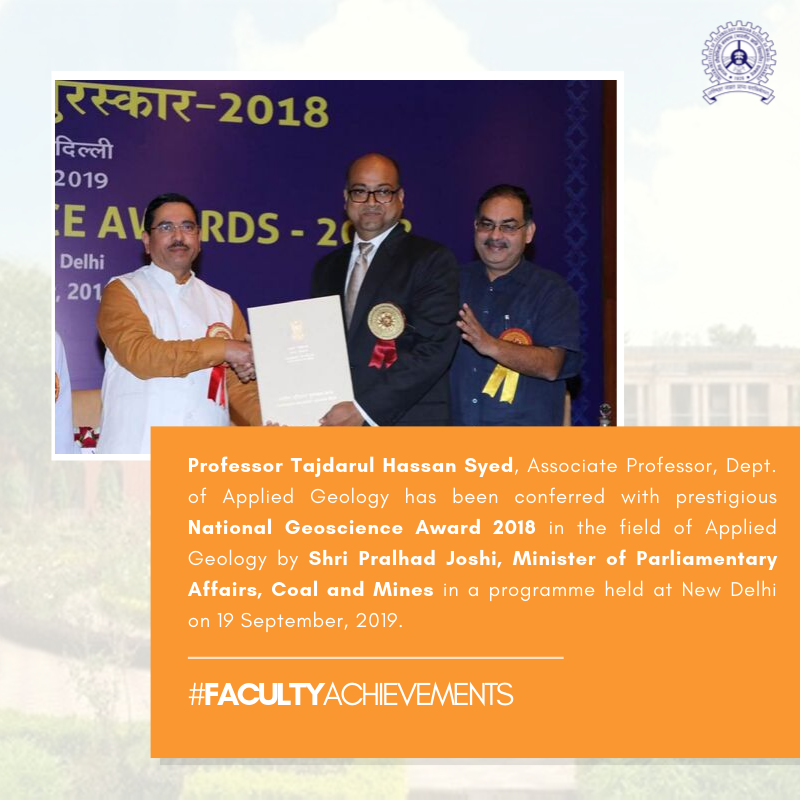
Professor Tajdarul Hassan Syed, Associate Professor, Dept. of Applied Geology has been conferred with prestigious National Geoscience Award 2018 in the field of Applied Geology by Shri Pralhad Joshi, Minister of Parliamentary Affairs, Coal and Mines in a programme held at New Delhi on 19 September, 2019.
Prof. Syed was honoured with this award for his contributions in the area of Remote Sensing within Applied Geosciences.
source: http://www.facebook.com / Indian Institute of Technology Dhanbad, Jharkhand / September 26t, 2019
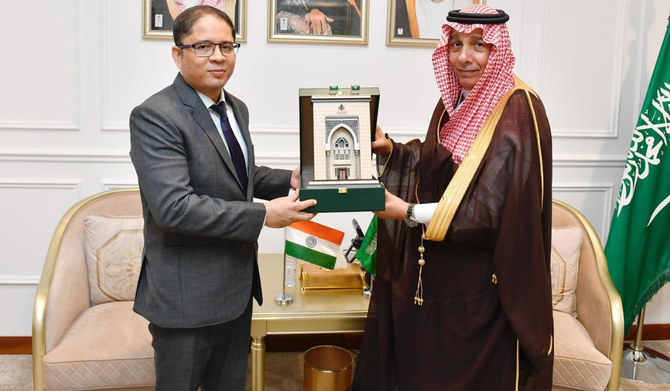
Mazin Hammad Al-Himali receives Mohammed Shahid Alam in Jeddah. (Supplied)
Director of Foreign Ministry Branch in Makkah Region Receives Indian Consul General in Jeddah
Director-General of the Ministry of Foreign Affairs’ branch in Makkah Mazin Hammad Al-Himali met with Indian Consul General Mohammed Shahid Alam in Jeddah on Monday.
The meeting was held on the occasion of the end of Alam’s tenure, the Saudi Press Agency reported.
Alam took over as India’s consul general in Jeddah in February 2021. He previously served in Jeddah as the Hajj consul from 2015 to 2018.
An upright officer of the Indian Foreign Service, he has now been posted to the Indian High Commission in London.
source: http://www.arabnews.com /Arab News / Home> News> Middle East / August 06th, 2024
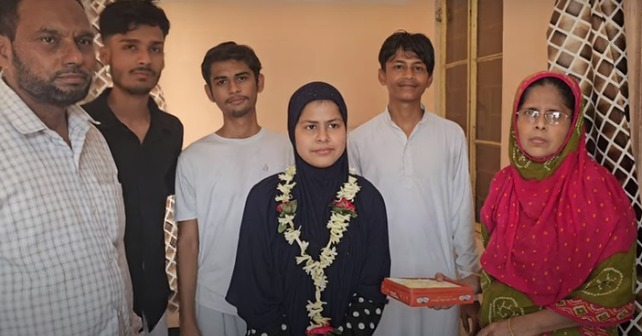
Kahkasha Parveen, a resident of Baganshahi Road No. 7 under Azadnagar Police Station in Mango, has been felicitated for achieving a perfect score of 720 out of 720 in the NEET examination. The accolades poured in at a prestigious ceremony organized by Jamaat-e-Islami Hind Jamshedpur in Azadnagar’s conference hall.
The event, graced by Dr. Arifa Khursheed, a distinguished specialist in women’s health, saw Kahkasha Parveen lauded for her remarkable dedication and perseverance in pursuing a career in medicine. Dr. Khursheed emphasized the challenges Kahkasha overcame, noting that her achievement reflects both her academic excellence and personal resilience.
Kahkasha, a source of immense pride for her community in Baganshahi, was joined by others including Tasneem, Kulsum Anwar, Mahrukh Parveen, and Rimsha Ara, who were also recognized for their contributions to society.
Prof. Anjum Ara, representing the Women’s Wing of Jamaat-e-Islami Hind Jharkhand, highlighted the solidarity and support extended to Kahkasha during her academic journey, underscoring the community’s unwavering unity in difficult times.
The ceremony, overseen by Amaan Sadiq, included expressions of gratitude by Shahnavaz Qamar on behalf of the gathering.
Notable figures such as Master Ashfaq Anwar, Tanveer Akhtar Romani, and Khursheed Akram Ansari extended their heartfelt congratulations to Kahkasha and her family.
Kahkasha Parveen, with aspirations to serve as a doctor, has pledged to provide free medical care to the underprivileged, underscoring her commitment to community service and welfare.
In another gesture of felicitation, various community leaders and well-wishers visited Kahkasha’s residence. They included Azadnagar Police Station in-charge Rakesh Kumar Singh, Sidhgora Police Station in-charge Ghulam Rabbani Khan, Syed Naushad of Tatanagar Railway Station, and Azadnagar Police Station Peace Committee Secretary Mukhtar Alam Khan. Haji Mohammad Ilyas, Rizwanuj Jama, Syed Asif Akhtar of Al Kabir Polytechnic College, Syed Saifuddin Asdak, Imam of Hussaini Masjid and Founder Chairman of Paigam-e-Islam, Master of Dawat-e-Islami Jamil Ansari all presented bouquets, shared sweets, and conveyed their immense pride and congratulations to Kahkasha Parveen and her family.
Kahkasha’s father, Mohammad Abbas, a fruit seller, and her mother were specifically acknowledged for their unwavering support that played a pivotal role in their daughter’s grand success.
source: http://www.radiancenews.com / Radiance News / Home> Education / by Radiance News Bureau / June 13th, 2024
Hockey legend Ashok Kumar was accorded the Major Dhyan Chand Lifetime Achievement Award for his contribution to the sport.
Delhi:
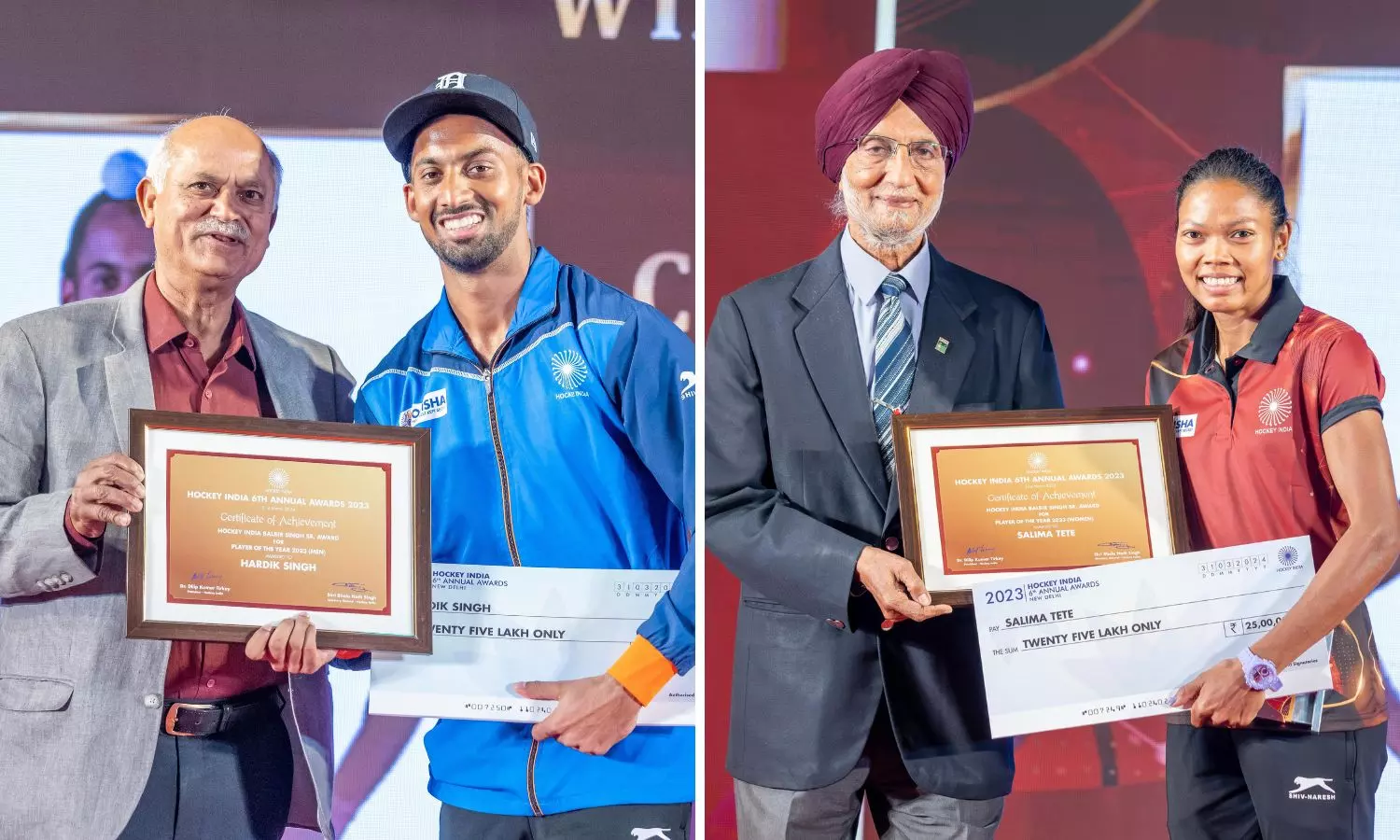
Hardik Singh and Salima Tete were named men’s and women’s players of the year at the 6th Hockey India Annual Awards in New Delhi on Sunday.
This year, the total award prize pool was INR 7.56 crores.
Surprisingly, the 2016 Junior World Cup gold medal-winning Indian men’s team was felicitated, with each player earning a cash prize of INR 5 Lakh along with a trophy.
The 2023 Junior Asia Cup gold medal-winning Indian men’s and women’s teams were also honoured, with each player earning a cash prize of INR 2 Lakh and all the members of the support staff earning a cash prize of INR 1 Lakh each.
Other gold medal-winning teams of men’s Hockey 5s Asia Cup, women’s Hockey 5s Asia Cup, men’s Asian Champions Trophy, and women’s Asian Champions Trophy were also felicitated along with the men’s team that won gold at the Asian Games and women’s team that won bronze.
Meanwhile, Hockey Haryana won the Best Member Unit of the Year Award 2023, earning a prize of INR 2.5 Lakh.
The award ceremony saw PR Sreejesh winning the prestigious Hockey India Baljit Singh Award for Goalkeeper of the Year, earning a cash prize of INR 5 Lakh along with a trophy.
For his consistent performances throughout the year, Harmanpreet Singh won the Hockey India Pargat Singh Award for Defender of the Year, earning himself a cash prize of INR 5 Lakh along with a trophy.
Hockey India Ajit Pal Singh Award for Midfielder of the Year was won by Hardik Singh, while Abhishek won the prestigious Hockey India Dhanraj Pillay Award for Forward of the Year, both earning themselves INR 5 Lakh and a trophy each.
The next generation was also honoured with youngster Deepika Soreng winning the Hockey India Asunta Lakra Award for Upcoming Player of the Year (Women – Under 21) earning a cash prize of INR 10 Lakh and a trophy.
Araijeet Singh Hundal was named the Hockey India Jugraj Singh Award for Upcoming Player of the Year (Men – Under 21), winning a cash prize of INR 10 Lakh and a trophy.
Hardik Singh, and Salima Tete, won the Hockey India Balbir Singh Sr. Award for Player of The Year Awards for men and women respectively, each earning a cash prize of INR 25 Lakh along with a trophy.
“It is a matter of great pride for me to win the prestigious award. This is truly reflective of the hard work and the commitment that our team displayed over the past year. I am thankful to everyone for their support and I will continue to work even harder in the coming year to justify the honour,” said Hardik Singh after winning the award.
Meanwhile, Salima Tete, on her win, said, “I wish to thank my teammates, coaches, and the support staff for showcasing their faith in me. It is a matter of great pride for me every time I get to wear the Indian jersey and step out on the field to represent the nation. This award will further motivate me to continue to do even better each day so I can continue to make the country proud.”
The ceremony closed with Hockey India celebrating the achievements of Ashok Kumar, honouring the Indian legend with the prestigious Hockey India Major Dhyan Chand Lifetime Achievement Award with a cash prize of INR 30 Lakh and a trophy.
Award winners at 6th Hockey India Annual Awards
Rs 5 Lakh each: PR Sreejesh (Goalkeeper of the Year), Harmanpreet Singh (Defender of the Year), Hardik Singh (Midfielder of the Year), Abhishek (Forward of the Year)
Rs 10 lakh each: Deepika Soreng (Women Under-21 Player of the Year), Araijeet Singh Hundal (Men Under-21 Player of the Year) Rs. 25 lakh each:
Salima Tete (Player of The Year Women), Hardik Singh ( Player of The Year Men) Rs 30 lakh: Ashok Kumar (Major Dhyan Chand Lifetime Achievement Award).
source: http://www.thebridge.in / The Bridge / Home> Hockey / by The Bridge Bureau / April 02nd, 2024