The young nurses believe that more Muslim girls across the country should opt for the nursing profession to serve society.
Patna (Bihar) :
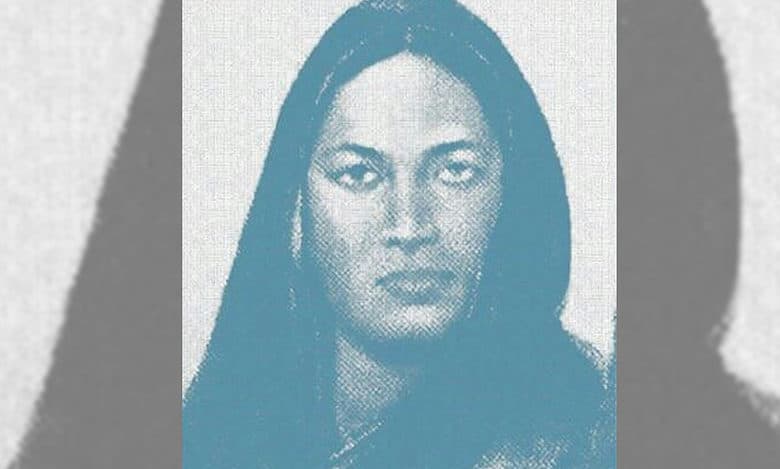
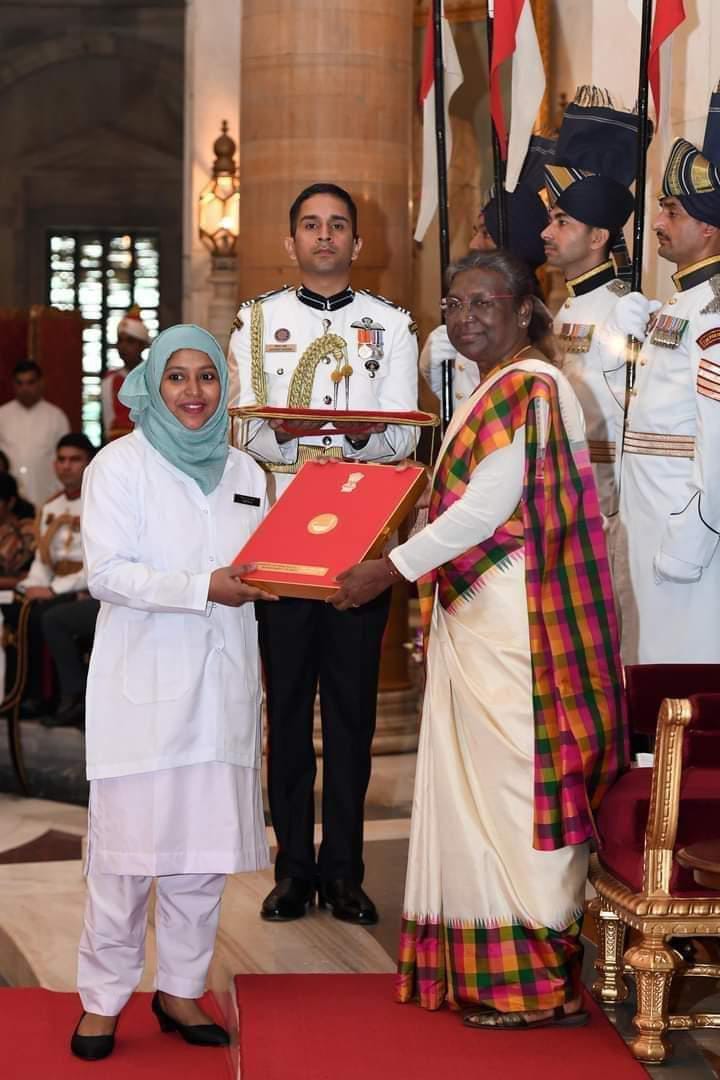
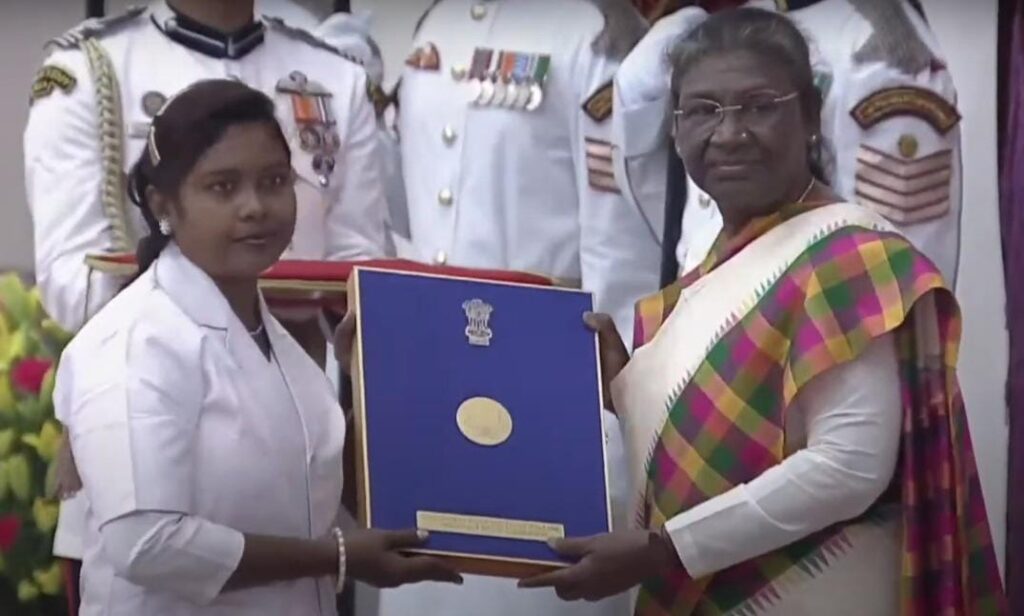
Two Muslim nurses Naziya Parveen and Shabrun Khatun from Bihar were awarded this year’sNational Florence Nightingale Awards (NFNA) by the President of India, Droupadi Murmu at Rashtrapati Bhavan earlier this month.
The National Florence Nightingale Awards (NFNA) were instituted in 1973 by the Government of India’s Ministry of Health and Family Welfare as a mark of recognition for the meritorious services rendered by nurses and nursing professionals to the society.
Sajeeda Banu of Karnataka, Ahmedullah Wani of Jammu & Kashmir, and Mohammed Kasim AB of Lakshadweep are the other Muslims who were awarded this year.
She was among 51 people from around the country who were awarded in different categories by the President. Her citation states that she has contributed to the establishment of the labor room and for helping in preparing the standard operating procedure.
32-year-old Naziya Parveen receiving the award from the President Murmu. | Picture by arrangement
Hailing from Sultanganj, Bhagalpur, Naziya is the eldest of three sisters. She is married to a microbiologist Mohammad Shams of Gaya. After completing her high secondary education in Dumka, Jharkhand she studied nursing for GNM at JawaharLal Medical College, Bhagalpur, and worked with Jamia Hamdard in New Delhi for six years. It was challenging to move from Delhi to Araria but her family supported her as “there isn’t much scope of work in Sadar Hospital.”
“I feel quite proud to be awarded as our society does not recognize the work of nurses. I am elated for being a Muslim awardee as we don’t get nominated for such awards. I was asked if I was from Kashmir as I was wearing a hijab,” she said.
Mother of two kids, Naziya has inspired other Muslim girls to take admission to nursing courses. Local newspapers in the state ran stories featuring her.
“We need to change our attitude towards this profession. It is a good job and one can draw good income from it. The nursing course is such that even if one does not opt for a job, they can get the chance to serve from home and earn. I am of the view that more Muslim girls should study nursing as a profession,” she said.
28-year-old Shabrun Khatun was awarded in the ANM (Auxiliary Nurse and Midwife) category. | Picture by arrangement
28-year-old Shabrun Khatun was awarded in the ANM (Auxiliary Nurse and Midwife) category. She works at Darbhanga Sadar primary health center. She had applied for the award previously but it was her work during Covid-19 that won her an award this year. She recalled how she went for a door-to-door screening of Covid-19 in April 2020 while being on fast and continued to work in 2021.
Shabrun told TwoCircles.net that receiving the award from President Murmu was quite encouraging.
Her journey to success has not been smooth. She had to work in local hospitals to support her family but this experience helped her. “I was good at studies in school and got prizes for my co-curricular activities. I wanted to be a medical doctor. I was selected for MBBS at a private medical college but did not have enough money to take admission. I also wished to be an officer in administration but my father’s proximity to doctors got me into nursing.”
Shabrun’s father Mohammad Akhtar is a tailor who would stitch clothes for operation theaters of hospitals nearby. She had cleared the preliminary test for selection in the police department but finally settled for a nursing course after her graduation in Zoology from her hometown of Rosera Bazar in Samastipur district in Bihar.
Shabrun said that she had to face unfriendly treatment in society after she chose to become a nurse. “But seeing my success now, everyone is happy,” she said.
She is of the view that Muslim girls who are not able to qualify for MBBS should consider nursing as a career as “it gives the satisfaction of serving humanity in one small way.”
In December this year, she would be felicitated on the foundation day of the Darbhanga district.
Sami Ahmad is a journalist based in Patna, Bihar. He tweets @samipkb
source: http://www.twocircles.net / TwoCircles.net / Home> Lead Story / by Sami Ahmad, TwoCircles.net / November 25th, 2022
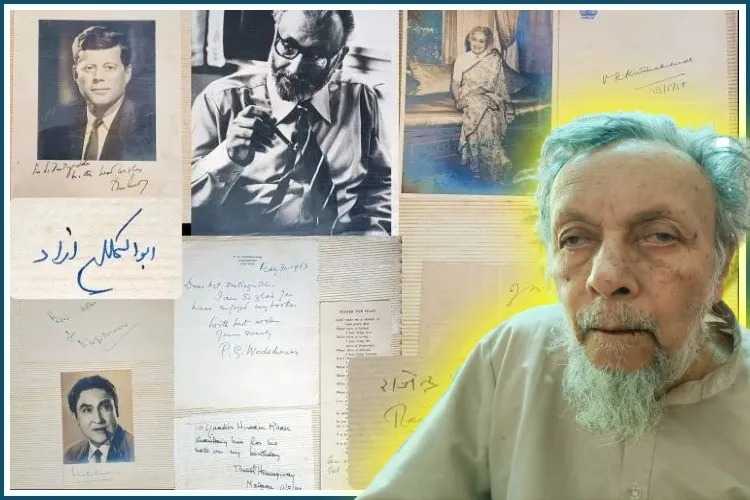
Syed Imtiazuddin with his collection of autographs
Syed Imtiazuddin of Hyderbad has turned his hobby of collecting autographs of famous personalities into a body of work that is bound to be of great historic value for the future generations.
His collection of autographs of important world and Indian personalities has reached up to 200 so far.
The famous people whose signatures are part of Syed Imtiazuddin’s proud collection include Nobel laureates, politicians, writers and poets of Urdu and English, the heads of state and prime ministers of many countries, and film stars.
His passion for collecting the signatures of important and famous people transcends borders. Syed Imtiazuddin says he had to be patient while waiting for the signatures of famous personalities to whom he wrote letters requesting the same inside India and abroad.
Syed Imtiazuddin narrated an interesting incident from his student days. He was a 7th-grade student at Gandhi Bhavan Middle School, Nampally, Hyderabad. He says it was triggered when he was learning a chapter on India’s renowned Nobel laureate, Physicist-scientist Sir C.V. Raman. Dr. Raman discovered what is now known as the ‘Raman Effect.’
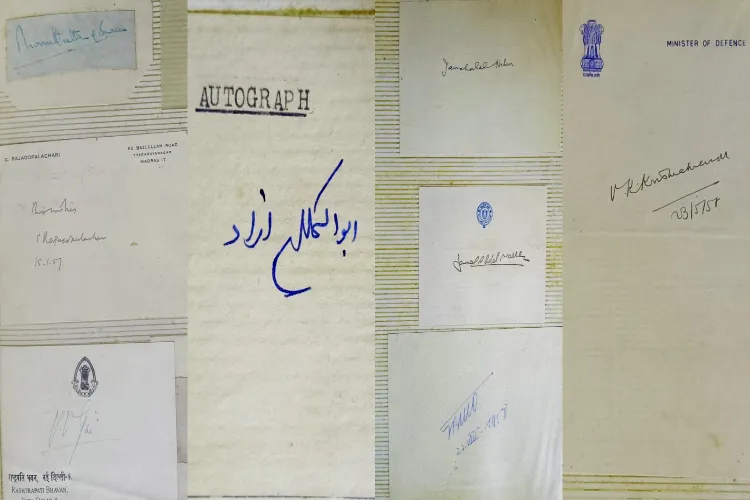
Dr Rajendra Prasad’s signature in Urdu
When the school teacher was imparting the lesson on the life of Sir C. Raman in the classroom, Imtiaz Ahmed thought of if only he could write to the great scientist. He tried to search for his mailing address with no success.
Finally, he did write to Sir C V Raman and posted it to on the address: Sir CV Raman, Bangalore.’ In the postcard addressed to the scientist, he wrote, ‘I was very impressed when I read about you today and I want your signature.’
To his pleasant surprise, a few days later he received a letter from Sir CV Raman. Dr Raman appreciated his passion.
Syed Imtiazuddin says that this was the first ‘happy and memorable day’ for him and it sparked his passion for getting autographs from celebrities.
After receiving Raman’s reply letter and signature, his happiness knew no end.
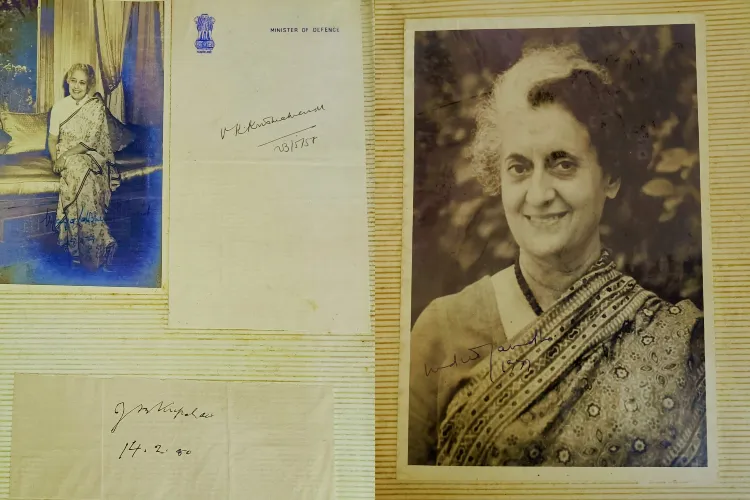
Prime Minister Indira Gandhi’s signature
Syed Imtiazuddin said that he passed the class 10 examination from a famous school – Chadar Ghat High Schoo and graduated from Osmania University.
He worked in the Andhra Pradesh State Electricity Department (APSEB) and simultaneously completed his MBA. He retired as Superintending Engineer in year 2001.
The famous poet of Hyderabad, Shaz Tamkant was Syed Imtiazuddin’s elder brother. Shaz Tamkunat was invited to mushairas in Delhi, Lucknow, and other states of the country
Syed Imtiazuddin says, “When Shaz went to Delhi to participate in Mushaira, he also carried an autograph book with him, in which he obtained the signatures of many well-known poets.”
Seeing this, I also decided to follow him. In late 1957, I wrote to the former President of India Dr. Rajendra Prasad expressing my desire to meet him. I received a reply from the Rashtrapati Bhawan that the President is due to visit Hyderabad in June 1958 and I would come to him there at his residence.”
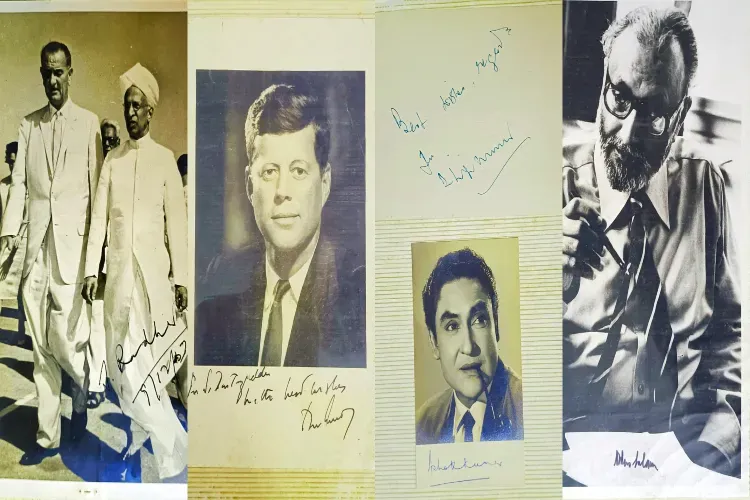
A glimpse of Syed Imtiazuddin’s collection
“As the day of my meeting with Dr Rajendra Prasad was approaching, my anxiety knew no bounds. When I got the message that Rajendra Prasad had come to Hyderabad, I reached Hyderabad Resident with my elder brother Shaz Tamkant and met Rajendra Prasad. I was very happy to meet him. Even Rajendra Prasad appreciated my passion. He had already kept his signatures – in Hindi and English – on an expensive paper ready for me.”
The President also penned his signature in Urdu on his request.
Syed Imtiazuddin is fond of Allama Iqbal’s poetry. He is invited for delivering talks in the ‘Mahfil Iqbal Shanahi’ held every Wednesday.
Syed Imtiazuddin obtained the signatures of more than 200 personalities including Lord Mountbatten, the last Viceroy of India and first Governor-General of India.
Apart from them, the forty-second president of the United States, Jimmy Carter, the second president of Egypt, Gamal Abdel Nasser, the former president of Yugoslavia Josip Broz Tito, the Thirty-fifth US President John F. Kennedy, Indonesia’s first President Abdul Rahim Sukarno.
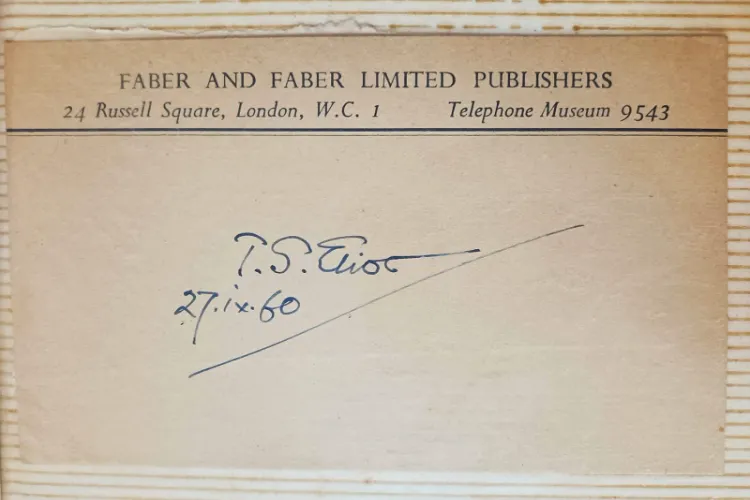
Signature of Writer T S Eliot
Israel’s first Prime Minister David Ben-Gurion, former King Hussein bin Talal of Jordan, famous American actress Elizabeth Taylor, her husband, famous Hollywood actor Richard Burton, Mother Teresa, and Charlton Heston, the hero of the famous American film The Ten Commandments.
Syed Imtiazuddin also obtained signatures from Pakistan’s first Nobel laureate Dr. Abdus Salam. Many of these personalities presented him with their photo as a gift.
Among the Indian leaders’ collection, Syed Imtiazuddin has the signatures of Pandit Jawaharlal Nehru, Indira Gandhi, Dr. Zakir Hussain, Maulana Abul Kalam Azad, Vijaya Lakshmi Pandit, VK Krishna Menon, Moraraji Desai, V. V. Giri, Dr. Sarvapalli Radhakrishnan, Neelam Sanjeeva Reddy.
Syed Imtiazuddin says he feels literature, film, and sports are close to human life and this is the reason why most of his collection relates to personalities from these fields.
He has an unenviable collection of signatures of TS Eliot, American writer John Steinbeck, British mathematician and Nobel laureate Bertrand Russell, Novelist Ernest Hemingway, Dr. AJ Cronin (Scotland), American writer Pearl S. Buck, English writer Aldous Huxley, Josh Malihabadi, Rashid Ahmad Siddiqui, Jigar Moradabadi, Faiz Ahmed Faiz, Khalilur Rahman Azmi, Sohail Azimabadi, Ahmad Nadeem Qasmi, Makhdoom Mohiuddin, Qaratul Ain Haider Krishna Chandra, Rajendra Singh Bedi, Maulana Syed Abul Hasan Ali Nadvi and Maulana Abdul Majid Dariyabadi.
Besides he has the signatures of Bollywood legends Dilip Kumar, Ashok Kumar, Sunil Gavaskar, Sachin Tendulkar, and Amitabh Bachchan.Syed Imtiazuddin said he used to study at an American library near the famous Muazzam Jahi Market in Hyderabad. While going through the book “Who’s Who in America” made him familiar with many top personalities.
Syed Imtiazuddin says success comes only if a person has passion and true dedication to a cause.
source: http://www.awazthevoice.in / Awaz, The Voice / Home> India / by Abdul Rahman Pasha, Hyderabad / by awazthevoice.in / November 26th, 2022
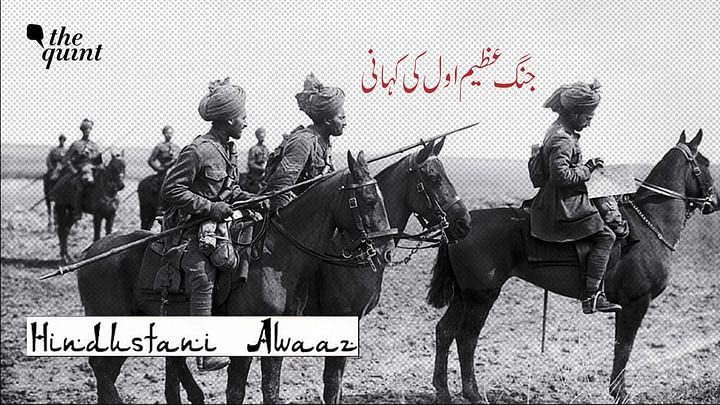
The four years of the World War 1 saw the service of 1.3 million Indians, of whom 74,000 never made it back home.
The First World War , or the Great War as it is also called, raged across Europe and several war arenas scattered across the world from 28 July 1914 to 11 November 1918. These four years saw the service of 1.3 million Indians, of whom 74,000 never made it back home. For their families, the war was something they couldn’t quite understand.
Given the large-scale Indian involvement in a war that the majority of Indians could not fully comprehend, we shall once again look into the mirror of Urud to see how the poet viewed the momentous years of the Jang-e Azeem as the Great War came to be called in Urdu.
Several poets, lost in the veils of time and virtually unknown today, made interventions as did the more famous ones who continue to be well known though possibly not in the context of what they had to say about World War I.
Urdu’s Rendition of the Greatest Human Tragedy
Presented below is a sampling of the socially-conscious, politically-aware message of the poets of the times. Not all of these poets are well-known today nor is their poetry of a high caliber yet fragments of their work have been included here simply to illustrate how the poet had his finger to the pulse of his age and circumstance.
Let us begin with Sibli Nomani and his wryly mocking Jang-e Europeaur Hindustani that deserves to be quoted in full:
Ek German ne mujh se kaha az rah-e ghuroor
‘Asaan nahi hai fatah to dushwar bhi nahin
Bartania ki fauj hai dus lakh se bhi kum
Aur iss pe lutf yeh hai ke tayyar bhi nahin
Baquii raha France to woh rind-e lam yazal
Aain shanaas-e shewa-e paikaar bhi nahin’
Maine kaha ghalat hai tera dawa-e ghuroor
Diwana to nahi hai tu hoshiyar bhi nahin
Hum log ahl-e Hind hain German se dus guneh
Tujhko tameez-e andak-o bisiar bhi nahin
Sunta raha woh ghaur se mera kalaam aur
Phir woh kaha jo laiq-e izhaar bhi nahin
‘Iss saadgi pe kaun na mar jaaye ai Khuda
Larhte hain aur haath mein talwar bhi nahin!’
(Consumed with pride, a German said to me:
‘Victory is not easy but it isn’t impossible either
The army of Britannia is less than ten lakh
And not even prepared on top of that
As for France, they are a bunch of drunks
And not even familiar with the art of warfare’
I said your arrogant claim is all wrong
If not mad you are certainly not wise
We the people of Hind are ten times the Germans
Cleary you cannot tell big from small
He listened carefully to what I had to say
Then he said something that can’t can’t be described
‘By God, anyone will lay down their life for such simplicity
You are willing to fight but without even a sword in your hand!’)
That the Urdu poet was not content with mere high-flying rhetoric and was rooted in and aware of immediate contemporary realities, becomes evident when Brij Narain Chakbast declares in his Watan ka Raag (‘The Song of the Homeland’):
Zamin Hind ki rutba mein arsh-e-aala hai
Yeh Home Rule ki ummid ka ujala hai
Mrs Besant ne is aarzu ko paala hai
Faqir qaum ke hain aur ye raag maala hai
Talab fuzool hai kante ki phool ke badle
Na lein bahisht bhi hum Home Rule ke badle
(The land of Hind is higher in rank than the highest skies
All because of the light of hope brought forth by Home Rule
This hope has been nurtured by Mrs Besant
I am a mendicant of this land and this is my song
It’s futile to wish for the thorn instead of the flower
We shall not accept even paradise instead of Home Rule)
Poems Charged With the Spirit of Revolution
Similarly, Hasrat Mohani, in a poem called Montagu Reforms, is scathing about the so-called reforms that were given as SOPs to gullible Indians during the war years, which were mere kaagaz ke phool (paper flowers) with no khushboo (fragrance) even for namesake. The poem ends with a fervent plea that the people of Hind should not be taken in by the sorcery of the reforms.
Ai Hindi saada dil khabardar
Hargiz na chale tujh pe jadu
ya paayega khaak phir jab inse
Iss waqt bhi kuchh na le saka tu
(O simple people of Hind beware
Don’t let this spell work on you
If you couldn’t couldn’t take anything from them now
You’re not likely to get anything at all)
Josh Malihabadi who acquired his moniker of the shair-e- inquilab or the ‘revolutionary poet’ during the war period, talks with vim and vigour of the revolution that is nigh, a revolution that will shake the foundations of the British empire in his Shikast-e Zindaan ka Khwaab (‘The Dream of a Defeated Prison’:
Kya Hind ka zindaan kaanp raha hai guunj rahi hain takbiren
Uktae hain shayad kuchh qaidi aur torh rahe hain zanjiren
Divaron ke niche aa aa kar yuun jama hue hain zindani
(How the prison of Hind is trembling and the cries of God’s greatness are echoing
Perhaps some prisoners have got fed up and are breaking their chains
The prisoners have gathered beneath the walls of the prisons)
Satire, Pain and Passion Punctuate These Poems
The ever-doubting, satirical voice of Akbar Allahabadi— a long- time critic of colonial rule and a newfound admirer of Gandhi, shows us the great inescapable link between commerce and empire that Tagore too had alluded to:
Cheezein woh hain jo banein Europe mein
Baat woh hai jo Pioneer mein chhapey…
Europe mein hai jo jung ki quwwat barhi huwi
Lekin fuzoon hai uss se tijarat barhi huwi
Mumkin nahin laga sakein woh tope har jagah
Dekho magar Pears ka hai soap har jagah
(Real goods are those that are made in Europe
Real matter is that which is printed in the Pioneer…
Though Europe has great capability to do war
Greater still is her power to do business
They cannot install a canon everywhere
But the soap made by Pears is everywhere)
The great visionary poet Iqbal, who is at his most active, most powerful during these years, does not make direct references to actual events in the war arena;
nevertheless, he is asking Indians to be careful, to heed the signs in Tasveer-e Dard (‘A Picture of Pain’):
Watan ki fikr kar nadan musibat aane waali hai
Tiri barbadiyon ke mashvare hain asmanon mein
(Worry for your homeland, O innocents, trouble is brewing
The portents of disaster awaiting you are written in the skies.)
Adopting a fake admiring tone, Ahmaq Phaphoondvi seems to be praising the sharpness of the British brain in Angrezi Zehn ki ki Tezi (‘The Cleverness of the English Mind’) when he’s actually warning his readers of the perils of being divided while the British lord over them.
Kis tarah bapa hoon hangama aapas mein ho kyun kar khunaraizi
Hai khatam unhein schemon main angrezi zehn ki sab tezi
Ye qatl-o khoon ye jung-o jadal, ye zor-o sitam ye bajuz-o hasad
Baquii hii raheinge mulk mein sab, baqui hai agar raj angrezi
(Look at the turmoil and the bloodshed among our people
The cleverness of the English mind is used up in all such schemes
This murder ’n mayhem, wars ’n battles, cruelties ’n malice
The country’s garden is barren, with nothing but dust and desolation)
Towards Freedom and Fervour..
Zafar Ali Khan sounds an early, and as it turns out in the face of the British going back on their promise of self-governance, entirely premature bugle of freedom. While warning his fellow Indians to change with the changing winds that are blowing across the country as the war drags to an end, he’s also pointing our attention to the ‘Toadies’, a dreaded word for the subservient Indians who will gladly accept any crumbs by way of reforms in his poem Azaadi ka Bigul (‘The Bugle of Freedom’):
Bartania ki meiz se kuchh reze gire hain
Ai toadiyon chunne tum innhe peet ke bal jao
(Some crumbs have fallen from the table of Britannia
O Toadies, go crawling on your bellies to pick them)
In the end, there’s Agha Hashar Kashmiri who, in a sarcastic ode to Europe called Shukriya Europe, thanks it for turning the world into a matamkhana (mourning chamber), and for having successfully transformed the east into an example of hell.
Utth raha hai shor gham khakistar paamaal se
Keh raha hai Asia ro kar zaban-e haal se
Bar mazar-e ma ghariban ne chiraghe ne gule
Ne pare parwane sozo ne sada-e bulbule
(A shout is rising from the dust of the downtrodden
Asia is crying out and telling the world at large
On my poor grave there are neither lamps nor flowers
And not the wing of the moth or the sad song of the nightingale.)
(Rakhshanda Jalil is a writer, translator and literary historian. She writes on literature, culture and society. She runs Hindustani Awaaz, an organisation devoted to the popularisation of Urdu literature. She tweets at @RakshandaJalil
This is an opinion piece and the views expressed above are the author’s own. The Quint neither endorses nor is responsible for the same.)
source: http://www.thequint.com / The Quint / Home> Voices> Opinion / by Rakshanda Jalil / November 11th, 2022
Mirza Salma Baig is India’s first woman to man the Railway crossing. She is stationed at Malhore Railway Crossing, one of the busiest intersections of railway and road traffic, located a few kilometers from Lucknow, the capital of Uttar Pradesh.
Salma Baig, 29, a mother of a toddler, has been working at this crossing for the past 10 years.
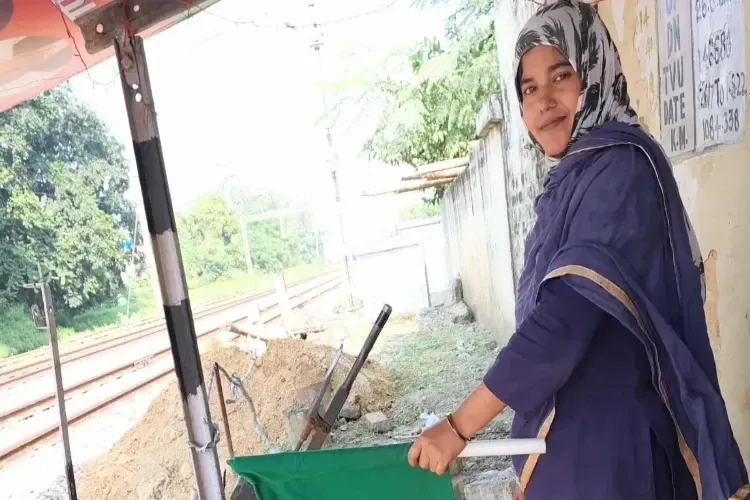
Seeing a hijab-clad woman turn a heavy wheel to shut the gate when the train is about to arrive at that point and then open it for pedestrians and other road traffic, the onlookers often stop to take selfies with her.
People show respect to Salma Baig for her job. Seeing her for the first time, many people stop to just look at how she works.
Mirza Salma Baig was appointed as the country’s first Gate Woman in 2013 at the age of 19. She hails from Lucknow, Uttar pradesh.
Malhore crossing is a busy intersection between railway track and the city road and it’s challenging to control and direct the traffic. She has to frequently close the gate for the vehicular traffic as many trains cross this point all through the day. Salma turns a heavy wheel with a lever to close the gate and then unwinds it to open it.
The gates open as soon as the train passes. Salma says that while closing and opening the gate, she has to take care not to hurt anyone. She stands with a red and green flag in hand until the train has crossed the gate.
Interestingly, many people had questioned Salma’s appointment in 2013 as the newspaper reports of 2013 suggest.
Mirza Salma Baig opening the railway gate
The railway authorities had to clarify that this job was always open to women but not many serious contenders for this job had ever applied.
Salma’s father Mirza Salim Baig was also a gateman at the Railway crossing. Due to hearing impairment and other ailments, he had to take voluntary retirement much earlier than it was due. Salma’s mother had suffered a stroke and after father’s retirement, there was no bread winner in the family.
At this stage the Indian Railways offered Salma a job. Salma quit her studies and accepted it. Her relatives were angry but she chose what was best for her and the family under the given circumstances.
She credits her parents for her success.
Salma is proud of her 10-year career and smiles when asked about the snide comments made by many when she first joined.
When she started working at the crossing, the staff told her that being a girl she would not be able to open the crossing gate. They told her that a train passes this crossing every one minute and many predicted she would leave the job in four days. Salma worked hard and never gave up.
She has been standing here for the last 10 years. Salma says, everyone in the staff has become her supporter.”
She performs her 12-hour long duty with full responsibility and competence. Salma says that girls should have the same freedom as housewives.
source: http://www.awazthevoice.in / Awaz, The Voice / Home> Women / by M Mishra, Lucknow / November 07th, 2022
At a time when little is known about one of India’s greatest social reformers and educators, widely believed to be India’s first woman Muslim teacher, the Andhra Pradesh Government introduced a lesson on the contribution of Fatima Sheikh in the text-books of eighth class.
The reformer is known to have given shelter to Jyotirao Phule and Savitribai Phule, the well-known social reformer couple, when they were shunted out from their families.
It was in 1848 that Phule couple had taken initiative against caste system and male chauvinism. Fatima Sheikh is credited with allowing the Phule couple to start the first all-girls school at the former’s house in erstwhile Poona in Bombay Presidency.
Fatima Sheikh taught at all the five schools which were run by Phules.
At the same time she founded two schools on her own in 1851 in Mumbai.
Fatima Sheikh underwent teacher’s training along with Savitribai Phule at an institute run by Cynthia Farrar, an American missionary.
Born on January 9, 1831, she has not received the recognition she deserved. She remains a little known activist in various parts of the country. Prior to Andhra Pradesh, Maharashtra had introduced a brief lesson on her in school curriculum.
On the other hand, Google had honoured her with a Doodle on its homepage in connection with her 191st birth anniversary.
“We believe the children, who are the future of the country, should know about the reformers, freedom fighters and others who contributed significantly for building the nation. We are very happy that a lesson has been introduced in eighth class book. More awareness is required on the contribution of Fatima Sheikh,” Kaki Prakash Rao, State general secretary of AP Primary Teachers’ Association, told Siasat.com on Monday.
AP United Teachers’ Federation leader D. Ramu hailed the initiative of the AP Government and said that time, moving out of home by women was considered a big sin. Still, Fatima Sheikh along with Phules was instrumental in teaching Dalit and Muslim girls ignoring threats by many conservative, casteist and fanatic outfits and individuals.
source: http://www.siasat.com / The Siasat Daily / Home> News> Andhra Pradesh / by Santosh Patnaik / November 04th, 2022
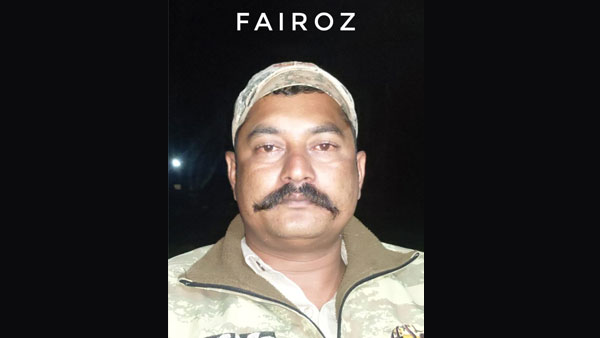
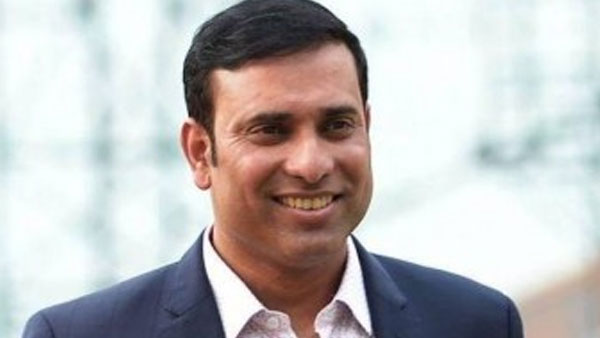
Forest watcher Fairoz has been nominated for the Wildlife Service Award 2022 by the Karnataka Forest Department. Fairoz, who is currently employed with the BRT tiger reserve, will be felicitated by former India cricketer and current National Cricket Academy director VVS Laxman on November 5 at the Global Academy of Technology campus, Rajarajeshwari Nagar Bangalore.
Three wildlife conservationists – Sunitha Dhairyam (Mariamma Trust, Bandipur Tiger Reserve), Akhilesh Chipli (Shimoga) and Colonel C M Muthanna (Kodagu) – will also be felicitated by VVS Laxman. Laxman is often remembered as the cricketer who in association with Rahul Dravid (180) had redefined Indian cricket in their epoch-making 376 run partnership against Australia at the Eden Gardens in 2001.
Fairoz will be the tenth forest watcher to be honoured with the prestigious Wildlife Service Award, constituted by Cricketers for Wildlife Conservation. Former Indian cricketers Sandeep Patil, Yusuf Pathan and Harbhajan Singh had conceptualised the award to motivate the unsung foot soldiers of our forest.
Fairoz will be presented with a cash award for his meritorious service to forest and wildlife protection. Besides daringly arresting 22 poachers, Fairoz has rescued 15 leopards and safely released them back in the forest.
pix: savetigersbandipur.org/founders-story/
Sunitha Dhairyam is a godsend for wildlife in Bandipur Tiger Cup. She is a guardian angel who protects tigers and leopards when they inadvertently make a cattle kill. To ensure farmers don’t poison the carcass, she pays on-the-spot compensation from her Mariamma Trust. Sunita Dhairyam has dedicated her life to wildlife conservation. She lives in the immediate vicinity of Bandipur tiger reserve.
pix: twitter.com/akhileshchipli
Akhilesh Chipli is a diehard wildlife activist from Sagar. He is the voice of the forest and its denizens in Shimoga district. Akhilesh Chipli has risked his life and fought tooth and nail to protect the flora and fauna of the Western Ghats. He has created awareness of the importance of biodiversity amongst people. In collaboration with Bangalore-based entrepreneur Suresh Kumar, he has successfully converted a barren 21-acre barren land into a verdant forest in Sagar.
pix: starofmysore.com
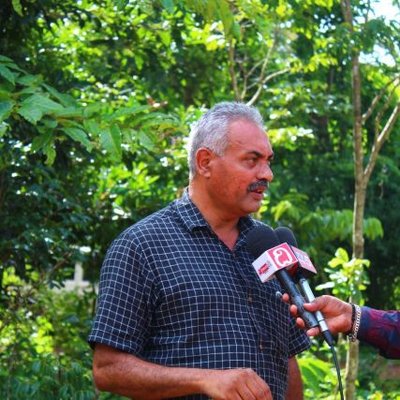
Colonel C P Muthanna has been at the forefront of environmental conservation of Kodagu district. He has dedicated his life for conservation for more than three decades. He has been able to bring the people of Kodagu together to stop large scale destructive projects in the Western Ghats.
Col. Muthanna has assisted the forest department in recovering 4000 acres of ecologically-sensitive forest landscape. He has been working closely with the Karnataka Forest Department and eco development committees on Human Elephant Conflict mitigation in Kodagu.
source: http://www.oneindia.com / One India / Home> News> Bengaluru / by Anuj Cariappa / pix credits under each pic / November 02nd, 2022
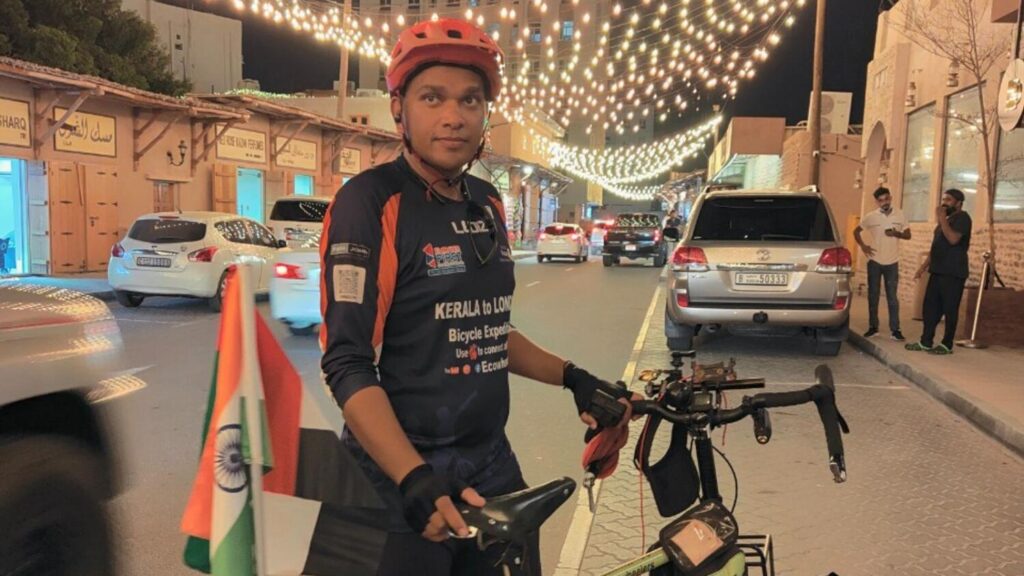
Fayis Ashraf Ali, who is currently in the Emirates for a pit stop, says one of his biggest dreams is to meet his hero Sheikh Hamdan
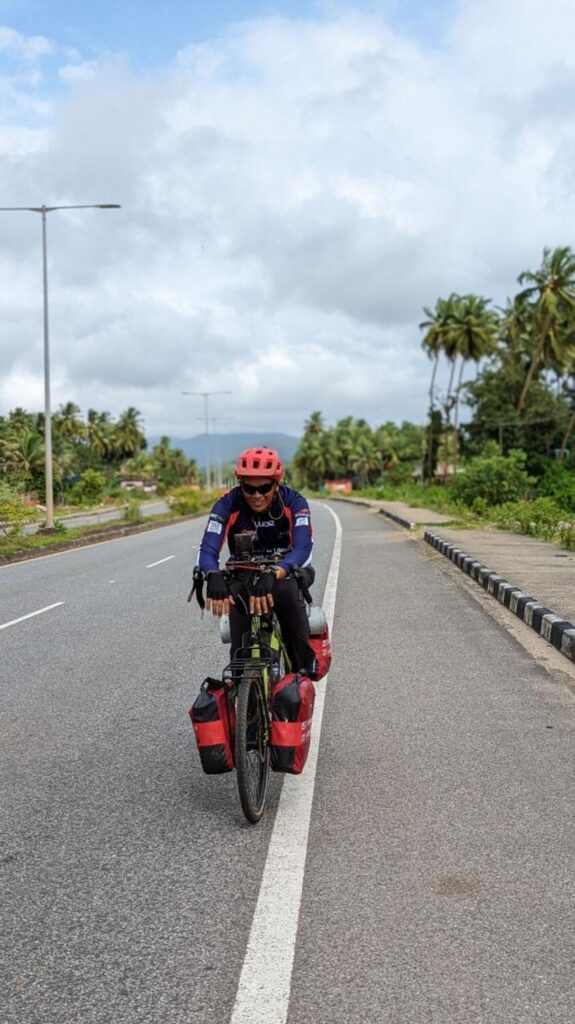
Thirty-four-year-old Fayis Ashraf Ali, a hard-core adventurer, has embarked on a big solo mission: To travel around 35 countries in 450 days — on a bicycle.
From the south Indian state of Kerala, Ali is biking his way to London to cover 30,000km. After departing Thiruvananthapuram on August 15 — where state Education Minister V Sivankutty flagged off his journey — he arrived in the UAE via Oman on September 27.
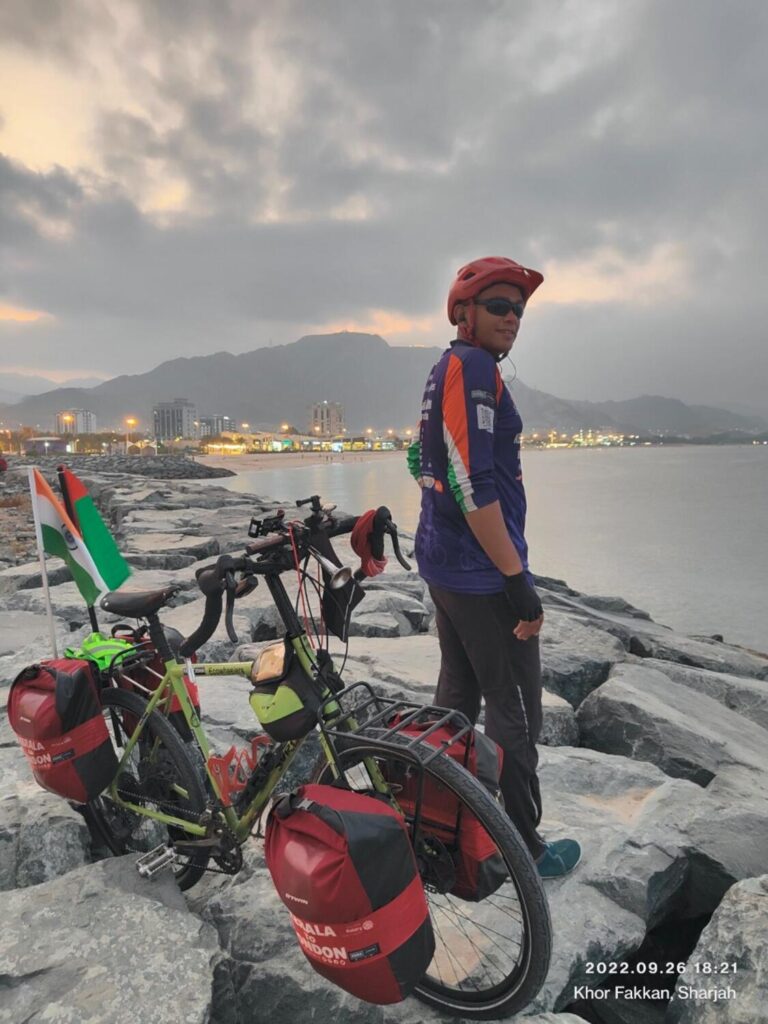
Speaking to Khaleej Times, Ali said he entered the UAE through Ras Al Khaimah and cycled through Khor Fakkan and Fujairah to arrive in Ajman.
“I will cycle to Sharjah, spend some time there attending events and then head on to Dubai and Abu Dhabi before crossing into Saudi Arabia,” he said.
The cyclist plans to spend 24 days in the Emirates, the third destination on his list. Here’s a photo of him in Khor Fakkan:
Hoping to meet his hero Sheikh Hamdan
In the UAE, Ali has only one hope – to meet the Dubai Crown Prince, Sheikh Hamdan bin Mohammed bin Rashid Al Maktoum.
“He is my hero. I draw so much inspiration from his adventurous personality. I sincerely hope to meet him before I depart for Saudi Arabia,” he said.
After his UAE pit stop, he will be moving to Saudi Arabia, where he will cycle across the country for two months.
“I hope to go to the holy cities of Makkah and Medina, and visit every place in Saudi Arabia, where I worked for four years with Wipro before leaving my job,” said Ali, an electrical engineer who has kept aside his professional goal to cycle worldwide.
From Saudi Arabia, he will travel to Qatar, and Bahrain, return to Saudi Arabia then head to Kuwait.
“From there. I will go to Iraq, Iran, Azerbaijan, Georgia, and Turkey and enter Europe through Greece. I plan to ride across 22 countries in Europe and hope to reach London in 2023,” he said.
This is not Ali’s first long journey on his bicycle. In 2019, he cycled from Kozhikode to Singapore in 104 days, covering more than 8,000km. He pedalled through Nepal, Bhutan, Myanmar, Thailand and Malaysia during that time.
No support crew, no hotel bookings
Going on this adventure — without any support crew — is not a spur-of-the-moment decision for the cyclist. In fact, it took him over a year and a half to plan the solo journey.
“I am travelling alone as this is being done on a budget. I am staying with people I meet during my travels. I have not booked rooms in hotels or lodges,” said Ali.
For example, in Khor Fakkan, Ali stayed with some cafeteria workers across the police station.
“I coincidentally went into the cafeteria to eat some food and told them about my journey. They invited me to stay with them for the night,” he said. “Since I am a Rotary Club member, I stayed in some of the club locations in India. I am hoping to find similar support in Europe. If not, I will sleep in a tent, a mosque, or whichever place that will have me for the night,” he said.
The Rotary Club, Norka-Roots, Malayalam Mission, Kerala Tourism and the Kerala Hearts Foundation are supporting the endeavour.
He rides on a Surly Disk Trucker Cycle, sponsored by UAE-based travel and luggage accessories company ParaJohn. Dubai- based Emirates First is also lending some financial assistance to him.
On his bicycle, he carries four bags filled with clothes, a battery pack, dried fruits, tools, and a GPS tracker. He rides only in the mornings.
What inspired Ali to take up this adventure?
Ali left his job as a networking engineer in 2016 to take care of his father who was suffering from a cardiac ailment.
“I got into the habit of cycling around that time. I got my cycle when my father was in the ICU. Unfortunately, a week later, my father died,” said Ali. He believes cycling would strengthen one’s heart.
Ali is cycling to raise awareness about heart health, world peace, health care, zero carbon emission and zero drugs. He is married to dentist Dr Asmin Fayis and a father to two boys, Fahzin Omar and Izin Nahel.
“My wife supports me in every way possible. She is the one who plans my itinerary and posts on social media. She helps me immensely with the paperwork needed for such a journey. She does all this while taking care of our kids and is an assistant professor at the Coorg Institute for Dental Sciences. She is a superwoman,” he said.
Ali says that to make extraordinary achievements, one has to make several sacrifices. “I do not want to go back to work, and I want to achieve something extraordinary before I depart from this world,” he stated.
source: http://www.khaleejtimes.com / Khaleej Times / Home> World> UAE / by Dhanusha Gokulam / September 29th, 2022
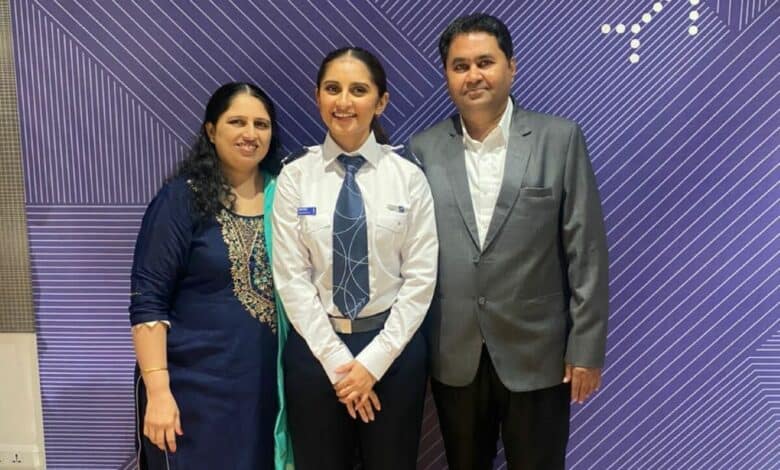
A few months ago, she was appointed as the first pilot of Indigo Airlines.
Indigo pilot Aafrin Hirani [Twitter]
Hyderabad:
The journey of 28-year-old Indigo pilot Aafrin Hirani from her family’s grocery store to the flight cockpit is a motivation to youngsters, especially girl students.
Aafrin who is the daughter of Aziz Hirani, owner of a grocery store located in Indervelli Mandal, Adilabad district is now a pilot of Indigo Airlines.
As becoming a commercial pilot was her dream since her childhood, she opted for Aeronautical Engineering after completing intermediate from a college in Hyderabad.
Later, she was selected for two-year rigorous training in Australia. Though she completed training in 2020, she waited for two years as the appointment process was halted due to the pandemic.
A few months ago, she was appointed as the first pilot of Indigo Airlines. After the appointment, Aafrin said that the encouragement and support received from her parents helped her in achieving success.
After her appointment as an Indigo pilot, she became the second woman commercial pilot from Adilabad. Earlier, Swathi from the same district was appointed as a commercial pilot and she was the source of inspiration for Aafrin.
Who is the commercial pilot?
A commercial pilot is a trained professional who flies airplanes or helicopters for the transportation of passengers, cargo, emergency rescue, etc.
They are skilled enough to handle aircraft and ensure passengers’ safety in different weather conditions.
In order to become a commercial pilot, obtaining a Commercial Pilot License from the Directorate General of Civil Aviation (DGCA) is mandatory.
This license is given to those who are medically fit and successfully undergo training at a flying school.
Indigo airlines
Indigo is a low-cost airline headquartered in Gurgaon, Haryana. Its domestic market share as of August 2022 was 57.7 percent.
The airline not only operates domestic but also international flights. As of July 2022, it operates over 1500 flights daily to 98 destinations in India and abroad.
source: http://www.siasat.com / The Siasat Daily / Home> News> Telangana / by Sameer Khan / October 17th, 2022
Muffadal Zahra Deesawala and Bhavtegh Singh Gill won India’s third medal of the International Shooting Sport Federation Shotgun World Championship in Osijek, Croatia. The duo picked up a bronze in the Skeet Mixed Team Junior event here at the Olympic Shooting Range ‘Pampas’ on Tuesday.
They beat the American pair of Aidin Burns and Mikena Grace Fulton 5-1 in the second bronze medal match. They were declared winners by Golden Hit after Bhavteg and Mufaddal shot seven out of eight targets in the last series, enough to ensure that the Americans cannot win the series after Burns missed one out of his four targets.
The first pair to six points usually wins the match but the Indians were up 5-1 already and a tied last series would have given the Indians the point needed to win.
Deesawala and Gill finished sixth in the qualifiers shooting a combined 132 out of 150 targets. Deesawala shot 62 out of 75 and Gill shot 72 out of 75 shots to secure the last position for the bronze medal matches.
The British pairing of Mitchell Brooker Smith and Sophie Herrmann won the Gold in the event beating Haolei Zhao and Dan Wang of China 6-4.
Areeba Khan, on Tuesday, had won India’s second medal of the World Championship after the Junior Men’s Trap Team had won a gold.
Bhowneesh Mendiratta had also won a Paris Olympic quota, India’s first for the 2024 Games, earlier in the championship. He finished fourth in the event.
source: http://www.scroll.in / Scroll.in / Home> The Field> Shooting World Championships / by Scroll Staff / October 04th, 2022
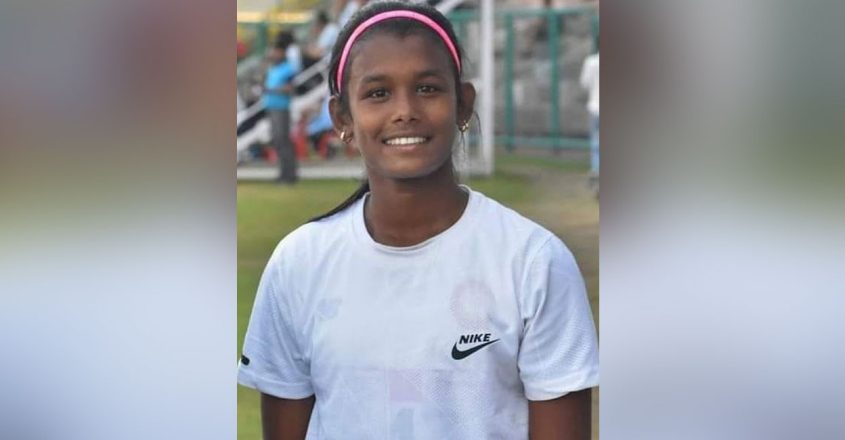
Mubssina Mohammed, a 16-year-old from Lakshadweep, has won India a silver medal in the girls’ Long Jump event at the 4th Asian U18 Athletics Championships that began Thursday in Kuwait.
It is the first-ever Asian-level athletics medal won by an athlete from Lakshadweep.
Mubssina jumped 5.91m to finish second behind Uzbekistan’s Sharifa Davronova (6.06m) and ahead of Hong Kong’s Wai Yin Jia (5.81m).
Last month, the talented athlete from the Minicoy islands created history by winning Lakshadweep’s first-ever national-level medal in athletics.
She had clinched gold in Long Jump (5.90m) at the Youth National Championships held in Bhopal.
Mubssina is coached by Ahmed Jawad Hassan, who discovered her at a local sports festival.
India also clinched a pair of gold medals and a bronze on the opening day.
In boys’ shot put, Akash Yadav (19.37m) took gold while his teammate Siddharth Choudhary (19.00m) claimed silver.
In boys’ 1500m, Amit Chaudhry of India was placed first after clocking 4:04.59.
source: http://www.onmanorama.com / OnManorama / Home> Sports / by Onmanorama Staff / October 14th, 2022
.webp)