Bengaluru, KARNATAKA :
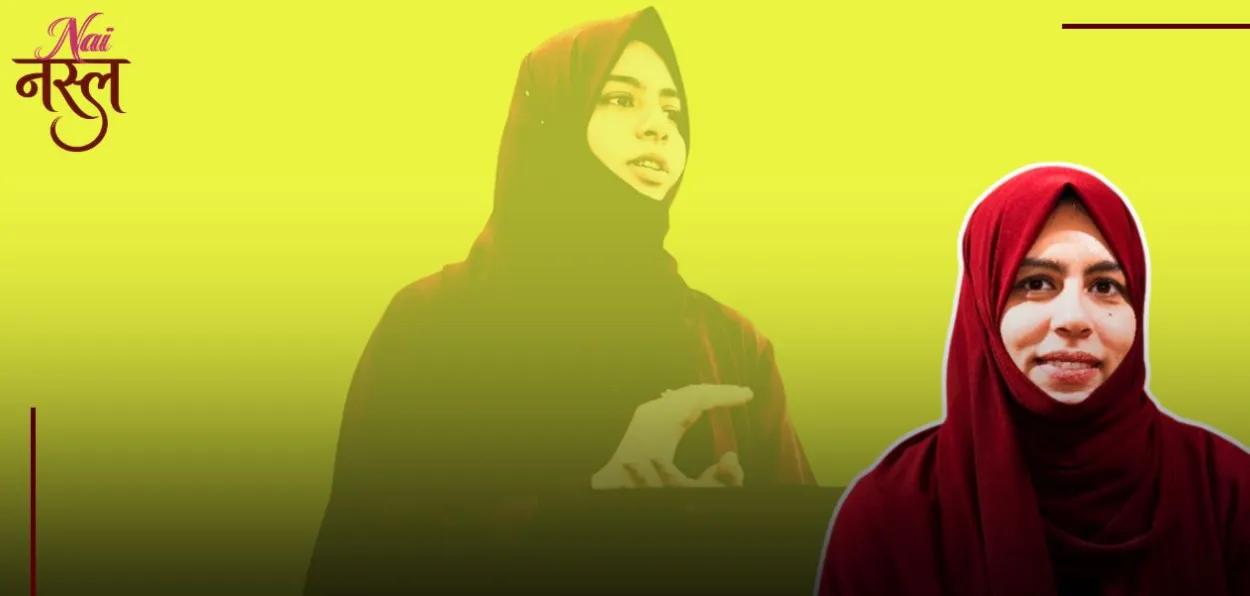
Zulekha Shakoor Rajani, Head of the Department of Islamic Psychology at Ummeed
The average scroll lasts seconds. The average craving wants an answer now. We have built a culture around instant gratification and then wondered why patience, self-understanding, and emotional regulation feel so difficult. Zulekha Shakoor Rajani wants to slow down that conversation.
A Counselling and Spiritual Psychologist, Clinical Director, and Head of the Department of Islamic Psychology at Ummeed Counselling Centre in Bengaluru, Rajani works at an unusual but increasingly relevant intersection: psychology and faith. With more than 8,000 hours of clinical practice, she works across counselling, psychoeducation, mentoring and professional training, while exploring what it means to understand the human being through an Islamic psychological framework.
Her message to young people is simple: before trying to fix your life, understand yourself.
For Rajani, the journey towards psychology and Islamic Psychology was not the result of a single defining moment. It grew from two interests that had been present since childhood.
Raised in an Islamic environment and surrounded by scholars through her family, she developed an interest in Islam alongside her fascination with psychology. She describes her abilities and opportunities through the concept of salahiyah, the capacities Allah gives a person, and believes her path was shaped by the opportunities that followed.
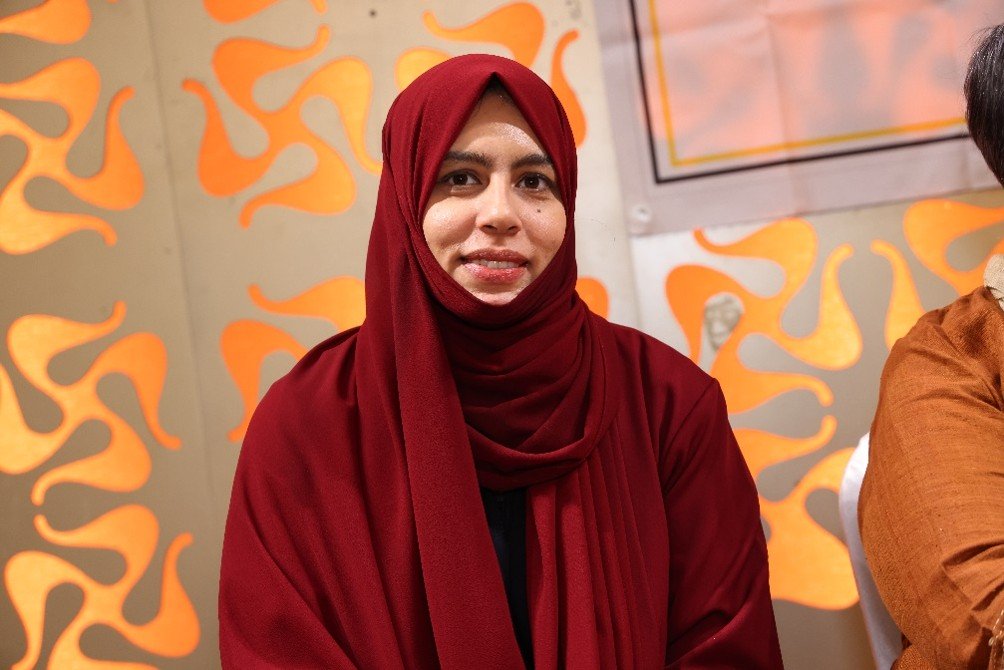
Zulekha Shakoor Rajani
Those opportunities eventually took her beyond India. At Cambridge Muslim College, she studied Islamic Psychology, gaining exposure to both theory and practice alongside a select international cohort.
She later trained through the Khalil Centre, including clinical Islamic psychology experiences in Chicago and Istanbul, while also pursuing specialised training in Tazkiyah Therapy, Islamic Psychology, and Marital Counselling.
Her professional journey in Islamic Psychology began taking a more definite shape six years ago. Today, her work spans clinical practice, research, supervision and training. She also serves as a facilitator and teacher at Al Balagh Academy and as an Executive Advisory Member of International Students of Islamic Psychology India.
But for Rajani, the growing need for this field is inseparable from the state of mental health awareness in India.
“The concept of mental health has been very weak in India,” she says.
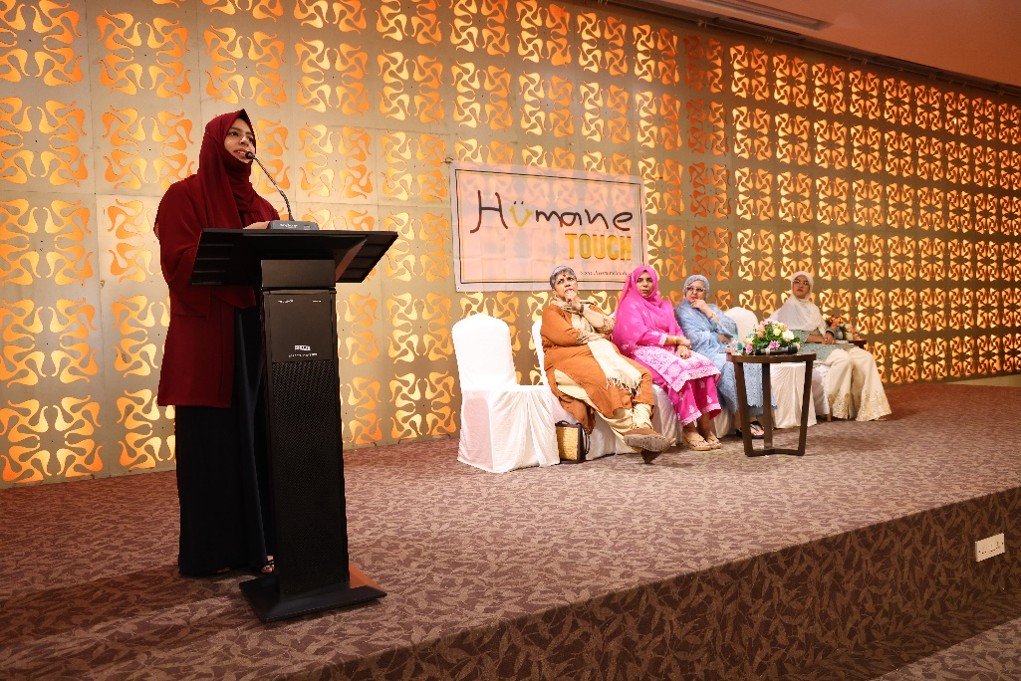
Zulekha Shakoor Rajani speaking in a function
Although psychological discourse has expanded significantly, she believes India still has considerable ground to cover when it comes to recognition, acceptance and understanding of mental health care.
Within Muslim communities, she sees an additional opportunity to explore the relationship between psychology and iman in a way that is culturally and spiritually meaningful.
“There is a lot around psychology and iman,” she says, pointing to the scope for developing approaches that speak to the lived realities of Muslim communities.
Yet awareness can easily be distorted. Rajani believes the media has a significant role in shaping how society understands mental health and sometimes in creating misconceptions around it.
“The media plays a very important role in misconceptions regarding mental health,” she says.
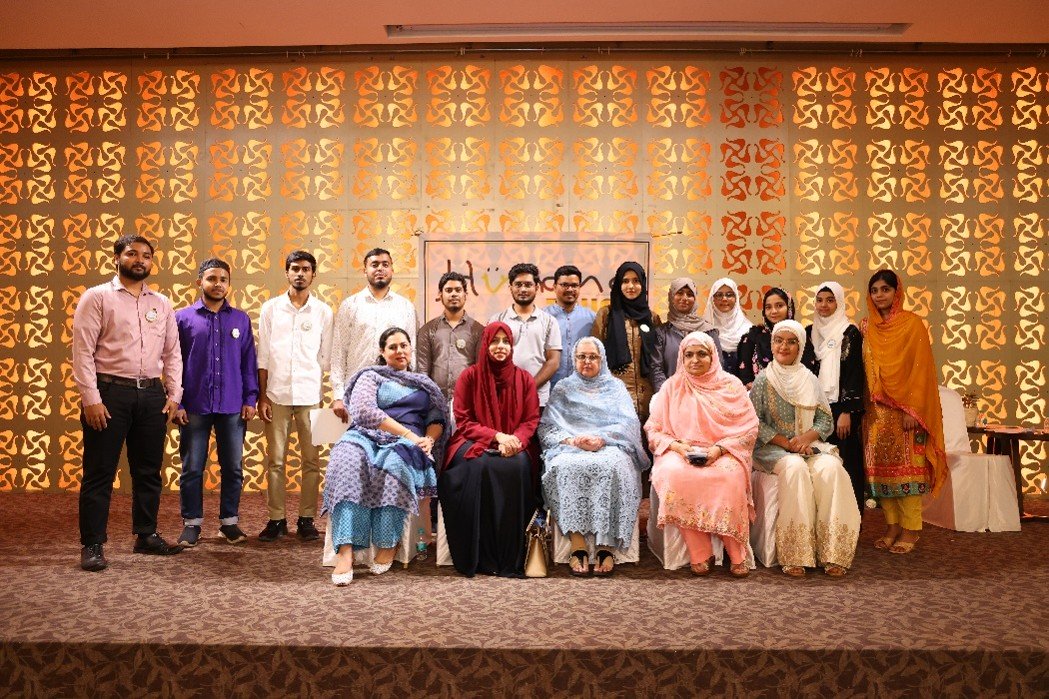
Zulekha Shakoor Rajani with her colleagues
One of the biggest challenges, she believes, is that people often wait too long before seeking professional support. There are stages in life when seeking help can prevent a concern from becoming much more difficult, but recognising that need remains uncommon.
Her clinical work has shown her what meaningful change can look like. Some of the moments she finds most rewarding are deeply human ones: seeing a couple reconcile after working through their differences, or watching someone move beyond patterns of early repression and begin coping in healthier ways.
For a relatively young field in India, however, there is another obstacle: a shortage of adequately trained professionals. Rajani believes expanding the field responsibly through both clinical work and research is essential.
Her concern becomes particularly urgent when she talks about young people.
Gen Z has grown up in an ecosystem designed around immediacy. Social media offers constant comparison; entertainment is available on demand; food, shopping and communication are increasingly built around convenience. Rajani sees the psychological consequences in what she describes as a growing “urgency” among young people.
“There is a lot of urgency in this generation,” she observes, linking it to reduced patience and what she calls “dopamine hijack.”
Her answer is not to reject technology or modern life, but to develop greater awareness of self. Young people, she believes, need to understand their insecurities, their attachments and the ways their nafs, their inner drives and tendencies, shape their behaviour.
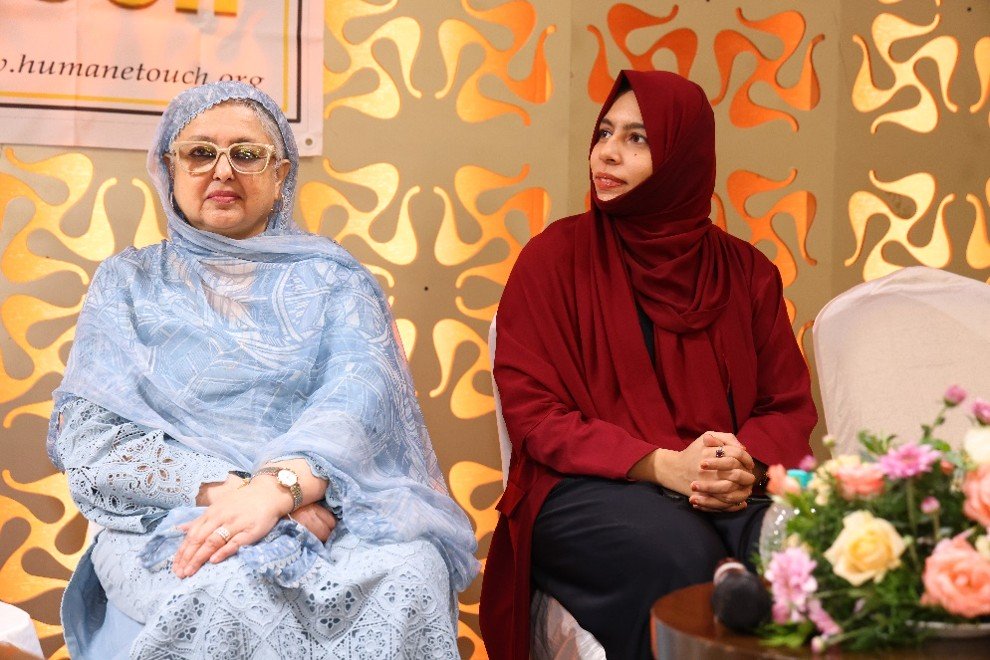
Zulekha Shakoor Rajani (Right) with an unidentified person
Social comparison is another serious concern. Constantly measuring one’s appearance, achievements, relationships or lifestyle against carefully curated online versions of other people’s lives can quietly erode self-esteem and satisfaction.
Relationships, too, are changing. Rajani points to attachment issues involving spouses and children, parenting concerns, shifting family roles and struggles around boundaries. These changes, she says, are creating difficult questions about identity and the place of women in society.
This is where her understanding of Islamic Psychology moves beyond simply adding religious language to conventional therapy. Her work explores the human being through a broader bio-psycho-social-spiritual lens, bringing together psychological understanding, physical and social realities and spiritual dimensions.
That philosophy also informs her extensive work outside the clinic. Rajani has conducted more than 100 workshops, retreats and seminars addressing youth development, parenting, marital enrichment, addictions, emotional regulation, women’s psychology, resilience and the nafs. She has also presented at national and international forums on spirituality, psychology, counselling and psychosocial rehabilitation. Her work has increasingly focused on developing culturally rooted approaches to mental health and strengthening the research base of Islamic Psychology.
Her recent academic work reflects that direction. In 2026, she presented research on “Retraining the Nafs in the Age of the Screen: A TIIP Framework for Behavioural Addiction in Muslim Youth,” bringing together clinical learning, supervision and questions about technology’s influence on young Muslims.
In 2025, she was also recognised as one of the “40 Under 40 Leaders” by the All India Muslim Development Council, adding another milestone to a career increasingly focused on making mental health conversations more accessible and culturally grounded.
Yet perhaps her most important advice is the simplest.
“Don’t wait for things to get very bad,” she says. “One consultation would be helpful.”
For Rajani, seeking help is not a sign of failure. It can be the beginning of understanding what is happening within.
And in a generation constantly encouraged to optimise everything, from productivity to appearance to relationships, perhaps her most radical suggestion is to pause and look inward.
Because mental health, in her view, is not only about learning how to cope. It is also about intellectual stimulation, personal growth, understanding the nafs, reconnecting with one’s deeper sense of purpose, and asking a question that no algorithm can answer for us:Who are we becoming?
source: http://www.awazthevoice.in / Awaz,TheVoice / Home> Stories / by Saniya Anjum / September 25th, 2026