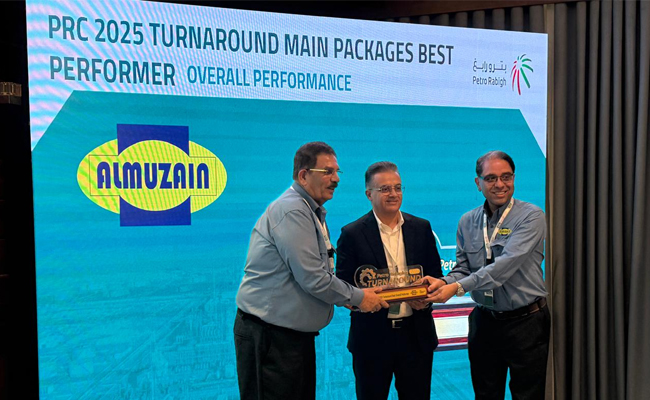
Almuzain Company was awarded the Best Performer for the Main Packages of the 2025 Mega Turnaround at Petro Rabigh, which is ranked as the largest turnaround executed based on its scope and complexity.
The prestigious award was presented by Othaman AlGhamdi, President and CEO of Petro Rabigh. Almuzain management representatives Bajpe Zakaria and T.V. Deepak accepted the award on behalf of the entire Almuzain team who contributed to this achievement.
The overall performance award covers safety, quality and on-time completion, contributing to the success of the project.
The company secured the Best Performer Overall Turnaround First Prize.
source: http://www.english.varthabharati.in / Vartha Bharati / Home> Gulf / by Vartha Bharati / February 10th, 2026
In an era where escalating medical explosive costs are making healthcare inaccessible to millions, Khan Sir has given India a reason to take pride. Patna is set to experience a significant enhancement in healthcare access with the launch of the hospital for those who can’t afford the highend treatments and diagnosis of the diseases.
The hospital, established by Faizal Khan—founder of the world’s largest and most affordable online education platform—known as Khan Sir, provides low-cost diagnostic and treatment services for the poor. Khan Sir’s initiative is inspired by his mother’s vision of making healthcare affordable and removing financial barriers to medical care.
Speaking to the media, Khan Sir said. “I have started this initiative for the ease of the residents of my nation. It was my mother’s dream to build a hospital that gives affordable medical treatments to everyone. Building upon that, I am trying to create a situation where women of my country, whom I consider family, don’t have to mortgage their jewellery for any medical treatment. My further motive is not to earn out of this initiative; I would rather curb the brokerage that is involved in the medical facilities of Bharat.”
The hospital is located on Ashok Rajpath in Patna, Bihar, and has been designed to serve low income families, daily wage earners, senior citizens, and economically underprivileged patients who struggle with high healthcare costs. Khan Sir has stated on multiple occasions that the facility’s mission is to provide quality care at costs much lower than even government hospitals.
Khan Sir Hospital, Patna (Bihar)
From the start, the hospital has focused on keeping diagnostic and treatment costs extremely affordable. For example, a blood test is charged at only Rs 7, while an ECG (electrocardiogram) costs Rs 25 figures that have caught public attention for being significantly lower than typical lab charges. Initial pricing also includes minimal fees for X rays and kidney tests designed to ensure that essential diagnostics are accessible to all.
According to the hospital’s official information, even more services are priced affordably: Digital X rays at Rs 30, CT scans from Rs 150, ultrasound for Rs 100, blood tests around Rs 50, and consultations at just Rs 20. These rates make basic medical care much less burdensome for patients who previously had to choose between health and household expenses.
खान सर का हॉस्पिटल इस दिन से होगा चालू, 35 रु में X-Ray से लेकर काफी सस्ता ईलाज! पटना में कुल 5 बड़े Ai जेनरेटेड हॉस्पिटल खोलेंगे! Khan Sir Hospital Patna pic.twitter.com/TTxoq3Jy7R
— छपरा जिला 🇮🇳 (@ChapraZila) January 4, 2026
Beyond basic diagnostics, Khan Sir Hospital offers a 24/7 blood bank and dialysis centre, with trained nephrology teams and modern equipment. A dedicated emergency department and general OPD services ensure continuous care for various health needs. The hospital also runs community health programmes and patient education initiatives to encourage preventive care.
In line with his charitable mission, Khan Sir plans to expand services across Bihar by establishing dialysis centres and blood banks in other districts with advanced machines imported from Germany and Japan aiming to provide affordable care where it is most critical.
The hospital’s community outreach has included blood donation drives, where more than 150 units were collected, helping save lives in emergencies. Such efforts demonstrate the institution’s commitment to community health, not just commerce.
The initiative has inspired strong emotional support from followers. In one notable example, a young fan from Uttar Pradesh drew attention by creating and gifting paintings made with her own blood to Khan Sir in Patna, a symbolic tribute to his work in healthcare and education.
With this combination of ultra-low fees, modern treatment facilities, community outreach programmes, and a mission rooted in service, Khan Sir Hospital is positioning itself as a lifeline for affordable healthcare in Bihar. It represents a growing model of healthcare that prioritises accessibility and compassion at its core.
source: http://www.awazthevoice.in / Awaz, The Voice / Home> Stories / by Asshhar Alam / February 09th, 2026
In a period marked by suspicion and sharp communal divides, a quiet act of integrity by a Muslim scrap dealer in Faridabad has drawn attention for its moral clarity.
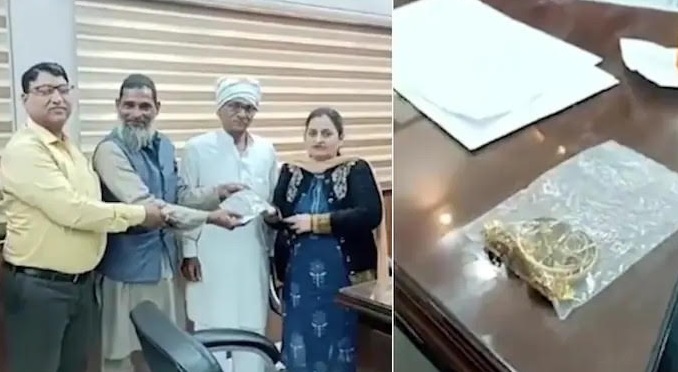
Haji Akhtar Khan, a kabadi trader in Ballabhgarh, returned gold jewellery worth around Rs 15 lakh to its Hindu owner nearly four months after unknowingly buying it as scrap. The jewellery, weighing close to 100 grams, had been accidentally mixed with household waste during a Diwali clean up and sold along with other discarded items.
The ornaments belonged to Ashok Sharma, a resident of Ballabhgarh. Weeks after selling the scrap, the Sharma family realised that a small packet containing gold jewellery was missing. The loss caused distress, since the ornaments represented years of savings and family memory. By then, the scrap had already passed into the informal recycling chain.
Khan had purchased the scrap in bulk, a routine practice in the trade. Months later, while sorting stored material in his warehouse, he noticed a packet hidden among old items. On opening it, he discovered gold jewellery. The find came at a time when Muslims in several regions face frequent suspicion in public life and trade.
Instead of treating the discovery as an unexpected gain, Khan chose a different path. When Sharma later approached him with inquiries, Khan admitted finding the jewellery and promised to return it without delay.
To maintain transparency, the handover took place at the office of ACP Ballabhgarh Jitesh Malhotra, in the presence of police officials. The moment carried visible emotion for the Sharma family, who received back their belongings intact. Police officers present described the act as rare and worthy of recognition.
Those familiar with Khan describe him as a practising Muslim who has performed Hajj and regards honesty as central to faith and livelihood. In Islamic teaching, amanah or trust holds deep importance, especially in trade and public dealings. Khan reportedly said the discovery felt like a trust placed upon him and returning it remained a duty before God.
The episode unfolded against a broader backdrop of heightened communal tension, economic boycotts, and stereotyping directed at Muslims in public discourse. In such an environment, everyday acts often receive communal labels. Khan’s decision challenged such narratives through conduct rather than argument.
Faridabad, part of the National Capital Region, mirrors many of north India’s social complexities. It hosts factories, migrant labour, and small traders from diverse communities. In this setting, an ordinary scrap transaction turned into a moment of shared trust between neighbours of different faiths.
For Ashok Sharma and Haji Akhtar Khan, the exchange rested on honesty rather than identity. The story has since circulated locally as an example of lived communal harmony. It offered a reminder that ethical choices remain possible even amid strained social conditions.
What began as a Diwali mistake ended with restored faith in human conscience. The return of the jewellery did more than correct a loss. It affirmed dignity, trust, and coexistence through a simple decision guided by principle.
source: http://www.radiancenews.com / Radiance News / Home> Latest News> Report / by Radiance News Bureau / February 23rd, 2026
Watrina Village (Bandipora District, North Kashmir), JAMMU & KASHMIR :
Mumtaza Begum, Sheep farm owner
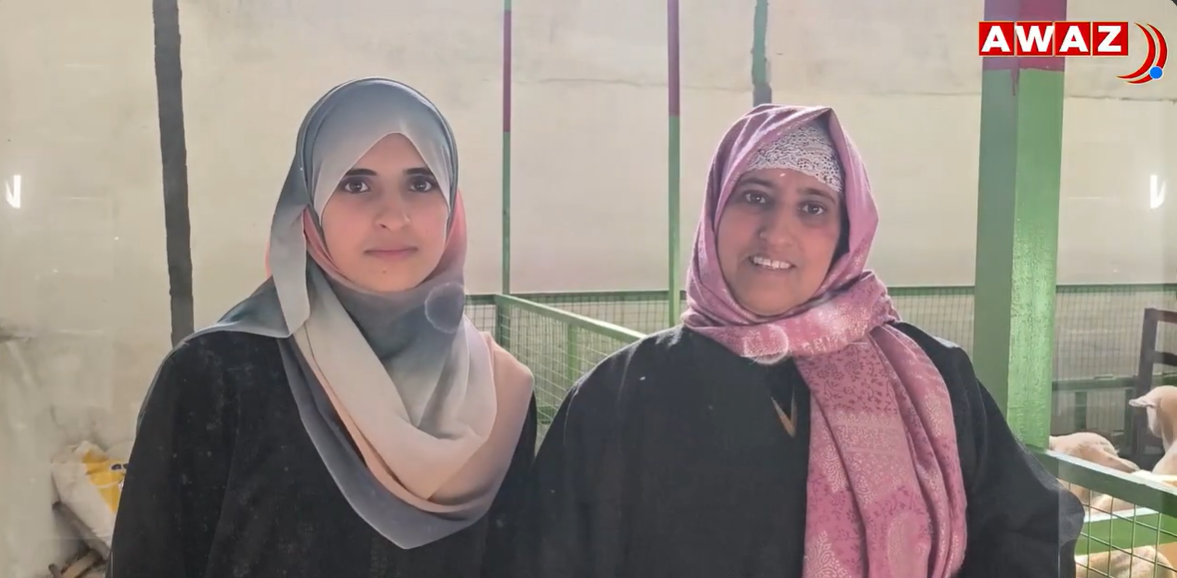
Mumtaza Begum, a 33-year-old homemaker from Watrina village in Bandipora district, North Kashmir, has changed her life through sheep farming. Despite limited resources, social challenges, and the compulsion to drop out of college early, Mumtaza refused to give up and is today recognised as a successful female entrepreneur in the area.
Mumtaza’s story is one of struggle and the spirit of fighting out adversity. Financial difficulties forced her to drop out of college, but she never gave up on her dreams. Her matrimonial family had 10 to 15 sheep, which were reared using traditional methods. This sparked the idea of pursuing sheep farming on a larger scale.
Mumtaza’s dream wasn’t limited to mere subsistence; she wanted to turn it into a systematic and successful business.
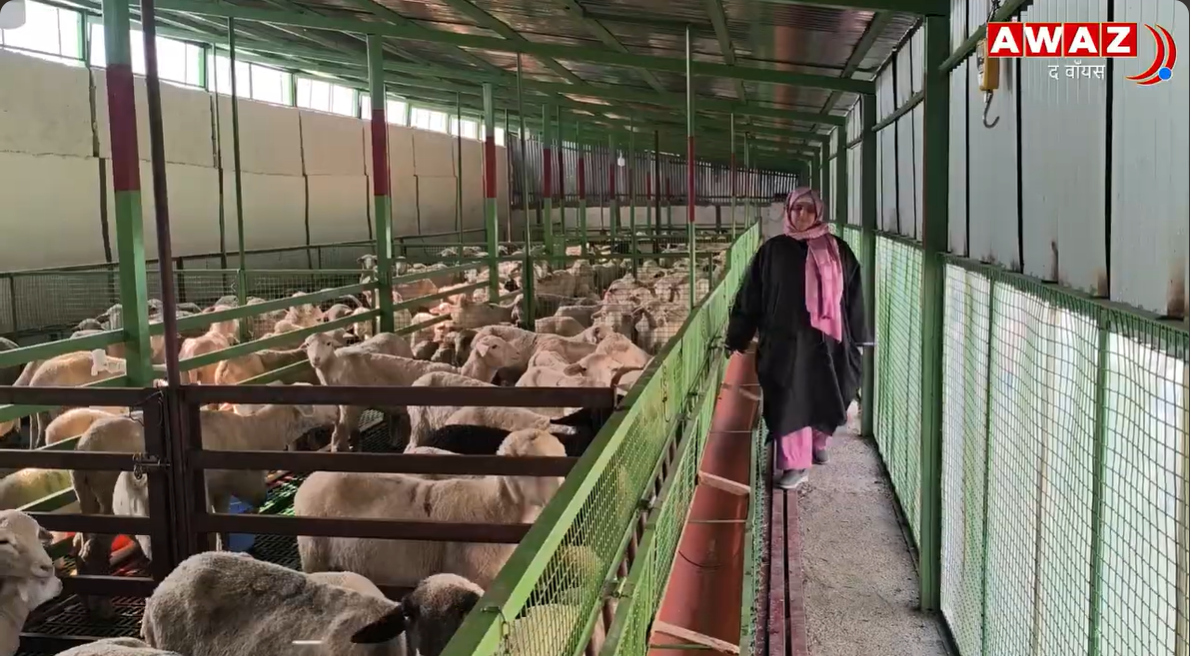
With this thought in mind, she approached the Animal Husbandry Department in Bandipora. With the department’s guidance, she applied under the state-sponsored subsidy scheme, “Mini Sheep Farm.” In February 2019, she was selected and allotted a unit of 50 sheep.
Sheep rearing requires hard work and patience. Besides, for Mumtaza, the lack of experience was also a major challenge. But Mumtaza didn’t give up. Through persistent hard work, a passion for learning, and a strong will, she gradually expanded her business. Over time, her experience grew, and her farm expanded.
Mumtaza credits her family, especially her husband, for her success. She says that her husband stood by her every step of the way. “He is always there for me, offering emotional support and actual help with work,” she says.
Mumtaza believes that family support is crucial for women entrepreneurs, especially when they have to juggle both home and work responsibilities.
Mumtaza also praises the officials of the Animal Husbandry Department for her success. Proper guidance, technical advice, and knowledge of government schemes helped her overcome many challenges. With the department’s support, she could manage her farm efficiently and increase production.
Today, Mumtaza Begum owns a successful farm with over 210 sheep. She earns a net income of over 5 lakh rupees annually. Most of her sheep are sold during Eid al-Adha, providing her with a substantial income. This work has not only improved her financial situation but also boosted her confidence and self-worth.
Mumtaza no longer considers herself merely a sheep herder; She wants to inspire other women to opt for entrepreneurship.
She shares her experiences with women and encourages them to move forward. She says that if women utilise the opportunities available to them, they can certainly improve their social and economic status.
Mumtaza says that the true rewards of hard work come when one proves oneself. For her, sheep farming is not just a means of earning money, but a path to self-reliance and respect.
This woman from Bandipora has proven that with the right mindset, hard work, and support, any dream can become a reality.
source: http://www.awazthevoice.in / Awaz, The Voice / Home> Stories / by Arsla Khan, New Delhi / February 11th, 2026
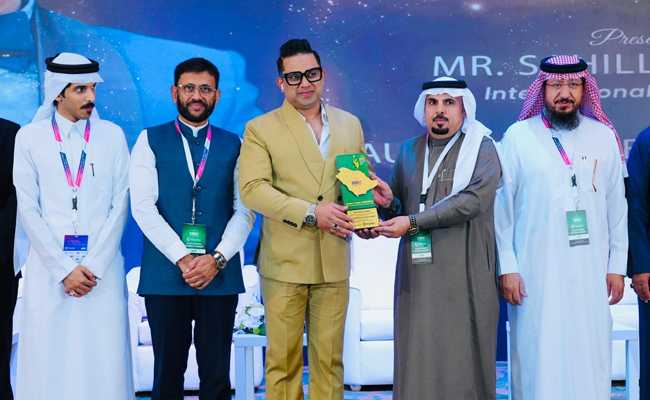
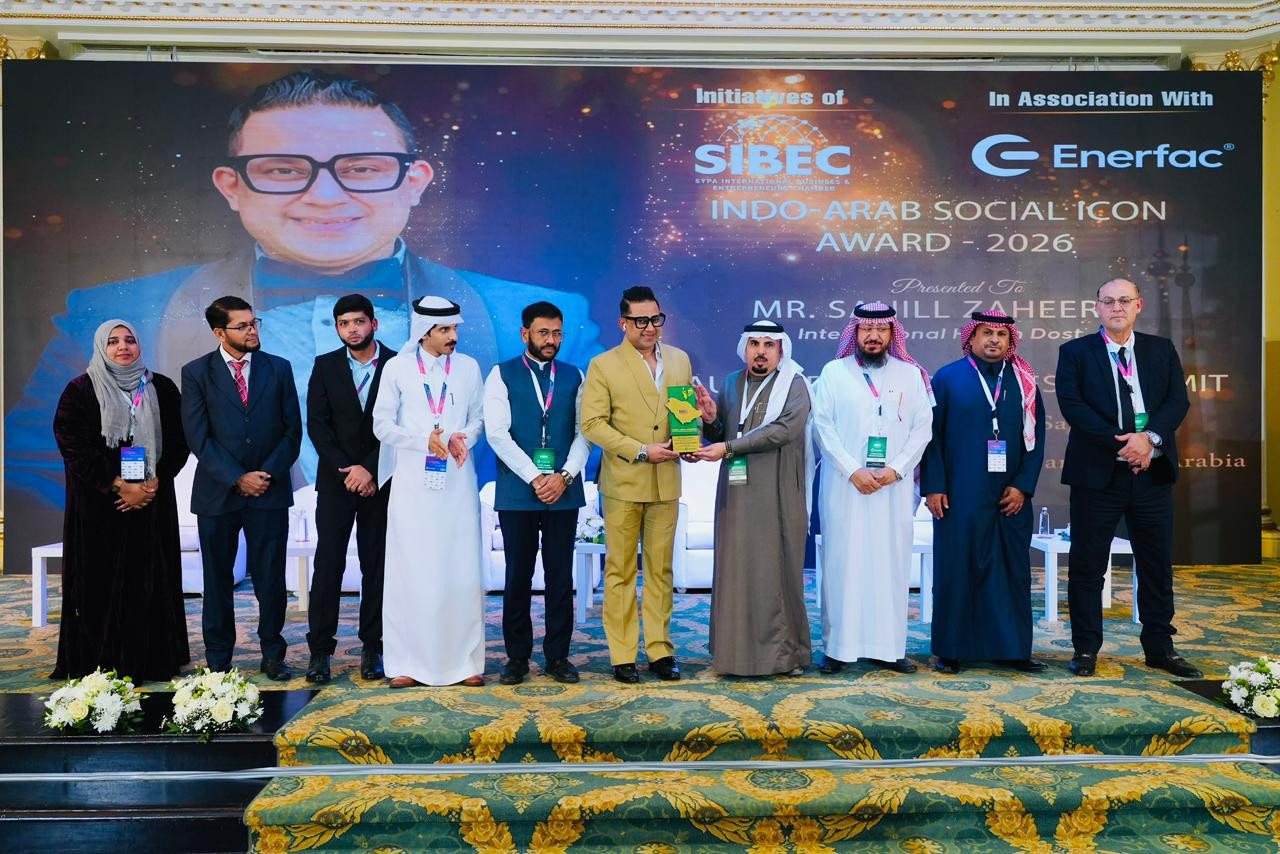
International host Sahill Zaheer was honoured with the Indo Arab Social Icon Award at an international gathering held in Al Khobar on February 7, where the Saudi Arabia Chapter of SIBEC – SYPA International Business & Entrepreneurs Chamber was officially launched.
SIBEC is a global business and economic collaboration platform that brings together entrepreneurs, investors and professionals to strengthen cross-border partnerships. The Saudi chapter launch was organised in association with Enerfac Solutions.
Enerfac Solutions, led by CEO Nazurudin Ahamed and Director Sivaprakash Umapathy along with its board members and team, describes itself as a company focused on ethical business practices and inclusive growth. The organisation has been supporting entrepreneurs, small and emerging businesses as part of its CSR initiatives, while encouraging partnerships and industry development. Company representatives said its approach centres on responsible business and ensuring that growth benefits the wider community.
Sahill Zaheer, who works as a host and event manager, has earlier been associated with Namma TV as a VJ and with Radio Mirchi 98.3 FM as an RJ. Over the years, he has hosted national and international shows, corporate events and award functions. He has shared stage space with singers such as Sonu Nigam, Udit Narayan and Shreya Ghoshal. He has also anchored events connected to cricket tournaments, including T10 and T20 formats and IPL-related programmes.
Recently, he hosted the Festival of Cricket – Women’s Edition in Al Khobar, described as the first women’s cricket celebration of its kind in the Kingdom of Saudi Arabia.
The award was presented in recognition of his contributions as a host and his involvement in international events connecting Indian and Arab audiences.
Kirugavalu Village (Malvadi Taluk, Mandya District), KARNATAKA :
Passionate efforts
Farmer Syed Ghani Khan has brought back the use of traditional varieties even as farmers are lured into buying unsustainable varieties.
Some farmers have been the victims of forceful marketing and have opted for commercial varieties of rice and other crops promoted by seed firms.
In effect, they have switched from native varieties — which suit the soil and climatic conditions — to the ones that consume more water and fertilisers, and are easy prey for insects and pests. But it does not take farmers long to realise that the yield comes down after a few years, leaving the soil toxic.
Remedy lies in returning to traditional grains. But wooing farmers away from commercially promoted seeds, fertilisers and insecticides is a task.
Syed Ghani Khan, a farmer from Kirugavalu, a village in Mandya district, has been pursuing that task as a lifetime passion.
He has set up a museum in his village home by setting apart two rooms for the purpose.
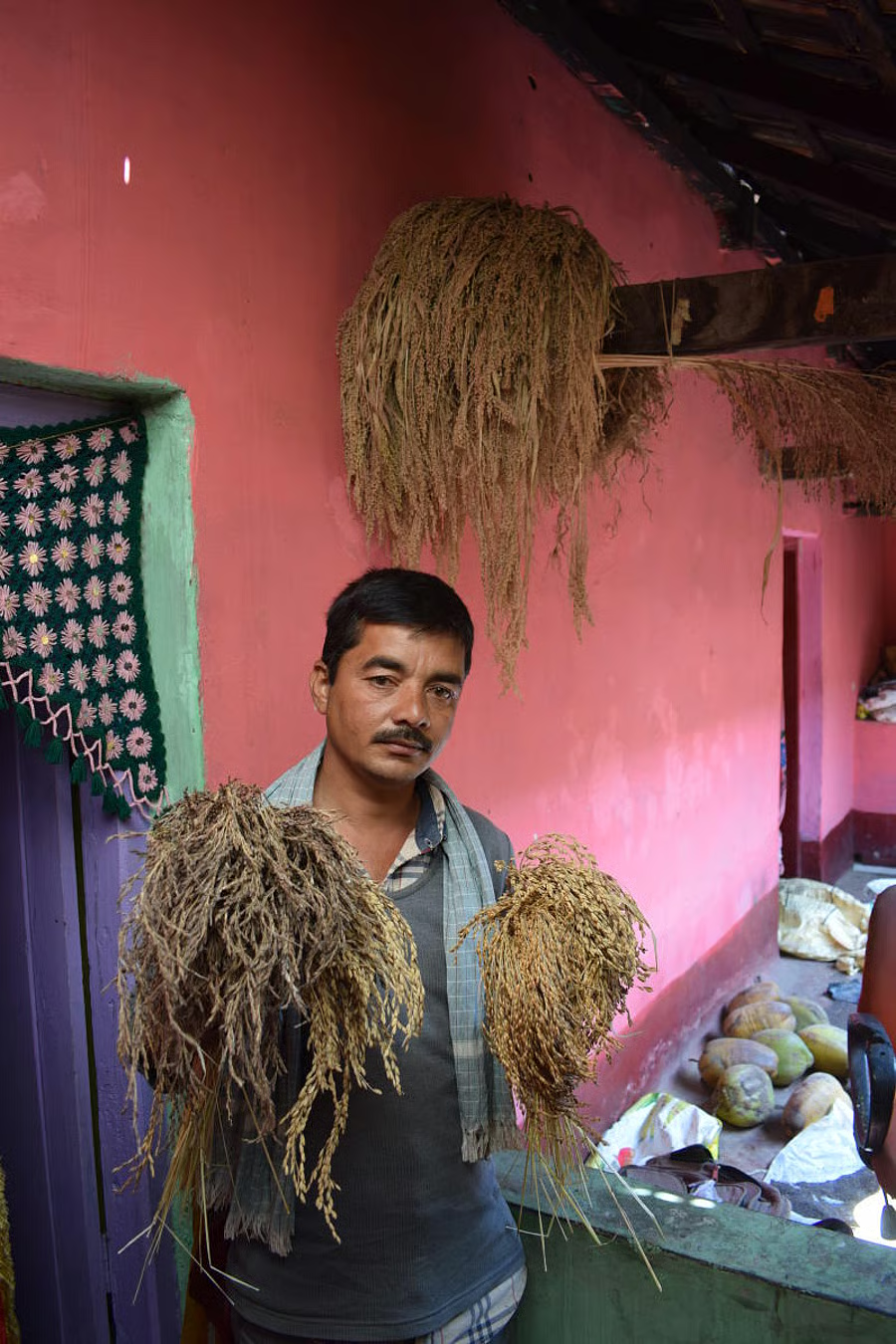
He has conserved over 700 varieties across 15 and more acres of land. These crops are harvested carefully, and the panicles laden with grain are bunched, marked with names and numbers, and arranged systematically on the walls of the two-room museum.
Some of them are even stored in bottles to be given away to farmers around the village to experiment with the heritage crops they lost in the race to boost harvest with new varieties.
Khan is a graduate from Mysore University with a degree in Archaeology and Museology. After completing his studies in Mysuru, Khan joined his father in tending to his farm.
He was pained at the sight of farmers getting addicted to industrial products and giving up the traditional varieties and practices.
He took up the task of preserving traditional seeds in packets and supplying them to those who were converts to his cause. Yet, he was not satisfied with what he did. He thought he needed more systematic efforts to create awareness about the usefulness of the old varieties and the supply of seeds.
According to Khan, continuous onslaught of publicity for industrial farm products has misled farmers into switching over to newer seeds — be it cereals, lentils, vegetables or fruits. This has led to enmasse shift to high-yielding varieties like MTU-1001, IR-64, Jaya etc.
Khan says traditional varieties hold the key to sustainable farming that is less expensive, does not erode the fertility of the soil. “In our pursuit of bumper harvest, we have damaged the soil and have made paddy an aquatic crop, which it is not,” he laments.
He began collecting varieties like Rajmudi, Ghamgadale, Doddibatta, Parimala Sanna, Basmati, Ratnachudi, Gandhasale, Mysore Mallige, Jeerige Sanna, Burma Black, Rasakdam, Thai Jasmine etc in earnest. Several of these varieties harbour medicinal properties while others emit aroma while being cooked.
According to Khan, varieties such as Doddibatta, Ghamgadale and Biddi Doddi can be grown in farms that receive just one or two spells of shower.
Ratnachudi, HMT, NMS-II are high-yielding traditional varieties while Jeerige Sanna, Rasakdam, Gandha Sale, Parimala Sanna and Mugadh Sugandh turn aromatic while being cooked.
He says most of the seeds of paddy varieties collected by him have a shelf life of 18 months. In contrast to the practice of preserving seeds in freezers, he applied on-field conservation methods where no synthetic chemicals were used.
Propagator
Farmers from all over South India have been approaching him for seeds of the native varieties.
Shiv Prasad, who has a farm in the outskirts of Hyderabad, took seeds of nearly 200 varieties from him. He has since been a promoter of the cause in his region.
Khan maintains a meticulous record of all those who have procured seeds from him. During the last two decades, nearly 10,000 farmers have accessed supplies from him.
Krishna, a farmer from a village in Maddur taluk, is a regular visitor to his farms. Rachanna, from Hosamalangi village in T Narsipura taluk, successfully grows around 25 varieties in his farm. He had visited him a decade ago.
A corner of his museum displays several medals, certificates and awards. He was conferred with Krishi Pandit Prashasti by the Govt of Karnataka (2008). National Genome Seed-saver Recognition Award was conferred on him a year later by Plant Protection Variety Forum. Govt of Karnataka chose him for ‘Biodiversity Award’ in 2010, while Directorate of Rice Research in Hyderabad presented him ‘Rice Innovative Farmer Award’ for the year 2011-12.
Ghani Khan says one should not be surprised to find one variety being replaced by another after every 40 km as India is home to thousands of varieties of rice.
He says several of them carry medicinal properties.
He says while Karigajivili and Ambe Mohur from Karnataka are said to be good for lactating mothers, Navara of Kerala is good for those who have joint pain. While Mappillai Samba from Tamil Nadu improves virility, Mehdi is held to be good for healing of bone fracture. Khaima provides relief for those suffering from piles.
Mangoes, too
Ghani Khan has taken up the conservation of native varieties of mango, too. He has registered himself with the National Bureau for Plant Genetics, New Delhi.
He has trees that have been there in the family farm for the last six to seven generations. These trees yield native varieties like mosambi ka aam (tastes like sweet lime); seb ka aam (tastes like apple); pheeka aam (bland mango) for those with diabetes; kaale malghoba, bada gola; mangamari; manji bi pasand and mittmia pasand.
His family has been supportive of his efforts and to this day help him in maintaining their farms and marketing the produce.
Womenfolk of his family use paddy in making decorative art.
Syed Ghani Khan can be reached on 9901713351 or muhinuha786@gmail.com
source: http://www.deccanherald.com / Deccan Herala / Home> India> Karnataka / by M A Siraj / October 12th, 2019
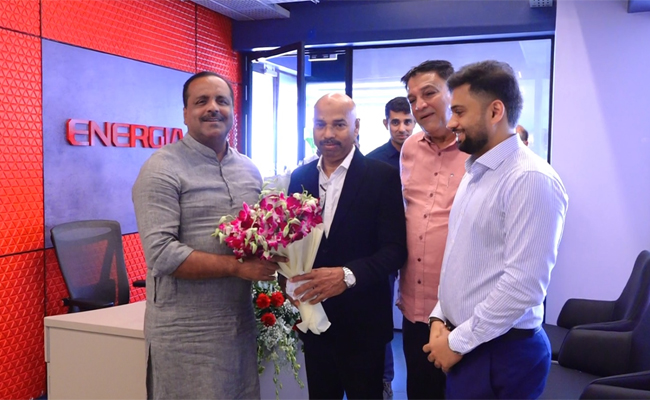
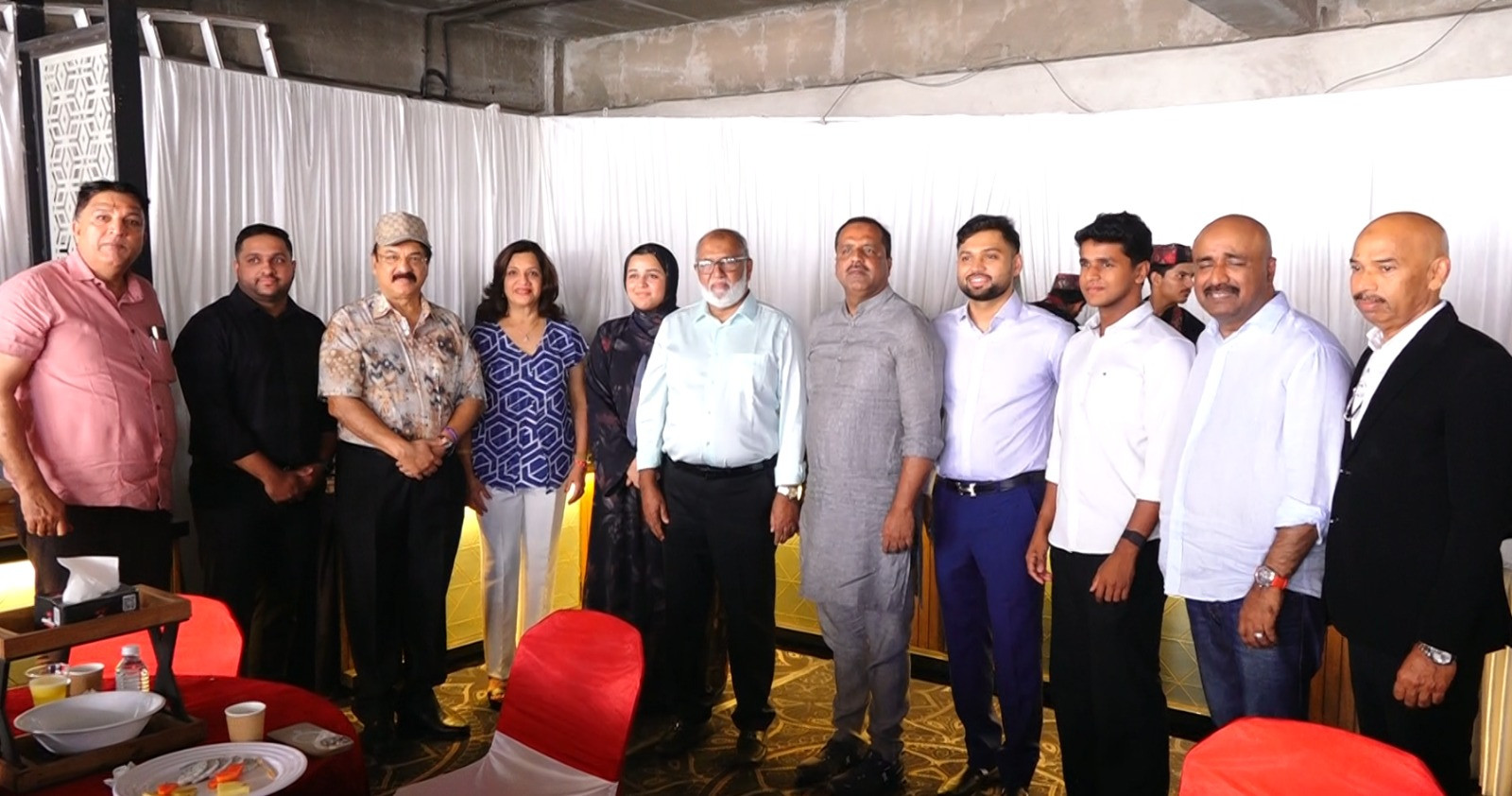
Energia on Sunday inaugurated its Corporate Service Center in Mangaluru, marking a step towards strengthening its global corporate operations and expanding its presence in India.
The new office was inaugurated in the presence of U. T. Khader, Speaker of the Karnataka Legislative Assembly, and NRI Busnessman Dr. Ronald Colaco along with members of Mangaluru’s business and community circles.
The ceremony was led by Shahid Hassan, CEO of Energia, along with Mohin Sheikh, Managing Director, Rajan Mengoth, Operations Director, and Mehboob, Chairman of Energia. Senior officials and team members of the company were also present.
The Mangaluru Corporate Service Center will function as a dedicated support office for Energia’s operations in the Kingdom of Saudi Arabia. The company said the centre will help improve coordination, strengthen back-end support and enhance governance across key corporate functions. It is expected to improve service delivery through structured processes and better operational control.
Energia stated that the new centre will create employment opportunities in Mangaluru, particularly in corporate services and support roles. The company also plans to introduce structured career pathways and skill development programmes for professionals in the region.
While the immediate focus of the centre will be to support overseas operations, Energia said it intends to deepen its long-term engagement in India. The company indicated that it is exploring opportunities in the renewable energy sector in line with India’s expanding clean energy landscape. The Mangaluru office is expected to act as a base for future partnerships and renewable initiatives in the country.
“This Corporate Service Center reflects Energia’s long-term commitment to building strong capability and governance. Mangalore gives us access to high-quality talent, and this office will play a critical role in supporting our Saudi operations while also helping us prepare for future renewable initiatives in India,” said Shahid Hassan, CEO of Energia.
Among those present at the event were Chairman of State Allied and Health Care Council UT Iftikhar Ali, President of New Jumma Masjid Sharif Whitestone, Chairman of Bearys Chamber of Commerce and Industry SM Rasheed Haji, Founder of Team B-Human Asif Deal, Dr Haroon Hussain and others.
Energia is an energy solutions company with operations in the Kingdom of Saudi Arabia and a growing presence in other markets. The company provides integrated energy solutions across sectors with a focus on reliability and long-term value creation.
Enso Wellness – A Platform for Mental and Emotional Health of Bangalore has been awarded the best online platform by International Business Awards 2022-2023.
Mental and emotional health needs and deserves more and more recognition in today’s era to remove the stigma attached to it, says Arouba Kabir Founder, Enso Wellness.
Born in Kashmir, Arouba Kabir setup her organisation in Gurgaon in 2015 with an aim to spread more awareness and become a one-stop solution for those who have been struggling with the issues and challenges of emotional and mental health.
“Pandemic changed the definition and made it globally possible for people to ask for help by using online platforms keeping their identity anonymous as reaching out to a mental health professional is still a stigma,” Arouba said.
Her organization is known for hosting many online series- like Stand up to Stigma, One-minute Mental Health, Ask the Doctor with eminent personalities from across the globe and conducts various online and offline workshops for Kashmiris in the last five years.
“Mental health is as important as physical health-one definitely impacts the other. We need to start talking about mental health as we do talk about physical health and make it normal for people to reach out for help when they need it.”
“And if you want to see the change, we have to be the change, so talking about your emotions, challenges, struggles and visiting a professional definitely does help make it normal,” she said.
source: http://www.awazthevoice.in / Awaz, The Voice / Home> Stories / by ATV, posted by Nakul Shivani / December 13th, 2022
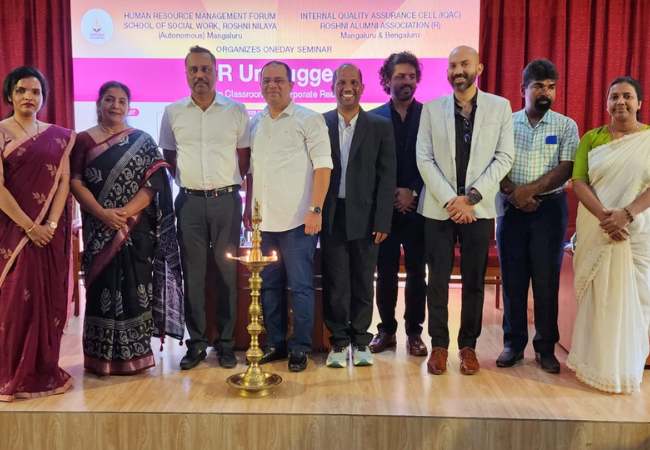
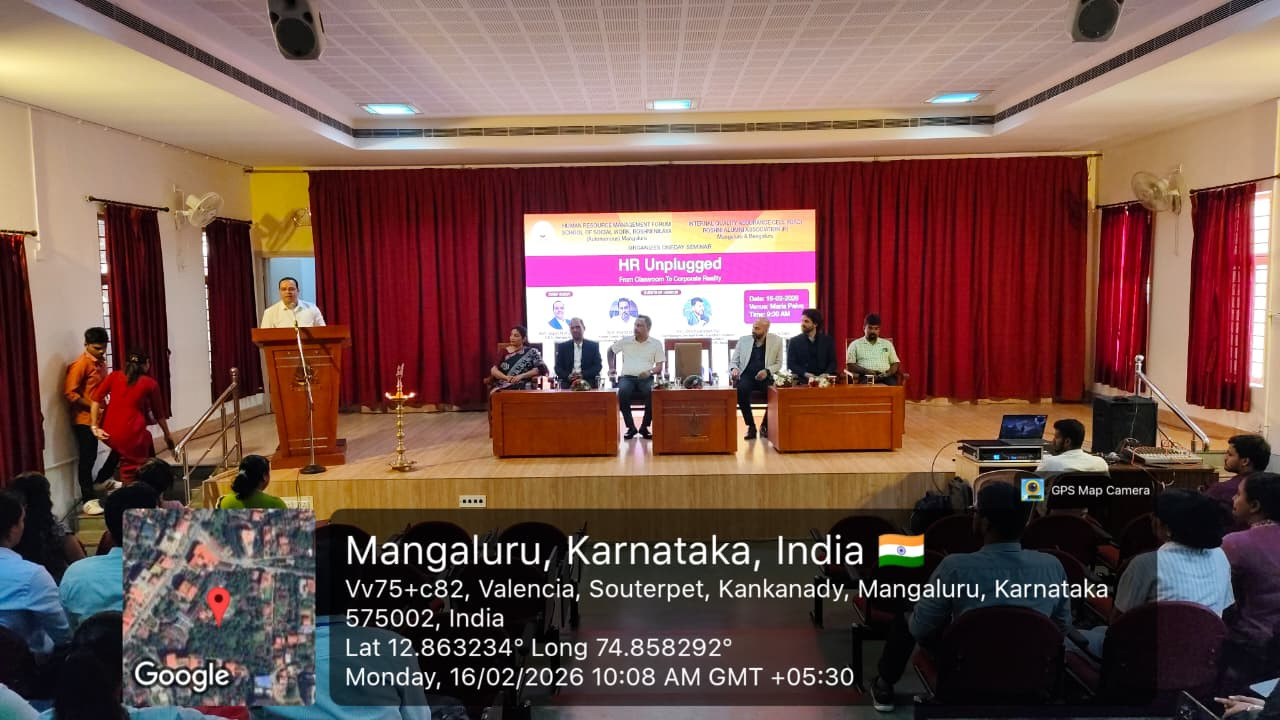
The HRM Forum, in association with the Roshni Alumni Association, organised a seminar titled “HR Unplugged: From Classroom to Corporate Reality” at the School of Social Work, Roshni Nilaya (Autonomous), Mangaluru, on 16th February 2026.
Sujah Mohammed, CEO of Marhaba Group, Mangaluru, delivered the inaugural address, sharing insights from his personal and professional journey. He spoke about the challenges he faced and the determination required to succeed.
Emphasising the importance of communication and interpersonal skills, he urged students to continuously upgrade their knowledge to remain relevant in a fast-changing corporate environment.
Sujah also highlighted professional ethics, leadership qualities, teamwork, and practical exposure through internships as key factors in bridging the gap between theory and practice. He advised aspiring HR professionals to stay confident, adaptable, solution-oriented, and committed to their long-term career goals.
Anand D’Silva encouraged students to make the most of every session, reminding them that life experiences often teach lessons beyond textbooks. He emphasised the value of hard work, genuine knowledge, and dedication, urging students to uphold the values and reputation of Roshni Nilaya in their professional journey. He also advised them to focus on their unique growth paths, remain patient, consistent, and positive, and avoid comparing themselves with others.
Adv. Ganesh Poojary, Partner at KG Pai & Co. and Director at Coreimpact Corporate Services Ltd., conducted an interactive session on labour laws. He started with an activity that required students to categorise various labour laws under the four Labour Codes, promoting critical thinking and engagement. He then explained the codes in detail, especially the Code on Wages, and discussed its implications for employees, employers, and organisational compliance.
During the panel discussion on “Who is HR?”, Ganesh Poojary, Ranjit Christopher Picardo, Associate Director, HR and Global Shared Services Leader, Brady Company India Pvt. Ltd., and Dolfred Norbert D’Souza, Director – Human Resources and Site Leader, APAC, Flexera Software India LLP, highlighted HR as a strategic partner that bridges management and employees. They stressed the role of HR in ethical decision-making, legal compliance, talent development, and shaping organisational culture.
Ranjit Christopher Picardo also led a session on “The Effective Interviewer”, focusing on structured interviews as a tool for effective talent acquisition. He demonstrated a practical framework for interviews and conducted an interactive mock interview with students. He emphasised the high cost of poor hiring and the need for discipline, consistency, and professionalism in recruitment.
The event was attended by over 100 HR students and professionals. Dr. Meena Monteiro, Dean – PG Studies; Dr. Sebastin K V, Dean – Research; Prof. Jinsa Joseph; Prof. Deepika Sanil; Dr. Anuradha Shetty; and Prof. Ramya were present. The session was compered by Saifana Sheik, the welcome address was given by Nagashree, and Prof. Deepika Sanil proposed the vote of thanks.
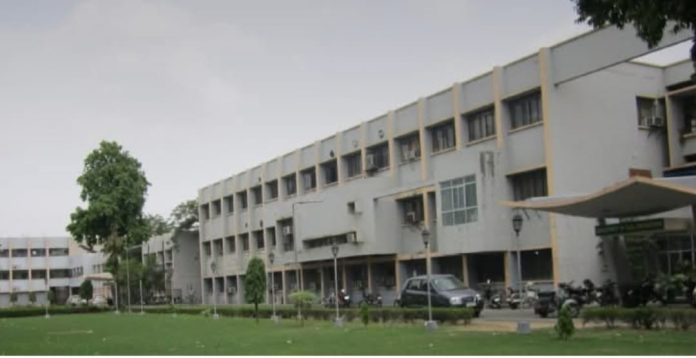
Engineers at Aligarh Muslim University have developed a Ferro Cellular Insulated panel to reduce indoor heat during peak summer. The innovation comes from the Civil Engineering Department and offers an energy efficient alternative to brick walls.
The research team includes Prof Abdul Baqi, Dr Mohammad Rehan Sadiq, and research scholar Yasir Khan. They designed the 90 mm corten cement panel using cement and cardboard. A gap between two layers traps air, which works as insulation. The panel keeps indoor temperatures at 25 to 27°C when outdoor heat reaches 40 to 42°C. This means a drop of nearly 15°C.
Researchers say the panel reduces the need for air conditioners and coolers. It also blocks external noise, improving indoor comfort. Dr Sadiq said the team focused on durability and structural strength while introducing a material not widely used in India.
Cost comparisons show long term savings. Building a 10×10 foot room with bricks costs around ₹1 lakh. Using the insulated panel raises the cost to about ₹1.15 lakh. However, annual electricity expenses for a brick room reach around ₹22,651 due to cooling needs. A panel built room requires about ₹10,251 per year. This results in savings of nearly ₹12,400 annually.
Researchers also found electricity use remains lower throughout the year in panel built rooms. The lighter panels reduce structural load, which improves building safety.
The team plans to introduce the technology to the market. With rising temperatures and higher energy demand, this panel offers a practical option for heat prone regions. It also reduces dependence on bricks and mortar, lowering environmental impact.
source: http://www.radiancenews.com / Radiance News / Home> Uncategorized / by Radiance News Bureau / February 12th, 2026