Category Archives: Scientists (wef. August 27th,m 2023)

Remembering Prof Rais Ahmed

Aligarh, UTTAR PRADESH :
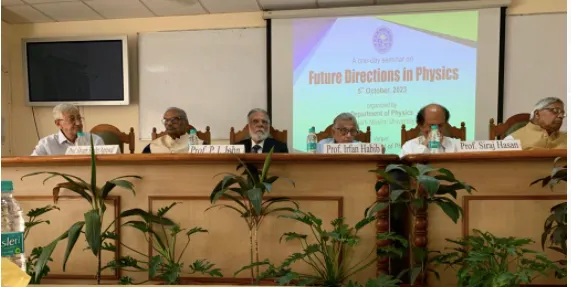
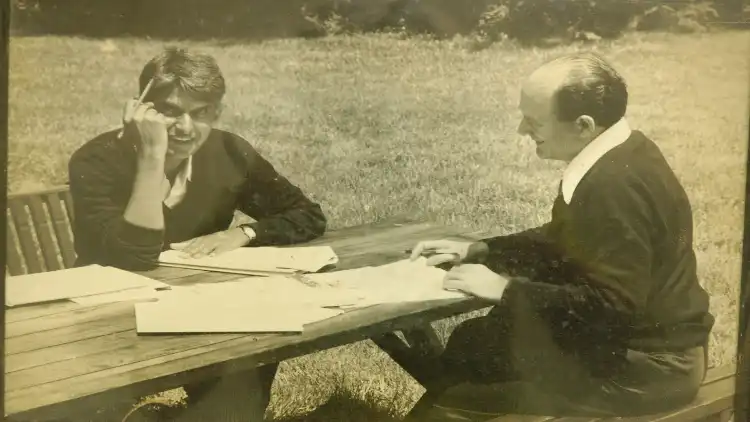
We celebrated the 100th birth anniversary of Prof Rais Ahmed, the former head of the Physics Department, Aligarh Muslim University and the person to whom I owe a great deal for starting me off on my career path in plasma physics research.

A one-day memorial cum seminar on Future directions in Physics was held at the University on 5th October 2023 Venue. Prof. Irfan Habib, Prof. of History, AMU, Prof. Siraj Hasan (Former Director, Indian Institute of Astrophysics), Prof. Naresh Dadhich (Former Director, IUCAA), Prof. S. K. Singh (Former VC, HNBU), Prof. Wasi Haider and Prof. Shyam Sunder Agrawal (Director General, KIIT Group of Institutions) spoke on the occasion. I spoke about my association with him and the future of Plasma Physics and Thermonuclear Fusion Research in India.

It was a forenoon in July 1964 when I first met Prof Rais Ahmed, who had become the Head of the Department that very year. I had travelled from Kerala seeking an opportunity to do research. He asked me a few questions on Physics, and I suppose I answered them reasonably well. But then he wanted to know why I wanted to pursue research.

I had rather romantic ideas like research leading to new knowledge and our responsibility to seek pure knowledge etc. It was clear that he did not take me seriously as he went on to say that science is what drives social transformation by changing our perception of our relationship with nature. Another observation was about science leading to technology which improves the quality of life.

Our conversation covered many things. I suppose he was gauging my mind and trying to find what kind of person I was. If it was a test, I passed it as he said that I could join for research. He made sure that I had no preference for Nuclear Physics or Spectroscopy, the areas of ongoing work in the department. He talked to me about Plasma Physics as an emerging field and about the work which was going on in Harwell and Oxford on Thermonuclear Fusion Research.

I did not know about Plasma Physics even at an elementary level. However, I was willing to learn and was asked to talk to Prof. D C Sarkar about the thesis work in more detail. I went through an intense learning programme, primarily reading Physical Review and Review of Scientific Instruments. There was no previous laboratory I could walk into and start work and I had to start from scratch. Looking back, I was taking an enormous risk as I had to build an entire laboratory for me to start the thesis work.

I rigged up a Radiofrequency generator with Japanese power tubes scavenged from the Electrical Engineering Department. Prof Venkateswarlu’s lab was full of microwave equipment, which Rais Sab allowed me to borrow. With all this, I set up an experiment and after a struggle of five years, put together a thesis which got me a degree. Almost immediately he gave me a regular job as a lecturer in the department as some vacancies were due to be filled.

As the Head of the Department, he did much to expand research and teaching in Physics in new areas. As Director of Academic Programmes, he organized the Semester System designed to update courses and provide more rigorous instruction to students. He made an alliance with Uppsala University in Sweden for faculty members to do research there. He arranged for PhD scholars to start teaching postgraduate students.

I recalled my interaction with university life during my eight years there. At first, Aligarh gave me a culture shock. My inability to comprehend Urdu was the first barrier to appreciating the culture. The exalted forms of addressing, and the too formal and exaggerated ‘Tehzeeb’, the gestural ‘adaabs’ strewn around were all alien. The food, though delicious, was completely unfamiliar. But the campus was a dream with beautiful buildings, stately halls, verdant lawns, and lush gardens. The library gave me all the books I wanted to read. The accommodation I got at the Sulaiman Hall was quite adequate. The students from central Travancore preferred this. There was a South Indian mess catering our preferred food. Tea at the Paradise restaurant with friends was fun.

Rais Ahmed had interests ranging from his specialization in Electronics to varied areas of science and education. He published over 100 papers on Electronic Circuit Analysis. Analogue Computers. Speech Recognition and Production, and Creative Teaching of Physics. The work he started in the 1970s on speech perception would eventually become an important branch of artificial intelligence and machine recognition of speech.

I recall a symposium he had organized on higher education, where we were asked to be volunteers to help the organization. The attendees were all academics from Universities and IITs and I was fortunate to listen to many of them. The remarkable skill with which Rais Sab generated consensus on many issues which were debated was an eye-opener for me.

In a department seminar, when his student Moonis Ali spoke on the design of an analogue computer system, some of us, ridiculed the idea calling it a paper machine. Rais Sab defended the presentation vigorously, saying that new ideas were what drove science forward and that they had as much importance in science as building new instruments.

His remarkable organizational skills were brought to bear at the prestigious Annual Meeting on High Energy and Nuclear Physics, sponsored by the Department of Atomic Energy. Prof Roy Daniel from TIFR was the coordinator of the meeting, and his being from Kerala, we used to chat about the preparations for the meeting. The participants included bigwigs like Vikram Sarabhai, Prof M G K Menon and Dr Raja Ramanna. The meeting was hailed as very successful thanks to the planning and preparations led by Rais Saheb.

All of us in the department rejoiced when he was made a member of the Science Advisory Committee to the PM, then Mrs Gandhi. After each meeting, he would call all of us to the lawn near the workshop to convey to us the flavour of the meeting. We had the vicarious pleasure of being informed about the thinking in the places of power.

He would call me occasionally to his office to find out how I was doing. In one of these meetings, he advised me to read journals other than those dedicated to pure physics. He cited the Bulletin of Atomic Scientists as an example.

Rais Sab had an abiding faith in Scientific Socialism and felt strongly about the increasing global dominance of the multinationals and about what he saw as a retreat by India from its independent position both in the Economic and Intellectual fields. He had a strong belief that human capital, in the form of expanding knowledge and scientific spirit, held the key to India’s salvation. For this ideal, he worked tirelessly both as an individual and in administrative capacities.

In the 1950’s he was an energetic organizer of the Association of Scientific Workers of India. Once when I asked him about the ethics of unionizing scientific workers, he defended it by saying that collective bargaining need not be about wages and working conditions only. Professional bodies of scientists had a role in influencing public policy.

After I left Aligarh in 1972 to join the Physical Research Laboratory in Ahmedabad, I had occasional interactions with him. He made me a member of the UGC Committee to visit Marathwada University to make an academic assessment. He funded my proposal to have an orientation programme for university teachers in the emerging field of Plasma Physics.

I had an exciting and eventful life contributing to Plasma Physics in India, right from its inception at the Physical Research Laboratory, during the Plasma Physics Programme and its eventual transformation to the Institute for Plasma Research and when India became a proud partner in the ITER project of building the world’s first Thermonuclear fusion reactor in France. I owe a debt of gratitude to Rais Saheb for initiating me into the research path, which made all this possible.

source: http://www.john-pucadyil.medium.com / Medium.com / Home / by John Pucadyil / October 06th, 2023

Team Led by Shahid Siddiqui and Syed Abrar Hasan Honoured as Recipient of 2019 Advancing Photodynamic Therapy In Rising Nations Award at the 17th World Congress of the International Photodynamic Association

Aligarh, UTTAR PRADESH / INDIA :

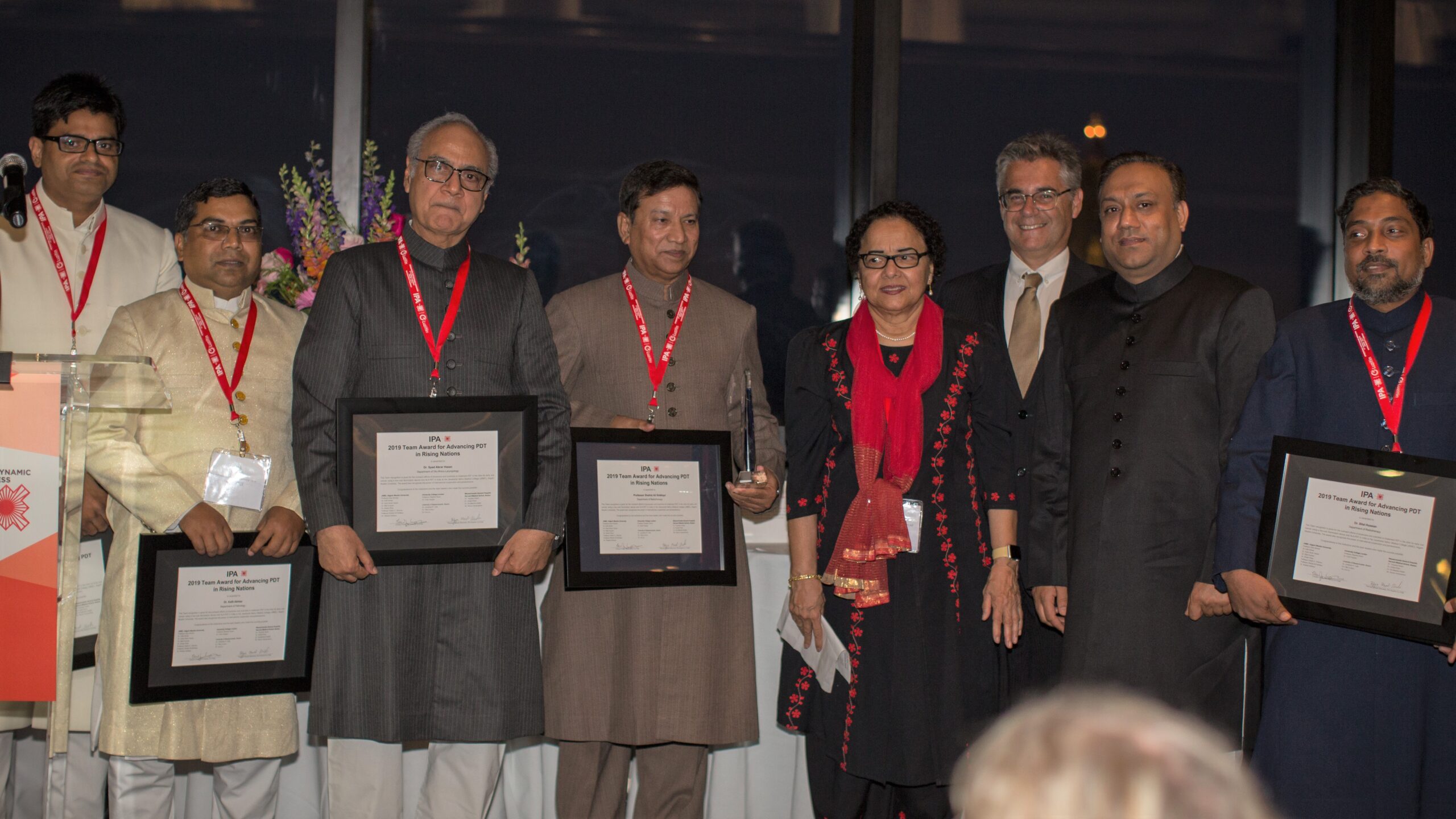
Professors Syed Abrar Hasan (center-left) and Shahid Siddiqui (center) receiving the 2019 Advancing Photodynamic Therapy In Rising Nations Award from Dr. Lothar Lilge (left), IPA Past-President, Dr. Tayyaba Hassan (center-right), and IPA President, Dr. Luis Arnaut (right).

Boston, USA :

At the 17th International Photodynamic Association World Congress in Boston, Massachusetts, Professors Shahid Siddiqui and Syed Abrar Hasan, leading an Indian and international team of PDT clinicians and researchers, were honoured as the 2019 recipients of the IPA award for Advancing Photodynamic Therapy (PDT) in Rising Nations.

The IPA recognizes the joint and considerable efforts of the team over the past three years to establish photodynamic therapy sustainably in the large and growing Indian market. The ‘PDT in India’ initiative is the direct result of the personal efforts, resources and perseverance of Indian Professor Shahid Siddiqui and Professor Syed Abrar Hasan to address the large unmet medical need relating to oral cancer in India. Oral cancer has a high death rate in India, as many people are undiagnosed and do not have access to adequate treatments or healthcare facilities.  The Indian contingent of the team include the following clinicians from Jawaharlal Nehru Medical College, Aligarh Muslim University:

  • Professor Ibne Ahmad
  • Dr. Kafil Akhtar
  • Dr. Syed Abrar Hasan
  • Dr. Bilal Hussain
  • Dr. Shakir Khan
  • Professor Satish C. Sharma
  • Professor Shahid Ali Siddiqui
  • Dr. Shaista Siddiqui

pix02

From left to right: Dr. Shakir Khan, Dr. Kafil Akhtar, Professor Syed Abrar Hasan, Professor Shahid Siddiqui, Dr. Tayyaba Hassan (IPA Past-President), Dr. Luis Arnaut (IPA President), Dr. Amjad Khan, Dr. Bilal Hussain.

Supporting the Indian clinicians on the team with international PDT expertise are representatives from the University College London, the University of Massachusetts, the Wellman Center for Photomedicine, Massachusetts General Hospital and Harvard Medical School. The international contingent of the team includes the following PDT researchers and clinicians:

  • Dr. Colin Hopper, University College London
  • Professor Stephen Bown, University College London
  • Dr. Jonathan P. Celli, University of Massachusetts, Boston
  • Dr. Filip Cuckov, University of Massachusetts, Boston
  • Dr. Hui Liu, University of Massachusetts, Boston
  • Dr. Tayyaba Hasan, Massachusetts General Hospital, Harvard Medical School, Boston
  • Dr. Amjad Khan, Massachusetts General Hospital, Harvard Medical School, Boston
  • Dr. Srivalleesha Mallid, Massachusetts General Hospital, Harvard Medical School, Boston
  • Mr. Marvin Xavierselvan, Massachusetts General Hospital, Harvard Medical School, Boston

As a result of this international team effort spanning three years, a robust infrastructure for photodynamic treatment has been built and is being maintained at the Jawaharlal Nehru Medical College, Aligarh University, India. Along with the development of PDT infrastructure, PDT equipment/supplier access, and extensive clinician training, patient recruitment processes have been successfully established leading to the ability to better meet the large unmet medical needs in the region.  Patients treated to date with PDT have experienced excellent outcomes facilitating accelerating patient acceptance and recruitment rates.

IPA World Congress

The Boston World Congress was the 17th conference held by the International Photodynamic Association, marking 34 years of this global meeting. The IPA World Congresses, held every two years, are the leading PDT meetings bringing together members of the global photodynamic community to advance scientific and clinical research relating to photodiagnosis and photodynamic therapies. The Boston World Congress was led by Congress Chair and IPA President Dr. Tayyaba Hasan, Professor of Dermatology at the Wellman Center for Photomedicine, Harvard Medical School (HMS) and a Professor of Health Sciences and Technology (Harvard-MIT) and had record attendance with representatives from 33 countries.  The 2021 IPA World Congress will be hosted in Moscow, Russia and the 2023 IPA World Congress will be held in Shanghai, China.

About Photodynamic Therapy

Photodynamic Therapy (PDT) is a combination therapy involving light activated photosensitizers to diagnose and treat various types and stages of cancers and pre-cancers, macular degeneration and multidrug-resistant infections involving bacteria, viruses and fungi. First developed in the 1980s, PDT has demonstrated superior patient outcomes with considerable cost savings. Over the past 30 years, millions of patients globally have been successfully treated with PDT.

About the International Photodynamic Association

The International Photodynamic Association (IPA) was founded in 1986 to support and endorse the scientific advancement and clinical development of photodynamic therapy and photodiagnosis. With members and associates from over 30 countries, the IPA represents a truly global community consisting of prominent international scientists, clinicians and translational researchers, healthcare professionals and students across academic, hospital, government and private sector organizations. The IPA promotes the study of diagnosis and treatment using light-activated photosensitizers and disseminates scientific information to its members, the research community, and to the community at large. The IPA organizes a biennial World Congress around the world, providing members and non-members a unique opportunity to share and learn more about global developments relating specifically to photodynamic therapy and photodiagnosis. 

For further information: ipasecretary@internationalphotodynamic.com

source: http://www.globenewswire.com / GlobeNewsWire / Home / by IPA – International Photodynamic Association / July 11th, 2019

JMI’s Chemistry Professor Tokeer Ahmad conferred with the Prestigious CRSIBronze Medal-2025

NEW DELHI :

Prof. Tokeer Ahmad at the Department of Chemistry, Jamia Millia Islamia has been
conferred with the prestigious Chemical Research Society of India (CRSI) Bronze Medal
for the year 2025 at the 35th CRSI-ACS National Symposium in Chemistry & ACS
Lectures held at IIT Gandhinagar from July 3-5, 2025. Prof. Ahmad has been awarded
CRSI Medal in recognition of his impactful research contributions in Chemistry on
Hydrogen Energy and Nanocatalysis.The CRSI Medal is the highest honor by CRSI and is
among the top awards in Chemical Science given in recognition of outstanding
contributions in Chemistry which have significant impact through leading research and
high quality publications.


Prof. Ahmad delivered the CRSI Bronze Medal Lecture titled “Designing of Functional
Heterostructures for Scalable H2 Production using Overall Catalysis” at the symposium.

Prof. Tokeer Ahmad, a Fellow of Royal Society of Chemistry (FRSC), has graduated from
IIT Roorkee and holds a Ph.D. from IIT Delhi. His research interest includes the designing
of functional heterostructures for green hydrogen energy, CO2RR & NRR for
applications in climatic sustainable environment. Prof. Ahmad has supervised 16 PhD’s,
published 228 research papers and three books with research citation of ~10,000, hindex of 59 and i10-index of 186. Prof. Ahmad is also the recipient of MRSI Medal, SMC
Bronze Medal, ISCAS Medal, Inspired Teacher’s President of India Award, DST-DFG
award, IIT Delhi Alumni Faculty Award, Distinguished Scientist Award, Dr. S. S.
Deshpande National Award, Maulana Abul Kalam Azad Excellence Award of Education,
Teacher’s Excellence Award and elected as Member of National Academy of Sciences
India. Prof. Ahmad has figured in World Top 2% Scientists for consecutive five years
since 2020 in both coveted lists including career long by Stanford University, USA.
Vice-Chancellor, Jamia Millia Islamia, Prof. Mazhar Asif and Registrar JMI, Prof. Md.
Mahtab Alam Rizvi congratulated Prof. Ahmad and expressed their happiness on his
outstanding achievement bringing laurels to the university. Prof Ahmad said that he was
honoured and elated at the recognition bestowed on him, especially, as it testifies to the
extraordinary research work undertaken by him on the production of Green Hydrogen
Energy. Prof. Ahmad thanked the team of hard working students, collaborators, mentors,
friends and family members for the Medal Award.

The Chemical Research Society of India (CRSI) was established in 1999 as part of the
50th anniversary celebrations of the country’s independence. The main objectives of the
CRSI are to recognize, promote and foster talent in Chemistry and Chemical Sciences
and to improve the quality of Chemical Education as well as research in all branches of
Chemistry. CRSI recognizes outstanding achievements in chemical research through
awards, grants, and medals. The society has active collaboration with the Royal Society
of Chemistry, American Chemical Society, Asian, German, and French Chemical Societies.

source: http://www.jmi.ac.in / Jamia Millia Islamia / by Office of Chief Public Relations Officer, JMI / July 10th, 2025

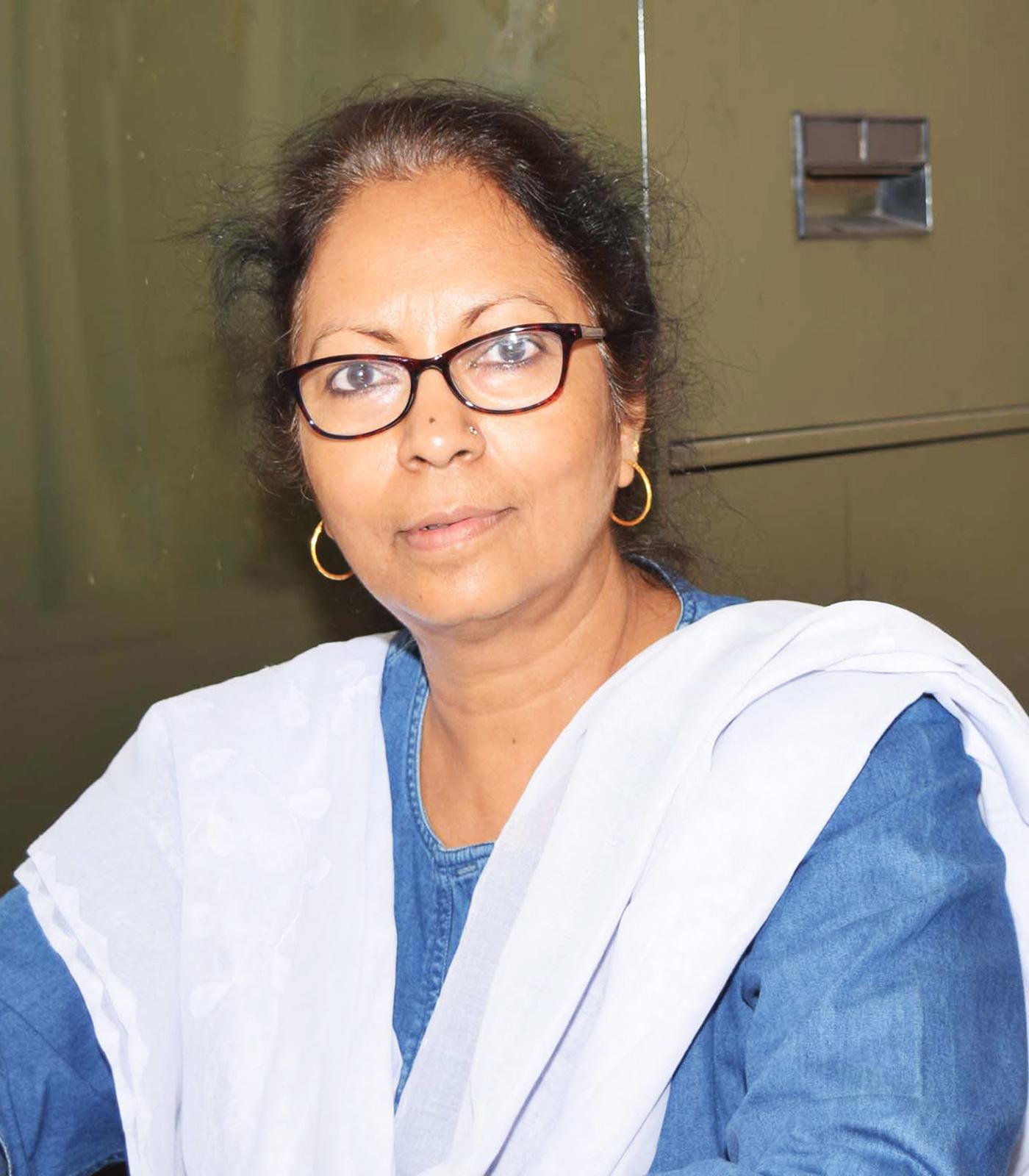
National Women Bioscientist Award 2018 to Dr. Nahid Ali

Kolkata, WEST BENGAL :

National Women Bioscientist Award to Dr. Nahid Ali, 08 March 2018.

Congratulations Prof. Nahid Ali for winning the National Women Bioscientist Award on International Women’s Day 08th March 2018.

source: http://www.iicb.res.in / CSIR-Indian Institute of Chemical Biology

Top 10 Innovators Award 2015 to Dr. Nahid Ali

Kolkata, WEST BENGAL :

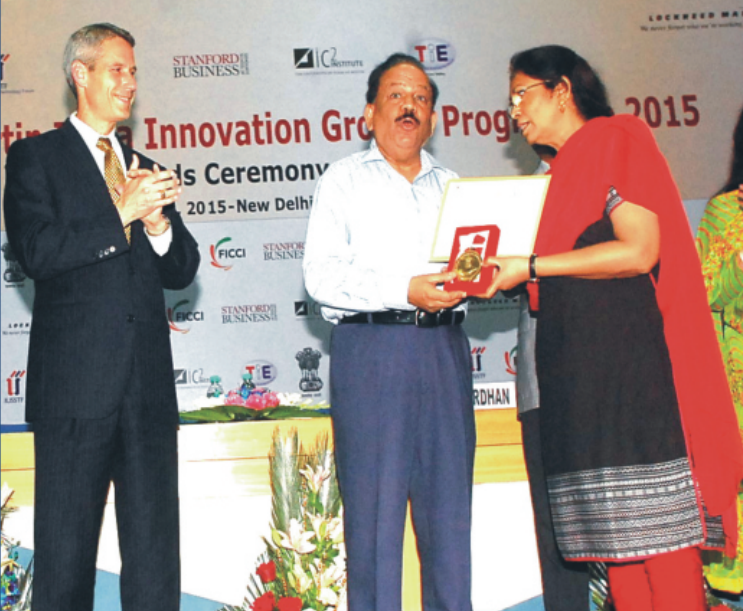
The award presented by Dr. Harsh Vardhan, Hon’ble Minister of Science & Technology & Earth Sciences, Govt. of India on 13 May 2015 in a ceremony held in DRDO Bhavan, New Delhi.13th May 2015

Congratulations Dr. Nahid Ali for achieving Top 10 Innovators award for Dipstick Technology by the DST jointly with FICCI and Lockheed Martin corporation and Indo US Science and Technology Forum 2015.

Dr. Nahid Ali, Chief Scientist, Infectious Diseases and Immunology Division, CSIRIICB, was awarded the Gold Medal and a certificate at the “Innovators Competition” for DST-Lockheed Martin India Innovation Growth Programme 2015. The award was given by Dr. Harsh Vardhan, Hon’ble Minister of Science & Technology & Earth Sciences, Govt. of India on 13 May 2015 in a ceremony held in DRDO Bhavan, New Delhi.

Dr. Ali’s innovation, a dipstick device for the diagnosis of Kala-azar and PKDL, has been selected among top 10 technologies out of 1500 applications received this year. The technology has already been filed for patent and also published in the Journal of Emerging Infectious Diseases (Saha et al, 2011; 17: 1304-06).

source: http://www.iicb.res.in / CSIR-Indian Institute of Chemical Biology

DBT Senior Women Biosciences Award 2014 to Dr. Nahid Ali

Kolkata, WEST BENGAL :

DBT Senior Women Biosciences Award to Dr Nahid Ali, 04 May 2014.

Congratulations to Dr. Nahid Ali for ‘DBT Women Biosciences Award’ in Senior Category (2014).

source: http://www.iicb.res.in / CSIR-Indian Institute of Chemical Biology

10 trailblazers of Uttar Pradesh reshaping India’s future

UTTAR PRADESH :

New Delhi :

While media spotlight often shines on celebrities and politicians, the real engine of India’s progress runs on the resolve of countless unsung heroes who, away from limelight, quietly transform society.

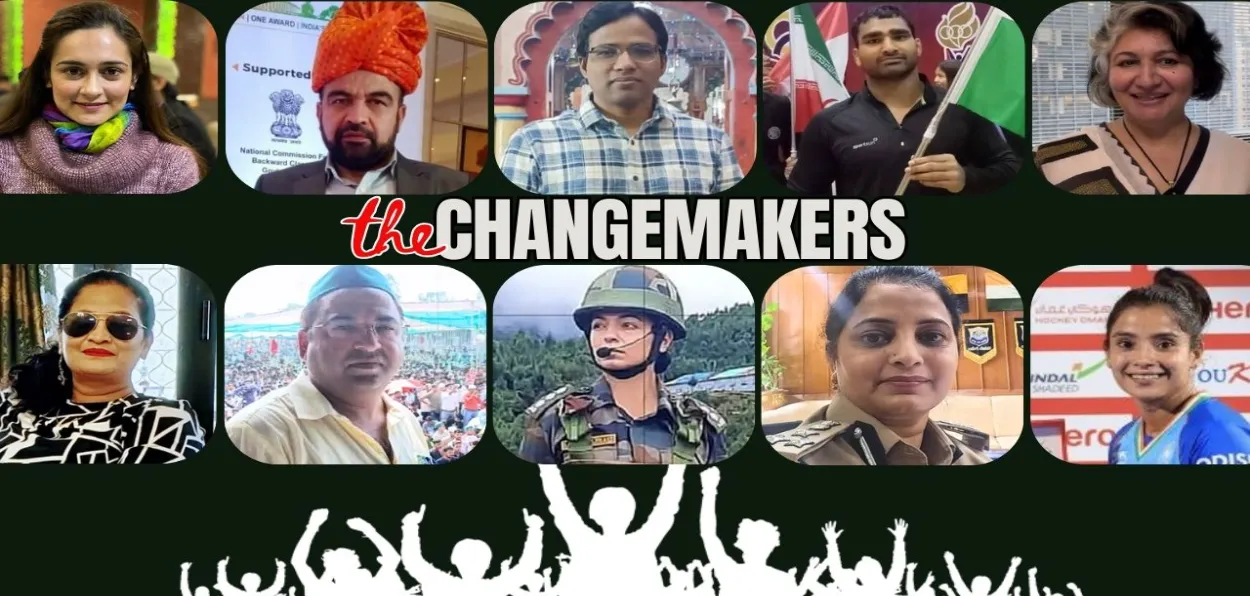
From national defense to grassroots education, sports, science, and civil service, these individuals from Uttar Pradesh show how courage, compassion, and conviction can drive extraordinary change. Here are 10 such trailblazers whose stories deserve to be heard:

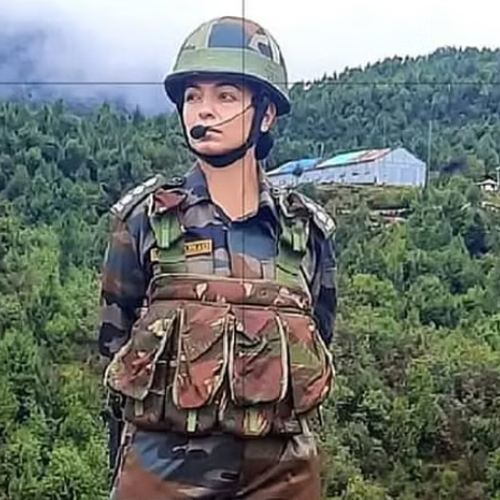
Captain Sariya Abbasi: A Woman in Uniform on the Frontlines

Hailing from a small city of Gorakhpur, Uttar Pradesh, Captain Sayria Abbasi broke every convention to join the Indian Army. A graduate in Genetic Engineering and with plenty of job offers and career opportunities from big companies was not enough for her to pursue in life. The call of service for the motherland was too strong to be sacrificed.

The world noticed her as a soldier deployed at the Line of Actual Control (LAC), India-China temporary border, manning an Air Gun. Today, Sariya leads drone-killer teams and operates L-70 anti-aircraft guns on the border. Her journey from an academic achiever to a defender of the nation’s borders is not just about military precision; it’s about shattering glass ceilings and reshaping how India imagines women in uniform.

Dr. Faiyaz Ahmad Fyzie: Voice for the Voiceless Pasmanda Community

Dr. Faiyaz Ahmad Fyziean AYUSH physician, is more than a healer—he is a public intellectual, columnist, translator, and relentless advocate for the Pasmanda (socially backward) Muslim community. Raised in modest conditions, his rise to national recognition is built on fearless writing and tireless grassroots work.

When even the Prime Minister refers to Pasmanda voices, Fyzie’s years of advocacy resonate. His pen continues to empower those whose struggles were long silenced. His work is a call to conscience—and a roadmap for inclusive discourse.

Mohammad Luqman Ali: Wrestling His Way to Glory and Degree

Wrestler Mohammad Luqman Ali, a student of Social Work at Jamia Millia Islamia, is balancing body and brain. Born in Amroha’s tiny village of Mohraka Patti, his father worked on the railways, and his mother gave him religious grounding. Despite limited resources, Luqman’s grit has earned him recognition in India’s wrestling circles.

From the mat to the classroom, his dual commitment shows that excellence doesn’t require compromise. It requires discipline, heart—and a family’s belief in you.

Rubina Rashid Ali: Reviving Mughal-Era Art with a Modern Mission

In a sun-drenched corner of Aligarh, Rubina Rashid Ali has quietly built a movement. Her work in floral appliqué embroidery, a legacy of Mughal art, now supports dozens of women in Aligarh and Rampur. What was once an undervalued craft monopolized by middlemen has been transformed by Rubina into a vehicle for women’s economic empowerment.

Her home resonates not only with the sound of needles and threads but also with the hum of independence. “Real artists were reduced to laborers,” she says. Today, she ensures their hands are not just working — but also earning.

Babban Mian: A Gaushala Keeper Inspired by His Mother’s Love

At Madhu Sudan Gaushalla in Bulandshahr, Babban Mian tends to cows not out of ritual, but reverence — inspired by his late mother Hamidunnisa Begum. “She loved cows like her own children,” he recalls. After she passed away in 2015, Babban vowed to preserve her legacy.

Despite being a Muslim in a Hindu-dominated tradition, he runs a government-recognized shelter rooted in compassion, not controversy. For him, animal welfare is a universal value — not a communal issue. His work quietly redefines what shared culture and interfaith harmony look like.

Khushboo Mirza: From Amroha to the Moon with ISRO

 Khushboo Mirza, scientist at ISRO and part of the Chandrayaan-1 and Chandrayaan-2 missions, is a stellar example of perseverance. After her father’s death when she was just seven, her mother raised three children alone, running a petrol pump and defying social norms.

Khushboo earned a Gold Medal in Electronics Engineering from AMU and was the youngest member of the Chandrayaan-1 checkout team. A practicing Muslim and a symbol of India’s scientific aspirations, she turned down corporate offers to reach for the stars—and took a whole generation of girls with her.

Zaheer Farooqui: A People’s Leader with a Vision for Purkazi

In western UP’s PurkaziZaheer Farooqui is rewriting what local leadership means. As Nagar Panchayat Chairperson, he donated land worth ₹1.5 crore for the area’s first Intermediate College and modernized local schools into PM Shri-certified institutions.

His initiatives go beyond classrooms. From India’s first double-storey government-run cow shelter to a gym for Muslim women, and one of the most sophisticated rural CCTV networks in the region — Farooqui’s governance is a blend of tradition and tech, equity and empowerment. His Tiranga Yatra revives local history, reminding citizens that patriotism is inclusive and action-oriented.

Dr. Farah Usmani: From AMU to Global Health Leadership

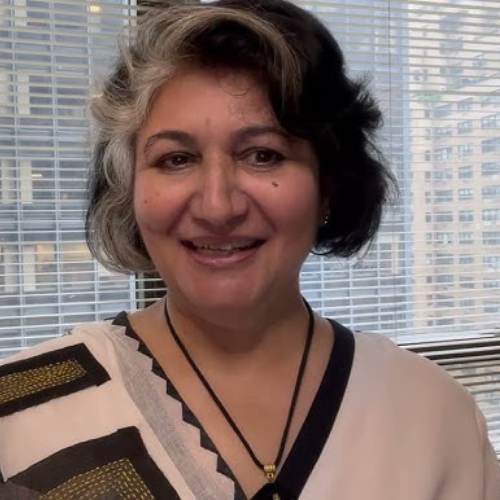
On a cold morning in New York, Dr. Farah Usmani stood outside an apartment, a folder in hand, her eyes bright with resolve. The daughter of Uttar Pradesh, she is today a formidable presence in global health policy.

n M.D. in Obstetrics & Gynecology from AMU, Farah sought impact beyond hospital walls. Armed with a Master’s in Health Policy from LSE and the London School of Hygiene & Tropical Medicine, she’s led transformative health initiatives around the world. Her journey is one of intellect guided by idealism — a doctor who chose not just to heal individuals but to reform systems.

Anjum Ara: Bridging Communities Through Compassionate Policing

Hailing from Azamgarh’s Kamharia village, Anjum Ara, a 2012-batch IPS officer, has redefined the image of policing with a human touch. A computer engineer by training, her journey from Integral University to Senior Superintendent of Police in Shimla has been marked by integrity and reform. Known for her work in cybercrime and her community-focused policing model, Anjum is also a fierce advocate for girls’ education.

Together with her husband, IAS officer Yunus Khan, Anjum adopted the cause of Khushdeep, the daughter of a martyred soldier, pledging to support her upbringing. This act of empathy mirrors her professional ethos, proactive, principled, and deeply people-centered.

Mumtaz Khan: From Vegetable Stall to World Hockey Stage

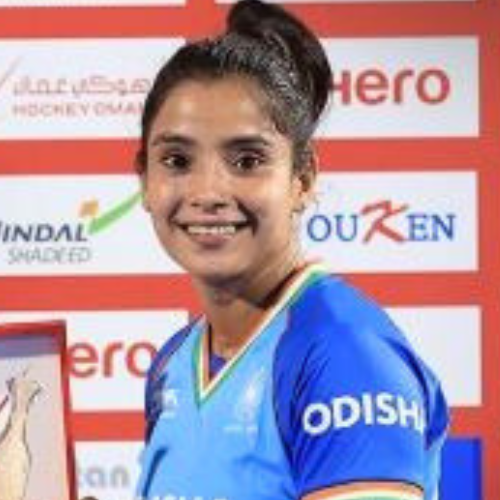
From the bustling alleys of Lucknow’s Cantt area to the turf fields of South Africa, Mumtaz Khan’s journey is pure grit. Once helping her father at a vegetable stall, a single race at school changed her life when Coach Neelam Siddiqui noticed her speed. That moment set her on a course to become a leading forward in India’s Junior Women’s Hockey Team.

Her standout performance at the 2018 Youth Olympics, where she scored 10 goals, earned her national acclaim. Yet, Mumtaz remains rooted, balancing hope and humility as she eyes the Olympics. She is proof that dreams born in dusty streets can blaze across international arenas.

These ten changemakers hail from Uttar Pradesh, from narrow village lanes to bustling metros, from battlefields to laboratories. But they are united by one thing:  quiet, relentless courage. In their lives, we find the India that persists, uplifts, and transforms—not with headlines, but with hard work.

Tap HERE to watch the video

source: http://www.awazthevoice.in / Awaz, The Voice / Home> The Changemakers / by Vidushi Gaur / May 24th, 2025

PHOTO FEATURE : Her father’s voice: A photographer pays tribute to her celebrated scientist-father

UTTAR PRADESH / Bengaluru, KARNATAKA :

How a series of breakfast conversations grew into an exhibition and a book.

On some mornings, Diba Siddiqi would sit down at the breakfast table in her parents’ home in Bengaluru, and record her father’s voice.

He would hold forth on everything under the sun – science, history, justice, conflict, photography, politics, poetry, philosophy, the evolution of language and silence. The musings continued well after the meal was over and an Olympus digital voice recorder Diba Siddiqi had placed nearby would capture her father’s thoughts.

The sheer range of topics wasn’t surprising. Obaid Siddiqi was one of India’s most eminent scientists whose pioneering work in the field of molecular biology and neurogenetics are well known.

Siddiqi was keen to have an account of her father’s stories in his own voice so that she could revisit them later. She had tried taking notes, but found the process distracting. She started using the digital recorder so that she could give him his full attention.

But the recordings, which started in 2007, ended in 2013 when the senior Siddiqi was killed in an accident while taking a stroll near his home. He was 81.

Immersed in history

Months later, Diba Siddiqi finally revisited the “breakfast monologues” as she called them.

She immersed herself in the stories her father had shared of growing up in eastern Uttar Pradesh in pre-Partition India and the sadness at how the Siddiqis lost track of family members who moved to Pakistan.

It wasn’t long before Siddiqi began to dig through old family photographs, many of them developed in darkrooms by her father and his siblings.

It didn’t stop at that. Diba Siddiqi’s mother, Asiya, is a distinguished historian, who has spent a large part of her life studying Mumbai’s past. Siddiqi began to delve into her mother’s life too.

The result is Rooh: The Enduring Spirit, an exhibition of old family photographs interspersed with new images Diba Siddiqi has taken of places that played an important part in her parents’ lives. A book of the same name is set to be released shortly.

Dominating figure

It’s obvious that Obaid Siddiqi was an overarching presence for his daughter. “My father was this colossal figure in my life,” said Siddiqi. “No language is adequate to express his continuing presence in my life. I still find myself quietly and unconsciously carrying on conversations with him.”

Born in Basti, Uttar Pradesh, in 1932, Obaid Siddiqi completed an MSc from Aligarh University before obtaining a doctorate from the University of Glasgow in Scotland. His family lived in Benares in two spells between 1932 and 1948 before finally settling down in Aligarh.

Preventive detention

The includes an account of the two years Obaid Siddiqi spent in jail from 1949 under preventive measures at a time when 30,000 communists were detained across country. Recalling his period of detention in the company of 13 Communist leaders, he said:

“So you see jail authorities, they used the criminals, who were called pukkas, to beat us up. They were prisoners who had served ten years, fifteen years, had life imprisonment… They acted like small unofficial wardens to control other prisoners. They were dressed to look like police. They beat up our friend Syed Ali badly, giving him galis, saying, ‘Pakistan se saala Pakistani Communist banta hai!’

However, Obaid Siddiqi could also recognise the benevolent side of the police officer who had beaten up the comrades, realising that human nature can never be categorised as entirely good or bad.

His parents and six siblings managed to send him letters during his imprisonment. His sisters arranged to smuggle letters in and out of jail while delivering home-cooked food to him once a week.

In 2014, Siddiqi visited Benares, where her father spent some time as a child. Waking at the crack of dawn every day, she walked around the ancient city, photographing the people and its streets.

Mumbai chronicler

Siddiqi also took many pictures in Mumbai, a city whose past her mother has written about extensively. One of Asiya Siddiqi’s celebrated works recreates the lives of people who went bankrupt in the 19th century. Roaming the bylanes of Mohammad Ali road and Dongri, in Mumbai, Siddiqui imagined that the ghosts of these people “and their descendants surely dwell in the neighbourhood I roamed in… The descendants of tailors, carpenters, blacksmiths, milk vendors, courtesans, dancing girls and prostitutes may continue to live and work here.”

Though the project is intensely personal, she believes it has broad appeal. She said she hoped viewers would let her work touch their mind and spirit and perhaps remind them of their own histories. “It is an expression of life that I have been a part of,” she said. “It has been about finding a voice in the images and bringing it together in one space.”

Rooh: The Enduring Spirit can be viewed at Bangalore’s  1 Shanthi Road gallery until February 11.

source: http://www.scroll.in / Scroll.in / Home> Photo Feature / by Zinnia Ray Chaudhuri / February 09th, 2016

SCIENTIST AND INTELLECTUAL – Obaid Siddiqi and his larger family

Basti, UTTAR PRADESH / Bengaluru, KARNATAKA :

Aligarh Muslim University: Siddiqi’s alma mater

Obaid Siddiqi, one of the most outstanding scientists of modern India, died in a freak accident in Bangalore on July 26. While he was out on a walk on July 21, a moped being driven by a young person of the neighbourhood rammed into him, and caused severe brain damage from which he could not recover.

He leaves behind his wife, Asiya Siddiqi, who is herself a very distinguished historian, and four gifted children: Yumna, whose area is English literature, Kaleem, who is a scientist, Diba, a promising photographer, and Imran, also a scientist whose work on seed-cloning has the potential to revolutionize agriculture in developing countries and questions the rush to Bt for raising yields.

But I want to talk not about the family that Obaid and Asiya raised but about the family of siblings and their spouses that surrounded Obaid, the larger family, as it were, to which he belonged. It was such a remarkable family, it so captured within itself all that is salutary in the development of modern India, that its individual members are worth recalling.

There were two sons, including Obaid, and five daughters, born to his parents. The youngest daughter, Imrana, married to the well-known social activist, Anubrata (Dunu) Roy, was a paediatrician at the All India Institute of Medical Sciences who turned to academic work in the social sciences and became one of the founders of the Centre for Social Medicine and Community Health at the Jawaharlal Nehru University. This centre, of which Binayak Sen was once a faculty member, remains to this day an unparalleled institution in India.

She was for decades our neighbour on the JNU campus. She was not just a close friend but one who epitomized what friendship should be, and it is through her that I came to know the remarkable Siddiqi family. Being a doctor in residence, in the early years of JNU when the campus had meagre medical facilities, she was the informal physician for every household, cheerfully available day and night; and she saw my family, especially my two children, through numerous medical emergencies. Because of her unbounded generosity, we called her “the Florence Nightingale of the JNU campus”; but that was unfair to her, since she was also a highly skilled medical practitioner, unlike Florence, and combined her expertise with a radical social philosophy.

One of her older sisters, Maimoona, was married to Ali Ashraf, a founder of the communist party in Bihar, and the first to translate the Communist Manifesto into Urdu. (Maulana Azad had earlier translated and published only some extracts in his newspaper.) Maimoona was herself a communist activist, and, together with her husband, worked at the party headquarters in Bombay bringing out its Urdu newspaper, and lived in the famous party commune set up by its general secretary, P.C. Joshi. In later years, she taught Urdu first at the Patna College and subsequently at the Aligarh Muslim University.

Ali Ashraf’s friend, Ziaul Hasan, also a very early member of the communist party in Bihar, married another of the Siddiqi sisters, Tahira, and also lived for long at the Bombay party commune while working for the party’s Urdu newspaper. B.T. Ranadive, then in ‘disgrace’ following the collapse of his 1948 line, was at the same commune and comrades were somewhat circumspect about socializing with him; but the Hasans struck up a deep friendship with him. Ziaul Hasan was then sent to Srinagar to work with Sheikh Abdullah, when the latter sought the help of the communists for carrying out land reforms in the state. Jammu and Kashmir, as is well-known, was the first state in India, even before Kerala and West Bengal, to implement radical land redistribution. He and his family lived with Imrana on the JNU campus for some years when he was working as a journalist on the staff of the Patriot newspaper, and my discussions with him on several evenings, when he would be reminiscing about the commune or berating me for my sectarian understanding, are a treasured memory.

Yet another of the sisters, Sayera, a highly distinguished economist who taught at the Aligarh Muslim University, was the first person, after the nationalist writers of the colonial period, to make an estimate, and a meticulous one at that, of the magnitude of “the drain of surplus” from India to Britain. A life-long communist, she married a fellow student against whom she had once taken disciplinary action as the All India Students Federation leader on the AMU campus. This fellow student, belonging to the AISF, was Irfan Habib, the famous historian and pre-eminent Marxist intellectual of the country.

The last sister, Shaista, was attached to the medical college at AMU and built from scratch its department of obstetrics and gynaecology. The other brother, Aslam, also belonged to the AMU faculty, to the department of engineering. He was asked to set up the university’s computer centre; he did so and served as its director for some time.

Obaid Siddiqi belonged to this family. All the traits that characterized the family, the generosity, the brilliance, the gentleness, the self-effacing commitment to work, the contempt for careerism, and the disdain for fame and status, were concentrated, as it were, in him. And he also shared the family’s social commitment and passion for effecting a revolutionary transformation in the country. Irfan Saheb once remarked to me that Obaid Siddiqi must have been the only Fellow of the Royal Society in its entire history who had spent time in jail for communist activities. That was during the “BTR period”, following the party’s Calcutta congress, when Obaid was an activist of the AISF at the AMU.

His passions included Urdu poetry (he was chancellor of the Urdu University at Hyderabad), Persian, and above all, music. He learned to play the sarod from Annapoorna Devi, and played it beautifully. He was meticulous about doing riyaz everyday, and later took lessons from the Dagar brothers who became his good friends.

I met Obaid Siddiqi occasionally on the JNU campus when he stayed overnight at Imrana’s place, having come for some meeting from Mumbai where he was then located at the Tata Institute of Fundamental Research. But I got to know him better when he came to deliver the Krishna Bharadwaj Memorial Lecture at the Centre for Economic Studies and Planning of JNU. The topic was “Do animals think?” and Obaid Siddiqi gave, in very simple language to a packed and overflowing audience, an account of his internationally acclaimed research into the neurology of the Drosophila fly. His answer to the provocative question of the title of the lecture was that while “thinking” was too ambitious a term to describe what animals did, several very elementary forms of it, suggesting a more developed consciousness beyond mere instinct, appeared to characterize them. The discussion that followed the lecture carried over into dinner and long afterwards into the night.

I met him a little more frequently when we both served on the research council of the National Institute of Science, Technology and Development Studies of the CSIR. But I got a chance for closer interaction at the convocation of the Kalyani University in 2003. By then he had moved to Bangalore where the TIFR was setting up an off-shoot for research on biology; he had been asked to head it and had already gathered around him a brilliant group of young researchers. Kalyani University was conferring an honorary doctorate on him, and on Sunil Gangopadhyay and Ganesh Pyne; and I had been asked to deliver the convocation address. We were lodged together at the same guest house for the event.

His acceptance speech was brief but extraordinarily illuminating. It was based on research work done at the Indian Statistical Institute, Calcutta, and highlighted the fact that the Indian population, barring small numbers inhabiting remote regions, was remarkably racially mixed, and hence far less diverse than commonly supposed. His interest in the area had possibly been stimulated by his radicalism, which approved a scientific finding that undermined any racial segregation of the population; but he referred only to the scientific finding itself.

Obaid Siddiqi was a compelling speaker, without flourishes, but with a solid command over facts and a meticulousness of reasoning that did not allow one’s attention to stray. His using the brief Kalyani speech to present what he thought was interesting rather than his own research is indicative of an attitude that values scientific advance over personal achievement, and sees knowledge as interconnected. He shared this perception of interconnectedness of knowledge with his friend, another great scientist from the subcontinent, Abdus Salam; it lifted him above the normal run of scientists into an outstanding intellectual. His death is a huge loss to the country.

_________________

The author is Professor Emeritus, Centre for Economic Studies, Jawaharlal Nehru University, New Delhi / Prabhat Patnaik The Author Is Professor Emeritus, Centre For Economic Studies, Jawaharlal Nehru University, New Delhi

____________

source: http://www.telegraphindia.com / The Teleg

Obaid Siddiqui revolutionized bio-sciences

Basti, UTTAR PRADESH / Bengaluru, KARNATAKA :

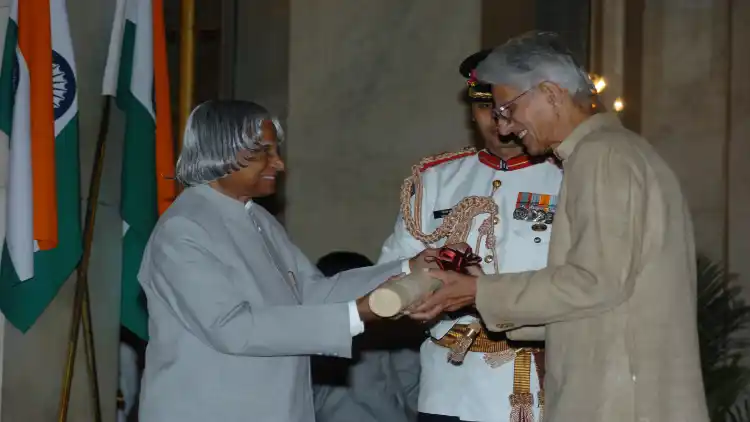
Obaid Siddiqui receiving Padma Vibhushan from the President

Genes and DNA are the words we hear frequently on our Televisions and other media. Genetic mapping has revolutionised the way humans understand organisms in general and themselves in particular. The past few decades have witnessed developments in biotechnology and genetics leading us to understand and treat diseases hitherto thought curable. Very few among us know that one of the important men who laid the foundation of this revolution was an Indian, Obaid Siddiqui.

Born on this day in 1932 in Basti, Uttar Pradesh, Obaid Siddiqui completed his Masters in Botany from Aligarh Muslim University (AMU) in 1953. Initially, he joined AMU as an agricultural scientist, after his Masters, and later moved to Indian Agriculture Research Institute (IARI), New Delhi. At IARI Siddiqui had prepared a testbed for wheat crossbreeds. But a devastating hail storm destroyed the crop and ruined his year-long labour. A frustrated Siddiqui, who had a keen interest in genetics, an emerging field at the time, wrote a letter to Professor Guido Pontecorvo at Glasgow asking him for a research opportunity with him. Pontecorvo accepted him and Siddiqui started his PhD at Glasgow on microbial systems – a paradigm shift from Botany.

During his PhD, Obaid made some path-breaking observations, which revolutionised the field of Genetics. Two very important observations made by him  were:

  • His studies were the first reports of fine mapping of a gene.
  • He pointed out the concentration of mutational sites in a small part of genes.

Obaid Siddiqui with Semour Benzer

So, when he submitted his PhD thesis in 1961 Siddiqui had already revolutionised the sciences in general and genetics in particular. Considering the fact that he shifted from Botany to a different field makes his achievement even more stellar.

The same year Siddiqui moved to Pennsylvania to work with Alan Garen as a postdoctoral fellow. Here, he discovered the suppressors of “nonsense” mutations. In simpler words, he discovered why a few mutations in a gene would not express themselves and remain suppressed. The discovery was a logical result of his earlier pioneering work in mapping of genes. Another important impact of this discovery was the finding of “nonsense” codons, the stop signal of genes. Har Gobind Khorana, Robert Holley, and Marshall Nirenberg received the 1968 Nobel prize for identifying “nonsense” codons and they personally acknowledged the role of Siddiqui in their research.

Siddiqui did not pursue his study of Codons further which got others a Nobel Prize because his heart was not in the USA. Siddiqui wanted to return to India to serve his motherland. This selfless patriot left the lucrative opportunities and told Alan Garen, in 1962, that he wanted to return to India.

Garen asked renowned physicist Leo Szilard to write to Homi Bhabha asking him to arrange a position for Siddiqui in India. Ignoring the opposition from fellow scientists in India, Bhabha showed confidence in Siddiqui and gave him the responsibility of establishing a molecular biology unit at Tata Institute of Fundamental Research (TIFR).

Obaid ASiddiqui with Wife Asiya Siddiqui

At TIFR, Siddiqui nurtured a younger crop of scientists and also brought Indians working in foreign labs back to India. With one of his students, P. Vijay Sarathy, Siddiqui showed that recombinant bacteria inherit DNA of bi-parental origin thus laying the foundation of principles of lateral gene transfer. In layman’s language his findings are the basis of the now well-known principle that genes pass from one generation to another.

With his other students like Kavita Arora and Veronica Rodrigues, Siddiqui showed that taste and smell of Drosophila have a genetic basis and thus opened a new field of chemosensory neurogenetics. These findings led others to research the role of genes on sensory perceptions, learning and memory.

Siddiqui was not a man who would compartmentalize his intellect to one branch of science. He contributed to fields as diverse as plants, Drosophila, bacteria, and genetics. He did not stop at research. He was an institution builder and established the National Centre for Biological Sciences in 1992 in Bangalore. Siddiqui was known for nurturing young minds by giving them the freedom to question.

Moreover, Siddiqui was a man who believed that sciences cannot operate in isolation of society. Scientists have a social responsibility and Siddiqui understood this. He stood for Human Rights, campaigned against communalisation and took part in social movements. Not only a music lover of Hindustani Music, Siddiqui was an established Sarod artist.

Obaid Siddiqui was awarded the second-highest civilian award, Padma Vibhusahan, by the Government of India. He was the true son of the soil who left lucrative offers in a foreign land to establish a research culture in India. His students are now serving the nation, which includes the present Principal Scientific Advisor of India, Professor Vijay Raghavan. 

source: http://www.awazthevoice.in / Awaz, The Voice / Home> Stories / by Saquib Salim / July 26th, 2021