Tag Archives: Muslims of Aligarh

Ibn Sina Academy of Medieval Medicines and Sciences is a legacy in four walls

Aligarh, UTTAR PRADESH:
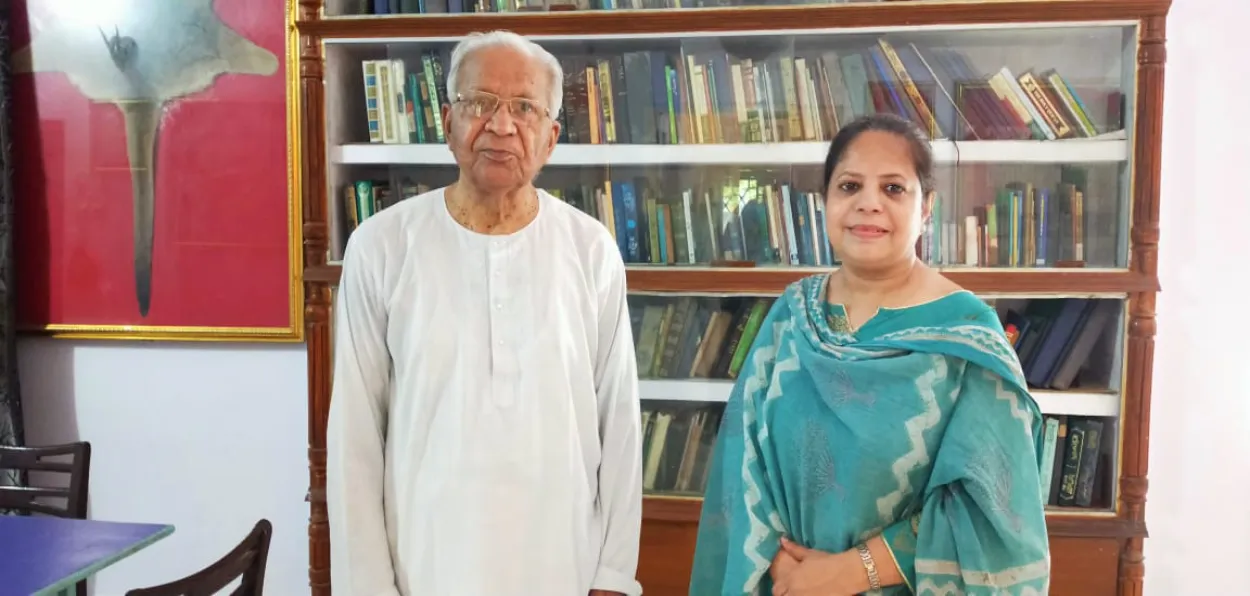
Professor Syed Zillur Rahman, founder,Ibn Sina Academy of Medieval Medicines and Sciences with the author

Known for its locks, Aligarh, a city in Uttar Pradesh, has also locked a legacy in its reserve – for generations to benefit from it. It houses a rare academy and museum called Ibn Sina Academy of Medieval Medicines and Sciences. 

Located at Tijara House, amid a vibrant market place and residential area, Ibn Sina is hailed as the rarest house of legacies in arts and sciences combined under one roof. Named after the legendary scholar of philosophy and medicine Abu Ali Ibn Sina (980 -1037), this academy was accredited to the Ministry of Ayush in 2004 and promoted to Centre of Excellence in 2008.

The institution was established for encouraging and promoting research and studies in medieval sciences, especially Ibn-Sina’s as well as arts, culture, poetry, and other sciences. 
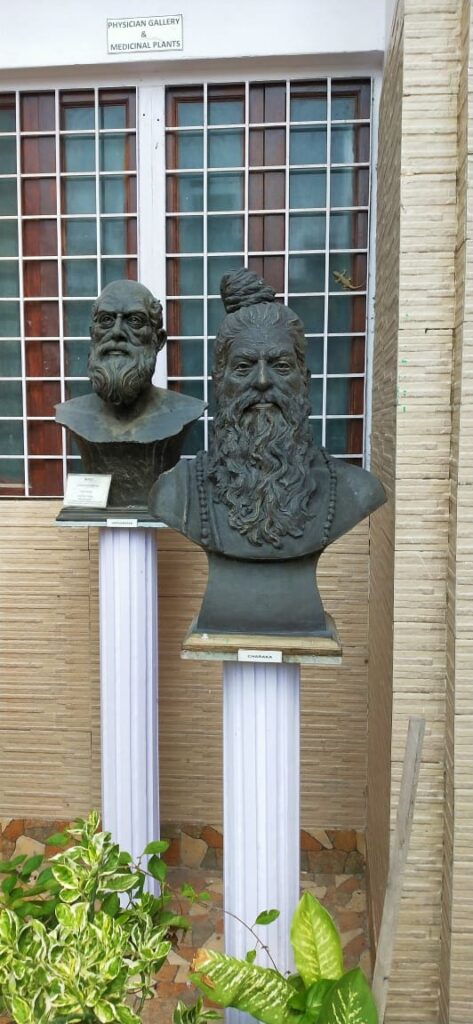
The bust of Ibn Sina with Charak inside the museum

Of Ibn Sina’s four stories, a major attraction is on its second floor which houses the Fazlur Rahman Museum of Orientalism, Art, and Culture. 

It has four main galleries; the crockery gallery has a large collection of oriental and British Indian utensils, hammami plates, bowls, tea sets that belong to prominent personalities such as Hakim Ajmal Khan, Nawab Sultan Jahan, Nawab Shahjahan Begum of Bhopal, Nawab Yusuf Ali Khan of Rampur and many others.

The textile gallery is ornate with attires, garments with gold and silver calicos studded with precious stones, one of which has entire Quranic surah Yaseen embroiled in gold zardozi on it, turbans worn in battles, among many other oriental attires. The picture gallery has prominent personalities of AMU’s pictures, drawings, photography, prints, etc.

Its miscellaneous gallery has coins, postage stamps, clocks, busts, pens, memes, and relics of prominent personalities. 

“We have over 2 Lakh stamps beginning from ever since the stamps started, from all countries and India. People who were pioneers in the world of arts and culture, education, and freedom fighters on whose names, and stamps were released, we have a collection of the same. shares Dr. Aftab who is a convenor at Ibn Sina.

In addition medical manuscripts, medical philately, medical souvenirs memories of physicians especially those of Nobel laureates are well preserved here.
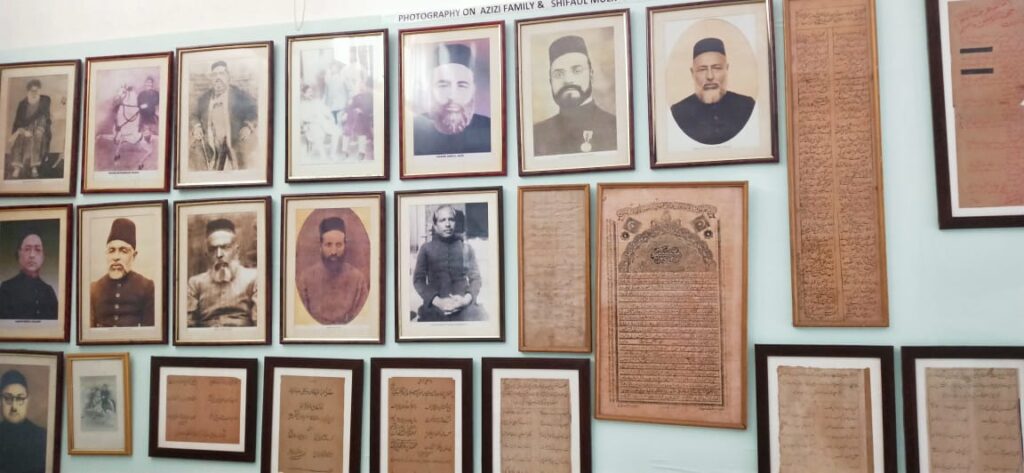
The wall of fame (Pictorial history of some important Muslim families)

The connecting rooms of the galleries welcome you with a sofa of Raja Jai Kishan, a mirror of the times when they were made of iron sheets. The iron sheets called ‘aaina’ were rubbed so many times that they would become sparkling clear and shining to become a mirror. That’s how the mirror got its name ‘aaina’ Later it got a new name –sheesha – with the change of the material..

The academy is rare for numerous reasons. For avid readers of medicine, science, Urdu, Persian, Arabic, literature, poetry, oriental studies, researchers, students preparing for competitions, and scholars IbnSina is a heaven. It boasts of a rare collection of 32000 books, 17000 magazines, 1100 manuscripts, (makhtootaat), 21 rare Qurans including one pocket size in gold, and much more is in store.

Built by professor Syed Zillur Rahman, a medical academic and passionate Urdu litterateur from Aligarh, Ibn Sina was an extension of his colossal library that he had established in 1960 which soon extended into the world’s rare academy and museum of its kind in the year 2000. 
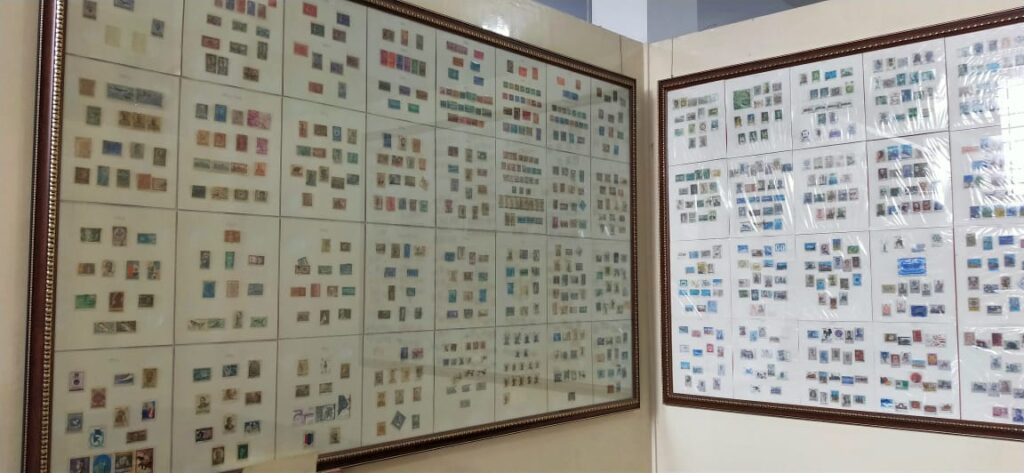
Collection of stamps 

“Hamare yahn Aurangzeb ke hath ka likha, aur uske bete ke hath ka, likha hua Quran hai,” gleams the professor, sharing the information.

Apart from a separate collection of Muslim women achievers, Ibn Sina boasts of the world’s best collection of Islamic sciences, Islamic medicines, and Islamic philosophy being published across countries such as Iran, Central Asia, Syria, Iraq Turkey, etc. Scholars from across the globe come here to refer to books in this section.

For Ghalib devotees, the academy has a separate section called Ghalib Study Centre. It “Ghalibka collection joh mare paas hai vo duniya mein kisike paas nahi hai,” claims the professor.

Delhi finds a special place here boasting of 7500 books, some as old as 1893, dictionaries as old as 150 years, authentic diwaan on Ameer Khusrau, books on and by the last Mughal Bahadur Shah Zafar, British period –Victorian Era with pictures in Lithographs and much more.
Children using the library

The academy has a library for students especially those preparing for competitive exams. The 100-seater library has the best of books from literature, agriculture, science, math, medicine, etc.

“There is no fee to sit in this library. It opens every day from 10 to 10. This section has over 28000 books including 56 of Professor Rehman on Tibbi and Unnani medicines. there are separate sections for Unani medicine and Sir Syed Movement, biographies,” Dr Aftab Alam, the coordinator of Ghalib Study Centre informed.

There is a reason why the library has most books in Urdu and Persian on Indian history, culture, language, society, education, politics, medicine, etc. “Not much work in English has been done on Muslims. Most work has been done in Urdu and Persian. So this is our helplessness. Our focus is on India – the Hindustan. Indian scholars have done immense work in any domain, philosophy, travelogues, and medicines, especially in Islamic history, the Quran, and hadith that is comparable to anyone in the world, especially the Arabic and Persian world. The problem is we don’t read because we don’t read Urdu,” rues the professor. 

Why Ibn Sina was built has an interesting story. As a young man, Professor Rahman used to watch a bird who had made a nest and would bring food for her newborn, just as the routine was with a cat who had given birth to kittens – at his home. After some months, the birds flew, and the kittens grew and went away with their mothers.

“I thought to myself, ‘Is this the life God has created mankind for? Just be born, eat, sleep, and die like animals? God has created a man to not only take care of his family but also society, language, culture, community, and world.”
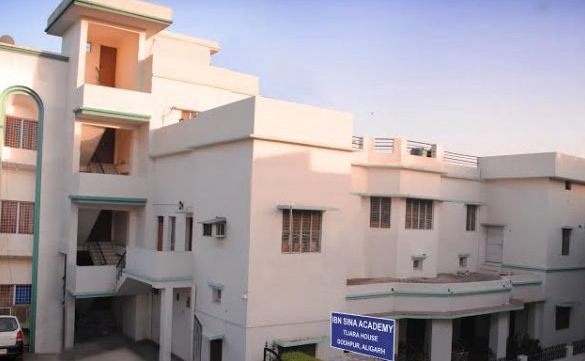
Ibn Sina Academy of Medieval Medicines and Sciences

So, he decided to create a legacy that he says would be useful for a generation after 80 years! “We are away from civilization by 80 years. A standard time to develop any civilization is 150 years. So, now people are not able to understand the legacy I have created but the students who read it 80 years later will know what it is. By then we would be a civilization.”

People get worried that the graph of Muslim development is going down. But the Professor feels it is nothing to be worried about. “Every civilization has to go through it. Our graph has risen. We were 10 crores in 1947. After Partition, 7 crore left for Pakistan had 3 crore stayed in India. We were nothing in 1947 but our buzurgs worked very hard to study and became scholars. Now we are making educational institutions, universities, hospitals, media houses, and so on. Most important is that girls are getting higher education and they will change the face of the nation,” he says, satisfied while emphasizing reading Urdu to know a legacy called India and the contribution of Muslims to it.

Rana Siddiqui Zaman is a Delhi-based senior columnist and art reviewer

source: http://www.awazthevoice.in / Awaz, The Voice / Home> Stories / by Rana Siddiqui Zaman / January 10th, 2024

AMU M.Tech student Sami Saud develops portable single lead ECG device

Aligarh, UTTAR PRADESH:

The AMU student, Sami Saud, said that by capturing ECG readings remotely, the device wirelessly transmits the data to a cloud-based platform.

Aligarh: 

In a novel development, Sami Saud, a final-year M.Tech. student at the Department of Computer Engineering, Aligarh Muslim University (AMU) has developed a portable single lead ECG device as a part of his dissertation.

Sami, who is working on his dissertation under the supervision of Prof. M. Sarosh Umar, worked on the device in collaboration with the industry expert, Arif Shouqi from Google.

He said that the device promises to transform the landscape of remote cardiac healthcare with accuracy records, boasting an awe-inspiring 99 per cent precision compared to traditional medical-grade ECG machines.

“The gadget demonstrates the immense potential of computer engineering in tackling real-world challenges and the functionality of this groundbreaking device is both ingenious and straightforward,” he said.

Sami said that by capturing ECG readings remotely, the device wirelessly transmits the data to a cloud-based platform. On this digital frontier, advanced machine learning algorithms work tirelessly to classify heart conditions and predict the likelihood of heart attacks based on the acquired data. Early detection and proactive management of cardiac issues are now within reach.

Sleek, Portable Design

The portable ECG device embodies usability and convenience, and with its sleek and portable design, it adapts seamlessly to any healthcare environment, making it a versatile asset for hospitals and home monitoring. Through the wireless Bluetooth connectivity, users can access their ECG results in real-time on their mobile or laptop devices. Sustainability and cost-effectiveness have been embedded into the very fabric of this groundbreaking invention.

The device’s rechargeable capability eliminates the need for wasteful disposable batteries, while its impressive 9-day battery life ensures extended usage without constant recharging.

This achievement underscores the transformative power of computer engineering in addressing critical challenges in the medical domain.

Sami’s father, Saud Saghir, is also an alumnus of Aligarh Muslim University.

source: http://www.ummid.com / Ummid.com / Home> Science & Technology / by IANS / June 13th, 2023

Mahelaka Abrar, A Second Year, BA LLB Student Won The Essay Writing Competition

Aligarh, UTTAR PRADESH:

Aligarh:

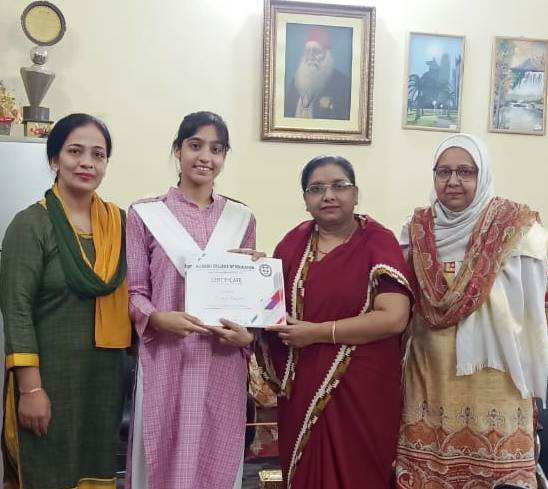
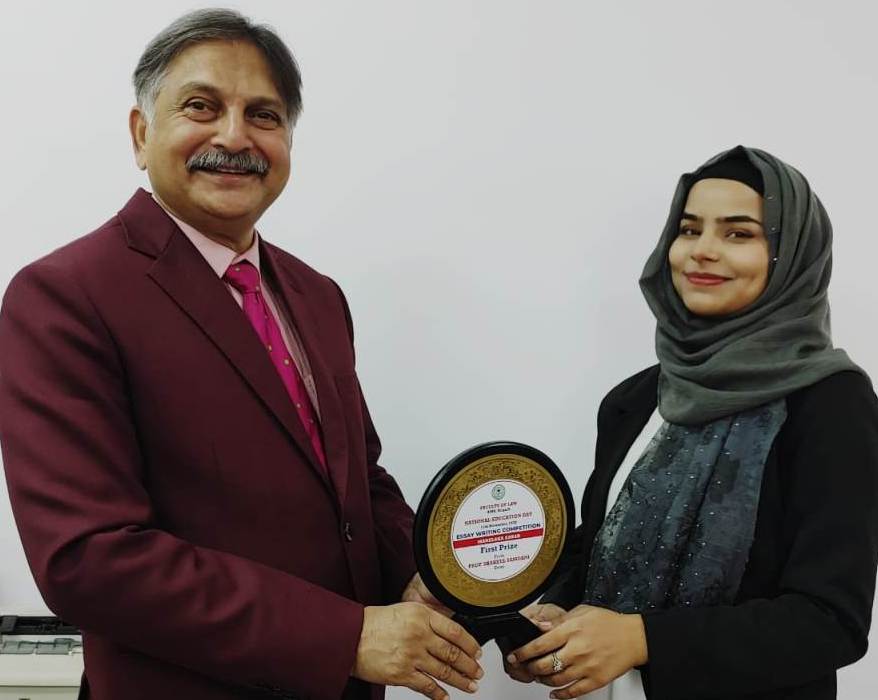
Mahelaka Abrar, a second year, BA LLB student won the essay writing competition on ‘New Education Policy: Boon or Bane’ organised by the Faculty of Law, Aligarh Muslim University (AMU) to observe the National Education Day.

She was felicitated by Prof M Shakeel Ahmed Samdani, Dean, Faculty of Law.

source: http://www.indiaeducationdiary.in / India Education Diary / Home> Competition / December 01st, 2020

AMU Faculty Discovers a Common Mechanism for the Prevention of Liver Cancer

Aligarh, UTTAR PRADESH:

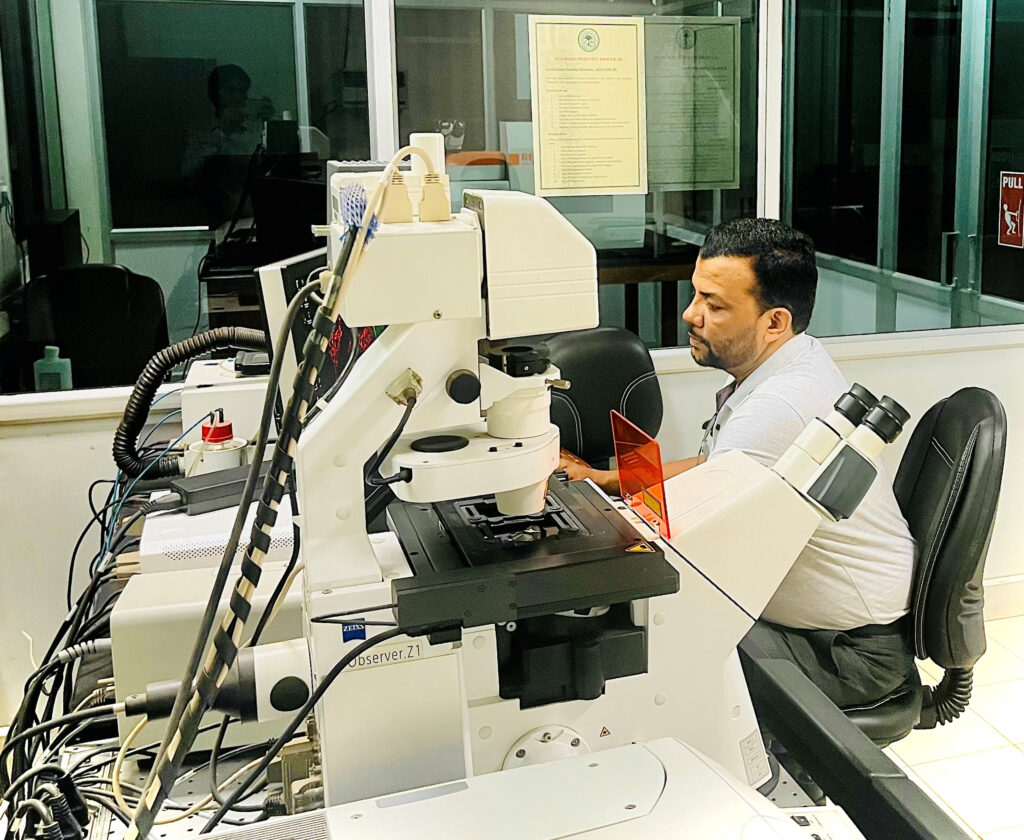
In a big breakthrough in the field of cancer prevention, Dr Hifzur Rahman Siddique, Department of Zoology, Aligarh Muslim University, in coordination with Dr. Keigo Machida, University of South California, USA, has discovered a common mechanism that activates disruption of a single RNA binding protein, MSI-2 binding to mRNAs of the cancer-causing proteins and significantly reduces the synthesis and accumulation of these proteins, reducing HCV infection and proliferation. The single RNA binding protein (named MSI-2) helps to accumulate multiple cancer-causing proteins in patients and helps to proliferate Hepatitis C Virus to promote liver cancer.

Dr. Siddique and the team who have identified this protein by analyzing the liver tissues of 374 liver cancer patients, said, “As we know, alcohol and cholesterol-rich high-fat diet and hepatitis infection promotes cancer initiation, but the exact molecular mechanism is unknown. In this research work, we have discovered that MSI-2 protein helps to accumulate multiple cancer-causing proteins and supports HCV proliferation to aggravate the disease.”

Dr Siddique said that Liver hyperplasia is also reduced in the animal model predisposed to viral infection fed with alcohol mixed cholesterol-rich high-fat diet. This is a very exciting discovery and could serve as a potential therapeutic target for the drug design and give direction to the management strategy for this deadly disease.

“The study has been recently published in Cell Death Discovery (April 2023, available at www.nature.com/cddiscovery),” he added.

Dr Siddique and his team had earlier discovered the molecular pathway that promotes the abnormal division of Cancer Stem Cells that are responsible for cancer therapy failure and Cancer reappearance/recurrence. Their study was then published in the prestigious journal Nature Communications 11 (2020) and found a place in different national and international dailies.

He said that the liver is considered the powerhouse of the body and due to the change in lifestyle, chronic alcohol consumption, high-fat diet, and hepatitis virus infection, the incidence of liver cancer is increasing fast. More than 350 million people are currently infected with hepatitis viruses, out of which 70 million are infected with Hepatitis C. It is estimated that approximately 40 million people are chronically infected with Hepatitis B and 6-12 million people with Hepatitis C. The situation worsens when Hepatitis infection occurs in an alcoholic person.

He said that the discovery is significant in the treatment of liver cancer as blocking the identified protein has an immense effect on liver cancer in the animal model and also stops the accumulation of the number of human cancer-causing proteins, the proliferation of hepatitis viruses and improving recovery.

Dr Siddique has been working on Cancer Stem Cells for a decade and has established a dedicated lab to initiate pioneer research on Cancer Stem Cells at AMU with a team of 10 researchers and collaborators from the USA, Russia, China, the UK, India, etc.

Recently, he  got a Patent for his herbal formulation to prevent liver cancer and expecting some extramural grant from the Government of India for further clinical research.

source: http://www.amu.ac.in / Aligarh Muslim University – AMU / Home> AMU News / by Public Relations Office / May 01st, 2023

Why India Must Remember its First Muslim Jurist

Delhi, Mughal Period / Sitapur, British India:

The first Muslim judge of a high court in colonial times, Syed Mahmood’s professional conduct offers a counterpoint to the declining standards in Indian judiciary.

WHEN Justice Abdul Nazeer addressed the 16th national council meeting of the RSS-affiliated Akhil Bharatiya Adhivakta Parishad at Hyderabad last December, he said, “Great lawyers and judges are not born but made by proper education and great legal traditions, as were Manu, Kautilya, Katyayana, Brihaspati, Narada, Parashar, Yajnavalkya, and other legal giants of ancient India.” In the symposium on “Decolonisation of the Indian Legal System”, Justice Nazeer also said the “continued neglect of their great knowledge and adherence to the alien colonial legal system is detrimental to the goals of our Constitution and against our national interests…”.

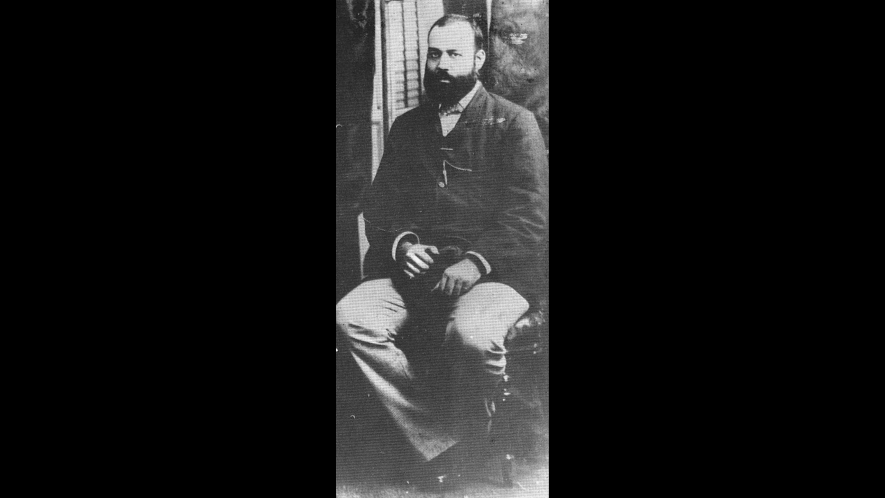
Perhaps Justice Nazeer should have also recalled 19th-century jurist Justice Syed Mahmood (1850-1903). A pioneer in bold assertions against the colonial judiciary, he produced incisive legal commentaries that reflect an audacious dissenter’s point of view. Writing in an Urdu newspaper, his father, Sir Syed Ahmed Khan, narrates Mahmood’s resignation from the Allahabad High Court in 1893 to “protect the self-respect of Indians against the racism of British judges”.

In that era, conceptions of nationhood were still evolving in India. Indian judges would not muster the courage to contest the racism of the imperial power or fellow European judges. But Mahmood did, in intrepid ways. Khan founded the Mohammedan Anglo-Oriental (MAO) College at Aligarh in 1877 and figures prominently but contentiously, stereotyped as a British loyalist and separatist in debates on contemporary nationalism. Mahmood supported his father’s modern education project, but unfortunately, his contributions are largely ignored by historians and the legal fraternity.

By 1920, MAO College, now Aligarh Muslim University, was the most prominent residential university in the country. Its history department has been a premier centre for advanced studies for a half-century. In 1889, primarily on Syed Mahmood’s initiative and his gifts in terms of books, journals and cash, AMU established a law department. Yet, he was neglected in its research. Only in 1973, seven years after the centenary of the Allahabad High Court, the Aligarh Law Journal brought out Mahmood’s contributions, and legal scholars reflected on his high calibre as a lawyer and judge.

The good news is, in 2004, Alan M. Guenther did his doctoral thesis on Mahmood at McGill University, Canada, which is available online for the public to access. His meticulous and well-researched account touches almost every aspect of Mahmood’s public life. Guenther also published an extended essay in 2011on Mahmood’s views on English education in 19th-century India. (In 1895, Mahmood had written a book on the theme for his speeches at the Educational Conference.)

In 1965, Asaf Ali Asghar Fyzee (1899-1981) complained, “Syed Mahmood’s contributions to the transformation of Muslim law in India have been largely neglected by historians and survive primarily as footnotes in legal texts on Muslim law.” Guenther, too, observes, “…overshadowed by the life and writings of his illustrious father, Ahmad Khan, his legacy has not received the attention it deserves. A large part of his father’s achievements in the reform of education, in fact, would not have been possible without the assistance of Syed Mahmood. But when he reached the age at which his father had made his most significant achievements, [Mahmood] had his life cut short.”

Mahmood had laid out his life plans clearly. S. Khalid Rashid, writing in 1973, reports that Mahmood decided early on that, like his ancestors, he would devote the first third of his life to educating himself, the second to earn a living, and the last to “retired study, authorship and devotion to matters of public utility”. But Guenther writes about how Mahmood’s health had deteriorated through alcohol abuse and disease. He died before he turned 53, broken by forced retirement, estranged from his father (who had died five years previously), stripped of responsibilities at the college he had helped found, separated from wife and son, and in poverty. He was selling personal items to repay debts. “His father’s numerous writings and letters are still republished, but Syed Mahmood’s contributions to Muslim thought are hidden in bound volumes of the Indian Law Reports and brittle files of government correspondence,” Guenther writes.

One aspect of Mahmood’s last years is captured by Prof. Iftikhar Alam Khan’s Urdu books, Sir Syed: Daroon-e-Khana (2006, 2020) and the recent Rufaqa-e-Sir Syed: Rafaqat, Raqabat wa Iqtidar Ki Kashmakash. These accounts expose the smear campaigns of the three companion successors of Sir Syed—Samiullah, Mohsin-ul-Mulk and Viqar-ul-Mulk—against Syed Mahmood as they vied for the secretary’s post at MAO College. Often European members of MAO College conspired with them. Exploiting his weaknesses and eccentricities, they ousted him to get a hold over college affairs, compounding his hurt during his tragic final years.

SYED MAHMOOD’S ROLE IN SIR SYED’S EDUCATIONAL ENTERPRISE

Having returned to India in 1872 after studying in England, Mahmood took time out of his budding legal career to assist his father’s reform work, particularly setting up MAO College. He prepared a detailed plan along the lines of his experiences in Cambridge. His specific aim, explained in February 1872, was to produce future leaders of India through an educational institution whose residential nature would be “as indispensable an education as the course of study itself”. The aim was to create a society of students and teachers quite different from the rest of society.

He travelled with his father to Punjab in 1873 and spoke at a rally to promote the project. In 1889, Sir Syed introduced a motion to nominate Mahmood as joint secretary of the board of trustees of MAO College by highlighting his assistance despite the opposition he faced. In particular, he considered his son’s influence the primary factor that persuaded European professors to come to India and teach there.

European staff members confirmed this around six years later when there was renewed opposition to Mahmood continuing as joint secretary. The principal, Theodore Beck (1859-1899), testified, “Syed Ahmad….acknowledged his reliance on Syed Mahmood for advice in all matters, and his imprint could be noted in the correspondence relating to the school. He declared his firm conviction that Syed Mahmood was the one person who shared his vision for the college, and apart from him, no one would be able to administer the school in keeping with that vision.” However, Samiullah (1834-1908) disagreed with Sir Syed on this count. As a result, a tussle for power began in the college management. The power-play could explain why AMU felt inhibited in bringing out a biography of Mahmood, a research gap that Guenther’s doctoral thesis fills. He has extensively relied on important correspondences of Mahmood preserved in the London India Office (British) Library.

SYED MAHMOOD’S TRYST WITH MUSLIM LAW

Mahmood is a forgotten pioneer of the transformation of Muslim law in modern South Asia. In 1882, at just 32, he became the first Muslim judge of the high courts in British India. He delivered numerous landmark decisions that shaped Muslim law, the law in general, and its administration.

Earlier, he blazed a trail his younger contemporaries followed in their judicial roles in British India. He was one of the first Indian Muslims to study in England and train in the English system of jurisprudence, the first Indian to enrol as a barrister in the High Court of Judicature at Allahabad in 1872, the first appointed as a district judge in the restructured judicial system of Awadh in 1879 and the first Indian assigned as a puisne judge to the High Court at Allahabad. He was the first Muslim in any High Court of India. He cleared a path for Indian Muslims to participate in administering justice in India. But his contribution is not limited to creamy career opportunities for Muslim youngsters. His lasting legacy is how Muslim law is perceived and administered in South Asia today.

CHAMPION OF ACCESSIBLE JUSTICE

An abiding concern of Mahmood was the cost of administration of justice. Court procedures were lengthy and expensive, and the “mass of law” was complicated. Distance from courts was another concern, for which he proposed a network of village courts for “on-the-spot” adjudication. He sought to make justice accessible through unpaid tribunals and honorary munsifs. He prepared a comprehensive draft for this, Guenther informs.

Furthermore, he attacked the [racial] mindset and court fees and stamp duties on legal documents. He ruled in August 1884 and February 1885 that “…if justice costs the same amount [to the] rich and poor, it follows that the rich man will be able to purchase it, whilst the poor man will not.” He declared, more than once, that British judges in India were too quick to find fraud.

In a speech at the Allahabad Bar in April 1885, Mahmood raised the language issue in judicial transactions, saying laws should be in languages intelligible to the masses. He insisted on the vernacular in arguments, pleadings and justice delivery and translated verdicts so that people unfamiliar with English could rest assured that judgments are reasoned. Of course, the issue of judicial language continues to be debated, and for this, acknowledgement is due to Mahmood.

AN INDIAN DISSENTER IN THE HIGH NOON OF BRITISH COLONIALISM

Mahmood is known most for outstanding dissenting judgements. In volume 2 of his 2021 book, Discordant Notes, Justice (retd.) Rohinton F. Nariman writes that Mahmood was known for detailed judgments, some of which stand out for thoroughness and fearless language. Mahmood would refer to the original Sanskrit versions when ruling on Hindu laws and the Arabic texts for Muslim laws, rather than using interpretations of the relevant texts.

From the 1860s to 1880s, during the codification of laws, he sought limits on importing British laws and protested that the local context was getting overlooked. His concern was not just the laws but their efficacy and adaptability within India’s cultural diversity.

Guenther observes, “…throughout his life, he identified himself as a Muslim as well as an Indian and a subject of the British crown, and that he was actively involved in the education and improvement of the Indian Muslim community. At the same time, Mahmood… [made] efforts to promote harmony between people of diverse backgrounds, and…[supported] initiatives that improved the situation of all Indians, regardless of religious affiliation…”

An anecdote from Altaf Hali’s Hayat-e-Javed (1901), cited by Shamsur Rahman Faruqi (2006), is worth sharing. “Contrary to the culture of sycophancy and genuflecting before the English colonial authority….Syed Ahmad Khan and his high-profile and brilliant son Syed Mahmud strived to conduct themselves as if they were equal to the English….Syed Ahmad Khan had stayed away from the [1867 Agra] Durbar because Indians had been given seats inferior to the English. A medal was to be conferred on Syed Ahmad Khan at that Durbar. Williams, the then Commissioner of Meerut, was later deputed to present the award to Syed Ahmad Khan at Aligarh railway station. Willams broke protocol and showed his anger at having to do the task under duress and said that government orders bound him, or he wouldn’t be presenting the medal to Syed Ahmad Khan. Syed Ahmad Khan accepted the medal, saying he wouldn’t have taken the award, except that he too was bound by government orders.”

Indian democracy is an outcome of anti-colonial nationalism, and dissent is its core component: Mahmood’s dissent contributed to nationalism in his time. In 2022, the V-Dem Institute described India as an electoral autocracy where dissent is being criminalised, and the judiciary is failing to contain the majoritarian upsurge. Mahmood’s professional conduct is an encouraging counterpoint to the degeneration in the Indian judiciary.

WHAT DID MAHMOOD THINK OF THE INDIAN NATIONAL CONGRESS?

According to Guenther, though Mahmood never joined the Congress, he was “equally aloof” from the anti-Congress propaganda his father indulged in. “…a rare catholicity characterised his views on most of the controversial questions,” he writes. He adds, “His acceptance among the Hindus [elites] generally was demonstrated by the fact that they tried to send him as their representative to the Imperial Legislative Council, though he never received that appointment.”

Nonetheless, like his father, Mahmood harboured class and regional prejudices. Guenther reveals an article Mahmood wrote in The Pioneer on 4 September 1875, suggesting the government must strive to with the sympathies of the “higher classes of natives”. When challenged to defend his position by “Another Native” in the same newspaper two weeks later, Mahmood responded that people in Punjab and the North-western Provinces [now Uttar Pradesh] were, historically speaking, of “much greater political significance” than those of Lower Bengal. Gunther cites his write-up: “…any educational system that succeeded in ‘attracting the Bengalee and fail(ed) to exercise any influence upon the higher classes of the Rajpoot, the Sikh, and the Mussulman’ must be regarded as a failure.”

Considering the socio-regional composition of top functionaries of AMU, even impartial insiders would testify that it still harbours regional and sub-regional prejudices. The Sir Syed Academy is releasing many publications during the ongoing centenary celebration of AMU. Publishing Guenther’s dissertation may be a fitting tribute to Mahmood, who must be regarded as a prominent co-founder of MAO College.

Mohammad Sajjad teaches modern and contemporary Indian History at Aligarh Muslim University. Md. Zeeshan Ahmad is a lawyer based in Delhi. The views are personal.

First published by Newsclick.

source: http://www.theleaflet.in / The Leaflet / Home> History / by Mohammad Sajjad and Zeeshan Ahmad / April 01st, 2022

AMU students win Judges Choice Award in NASA Space App Challenge

Aligarh, UTTAR PRADESH :

Aligarh :

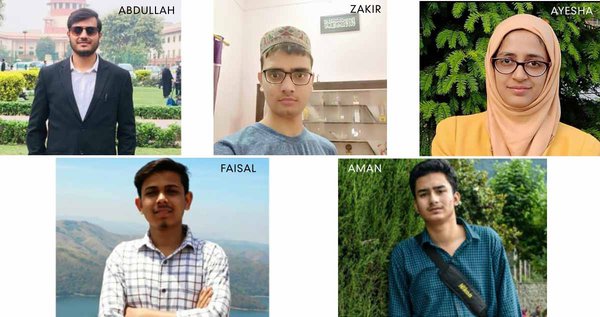
An unintended but welcome consequence of the lockdown to contain the coronavirus has been improved air quality stated the presentation of ALTAIR, a team of Aligarh Muslim University (AMU) students led by MBBS first-year student, Ayesha Samdani, which won the ‘The Judges Choice Award’ in the International NASA Space App Challenge-2020 for presenting a solution in response to the NASA’s Challenge ‘A One Health Approach’.

Ayesha and team members, Mohd Zakir Husain (MBBS), Aman Ahmad Khan (MBBS), Faisal Jamil (B.Tech) and Abdullah Samdani (BA LLB) gave an analysis on air quality of the pre and post lockdown periods in the Indo Gangetic region of Northern India. Their study gave details about how an improvement in the air quality benefited the health of people.

For the presentation, the ALTAIR members also coded an Air Quality Index (AQI) Calculator to measure AQI of a certain region, which is helpful in giving health and cautionary statements and providing guidance to common people on pollution related health issues.

Congratulating the students on the achievement, Prof Shahid Ali Siddiqui, Principal, Jawaharlal Nehru Medical College (JNMC) of the university and Prof Shakeel Samdani, Dean, Faculty of Law said that the work of these AMU students is formative as it provides a clear comparison of average concentration levels during the months before the lockdown and the time period during the lockdown restrictions, showing a reduction in SO2 level.

The event was judged by ISRO and NASA scientists including Tazeen Siddiqui of NASA.

source: http://www.milligazette.com / The Milli Gazette / Home> News> Community News / by The Milli Gazette Online / October 06th, 2020

Jamaat-e-Islami Hind President mourns demise of renowned economist Dr Nejatullah Siddiqui

Gorakhpur / Aligarh /UTTAR PRADESH / U.S.A. :

New Delhi : 

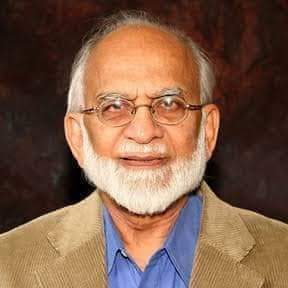
Jamaat-e-Islami Hind (JIH) President Syed Sadatullah Husaini has mourned the passing away of renowned economist Dr. Nejatullah Siddiqui

In a media statement, the JIH President said that Dr. Nejatullah Siddiqui’s contribution to the field of Islamic economics was unparalleled and he pioneered the concept of Islamic banking and laid the foundations of what is currently a thriving multi-billion-dollar industry.

Mr.Husaini held that Dr. Nejatullah was a very versatile personality dedicated to learning and development and, despite living abroad, he contributed intellectually to many forums and institutions in India. Calling his demise, a great loss to the Muslim world and the Islamic Movement, Mr.Husaini said, “his passing away leaves a great vacuum in the field of Islamic economics and finance.”

Offering his heartfelt condolences to the bereaved family members, the JIH leader said, “May Allah forgive him, grant him the highest position in Paradise and bestow patience upon his family members.”

Dr. Mohammad Nejatullah Siddiqui, an Indian economist, was awarded the King Faisal International Prize (Saudi Arabia) for Islamic Studies in 1982. Born in India in 1931, he was educated at Aligarh Muslim University as well as Rampur and Azamgarh.

He served as Associate Professor of economics and Professor of Islamic studies at the Aligarh Muslim University and as Professor of economics at the King Abdul Aziz University, Jeddah, Saudi Arabia, in its Center for Research in Islamic Economics.

He later became a Fellow at the Center for Near Eastern Studies at the University of California, Los Angeles (USA), and after that a visiting scholar at the Islamic Research and Training Institute, Islamic Development Bank, Jeddah.

He was a prolific writer in Urdu and English with 63 works in 177 publications and 1301 library holdings to his credit. Several of his works have been translated into Arabic, Persian, Turkish, Indonesian, Malaysian, and Thai languages. He was also the recipient of the Shah Waliullah Award in New Delhi for contributions to Islamic Economics.

Some of his notable books are Recent Theories of Profit: A Critical Examination, Economic Enterprise in Islam, Muslim Economic Thinking, Banking Without Interest, Partnership and profit-sharing in Islamic law, Insurance in an Islamic Economy, Teaching Economics from in Islamic Perspective, Role of the State in Islamic Economy, Dialogue in Islamic Economics, and Islam’s View on Property.

source: http://www.indiatomorrow.net / India Tomorrow / Home> National Interest / November 12th, 2022

Zahra Hashimi student Class XII Wins Best Debater Award

Aligarh, UTTAR PRADESH:

Zahra Hashmi, a Class XII-Arts student of the Aligarh Muslim University (AMU) Girls’ School was declared the ‘Best Debater’ of the debate contest on ‘Online Education is better than Offline’ held at the AMU Girls’ School.

She has also received a cash prize of Rs 5, 000, informed Amina Malik (School Principal).   

source: http://www.amu.ac.in /Aligarh Muslim University (AMU) / Home> AMU News / by Public Relations Office, AMU / September 17th, 2022

AMU Vice Chancellor releases eight books published by K.A. Nizami Centre

Aligarh, UTTAR PRADESH :

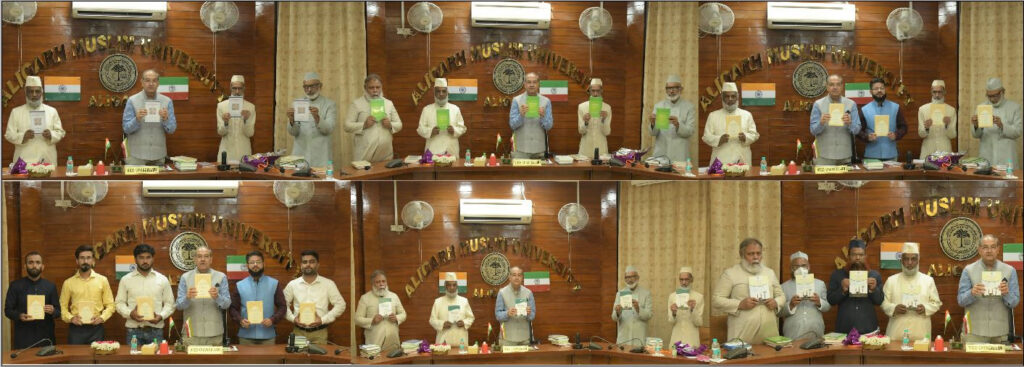
Eight books published by the K A Nizami Centre for Quranic Studies, Aligarh Muslim University (AMU) addressing key themes on the history of South Asian Muslims, diverse responses to the scholarly contributions and rationalist traditions of Islamic scholarship were released today at the Vice Chancellor’s Office.

They are ‘Contemporary Islamic Scholarship in South Asia: An Assessment’, ‘Humanness of Prophets: The Quranic Prophetology’ and ‘Contribution of Dar-ul-Uloom Deoband to Tafasir’ by Dr Abdul Kader Choughley; ‘Dil Jo tha Zulmat Kadah, Ma’ah-e-Munawwar Hogaya’ by Dr Mohammad Haris Mansoor; ‘Qurani Ulum ka Irtiqa Ahd-i-Islami ke Hindustan Mein’ by Prof Zafarul Islam; ‘How to Promote the Study of Quran among Women’, edited by Dr Nazeer Ahmad Ab. Majeed and Dr Arshad Iqbal; ‘Tarjumani Rahmani’ by Prof A R Kidwai and ‘Allah ki Kitab ki Paanch Mangay’ by Prof Fazlur Rahman Gunnouri.          

“These books will answer some of the most frequently asked questions about traditions in Islamic faith, offer a new understanding on the works of Islamic scholars, explore key Islamic events and provide an understanding of important traditions in Islamic philosophy and the intellectual movement that emerged from South Asian Islam”, said AMU Vice Chancellor, Prof Tariq Mansoor while releasing the books. 

Prof A R Kidwai (Honorary Director, K A Nizami Centre for Quranic Studies) pointed out: “The K A Nizami Centre has published over 80 titles on Quran-related scholarship since 2013. Publications of the Centre represent contemporary literature on furthering Quranic understanding and research in Hindi, English and Urdu by authors from various disciplines including translations from various languages”.

source: http://www.amu.ac.in / Aligarh Muslim University / Home / by Public Relations Department / Aligarh, July 13th, 2022