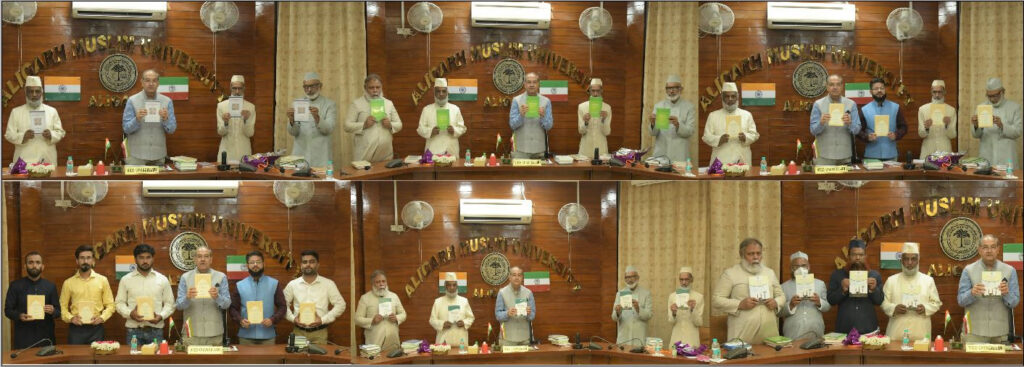
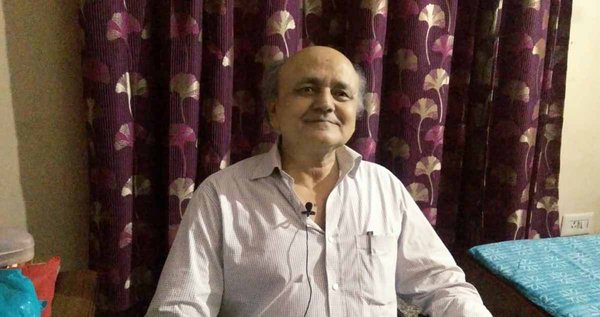
Eight books published by the K A Nizami Centre for Quranic Studies, Aligarh Muslim University (AMU) addressing key themes on the history of South Asian Muslims, diverse responses to the scholarly contributions and rationalist traditions of Islamic scholarship were released today at the Vice Chancellor’s Office.
They are ‘Contemporary Islamic Scholarship in South Asia: An Assessment’, ‘Humanness of Prophets: The Quranic Prophetology’ and ‘Contribution of Dar-ul-Uloom Deoband to Tafasir’ by Dr Abdul Kader Choughley; ‘Dil Jo tha Zulmat Kadah, Ma’ah-e-Munawwar Hogaya’ by Dr Mohammad Haris Mansoor; ‘Qurani Ulum ka Irtiqa Ahd-i-Islami ke Hindustan Mein’ by Prof Zafarul Islam; ‘How to Promote the Study of Quran among Women’, edited by Dr Nazeer Ahmad Ab. Majeed and Dr Arshad Iqbal; ‘Tarjumani Rahmani’ by Prof A R Kidwai and ‘Allah ki Kitab ki Paanch Mangay’ by Prof Fazlur Rahman Gunnouri.
“These books will answer some of the most frequently asked questions about traditions in Islamic faith, offer a new understanding on the works of Islamic scholars, explore key Islamic events and provide an understanding of important traditions in Islamic philosophy and the intellectual movement that emerged from South Asian Islam”, said AMU Vice Chancellor, Prof Tariq Mansoor while releasing the books.
Prof A R Kidwai (Honorary Director, K A Nizami Centre for Quranic Studies) pointed out: “The K A Nizami Centre has published over 80 titles on Quran-related scholarship since 2013. Publications of the Centre represent contemporary literature on furthering Quranic understanding and research in Hindi, English and Urdu by authors from various disciplines including translations from various languages”.
source: http://www.amu.ac.in / Aligarh Muslim University / Home / by Public Relations Department / Aligarh, July 13th, 2022
Navabharat Night High School, considered the first night school in the country, has been serving society for last 8 decades.
Mangaluru :
As a high school boy, Khalid Mohammed used to often find illiterate people knocking on his doors to read letters for them. The visitors were mostly elderly and disadvantaged whose children had migrated from Mangaluru to Mumbai and elsewhere in search of greener pastures.
It was then that the young Khalid, motivated by Mahatma Gandhi’s call for adult education movement, decided to teach such people how to read and write. Mohammed, a tin maker in the neighbourhood who was also not educated, was generous enough to spare his courtyard for a few hours each day for the noble cause.
Five adults — Khader, Krishna, Kusappa, Rahiman and Mohammed himself — were the first students when the night school came into existence on March 15, 1943.
Buoyed by the good response, the next year Khalid started primary classes in a building opposite KRK Shet Building on BEM High School Road in Mangaluru and named it Noubahar Night School. Gradually, middle and high school classes were added. Later, during its golden jubilee celebration in 1992, the school managed to get its own three-storeyed building on Car Street.
Called Navabharat Night High School now, it is run by the Navabharat Education Society. Said to be the first night school in the country and the only one still functioning, it is celebrating 80 years of its existence this year. Khalid, who was an English teacher at Badriya High School for a while, later became the headmaster of the night school and continued in the same post till he passed away a few years ago. The school, which does not charge any fee from students, has seen a lot of transformation over the last eight decades.
During its initial years, the school got a stream of adults who did not know how to read or write. Later it started getting adults who had dropped out of schools due to financial constraints but wanted to complete their schooling to get a job or promotion. Those who study here write the SSLC examination by enrolling as private candidates.
The institution now has over 60 students, who are mostly children of labourers. Almost all these kids go to day schools, but also come to the night school as their parents are away at work in the evenings.
Dr Vaman Shenoy, president of the Navabharat Education Society, beams with pride when he says many students from here have gone on to become doctors, engineers, advocates and also are employed abroad. There was a time when the school used to brim with 250-300 students, who used to stand outside the doors and windows of classrooms to listen to lectures. Bicycles used to be parked on both sides of the narrow road in front of the school building in Bunder.
The school has not received any government grant since its inception and runs only on donations. “Our founder Khalid Mohammed’s son Dr AR Nazeer who is a professor at a university in Saudi Arabia, Dr Vinay Hegde of Nitte, Kind Foundation, Canara Foundation and others contribute to the cause,” said M Ramachandra, secretary of the Society. Ramachandra himself was a student at the school. He later became its manager before he became secretary. “I dropped out of school after Class 8 because of poverty. After a gap of five years, I joined the night school,” he says.
The free school has six teachers and two office staff. Dinesh Kumar, a clerk at Canara College, has been teaching at the night school for the last 25 years. “I wanted to contribute something for society and that is the reason I am here,” he says. He teaches at the school from 6 am to 8.30 pm. Varkady Ravi Alevoorya, the present headmaster, says they have not kept the count of the total number of students educated in the school, but it could be in thousands.
“The student strength has dwindled over the last few years as the government now lays a lot of stress on education and makes regular follow-ups on absentee students to bring them back. But we still keep our doors open as there may be people who still need our help,” he adds. The school has a computer centre and also teaches Yakshagana. Dr AR Naseer says the school belongs to the public and they need to take it forward.
“As a teenager, my father was drawn to Mahatma Gandhi’s adult education movement which led him to start this school. It was the first home for my father and he used to spend most of his time here,” he recalls.
source: http://www.newindianexpress.com / The New Indian Express / Home> Good News / by Vincent D’Souza, Express News Service / June 26th, 2022
Over the past few years, and particularly after their recent tussle with the government over the statue of Bangabandhu Sheikh Mujibur Rahman, the Ulama’s involvement in politics has come back under scrutiny in Bangladesh. Since the 10th century, the Ulama have been exercising strong authority over religious issues; yet they have been accused of failing to respond to modernity and to the changes in society.
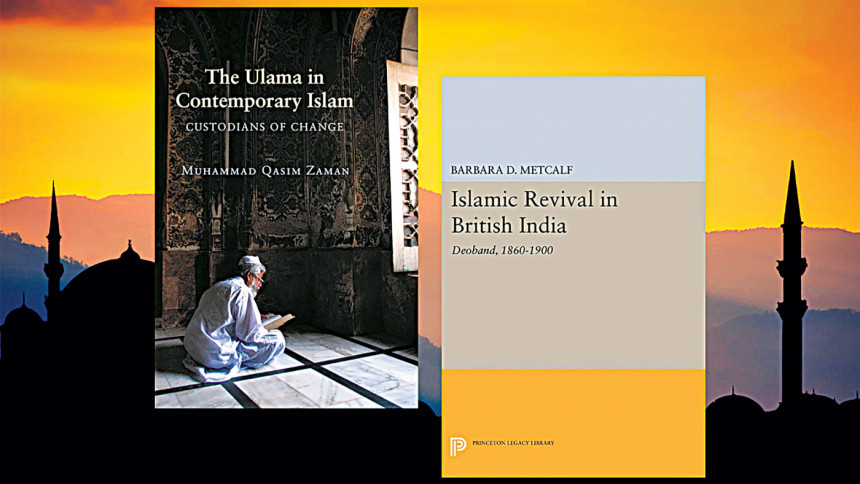
Against this backdrop, the actions, discourses, and history of the Ulama are well worth looking into. Muhammad Qasim Zaman’s The Ulama in Contemporary Islam: Custodian of Change (2002) and Barbara D Metcalf’s Islamic Revival in British India: Deoband, 1860-1900 (2016), both published by the Princeton University Press, are two outstanding studies in this regard. While Metcalf looks into the emergence, proliferation, and responses of the Deobandi Ulama to “modernity” when Muslim power in India was declining, Zaman looks at their strategy to establish authority in British India and Pakistan.
Shifting sands of influence
In pre-British India, religious education was a private enterprise and individual tutelage was the usual mode of the dissemination of religious knowledge. This tradition was to change with the emergence of the Farangi Mahall Ulama as custodians of Muslim intellectual traditions.
The Lucknow-based Farangi Mahall Ulama were known by the family of Mulla Hafiz, who received a land grant from Mughal Emperor Akbar sometime in the sixteenth century. He was the ascendant of Qutbu’d – Din (d. 1691), a Mughal courtier who participated in the collection of Fatawa-yi ‘Alamgiri’. The latter is a collection of Fatwa to be used in the Mughal courts. The family and students who took lessons from this family were known by the name of Farangi Mahall. The activities of the Ulama of Farangi Mahall, however, were confined to producing graduates for princely services. Their most significant contribution was their systemisation of the curriculum—dars-i-Nizami—for religious education. As Metcalf informs us, this curriculum came to Bengal when a Farangi Mahall graduate was appointed as the first principal of the madrasa yi ‘Aliyah’, Calcutta in 1780.
Farangi Mahall’s dominance declined and the centre for religious studies shifted from Lucknow to Delhi by the late 18th century. The person who played a key role in this shift was Shah Waliyu’llah, who advocated for more social and political responsibilities for the Ulama as opposed to those of the Farangi Mahall. Waliyu’llah’s successors had studied legal codes and written fatwa for the Muslim community, which had once become the main tool to disseminate religious instructions when the British were about to establish political authority over India. Besides claiming centrality of the hadith in the interpretation of the sharia, Shah Waliyu’llah discouraged blindly following the rulings of the earlier generations (taqlid). He suggested going back to the Quran or Sunnah for legal solutions.
The 1857 revolution landed heavily upon the revivalist movement initiated by Shah Waliyu’llah. Suspecting the Ulama’s involvement, British colonisers took all religious institutions in Delhi under their control. Fourteen hundred people were shot by British soldiers in Kuchah Chelan, where Shah Abdul Aziz (son of late Shah Waliyu’llah) used to preach, according to Metcalf. The Delhi-based Ulama were forced to move to the countryside and establish a madrasa at Deoband in 1867.
After the revolution, Deoband became the centre for Muslim intellectuals. They introduced formal religious education for Muslims in British India. Students had separate classrooms and a library, and the curricula were organised according to departments, such as Arabic, Persian, and others. A formal examination system was introduced and successful students were issued certificates of award. Graduates came from different corners of India. Most significantly, these graduates went back home and set up madrasas in their respective localities. By the end of the 18th century, nearly every town held the presence of the Deobandi Ulama.
One well known Deobandi Ulama was Muhammad Ashraf Ali Thanawi (1863-1943), who authored Bahishti Zewar (1981)—among the most popular books for Muslims of India, and masterminded the Dissolution of Muslim Marriages Act 1939—the first reformist legislation for Muslims of British India.
In the late 19th century, the Ulama played a crucial role in upholding the pride of their religion and their community through publications and public debate on religious issues. Their intellectual exercise peaked with the invention of print technology, multiplying the scale of the transmission of knowledge all over India. Publishing in local languages such as Urdu, instead of Arabic, was one of their effective strategies to establish authority. This also served as a medium of communication between common Muslims and the Ulama, and helped renew Muslim traditions against local customs. Following the birth of Pakistan on August 14, 1947, the Ulama consolidated their authority and forced the then government not to pass a law against sharia. Over the next few years, their continuous efforts would force the Pakistani government to establish a Supreme Sharia Board to oversee any inconsistencies between sharia and laws passed by the parliament.
The historiography of these two books may be compared with Geoffrey G Field’s Blood, Sweat and Toil: Remaking the British Working Class, 1939-1945 (Oxford University Press, 2011), in which Field understands “class” from multi-dimensional approaches including its relationship with the state, society, and family. Similarly, Barbara Metcalf and Qasim Zaman define the Ulama as a class by providing a social and intellectual history of their presence in South Asia. Metcalf highlights their hardships in the post-1857 revolution and the silent “intellectual” revolution of the Deobandi Ulama. Hers is an excellent cultural history. Despite being published earlier, Zaman fills in what Metcalf’s study left to be addressed: it focuses on how the Ulama have played an active role in different social and political contexts, particularly in post-colonial Pakistan. He disapproves of the allegation that the Ulama are against changes. The common mistake that most studies make, says Zaman, is not to consider the social and political context within which the Ulama work. To him, the flexibility of sharia depends on a socio-political context. Zaman suggested that the Ulama do not respond to changes as not because they do not like it but because of their fear of losing authority over religious issues in a modern state.
None of the above-mentioned studies, however, concerns the Ulama of Bangladesh. The growing presence of the Bangladeshi Ulama in the public sphere, particularly their increasing involvement in the political issues, merits investigation into—in Zaman’s words—their “transformation, their discourses, and their religio-political activism.” Could the Ulama in Bangladesh inherit the wind of the Islamic intellectual traditions? The question deserves to be addressed amongst others.
Dr Md Anisur Rahman is a legal historian at Asian University for Women. His research interests include Islam in Asia and South Asian Islamic Law and Society.
source: http://www.thedailystar.net / The Daily Star / Home> Reviews / by Md. Anisur Rahman / January 28th, 2021
Lexi Stadlen, an author in Dubai, moved to one of ‘the last splutters of land’ for her debut non-fiction book ‘Nine Paths’.
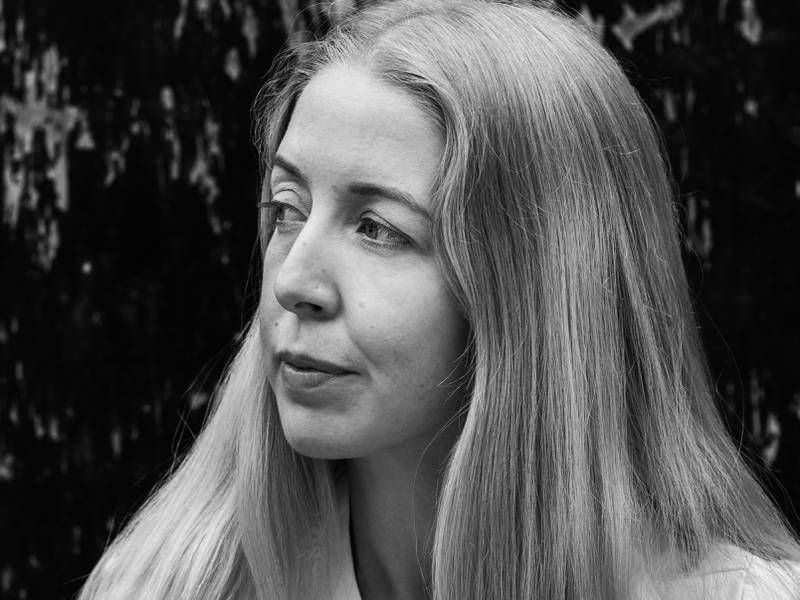
British author and anthropologist Lexi Stadlen has released her first non-fiction book. Photo: Penguin Random House UK
Anthropologists are caretakers of stories,” writes Lexi Stadlen at the beginning of her insightful and absorbing first book Nine Paths.
It’s a memorable description and one that perfectly sums up Stadlen, an anthropologist and ethnographer who has gathered and collated a rich variety of stories from nine Muslim women.
UK-born Stadlen spent 16 months living in a Muslim village on a remote island, one of “the last splutters of land” at the eastern edge of India.
There, speaking the inhabitants’ mother language of Bangla, she visited more than 100 households.
Gradually, she homed in on, and won the trust of, nine women who admitted her into their private worlds and allowed her to record their histories, chart their daily experiences, and relay their hopes and fears for the future.
“These women showed me such beautiful hospitality that was rooted in their Islamic faith,” Stadlen tells The National.
Some of the women were more forthcoming than others at the outset.
“One of them, Kalima, marched up to me almost immediately and declared herself my ‘kaki’ or aunty, so I very quickly became an adopted part of her family,” says Stadlen.
“That said, like all relationships, it took a lot of time and patience on both sides to build up a sense of intimacy between us, though their curiosity outweighed any mistrust.”
Along with Kalima, Stadlen got to know indomitable matriarch Maryam, forthright Tabina and glamorous Sara — one of the few who has managed to leave the island, in her case to study in Rajasthan.
“Theirs are houses that don’t like to keep secrets,” Stadlen reveals in the book.
Since her research was focused on women’s intimate lives, it was important for her that they became comfortable enough to open up to her.
Some shared their secrets, or dispelled and confirmed rumours that surrounded them.
Stadlen discovered that all had been the subject of gossip at some point, perhaps none more so than Roshini, who was treated as a pariah with a tarnished reputation for defying convention and marrying out of love.
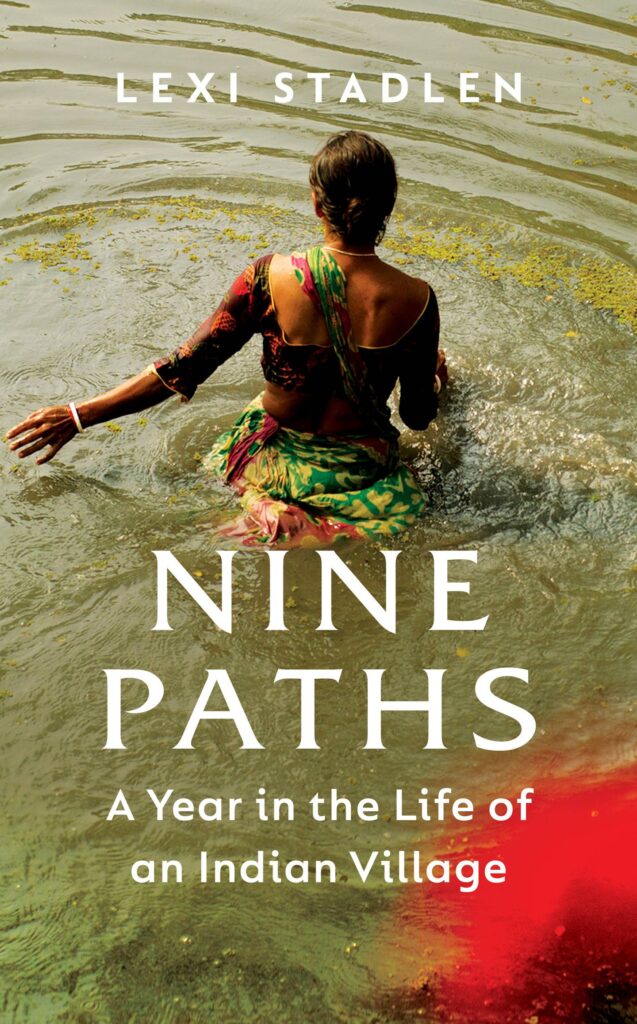
‘Nine Paths: A Year in the Life of an Indian Village’ by Lexi Stadlen. Photo: Penguin Random House UK
“For some,” Stadlen says, “I was an arbitrator in disagreements, for others a confidante. In two cases, the rumours about them were so unspeakable, we simply could not discuss them.”
Two women in particular, Rani and Aliya, loom large in the book. Unsurprisingly, it was those women who Stadlen was most drawn towards.
“Rani was the one I felt most protective over,” she explains. “She was at the point in a young woman’s life when so much is happening, her body changing, her mind struggling to keep up.
“She had passions and dreams that were so extraordinary for a young Muslim woman in her community. She loved athletics and all she wanted was to become a police officer.
“Aliya was the woman who I felt nothing but admiration for. Her story was heartbreaking.
“Her family had suffered a terrible tragedy that is revealed towards the end of the book, and she had lost everything. Yet with six children and a husband to support, she never complained, worked harder than anyone else in the village and was sought out by all for her wise counsel.”
Stadlen observed pairings and partings at weddings and funerals. She followed her subjects to tea shops, matchmaking sessions, madrasa meetings and into their homes.
She heard about women’s lives impaired by poor living conditions and venal authorities, or destabilised by jinni (a spirit in Arab mythology), monsoons and violent husbands.
“They were hungry for so much more,” she says. “They wanted the opportunities, the infrastructure, the equality that they’ve been promised for so long but that is sadly yet to materialise.”
In some ways, Stadlen was surprised by what she found.
“As a rural, socially conservative Muslim community, I had naively assumed that women would not have much chance to engage with local politics. I could not have been more wrong,” she reveals.
“The women were often the ones who visited government offices on behalf of their families, and while they let the men think that they dictated which political party a household should vote for, it was the matriarchs who were really in charge behind the scenes, giving instructions to their children, wooing politicians and building political alliances with their neighbours.”
Stadlen has gone on to swap one Muslim culture for another. Last September she moved to Dubai.
“I love the beaches and the area around Al Quoz, and there is an incredible yoga community here,” she says.
She has taken with her fond memories of her time in India, and a deeper understanding of humanity.
“One thing I learned will stay with me always,” she says. “That women’s experiences are, at their heart, so similar, no matter where they live and what their circumstances.”
source: http://www.thenationalnews.com / The National / Home> Arts & Culture> Books / by Malcolm Forbes / June 07th, 2022
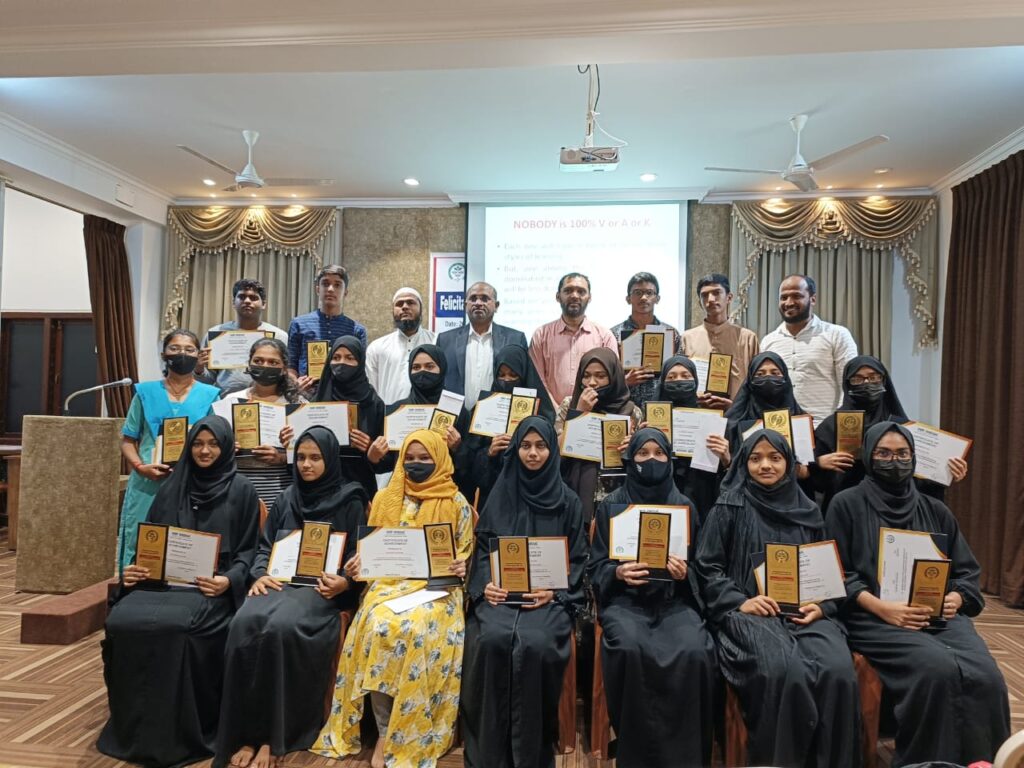
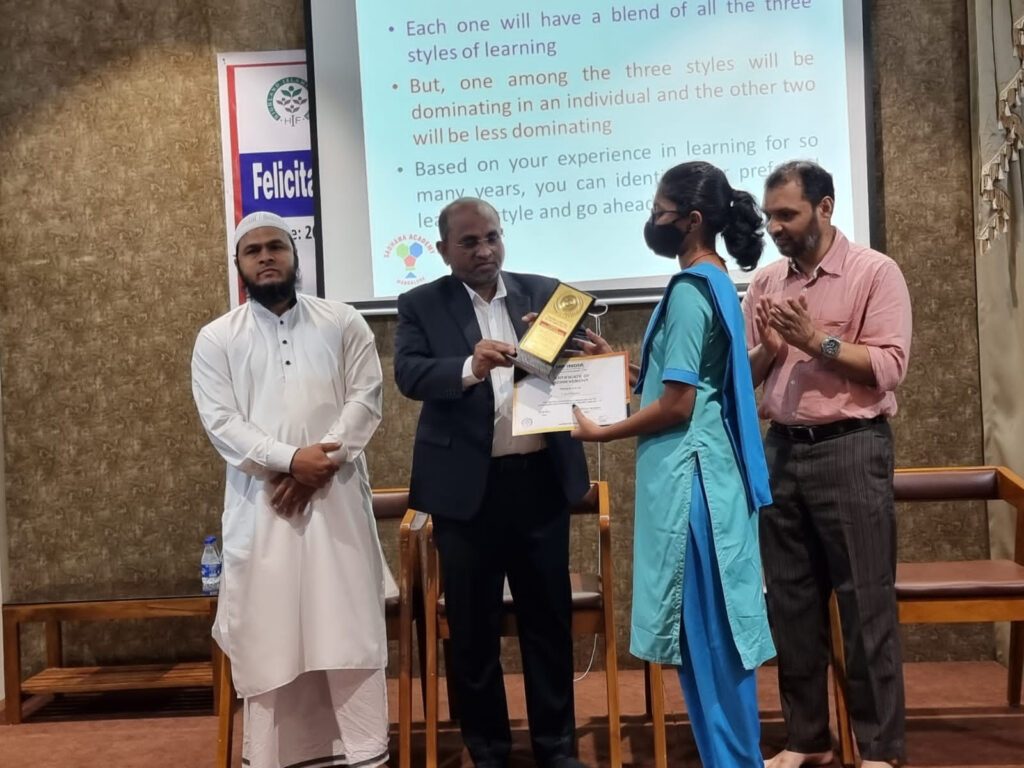
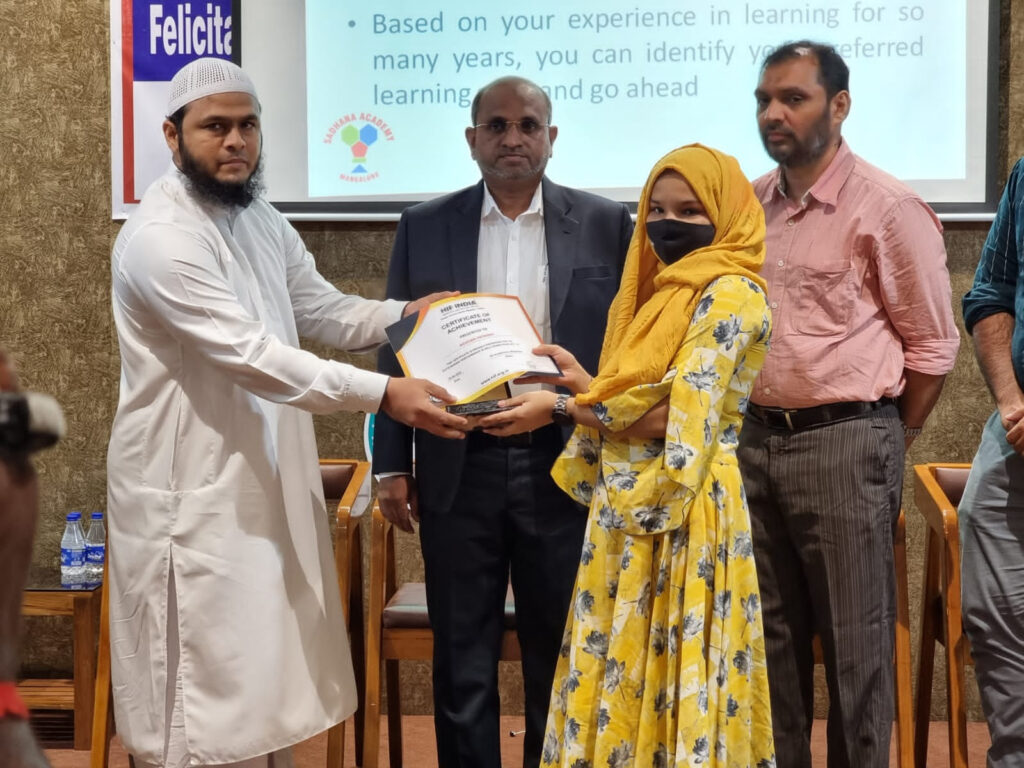
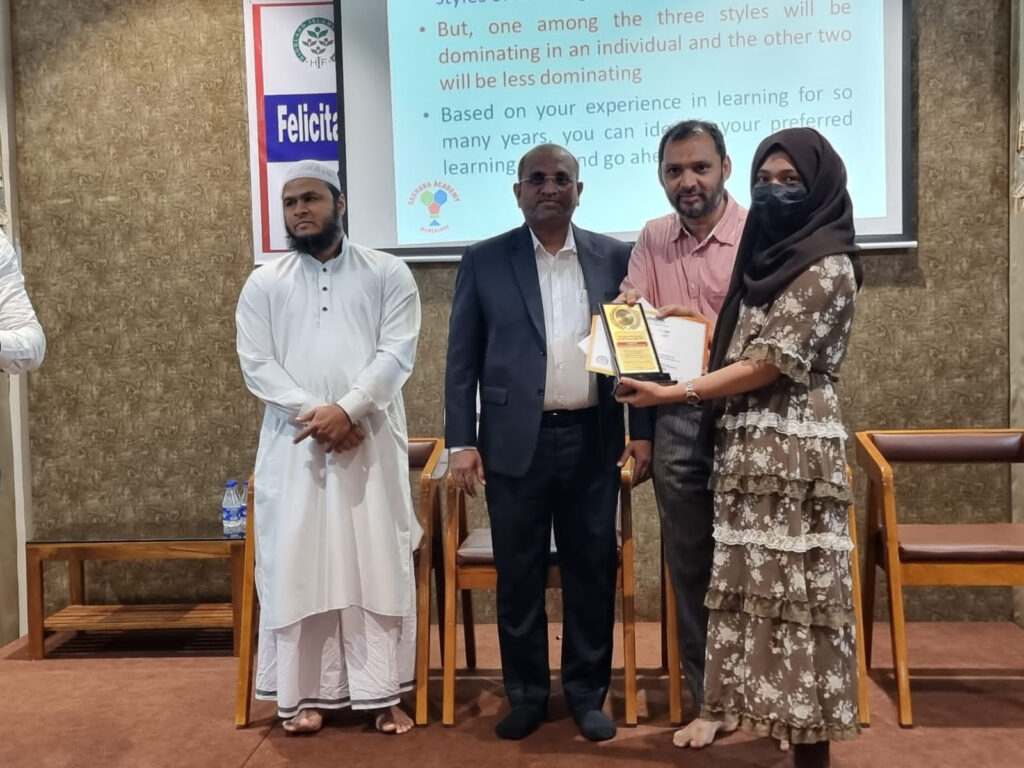
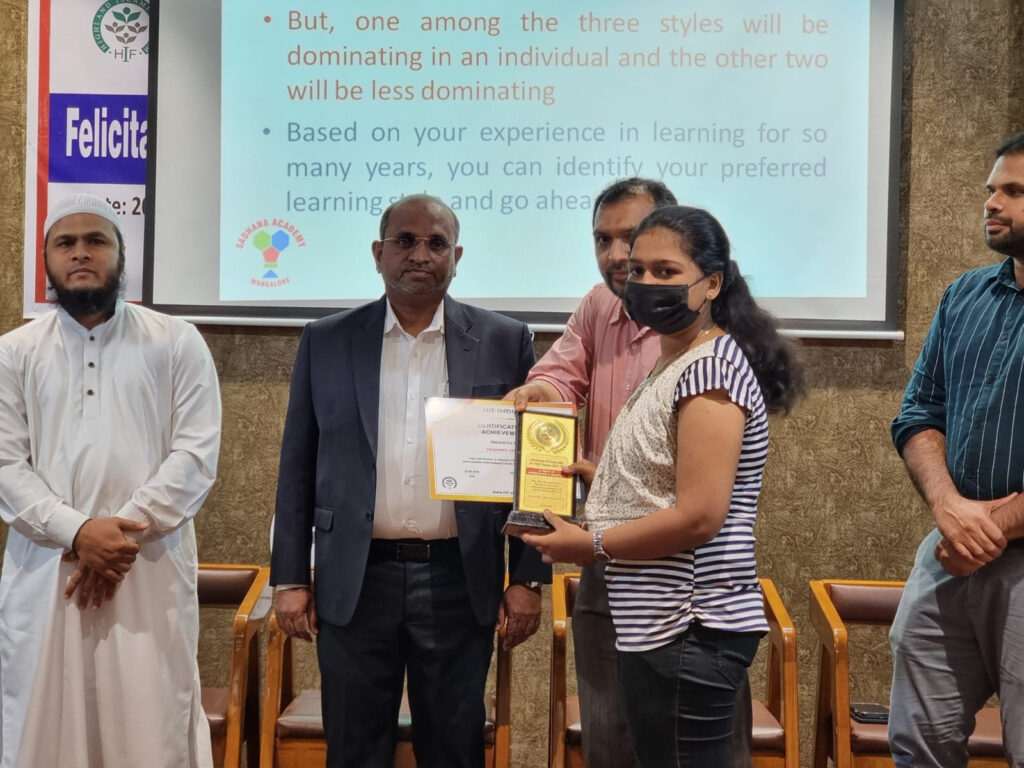
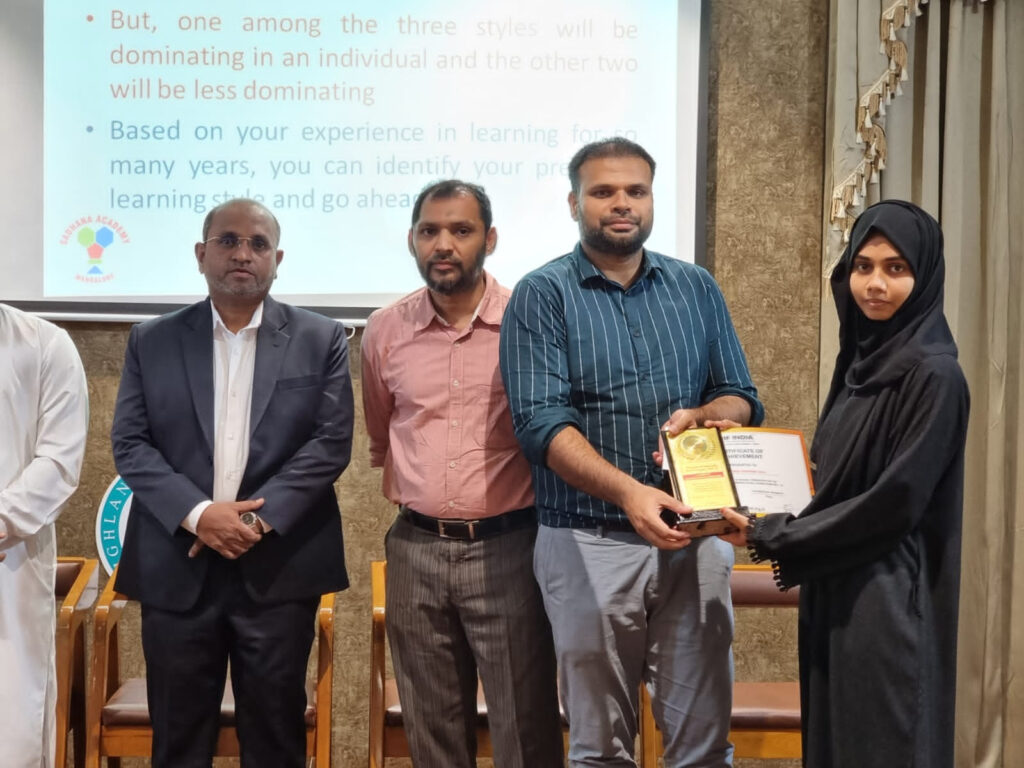
Highland Islamic Forum (HIF) on Monday organised a felicitation ceremony for the students who scored more than 90% marks in the recently announced SSLC examination results.
The forum also awarded scholarships to the students during the ceremony to honor their feat.
20 students who met the criteria were awarded scholarships for their further studies, during the event.
Dr Surfraz J Hasim, Psychologist, Mind Trainer & Coach, Principal, P.A. First Grade College, Mangalore was the Guest Speaker at the ceremony. In his address, he spoke about how students can excel by concentrating and focusing on learning while they embrace competitive life.
HECC Secretary Hanif PS was also invited to the event as a guest while Imam of Masjid-ul-Ehsaan Moulana Altaf was also present at the event.
Nazim AK, President of HIF presided over the event that was organised at the HIF auditorium here in the city.
Yusuf Hussain welcomed the guests and attendees.
Rizwan Pandeshwar compered the event and Bilal Raif delivered the vote of thanks to conclude the ceremony.
source: http://www.english.varthabharati.in / Vartha Bharati / Home> Karavali / by Vartha Bharati / June 20th, 2022
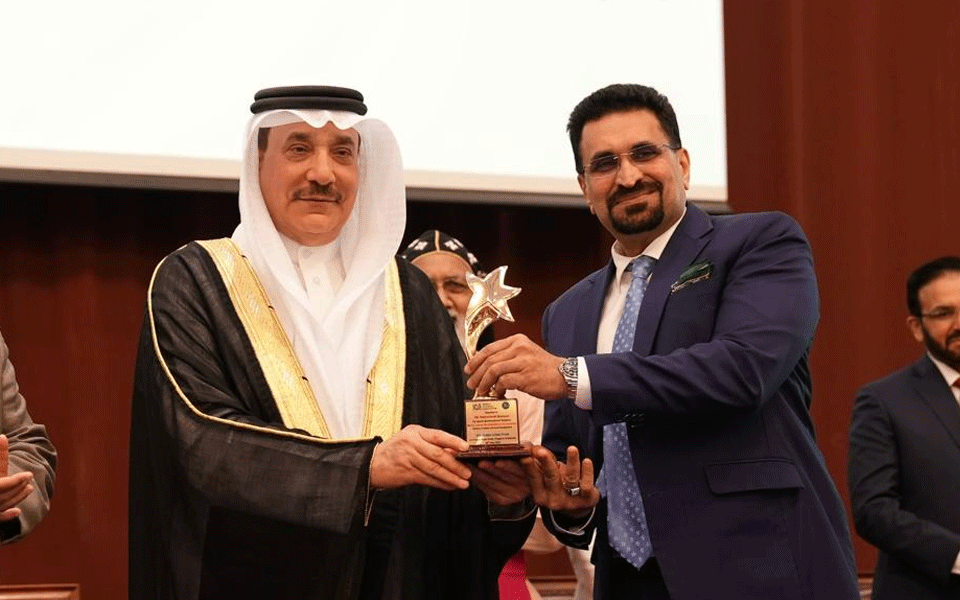
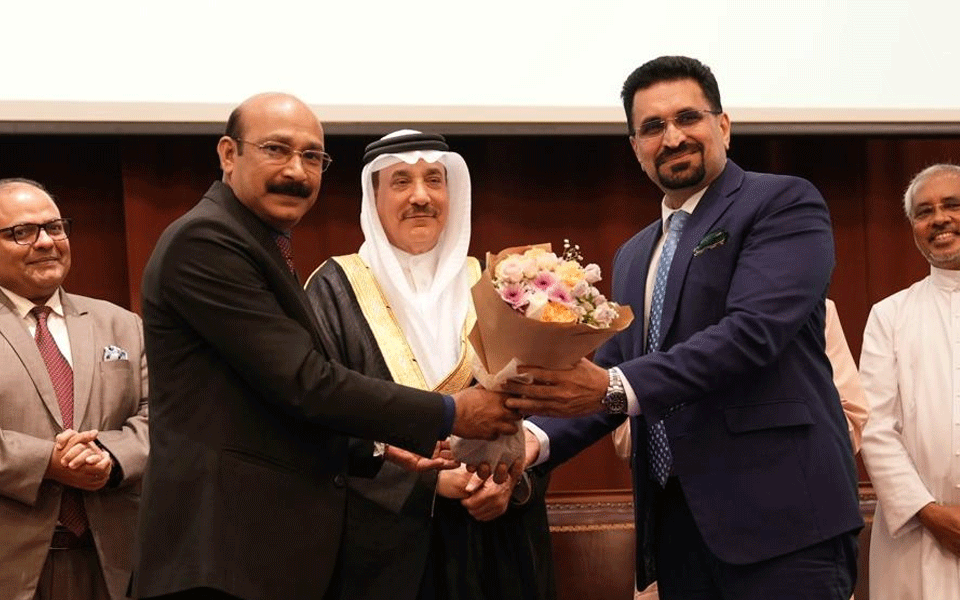
Leading Bahrain-based Indian entrepreneur, Founder and Chairman of the Saara Group, Mohammad Mansoor was honoured for his enormous contribution to sports and international relations by the one of the oldest cultural organisations in Bahrain, the – Kerala Catholics Association.
Mansoor was presented the award as presented the award by Minister of Labor and Social Development H E Jameel Bin Mohammed Ali Humaidan at a glittering gala ceremony at the Crowne Plaza hotel, in the presence of Ministers, Ambassadors, VIPs, distinguished guests and community leaders including India’s Ambassador to Bahrain, HE Piyush Srivastava, Bishop Rt. Rev. Dr. Abraham Mar Julios, Peravur MLA Adv. Sunny Joseph.
Mr Mansoor, a serial entrepreneur and venture capitalist, is the Founder & CEO of Saara Group, which has a portfolio of operations across the domains of Information Technology, Energy, Oil & Gas, Digital Media, Sports Infrastructure, Seed Capital Investments, and Social Initiatives.
The operations of the group span across the Gulf Cooperative Council (GCC), United Kingdom, United States of America, ASEAN countries and India.
As an active supporter of an array of social and cultural initiatives to empower community relations and strengthen the social fabric, he has played and played a crucial role in supporting the sports initiatives in the Kingdom of Bahrain under the patronage of His Highness Sheikh Khalid bin Hamad AI Khalifa.
As a cricket enthusiast, he was the brains behind launching the first-ever franchise-based T20 Cricket Premier League which was held under the patronage of His Highness Sheikh Khalid bin Hamad AI Khalifa in 2018. In 2021, he was appointed as the advisor to the newly revamped Bahrain Cricket Federation and was instrumental behind giving the sport a much-needed boost in Bahrain. So much so, that the women’s team has already inked its name in the record books by scoring the highest score in an T20 International.
An active supporter of Bahrain’s flagship sports media property, BRAVE Combat Federation across multiple venues around the world. He spearheaded the KHK Heroes Foundation initiative assisting the economically vulnerable communities and expatriates throughout the Kingdom of Bahrain during the Coronavirus pandemic part from being a director of KHK Venture Holding.
In 2021, he was appointed to the prestigious World Youth Group as director of the Council. The WYG has been designed by Collegiate Congress, in association with United Nations Member States, United Nations Agencies, youth and student groups; All-African Students Union (AASU), European Students Union (ESU), Young Republicans National Federation (YRNF), Young Democrats of America (YDA), higher education institutions, the private sector, and individuals from around the world.
Of the most notable among the awards that he has been conferred with is the Hind Ratan Award.
source: http://www.english.varthabharati.in / Vartha Bharati / Home> Gulf / by Vartha Bharati / June 14th, 2022
Gazala’s interest in Sanskrit began at the government primary school in Nishatganj where her teacher ” Meena ma’am” taught her Sanskrit in class V
Gazala has been reciting Sanskrit shlokas, the Gayatri Mantra and Saraswati Vandana at cultural programmes in the University
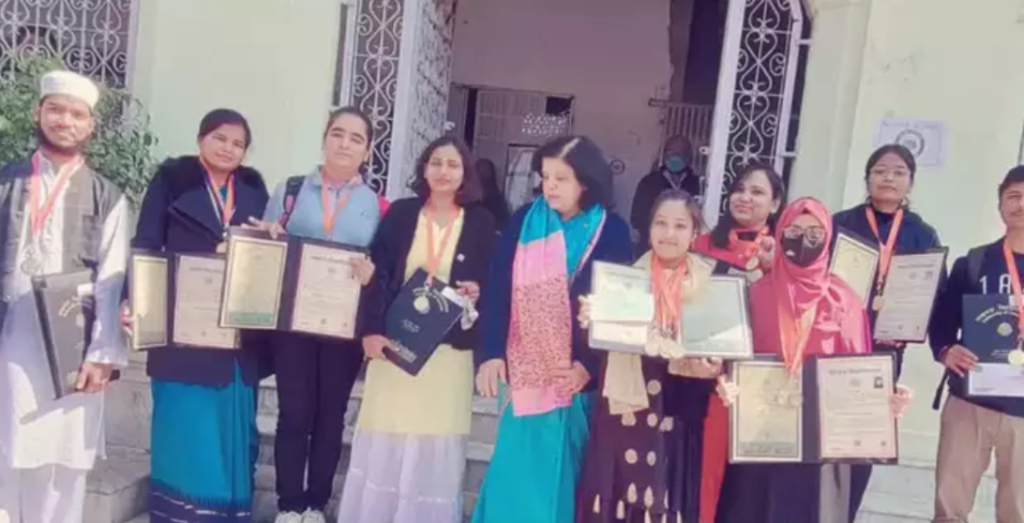
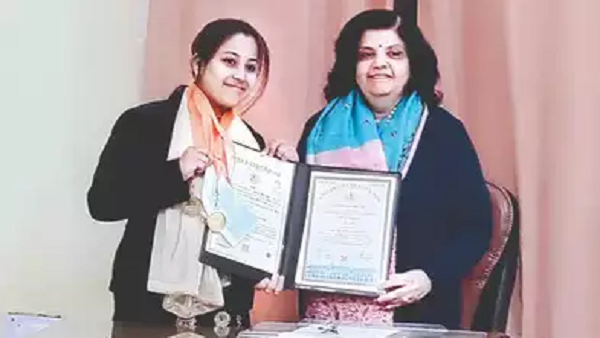
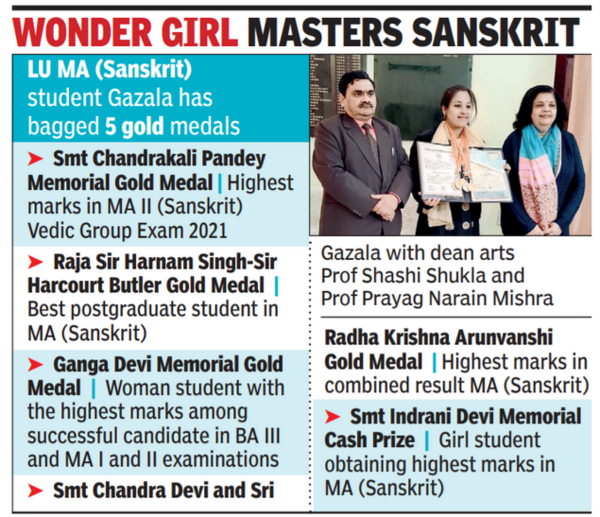
Amid the row in Karnataka over Muslim students not being allowed to wer hijabs to college, a Muslim girl from Lucknow was adjudged the best Sanskrit scholar in November last year and was handed over gold medals by Dean Of Arts Prof Shashi Shukla during a faculty-level medal distribution ceremony on February 10.
Gazala’s achievement is proof that one’s skill has nothing to do with one’s religion, and everyone should have equal access to education. Gazala is the daughter of a daily wager who succumbed to cancer, and her two younger brothers and elder sister gave up their studies so that she could pursue hers.
Gazala has been reciting Sanskrit shlokas, the Gayatri Mantra and Saraswati Vandana at cultural programmes in the University.
She resides in a small one-room house located in the narrow lanes of Nishatganj. The 23-year-old wakes up at 5 am every day to offer namaz, do her household chores, and then study Sanskrit for seven hours straight to gain in-depth knowledge of the subject.
Gazala, without a doubt, wants to be a Sanskrit professor. She is now the winner of five gold medals for being the best student of MA (Sanskrit) at Lucknow University.
“These medals are won not by me but by my brothers Shadab and Nayab who left school and began working in a garage at the age of 13 and 10 years respectively so that I could study,” said Gazala.
Her elder sister Yasmeen, too, began working in a utensil shop while her mother Nasreen Bano took care of all of Gazala’s requirements.
“These five medals are for all five of us,” Gazala added.
When asked why she wants to be a Sanskrit professor, she said, “Bhashasu mukhya madhura divya girvan bharti. Satrapi kavyam madhuram tasmadpu subhashitam (Of all the languages, God’s own language Sanskrit is the mother: divine, and most lyrical. In Sanskrit, poetry is more melodious wherein good verses hold prime position).”
Gazala’s interest in Sanskrit began at the government primary school in Nishatganj where her teacher “Meena ma’am” taught her Sanskrit in class V.
“Thereafter I got admitted to Aryakanya Inter College and got a brilliant Sanskrit teacher, Archana Dwivedi. As a result, I scored very well,” she added.
“These are Nagma Sultan, who taught me Sanskrit during BA at Karamat Hussain Muslim Girls’ PG College, and Prayag Narayan Mishra, at LU during MA,” she said.
“My Sanskrit knowledge and interest often surprise people who ask me how being a Muslim I developed a love for the language. They ask me what I will do with it, but my family always supported me,” said Gazala.
She also said, “You can’t imagine how big these medals are for a person like me who just dreams of getting a study table and a laptop one day so that I don’t have to attend online classes on the phone.”
Gazala now wants to pursue a PhD in Vedic literature. Eventually, she wants to become a civil servant.
source: http://www.indiatimes.com / India Times / Home> Trending> Social Relevance / by Aishwarya Dharni / February 11th, 2022
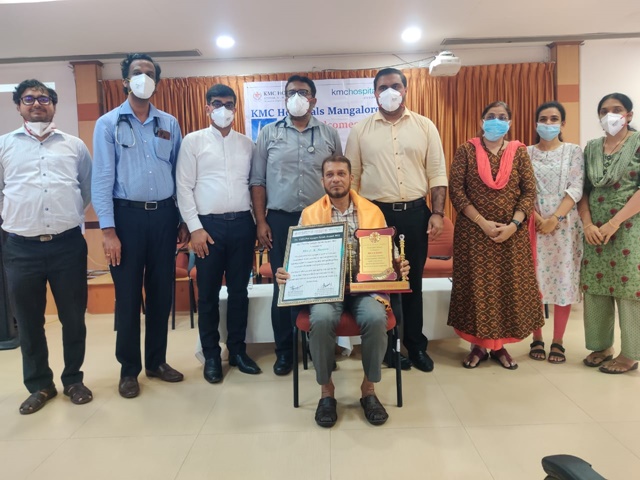
Kasturba Medical College, Attavar organized camp organizers’ meet and conferred E K Hussain with Dr TMA Pai Arogya Sevak Award 2022, at the Sanjeevini Hall, KMC Attavar here on Saturday June 11.
Marketing head of KMC Hospital Mangaluru, Rakesh Darshan welcomed the gathering. Camp co-ordinator of KMC Attavar Herbert Pereira briefed on the number of camps organized in Dakshina Kannada and said, “Due to COVID, we were not able to organize more camps in 2020 but from October 2021, we have organized 178 camps in various places where more than 27,474 patients had undergone health check-up and 1,442 patients were given further treatment at the KMC hospital. When we organized camps, we received very good support from many organizations. I would like to thank all the organizations that joined hands with us to make our mission successful.”
Addressing the gathering Dr Deepak Madi said, “Our founder Dr TMA Pai had a dream of eliminating illiteracy, poverty and ill health. He started schools to educate the poor people, banks to eliminate poverty and hospitals to provide treatment. Now, KMC Hospitals in the health sector are in second place in the country.”
Dr Deepak Madi further said, “We cannot go to every village to treat the patients, but some good-hearted people have joined hands with us to reach out to every village in providing treatment to the people. We are also providing the KMC Attavar Loyalty card and the Arogya card to the people. We normally hold camps in the hospitals but holding camps in villages is quite different. It is a godly work and I salute all those who have dedicated their time to helping the people who are deprived of medical facilities. I urge all of you to continue your good work. If you need any help we are always there at your service. This humanitarian work should continue. In the coming days, let all the people make use of the KMC Loyalty Card and Arogya cards.”
E K Hussain was felicitated by Dr Deepak Madi with a shawl, memento, and citation. Medical social worker Asha read out the citation. Prajna Counselling Centre was awarded with ‘Best Camp Organizer – 2022’ for its outstanding work in the field of rural Helth. KMC Hospital also felicitated all the camp organizers and those who had done the highest registrations of Manipal Arogya Card on the occasion.
Dr Manohar Pai, Dr Sumana Kamath, Dr Athmananda Hegde, Dr Rajendra A, Dr Shourjya Banarjee, Dr Basavaprabhu, Dr Smitha D’Sa, and Dr Deepthi D’Souza were present.
Nithesh Shetty delivered the vote of thanks.
source: http://www.daijiworld.com / Daijiworld.com / Home> Karnataka / by Media Release / June 11th, 2022
Monday was a momentous day in the history of the school run by the South Western Railway Women’s Welfare Organisation (SWRWWO) in Hubballi.
It held a mega felicitation function for its only student in its 32-year-old history who cracked the Civil Services Exam in the results announced a week ago. What makes it all the more remarkable is that Tahseen Banu Dawadi, the only Muslim woman to clear the exams out of 26 in the State, is the daughter of a retired goods train guard. Dawadi secured 482nd rank in her second attempt.
Khadar Basha, who retired from Railways as a chief trains clerk in 2012, told TNIE, “I was very happy when the results were out. I was confident she would clear it. My two sons and two daughters are all good in academics. It was a proud moment for me when the General Manager, SWR and the Divisional Railway Manager, Hubballi invited us to their office and honoured my daughter.”
Dawadi, 24, who completed her B.Sc in Agriculture from University of Agricultural Sciences, Dharwad in 2019, set her sights on the civil services exams when she was studying in the final year of her graduation.
She told The New Indian Express, “My father and mother Hasina Begum supported me and even sent me to Mumbai Hajj House in Mumbai for my coaching, which is conducted by the Ministry of Minority Affairs. I could not clear even the preliminary exams in my first attempt in 2020. But in my next attempt in 2021, I have cleared the prelims, mains and the interview. I was confident I would clear it as I have been good in academics throughout.” She also took coaching from the Residential Coaching Academy of Jamia Millia Islamia in Delhi.
Dawadi says, “It was a surprise for me that I secured 482nd rank out of 680. I had thought I would be in the bottom five. I am also the only Muslim girl from Karnataka to clear the exams,” she said. Sharing her keenness to take up a career in bureaucracy, she said, “I was keen on civil services as it directly gives one a chance to serve the society. I always wanted to be in a government job.”
source: http://www.newindianexpress.com / The New Indian Express / Home> Good News / by S Lalitha, Express News Service / June 08th, 2022
Badharwa Fateh Mohammad Village, BIHAR / Lucknow, U.P. / NEW DELHI :
New Delhi :
Mohammad Zeyaul Haque, a senior journalist, well known in journalistic and intellectual circles of Delhi, Bihar and UP, passed away on Thursday after a short hospitalisation, the end came around 7:30 pm today. He was 72.
Born in 1948 in a remote village of Bihar called Badharwa Fateh Mohammad, under Dhaka subdivision of East Chamapran district, he received his early education in Dhaka. After schooling, he went to college in Motihari and later joined LS college, Muzaffarpur, from where he graduated with English Literature. Inclined towards Journalism and writing from college days, he went to Lucknow to pursue his Journalistic career, first joining Urdu daily, Qaumi Awaz, published by the associated journals limited which also published National Herald and Navjeevan in Hindi. His journalistic acumen, writing skills and intellectual calibre soon attracted the attention of the Editor of English daily, the pioneer of Lucknow who offered him a job as a reporter for his newspaper.
It was a big jump for a person who started out as a Journalist in an Urdu Daily. From there, there was no looking back for Mr Haque who was affectionately called Zeya Saheb by his friends and journalist colleagues. In Lucknow, he worked National Herald and Times of India which he left to join Russian Embassy to work for its publications as the consultant editor in Delhi. Later, Mr Haque took up the stewardship of a fortnightly, Nation and the World, as its Executive Editor, though he piloted it as its de facto Editor.
He was executive editor of The Milli Gazette and edited a number of books published by Pharos Media. Currently, he was editing the English translation of the Quran by Zafarul-Islam Khan.
He also edited the Magazine ‘The Encounter’, with distinction. Zeya saheb was a trilingual journalist who was a regular columnist of Rajasthan Patrika published from Jaipur and used to contribute articles to the multi-edition Hindi daily The Hindustan. At the time of his death, Zeya saheb was working for an NGO group, Institute of Objective Studies, New Delhi, which he served for long years, as its strongest pillars.
Coming from a rural background, Zeya saheb compared well with many of city-bred and public school educated peers. He had trained and inspired generations of Journalists. Apart from qualities of Head, he was also known for his qualities of heart. He was a thorough gentleman, kind and compassionate, helping people with his right hand without his left hand knowing it.
A gentleman to the core, he had exceptional grasp of English and was highly well-read. Always had a story to share from his treasure.
He is survived by two sons and one daughter and a lot of grandchildren and relatives. His eldest son Waqas is Senior Journalist with India Today and the other son Arafat, is a Senior Manager in an MNC, while his daughter Naila teaches English in Delhi University. May Zeya Saheb’s soul rest in peace.
source: http://www.milligazette.com / The Milli Gazette / Home> News> Community News / by The Milli Gazette Online / April 22nd, 2021