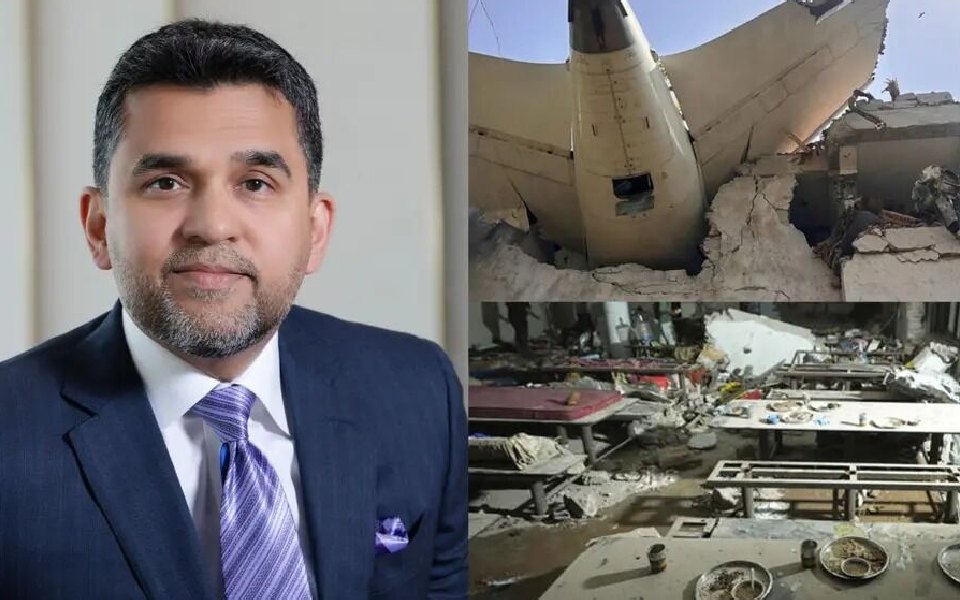
UAE-based Indian doctor and philanthropist Dr Shamsheer Vayalil has announced Rs 6 crore in financial aid for the families of medical students and doctors affected by the Air India plane crash in Ahmedabad last week.
The ill-fated aircraft struck the BJ Medical College’s Atulyam hostel complex during lunch hour, reducing student residences and the dining hall to rubble.
All but one of the 242 passengers and crew on board the Boeing 787-8(AI 171) and another 29 persons, including five MBBS students, on the ground were killed when the London-bound aircraft crashed, moments after it took off from the Sardar Vallabhbhai Patel International Airport.
Announcing the relief from the UAE capital of Abu Dhabi, Dr Shamsheer, founder and chairman of Burjeel Holdings and managing director of VPS Health, said he was deeply shaken when he saw the aftermath of the crash.
As someone who had lived in similar hostels during his medical education at Kasturba Medical College in Mangalore and Sri Ramachandra Medical College in Chennai, the images struck a chord, he said.
“I saw the footage from the mess and the hostel, and it truly shook me. It reminded me of the places I once called home, the corridors, the beds, the laughter, the pressure of exams, and the anticipation of a call from family,” he said.
“No one expects a commercial aircraft to come crashing into that world,” he added.
“Those students started the day thinking about lectures, assignments, and patients. Their lives ended in a way none of us could ever imagine. It hit close. Too close,” he said.
Dr Shamsheer’s relief package includes Rs 1 crore for each of the four deceased students’ families, Rs 20 lakh each for five seriously injured students, and Rs 20 lakh each for the families of doctors who lost loved ones.
The financial assistance will be delivered in coordination with the Junior Doctors’ Association at BJ Medical College, ensuring that those in need receive support swiftly.
This is not the first time Dr Shamsheer has responded to such a crisis. In 2010, following the Mangalore air crash, he provided financial assistance and employment opportunities to affected families at Burjeel Holdings, a leading healthcare provider in the Middle East.
source: http://www.english.varthabharati.in / Vartha Bharati / Home> Gulf / by Vartha Bharati / June 17th, 2025
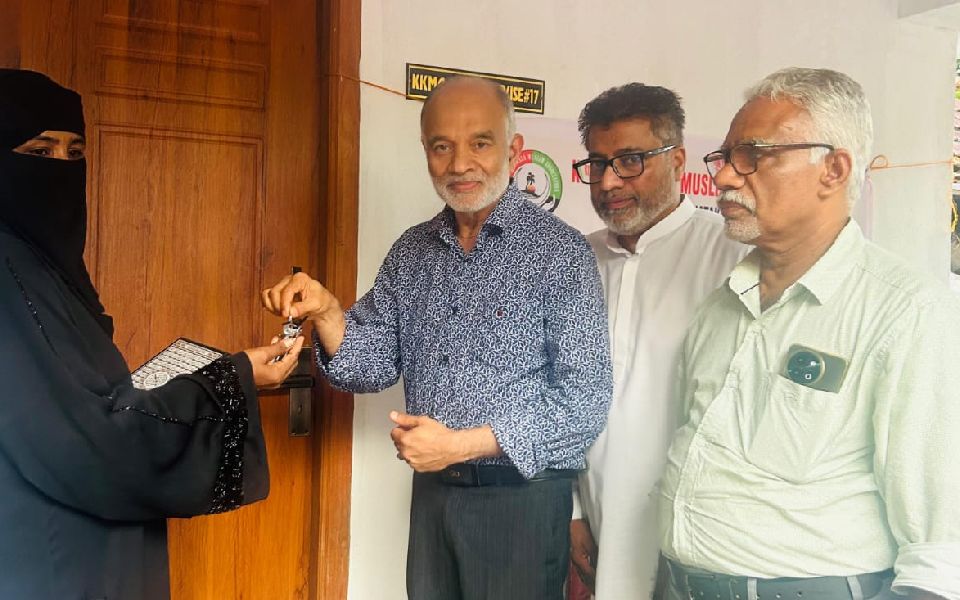
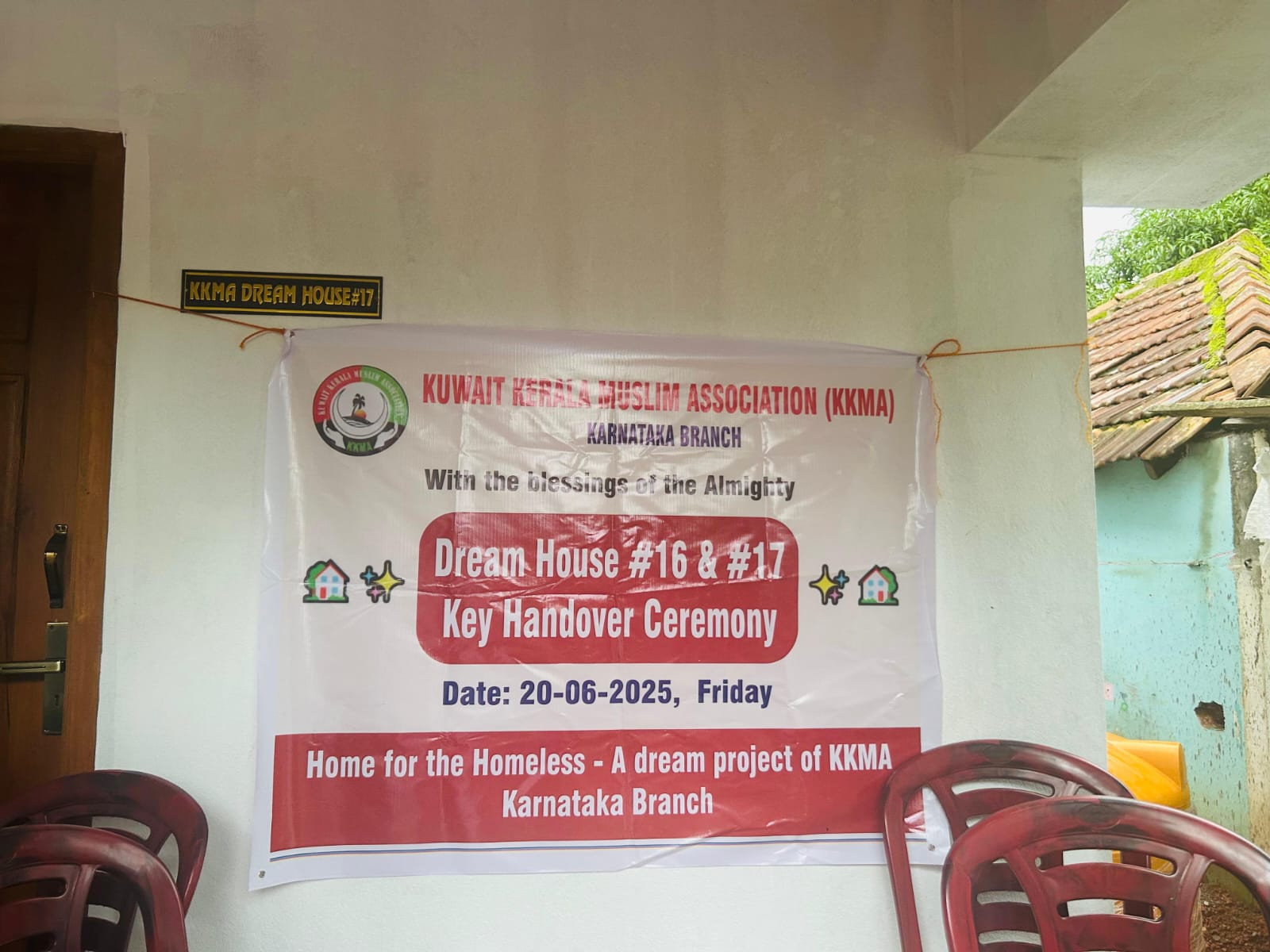
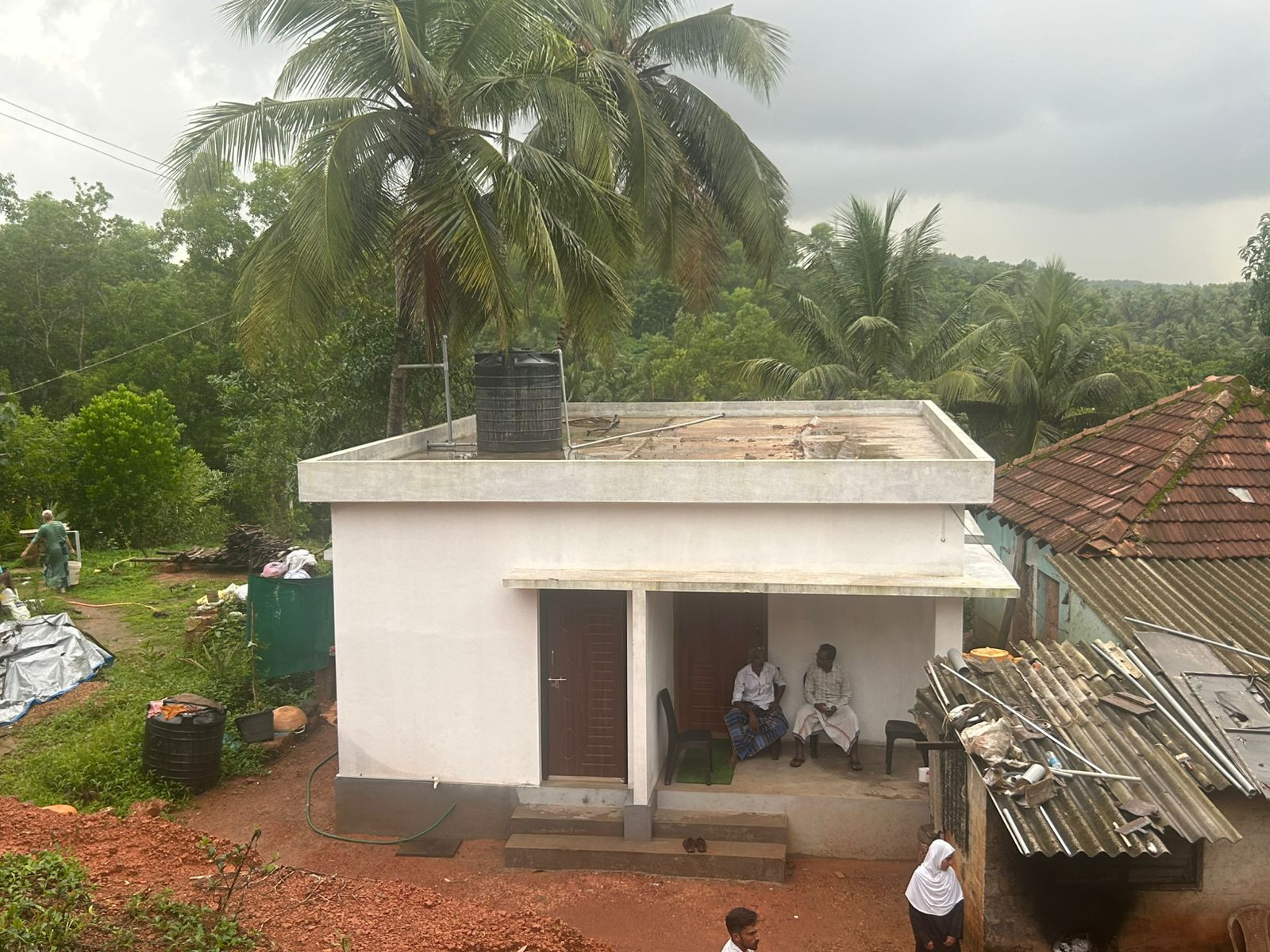
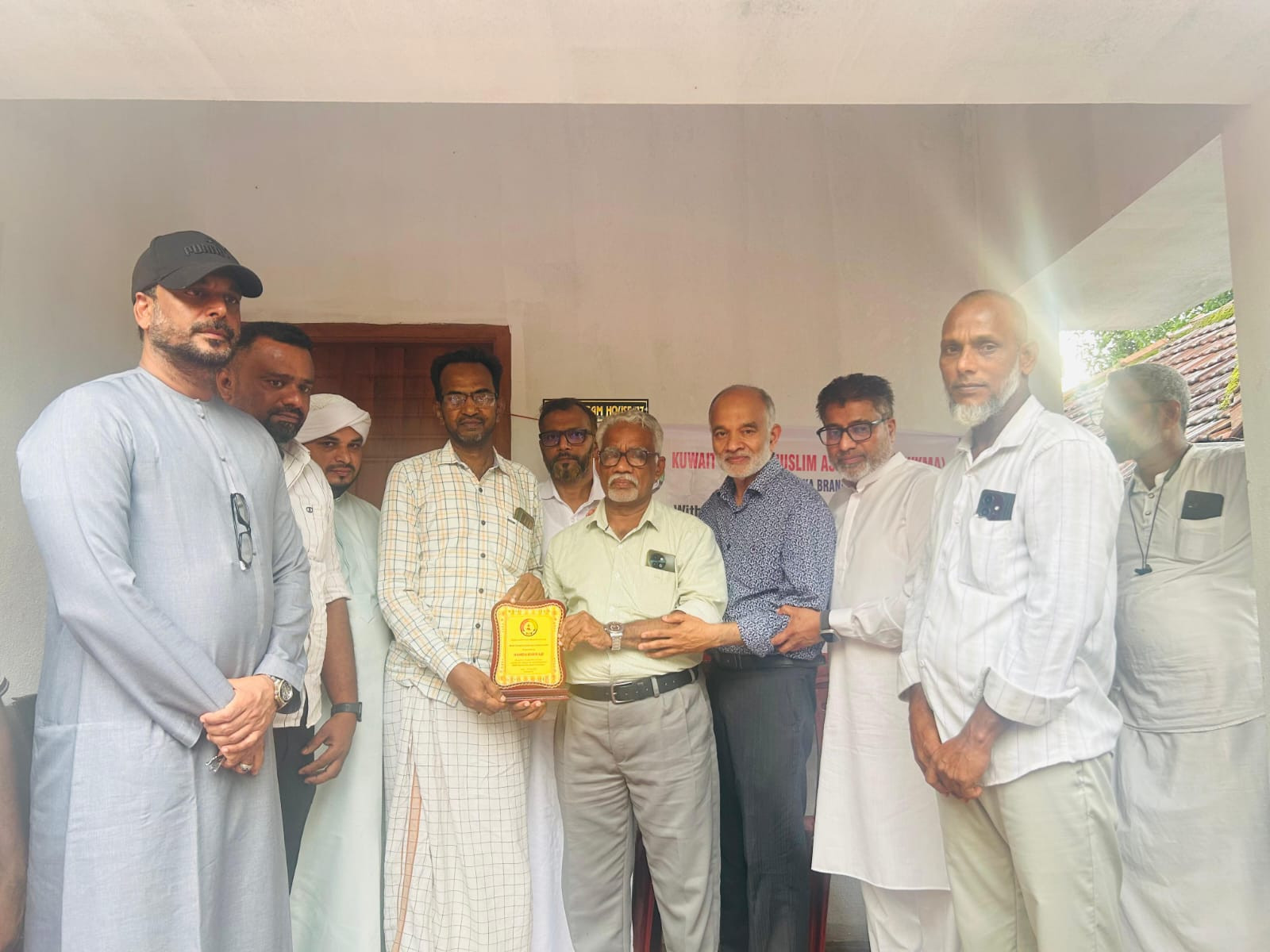
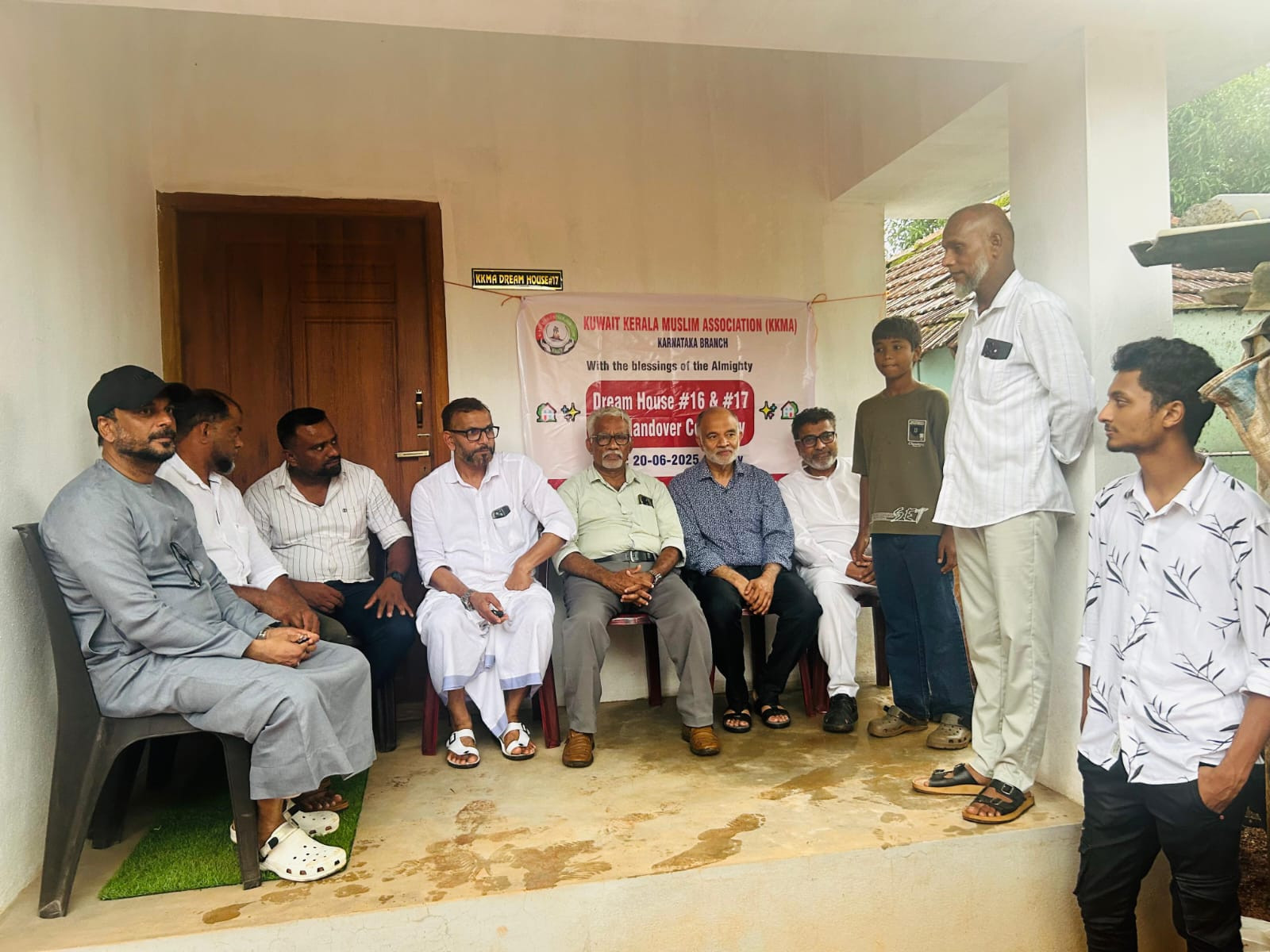
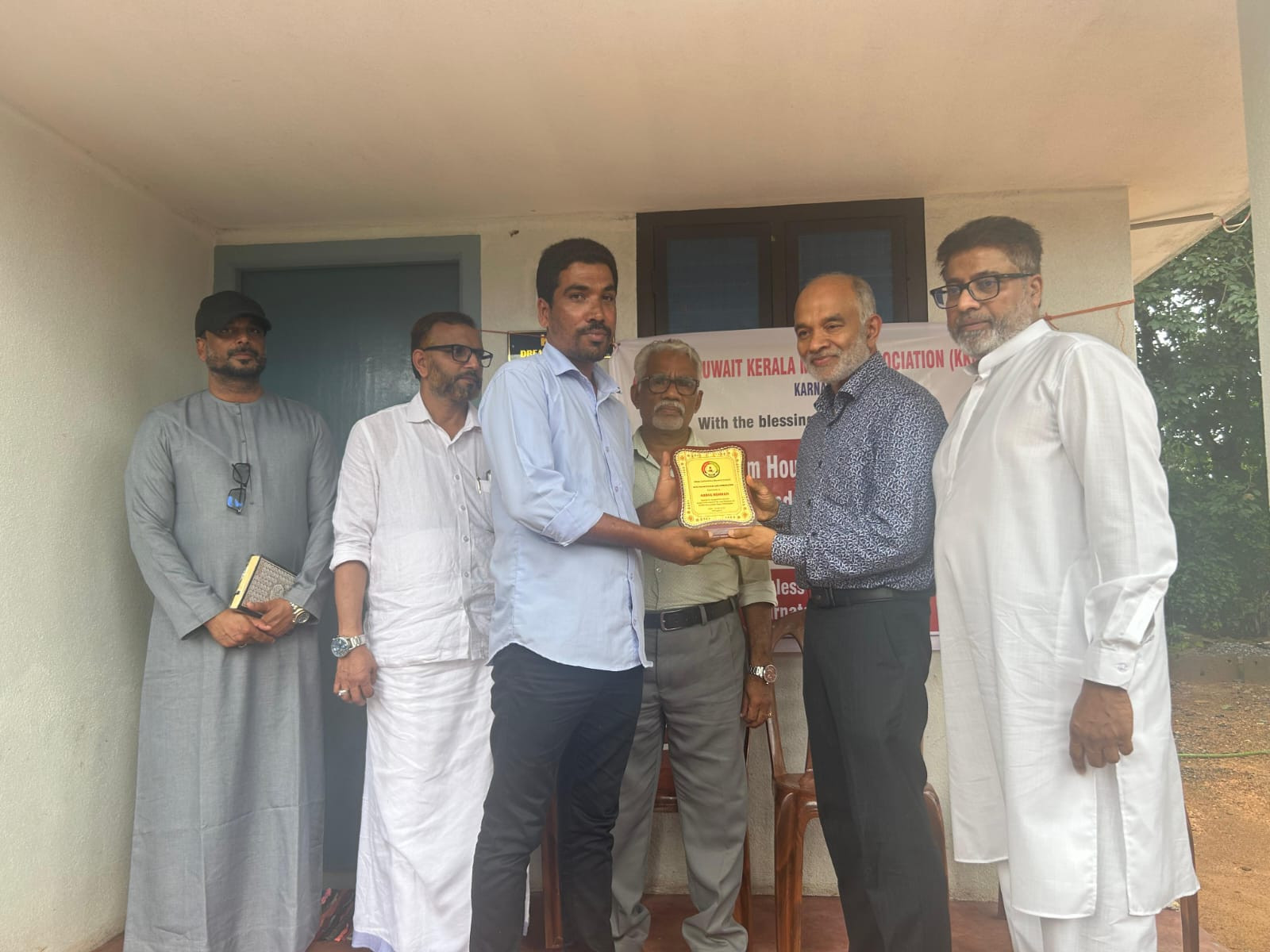
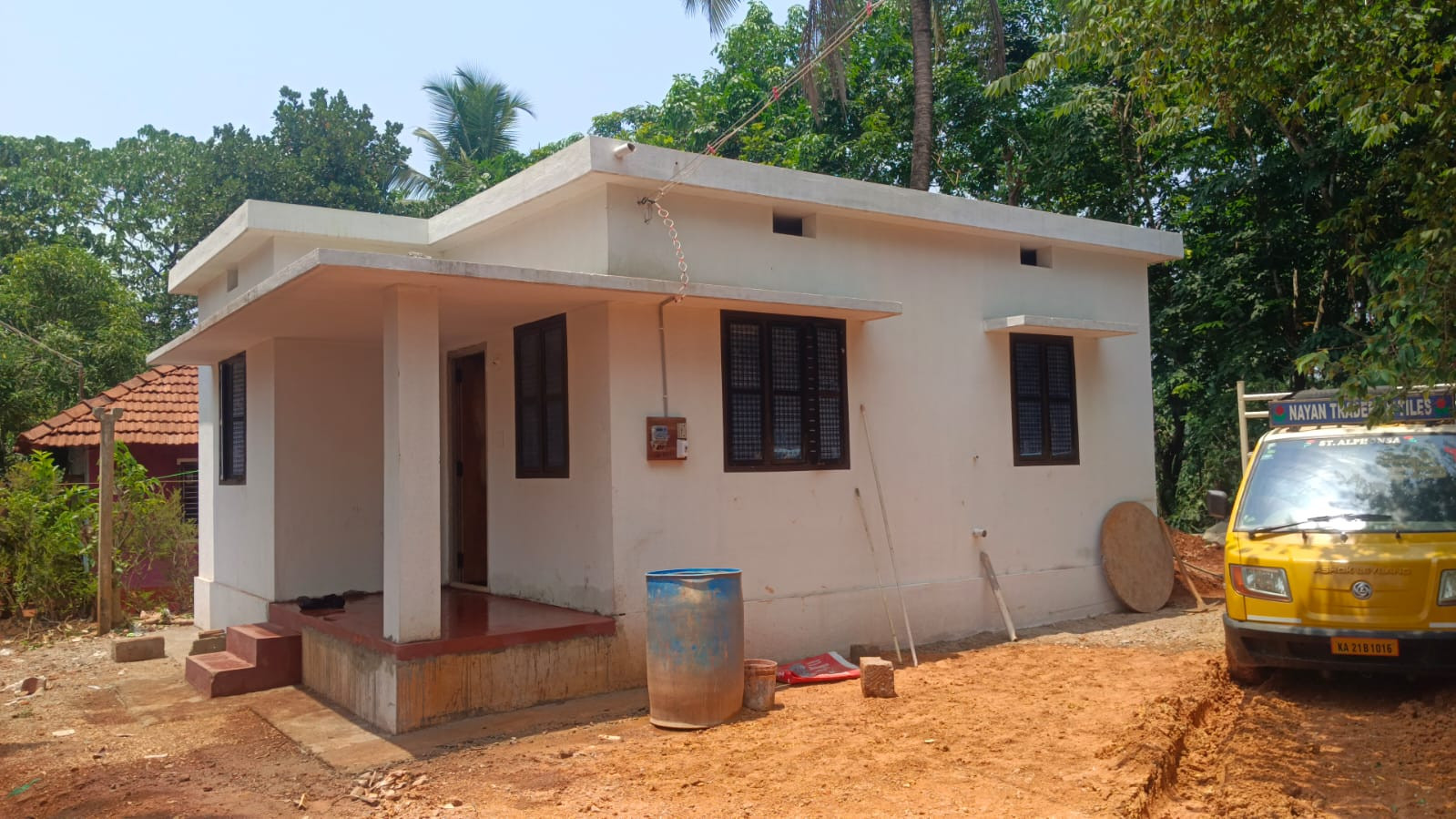
As part of its efforts to support poor families, the Kuwait Kerala Muslim Association (KKMA), Karnataka Branch handed over two newly built houses on June 20 under its flagship project, ‘Home for Homeless’.
The houses were given to deserving families in the villages of Nelyadi and Kukkaje of Dakshina Kannada, who were in need of permanent shelter. With this, KKMA has now completed 17 homes under the project, marking an important achievement in its mission to help the underprivileged.
The key handover event was attended by senior leaders from KKMA Central, Kerala, and Karnataka units. Their presence showed the unity and strong commitment of the organization toward community service.
The ‘Home for Homeless’ project is led by the KKMA Karnataka Branch and its State Committee. The goal is to build strong, good-quality homes that improve the lives of poor families in rural areas. The project is a clear example of KKMA’s long-term dedication to social welfare.
This work is made possible by the generous support of Malayali and Kannadiga expatriates, as well as kind-hearted donors and well-wishers who believe in helping others and giving back to society.
Important guests at the event included KKMA Patron P. K. Akbar Siddique, KKMA Kerala State Secretary Abdul Razak Melady, KKMA CFO Rafiq Mulky, KKMA Karnataka State President S. M. Farooq, senior member Rafiq Manchi, and community members Shaz Yusuf, Salam, Adam Aahil, among others.
KKMA celebrates more than 20 years of service, and continues to be recognised for its helpful projects and strong commitment to social responsibility.
source: http://www.english.varthabharati.in / Vartha Bharati / Home> Karavali / by Vartha Bharati / June 21st, 2025
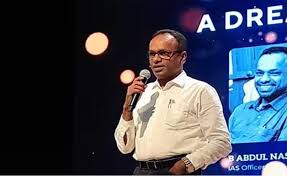
Abdul Nasser’s childhood in orphanages and years of working multiple jobs show his courage and determination. His phenomenal rise proves that dedication can defeat all obstacles
New Delhi :
Abdul Nasser’s life began in the modest town of Thalassery in Kerala’s Kannur district. His early years were shadowed by tragedy when his father passed away when Nasser was only five years old. This loss pushed the family into severe financial difficulties. His mother, striving to make ends meet, took on various jobs to feed her children, but the hardship was such that Nasser and his siblings had to spend a large part of their childhood in orphanages.
Nasser spent about 13 years in various orphanages across Kerala. Despite the challenges of living without parental support and the difficulties of orphanage life, he never lost his desire to learn. At times, he ran away from these institutions, but the pull of education and a better future brought him back each time.
Speaking about his early struggles, Nasser once said, “I never allowed my circumstances to define me. Each time I faced hardship, I reminded myself that education was my way out.”
While still a child, Abdul Nasser took on multiple jobs to support his education and ease his family’s burden. When he was just ten, he began working as a cleaner in a local hotel. His hard work earned him additional responsibilities, and soon he was also helping as a supplier at the same hotel. To raise more funds for his studies, he also distributed newspapers, took up tuitions, and worked as a phone operator.
This early experience of juggling work and education shaped Nasser’s character and showed his commitment to personal growth. “Every job I did was a step towards my dream. I never allowed fatigue or failure to stop me,” he explained in a recent interview.
Despite these difficulties, Nasser’s dedication to education remained strong. He completed his graduation at a government college in Thalassery, a significant achievement for someone from his background. Determined to further his knowledge, he earned a postgraduate degree in 1994.
Education was not just a personal achievement for him but also a beacon of hope for those in similar difficult situations. His academic success inspired many young people in Kerala facing financial or family hardships.
After completing his postgraduate degree, Nasser entered the Kerala Health Department as a government employee. His sincerity, hard work, and dedication quickly became apparent to his superiors. He earned respect and opportunities through his honest approach to public service.
In 2006, Nasser took the Kerala State Civil Services Examination. His success led to his appointment as Deputy Collector, an important administrative post. His work was marked by sensitivity and a focus on social welfare, which earned him special recognition. In 2015, he was named the best Deputy Collector in Kerala, a clear sign of his dedication and impact.
Traditionally, entry into the Indian Administrative Service (IAS) requires passing the Union Public Service Commission (UPSC) examination, considered one of the most difficult exams in India. However, Abdul Nasser’s journey took a different path.
Because of his consistent performance, leadership skills, and administrative ability, the Kerala government promoted him to the IAS cadre in 2017 without requiring the UPSC exam. This rare achievement highlights the respect he had earned within the government.
“This promotion showed me that honest work and dedication can break barriers. It was a moment of great pride not just for me but for all those who struggle silently,” Nasser said.
After becoming an IAS officer, Abdul Nasser was appointed to key roles, including Kollam District Collector and Housing Commissioner in the Kerala Government. In these positions, he continued to serve the public with the same passion and commitment that had defined his career.
Nasser’s life story is more than just personal success. It sends a powerful message to all young people facing difficulties: with determination and hard work, one can rise above any circumstance.
People who know Abdul Nasser well speak highly of his journey and character. A fellow officer commented, “Nasser’s rise is an example of true grit and dedication. His background shows how difficult it is to succeed, yet he has done it with humility and hard work.”
A local social worker added, “His life encourages so many children who have lost their families or face poverty. He proves that where there is will, there is a way.”
Abdul Nasser’s story stands out because it breaks common stereotypes about who can succeed in the Indian civil service. Coming from a background without financial support or family guidance, many would have given up. Instead, Nasser found ways to keep moving forward.
In a society where many young people struggle to access education and opportunities, Nasser’s life offers hope and inspiration.
“I want every child growing up in hardship to know that their past does not determine their future. Keep working, keep believing,” he said.
source: http://www.clarionindia.net / Clarion India / Home> Editor’s Pick> India> Indian Muslims / by Team Clarion / June 20th, 2025
Kodangallur, KERALA / Fulat(Phulat)Village (Muzaffarnagar District), UTTAR PRADESH :
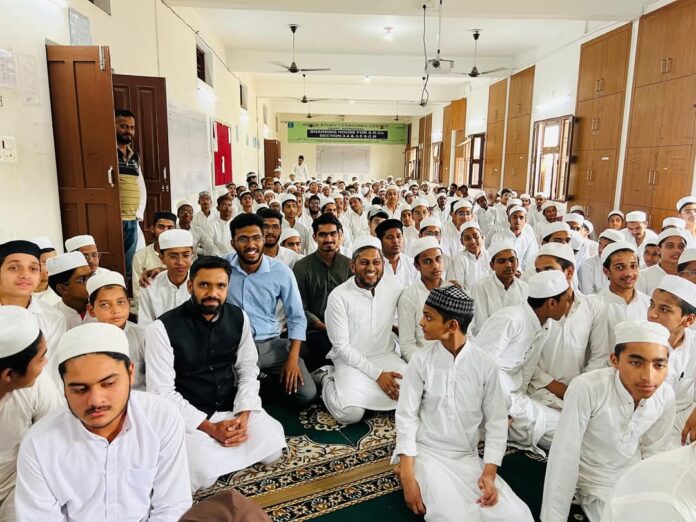
Recently, I had the opportunity to visit Vision International Academy (VIA), situated in the village of Fullat in Muzaffarnagar district, Uttar Pradesh. It was a journey I had long awaited. Spending time with the children there—even briefly—was a moving experience. Before me sat over 300 Huffaz—young children who had committed the Qur’an to memory. But the academy is not merely a Hifz institution. As the name “Vision” suggests, it embodies a deeper insight into human potential, blending spiritual excellence with academic brilliance.
Mammooty Anjukunnu
That evening, while returning to Darul Uloom Deoband, I received a call from Babukka. He sounded emotional. He had called to express his joy—not just about my visit to Vision or meeting the students—but about something much greater. Because what I had visited was not just another educational center. It was a mission. A dream. And behind it stood the journey of a visionary man.
Let me tell you that story.
A man from Kodungallur, Kerala—Ameer Ahmad Babu Manappat—never imagined that his life would take a turn into the field of Islamic education. A former student of Aligarh Muslim University, he was first struck by the concept of Hifz during a visit to Delhi. Intrigued, he began exploring madrasas in Saharanpur, Deoband, and surrounding areas of North India. He wanted to understand the intellectual capacity of Huffaz. People had told him these children possessed extraordinary memory and brilliance.
However, while interacting with them, he found something amiss. These bright children, despite having memorized the entire Qur’an, were often unaware of the world outside. And he, in turn, was a stranger to theirs. This encounter exposed a painful reality: two different worlds existed—and there was a vast, unbridged distance between them.
In North India, the term “madrasa” is broad and includes Hifz centers, Arabic colleges, and basic religious schools. Many children are enrolled in such madrasas without access to formal education. They might learn basic arithmetic or science, but there’s little focus on academic rigor or integration. Most teachers remain confined to their own disciplines. The idea of combining Qur’anic and modern education barely exists.
Ameer Babu, grandson of Kerala’s renowned Muslim reformer Manappat Kunhahammad Haji, felt a growing sense of responsibility. He believed that Huffaz—gifted with sharpened intellect and memory—deserved access to high-quality general education. Their potential, he thought, could be channeled for the upliftment of society and the community.
He spent months researching and, with experts, developed an innovative bridge course—an academic fast-track that compresses eight years of schooling into one. After two more years, students would be ready for the 10th-grade public examination.
Many doubted his vision. He met numerous religious scholars and explained the idea, but most dismissed it. “We already teach school subjects,” they would say. “What more do you want?”
In reality, over 35,000 Huffaz graduate annually from madrasas in Uttar Pradesh alone. Yet less than 10% of them appear for the 10th-grade board exams. Most do not pursue further education. Many end up in manual labor, small trades, or low-income jobs.
Still, Ameer Babu did not abandon his mission.
His journey brought him to Fullat, near the UP-Delhi border, home to a vast madrasa campus named Jamia Shah Waliullah, founded by Maulana Kaleem Siddiqui, a renowned scholar and spiritual leader. The madrasa is located in the birthplace of Imam Shah Waliullah Dehlawi, one of the greatest Islamic scholars in Indian history.
When Ameer Babu shared his vision with the people there, he was told, “Let Hazrat come, he will help you.” Soon, Hazrat arrived—dressed in white, with a radiant smile and graceful demeanor. It was Maulana Kaleem Siddiqui himself.
After listening carefully, Maulana asked Ameer Babu:
“Ameer Saab, what do you want?
Land? Buildings? Some support?”
Then he stood up, led him to a nearby three-acre plot of land adjacent to the madrasa, and asked: “Is this enough?”
That was the beginning.
In August 2017, Ameer Babu admitted 76 Huffaz in the first batch. The results were astounding. These students, with their incredible memory skills, were able to learn up to 1,500 words a week. They completed an entire year’s academic syllabus in just 13 to 18 days, using innovative learning techniques. Simultaneously, their Qur’anic memorization was maintained through a dedicated revision system (daura).
Under the Open School system, the first batch achieved a 92% pass rate in the 10th-grade board exams. Encouraged, they transitioned to the more rigorous UP State Board—and the pass rate rose to 96%. Then, Vision shifted to the CBSE curriculum, and the first batch passed with a 100% success rate.
Classes were expanded to include Plus One and Plus Two, with both Science and Humanities streams. Today, more than 300 Huffaz are enrolled at VIA.
Among its graduates:
2 are now in medical colleges
7 in engineering colleges
8 in law schools
Over 50 in various Arts & Science colleges
Vision’s students now come from across seven Indian states. They are fluent in English, academically competitive, and grounded in Qur’anic values.
Last year, during Ramadan, 235 VIA students led Taraweeh prayers as Imams in 17 Indian states, including Kerala—showcasing both their spiritual and intellectual discipline.
Some of these students have now joined the SAFI Institute in Kerala, where Ameer Babu serves as Vice Chairman—an ongoing experiment in integrated education. His goal is to nurture a generation of confident, competent Muslim youth who carry the Qur’an in their hearts and knowledge in their minds.
During my visit, Babukka shared with me his dream—to build 100 such institutions across India for Huffaz. I responded with a story.
In 1992, Balbir Singh, a leader in the mob that demolished the Babri Masjid, returned to his village a hero. But his father rejected him. His wife left. Disgraced and broken, he eventually arrived at Maulana Kaleem Siddiqui’s khanqah in Fullat. There, he broke down and wept. He embraced Islam and became known as Mohammad Aamir.
Following Maulana’s advice, Aamir joined Tablighi Jamaat for four months. Later, he told Maulana:
“Hazrat, I was one of those who demolished Babri Masjid. I must build 100 mosques to atone.”
Before his death in 2021, Mohammad Aamir fulfilled that dream.
Now, from the same khanqah, Ameer Babu has set out on his own mission—to build 100 schools for Huffaz.
When Maulana Kaleem Siddiqui’s dawah efforts began shaking the status quo, the authorities arrested him under fabricated charges. That is a different story altogether.
But Ameer Babu carries on, undeterred.
He serves— the Qur’an, and those who carry it within.
source: http://www.muslimmirror.com / Muslim Mirror / Home> Education> Positive Story / by Mammooty Anjukunnu / June 07th, 2025
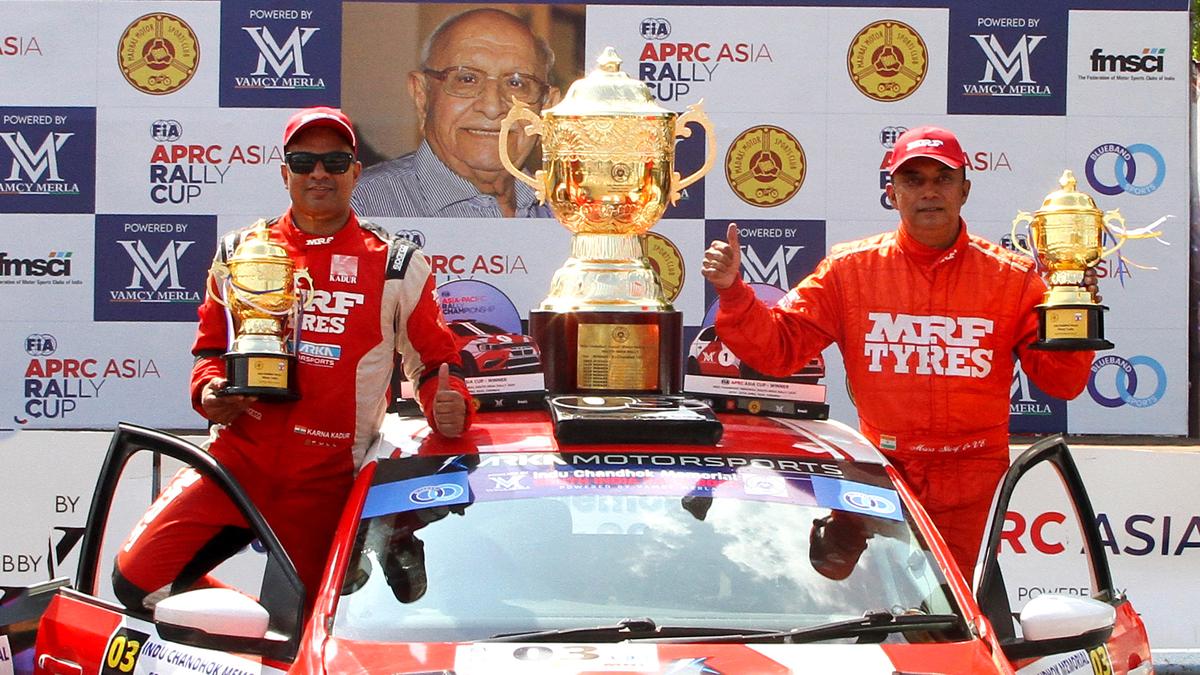
Karna Kadur (left) and co-driver Musa Sherif with the Indu Chandhok Memorial South India Rally overall winners’ trophy. | Photo Credit: Special Arrangement
Bengaluru’s reigning National champion Karna Kadur of Arka Motorsports won a round of the FIA-Asia Pacific Rally Championship after three years at the Madras International Circuit (MIC) here on Sunday.
It was a near-flawless drive in the Volkswagen Polo by the 36-year-old Kadur, who was greatly aided by his experienced co-driver Musa Sherif from Kasargod. The duo also clinched the crown in the first round of the Blueband Fmsci Indian National Championship, organised by the Madras Motor Sports Club (MMSC).
Kadur attributed his success to a judicial blend of caution and aggression. “After a long time, we had a trouble-free run. We had carefully planned our strategy, and it was executed flawlessly. We could have gone faster, but in view of the rising temperature, we had to exercise some caution. A few competitors suffered as they did not back off, and having seen this, I kept something in reserve in case I needed to push hard,” he said.
The results: Provisional final classification: FIA-APRC (Asia Cup):1. Kadur and Musa Sherif (Arka Motorsports) 2:03:44s; 2. Amittrajit Ghosh and Ashwin Naik (Arka) 2:04:35.8; 3. Harkrishan Wadia and Kunal Kashyap (Arka) 2:07:38.5.
Junior APRC: 1. Wadia and Kashyap 2:07:38.5; 2. Arnav Pratap Singh and N. Rohit (SNAP Racing) 2:09:25.9; 3. Abhin Rai and K.M. Moideen Jasheer (Pvt.) 2:10:16.9.
INRC Overall:1. Kadur and Sherif; 2. Ghosh and Naik; 3. Fabid Ahmer and Milen George (Chettinad Sporting) 2:06:9.5.
INRC1:1. Kadur and Sherif; 2. Ghosh and Naik; 3. Suhem Kabeer and Vinay Padmashali (Pvt.) 2:12:15.2.
INRC2: 1. Ahmer and George 2:06:9.5; 2. Wadia and Kashyap; 3. Pragathi Gowda and M. Chandramouli (Pvt.) 2:07:23.5.
INRC3: 1. Arnav Pratap Singh and N. Rohit (SNAP Racing) 2:09:25.9; 2. B. Vishak and Chiranth Jain (Chettinad Sporting) 2:09:27.4; 3. Rai and Jasheer (Pvt.) 2:10:16.9.
INRC 3T (Turbo): 1. C. Ramcharan and Vignesh Mahalingam (Falkon Motorsports) 3:15.3; 2. Naveen Puligilla and Santosh Ritchy Thomas (Pvt.) 2:28:34.9; 3. Jeet Jhabhak and V. Sekar (Pvt.) 2:59:9.9.
Women INRC: 1. Tarushi Vikram and Vybhav Mukund Rao (Chettinad Sporting) 2:17:7; 2. Phoebe Nongrum Dale and Nash Ross (Pvt.) 2:20:17.9; 3. Anushriya Gulati and Karan Aukta (Arka) 2:48:58.8.
Junior INRC: 1. Rai and Jasheer (Pvt.) 2:10:16.9; 2. Ajay Shankar and Venu Ramesh Kumar (Falkon) 2:11:47; 3. R.B. Kharbirymbai and C.P. Dhanush (Snap) 2:14:26.1.
Fmsci Gypsy Challenge: 1. Sanjay Agarwal and Dheeraj Manae (Pvt.) 2:22:23; 2. Kariappa Mekerira and Supreeth Sagar (Pvt.) 2:24:49.7; 3. Pankaj Dutt and Jibran Ahmed (Pvt.) 2:33:15.9.
Fmsci Classic Challenge: 1. Pramod Raman and K.V. Dheeraj (Pvt.) 2:21:1; 2. Siddhartha Santhosh and Sawan Satyanarayan (Pvt.) 2:22:13.6; 3. P. Satish P and S. Dinesh (Pvt.) 2:31:54.8.
In 2000, Rabiya was diagnosed with cancer, which she later overcame, after which she returned to social work.
In 2022, she was honoured with the Padma Shri for social work. (File Photo)
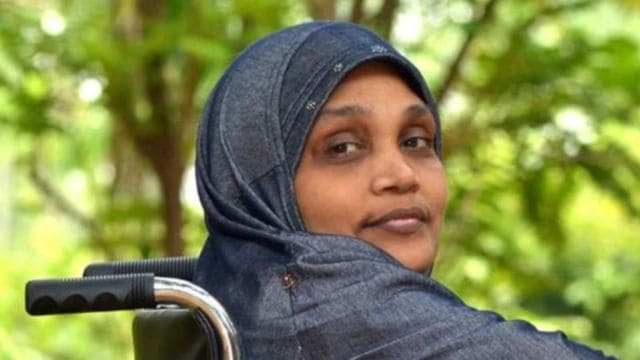
K V Rabiya, known for her prominent role in Kerala’s adult literacy programme, died at her home in Malappuram on Sunday. She was 59.
A native of Vellikakkad in Malappuram district, Rabiya fought against heavy odds and personal tragedies, right from childhood, to work relentlessly for the betterment of the differently abled and inspired thousands of women to enter the world of letters.
In 2022, she was honoured with Padma Shri for social work.
While still a school student, Rabiya contracted polio at the age of 12, which would eventually leave her paraplegic. Despite this, she completed her schooling and joined a college. However, she could not complete the degree course.
Rabiya then turned to books, reading everything from science to literature. Wheelchair-bound by then, Rabiya also started taking tuition classes for local children at a nominal fee.
It was by chance that Rabiya became a part of Kerala’s literacy movement, which began in the late 1980s. A college degree was a must for a literacy instructor. However, an instructor, who could not continue with the programme, sought Rabiya’s help. This marked the birth of a social worker and the beginning of her legacy.
She started teaching literacy classes in June 1990, and local elderly women and housewives were her students. She worked to convince women from orthodox families about the importance of education, and told them inspiring stories of world leaders and social reformers to get them interested in her classes.
When her number of students started swelling, Rabiya became a full-time literacy instructor. Later, she also established a library for women and became instrumental in the development of her locality, which did not have basic facilities such as roads and electricity, telephone, and water connections.
She eventually launched a voluntary organisation named Chalanam (movement), which also spearheaded literary programmes.
Her intervention was not limited to literacy alone. She started six schools for children with special needs and trained and empowered more than 250 women through a small-scale manufacturing unit. She was also at the forefront of the movement to create awareness against dowry and superstition. In later years, she was also actively involved in the e-literacy programme, Akshaya, in Malappuram.
In 2000, Rabiya was diagnosed with cancer, which she later overcame, after which she returned to social work.
In her autobiography, Swapnangalkku Chirakukalundu (Dreams Have Wings), Rabiya told the story of her inspiring life and how she chased her dreams. She also authored four other books, including the memoir, Mouna Nombarangal (Silent Pains). A documentary was also made on her life, titled Rabiya Moves.
She received several honours, including the Kannagi Devi Stree Shakti Puraskar, instituted by the Child Welfare Department of the Union government, in 2000. She also won the Youth Volunteer against Poverty award, jointly instituted by the Union Youth Affairs Ministry and the United Nations Development Programme.
source: http://www.indianexpress.com / The Indian Express / Home> India / by Shaju Philip, Thiruvananthapuram / May 05th, 2025
Kerala Muslim Jamat president Kanthapuram A.P. Aboobacker Musliar (right) releasing the autobiography of Madin Academy chairman Syed Ibrahim Khaleel Bukhari (middle) by giving a copy to Yemeni scholar Habib Umar bin Hafiz at Markaz, Karanthoor, on Monday. | Photo Credit: SPECIAL ARRANGEMENT
Sunni spiritual leader and Madin Academy chairman Syed Ibrahim Khaleel Bukhari has published his autobiography, The life so far.
Releasing the book, Kerala Muslim Jamat president Kanthapuram A.P. Aboobacker Musliar said on Monday that the life story of Mr. Bukhari embodied a significant lesson on how an individual could transform crises into opportunities and turn despair into hope.
According to Mr. Kanthapuram, the experiences Mr. Bukhari gained through his extensive travels and intense trials would ultimately benefit society at large.
Renowned Islamic scholar Habib Umar bin Hafiz from Yemen received the first copy of the book.
Mr. Kanthapuram said that the story of Mr. Bukhari’s growth from Kadalundi coastal village to a respected Muslim leader was, in many ways, a reflection of the history and development of the Sunni movement he led.
“His [Mr. Bukhari’s] growth has been distinct from other Muslim leaders of Kerala. There are many things that set him apart from the rest,” said Mr. Kanthapuram, attributing his swift rise to prominence within the community to his ability to innovate and implement projects that benefitted marginalised groups.
Umar Mahmood Hussain Samrai from Baghdad, Sheikh Rahmatullah Tirmidhi from Tashkent, Sheikh Bilal Halakh from California, Sheikh Rilwan Ibrahim from Russia, Habib Jindal bin Noufal from Indonesia, Markaz director C. Mohammed Faizy, Haj Committee chairman Husain Saqafi Chullikkode, and Markaz Knowledge City managing director Abdul Hakeem Azhari were present.
source: http://www.thehindu.com / The Hindu / Home> News> India> Kerala / by The Hindu Bureau, Malappuram / February 18th, 2025
It was aimed at equipping students with the Islamic knowledge to live and succeed in the globalized world.
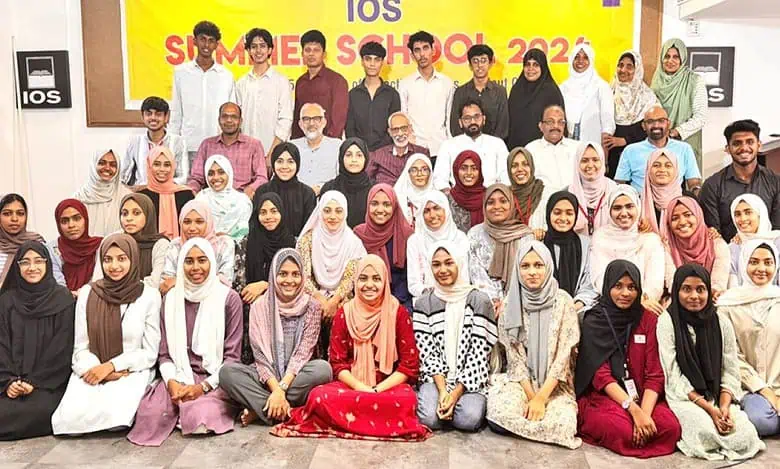
Participants of Summer School-2024 organized by IOS Center for Gender Studies, Kerala Chapter.
Bhopal:
The Institute of Objective Studies, (IOS), Centre for Gender Studies, Kerala Chapter, organized a Summer School- 2024 from May 11 to 15, 2024, at its seminar hall at Kozhikode, Kerala.
The five-day camp was aimed to enhance the awareness and foresight of young participants on contemporary issues through a series of educational and cultural activities.
According to a Press Release issued by IOS imparting basic but deep knowledge to the university students pursuing professional disciplines like Graduation and Masters in business studies, science, computer science, engineering and medicine etc.
“It was also an outreach programme in that we want to introduce the IOS, to a new and larger audience, particularly the students who are future leaders in medical science, technology and business studies. These students are a very bright section of the young generation with the potentials to become leaders and decision-makers in their respective fields. It is, therefore, very necessary to acquaint them with the fundamental teachings of Islam as well as the great role that Islam played in the making of global human civilization, the release said.
Objectives of Summer School programme
The objectives of the Summer School programme were as follows:
-To equip the target students with basic and deep knowledge about Islam as faith and source of global Islamic civilization;
-To educate about the Islamic worldview and how Islamic Sciences, Quran, Hadith and Fiqh developed;
-To enable students understand and analyze the Muslim contribution to world human civilization and how Islamic intellectual renaissance is possible
– To prepare students how to cope with the challenges of modernity and westernization from an Islamic perspective.
Besides, it was aimed at equipping students with the Islamic knowledge to live and succeed in the globalized world as follower and torch-bearer of Islam.
The Summer School was inaugurated by Jamal Kochangadi, a respected senior media personality and writer. His inspiring address set the tone for a week of intense learning and personal development.
Daily Activities and Sessions
Each day of the Summer School was structured to provide a rich blend of academic sessions, cultural programs, and personal development activities.
The feedbacks were written down and discussed daily, ensuring continuous improvement and participant satisfaction.
The curriculum covered a wide range of topics, including:
– Stress Management; Communication Skills;
-Quran: Contemporary Issues and Challenges;
-Design Thinking; Mappila Songs and Aesthetic Pursuits;
-Interpersonal Skills; Sufi Aesthetics and Islam;
-Quran: Introduction to Chapters, Text, Context and Message;
-Media Democracy and Contemporary Challenges;
-Art and Literature in Islam;
-The Art of Compassion; -Campus Life;
-Islamophobia: The Menace and the Matrix;
-Gender Discourses and Islam;
-The Value of Knowledge;
-Feminine Identity and Islam;
-History, Historiography, and Resistance & Religion in the Age of Contemporary Challenges.
Senior journalists and scholars who delivered their lectures and conducted the sessions included: C. Dawood, NP Chekutty, Nishad Rauthar, Dr. PK Poker, Baburaj Bhagwati, PT Kunhali, AK Abdul Majeed, Dr. AI Vilayatullah, Khalid Musa Nad V, Dr. Ashraf Kalpetta, Dr. Jameel Ahmad, Dr. Anas, Shihabuddin Ibn Hamza, Shifa M, Zuhair Ali etc.
Cultural Programs and Break Activities
Each day had vibrant cultural programmes that highlighted the rich cultural heritage and artistic expressions within the Islamic context. The Hazrat Ayesha Research Library provided beautifully prepared books, making the break times both enjoyable and educational.
A notable feature of the Summer School was the emphasis on personal development.
Participants were encouraged to engage in reel-making projects based on various topics, fostering creativity and practical application of the knowledge gained.
The Summer School culminated with the award and closing ceremony and celebrating the achievements and participation of the students.
The camp succeeded in its objective to provide comprehensive exposure to Islamic, social, and cultural topics, significantly contributing to the personal and intellectual growth of the students.
Feedback and Outcomes
Most students expressed full satisfaction with the camp, particularly appreciating the exposure to unfamiliar topics and the holistic approach to learning. The camp’s success underscores the importance of such initiatives in developing well-rounded, aware, and foresighted individuals.
The IOS Centre for Gender Studies, Kerala Chapter’s Summer School 2024 was a resounding success, providing invaluable insights and experiences to its participants. By integrating academic rigour with cultural enrichment and personal development, the camp significantly contributed to the participants’ growth and understanding of contemporary issues within an Islamic framework.
source: http://www.siasat.com / The Siasat Daily / Home> News> India / by Parvez Bari / July 05th, 2024
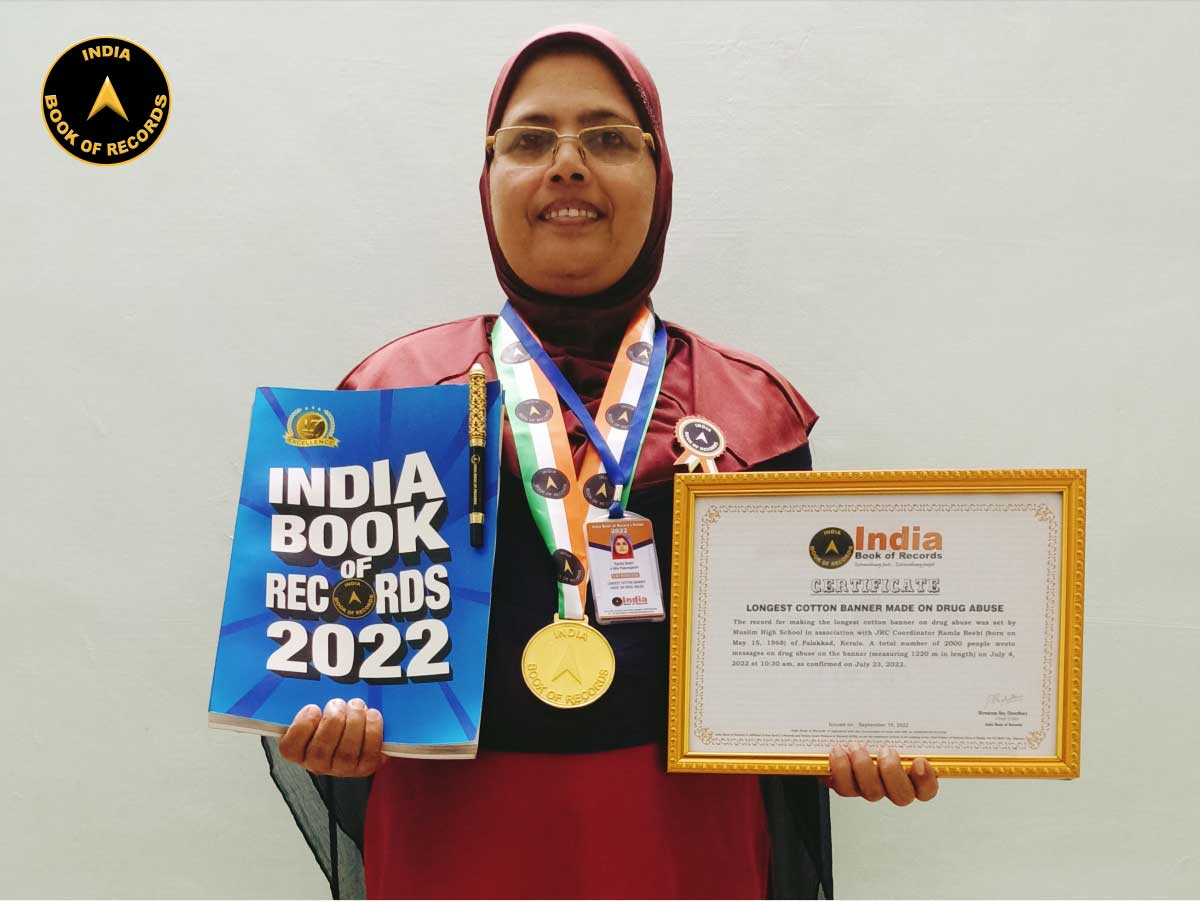
The record for making the longest cotton banner on drug abuse was set by Muslim High School in association with JRC Coordinator Ramla Beebi (born on May 15, 1968) of Palakkad, Kerala.
A total number of 2000 people wrote messages on drug abuse on the banner (measuring 1220 m in length) on July 4, 2022 at 10:30 am, as confirmed on July 23, 2022.
source: http://www.indiabookofrecords.in / India Book of Records – IBR / Home> Culture & Creativity / by ibr editor / November 01st, 2022
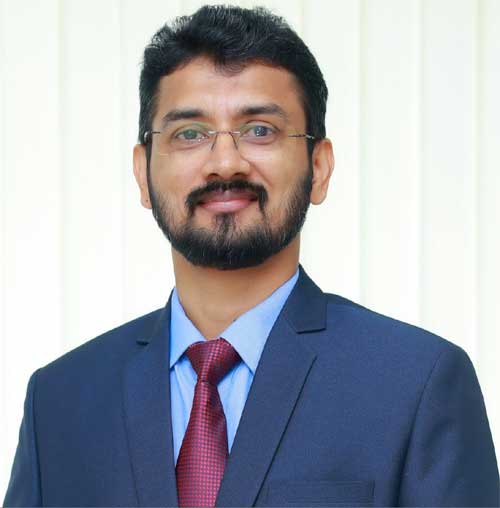
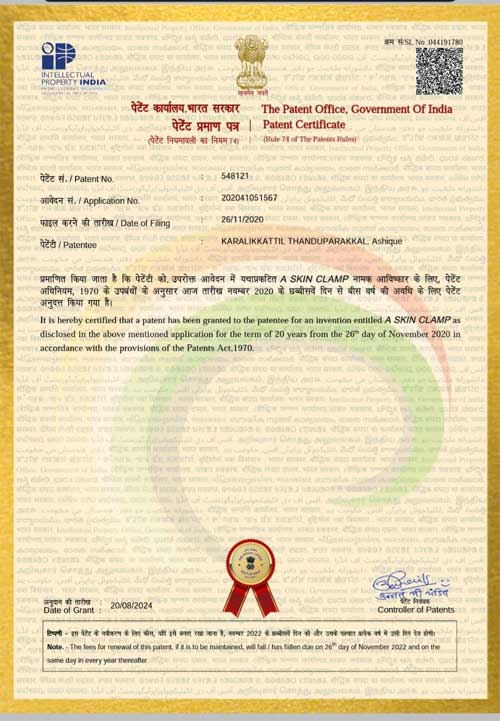
Father Muller Medical College is celebrating a landmark achievement as Dr Ashique K T, an esteemed alumnus of the Department of Dermatology, Venereology, and Leprosy, has been awarded a patent for his innovative medical device, the Dr Ashique’s Skin Clamp.
The patent, issued by the Controller General of Patents, Designs, and Trade Marks of the Government of India (Patent No. 548121, dated November 26, 2020), acknowledges the groundbreaking work of Dr Ashique, who is currently the medical director and senior consultant dermatologist in Perinthalmanna, Kerala. His invention holds far-reaching implications across multiple medical disciplines, including dermatology, dermatosurgery, dental and maxillofacial surgery, hair transplantation, ENT, emergency medicine, general surgery, and gynecology.
The Dr Ashique’s Skin Clamp is a sterilizable, metallic surgical tool designed for use in a wide range of medical procedures. Its versatility and effectiveness have already caught the attention of professionals across various medical fields. The device offers a practical solution to complex surgical challenges and is set to make a significant impact on clinical practices once commercial production begins.
Dr Ashique’s journey toward this patent was marked by close collaboration with his former professors and mentors from the Father Muller Medical College Dermatology Department. Throughout the development and research phases, he regularly sought their advice, leveraging their expertise to refine his innovative design. This spirit of partnership and academic support has been instrumental in transforming his idea into a patented reality.
In a statement, Fr Richard Aloysius Coelho, director of Father Muller Charitable Institutions (FMCI), expressed pride in Dr Ashique’s achievement. “It is a moment of great pride for our institution to witness one of our own making such a meaningful contribution to the medical field. His innovation is a testament to the excellence fostered within the walls of Father Muller Medical College,” said Fr Coelho. The administrative heads of both the medical college and hospital also joined in congratulating Dr Ashique on this remarkable accomplishment.
The Department of Dermatology, Venereology, and Leprosy at Father Muller Medical College continues to shine as a center of excellence, cultivating bright minds who contribute groundbreaking solutions to the medical world. Dr Ashique K T’s patent is just the latest example of how the institution empowers its students to innovate, achieve, and redefine the future of healthcare.
With plans to publish detailed research on the skin clamp’s many uses and the upcoming commercial production, Dr Ashique’s contribution to modern medicine is just beginning to unfold. The medical world is watching eagerly as this revolutionary device prepares to hit the global market.
source: http://www.daijiworld.com / Daijiworld / Home> Top Stories / by Media Release / September 26th, 2024