Inquilab and Mid-Day founder Abdul Hamid Ansari is an inspiration not just for journalists but millions of youngsters … A special report by Siraj Ali Quadri.
Indian journalist and Muslim nationalist Abdul Hamid Ansari founded Inquilab, an Urdu daily in Mumbai in l937. The newspaper soon became a landmark in Urdu journalism which caught the attention of Muhammad Ali Jinnah, the founder of Pakistan. But when Jinnah asked Ansari to come to Karachi to publish the newspaper in the new country, Ansari said that he would prefer to live in India like the many million Muslims who would rather stay in the country than join Jinnah. Those who joined Jinnah undoubtedly left everything behind. Some flourished while others got established. But that’s another story, which has never ended since l947.
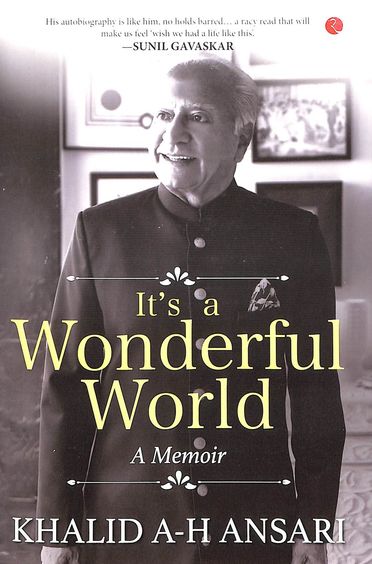
Today’s story is about the veteran journalist, publisher and businessman Khalid A.H. Ansari, son of Abdul Hameed. After passing out from St. Xavier’s in Mumbai, Khalid did his master’s at Stanford University in the US.
Khalid returned to Mumbai to establish Sportsweek, a weekly sports magazine, which became a huge success soon after its launch. The magazine’s immediate success can be attributed to the fact that its founder was himself an excellent sportsman and did a great job with the magazine, in addition to his father’s paper Inquilab.
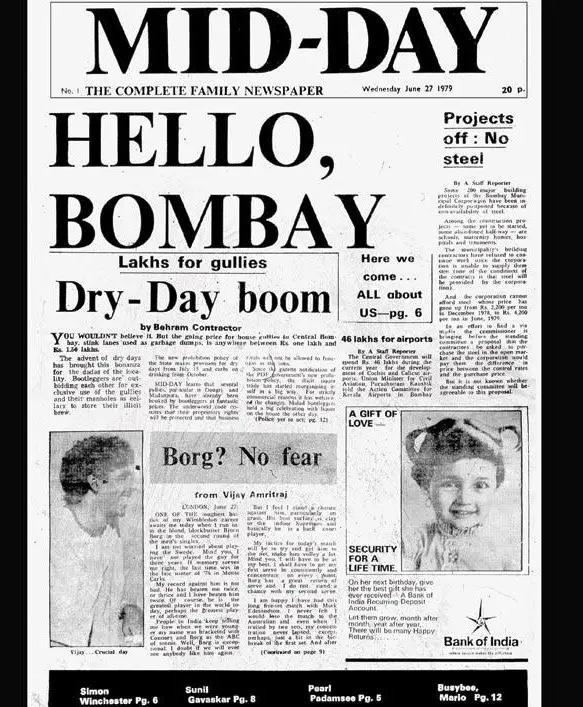
Meanwhile, the idea came to launch India’s first daily tabloid, Mid-Day, which he modelled in many ways after the English tabloids from Fleet Street. During the planning phase of their new venture, he spent hours discussing it with staff and mulled over its format to ensure success, especially since there were already two eveningers in Mumbai, one by The Times of India and the other by the Indian Express. Both suffered from a lack of innovation to attract large numbers of readers. So when Mid-Day appeared with a new face and content, the two old ones just collapsed. Although the ToI eveninger protested the pace of time for a while, it eventually perished as it had already become obsolete.
Mid-Day became a resounding success, with many comparing it to the British Daily Mirror and Daily Mail. However, being an Indian tabloid, it was much quieter and a whole lot more civilized, without the British fondness for nudity and sex, and nonsensical stories of stupidity.
Khalid was helped by his wife, Rukaya. She was very active on the administrative side and contributed to the editorial content and layout, which helped the paper sustain itself in the demanding market of Mumbai. She knew what was going on in the office and in the newspaper that was fast becoming India’s flagship eveninger.
Meanwhile, Khalid accepted an offer to become editor-in-chief of the Dubai-based Khaleej Times, and handed over the paper to his son, Tariq. After a few years in Dubai, Khalid returned to Mumbai and launched Mid-Day in Bangalore and Delhi and a regional Gujarati version for millions of Gujaratis in the country.
He has been involved in various programmes with the Indian government during conferences in Delhi and New York, launching and editing newspapers, and was awarded the Padma Shri in 2001 while continuing to play and write about his old passion, cricket.
Writing about his eveninger, Khalid says, “Mid-Day is a light-hearted, easy-to-read, entertaining, and ‘naughty’ paper that now has a new purpose which is to make work fun. Gives young professionals an entertaining newsbreak. The focus is on young, urban, mobile professionals across India and the company is leaving no stone unturned to engage with them. Today’s workplace’s fast-paced work style and crazy deadlines are full of stress and pressure. Mid-Day as a brand believes in spreading the message of reducing stress and making work fun.”
“What’s on, a host of addictive, fun sections like Hit List Crosswords, Horoscopes, and Fun at Work ensure that the newspaper remains a welcome diversion for young professionals,” he adds.
Khalid’s Sportsweek later was shut down with the television boom making it hard to garner advertisements and interest. Khalid has also published his memoir (It’s A Wonderful World) and continues to inspire a stream of journalists apart from various generations to keep the boat afloat and touch new heights.
(The Author is Journalist & associated with Dainik Bhaskar)
source: http://www.asianlite.com / Asian Lite / Home / by Siraj Ali Quadri / October 10th, 2022
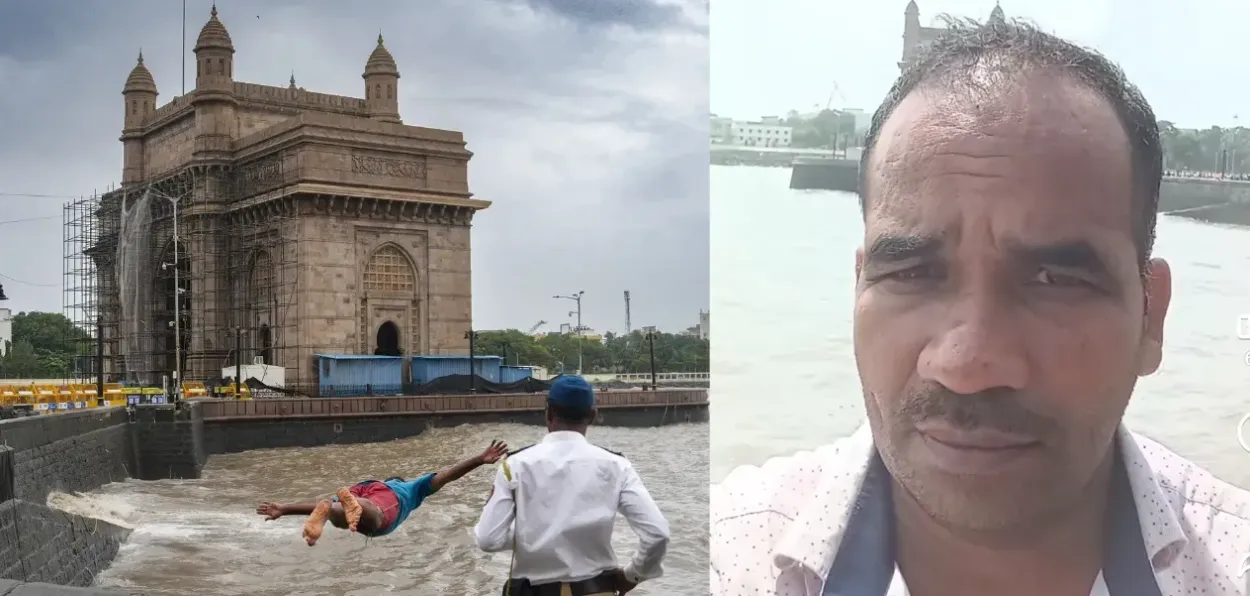
Mohammed Nazim Sheikh, 51, is a silent saviour of lives on the Mumbai shores. After selling pav (Mumbai bread) at the Colaba, from early monring till noon, the 51-year-old Mumbaikar, leaves for the beach at the Gateway of India to keep an eye on the sea lovers who might be unknowingly putting their lives at risk.
Like a silent sentinel, he has been guarding the dangerous beach at the Gateway of India for 35 years and has saved more than 300 persons so far.
Nazim says,”They (tourists) come closer to the sea to feel the splash. Once they slip, the tide pulls them into the water,” he says. “If somebody doesn’t rush for their help, they’re gone.”
Nazim started rescuing drowning people at the age of just 16. With the skills of a trained lifeguard and a sense of mission, he pulls people out of the water who are unaware of the dangers and are carelessly near death.
“They come just to feel the splash or to see the view, but one slip is enough, and the wave takes them away. If immediate action is not taken, it is not possible to save them,” he says.
Nazim says he has also recovered about 25 to 30 bodies so far—mostly men. He has witnessed many accidents during festivals.
Nazim’s most memorable rescue operation was in 1996 when he swam across during high tide. For this feat, he was awarded the title of ‘Best Swimmer’. In recent years, especially during the 2022 Ganpati immersion, he saved two people from drowning.
According to hawkers who set up shop around the Gateway of India, Nazim is always the first to arrive. Nowadays, due to social media, tourists often start making videos by crossing the safety barrier, which proves to be dangerous. In such a situation, when someone falls into the sea, the first name that comes to everyone’s mind is Nazim – even before the police or the fire brigade.
A 60-year-old woman who runs a stall in front of the Taj Hotel says: “I have been seeing Nazim for years. He has saved countless lives. Everyone working at the gateway knows that he is the one to call immediately in an emergency.”
A local photographer says, “Earlier they used to patrol right in front of the gateway, but now that area is closed for security reasons. Nowadays they are seen in front of the Taj Hotel where people come to enjoy the ocean waves.”
Another 51-year-old cameraman says: “Everyone working at the gateway knows the moderator and knows when to contact him. The best thing is that whether you call him or not, he arrives on his own.”
However, despite his selfless service Nazim has not received any official government recognition or honor till now. The Nazim said that he has written letters to the Prime Minister and the Chief Minister (Devendra Fadnavis), but no action has been taken.
“Still waiting, nothing has happened,” he shrugs. Many of Nazim’s awards and newspaper clippings have also been lost during the renovation of his house. He finishes selling pav by noon, but as soon as the tide comes in, he becomes alert.
“When someone is in trouble, be it locals or the police, they call me. I am not afraid of the sea. Allah has given me this strength, I just do my job,” he says humbly. Nazim was also part of the rescue team during the 2003 Gateway bombing and helped recover bodies from there.
Today, while beach safety has improved and suicides have declined, Nazim still stands as a silent sentinel on Mumbai’s beaches. “If anything happens, I’m ready,” he says resolutely.
Colaba Senior Police Inspector Pramod Bhaute said, “Nazim works as a lifeguard for us. He is always active and alert. His help has proven invaluable in many cases. He lives in the Jetty area. Mumbai Police says it’s grateful to him for him selfless mission in saving lives.
source: http://www.awazthevoice.in / Awaz, The Voice / Home> Story / by Onika Maheshwari, Mumbai / July 13th, 2025
Mumbai student overcomes cramped living conditions to achieve national success in the prestigious entrance exam.
Mumbai:
Ayan Sheikh, a 20-year-old student from a modest 96-square-foot house in Byculla, has achieved an extraordinary feat by securing the 12th rank in the Graduate Aptitude Test in Engineering (GATE) in his first attempt. Ayan, currently in his third year of a computer science degree, hopes to follow in his elder brother’s footsteps and secure admission to IIT Bombay for his master’s degree.
Living in a cramped chawl in Mustafa Bazaar’s Haji Alana with his parents and elder brother, Ayan’s journey to success is a testament to determination and hard work. With limited space at home, Ayan and his brother Aman, who previously cracked the Joint Entrance Examination (JEE) and graduated from IIT Bombay, often studied on a makeshift platform built in their small house.
“My success is the result of my parents’ prayers and their constant hard work,” Ayan told Clarion India. “Even with a limited income, my father tried his best to give both of us brothers a better and higher education. Despite the lack of space, we made the most of what we had. This platform has been our study spot for years, and it holds a special place in our hearts.”
Ayan scored an impressive 89.04 percent marks in the exam, which is considered one of the toughest national-level entrance tests for postgraduate engineering courses. Out of 1.8 lakh candidates who appeared for the exam, Ayan’s 12th rank is a remarkable achievement.
His father, Akhtar Sheikh, a senior fitter at BEST’s Mumbai Central Depot, expressed his joy and pride. “Ayan’s result is like the blessings of Ramadan for us,” he said. “One lakh 80 thousand students appeared for the GATE exam, and Ayan secured the 12th position. This is a huge achievement for our family.”
Ayan’s academic journey has been marked by consistent excellence. He scored 90% in his SSC exams from Enza English High School in Byculla and 78% in his HSC exams from Peace College in Dadar. He is currently pursuing a computer science degree at DJ Sanghvi College in Vile Parle and will complete his four-year course next year.
Ayan’s elder brother, Aman Sheikh, is an inspiration for the family. Aman secured 90% in SSC and 89% in HSC before cracking the JEE exam with a rank of 1,023 out of 1.5 lakh candidates. He went on to complete his B.Tech and M.Tech in electrical engineering from IIT Bombay and now works for an American company in Bengaluru with an annual package of Rs 12 lakh.
“I hope to get admission to IIT Bombay, just like my brother,” Ayan said. “This platform in our house has been our study corner for years. Even today, I sit here and study for three to four hours daily. It’s a part of our lives.”
Ayan’s story is a shining example of how perseverance and family support can overcome even the most challenging circumstances. As he prepares to take the next step in his academic journey, his family and community are filled with pride and hope for his future.
source: http://www.clarionindia.net / Clarion India / Home> India> Indian Muslim / by Team Clarion India / March 24th, 2025
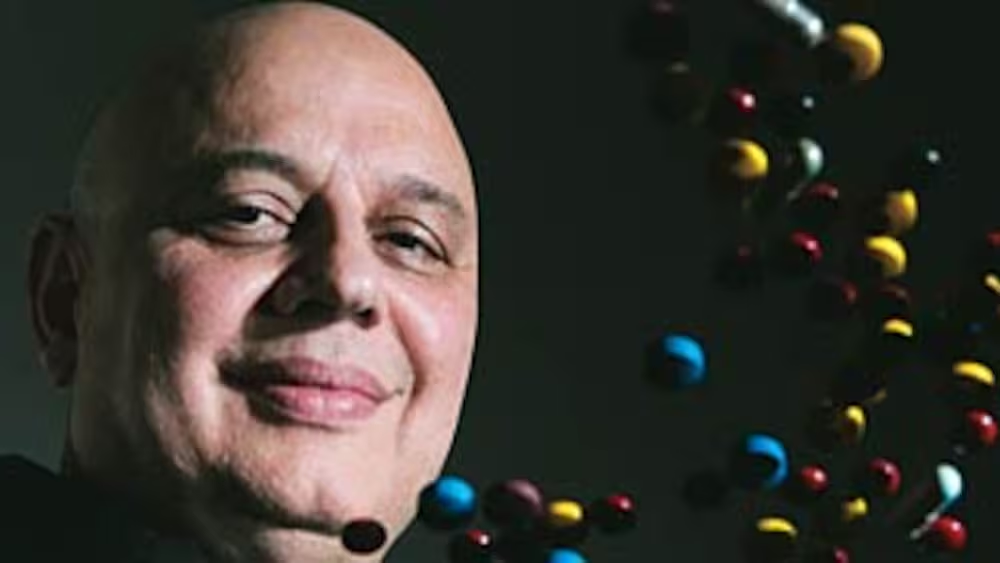
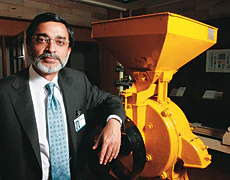
He can afford to hand out fistfuls of Liv.52 to anyone feeling liverish, although he would prefer to sell the pill. As Meraj Manal says, one Liv.52 is bought every second somewhere in the world. The only ayurveda pill among the 12 bestselling medications in India, Liv.52 has powered its manufacturer The Himalaya Drug Co into the ranks of Big Pharma in India.
But ask Manal to sell a slice of his privately-held company and you are shown the door. Many consumer care companies have tried to acquire a stake in Bangalore-based Himalaya. Dealmakers know it is not up for sale, but they do not give up hope or stop making bids.
Why should they? Himalaya, started by Manal’s father, the late M. Manal, in 1930 to make herbal tablets in the Himalayan town of Dehradun, is today an established brand in over 70 countries with about 160 products – 66 in pharma, 63 in personal care, nine in baby care and 22 in animal care.
After India, its three top markets are West Asia, Russia and the CIS, and South East Asia. In 1999, Himalaya took its personal care range into global markets, piggybacking the equity of its pharma products.
Figures are not available, but Manal says turnover has crossed Rs 1,000 crore on the back of Liv.52, some similar pills and the personal care products. “Liv.52 is one of the biggest successes of my father,” says Manal, Chairman of Himalaya Global Holdings, which owns the nine operating subsidiaries in different regions.
___________________________
I get 3 or 4 offers a year: Meraj Manal
Meraj Manal, 62, has always let his business heads to do the talking. In a rare interview with BT’s K.R. Balasubramanyam, he explains why he does not want outside investments, and why values count more than profits. Edited excerpts
How did your father get into the herbal medicine business? My father spent his lifetime gathering knowledge about traditional household remedies, standardising them, testing them for safety and efficacy and demonstrating them to doctors. He was the first who thought of producing herbal medicines in tablet form so doctors can prescribe them… Whenever he heard about a remedy, he would jot it down on a plain card to work on them later. We have tens of thousands of such cards stored in boxes. Our toothpaste is a product from one such card scribbled 40 years ago.
Why are you still not a public company? I don’t want a rupee from anyone other than the bank, because it is difficult to explain what we do to a shareholder. Can I accept outside investments and allow these cards (pointing to the stacks of his father’s cards) to disappear? Our whole philosophy, our value system is so different, how do I explain this to investors? All my children – four daughters and three sons – think so.
Do you get offers? I receive three or four offers a year. Multinationals have spoken to me and one of them even said we are the nugget of the herbal industry. If I accept these offers and put that money in a bank, I would no doubt get millions every month… What will I do with that money? I don’t want the liability of someone else’s money with me, big or small. Once you accept outside investment, they will start advising us on things like cutting the number of curries in the lunch at our canteen… or the staff transport. They will ask us why you are doing this and that. There is no “why” here. This is how it is. Since we are closely held, I have the luxury to say profits are not everything.
How much of your revenues goes into R&D? In this company, there is no limit on expenses on R&D. That is the only division without a budget. These (pointing to the cards) have to be converted into products.
How are you professionalising the company? As you grow, you need people who know more than you do. You cannot reach the next step unless you professionalise…. We will reserve the holding company for family members and the subsidiaries will have only professionals. We have separated ownership from management. Family members will be responsible for nurturing our value system. I don’t want family members on the business side. If they have energy, they are free to go out and pursue their interests.
So a family member becomes part of the holding company by default? Admission is not by default. They must have something to contribute….My son heads the US business, and not because he is my son, but because he is a professional who knows the US market the best. He is doing remarkably well.
What about this Deputy Chairman’s post? I created the post two years ago and appointed Ravi Prasad for a very special reason. To send a strong message that the operational head does not have to be a Manal. People were astonished and are happy about the decision. Like any CEO of any other region, my son too reports to Ravi. (Ravi Prasad was elevated as Executive Chairman in October. He leads the global management team.)
Are you satisfied with your growth? The growth we have had is more than satisfactory. If I want more than that, then we are greedy. We crossed Rs 1,000 crore in revenues last year. I don’t know much about finances. Professionals handle that. I just sign on the papers. …When I joined the business in 1965, the revenues were Rs 40 lakh…. The way we are growing in North and South America tells me that 20 years from now, they could possibly be our largest markets by volume.
Where is Himalaya headed? We will never move from our core competence. I am not for diversifying. I am not a person who can do other things. Opportunities for growth are unlimited and there is no real need to diversify. Our global operations have taught us many things. The country does not matter. As long as there are homes with people, we will go there.
_______________________________
Research backbone Although Himalaya’s reliance on Liv.52 has come down after both its new as well as old pharma products picked up steam in the market, and it launched personal care products, it all began with this blockbuster, whose recipe was among the many jotted down by Manal’s father on a card.
(Himalaya’s future lies in thousands of similar cards with notes that are stacked in boxes in Manal’s room.) The 52nd formula was a hit. Manal senior’s aim had been to make herbal remedies available in tablet form, scientifically tested for efficacy, identified by name and prescribed by doctors. The passion for research continues.
Ravi Prasad
Himalaya has raised its research, development and manufacturing standards so that its products clear regulatory hurdles abroad. “Apart from ayurvedic institutions, we also do clinical trials in leading allopathic institutions both in India and abroad,” says Ravi Prasad, Executive Chairman of Himalaya Drug Company, who leads the team of professionals worldwide.
“The regulatory picture is not clear in many countries and in some countries our standards have been recognised as the benchmark,” he says. Himalaya’s R&D facility, he says, is one of the biggest for an ayurveda manufacturer, with about 120 multidisciplinary scientists. As Manal proudly declares, R&D is the “backbone” of the company.
Himalaya knows the key to growth lies in its ability to create more patents. The US Patent and Trademark Office has granted it patents for its sunscreen, under-eye cream, laxative, sedative, immunestimulant, anti-acne range and hairloss cream, and 76 applications are pending. It has just released in the US markets a new type of tablet in which the binders are also derived from herbs. “No company has done this before, and we have filed for a process patent,” says Ravi Prasad. Until the 1990s, Himalaya’s portfolio had only pharma remedies. It entered the equally lucrative consumer care market with some 20 products under the Ayurvedic Concepts range in 2001. Two years later, it created the umbrella brand Himalaya Herbal Healthcare. It also began opening exclusive outlets: there are 130 shops in India and 25 in Singapore, Malaysia, South Africa and the Cayman Islands.
Dream run According to Ravi Prasad, Himalaya’s personal care products are growing much faster globally than pharma products, because pharma faces tough regulations in some countries. As of now, Himalaya gets 58 per cent of its revenues from pharma products, but that seems set to change. Saket Gore, Business Head of the consumer products division, says: “Today, we are the market leaders in face washes in the UAE, India and Malaysia.”
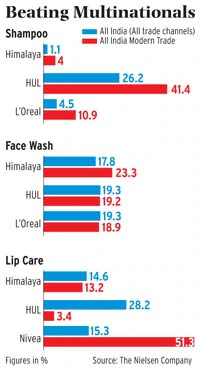
According to The Nielsen Co figures for April-June 2010, Himalaya face washes had a 17.8 per cent market share in India, less than two percentage points behind multinationals Hindustan Unilever Ltd and L’Oreal. Himalaya’s individual products also face competition from firms that are strong in one or just a few products, such as Colgate in toothpaste and Fair & Lovely in face masks. Doctors have been Himalaya’s biggest brand ambassadors in pharmaceuticals.
Philipe Haydon, President & CEO for pharmaceuticals, says Himalaya is in touch with about 3.75 lakh doctors and reaches 94 per cent of pharma retailers. “We are the modern face of ayurveda in India and our medical representatives promote products with scientific detailing,” says Haydon, who is also the CEO of the Asia Pacific region. In ayurveda retail, Himalaya competes with the likes of Dabur, Charak, and Baidyanath
Source: Indian Pharmaceutical Market rankings based on Org SSA report / Aug 2010
__________________________
Internationally, consumer care and pharma contribute equally to revenues. “In 20 years from now, North and South America could possibly be our largest markets by volume. They are very big on herbal medicine,” says Manal. These markets are headed by his son Nabeel, 36.
The Prognosis Industry observers believe that while Himalaya has built a cult in Liv.52, it needs more such blockbusters to make up for its low-key marketing and a distribution network weaker than that of rivals such as Dabur India.
“Today, the brand Himalaya is recognised and closely associated as a natural remedy, but on the personal-care front it sends out no cues to a consumer. This is important in the FMCG category where it competes with many others,” observes Kannan Sitaram, a former chief operating officer of Dabur.
Analysts say that opening shop-in-shops and branded stores is a good strategy. “But brandbuilding investments are required so that consumers will walk into a shop only for the Himalaya display. Also, being positioned as a mass brand, it needs greater presence and investment in distribution,” says Sitaram. But the company has to figure out if its returns are justified. “After all, rentals are going up,” he says.
In pharma, Himalaya is stronger. “It has very sharply- positioned products for the eyes, liver, bones and so on. It is also present in areas that are not crowded. Besides, it spends huge sums on R&D and can compete with some of the best pharma companies in India,” says R.B. Smarta, Managing Director, Interlink Marketing Consultancy.
This also gives it an edge in global markets, where the demand for natural, ayurvedic and herbal remedies is growing. “They have very precise and extensive documentation on each of their ingredients, that can withstand the rigor of clinical trials. Their patents also stand them in good stead,” says Smarta.
By buying raw materials directly from growers, collectors and nongovernmental organisations, Himalaya keeps costs under control. Recently, it signed an agreement with the Sikkim government to prepare farmers in organic farming of herbs and sustainable collection. In September, Himalaya, along with a few others, came under fire from the Centre for Science and Environment or CSE, which claimed that Himalaya’s honey contained antibiotics beyond the stipulated standards. Ravi Prasad denies the charge. “The same batch was tested at three independent laboratories and none found any trace of antibiotics.
Our technical team will soon meet the CSE with these findings and seek its comments,” he says.
No entry Manal does not run day-to-day affairs and has professionalised the company by elevating Ravi Prasad as the executive head, so that his father’s legacy grows independent of the family. “My father’s life’s mission was to help people and we will move in his footsteps,” says Manal, who follows the modest example set by his father. (In September, when Ravi Prasad called on Manal at his apartment in Dubai, the chairman travelled with him to Himalaya’s office in the Metro and then took a bus to attend another meeting.)
Of Manal’s seven children, only Nabeel works for the company. Two daughters are married and homemakers, and the other two daughters and a son are still studying. One son works in the financial sector in the US. Manal is content with bank funding, and proud of his 40-yearold relationship with Union Bank of India. In turn, M.V. Nair, the bank’s Chairman and Managing Director, says its long relationship with Himalaya is a wonderful example of a banker- entrepreneur growth story.
Himayala’s requirement of funds depends on projects. It borrowed Rs 100 crore two years ago from the bank to make its manufacturing unit in Bangalore compliant with European and American standards.
Dealmakers and investment bankers are not put off by Manal’s “No Entry” board. Recently a personal-care multinational contacted Bangalore’s Viedea Capital Advisors, looking for a sizeable stake in Himalaya. Deepak Srinath, cofounder of Viedea, says: “The management did not entertain any conversation on the subject.”
Himalaya, Srinath says, is a dream mandate for any investment banker because it has all the ingredients that a PE or strategic investor looks for – a highly credible brand name, an impressive product portfolio, a professional management and profitability.
“Also, the promoters have a reputation for being ethical,” says Srinath. According to the India head of an American PE firm, Himalaya is an ideal target since its capex needs are not large and can be met by internal accruals and bank funding. Such companies usually give robust returns.
But Manal is focused on different things: “The scope for growth is unlimited. As long as there are homes with people, that family is our customer. We don’t recognise borders.”
With inputs by Shamni Pande
source: http://www.businesstoday.in / Business Today.in / Home> News> BT Magazine> Features / by K R Balasubramanyam / Print edition / November 28th, 2010
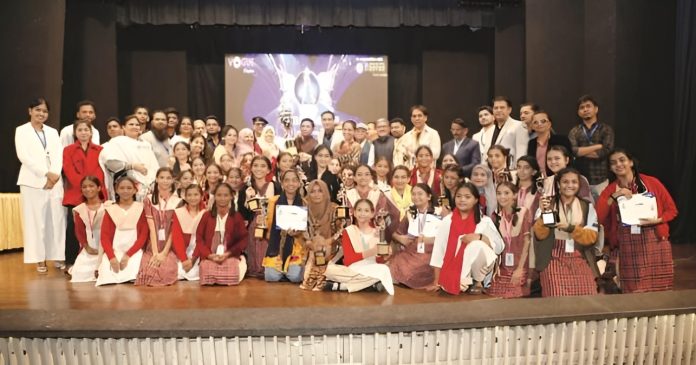
The sixth annual festival, “Discover,” celebrated young creative talents with enthusiasm, recognizing efforts to provide them a platform.
Organized by Vogue Theatre in collaboration with Bharatiya Vidya Bhavan, the state-level Urdu drama competition and children’s festival successfully took place at Bharatiya Vidya Bhavan. The event showcased the richness of Urdu language and literature while offering young talents an opportunity to express their creativity. Schools from Mumbai, its suburbs, and other districts participated, making it a vibrant confluence of artistic expression.
Engr. Adnan Sarkhot, President of Vogue Theatre, who has been associated with Urdu theatre for over 30 years and actively works for children’s creative development, led the event to its grand success. Notable guests, including Padma Shri Dr. Zaheer Kazi, IPS Qaiser Khalid, Dr. Sheikh Abdullah, Zahid Khan, and Zakir Khan, lauded Team Vogue’s initiative, emphasizing the importance of such programs in preserving Urdu for future generations.
As in previous years, “Discover” featured various competitions, including drawing, mono-acting, Urdu and English story writing, quizzes, and drama. More than a contest, the festival served as a learning experience, building confidence and refining students’ artistic skills. The participants’ creative performances left a lasting impression on the audience.
Experts from Mumbai, Bhiwandi, and Solapur judged the competitions.
Awardees included Principal Saba Patel, who received the Innovative Principal Award, while Raja Baghban (Solapur) and Sajid Dolar (Malegaon) were honored with the Lifetime Achievement Award for their contributions to education and literature. Additionally, for their outstanding performances in Urdu drama and academic excellence in SSC exams, Zara Feroz Shaikh (Mira Road) and Aashna Wahid Ansari (Mumbra) received the Rising Star Award.
source: http://www.radiancenews.com / Radiance News / Home> Arts & Culture / by Radiance News Bureau / February 08th, 2025
Established in 1932, the South Mumbai-based organisation continues to serve humanity with dedication and inclusivity
Mumbai :
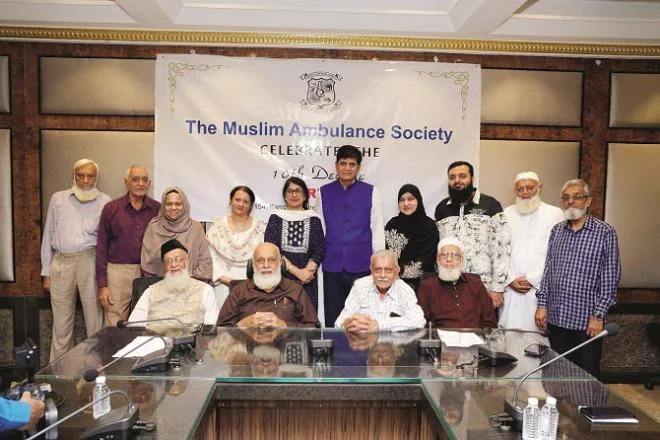
The Muslim Ambulance Society, a renowned medical and social service organisation based in South Mumbai, has completed 93 years of unwavering dedication to the welfare of people, irrespective of religion or caste. Established on 24th July 1932, the organisation has evolved from a small shop on Chakla Street, Muhammad Ali Road, into a respected pillar of support for those in need.
To commemorate this milestone, a grand function was organised on Friday (January 24) at the Islam Gymkhana in Marine Lines.
Dr Abdul Rauf Samar, President of the Muslim Ambulance Society, highlighted the organisation’s rich history and core objectives, emphasising its inclusive approach. “The society aims to provide social and medical services to the poor and the needy regardless of religion and caste. A clear example of this was in the early days when a fellow countryman injured during Ganpati immersion was transported to the hospital by one of our ambulances,” he shared.
The society has also been instrumental during emergencies, including epidemics and communal riots. “We have consistently provided aid without discrimination, setting an example of humanity and service,” Dr Samar added.
He further introduced other key officials of the society, including Vice President Anwar Pashuri, Honorary Secretary Tanveer Hawa, Honorary Treasurer Iqbal Mauledina, and Ibrahim Kolsawala. Together, they carry forward the vision of the society’s founders: Ibrahim Haroon, Ayub Haroon, Noor Muhammad Dhyan, Muhammad Hussain Samar, Akbar Ali Khan, and Abdul Rahim Bachuseth.
The society’s impact is not confined to Mumbai. “Apart from Mumbai, our branches are also providing medical services in other provinces of the country. A new branch is set to open on Duncan Road in South Mumbai,” Dr Samar announced.
Highlighting their ongoing efforts, he said, “Since 1973, we have provided free treatment to TB patients. We also arrange free vaccinations for children under our supervision. These initiatives have been possible due to the generous support of philanthropists, and we hope to continue serving humanity with the same dedication in the future.”
The Muslim Ambulance Society’s 93-year journey of compassion and service stands as a testament to the power of community-driven initiatives and their ability to uplift society at large. The event aimed to celebrate this legacy while inspiring future generations to continue the noble mission.
source: http://www.clarionindia.net / Clarion India / Home> Editor’s Pick> India> Indian Muslim / by Team Clarion / January 26th, 2025
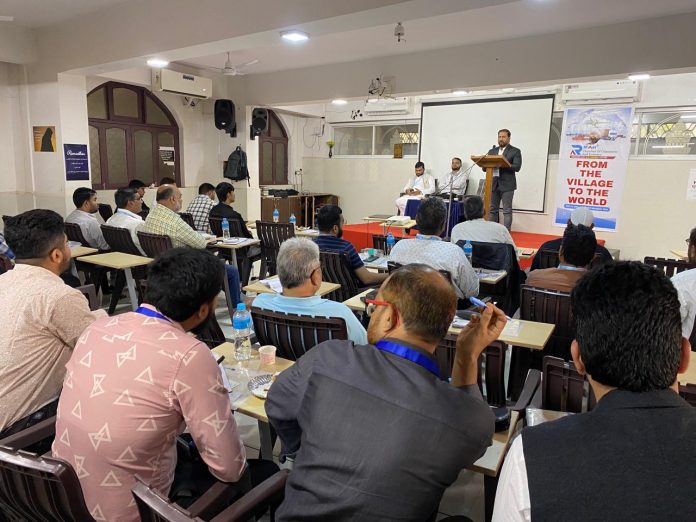
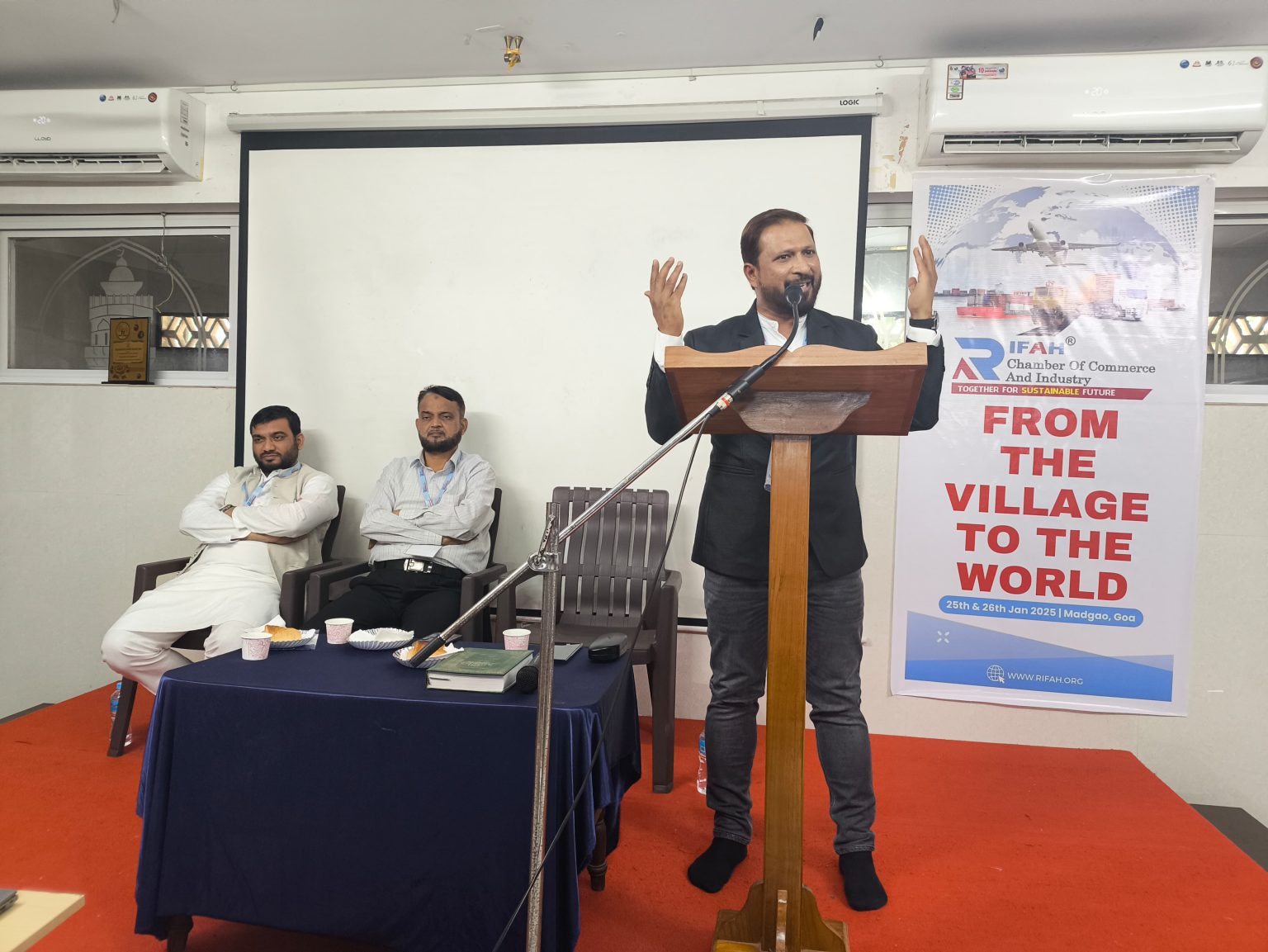
RIFAH hosted a landmark national-level workshop themed “From the Village to the World” in Goa, aimed at empowering aspiring exporters to take their promising products to the global stage. The two-day programme brought together participants from 9-12 states across India, fostering an environment of learning, networking, and inspiration.
The event commenced with an inaugural address by Dr. Aslam Mohd, President of RIFAH Maharashtra, followed by an impactful keynote speech delivered by Mr. Syed Mumtaz Mansoori, President of RIFAH Karnataka.
Mr. Mansoori’s address emphasised the essence of global trade, identifying export opportunities, and understanding market demands, weaving in examples from prophetic traditions to illustrate the Islamic perspective of global business.
Workshops during the programme included sessions on “Fundamentals and Regulations of Export and Import” by Br. Siraj and an Interactive Workshop on Strategic Planning for Import and Export by Br. Anis Mohammed, Director of Seahath Canning Company.
These sessions offered practical insights into business strategy development, goal setting, market penetration, and leveraging B2B platforms, trade fairs, and digital marketing for international trade.
The workshop also featured a factory visit to Seahath Canning Company, India’s leading seafood exporter, which operates globally in over 15 countries. This visit provided participants with a firsthand understanding of the export process at scale. Additionally, participants had the opportunity to explore Goa’s breathtaking natural beauty, including its serene seashores, blending business learning with memorable experiences.
The workshop’s vibrant participation and engaging sessions left attendees energised and enthusiastic about stepping into the global trade arena, fulfilling the event’s vision of connecting local products to international markets.
The programme was conducted under the leadership of Mr. Mirza Afzal Baig (General Secretary of RIFAH), ensuring its success and alignment with the organisation’s vision.
source: http://www.radiancenews.com / Radiance News / Home> Entrepreneurship> Latest News / by Radiance News Bureau / January 27th, 2025
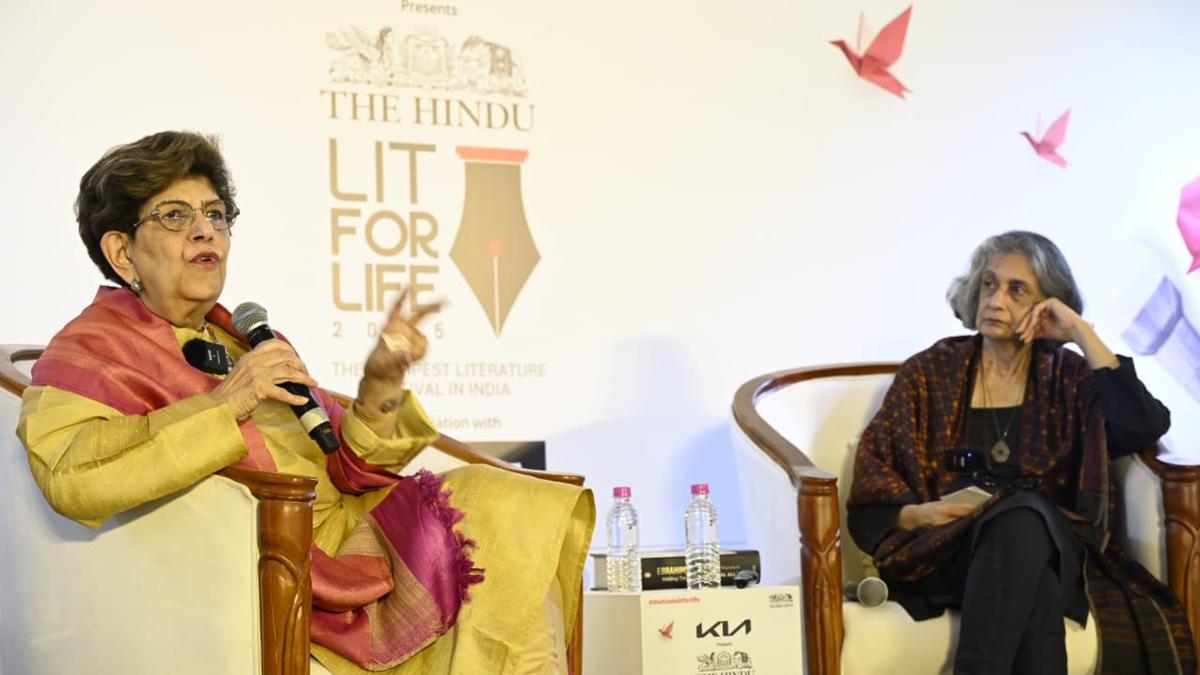
At The Hindu Lit for Life 2025, Amal Allana speaks about her father Ebrahim Alkazi, who led the modern theatre movement in India with an extraordinary vision.
Amal Allana in conversation with Ritu Menon at The Hindu Lit for Life 2025. | Photo Credit: R. Ragu
Theatre director Amal Allana, who recently released a riveting biography of her father Ebrahim Alkazi: Holding Time Captive gave a racy account of Alkazi’s revolutionary contributions to arts and culture in the creative landscape that was emerging in pre-independence India into the later decades.
She said the title of her book was apt as she found the words scribbled by her father in his notes that read ‘I wish I could live longer to hold time captive.’
A six-minute documentary on Alkazi charting the journey of his quest for a liberal approach to the arts in the Indian sub-Continent preceded Amal Allana’s conversation with Ritu Menon at The Hindu Lit for Life session on the second day.
Setting the narrative in Bombay of the 1940s when Alkazi came as the son of a migrant trader from Saudi Arabia, Amal spoke about how his innovative ideas from the young age of 22 coupled with daring new experimental projects transformed the theatre movements pan-India and later led to the establishment of the National School of Drama in Delhi in the 1960s. It was the time when creative history was under-researched and Alkazi strode the stage with arrogance, resoluteness, and brilliance.
As the daughter, Amal brought a personal perspective to the intangible landscape of Alkazi’s passions as she step-by-step unfolded the layers of his cultural, artistic and nationalistic identity. “His pedagogical skills took form as a response to the social and political life. He introduced language in theatre and nationalised it,” she said.
With Sultan Padamsee (elder brother of filmmaker Alyque Padmasee) and other independent-minded creative individuals, he broke boundaries and embraced the radical and precarious theatre life. They were all progressives and reinforcing each other. Amal narrated how Alkazi went overseas to study modern theatre and took Nissim Ezekiel along. He had the disposition of taking people along with and their idea of total theatre included all forms of arts feeding into one another.
“So with music, lights, costumes, literature, discussions and brochures he created dramatic experiences translating, producing and directing plays from the Western pantheon,” Amal said and added Alkazi was particularly influenced by Tagore’s concept of Santiniketan integrating liberalism with fine arts.
Not only was Alkazi interested in training a body of thinking actors but he also trained audiences to appreciate modernity in theatre, she said.
The Hindu Lit for Life event is presented by KIA India and is in association with Christ University. Associate Partners: LIC, RR Donnelley, Blue Star, Brigade Group, NITTE Deemed-to-be University, PROchure, Singer, Chennai Port Authority & Kamarajar Port Ltd, Uttarakhand Tourism, Vajiram and Ravi, Indian Bank, Akshayakalpa and ICFAI Group. Realty Partner: Casagrand. Bookstore Partner: Crossword. Food Partner: Wow Momo, Beverage Partner: Beachville, Radio Partner: Big FM, TV Partner: Puthiya Thalaimurai Gift Partner: Anand Prakash. Supported by: US Consulate, Chennai, Water Partner: Repute
source: http://www.thehindu.com / The Hindu / Home> Lit for Life / by Soma Basu / January 19th, 2025
An award winning activist and trainer, Saleha is an inspiration to many !
Period. Just the word alone has the power to make people uncomfortable, but why?
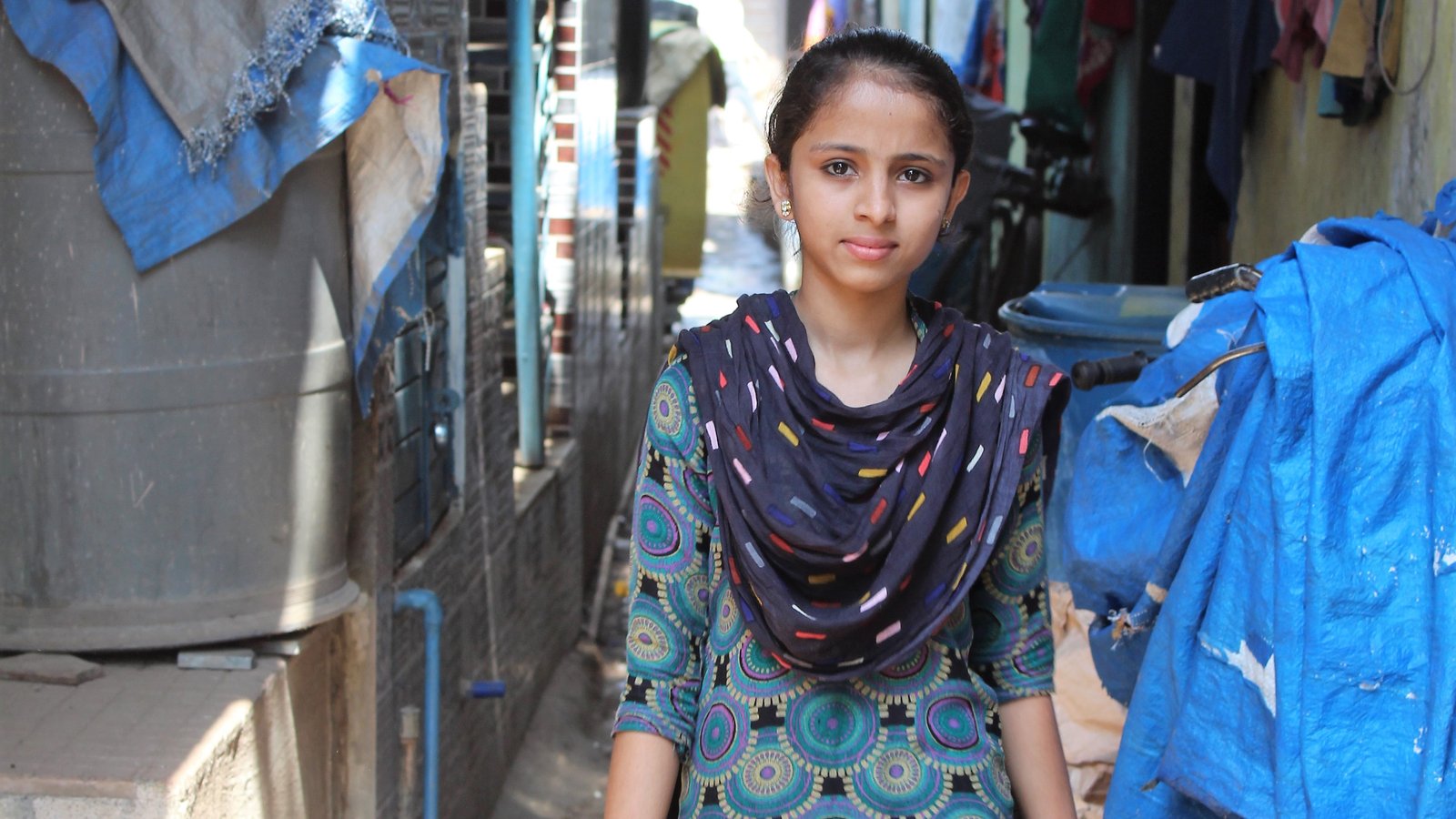
Troubled by the ubiquity of this discomfort, young Saleha decided to take it upon herself to break the stigma and lead the change in her slum in Mumbai city. An inspiring change-maker at 15, the story of Saleha is the clarion call for society at large to start talking about menstruation. It is indeed high time to not just talk but also celebrate these celebrate small steps towards change.
It is shocking that less than half of India’s 355 million menstruating women use sanitary napkins (SNs). These are not mere statistics, but a reality we can no longer ignore. For millions of women in India, the struggle begins with the lack of basic awareness about menstruation and therefore not following the right menstrual health and hygiene practices.
Saleha lives in the Govandi slums, located close to Mumbai’s biggest dump yard, with one of the lowest human development indices of the city. Her brave efforts despite the odds she faces every day may not end the problem that Govandi and even India faces at large but she is surely a part of the solution!
How did it all begin?
Saleha’s journey was not an easy one. Initially, she had minimal support from her family. After marrying off her elder sister, the family was faced with financial difficulties. Then as they faced the choice of sending either Saleha or her brother to school, they did what many families do. She was in class 8th then.
Saleha’s family mindset was only able to change with her extraordinary perseverance coupled with months of consistent effort put forward by Save the Children’s team. Today, Saleha is in class 11th and an active member of Save the Children children’s group in her area.
She was 12 when she first attended a menstruation session in her school.
She recalls: “We were taken to a separate class for the session and boys were not a part of it. I think even if boys don’t menstruate, they too should be educated about it,” says Saleha.
The fact that menstruation is one hush-hush topic that is usually avoided by our parents, teachers and the community.
As an active member of the children’s group, Saleha stood at the forefront of a unique child-led campaign called WASH4LIFE. In this campaign she strongly advocated water and sanitation issues in her community. Saleha has conducted more than 250 sessions on menstrual hygiene and other issues related to water and sanitation-issues over the last three years. She has been able to influence more than 2,500 adolescent girls who have adopted healthy menstrual hygiene practices. She does it through innovative (and fun) methods of messaging such as street plays, photo exhibitions and talk shows – reaching out to over 10,000 community members.
When Saleha first joined the group, she was very fascinated by the program, as it provided an opportunity for her and other children to understand the changes in their body at the time of puberty – something that was not discussed elsewhere. The girls also learned how to use sanitary napkins. She aspired to and then became a trainer very quickly thereafter.
“Twice or thrice a month we conduct sessions for groups of 30 girls. We conduct these sessions after school hours, with each session lasting three to four hours. I made many friends here and also gained confidence.,” she beams proudly.
Saleha remembers, “My father did not speak to me for days when I went against his wishes and conducted training sessions. My mother has only now begun to understand what I stand for. It was tough convincing her, but now she acknowledges the change this has brought about in all our lives.”
Today she has the support from her family, peers, and community.
Her exceptional contribution in various community welfare activities got her the most prestigious award – Savitribai Phule Award. She was also selected as an Ashoka Youth Venturer and will be mentored in leadership skills for one year. More recently she was nominated for the International Peace Prize which she hopes will be a stepping stone for her future endeavours!
Global Citizen India campaigns for better access to menstrual health and hygeine awareness for young girls and women in India. Take action here.
Save the Children, India aims to catalyse a movement for and with children for achieving the greatest improvement in the child rights indicators related to survival, education, development and participation aligning with national and global commitments to tackle exclusion and inequalities.
source: http://www.globalcitizen.org / Global Citizen / Home> Partner> Demand Equity / from Save The Children / April 12th, 2018
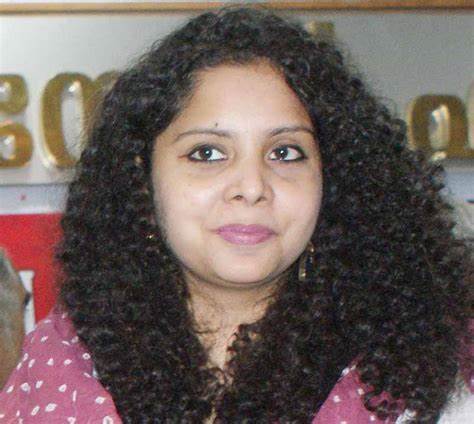
Rana Ayyub, an Indian investigative journalist and Global Opinion Writer at The Washington Post, is the recipient of one of the two coveted 2024 International Press Freedom Awards, as announced by Canadian Journalists for Free Expression (CJFE). She has been named for this award for her reporting that tenaciously upholds press freedom while holding governments accountable.
Ayyub will attend the CJFE Gala: A Night to Celebrate Courage in Journalism, where she will accept the award in Toronto on October 23.
When Ayyub went undercover in 2010 to look into the government’s role in communal violence – which is defined as violence based on race or religion – she established her reputation for fearless reporting. Since then, she has provided news and investigative reports about the persecution of minorities, state-sanctioned violence, and communal politics for a variety of Indian and international publications, such as The Washington Post, The New York Times, The Guardian, The Atlantic, and Foreign Policy. Her best-selling book, Gujarat Files: Anatomy of a Cover-up was released in 2016.
The Modi administration has reacted angrily to Ayyub’s political exposés. Ayyub is one of India’s most harassed and abused reporters, according to the International Centre for Journalists, and the UN special rapporteur has urged Indian government to stop the “relentless misogynistic and sectarian attacks” against her.
source: http://www.radiancenews.com / Radiance News / Home> Pride of the Nation> Awards / by Radiance News Bureau / October 04th, 2024