Tag Archives: Positive News of Muslim Women of Rajasthan

Ultra-runner Sufiya Sufi sets record of Leh-Manali run in 98 hours

Ajmer, RAJASHTAN :

Ullta Runner Sufiya Sufi

New Delhi :

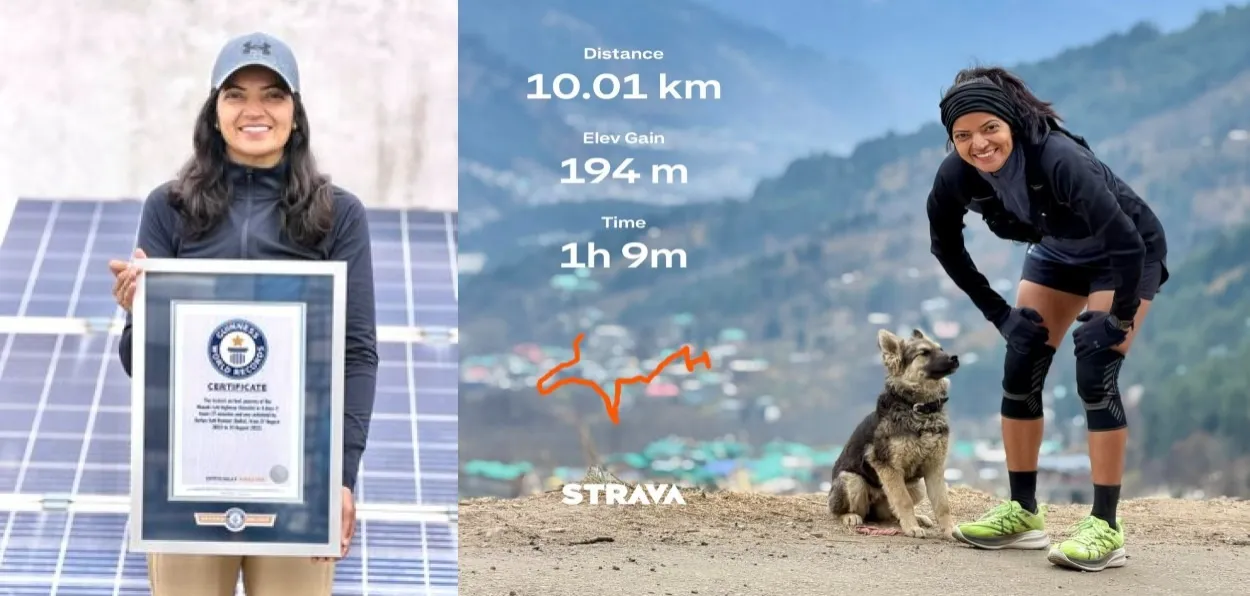
Indian ultra-distance runner Sufiya Sufi, 38, from Ajmer, Rajasthan, has officially received her Guinness World Record certificate for completing the formidable Manali–Leh high-altitude run in 98 hours and 27 minutes, a feat no woman in the world has accomplished before.

The record, formally approved by Guinness World Records in 2023, spans nearly 480 kilometres across some of the most treacherous terrain in the Himalayas. The route crosses five high mountain passes, involves a cumulative elevation gain of over 8,500 metres, and exposes runners to freezing temperatures and dangerously low oxygen levels. The challenge is widely regarded as one of the toughest endurance runs on the planet.

Although the achievement was validated in 2023, the physical certificate reached Sufi only in early 2026, following prolonged delays related to international delivery logistics and customs clearance. Once the certificate arrived, her accomplishment drew renewed admiration from the global running community, sponsors, and the wider public. Supporters celebrated the milestone as another defining moment in an already extraordinary athletic journey.
Sufiya Sufi on Manali-Leh run

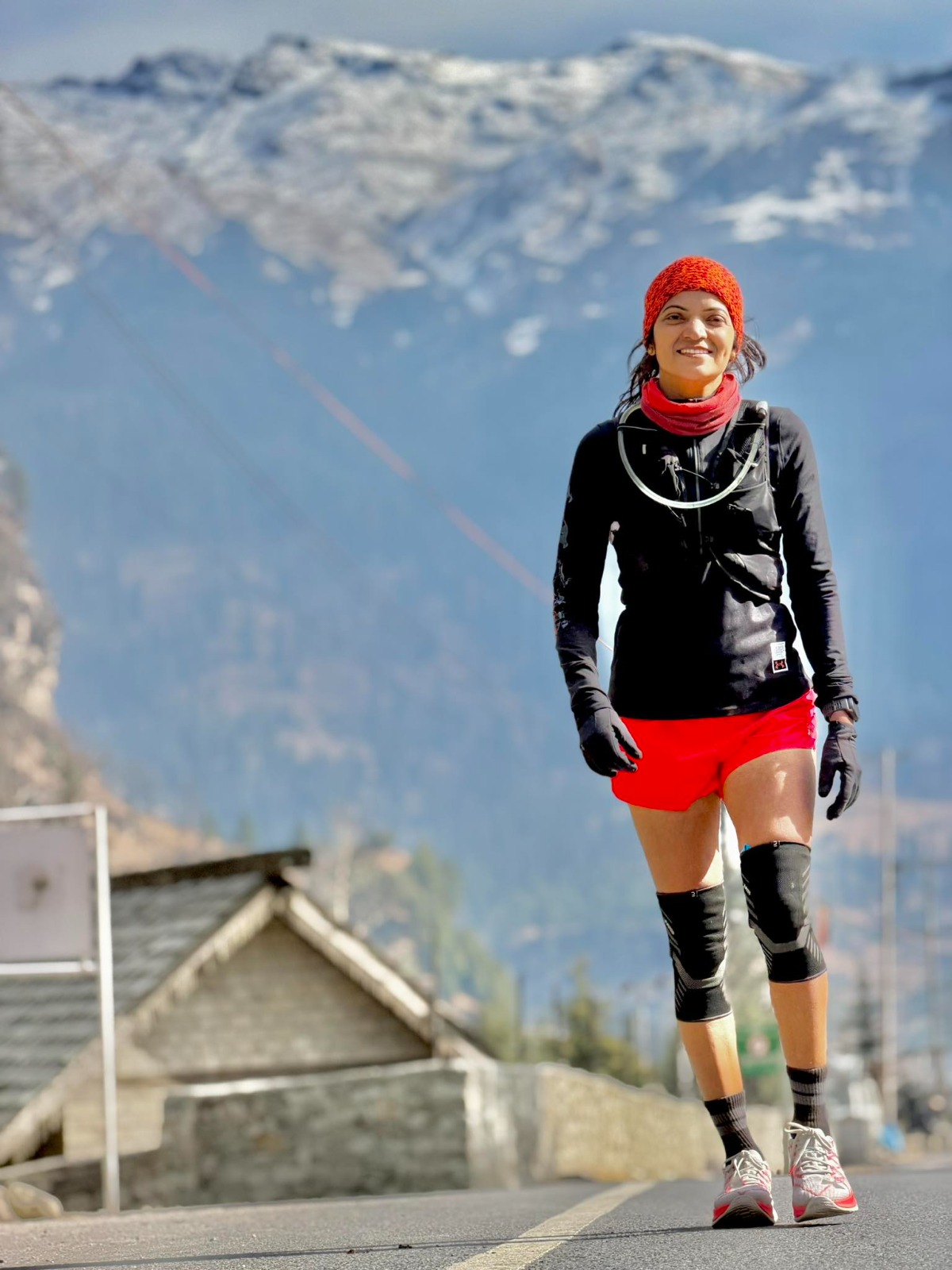
Sufiya Sufi’s record-setting run on the Manali–Leh route represents a remarkable benchmark in endurance sports. The challenge begins in Manali, a Himalayan hill town in Himachal Pradesh, and winds its way through rugged, unforgiving landscapes before culminating in Leh, Ladakh. Along the way, runners cross legendary high-altitude passes such as Rohtang Pass and Tanglang La, where temperatures often plunge well below zero and oxygen levels drop dramatically.

At such extreme altitudes, even the most experienced athletes struggle to breathe, recover, and maintain pace. Completing this journey on foot in under 100 hours is considered exceptional. By finishing in 98 hours and 27 minutes, Sufi not only met the challenge but surpassed it, becoming the fastest woman ever* to traverse this Himalayan stretch on foot.

Despite the physical run being completed and officially recognised in 2023, the nearly two-year delay in receiving the certificate became a story in itself. Sufi later spoke about the delay publicly, addressing it with humour and gratitude rather than frustration.

In a post on the social media platform *X*, she described her accomplishment as the fastest-ever run from Manali to Leh across all five high passes. She also expressed heartfelt thanks to her sponsors, support crew, and well-wishers who stood by her throughout months of preparation and recovery. Members of the running community and followers on social media responded with admiration, highlighting the sheer brutality of the terrain and the mental toughness required to succeed.

Sufiya Sufi’s journey is as compelling as the record itself. Born in *1987 in Ajmer, she spent nearly 10 years working in the aviation industry. Running initially entered her life as a way to stay fit and break free from the monotony of a demanding job. Over time, what began as a fitness routine evolved into a deep passion for endurance sports, eventually redefining her professional and personal identity.

Her rise as an ultra-runner has been marked by a series of achievements. In 2018, she earned her first Guinness World Record for running the most marathons by a woman in a single calendar year*. This milestone established her as a serious force in long-distance running.

She went on to complete the Kashmir to Kanyakumari run, covering approximately 4,000 kilometres in 87 days, another Guinness-certified feat. Shortly thereafter, she conquered the Golden Quadrilateral, a 6,002-kilometre route linking India’s major highways, in just 110 days, securing yet another world record.

Sufiya Sufi’s journey is as compelling as the record itself. Born in *1987 in Ajmer, she spent nearly 10 years working in the aviation industry. Running initially entered her life as a way to stay fit and break free from the monotony of a demanding job. Over time, what began as a fitness routine evolved into a deep passion for endurance sports, eventually redefining her professional and personal identity.

Her rise as an ultra-runner has been marked by a series of achievements. In 2018, she earned her first Guinness World Record for running the most marathons by a woman in a single calendar year*. This milestone established her as a serious force in long-distance running.

She went on to complete the Kashmir to Kanyakumari run, covering approximately 4,000 kilometres in 87 days, another Guinness-certified feat. Shortly thereafter, she conquered the Golden Quadrilateral, a 6,002-kilometre route linking India’s major highways, in just 110 days, securing yet another world record.

Each of these runs required not only exceptional physical endurance but also rigorous mental conditioning, logistical planning, and resilience. Sufi has often credited her family for their unwavering support, especially her partner, who frequently serves as part of her on-ground support crew.

 She has spoken about the challenges of acclimatising to high altitudes, training in extreme conditions, and preparing her body for prolonged exposure to thin air and severe cold.

Sufi’s expanding list of accomplishments has drawn the attention of corporate partners as well. In October 2024, Hindustan Zinc Limited appointed her as a brand ambassador, reflecting growing corporate confidence in her ability to inspire communities and promote fitness as a sustainable lifestyle choice.

Looking beyond national records, Sufi has set her sights on even larger international goals. According to previous interviews and public statements, she plans to undertake a “Run Around the Globe” expedition, covering tens of thousands of kilometres across multiple continents. She envisions the project not merely as an athletic challenge, but as a global mission promoting *Humanity, Oneness, Peace, and Equality, collectively referred to as HOPE.

Sufiya Sufi’s journey stands as a powerful testament to human resilience, courage, and the transformative power of unwavering determination. Her transition from a stable career in aviation to pushing the limits of endurance in the harshest Himalayan conditions reflects a profound belief in personal growth and self-discovery.

In a world often dominated by narratives of division and despair, her story offers a rare and uplifting reminder of what is possible through perseverance, discipline, and purpose. Her achievements celebrate not only athletic excellence, but also the boundless potential of the human spirit.

source: http://www.awazthevoice.in / Awaz, The Voice / Home> Stories / by Aasha Khosa / February 03rd, 2026
Ilin Fatima Creates History as Ajmer’s First Female Muslim Chartered Accountant

Ajmer, RAJASTHAN :

New Delhi / Ajmer :

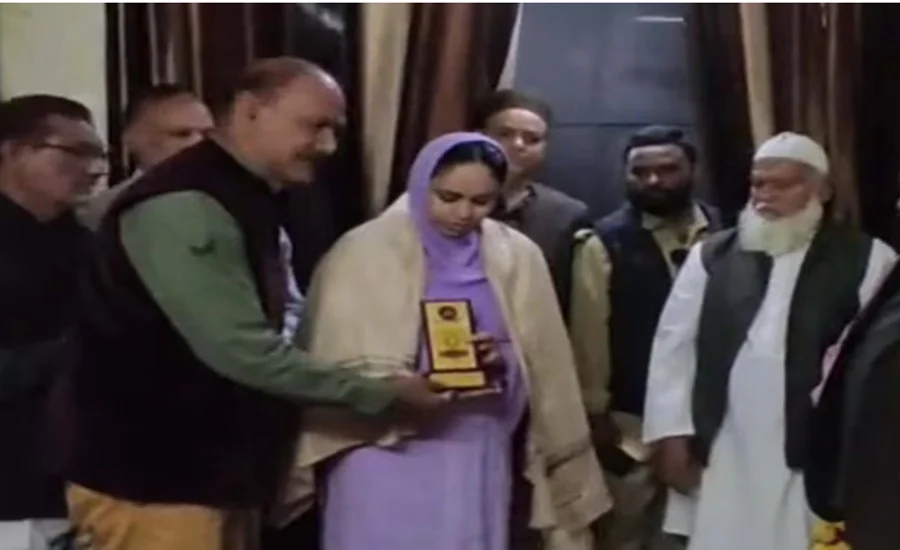
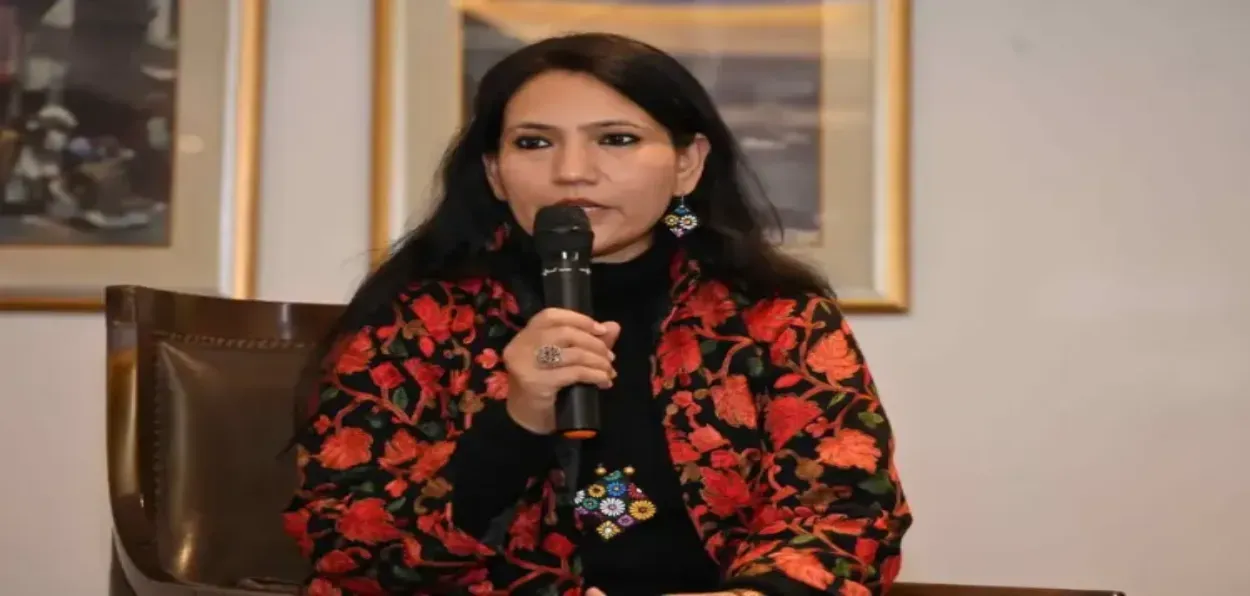
Ilin Fatima, a young Muslim from Ajmer, has made history by becoming the city’s first female Chartered Accountant (CA), marking a milestone for her family and the local Muslim community. Her achievement reflects a blend of strong upbringing, determination, and a steadfast commitment to education.

Fatima was welcomed with widespread enthusiasm by the Muslim Welfare and Education Committee of Ajmer in Rajasthan, where she was felicitated for her dedication and resilience. Community members gathered to celebrate, expressing pride not only in her personal success but also in what it signifies for Muslim families across Ajmer and the state.

Her father, Abdul Hameed Khan, spoke about the significance of this accomplishment with deep gratitude to Allah. “I have three daughters, and I ensured they were educated according to Shariah law,” he said. “My daughters have succeeded in both religious and worldly knowledge. I urge every parent to prioritise education for their children. Even if you have to eat half a loaf of bread, make sure your children receive quality education.”

He referred to a Hadith (sayings of Prophet Muhammad) and emphasised the value of knowledge: “Acquire knowledge even if one has to go to China. Education is essential, and people often overlook its importance. My daughter’s success is a reminder of the power and necessity of learning.”

The community’s response has been overwhelming. Leaders and members of various organisations, including Syed Rab Nawaz Jafri, UD Khan, Dr Syed Mansoor Ali, Haji Nafees Ahmed, Advocate Manzoor Ali, Hasan Mohammad, Akram Siddiqui, Farid Hussain, and Aqeel Ahmed of the Ajmer Muslim Welfare and Education Committee have all praised Fatima’s dedication and accomplishment.

A committee spokesperson remarked, “Ilin Fatima’s achievement serves as an inspiration not only to her family but to the entire city. Her commitment to education demonstrates that the progress of daughters is vital for the development of society. When girls are educated, communities prosper, and real success is achieved.”

Ilin Fatima’s historic success is likely to encourage more Muslim families to prioritise education for their daughters, breaking barriers and inspiring future generations. Her journey is a testament to perseverance, faith, and the unwavering support of a family that values both religious and worldly knowledge.

“Her hard work shows that with determination, guidance, and faith, anything is possible,” the committee official added. “She has set an example for all young Muslim girls in Ajmer and beyond.”

As Ilin Fatima steps into her professional career, her story stands as a beacon of hope and a reminder of the transformative power of education within the Muslim community in India.

source: http://www.clarionindia.net / Clarion India / Home> Editor’s Pick> India> Indian Muslim / by Mohammad Bin Ismail / November 10th, 2025

Award-winning writer Tasneem Khan’s stories are harbingers of change

Didwana Tehsil (Nagaur District), RAJASTHAN :

Tanseem Khan, Writer-Journalist

Coming from a small town and making a mark on the national scene, writer-journalist Tasneem Khan brings women’s concerns to the forefront through her journalism and literature. Her narratives are sensitive, clear, and attempt to offer solutions. Her writing and television programmes do more than narrate women’s struggles; they challenge social mindsets and inspire change.

Here are excerpts from an exclusive conversation with her:

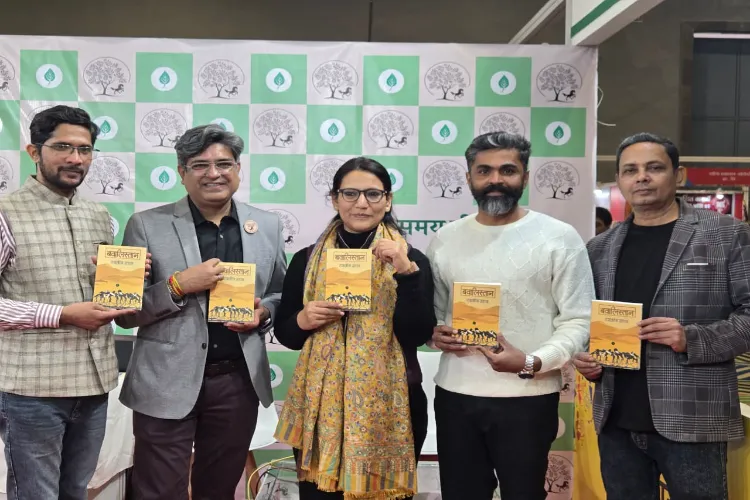
Let’s begin with Bwalistan. What is it about?

Bwalistan is a collection of stories rooted in Rajasthan, particularly its desert life. These stories belong to a distinct literary tradition that deeply portrays the complexities and struggles of life in the Thar Desert. Rajasthan’s desert is not just a physical landscape—it is defined by its people, culture, traditions, and way of life, all of which give it a unique identity.

Coming from a small town, it isn’t easy to make a mark in journalism and literature. How did your journey begin?

A: It’s true that paths have never been easy for women. I come from Didwana tehsil in Rajasthan’s Nagaur district. Though I grew up in a small town, my parents were educated, and our home had a culture of reading and learning. My mother’s love for books shaped me deeply. Growing up among books sharpened my ability to think, debate, and reason. I also won several awards during my school and college years.

When did you choose journalism as a career?

I formally entered journalism in 2005. From the very beginning, I was drawn to women-centric issues. I consistently wrote on gender sensitivity, domestic violence, and women’s social rights. For me, journalism is not just about reporting news; it is about engaging in dialogue with society.

Your television programmes gained special recognition. Could you tell us about them?

A: I hosted a programme called Samar Shesh Hai, which discussed women’s social and political concerns. Later, my regular show on Patrika TV, Aadhi Duniya, Poori Baat – with Tasneem Khan, became quite popular. The aim was to present women not merely as victims, but as thinking, reasoning individuals.

For which report did you recently receive the Ladli Media Award?

I received the award for my show “When Will Domestic Violence Go into Lockdown?”, presented by Population First and UNFPA. The jury felt the report exposed a harsh truththat during lockdown, women faced another terrifying pandemic inside their homes: domestic violence.

Your writing focuses less on complaints and more on solutions. How did this approach develop?

I don’t want to merely describe women’s pain. I believe writing should point toward solutions. If even one woman finds a way forward through my work, I would consider my life meaningful.

You began novel writing in 2015. How special is Mere Rehnuma to you?

A: Mere Rehnuma is extremely close to my heart. Published by the Jnanpith Trust, it was selected in a young writers’ competition. I became the second woman writer from Rajasthan whose debut novel was published by Jnanpith. Through this novel, I tried to establish that women’s empowerment cannot come through financial independence alone without a change in social mindset, empowerment remains incomplete.

Research has been conducted on this novel. How did that feel?

A: It was a matter of great pride that Mere Rehnuma became the subject of PhD and MPhil research. It reaffirmed my belief that my writing has connected at both academic and social levels.

Could you tell us about your other works and awards?

A: My short story collection Dastaan-e-Hazrat Mahal was published in 2019 and earned me the Chandrabai Award. In 2021, I received the Shakuntalam Award from the Rajasthan Progressive Writers’ Association. My stories have been translated into several languages. Rukh-e-Gulzar was translated by the Indian Translation Council, while The Blue of Silence was published in a Pakistani Urdu magazine and won the Mirror Award. My story My Share of Moonlight will soon appear in a collection by Oxford University Press.

What is your writing process like?

I observe people around me very closely their characters, pain, and struggles shake me from within. Until that restlessness finds words, I find no peace. That unrest gives birth to my stories.

What role did your parents play in your life?

My parents have been my greatest support. At difficult turns, they always encouraged me. I firmly believe parents’ education plays a decisive role in shaping a child’s future. I have seen many girls unable to move ahead simply because their parents did not value education.

The heroine of Mere Rehnuma is in search of liberation. How do you view this liberation?

A: For me, liberation is not just personal; it is social. Until society learns to accept strong women, their freedom will remain incomplete. If my writing can guide even one woman in this direction, that will be my greatest achievement.

You recently interacted with readers during the ‘Chaturang #LockdownLive’ session on Facebook. How was that experience?

The Rajasthan Forum organised the session. I spoke openly about my education, career, and literary journey. I emphasised that becoming a writer requires years of preparation, deep reading, and psychological analysis of society. I also read excerpts from my novel Ai Mere Rehnuma. The interaction was deeply personal and immensely inspiring for me.

Tasneem Khan’s journey shows how words, when driven by empathy and purpose, can challenge patriarchy, reshape thought, and quietly spark a revolution, one story at a time.

source: http://www.awazthevoice.in / Awaz, The Voice / Home> Stories / by Onika Maheshwari, New Delhi / January 19th, 2026

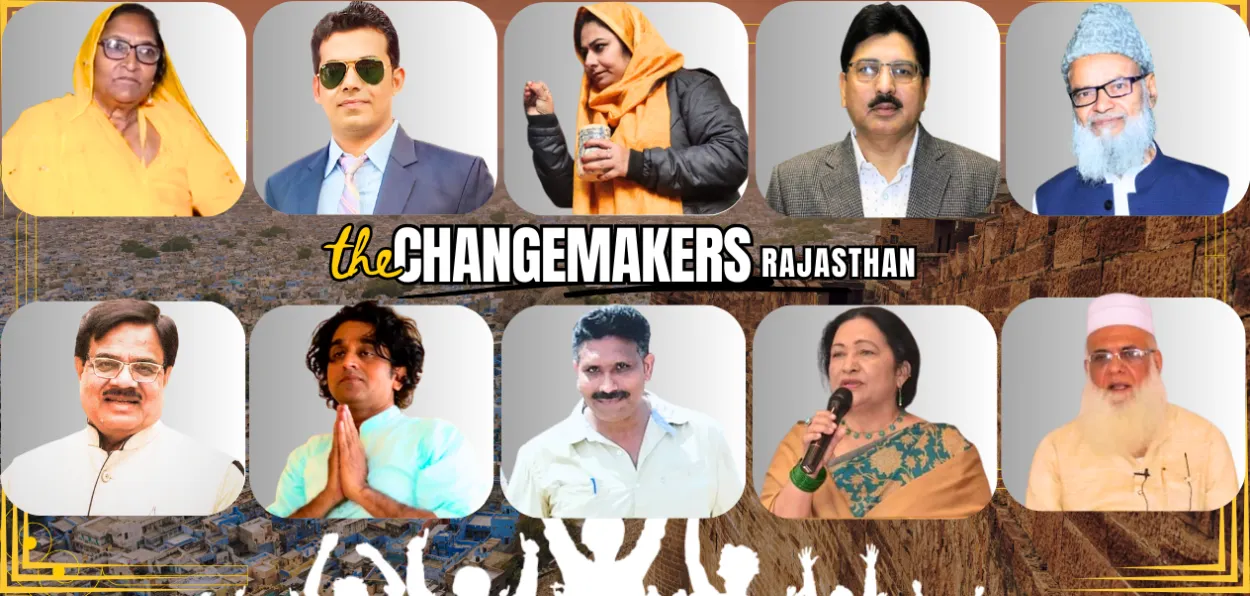
The Changemakers: 10 stars of Rajasthan who have made society proud

RAJASTHAN :

Changemakers of Rajasthan

Jaipur :

Rajasthan is known for its sandy deserts, historical monuments, especially forts, vibrant culture, and above all, its brave people, some of whom are inspiring others and changing society for the better. Under our series ‘The Changemakers’, Awaz-The Voice, brings you ten such personalities of Rajasthan, who have done extraordinary and pioneering work. Batool Begum: A living legacy of musical heritage.

Batool Begum: Woman who took traditional music to the world

One name that resonates in the streets of Jaipur is that of Batool Begum. Born in Kerap village of Nagaur district, Rajasthan, this extraordinary singer is a living legacy of Indian classical music. Batool developed a deep passion for music in her childhood. Despite facing social and economic challenges, she continued her singing.

Her melodious voice and her passion for music not only earned her recognition as an artist but also proved that talent can break all barriers. Her art is a source of inspiration for her community and the entire Rajasthan.

Abdul Salam Johar: A lac bangle maker who received global recognition

The vibrant spirit of India’s Pink City, Jaipur, doesn’t only emanate from its colours and people but also from the traditional handicrafts that are made and sold here. Bangles worth lakhs are made in these streets, which are a symbol of the traditional beauty and hard work of thousands of its people.

Abdul Salam Johar is one such artist who not only preserved the traditional art of the State but also brought about a social change in a major way. Coming from the Manihar community, Johar was born in a family with little means, but his dreams were extraordinary. Seeing the struggles of his grandfather Hafiz Mohammad Ismail and parents Haji Abdul Aziz and Hajjan Qamar Jahan, he made hard work, dedication, and social service the main mantra of his life.

He began his journey from his ancestral shop ‘Indian Kangan and Colour Store’ located in Tripolia Bazaar of Jaipur, and today his wares are being sold under brands ‘Johar Design’, ‘Johar King’ and ‘Indian Crafts’ in the global markets. He is not only a successful entrepreneur, but also a social reformer who took his community and traditional art to new heights.

Abdul Latif ‘Arco’: A confluence of business and social service

Abdul Latif, who lives in Chini ki Burj in the capital Jaipur, and is known as ‘Arko’ in Rajasthan, is one such special personality. Born in a small village of Chomu in 1946, Abdul Latif’s father, Rahmatullah, and mother, Hafijan, taught him hard work, honesty, and the passion to help people, which became the basis of his life.

His company, Abdul Razzaq & Company (ARCO), is today a big name for social service along with electric motors, fans, and coolers. Apart from this, his hotel, ARCO Palace, is a symbol of his hard work and foresight. Abdul Latif’s story is not just of a businessman, but of a person who chose to work as a changemaker by combining his business and social responsibilities.

Qazi Nishat Hussain: A new voice breaking stereotypes

The voice rising from a small office located in the narrow streets of Johri Bazaar in Jaipur, the capital of Rajasthan, is today inspiring society to change. This voice is of Nishat Hussain, Rajasthan’s first Muslim female Qazi, social worker, and a strong advocate of the rights of Muslim women.

Her life journey is an example of courage, struggle, and change, which not only made thousands of women aware but also gave them a new direction to live.

Born in Sitabari Mohalla of Karauli district, Nishat’s childhood was spent in an environment of communal harmony. His family was the only Muslim family in the neighbourhood. There were three temples in front of her house. She says, “We did not know who was a Hindu and who was a Muslim.” In a backward area like Karauli, where girls’ education was not given importance, Nishat created history. She became the first Muslim girl in the district to pass the tenth standard, that too as the only Muslim student among 1200 girls. Today, she has become a torchbearer of the rights of Muslim women.

Captain Mirza Mohtasim Baig and Ruby Khan: An Inspiring couple in social service

An inspirational couple, Captain Mirza Mohtasim Baig and his wife Ruby Khan, hail from Jaipur. Captain Mirza is the first Muslim pilot of Rajasthan and has been operating national and international flights for the last 25 years. At the same time, his wife Ruby is an active social worker and politician.

Both believe that if one wants to bring change in society, then he has to take the initiative. Together, they had organised medical camps, documentation camps, free ration distribution, and offered financial help to families in the marriage of their daughters. The couple is an epitome of change brought about by spirited people.

Dr. Arif Khan: The village scientist who created history

Thirty-four years ago, a child was born in the small village of Masani in the Hanumangarh district of Rajasthan. Today, he is Dr. Arif Khan, a scientist who has brought laurels to India. In his village, most of the people toiled in the fields. His father, Advocate Farid Khan, wanted his son to become a doctor. His mother and grandfather also had the same dream. But there were few schools in Masani, and the path to making dreams come true was difficult. Still, Arif had a passion to do something extraordinary in his life.

With his hard work and dedication, he became a bio-scientist and brought glory to his family and village. His research on milk and food products brought a wave of change. His story proves that if the intentions are strong, then even a boy from a small village can become a scientist and make the country feel proud.

Mainuna Nargis: First Shia Muslim woman in art conservation

In a vast country like India, art conservation is important since it not only preserves history but also connects future generations to our heritage.  Mainuna Nargis, the country’s first and so far the only Shia Muslim woman art conservator, does the same work. Born in Bahjoi, a small town in Moradabad district of Uttar Pradesh, Maimuna’s childhood was ordinary, but her dreams were extraordinary. Rajasthan has now become Mainuna’s second home.

Her father, a Policeman in UP, always encouraged her. After studying Fine Arts from Aligarh Muslim University (AMU), she did a diploma in Museology, which became the most decisive turning point in her life. Maimuna’s story is not just of professional success, but a story of passion, struggle, and self-confidence, which revived the broken pieces of history.

Yoga Guru Naeem Khan: Global journey from music to yoga

The life journey of Yoga Guru Naeem Khan, who rose from the streets of Jodhpur, the cultural capital of Rajasthan, to spread his spiritual aura on international platforms, is a unique example. He rose from a common man to a global yoga guru and presented yoga as a universal energy beyond religion, culture, and boundaries.

Naeem Khan was born in a family where music was in every breath. His grandfather, Ustad Umardin Khan, was the court musician of the Jodhpur royal family, while his maternal uncle was Padma Bhushan-awarded Sarod player Ustad Sultan Khan. However, with changing times, that traditional flame of music started to fade. Naeem and his brother got involved in business, but yoga gave Naeem a new direction, and he took it to a global platform.

Syed Anwar Shah: A man who introduced girls to education

Thirty years ago, a dream was born in a small room in Jaipur, which has today become the light of education for thousands of girls. This is the story of Syed Anwar Shah, whom people fondly call Master Anwar Shah. He not only dreamt of his daughter’s education, but also made it a means of progress for the daughters of society.

Today his educational institution, Al-Jamia-tul Alia, is spreading the message of knowledge and Islamic ethics not only in Jaipur, but also in the whole of India and abroad. After completing his M.A. in Public Administration from Rajasthan University in 1980, he dedicated his entire life to the welfare of society and the service of education. In 1995, when his daughter Alia was born, he decided to set up an institution for the education of girls, which would impart both worldly and divine teachings.

Today, his effort has become a boon for thousands of families.

Padma Shri Shakir Ali: Patron of Miniature Painting

It’s no exaggeration to say that Jaipur is the art capital of Rajasthan. And in the field of miniature painting, the name of Syed Shakir Ali comes to the fore spontaneously. This genre of painting is an identity of the state of Rajasthan. 

Padma Shri awardee Syed Shakir Ali is not only a great practitioner of this art, but he is also the guardian of that heritage, which is an integral part of the cultural identity of Rajasthan. Born in 1956 in Jalesar village of Uttar Pradesh, Shakir Ali’s family soon settled in Jaipur, where his art got a new direction. 

Today, he has given recognition to this traditional art of Rajasthan not only in India but also on international platforms.

source: http://www.awazthevoice.in / Awaz, The Voice / Home> The Changemakers / by Aasha Khosa, ATV / September 14th, 2025

National Athletics Championship Silver Medalist Ayesha Khan Felicitated in Kota

Kota, RAJASTHAN :

Kota:

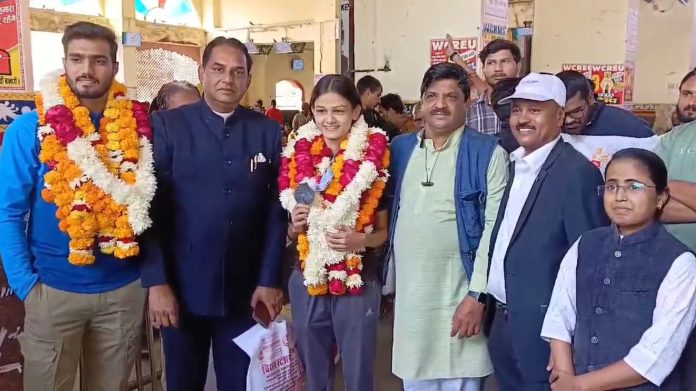
The Kota Railway Station witnessed a jubilant scene as city residents came together to honour Ayesha Khan, a local athlete who recently clinched a silver medal in the 200-meter race at the 39th National Junior Athletics Championship.

Adorned with flower garlands, Ayesha was welcomed like a star and paraded through the city in an open jeep from the railway station to the cantonment area.

The streets came alive as large crowds gathered along the procession route, which passed through Nayapura and Kotri before concluding at Ayesha’s home. The grand celebration symbolised the unity and pride of Kota’s people in nurturing and supporting exceptional talent.

The event drew dignitaries and prominent figures, including Farooq Rana, National Secretary of Pehal Foundation, former District Sports Officer Abdul Aziz, Councilor Salina Sherry, and social worker Wazid Mansuri, among others, underscoring the community’s commitment to fostering and celebrating athletic achievement.

Ayesha’s victory carries a story of resilience and determination. A resident of Chhawni, she fulfilled the dream of her late father, Abdul Rahim, by winning the silver medal. Her father, who ran a tire repair shop on the Kota-Baran highway, aspired to see his children excel as national-level athletes. Tragically, he passed away on November 27 in a tire burst accident while at work.

Amid this heart-breaking loss, Ayesha displayed remarkable strength, persevering in her training and competition with the unwavering support of her family and community.

In the wake of her father’s sudden death, Ayesha’s family faced emotional and financial hardships. However, the Kota community stepped in, offering both moral and financial assistance to help them navigate this challenging time.

Competing in both the 100-meter and 200-meter races, Ayesha secured the silver medal in the 200 meters. Her achievement not only honours her father’s memory but also inspires countless others by proving that courage and determination can overcome even the greatest challenges.

source: http://www.radiancenews.com / Radiance News / Home> News> Sports / by Raheem Khan, Radiance News Bureau (headline edited) / December 16th, 2024

Shekhawati University Honors Topper Nigar Chaudhary with Gold Medal at Convocation Ceremony

Sikar, RAJASTHAN :

Sikar :

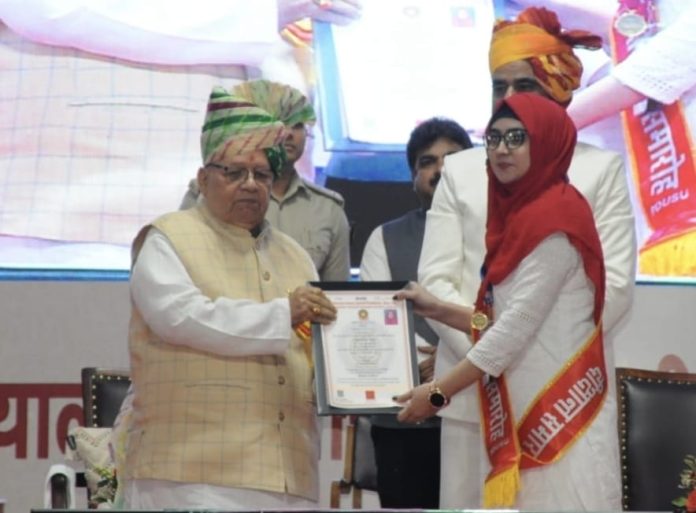
In a convocation ceremony held at Pandit Deendayal Upadhyaya Shekhawati University in Sikar, Rajasthan, Nigar Chaudhary, a student of Islamia PG College, was awarded gold medal by Governor Kalraj Mishra. Nigar Chaudhary achieved the top position in PG Home Science at Shekhawati University for the year 2022, marking a significant milestone in her academic journey.

Governor Kalraj Mishra, serving as the Chancellor of the university, awarded gold medals to a total of 72 outstanding students during the event. The convocation witnessed the conferral of degrees upon a vast number of graduates across various faculties, emphasizing the institution’s commitment to academic excellence and holistic education.

Among the dignitaries present were Haji Anwar Ahmed Qureshi, Chairman of Islamia Management Committee, and numerous well-wishers who congratulated Nigar Chaudhary, recognizing her dedication and academic prowess. The ceremony underscored the university’s role in nurturing talent and preparing students to contribute meaningfully to society and the nation at large.

The event also featured Governor’s address, highlighting the pivotal role of education in shaping a progressive society and urging students to pursue excellence with dedication and determination.

source: http://www.radiancenews.com / Radiance News / Home> Pride of the Nation> Awards / by Radiance News Bureau / July 07th, 2024

16 fractures, 8 surgeries, Poverty couldn’t stop Ummul Kher from cracking UPSC. Now She is a DC in IRS

Marwar, RAJASTHAN / NEW DELHI:

Delhi:

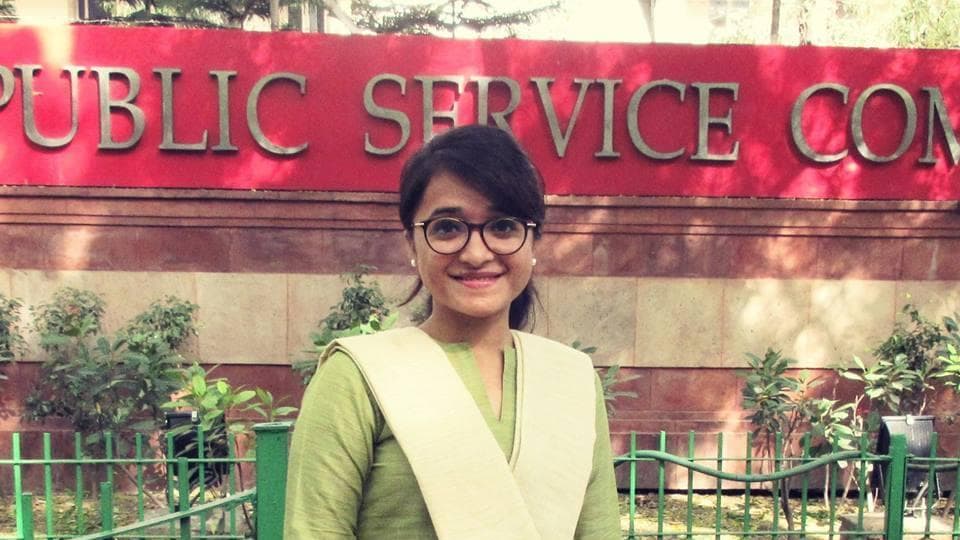
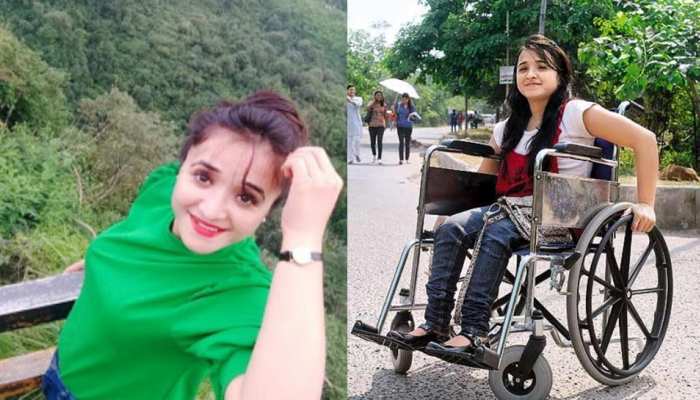
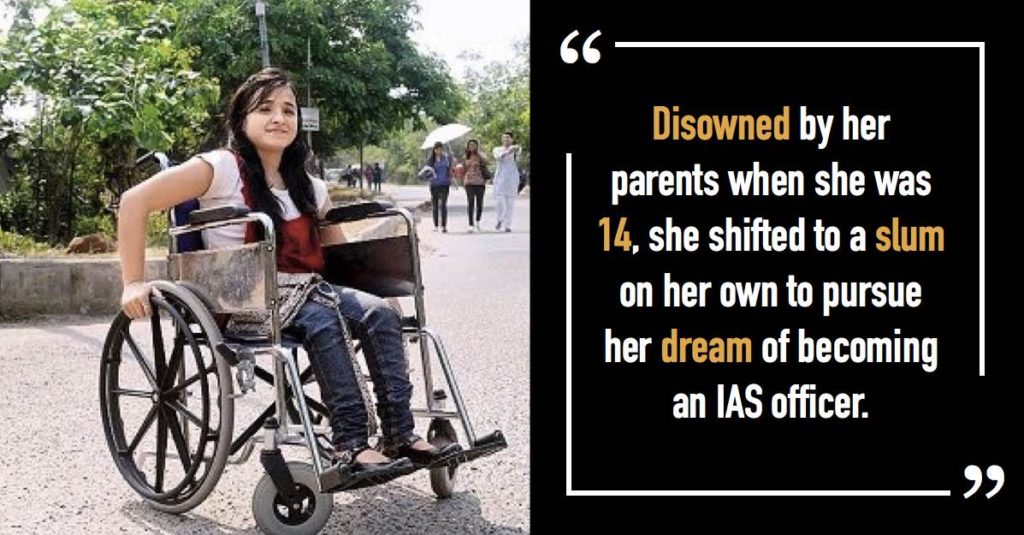
The inspiring story of Ummul Kher, a 28-year-old fragile girl who defeated all odds to achieve her dream. Ummul Kher was born in a Muslim conservative family that belonged to Marwar, Rajasthan. She faced several hardships to reach her goal. She fought a disease called Fragile Bone Disorder from childhood which caused her 16 fractures and underwent 8 surgeries. But that couldn’t break her determination of becoming an IAS officer.

Ummul was five when she migrated to Delhi with her parents and lived in the slums of Nizamuddin, Delhi. Her father was a street vendor. Their family was displaced when the slums of Nizamuddin were demolished and moved to the slums of Trilokpuri.

Ummul Kher went to Pt. Deendayal Upadhyay Institute for the Physically Handicapped for schooling till 5th Class and continued her education till 8th in a Government-run Charitable Organisation Trust, Amar Jyoti. Much to her dismay, her family forced her to discontinue her studies after 8th but Ummul decided to move out of her parent’s home and continue her education and started living alone in Jhuggi Jhopri(JJ) cluster, Trilokpuri. She started giving tuitions to slum children to support her living who paid her not much than rs 50-100.

Unfazed, She completed her graduation from Gargi College, Delhi, and got admission to JNU for Masters in International studies. She secured Junior Research Fellowship at JNU which helped her in getting a stipend of Rs 25,000 per month. To serve as an IAS was a dream of Ummul Kher that’s why despite pursuing a Ph.D. she appeared in the UPSC exam and cracked it in her first attempt and bagged All India rank 420.

She Got the posting in IRS Indian Revenue services, where she was posted as the DC, i.e Deputy Commissioner in Indian Revenue Service.

Highlights:

  1. UmmulKher lived alone after 8th std due to her family disowning her for education. During this time, it was Amar Jyoti Charitable Trust that financed her education and also funded her tuition for classes IX and X.
  2. In class XII, Kher achieved 91% and secured admission into a prestigious Delhi University college, Gargi College.
  3. She continued to take tuitions to fund her college education. She also got much-needed money by winning debate competitions in college. She graduated in Psychology (Hons).
  4. Tragedy struck in 2012 when a small accident confined her to a wheelchair for one year.
  5. After completing graduation, Ummul Kher cleared an entrance exam for a master’s in International Studies at JNU. This gave her sufficient money which meant that she no longer had to give tuition.
  6. In 2013, she secured a Junior Research Fellowship at JNU under which she started getting a stipend of Rs.25, 000 per month.
  7. Since September 2014, Ummul was working as a trainee at Duskin Leadership Training in Shunjuku, Japan.
  8. In 2016, She appeared for UPSC exam first time and cracked it with 420 AIR rank.
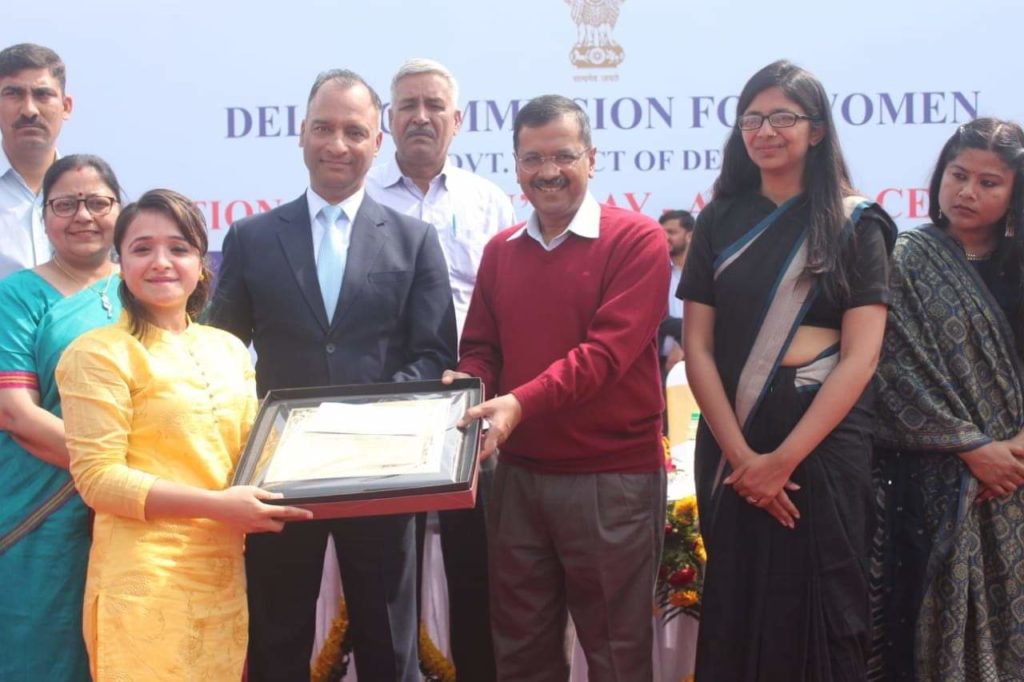
  9. In 2019 She was conferred with Delhi Women Commission’s DCWAward. The Award was handed over by Delhi CM Arvind Kejriwal.

source: http://www.deccandigest.com / Deccan Digest / Home> Featured Sliver, National / by Saba Khan / January 26th, 2022

Muslim woman principal in Jaipur scales new heights in educational excellence with innovations for students

Jaipur, RAJASTHAN:

Principal Sarwat Bano (first from Right)

Jaipur:

A Muslim woman Principal of Mahatma Gandhi Government English Medium School in Jaipur has scaled new heights in educational excellence with her innovations, which have led to the inclusion of her school in the Rajasthan government’s pilot project for complete digitalisation programme. The school headed by her is among the first 11 institutions in the state which have been digitalized for their operations.

The new English medium co-educational schools named after Mahatma Gandhi have been opened by the Rajasthan government in all districts of the state as part of an ambitious drive to give the students a level playing field to enable them to compete with the elite private schools. These flagship schools are an attraction for the public at large in view of low cost of education and an assurance for upward social mobility with the proficiency in English.

Sarwat Bano, serving as Principal of Mahatma Gandhi Government School, Adarsh Nagar, Jaipur, for the last four years, has taken steps to impart quality education to underprivileged children and empowered them with knowledge and skills. Under her leadership, the school has progressed so much that the number of applications received for admissions at the beginning of each academic session are many times more than the seats available.

Since the school functioning in the same building earlier was a girls’ Hindi medium institution, which was converted into the Mahatma Gandhi Government School in 2019, the English medium was introduced first for the class VI students. This first English medium batch of students appeared in the State Board of Secondary Education’s X class examination this year and came out with flying colours. The school’s result for the Board exam was an impressive 96.25% pass percentage.

Bano, 53, has played multiple roles while bringing laurels to her schools and guided her colleagues as a Master Facilitator at the State Resource Group in the Rajasthan Leadership Academy at Goner, Jaipur, functioning under the State Institute of Educational Management and Training (SIEMAT). Her efforts for improvement of academic standards and skill development of students have been widely acclaimed.

As part of the digitalisation of operations, Bano’s school is set to get a new and robust infrastructure, sponsored by an educational technology company with its corporate social responsibility (CSR) fund, for e-education, smart classes, virtual reality lessons, robotics lab and information communication technology lab. The similar digital education facility, approved by the Rajasthan School Education Council, is being provided to nine other schools in Jaipur district and one in Rajsamand district.

The State government’s Education Department has shifted teachers from the pool of its regular academic staff who were willing to join the Mahatma Gandhi Schools to create a separate cadre of English medium teachers. Private teachers have also been appointed as the guest faculty to overcome the shortage of teachers. The schools have been adding one class every year to accommodate the promoted students.

Bano’s salutary initiative to introduce an English language proficiency programme for underprivileged children of all communities through a unique microscholarship scheme during the COVID-19 pandemic, for which she invited the U.S. Embassy’s Bureau of Education and Cultural Affairs to her school, has won her all-round praise. The programme has met with encouraging results. Incidentally, Bano has an educational background of chemistry, as she completed her post-graduation and M.Phil. in that subject.

The English access microscholarship programme has sought to strengthen the foundation of language skills among the selected students and enable them to avail of educational and employment opportunities in future. The children selected for the initiative were in the age group of 13 to 16 years. They learnt the linguistic skills with distinction and were later felicitated at a “graduation ceremony”.

After being taught in an online mode for more than a year, the students joined the after-school physical classes and intensive sessions in March 2022. The programme, implemented through New Delhi-based Learning Links Foundation, adopted a communicative approach to teaching English, infusing a spirit of participatory learning among the children and helping them groom their personalities. The students also attended the regular school for VIII to X classes.

Bano said the students selected for the programme had excelled in extra-curricular activities, with an all-round development visible in their personality, and they were winning awards in various other competitions as well. “Our students have developed confidence to overcome the impediments and improved their writing and speaking skills as well as critical thinking. Such a project is the need of the hour because students of government schools, coming from poor background, face language barriers,” she said.

American Embassy’s Regional English Language Officer Ruth Goode, accompanied by specialist Rachna Sharma, visited the Mahatma Gandhi School before the launch of physical classes. Goode interacted with the students and obtained their feedback, while informing them of the scope for studying in the U.S. through the exchange programmes.

The students trained in the programme will later be selected for attending the South Asian meets, where they will be exposed to the educational atmosphere in India’s neighbouring countries. The global microscholarship programme is operative in as many as 90 countries, where an assistance is provided for development of curriculum, textbooks and English as a Foreign Language (EFL) teaching methodology.

The learning material provided to the students in Mahatma Gandhi School laid emphasis on content creation by writing unified paragraphs, developing vocabulary with the talks about hobbies, interests and people, using visuals to support comprehension, identifying sequence of events, asking questions and understanding the cause and effect of natural phenomena. The science of fun, wonders of the sea, long ago and today and “good idea” were some of the lessons taught to the selected students.

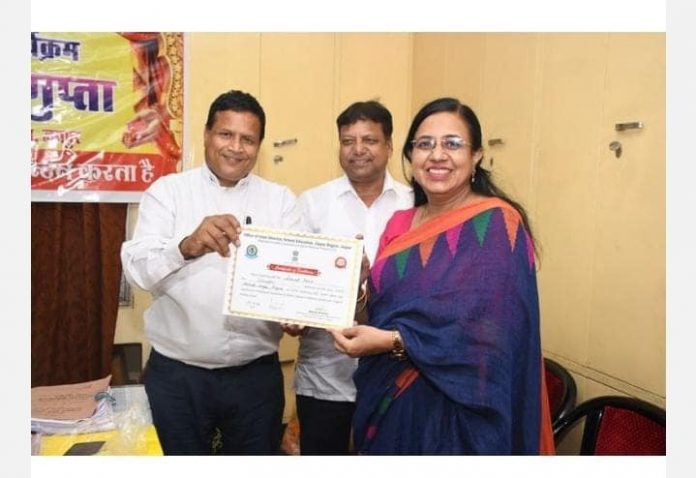
The State government has recently honoured Bano with a “certificate of excellence” in recognition of her leadership skills, tireless efforts and valuable role in building the foundation of children’s future in the school. The Joint Director, School Education, signed the certificate presented to the Principal on July 25. Muslim organisations of Jaipur, including the Association of Muslim Professionals, have also praised her educational innovations.

Bano told India Tomorrow that she was inspired by the Muslim woman from Tunisia, Fatima Al-Fihri, who had founded the world’s first university, the University of Al-Qarawiyyin, in Morocco more than 1,000 years ago. “If a Muslim woman in the 9th century could have the vision for promoting education in her community, nothing stops the women today from taking similar initiatives with the help of modern technology,” Bano said.

Bano shared an anecdote about a class IX girl student of her school, who was given the responsibilities held by the Principal for a day on International Women’s Day on March 8 as a fun activity. The student, Pragya Patel, played the role with perfection and said at the end of the day that she desired to become a Principal in future. “Her reaction made me think that if only one initiative can help a student in having a clear vision about her career, then we should continue to take such innovative steps in future as well,” she said.

source: http://www.indiatomorrow.net / India Tomorrow / Home> Education / by The Correspondent, IndiaTomorrow.net / September 19th, 2023