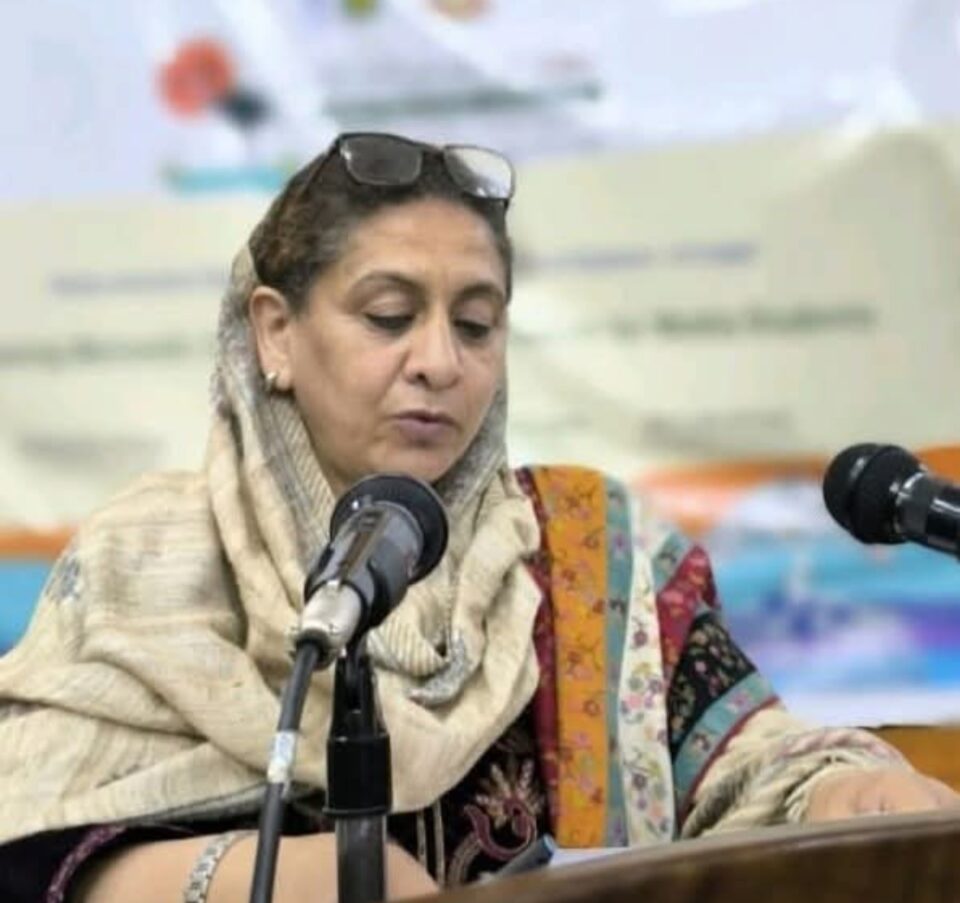
Prof. Sabeha Mufti assumes charge as the Dean, Faculty of Social Sciences, University of Kashmir. Currently serving as the Head of the Media Education Research Centre (MERC), Prof. Mufti brings with her rich academic experience, distinguished scholarship, and an extensive contribution to media studies and social science research.
Prof. Mufti holds a Ph.D. in Mass Communication & Journalism from the AJK Mass Communication Research Centre, Jamia Millia Islamia, and an M.Phil from University of Kashmir. Her academic work has largely focused on media research and media sociology, with significant contributions in areas such as media and representation of women, media and development in society, media audiences, and contemporary communication studies.
A distinguished scholar and academic, Prof. Mufti has published several research papers in reputed journals and has actively participated in numerous national and international conferences and seminars. Over the years, she has also guided and supervised a good number of M.Phil and Ph.D scholars, contributing immensely to research and academic mentorship in the field of media and social sciences.
The University fraternity extends heartfelt congratulations to Prof. Sabeha Mufti on assuming this important academic responsibility and wishes her continued success in strengthening teaching, research, and academic excellence in the Faculty of Social Sciences.
source: http://www.kashmirindepth.in / KINS Communication / Home> Breaking News> Kashmir / by Zainab Hamdani / May 23rd, 2026
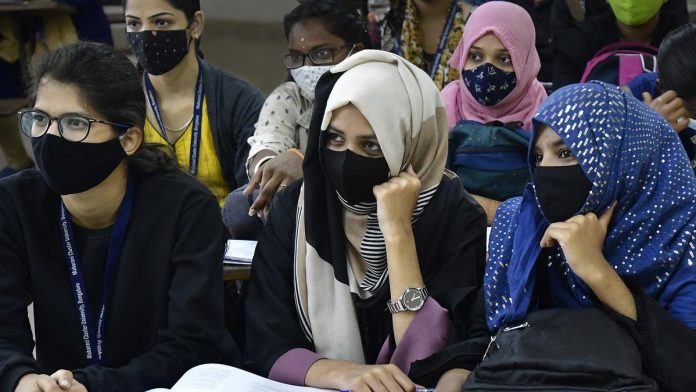
A quiet but significant academic shift is unfolding across India, as Muslim students register notable successes in some of the country’s most competitive examinations. From civil services and national-level entrance tests to state and central board results, the 2025-26 academic year has emerged as a milestone, reflecting both individual perseverance and gradual systemic improvements in access to education.
One of the clearest indicators of this progress is visible in the Union Public Service Commission (UPSC) Civil Services Examination 2025 results. A total of 53 Muslim candidates successfully cleared the exam, the highest number in nearly a decade. Out of 958 successful candidates, this represents approximately 5.5%, marking a steady increase compared to previous years. While still below the community’s population share of 14-15%, the rise signals a growing presence in India’s administrative framework.
Several candidates secured top ranks, underscoring the depth of talent emerging from the community. A.R. Rajah Mohaideen secured Rank 7, placing him among the top 10 achievers, while Ifra Shams Ansari (Rank 24), Nabiya Parvez (Rank 29), and Hassan Khan (Rank 95) featured within the top 100. These achievements highlight a shift in a field historically marked by underrepresentation, offering new role models for aspiring civil servants.
Parallel success stories have emerged in engineering entrance examinations. Majid Mujahid Hussain from Madhya Pradesh secured an exceptional All India Rank 3 in JEE Advanced 2025, one of the most challenging engineering entrance exams globally. His accomplishment stands out not only for its academic merit but also for challenging the perception that top ranks are reserved for students from elite urban coaching ecosystems. Majid’s journey, built on disciplined self-study and determination, reflects a broader democratisation of opportunity in competitive education.
In the medical field, Muslim students have also demonstrated competitive strength. Umaid Khan from Maharashtra secured All India Rank 21 in NEET-UG 2025, contributing to the state’s strong overall performance. While comprehensive nationwide data on religious representation in NEET remains limited, individual achievements such as these point to increasing participation in high-stakes medical admissions.
At the school level, Muslim students have consistently excelled in both central and state board examinations. The CBSE Class 10 and 12 results for 2025 recorded an overall pass percentage of 88.39%, within which minority students have shown increasing competitiveness. Across states such as Uttar Pradesh, Kerala, Telangana, and West Bengal, Muslim students have frequently appeared among district and state toppers, particularly in science and commerce streams.
Regional trends further underline the importance of educational ecosystems. Southern states like Kerala and Telangana, known for their robust literacy rates and institutional support, continue to produce high-performing Muslim students. In several districts, pass percentages among Muslim students have reportedly exceeded 85-90%, particularly where access to coaching and academic resources is more developed.
Among the standout individual stories this year is that of 15-year-old Syed Zaid Sadiq from Nashik, who topped JEE Main 2026 with an impressive percentile of 99.927. A Hafiz who has memorised the Qur’an, Zaid successfully balanced madrasa education with mainstream academic studies, scoring above 99% in both sessions of the examination. His achievement challenges common stereotypes surrounding religious education and highlights the potential for integrated learning approaches. He now aims to clear JEE Advanced and secure admission to an Indian Institute of Technology (IIT).
In Bihar, Sabreen Parveen emerged as a joint topper in the Class 10 board examinations, scoring 492 out of 500 (98.4%). A student from Vaishali district and the daughter of a tyre shop owner, Sabreen’s achievement exemplifies how determination and family support can overcome financial constraints. Aspiring to become a doctor, her success has inspired students in her community and beyond.
Equally inspiring is the story of Zainab Bilal from Srinagar, who scored 95% in her CBSE examinations despite being visually impaired. Relying on auditory learning, memory techniques, and assistive technology, she independently prepared for her exams. Her journey underscores the role of resilience and innovation in overcoming physical challenges, offering a powerful message about inclusivity in education.
From Jamia Millia Islamia schools, Md Fauzan topped JMI Class 10 2026 exams with 98.71%. Mohammad Ali and Mohammad Arham shared second place scoring 98.43%, from Syed Abid Hussain Senior Secondary School. Atiqua Zia and Ansari Zeenat Fatima secured third with 98.29%, representing Syed Abid Hussain Senior Secondary School and Jamia Girls Senior Secondary School.
Another noteworthy development is the increasing participation and success of Muslim women. In the UPSC 2025 results, 13 of the 53 successful Muslim candidates were women, indicating a positive shift toward gender inclusion. Notably, 38 students from Jamia Millia Islamia qualified UPSC this year thus setting example before all major universities. This trend also is mirrored in school-level examinations, where girls consistently outperform boys across communities. Initiatives encouraging girls’ education are also gaining momentum at the grassroots level.
In Rajasthan’s Sikar district, a unique initiative by philanthropist Adil Khan recognised the achievements of top-performing girls from government schools, irrespective of religion. Rewards included a car for one student and cash prizes of ₹1 lakh for others. The initiative not only celebrates academic excellence but also promotes awareness about the importance of girls’ education, particularly among underrepresented communities.
Experts attribute these encouraging trends to multiple factors. Increased awareness about the importance of education, greater parental support, and the expansion of coaching facilities into smaller towns have all contributed. Additionally, digital learning platforms and scholarship programs have made quality resources more accessible to students from economically weaker backgrounds.
Mentorship initiatives by non-governmental organisations and community groups have also played a critical role. By providing guidance for competitive exams such as UPSC, JEE, and NEET, these programmes have helped bridge long-standing gaps in access to information and preparation strategies.
However, challenges remain. Despite the visible progress, Muslim representation in elite institutions and services still lags behind proportional levels. Socio-economic barriers, disparities in school infrastructure, and limited awareness in certain regions continue to affect outcomes. Addressing these issues will require sustained policy efforts, community engagement, and investment in education at the grassroots level.
Educationists emphasise that the current momentum must be nurtured. “The improvement is real, but it needs continuity,” said one academic expert. “Access, affordability, and awareness are the three pillars that must be strengthened to ensure long-term change.”
The achievements of 2025-26 collectively tell a story of aspiration and gradual transformation. Whether it is a civil services aspirant securing a top rank, a student from a modest background topping a state board, or a visually impaired learner excelling against the odds, each success contributes to a larger narrative of empowerment.
As India continues to evolve as an educational hub, the rising performance of Muslim students reflects not only community progress but also the broader democratisation of opportunity. While the journey toward equitable representation is far from complete, the trajectory is unmistakably upward.
In classrooms, coaching centres, and homes across the country, a new generation of students is quietly rewriting expectations – one exam, one rank, and one success story at a time.
source: http://www.radiancenews.com / Radiance News / Home> Education> Focus / by Mohd Naushad Khan / May 08th, 2026
Katwa Town (Purba Bardhaman District) , WEST BENGAL :
Nilufa Yasmin
Kolkata :
Nilufa Yasmin has scored a perfect 100% in the University Grants Commission National Eligibility Test (UGC NET) held in June 2025. She has qualified for the Junior Research Fellowship (JRF) in Bengali.
The UGC NET is a national-level exam that determines eligibility for the award of the JRF, a scholarship awarded to postgraduate students to pursue research that leads to a PhD.
Her result is being celebrated as an achievement. It came after two previous unsuccessful attempts. She appeared for the exam along with more than 7,52,000 candidates. Her score of 100% has placed her right at the top.
Belonging to the state of West Bengal, she feels proud of her language and identity.
“I am proud to be a Bengali. I take even greater pride in my subject, which is Bengali language, and I am determined to hold onto it as I move forward in life,” she told TwoCircles.net, with a sense of pride.
Nilufa, 26, comes from Katwa town in Purba Bardhaman district of West Bengal. Her academic performance from school through college has been excellent.
Lauding her success, Chief Minister Mamata Banerjee wrote on X (formerly Twitter), “Congratulations to Nilufa Yasmin of Katwa in Purba Bardhaman for scoring 100 percentile and securing first position in India in UGC-NET June, 2025 in Bengali and to Rikta Chakraborty of Kolkata for securing second position in India in UGC-NET June, 2025 in Mass Communication and Journalism. Your achievements have made our State proud. Congratulations to your parents/ guardians and teachers too.”
Nilufa said this recognition from the chief minister is an honour and a reminder for her to strive even harder in the future.
She is currently pursuing her PhD on Sangeet O Sahityer Melbondhon from the Burdwan University. Her research explores the connection between music and literature.
She has an interest in music. She learnt Rabindra Sangeet during her school years and has taken part in many singing competitions. She has won prizes in various categories, including a gold medal in Rabindra Sangeet, Nazrul Geeti and classical ‘bhaktigeeti’.
“I am inspired by legendary singers like Mohammed Rafi and Lata Mangeshkar,” she says.
She is a singer herself and has hosted a musical show titled ‘Eto Sur Eto Gaan’ on Doordarshan. She shares her singing performances on her You Tube Channel.
Her ambition is to become a professor in Bengali literature.
An avid reader who is inspired by her favourite authors such as Sarathchandra Chattopadhyay, Rabindranath Tagore, Procheta Gupta, among others, she aspires to be a professor of Bengali language and literature.
She has written 16 stories on themes such as women, social issues and romance. She hopes to publish them one day. She also wants to write a book.
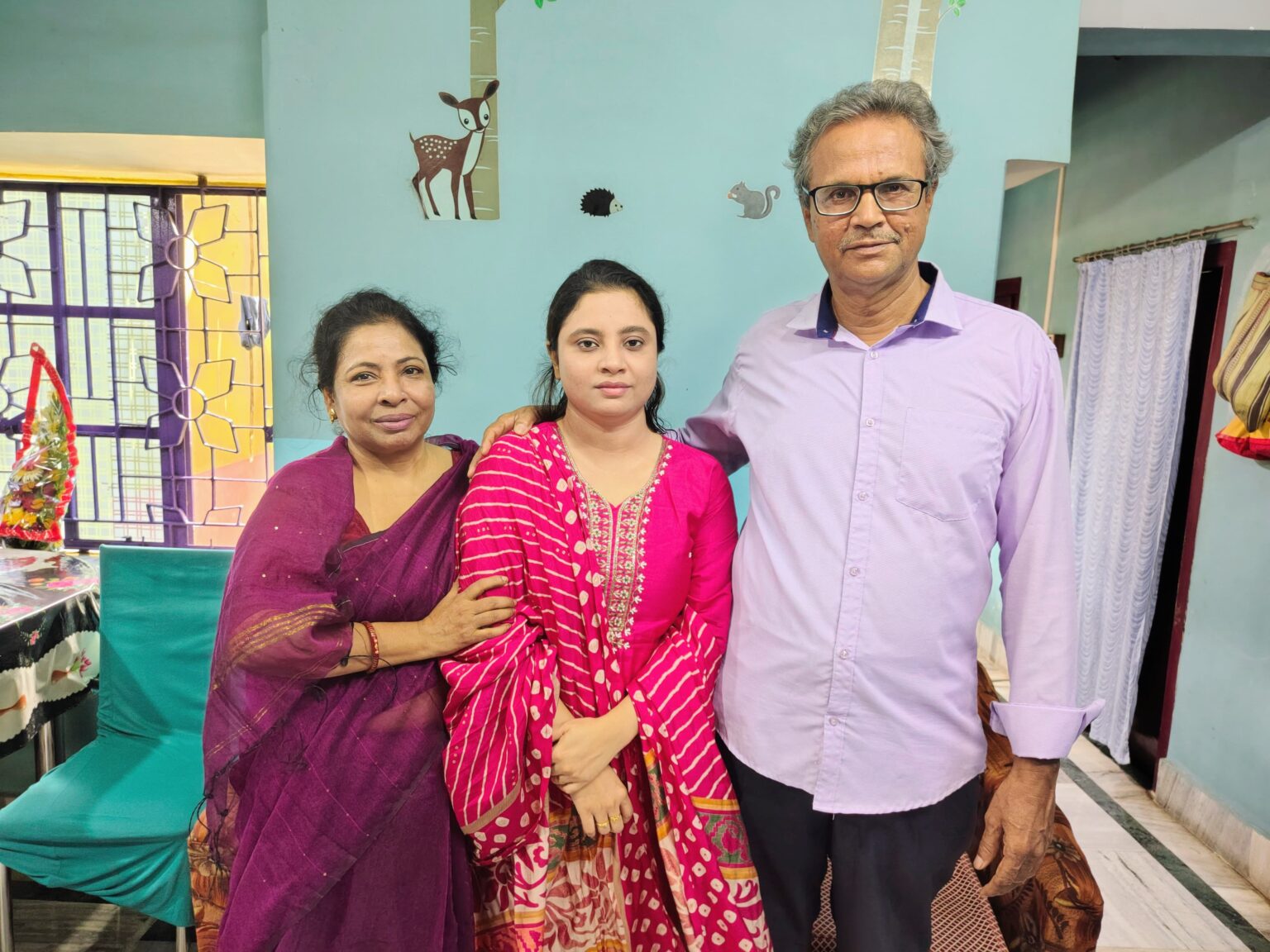
Nilufa Yasmin with her parents
Nilufa says she owes her success to her sister and her parents who are in the field of education. She has a message for aspiring young girls and women: “Stand on your own feet first as financial freedom is the greatest form of freedom. Education brings dignity and teaches us to respect others. It is more important to be truly educated than just formally literate.”
She believes that food and language should not be used to create barriers.
Speaking about the alleged harassment and targeting of Bengali-speaking Muslims in different parts of the country, she says, “I am heartbroken by these incidents. One’s language, food and attire are personal choices and fundamental rights. Even though our country is independent, our mindset is yet to attain that freedom. Had we been free in thoughts, then no one would attack another for their language. This causes pain.”
source: http://www.twocircles.net / TwoCircles.net / Home> India News> India Politics> Indian Muslim> Lead Story> TCN Positive / by Nikhat Fatima, TwoCircles.net / August 10th, 2025
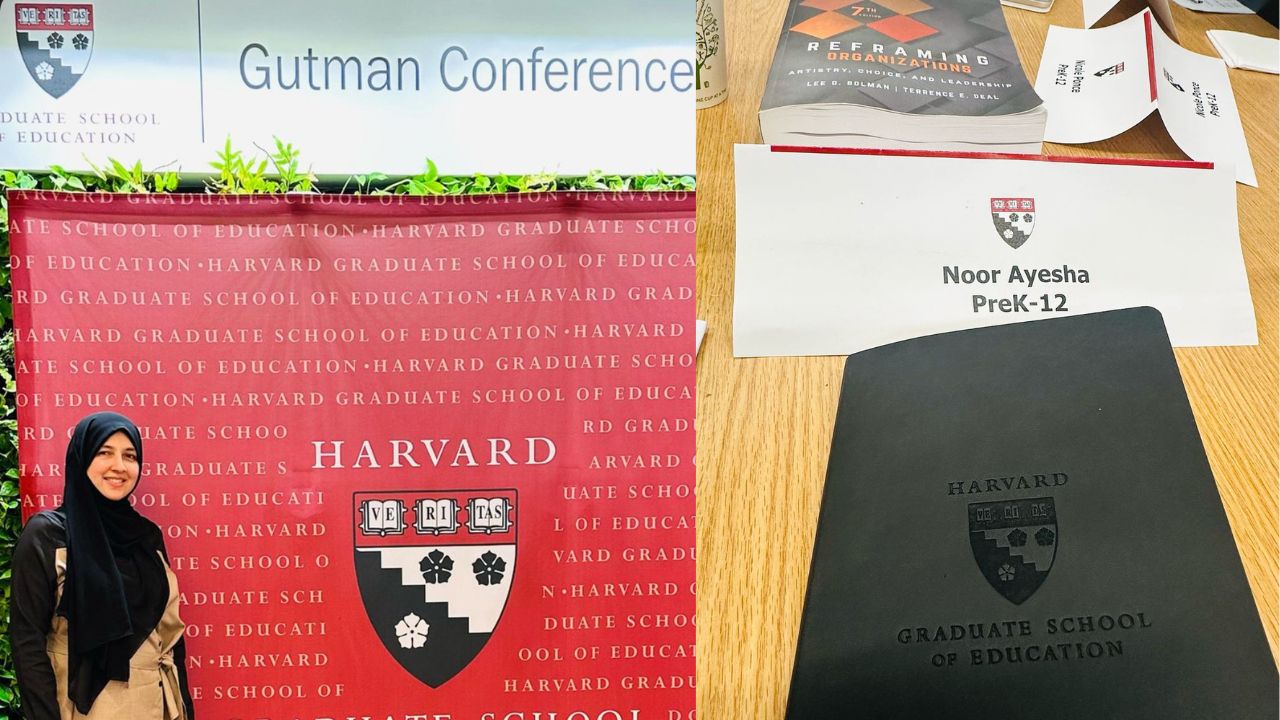
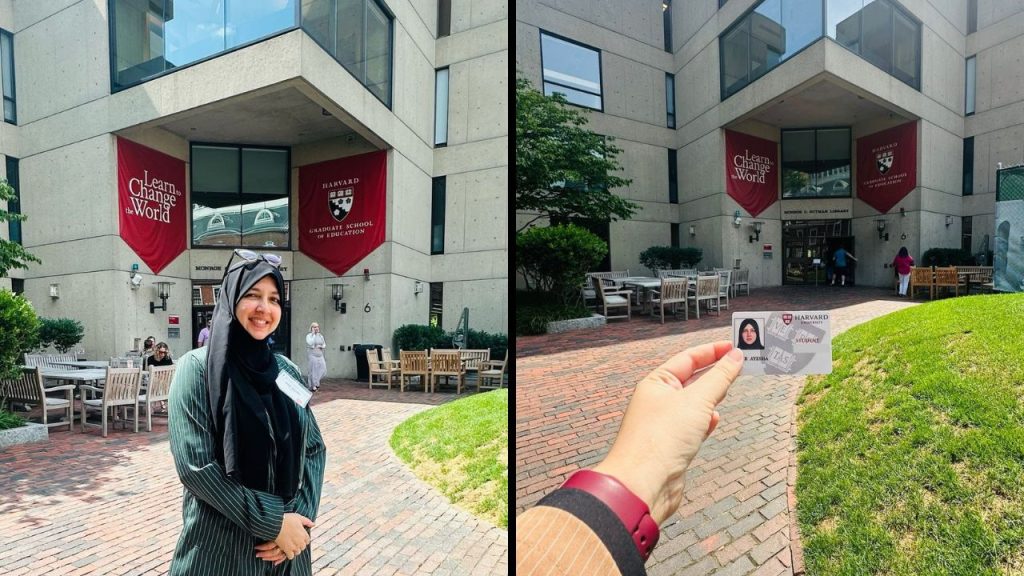
Bangalore’s own Noor Ayesha, an award-winning educator and visionary school leader, has been admitted to Harvard University for advanced postgraduate studies in Education Leadership. She joins the globally renowned Harvard Graduate School of Education to further her lifelong mission of transforming education through value-based learning and holistic child development.
Founder, Vice-Chairperson, and Managing Director of the Iqra Group of Schools in Bangalore, Karnataka, India, which includes Iqra International School, Iqra Juniors, and Iqra British Academy. For over a decade, her schools have redefined education by blending academic excellence with character formation, nurturing young minds to become not only successful learners but also compassionate, ethical citizens.
Her admission to Harvard marks a historic milestone, not just for her but for the entire region, as it highlights the global recognition of her impactful work in education. Noor’s leadership journey continues to inspire educators, parents, and youth, especially young women leaders striving to create change through education.
Quoting the famous line from the Spider-Man movie, Noor often reminds her team: “With great power comes great responsibility,” and she adds her powerful extension: “With great responsibility comes even greater accountability.” She believes educators carry the moral responsibility of shaping future generations and must be held accountable for the world they help create.
“As educators, we hold the power to shape the future,” says Noor. “My goal is to establish value-based schools across the world that nurture responsible, purpose-driven individuals who will lead with integrity and compassion.”
Her selection by Harvard is a proud moment for Bangalore, and a testament to the power of purpose-driven leadership in education.
source: http://www.thecognate.com / The Cognate / Home> Education / by The Cognate News Desk / August 11th, 2025
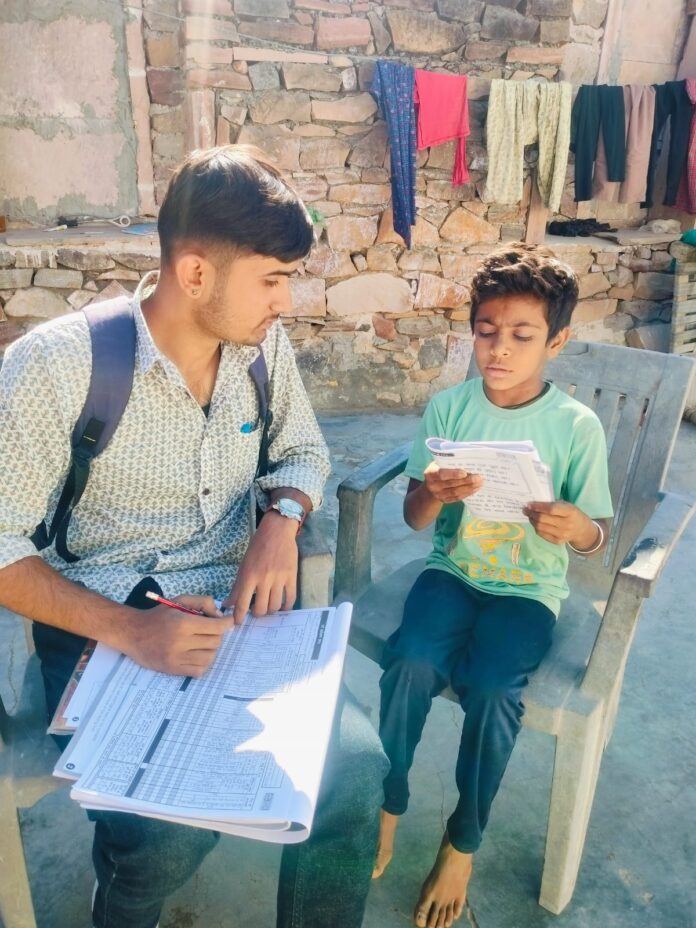
Maulana Azad University’s extensive survey of basic education and students’ enrolment in 30 villages of Jodhpur district as part of the Annual Status of Education Report (ASER)-2024 has found a notable increase in private school enrolment, and a sharp decline of children at age 3 who do not attend pre-school or early childhood education programmes.
However, the survey has found a continued challenge with learning outcomes, particularly in basic reading and arithmetic, meaning that while more children are going to school, many of them are still not learning at the expected level for their age and grade. The survey shows that children in primary classes often cannot solve basic arithmetic problems such as simple addition, subtraction, multiplication, or division.
Maulana Azad University, Jodhpur, is the first and the largest Muslim-run private higher educational institution in Rajasthan.
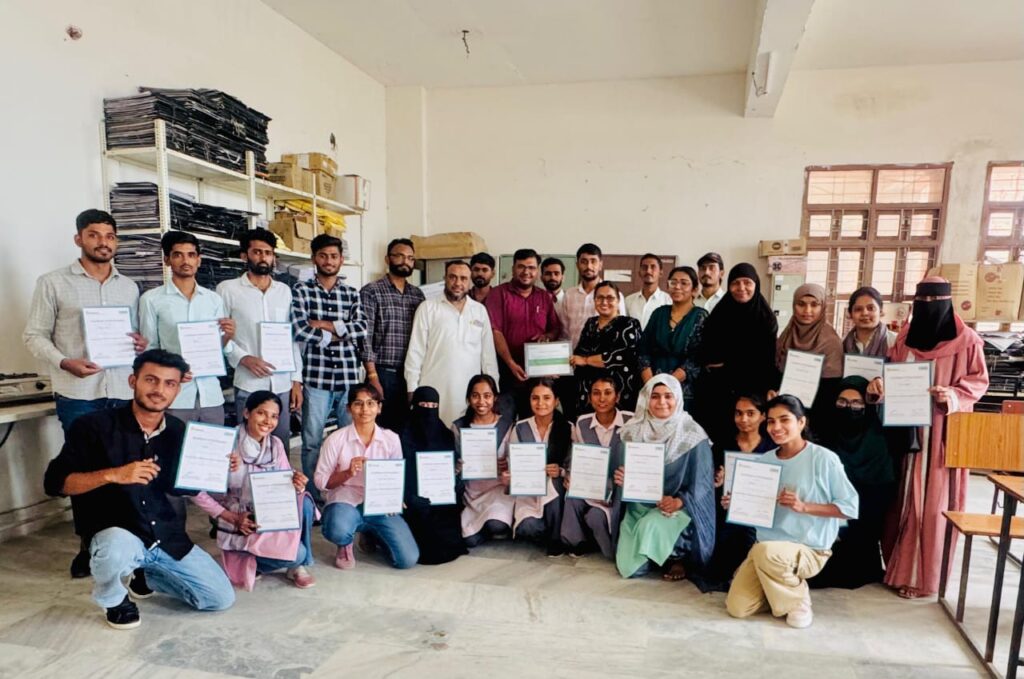
The survey was conducted by a total of 60 students of the university. The survey report was released by a non-governmental organisation, Pratham. The students who took part were drawn from the sixth semester and were felicitated at a function in the university here in the first week of July.
The Jodhpur-based university has already set up a Minorities Research Chair for conducting targeted studies and research on the issues, problems and challenges confronting the minority communities in Rajasthan, as part of its initiatives to generate new avenues. The research chair will make important recommendations after its studies.
Maulana Azad University was established by the Marwar Muslim Educational & Welfare Society (MMEWS) at Bujhawar village on the outskirts of Jodhpur in 2013. The institution of higher education is now imparting education to more than 15,000 students belonging to Muslim and other less privileged communities in multiple disciplines of study.
ASER Team Convener Raju Ram Bishnoi said the main points of conclusion of ASER-2024 were an increase in student and teacher attendance, use of smartphones among the youth, focus on pre-school enrolment, learning level challenges and gender gaps in enrolments for the subjects of science, technology, engineering and mathematics.
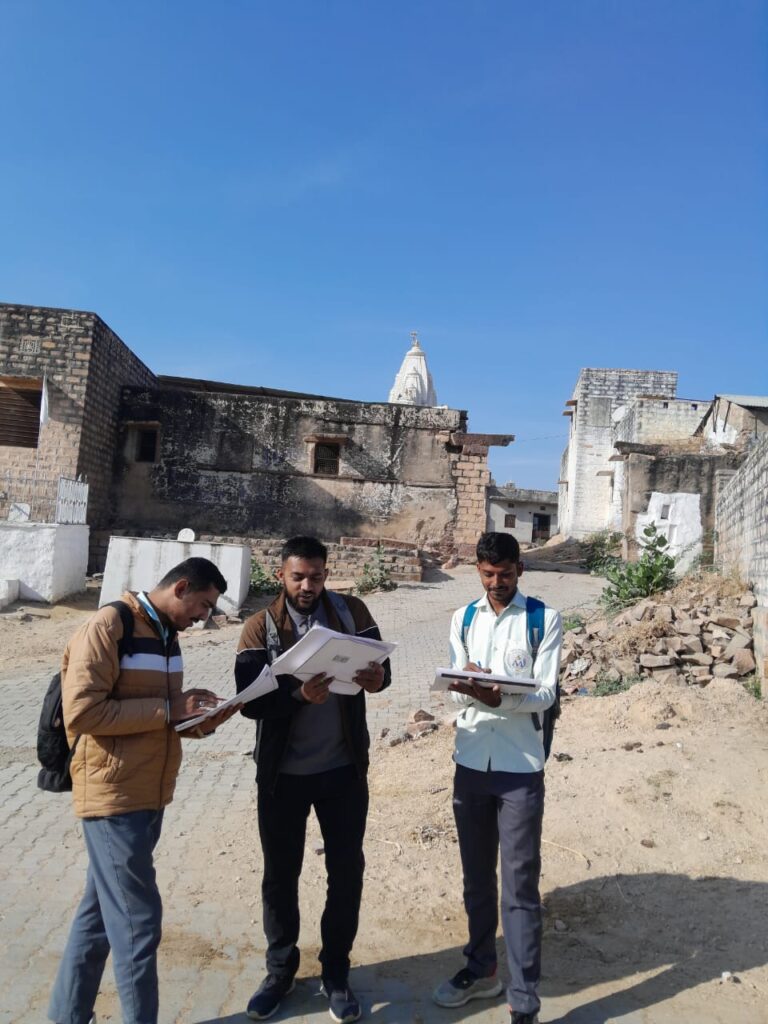
Bishnoi said the ASER-2024 survey in Jodhpur district assessed enrolment and basic reading and arithmetic abilities of children aged 3 to 16 years in the rural areas. The digital access and skills of children aged 14-16 years were also tested time, with smartphone-based tasks. At the national level, the survey was conducted in 17,997 villages in 605 districts and a total of 6.49 lakh children were reached.
The proportion of older children, in the age group of 15 to 16 years, not enrolled in school has been steadily declining in recent years. About 7% boys and girls of this age group are not enrolled in schools at present. Nationally, more than 90% of rural adolescents have access to a smartphone. About 70% of adolescents in this age group can perform basic digital tasks such as setting alarms, searching for information on the Internet, finding specific online content and sharing with others.
Dean of the university’s Education Department, Dr. Samina, said the ASER survey was switched in 2016 to an alternate year model, as part of which a “basic survey” is conducted every two years in the rural areas of all districts, with smaller surveys focusing on other age groups and regions in the intervening years.
The villages covered in the extensive survey were situated in Bawari, Bhopalgarh, Bilara, Mandor, Luni, Osian, Bap, Phalodi, Balesar and Shergarh blocks of Jodhpur district.
Misbah Noor, a III year student of B.Sc., B.Ed. (combined) at Maulana Azad University, told India Tomorrow that she spent two days at Uchiyarda village in Mandor block to study the educational scenario. Misbah was given a certificate of participation for the survey report submitted by her.
Another student, Afzal Khan, said he went to Bilara block’s Pichiyak village for the survey, in which he recorded the efficiency levels of young children after interacting with them. Afzal is studying for B.Ed. (Urdu) in the university. The surveyors selected 20 houses in each village and tested the basic reading and arithmetic abilities of children aged between 5 and 16 years, besides testing digital literacy skills of adolescents between 14 and 16 years.
Mauala Azad University’s Chairperson and noted educationist Mohammed Atique said the university was willing to work with the government agencies and non-government organisations for works at the grassroots level for the benefit of future generations. Atique said all kinds of support, including financial, would be extended for such works.
University’s officiating Registrar Mohammed Amin, who has earlier worked with several international NGOs, said the ASER surveys had helped out the government, which had incorporated their recommendations in its educational programmes. “I have had the experience of working with ASER since 2010. Our university has made a significant contribution to the exercise with the active participation of students,” he said.
The MMEWS, established in 1929 during the pre-Independence era, runs as many as 330 educational, health and social institutions. Atique, 77, has been instrumental in easing the lives of more than 45,000 youths through these institutions working in varied fields of education, health care, community development, rural development, waste-to-wealth initiatives and skill development programmes during the last four decades.
The then ruler of Jodhpur princely state, Maharaja Umaid Singh, was the patron of MMEWS and had gifted a school named ‘Durbar Muslim School’ to the Society in 1936. The Rajasthan government allotted five acres of land to the MMEWS in 1978, on which the Maulana Abul Kalam Azad Muslim Senior Secondary School was constructed.
Since then, the MMEWS has established several institutions, including the Industrial Training Institute, Nursing College, Pharmacy College, B.Ed. College, Mai Khadija Hospital, Rahmatul-Lil-Alameen Blood Bank, Marwar Adarsh Gaushala and Bujhawar Veterinary Hospital. The MMEWS established the university in 2013 with the intention of providing higher education to the most deprived and marginalised sections of society.
The first president (Vice-Chancellor) of Maulana Azad University was the noted Islamic scholar from New Delhi, Akhtarul Wasey. The current president, Jameel Kazmi, hailing from Jaipur, has taken steps for interdisciplinary studies while maintaining the indigenous ethos and the spirit of plurality in the university’s functioning.
About 50,000 students have so far passed out from the MMEWS group of institutions and become doctors, engineers and business people and entered other professions as well. Some of them have also established nursing homes and clinics in remote rural areas, which are often ignored in the government’s development plans. Maulana Azad University has set the motto, “Gain Knowledge and Serve Mankind”, for itself.
source: http://www.indiatomorrow.net / India Tomorrow.net / Home> Education / by India Tomorrow Correspondent / July 13th, 2025
Sadaravan Village (Sitapur District), UTTAR PRADESH :
Girls outperform boys in Jamia Millia Islamia’s internal examinations, and Umaima’s performance has emerged as a shining example
New Delhi :
Reflecting dedication and discipline, Umaima Bano, a student from a small village in Sitapur, Uttar Pradesh, has made her mark in the results declared by Jamia Millia Islamia. Scoring 96.4 per cent in the Class 10 board examinations, Umaima becomes one of the top 10 rank holders this year.
The Class 12 and 10 results were released on 14 and 15 May, respectively. This year, girls have notably outperformed boys in Jamia’s internal examinations, and Umaima’s performance has emerged as a shining example.
Umaima hails from Sadaravan, a remote village in Sitapur district. Her father, Kamal Ahmed, is the principal of a private intercollege, and her achievement has brought pride not only to her family but also to her entire village.
Despite her modest background, Umaima demonstrated excellence across all subjects. According to the official marksheet, she scored 97% in Hindi, 98% in English, 99% in Mathematics, 93% in Science, 95% in Social Science, 96% in Urdu, and 95% in Islamiyat.
Her performance reflects a well-rounded grasp of both academic and language-based subjects. Speaking to local media, her father expressed pride in her efforts:
“Umaima has always been a disciplined and hardworking child. We had faith in her, but her achievement has exceeded our expectations,” Kamal Ahmed said.
Umaima’s academic journey has been marked by determination. She completed her primary education from New Vision Public Inter College in Muhammadabad, Uttar Pradesh. She then appeared for Jamia Millia Islamia’s national-level entrance test, securing an impressive 45th rank.
This feat earned her a place in the prestigious university, where she now lives in a student hostel to pursue her studies with greater focus.
“I want to become an IAS officer and serve my country,” Umaima shared when asked about her future goals. “My parents’ sacrifices inspire me every day to work harder.”
The news of Umaima’s success spread quickly across her village, where neighbours and well-wishers gathered to congratulate the family. Local teachers and community leaders praised her for being a role model for rural students.
“Umaima’s success has shown that even students from small villages can reach great heights with sincerity and support,” said Feroz Khan, a teacher from her former school.
Jamia officials also acknowledged the importance of recognising merit from all backgrounds.
“At Jamia Millia Islamia, we are committed to nurturing talent from every corner of the country. Umaima’s story is a testament to the power of equal opportunity and hard work,” said an official from the university’s examination board.
This year’s results have also highlighted the consistent rise of girl students at Jamia. University records indicate that in both Class 10 and 12 results, girls have performed better than boys in average marks and top positions.
With her academic brilliance and strong moral foundation, Umaima Bano has not only brought laurels to her family and community but has also become a symbol of hope and empowerment for girls in rural India.
As celebrations continue in Sitapur, many hope that Umaima’s journey will inspire others to dream big, work hard, and break through social and geographic barriers.
source: http://www.clarionindia.com / Clarion India / Home> Editor’s Pick> Indian Muslims / by Mohammad Bin Ismail / May 18th, 2025
Shezah Fatima, Sumbul Khan, Tarannum Rangrez and Mohammed Ashhad are four Muslims who have figured in the MPBSE Madhya Pradesh 10th List of Top 10 for the year 2025 released along with the result Tuesday.
[Representative image by Grok 3]
MP Class 10 Result 2025:
Madhya Pradesh SSC 2025 Toppers List: Shezah Fatima, Sumbul Khan, Tarannum Rangrez and Mohammed Ashhad are four Muslims who have figured in the MPBSE Madhya Pradesh 10th List of Top 10 for the year 2025 released along with the result Tuesday.
Shezah Fatima from Jabalpur bagged a total of 498/500 marks and secured the 3rd rank in Madhya Pradesh.
On the other hand, Sumbul Khan of Sagar district and Tarannum Rangrez of Damoh district bagged a total of 496/500 and secured the 5th rank in the MPBSE 10th Toppers List 2025.
Also in the Madhya Pradesh SSC Merit List 2025 is Mohammed Ashhad. Ashhad bagged 495 out of the total 500 marks and stood 6th in whole of Madhya Pradesh.
The state topper in the MPBSE SSC 2025 board exam is Pragya Jaiswal of Singrauli district. She has scored 500 out of 500 marks i.e. 100% marks to secure the top rank in the MP Class 10 board exams 2025 held from February 27 to March 19, 2025.
MPBSE 10th Toppers 2025
The top three students in the Madhya Pradesh board SSC Merit List 2025 are:
Rank 1: Pragya Jaiswal from Singrauli (500 marks)
Rank 2: Ayush Dwivedi from Rewa (499 marks)
Rank 3: Shezah Fatima from Jabalpur (498 marks)
Girls have preformed excellently well across the board.
According to the 10th result announced today, a total of 212 students have featured in the Madhya Pradesh SSC Merit List 2025. Notably, 144 of them are girls.
MP 10th Result 2025 – Top 10 Districts
Narsinghpur district has topped in terms of pass percentage in both MP 10th exam, followed by Mandla district. The list of top 10 districts are:
Narsingpur 92.73% of regular students pass
Mandla 89.83%
Balaghat 88.07%
Anooppur 87.66%
Neemuch 87.29%
Shajapur 86.22%
Sehore 85.54%
Hoshangabad 84.08%
Dewas 84.05%
Jhabua 83.88%
MPBSE 10th 2025: Division wise Result
Over 4 lakh students have passed MP 10th SSC 2025 exam with 1st division.
First division: 4,290,42 students
Second division: 1,821,72
Third division: 2,200
Pass division: 0
Details of Regular Students
Registered: 8,100,19
Absent: 5,087
Appeared: 8,049,32
Cancelled: 125
Withheld: 39
Result declared for: 8,047,68
Pass: 6,134,14
Failed: 1,91,354
Pass percentage: 76.22 per cent
The state has registered an overall pass percentage of 76.22%. It is the best result in the past 15 years, the MP board said.
Steps to Check MP board Class 10 HSC Result 2025
Click here to go official MPBSE official website: “mpresults.nic.in“.
Click on “HSC (Class 10th) Exam Result 2025”.
Enter roll number and name.
Click on “Submit”.
The results will be displayed on the screen.
Save the results and take a print out for further reference.
The students can check their MPBSE Class 10 or HSC results 2025 along with Class 12th HSSC Vocational Exam 2025 on the official website www.mpresults.nic.in, mpbse.mponline.gov.in, mpbse.nic.in, ExamResults.net, MPEducation.net indiaresults.com results.mpeducation.net, knowyourresult.com.
MP Board Previous Year Toppers
In 2024, the MP board Class 10 exam, the state had registered an overall pass percentage of 58.10%.
In 2023, the MP Board Class 12 Exams were held from March 2 to April 01, 2023, at various test centers across the state.
A total of 7,29,426 students had registered for the Class 12 MP Board exams. Out of them 7,27,044 appeared in the exam and 4,01,366 (55.20%) were declared passed. The pass percentage of boys in 2023 was 51.91% and that of the girls stood at 58.69%.
Narayan Sharma (488 marks), Gaurav Mourya (486 marks), Ritin Lodhi (486 marks) and Prachi Patel (485 marks) were toppers in Science stream.
On the other hand, the MP Board Class 10 Exams last year were held from March 1 to March 27, 2023, at various test centers across the state.
A total of 8,20,014 students had registered for the Class 10 MP Board exams. Out of them 8,15,364 appeared in the exam and 5,15,955 (63.29%) were declared passed. The pass percentage of boys in 2023 was 60.26% and that of the girls stood at 66.47%.
source: http://www.ummid.com / Ummid.com / Home> Education & Career / by ummid.com news network / May 06th, 2025
Dr. Syed Ahmed Khan, National President of Urdu Development Organisation, felicitating Shariya Fatima Sherwani on securing 100% marks in Urdu in the CBSE Class 10 exams
New Delhi:
Dr. Syed Ahmed Khan, National President of Urdu Development Organisation (UDO), personally visited the home of Shariya Fatima Sherwani, daughter of renowned journalist Sadiq Sherwani, to congratulate her and encourage her on achieving exceptional results in the CBSE Class 10 exams.
It is noteworthy that Shariya Fatima Sherwani secured 100% marks in Urdu, not only setting a new record but also serving as a strong rebuttal to those who hold negative views about the Urdu language.
Similarly, Omar Habib, son of Dr. Habibullah – CMO Unani at the Department of AYUSH, Government of Delhi, posted in Tihar Jail – achieved a remarkable 96% score.
In addition, Samiq Raza, son of senior journalist Syed Izharul Hasan, scored 88.4% in Class 12 at Delhi Air Force School.
The Urdu Development Organisation expressed happiness over the achievements of these students, extended its congratulations, and announced its decision to further encourage more successful and talented students from the community on World Urdu Day, on November 9.
source: http://www.radiancenews.com / Radiance News / Home> Latest News> Markers of Excellence / by Radiance News Bureau / May 15th, 2025
Taldi Village (South 24 Parganas District), WEST BENGAL :
Photo Credit: enewsroom
Kolkata:
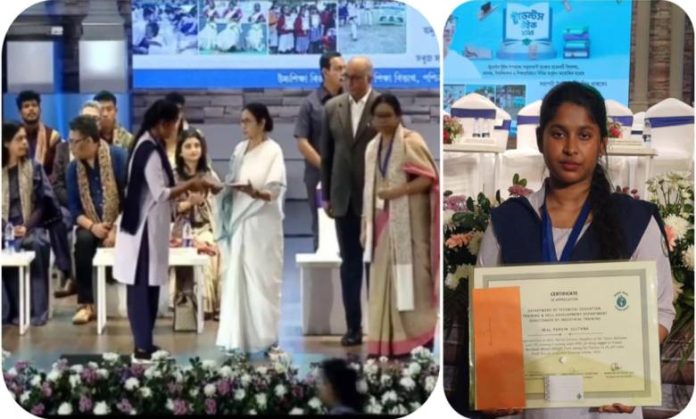
Parvin Sultana, a young woman from West Bengal, has secured the top position in the All India Industrial Training Institute (ITI) examination 2024 in the Mechanic Diesel Trade, scoring an impressive 599 out of 600 marks.
Despite financial struggles, she achieved this remarkable feat without private coaching. Recognizing her exceptional performance, Chief Minister Mamata Banerjee felicitated her, and she also received official recognition from Delhi.
Hailing from Taldi village in South 24 Parganas district, Parvin ranked first among female candidates nationwide. However, her academic success contrasts with her family’s financial difficulties. Her father, Taziur Rahman Sardar, works as a daily wage laborer in a fish market, striving to support their seven-member household.
Parvin’s educational journey has been one of determination. She completed her schooling at Taldi Surabala Sikshayatan for Girls’ School, securing 42% in her Madhyamik exams in 2017 and 76% in her Higher Secondary exams in 2019. In 2023, she earned a Political Science degree with 66% marks.
Despite financial hardships, Parvin remained focused on her studies, preparing for the ITI exam with the guidance of her college teachers instead of opting for private tutoring. “I couldn’t afford a tutor, but my teachers supported me. I want to prove that girls can excel in every field,” she said.
Lokman Mollah, a social worker in Canning, praised her perseverance, stating, “Many talented students in the Sundarbans go unnoticed due to financial constraints. Parvin’s success is proof that determination can overcome any obstacle.”
Parvin was honored at a public reception in Canning, organized by the Trinamool Congress (TMC) and led by MLA Paresh Ram Das. Canning Panchayat Samiti President Uttam Das also recognized her achievements, while her mother, Rijia Bibi, voiced concerns about financial constraints. “She wants to study further, but we lack the resources,” she said.
Assuring assistance, MLA Paresh Ram Das stated, “Just as Chief Minister Mamata Banerjee supports meritorious students, we, too, stand by them.”
While excelling in the ITI exam, Parvin’s ultimate goal is to serve society through the civil services. Inspired by her recent success, she has decided to prepare for competitive exams. “Initially, I wasn’t sure what to study for a secure job, but after my ITI results, many suggested civil services. Now, I am enrolling in a coaching center in Kolkata to prepare,” she said.
Parvin’s journey from a small village to national recognition serves as an inspiration, proving that resilience and hard work can overcome financial hardships.
source: http://www.radiancenews.com / Radiance News / Home> Pride of the Nation> Markers of Excellence / by Radiance News Bureau / February 13th, 2025
Simrah Mir, a Kashmiri student, beat the odds to score 99.39 percentile in JEE Mains, inspiring countless students.
Simrah Mir, a JEE topper from Kashmir. | Photo by Special Arrangement
She comes from a region where resilience is a way of life. When Simrah spoke over the phone, her voice exuded conviction which only comes with a sense of achievement.
“At one point, I felt like giving up,” she began. Yet even her recall of desperation was in an unwavering tone.
Hailing from Kashmir’s Pulwama, a town often making the headlines for more negative than positive news, Simrah Mir has given a reason for the region to shine bright. Defying all odds stacked up against her, this young woman has brought immense joy and pride to the valley by scoring 99.39 percentile in the recently concluded JEE Mains this year.
Simrah’s is not just a personal victory but may well be an inspiration for countless students across Kashmir. Simrah, a student of a local government school, attended RISE coaching classes in Srinagar for JEE.
RISE is a coaching institute in Srinagar started by three former IITians: Salman Shahid and Imbesat Ahmad, both alumni of IIT Kharagpur, and Mubeen Masudi of IIT Bombay. Mubeen is a Kashmiri, says Mr. Shahid. “We started our institute in 2015 since we wanted to do something for Kashmir. When we started out, only a handful enrolled in our classes. Today, every year, some three to four students from our institute go to IIT and 70 to 80 students go to NIT. Twenty percent of these students are girls,” says Mr Shahid.
In an interview with The Hindu, Simrah spoke about her challenges, triumphs, and her fresh optimism for the road ahead.
She says: “At times, there were internet shutdowns, and many times it was a fearful environment at my hometown. My parents sheltered me from everything, even from what happening around our near vicinity. Then I moved to Srinagar. It was difficult to travel up and down daily from Pulwama every day for the coaching classes. It’s a long distance.”
Unlike many students who set their sights on JEE early on, Simrah’s decision to pursue engineering evolved over time. “It was a big step. Initially, I didn’t know much about JEE. I joined the RISE Institute, and there I got to know about the exam and started looking at engineering as a career. Later, I faced difficulties in my preparation. I felt like giving up, but my parents constantly supported and motivated me,” she continued.
What kept you motivated? What were the reactions of your parents, friends, and teachers to your preparations?
Initially, when I was searching for an interest, my parents and relatives were pushing me towards medicine. I didn’t like Biology and I’m not interested in Medicine. From an early age, I was interested in Physics and Mathematics; I wanted to know about the subjects. I studied by myself. I used to read books other than my textbooks. Physics and Maths interested me.
Later on, I decided that it is a stream for me. I decided I had to take Mathematics and Physics as a career.
Any obstacles or resistance you came across while preparing for JEE? Did you ever think about what would happen if you didn’t get selected?
There were definitely moments of doubt. And I used to have them often. As I said, I felt like giving up. JEE is a tough exam. I did think about what would happen if I didn’t get selected. But every time I felt low, my parents supported me. That helped me stay focused and push through the tough times.
I recently spoke to some people in Assam and learned that language, infrastructure, and cultural barriers can be obstacles in education. Did you face any challenges like that?
Shifting to Srinagar was a big deal for me. I’m from Pulwama, and it was getting difficult. There were no coaching classes specifically for JEE preparations
I did think of going to Delhi or another State initially because there are good institutes there. But then I realised it might not be beneficial for me. I have never lived alone, and I felt like I should be close to my parents.
In Kashmir, students usually prefer medicine and becoming doctors, especially girls. It’s rare for a girl to take engineering as a career.
Did your school play any role in your success? Did they provide career counselling or extra classes for JEE aspirants?
There was enough career counselling but no extra classes specifically for JEE aspirants. Most students in my school focused on board exams.
Nobody actually introduced the subject to me. I was inquisitive. There were some other students too who were genuinely interested to study and were inquisitive like me.
Which branch of engineering attracts you the most? And why? And have you thought about any specific college you would like to join?
I have not thought about it. Of course, I want to go to the best college. I want to go to IIT.
Personally, I want to take Computer Science Engineering, but I don’t know exactly what will happen in the future. I haven’t researched much yet. It also depends on my rank and how I perform in the JEE Advanced exam.
What do you wish to become eventually?
As of now, my goal is to pursue Computer Science Engineering. I would see where my passion takes me eventually.
What advice and tips you would want to give to JEE aspirants from your region?
In Kashmir, many students, especially girls, hesitate to choose engineering because it’s not the common path. But if you genuinely enjoy Mathematics and Physics, you should give it a chance. It’s important to be practical.
JEE is tough, and there will be challenges. But if you take it step by step and stay disciplined, you can do it.
source: http://www.thehindu.com / The Hindu / Home> Education / by Mantasha Ahmed / February 15th, 2025




 What kept you motivated? What were the reactions of your parents, friends, and teachers to your preparations?
 Initially, when I was searching for an interest, my parents and relatives were pushing me towards medicine. I didn’t like Biology and I’m not interested in Medicine. From an early age, I was interested in Physics and Mathematics; I wanted to know about the subjects. I studied by myself. I used to read books other than my textbooks. Physics and Maths interested me.