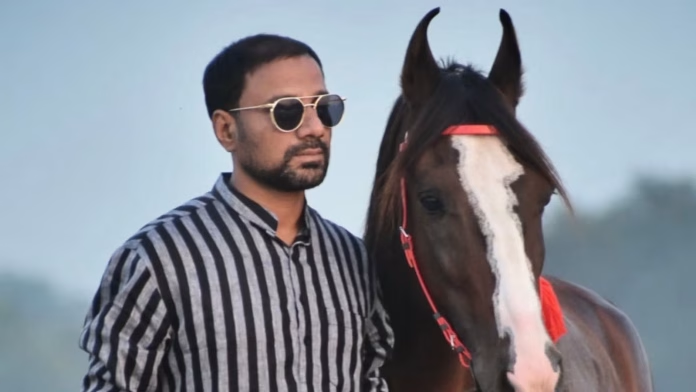
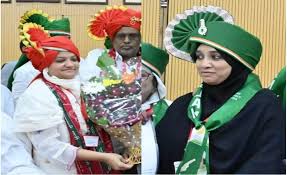
Parbhani has elected its first Muslim mayor from the Shiv Sena since the party’s formation in the 1960s. Shiv Sena UBT leader Syed Iqbal Syed Khwaja won the mayoral post in the 65 member Parbhani Municipal Corporation. He secured 39 votes, defeating BJP candidate Tirumala Khilare, who received 26. The majority mark stood at 33.
This marks the only municipal corporation where the Uddhav Thackeray led Shiv Sena faction has formed a civic government. The party won 25 seats, emerging as the single largest group. Congress and BJP secured 12 seats each, while the Ajit Pawar led NCP won 11. Together, Shiv Sena UBT and Congress held 37 members in the House.
Parbhani holds political history linked to religious division. In the 1990 Assembly election, the slogan Khan viruddh Ban framed the contest along religious lines. The Shiv Sena then consolidated its base in the region.
Today, the political equation has shifted. Around 42 percent of Parbhani’s population is Muslim. In the recent civic polls, 13 of the 25 elected Shiv Sena UBT corporators were Muslims, including Syed Iqbal.
A first time corporator, Syed Iqbal is a local activist. His brother, Syed Abdul Khadar, has influence in Muslim localities and maintains close ties with party MP Sanjay Jadhav.
After his win, Syed said he would focus on development and serve all communities. BJP leaders criticised the decision, while Congress stated it backed the candidate to keep the BJP out of power and honour alliance commitments.
source: http://www.radiancenews.com / Radiance News / Home> Latest News> Report / by Radiance News Bureau / February 13th, 2026
The Malegaon Secular Front of ISLAM Party and the Samajwadi Party, secured the mayor and deputy mayor posts in the civic body, while AIMIM and BJP stayed away from voting
Malegaon :
Malegaon in Maharashtra has entered a new phase in local politics after the mayor and deputy mayor elections brought a clear win for the ISLAM Party–Samajwadi Party alliance, known as the Malegaon Secular Front. Sheikh Nasreen Khalid was elected mayor, while Shan-e-Hind Nihal Ahmed was chosen as deputy mayor on Saturday.
The election took place in the 84-member Malegaon Municipal Corporation, where 43 votes were needed to secure a majority. With the backing of the Congress, the Malegaon Secular Front reached the required number and took control of the civic body.
Sheikh Nasreen Khalid received 43 votes in the mayoral election. These included 35 councillors from the ISLAM Party, five from the Samajwadi Party, and three from the Congress. Her nearest rival, Shiv Sena candidate Lata Ghodke from the Eknath Shinde group, managed to secure only 18 votes.
All India Majlis Ittehad-ul Muslimeen’s (AIMIM) 21 councillors and the BJP’s two councillors stayed away from the voting process. The BJP, which is part of the ruling alliance at the Centre and in Maharashtra, did not vote in support of the Shiv Sena candidate, dealing a setback to the Shinde faction in Malegaon.
Speaking after her election, Mayor Sheikh Nasreen Khalid said, “This victory belongs to the people of Malegaon. We will work for justice, development, and equal respect for every section of society.”
In the deputy mayor election, Samajwadi Party councillor Shan-e-Hind Nihal Ahmed defeated Shiv Sena’s Advocate Nilesh Kakade by the same margin. Nihal Ahmed secured 43 votes, while Kakade received 18. AIMIM again stayed away, and the BJP did not take part in the vote.
After her win, Deputy Mayor Nihal Ahmed said, “Malegaon has shown faith in secular values. Our duty is to serve the city honestly and listen to the voice of the common people.”
The municipal elections were held on 15 January. Results showed the ISLAM Party emerging as the single largest party with 35 seats. AIMIM won 21 seats, Shiv Sena secured 18, the Samajwadi Party five, Congress three, and the BJP two.
The ISLAM Party was founded by former Congress MLA Sheikh Asif Sheikh Rashid on 20 October 2024. In its first civic election, the party succeeded in winning the mayor’s post, marking a strong start in local politics.
District Collector Ayush Prasad conducted the election as the presiding officer. He said, “The mayor and deputy mayor elections were completed in a peaceful and orderly manner.”
For many residents, the result reflects the political strength and unity of Malegaon’s Muslim-majority population and reinforces their role in shaping the city’s democratic future through the ballot box.
source: http://www.clarionindia.net / Clarion India / Home> Editor’s Pick> India> Indian Muslims / by Team Clarion / February 08th, 2026
Congress leader retains Prabhag 19 seat, credits public trust, service record and cross-community support
Mira-Bhayandar, Thane :
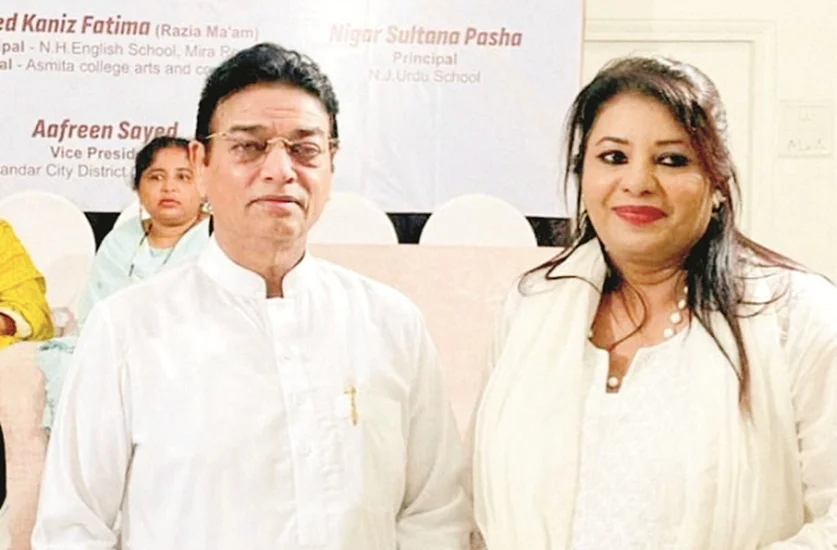
Congress leader Rubina Feroze has returned to the Mira-Bhayandar Municipal Corporation in Thane district of Maharashtra for a second consecutive term, winning from Prabhag No. 19 and leading all four candidates of her panel to victory. Her win stands out in an election largely dominated by the BJP, which saw several smaller parties wiped out.
Rubina, who first won the ward in 2017, secured a fresh mandate from the same constituency. Prabhag 19 has a mixed population of Marathi and Gujarati speakers, with Hindus, Muslims, Christians and Jains living together. Muslims form a small minority in the ward, yet the results reflected broad support cutting across community lines.
Speaking to Urdu daily Inquilab, Feroze said repeated attempts were made to polarise Mira-Bhayandar on religious and linguistic lines. “Over the last three years, there was a clear effort to push the city towards communal tension. Even the Marathi language was dragged into politics last year,” she said.
“Many parties tried to win votes by invoking religion and identity,” she added. “But in ward number 19, that kind of politics did not work. People judged me by my work and by the stand taken by the Congress.”
Overall, the Congress improved its performance in the civic polls, winning 13 corporator seats compared to 12 in the previous election, helping the party avoid a poor showing in the city. Shiv Sena (Shinde faction), backed by state minister Pratap Sir Naik, was restricted to just two seats.
Describing her victory as a responsibility rather than a personal achievement, Rubina Feroze said, “I thank the people of my ward for trusting me again. I will work harder in the new term and address every issue faced by residents.”
During her previous term, she focused on welfare initiatives and local issues, including helping women access government schemes, organising self-defence classes, holding a job fair for unemployed youth, and conducting career guidance programmes for students. She also assisted cancer patients in securing financial aid from the Municipal Corporation.
Residents cited her accessibility as a key factor behind her re-election. “She listens to people and follows up on issues. That is why people from every community voted for her,” a local voter said.
The result is being widely seen as a signal that development-oriented politics and social harmony continue to resonate with voters, even amid a charged political climate.
source: http://www.clarionindia.net / Clarion India / Home> Editor’s Pick> India / by Team Clarion / January 23rd, 2026
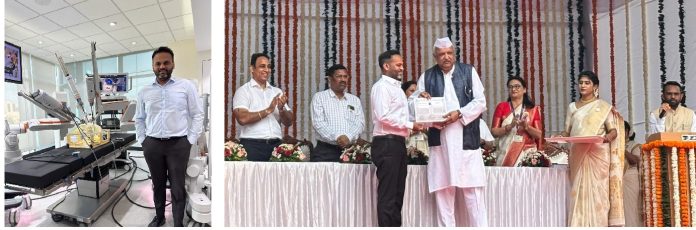
Grant Government Medical College and Sir J J Group of Hospitals marked Republic Day with an academic honour for Dr Kashif F Ansari, who received the Best Assistant Professor award from the Dean of the institution. The recognition reflects his teaching record, clinical service, and role in advancing minimally invasive surgery at one of the city’s largest public hospitals.
Dr Ansari serves in the Department of General Surgery and has built a profile in laparoscopic gastrointestinal surgery and laser proctology. Colleagues credit his structured teaching, steady operating room leadership, and work with postgraduate trainees for the award.
The honour follows a major institutional milestone in April 2025, when JJ Hospital performed its first robotic surgeries. Dr Ansari formed part of the core surgical team that completed three complex procedures using robotic systems under senior mentorship and institutional guidance. The operations marked the hospital’s entry into advanced technology based surgery with a focus on affordable public care.
Dr Ansari completed his MS in General Surgery at D Y Patil Medical College, Kolhapur, and later trained in advanced laparoscopic and minimal access surgery. His professional record includes service as Honorary Consultant at Prince Ali Khan Hospital, Masina Hospital, Apollo Hospital, and Noor Hospital. He earlier worked as Senior Resident at Cooper Hospital, Nair Hospital, and Ambedkar Memorial Hospital.
He holds fellowships with national surgical bodies and life memberships with leading professional associations. His research work on difficult laparoscopic cholecystectomy has appeared in a peer reviewed journal.
Faculty members said the award highlights the role of young Muslim medical professionals in public health institutions and their contribution to modern surgical care.
source: http://www.radiancenews.com / Radiance News / Home> Latest News > Report / by Radiance News Bureau / January 27th, 2026
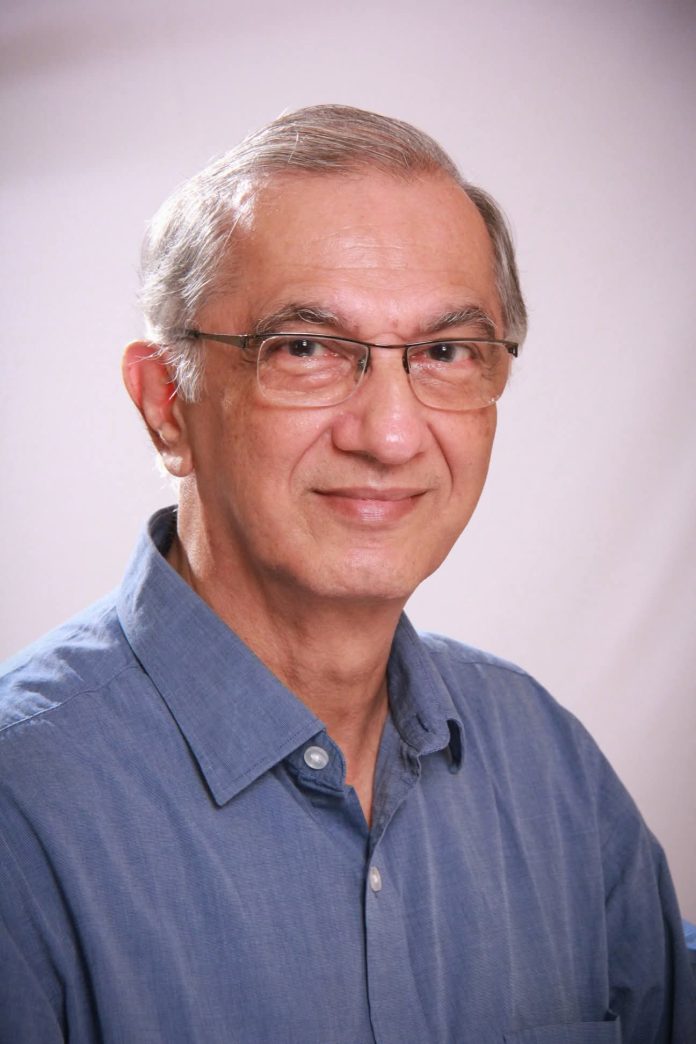
IIT Bombay has marked a proud moment with the conferment of the Padma Shri on Prof Juzer M. Vasi, former Deputy Director and senior academic of the institute. The national honour recognises his lifelong contribution to science and engineering, with a strong focus on semiconductors, microelectronics, and solar energy research.
Prof Vasi has served Indian academia for over four decades. He remains associated with IIT Bombay as Professor Emeritus in the Department of Electrical Engineering. His work spans nanoelectronics, solar photovoltaic deployment in India, global solar PV systems, nanocrystal-based solar cells, and the reliability of solar modules. These areas hold strong relevance for sustainable development and energy access.
An alumnus of IIT Bombay, Prof Vasi completed his B.Tech in 1969. He earned his Ph.D. in Electrical Engineering from The Johns Hopkins University in 1973. His academic journey reflects deep commitment to knowledge and public service, values strongly rooted in the Islamic tradition of ilm and community benefit.
Prof Vasi joined IIT Bombay as an Assistant Professor in 1981. He rose through the ranks to serve as Professor, Head of the Electrical Engineering Department, and later as Deputy Director from 2006 to 2009. He also taught at IIT Delhi and served as Visiting Assistant Professor at Johns Hopkins University.
Students and colleagues regard him as a dedicated teacher and institution builder. His leadership strengthened academic standards and research culture at IIT Bombay.
The Padma Shri recognises sustained excellence and service to the nation. For the Muslim community, Prof Vasi’s achievement stands as a reminder of the impact of scholarship, discipline, and ethical pursuit of knowledge in public life.
source: http://www.radiancenews.com / Radiance News / Home> Latest News > Report / by Radiance News Bureau / January 27th, 2026
Parvez Suleman Lakdawala, founder CEO, Grace Group of Companies
Mumbai :
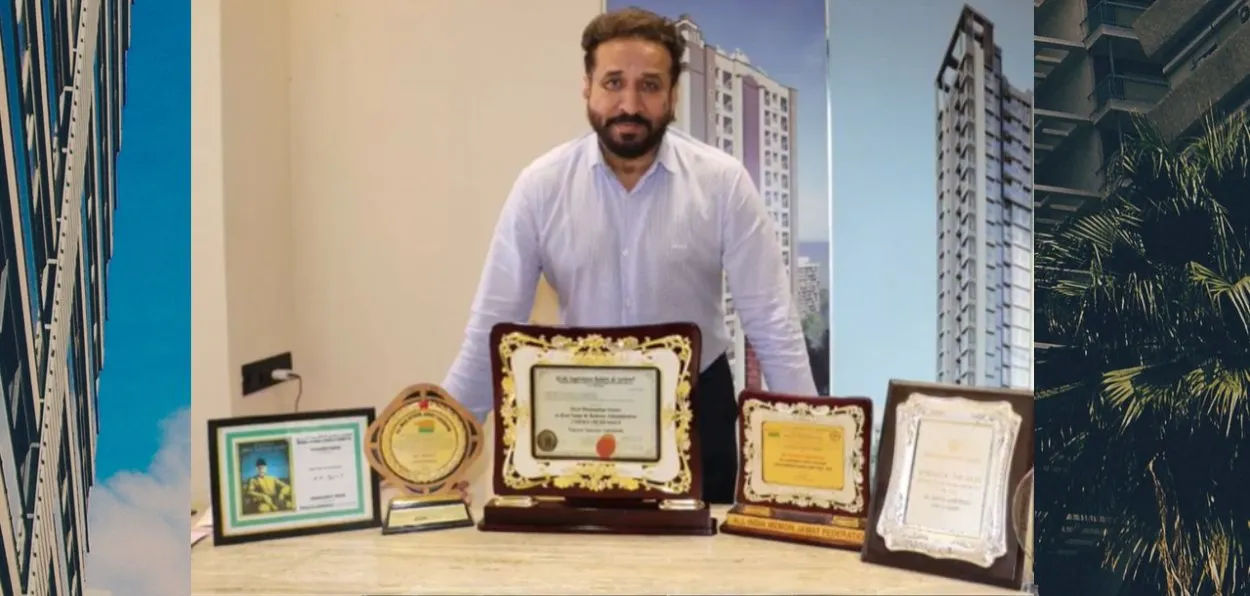
Mumbai-based real estate developer Parvez Suleman Lakdawala, who has played a significant role in building homes for slum dwellers, has received an Honorary Doctorate from the University of Sorbonne of France at the British Parliament for his extraordinary work in real estate and housing infrastructure particularly in slum redevelopment, over the last three decades.
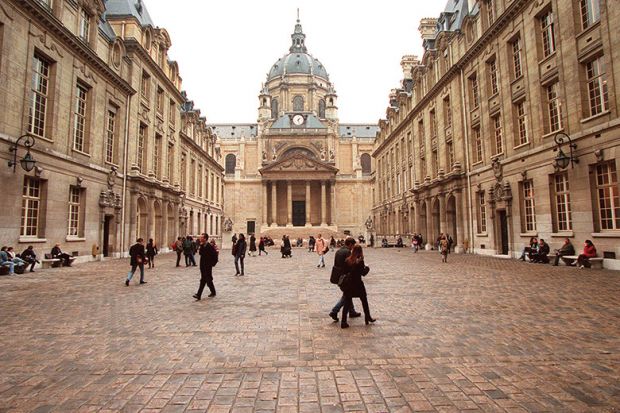
He was given this award during the ‘Sorbonne International Convention’ held at the ‘House of Lords’ in London by the French higher education institution ‘Ecole Supérieure Robert de Sorbonne.’
Speaking about the honour, he said, “I never even dreamt that I would receive such an honour.”
This institution is known worldwide for granting degrees based on professional experience. Speaking after accepting the honorary degree, Lakdawala said, “This is a global success for the slum rehabilitation work I have done through SRA schemes. I have been in this business for 30 years and have completed the construction of 32 buildings so far.”
Parvez Lakdawala was born into poverty in a small hutment in Bandra when conditions in the slums were sub-human, and the residents had to struggle for basic amenities like water.
Parvez recalls that there was a filthy settlement outside his house, and the condition of the household was very poor. For children living in such conditions, even dreaming big was considered a crime.
However, Parvez never let his poverty weaken his resolve to rise above his circumstances.
Despite the fear of dropping out due to poverty, Parvez held onto his education. Studying while living in a slum, he completed his education. Not many know that Parvez Lakdawala, the successful businessman, is a law graduate.
The law gave him discipline in life and the knowledge to fight against injustice. He often says that he prospered in life only because of education.
In 1989, he laid the foundation of the Grace Group of Companies and started working in the real estate sector.
Sorbonne University campus
Around 1995, he worked for the Slum Rehabilitation Authority of Mumbai (SRA) to provide highly subsidized apartments to slum dwellers. At that time, not many builders were willing to work there. Today, he has completed projects of more than 32 grand buildings in Mumbai.
He gave a new face to the homes of the poor by implementing new designs, modern amenities, and innovative concepts.
Earning money was never his sole aim. Having experienced poverty, he empathized with the poor. That is how he bears the educational expenses of thousands of poor children. For parents who cannot afford to pay their children’s school or college fees, Parvez Lakdawala has become a ray of hope. “Allah has given to me so that I can give it back to society,” he says.
During the Corona lockdown, when the entire country was under the shadow of fear, Parvez Lakdawala was working in the streets.
Thousands of labourers with their small children were walking towards their villages. Parvez arranged for vehicles and buses for them. He transported more than 3000 people to their homes.
He also ensured the travelers got food and water. For this work, he received appreciation not only from Mumbai but also from states like Rajasthan.
In a city like Mumbai, where even dreaming of a home is a luxury, Parvez Lakdawala has helped thousands of families get their rightful homes. His journey builds buildings worth crores today, starting from a 250-square-foot house.
The most important aspect of Parvez Lakdawala’s work is the self-respect he has given to the common man. Recalling old memories, he says, “Earlier, people living in slums used to feel ashamed about their address. They regretted their living conditions. Today, when the same people enter flats equipped with all amenities, they proudly disclose their address to others. Giving them the property they deserve and a sense of security gives me the most joy.”
Parvez Lakdawala’s mantra is: Your intention is more important than your destiny. If your intention is good, God comes to your aid and grants you success.
source: http://www.awazthevoice.in / Awaz, The Voice / Home> Stories / by ATV / posted by Aasha Khosa / January 09th, 2026
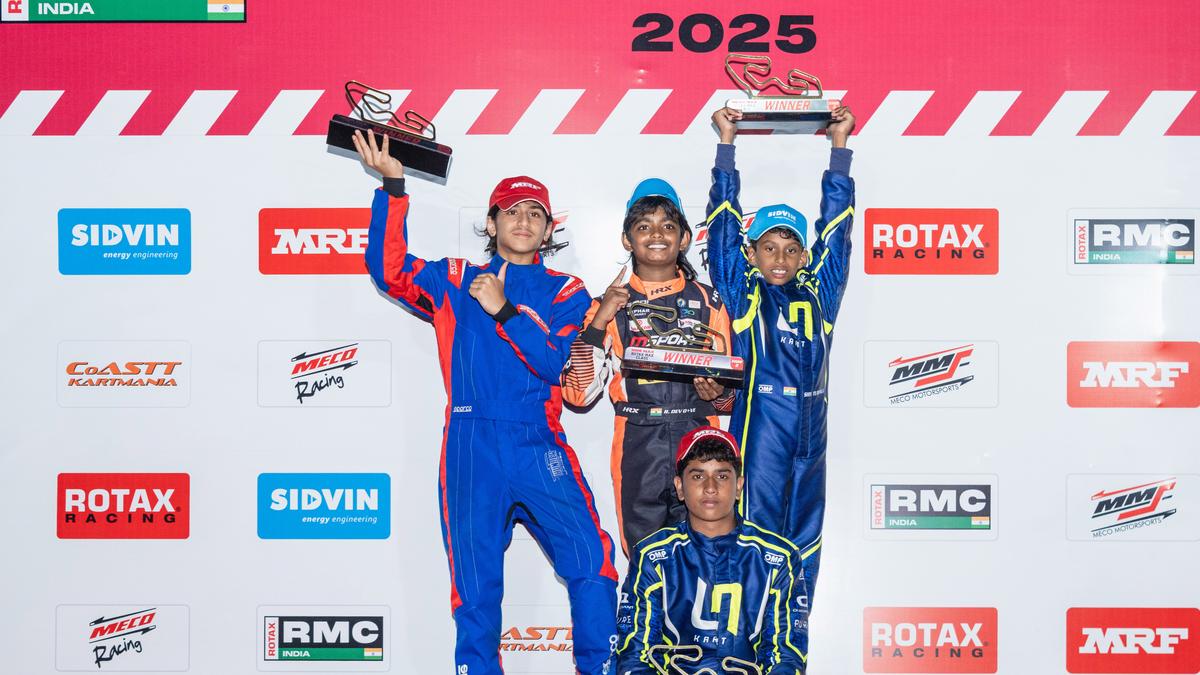
The winners in various categories, standing from left, Shonal, Rivaan, and Shiv Tummala. Sitting: Ishaan. | Photo Credit: Special Arrangement
Ishaan Madesh, a seven-time National champion across various categories, held off his sibling Rohaan in both the Pre-Finals and Finals in the Senior Max class for a grand double in the second round of the MECO-FMSCI National Karting Championship Rotax Max Classes at the CoASTT circuit in Coimbatore on Sunday.
Shonal Kunimal from Kozhikode (Birel Art India) and Pune’s Arafat Sheikh (Crest Motorsports) won the Finals and the Pre-Finals respectively in the Junior Max category.
Expectedly, Chennai’s Rivaan Dev Preetham (MSPORT) dominated the newly introduced Mini Max category, winning both the Finals and the Pre-Finals to complete a double, as did Shiv Tummala from Bengaluru (Peregrine Racing), who was an equally facile winner in the Micro Max class, where he comfortably held off his rivals.
Meet the man who is on a mission. He even gave up his lucrative job to completely devote himself to this cause. His goal is to inspire the next generation to become responsible and productive citizens by raising their level of awareness about education. He has been crisscrossing the length and breadth of the country since 2006.
The man is Syed Saeed Ahmed, a distinguished motivational speaker with a multifaceted personality who inspires and motivates others and unearths their hidden potential. He has an amazing sense of spontaneity, an inquisitive mind, and a captivating personality.
Throughout India, he has conducted countless personality development programs for the student fraternity, diverse academic community stakeholders involved in the teaching-learning process, the corporate sector, workers in extremely stressful work environments, and the group of people who accept their fate as pseudo-failures.
Saeed Ahmed’s workshops are widely recognized for their great content and distinctive, compelling style of delivery.
Ranked as one of the leading motivational speakers in India, Saeed Ahmed’s workshops are widely recognized for their great content and distinctive, compelling style of delivery. His energizing classes are intuitive, inspiring participants to realize their full potential, release their innate energy, and develop a burning drive for achievement and personal excellence. They are intended to provide participants with a great deal of energy and vitality, enabling them to advance both personally and professionally.
His successful endeavors to bring back to life pseudo-failures, particularly those with low motivational factors and a criminal past, have grabbed significant media attention. The last few years have seen the frequent publication of pieces celebrating these accomplishments in prominent newspapers, and multiple news channels have aired his pre-recorded interviews on the subject.
Born in Sholapur, a textile town in Maharashtra, Saeed Ahmed did his schooling through the Urdu medium and graduated in geography and political science. He went on to pursue higher learning. After completing his studies in library and information science, he did his post-graduation in the Urdu literature from Shivaji University in Kolhapur. He started his career in a modest capacity as an assistant librarian at a reputable college in Pune.
His early and modest profession served as a palette for shaping him into a multifaceted personality, as he was surrounded by antique and modern books, newsletters, and printed reference material of inter-disciplinary content. Gradually and steadily, he began to embody the roles of an actor, director, dramatist, journalist, writer, peace activist promoting global fraternity, and, most recently, a student. He is currently pursuing a doctorate at Pune University on the extremely relevant subject of “Hindustani stage and tradition of Urdu drama in Maharashtra.”
He is an expert at improving life skills, including stress management, time management, positive thinking, emotion management (for overcoming fear, grief, sorrow, rage, boredom, etc.), and a number of other crucial areas that participants may reveal themselves in. The contents change based on the situation, the amount of time available for engagement, and the participants’ overall characteristics, expectations, and concerns.
The evolution of a nationally renowned motivational speaker can be summed up by examining the thirty years of his career. This shows how a person’s life experiences, some natural and some others artificially created, play a crucial role in shaping a flexible personality that can handle any circumstance with ease. What makes the one and only “Saeed Ahmed” is a combination of his varied experiences with controversial topics and his recording of the algorithms used to address them.
Having spent a significant portion of his career working for an organization, he has encountered the typical challenges that all workers face in today’s cutthroat and materialistic workplace. As he began his dazzling career, he experienced moments of rivalry, envy, and unpleasant camaraderie from coworkers, superiors, and even higher authorities. To nearly all of them, he answered with forbearance, patience, and strengthened willpower. In actuality, they functioned as an oven to solidify his supple clay and imparted to him free psychological counseling, stress management techniques, and elegant interpersonal interactions.
Saeed Ahmed is not just a motivator of the highest caliber; he is also an actor, director, writer, documentary filmmaker, and journalist.
He was connected to several prominent theaters in Lahore, Pakistan, as well as Prithvi (Mumbai), Nehru Centre (Mumbai), Rangshankara (Bangalore), Hamdard University, Delhi, Balgandharva (Pune), and Punjab Naat-shala (Amritsar). He performed widely for an Indian audience with these theater groups, and three of his shows, which were shown consecutively for three years in a row at the “World Performing and Visual Arts Festival” in Lahore, were acclaimed internationally (2004, 2005, 2006). These were “Naquab” by Rafi Peerzada, “Jis Lahore Naee Dekhya” by Dr. Asghar Wajahat, and “Portrait” by Ratnakar Matkari.
Prior to this, most of the plays he directed and performed across the country were “Dhilli Khaat” by Naseem Mannan, “Portrait” by Ratnakar Matkari, “Najat” by Abdul Wahab Lunje, “Nafrat ke Rang” by Kazi Mushtaque Ahmed, and a few plays he wrote himself, including “Sir Sayyed Ahmed Khan (Founder of Aligarh Muslim University)”, “Toba Tek Singh,” a drama based on Saadat Hassan Monto, “Kahain Hai,” and “Dilli Ka Thagh” have received favorable reviews from critics and audiences alike. He made his acting debut as a character actor in the “Sunita” serial that was broadcast on Doordarshan. His drama “Sare Jahan Se Accha” had more than forty performances in Maharashtra.
An audio presentation in the form of an audio cassette, followed by audio CDs, and is currently in the process of creating a documentary directed, produced, and narrated by him about the life of Sir Sayyed Ahmed Khan. He also wrote the book “Sare Jahan Se Accha,” released by the Haji Ghulam Mohammed Azam Educational Trust, Pune.
In addition, he has contributed his expertise to the production of multiple documentaries for Pune-based organizations and cable networks.
Alongside his involvement in theater and the arts, he pursued a career as a professional journalist. From 1995 to 2001, he worked as a correspondent for Mumbai’s daily Inquilab and Munsif of Hyderabad and Pune’s Urdu fortnightly Usool. He had also interviewed prominent figures.
When asked what inspired him to pursue a career in motivational speaking, he admitted with honesty that I was a shy boy in school with an inferiority complex who was accustomed to self-analysis.
Life is a “give and take” proposition, and the previous decades of my diverse work helped me learn enough to be ready for a “second innings” or platform change, in which I now hope to “give,” and in 2002, I made a lifestyle change, he said. In the year 2006, I left the well-secured job to venture into the turbulent waters of lending my ‘know-how’ for the personality development of all, he added.
About his experiences, he pointed out that materialism is prevalent in Muslim society, and there is a wrong notion prevailing in the society that education is for seeking a job. He stresses the need for “Taleem ke saath Tarbiat.”
Under his All India Educational Awareness 93-day tour, last year he traveled 10,000 km across the seven states and conducted 179 workshops in 134 cities. In the second part of the tour, starting on November 11, 2023, he will travel to 13 states.
source: http://www.radiancenews.com / Radiance News / Home> Focus> Pride of the Nation / by Abdul Bari Masoud / November 01st, 2023
Saad Mohammad Zahirali Patel practicing in the Godavari river
Practicing on the waves of the Godavari River, Saad Mohammad Zahirali Patel is delivering stellar performances in water sports. Since taking up the sport in his 11th grade, he has competed in numerous tournaments and won a trove of medals.
Saad believes that with better infrastructure and government support, he can definitely win a medal for the country in the Asian Games.
Originally from Ahergaon, a village in the Niphad region of Maharashtra, Saad Mohammad comes from a middle-class farming family.
Like other children, his school life was filled with play and fun, but his college years proved to be a turning point for his career. In the eleventh grade, he joined the boat club affiliated with K. K. Wagh College in Pimpalgaon Baswant.
In the seven years since, he has consistently delivered impressive performances.
So far, Saad Mohammad has participated in four All India, six national competitions, one Khelo India event, and six state-level tournaments. He won a gold medal in the 500-meter category at the 2021-22 All India competition held in Chandigarh.
He followed that up with a bronze medal at the same competition in 2023-24. At the national level, his team narrowly missed a medal, finishing in fourth place.
These national competitions taught him a valuable lesson: a single tournament can teach you what hours of practice might not. This realization has driven him to participate in as many competitions as possible.
Saad Mohammad competes in four categories: Single Scull, Double Scull, Four Scull, and Mixed events. At the university level, he was awarded as “Outstanding Athlete of the year 2022-23” by the University. He has secured one gold and one bronze medal.
His journey, both for competitions and year-round training, has been arduous. In the early days, he would work in the fields in the morning before heading for practice. It was a difficult balancing act. Currently, he is in the second year of his post-graduate studies.
Saad Mohammad’s day begins at 5 AM, and he does his workout, followed by practice for four hours. He then goes for practice in the evening.
Saad Mohammad points out that athletes from Maharashtra use “Sunny” or “Cargo” boats in most competitions, while others use modern “Nelo” boats.
“If our state also upgrades our equipment, the number of medal-winning athletes will surely increase.”
source: http://www.awazthevoice.in / Awaz, The Voice / Home / by Arun Malani / August 28th, 2025
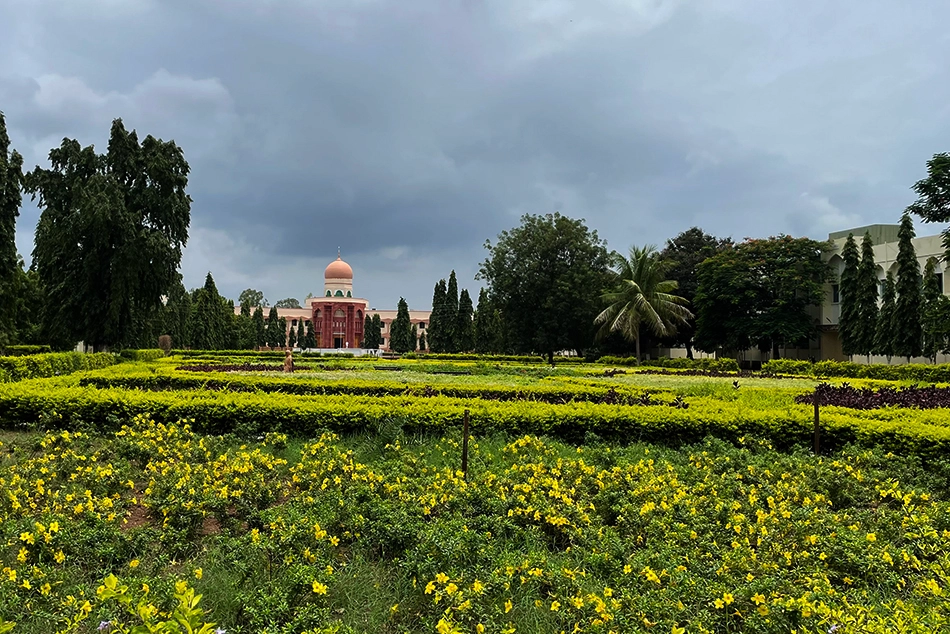
Jamia Mohammadia Mansoora, as this complex is named by its founders, is not only an education hub but also a symbol depicting state-of-the art combination of Islamic and modern Indian culture.
Sultan Manzil (Photo: ummid.com)
Malegaon, despite an appalling history of negligence by successive governments at the centre and state, still has the tag of being a town of literate, erudite and cultured masses firmly intact.
True to this identity, the first thing that greets the people entering the town from the western side on the Mumbai-Agra National Highway and touching the banks of Girna River is the grand educational complex.
Mansoora, as this complex is named by its founders, is not only an education hub but also a symbol depicting state-of-the art combination of Islamic and modern Indian culture.
Lush green lawns, buildings of class architecture, classrooms with modern amenities, model computer rooms – one each for boys and girls, well-equipped laboratories, library with valuable collection of rare books, hostel with suitable lodging, playground – enough not only for cricket but also for games like basketball and football, giant mosque with separate arrangement for women having a capacity exceeding 5000 people and what not. The campus stretched on 56 acres of land has everything that parents would love to have for the education of their children.
Moreover, Mansoora is perhaps the only place in India having a dedicated mosque for girl-students where they not only offer prayers five times a day but also it is they who lead the prayers every day. Above all, they have a unique syllabus for study that not only masters them in Islamic as well as Modern subjects but also train them in meeting the emerging challenges.
The brainchild of Maulana Mukhtar Ahmad Nadvi, who with the help of his friend Saith Mohammad Khaleel of Malegaon initially, and single-handedly later on, turned the Mansoora into a model not only for those working eagerly on Madrasa modernization but also for many schools and educational institutions in India where quality education and desired results have become scarce.
The Beginning
King Abdul Aziz University of Saudi Arabia had organised an International Conference in 1975. The theme of this conference was to deliberate on the possibilities to amend the existing Madrasa syllabus followed at the time by most of the Islamic institutions and bring them in line with the modern requirements. Besides Muslim scholars and Ulema from all across the world, Maulana Mukhtar Ahmad Nadvi and noted Muslim scholar Maulana Abul Hasan Ali Miya Nadvi were also invited to the conference. The deliberations on the all-important issue in the conference kept Maulana Mukhtar Ahmad Nadvi impatient throughout the way back to India. He consulted on the matter with Maulana Ali Miya Nadvi and then tirelessly began searching for options to establish a Model Madrasa in India.
Masjid Aisha of Mansoora is the largest Mosque in Malegaon (Photo: ummid.com)
At this juncture, Maulana Mukhtar Nadvi met his friend Saith Mohammad Khaleel of Malegaon in Mumbai. The two men, though living miles away from each other, had many things in common. While Maulana Mukhtar Ahmad Nadvi had the vision and plan to convert his dream into a reality, Saith Mohammad Khaleel had the required resources in plenty.
Simultaneously, Saith Mohammad Khaleel proved a powerful backer and a great motivator for Maulana Nadvi. The combination worked and what Muslim leaders and Islamic scholars dreamt at King Abdul Aziz University, Saudi Arabia in 1975, became a reality in 1979 thousands of miles away in Malegaon.
Mansoora
A man with a vision, Maulana Mukhtar Ahmad Nadvi was also a master in doing things in novel ways. Hence for his dream Education Institute – running on a unique syllabus based on Islamic as well as Modern Education pattern and stretched on 56 acres of land touching the banks of Girna River along the Mumbai-Agra road in Malegaon – chose Mansoora as its name.
Mansoora, as Maulana Mukhtar Nadvi used to recall, in the 9th century was a historic locality in Baghdad. Iraq’s capital Baghdad during that time was the source of wisdom, knowledge and erudition, and a preferred destination for scholars and academicians. People from all across the globe seeking knowledge and wisdom used to converge at Baghdad. In the heart of the city and centre of all academic activities in Baghdad was Mansoora. A thousand years later, Mansoora took rebirth in Malegaon – a small town in North Maharashtra predominated by Muslim population.
A Model Curriculum
For the Curriculum and Syllabus to be followed at Jamia Mohammadia for boys and Kulliyah Aisha Siddiqua for girls – as he named the first two institutions founded by him in Malegaon – Maulana Mukhtar Ahmad Nadvi worked on two levels.
Realising that the existing Dars-e-Nizami – normally followed by the Mada’ris (plural of Madrasa) in India – is not sufficient to meet the emerging challenges and requirements of even the Islamic studies, he after consulting renowned academicians and scholars of the time, introduced suitable and needful amendments in it.
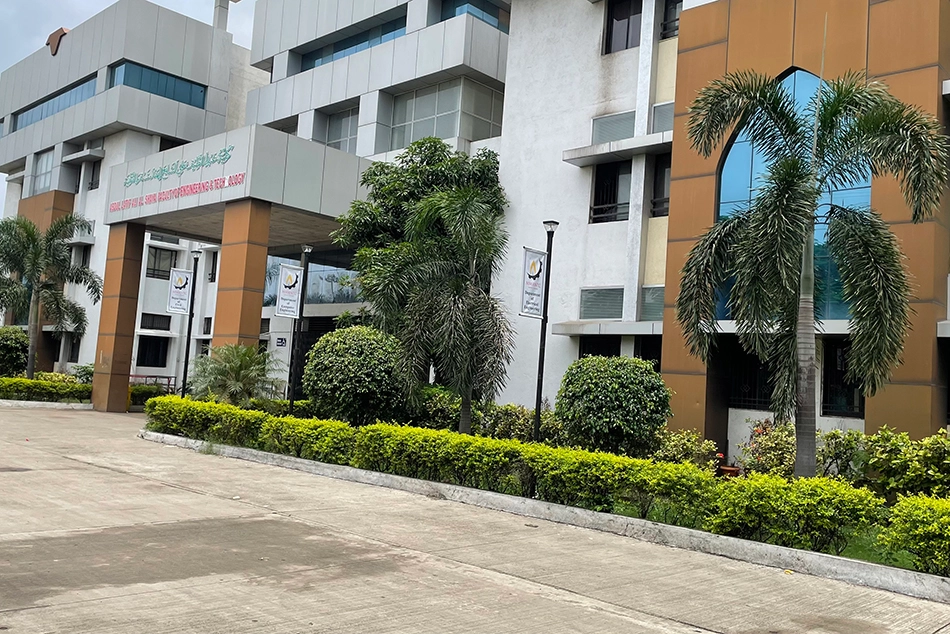
Abdul Latif Ali Al Shaya Faculty of Engineering, Mansoora (Photo: ummid.com)
At the same time, he introduced the modern subjects like Science and Mathematics, and also the languages like English, Hindi and Marathi for students that included boys and girls both. Finally, the curriculum that came into being out of his efforts was a perfect combination of Islamic and Modern Education pattern.
Simultaneously, he meticulously worked for obtaining the all-important affiliation and recognition from the state education board, and also from the Indian and foreign universities. Thanks to the determination, commitment and speed with which he worked, both of his institutes were very soon recognised by the Mahrashtra State Secondary Board and also by Jamiah Islamia, Madinah Munawwarah, Saudi Arabia and Jamia Millia Islamia, New Delhi.
Mansoora: A Force to Reckon With
Due to the hard-work it needed on the part of the students as well as the teachers, the curriculum was really tough when introduced in the beginning. However, once it was on the roll, results started pouring in consistently and with surprising rewards. The Jamia students – both boys and girls, soon found them not only scoring excellently in Islamic studies but also coming with flying colors in state board exams.
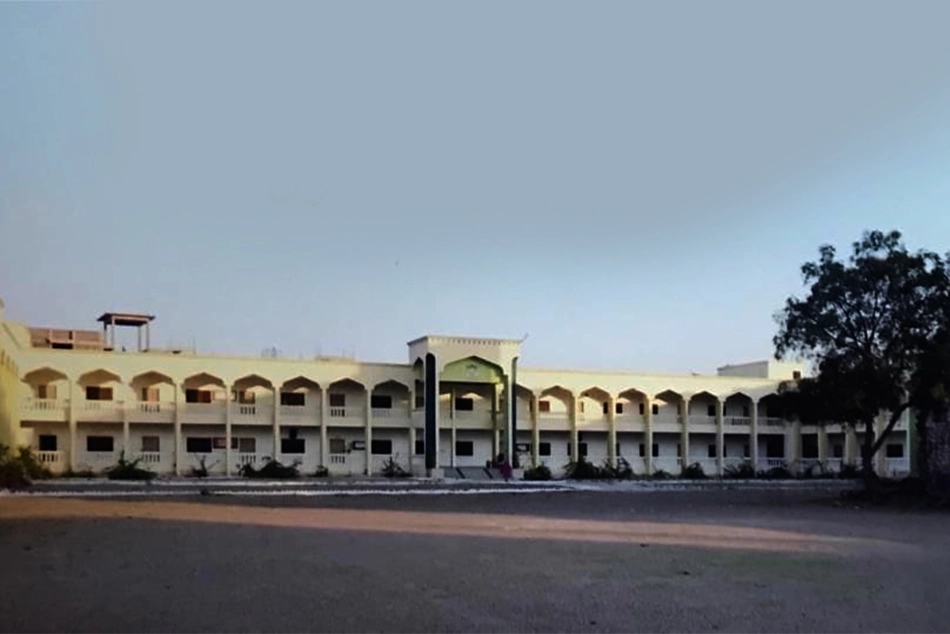
Kulliyah Aisha Siddiqua for girls
However, the brightest moment for Mansoora came in 2008-09 when one of its students Abdur Rehman along with sixteen others created history at Jamia Islamia Madinah Munawwara, Saudi Arabia. While Abdur Rehman topped his faculty and bagged student of the year award, sixteen others from Mansoora cleared the University exams with distinction. The results were so impressive that Jamiah Islamia sent its Head of the Education Department to Mansoora. He specially traveled from Saudi Arabia to Malegaon to have a personal and first-hand account of the way students are taught.
JMES Goes National
After he succeeded in his mission, Maulana Mukhtar Ahmad Nadvi invited people from various places – specially those who were part of the deliberations with him at King Abdul Aziz University in 1975 – to have the first hand experience of what was dreamt in that conference. At the same time, while extending all supports, he urged them to replicate the model in their localities.
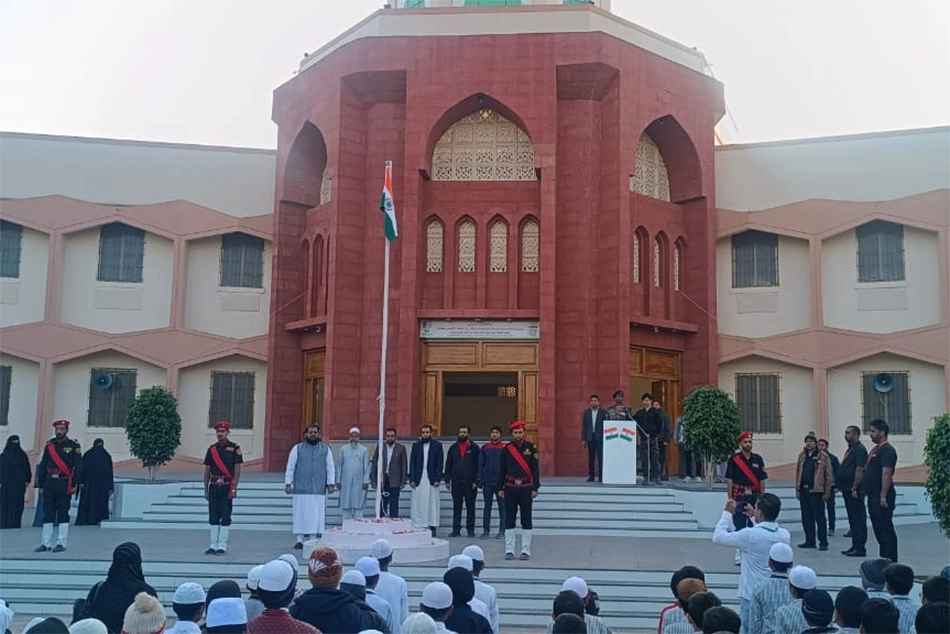
Independence Day Celebrations at Jamia Mohammadiya Mansoora, Malegaon
However, when he found some of them wary and some others hesitant, he took it upon himself to do the job. Soon JMES spread its wings to other parts of the country and established branches at Maunath Bhanjan, Aakot, Dhule, Bangalore, Mahesla and Mewaat – all running on the Mansoora pattern and affiliated to the respective state boards.
Future Ambitions
The Mission was partly accomplished. Maulana Mukhtar Ah Nadvi died September 9, 2007. Behind him he left, besides Mansoora in Malegaon and a chain of education institutes spread all across the country, an able and equally ambitious son Arshad Mukhtar. At the helm of the affairs now, Arshad is smartly following his father’s footsteps. His dream is to convert Mansoora into a big University – capable of offering every subject that exists on the earth.
——————————
[The writer, Aleem Faizee, is Founder Editor of ummid.com. Aleem Faizee has also worked as a Researcher at Tata Institute of Social Sciences (TISS) and with Action Aid for its research work published as “BROKEN PROMISES -A study on the socio-economic status of Indian Muslims: Seven years post Sachar”. His research work “Mollywood: The Rise and Fall of a Subaltern Cinema” is part of the book “Creative Industries in India” published by Routledge India of Taylor and Francis Group, London. A prolific writer, Aleem Faizee has also wrote for The Times of India as a Freelance Journalist for over 10 years. The above article was originally published on January 22, 2010.]
————————–
source: http://www.ummid.com / Ummid.com / Home> Education & Career / by Aleem Faizee, ummid.com news network / August 20th, 2025