The Association for Protection of Civil Rights (APCR), Nagpur Chapter, has launched a Free Legal Advice Centre aimed at providing legal guidance and support to underprivileged and oppressed individuals. The initiative seeks to assist those struggling with legal issues by offering free counsel on various legal matters.
The legal clinic will operate every Friday and Saturday at 7 PM at Rifah Building, Behind Sandesh Dawa Bazar, Nagpur – 440018. It will feature legal experts, including Justice M. N. Gilani, retired judge of the Bombay High Court, Nagpur, and Adv. Shoeb Inamdar, Secretary of APCR Maharashtra.
The initiative is designed to educate people about their legal rights, provide guidance on seeking justice, and simplify legal procedures for those in need. APCR encourages individuals facing legal difficulties to avail themselves of this free service.
For more information, individuals can visit the APCR Legal Clinic at the mentioned address during the designated hours.
source: http://www.radiancenews.com / Radiance News / Home> Uncategorized / by Radiance News Bureau / March 27th, 2025
Indians keep on doing extraordinary things, surprising not only the world but also themselves sometimes.
Feroz Momin (L). In the background is the helicopter he repaired. (Image source: Twitter)
Indians keep on doing extraordinary things, surprising not only the world but also themselves sometimes. One such example has been reported from Kolhapur in Maharashtra where a car mechanic repaired a helicopter recently, making it fly-ready in just 30 seconds.
India Today reports that the incident happened at the late Congress leader DY Patil’s residence in Kolhapur. Some guests had arrived at the bungalow in a helicopter but when they were ready to leave, the chopper couldn’t fly.
When they contacted the helicopter company, they were informed that an engineer would take at least two hours to reach the spot. Then someone remembered a local mechanic Imtiaz Momin, who had in 2006 made a car that could move in water along with his brother Feroze Momin. The brothers had then also given a demo of their car by driving it in a pond. They had won accolades from several quarters for their effort.
When someone went to call Imtiaz to repair the helicopter, only Feroz was present at their garage. Feroze had never even touched a helicopter. However, after some persuasion, he agreed to take a look. The report says that Feroz repaired the helicopter in just 30 minutes after taking some inputs from the pilot. The pilot first took a test flight and then left the city with the guests.
Kolhapur is home to several brilliant car mechanics. At one point of time, the city was famous for having the maximum number of luxury Mercedes cars.
source: http://www.financialexpress.com / Financial Express / Home> Business News> India News / by FE Online / November 01st, 2016
The initiative underscores the importance of nurturing a diverse pool of legal talent equipped to address the complex societal issues facing diverse communities.
pix: X.com /@AleemIlahi
Kochi :
Responding to the pressing need for diverse representation in the state’s legal sphere, particularly to counter communalism, a Muslim organisation in Kerala has taken proactive measures.
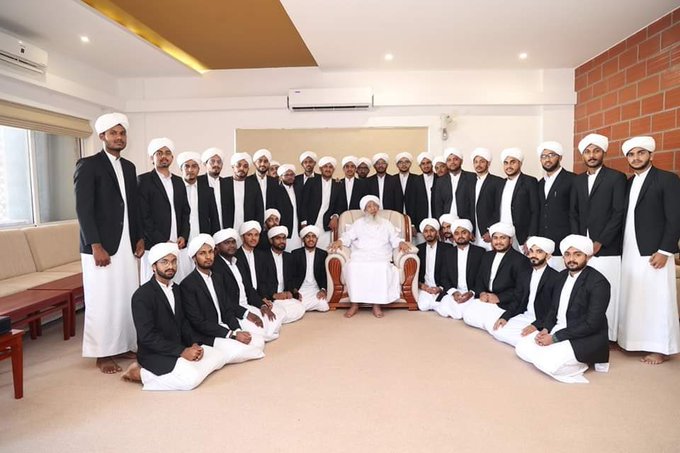
It identified a crucial gap in the representation of Muslims in the judicial apparatus of the state and recently qualified and enrolled 50 Islamic scholars as advocates in Kerala High Court.
The southern state has a significant Muslim population and a commendable literacy rate in the community.
The organisation embarked on a training initiative for law graduates after recognising the need for informed legal practitioners well-versed in Shariah-related matters.
This initiative aimed to bridge the gap in Muslim representation in the judiciary, ensuring adequate expertise in addressing legal issues pertaining to the Muslim community.
The successful integration of modern education with religious teachings has been a hallmark of Kerala’s educational landscape. Leveraging this trend, the organisation trained the lawyers who are expected to play a pivotal role in advocating the rights and interests of the Muslim community, particularly in matters concerning Islamic Shariah.
The initiative’s significance extends beyond the confines of Kerala, serving as a model for other states grappling with similar challenges. It underscores the importance of nurturing a diverse pool of legal talent equipped to address the complex societal issues facing diverse communities.
The absence of qualified legal representation among Muslims has often resulted in judgements which do not fully consider Shariah principles. By empowering Muslim scholars with legal expertise, this initiative aims to rectify this imbalance and ensure fair and informed judicial outcomes.
As the need for competent legal practitioners among Muslim communities continues to grow, initiatives like these stand as crucial steps towards fostering a more inclusive and equitable legal landscape.
source: http://www.clarionindia.net / Clarion India / Home> Editor’s Pick> Indian Muslim / by Clarion India (pix edited source by X / @AleemIlahi / February 19th, 2024
The Deputy Commissioner of Wokha district, Dr. Manazir Jeelani Samoon will be among the awardees, who will receive the Election Commission of India’s National Awards 2018 for outstanding election-related activities during the elections held in 2018.
Chief Minister Neiphiu Rio congratulated Samoon for the achievement. “Congratulations Dr. Manazir Jeelani Samoon, IAS @DcWokha #Nagaland who will be conferred with National Awards 2018 for smooth conduct of elections, by the #ElectionCommissionOfIndia, on National Voters’ Day, at Delhi, by the Honourable President of India…” tweeted Rio on his Twitter handle.
An IAS officer of the Nagaland cadre, Samoon will receive his award in the ‘general category’ on the occasion of National Voters’ Day on January 25. The President of India will confer the awards at a ceremony to be hosted at the Manekshaw Centre, Delhi.
source: http://www.morungexpress.com / The Morung Express / Home / by Morung Express News, Dimapur / January 24th, 2019
India and Qatar celebrate their age-old maritime ties by showcasing a handcrafted dhow at the FIFA World Cup, as part of the Gulf Arab nation’s traditional boat festival.
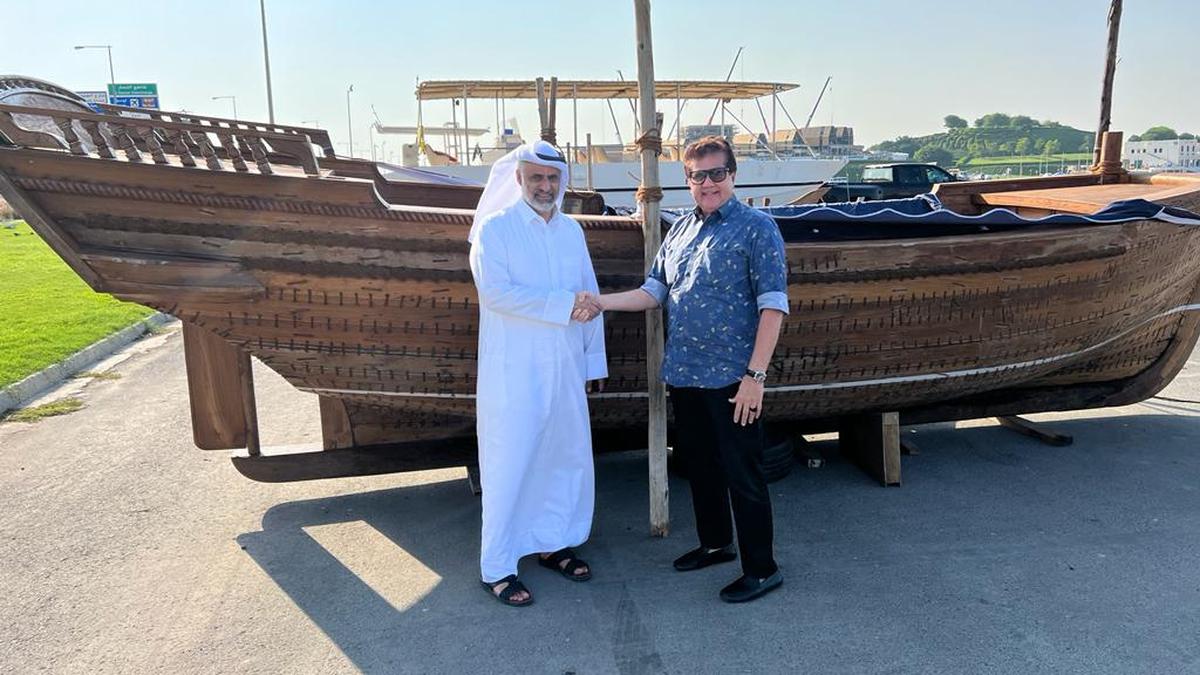
P.O. Hashim, MD, M/S Haji PI Ahmed Koya, Kozhikode, handing over the dhow made by their company to Ahmed al-Hitmi, director, Katara beach department, in Doha, Qatar. | Photo Credit: Special Arrangement
India is reiterating its age-old maritime ties with Qatar, at the ongoing FIFA World Cup 2022, through a handcrafted dhow made by M/S Haji PI Ahmed Koya, a family-run shipbuilding company in Kozhikode.
Held under the patronage of Sheikh Tamim bin Hamad al-Thani, Emir of Qatar, and organised by The Cultural Village Foundation Katara, the 12th edition of the Katara International Dhow Festival in Doha is one among the many off-field events scheduled by the FIFA World Cup. The festival, held between November 20 and December 18, features dhows — boats with a long and thin hull, and one or two masts for sails, commonly used in southern Asia and eastern Arabia — from nine countries, including India, Kuwait, Qatar, Oman, Saudi Arabia, Iraq, Greece, Zanzibar and Turkey.
The Indian pavilion is exhibiting two 20-foot long boats, in addition to displaying boat materials and models, which are for sale.
“My grandfather started this company in 1885, and we have been making boats to order for clients in the Gulf countries for over 130 years. It is a special year for us, because we have built a baghlah dhow for the Qatari government using vintage technology. It showcases our boat-building heritage on an international stage,” says PO Hashim, managing director of the firm, who is in Doha for the handover.
The company also maintains a Dhow Museum of equipment and memorabilia related to the wooden vessels in Kuttichira, Kozhikode.
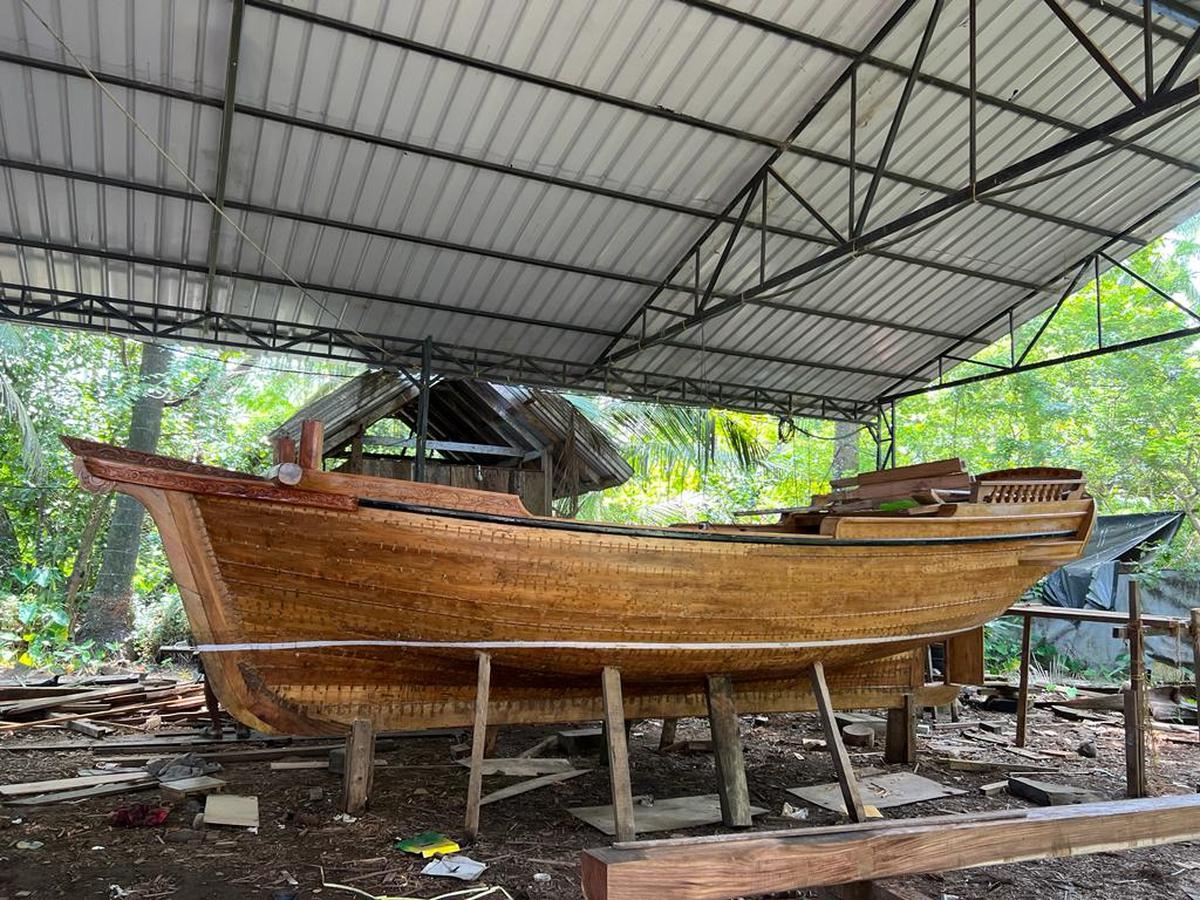
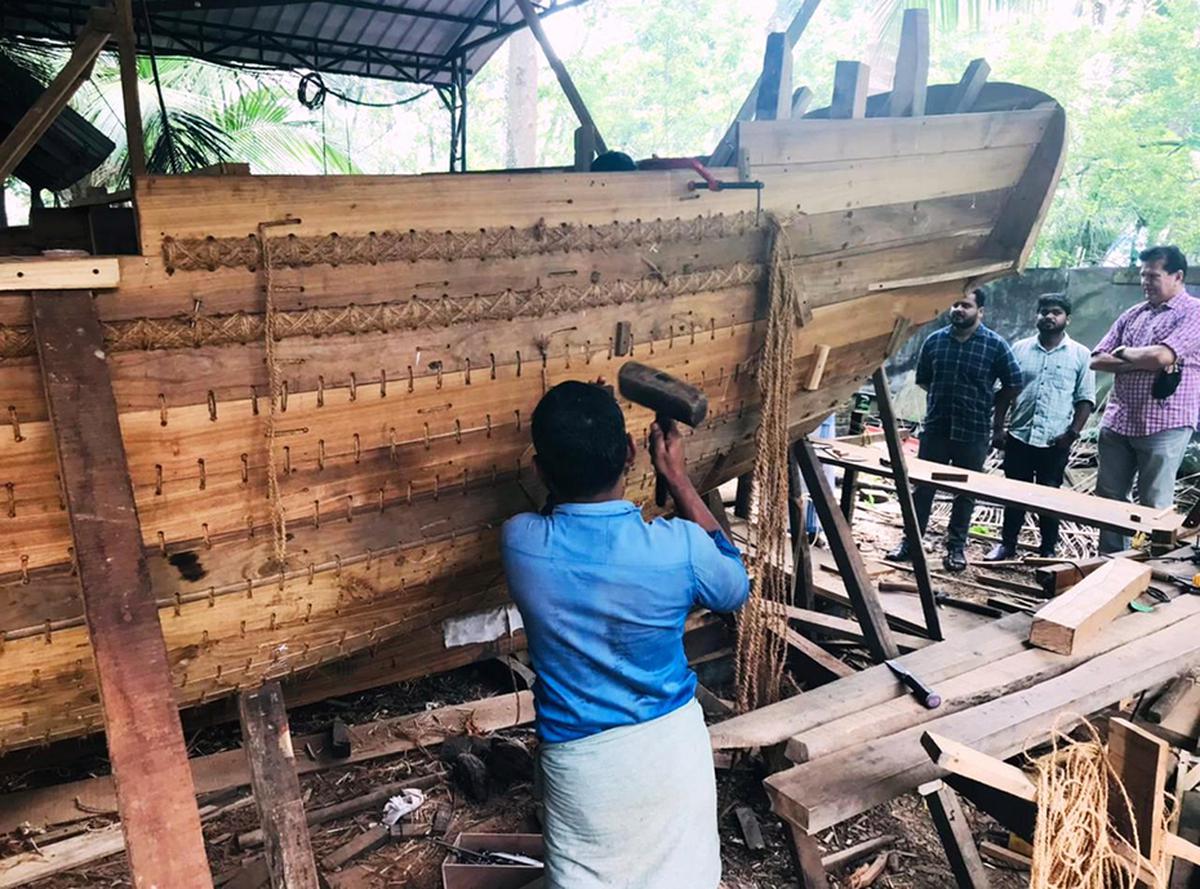
The dhow built by M/S Haji PI Ahmed Koya, Kozhikode, seen in the boatyard before despatch. | Photo Credit: Special Arrangement
How to stitch a boat
The baghlah (Arabic for mule), measuring 27 feet, is an example of a sewn boat, where craftsmen thread wooden planks together using special coconut-fibre ropes. The technique predates the era of metal fastenings, and samples of sewn boats can be seen in many ancient civilizations, each using a different methodology.
Good quality timber and skilled shipwrights made Beypore in Kerala a magnet for Arab countries, attracting craftsmen from Yemen’s Hadrami tribe and the Omanis from the 15th century. Known as uru in Malayalam, the Beypore dhow was the main form of transport along the spice routes of Malabar and Arabia.
“We were inspired to make this dhow after seeing a similar model made in Oman decades ago,” says Hashim. The Qatar-commissioned boat being displayed at the festival was manufactured at the company’s Pattermadu dhow-making unit at Chaliyam village in Kozhikode.
Over six to seven months, from November 2021, craftsman Gokul Edathumpadikkal and a team of shipwrights were busy assembling the six-foot deep and seven-foot wide vessel, using teak sourced from Nilambur. Most of the carpentry and detailed carving on the outer planks have been done manually.
A dhow is typically built from the outside hull inwards. Shaped planks of wood are connected at the edges in a clinker style, and the overlapping sections are sewn together with coir to form a flexible structure. Internal framing is provided for additional rigidity.
Hashim says that their dhow is made with 2,300 hand stitches of fibre ropes through 5,000 holes to secure the planks. It was shipped by container and handed over to Ahmed al-Hitmi, director, Katara beach department, in Doha, last week.
“Qatar has been actively promoting the dhow as a symbol of the country’s culture and economy before the oil boom. We have been participating in Qatar’s annual dhow festival for 10 years,” he says.
Sailing away
The work of the special dhow using coir rope in progress at Chaliyam. | Photo Credit: Special Arrangement
At one time, there were some 80 types of dhows in the Arabian Gulf and Oman but only about six are still in use today, albeit with engines rather than sails. “There were many types of sailing dhows, ranging from big ocean-going vessels to small inshore fishing boats. They were used for trading from the Arabian Gulf to countries as far away as China, where pearls were exchanged for silk and other luxury items. Each year, fleets of dhows set out for the pearl-fishing grounds in September, returning three months later. The last of the sailing dhows were replaced by engine-powered boats in the 1950s,” says writer Fran Gillespie, who has authored several books on Qatar’s history, culture and archaeology.
Traditionally built dhows, powered with engines, are still in use in the Arabian Gulf for fishing and tourist excursions.
Katara, a sprawling beach promenade in Doha, will be the venue for marine shows, competitions, workshops for children and craftsmen in addition to special performances and operettas by folk troupes through the month as part of the festival.
For the World Cup, flags of the nations of the 32 qualified teams will be put on dhow masts to sail past the Doha Corniche and Museum of Islamic Art (MIA) reaching there by sunset on all days.
“The dhow festival, based on Qatar’s pearl-diving, fishing and maritime history is deeply intertwined with emotion and pride in the hearts of several generations,” says Salem al-Marri, Director of public relations and communications, Katara.
source: http://www.thehindu.com / The Hindu / Home> Society / by Nahla Nainar / November 28th, 2022
Tiruchi, TAMIL NADU / Algharetta (Georgia) U.S.A :
VDart founder Sidd Ahmed on attending the first Lunar New Year gathering at the White House.
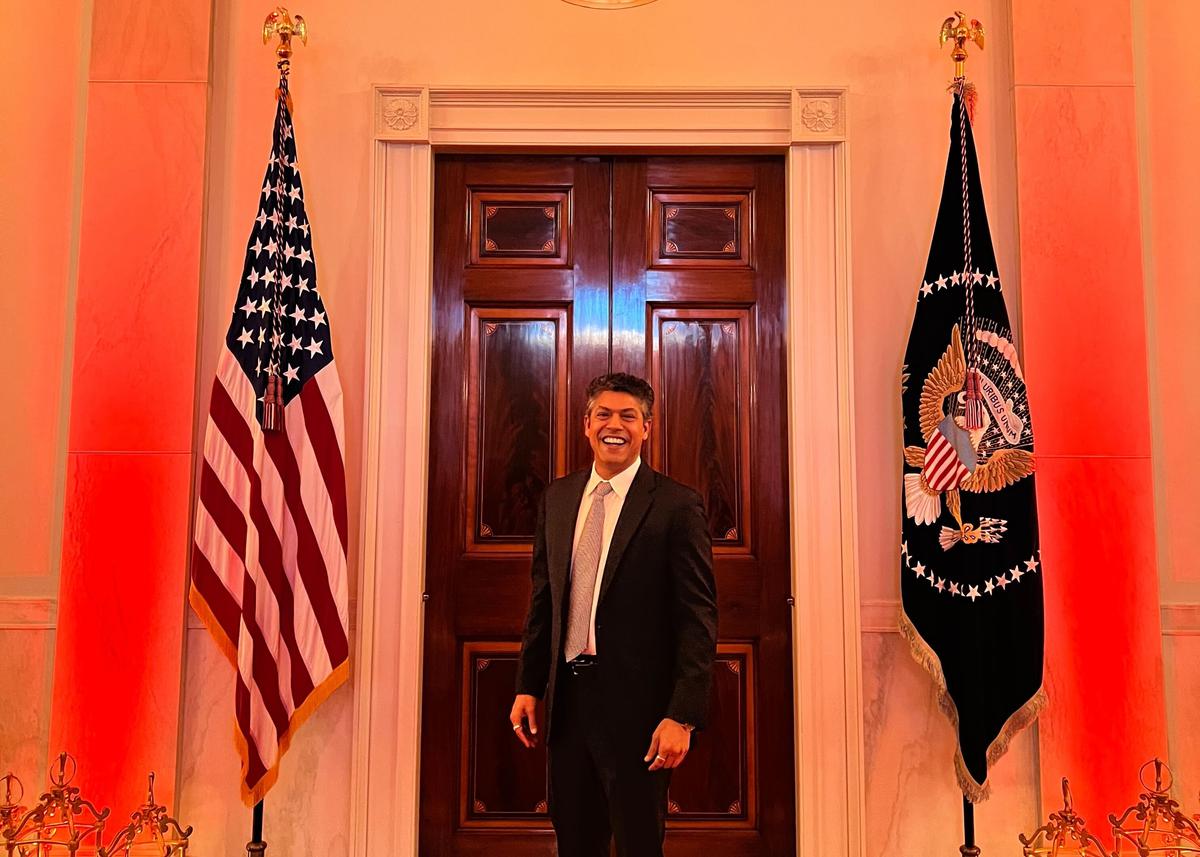
Sidd Ahmed, founder of VDart Group, seen at the first ever Lunar New Year reception hosted by the Bidens at the White House in Washington DC on January 26, 2023. | Photo Credit: SPECIAL ARRANGEMENT
The first ever Lunar New Year reception hosted by the US White House in Washington DC was a memorable occasion for Tiruchi-born Asian-American tech entrepreneur Sidd Ahmed, who was one of the 100 invitees to the formal event held on January 26.
“I’m still a little overwhelmed, because getting an invitation from the President of the United States is a big thing for an ordinary citizen,” says Ahmed over a phone interview. “The programme was meant to celebrate the New Year traditions of people from the Asian-American Pacific-Islander (AAPI) communities. This was one of the ethnic festive celebrations hosted by the White House in recent years, to emphasise the nation’s multiculturalism,” he says.
Ahmed, who founded the VDart Group, a global digital talent management and consultancy based in the US city of Alpharetta, Georgia in 2007, was a rare Indian face among the elite gathering dominated by guests from Korean, Japanese, Vietnamese and Filipino lineage.
“A majority of the invitees were non-profits [non-governmental organisations]. I represented the National Minority Supplier Development Council (NMSDC), a non-profit that connects minorities [people of African American, Hispanic, Native American, Asian Pacific, or Asian Indian ethnicity] with US corporations,” says Ahmed.
Dream come true
Along with NMSDC CEO and president Ying McGuire, Ahmed was invited as the head of VDart, one of the best-performing companies of the council’s 13,000 member firms. The company has had a significant corporate presence in Tiruchi since 2010.
“Visiting the White House and simply being in the proximity of President Joe Biden is a huge thing. It was a like a dream come true, listening to President Biden speak and interact with the guests. Imagine an ordinary man coming from Tiruchi like me going to the White House. There may have been many more companies and far more well-read people than me there, but it was such a huge honour,” says Ahmed.
Though a mass shooting incident during a Lunar New Year celebration in California a few days before the White House reception had cast a pall on the nation, the US administration decided to go ahead with the event as planned. “President Joe Biden and the First Lady Jill Biden wanted to show the country’s resilience,” says Ahmed.
He later attended a deferred Lunar New Year celebration hosted by Vice President Kamala Harris at her official residence on January 31.
The guests were free to click innumerable pictures in the grand reception rooms of the White House’s ground floor, once they had completed the mandatory security checks. “The Secret Service and US Marines manning the areas were really polite and hospitable that day, and made the evening more enjoyable,” says Ahmed.
While the excitement has still to die down at home, especially among his relatives in Tiruchi, Ahmed says his mother asked the most pertinent questions. “My family was super excited about the whole thing. But only Mom asked, ’What did the President say?’ and ‘Does he look the same in real life as on TV?’” he laughs.
source: http://www.thehindu.com / The Hindu / Home> Life & Style / by Nahla Nainar / February 22nd, 2023
Kilakarai (Ramanathapuram District) , TAMIL NADU :
Legends abound in Tamil folklore about the ‘merchant prince’ Shaikh Abdul Qadir, popularly known as Seethakathi. He was one of the earliest regional traders to do business with the Dutch and the British in the 17th Century. A generous patron of the arts, he supported poets Umaru Pulavar, Padikasu Thambiran, Kandasamy Pulavar, and others.
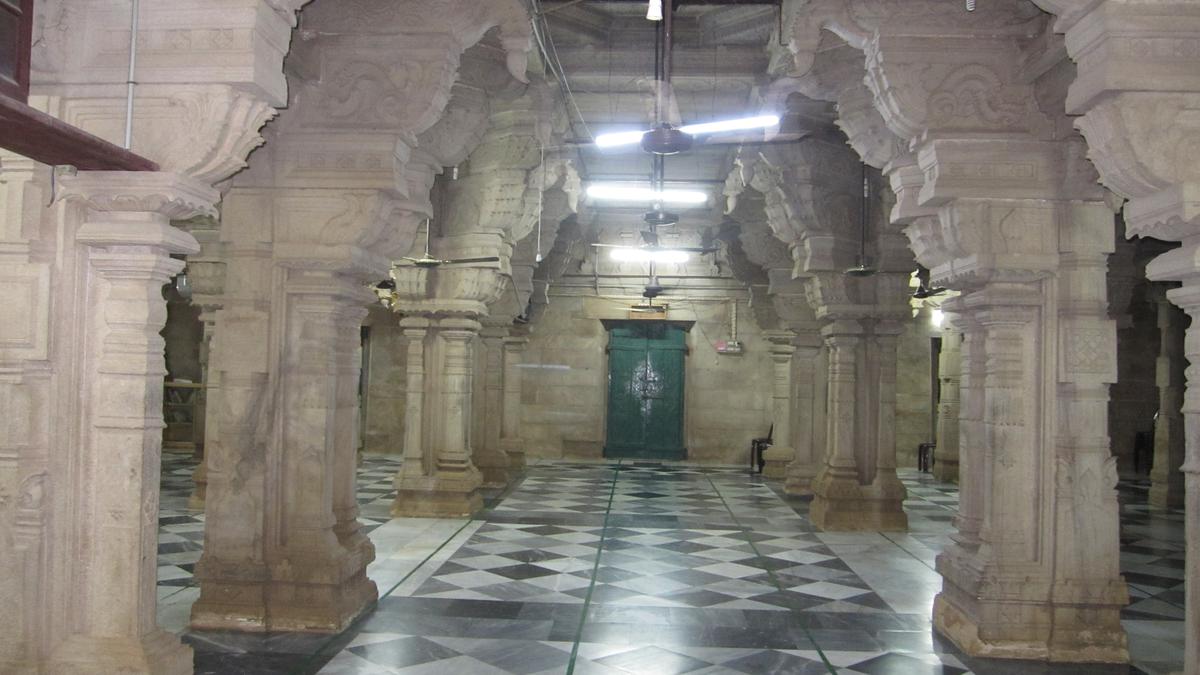
Cultural confluence: The prayer hall of the Grand Jumma Masjid, which is central to the landscape of Kilakarai. It was built in the 17th Century in the Dravidian style of architecture. | Photo Credit: Special Arrangement
In Tamil, Seethakathi is a byword for philanthropy. The adage ‘Seththum kodai kodutthan Seethakathi’ (Even in death, Seethakathi donated generously) is often used to refer to a person’s exemplary munificence. But who was Seethakathi, or rather, Shaikh Abdul Qadir, who also sported the title, Vijaya Raghunatha Periyathambi Marakkayar, endowed by Kilavan Sethupathi?
Legends abound in Tamil folkloric narratives about this ‘merchant prince’ of the coastal town of Kilakarai, in the present day Ramanathapuram district, whose name is variously spelled as ‘Seydakadi’ or ‘Sidakkali’. Actual evidence of his enterprise and influence, however, has survived only in a handful of records and inscriptions of the late 17th Century.
In memoriam
Kilakarai continues to commemorate its famous son. The main thoroughfare here is called ‘Vallal Seethakathi Salai’, and a grand memorial arch in his name on the outskirts welcomes visitors. An annual ‘Seethakathi Vizha’ is organised with panegyric poems and speeches in his honour.
Central to Kilakarai’s landscape, though, is the Grand Jumma Masjid, built in the Dravidian style of architecture, where Seethakathi is interred.
The mosque, said to have been commissioned by Seethakathi or built during his lifetime in the 17th Century over two decades, also houses the graves of his elder brother ‘Pattathu Maraikkar’ Mohamed Abdul Qadir, and the domed mausoleum of the saint-scholar Shaikh Sadaqatullah (known locally as Sadaqatullah Appa), to whom Seethakathi was close, both as disciple and friend. Seethakathi also commissioned the grave of his younger brother Sheikh Ibrahim Marakkayar in Vethalai.
“This mosque has 110 pillars made with stone quarried from the seashore in Valinokkam village. Its style is typical of southern Indian buildings of its time, and is of great interest to researchers because of its unique structure. All the pillars are embellished with floral patterns, and some of them are naturally embedded with seashells,” A.M.M. Kader Bux Hussain Siddiqi Makhdoomi, the town Qazi and ‘Mutawalli’ (administrator) of the Grand Jumma Mosque, told The Hindu.
Blending with locals
According to research by S.M. Hussain Nainar (1899-1963), who was a professor of Arabic, Urdu and Persian at the University of Madras and Sri Venkateswara University, Tirupati, Arabs and Persians had been trading with the Indian peninsula even before the advent of Islam. Over time, the Arab traders settled along the coast of southern India, and with the coming of Islam, became assimilated with the local population. Most Tamil-speaking Muslims in these regions have Arab ancestry.
Islam’s influence in the Deccan has been noted from the end of the 13th Century, but it peaked only after the mid-17th Century, in the reign of Mughal Emperor Aurangzeb (1658-1707).
Born to Malla Sahib Periya Thambi Marakkayar and Syed Ahmed Nachiyar, as the second of three sons, Seethakathi hailed from Selvarkulam. The Marakkayars (an abbreviated form of Marakala Rayar) were one of the five early Tamil Muslim communities (the others being Sonakar, Labbai, Turki and Rowther) mentioned in historical texts.
The Marakkayar community was known for its maritime trade, and Seethakathi made his fortune in dealing with pepper, rice, pearls and handloom textiles, among other commodities.
Seethakathi was a close friend of Vijaya Raghunatha Thevar, or Kilavan Sethupathi, a loyal vassal of Chokkanatha Nayak, who helped Thirumalai Nayak in his war against the Mysore army.
Sethupathi cut off ties with Madurai in 1792 and built the Ramalinga Vilasam palace to fortify his position in the region. The palace, set in the middle of a moated campus, has a stone tablet that bears Seethakathi’s name.
The title, ‘Vijaya Raghunatha Periya Thambi’, denoted the affection and trust that Seethakathi enjoyed of his royal friend.
Mughal ‘khalifa’ in Bengal
It is also said Shaikh Sadaqatullah’s mention of Seethakathi’s generosity and character to Emperor Aurangzeb resulted in the ‘merchant prince’ being sent to Bengal as the Mughal ‘khalifa’ (regent). However, Seethakathi decided to resign after a while, as the new environment did not suit him.
Seethakathi’s acumen helped him become one of the earliest regional traders to do business with the Dutch and the British in the 17th Century. He is known to have maintained ventures from the Coromandel Coast to Sri Lanka (Ceylon). The British made contact with Seethakathi in the mid-17th Century.
Nainar’s 1953 book Seethakathi Vallal refers to the correspondence, in 1686-1690, between Seethakathi and the British East India Company’s agents William Gyfford and Elihu Yale negotiating trade in pepper and rice. The Dutch, too, interacted with Seethakathi, first as business rivals, and then as collaborators.
Patron of arts
Seethakathi was a generous patron of the arts, with poets like Umaru Pulavar, Padikasu Thambiran and Kandasamy Pulavar among the many supported by him.
Umaru Pulavar wrote the Seera Puranam, a 5,000-stanza verse biography of Prophet Muhammad in Tamil. Nainar’s book also contains two extant literary works about him: Seethakathi Nondi Nadagam (a Tamil mono-drama) and Thirumana Vaazhthu (felicitation written for Seethakathi’s wedding).
“Over time, many myths have become attached to Seethakathi. As archival documents show, he was a successful businessman and ‘rental farmer’ for the powers of the day. More systematic research of old records would help to highlight the role of Tamil Muslims like Seethakathi in Indian history,” said J. Raja Mohamed, historian and former curator of Pudukottai Government Museum.
source: http://www.thehindu.com / The Hindu / Home> News> India> Tamil Nadu> In Focus / by Nahla Nainar / October 27th, 2023
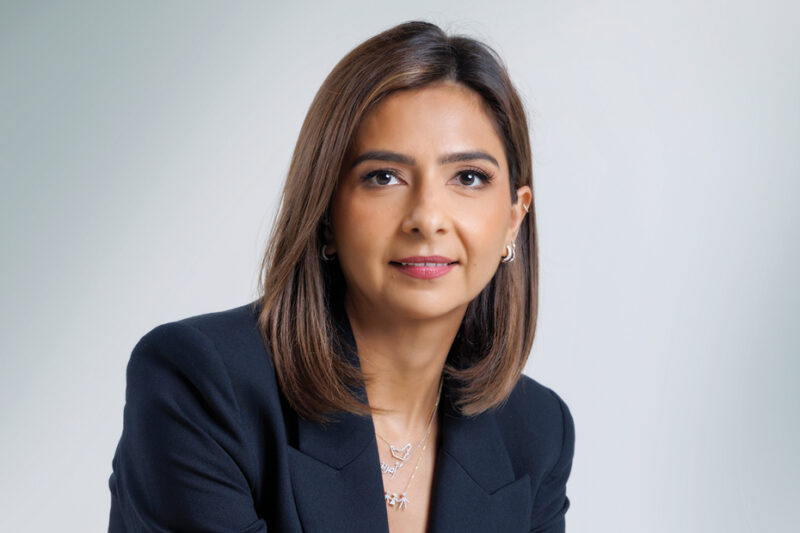
Amreen Iqbal, founder of Piece of You, is proving that jewellery is more than just an accessory — it’s a timeless connection to life’s milestones
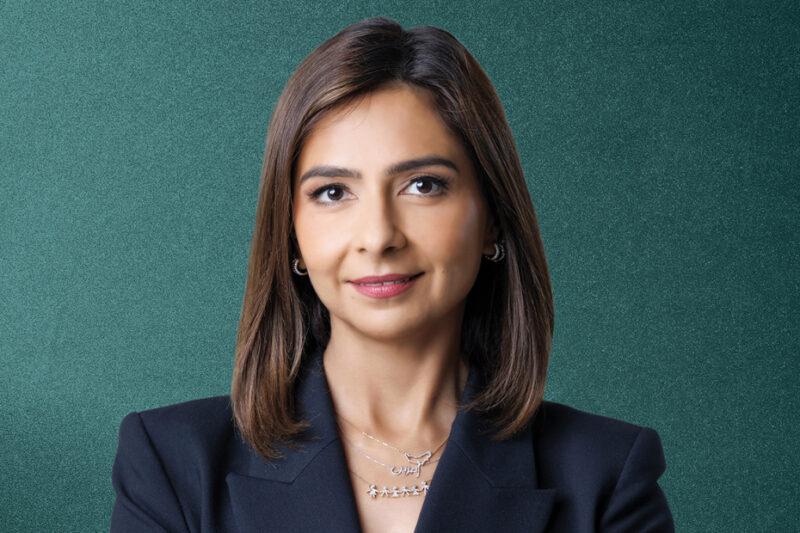
Image: Motivate Media Group/ Supplied
Jewellery is not just about adornment — it’s about capturing moments, emotions, and memories that last forever, says Amreen Iqbal.
For Iqbal, the founder of Piece of You , jewellery is more than just a luxury or a decorative accessory. It’s a reflection of life’s most meaningful moments; a creation of something truly personal and lasting. It’s this deep, emotional connection to jewellery that led her to create Piece of You, a brand that has quickly become the go-to brand in the personalised, bespoke jewellery space.
Like her brand, Iqbal’s journey is a meaningful narrative of passion, perseverance and family. It’s a story that weaves together her roots in a family business, her entrepreneurial spirit and her ‘sparkling’ vision for the future.
Iqbal’s passion for jewellery isn’t just a product of her creativity – it runs in her blood. Growing up in a family deeply entrenched in the jewellery trade, she was surrounded by the sights and sounds of goldsmiths, diamonds, and the ever-evolving world of high-end craftsmanship. Her father, Firoz Merchant, is the founder of Pure Gold Jewellers, a recognised and trusted name in the industry. Watching him build a brand from the ground up was a formative experience for Iqbal, one that would shape not just her understanding of the jewellery industry, but also her approach to business.
Learning from the best
“I had the privilege of learning under the guidance of my father,” Iqbal reflects. “He has been a true mentor, shaping my understanding of business, not just from a technical perspective, but also in terms of ethics and values. His wisdom and leadership have been instrumental in everything I do today.”
Her father’s influence is evident in how Iqbal runs her business. The commitment to quality, transparency, and customer satisfaction are values that Iqbal has carried with her, and they are reflected in every piece of jewellery she creates.
One moment that stands out for Iqbal as a testament to the legacy she’s building is when someone approached her father, and said, “Oh, you’re the father of Amreen?” “That moment is unforgettable for me,” Iqbal reflects. “It was a powerful reminder of the legacy I want to create – not just for myself, but for my parents and my children. I want to be known as a hardworking founder who has made a name for herself in this industry.”
Iqbal’s journey as an entrepreneur didn’t come by chance; it was a deliberate decision to follow her passion for jewellery design and make it her own. After years of crafting bespoke pieces for family and friends, her husband, Amran, encouraged her to take the leap and turn her craft into a business. “It was after the birth of our third child, Omar, that Amran pushed me to pursue my dream,” she explains. “He saw how much joy creating personalised pieces brought me and encouraged me to turn that passion into a brand. He truly believed in me, and that belief made all the difference.”
Piece of you: The birth of a brand
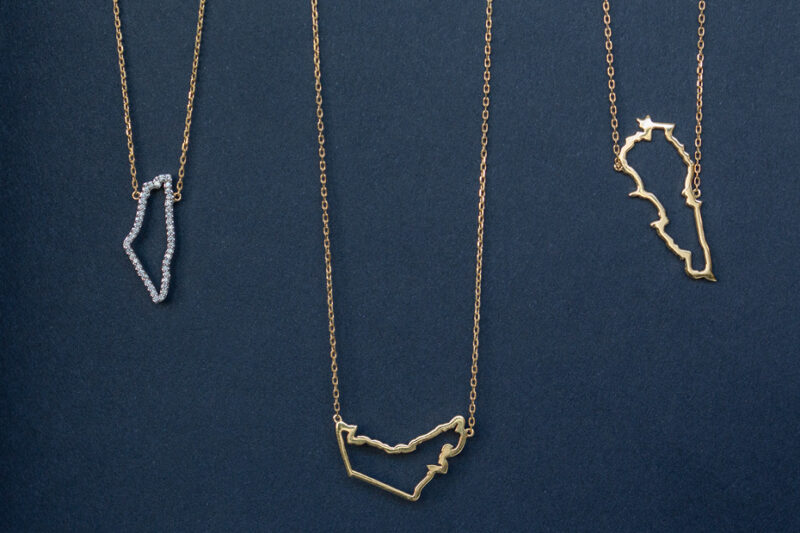
And so, Piece of You was born – an online jewellery brand that offers personalised, one-of-a-kind pieces that allow customers to capture their special moments in a way that’s as unique as they are. The brand’s one-of-a-kind pieces (rings, necklaces, earrings, bracelets) are crafted from pure 18-carat gold and adorned with diamonds, pearls and other precious stones.
The idea of personalised jewellery resonated deeply with customers, and the brand quickly gained traction. “I believe there’s something incredibly powerful about jewellery that carries personal significance,” Iqbal shares. “When you wear something that has meaning – whether it’s a name, a date, or a symbol that’s important to you – it becomes so much more than just an accessory. It becomes a part of your story.
“Piece of You is about capturing that personal connection and turning it into something tangible – it’s about being ‘uniquely you’.”
“We are proud to be pioneers in personalised jewellery — a space where others have tried to replicate our success,” Iqbal says with a sense of quiet confidence. “As the saying goes, imitation is the sincerest form of flattery, and we take pride in knowing that others look to us as a models. However, we will always remain distinct – and dare I say, better – than other brands.”
With over 35 years of family experience in the industry, coupled with nearly 20 years of her hands-on expertise working with gold and diamonds, Iqbal has developed a deep understanding of the craft. “Our knowledge and passion for the trade are at the heart of everything we do,” she explains.
Furthermore, the brand’s partnership with Pure Gold Jewellers provides an unmatched competitive edge, with Iqbal’s father playing a critical role in the operations, personally overseeing the manufacturing unit. “His involvement ensures the highest standards of ethics and quality at our factory,” Iqbal notes.
“With our manufacturing unit and the ability to purchase on a large scale through our partnership with Pure Gold Jewellers, we offer accessible luxury that goes beyond competitive prices. This combination gives us a distinct advantage in delivering high-quality, personalised jewellery at unparalleled value, she adds.
But while the brand’s distinctiveness is rooted in its expertise, vision, and commitment to quality, it is the power of social media that has enabled Piece of You to share its story with a global audience, transforming its appeal and growth trajectory.
Leveraging social media
Social media has become a game-changer for many businesses – and Iqbal’s journey with Piece of You was no exception. She knew that connecting with customers online was essential, but it wasn’t until her pieces were worn by influential personalities that her business truly took off.
“Social media has completely transformed the jewellery industry,” Iqbal explains. “When I started Piece of You, I knew that building an online presence was crucial. But it wasn’t until one of the influencers in Dubai wore one of our pieces that things started to take off. The response was overwhelming. It opened the floodgates for brand recognition and allowed us to reach customers we never could have imagined.”
The influencer’s endorsement catapulted the brand into the limelight, bringing Iqbal’s personalised designs to the attention of a wider audience. “It was a turning point for us,” she admits. “The exposure we gained through social media and influencers has been incredible. People loved the idea of personalised jewellery, and when they saw someone they admired wearing our pieces, it gave them the confidence to buy for themselves.”
With the power of platforms like Instagram, Piece of You has rapidly grown its following, reaching customers in the UAE and beyond. “The beauty of social media is that it allows us to connect with people globally,” Iqbal says. “Social media has truly allowed us to connect with people who are passionate about what we do, and it’s helped us tell our story in a more meaningful way.”
Like any entrepreneur, Iqbal faced her share of challenges when launching the brand, but she also had a significant advantage.
“I was incredibly fortunate to have minimal challenges in terms of suppliers and understanding the industry,” she admits. “Having worked in the jewellery business for over 12 years before launching Piece of You, I knew the ins and outs of the trade. However, establishing the brand in the market was a challenge. It’s never easy to carve a niche, especially in a market as competitive as Dubai.”
Despite the challenges, Iqbal’s persistence paid off. The brand is a rising star in the world of personalised jewellery. “Today, I’m proud to see Piece of You’s growth and success,” she says with a smile. “It’s a reflection of all the hard work and love I’ve put into the brand.”
Girl power
As a female entrepreneur in a traditionally male-dominated industry, Iqbal has encountered her own set of challenges. However, instead of viewing these as setbacks, she embraces them as opportunities to demonstrate her capabilities and create a path for other women to follow in the industry.
“I believe that as women, we all face challenges – especially in industries like gold and diamonds where women are often underrepresented,” she says. “But that is changing rapidly, especially in the UAE, where visionary leaders are empowering women to achieve their dreams. There is a space for everyone to succeed, and talent, drive, and passion are what matter the most.”
“The growth of Piece of You is directly tied to the growth of my entire team,” she adds. “As a leader, I’ve learned that delegation is key. When I first started, I struggled with letting go of control, but over time, I’ve learned that empowering others is essential for the growth of both the business and the people around me.”
Her leadership extends beyond her team to the broader community as well. “One of the things I’m most proud of is how Piece of You is able to give back,” she says. The brand’s ‘One Order = One Meal’ programme, which provides a meal to someone in need for every piece of jewellery sold, is just one example of how Iqbal strives to make a difference. “It’s about more than just making money. It’s about creating something that has meaning, that can help people, and that can make the world a better place.”
As much as she is dedicated to her business, Iqbal’s commitment to her family is equally unwavering. “In addition to being an entrepreneur, I am also a full-time mom to four amazing children, aged two to 12, who need me endlessly,” she says with a smile. “It’s a constant balancing act, but I believe that time management and proper planning are the most important factors when it comes to maintaining balance.”
Iqbal makes it a point to wake up every day at 5:30 am, carving out those extra hours to balance her many roles – both at home and in business. “As my brother, Karim Merchant, MD and CEO of Pure Gold Group, taught me early on, effective time management and planning can have a profound impact on every aspect of your life – business, family, mental health, and more,” she says. “As the saying goes, proper planning prevents poor performance.”
As e-commerce continues to reshape industries across the globe, Iqbal has fully embraced digital transformation, understanding the critical role technology plays in the modern consumer experience.
“E-commerce is definitely the future,” Iqbal says. “The ability to shop for jewellery from anywhere at any time is a game-changer. But what really excites me is how technology is transforming the jewellery shopping experience. Virtual try-ons, AI-assisted design tools, and augmented reality are revolutionising the way customers engage with our products.”
Piece of You was quick to adopt these advancements, offering customers the ability to design their jewellery online, see virtual mock-ups, and even try on pieces virtually before making a purchase. “These technologies are key to ensuring that our customers have a seamless and personalised experience,” Iqbal explains.
“We bring your unique vision to life and ensure it is delivered directly to your preferred location, combining convenience with a truly bespoke experience,” she adds.
Committed to sustainability
In today’s world, consumers are increasingly conscious of the ethical and environmental impact of their purchases. Iqbal has always been committed to sustainability and responsible sourcing, working with suppliers who share her values of transparency and ethical practices.
“Luxury doesn’t have to come at the expense of the planet,” Iqbal says firmly. “At Piece of You, we ensure that all our materials are ethically sourced. I work with trusted suppliers, ensuring that our jewellery meets the highest standards of quality and sustainability.”
As the brand continues to gain recognition, Iqbal is looking forward to expanding its reach even further.
“My goal for Piece of You is to establish ourselves as the world’s leading destination for personalised jewellery,” she reveals. With a growing demand for special-shape diamonds, such as hearts and stars, Iqbal is excited about introducing new designs that will appeal to consumers seeking both timeless elegance and bold individuality.
The future of personalised jewellery looks bright, and Amreen Iqbal is poised to lead the way. “We aim to remain leaders in this space, and we’re thrilled about the opportunities ahead,” she says. “It’s an exciting time, and I’m proud to help people express their individuality and create meaningful connections through jewellery.”
___
Leadership lessons: Amreen Iqbal’s advice for aspiring women entrepreneurs
Find your passion: Pursue a career or business that truly makes you happy. Your passion will drive you even when times get tough.
Build a strong support system: Having a strong support system at home is essential. Whether it’s your spouse, family, or even house help, don’t be afraid to ask for help when you need it.
Stay true to your values: Integrity and honesty are everything in business. Never compromise your values, no matter how tempting the shortcut may seem.
Delegate and trust your team: When you empower others, you allow them to help you achieve your vision. Leadership is about bringing out the best in those around you.
Embrace social media and technology: Social media can truly elevate your business. Build a community around your brand, and let your customers become your advocates. Incorporating technology is also key to business success in the digital age.
source: http://www.gulfbusiness.com / Gulf Business / Home> UAE > Dubai / by Neesha Salian / December 26th, 2024
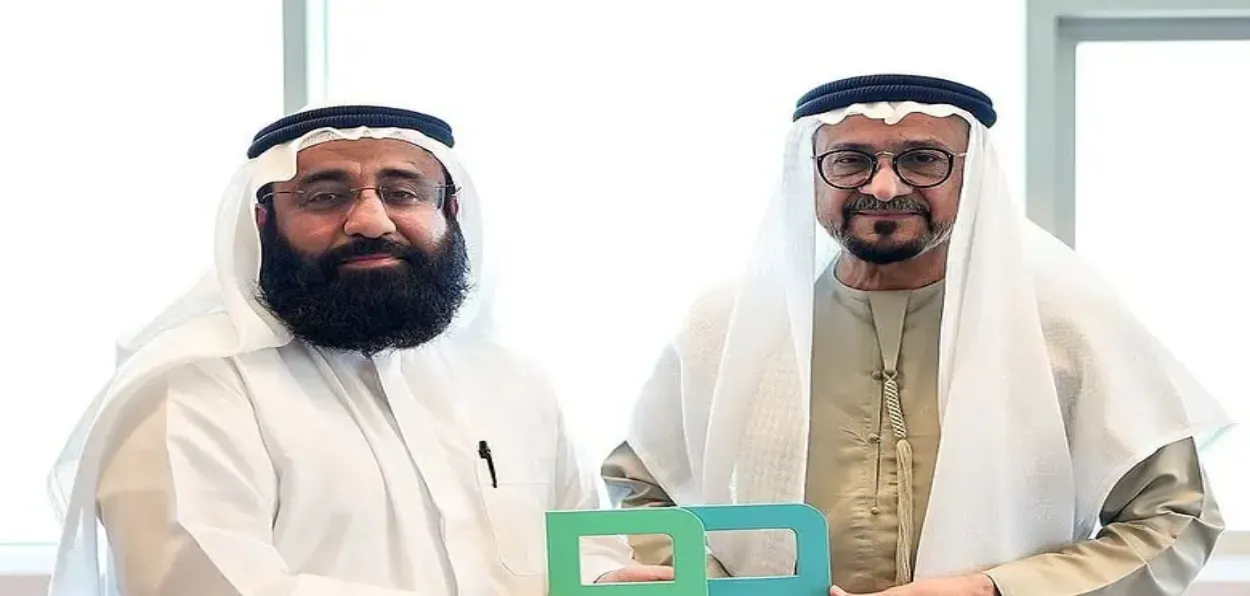
Firoz Merchant (Left) donating the cheque to Khalid Al Olama, Secretary General of the Dubai Charity Association
New Delhi :
Mumbai-born Indian businessman Firoz Merchant has donated AED 1 million (approximately Rs 2.25 crore) to the Dubai Charity Association to support kidney patients and release prisoners.
Firoz, a philanthropist is the founder and chairman of Dubai’s Pure Gold Group. The donation will be used for dialysis at the Dubai Charity Association and his initiative of paying the fines of prisoners who have served their terms in jails and have been languishing as they cannot pay the fines imposed on them.
Khalid Al Olama, Member and Secretary General of the Dubai Charity Association, posted the story about Merchant’s charity on Instagram. He thanked Feroz and said it would be of great help to the kidney patients.
He said, “This donation is not just a financial contribution. It is a symbol of Pure Gold Group’s social responsibility and commitment to community welfare. We are proud of this Group’s collaboration. We are grateful for its continued support for humanitarian work in the UAE. This collaboration allows us to expand healthcare services and help more patients.”
After donating to the Dubai Charity Association, Firoz Merchant said, “I would like to thank the Dubai Charity Association for their continued dedication to humanitarian causes. I believe that everyone has a fundamental right to access the best medical care in the world. I am happy that I could contribute to this community service.”
Firoz Merchant’s social work has made a big difference in the lives of many poor and vulnerable people. Firoz’s ‘Forgotten Society’ initiative has freed more than 20,000 prisoners in the UAE since 2008. For this, he waived the prisoners’ debts and arranged for them to fly back to their countries. In 2024, he gave crores of rupees to free 900 prisoners before Ramadan.
In 2017, he announced to provide an annual sum of US$130,790 to repatriate prisoners from the UAE to their home countries. Feroze is fulfilling his social responsibility by helping the needy in society. Mumbai-born Firoz Merchant is well known for his jewelry business and above all human service in the UAE. Each year before Ramazan, he gets prisoners who are languishing in jails after serving their terms but unable to pay the fines imposed by the Courts on them freed from the UAE’s jails.
Firoz set up ‘The Forgotten Society’ in 2008. Each years the society hands over a cewrtain amount to the UAE government as the cumulative fine amount for the release of prisoners
Merchant had to drop out of school due to financial difficulties and he moved to UAE where he worked and gradually established his business.
Firoz Merchant says he does this to ensure that the prisoners can return to their homes before Ramazan. ‘The Forgotten Society’ arranges tickets for the air travel of prisoners. Firoz Merchant, 66, is the owner ‘Pure Gold Jewellers which he set up in Dubai in 1989. He claims to live up to the name of his business and sell only quality jewelry to his customers.
Firoz Merchant says after becoming a brand and enjoying a monopoly on the jewelry market of Dubai and later Abu Dhabi, he wants to expand globally with his new design jewelry.
All the exquisite gold-diamond designer jewelry of ‘Pure Gold Jewellers’ is available for sale online.
While selling designer jewelry, one day Firoz Merchant thought of freeing the prisoners lodged in various jails who don’t have a relative and resources to pay the fine imposed on them by the court as part of the punishment.
Due to his charity, 700 prisoners were released in 2019 and 900 the next year. Till a year ago his initiative has helped more than 20,000 prisoners.
Merchant says his deed is a message of humility, humanity, forgiveness, and kindness during Ramzan.
source: http://www.awazthevoice.in / Awaz, The Voice / Home> Story / by Awaz The Voice / March 12th, 2025
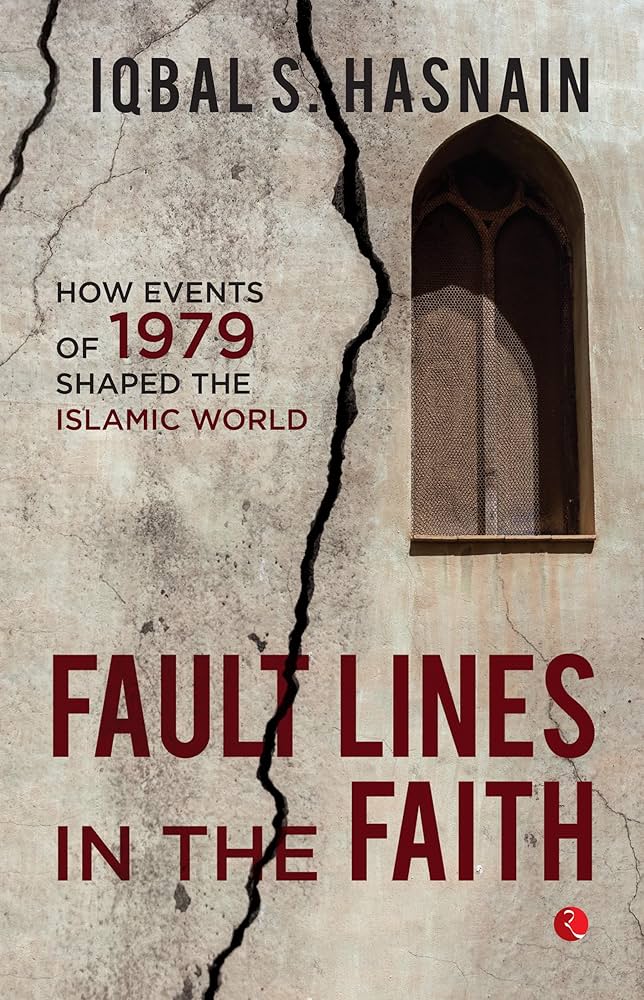
Padma Shri awardee Iqbal Syed Hasnain’s ‘Fault Lines in the Faith: How Events of 1979 Shaped the Islamic World’ was the topic of an animated discussion at Delhi’s IIC earlier this month.
The ‘Fault Lines in the Faith’ book discussion at IIC | Photo: Heena Fatima | thePrint
New Delhi:
A series of three momentous events irrevocably changed the social, religious, and political fabric of the Islamic world. And they all took place in 1979. This is the central argument of Padma Shri awardee Iqbal Syed Hasnain’s book Fault Lines in the Faith, which became the topic of a lively discussion among academics and history buffs at Delhi’s India International Centre on an early February evening.
Presiding over the panel discussion in IIC’s conference room, Hasnain, who is also an eminent glaciologist, elaborated on the three “fault lines” that sent shockwaves far beyond their immediate contexts.
First, the Islamic Revolution in Iran cleaved the Muslim world along sectarian lines with the establishment of the first Shia state. Second, the siege of Mecca ignited the conservative Sahwa (Islamic awakening) movement in Saudi Arabia, blending Muslim Brotherhood and Salafist ideologies. And third, the Soviet invasion of Afghanistan led to the birth of violent extremist groups like al-Qaeda and its offshoots.
“All these three pivotal points led to the surge of fundamentalist or Islamist jihad,” said Hasnain. He added that what began as a “normal struggle between invading forces and local communities” warped from nationalism to a violent ideological shift with devastating repercussions.
Iqbal S Hasnain | Photo: Twitter/@Rupa_Books
Hasnain further elaborated on the global impact of these events by sharing personal anecdotes from his time studying in the UK. He said he encountered strong anti-Western sentiment among students from Middle Eastern countries during his glaciology programme at the University of Manchester in the 1990s.
During Friday prayers in a large hall, he said, student speakers often delivered khutbahs (sermons) against Western culture and American exploitation of their regions, with some even advocating for jihad. As American involvement in the Middle East increased, especially with the invasions of Afghanistan and Iraq in the early 2000s, this hostility intensified.
pix: amazon.in
During the book discussion, audience members raised questions about Hasnain’s narrative. One participant, Sumanjeet Choudhary, a retired corporate executive, inquired why there wasn’t more opposition to jihadist activities despite Islam’s rich history and the presence of prominent leaders.
Hasnain countered this view with the example of Morocco’s King Mohammed VI, who has urged Moroccans worldwide to embrace tolerance and reject Islamist extremism.
“King Mohammed VI came out and he stopped the funding [of madrasas] from Saudi Arabia. He changed the whole narrative in the madrasas,” Hasnain said. He acknowledged, however, that while there is an ongoing debate within Muslim communities and their leadership about how to address extremism, it is “not very visible”.
Ripple effects
Hasnain’s book traces the rise of anti-pluralism, misogyny, and severe intolerance within the Arab world. The 1979 Shia Islamic Revolution in Iran, he said, shook the Sunni Arab world. In response, Saudi Arabia, fearing a Shiite revival, actively promoted puritanical Wahhabi Salafism, a strand of Islam that’s deeply hostile not only to Shias but also to Sunni Sufis. He, however, implicates the West as well. In February 1989, after nearly a decade of occupation, the Soviet army left Afghanistan, leaving behind a fractured nation, where tribal warlords and mujahideen groups engaged in an intense tussle for power. The US, having lost interest, “abandoned” the region, he added, leaving a vacuum for the likes of Osama bin Laden to fill.
Ultimately, Hasnain argues that the events of 1979 triggered a chain reaction, including 9/11, the US invasions of Afghanistan and Iraq, and the rise of al-Qaeda and ISIS. In 2021, in what seems like an eerie echo of the past, the US withdrew its troops from Afghanistan, leaving it with no democratic foundation and back in the grip of the Taliban.
When a participant asked about the impact of the 1979 events on India, Hasnain answered that the after-effects “were not limited to West Asia”, with radicalisation spreading to all corners of the world. “In India, to some extent, it was [mitigated] because India practiced a more moderate form of Islam , Hanafi Sufi Islam, which emphasised trade,” he added.
However, as more Indians went to work in Saudi Arabia, they were influenced by Salafi ideology, Hasnain said. For instance, those who’d grown up celebrating Eid-e-Milad (Prophet Muhammad’s birthday) stopped doing so after stints in Saudi Arabia, where Wahhabis do not observe such festivities.
One of the panel’s members was former Indian ambassador to Qatar KP Fabian. Chiming in, he said that it was important tomonitor developments in Muslim-majority countries, given India’s sizeable Muslim population. There may be political borders but “ideas come without a visa”, he pointed out, and vigilance is essential. He also claimed that Arab countries are keeping an eye on India’s Muslims. “They are watching us,” Fabian said. “They are also discreet.”
(Edited by Asavari Singh)
source: http://www.theprint.in / The Print / Home> Features> Around Town / by Heena Fatima / pix of book edited – source amazon.in / February 29th, 2024