Category Archives: Business & Economy

The future of specialty coffee in India looks bright with Rasulpur Coffee Estates

Rasulpur (Kodagu District), KARNATAKA :

In my previous article, I featured an Ethiopian coffee export company who ran her business based on trust. This is factored in two ways; dealing with her farmers and clientele. In this day and age, we can learn a thing or two by understanding the wisdom behind why some people do the things they do, treading a harder path and not resort to shortcuts. They are in it for the long term, not focused on the short term gains. I have nothing but high regard for individuals like Medina.

Continuing a similar conversation, I have been focusing on what exactly is happening at the farm level by getting in touch with the producer directly. In this article, I talk to the owner of a coffee estate farm based in India. Sumaira gives us an insight about how her family’s coffee estate started in the late 18th century, processing techniques employed on her farm, the specialty coffee movement in India, and much more.

source: Rasulpur Coffee Estates

Can you tell me a bit about yourself and Rasulpur Coffee Estates?

I am Sumaira, the owner of Rasulpur Coffee Estates & Roasters . We are located in the Rasulpur village, Coorg district, in the hot spots of the Western Ghats, India. My entrepreneurship journey has had its shares of ups and downs. I took up a career as an interior designer and worked as a business head for a furniture empire in India. Later on, I moved to the UAE and explored the real estate industry and the coffee sector. I envisioned starting up something of my own, being from a family of coffee planters and having the self-confidence and determination to start my own business. Something clicked the moment I realized how the coffee industry is growing day-by-day.

To add, I am a fifth generation coffee planter who introduced specialty coffee at our estate. We introduced better equipments and techniques, and new processing and fermentation methods which I’ll get into a little later. A laboratory is set up for roasting and cupping to create different roast profiles and new blends at our estate. We believe in helping and encouraging our coffee community, especially the neighboring small and marginal coffee growers to analyze their coffees, and improve their harvesting and processing methods to fetch a better price for their coffee.

The journey of Rasulpur Coffee Estates started in the late 18th century when our ancestors migrated to the Western Ghats of India i.e. Coorg at the time of the British rule, as their main occupation was trading in coffee and spices. They travelled to different parts of Coorg, as they developed a liking towards coffee estates and the greenery, purchased plenty of estates, learnt the methods of coffee cultivation, and started exporting coffee to foreign countries. England was one of the major countries to which coffee was exported to from our estates in that period with the help of the Coffee Board.

We named the estate and brand ‘Rasulpur Coffee’ after the village, Rasulpur, which is on the banks of the Kaveri river in Kodagu district is named after Mr. Rasul Khan, our first generation planter. He cleared the land, started cultivation, built dams for irrigation, made the place livable and initiated agricultural works. Looking at his abilities and progress, the government named this village after him.

In time, our second, third and fourth generation planters purchased more coffee plantations and improved the methods of cultivation, processing, and introduced pulping and irrigation. An R&D team was also set up and a variety of experiments are conducted to this day. The goal here is to enhance the quality of the crops, and advance the processing and post harvesting methods. Our coffee is featured in auctions, supplied for projects, sold locally and exported to wholesalers, cafes, and restaurants. We also ferment micro lots as per requirements from our roasters and young entrepreneurs who are venturing into the coffee industry.

What kind of processing is done on the farm?

Processing on our farm is done in three different ways along with few specialty processing methods, all of which change the sweetness, body and acidity of brewed coffee. These are natural/sun dried, washed, and honey processed.

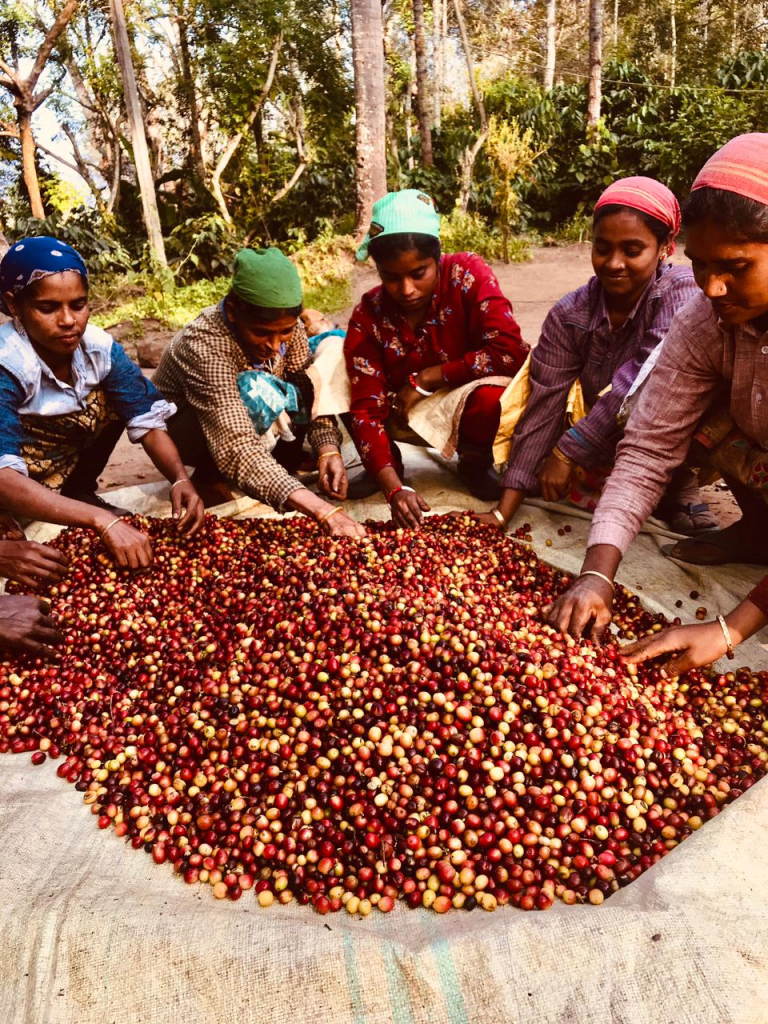
  • Natural/sun dried process. A natural processed coffee, also referred to as dry processed, is a traditional yet common way to process coffee today. Originating in Ethiopia, it involves drying out freshly picked coffee cherries with the seed still inside. To do this, we place the cherries on drying beds in the sun. These beds are either patios or raised drying tables. The cherries have to be rotated and turned to prevent mold, and takes about seven to eight days to ferment. During this time, the sugars and mucilage (the sticky substance that coats the seed) will latch onto the seeds, develop flavours and make them sweeter. Once the coffee is dry, a machine separates the pulp from the seed. Natural coffees are heavy bodied, and have deep, complex tasting notes. This development comes from the way the cherry ferments differently. Natural processed coffees can be difficult to replicate because of the inconsistencies in fermentation. However when done right, these coffees can also be some of the sweetest you’ll taste. It is juicy, syrupy and well worth the extra effort.
  • Washed process. Unlike natural, washed processed coffees are called the opposite, i.e. wet processed. In this scenario, machines called pulpers remove the seeds from the cherries before drying them. However, it is not just any cherry that gets the seed removal treatment. These cherries must have the perfect amount of ripeness to make sure they are sweet enough. To accomplish this, they go through a sorter and are segregated according to density. Once these pulpers remove the skin and pulp from the seeds, they are placed in tanks full of water. The water separates the rest of the mucilage and fruit caked onto the seed. Finally, the seeds are dried on the beds in the sun. Washed processed coffees have cleaner, and more crisp tasting notes when compared to natural processed coffees. The body of a brewed washed coffee is lighter. There is typically more brightness as well, because of a cleaner acidity that balances out the sweetness of the coffee. They are just as fruity as natural coffees, but the flavor notes are easier to differentiate.
  • Honey processed. This method is a combination of both natural and washed. It is a rare and demanding method, and not as commonly practiced as the previous two. However, it produces a unique cup of coffee, with flavours similar to both of the previously described processing methods. During honey processing, a pulper removes the seed from the cherry before it undergoes a drying process. However, it does not go into washing tank to remove the mucilage. That mucilage, which is what the ‘honey’ refers to stays on the seed and is now dried in the sun. The amount of mucilage left behind determines the sweetness, and there are even machines to control the amount on the seed. Like natural process, the seeds are dried on beds. The flavor components of honey coffees are varied and complex. Like washed coffees, they have lighter body and are very syrupy and sweet. Acidity is present but more mellow when compared to washed coffees.
  • Specialty processing. This is an emerging field and we use unique methods like anaerobic, aerobic, natural fermented, and fruit fermented to name a few. We ferment our coffee in a temperature controlled environment, with or without oxygen, followed by controlled drying to bring out unique and funky flavors out of the coffee.
source: Rasulpur Coffee Estates

What is the current state of the specialty coffee industry in India?

The coffee culture in India has evolved over the past decades. The nostalgia-inducing coffee houses were popular meeting grounds until the 1980’s. In the 90’s, cafe culture took over the country and coffee became the trendy drink to try.

Cafes are becoming the primary hangouts for youngsters and coffee found an emerging and appreciative audience. In the past two decades, we have seen a surge of cafes all over the country. They have materialized as a central hub for meeting, whether casual or business, and also doubling up as co-working spaces.

The 2020 pandemic impacted the industry In multiple ways and its effects were manifold. Logistics of coffee exports are pretty bad even today. Traditional coffee plantation owners who supply heavily within India and export to Europe are left with excess stock of coffee that could no longer be shipped to international markets.

Coming to the Indian coffee space, in recent years, the spotlight is on specialty coffee. This movement is picking up speed with many brands and roasters setting up shop. Analysis gives us a deeper understanding on how speciality coffee has emerged as the current buzzword in coffee circles. Current generation and millennials have emerged as the major chunk of consumers of specialty coffee within India.

Increased awareness and interest about coffee augmented by growing exposure to worldwide trends due to rising international travel and social media saw many of them exploring specialty coffee and manual brewing techniques. Lockdowns put a halt to the possibility of exploring cafes and thus many coffee consumers in the country turned to home brewing.

Many retail specialty coffee brands saw skyrocketing sales in 2020 as consumers invested in manual brewing equipment ranging from French Press, Moka Pots, Chemex and Aeropress. The new generation of coffee consumers respect the people behind the product, want to better understand the ‘farm to cup’ journey and are willing to invest in educating themselves on all nuances of coffee.

A few years back, this was largely unheard of. Farmers were just one aspect of the coffee supply chain, but hardly ever found the spotlight on them. Now plantation owners are keen on sharing their stories and experiences, information on their crops and the work they put in to make that perfect cup of coffee.

One can safely say that specialty coffee will not just be a passing trend, but en route to becoming one of the mainstays of the Indian coffee space in the coming decade.

I think there is a lack of communication between the consumers and farmers. I know some of the consumers, including me, have started to pay attention to where exactly the coffee is coming and from which farm. What do you think can be done to fill this gap?

The missing ingredient is awareness. People need to be educated about Indian coffee. The new-generation farmers need to collaborate with the Coffee Board of India and conduct events to promote coffees originating from India within the country and internationally.

Joint efforts need to be made by all coffee enthusiasts to encourage the consumption of coffee by making people understand the benefits of drinking coffee. The government has to support and help promote farmers to come forward and establish their own brands.

Being honest and transparent ensures the consumers and clients knows about the past, present and the way you are going to build a future. Bringing credibility to the table builds trust factor for the brand with the consumers.

I know some of the issues the farmers are facing currently are the increasing production costs, what steps are you employing to change that? Have you increased the price of your coffee to reflect that?

Whether we like it or not, coffee is getting more expensive. It’s important to look at some of the reasons why this is happening, before you potentially do one of the following:

  • Buy less sustainable and ethical coffee because it’s cheaper or
  • Lay blame on the wrong people for higher prices.

There are many factors influencing the cost of coffee from climate change, disruptions to global shipping, consumer demand, and packaging cost. While the need to use more environmentally-friendly packaging for coffee cups and bags is real, so too is the cost for shops switching to compostable or recyclable materials. We have also witnessed fluctuating shortages of packaging stock forcing some companies to find more costly short term solutions to packaging which comes at a higher cost.

Lastly, coming to the cost of quality, producing coffee of higher quality simply costs more. Coffee must be cared, harvesting and processing is hard work. It requires time and physical effort if you want to achieve the highest quality standards. You can’t have it both ways.

source: Rasulpur Coffee Estates

What are your thoughts on transparency? Has it benefitted you in any way?

Yes, by ten-fold. Transparency has improved our overall trust factor in this industry. It solves many problems and even stops disasters before they happen. It expands relationships, increases productivity, strengthens innovation, and improved our revenue.

What is the future of specialty coffee?

By far, the most interesting and exciting coffee segment of the moment is specialty coffee. It is rapidly expanding in India and across the globe as consumers continue to seek out the best cup of coffee to enjoy.

When it comes to coffee quality, specialty coffee is the ‘cream of the crop’ and is likened to fine wines due to its distinctive characteristics and delicious flavour that can only be achieved under certain growing conditions.

In today’s market, specialty coffee has become an intricate science and a global phenomenon that is seeing rapid growth across all sectors. More estates are coming into this specialty game, that will give ‘Indian specialty coffee a lot of mileage.’

What do you do in terms of R&D on Rasulpur Estate

We are currently doing research on developing a hybrid plant which is resistant to white stem borer and leaf rust. These are the two biggest pests and diseases faced by all Arabica growers throughout the world. International Coffee Organization (ICO) is working with different countries to find a solution for this.

This R&D program has been ongoing for the past four years on a 40 year old, 30 ft tall, Arabica plant labelled by us as Rasulpur Arabica. So far, the results look promising and it is resistant to these diseases. We have propagated progenies of this plant by clonal cutting, seed and tissue culture, and cross-bred this plant with other varieties of Arabica.
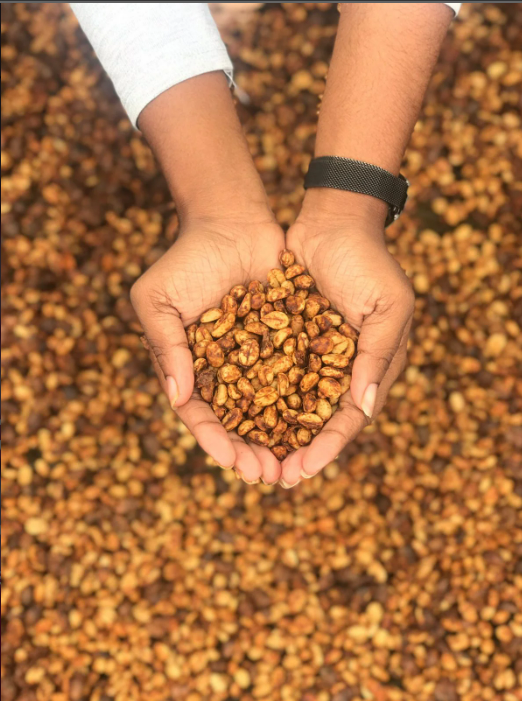
source: Rasulpur Coffee Estates

About Rasulpur Coffee Estate

Rasulpur Coffee Estates & Roasters is based out of Rasulpur village in Coorg district in the hot spots of the Western Ghats, India. The Estate is run by Syeda Sumaira, a fifth generation coffee planter and entrepreneur.

Fun fact: Coffee farms are the best place to get first hand knowledge about the beverage, how it is grown, harvested and processed.

Rasulpur Coffee Estates organizes coffee tours, get in touch with them to find out more.

source: http://www.fltrmagazine.com / FLTR / Home> Insight> People / by Naveed Syed / August 11th, 2022
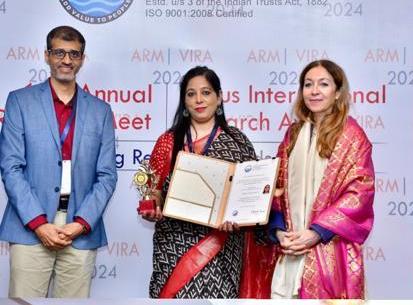
AMU Professor Dr Nishat Afroz gets International Award as ‘Distinguished Researcher in Histopatholgy’ for Research and Innovation in Medical Sciences

Aligarh, UTTAR PRADESH :

Dr Nishat Afroz receives the international award for research and innovation in medical sciences

Aligarh:

Dr Nishat Afroz, Professor, Department of Pathology, JN Medical College, Aligarh Muslim University (AMU) has been honoured with the award of “Distinguished Researcher in Histopathology” for her contribution and achievement in the discipline of Health and Medical Sciences by the Venus International Foundation.

The award was bestowed upon her at the 10th Annual Research Meet – ARM 2024 on the theme “Diverse Approach to Address Societal Challenges and Deliver Novel Solutions”, organised by the Centre for Research and Innovation – Venus International Foundation at Chennai.

Earlier, Dr Nishat Afroz attended the Pathology Conferences at Subharti Medical College Meerut, Narayana hospital & RN Tagore Medical College, Kolkata and SMS Medical College, Jaipur as guest speaker and workshop convener.

source: http://www.radiancenews.com / Radiance News / Home> Pride of the Nation. Awards> Focus / by Radiance News Bureau / December 12th, 2024

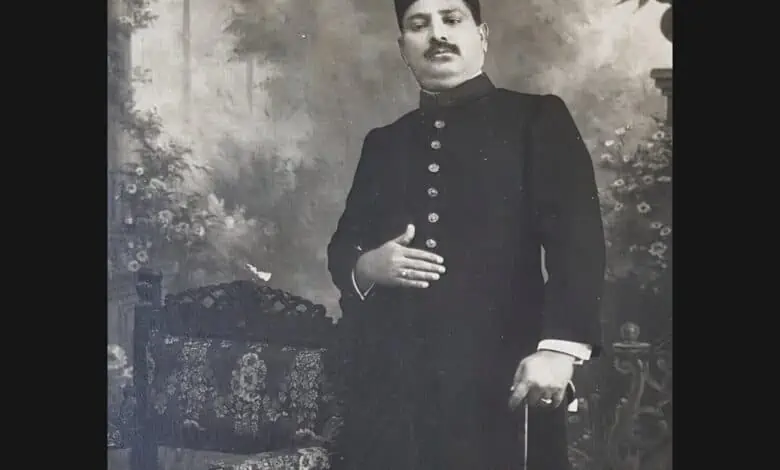
Khan Bahadur Abdul Karim Babukhan: A prominent aristocrat of par excellence

Hyderabad, TELANGANA :

In year 1945, he was conferred with the title of “Khan Bahadur” by British Viceroy

Hyderabad: 

In the 1920s after his father’s demise, Khan Bahadur Abdul Karim Babukhan took over the construction business and in later years attained remarkable credentials for his contribution towards the infrastructure and industrial development in the growth of erstwhile “Hyderabad State” during the rule of 7th Asaf Jah, Nizam Of Hyderabad, Mir Osman Ali Khan Bahadur.

He established “Hyderabad Construction Company” in the early 1930s under which, many architectural and engineering wonders were constructed under the rule and order of Nizam of Hyderabad as listed under.

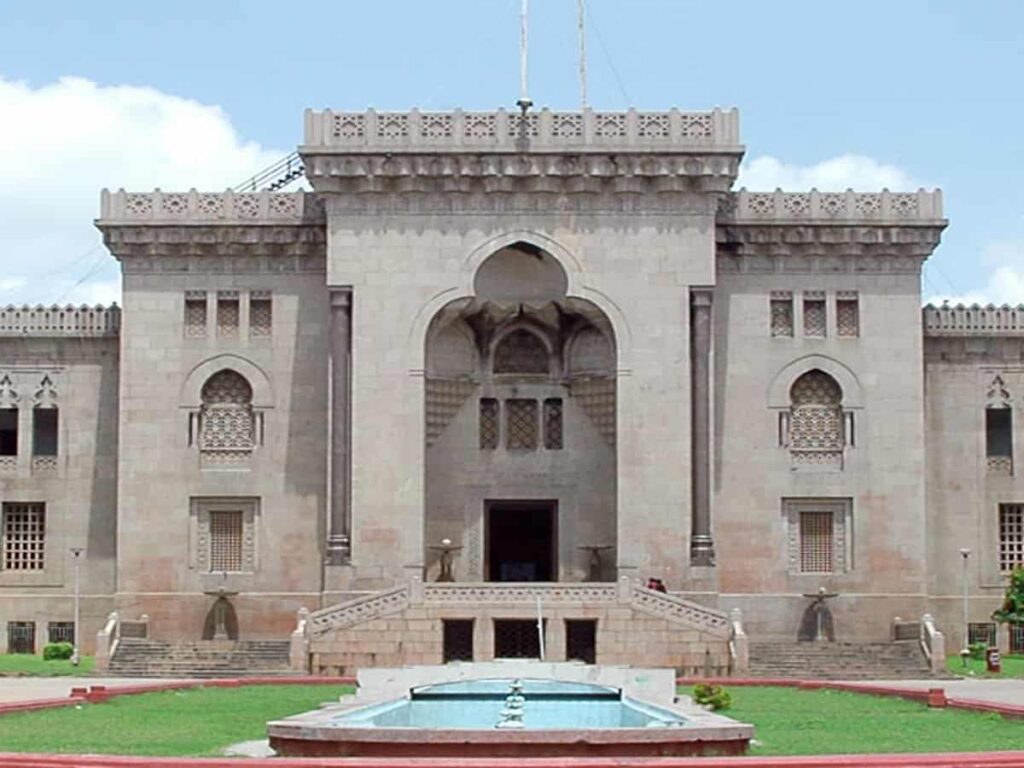
  • Arts College – Osmania University, Hyderabad.
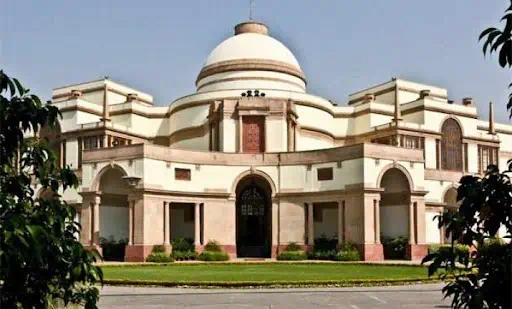
  • Hyderabad House – Nizam’s Palace, Delhi.
  • Gandhi Bhavan – Hyderabad, was his private property, later gifted to the Congress party for its headquarters.
  • Soan Bridge – Across the River Godavari , Adilabad.
  • Kadam Dam – Adilabad.
  • Tungabhadra Dam – Substantial part of it, presently in Karnataka State.
  • Ramagundam Power Station – First phase, Karimnagar.

A file photo of the Arts College building, which is considered to be the face of Osmania University.

Hyderabad House [Twitter]

Industries attributed and promoted by him

  • Nizam Sugar Factory – Nizamabad (He held a large portion of shareholding in it).
  • Sir Silk Mills
  • Sirpur Paper Mill
  • Hyderabad Vanaspati
  • Hyderabad Vegetable Oil Mill
  • Singerini collieries , etc.

In the year 1930, he was conferred with the title of “Khan Sahib” by British Viceroy “Lord Irwin” on behalf of King George V of England.

In the year 1930, he was conferred with the title of “KHAN SAHIB” by British Viceroy “Lord Irwin” on behalf of KING GEORGE THE V of England.

In the year 1945, he was conferred with the title of “KHAN BAHADUR” by British Viceroy “Viscount Wavell” on behalf of KING GEORGE THE VI of England.

“Khan Bahadur” title holds a higher rank and position and had superseded the earlier one “Khan Sahib”. It’s very rare to confer two titles to the same person.

Both titles were conferred for his recognition towards CIvil/Public services.

He attained high regard and respect, and maintained close relationships with prominent dignitaries, nobles, members of royal families, politicians, and businessmen.

He was appointed as Honorary Special Magistrate, Secunderabad.
He was appointed as a Member of the Governer’s Staff as Oregon’s Ambassador to Hyderabad.

source: http://www.siasat.com / The Siasat Daily / Home> News> Hyderabad / by Guest Contributor, posted by Sameer Khan / September 11th, 2022

Dr. Samiullah Bags Global Excellence Award

Bengaluru, KARNATAKA :

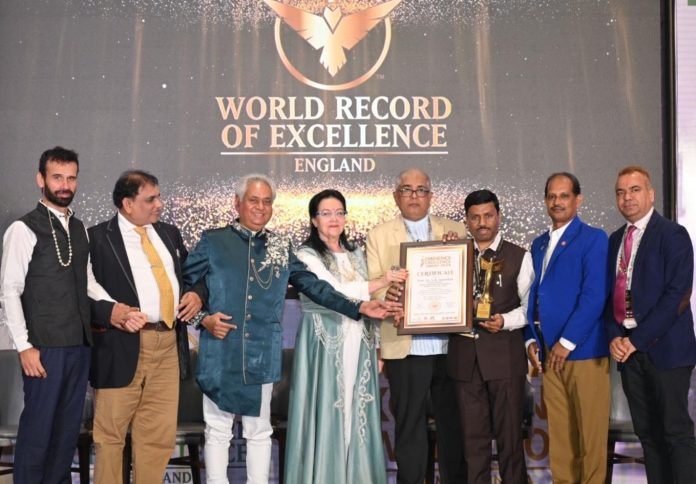
Prof. Dr. A.R. Samiullah (third from R) receives the Eminence Excellence Award

Bengaluru:

Prof. Dr. A.R. Samiullah, Director General, Holistic Medicine Research Foundation, Bengaluru has been honoured for his pioneering contributions in holistic medicine, advancing research and promoting integrative healthcare practices for the well-being of communities.

The World Record of Excellence, a globally recognised organisation from England, successfully hosted the Eminence Excellence Award at the Fairfield by Marriot in Mumbai.

The award ceremony saw a distinguished gathering of individuals from different fields who have made exceptional contributions to the society, innovators and changemakers from across the globe.

Representatives from seven countries attended the event. It was presided over by Prof. Dame Tatyana Maul, Chancellor and Director of Alternative Medicines at Al-Farabi Kazakh National University, Kazakhstan.

source: http://www.radiancenews.com / Radiance News / Home> Awards> Markers of Excellence> Focus / by Radiance News Bureau / December 09th, 2024

Innovative Employment Initiative in Mumbai Empowering Muslim Women 

Mumbai, MAHARASHTRA :

Social organisation “Pahal” addresses workplace discrimination and provides sustainable employment

Mumbai :

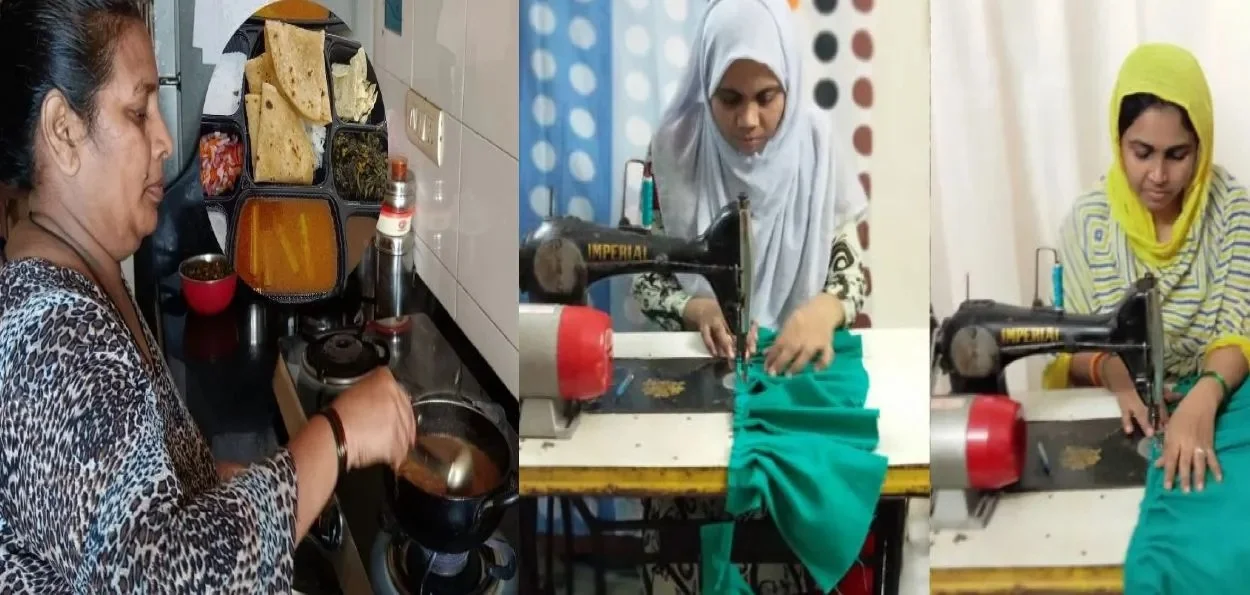
In a bid to tackle the persistent issue of workplace discrimination faced by Muslim women, a Mumbai-based social organisation, “Pahal,” has launched a unique initiative aimed at providing sustainable employment opportunities. The initiative focuses on offering employment in tiffin services and sewing, addressing both economic and social barriers faced by these women.

Many Muslim women in Mumbai encounter significant obstacles when seeking employment, particularly in housework and cooking. Despite their skills and experience, they often face rejection based on religious biases. This challenge is especially pronounced in areas like Govindi, where Muslim women frequently struggle to secure work.

Dr. Joy Pardeshi, a Product Manager at IIT Mumbai, alongside her husband Dr. Siddharth Acharya, has spearheaded the “Pahal” initiative to combat these issues. Recognising the dual problem of unemployment and the need for quality home-cooked meals, the couple established a tiffin service that both provides employment and meets the demand for home-delivery food in Mumbai.

“Pahal” aims to empower Muslim women by utilising their cooking skills and experience in a professional setting. The initiative operates out of the Pardeshi residence, where women are employed to prepare food with an emphasis on cleanliness and quality. This initiative has provided meaningful employment to many women who were otherwise struggling to find work.

Kulsoom Khan, one of the beneficiaries of this initiative, shared her experience, saying: “Despite many tries, I didn’t get any opportunities. Through the Pahal Foundation, I found employment and am now able to contribute to my family’s income.” Another participant, Kanta Nadir, a community health worker with 28 years of experience but limited formal education, also found new opportunities through the initiative.

The initiative not only provides job opportunities but also combats conservative mindsets within the Muslim community that often discourage women from working outside the home. Parveen Qazi, a coordinator at Pahal, reflected on her own journey: “Conservative views can create barriers, but with support from my family, I was able to work. The training and opportunity at Pahal have been transformative.”

Director Siddharth Acharya emphasised that the initiative’s goal is to address broader issues beyond just employment and education. “Our motto is ‘Goodness, Generosity, Sewing,’ reflecting our commitment to holistic support. We aim for comprehensive change that includes not only providing jobs but also addressing health concerns.”

“Pahal” provides health checks and organises health camps to ensure that women’s health needs are met. Blood sugar and blood pressure monitoring, along with free medical guidance and treatment are part of the initiative’s broader mission to support women’s overall well-being.

The “Pahal” initiative represents a significant step towards overcoming discrimination and providing sustainable solutions for Muslim women in Mumbai. By addressing employment, health, and social barriers, the organisation aims to foster self-reliance and enhance the quality of life for these women.

The success of “Pahal” underscores the potential for similar initiatives to create positive change in communities facing discrimination and economic hardship. As the program continues to expand, it offers a model for integrating social responsibility with economic empowerment, paving the way for a more inclusive and equitable future.

source: http://www.clarionindia.com / Clarion India / Home> Editors Pick> Indian Muslim> Women / by Team Clarion / August 02nd, 2024

AMU Professor Dr. Mohammad Rihan Appointed Chairperson of BIS Solar Energy Panel

Aligarh, UTTAR PRADESH :

Prof. (Dr.) Mohammad Rihan, a senior faculty member of AMU, has been appointed Chairperson of BIS Solar Energy Panel

Aligarh:

In a significant development for India’s renewable energy sector, Prof. (Dr.) Mohammad Rihan, a senior faculty member of Aligarh Muslim University (AMU), has been appointed as the Chairperson of the Solar Photovoltaic Energy Systems Sectional Committee (ETD 28) under the Bureau of Indian Standards (BIS).

Prof. Rihan, who previously served as the Member In-charge of Electricity at AMU, is currently on deputation as the Director General of the National Institute of Solar Energy (NISE), an autonomous body under the Ministry of New and Renewable Energy. His appointment is expected to bolster India’s efforts in standardising and advancing solar energy technologies.

The ETD 28 Committee, operating under the Electrotechnical Division Council of BIS, is tasked with developing national standards for photovoltaic systems, encompassing everything from solar energy conversion to electrical system integration. Prof. Rihan’s leadership is anticipated to play a pivotal role in ensuring the reliability, efficiency, and sustainability of India’s solar energy initiatives.

Prof. Rihan’s distinguished career includes roles as Vice Chairperson of the ExCom IEEE UP Section and the IET Delhi Local Network. He has also contributed as a Visiting Scientist at NISE. With his expertise, Prof. Rihan is expected to drive innovation and accelerate India’s transition towards a renewable energy future.

This appointment highlights the growing recognition of academic contributions to India’s renewable energy mission and reinforces AMU’s reputation as a hub of academic excellence in science and technology.

source: http://www.radiancenews.com / Radiance News / Home> Education> Focus> Science & Technology / by Radiance News Bureau / December 07th, 2024

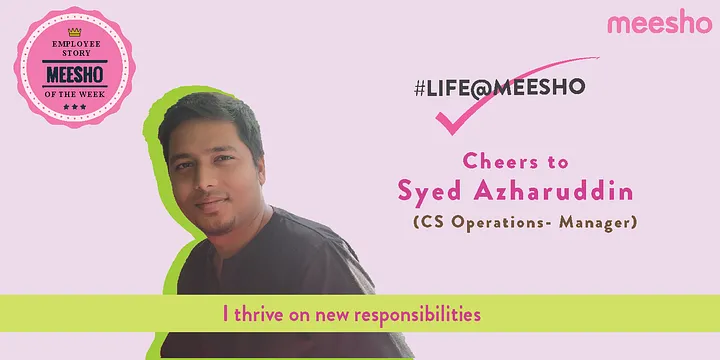
From 4 to 400, how CS Operations Manager Syed Azharuddin built a team that prioritises Meesho entrepreneurs & helps them succeed

xxxxx

Before Syed Azharuddin joined Meesho in February 2018 to set up the company’s first ever call centre, he wasn’t really a stranger to the brand’s reselling business model. That’s because Azhar’s sister-in-law was already reselling on the app. And today, two years later, some of his other family members are also running their businesses on the app, just like the millions of women across India Azhar is helping, to provide a seamless customer experience on the Meesho app.

Over the course of two years, Azhar, now Manager — CS Operations at Meesho, has built a 400-person strong, end-to-end Customer Operations team.

This in-house call centre we have at Meesho, which also includes email supportinbound support and escalations, ensures that the reseller experience on our platform is optimum. And Azhar along with his trusty army of CX executives, make it happen daily. He has built the team and processes from ground up, starting with just a four-person team two years ago to now managing a pan-India, 400 person strong one. Azhar credits learning how to Take Ownership (a core Meesho value) as the reason for his success here, which is why he loves to instil the same in his teammates too.

So, without much further ado, let’s hear from Azhar about his life at Meesho!

I joined Meesho in 2018 to set up its call centre. Before that Meesho only had chat support in place. Our team was envisioned to be that one stop solution for all reseller problems. However, what started as one line of work has expanded over the last couple of years, and now, be it email escalations, Playstore/Facebook escalations, or any other issue that involves a reseller, my and I usually end up pitching in. Though my responsibilities have increased tremendously, it has been a blessing too. At Meesho, each one of us is encouraged to take ownership, which is why I could see my growth within the company from the beginning.

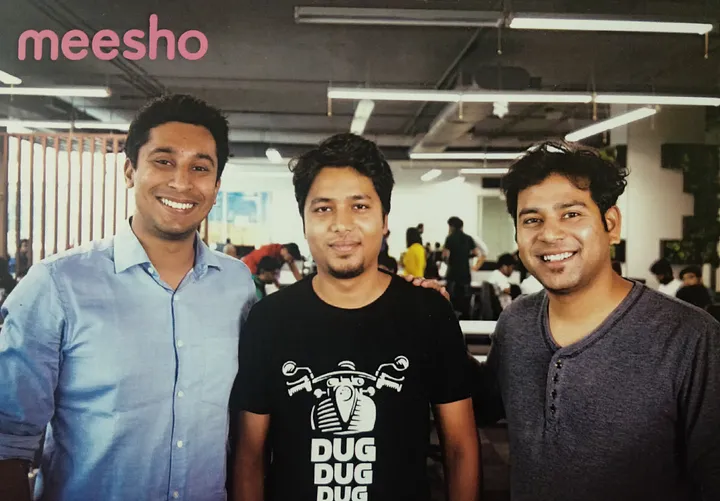
Azhar (centre) flanked by Meesho CEO and Co Founder Vidit Aatrey (left) and CTO and Co Founder Sanjeev Barnwal

Owning it

Once I joined, I was given complete monopoly to set up the call centre and carry out processes and operations the way I wanted to. Thanks to my core domain experience in customer support, I was able to do a good job in setting up processes. Once the call centre proved to be a success story, Meesho went on to add multiple layers to its customer support, and I was right there to take the lead on that as well.

The way customer support works, even challenges like in-bound, email and all time running processes tend to get monotonous, seeing as we can define and stabilise them over time. This is why getting new challenges that come with the opportunity to solve new problems are exciting for me. I also take on new processes and projects such as co-managing qualityimproving cost efficiency, and guiding new resellers on Meesho to grow consistently for this very reason.

Right now, our pan-Indian customer support team has members that speak most if not all Indian languages. From Jammu & Kashmir to Kerala, I am sure I have left no state, when it comes to creating a local team. Based on where volume is coming from, we might add more people for different languages, but there isn’t any language that we have missed out on.

Finding the joys of the job in reseller feedback

Interacting with resellers is where the real satisfaction of the job comes from for me. There have been many resellers who have been associated with Meesho in varying degrees over the years, and when they talk about the business opportunities we are giving them and how satisfied they are, it feels really good to hear that.

Our job is not just to feel the pulse of resellers in terms of how they are doing, but more to understand what problems they are facing. In that process, they also reveal what they like about our work, and that actually puts a smile on our faces. I am reminded of a reseller from Hyderabad, who once rated us as low when asked how likely she was to continue on Meesho. I then called her to understand what was not working for her, and in the process of letting us know where we could improve, she also revealed that she is a single mother and that Meesho gave her a platform wherein she could earn from home.

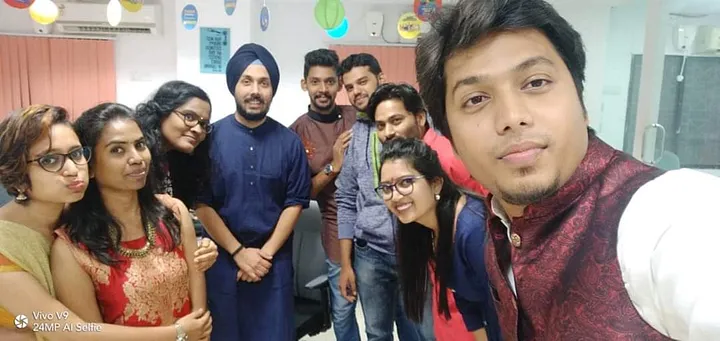
Azhar (extreme right) with his colleagues

Even with the “We Hear You” videos newsletter format where we address reseller concerns every month, there is a bond that we try to build with our resellers, and it was pretty evident that our efforts are making an impact on them.

Customer support 101

In my line of work, it is important to have domain experience to understand what works well and what doesn’t. Moreover, market research helps us always stay ahead of the competition. As a manager, I have also realised that everything within the team comes from your management style. My simple motto has been to inspire my team so that they inspire the ones that report to them.

I have been inspired by my managers at Meesho, and so I believe that when you’re aware of what you have to do, all that you need to do is inspire and motivate your team members. Whether you get something right or wrong comes in secondary, but all of us are determined to consistently raise our targets and achieve them.

It also speaks to one of our core values of Dive Deep and Solve Problems. When you’re in customer experience there are infinite problems and you just have to pick one and solve one, and keep at it. Even my current VP, Harshit Madan (General Manager & VP — Fulfillment and Experience), asks: Aaj kya problem solve kar rahe ho? You pick a problem and try to solve it the best way you can.

Customer support is not merely a 10–7 or Monday-Friday job; sometimes issues will crop up even at night or during weekends, and you have to be always there to help. And I don’t think I have ever had any problems in doing so and neither has my team.

Living the job 24X7

I have several family members working as Meesho resellers as well, including one of my sisters-in-law. However, I keep things very professional and refuse to discuss any Meesho feedback on a personal level. In fact many resellers within my extended family, are not even aware that I work for Meesho.

My time at Meesho has coincided with some of the best parts of my life, including marriage and becoming a father. I have spent two good years here with a great team. I am reminded of yet another core value that my team and I live by, which is Company>Team>Individual. It works out perfectly because I understand the objective that the company has and when this value gets passed on to the team and the team performs well, it comes down to me. Because team is everything!

Want to join Azhar and team Meesho in creating 20 million entrepreneurs in 2020, then we are hiring across roles. Apply here.

source: http://www.medium.com / Medium / Home / by Mangala Dilip, posted in Meesho Tech / January 31st, 2020

JNMC Pharmacology Department Shines at IPSCON-2024 with Awards and Research Excellence

Aligarh, UTTAR PRADESH :

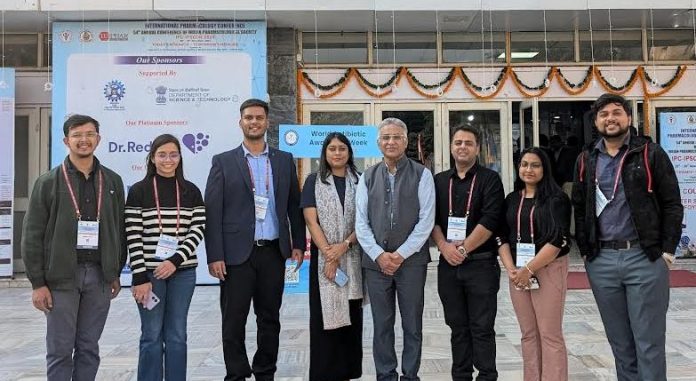
PG students of Department of Pharmacology with chairman Prof S Ziaur Rahman during the IPSCON 2024

Aligarh:

The Department of Pharmacology at Jawaharlal Nehru Medical College (JNMC), Aligarh Muslim University (AMU), achieved a distinction at the Indian Pharmacological Society Conference (IPSCON-2024), held at AIIMS, New Delhi, from November 28 to 30.

Faculty members and residents actively participated, showcasing their research acumen and academic prowess.

Prof. Syed Ziaur Rahman, Chairman of the Department, received the Dr. SB Pandey Oration Award and delivered a lecture titled “Exploring Medicinal Plants for Morphine De-addiction,” which drew recognition for its innovative approach. Additionally, Prof. Rahman also chaired a scientific session.

Dr. Jameel Ahmad, Assistant Professor, presented his research on “Evaluation of the Effectiveness of Different Inhalers in Patients with Chronic Obstructive Pulmonary Disease,” comparing their performance across varied age groups.

Dr. Syed Shariq Naeem, Assistant Professor, delivered a lecture on “Microplastics: Emerging Challenge for Pharmacology,” addressing critical environmental and health concerns.

Dr. Irfan Ahmad Khan shared his study on “Evaluation of Radio-Contrast Agent-Induced Adverse Reactions in Patients Undergoing Radiological Procedures.”

Residents, including Dr. Aditya Vikram Singh, Dr. Ammar Khalid, and others, presented their research, while several participated as delegates, enriching their academic exposure.

source: http://www.radiancenews.com / Radiance News / Home> Awards> Education> Latest News / by Radiance News Bureau / December 04th, 2024

How 100-Year-Old ‘Osman Sagar’ Becomes A ‘Water Resource’ To Hyderabad?

Hyderabad, TELANGANA :

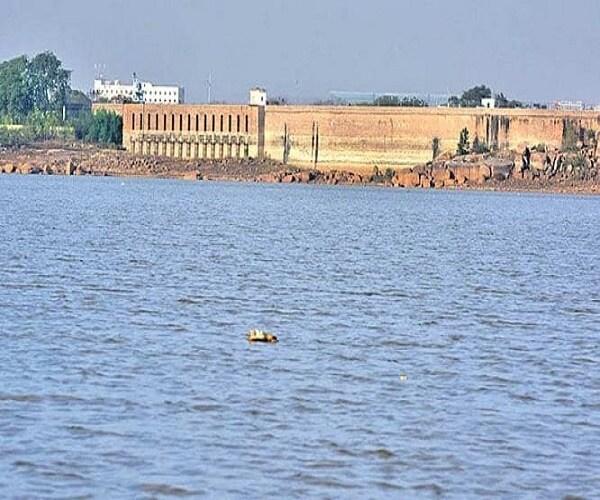
Osman sagar lake or Gandipet, commissioned by Mahbub Ali Khan after the 1908 flood and completed by Osman Ali Khan, has been serving the water needs of Hyderabad for over a century.

A true Hyderabadi is one who has tasted the water of Gandipet. And once that happens, even heaven cannot entice one to leave Hyderabad. Such is the magic of Gandipet, a crucial lifeline of the city that is turning 100 this year. The city of Hyderabad got Gandipet in 1920, the reservoir then being constructed with the dual purpose of controlling floods and supplying drinking water to the citizens.

The idea of the Gandipet, it is said, stemmed after the havoc caused by the 1908 flood in Hyderabad. The aftermath of the flood forced Mahbub Ali Khan, the sixth Nizam, to think about the possibility of a repeat of such a grisly situation. Around 12 floods had already hit the city before the 1908 floods, each leaving behind its own trail of death and destruction. The 1908 floods alone claimed around 15,000 lives apart from rendering over one lakh people homeless.

Moved by the destruction, Mahbub Ali Khan pondered on finding a permanent solution to the problem. Historian Sajjad Shahid says Mahbub Ali Khan wanted a long-term and effective solution to prevent the flooding of Musi River. He was determined to find a permanent end to the problem and started a process to find an expert familiar with the local irrigation systems to devise a plan to prevent reoccurrence of floods.

The first to come to the rescue of the Nizam were the British who offered services of their experts. “However, the Nizam refused to consider the recommendations of the British who offered the service of Sir Michel Esthesol, the then Director General of Irrigation, Government of India. He also did not consider another British engineer, TD Mackenzie, who was chief engineer of the Nizam State,” said Sajjad Shahid.

And that is when the name of M Visvesvaraya came up. Mokshagundam Visvesvaraya was born in Karnataka in 1861. He worked with the Bombay Public Works Department for 25 years after joining in 1883. He resigned in 1908 and later went around the western countries to study different irrigation systems and designs. To his credit, Visvesvaraya had constructed several irrigation projects and other structures in Mysore and other places then.

After touring western countries, he returned to India in 1909 when he was approached by the Nizam to help in improving the Hyderabad irrigation system and to prevent flooding of the city. “The Nizam wanted a local expert to find a solution to the problem. He had heard about Visvesvaraya and was keen on taking his services,” said historian Mohammed Safiullah.

After accepting the task, Visvesvaraya conducted a detailed survey of Hyderabad’s network of rivers and reservoirs. He also studied the rainfall pattern in other places in India before devoting time towards understanding the engineering aspects of the problem.

After a detailed study, Visvesvaraya proposed to create storage reservoirs above the city to control floods. He submitted the report on October 1, 1909, and the suggestion was accepted by the Nizam. Soon, work began on the construction of two reservoirs – Osman Sagar across the Musi River and the other, Himayat Sagar, constructed across Esi – the tributary of Musi River.

While Osman Sagar was completed in 1920, Himayat Sagar was finished in 1927. It cost Rs 56 lakh for Osman Sagar while Rs 46 lakh was spent for construction of the Himayat Sagar, it is said.

The work started by sixth Nizam Mahbub Ali Khan was completed under the supervision of the seventh Nizam Osman Ali Khan. “The reservoirs are based on the Kakatiya model and are 100 feet above the level of the city. The flow of water was based on the reverse gravity principal,” said Saifullah.

Water was supplied to the city through dedicated water channels laid during the Nizam era. “The Nizam had promised free food to every household. He ensured that at least water was supplied free of cost to the household and he lived up to it. At no point of time, the administration collected any tax or money for water from the common man,” said Captain Pandu Ranga Rao, a historian.

Hundreds years have passed and still water from Gandipet is supplied to a few colonies in the city. “It is cost effective as the cost of supplying the water from Osman Sagar is bit cheaper compared to drawing water from far of places and supplying it to the city,” points out Captain Ranga Rao.

‘Never in his dream might the Nizam have thought that Gandipet, the popular moniker for Osman Sagar, would become a part of the local Hyderabadi lingo.

Hyderabadi standup comedian Khairuddin Baig alias Jani says Hyderabadi lingo has plenty of one-liners or idioms with reference to Gandipet. “See, it depends on the context and situation where the term is used. For example, if a person is a foodie, people generally say ‘tera pet hain ya Gandipet’,” he says and also recalls the popular idiom, ‘Jo bhi Gandipet ka pani piya woh Hyderabadi hua’.

Several local poets and standup comedians have highlighted Gandipet, a popular picnic spot for Hyderabadis for decades, in their narrations. “The sher-o-shayari describes the mood of young boys and girls meeting at the place or a newly-married couple visiting the place. Similarly, comedians refer to the family gatherings there with baskets full of meals and tiffin boxes or men spending time trying to catch a fish from the fresh waters,” he said.

Constructed during the Nizam era, the striking aspect about these twin waterbodies of Osman Sagar and Himayath Sagar is that they are operated manually unlike most other reservoirs, which have hydraulic gates.

Gandipet, popularly known Osman Sagar, along with its twin reservoir Himayath Sagar, has been quenching Hyderabad’s thirst for the last 100 years and continues to do so without any major operational costs.

Such is the significance of Gandipet that, apart from quenching thirst, the common belief for decades among denizens has been that the water reservoir bestows health and vitality.

Constructed during the Nizam era, the striking aspect about these twin waterbodies of Osman Sagar and Himayath Sagar is that they are operated manually unlike most other reservoirs, which have hydraulic gates. All the components like gear boxes, sluice gates, bushes, and ropes have to be maintained well to avoid any glitches during operations.

All the components used at the twin reservoirs belong to the Nizam era and have been functioning without any snags all these years. It is 100 years and not a single component has been changed and they are working perfectly without any signs of wearing out or damages, says a senior official from Hyderabad Metropolitan Water Supply and Sewerage Board (HMWSSB).

Gandipet was constructed in the year 1920 followed by Himayath Sagar in 1928.

HMWSSB conducts overhauling of all components at the twin reservoirs before the onset of monsoon to avoid any glitches. Together, they have the capacity of supplying 40 million gallons per day (MGD) to the city without any cost as the water flows by gravity unlike Krishna and Godavari drinking water schemes.

But with growing population and the city expanding geographically in all areas, supply from Gandipet over the years has been depleting. Presently, only 5 MGD is being drawn from the reservoir and that too through emergency pumping from dead storage level and supplied to different areas in Mehdipatnam, Old Mallepally, Asif Nagar, Humayunnagar, Chintal Basthi and other areas.

Did you know?

  • Osman Sagar was named after Mir Osman Ali Khan Nizam VII
  • Dam was built in 1920 by Nizam VII
  • Built to protect city from flooding after Musi Floods of 1908
  • Lake is around 46 square km
  • Reservoir is around 29 square km
  • Total water level 1,790 feet
  • Has capacity of 3.9 tmc
  • Inflow and outflow from River Musi #KhabarLive

source: http://www.hydnews.net / Hyderabad News / Home / by Ahssanuddin Haseeb / March 08th, 2020

Kerala Scientist Dr. Safeer CK Wins Prestigious Royal Society Fellowship

Malappuram, KERALA / London, U. K :

London:

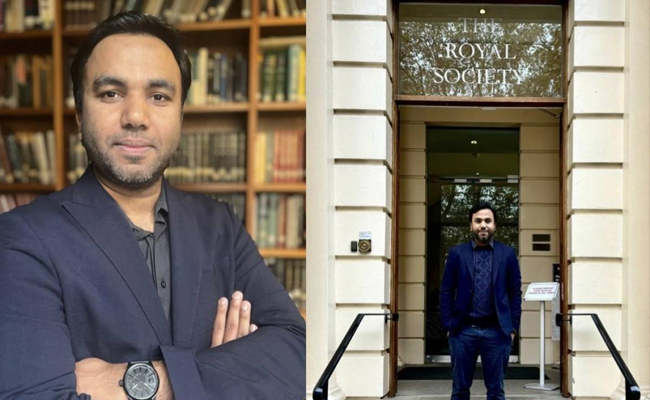
Dr. Safeer CK, a distinguished physicist from Kerala and faculty member at the University of Oxford, has been awarded the esteemed Royal Society University Research Fellowship for 2024. This recognition comes with a significant funding grant of £1.85 million (approximately Rs 19.73 crore).

A pioneer in spintronics, Dr. Safeer’s groundbreaking research in nanomaterials, just one atom thick, aims to revolutionize next-generation electronics, including brain-inspired computing architectures. He leads the Oxford-MIND group at the renowned Clarendon Laboratory in Oxford.

Hailing from Malappuram, Kerala, Dr. Safeer’s academic journey began at Mongam Ummul Qura Higher Secondary School and Morayur V.H.M. Higher Secondary School.

He later pursued Physics at Delhi University’s Hansraj College, followed by postgraduate studies at Joseph Fourier University in France with scholarships from the Indian and French governments. He completed his doctorate in Nanophysics at France’s Spintec Laboratory, part of the French Atomic Centre.

Dr. Safeer’s accolades include the prestigious Marie Curie Individual Fellowship and three international patents in magnetic memory technologies. He has also published 18 research articles, including papers in Nature journals, and teaches Physics and Electronics at Oxford.

The Royal Society Fellowship, one of the highest honors in the scientific community, has previously recognized legends like Isaac Newton, Albert Einstein, Srinivasa Ramanujan, and C.V. Raman.

source: http://www.thehindustangazette.com / The Hindustan Gazette / Home> News> National> Kerala / by Shifa / November 19th, 2024