The Shaheen Group of Institutions is set to host a groundbreaking international conference on November 30 and December 1, 2024, in Bidar, Karnataka.
Touted as India’s first event of its kind, the conference aims to spotlight the contributions of Indian Muslims in critical sectors such as education, politics, media, economics, IT, social services, and madrassa education, envisioning their role in shaping a developed India by 2047, the centenary of the nation’s independence.
The conference will serve as a platform for thought leaders, intellectuals, and influencers from India and abroad to network and exchange ideas. Attendees will deliberate on the community’s potential to drive transformative change in various fields, aligning with India’s vision for growth and development.
This pioneering event highlights the Shaheen Group’s commitment to fostering dialogue and collaboration within the Indian Muslim community to contribute effectively to the nation’s progress.
source: http://www.thehindustangazette.com / The Hindustan Gazette / Home> News> Education / by Shifa (image source: shaheengroup.org) / November 27th, 2024
New battle-lines are being drawn in Parliament, and out of it, with waqf and its management at the centre of a major political slugfest.
New battle-lines are being drawn in Parliament, and out of it, with waqf and its management at the centre of a major political slugfest.
At this juncture, it is appropriate to recall the achievements of Hakeem Abdul Hameed, the founder of Jamia Hamdard, whose birth centenary was celebrated in December 2008, and the waqf he founded ~ the Hamdard (Waqf) Laboratories ~ is well into its ninth decade. Speaking during Hakeem saheb’s centenary celebrations at Jamia Hamdard, then Vice-President of India Hamid Ansari observed, “in our recent history Hakeem Abdul Hameed is probably the first, and the most successful, to resurrect the waqf concept in innovative ways so that a modern company was registered as a wakf institution whose income was to be used for public good in the areas of education, medical relief and the advancement of knowledge.
It was an important signal in the immediate aftermath of the painful Partition of India to thread together the religious element with socio-economic progress and alleviation of poverty.” The Vice-President added, “Since the 1930s and 1940s, over 25 educational research institutions were established, culminating in the Jamia Hamdard. The range is astounding ~ ranging from primary education to post-doctoral research, from Unani Medicine to Information Technology, from Islamic Studies to Business Management. Besides the university, the colleges and hospitals established for service to society, there are a set of institutions that bear testimony to his scholarly interests.
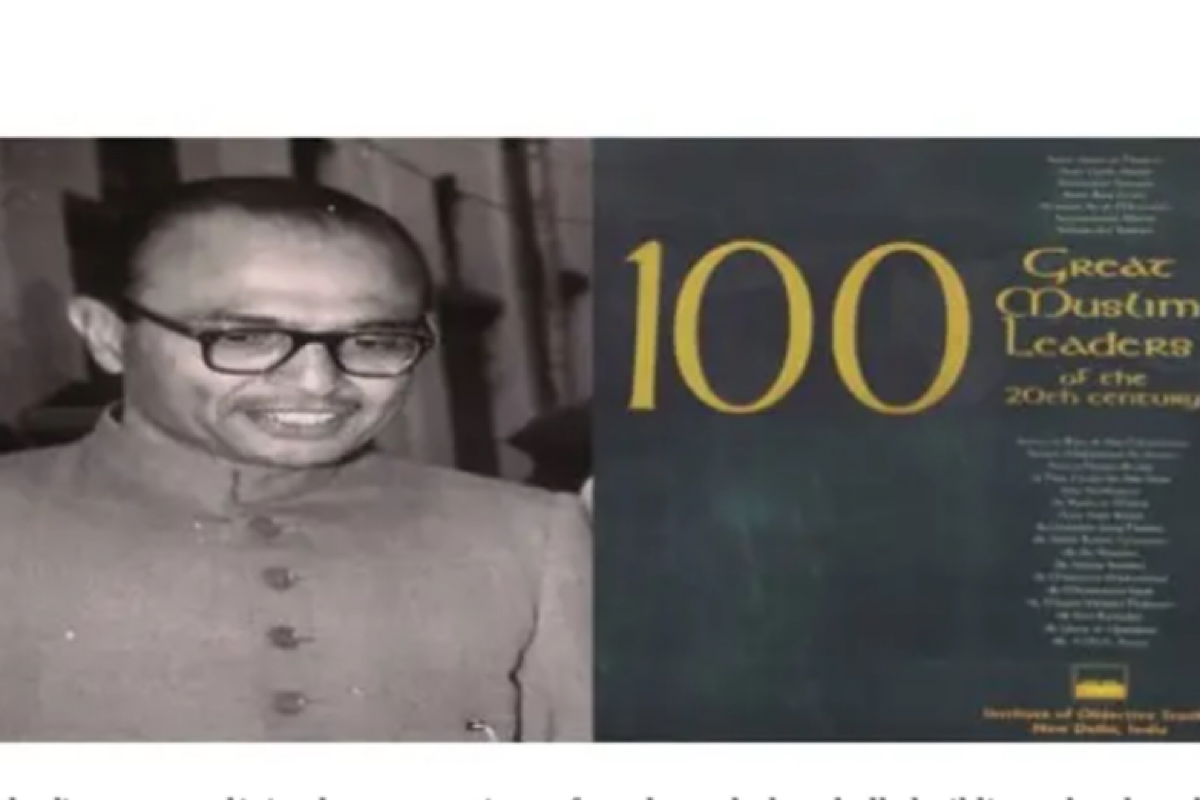
I refer to the Institute of History of Medicine, the Institute of Islamic Studies, the Ghalib Academy and the Institute of Federal Studies. Each of these has rendered significant service to scholarship.” Undoubtedly the list of achievements is long but as Hamid Ansari commented, “these achievements hold a mirror to the potential of what public-minded personalities can achieve through the institution of waqf for the socio-economic, educational and cultural betterment of the community. Future generations would behold Jamia Hamdard and Talimabad and wonder at the capacity, vision and dedication of an individual.” Truly so, for in ‘100 Great Muslim Leaders of the 20th century’, a publication of the New Delhi based Institute of Objective Studies (IOS), Dr Mohd Manzoor Alam provided a larger global context to understanding the achievements of Hakeem Abdul Hameed as an outstanding educationist and social reformer, along with his equally illustrious younger brother Hakeem Mohammad Said.
“In the face of formidable challenges which marked the lives of a selected 100 great Muslim men and women of the 20th century,” wrote Dr Alam in the preface, “their lives, struggles and contributions reflect the response of Muslims to the multiple challenges over the century…the ‘100 Great’ belonged to five continents and they came from different cultural and linguistic backgrounds, they were inspired by the eternal values and principles of Islam and the precepts of their illustrious forebears in the annals of Islamic history.” Through the tumultuous decades of the 20th century, Dr Alam observed that the ‘100 great Muslim leaders’ were unwavering in their “faith in the Holy Quran describing Muslims as ‘good people’, whose mission on earth is to help others live a meaningful life.
Even in the darkest hour the world of Islam was not plaued by a dearth of men and women who had the stature, mettle and competence to rise to the occasion. The two revered Hakim brothers ~ Hakeem Abdul Hameed and Hakeem Mohammad Said ~ who revived the Unani or Greco-Arab system of medicine and created two institutions, the Hamdard in India and its twin in Pakistan, are inspiring examples of leadership. They did not really belong to any one place. This is aggravated by Western colonial redrawing of the Muslim world map: Hakeem Abdul Hameed in India and Hakeem Mohammad Said in Pakistan were, in fact, two sides of a single sub-continental picture of Islamic excellence.”
The lifetime achievements of Hakeem Abdul Hameed were myth-busters: it had been an enduring myth of the 20th century that the Muslim world had been in deep slumber, their state of somnolence stretching back to centuries. Said Dr Manzoor Alam, “the 20th century instead turns out to be a period of extraordinary intellectual, moral and social awakening and struggle across the Muslim world with societies from Malaysia to Morocco trying hard to reform, promote and practice Islam as a living reality that could guide them through difficult times.” The Hamdard story began over a century ago when Abdul Hameed’s father, Hakeem Hafiz Abdul Majeed, established the Hamdard Dawakhana in 1906.
The vision was implicit in the name. Hamdard means ‘the sharing of pain’ and willingness to mitigate it was to be the motto of future generations as well. The vision was also to break the exclusivity of medicinal preparation of each Unani Hakim and make it available to the masses through modern laboratories along scientific lines. A traditional system of medicine was thus modernised with a nationalist inspiration and an indigenous base. “For this reason, Hakeem saheb can rightly be called a Mujaddid (or reformer) of Unani medicine,” said Ansari in the centenary speech.
Writing in ‘Muslim Mirror’, Abdul Rashid Agwan detailed the story. After Independence in 1947, Hamdard University or Jamia Hamdard has been the first institution that was established and managed on the basis of waqf income. In 1948, the manufacturing and selling unit of Hamdard Daw – akhana, Hamdard (Waqf) Laboratories, was converted into an endowment. Its deed dated 28 August 1948 provided for “Qaumi Income” (Public income) and “Khandani Income (Family income). However, the concept of family income was abolished by a declaration of the Settler/ Founder-Wakif Mutawalli in 1985, with retrospective effect from 1 January 1973. From the profits of the company, Hamdard Tibbi College was set up in 1963 in Old Delhi which later shifted to its present 90-acre campus in Tughlaqabad. In order to effectively manage and utilize the income accrued from Hamdard Waqf Laboratories for the promotion of its objective, Hamdard National Foundation was created on 12 May 1964 to disburse company profits to promote interests of society.
All profits of the company were obligated to go to the Foundation. Both Hamdard and the Foundation were registered under Section 12A of the Income Tax Act. Coinciding with the establishment of the Hamdard National Foundation in India, Hamdard Waqf Laboratories Pakistan also formed Hamdard Foundation Pakistan the same year. Its founder, Hakeem Muhammad Said, expressed the mission in these words, “Hamdard … has chosen to serve through activities for the promotion of good health and education ~ the twin pillars of progress.” Through the 1950s and 60s, when educational institutions namely, Indian Institutes of Technology, Indian Institutes of Management, AIIMS and Jawaharlal Nehru University ~ were being established with Government resources and with the focus of providing a new nation the benefit of modern science and education, Hakeem Abdul Hameed was single-handedly building schools, colleges and the university under the Jamia Hamdard banner, relying on internal resources of Hamdard Waqf Laboratories, and focused on rejuvenating the millennia-old Greco-Arab medicine which came to be simplistically known as Unani medicine. In this long process of reviving ancient knowledge, Hakeem saheb’s original contribution was the use of modern scientific methods and technology for the standardisation and manufacture of Unani medicine. “Quite early in life, when he was studying medicine at the Tibbia College, he was deeply impressed by the systematic and methodical approach of Hakeem Ajmal Khan towards the classification and standardisation of Unani medicines,” the IOS publication narrated. The Hakeem brothers travelled across Asia and Europe in the 1950s closely observing modern methods and techniques of drug making. They were convinced of the relevance and necessity of using modern technology for medical experimentation and manufacture of Unani medicines. At Hamdard Laboratories, Hamdard University, Hamdard Nursing Home and Majidia Hospital, these modern methods and technology were put into good use, ensuring the regimen of Unani system of medicine could co-exist with modern science and technology.
“This integrated, holistic approach to diagnosis and therapy is one of the most original and outstanding contributions of Hakeem Abdul Hameed,” the IOS publication stated. Eleven books on Unani medicine: Arab medicine and its relevance to modern medicine; Earth, elements and man: Search for a solid foundation of the theory and practice of medicine; and the magnum opus Qarabadin-e-Hamdard or Hamdard Pharmacopoeia are testimony to Hakeem Abdul Hameed’s medical observations, experiences and researches. In the 1980s, he initiated path breaking research on Ibn Sina’s Al-Qanun fit-Tibb or The Canon of Medicine. The 3-volume study was made available in multiple languages, including English.
Several national and global awards were bestowed on Hakeem Abdul Hameed who lived an austere life on campus till the age of 91, with a Gandhian determination to build the new nation through promotion of medicine, modern education and public charity. Like Sir Syed Ahmed Khan and Hakeem Ajmal Khan, Hakeem Abdul Hameed remains a towering personality whose contribution to modern education and medicine is second to none. It is in the domain of waqf management that Hakeem saheb gave modern India a new path for sustainable, equitable development.
(The writer is a researcher writer on history and heritage issues and a former deputy curator of Pradhanmantri Sangrahalaya)
source: http://www.thestatesman.com / The Statesman / Home> Opinion / by Raju Mansukhani, New Delhi / October 07th, 2024
Jamia Millia Islamia’s Professor Mohammad Zahid Ashraf has been honoured with prestigious Indian Council of Medical Research (ICMR) award for research on oxygen regulation.
Prof. Mohammad Zahid Ashraf receives Basanti Devi Amir Chand Prize, an award instituted by Indian Council of Medical Research (ICMR).
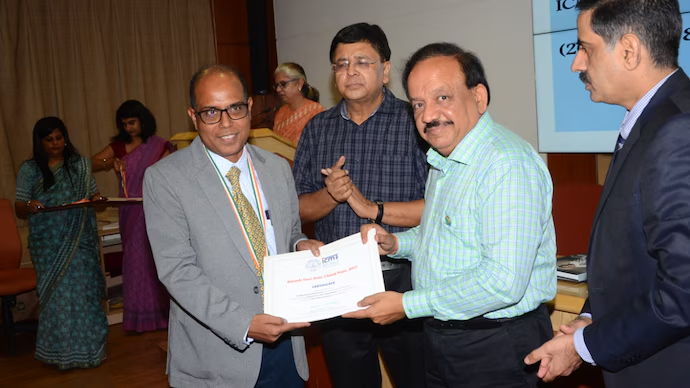
Mohammad Zahid Ashraf, professor in the Department of Biotechnology, Jamia Millia Islamia(JMI) has been awarded the prestigious Basanti Devi Amir Chand Prize, an award instituted by Indian Council of Medical Research (ICMR). The prize was given by Union Health Minister, Harsh Vardhan yesterday in recognition of Prof. Ashraf’s research excellence.
Basanti Devi Amir Chand Prize is one of the earliest instituted awards of the ICMR in the year 1953 for the significant research contributions in the field of biomedical sciences.
What was Prof Ashraf’s research famous for?
Prof. Ashraf’s lab has been instrumental in understanding the role of low oxygen due to high altitude in the development of cardiovascular disorders including blood clotting.
The significance of research of cellular reactions in response to low oxygen could be analyzed from the fact that this year’s Nobel Prize committee for physiology or medicine recognized the potential of the discovery of how cells sense and adapt to oxygen availability and jointly awarded the three scientists for their landmark discoveries in this field. Oxygen is required for the process of oxidation that produces energy. Therefore, its short supply might result in lung damage, brain dysfunction, heart problems and many more.
” Prof. Ashraf’s research has provided an insight into the role of oxygen-regulated mechanisms behind blood clotting disorders and demonstrated the detrimental effects of low oxygen availability at high altitude.
About Mohammad Zahid Ashraf
Dr Ashraf is Fellow of both National Academy of Sciences and the Indian Academy of Sciences. He is also the recipient of prestigious DBT’s S Ramachandran-National Biosciences Award 2018. He is currently holding the position of Director (Academics) in the university.
Prior to his joining at JMI, he was Head of Genomics Division at Defence Institute of Physiology and Allied Sciences (DIPAS), Defence Research and Development Organization (DRDO), Delhi.
source: http://www.indiatoday.in / India Today / Home> News> Education> Today> News / by India Today Web Desk / October 17th, 2019
Sania Khan, originally from Shahjahanpur, Meerut, Uttar Pradesh, has been honoured with the prestigious SHE INSPIRES AWARD 2024 in the Rising Star category in the United Kingdom.
Sharing his pride, Sania’s father, Mehr Alam Khan, Editorial Consultant at Cineink, London, said, “This remarkable recognition reflects her inspiring journey marked by resilience, determination, and a commitment to creating meaningful change.”
Sania’s journey began in the small village of Shahjahanpur. Despite facing personal challenges, she founded the Silver Lining Fostering Agency in London, a leading organisation dedicated to transforming the lives of vulnerable children and empowering foster carers.
Under her leadership, Silver Lining Fostering was awarded an “Outstanding” rating by Ofsted in 2024, a testament to its excellence in providing safe, nurturing homes and comprehensive support for foster families. The agency supports over 60 foster families and 70 children across London and the Midlands.
Sania said, “The seeds of my dreams were sown in my village. Despite limited resources, I learned that with determination and vision, the seemingly impossible can be achieved. Those lessons inspire me daily to create opportunities for others, especially vulnerable children.”
Sania completed her early education at Dewan Public School in Meerut and pursued higher studies at Jamia Millia Islamia, New Delhi. In 2018, she founded Silver Lining Fostering, which focuses on tailored support for foster carers and achieving positive outcomes for children, particularly those who have faced immense adversity.
On receiving the award, Sania said, “This recognition isn’t just about me; it’s about the incredible foster carers, staff, and children who inspire me every day. Together, we’ve shown how fostering can change lives. I hope this motivates more families to step forward and provide loving homes for children in need.”
Her agency stands out for its innovative Wrap Around Service and its commitment to recruiting foster carers from diverse and underrepresented communities. Sania’s leadership has not only empowered carers to achieve personal milestones like financial independence and home ownership but has also set new standards in foster care.
source: http://www.radiancenews.com / Radiance News / Home> Pride of Nation>Awards / by Radiance News Bureau / November 23rd, 2024
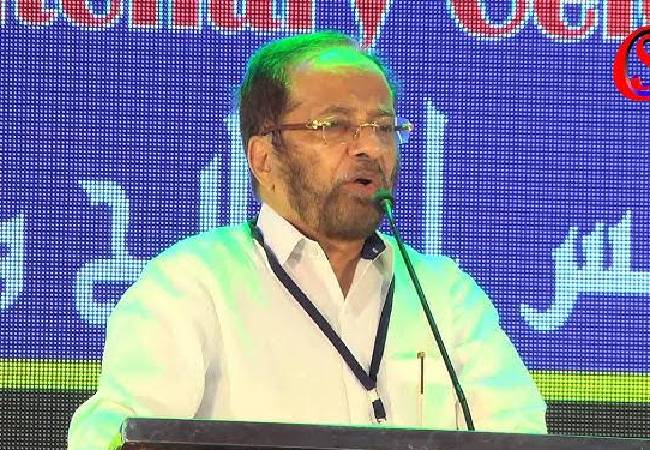
Prominent Kannadiga businessman SM Syed Khalil passed away after brief illness in Dubai in the wee hours of Thursday.
Syed Khalil SM was also the Chairman of Madhyama Communications Ltd., Mangalore and was known across Coastal Karnataka for his social services and contributions in the fields of Kannada, Konkani languages and their culture.
Syed Khalil, affectionately known as ‘C A Khalil’ among the general public, hailed from the Nawayat community of Bhatkal. His journey to prominence and distinction had not only brought pride to the Nawayat community but also to Kannadigas and Indians at large. He was renowned for his remarkable achievements and dedication to international trade, social service, and the education of underprivileged children.
Having ventured to the Gulf in 1978, Khalil’s faith and dedication to the Galadari family propelled the Galadari Company to unparalleled success over three decades. He was serving as the Founder Chairman of K&K Enterprises General Trading Company in Sharjah. Khalil also held positions in numerous educational and social service organizations in Karnataka and beyond.
Syed Khalil stood as one of the town’s first chartered accountants, renowned for his financial expertise. He was also a respected leader in social service, religious, and educational circles. His leadership roles have included the presidency of prominent organizations such as Anjuman Hami-e-Muslimeen and Rabita Society. Khalil was an advocate for girls’ education and has played a pivotal role in establishing extensive educational institutions.
An adaptation of Benyamin’s 2008 best-selling Malayalam novel, ‘Aadujeevitham: The Goat Life’, starring Prithviraj Sukumaran, follows the real-life story of Najeeb, a Malayali immigrant labourer in Saudi Arabia.
Music composer A R Rahman. | Photo Credit: Velankanni Raj B
A.R Rahman has won the prestigious Hollywood Music in Media Awards 2024 for the background score of Aadujeevitham: The Goat Life in the Independent Film (Foreign Language) category.
Director Blessy who received the award on Rahman’s behalf at the gala ceremony in Los Angeles shared the news with The Hindu.
The HMMA Awards are considered the bellwether award for the Oscars. Earlier this week, Blessy told The Hindu that he was holding screenings in the US to make a bid for the Academy Awards in the general category.
“I truly believe Rahman has woven magic with both the songs and the background score. The BGM alone captures the character’s struggle, the raw emotion of their fight for survival in the desert. In a way, the score itself tells its own story, mirroring the depth of the character’s emotions,” he had said.
In a strong field, Rahman was competing against Segun Akinola for Girl You Know It’s True, Arli Liberman and Tiki Taane for Ka Wahawhai Tonu, Hao-Ting Shih and Tae-Young Yu for Mongrels, Karzan Mahmood for The Seed of the Sacred Fig and Sandro Morales-Santoro for The Shadow of The Sun for the jury’s nod.
An adaptation of Benyamin’s 2008 best-selling Malayalam novel, the Malayalam film follows the real-life story of Najeeb, a Malayali immigrant labourer in Saudi Arabia. The film stars Prithviraj Sukumaran and Jimmy Jean Louis, K.R. Gokul and Amala Paul.
source: http://www.thehindu.com / The Hindu / Home> Entertainment> News / by The Hindu Bureau (headline edited) / November 21st, 2024
It is no longer true that women in Kashmir cannot work or run businesses. As circumstances change, people’s mindsets are evolving as well. Nowadays, there is hardly any difference in how entrepreneurship is perceived by both men and women; they are working side by side and competing equally.
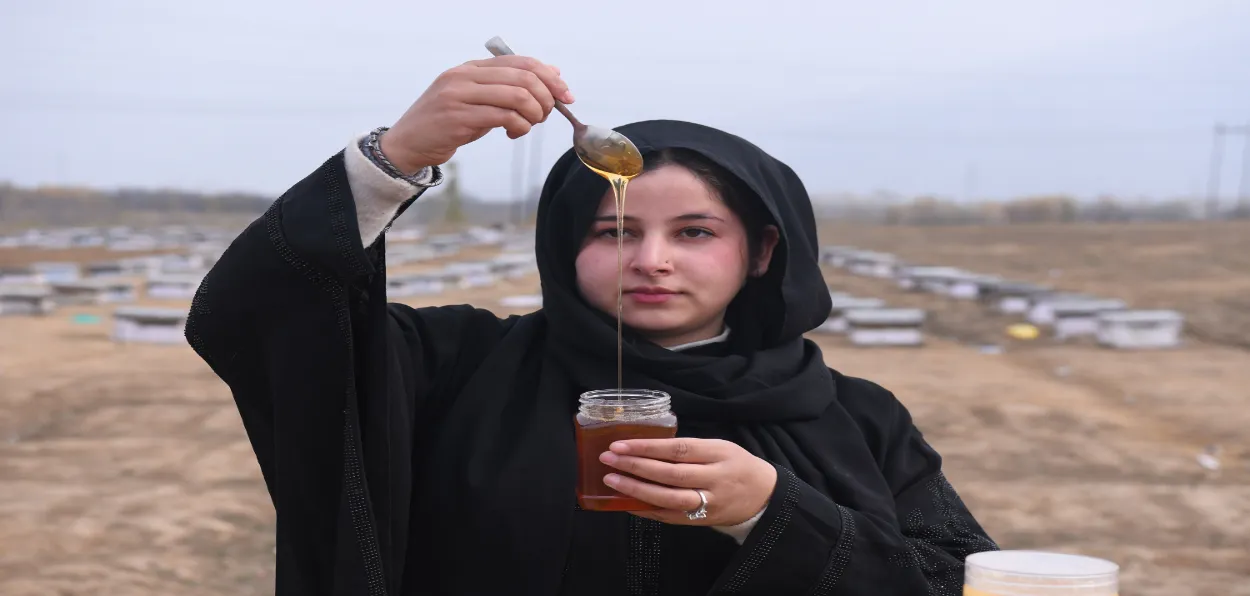
Breaking barriers and forging their paths in business, Kashmiri women are shining in vibrant colors. Another inspiring example is Sania Zehra, a 20-year-old resident of Balhama, who is a champion in beekeeping.
She is not only the backbone of her family’s longstanding business but also a shining example for her entire community. Sania said that beekeeping has been her grandfather’s business, which her father took over, and now she is in this line of work as the third generation.
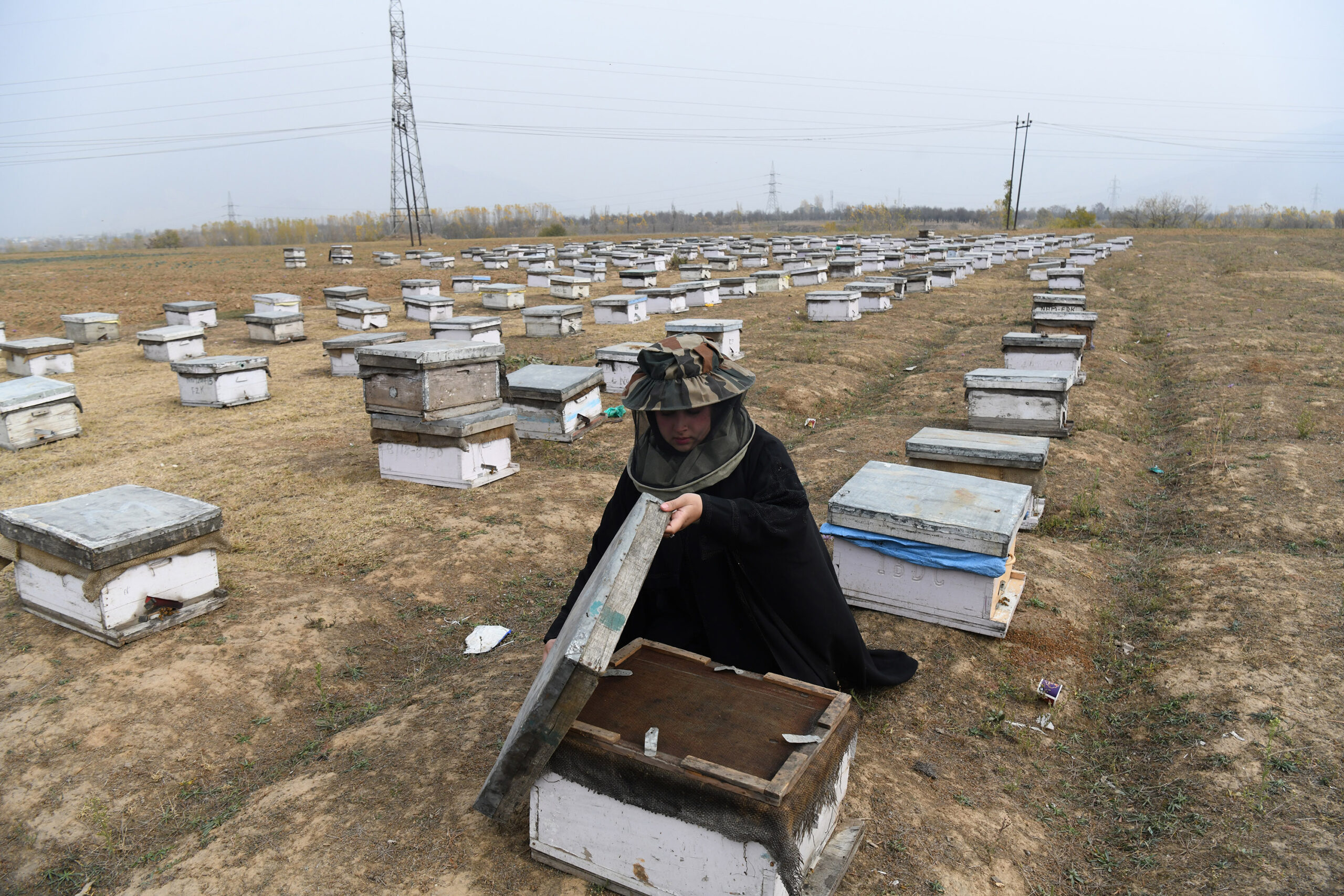
Sania Zehra taking care of the bees
A Kashmiri beekeeper, Sania Zehra, displays a beehive full of honeybees at a farm in Pampore, south of Srinagar. Zehra, a young girl from Balhama on the outskirts of Srinagar, is working to revive her familyÕs beekeeping tradition, along with her father. Beekeeping in Kashmir requires more care during the winter as temperatures drop below zero degrees, making the bee farming a challenge.
“In the beginning, I used to help my father, but I often felt bored and just tried to pass the time. I never thought I would develop an interest in it, but today I am so passionate that I handle everything from beekeeping to its marketing myself.”
She mentioned that the profits from the business have enabled her to grow further, and she is also involved in import-export activities. Sania reflected on why she chose beekeeping when there are many other businesses: “Beekeeping is mentioned in the Quran; it carries great blessings from Allah. It doesn’t matter that I am a girl; what matters is the capability to work. I believe that beekeeping is a respectable profession and also has healing properties.”
She acknowledged that no journey is easy, especially in Kashmir and for women. “I faced a lot of trolling at the start, even from close relatives, but Alhamdulillah, I never lost heart. I always tried my best to focus on my work, and today I am genuinely satisfied.”
Honey bees sit on the hand of a Kashmiri beekeeper at a farm in Pampore, south of Srinagar. Zehra, a young girl from Balhama on the outskirts of Srinagar, is working to revive her familyÕs beekeeping tradition, along with her father. Beekeeping in Kashmir requires more care during the winter as temperatures drop below zero degrees, making the bee farming a challenge.
Sania stated that not only does she earn a decent income, but her beekeeping business has also allowed her to expand into other ventures. “I produce beauty products, wax, and even green pollen from beekeeping.” She emphasized that the government is providing support for this business, and anyone interested can approach the concerned department to gather complete information about these schemes.
In her message, she said, “No job is too small. One should work with dedication and honesty, and Allah will bless even the smallest of efforts.”
The trend of women in business is on the incline in Kashmir. For centuries, women have battled a stereotype that involves staying home to cook, clean, and care for the family. However, a new generation of young female entrepreneurs is overcoming all the challenges. As per the figures, under the Prime Minister’s Employment Guarantee Programme (PMEGP), 14,943 projects have been established by women in the last three years. This initiative has played a vital role in promoting women’s participation in the workforce.
source: http://www.awazthevoice.in / Awaz, The Voice / Home>Story / by Basit Zargar, Srinagar / November 19th, 2024
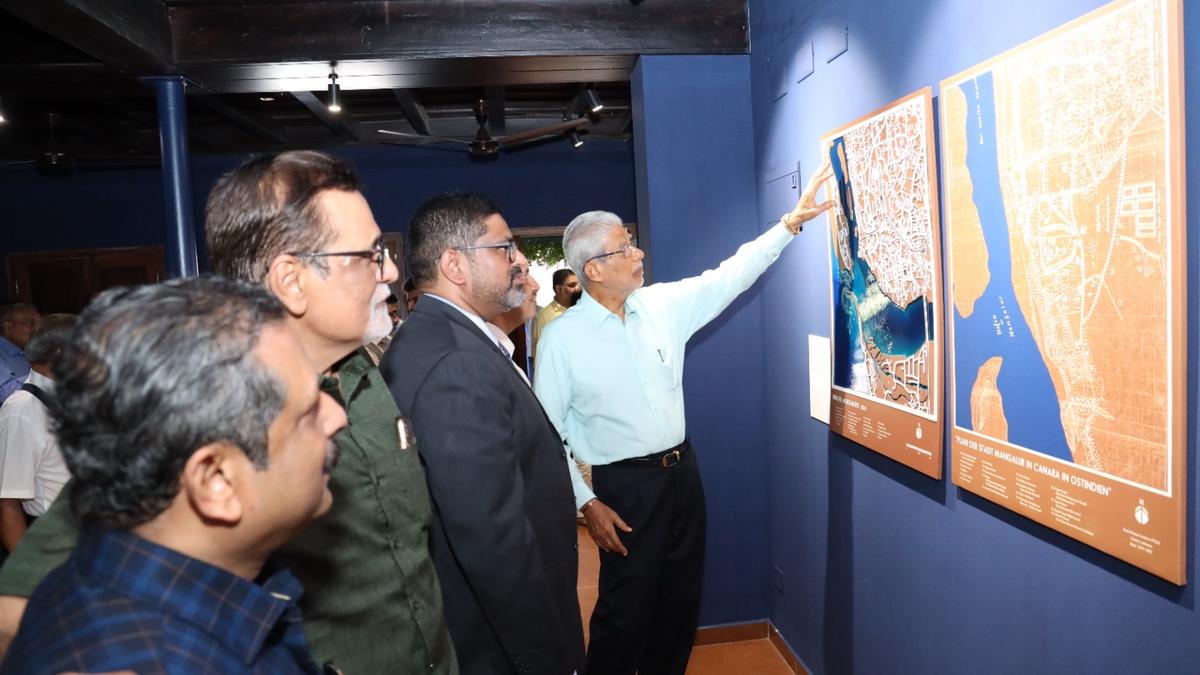
Maps showing trade history of Bunder area in Mangaluru displayed at the trade history gallery of KCCI in Mangaluru which was opened on November 11, 2024. | Photo Credit: SPECIAL ARRANGEMENT
A gallery showcasing the trade history of Bunder in Mangaluru was opened at the office of Kanara Chamber of Commerce and Industry (KCCI) here on Monday.
‘Spaces of Memory’ displayed at the gallery giving information on the trade history of Bunder said that Mangaluru is witnessing exponential development in the 21st century, led by the Special Economic Zones, IT parks and start-up hubs, attracting thousands of aspirants as well as global investors. While the city explores newer frontiers, Mangaluru’s built heritage in trade plays a silent yet crucial role in amplifying this growth. At this very juncture, the gallery remains a timely retelling of Mangaluru’s past, providing a learning opportunity for its reflection over the present, and a tribute to all those makers of its past, present and future.
Home for all
It said Mangaluru of the Kannadigas, Kudla of the Tuluvas, Kodial of the Konkanis, Mangalapuram of the Malayalis or Mykala of the Bearys — every community’s affinity to the ancient port town is reflected in them calling it their home. The Konkanis, migrating from Goa about 400 years ago, settled in Mangaluru and prospered on the banks of the confluence of Netravathi and Gurupura.
The Kutchi Memons and the Dawoodi Bohras of Gujarat, who settled in Mangaluru dealing in areca nut and salt, today give the locals a run for their money in spoken Tulu and Kannada.
The Jewish trader of the 12th century, Abraham Bin Yiju, called Mangaluru his home for 17 years, trading with various communities in the port-town.
The natives comforted, welcomed and provided ample space for each of the communities. While they settled in carefully characterised localities around their brethren, the communities came together in the Bunder — the band (enclosed) and da (gate, door) derived from Persian for a forted port — While the kings, sultans and emperors clashed over the control of the port and thrived on its trade, the communities, overcoming their socio-cultural differences, stood together and celebrated each other’s achievements.
These strong bonds of coexistence cemented Mangaluru as a prominent maritime junction, where the merchants from across the world stopped for pepper and coffee, brought down the ghats along the “great and very fair” inland river.
Cosmopolitan port
Giving an overview of the gallery during the inauguration, Niren Jain, architect of the gallery project, said there is historical evidence to show that Bunder was a cosmopolitan port for many centuries.
Mr. Jain said that the excavation for the New Mangalore Port half a century ago revealed a hoard of 270 coins of Vijayanagar kingdom, including gold ‘Varaha’ and copper coins.
He said inscriptions also report two mints – one at Arthapura (present day Attavara in Mangaluru) and another at Barkur in Udupi district during the period of Alupas. By the mid-8th Century CE, coins bearing the symbols of Alupa rulers have been found in Mangaluru, denoting an in-house currency for trade.
The renovated meeting hall of the KCCI was also inaugurated on the occasion.
source: http://www..thehindu.com / The Hindu / Home> News> Cities> Mangaluru / by The HIndu Bureau / November 12th, 2024
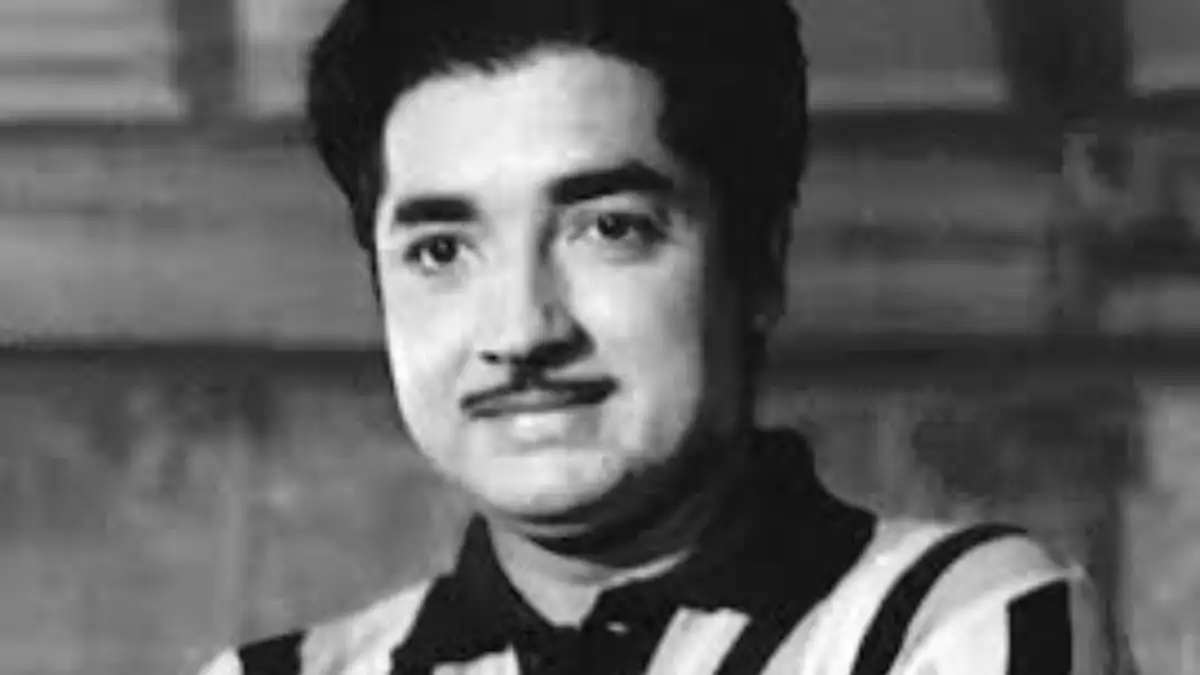
Prem Nazir brought the golden era to the Malayalam film industry. He made a place in the hearts of people with his acting and generosity. In his 39 years of career, he made such records related to cinema which are almost impossible for the actors of today’s era to make or break.
Image Source : X / India’s first superstar was Prem Nazir
Whenever we talk about the most successful actors of India, then the names of Amitabh Bachchan, Shah Rukh Khan, Dilip Kumar or Kamal Haasan come to our minds. But do you know there was a bigger superstar than these actors who made such records that are impossible to touch even today? Today we are going to tell you about that Indian superstar, who has given not one or two but 700 hit films.
Who was India’s first superstar?
We are talking about Prem Nazir, the superstar of Malayalam films of the 50s. Yes, the veteran star of Malayalam cinema is also called the actor who brought the golden era of Malayalam cinema. Prem’s acting was so powerful that every director of that era wanted to cast him in his film. Talking about Prem Nazir’s record, he made many big records like doing the most films, most double roles, most triple roles and about 130 films with the same heroine. Due to this, not two or three but 39 of his films were released in the year 1979.
How is Nazir different from other superstars?
To understand how great Prem Nazir’s record is, we tell you through a comparison. The biggest name in Indian cinema, Amitabh Bachchan, has less than 60 hit films as a lead actor, out of which 10 are blockbusters. Now comes the talk of South superstar Rajinikanth, who has a record of more than 80 hits and more than a dozen blockbusters. Let us now talk about the three Khans as well. Salman Khan has given 39 hit films out of which 15 are blockbusters, followed by Shah Rukh Khan who has given 34 hit films including 10 blockbusters. Aamir Khan is far behind with 20 hit films including 6 blockbusters.
You will be surprised to know that even after adding the hit films of all these actors, they do not even come close to the number of hits of Prem Nazir along with 50 of these being blockbusters. He played the lead role in more than 700 films due to which his name is recorded in the Limca World Record.
Other records in the name of Prem Nazir
Prem Nazir has many other records to his name. He worked with 85 heroines. Till the year 1975, Prem worked with actress Sheela in a total of 130 films. This is because he considered Sheela as his lucky charm. He played double roles in more than 40 films. Apart from this, he also appeared in triple roles in three films.
Nazir is also remembered for his compassion
Prem Nazir’s presence is a big reason why the Malayalam film industry was called the Golden Age. Prem was such an actor that if any of his films flopped, he would immediately ask the producer to start another film. The actor would take out dates from his busy schedule and do the producer’s films so that his losses could be compensated.
source: http://www.indiatvnews.com / India TV / Home> News> Entertainment> Celebrities / by Satish Verma, New Delhi / November 12th, 2024
Sustainable development is at the crux of modern real estate and infrastructure projects, shaping how we build and live. In this landscape, leaders who can seamlessly integrate sustainability into their operations are invaluable. Saleem Ahmad, with his strategic vision for sustainable development, exemplifies this leadership. As the newly appointed Director (Projects) at NBCC (India) Limited, Saleem’s expertise is instrumental in advancing sustainable practices within the industry.
The Journey – Then and Now
Saleem’s journey in civil engineering began with his graduation from Jamia Millia Islamia University in 1990. His extensive career spans over 33 years, during which he has held significant roles at the Delhi Metro Rail Corporation (DMRC) and the Mumbai Port Trust.
At DMRC, where he served as Executive Director (Civil), Saleem played a pivotal role in implementing last-mile connectivity solutions, greatly enhancing urban mobility in Delhi. This experience laid a solid foundation for his current role at NBCC, where he continues to drive innovative and sustainable projects.
Today, in his role as Director (Projects) at NBCC, Saleem oversees some of the most ambitious and complex projects across the nation. His leadership is marked by a commitment to quality and sustainability, ensuring that projects are not only completed on time but also adhere to the highest standards. He has successfully led diverse projects, from hospitals and educational institutions to critical infrastructure like Indo-Pak border fencing and the Gosikhurd irrigation project. Saleem’s strategic vision and meticulous attention to detail have made him an invaluable asset to NBCC.
Handling project challenges is an integral part of Saleem Ahmad’s role at NBCC. He approaches these challenges with a blend of strategic planning, effective communication, and adaptive problem-solving. His methodology includes risk assessment and mitigation, stakeholder communication, adaptive problem-solving, resource allocation, and quality assurance. Saleem’s ability to navigate unforeseen challenges and deliver successful outcomes underscores his expertise and resilience in the construction industry.
Saleem Ahmad’s approach to project management extends beyond technical execution to include community engagement and sustainable practices. During projects like the redevelopment of 7 GPRA colonies, he ensured active participation from residents and local authorities, maintaining transparent communication and minimising disruptions. His focus on enhancing social infrastructure, such as parks, schools, and healthcare centres, reflects his commitment to improving the quality of life for communities. His advocacy for sustainable practices is also evident in his promotion of energy-efficient designs. Saleem emphasises the use of eco-friendly materials, passive design techniques, energy modelling, and the integration of renewable energy sources. His efforts contribute to the creation of sustainable and energy-efficient buildings, aligning with global standards of responsible urban development.
His approach to project management emphasises sustainable growth and people-centric execution. By fostering collaboration and innovation, Saleem has significantly contributed to NBCC’s reputation for delivering high-quality and environmentally responsible projects.
Awards and Recognition
Saleem’s contributions to the construction and real estate sectors have earned him widespread recognition. He was honoured with the “Realty Person of the Year Award” at the EPC World Awards in New Delhi, a testament to his exceptional work and dedication.
Additionally, his transformative leadership at Hindustan Steelworks Construction Ltd. (HSCL) turned a loss-making PSU into a profitable Mini-Ratna entity, earning him the “CEO with HR Orientation Award” by the World HRD Congress and Times Ascent.
These accolades highlight Saleem’s ability to inspire and lead teams towards success. His recognition in the industry underscores his commitment to excellence and his strategic vision for sustainable development.
Advocacy and Work Ethics
Saleem is a staunch advocate for sustainable growth and people-centric project execution. His work ethic emphasises client satisfaction, excellence, and environmental responsibility. He has presented numerous papers on sustainable infrastructure and urban mobility at national and international forums, sharing his insights and advocating for environmentally responsible construction practices.
His commitment to sustainable development ensures that the projects he leads contribute positively to the environment and society. Saleem’s advocacy for sustainable infrastructure is evident in his efforts to promote energy-efficient designs and the use of eco-friendly materials.
Saleem’s extensive experience, leadership qualities, and people-centric approach make him a distinguished figure in the real estate and construction sectors. His journey from a passionate civil engineering graduate to the Director (Projects) at NBCC is marked by significant achievements, a commitment to sustainability, and a vision for the future of urban development. Saleem continues to inspire and lead with empathy, strategic foresight, and an unwavering dedication to excellence, significantly contributing to the success and growth of NBCC.