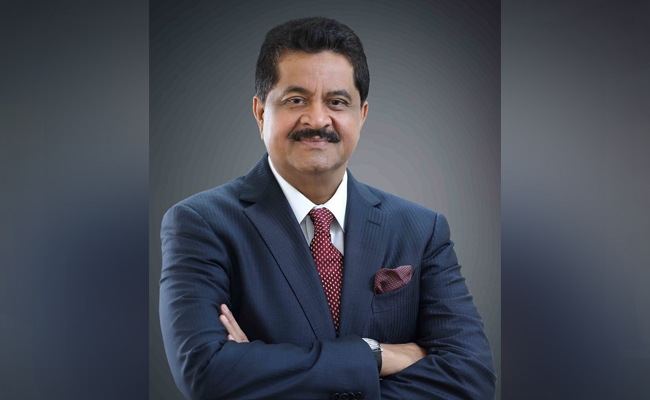
The Karnataka Government on Wednesday named Dr. Thumbay Moideen, son of prominent community leader late B. Ahmed Haji Mohiudeen, among the recipients of this year’s Karnataka State Rajyotsava Award. A prominent alumnus of St. Aloysius College, Mangaluru, Dr. Moideen has earned widespread recognition in the UAE and beyond for his contributions to higher education and healthcare.
Dr. Moideen founded the THUMBAY Group in 1997, a diversified international conglomerate that has since expanded into health education, healthcare services, and medical research. In 1998, he became the first Indian invited by the rulers of Ajman to establish a medical college in the UAE. This institution has now grown into a university with its own network of hospitals, clinics, medical centers, and pharmacies throughout the country.
Dr. Moideen has been featured in respected publications, including Forbes Middle East and Arabian Business. His achievements have also been recognized with an Honorary Fellowship from the International Medical Sciences Academy (IMSA) and an honorary doctorate from Amity University.
The Karnataka Rajyotsava Award, also known as the Rajyotsava Prashasti, is the second highest civilian honor in Karnataka, India. The award is given annually to recognize citizens of Karnataka and others who have contributed to the state in various fields: Arts, Education, Industry, Literature, Science, Sports, Medicine, Social Service, and Public Affairs.
The award is presented on November 1, the day of the state’s establishment, which is celebrated as Kannada Rajyotsava.
source: http://www.english.varthabharati.in / Vartha Bharati / Home> Karnataka / by Vartha Bharati / October 30th, 2024
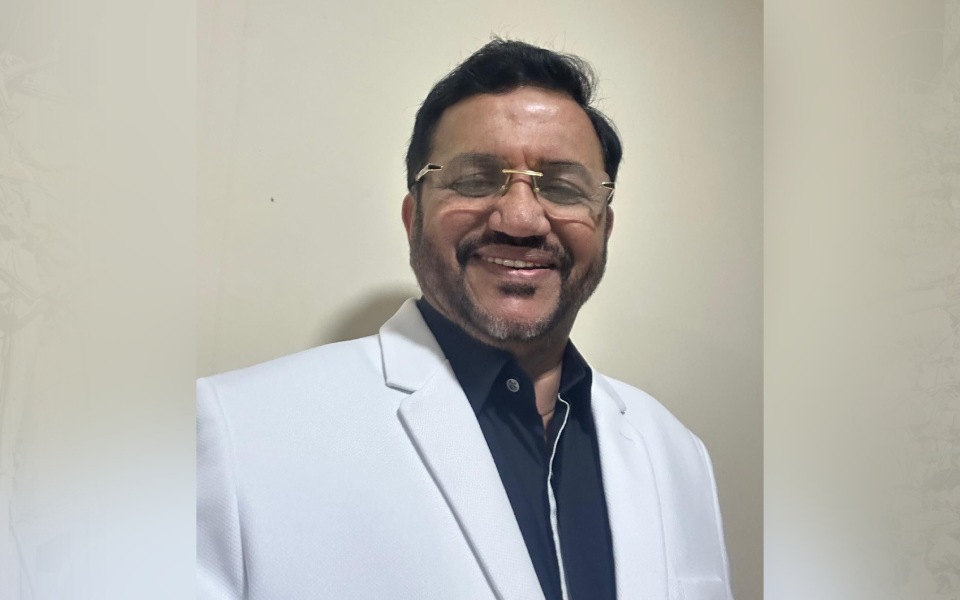
Abdulla Monu Moideen, a well-known non-resident Indian (NRI) entrepreneur and dedicated social worker, has been chosen to receive the prestigious Dakshina Kannada District Rajyotsava Award this year.
Recognized for his long-standing contributions to community service, Moidin has been actively involved in various social initiatives for over 30 years.
In addition to his social work, Moidin has been in the automobile business for 23 years. He is the founding president of the South Kanara Muslim Association and currently serves as the president of the Karnataka Cultural Association in Doha, Qatar.
Additionally, he holds the position of vice president at Tulu Koota in Doha and is actively involved with numerous other social organizations.
source: http://www.english.varthabharati.in / Vartha Bharati / Home> Karavali / by Vartha Bharati / October 31st, 2024
KCF Session on Power of Artificial Intelligence and Machine Learning
Representational image
The world is a global village, driven by evolving technology and progressive advances in healthcare, clinical research, pharmaceutical, biotechnology, IT, and engineering sciences. The unceasing innovations in the field of Artificial Intelligence (AI) and Machine Learning (ML) have shaped every service and manufacturing industry. Nearly 55 percent of organizations have adopted AI in their framework. With the rise of chatbots and digital assistants, global companies rely on AI to handle simple interactions from employees or customers.
Kashmir Care Foundation (KCF), a not-for profit organization, aspires to empower the next-generation of students and young professionals from Jammu and Kashmir. The Kashmiri Global Connect is its flagship project with the objective to inspire students and young professionals to think out-of-the-box and pursue career opportunities in STEM-related fields.
Through carefully structured meetings, KCF is convening agenda-driven interactions of accomplished Global Kashmiris living in Kashmir and outside Kashmir with students and young professionals to inspire them to gain confidence and belief that “I can do it too, and I can do it better and faster.”
On Oct 27, 2024, KCF while conducting its second session, dived into the exciting world of AI/ML. The session was moderated by Dr. Faisal Farooq, the Director of Artificial Intelligence at Pinterest and hosted by the Islamic University of Science and Technology (IUST), Awantipora.
The panellists of the session were : Mr. Amjad Khan (from Microsoft, Dubai), Dr. Manzoor Ahmad (Scientist, University of Kashmir), Dr. Muzafar Rasool Bhat (Assistant Professor, IUST), Mr. Junaid Mohammad (from Google, Germany), and Mr. Samar Khan (CEO of TripAI, USA).
A total of 400 individuals participated in the session and the panellists’ shared their insights about the emerging role of AI across various fields, emphasising the countless career opportunities emerging in this rapidly growing area. Several attendees were interested in learning about the panellists’ career trajectories, and the milestones they conquered while establishing themselves in their professional spaces. The panellists responded thoughtfully, offering guidance, resources, advice about essential skills, internship options, and words full of wisdom, to inspire the participants.
The panellists discussed the applications of AI that are relevant to life and commerce in the Valley, impacting trade, travel, horticulture, agriculture, healthcare, and service industry. They concluded the session with the hope that the coming years will witness more representation of Kashmiris in the AI workforce, and our youth will become World Leaders at the AI/ML global front in academia and industry.
The session concluded with Dr. Altaf Lal, founder of KCF, underscoring the significance of such initiatives to complement our education system. He also introduced the panellists for the upcoming session on Nov 24, 2024, at 10:30 AM IST on “Clinical Sciences: Treatment using local knowledge”. The session will be KCF’s special tribute to celebrate the life of Dr. Ali Jan, the legendary, Luqman-e-Kashmir. This session will feature six distinguished experts: Dr. M.S. Khuroo, Dr. Abdul Hamid Zargar, Dr. Parvaiz Koul, Dr. Upendra Kaul, Dr. Nargis Bali Kaur and Dr. Javeed Iqbal.
We look forward to a large audience for the session on Nov 24, so that medical students, physicians and researchers are inspired to follow the footsteps of our featured Kashmiri Global Leaders in academic medicine.
Follow Kashmir Care Foundation on Facebook and Instagram “@kashmircarefoundation” to stay tuned with our upcoming sessions.
Zaara Farooq, Member of KCF Core Group, is a student of DPS Srinagar
source: http://www.greaterkashmir.com / Greater Kashmir / Home> Opinion & Editorial / by Guest Contributor / November 01st, 2024
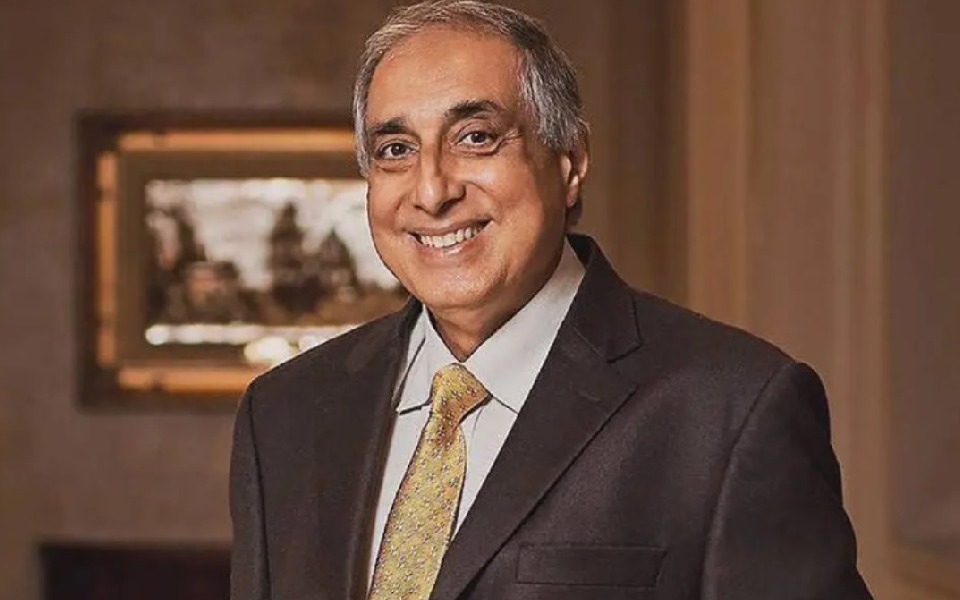
The Karnataka Government has announced Irfan Razack, Chairman and Managing Director of Prestige Group, as one of the recipients of this year’s prestigious Karnataka Rajyotsava Award.
Razack, a prominent figure in the real estate and retail industry, has been recognized for his significant contributions to Karnataka’s growth and development through his work in the real estate sector.
With over 48 years of experience, Razack has led Prestige Group with a strong commitment to ethical business practices and a visionary approach to development. Under his guidance, Prestige Group has grown into a major player in the industry, with a reputation for excellence in real estate across India. Razack has received numerous awards and recognitions throughout his career, including the Fellowship of the Royal Institution of Chartered Surveyors (FRICS), the ‘Real Estate Professional of the Year’ award at the Real Estate Excellence Awards in 2008, and the prestigious Sir M. Visvesvaraya Memorial Award in 2015 for his contributions to Karnataka’s growth.
He has also been recognized for his exceptional leadership, being voted one of Asia’s Best CEOs in 2014 by Institutional Investor magazine and receiving ‘The World’s Greatest Leaders’ award by Asia One in 2015-16. His achievements have placed him among India’s top builders and leaders. In addition to his professional accomplishments, Razack is actively involved in numerous philanthropic and corporate social responsibility (CSR) initiatives, supporting causes that benefit society at large.
The Karnataka Rajyotsava Award, the state’s second-highest civilian honor, celebrates individuals who have made outstanding contributions to Karnataka in fields such as arts, education, industry, literature, science, social service, sports, and public affairs. The award will be formally presented on November 1, Kannada Rajyotsava Day, which marks Karnataka’s formation as a state.
source: http://www.english.varthabharati.in / Vartha Bharati / Home> Karnataka / by Vartha Bharati / October 30th, 2024
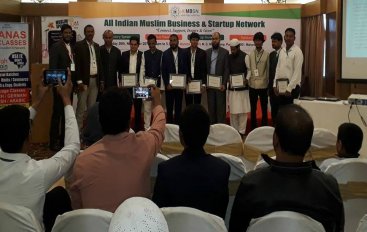
The All India Muslim Business Startup Network (AIMBSN) hosted its first annual conference on November 26th, 2017 in Pune.
AIMBSN is an initiative aimed at driving Muslim involvement in India’s startup and technology economy. Dr Tausif Malik organized the AIMBSN and the first annual conference; Dr Malik has a long history of involvement in business, technology, and community organizing.
The event’s theme and vision was “connect, support, inspire and grow” and to involve the Muslim community in stimulating the business sector and developing opportunities for the next generation.
Dr. Tausif Malik said, “AIMBSN is India’s only ecosystem to connect Indian Muslim entrepreneurs, businesses, investors and startups.”
AIMBSN ecosystem hopes to plan for its members business conferences, networking and startup events across India; a social network, AIMBSN.com, where individuals and businesses can discuss businesses, requirements, and investment opportunities; incubators and accelerators – to be set up in the future in tandem with minority institutions, and a AIMBSN venture capital fund in 2018 with investments from NRI Indian Muslims who want to invest in their original homeland.
Chicago based Dr Tausif Malik founder of the AIMBSN highlighted that Islam promotes entrepreneurship and contribution to one’s motherland. He also said that the event is to align with the policies of Indian government such as Startup India, Digital India, Skill India and Make in India.
Cryptocurrency entrepreneurs based in the US, Sameer Gitay and Quayaum Quamar, introduced blockchain technology. The event saw the launch of SocketsplugnPlay.com to cater to the growing demand for blockchain, fintech, ICO and cryptocurreny services.
Among the startups showcasing at the conference were Berry IT, a startup dealing with robotics and e-learning; Miswak Toothbrush, the world’s first miswak toothbrush); two startups called, SQr Infotech and Viands – dealing in blockchain and crytocurrency, and TravelonEmi.com, a travel company offering interest free EMI.
source: http:www.bwdisrupt.com / BW Disrupt / Home> Entrepreneur / by BW Online Bureau / November 29th, 2017
In an effort to unite Bhatkallis residing in Dubai and other parts of the United Arab Emirates, the “AUZ Blast Edition 2” cricket tournament is set to commence in Dubai on October 26, 2024. The tournament is being organized by the Dubai-based Bhatkal companies, AUZ real estate and Nuha General Trading.
Providing details to the media, Ismail Mohtisham, the media coordinator of the organizing committee, explained that the purpose of the tournament is to bring together young cricket enthusiasts and players who are working in different parts of Dubai and the UAE, and to provide them with a platform to showcase their talent and take their skills to new heights.
The spectacular cricket event will not only serve as a source of entertainment for the cricket fans of Coastal Karnataka living in the UAE but will also offer young players from Bhatkal and surrounding areas an opportunity to demonstrate their abilities on a prominent stage.
The auction for the players will be held on October 6, with the first match scheduled for October 26.
Mohtisham further shared that eight teams will participate in the tournament, with a total of 220 players registering their interest. Each team will consist of 16 players, including three guest players.
The winning team will be awarded a trophy along with a cash prize of AED 10,999, while the runner-up team will receive a trophy and AED 6,999. Individual performances will also be recognized, with a Man of the Match award for each game and the prestigious Man of the Tournament award for the best overall performance.
“The tournament format will feature eight teams divided into two groups, with each team playing three league matches,” Mohtisham added. “The top four teams will qualify for the playoffs, promising plenty of excitement and competition.”
In addition to the thrilling cricket matches, fans can look forward to an exciting atmosphere with snacks and gift hampers on offer, ensuring a memorable experience for everyone attending the AUZ Blast Edition 2.
All matches will be held at Al Batayah Stadium in Sharjah.
It is important to note that Sundays are official holidays in Dubai and the UAE, while most companies have half-day holidays on Saturdays.
According to the schedule, the tournament will kick off on the evening of Saturday, October 26, with the opening ceremony, followed by the first match at 9:30 PM. On Sunday, October 27, the first match will be played at 10:00 AM, the second at 2:00 PM, and the third at 5:30 PM. For the next two weeks, on November 3 and November 10, four matches will be held on Sundays. On Saturday, November 16, two matches will take place, and on Sunday, November 17, the second semi-final and the final match will be played.
source: http://www.sahilonline.com / Sahil Online / Home> Gulf News / by IG Bhatkal / S O News Service / October 04th, 2024
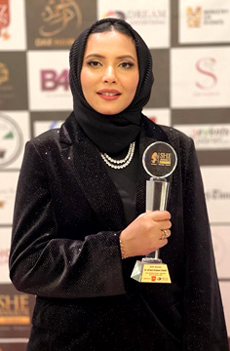
Dr. Afreen Mubeen Sheikh, a native of Mangaluru has made her hometown proud when she recently won the SHE Award in Dubai for her dedicated service to her profession and for contributing to the cause of women empowerment in UAE.
Dr Afreen is an alumnus of K S Hegde Medical Academy where she pursued her MBBS. She later did her Diploma in Obstetrics and Gynaecology from the Royal College of Physicians of Ireland.
Dr Afreen is a mentor and coach for foreign medical graduates seeking medical licensure in the UAE. She is a women’s health consultant in Mamahood, Dubai. Her expertise and guidance have empowered countless mothers to make informed decisions about their health and well-being. She has also successfully founded a women’s modest fashion brand by name ’Hayaa by Afreen’ in Dubai and also has a popular blog page by name ’The Whitecoat Mama’ on Instagram.
She uses the platform to raise awareness about women’s health and Gulf medical exams. She’s not only a respected medical professional and social media influencer but also a brand ambassador for several renowned brands in the UAE. Dr Afreen’s inspiring journey and her achievements were featured in a popular Dubai magazine ’Xpatzhub’ in October.
Dr Afreen is married to Dr Mohammad Mubeen who is a Paediatric Intensivist.
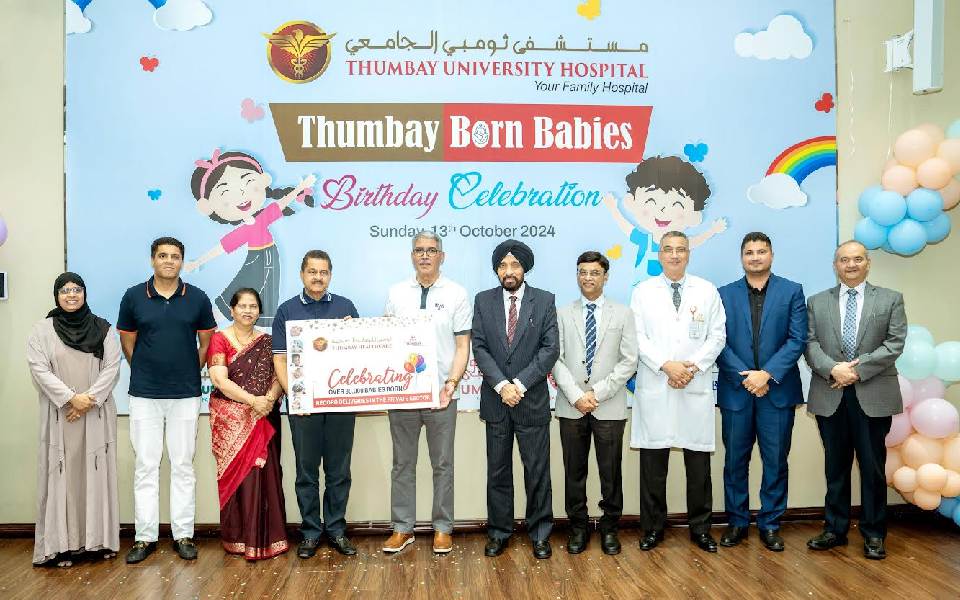
In honor of its achievement of over 90,000 deliveries, Thumbay University Hospital, UAE’s largest private academic hospital owned and managed by Thumbay Group, hosted a special event.
The festive occasion took place at the Thumbay Medicity (Al Jurf, Ajman), offering an evening filled with joy, laughter, and memorable experiences for the attendees present.
Since the first delivery in January 2003, Thumbay Healthcare has successfully conducted over 90,000 deliveries, significantly contributing to its growth and establishing itself as the UAE’s most sought-after family hospital for maternity care. The Obstetrics and Gynecology (OBG) department serves approximately 35,000 patients annually and is equipped with 10 state-of-theart labor and delivery rooms, a dedicated OBG emergency unit, and specialized operating theatres. Additionally, there is a postnatal ward with private rooms for new mothers, ensuring a comfortable and supportive environment during their recovery.
The event was graced by the presence of Chief Guest Dr. Thumbay Moideen, Founder President of Thumbay Group, along with Akbar Moideen Thumbay, Vice President of Thumbay Healthcare.
The celebration featured various activities designed to engage both children and adults. Highlights included balloon twisting, magic shows, face painting, and a best-dressed babies’ contest, with three winners announced. The event culminated in a cake-cutting ceremony that signified the growth and joy shared by infants and their families over the years.
Attendees also had the chance to participate in a raffle draw, with five winners receiving surprise gifts aimed at enhancing their parenting experience. A dedicated photo booth was available for families to create personalized keepsakes. Additionally, parents received vouchers for a health check-up valued at AED 3,499, available for AED 399, as well as a free dental consultation.
“As we commemorate the remarkable achievement of 90,000 deliveries within our hospital family, we recognize the profound honor of being part of these significant milestones in the lives of so many. It is a privilege to support the early development of each child, who represents the hope for a healthier and brighter future. Together with their families, we take pride in witnessing the growth, milestones, and vast potential that these new lives will contribute to our community. This milestone reaffirms our commitment to providing exceptional care and nurturing the next generation, ensuring that every child has the opportunity to thrive,” said Akbar Moideen Thumbay, Vice President of Thumbay Healthcare.
The hospital also offers an affordable maternity package, further enhancing its commitment to accessible and quality care for families. Maternity package at Thumbay University Hospital includes consultations with specialist gynecologists, free delivery booking, and antenatal classes. Priced at AED 5,499 for normal deliveries and AED 8,999 for C-section deliveries, the package is designed to diagnose, monitor, and prevent health issues, promoting healthier lifestyles for expectant mothers.
source: http://www.english.varthabharati.in / Vartha Bharati / Home> Gulf / by Vartha Bharati / October 16th, 2024
Accept Happy Women’s Day from Hello Mumbai News.com Team :
Each year, Hello Mumbai News takes the privilege to celebrate International Women’s Day on March 8th to propagate and recognize women’s social, economic, cultural, and political achievements through featuring stories on their successful journey in their field and to call for gender equality
This is with a goal to raise awareness about the need to end gender-based violence, promote women’s leadership, celebrate their contributions, promote entrepreneurs, startups and advocate for women’s economic empowerment around the World.
We, Hello Mumbai News Team have compiled a list of noteworthy and inspiring Entrepreneurs drawn from across the Country.
We hope their stories will inspire one and all. So guys read on:
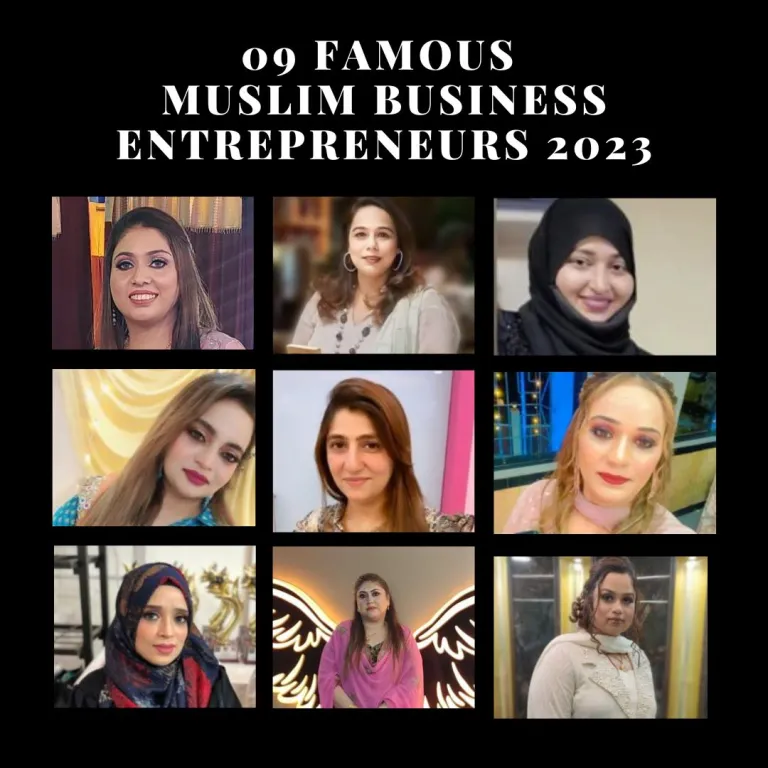
There is a tremendous growth in Muslims foraying into Entrepreneurship in the country. Amid the World celebrating the International Women’s Day, Hello Mumbai News is taking the privilege to interview the Muslim Entrepreneurs from Mumbai and so forth in their Series International Women’s Day.
As of now Women Muslim Entrepreneurs have defied this stereotype even as cashing in on the rapidly growing market for Muslim-focused Business.
Muslim Women Entrepreneurs are and have proved they are nothing less. Today they are into varied businesses and are growing with it on their own merits.
They have adopted the business and labour practices of global capitalism.
Muslim Women Entrepreneurs have made a mark in Mumbai and they have emerged as successful at entrepreneurship.
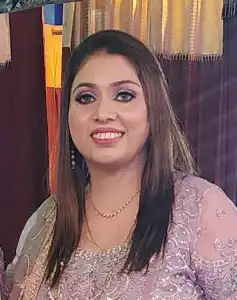
Sana Khatri:
Famous As: Business Entrepreneur
Hello Mumbai News: Could you please Introduce yourself to our readers?
Sana Khatri: Hi. I am Sana Khatri, I was born and brought up in Mumbai and hail from a Muslim Menom Community. Though I was an housewife earlier, presently, I am the Founder of Grace Network Event and Exhibition Company.
Hello Mumbai News: What Inspired you to venture into your own Business?
Sana Khatri: Well, being a Muslim Woman I observed that there is a lot of potential and talent in our Muslim Women but there is no specific platform for them to explore their talent. Hence decided to do it. Moreover, I belong to a business family background, so business is in my blood. And in a bid to empower and promote Women Entrepreneurs, I decided to start this business.
Hello Mumbai News: What Challenges you faced as a Woman Entrepreneur and how did you overcome them?
Sana Khatri: Look, In every business challenges occur and it is very common. So for me to create a network of women professional and Entrepreneurs was a Big challenge. I became very active on social media and did hard work on ground level. From person to person i created this platform.
Hello Mumbai News: Tell us something about your Start-up and how people can benefit from it?
Sana Khatri: My startup company name is Grace Network which provides a platform to MSME and women Entrepreneurs to showcase their products. We organise Exhibition twice a month in different parts of Mumbai. Women Entrepreneurs participate in this Exhibition display their products and get benefits. In last five years and as of now, we have organized more than 24 Exhibition across Mumbai.
Hello Mumbai News: Where did your Inspiration come from?
Sana Khatri: I was inspired by my Family members and my Husband
Hello Mumbai News: Do you feel that in India there are enough structures and facilities put in place to assist women to expand their Startup Journey?
Sana Khatri: Yes. India is a Very huge Market and our present Government is doing good to support MSMES and small Startup.
Hello Mumbai News: How you balance your professional and personal life .
Sana Khatri: Well, though quite difficult, yet, I managed. In this, I always had the support from my Husband.
Hello Mumbai News: What advice would you give to someone who is aspiring to be a Women Entrepreneur?
Sana Khatri: My sincere advice is to be positive and increase confidence. Y will definitely get success.
Hello Mumbai News: Which Woman Inspired you?
Sana Khatri: Quite obviously my Mother.
Hello Mumbai News: What is your message on International Women’s Day?
Sana Khatri: Yes.To Empower Women Empower Nation. Happy Women’s Day.
Hello Mumbai News: Being a Muslim Woman Entrepreneur what type of challenges and difficulties you faced.
Sana Khatri: Frankly speaking my biggest challenge is to bring Muslim Women Entrepreneurs under one roof. Our Community Women follow Pardhaa still now. And being a Muslim Woman Entrepreneur, Networking among Women is the biggest challenge
Hello Mumbai News: What’s your vision and future plan about your startup?.
Sana Khatri: Well, I want to make Grace Network a big platform across India and to promote Women Entrepreneurship culture among Muslim women. Very soon I will be organising an Exhibition in every district of Maharashtra and Big Metro cities of India.
Hello Mumbai News: Do you agree Mumbai being a financial capital a good Market for Startup and Entrepreneurs?
Sana Khatri: Yes of course. No doubt about it. In Mumbai Entrepreneurship culture is growing day by day among women Entrepreneurs.
Sanaubar Aijaz Malik:
Famous As: Business Entrepreneur
I am Sanaubar Aijaz Malik the owner of Glamour and Style a well-known clothing brand in Mumbai. I was born and brought up in a Muslim family in South Mumbai.G
I graduated in psychology from St Xaviers College and postgraduated in counselling psychology. My life’s journey was so very professional as a psychologist to begin with. I then got the opportunity to join a special school run by an NGO as principal and administrator and dedicated nearly 15 years for the upliftment of underprivileged women and children with special needs. This was a different level of contentment altogether for me. I have such precious and unforgettable memories of these days of my life.
Alhamdulillah born in a well educated Muslim family, all my family members were professionals, I did not have to face any societal pressure. The school where I worked was run by an NGO run by broad minded women themselves. Being a psychologist, I knew the importance of mother’s role in the development of children so I left my ideal and secure job to give time to my two kids, Anam and Jawaad, thanks to my supportive husband Aijaz and in laws. My hobbies were reading, handicraft making, stitching, embroidery, painting, dress designing and so much more… During this time my husband had to shift to Pune for work and our kids started growing up. As a result I now had few hours free for myself. I then started giving voluntary vocational training to underprivileged women and children with special needs, helping them to lead independent self reliant lives. Suddenly, my life turned upside down with my mom’s death due to cancer, my own and my husband’s ill health. It was during this phase that I started selling self created handicraft items and dress material to keep myself busy and distract myself from such circumstances. Alhamdulillah, we overcame this depressive phase and grew stronger. Then came the lockdown that changed the lives of so many people. It affected my life too but in a positive way. My online sales improved Alhamdulillah. I also got involved in a lot of charitable work. I noticed that a few karigars and tailors were out of their jobs. Some even left the city. I then thought of getting suits stitched and selling so that they could feed their families. I participated in a lot of exhibitions where I met a lot of other women entrepreneurs especially those who organized exhibitions and encouraged small business owners. No act of goodness and hardwork goes wasted. Blessings of all those who were helped led to the brand called GLAMOUR AND STYLE today. Glamour and Style grew into a successful brand in a significantly short span of time. Today, we have a team of karigars each expert in their own forte, team salesgirls, team of photographer and models, a team handling my social media, a graphic designer and so on. From an individual person handling business, glamour and style is benefitting so many people, both men and women who work from home. Another major aim is satisfaction of customers. We are continuously striving to make the best exclusive designs at affordable rates especially for middle class families. Thanks to my supportive husband Aijaz Malik, my family and friends, who always encourage and motivate me, i have been able to reach here. During lockdown many businesses failed and women came to the forefront supporting the family. The only advice that i can give someone who is an aspiring women entrepreneur is to never give up. Allah taala is watching. If your intentions are good, you will get success. Faith, willpower, hardwork and perseverance pays.
I take inspiration from wife of our beloved Prophet(pbuh) Hazrat Khadija (r a) who was a successful Muslim woman entrepreneur. Fashion is a signature of your unique style and it has a lot of scope. Today, Sanaubar Aijaz Malik’s Glamour and Style is a well known ladies clothing brand boutique located at Dongri, Mumbai. The place vibrates with hues and sophisticated designs….a candy to the eyes. It deals in ready to wear Indian attires, keeping in mind the customers budget and latest trends. The price range is super affordable without stooping on the quality. You can pick a lovely casual wear cotton outfit @ just Rs 1200/- Each suit made is exclusive. One of its kind. They have sizes from Small( S or 36) to 5XL (or 50). Available at our outlet are Stitched and semi stitched Kurtis/tunics. Casual cotton and lawn suits embellished with laces. Festive collection with embroidery and patch work. Premium and designer party wear collections. and much more. You can WhatsApp on 9833873378 Website www.glamourandstyle.in Instagram glamourand.style Address: 233, Bundar bldg, SVP Rd, Next to Buland Darwaza, opp. Khoja Kabrastan, Dongri Mumbai 400009. There are over 1000 suits available to select from. Shop is open 11am to 9 pm Monday to Saturday. Courier facility is also available all over India. Best quality at affordable prices. We match style and class with luxury and comfort. With the changing mindset, Inshaallah Muslim women will continue to make great strides in the business world in the days to come. In future, I see myself continuing my endeavour of helping the needy and impacting the lives of people so that the world could become a better place to live in. Inshaallah I plan to expand my business to cater to the needs of more and more people. On women’s day the only message that I want to give to all women entrepreneurs is to maintain quality of life. You need to balance your family, career, health as well as friends. This will automatically lead you to success. If I could do it, you can do it too. Happy women’s day.
Sanaa Gaazi:
Famous As: Mehndi Artist
Hello Mumbai News: Could you please Introduce yourself to our readers?
Sanaa Gaazi: Hi. Privileged to connect with Hello Mumbai News. I am Sana Gazi, born and brought up in Mumbai and hail from a Muslim Community. Though I was an housewife earlier, presently, I am the Founder of Sana Gazi Mhendi Artist Beauty Startups.
Hello Mumbai News: What Inspired you to venture into your own Business?
Sanaa Gaazi: Well, Since my child i was interested in Beauty Industry specially in Mhendi Design. From the day one my mother supported me a lot and i joined Mhendi classes done course. After this i decidedly to make it a professional. and decided to start this business.
Hello Mumbai News: What Challenges you faced as a Woman Entrepreneur and how did you overcome them?
Sanaa Gaazi: Look, In every business challenges occur and it is very common. So for me to create a network of women client was a Big challenge. I became very active on social media and did hard work on ground level. From person to person i created this platform.
Hello Mumbai News: Tell us something about your Start-up and how people can benefit from it?
Sanaa Gaazi: My startup company name is Sana Gazi Mhendi Artist which provides a Mhendi designing specially Dubai flavour.our speciality is Designing which women like it very much.
Hello Mumbai News: Where did your Inspiration come from?
Sanaa Gaazi: I was inspired by my Mother Family members and my Husband
Hello Mumbai News: How do you balance your professional and personal life .
Sanaa Gaazi: Well, though quite difficult, yet, I managed. In this, I always had the support from my Husband.
Hello Mumbai News: What advice would you give to someone who is aspiring to be a Women Entrepreneur?
Sanaa Gaazi: My sincere advice is to be positive and increase confidence. Y will definitely get success. Work hard belives in your self
Hello Mumbai News: Which Woman Inspired you?
Sanaa Gaazi: Quite obviously my Mother.
Hello Mumbai News: What is your message on International Women’s Day?
Sanaa Gaazi: This International Women’s Day, is very special for me, because it was on this auspicious day that I got married. This women’s day marks my 4th Marriage anniversary. I want to give special message to all women to support and help each other grow together and Make Nation strong.
Hello Mumbai News: Being a Muslim Woman Entrepreneur what type of challenges and difficulties you faced.
Sanaa Gaazi: Frankly speaking my biggest challenge is to create good quality client because Mhendi is an Art and its difficult to convince the client about Designing.
Hello Mumbai News: What’s your vision and future plan about your startup?.
Sanaa Gaazi: I want to make Sana Gazi Mhendi Artist a Big beauty Startup through this platform i want launch Mhendi classes want to teach poor and needy girls.Through my Mhendi art i want to support my society.
Hello Mumbai News: Do you agree Mumbai being a financial capital a good Market for Beauty Startup and Entrepreneurs?
Sanaa Gaazi: Yes of course. No doubt about it. In Mumbai Entrepreneurship culture is growing day by day among women Entrepreneurs.
Farzana Imran:
Famous As: Makeup Artist
Predominantly Business is a male-dominated world, and in the Muslim community, where female modesty is held at a premium, one might assume that was doubly the case.
But as of now Muslim Women Entrepreneurs are making a Huge impact they have defied this stereotype even as cashing in on the rapidly growing market for Muslim-focused Business.
Like other Non-Muslim women entrepreneurs who have conquered the Male Counterparts in every field of profession, so too Muslim Women Entrepreneurs are and have proved they are nothing less. Today they are into varied businesses and are growing with it on their their own merits.
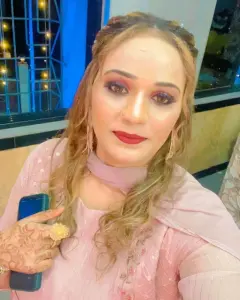
One such ambitious charismatic and vibrant is Farzana Imran recognised as Zaana Make-up Artist.
Hello Mumbai News took the opportunity to catch up with the enterprising Make-up artist for an exclusive interview on International Women’s Day. Excerpts of the interview.
Hello Mumbai News: Hi. Farzana, welcome to Hello Mumbai News. Could you please introduce yourself to our readers.
Farzana: Hello. This is Farzana Imran, a Make-up artist.
Hello Mumbai News: Farzana, how did u foray into the beauty business?
Farzana: Well, I forayed into the beauty business way back 4 years ago as makeup artist and a subsequently an hairstylist.
Hello Mumbai News: How would you Describe your Signature Look.
Farzana: I have always attempted to enhance one’s inner beauty, Pakistani bridal look and elegant party makeups are my signature looks. It has been my passion towards makeup and engaged in beauty industry is all that I had always wanted and it was my cherished dream.
Hello Mumbai News: What made you come up with your Own Make up line.
Farzana: Beauty is endless and one doesn’t need to look fair as far as beauty is defined, but just that you need to be a good hearted person to look beautiful…..(but a lil mascara never hurts)
Hello Mumbai News: Please throw light on your speciality and services you provide.
Farzana: It has always been my priority to provide with the best of service to my clients. I also visit venues where there is a need for makeup. And also visit accept destination wedding makeups
Hello Mumbai News: Which elements of job that attracts and you most enjoy?
Farzana: Well, I just love doing eye makeup and enhance eyes. As a saying goes “Keep going and never stop your bank account has more numbers than your mobile number”.
Hello Mumbai News: What type challenges you have you encountered amid your professional Journey.
Farzana: Yes. I did have had to face lot of hassles but by the grace of God I could hustle, bustle fight and bounce back. Let me tell you that Women are blessed with power if whatever they decide they will ultimately succeed in life
Hello Mumbai News: Whom have you looked up for inspiration?
Farzana: Yes, amid peels of laughter, Parul Gurg a seasoned Makeup artist is my inspiration and touchwood I am fortunate to have a very supporting husband so everything gets managed. Am accessible on @zaana_makeup_artist and on Mob No. 9022696457
Fatima Qureshi:
Famous As: Beauty Entrepreneur
Hello Mumbai News: Could you Introduce yourself for our readers.
Fatima Qureshi: I am Fatima Qureshi, Beauty Expert by profession.
Hello Mumbai News: What Inspired you to venture into your Business?
Fatima Qureshi: It was the need of the hour and an Urge to be self-dependent.
Hello Mumbai News: What Challenges have you faced as a Woman Entrepreneur and how did you overcome them.
Fatima Qureshi: Well, amid taunt from the society as this profession was not appreciated in those days. Then traveling to places for work. Maintaining balance between home and work
Hello Mumbai News: Tell us something about your Start-up and how people can benefit from it.
Fatima Qureshi: For venturing into any business one has to invest a lot of money. Hence, I started giving tuitions and then utilized that money as a freelancer beautician.
Hello Mumbai News: Where Did your Inspiration come from?
Fatima Qureshi: It was a safe job as I had to deal with females.
Hello Mumbai News: Do you feel that in India there are enough structures and facilities put in place to assist women to expand their Startup Journey?
Fatima Qureshi: No
Hello Mumbai News: How do you balance your professional and personal life.
Fatima Qureshi: I organize my work as per priority. It’s difficult but I systematically manage it.
Hello Mumbai News: What advice would you give to aspiring Women Entrepreneur?
Fatima Qureshi: Just go for it. Achieve your dreams. Make the Impossible possible.
Hello Mumbai News: What Women Inspire you.?
Fatima Qureshi: To be Enthusiastic Positive Confident
Hello Mumbai News: What is your message on International Women’s Day.
Fatima Qureshi: Nothing is impossible for a WOMAN. Stand up for yourself.
Hello Mumbai News: Where can our readers find you and keep in touch with you.
Fatima Qureshi: On Instagram and Facebook @Femsglamour
Hello Mumbai News: Being a Muslim women Entrepreneur what type of challenges and difficulties you faced?
Fatima Qureshi: Too much restrictions on work timings and travel
Hello Mumbai News: What’s your vision and future plan about your startup?
Fatima Qureshi: I am a self-starter who intend to make the most of every opportunity that life offers me I want to become an inspiration for all the women who want to become an inspiration for others I want to help all those to achieve their goals.
Hello Mumbai News: Tell us in brief about your services.
Fatima Qureshi: We deal with all types of skin and beauty services.
Hello Mumbai News: Do you agree Mumbai being a financial capital a good Market for Startup and Entrepreneurs?
Fatima Qureshi: Yes, by all means.
Aisha Tabrez Chinoy:
Famous As: Food Entrepreneur
Hello Mumbai News: Could you Introduce yourself for our readers.
Aisha: I am a mother of 2 lovely kids, housewife and an entrepreneur who loves to hustle and wants to make an identity for myself in the society and be an inspiration for a lot of females to do something on their own.
Hello Mumbai News: What Inspired to start your Business.
Aisha: the challenge that I was going through in the kitchen specially while making birista where we had to peel onions, cut, chop and fry them to make birista inspired me to make kitchen life easy for a lot of kitchen queens and also my passion for cooking.
Hello Mumbai News: What Challenges have you faced as a Woman Entrepreneur and how did you overcome them.
Aisha: There have been end number of challenges that I have faced… Taking care of joint family, kids, household chores, staff, sales, manufacturing and many more challenging… But I am fortunate enough to have my husband who is the strongest pillar of my life and also for S.A Foods. He has a lot of experience in the corporate world dealing into sales and customer service. He’s always ensures to share and implement his experience in S.A Foods…
Hello Mumbai News: Tell Something about your Start-up and how people can benefit from it.
Aisha: Firstly all our products are all made using the finest ingredients and we offer premium quality marinades, birista, ginger garlic paste, chutneys, mayos to make kitchen life easy and zaikedaar for kitchen queens. We have more than 5000 customers and they all share their feedback that our products have made their kitchen life very easy and zaikedaar.
Hello Mumbai News: Do you feel that in India there are enough structures and facilities put in place to assist women to expand their Startup Journey.
Aisha: It is only the will, passion and persistence that helps you achieve your goals whether it is India or any location in the world. Make use of the resources available and looking for solutions to your problem is the key to success.
Hello Mumbai News: How you balance your professional and personal life .
Aisha: It is difficult and challenging… But when your husband and your family support understands you passion and you dream you can do wonders. I am fortunate alhamdulillah to have a strong family with very strong values and also my staff who are more like my family… Then it becomes easy to distribute your work load. Special thanks to my entire staff of S.A Foods.
Hello Mumbai News: What advice would you give to someone who are aspiring Women Entrepreneur
Aisha: Only 1 advice… Understand what makes you happy and work on your product/service daily… Love what you do and also be consistent… It’s you persistence and determination that will give you name and then everything falls in place.
Hello Mumbai News: What’is your message on International Women’s Day.
Aisha: Love yourself, be confident about the work you do. Make your own identity not to compete with anyone, but just to discover your strength and discover yourself.
Hello Mumbai News: Being a Muslim women Entrepreneur what type of challenges and difficulties you faced.
Aisha: A challenge is a challenge when you don’t have anyone to support you… But alhamdulillah I am blessed with best husband, parents, in-laws and my entire S.A Foods family who have been my strength and never made me feel if there’s any challenge. I see a challenge and alhamdulillah my husband comes up with a solution and my entire staff supports to complete those challenges.
Hello Mumbai News: What’s your vision and future plan about your startup.
Aisha: Ek hi vision hai… Make life easy and zaikedaar for all the kitchen queen… #hargharsafoods
Hello Mumbai News: Tell us brief about your services.
Aisha: We offer home delivery services and any customer can book their products through our website, Instagram and WhatsApp. We also keep on uploading new recipes on Instagram for our customers so that they know how they can prepare some yummy recipes for their own family easily. We also share more than 150 recipes through WhatsApp to make their kitchen life easy and zaikedaar.
Hello Mumbai News: Do you agree Mumbai being a financial capital a good Market for Startup and Entrepreneurs.
Aisha: I was born and bought up in Mumbai… There is always a lot of scope to start your own business and make a name for yourself. Just believe in yourself and make small progress daily. Naam ke liye kaam karo… Kaam khud ho jayega…
My mom and my mother in law who coincidentally has same name Sabera n of course my name Aisha and that’s the initial in S.A Foods… Their never to give up attitude inspires me and I am blessed to have them in my life.
Nikhat Khan:
Famous As: Makeup Artist
Hello Mumbai News: Could you introduce yourself for our readers.
Nikhat Khan: Nikhat khan as makeupbykhan I am professional makeup and hair artist
Hello Mumbai News: when and how did you get into beauty industry
Nikhat Khan: Makeup is my passion and in makeup industry I am since 3 yrs
Hello Mumbai News: How would you Describe your Signature look.
Nikhat Khan: The best way to create a signature look is to think about what is you want to accentuate about your natural beauty and then play around and see what makes you feel best
Hello Mumbai News: what made you come up with your own makeup line
Nikhat Khan: It’s my passion which made me come up with my makeup line
Hello Mumbai News: What is beauty for you
Nikhat Khan: It’s our strength and self confidence to know that with or without makeup the real beauty is “you”
Hello Mumbai News: Tell something about your specialty and service you provide
Nikhat Khan: We provide makeup that should look soft elegant and natural
Hello Mumbai News: which elements of job do you most enjoy
Nikhat Khan: As a makeup artist you have the power to make beautiful when ur clients see them in the mirror after your final touch the smile that you see on their face is “princeless”
Hello Mumbai News: Do you have any tips or advice for Aspiring makeup artist
Nikhat Khan: You should have a strong passion for the makeup industry and you should be creative
Hello Mumbai News: What type challenges have you faced during your professional Journey
Nikhat Khan: We all have to accept a challenge in every job how to balance it it’s up to us
Hello Mumbai News: What’s your message on International Women’s Day
Nikhat Khan: Happy Women’s day to all the incredible women ! “Not just today but everyday “
Hello Mumbai News: who is your favourite makeup artist
Nikhat Khan: Mine favourite makeup artist is Nasreen ma’am coz she’s the one where I am today she’s my makeup guru
Hello Mumbai News: how you balance your professional and personal life
Nikhat Khan: We should be very calm in both personal and professional life
Hello Mumbai News: when our readers can find you and keep in touch with you
Nikhat Khan: I m on Instagram as makeupbykhan3 WhatsApp on 9082958822
Yasmin:
Famous As: Makeup Artist
Hello Mumbai News: Could you Introduce yourself for our readers.
Yasmin:My name is yasmeen i am a professional makeup artist
Hello Mumbai News: when and how did you get into Beauty Industry.
Yasmin: I just love to do makeup right from my childhood but I tried it as a profession after my marriage by getting inspiration from all the ladies out there in the industry who just want to pursue something on their own.
Hello Mumbai News: How would you Describe your Signature Look.
Yasmin: As I said I just love doing makeup but my clients and friends love how I do box liner and nude makeup a lot as it enhances the natural beauty of the person irrelevant of their ethnicity.
Hello Mumbai News: what made you come up with your Own Make up line.
Yasmin: Nothing just a passion for makeup and a love of sharing the knowledge which I have.
Hello Mumbai News: What is Beauty for you.
Yasmin: To me, beauty is all about being comfortable in your skin, its about knowing and accepting who you are.
Hello Mumbai News: Tell Something about your speciality and services you provide.
Yasmin:My specialty is makeup and knowledge in it and that is the service that I provide, by the grace of Allah I am very good at it
Hello Mumbai News: which elements of job do you most enjoy.
Yasmin:you know, when we are done with our work and we receive a beautiful smile and positive feedback from the client, that’s it that’s the best part of the job which I enjoy
Hello Mumbai News: Do you have any Tips or advice for Aspiring Make up Artist.
Yasmin:Do what you love and love what you do, and follow your passion blindly don’t run after fame make your work shout out your name and fame will come running after you.
Hello Mumbai News: What type challenges have you faced during your professional Journey.
Yasmin:Nothing can be achieved without any challenges as being a married woman and a mother the difficulty level for starting a career at this time of life is way up high and the list is way long enough from the tension of who’s gonna look after the children to how well everything will be managed. But as they say, where there is a will there is a way, everything will be managed gradually.
Hello Mumbai News: What’s your message on International Women’s Day
Yasmin:A woman can do anything she is willing to do, the only thing she needs is just a small backing from the family and people around her. She may not be strong physically but strongest emotionally and mentally.
Hello Mumbai News: who is your favourite Make up Artist.
Yasmin:The makeup artists who inspire me and whom I admire a lot are Khushi Virani, Sheena Kaur, and Meenakshi Dutt. No comments the best in the industry.
Hello Mumbai News: How you balance your professional and personal life.
Yasmin:My personal and professional life are way more different and wide apart but we have to balance between them like they both are connected with a rope of family support, sacrifices, passion, and enthusiasm for the work and you have to balance yourself on it, the stronger the pull is the stiffer the rope gets and so it gets easier to balance between them. Just ignore the “char log” who are always behind your back and come to disbalance your life.
Hello Mumbai News: when our readers can find you and keep in touch with you.
Yasmin:my instagram id Yasmeen–makeup–artist Makeup by yasmeen86 My youtub id Yasmeen shaikh Yasmeenshaikh4230
Mehvash Arfat shaikh:
Famous As: Business Entrepreneur
Hello Mumbai News: Could you Introduce yourself for our readers.
Mehvash Arfat shaikh: Mehvash Arfat shaikh Owner of Selfcare_station21 I deal in Oriflame Company products. Oriflame guarantees the quality of any Product which carries the Oriflame name and certify that they are manufactured by, or for us to meet the highest standards of quality. We are confident that our Customers will find our Products satisfactory in every way.
Hello Mumbai News: when and how did you get into Beauty Industry.
Mehvash Arfat shaikh: One year back Wanted to help & empower women to work with zero investment at their own time like work from home. We help all women and teenagers to be entrepreneurs…with zero loss…and zero investment..
Hello Mumbai News: How would you Describe your Signature Look.
Mehvash Arfat shaikh: You’re never going to get your best work done if you’re not satisfied with all aspects of your life.
Hello Mumbai News: What is Beauty for you.
Mehvash Arfat shaikh: A beautiful person is someone who stays true to themselves and their spirit; someone who is self-confident and can make you smile.
Hello Mumbai News: Tell Something about your speciality and services you provide.
Mehvash Arfat shaikh: When you register as Oriflame Brand Partner you will be one of our partners. You can take advantage of the opportunities we offer to make money by selling our products to others and to potentially build its own network of advisers.
Hello Mumbai News: which elements of job do you most enjoy.
Mehvash Arfat shaikh: Make people belive in themself …. And start earning from their own business. Being successful doesn’t just mean making a lot of money. It means achieving success in all aspects of life
Hello Mumbai News: What’s your message on International Women’s Day
Mehvash Arfat shaikh: Women are an inspiration to everyone. Cheers to all women on Women’s Day 2023! There is no limit to what we, as women, can accomplish.
Hello Mumbai News: How you balance your professional and personal life.
Mehvash Arfat shaikh: Organising your day and making a schedule for yourself will help in having a stress-free day. working from home can actually be the most efficient way to get things done.
source: http://www.hellomumbainews.com / Hello Mumbai News / Home> Mumbai Local / by Aleem Shaikh / March 08th, 2023
Unpacking the politics behind the Indian fashion industry’s biggest—but unsung— shareholders
Photo: Bikramjit Bose
At first glance, Indian jewellery brand Olio’s Instagram feed looks like any other of its kind: a visually resounding moodboard of sorts, chock full of Bollywood references, 90s nostalgia, and whimsical photos of its maximal, statement jewellery that is unforgettably cool.
But dig just a little deeper and you’ll find that beyond the beautiful aesthetics and jewellery accents, Olio isn’t afraid to make a cultural, social, or political statement. Case in point, when user ‘Shreya’ left a review for Olio’s website accusing them of ‘misinformation’ for attributing the origins of the haath phool to the Mughals “who brought it to the country by way of Persia,” as per Olio. But ‘Shreya’ claimed that the haath phool “is a Hindu jewellery that has nothing to do with Mughals”. So, Olio dedicated a post as ‘a history lesson for Shreya’ on how the Mughals played a pivotal role in shaping the art of jewellery-making in India. More on that later in the story.
In a country with over 5,000 years of history, the rise and fall of countless civilisations, the reign of rulers from all over the world, and 200-year-long colonisation, to deem something purely from one cultural corner is an abject erasure of aspects of the history of one the world’s oldest civilisations. “It’s just so crazy that people just want to rewrite history. We are so multicultural, and it comes from our history; there’s beauty in this diversity,” exclaimed Aashna Singh, one-half of Olio’s founding duo.
This might seem like any other incident of someone confusing their facts about history, but the erasure of the part of history that Singh is referring to is specifically that of Mughal and Islamic influence on India.
As represented by ‘Shreya’, there seems to be an increasingly divisive and communally charged sentiment amongst people bent on homogenizing what is a polychromatic amalgamation of cultural influences on our clothes, jewellery, art, culture, culinary history, among others, and in effect, risking the oblivion of its colourful tapestry of heritage, something Singh witnessed first hand with her brand. “That was the first time we took a strong stance about something, and it was very interesting to see the reaction to that. I mean, you also get a lot of love, and people who appreciate it appreciate it a lot. But then there have been customers who wrote to us saying they’re not going to shop with us again because they were just so upset by it, which is scary.”
But what does jewellery, and its design history, have to do with the country’s current inflamed state of religion-based viewpoints? According to Umair Shah, co-founder of a creative studio that works with lifestyle brands, and an amateur historian, a lot. “We need to understand that most of the ancient craft we cannot simply call ‘ours’ because everything has a nuanced historical aspect.
If you talk of silk that is used to adorn idols in the temples, it came through the Silk Route from China.
If we talk of carpet weaving in Kashmir, it came with Shah Hamdan, a Persian saint, scholar, and religious leader of the 14th century AD.
Zardozi came with the Safavid empire in Iran; what Suzani is in Central Asia just became Sozani in India.
All of these arts and crafts that are now celebrated in India have a cross-cultural, cross-boundary relation or derivation. And you will find that often the people who are carrying forward these traditional skills today in India may have ties that originated from those regions.”
“It serves as an element of forming your identity. One of the biggest reasons behind that was the absence of a caste system that could be related to any profession, whereas a majority of the population in medieval times were working as per their caste. But with a lot of Muslims, they were doing any kind of job that was fitting for them. Incidentally, one of the most important industries for India happened to be textile.” Shah further added that when we erase the association of religious identity, its ensuing history and heritage, with the karigars, we risk losing the identity and the history of the craft itself.
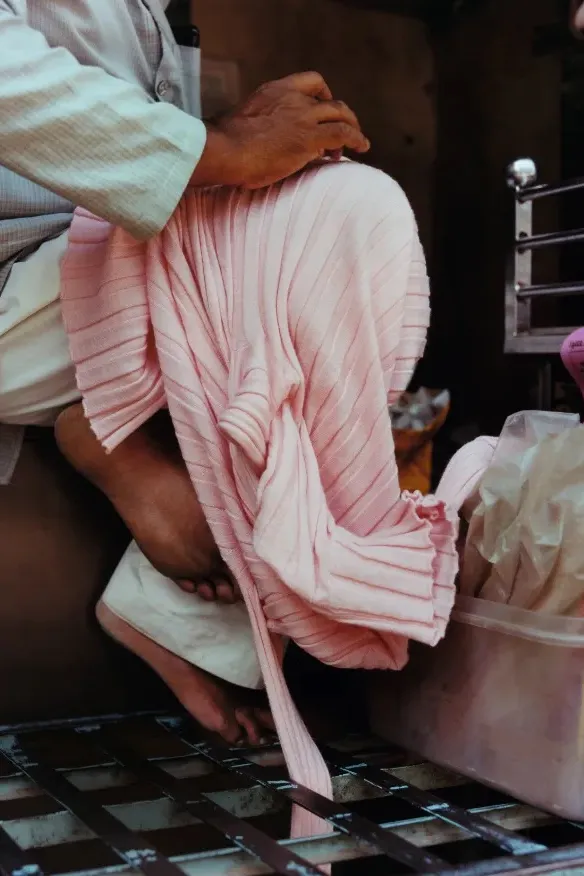
Make no mistake, India appreciates, celebrates, and continues to buy what is commonly known as ‘Mughal’ art and design, but Shah pointed out that’s only the case until something starts looking “too Muslim”. “A lot of crafts that we see in the market are popular because we have a tendency of fetishising anything that’s ‘Mughal’, so to speak. But the fetishisation is for the craft only, and not for the karigar. You don’t want to be associated with their religious identity.”
Last year in October, an Indianwear brand was forced to remove its ad after online outrage poured in over using an Urdu phrase, ‘Jashn-e-Riwaaz’, meaning ‘celebration of customs’ for their Diwali campaign. “Deepavali is not Jash[n]-e-Riwaaz. This deliberate attempt at abrahamisation of Hindu festivals, depicting models without traditional Hindu attires, must change. And brands should face economic costs for such deliberate misadventures,” tweeted a political leader. A year prior to that, in October 2020, a prominent jewellery brand’s ad faced similar outrage, this time for supposedly promoting “Love Jihad” in an ad that showed a pregnant Hindu woman escorted by her Muslim mother-in-law for her baby shower ceremony. The jewellery giant eventually took the ad down from all its digital platforms.
Kallol Datta, a Kolkata-based clothes-maker and finalist of the Jameel prize, is of the opinion that the root of the problem doesn’t lie in the lack of awareness of Persian and Mughal design influences. The problem is in a different ballpark and, as Datta predicts, is set to snowball into something of a different scale in the future. “Right now, you have fascists posting instructions on social media on how to do away with Urdu words in your vocabulary and substitute them with Hindi words. This could soon also include instructions on design language.”
Amidst Indic and Mughal influences, and the black and white of what’s ‘our’ history, and what’s not lies a line that is extremely blurred. The line being of who influenced what, and at exactly what point in time, or if a ruler’s reign affected change in the architecture or design of the era. When an idea is inspired by somewhere else it is often transformed into something new.
That’s why Pramod Kumar KG, who is the managing director of Eka Archiving Services, founder director of the Anokhi Museum of Hand Printing, and the first director of the Jaipur Literature Festival, emphasizes the importance of looking at the history of design, in all its forms, from a much more nuanced lens. “We look at something and we assume that this is Mughal design. We don’t realize that this is an assimilation of different things over the centuries which has come down to us in a certain form. We have brilliant portraits of, say, Jahangir wearing a bandhani patka waistcloth, bandhani being a technique that is more indigenous to the country or to the subcontinent. So this constant moving back and forth existed. Sometimes it’s convenient for us to look at something and say, ‘That’s Mughal, this is Rajput, this is Hindu, this is Muslim’. But the fact of the matter is that all of them are incredibly layered – designs, motifs, and even garments. It’s not a blanket answer and I really wish people would look at it that way and realize that we are far more than just one or the other.”
When I asked Sarthak Kasliwal, the youngest partner at Jaipur’s iconic jewellery institution, The Gem Palace, what he makes of such ‘influence’, he replied with a much more simplified version: “Artists always get inspired from different places. There’s no originality in anything in the sense that the first was also created by getting influenced by something else. So no one can actually own it. You date back in history, you say it because you know that part. You can trace it back. But to what date? And what about before that?”
Beyond debates and discussions of history, heritage, and lineage of craft forms, something much more tangible lies at stake – the livelihoods of generational Muslim karigars if their art is disassociated from their identity. But why should the fashion industry care? As per Datta, “The pattern cutters, sewing machinists, hand embroiderers, weavers, dyers and printers – a majority of people engaged in fashion production are Muslims. Fashion gets to profit off of culture and craft. But you cannot profit off the labour of an entire community and stay quiet when the same community is subject to intimidation, diminished access to education and livelihood.”
But as Kumar pointed out, “Everybody’s just too scared to speak up at all, to say anything contrary that’s also important. Be it celebrities or designers, nobody wants to toe that line. But by being silent, you’re equally a party to the problem.” That is why Shah thinks that designers and design houses hiring Muslim karigars need to step up. Beyond fair pay and regular work, Shah insists that they need to be given assurance that they work in an unprejudiced environment. “Beyond getting their work done by the karigars, designers need to be aware of the situation in the country and the realities of the lives of the people who are working for them. All these people don’t have a voice today. If they are getting humiliated or threatened, they will likely not know what to do about it. They need reassurance that the brands they’re working with will at least be their voice if something untoward happens.”
The way ahead is, undoubtedly, a more inclusive and diverse design and cultural sentiment wherein every influence is celebrated as part of the country’s fabric, agreed Kasliwal who envisions the same as a young businessperson and the heir of a prestigious design institution.
Singh and her partner Sneha Saksena, too, shared that they intend to use their privilege and Olio’s platform “to do the right thing”, even if it costs the brand a few angry customers or negative reviews. “ Fashion can be very frivolous sometimes. It’s just jewellery at the end of the day. Like, what am I doing? I’m just trying to sell jewellery. But if we can have an impact by using our privilege and our platforms to protect the most vulnerable, then why not? Because otherwise, what’s the point of it all?”
source: http://www.vogue.in / Vogue India / Home> Fashion / by Shubhangana Das / September 23rd, 2023