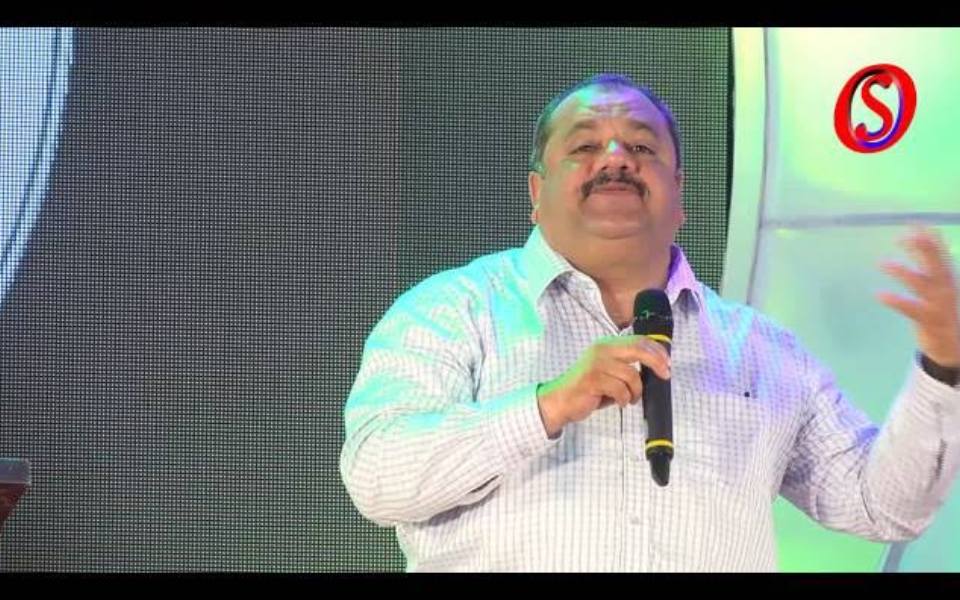
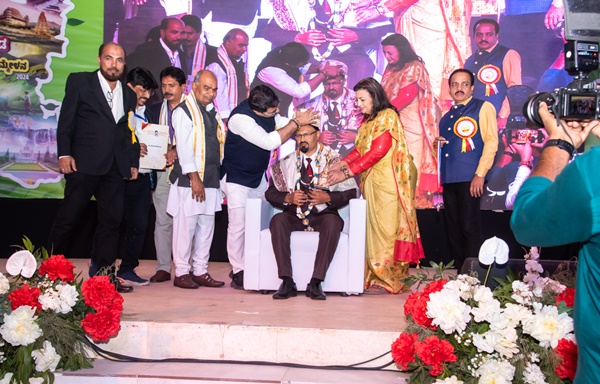
Noted NRI Businessman Yunus Kazia was on Sunday elected as the new president of Anjuman Hami-e-Muslimeen Bhatkal, a prominent organisation that runs over 20 Educational institutions in Bhatkal.
Along with Yunus Kazia, Ishaque Shabandri was elected as the General Secretary of the organisation. Ishaque was earlier serving as the Additional General Secretary in the previous term.
The development comes days after the election process of the organisation was held last month. The office bearers were elected during the first meeting of the newly elected executive body of the organisation at the Anjuman Hami-e-Muslimeen’s head office in Anjumanabad, Bhatkal.
Yunus Kazia, a prominent NRI Businessman is also the president of Canara Muslim Khaleej Council and he is also the president of Karnataka NRI Forum. He is also part of various other organisations that participate in the development of locals and NRIs.
Other elected office bearers include Vice President 1 Mohammed Sadiq Pillor, Vice President 2 Dr. Zubair Kola, Additional General Secretary Aftab Qamri, Work Committee Secretary SJ Syed Hashim, Finance Secretary SM Syed Parvez, AITM Board Secretary Mohiuddin Ruknuddin, BBA BCA Professional College Secretary Aheed Mohtisham, PU and Degree College Board Secretary Dr. SM Syed Saleem, High School Board Secretary Sadullah Ruknuddin, Primary Board Secretary Tanveer Kasargod and Deeniyath Board Secretary Dr. Abdul Hameed Ruknuddin.
source: http://www.english.varthabharati.in / Vartha Bharti / Home> Karavalli / by Vartha Bharati / March 10th, 2024
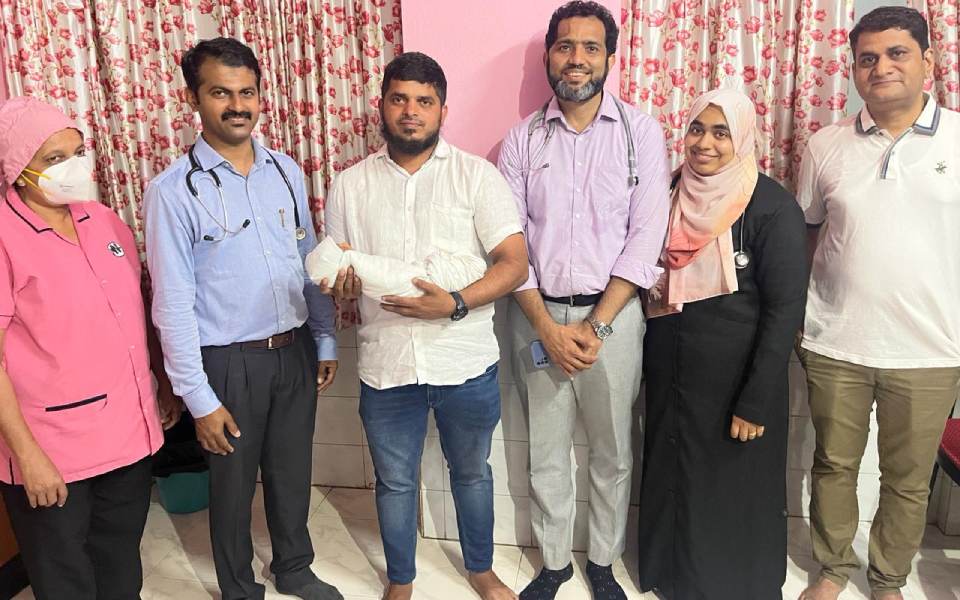
Dr Ayshath Safoorah Gynaecologist, Dr Muralidhar G K.. Fetal Medicine Specialist, Dr Abdul Bashith Pediatrician and Dr Preetham Tauro Pediatrician
Mangaluru:
In a remarkable medical achievement, an Rh ISO immunised baby was successfully discharged after undergoing multiple blood transfusions , including rare intrauterine blood transfusion.
Dr. Ayshath Safoorah,consultant obstetrician and gynaecologist at Lifeline Health Care plus falnir, recognizing the complications of the case, referred the expectant mother to Dr. Murlidhar( fetal medicine ) at Father Muller Hospital for ultrasound evaluation of foetal anemia.
After a thorough evaluation, Dr. Murlidhar carried out the intrauterine blood transfusion when the patient was in her 31st week of pregnancy.
The expectant mother, who came to Dr Ayshath Safoorah at 28th week of her pregnancy, faced complications due to antibodies present in her blood against the fetal blood cells ,along with increased blood pressure.
Three weeks following the intrauterine blood transfusion, the mother was induced at 34 weeks and delivered vaginally a preterm girl baby weighing 2.2 kg at Manglore Nursing home on 29th February . Both the mother’s health and the baby’s condition were closely monitored by the team of doctors at the hospital.
On Sunday, March 10, the newborn has been discharged.
What does positive Indirect Coombs Test mean?
When an Indirect Coombs Test is positive, it means that antibodies against red blood cells are present in the patient’s blood serum. The test detects these antibodies indirectly by mixing the patient’s serum with red blood cells of a known blood type. If antibodies in the serum react with the red blood cells, it indicates a positive result.
“In the context of pregnancy, a positive Indirect Coombs Test suggests that a pregnant woman has developed antibodies against the red blood cells of her unborn baby. This situation is often associated with Rh incompatibility, where the mother is Rh-negative, and the baby is Rh-positive.Injection Anti D is given after delivery to all Rh negative mothers to prevent this kind of iso immunisation,” Dr. Ayshath Safoorah told Vartha Bharati.
What is Intrauterine blood transfusion?
Intrauterine blood transfusion is a complex medical procedure performed during pregnancy to address severe fetal anemia. Through the procedure, the baby in mother’s womb is transfused blood.
Before the procedure, the mother undergoes thorough assessments, including ultrasound scans and blood tests. Continuous ultrasound guidance is used throughout the procedure to visualize the fetus, placenta, and the specific blood vessels involved. A thin, specialized needle is carefully inserted through the mother’s abdomen and into the amniotic sac, guided by real-time ultrasound imaging. The goal is to reach the umbilical vein of the fetus.
Once the needle is correctly positioned, compatible blood is slowly transfused into the fetus through the umbilical vein. The amount of blood transfused is carefully controlled to avoid overloading the fetal circulation.
“Prior to the intrauterine blood transfusion,the hemoglobin of the foetus was just 4 g/dl. While this situation presented complications of cardiac failure , our medical team implemented measures to ensure a smooth transfusion ,” Dr. Murlidhar who has handled cases of intrauterine blood transfusion during his practice abroad, told Vartha Bharati.
“Once the baby was delivered , she needed 2 exchange transfusions and one blood transfusion to combat the rising bilirubin levels due to hemolysis. Throughout the exchange blood transfusion, our medical team comprising Dr Preetham , faced challenges associated with the fluctuating and rising hemoglobin levels of the baby. The unexpected variations required vigilant monitoring and immediate responses to ensure the baby’s stability,” Dr. Abdul Bashith said while also adding that the team was overjoyed with the successful procedure and to see the baby and mother healthy.
Dr. Abdul Bashith also added that both mother and baby would require follow up at the hospital with their first visit being scheduled after 1 week .
Dr. Abdul Basith thanked and appreciated other members of the team including Manglore Nursing home NICU staffs and management, for their care and support.
source: http://www.english.varthabharati.in / Vartha Bharati / Home> Karavali / by Vartha Bharati / March 10th, 2024
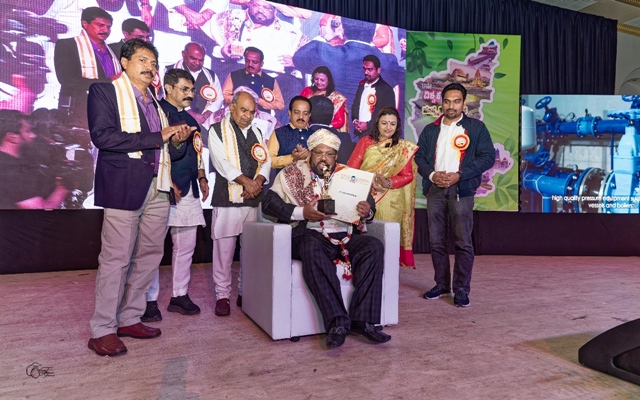
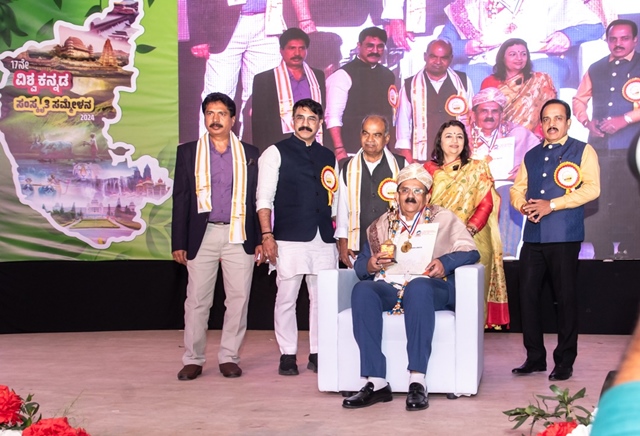
In a ceremony held on February 10 in Saudi Arabia, notable figures Zakaria Bajpe, CEO of Almuzain Gulf Saudi Contracting Co, K A Sheikh Karnire, director of operation at Expertise Contracting Co Ltd, and entrepreneur-social worker Sathish Kumar Anchan Bajal were honored with the Vishwa Manya 2024 award.
The recognition was part of the 17th World Kannada Convention, spearheaded by Sathish Kumar on February 8.
Zakaria, Sheikh Karnire, Rafeeq Soorinje, along with numerous workers, played pivotal roles in ensuring the success of the convention. Sathish Anchan, hailing from Pakkaladka Bajal Anchan’s House Kankanady, has been a compassionate figure, extending support to numerous financially disadvantaged families.
Born to the late Chandrashekhar Kundar Kodialbail and the late Sharada Anchan, Sathish faced early challenges, losing his mother at the age of three and being raised by his grandmother and uncle Raghava Anchan.
Sathish’s educational journey included primary schooling at St Joseph’s Higher Primary School in Bajal, secondary education at Rosario High School, PU at St Aloysius College, and a degree from St Aloysius Evening College.
source: http://www.english.varthabharati.in / Vartha Bharati / Home> Gulf / by Vartha Bharati / February 16th, 2024
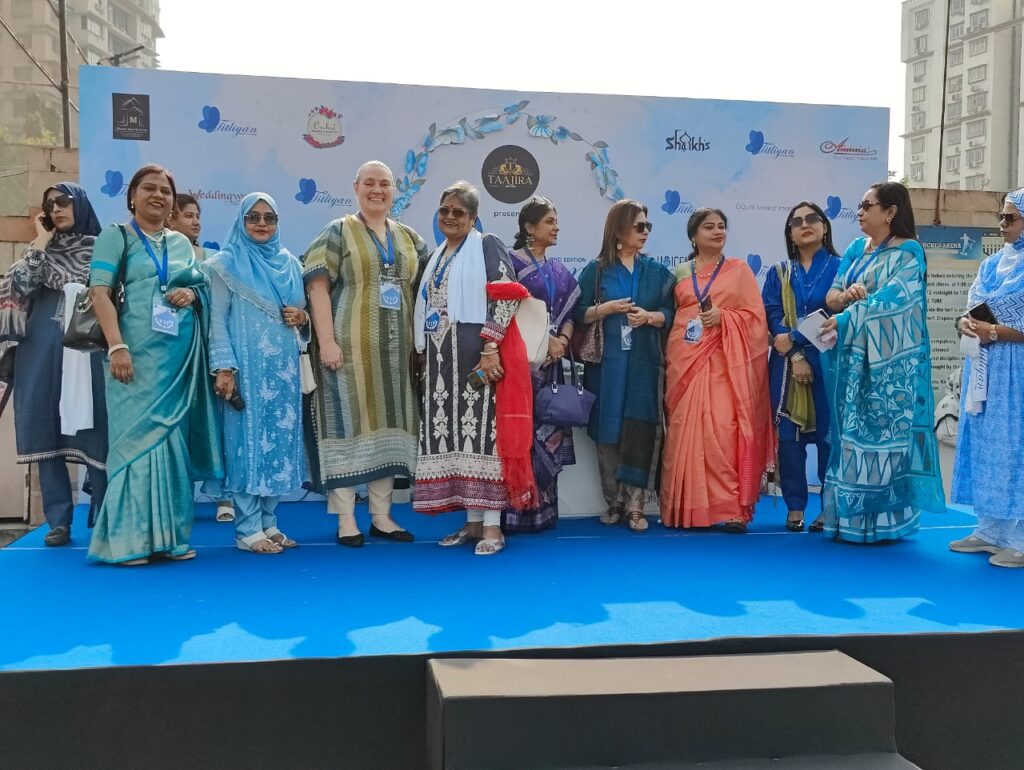
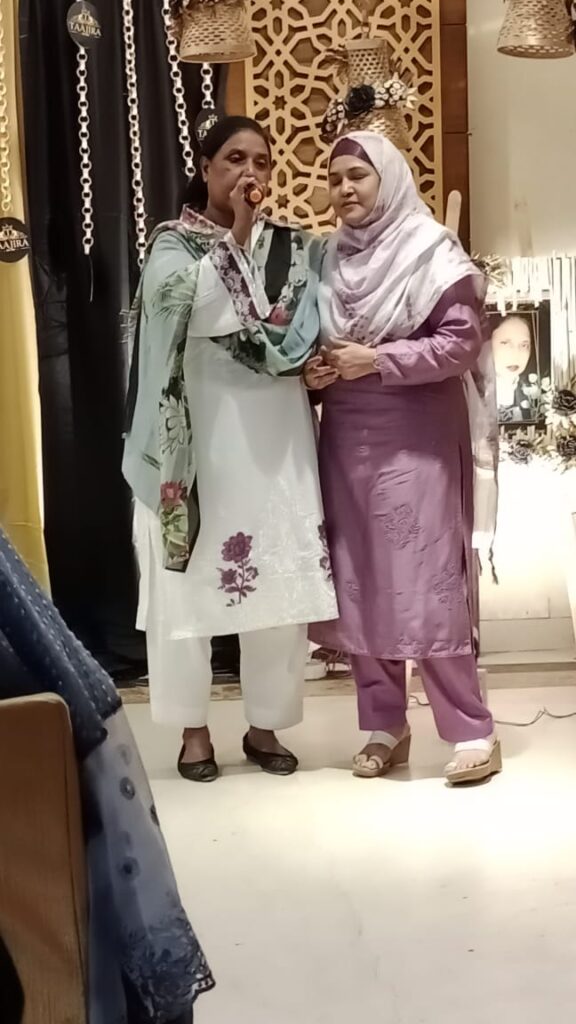
Rukhshi Kadiri Elias (Third from left) with her team of Taajira
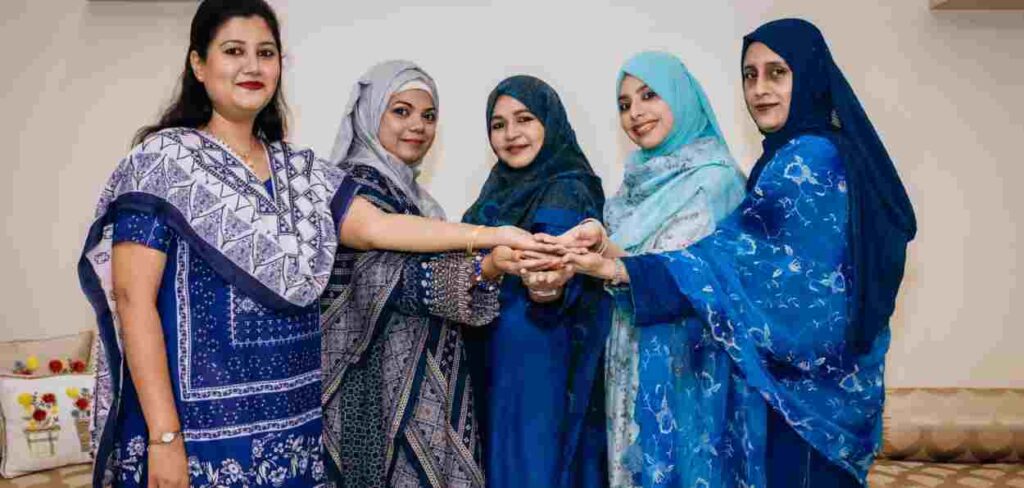
“Empower the men to empower the economically empowered women,” jokes Rukhshi Kadiri Elias, an articulate lady with her mellow voice igniting the conversation. She is the founder of Taajira – (The Businesswoman), a massive network of entrepreneurial women creating a revolution, not only in Kolkata but in other places bringing two different kinds of women together, to work together and empower each other.
Warm eyes, glowing skin with her royal demeanour, and her energy kindles hearts, which is probably why she was able to garner a massive community of thousands of women that all started in 2019.
Born and brought up in a caring home, Rukhshi helped her father with his business, looked after his office in his absence attended to his phone calls, and set up his appointments. At that time she was in the college. During her school and college days, she always stood up for friends.
Good at maintaining humans relationships, she remains in touch with her schoolmates at the Loreto School in Bowbazar and today 35 of her childhood friends are joined in by a WhatsApp Group.
Since 1974, the friends have encouraged each other, and met each other’s emotional needs, and financial difficulties, where some were going through midlife crises. Rukhshi made a special effort to initiate these get-togethers.
At the Taajira exhibition Titliyaan
Speaking to Awaz-The Voice, she recounts one of Taajira’s inspiring stories, “One incident shook me. One day, a girl reached out to us on Facebook. She was a victim of domestic violence and in a state of shambles. As I shared this with some of the administrators in our group “Taajira-The Businesswoman”, having now reached over 32,000 members, I was hesitant to approve her post publically. Some of the legal advocates said she needed immediate legal help. While that was right, I said that she presently needed strong emotional support, because she would have to pay a lawyer if she went the legal way.
“We decided to reach out to her and we reached her home and counseling made the husband realize his mistake. I finally approved her Facebook post and I was stunned to find a rush of support for this girl from hundreds of other women with similar stories. This was a big eye-opener to me that domestic violence is a huge unspoken issue in many homes. Most of the women do not know their legal rights and continue to live in abusive situations for years, incapacitating their ability to even work.
“After this incident, Anuradha Kapoor who founded Swayam, a feminist organisation dedicated to advancing women’s rights did an online talk on Taajira’s Facebook group which was a great success. The happy end of this girl’s story is through Taajira, she got into a flourishing resin art business and her husband changed realizing his failings, and supports her now, and she is a transformed woman – what a miracle!”
I asked her who her greatest inspiration to start Taajira was, she replied, “Way back then in my college days, Noor Jahan Shakil, President, of All Bengal Muslim Women’s Association used to take me along with her on her outreaches to the slums of Kolkata which jolted me out of my comfort zone. I suddenly realized there was a big world out there where millions were still suffering and living in deplorable unhygienic conditions. She had two centers – one for vocational training, tailoring, and fashion designing, actively involved with Muslim women, bringing them out of the four walls of their homes into the world, and teaching them about hygiene and health. I still connect with them helping them to create events.
“Noor Jahan Shakil is an amazing lady, now way beyond 90 years, still very agile and interested in what we are doing, coming forth with suggestions and it was her life that inspired me to think beyond the limitations of my home.”
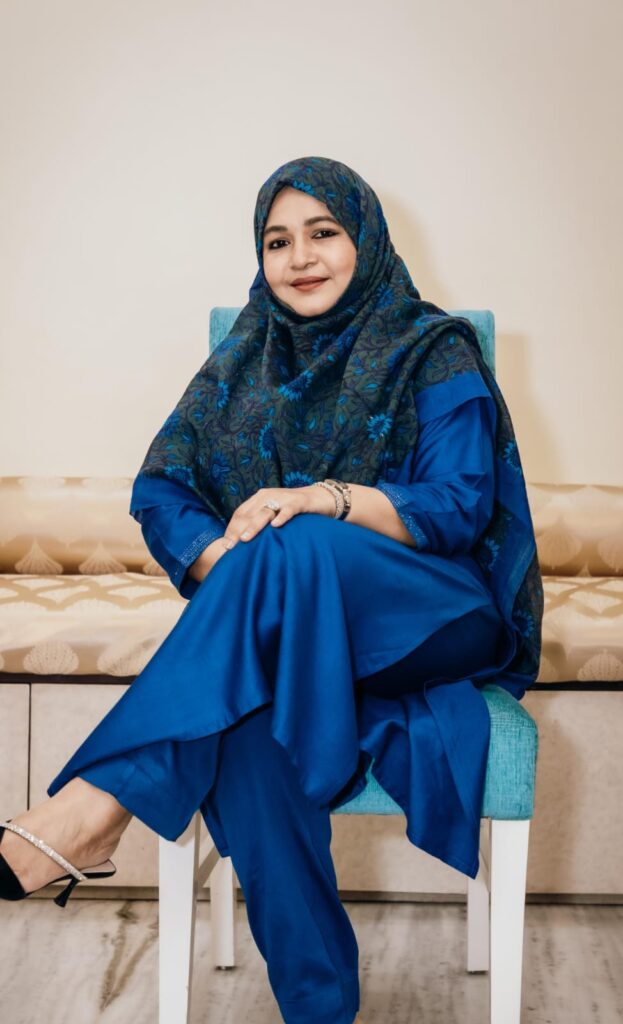
Rukhshi Kadiri Elias
The story of the inception of Taajira was set in 2019 when Rukhshi Kadiri Elias found herself being added to many WhatsApp groups all seeking some sort of sense of identity apart from their homes. It was at that point that Rukhshi said, “Instead of adding me to different WhatsApp groups, let us get together on one platform, let’s set up a Facebook group.” The group aimed to help women set up businesses that networked together because the seller is also the consumer, so in some way, they all needed each other. The biggest challenge of this group was getting women, who were not tech-savvy to learn to use social media and basic skills.
Their first meetings started in Rukhshi’s home, later, went on to be hosted in their newly formed restaurant, and later, also others offered their halls.
There was a conglomeration of all kinds of women from different strata of society with different needs, from restaurant owners to maids.
There are two groups in Taajira, one group is an elite group who made brand names for themselves through Taajira, and the other group is the economically deprived.
The Elite group helps the economically weaker women with startups, not with money but with goods to the other group to help launch their businesses and out of the profits of the retail rates, they pay back the elite group only at the wholesale rates so that they make a large marginal profit.
There are also intense training programs at the Tajara Elite Club where makeup artists, teams, stylists, bridal packages, ladies who make their organic herbal products, sari drapers, henna designers, masseurs, seamstresses, and even taught driving, grooming, polishing, and other crafts.
At their monthly meet, they pair up, and here the weaker women are imparted skills. During the pandemic, garments were sold online, but they now have their showrooms and stores, so the elite group needed salesgirls, managers, accountants, chefs, and other staff.
She said,”50% of our staff from our restaurant Shaikh’s is from Taajira. While we started as a group to financially empower women, even men were getting jobs. Husbands, sons, and brothers as chauffeurs, chefs, cooks, and other such help so the entire family gets help.”
She said, “We have a legal panel with lawyers and advocates, another panel for counselling for those who need emotional help, doctors who help women with their illnesses, lady police officers who help women with their paperwork, food licenses, and advice.
We have a marvelous doctor who runs The Soul Clinic, Dr. Shabtab Elahi who unlocks the healing power of yoga, with her set of yoga trainers, and focuses on weight loss.
Rukhshi Kadiri Elias with Taajira members
Taajira members from the Wellness Center hold nutritious tea parties with healthy snacks. The focus on hygiene, health, mental well-being, and financial stability is a big boost to Taajira’s growth because we are not just a workforce but a caring community and like a large family with a very personal touch.”
Mysteriously, as Taajira was established in 2019, it seemed a divinely appointed timing as they helped hundreds of families during COVID-panic-driven days in 2020 and beyond to tide through this rough season and come across safely. She says that Taajira was the only online portal open those days for help to the public. Food was the biggest need during COVID-19, and home-cooked food was delivered directly to homes. Since there was no bread in the markets, the ladies in Taajira started baking bread, making thalis (meals) supplying the ones trapped at home and without food.
In one instance, a member of Taajira from the UAE send an SOS message to Taajira to reach out to her septuagenarian parents stranded without food. The Taajira chef delivered food for free until a maid could look after them. Incredibly, the Taajira team delivered not only food, but also medicines, and other assistance to families, and college students were given money and food. In this great season of caring, Taajira grew to be a more community-focused and family-hearted organization.
Taajira’s recent big venture was Titliyan, an annual big exhibition, held once a year, with 111 stalls in the year 2022 and 175 stalls in 2023 and close to 10,000 people visited it.
Rukhshi said with a note of pride that many exhibition curators are now getting their ideas drawn from Taajira members getting 90% of their income through their wares in these exhibitions. She said, “I am, after this appointment on my way to an exhibition in Khidirpur.”
Rukhshi’s journey to create Taajira also required her supportive family, husband, and two sons, who incidentally are great sportsmen, swimmers, footballers, and hockey players, and her wonderful daughter-in-law. She proudly shares the addition of her grandson to the home, now six months old whom she is very involved in taking care of while her daughter-in-law, who is a counsellor in Loreto, goes to school.
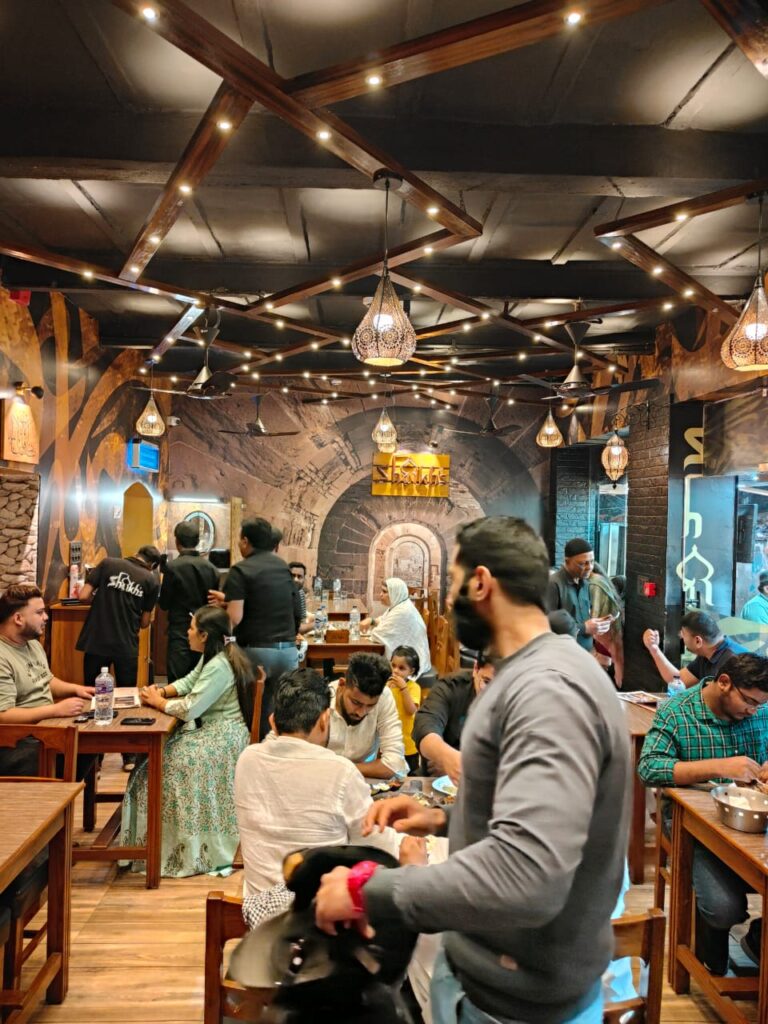
All family members proudly pat each other’s backs for their accomplishments. Their recent achievement was their famous restaurant, Shaikh’s, a 42-seater lavish but affordable restaurant launched three years back by her sons, with its cutting-edge culinary excellence seated in the Park Circus area in Beckbagan, near Quest Mall, famed for its aromatic rich Indian, Middle Eastern flavors drawing flocks of people.
As a graduate of Fine Arts and a diploma holder in fashion design, she honed her skills to help the processing of Taajira smoothly. Rukhshi says that the journey to making Taajira a reality has only been possible with the assistance and dedication of her panel of moderators, such as Zainab Saigal, Shumaila Khalid, Ifra Nadeem, Sujata Latif, and Sumaiya Munir applauding the strength of networking together. She said, “We have a strength of 33000 women, now, so we need at least six women to herd them!”
An encouraging moment arrived when the globally connected Calcutta University asked Taajira to suggest a few names of their women to train guide and support them technically. These ladies were picked up and it was a good venture of collaboration to bring profit to both.
Shaikh’s restaurant
On another occasion, a lady who makes chocolates got a huge order from the American Consulate to supply them with 500 boxes of chocolates during Christmas, another lady got a massive order for jute bags and a lady who makes momos and other delicious nutritious snacks now gets regular orders from The American Consulate, business avenues that transformed their incomes and lives.
Recounting one amusing incident, Rukhshi said, “One day, I received a call from a lady announcing that she wanted to work on an online business, but she was not tech savvy. The lady also mentioned that due to her arthritis and other problems, she was unable to work outdoors but needed the money to maintain herself and pay for her medicines. After giving her some ideas, I asked her, “Ma’am, how old are you?” and she replied brightly, “I’m only 73!” I visited her and got her in touch with an Anglo-Indian seamstress who used to stitch nighties, so the lady was able to get into an online trading business and sell nighties to meet her financial needs.”
While membership to Tajeera is free, there is a fee to join the talk shows. She mentioned that there are women who broke away from Tajeera and started their businesses for their reasons, but this was never the aim of Taajira whose power lay in massive networking to support thousands to lakhs together. She said, “Everything is changing fast. Eating habits changed where people now are more into fast foods, apparels changed from saris to most women now in jeans and kurtis, society is transforming quickly.”
She said, “In a strange twist of fates, the men who once mocked the efforts of Tajeera exclaiming it was a taboo for their women to work outside the home are now accepting women working outdoors, and even standing alongside and helping them, and some are even staying at home and looking after the children while their wives are out selling their wares at grand exhibitions,, isn’t it incredible! Things have changed so much in just a few years. Each day, we are moving towards a brighter light and now society is changing so much that when women don’t work, people ask, “How come you’re not working?”
She said emphatically, “Taajira has two ideologies – to help the poor and to economically empower women and we are starting to network a revolution!”
The day is too short for her and she said, “I still have not arrived, we are still on the way, one target is related to another and then it opens another dimension.”
Rita Farhat Mukand is an independent writer.
source: http://www.awazthevoice.in / Awaz, The Voice / Home> Story / by Rita Farhat Mukund / February 24th, 2024
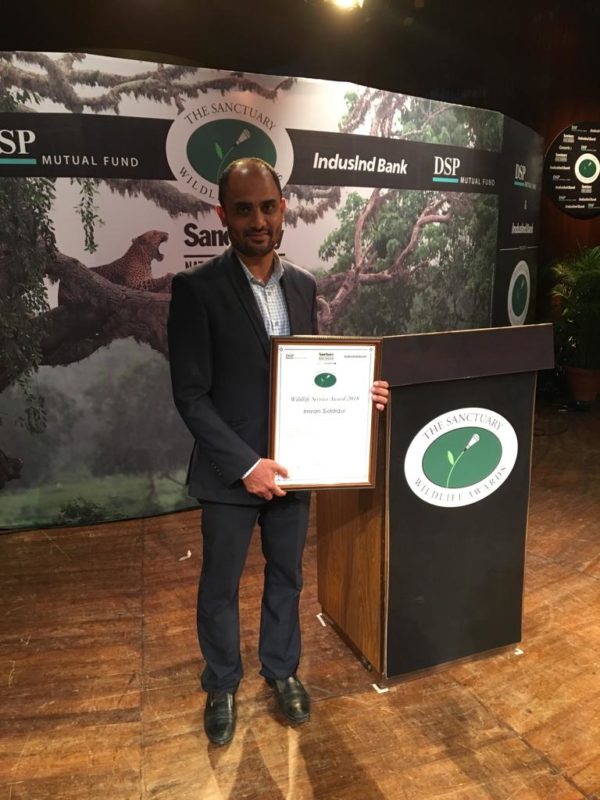
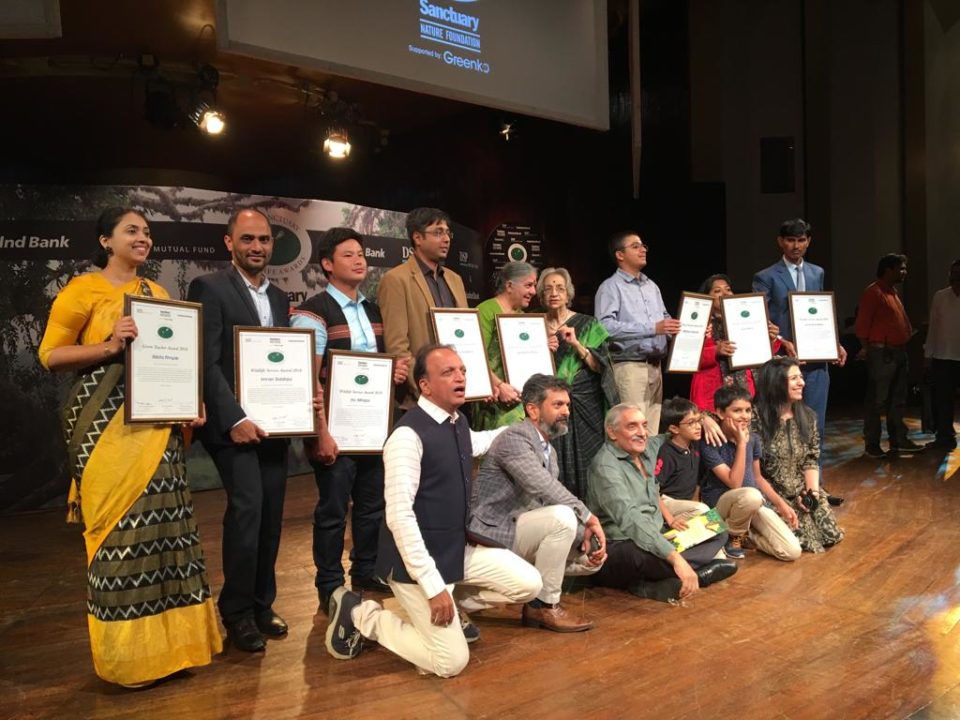
Imran Siddiqui of the Wildlife Conservation Society – India has been honoured with the prestigious Sanctuary Wildlife Service Award 2018.
Imran Siddiqui has come a long way from raising and selling poultry to fund his wildlife obsession.
He is now on the Telangana State Board for Wildlife and works as an external expert for tiger monitoring in Andhra Pradesh and Telangana. He is also the Assistant Director for Conservation Science at WCS-India, and the co-founder of the Hyderabad Tiger Conservation Society (HyTiCoS).
As his life and work reveal, Imran has no respect for man-made boundaries, much like the wildlife he’s so obsessed with. Traversing the rugged landscapes of Kawal, Amrabad and Nagarjunsagar-Srisailam Tiger Reserves and the Gundlabramheswaram Sanctuary, he works in tandem with state forest departments and local communities. His work covers 10,000 sq km of wilderness in Telangana and Andhra Pradesh, with his crew comprising over 35 field staff, 300 volunteers and hundreds of supporters.
Taking a cue from the success of WCS-India in Karnataka and extending it to the neighbouring states of Andhra Pradesh and Telangana, he leads scientific surveys on prey analysis and occupancy surveys on mammals.
He also helps in management planning, engages in snare removal drives, initiates voluntary relocation programmes for forest dwellers, facilitates capacity building workshops for the forest department and influences policy through public interest litigations, high-level committees, community engagement, strong advocacy and creating political will on wildlife.
His efforts have resulted in the speedy disbursal of compensation, besides the initiation of relocation of landless tribals who live within the two tiger reserves of Kawal and Amrabad.
Imran is also largely credited for the declaration of the Kawal Tiger Reserve (where he conducted the fieldwork for his Masters dissertation). For this he had to lobby relentlessly at the political level as well as work tirelessly on the ground to counter misinformation spread by vested interests, and finally win the support of local communities.
A tenacious man on the field and a convincing man in the boardroom, Imran Siddiqui is in no small way responsible for the revival of tigers in this vast but obscure landscape.
The Sanctuary Wildlife Service Award 2018 is a testimony of his untiring efforts to save wildlife and wild places.
source: http://www.india.wcs.org / WCS – Wildlife Conservation Society / Home>News> Current Articles>Archive / by WCS India / December 07th, 2018
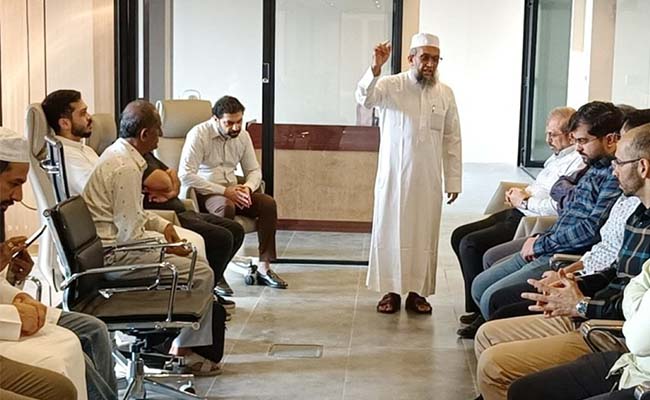
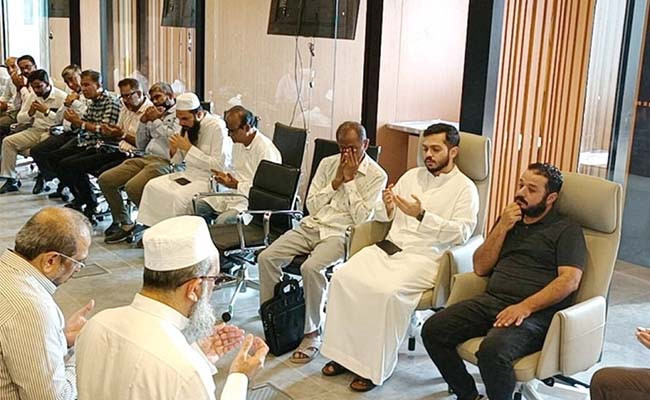
On Thursday, Jan Brothers, a well-known company in the Nawayat community of Bhatkal, inaugurated its new and luxurious head office on the 8th floor of the Gold Souq Metro building. The inauguration took place with prayerful words here in Dubai.
Situated in close proximity to the New Gold Souq, this location not only serves as the head office but also houses the wholesale showroom of Jan Brothers. The move to the Gold Souq Metro building follows the company’s presence in Dera Fakhri Market, Al Raas, and the Gold Souq.
Moulana Irshad Africa officiated the inauguration ceremony with a prayer, blessing the new head office.
The event saw the participation of Jan Haroon Rasheed, the caretaker of the company, Jan Maktoum, CEO of Jan Brothers, along with other company officials such as Jan Fauzan and Jan Abdul Azim. Additionally, Jan Muhammad Nabit, Jan Muhammad Nihal, Jan Muhammad Shaman, and various other staff members of Jan Brothers graced the occasion.
source: http://www.english.varthabharati.in / Vartha Bharati / Home> Gulf / by Vartha Bharati / December 28th, 2024
For gender-responsive law-making, it is imperative to have a clear definition of consent.
An advocate at the High Court in Delhi, Aaliya Waziri lives with the horrors of the 2012 Delhi gangrape. In the aftermath of the Nirbhaya case, the J.S. Verma committee’s recommendations led to amendments in Indian criminal law. But why do women still live in fear? Waziri’s collection of essays, In the Body of a Woman, takes stock of the progress that has been made and the long road left to cover, even as she pushes for gender-responsive law-making. Excerpts from an interview.
Aaliya Waziri | Photo Credit: special arrangement
A majority of women and girls live in some sort of fear — they fear for their safety in buses and trains and sometimes even at home. After the Nirbhaya case, a stringent law was put in place. What more needs to be done to make women feel safe?
As women, we carry pain and fear for our safety. Ask any woman walking the street after sunset how many times she looks over her shoulder. Nirbhaya was the tipping point for our insecurities related to our safety. It was also a watershed moment in terms of pointing out the lacunae in the legal framework. It would be false to state that things haven’t changed since Nirbhaya. For example, we now have vulnerable witness deposition complexes in district courts, victim compensation schemes etc. but there is much more to be done. We can do more to strengthen our laws and have a robust system in place that does not allow for procedural lapses. We must have a judicial gender-sensitisation training system that ensures victims are not subjected to re-victimisation. We need to allocate more resources and personnel to fast track courts and precipitate the specialised redressal mechanism in place. We can expand the definition of consent to make it more gender responsive by affirming what consent is.
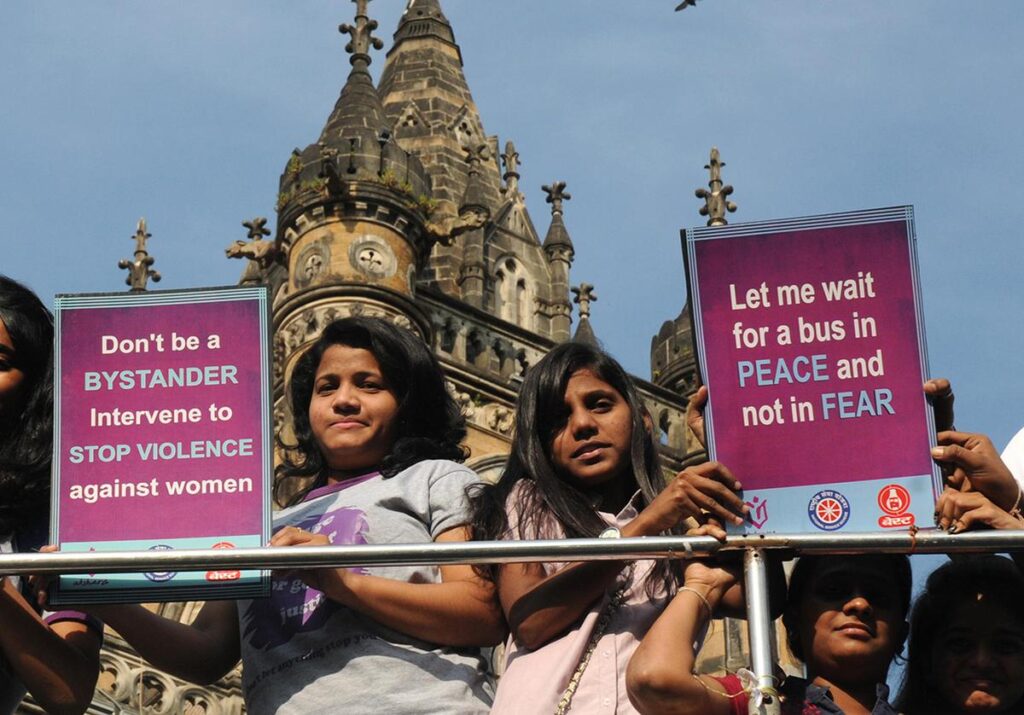
Students with placards emphasising the need for women’s safety at the ‘Freedom from fear’ rally organised in Mumbai. | Photo Credit: Vivek Bendre
Why should consent be at the centre of all discussions on gender sensitivity?
Talking about consent is perhaps the most important conversation when it comes to gender responsive law-making. Right now there is a grey area of offences that are not punishable by law because deciphering consent is tricky. Marital rape is one such example. The law defines consent in negative terms. At the same time, we have a statutory definition that talks about how consent must not be tainted with fear or duress or coercion. But this definition talks about all that consent is not instead of a definition that affirmatively defines what consent is, which is where the problem lies. Without a definition of what consent is, we are all shooting in the dark.
In a poor country like ours, why is it important for women to be equal beneficiaries in every sphere of life?
The answer is parity. Women are not a homogenous group. We are unevenly and disproportionately placed on the starting line. To give women a fair chance at competing with men, we have to first put them on an equal footing with men. Only then can we hope to ensure women are equal beneficiaries of the Indian success story. Unless women are equal recipients of state welfare mechanisms that form a conducive environment for women to participate freely in the open market, how can we expect women to enter, re-enter and exist in the work space? There is no one-step-panacea to put women on an equal footing with men but what is important is to identify and plug operational loopholes with affirmative action, no matter how much some of us might dislike the phrase.
Why do you want the focus to shift from a gender-neutral approach to a gender-responsive one if society and mindsets have to be transformed?
A gender-neutral approach might seek to bridge the differences between different genders. But what we need is an approach that acknowledges and addresses differences between genders and works towards parity and inclusion as opposed to homogenising them. I am not sure if the collective mindset of our society can be changed, that’s a pipedream, but we can take concrete steps towards smaller goals. Law is a mirror to our societal fabric and by inculcating a gender-responsive approach, we recognise that within the subcategory of women, we are not an analogous group, we differ in terms of our access to welfare services, the impact our geographical and marital status has on our socio-economic identities, and so forth. The goal is to target disadvantages that women face, simply by virtue of their gender, and equip them to better respond to these challenges.
In the light of the ‘sulli deals’, what should be done to prevent such cyber bullying?
The anonymous non-confrontational form of violence against women and girls, devoid of physical contact, in cyber space, must be viewed as an impeding factor to gender justice in the 21st century. Essentially, if women are at the receiving end of systemic gender-based violence in real life then the same will translate into an inequitable cyberspace.
With that in mind, we have to first understand the fact that the landscape of violence against women and girls has changed with the advent of technology. To counter this, what we need is targeted legislation that criminalises cyber violence against women and girls. In the absence of any special legislation, both the IT Act and the Indian Penal Code are interim solutions inadequate to contain the magnitude of problems brought on by digital technology.
In The Body of a Woman; Aaliya Waziri, Simon & Schuster India, ₹499.
sudipta.datta@thehindu.co.in
source: http://www.thehindu.com / The Hindu / Home> Books> Author / by Sudipta Datta / October 20th, 2023
Bangalore, Mangalore, KARNATAKA / New York, U.S.A :
Sameer Shariff, the CEO of Impelsys, a prominent IT company with global offices, including one in Mangalore, successfully completed the IRONMAN 70.3 Bahrain triathlon on December 8, 2023. The challenging event, held at Reef Island, witnessed the participation of over 1500 individuals, with more than 1000 successfully completing it.
By accomplishing the IRONMAN 70.3 course, which comprises a 1.9 KM swim, 90 KM cycling, and a 21.1 KM run, Sameer Shariff joined an exclusive club of global business leaders who have conquered this grueling challenge. Beyond personal achievement, Shariff aims to inspire others to adopt a healthy and active lifestyle. He expressed, “Completing the IRONMAN triathlon pushed my endurance limits, and I believe it sets an example for others. We are making strides with the CEO Fitness Challenge for associates at Impelsys.”
Shariff’s achievement has motivated many colleagues at Impelsys to pursue their fitness goals. Sripad, heading cloud services, shared, “Sameer’s dedication motivated me to run a half marathon in 2023.” Prachi, a project manager, added, “After seeing Sameer’s preparations, I decided to participate in a half marathon. I completed my first half marathon on November 5, 2023, in Mangalore.”
These accomplishments mark the beginning of a broader wellness initiative envisioned by Sameer Shariff. In 2024, Impelsys aims to encourage more participants, extend the challenge to partner organizations and customers, and promote overall well-being. The ‘CEO Fitness Challenge’ is a voluntary program that has seen over a hundred associates engaging in specific health and fitness activities, collectively achieving impressive milestones.
source: http://www.english.varthabharati.in / Vartha Bharati / Home> Gulf / by Vartha Bharati / January 12th, 2024
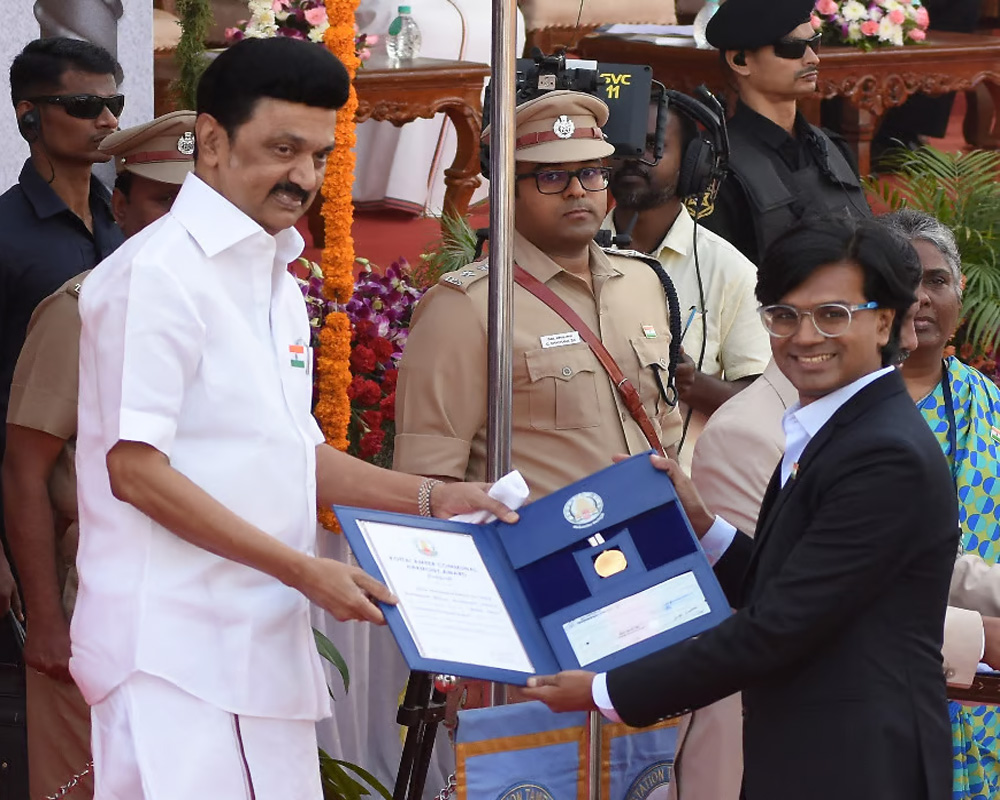
TN chief minister M.K. Stalin with Mohammed Zubair at the awarding ceremony. Photo: Video screengrab.
The government noted that his “work helps prevent the occurrence of violence in society likely to be caused by fake news.”
New Delhi:
Fact-checker and journalist Mohammed Zubair is the recipient of the 2024 Kottai Ameer Communal Harmony Award given by the Tamil Nadu government.
The citation notes that Zubair has been “rendering various services to promote communal harmony.”
It observes that in creating the website Alt News – which he co-founded with Pratik Sinha – Zubair has set up an instrument to analyse the “veracity of the news coming out on social media,” giving primacy to real news.
The government noted that his “work helps prevent the occurrence of violence in society likely to be caused by fake news.”
The citation especially says that in March 2023, when there was a rapid spread on social media of the disinformation that migrant workers were being attacked in Tamil Nadu, Alt News‘s verification of the authenticity of the video was instrumental in proving that the footage was not from Tamil Nadu at all.
It “stopped the spread of rumours against Tamil Nadu and acted to prevent violence caused by caste, religion, race and language in Tamil Nadu,” the government said.
In 2022, Zubair was arrested by the Delhi police for a 2018 tweet in which he shared a screenshot from a 1983 Hindi movie. Six cases were slapped on him during the period of his incarceration until the Supreme Court gave him bail.
Zubair is often attacked online by Hindutva commentators for fact-checking viral claims and disinformation.
source: http://www.thewire.in / The Wire / Home> Media> Government / by The Wire Staff / January 26th, 2024
In a momentous stride towards recognition, Kamran Khan, a distinguished Kashmiri currently based in Chennai, has been honoured with the Australian Government’s prestigious Australia Day Achievement Medallion.
Bestowed on January 26, 2024, this accolade is a recognition for exceptional performance in government projects or core duties, by Australian Government departments and agencies.
Presently Kamran serves as Senior Director for South Asia for Australian Trade and Investment Commission, Australian Government.
He has been a diligent student at the revered Burn Hall School in Srinagar.
In 1992, he left Kashmir to pursue his remaining education and graduated in Automotive Engineering at the University of Madras, where he ranked 3rd across the state of Tamil Nadu, showcasing his academic prowess.
Since 2010, his strategic acumen has been pivotal in shaping the infrastructure industry and fostering foreign direct investment into Australia as part of the Australian Trade and Investment Commission, under the Australian Federal Ministry of Trade and Investment, exemplifying his commitment to economic growth and global collaboration.
As the first Kashmiri to receive the Australia Day Achievement Medallion, Kamran stands as a symbol of pride for Jammu and Kashmir, showcasing the immense talent emerging from the region.
Beyond the accolades and titles, Kamran Khan embodies the spirit of a reformer, committed to ushering in positive change for his community and country.
His recognition by the Australian government not only celebrates Kamran’s achievement but also serves as an inspiration for the entire Jammu and Kashmir community and symbolizes the possibilities that arise when perseverance meets opportunity.
source: http://www.risingkashmir.com / Rising Kashmir / Home / by RK News / February 02nd, 2024