Category Archives: FREE : Food

From a daughter’s memory, a million acts of hope emerge

Hyderabad, TELANGANA :

This unusual sight is the heart of Slums to Oxford, a movement built on the belief that learning has no age or boundary.
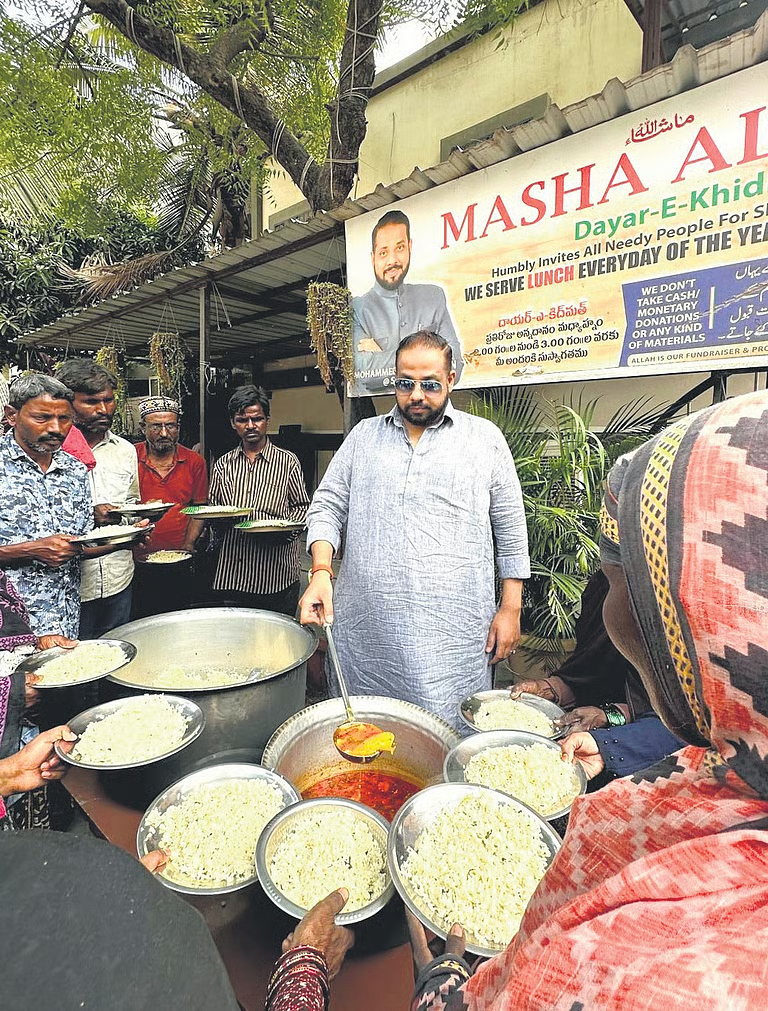
For 15 years — 5,748 days without a break — Mohammed Asif Hussain Sohail’s team has served free lunch in low-income neighbourhoods across Hyderabad.Photo | special arrangement

Hyderabad :

Every evening, in the narrow lanes of the city’s slums, classrooms stir to life. But these are not filled with children alone. A 78-year-old grandmother grips a pencil for the first time, vegetable vendors practise alphabets after long hours at the market and daily wage workers sit shoulder to shoulder, determined to read, write and count.

This unusual sight is the heart of Slums to Oxford, a movement built on the belief that learning has no age or boundary. Its founder, Mohammed Asif Hussain Sohail, tells TNIE that when elderly people take up education, they inspire children and grandchildren to follow.

Across three evening schools, more than 1,000 learners aged between eight and 80 are rewriting their destinies. Lessons go beyond alphabets and numbers to address social realities — domestic violence, human trafficking and drug abuse, among others — while also offering vocational training, particularly for women.

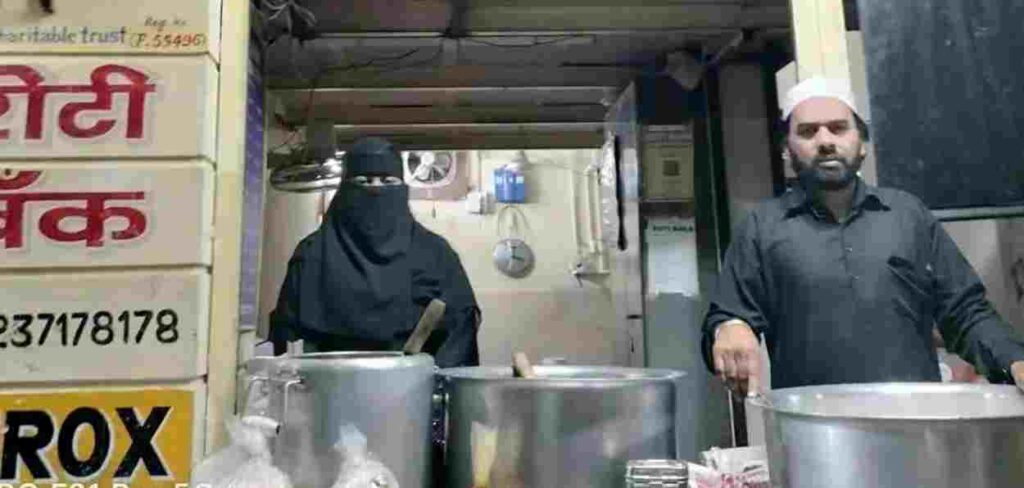
But education is only one part of Sohail’s mission. For 15 years — 5,748 days without a break — his team has served free lunch in low-income neighbourhoods across Hyderabad. What began with 50 plates has grown into thousands each day, cooked in community kitchens. For abandoned elders, the homeless or those battling addiction, these meals provide not just sustenance but also a path into rehabilitation and work opportunities. “Food is beyond caste or religion,” Sohail says. “It is humanity’s need.”

Healthcare, too, is central to his vision of community care. Monthly blood donation drives collect 300-400 units for hospitals. Families struggling with groceries, children needing surgeries and individuals seeking rehabilitation often find support at his centres. For many, these classrooms and kitchens have become places of dignity and trust.

This journey began not as an organisation but in personal grief. Fifteen years ago, Sohail lost his young daughter, Sakina, to pneumonia and organ failure. At the time, he was pursuing a political career. But tragedy changed everything. He left politics to build a living legacy in her memory. “God took one daughter from me, but he gave me thousands more,” he says softly. “Till my last breath, I will serve the needy and be the voice of the voiceless. This is what I learned from my parents.”

In her name, he founded the Sakina Foundation, which has since become a lifeline for many. Over the years, it has served free meals to more than 40 lakh underprivileged people, contributed over 15,000 units of blood, supported lakhs with rations, medical treatment and school fees, and organised over 111 medical and blood donation camps. Through Slums to Oxford learning and skill centres, thousands of children and adults have gained education and vocational training.

Beyond the recognition

Though honoured with state, national and international awards, Sohail remains unaffected. “I am not working for awards,” he says. “My reward comes from the Creator.”

He does not accept donations either, believing his responsibility is to spend from what he earns. “Whatever I have is given by the Almighty. I am not going to take anything back.”

From abandoned elders finally learning to write their names, to children enrolling in schools, to families depending on a daily meal, Sohail’s initiatives weave threads of hope into Hyderabad’s urban fabric. His vision remains simple but profound: “The person who stays in a slum should have the chance to reach Oxford.”

source: http://www.newindianexpress.com / The New Indian Express / Home> Good News / by Khyati Shah / September 28th, 2025
The Muslim changemakers of Maharashtra

MAHARASHTRA :

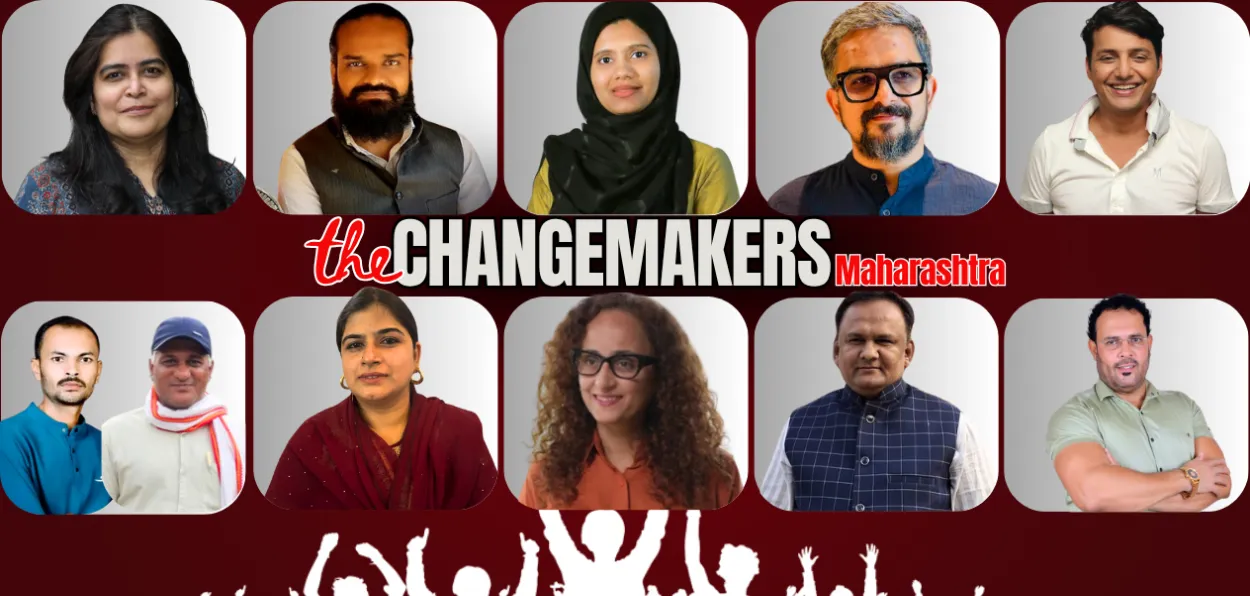
Muslim changemakers of Maharashtra

New Delhi :

Awaz-The Voice, through its ‘The Changemakers’ series, has introduced readers to inspiring figures from Uttar Pradesh, Assam, and Jammu & Kashmir.

Starting July 6, we will feature ten remarkable changemakers from Maharashtra.

These individuals not only embody the state’s vibrant and progressive legacy but are also shaping a future that is tolerant, equitable, harmonious, and inclusive.

Working quietly away from the limelight, their impactful contributions are being brought to the public through Awaz-The Voice. Here’s a glimpse into their inspiring journeys.

Dr. Farah Anwar Husain Shaikh

Dr. Farah Anwar Husain Shaikh leads the Mis Farah Charitable Foundation in Pune’s Dapodi, delivering health, education, and disaster relief to communities. Her bold advocacy for Muslim women’s right to pray in mosques challenges deep-rooted traditions, earning her a doctorate in social work and women’s empowerment. Her story is that of the struggle for equality, Farah’s tireless efforts are transforming lives and reshaping Pune’s social landscape, making her a beacon of grassroots change.

Paigambar Shaikh

Rationalist Paigambar Shaikh is redefining tradition with his “Economic Qurbani” initiative from Pune, transforming the Eid al-Adha sacrifice into a force for community growth. By channeling resources into education, microfinance, and health camps, he blends faith with practicality. He is inspired by the Satyashodhak movement. His innovative approach fosters sustainable development and communal harmony in Maharashtra’s far-flung areas, marking him as a visionary changemaker.

Marziya Shanu Pathan

Marziya Shanu Pathan, 24, is an activist. From leading a march for Malala Yusufzai at age 12 to organizing the vibrant Mumbra-Kausa Children’s Festival, she champions women and youth in her township. Her blend of fiery activism and community initiatives is uplifting Mumbra, proving her dedication to a brighter, more inclusive future.

Hazrat Ali Sonikar and Munir Shikalkar

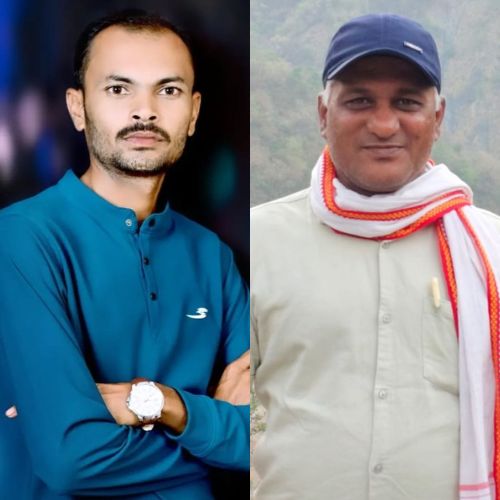
In Sangli’s agricultural heartland, Hazrat Ali Sonikar and Munir Shikalkar are empowering the Muslim community through grassroots activism. Hazrat rallies youth with awareness campaigns and workshops, while Munir bridges gaps with local authorities to secure resources. Their collaborative manifesto, amplifying education and employment, is reshaping the future of the community, showcasing the power of local action.

Sakib Gore

In Badlapur, Maharashtra, Sakib Gore is lighting up lives through his ‘Vision Friend Sakib Gore’ initiative, driven by his grandmother’s struggle with blindness. With a belief that glasses are more than a fashion statement—they’re a lifeline to sight—he’s brought eye exams to 2.6 million people, distributed 1.7 million free spectacles, and facilitated 63,000 free cataract surgeries. His ‘Devabhau’ glasses, priced at just 33 rupees, earned him global acclaim and the ‘System Leader Award’ at a World Summit in Kathmandu. Reinvesting every profit into free glasses for the poor, Sakib’s mission is simple but profound: to lift the visually impaired out of darkness, one pair of eyes at a time.

Sarfaraz Ahamad

Solapur’s Sarfaraz Ahamad, a 41-year-old historian, brings Maharashtra’s Deccan heritage to life through his eight books. His books include the acclaimed Hyder Ali, Tipu Sultan, and The Sultanate-e-Khudadaad. As a founder member of the Ghaziuddin Research Center which promotes objective historical research. His writings in Marathi, Hindi, Urdu, and English captivate readers. Sarfaraz’s work is reviving cultural pride and inspiring a new generation of scholars.

Sabah Khan

Sabah Khan’s NGO Parcham based in Mumbara, empowers girls through football, challenging norms and building confidence among them. Khan, 50, fosters gender equality and religious harmony, securing a dedicated football field and launching the Savitri-Fatima Foundation to support education and economic growth. Sabah’s transformative work offers Mumbra’s youth a vibrant path to self-discovery.

Afroz Shah

Mumbai’s Afroz Shah, a 42-year-old lawyer, turned Versova Beach into the site of the world’s largest clean-up, removing 20 million kilograms of trash. Afroz Shah Foundation now tackles rivers and waste culture, earning him the UN’s ‘Champion of the Earth’ title. From slums to schools, his “dates with the ocean” inspire thousands, proving one man’s grit can spark a movement.

Dr. Sabiha Inamdar

In Nashik, 43-year-old Dr. Sabiha Inamdar, an intimacy and relationship coach, is breaking taboos around sexual wellness. She creates safe spaces for women and couples to discuss intimacy and emotions openly. What makes Dr. Sabiha’s work important is her commitment to normalizing healthy conversations around sex, emotions, and interpersonal connection—especially for women. Her workshops shift mindsets, fostering healthier relationships and emotional well-being across Maharashtra.

Hussain Mansuri

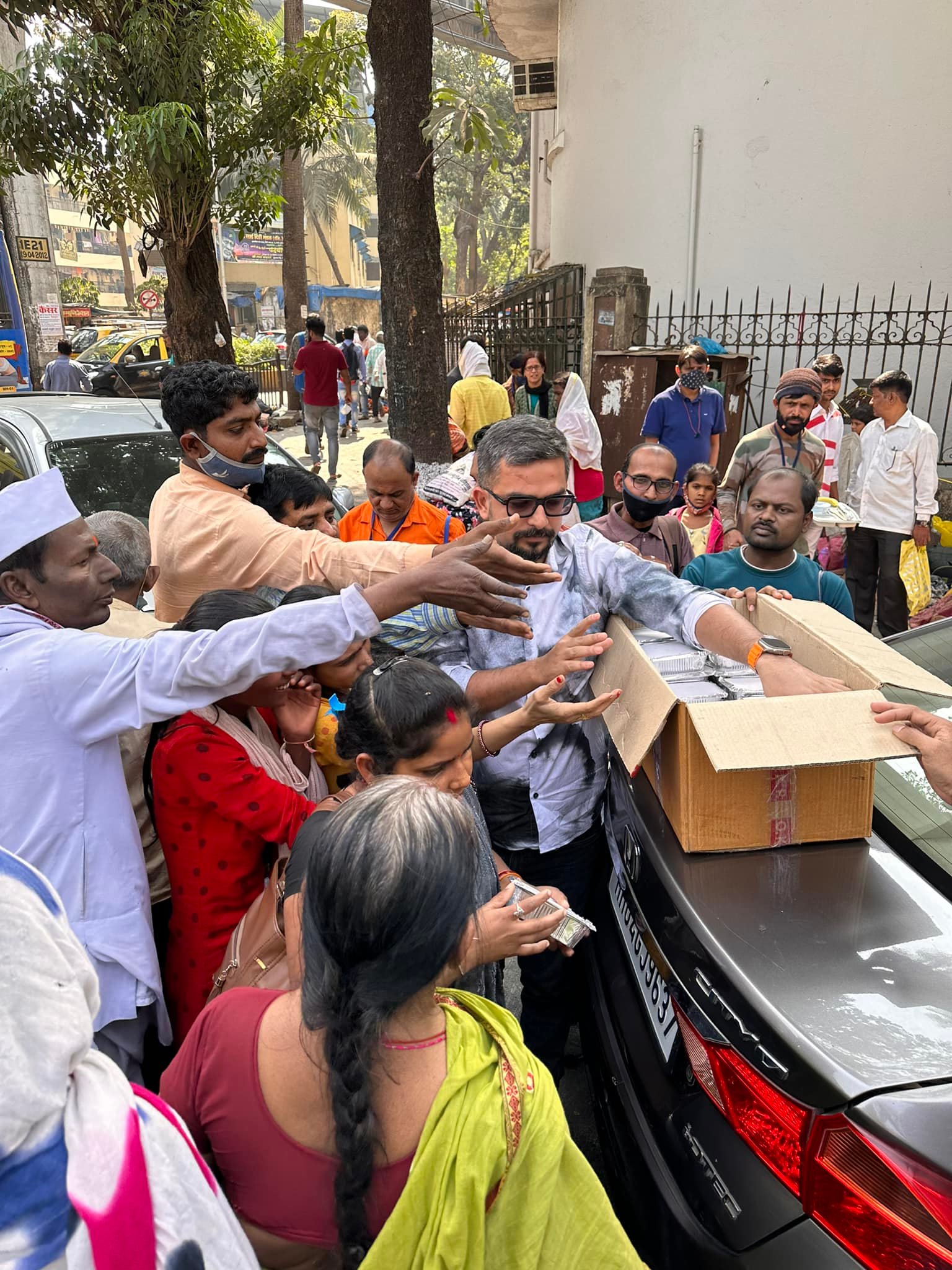
Mumbai’s Hussain Mansuri, a 40-year-old philanthropist with 7.8 million Instagram followers, spreads compassion across the city’s streets. From feeding street kids to caring for stray animals, his quiet acts of kindness, rooted in Islamic values, touch countless lives. Whether delivering meals near Tata Hospital or comforting the grieving,

Hussain’s selfless mission ripples far beyond Mumbai.

source: http://www.awazthevoice.in / Awaz, The Voice / Home> The Changemakers / posted by Aasha Khosa, ATV / July 05th, 2025

Hussain Mansuri: An ambassador of humanity

Mumbai, MAHARASHTRA :

Hussain Mansuri

After a difficult childhood and early careers in aviation and the hotel industry, Hussain Mansuri found his true calling—serving humanity. Today, he stands as a prominent social media influencer and a beacon of hope for many in need.

Widely recognized for his philanthropic efforts, especially in supporting children battling cancer, Mansuri’s heartfelt videos have touched millions on Instagram. “Main sirf insaniyat ka farz ada kar raha hoon,” he says emotionally. “I am only fulfilling the duty of humanity.”

Mansuri’s life journey is a testament to resilience. He completed his schooling at Cardinal Gracious High School in Mumbai and later graduated from Rizvi College. Even as a child, he had a deep passion for photography and storytelling. However, financial struggles meant he had to work while still in primary school.

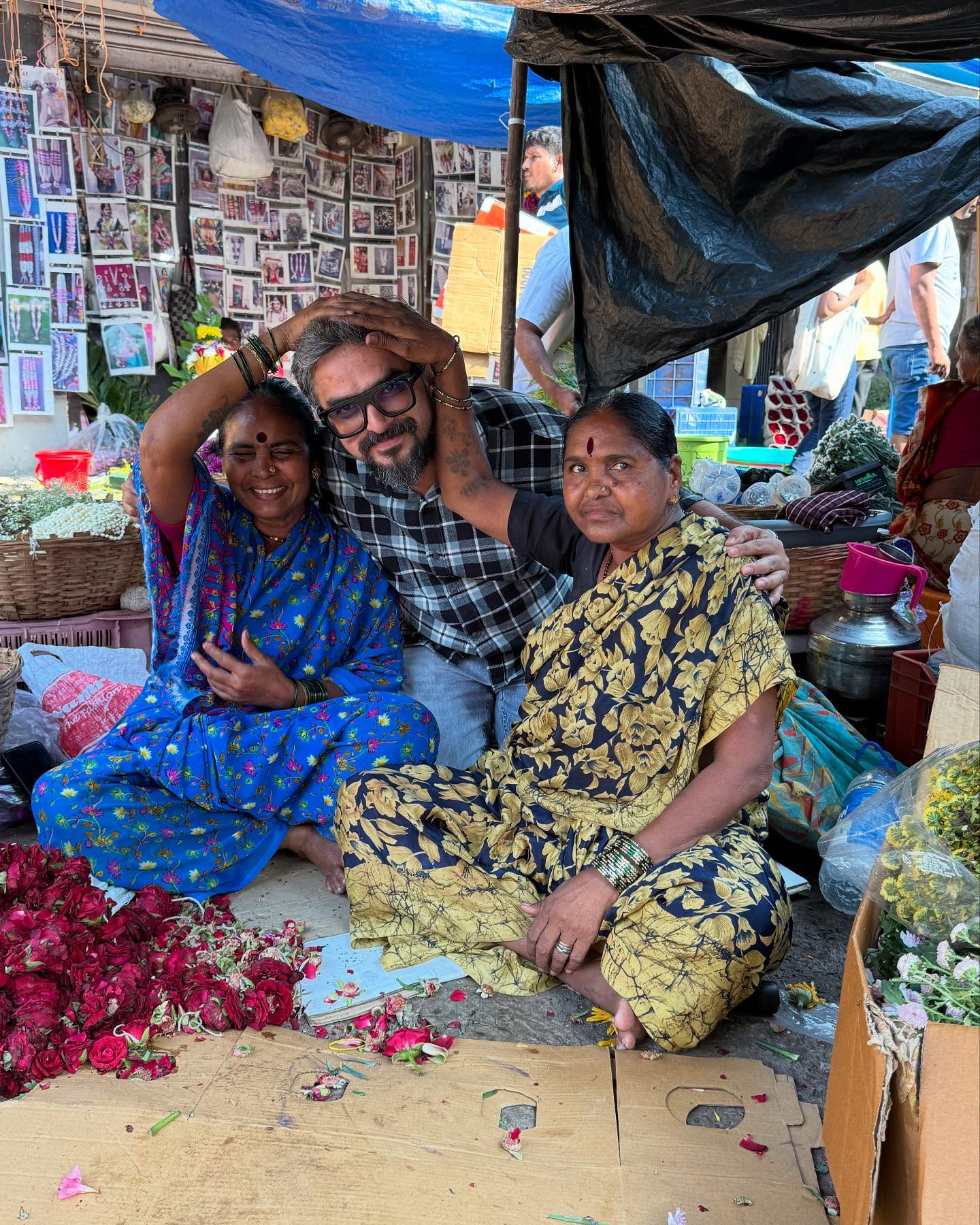
Hussain Mansuri with flower sellers

“I remember those days when I wore second-hand clothes just to get by,” he recalls. “But I focused on my education and eventually landed a job with Jet Airways.”

To support his family, Hussain also worked as a waiter and took on various odd jobs. During this time, he developed a profound sense of compassion and a desire to help those less fortunate.

“I saw people chasing wealth endlessly, yet they lacked true satisfaction,” he says. “And very few were willing to help strangers without expecting anything in return.”

Hussain lives by the principle: “Tu bas dua kama, phir tujhse amir koi nahi”—Just earn blessings, and then no one is richer than you. Guided by this philosophy, he began helping those in need—even when his means were limited.

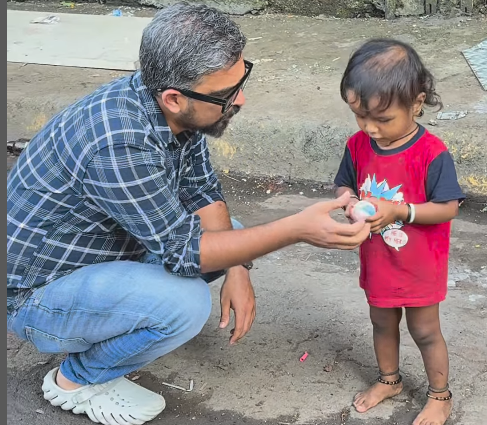
Hussain Mansuri with a child

During the COVID-19 pandemic, when many were left without food or medical support, Hussain stepped up. He distributed essentials to the homeless, sick, and starving.

He continues to offer financial aid to cancer patients, particularly at Tata Memorial Hospital, supports underprivileged children’s education, and provides food, clothing, and care to the elderly, regardless of caste, religion, or background.

It is this unwavering dedication that has earned him the title, Ambassador of Humanity.

Though his actions are modest in scale, their impact is profound. His videos not only provide immediate relief to those in need but also inspire millions to develop empathy and a sense of social responsibility.

Hussain Mansuri distributing food packets

In one powerful video, Hussain is seen picking up discarded images of Hindu deities from the roadside and respectfully immersing them in water. This simple act of communal respect resonated deeply with viewers across faiths, earning widespread admiration and sending a message of unity at a time when it’s most needed.

With a growing community of over 12.3 million followers on Instagram, Hussain’s digital presence serves as a platform for social change. “When I started, I used to share some photos and personal stories,” he says. “People started connecting with them. Over the years, that small start has grown into something beautiful—like a second family.”

source: http://www.awazthevoice.in / Awaz, The Voice / Home> The Changemakers, Maharashtra / by Fazal Pathan / July 16th, 2025

Dungarpur’s Noor Mohammad Makrani: True Symbol of Humanity, Brotherhood

Dungarpur, RAJASTHAN :

At 59, a motor mechanic in Rajasthan dedicates his life to helping 19,000 poor families, distributing free ration kits and gifts to Hindus and Muslims alike, proving that service knows no religion.

New Delhi / Dungarpur :

In the heart of Dungarpur city in Rajasthan, a remarkable story of selfless service and unity is quietly unfolding. Haji Noor Mohammad Makrani, a car mechanic by trade, has become an inspiring figure of humanity and brotherhood, breaking barriers of religion and caste with his unwavering dedication to the poor and needy.

For many years, Noor Mohammad has devoted himself to social service through the public welfare group “MMB Group,” inspired by the spirit of the Mastan Shah Baba Dargah, where he is actively involved. His mission has touched the lives of over 19,000 families, distributing free ration kits and providing essential support during every festival, including Holi, Diwali, Eid, Bakrid, and Ramadan.

“Service is the biggest religion,” says Noor Mohammad, whose commitment has not waned even at the age of 59. His efforts go beyond just ration distribution; he has donated blood 40 times and regularly distributes clothes, food, and daily necessities to the destitute across Dungarpur. He also cares for animals and birds, ensuring they have food and water.

“Noor Mohammad does not see anyone’s caste or religion. His heart is open to all,” shares Asrar Ahmed, former minister of state, praising the man whose actions unite communities. Non-Muslim residents of Dungarpur also express deep respect and support for him, showing that goodwill crosses all divides.

“As long as I live, I will continue this service,” Noor Mohammad states firmly, embodying the true spirit of brotherhood in a time when such examples are rare.

At the Mastan Shah Baba Dargah, Noor Mohammad regularly collaborates with government officials, social workers, and local leaders to organise public welfare programmes. His work stands as a shining example in an age where division often dominates headlines.

This story of Noor Mohammad Makrani is a reminder that humanity and kindness can prevail over differences. His life’s work inspires many to see beyond religion and caste and to embrace the shared responsibility to care for the less fortunate.

“Noor Mohammad’s service has helped our family during hard times. His help is given without any conditions,” says Rahim Khan, a beneficiary.

“In these times, it’s rare to find someone who works for all communities alike. He truly represents brotherhood,” remarks Suman Patel, a local Hindu resident.

Noor Mohammad’s journey shows that compassion and dedication can build bridges where others see only walls.

source: http://www.clarionindia.net / Clarion India / Home> India> Indian Muslims / by Mohammad Bin Ismail / July 15th, 2025

Cool way to show warmth

Chennai, TAMIL NADU :

In addition to food donations, the initiative also features a charity counter right next to the fridge.

A sign reads ‘Ayyamittu Unn’, a call to “share the food with the needy before you eat”.(Photo | P Ravikumar, EPS)

Chennai :

The lights flicker on as the fridge door opens. A cool burst of air escapes, revealing neatly arranged packets of home-cooked meals, biscuits, and bottled water—the humble bounty waiting for the city’s hungry. There’s no cashier. No question asked. Only a sign reading ‘Ayyamittu Unn’, a call to “share the food with the needy before you eat”.

Launched in 2017 by Dr M Issa Fathima Jasmine, a Chennai-based dentist, ‘Ayyamittu Unn’ has evolved into the city’s very own food-sharing revolution in the last eight years. What started as a single community fridge in Besant Nagar has now spread to 11 locations across Chennai, from Broadway and Mylapore to Kodambakkam, and the most recent addition in Saligramam’s Kaveri Rangan Nagar.

The concept is brilliantly simple: Place a refrigerator in a public, accessible location, allow anyone to donate surplus food and let those in need take what they require. Open daily from 7 am to 8 pm, these fridges accept sealed, fresh, and wholesome items. To ensure safety, strict guidelines are in place: Only packaged or freshly cooked food is allowed, while raw meat, seafood, eggs, alcohol, and half-eaten meals are strictly prohibited. The focus is on ensuring that generosity meets safety without compromise.

In addition to food donations, the initiative also features a charity counter right next to the fridge. Here, residents can donate books, toys, clothes and other essential items for those in need. A register is meticulously maintained for transparency, while a security guard oversees the process to ensure that both food and other donated goods remain in proper condition and are not misused.

In Kaveri Rangan Nagar, it’s a full-blown community affair. The fridge was set up with the active involvement of Dr Sulaikha, a gynaecologist and daughter of social activist MD Ghani. Ghani, who dedicated his life to improving local infrastructure, left behind a legacy of community service that Dr Sulaikha now honours.

In one modest home on KK Salai, a family has generously provided a portion of their premises to house the refrigerator and manage its daily upkeep. Local businesses, too, have thrown in their support; a nearby hotel contributes six breakfast packets every morning, while residents routinely drop off lunch boxes, biscuits, and even occasional sweet treats.

Community effort ensures that the fridge which is affectionately dubbed ‘Akshaya Patra’ never runs empty (Photo | P Ravikumar, EPS)

For many, the fridge is nothing short of a lifeline. “I get food here at least three days a week. My work hours are unpredictable, so I can’t always be here, but when I do manage to come, it saves me from having to buy meals. Earlier, I mostly relied on roadside vendors—this is safer and more reliable,” says R Rengaraj, a loadman working at the Saligramam market. For Rengaraj, and countless others like him, the fridge not only reduces daily food expenses but also provides the reassurance of a proper meal in a city where hunger often goes unnoticed.

Beyond its practical benefits, ‘Ayyamittu Unn‘ taps into something deeper – a sense of community. The initiative is backed by the Public Foundation (an NGO founded by Dr Jasmine), which handles the logistics and coordination. Dr Issa Fathima and Dr Sulaikha sum it up succinctly.

(Photo | P Ravikumar, EPS)

“‘Ayyamittu Unn’ is not just about food – it’s about trust and a collective commitment to social responsibility. Small acts of kindness can create a huge difference.” Community effort ensures that the fridge — affectionately dubbed Akshaya Patra after the legendary vessel that never runs empty — continues to serve as a reliable source of nourishment.

This is a vibrant example of how local solutions can effectively tackle issues like food waste and hunger simultaneously. In a country where a significant amount of edible food is discarded daily, redirecting surplus to those in need is also a step towards environmental sustainability.

As the initiative continues to gain momentum, there are plans to replicate the model in other parts of the city and even in neighbouring districts. This is not charity with strings. It is not aid from a distance; it is how one neighbour looks out for another.

(Edited by Adarsh TR)

source: http://www.newindianexpress.com / The New Indian Express / Home> Good News / by S Kumaresan / edited by Adarsh TR / April 06th, 2025

Asif Ahmed’s food ATM in Kolkata is set for expansion

Kolkata, WEST BENGAL :

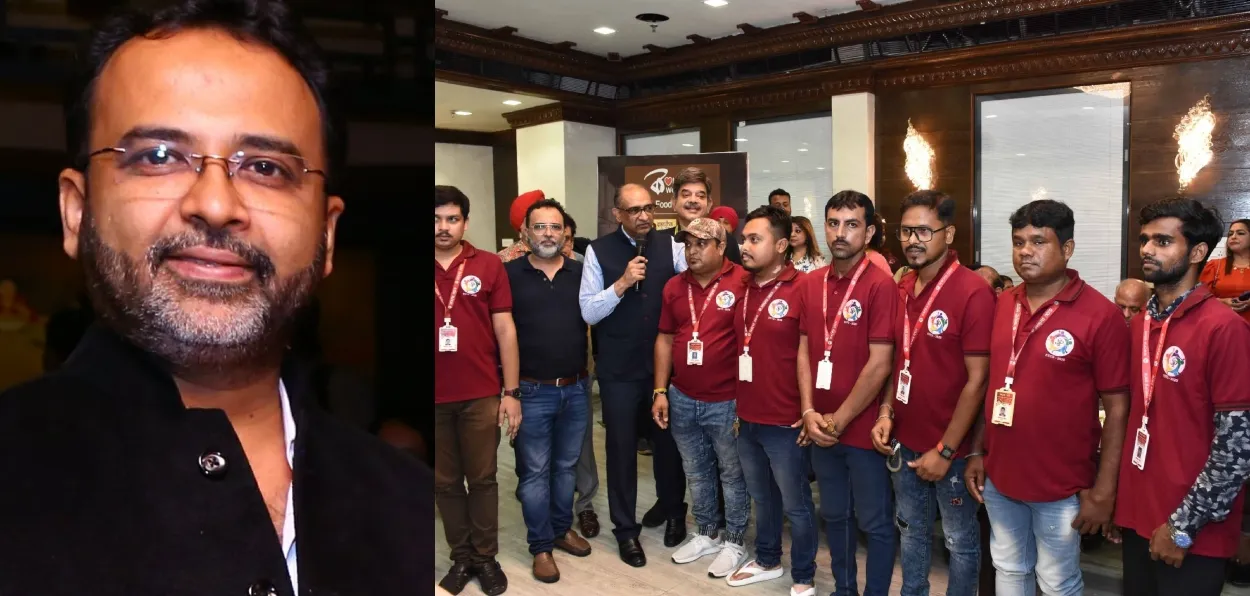
Asif Ahmed and his group of Volunteers of the Kolkata We Care group

A 320-litre refrigerator laden with food – the leftovers from the restaurant and at homes of citizens – placed at a busy crossing of Kolkata is ensuring that the poor and needy do not go hungry in the City of Joy.

Thanks to the initiative launched by Asif Ahmed, co-owner of Sanjha Chulha restaurant, whose concern for food wastage and food insecurity many around him had led to his initiative on the first Food ATM of the city.

The initiative has recently expanded with more civil society groups including the Kolkata We Care group NGO led by Imran Zaki.

“It broke my heart to see good, edible food being discarded at the end of the day, knowing it could nourish someone in need. As a restaurateur, I was often faced with the dilemma of what to do with the surplus food. The idea of redistributing it to the hungry was not just a solution – it was a responsibility,” Asif Ahmed said.

Asif Ahmed’s idea emerged from his concern for thousands around him facing food insecurity. He placed a big refrigerator with a transparent door at the roadside with neatly packed food donated by those visiting the restaurant, the restaurant itself, and the citizens inside. People can pick up the food. The volunteers even distribute food by visiting various vulnerable communities in the city.

The feeding the needy programme has since been relaunched through collaboration among Asif Ahmed’s outlet, the Kolkata We Care group, the Rotary, Round Table, and JITO (The Jain International Trade Organisation).

The initiative feeds almost 50 people daily and Asif plans to involve the Kolkata Police in it.

“The initiative has since become a beacon of hope and plans are underway to involve Kolkata Police to further strengthen its reach and impact in the community,” he said.

 The Food ATM is crafted with care to meet safety standards while overcoming the logistical challenges of food distribution. Like cash in an ATM, food is now available to anyone who needs it, stored in a transparent refrigerator placed in a public space.

Asif Ahmed said, “We wanted to ensure that those who come to the Food ATM feel a sense of dignity. No one should feel ashamed for needing help; everyone deserves respect and compassion.”

The We Care group comprises people from various backgrounds who took charge and came together for the movement. Pilot projects also started in schools like Birla Bharti School in Taratala and BDM High School in Narendrapur which aims to raise awareness through students.

The movement has bloomed well in local organisations and volunteers joined hands in educating donors to inculcate a culture of giving. It has set up one Food ATM at the busy Park street and is planning more.

Sana Ahmed, who works in an NGO, said, “We teachers can instill the right values in children by making them more cautious of food, its usage and recycling. Students’ involvement will deeply impact their growth during formative years and raise a generation when they quickly absorb and value food and the act of giving.

Asif Ahmed says, “The system could be easily replicated and the viability and success inspired further expansion in multiple locations in Kolkata. Although it started at CIT Road but I felt its impact was restricted to that area only. It was later centralized and expanded to serve a broader range of people within a feasible 5 to 10 km radius. We have plans to come up with one in Park Street and the location of another is not decided yet.”

The first Food ATM operates during restaurant hours, from 12 noon till 11:30 PM, with volunteers distributing food in slum areas close by as it is easier to manage.

Asif Ahmed shared a touching story of a lowly paid security guard who struggled with a wage of Rs. 10000- 12,000. He would get his meal from the ATM and it helped him sustain his family and meet ends.

“The Food ATM was a crucial support for him and others like him, making it easier to access meals without compromising their self-respect”, added Ahmed.

Another goosebump scene that Asif remembers is that of a small girl, who approached the Food ATM apprehensively and picked up the food packet before vanishing in the thin air.

Imran Khan, a resident of Park Circus Area, said, “It was a poignant experience to see a child, hungry finding comfort in the food provided. The gratitude and relief in these moments highlight the significant impact of the initiative in bridging the gap for those in need.”

The initial investment includes purchasing freezer units, building secure structures, and installing security measures. The recurring costs involve electricity, regular maintenance, and staffing. Asif Ahmed says he is open to adopting new means and technologies for the initiative.

source: http://www.awazthevoice.in / Awaz, The Voice / Home>Story / by Hena Ahmed, Kolkata / August 13th, 2024

Team B-Human distributes fruits, essentials to patients at Wenlock Hospital in Mangaluru

Mangaluru, KARNATAKA :

Mangaluru: 

To mark Kannada Rajyothsava, Team B-Human conducted a charitable distribution drive on Thursday at Wenlock Hospital, Mangaluru, offering fruits and essential items to dialysis patients and children receiving treatment.

Dr. Shiva Prakash, District Medical Officer at Wenlock, inaugurated the event and praised Team B-Human’s efforts in raising awareness on health issues and supporting patients in need. “Wenlock Hospital has a well-equipped dialysis centre, and we provide a full range of treatment options in the children’s ward. Our mission is to offer free medical and surgical services to the underprivileged, both in urban and rural areas, along with specialized care,” he said.

Shareef Whitestone, a trustee of Team B-Human, highlighted the group’s commitment to community service, noting that they have sponsored free dialysis for many needy patients at Yenepoya and Kanachur hospitals over the past two years. “Our goal is to assist the economically disadvantaged across all communities. In the future, we also intend to offer financial aid to students from low-income families,” added Asif Deals, the founder of Team B-Human.

The distribution included lunch, blankets, and towels for adult patients, and special kits for young patients containing toys, fruits, biscuits, chocolates, diapers, slippers, and other essentials.

Several hospital staff and officials attended the event, including RMO Dr. Sudhakar T., physicians Dr. Sadananda Poojary and Dr. Abdul Basith, Nursing In-charge Sumanagala, Office Superintendent Tilak U., SDO Avil Clarence Raj, Health Committee Member Shashidhar K. Bajal, and ARS Member Prabhakar Amin.

Representing Team B-Human were members Imthiyaz Z. M., Abbas Uchil, Imran Hasan, Nazeer Ullal, Iqbal Bantwal, Ahnaf Deals, Basheer, Azeez, Faiz, and Health In-charge Haneef Thodar.

source: http://www.english.varthabharati.in / Vartha Bharati / Home> India / by Vartha Bharati / November 07th, 2024

Kolkata Mosque serves humanity, offers free dinners to the hungry

Kolkata, WEST BENGAL :

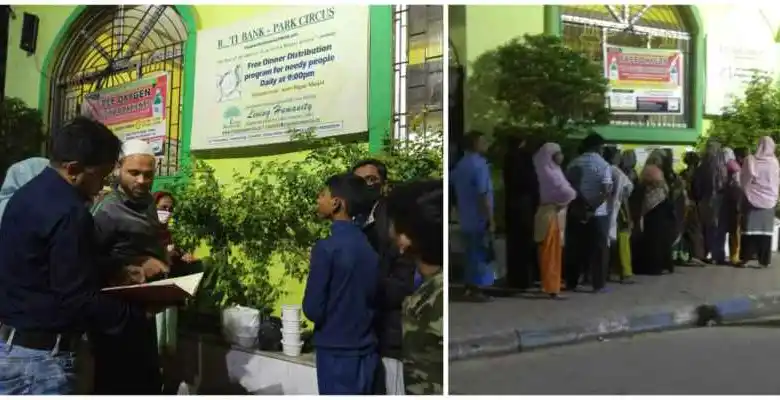
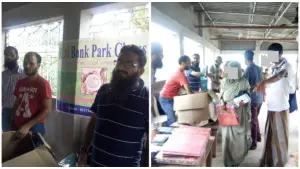
Kobi Bagan Mosque with the support of Roti Bank has been offering free meals and ration kits to the poor for seven years in a row.

Volunteers of Roti Bank distribute dinners to the needy (file pictures) | Pictures: Arranged

Kolkata:

At a time when mosques across India are being targeted, a mosque in Central Kolkata has chosen to open its door to the hungry, irrespective of one’s faith. Like the langars of Gurudwaras, Kobi Bagan Masjid, Park Circus not has been providing free dinner to the poor but also ration kits for the last seven years.

What began as an experimental Roti Bank way back in 2016 went on to become a centre, which helps the poor and destitute in several ways. It also provided meals and rations during the pandemic and Amphan cyclone in West Bengal.

The initiative is the collaboration between Kobi Bagan Masjid and Living Humanity, a non-government organization (NGO). The mosque located near Aliah University, Beniapukur has offered Living Humanity its premise to provide dinner for the destitute. They now have more than fifty people including non-Muslims among regular beneficiaries.

The idea, a brain-child of Faiz Anwar, a Chartered Accountant and Rashid Jameel, a Software Engineer began running a roti bank, in the hope of ensuring that none in the area go to sleep with an empty stomach.

“Inspired by someone in Aurangabad running a roti bank, I along with a few like-minded friends thought of starting it in Kolkata, So, we began it outside my residence, after taking permission from the police,” Faiz Anwar of Living Humanity told eNewsroom,

However, this was just the beginning of something big. “As numbers grow, we need a bigger space. So we talked to the masjid management, who happily agreed. And, when we interacted with the beneficiaries, it made us realise that providing roti won’t solve the problem. So, we thought of providing free meals and then even went on to provide free rations. Just like, during Ramazan we provide ration kits. We also give monthly ration kits to those who have a family,” recounts Anwar, a chartered accountant by profession and a philanthropist by passion.

CA Faiz Anwar (blue t-shirt) with his team distribute clothes to the beneficiaries | Pictures: Facebook/Roti Bank

On being asked about the poster put up on the walls of Kobi Bagan Mosque that talks about free meals being provided from the premises of the mosque and how they got into a working collaboration with the mosque, he elaborated, “I believe that places like mosques need to be more socially active. It has a role to play in society. We, with this belief, approached the working committee of the mosque with a proposal of using a portion of the mosque premise to distribute meals and ration to those in need.”

Confirming the same was Shakir Ali, a member of the working committee of the mosque, “Yes, we are in an association with Living Humanity, provide the meal and ration which get distributed from our premises.”

However, during the pandemic, when we were confined to our homes, mosques were shut, and then Living Humanity reached out to the areas outside Kolkata that needed help during the lockdown. “Working in close association with Helping Hand we reached out to the pandemic as well as Amphan cyclone-affected people. We worked in Nandigram, Canning Ghutari and Mazdurpara during the pandemic, reaching out to around 5000 families during this time.”

Living Humanity and Helping Hand, founded by Miran Ahmed have done several projects jointly.

“A major work that we did during the pandemic was distribution of free oxygen cylinders. It still runs today from the premises of another mosque Tanti Bagh Ahle-Hadith masjid. There were at least 1000 patients who benefited from the cylinders we had distributed,” said the CA.

After the restrictions were over, they began functioning like earlier, from the Kobi Bagan Mosque.

To avail the free meal or ration, one need not be a Muslim by faith, the food or items are distributed to those in need irrespective of their religious beliefs.

“Some of our beneficiaries are non-Muslims. The idea is to help those in need,” said Anwar.

So, how does it work?

Can anyone take the benefit or do they have a roster?

“Initially, it was a first-come, first-serve policy that we followed. However, we began to notice that we were having follow-up visits by many. So, we began interacting with them and now we have a roster. We hand out coupons to regular visitors. The ration is provided to those, who have more than two family members queuing up for meals. Dinner is available for any single person coming to the mosque in search of food around 9 pm,” said Jameel, the co-founder of Living Humanity.

Talking about the future plans, Anwar added, “We plan to do a lot more social upliftment work through Kolkata Masajid Association. We will try to reach out to a larger section of the society, who are sleeping empty stomach.”

source: http://www.enewsroom.in / eNewsRoomIndia / Home> Bengal> Inclusive India / by Staff Reporter / April 16th, 2023

Hands of Hope: Serving Humanity

Bengaluru, KARNATAKA :

In the heart of Bengaluru, an organization known as ‘Serving Humanity’ is significantly impacting the lives of the less fortunate. Founded on September 15, 2023, this NGO has rapidly expanded its initiatives from distributing food packets to empowering and supporting families.

Speaking to Radiance News, Secretary Syed Ehsaan Karim said, “Inspired by a local NGO, Serving Humanity began with a simple yet powerful mission of distributing food every Friday to slum dwellers and other deserving individuals. In its inaugural week, the organization, with limited funds, managed to distribute about 30 food packets. Our motivation comes from the verse in the Holy Quran, ‘…and give food to the poor, the orphan, and the captive.”

He added, “We are an organization dedicated to feeding people, upholding the rights of individuals, and following the ‘Baitulmaal’ culture of Islam. We noticed many discrepancies at some places around us, as these concepts are often exploited in and around our city. Through Serving Humanity, we aim to extend help to the neediest people in and around Bengaluru.”

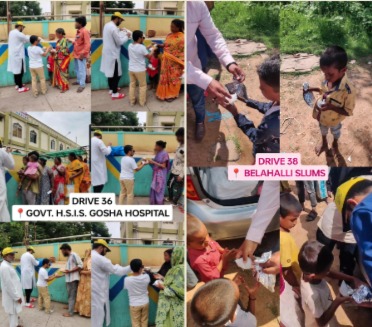
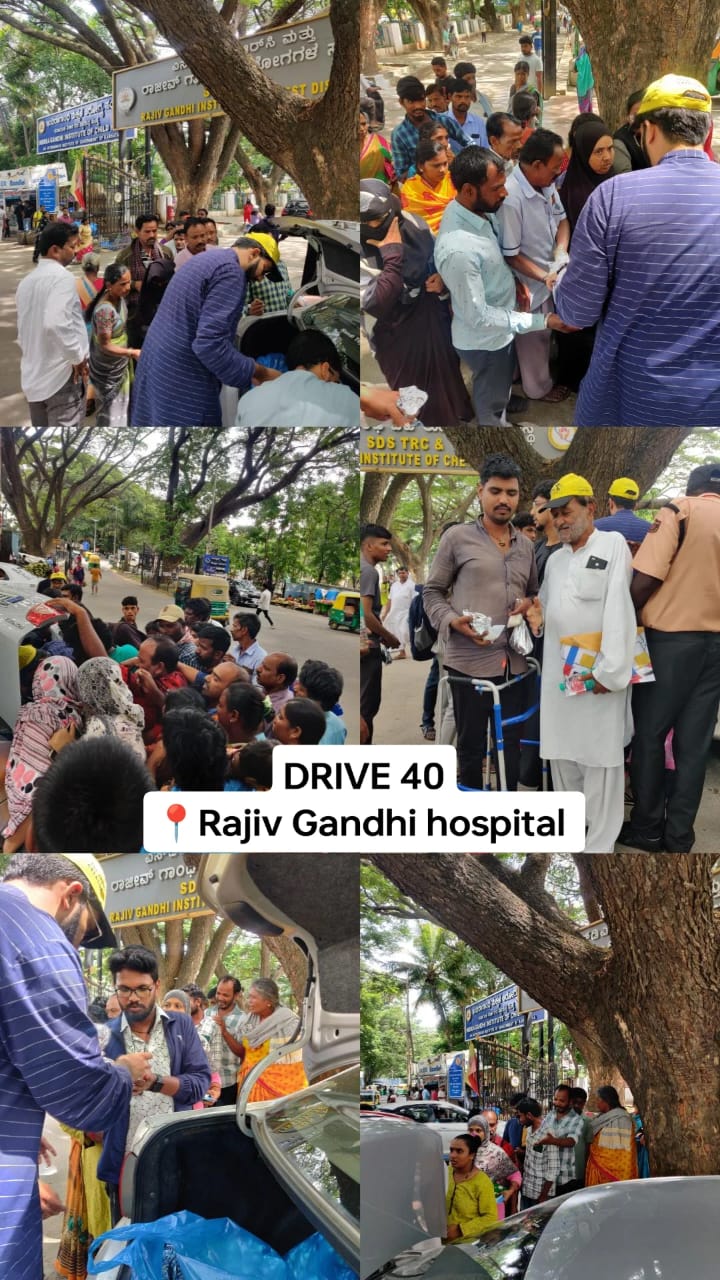
Every Friday, volunteers target different locations, ensuring that aid reaches a broad spectrum of individuals. This consistent effort has provided sustenance and built a sense of community and trust among recipients.

Soon the organization started assembling and distributing ration kits, which include essential food supplies designed to last a family for a month or more. These kits provide more than just temporary relief – they offer a lifeline to families striving to achieve stability.

The overarching goal is to uplift individuals and families, helping them move towards self-sufficiency and stability.

The latest and perhaps most transformative initiative of ‘Serving Humanity’ is small business empowerment. Grounded in the philosophy of “Give a man a fish and you feed him for a day; teach a man how to fish and you feed him for a lifetime,” this program aims to provide long-term solutions to poverty.

Through this initiative, the NGO identifies deserving individuals and offers them both moral and financial support to start or expand their small businesses. This empowerment enables individuals to become economically independent, fostering sustainable development and long-term stability in their communities.

Vice President Khysar Jabeen said, “The thought of helping the less fortunate inspired me to join Serving Humanity. Each drive brings immense satisfaction, from tackling hunger and covering students’ fees to paying hospital bills, building homes for orphans, and setting up small businesses. With our dedicated team, we aim to achieve even more, In Sha Allah.”

The true impact of the NGO’s work is reflected in the smiles and gratitude of those they help. From the immediate relief provided by food packets to the enduring support offered through business empowerment, ‘Serving Humanity’ is creating meaningful change in the lives of many.

The team conducts ground surveys and background checks to ensure aid reaches the most deserving and needy individuals. Since its inception in 2023, the team has successfully served over 8,600 meal boxes, distributed more than 440 ration kits, provided financial aid for 15 empowerment cases, and covered 40 locations.

‘Serving Humanity’ stands as a testament to what can be achieved when compassion and action come together. The dream is to create a self-sustaining model where today’s beneficiaries become tomorrow’s benefactors, creating a ripple effect of positive change.

[The writer is Counselor-IPERC]

source: http://www.radiancenews.com / Radiance News / Home> Features> Focus> Social Service / by Sajida A Zubair / June 24th, 2024

Pune couple run Roti Bank and send children of poor to school

Pune Kondhwa, MAHARASHTRA :

Aliya and Nasir Shaikh serving food

Following the Islamic principle that ‘if your neighbors sleep hungry while you are there, then you are not a true Muslim,’ neighbours in Pune Kondhwa in Maharashtra have replicated the initiatives of “Roti Bank” (bread bank) across many Indian cities and soup kitchens run by religious organization in the West, to address the hunger in the IT hub.

“Ark Charitable Trust’ was launched in August 2019 when many people in the city had lost jobs or livelihoods due to the COVID and hunger was rampant.

The trust was set up by a Kondhwah couple Aliya Shaikh and Nasir Shaikh from their house. The trust has been running a “Roti Bank” to and feeding widows and destitute women who are forced to wander around in search of food of alms to buy it.

Gradually, the Shaikhs realized that feeding people was a temporary solution to the problem of poverty and they started focusing on its root – lack of education. The trust got involved in educating children wandering on streets picking trash and leftover food and enrolled them in various schools

The trust has also provided job works to many widows whom they came in contact with while distributing food.

The Trust distributes food among people of all castes and religions.

Aliya Shaikh says she completed her 12th from Abeda Inamdar College in Lashkar area of ​​Pune.

“I wanted to study, but I got married early, so I could not and then I realized what if I did not study? I can teach the girls living around me. My children today are doing well; studying in schools but what about those who do not have money? That is why I am trying to ensure that no one’s education stops due to financial constrains.”

Nasir also completed his schooling from Moledina High School in Lashkar area. Though he joined class eleventh he had to drop out due to financial problems at home. He started working as a commercial painter.

Nasir says, “Food satisfies the hunger of the stomach, while education satisfies the hunger of the mind. That is why both are considered basic needs.” 

After seeing the work of Nasir and Aliya, a neighbor Ayesha Shaikh also joined them.

Ayesha, 65 has retired from a good position in a multinational company. Aliya, 30, works as a beautician and Nasir, 40, is a building contractor. All three work for ‘Ark’ while handling their business and family responsibilities.

In many weddings a lot of food is left over. To ensure this food doesn’t end in trash bins of the city, the Trust has displayed boards in key points in the city with this statement printed on these: ‘If you have leftover food, contact us… We will deliver this food to the hungry stomachs.’

‘Ark’ also gets financial support from various people and institutions on their auspicious occasions.

The three started this work from their homes without any funds. For the first eight days, Aliya used to cook food while Nasir distributed it. For the next eight days, Nasir took to cooking and Aliya to distribution. They would alternate their responsibilities ensuring that no single person has to take workload.

Aliya says, “We kept reaching out to the needy. As the work progressed, other people came forward to help us. Some started helping us financially, other by donating rations like oil, grains, etc.”

Soon many others more people had joined Ark.

Nasir empathises more with poor and says they are very sensitive. Instead of doling out food, the trio started a ‘Roti Bank’ to give dignity to those needing food.

Nasir says, “The work of ‘Roti Bank’ is not a one-day job. We cannot do one program in one month and then do the next program the next month. It has to be continuous work.

“It’s a challenge to feed their children and send them to school. But it’s also satisfying to see that someone’s life is changing because of you.”

“We have seen people cooking using paper as the only fuel. We have seen them struggling to satisfy their hunger,” says Ayesha. Food is provided to 50 families every day through ‘Ark’. Children’s education fees are paid.”

Aliya, Ayesha and Nasir deliver food to the people of Kondhwa, Bhagyodayanagar area. But the needy people of Hadapsar and Katraj area are not able to reach them every day, nor is it possible for Aliya, Ayesha and Nasir to take food boxes there every day.

So all three of them go to that area and distribute enough ration for at least two months on the basis of the given identity card. They also offer ‘Sehri’ and ‘Iftari’ facilities during Ramzan. A satisfied Ayesha says,

“It is a pleasure to be able to reach out and help the needy. Because of the work of Aliya and Nasir, I am associated with a good organization.”

source: http://www.awazthevoice.in / Awaz, The Voice / Home> Stories / by Chhaya Kavire, Pune / April 04th, 2024