Amidst the joy of the Durga Puja festival, the news of an Assamese young researcher in the United States hitting a major success had doubled the happiness of the people across the State.
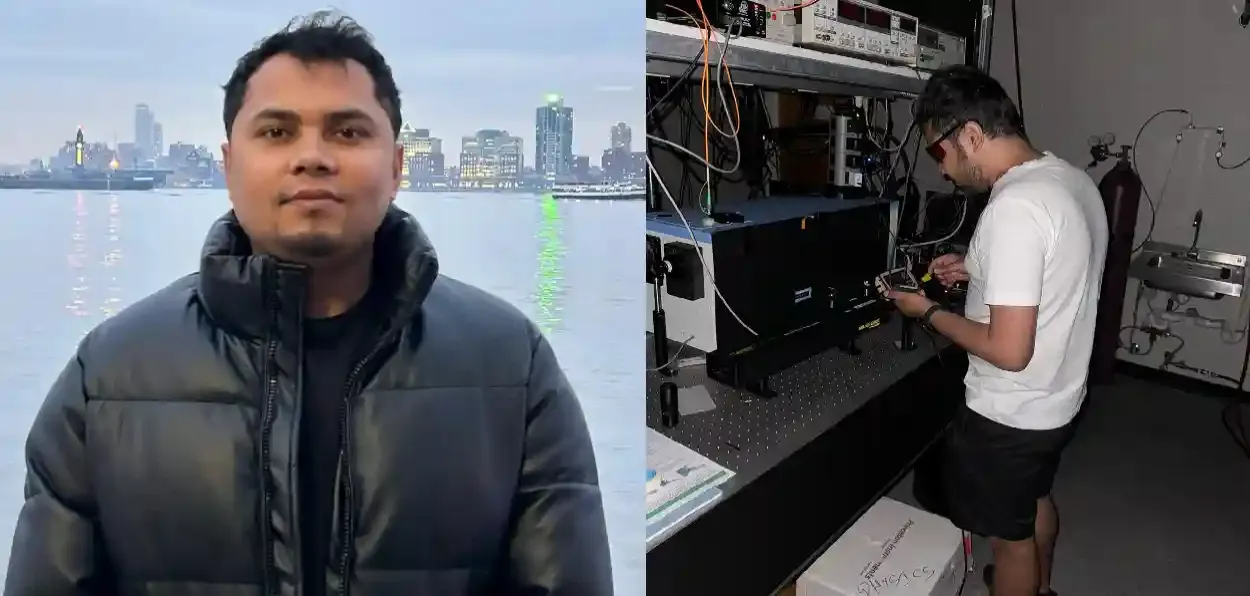
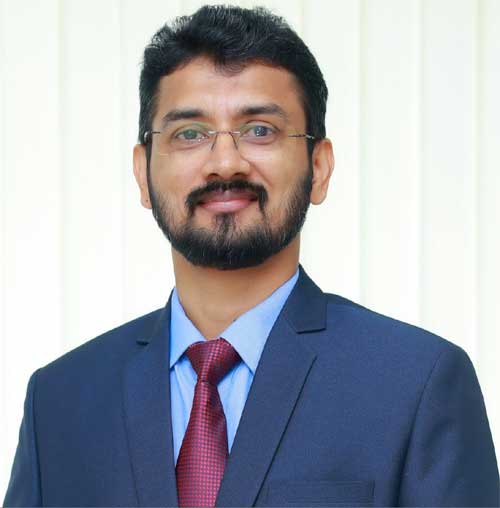
Rahul Islam a researcher at the Stevens Institute of Technology in Hoboken, New Jersey, has developed a mobile app that can identify people suffering from depression. The app can scan a person’s face and eyes to decode the state of his brain.
Rahul Islam, a native of Assam, is an important part of the research led by a senior professor at the university. He hails from the Radhakuchi village in the Karra area of Baihata Chariali in the Kamrup district.
Rahul Islam graduated in Computer Science Engineering from the Indian Institute of Information Technology (IIT), Guwahati, and left for the USA. received a scholarship to fulfill his dream of pursuing higher studies. Rahul Islam is researching under Senior Professor Sang Won Bae at one of the oldest universities in the United States established in the 1870s.
Rahul Islam, son of Golmahmud Ali and Sulema Begum, spent his childhood and adolescence outside the home.
Golmahmood Ali was a Central Reserve Police Force (CRPF) soldier.
Rahul attended several Kendriya Vidyalayas in India till higher secondary due to his father’s job that took the family across India. Rahul Islam passed his matriculation and higher secondary examinations from Dimapur Kendriya Vidyalaya.
Rahul topped the North East with 97% marks in the 2010 High School Leaving Certificate Examination.
In an interview with Awaz-The Voice, Rahul Islam’s father Golmahmood Ali said; “Rahul was a keen reader since childhood. He spent most of the day reading books. As a father, I am very happy and proud today. I have a daughter. Rahul is older, my daughter is younger Every year, Rahul comes home in December and returns to the United States in January.”
It is worth mentioning that depression is currently recognized as a silent killer of human society and a serious threat to mental stability. Identifying depressed people at an early stage is essential to free them. This can be done to identify such patients at an early stage. However, in reality, it is difficult to identify such patients in the early stages.
This is because people who suffer from depression do not want their inner turmoil to be expressed and do not allow it to be reflected on their faces.
Researchers at the Stevens Institute of Technology have developed two mobile apps that can scan a person’s face and eyes to detect depression. Both apps use artificial intelligence (AI). The first app detects brain functioning by scanning subtle changes in the size of the eyeballs that happensto a patient suffering from depression.
A second app, FacePsy, identifies such patients by studying the person’s emotional state through changes in facial muscle movement and brain posture. The innovative discovery of the son of Assam has already been published in various scientific journals in the United States as well as in the national media of India.
source: http://www.awazthevoice.in / Awaz, The Voice / Home> Story / by Ariful Islam, Guwahati / October 19th, 2024
Though long neglected in translation, Rashid Jahan blazed a trail for Urdu writers.
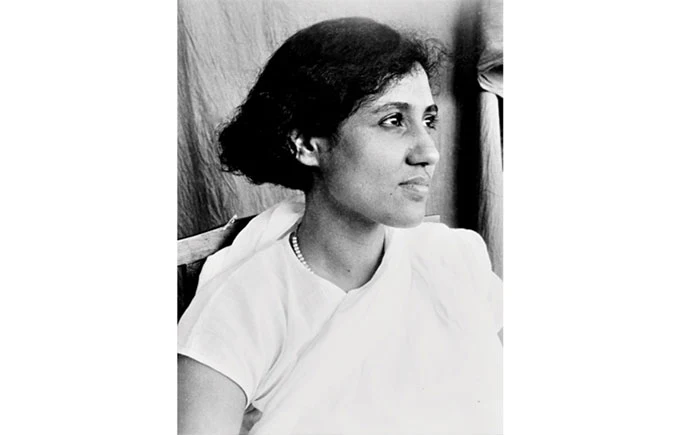
In her short, eventful life, Rashid Jahan made her mark as a literary stylist and an outspoken critic of patriarchal norms. COURTESY SHAHID NAJEB
1952. ISMAT CHUGHTAI HAD BEEN, for nearly a decade, the leading short story writer and novelist in the world of Urdu literature. But across the border in Pakistan, Qurratulain Hyder’s reputation as the disaffected chronicler of the generation lost to the tribulations of Partition was rapidly rising and would soon challenge Chughtai’s supremacy. In Lahore, Hijab Imtiaz Ali was turning to psychoanalytically inspired fictions about alcoholism and the Electra complex. Several other young, female Urdu short story writers, of a generation nurtured on the literature of the Progressive Writers’ Movement, were coming to maturity: Khadija Mastur, Hajra Masroor, Mumtaz Shirin, Shaista Ikramullah, Amina Nazli. And Rashid Jahan—doctor, political activist, Chughtai’s literary mentor and the forerunner of this entire wave of writers—died of cancer in a Russian hospital in July of that year, some weeks before her forty-seventh birthday, almost forgotten by the literary world she had stormed two decades before. Yet she had freed the tongues and the pens of several generations that followed; her impact would be surpassed only three decades later, by Fahmida Riaz and Kishwar Naheed, the feminist poets of the 1960s who replaced the forensic idiom of Rashid’s work with a lyrical celebration of women’s bodies.
The daughter of Shaikh Abdullah and Wahid Jahan Begum, an illustrious couple of educationists in Aligarh, Rashid came from an enlightened family, and her decision to study medicine was perhaps not surprising. Her literary reputation rested on her contribution to Angaare, a pioneering anthology of short fiction published in 1932. This milestone of Urdu literature had introduced four young writers in their twenties, who in their fiction presented contemporary philosophical and psychological ideas, and also techniques absorbed from modern European writing. The most famous of the four was Ahmed Ali, who, though not prolific, would go on to become one of the most respected Anglophone litterateurs of the subcontinent. Ahmed Ali had introduced the young doctor to the other contributors. Aware of her literary predilections, one of them, Sajjad Zahir, is believed to have persuaded her to write two pieces for the book; another, Mahmud-uz-Zafar, would become her life’s companion.
The contributors, radical and ready to challenge as they might have been, were perhaps unaware of the shockwaves their discussions of sex and religion would send out into an audience that, though probably ripe for a new literary movement, was unprepared for the force of this onslaught on their sensibilities. Rashid was the only woman in the gang of four. Critics have noted that she was also the only one of them that didn’t differ significantly from her predecessors in her choice of milieu or material, but her unabashed vocabulary earned her the censure of readers across the Urdu-speaking regions. Ordinances were passed against her and the others. She was advised to travel with bodyguards but, as a practising doctor, she refused to take such precautions.
Her zeal was infectious. Faiz Ahmed Faiz, arguably the greatest political poet of his generation, was said to have been awakened to his ideological responsibilities by Rashid and her husband and fellow communist, Mahmud-uz-Zafar. Ismat Chughtai said of her, “I stored up her work like pearls … the handsome heroes and pretty heroines of my stories, the candle-like fingers, the lime blossoms and crimson blossoms all vanished … the earthy Rashid Jahan shattered all my ivory idols to pieces … Life, stark and naked, stood before me.”
Even Premchand, the grand old man of Hindi and Urdu literature, who was a vital supporter of the Progressives and their aims, is said to have written his last few stories of “stark and naked” life—of down-and-outs and derelicts—under the direct impact of Rashid and Angaare.
Six years later came Aurat, the only book Rashid would publish in her lifetime, a collection of seven stories. Throughout the decade of the 1940s, she had been involved in her work as a medical practitioner and Communist Party worker; she only occasionally published a story or a play in some obscure journal. Her reputation as a trailblazer and pioneering feminist was held to be based more on her ability to tell bitter home truths than on any exceptional literary talent. Her promise, it was held and still is, was never fulfilled. Above all, perhaps, it was the eventfulness of her short, unconventional life that made her a legend.
But in the fleeting period of her fame—or infamy—she had written at least a handful of pieces that made an impact on literary history which continues, to this day, to be analysed and chronicled. Her uncollected stories were published in Shola-e-Jawwala (1974), while the uncollected plays were included in Woh Aur Dusre Afsane Drame (1977). There was no authoritative collection of Rashid’s work for more than 30 years till Nasr-e-Rashid Jahan appeared in Pakistan in 2012. Edited by Humera Ashfaq, this was a major retrospective volume of 16 stories, five plays and a few essays, bringing together the author’s most famous pieces and lesser-known texts. Now, in A Rebel and Her Cause: The Life and Work of Rashid Jahan (Women Unlimited, 256 pages, R400), Rakhshanda Jalil, the well-known critic of Urdu literature who translated and edited the volume, presents eleven stories and two plays (all but one of these texts are also in Ashfaq’s volume), prefaced by a brief biography and a critical assessment, to give us the first full-length study of Rashid Jahan’s life and work to appear in the English language.
Three of the texts included are widely acknowledged as minor classics: the very brief monologue ‘A Tour of Delhi’, and the plays ‘Behind the Curtain’ and ‘Woman’. These three works, written in the space of about five years, display the development of her perception. In the first of these, a woman wrapped up in a burqa, whose husband has promised her a day trip in Delhi, is left to sit alone at the railway station to guard their bags while the husband goes off on a jaunt with a friend. Later, the woman recasts her experience as a self-deprecating story to entertain her friends back home. Rashid’s wit, and her command of the idiom of semi-educated middle-class women, are in evidence here. Though Rashid may have been influenced in passing by Western literary models, the most remarkable trait she reveals in ‘A Tour of Delhi’, and indeed throughout her career, is an ability to weld disparate influences into a seamless whole and create fictions that are deeply rooted in the milieu she portrays. This quality makes her work less formally innovative but more radically relevant to her readers’ lives than the writings of her male contemporaries.
The second piece, ‘Behind the Curtain’, a dramatised dialogue for two female voices, is far darker in texture. Muhammadi Begum, the mother of many children, laments to a friend that her husband has lost interest in her.
The truth is that my womb and all the lower parts had slipped so far down that I had to get them fixed, so that my husband would get the same pleasure he might from a new wife … How long can a woman who bears a child every year expect to have her body remain in good condition? It slipped again. Again, he went after me, nagged and threatened me into going under the butcher’s knife. But he is still not happy.
These words, of an unprecedented frankness at the time in their charting of a woman’s anatomy and naming of reproductive organs, nevertheless do not release the woman who utters them into any form of freedom. But Rashid would complete this task in ‘Woman’, which has a wider cast of characters, both male and female, and a more intricately theatrical frame. Here, in a very similar situation, Fatima, whose ailment this time is gonorrhoea, actually throws the cheating husband who gave it to her out of their marital home. The long-suffering woman of Urdu literature is replaced by a character prepared to take control of her own destiny.
I have the disease you have given me. You caused my innocent babies to die. You murderer! I will get myself treated by whoever I want. No one can stop me now. I have suffered enough at your hands by listening to your commands.
Again, one could compare Rashid’s characters to Western ones—in this case, Ibsen’s Nora from A Doll’s House and his other stories of discontented wives. But Rashid’s stories derive so completely from their parochial contexts that such comparisons point more to the discontinuous universality of human—and in particular women’s—experience than to literary borrowing.
Shaista Ikramullah—an admirer, whose own concise fictions show the influence of Rashid Jahan—was one of the few critics to pay serious attention to Rashid’s work during the latter’s lifetime. In her seminal work, A Critical Study of the Development of the Urdu Novel and Short Story (1945), Ikramullah writes about ‘Woman’:
It is a common enough occurrence, namely a husband contemplating a second marriage on the ground that his wife is childless. The fiction writers of the last four decades have condemned and criticised this cupidity of man. But none of them had the smouldering indignation that is present in Rashid’s indictment of it, nor has anyone yet succeeded in showing how contemptible were such men as she has. So far authors have been content to show just this one trait in man’s character, but Rashid has shown the entire man in his grossness.
Ikramullah is perhaps alone in tracing the connection between Rashid and the earlier generation of reformist writers, and in showing how she extends and rewrites their agenda from her progressive standpoint.
The lot of the poor has been championed in novels and short stories from the time they appeared in the Urdu language. But they were treated with an air of fateful acceptance … In Rashid’s stories there is a fire and a defiance that were not found in the stories that were written on the same theme before … In this attitude lies the difference between the new and the old school of writers.
What Ikramullah might have added is that Rashid brought to the concise and elliptical form of the short story the concerns of the novelists of a prior generation, often saying in three or four pages what it had taken the reformists several times that number to narrate. Hers was not only a political but also a formal innovation.
THE STORY that opens Jalil’s selection, ‘That One’, is a first person account of a young teacher’s strange relationship with a syphilitic prostitute; his infatuation with her is expressed by the daily gift of a flower. Finally, one of the housekeepers in the narrator’s hostel abuses and insults the prostitute, and throws her out. This story was, in some ways, Rashid’s introduction to a new generation of feminist readers, especially when it was translated into English for Susie Tharu and K Lalita’s pioneering anthology, Women Writing in India, 600 BC to the Present, Volume II (1993). The editors, however, focusing on Rashid’s narrative technique and conflating it with her authorial persona, ranged Rashid with a generation of bourgeois liberal women writers, introducing in the process a new if somewhat skewed reading of her literary politics.
The focus of these narratives remains the middle-class protagonist and her moral awakening to social responsibility and therefore also to citizenship. The ‘other woman’—the prostitute, the working class woman—is a figure cut to the measure of this middle-class woman’s requirements that is also, we must not forget, the requirement of the nation. These stories may be about those at the margins, but they are, all the same, stories of the centre, told by the centre … Though many of the protagonists in the stories are women, the questions raised pose few threats to a patriarchal order.
How exactly Tharu and Lalita expected Rashid to overturn the patriarchal order they did not say. But their restaging of Rashid Jahan’s image persists. Priyamvada Gopal, in several nuanced and sensitive readings of Rashid, attempts to vindicate her and yet sees her returning to a default position as a bourgeois narrator—a surrogate for the author—who surveys her material with a lofty disdain. But this, today’s readers might find, is something of an advantage, as they can easily identify with her modern voice; and Rashid is able to use this narrative mode to inflect her stories with varying levels of irony.
Several such tales are included in Jalil’s selection. Foremost among them in terms of fame is ‘One of my Journeys’, in which a young woman student, on her way home for the holidays, gets into a compartment full of women, both Hindu and Muslim, who use every opportunity they find to engage in thinly disguised sectarian disputes. The narrator, a secularised Muslim, castigates them all for their bigotries and the story ends on a note of almost manic harmony. The comic note of ‘A Trip to Delhi’ is reprised but in a multi-vocal mode, with Rashid’s perfect ear for speech giving it the immediacy of one of her plays.
Far more subtle and intricate, and perhaps as a result not as competently translated, is ‘Sale’, in which a young narrator, hiding in the back of a car on a country drive and reminiscing about an erotic moment, observes strange goings-on through the window: three burqa-clad women and five men, one of whom the narrator recognises as a comfortably married neighbour, disappear into the woods for a bit of fun.
A torch flashed … those few seconds of strong light revealed two naked bodies. As soon as the torch lit the darkness, the man – scared of being recognised and uncaring of his body – hid his face in the woman’s burqa.
Evidently, it is not a sin to commit a sin; it is a sin to get caught.
Suddenly, peal after peal of dead laughter rent the air. She was laughing at the dogs.
It’s a chilling story, told from the centre about the centre, but pervaded by the “dead” laughter of the prostitute—to the extent that the centre begins to expose its own hollowness.
In ‘Thief,’ a doctor—obviously a very deliberate parody of the author—complains about the time, demands a fee, and generally behaves obnoxiously with a poor man who has brought a child in for emergency treatment, until pity or a doctor’s duty takes over. But the story keeps turning. The narrator then discovers that the same man had robbed her house only some time before, yet decides to let him go. The rest of the brief story is an examination of social conscience and of varieties of theft:
… petty thievery, picking pockets, robbery, larceny, black marketing, exploitation, filling your home with the money earned from the labour of others, swallowing up someone else’s land or country. After all, why aren’t these included in theft? … I looked around me. I saw that some of the biggest thieves walk around me, dressed up as saints.
Though not perhaps one of Rashid’s best, this late story shows her experimenting with technique in a combination of pseudo-memoir and ironic essay, and in its satirical retake on the familiar narrative persona.
The bulk of Rashid Jahan’s stories, though, are not told in the first person. More often, they begin in the breezy omniscient tone of a traditional tale, as in ‘Mute’, a beautifully calibrated story of a young woman whose parents fail to find her a suitable groom.
Siddiqa Begum’s marriage was proving to be a very difficult one to arrange. She was a true blue Sayyadani. Her father, Hamid Hasan, was reasonably well placed. What is more, she was one among thousands when it came to beauty. Yes, Siddiqa Begum was still not married and already twenty-three years old. Her mother … could not sleep at night for worry over her.
The multi-layered ‘A Daughter-in-Law For Asif Jahan’ is also set in the enclosed milieu of the women’s quarters, but this time the occasion that sets the story in motion is the birth of a much prayed-for girl child, whose cousin has already been chosen as a bridegroom for her. The story’s subtext chastises the women of the family for failing to summon a doctor; instead, they use traditional midwives and methods of delivery. But in place of polemic Rashid graphically describes the process of childbirth, interspersed with the manic humour familiar from other stories, which culminates in a celebration of women’s resilience as every female member of the household plays her part in bringing the girl child into the world.
Rashid is inevitably identified with portraits of women, but some of her writing, in particular her later, unpublished plays, show that she can also manage the voices of men with panache. This is also evident in one of the finest stories in A Rebel and Her Cause, ‘Bad Company’, about an establishment judge who rejects his Marxist son. The piece is created from a seamless weave of interior monologue, telephone conversation, and dialogue. There are times that the judge’s climb is seen with something close to sympathy, but that is soon revealed as an illusion when the man’s snobbery and deep conservatism are gradually uncovered.
Jalil comments on the unevenness of the author’s oeuvre, noting that Rashid Jahan probably wrote quickly and didn’t edit; some of the stories, she feels, read like drafts. Though this is true of one or two of the stories in Aurat, it largely isn’t evident in those Jalil has chosen to translate for this book, which consistently display, in their seemingly simple mode of exposition, the storytelling dexterity that is Rashid’s forte. There is some consensus that Rashid herself probably favoured the dramatic form for its immediacy and its performative qualities, which encouraged group activity of the kind she enjoyed—and some of her best later work (which Jalil comments on in an analytical chapter) is in this genre. As we have seen, Jalil includes the two most famous plays but has otherwise chosen to concentrate on the fiction, possibly because dialogue is harder to render in English than narrative.
Jalil’s translations valiantly attempt to convey the range of her subject’s interests, and the themes and styles with which Rashid experimented. It’s a laudable enterprise, as is the decision to accompany the fictions with biographical and historical facts. What doesn’t always come through here is the distinctive lucidity and diamond-hard precision of Rashid’s prose, which depends so much on her ability to balance various registers of the Urdu vernacular—pathos and satire, humour, anger, compassion and very occasional touches of lyricism—in a way that’s near-impossible to capture in English translation. In fact, Rashid is underrated as a stylist; and, if this timely book succeeds in sending bilingual critics back to the originals (as it did this reader), that will be yet another of its several achievements, the finest of which is to make us grateful that, in her short and exceptional life, Rashid Jahan found time to write so many outstanding stories.
source: http://www.caravanmagazine.in / Caravan / Home> Gender> Books / by Aamer Hussein / January 01st, 2014
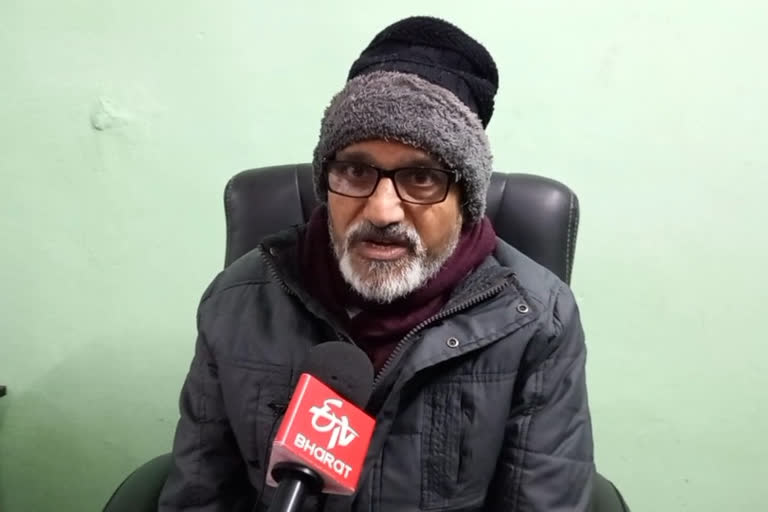
Mahfoozur Rahman, Principal of Government Medical College, Patna
Greek or Unnai medicine is the greatest system of treatment for humans. Through research, it has been found out that Greek medicine offers a complete cure for every disease and is Nature’s cure for disease. In the past, Greeks have treated even the most stubborn diseases and eradicated them from their roots.
This is the opinion of Mahfoozur Rahman, Principal of Government Medical College, Patna.
Dr. Rahman told Awaz-The Voice that although the allopathic system has dealt a blow to Greek medicine in the last few hundred years, yet due to the renewed government support the Unnani medicine is once again becoming popular.
Dr. Mahfoozur Rahman said that although Unani medicine treated human disease for centuries, it could not compete and adapt to allopathy.
Packaging of treatment is a major factor in the success of allopathy. However, the Unani system is trying to maintain its relevance with its holistic approach. However, allopathy has undoubtedly gained acceptance and popularity in modern times.
Haldi or curcumin and Dr Mahfoozur Rahman
Dr Rahman however, believes that if the packaging of Greek medicines is done the right way, it can have a positive effect. According to him, since Greek medicines have no side effects on human life whereas allopathic medicines have. Due to this, we see rampant kidney and liver damage or heart problems even among younger people.
According to Dr. Mahfoozur Rahman, Greek medicine has the ingredients used by a person in his daily life. It has elements like ginger, garlic, onion, cloves, herbs different potions, etc. Humans are accustomed to these substances and therefore there is no risk of side effects.
Dr. Mahfoozur Rahman says that Greek medicine believes in rooting out a disease. The patient has to have a little patience for the disease to be not only cured but rooted out. For this reason, there is a great need to promote Greek medicine and to spread awareness about it.
Dr. Mahfoozur Rahman says that herbs are a natural remedy and medicines are prepared from plants created by nature. This method of treatment came from Greece, but the Muslim kings and sultans played an important role in developing this system. History says that during the Muslim rule on any land and places that sages visited, they found a way to treat various diseases.
They tested the properties of the plant on patients and later penned it down to reveal it to the world. Most of those books are in Arabic language. Later these collections were translated into Persian and Urdu. According to Dr. Mahoouzur Rahman, as the number of Urdu-knowing people is falling, it’s adversely impacting the Unani treatment.
He says that the allopathic system flourished as it took the form of a trade while the Greek method of treatment remained mired traditionally.
Speaking on the urgent need to popularise Unani medicine in modern times, Dr. Mahfoozur Rehman says people are taking modern medicine and have become addicted to it. As a result, diseases are cropping in different parts of the human body. Diseases like kidney, liver failure, loss of vision, obesity and acidity are becoming common.
Ingredients for Unani medicine
The Unani medicine is safer because it uses food level ingredients like the world like marjoram, ginger, onion, garlic, lentils, sugar, cloves, cardamom, pepper, etc. Take ginger, we use ginger for cough, similarly we use black pepper for acidity or indigestion. It means that we use ingredients that cause no harm to the body while curing the main ailment.
Dr. Mahfoozur Rahman says there is a dire need of Greek medicine for the survival of humanity. It is good enough that efforts are being made to promote Greek medicine at the state and central levels but more initiatives are needed.
“They say that the soil of every place in the world looks the same but its effectiveness is different. This is the reason why researchers looked for remedies in different regions and from different plants. If those researches are revisited and medicines developed, Greek medicine may change the human life.”
He says that efforts are being made to establish the link between soil and herbs used for medicines in different parts of the world. Research on plant extracts is different parts of India is going on with laboratory testing.
Dr. Mahfoozur Rahman admits that Unani medicine is weak in emergencies like heart attacks or low oxygen in the body. In such cases, modern drugs are used. “In the case of emergencies, our medicines are not effective but work is being done in this regard as well.”
“People often ask whether the Unani system has a surgery option. I want to tell them that almost 5,000 years ago, the Greeks invented all the instruments needed for surgery. “Man used to travel on elephants, horses and camels then and today he uses airplanes. Times have changed but the Unani medicine remains unchanged. Now, efforts are being made to advance it. It is hoped that gradually it will also be adapted to the requirements of the modern era,” Dr Rahman said.
Ancient Greek Doctors
However, he said in surgery, the Unani system is lagging, but attention is being paid to this too, and this.
Dr Rahman says sages chronicled research on specific fruits and the soil in which these are grown in their books. Like they mentioned the apple of Kashmir and, the cinnamon of China as the best ones for curing disease. The problem is that the ingredients required for the medicine are not available from these places, which also limits the scope of Greek medicine.
He says there are good practitioners of Unani medicine and students are also joining in courses to become one but due to the lack of authentic medicines, its growth is hampered.
Most Greek medicines have a shelf life of two years, and if the medicine is not sold, it rots. In such a situation, there is a need to draw people’s attention to this aspect and to the natural treatment it offers.
Dr. Mahfoozur Rahman says that the Unani medicine can treat various diseases especially those related to the stomach, quite well. Unani medicines are very effective in stomach disorders, constipation, loss of appetite, sluggish motion etc.
Similarly, it’s very effective in infertility and also diseases of women’s reproductive system. A liver or kidney stone can be easily removed with medication. Similarly, there are many good medicines for strengthening the heart and body.
Dr. Mahfoozur Rahman says that the hospital has more capacity to treat patients. One of the reasons for this is that Greek medicine does not have the kind of packaging that is done in allopathy.
Another problem is that sugar is being used in other medicines such as potions, mixtures, or yeasts. Earlier, Greek medicines were prepared from pure honey, nature has put such healing in honey, but now pure honey is unavailable and sugar is being used instead. Sugar is a cause of various ailments of the human body and its use in medicines is impacting the effectiveness of medicines.
Dr. Mahfoozur Rahman says that unless worked upon, the future of Greek medicine looks bleak. “Once everyone consulted a Hakim for treatment of disease. The doctors were good and so were medicines. Even today Hakims are very competent and medicines are also good in the dominance of allopathy, the common people are ignoring and forgetting Greek or natural remedies.
source: http://www.awazthevoice.in / Awaz, The Voice / Home> Story / by Mahuz Alam, Patna / October 07th, 2024
Dr Shahana A K, Ayurvedic expert in anorectal disease
The disease can mean pain as much as shame. This is especially so when it comes to anorectal diseases. Remedies are available in Allopathy but these are expensive and do not guarantee non-recurrence.
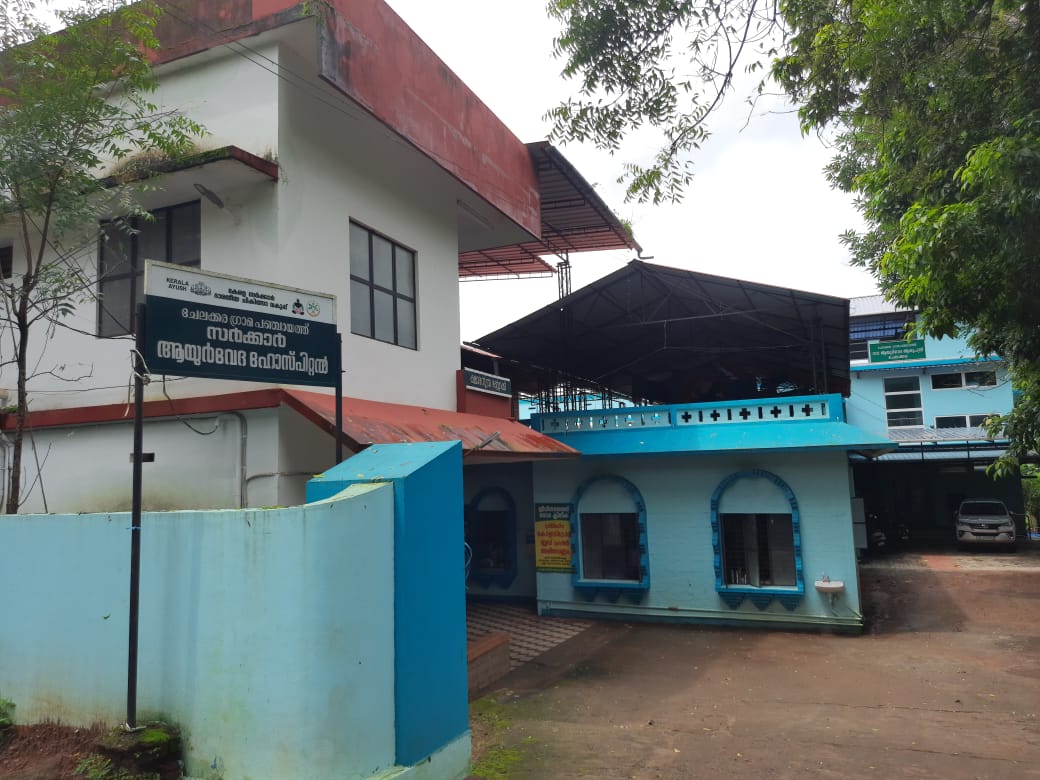
Piles free for five rupees….read the headline in a Malayalam daily recently. This claim was made not by an Allopath but by an Ayurveda practitioner in the Ksharasootra clinic of the Government Ayurveda Hospital in Chelakkara in Thrissur district.
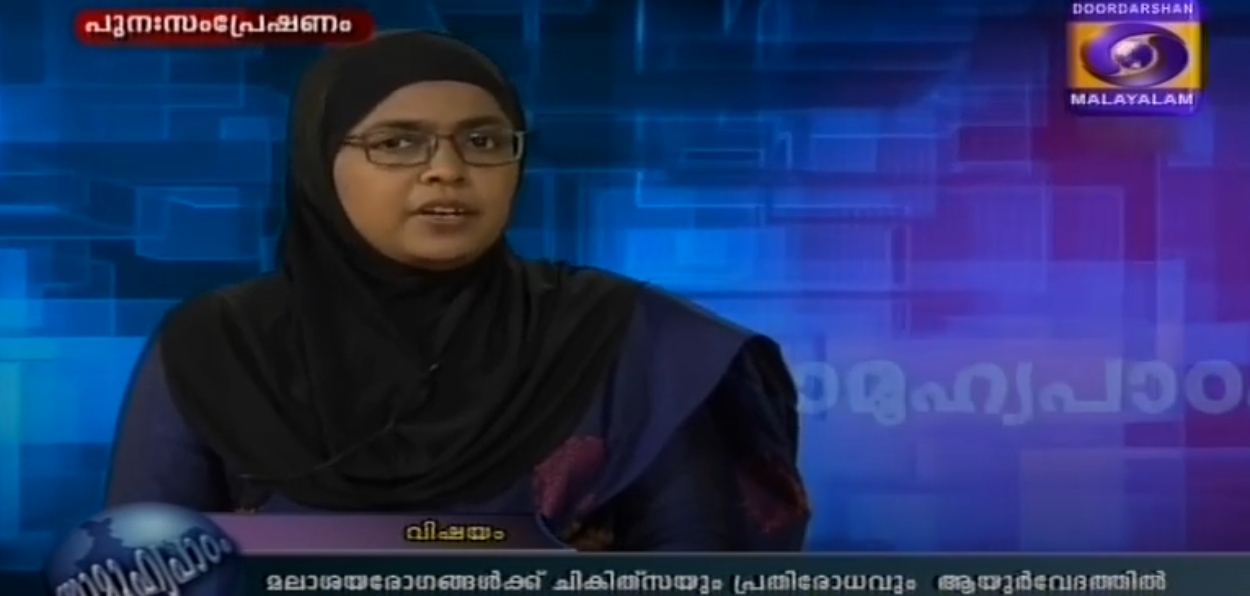
The clinic and its head Dr Shahana A. K. have been attracting patients from different parts of the state and even from outside for treatment of anorectal diseases like fistula, hemorrhoids, anal fissures, and rectal prolapse. She treats them with an ancient method of ksharasootra which involves insertion of a medicated thread through the affected area or fistula.
The practice called Ksharasootra takes very little time and the patient need not even be admitted. The thread is replaced by fresh ones a few times till the patient is healed. It is simple, non-invasive, with no side effects, cost-effective, and leads to no recurrence of the problem unlike in surgery.
Dr Shahana doing a surgical procedure in her clinic
Sushruta is considered the “Father of Plastic Surgery” and lived in India sometime between 1000 and 800 BC. He is the author of the treatise The Suśrutasaṃhitā which includes unique chapters describing surgical training, instruments, and procedures in ancient India. One of the oldest Sushrutasamhita palm-leaf manuscripts is preserved at the Kaiser Library of Nepal.
Dr Shahana has been practicing this ancient Ayurvedic para-surgical process in the government clinic for the past few decades and her name has come to be attached to Ksharasootra. The success stories have been traveling through the state by sheer word of mouth, says the doctor. No one has tried to publicize it. People come here after hearing about it from people who have healed, she says.
Speaking of the recent item in a newspaper, she said: I want more people to know of the treatment so that they don’t fall victim to quacks, who spoil their cases forever and charge them huge sums.
After her BAMS (Bachelor of Ayurvedic Medicine and Surgery) she went on to do her master’s in surgery or Shalya tantra which had just three seats in the state colleges then. In Ayurveda surgery has many para-surgical procedures including Ksharasootra, rakthamoksham, ksharakarmamand so on.
Ksharasootra though devised by the father of Ayurveda Susruta centuries ago, the procedure has evolved over the years, she points out to this scribe.
As for why she opted for Ksharasootra, she says, “I wanted to use my education to help the maximum number of people.”
The world of anorectal diseases is a dark, quiet, and obscure one where patients suffer silently in fear and shame to disclose their suffering as it concerns their private parts. If the patients are women, then it is even more shameful to discuss this with doctors.
Chelakkara Gram Panchayat Government Ayurveda Hospital in Thrissur
Patients do get treatment in Allopathy and go through multiple surgeries as the piles or fissures recur. So they are drained of money by the time they turn to Ayurveda with a recurrent condition, she says.
“When I started working quacks ruled the roost, as they promoted themselves as experts in this ancient method and offered treatment for piles, fissures, and fistula without surgery. Patients still fall for their hype and lose a lot of money and their health,” she says.
The treatment for diseases like piles, fistula, or fissures is free in her clinic, while other government Ayurveda hospitals in Kerala charge a token fee. In private Ayurveda clinics, it can cost a lot.
The main advantage she says it does not cause incontinence. Since it is a treatment in the anal region, patients often lose control over their bowel movements after surgery in Allopathy.
The profile of patients suffering anorectal disorders has been changing dramatically she says. “Earlier there were mostly middle-aged people. Today there is no age difference. They come from every age group including youth and children. Poor toilet habits, stress, junk food, and lack of physical activity all lead to anorectal diseases in children even below the age of ten,” she says.
Dr. Shahana spreading awareness about rectal disease
These diseases are also occurring in pregnant women mainly because of the traditional food supplements they take for a healthy child. These days, women don’t have the digestive capacity and are still given meat supplements. So women who are already suffering from constipation get even worse and develop anorectal complications and come here,” she says.
Patients cut across caste and community and ironically every religious festival leads to a spike in the number of patients in her clinic.
Onam, Easter, Christmas, and Eid all cause a spurt in cases and aggravate of old cases. During the fasting month of Ramzan, patients suffer a lot as they eat very spicy and oily food to break a day’s fast. It aggravates these disorders, she says. In some festivals drinking of alcohol leads to a spike.
Her clinic is gearing up to observe World Piles Day on November 20 with awareness camps and posters. “We are trying our best to reach out to more and more people so that they are saved from quacks, she says. Often people go for self-medication, to avoid medical examination of their private parts. Or they go to quacks to avoid surgery. They don’t realize that often rectal cancer and piles show the same symptoms which only a good doctor can detect,” she says.
A bust of Sage Sushrut
The Ksharasootra clinic run single-handedly by her for the past few decades is to be declared a centre of excellence by the Kerala Government. This would mean more doctors and more funds. “Of course, I would have retired by then but the treatment facilities would improve,’’ she says.
Asked if there was a stigma attached to practicing Ksharasootra she agrees that the number of Ksharasootra practitioners is very few in the state. But she feels it is because very few seats are available for surgery or Shalyatantra. “Not everyone who does the course may get the opportunity or have the mental willingness to pursue this line. It’s not possible for everyone,” she adds quoting Susruta on the qualities required by a surgeon… shauryamashukriyataishyam…. meaning courage, fast and unfearing while being insightful of the patient’s condition.…
“As for me, I feel it is an opportunity to do some good. People come to me after two or three allopathic surgeries. Just recently I had a patient who had been operated on for piles and fistula eight times. He was mentally and physically shattered and hopeless. I’m able to bring these people, many of whom are on the verge of suicide, back to hope and normalcy, ‘’ she says.
She says her religion Islam or her gender does not discourage the work she is doing.
“Being a woman has been an advantage I feel as I can empathise with their suffering and approach patients with maternal affection and concern. As a Muslim the work I do is considered equivalent to devotion. Islam considers all good deeds done with good intentions as ibadat or devotion. These are considered superior to prayers or reading of scriptures,’’ she says.
Dr Shahana believes that if one has a job that allows doing good to the masses then one should do the maximum possible. “That is my policy. Often people ask me why I take so much trouble to reach out to these patients. I feel that for anyone like doctors or politicians who are in a position to do work for the wellbeing of the public and do not do it, then it is not appropriate for them to be in that position.”
The author is a former social-editor of Business Standard and is teaching in a alternative school in Andhra Pradesh
source: http://www.awazthevoice.in / Awaz, The Voice / Home> Story / by Sreelatha Menon, Thrissur / October 15th, 2024
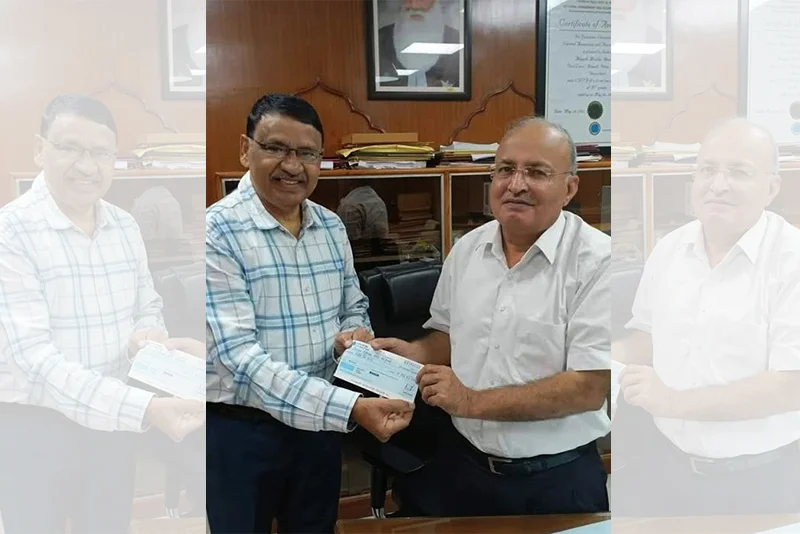
Dr Suhail Sabir, a retired Professor from the Department of Chemistry, Aligarh Muslim University (AMU), has donated Rupees 50 lakh to establish an Endowment Fund at the university.
Aligarh:
Dr Suhail Sabir, a retired Professor from the Department of Chemistry, Aligarh Muslim University (AMU), has donated Rupees 50 lakh to establish an Endowment Fund at the university.
This is one of the highest single donations made by an individual from the teaching community from his/her funds to the university, a press release from the PRO of the university said.
Prof. Suhail Sabir has been a guiding force in promoting education and uplifting the student community through his teaching career till his retirement in 2023.
His contribution to his alma mater is an example of the transformative power of education in shaping the future of students.
“The income generated from Prof. Suhail Sabir’s Endowment will be utilized to provide scholarships to deserving students through an open, interview-based selection process, helping students realize their academic aspirations and lifting the needy in the community.” the press release said.
With such a generous gesture, Prof. Suhail Sabir truly embodies the spirit of giving back to the university what he has achieved after studying and teaching at India’s prestigious Aligarh Muslim University.
Such acts of generosity signify that the true greatness lies in the willingness to give back to the institution, and what it has given to him. His generosity encourages alumni and well-wishers of the AMU to follow in his footsteps and support the alma mater in more meaningful ways.
Prof. Suhail Sabir is a role model in philanthropy and community service. His contribution will set a new benchmark for alumni engagement and support for the AMU student community.
Prof. Suhail Sabir deserves these lines of Shakespeare in praise of his philanthropy.
“His life was gentle; and the elements So mixed in him, that Nature might stand up And say to all the world, THIS WAS A MAN!”
― William Shakespeare, Julius Caesar
source: http://www.ummid.com / Ummid.com / Home> Education & Career / by Syed Ali Mujtaba (headline edited) / September 24th, 2024
_______________
[The writer, Dr Syed Ali Mujtaba, is a Journalist based in Chennai. Currently, he is a Professor at Dr. MGR University, Chennai. He has taken undergraduate and postgraduate degrees from AMU Aligarh. He lived in room no 16 Nasrullah hostel, VM Hall from 1978 to 1984. He represented the AMU senior football team from 1978 to 1982. Syed Mujtaba can be contacted at syedalimujtaba2007@gmail.com.]
‘Patent Man of India’ Prof Shamshad Ali so far bagged seven patents for his multifarious innovations. The professor of engineering at Aligarh Muslim University’s polytechnic is differently abled and keeps underscoring the need for innovation to achieve progress.
Professor of engineering Shamshad Ali at AMU
Aligarh:
Shamshad Ali, a professor of engineering at the polytechnic college of Aligarh Muslim University (AMU) has become popularly known as Patent Man of India for his multifarious innovations. Prof Shamshad Ali, who after taking classes keeps busy with his inventions, has over seven patents to his credit till now, granted by the Patent Office, Government of India, Delhi.
This differently-abled professor never loses heart and always strives for excellence. Be it teaching students or discovering something new, this physically challenged person’s hard work has become a source of inspiration for other teachers and innovators. Prof Shamshad Ali was granted three patents in 2022 alone.
The professor underscores the need for innovation to achieve progress. In his appeal to students and teaching faculty in the AMU, he said, “Innovation plays an important role in upping the university’s ranking. Discovering new things helps teachers and students. So they should keep on doing new research. I have bagged seven patents so far and two more patents will be granted soon.”
“When someone discovers new things. Then the innovator is supposed to apply and submit application online to Delhi patent office. Thereafter an exam is conducted. If you pass the test, they will grant you patent. If not, then you will have to work on it again. It all depends upon the examiner,” said Prof Shamshad.
source: http://www.etvbharat.in / ETV Bharat / Home> ETV Bharat> Bharat / January 07th, 2023
The flight had three doctors on board and they managed to stabilise him and take him safely up to the Kolkata airport.
Doctor couple Dr MM Samim and his wife, Dr Naznin Parvin
Bengaluru :
High drama unfolded on an IndiGo flight that had taken off from Bengaluru to Kolkata on Saturday when a flyer in his 40s with preexisting health issues developed an emergency. The flight had three doctors on board and they managed to stabilise him and take him safely up to the Kolkata airport.
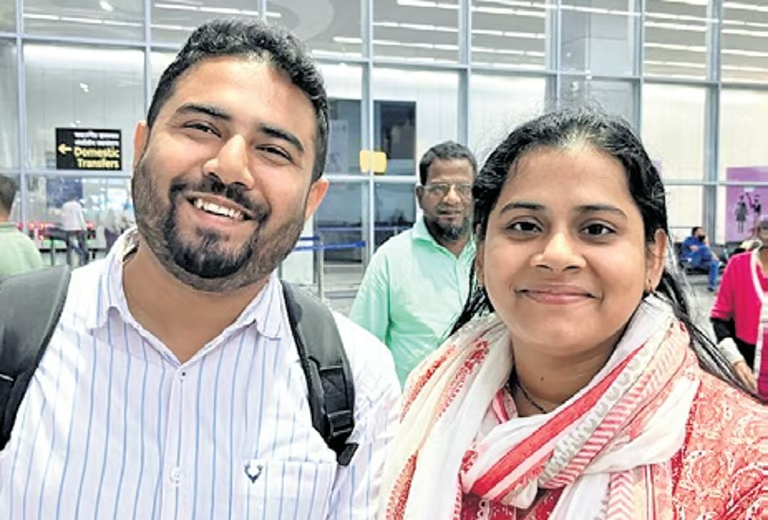
Dr MM Samim, who was conferred a gold medal just a day earlier during NIMHANS convocation, and his wife Dr Naznin Parvin, a paediatrician, along with a surgeon from MS Ramaiah Hospital saved the flyer’s life.
Man suffered from chronic liver issue
Their timely action also saved a potential diversion of the flight to Bhubaneswar airport and a disruption of weekend travel plans of 200-plus passengers.
The Flight No 6E 503 took off from Terminal 1 of Kempegowda International Airport at 10.42 am, which was late by 20 minutes. It was an hour later that the flyer, who is from West Bengal and works as a labourer in Kerala, developed breathlessness and threw up. He was travelling with his son to get himself admitted to a government hospital in Kolkata for his chronic liver condition.
Harilakshmi Ratan, a retired chartered accountant seated on 1B, told TNSE, “A flyer seated in the middle (Row no. 16) started vomiting blood. One of the cabin staff made an announcement appealing for doctors on board to assist the patient. Three of them stepped forward and saved his life.”
Dr Parvin, who works at a private hospital in Siliguri, said they rushed to the patient. “He was struggling to breathe and was vomiting blood. His BP was low. We gave him oxygen from the cylinder and also administered drips with normal saline, all of which were available on the flight. The vomiting was brought under control immediately. Soon, the oximeter too showed a stable oxygen level (95),” Dr Parvin said.
Dr Samim, who is the recipient of Best Outgoing Resident in Doctor in Medicine (DM) (Neurology) and who also works at a private hospital in Siliguri, said, “Since the patient was not in a good financial position, I decided it would be better if he reaches his hometown. We had stabilised him too.”
source: http://www.newindianexpress.com / The New Indian Express / Home> Karnataka / by S Lalitha / October 06th, 2024
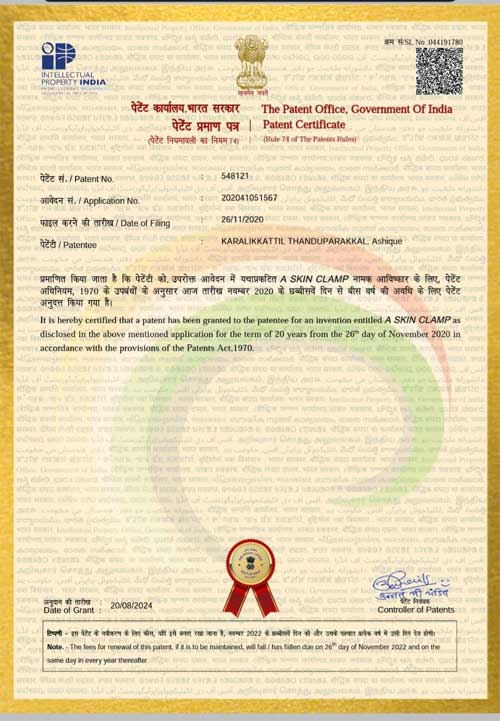
Father Muller Medical College is celebrating a landmark achievement as Dr Ashique K T, an esteemed alumnus of the Department of Dermatology, Venereology, and Leprosy, has been awarded a patent for his innovative medical device, the Dr Ashique’s Skin Clamp.
The patent, issued by the Controller General of Patents, Designs, and Trade Marks of the Government of India (Patent No. 548121, dated November 26, 2020), acknowledges the groundbreaking work of Dr Ashique, who is currently the medical director and senior consultant dermatologist in Perinthalmanna, Kerala. His invention holds far-reaching implications across multiple medical disciplines, including dermatology, dermatosurgery, dental and maxillofacial surgery, hair transplantation, ENT, emergency medicine, general surgery, and gynecology.
The Dr Ashique’s Skin Clamp is a sterilizable, metallic surgical tool designed for use in a wide range of medical procedures. Its versatility and effectiveness have already caught the attention of professionals across various medical fields. The device offers a practical solution to complex surgical challenges and is set to make a significant impact on clinical practices once commercial production begins.
Dr Ashique’s journey toward this patent was marked by close collaboration with his former professors and mentors from the Father Muller Medical College Dermatology Department. Throughout the development and research phases, he regularly sought their advice, leveraging their expertise to refine his innovative design. This spirit of partnership and academic support has been instrumental in transforming his idea into a patented reality.
In a statement, Fr Richard Aloysius Coelho, director of Father Muller Charitable Institutions (FMCI), expressed pride in Dr Ashique’s achievement. “It is a moment of great pride for our institution to witness one of our own making such a meaningful contribution to the medical field. His innovation is a testament to the excellence fostered within the walls of Father Muller Medical College,” said Fr Coelho. The administrative heads of both the medical college and hospital also joined in congratulating Dr Ashique on this remarkable accomplishment.
The Department of Dermatology, Venereology, and Leprosy at Father Muller Medical College continues to shine as a center of excellence, cultivating bright minds who contribute groundbreaking solutions to the medical world. Dr Ashique K T’s patent is just the latest example of how the institution empowers its students to innovate, achieve, and redefine the future of healthcare.
With plans to publish detailed research on the skin clamp’s many uses and the upcoming commercial production, Dr Ashique’s contribution to modern medicine is just beginning to unfold. The medical world is watching eagerly as this revolutionary device prepares to hit the global market.
source: http://www.daijiworld.com / Daijiworld / Home> Top Stories / by Media Release / September 26th, 2024
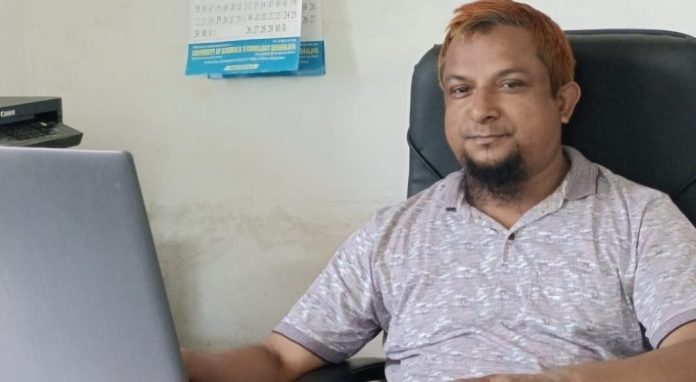
In a remarkable achievement, Dr. Faizuddin Ahmed, an Assistant Professor in the Department of Physics at the University of Science and Technology Meghalaya (USTM), has once again been recognized among the world’s top 2% scientists by Stanford University, USA.
This marks the fifth consecutive year that Dr. Ahmed has received this prestigious honor, showcasing his unwavering contributions to scientific research, reported The Hindustan Times.
Despite ongoing political scrutiny of USTM, a Muslim-owned university, by Assam Chief Minister Himanta Biswa Sarma, the institution has continued to excel academically.
Under the leadership of founder Mahbubul Hoque, USTM has nurtured a diverse student body, with 80% of its students being Hindu. Dr. Ahmed’s recognition further affirms the university’s commitment to academic excellence and inclusivity.
The list, published on September 16, 2024, highlights global scientific excellence, with Dr. Ahmed being honored for his groundbreaking research in Theoretical Physics, particularly in the areas of General Relativity and quantum mechanics. Over the course of his career, he has published 165 research papers in top-tier Scopus-indexed journals, including the European Physical Journal C, Journal of Cosmology and Astroparticle Physics, and Annals of Physics.
Expressing his gratitude, Dr. Ahmed stated, “Being recognized by Stanford University for five consecutive years is a humbling experience. This honor is a testament to the value of persistence, research, and the pursuit of knowledge. I owe a great deal of gratitude to USTM and my colleagues for their unwavering support.”
Dr. Ahmed’s academic journey began at Bholanath College, Dhubri, where he completed his undergraduate degree in 2006. He went on to pursue his master’s and PhD at Gauhati University, receiving his doctorate in 2016.
His consistent recognition on the global stage not only highlights his individual brilliance but also positions USTM as a hub for scientific research and innovation, standing tall against the political challenges it faces.
source: http://www.radiancenews.com / Radiance News / Home> Latest News> Pride of the Nation / by Radiance News Bureau / September 21st, 2024
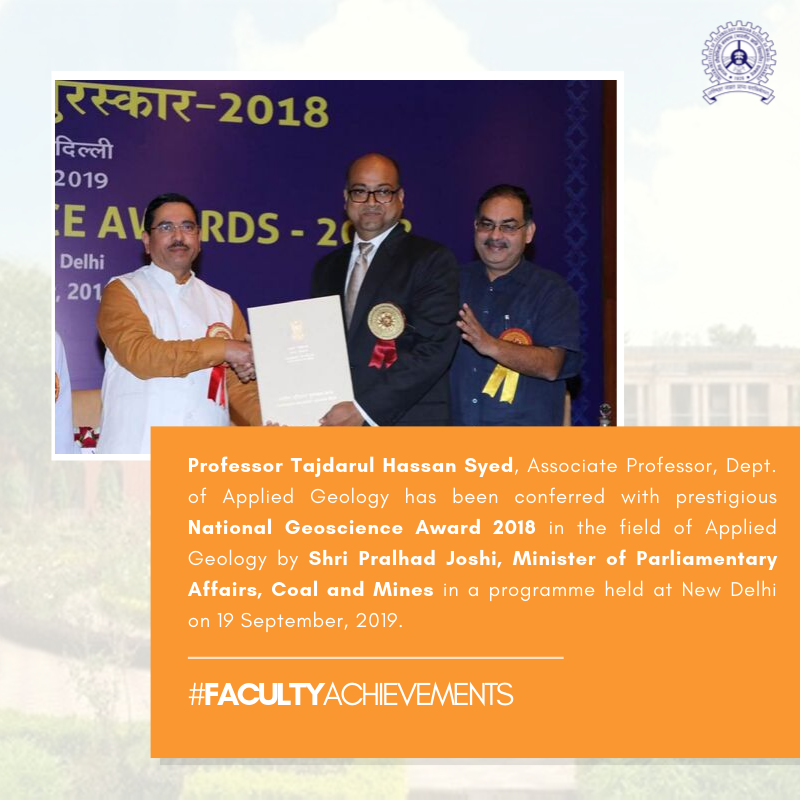
Professor Tajdarul Hassan Syed, Associate Professor, Dept. of Applied Geology has been conferred with prestigious National Geoscience Award 2018 in the field of Applied Geology by Shri Pralhad Joshi, Minister of Parliamentary Affairs, Coal and Mines in a programme held at New Delhi on 19 September, 2019.
Prof. Syed was honoured with this award for his contributions in the area of Remote Sensing within Applied Geosciences.
source: http://www.facebook.com / Indian Institute of Technology Dhanbad, Jharkhand / September 26t, 2019