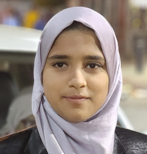
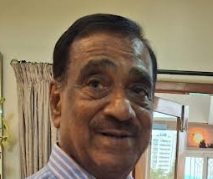
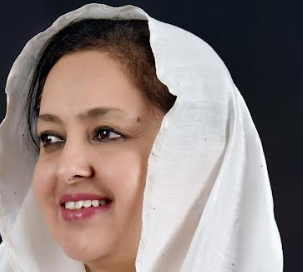
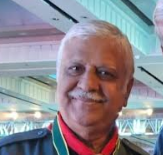
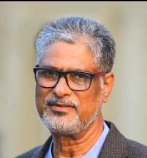
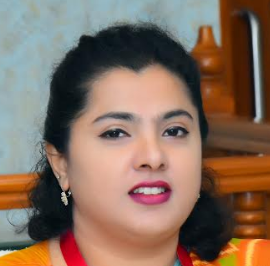
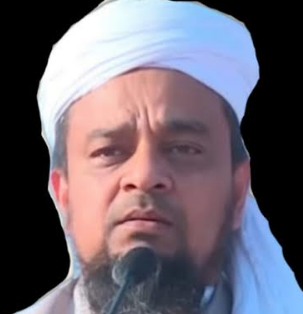
The National Federation of Girls Islamic Organisation (NFGIO) has announced its newly elected Federal Committee. Adv. Sumaiya Roshan, from Tamil Nadu, has been re-elected as President, marking a continuation of her leadership in advancing the organisation’s mission.
The GIO has a legacy spanning four decades, focusing on the overall development of Muslim women and their education, leadership, and social contribution across the nation. The newly elected Federal Committee brings together a dynamic team of accomplished individuals from across the country, ensuring representation and inclusivity in its leadership.
The Vice President, Afeefa Tahniyath from Andhra Pradesh, and General Secretary, Anamtha Dildar Ahmed from Maharashtra South, will lead key efforts in expanding the organisation’s outreach. The Secretaries include Fehmeeda Ilyas Qureshi (Gujarat), Maseera Firdous (Telangana), Fathima Noureen (Kerala), Momina Affaf Taiyebati (UP East) and Safeeda Hussain (Kerala).
Adv. Sumaiya Roshan said, “The NFGIO was founded to recognise the potential of young Muslim women in India and to guide them toward excellence in all areas of life, empowering them to shape the future and drive meaningful societal progress.”
The election was conducted under the guidance of Syed Sadatullah Husaini, President Jamaat-e-Islami Hind, at JIH headquarters here.
source: http://www.radiancenews.com / Radiance News / Home> Latest News> Report / by Radiance News Bureau / December 10th, 2024
Curated by noted historians Rana Safvi and Swapna Liddle, DAG also launched a book, Delhi Durbar: Empire, Display and the Possession of History, co-authored by the duo.
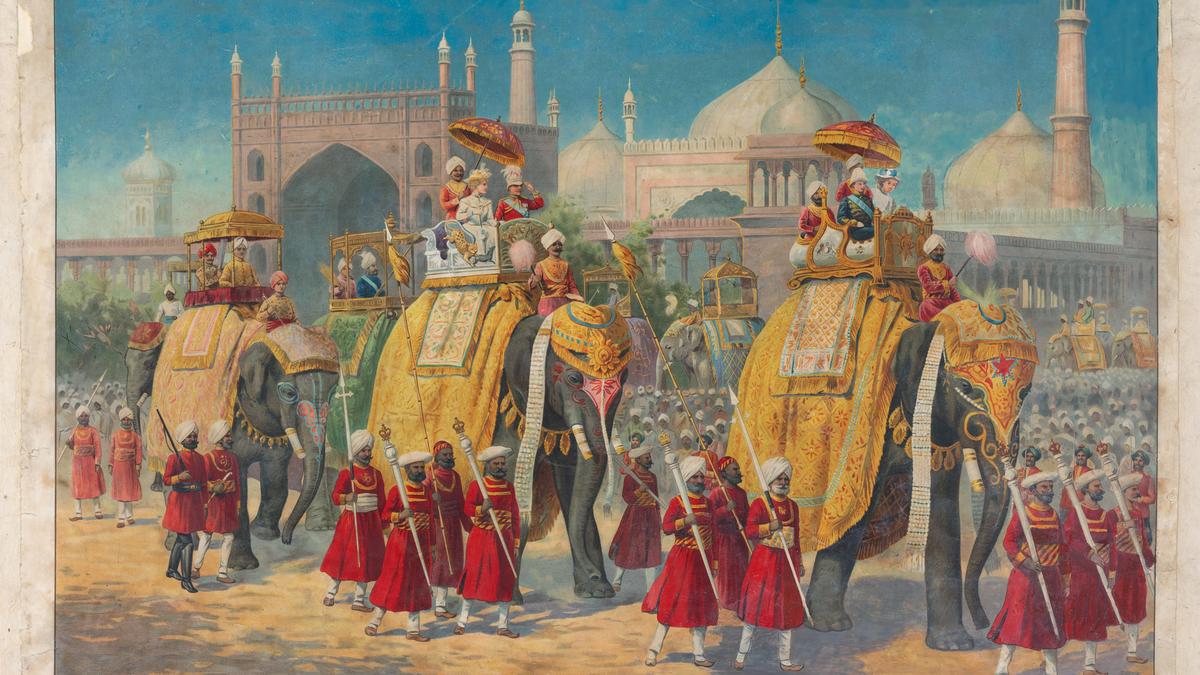
The Imperial Durbar (1903) | Photo Credit: Special Arrangement
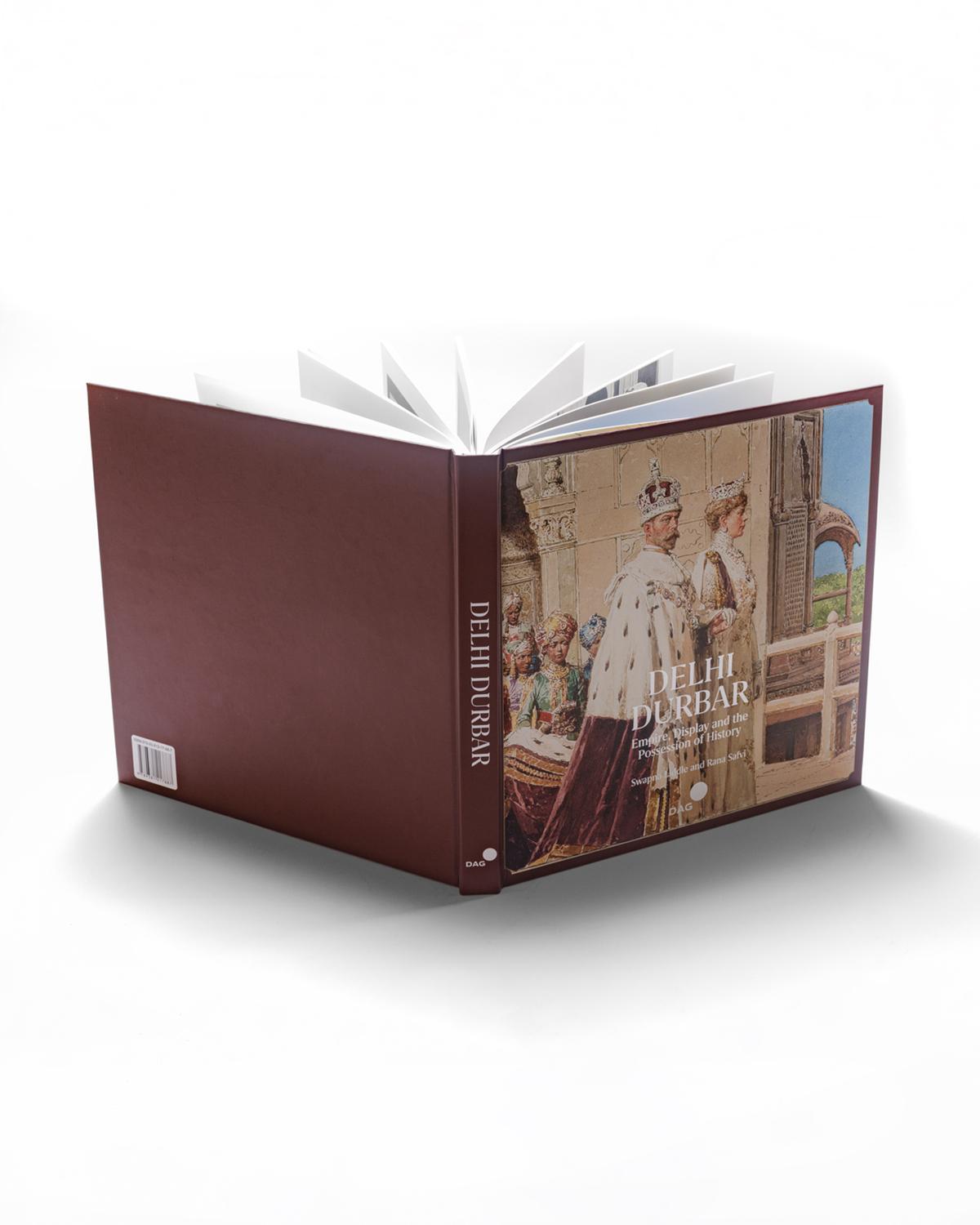
In an important contribution to a facet of Delhi’s rich history, DAG is hosting an exhibition drawn from its archives of the city’s resplendent durbars. Curated by noted historians Rana Safvi and Swapna Liddle, DAG also launched a book, Delhi Durbar: Empire, Display and the Possession of History, co-authored by the duo.
“The British Delhi Durbars have been the subject of much recent scholarly study and re-evaluation,” writes Ashish Anand, the CEO and managing director of DAG. “The objects in this exhibition bring them materially present, through works by some of the leading artists and photographers of the period.” The essays give readers an insight into the city that was. We also get rare visuals of Delhi, its monuments, and its three durbars — all of which were landmarks in British-ruled India.
Safvi speaks to Magazine about the project. Excerpts:
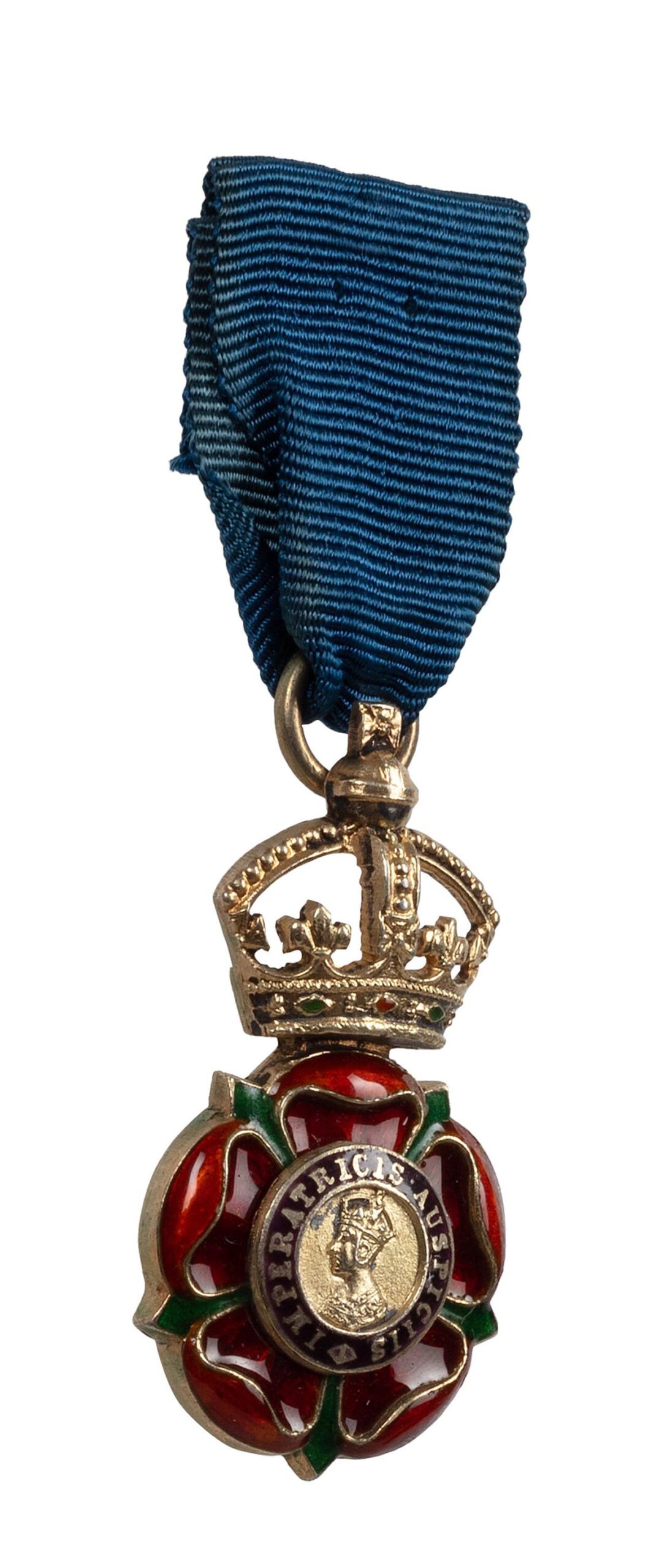
Companion of the Most Eminent Order of the Indian Empire | Photo Credit: Special Arrangement
Question: Can you shed some light on the DAG project?
Answer: This exhibition was conceived by Giles Tillotson, senior vice president – exhibitions at DAG. It is the first exhibition that has been drawn from the DAG archives.
Q: With all the attention on the Central Vista project and the new Parliament, how important is it to revisit Delhi’s history?
A: Every ruler negotiates his/ her idea of kingship. If we read the history of Delhi, kings starting with the Tomara dynasty built cities and citadels to perpetuate their memory. While the Mughal city of Shahjahanabad played a pivotal role in the three Delhi durbars, the last one saw King George announce the shifting of the British capital from Calcutta to Delhi. He also laid the foundation for a new city. This is known today as Lutyens’ Delhi.
Q: The book talks of three durbars. How different were each?
A: While all three durbars were unique, there was a thread of continuity. They were all held in the Coronation Park in Delhi and close to the Ridge where the British had fought the Indian forces in the Uprising of 1857. [They] appropriated some Mughal symbols in a bid for continuity and so that Indians could relate to them.
The first durbar, held just 20 years after the Uprising, was called the Imperial Assemblage and was meant to announce the assumption of the title of Kaiser-e-Hind by Queen Victoria with pomp and splendour. It was also meant to legitimise and popularise British rule, using many of the idioms of the Mughal empire, including the word ‘durbar’, which Indians were familiar with.
The second, held in 1903, was to celebrate the coronation of King Edward VII. This durbar envisaged by the viceroy Lord Curzon was a grandiose event with the viceroy and 48 Indian princes riding on elephants through the city in a ceremonial procession. An art exhibition was conceived by Lord Curzon, in his own words, to ‘show that India can still imagine and create, and do’.
The third durbar of 1911 was the first in which the British monarch himself was present with his consort Queen Mary. It announced the reversal of the highly unpopular partition of Bengal and was also used to announce the shifting of the imperial capital in India from Calcutta to Delhi.
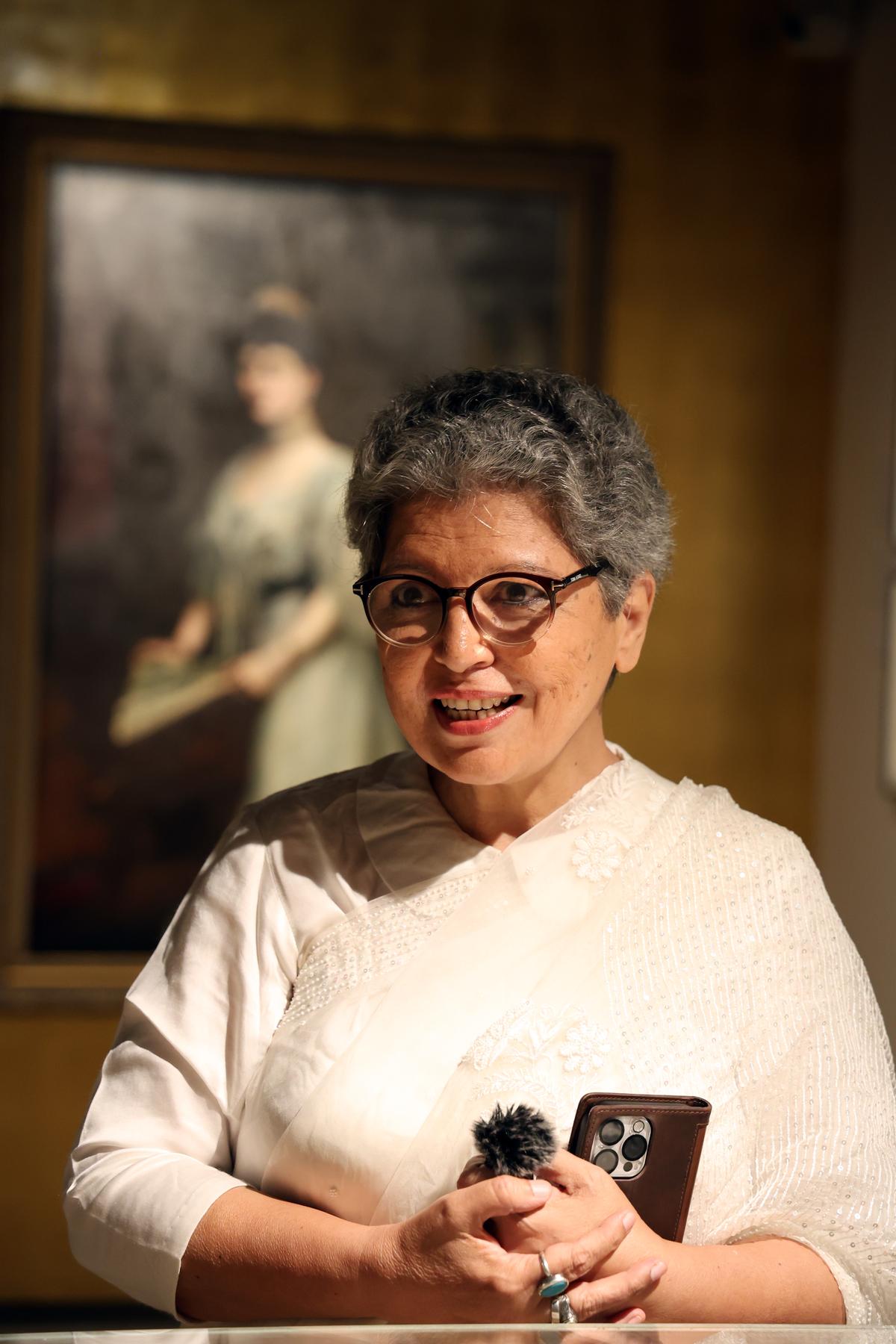
Historian Rana Safvi | Photo Credit: Special Arrangement
Q: The historic Jama Masjid was under British occupation for almost five years after the Uprising of 1857. Why and how did it become a vantage point for the durbar in 1903?
A: After the fall of Delhi, Jama Masjid was confiscated by the British; it was used as a mess and horses were tied along its corridors. In 1862, it was returned to Muslims for worship. The Jama Masjid has always been a symbol of Mughal magnificence and of Muslim togetherness.
Q: Can you elaborate on the demolition of Masjid Akbarabadi during the Uprising? It doesn’t always find a place in our textbooks…
A: When the city of Shahjahanabadwas being built, members of royalty as well as nobility were encouraged to build and add to it. Three mosques were built by three wives of Mughal emperor Shah Jahan. Fatehpuri Begum built the Fatehpuri mosque, Sirhindi Begum the Sirhindi mosque and Akbarabadi Begum the Akbarabadi mosque.
After the fall of Delhi, when the British army was victorious, the city and its people were punished for their ‘rebellion’. While many notables of Shahjahanabadwere killed or driven out of the city, the monuments and buildings were taken over. Fatehpuri mosque’s compound and galleries were auctioned and bought by Lala Chunnamal Ki Haveli and Akbarabadi Masjid was demolished. There is a beautiful description of Akbarabadi mosque in Syed Ahmed Khan’s Asar-us-Sanadid.
Delhi Durbar: Empire, Display and the Possession of History | Photo Credit: Special Arrangement
Q: Does the Coronation Durbar of 1911 mean the British had accepted the primary place of Delhi in India’s history?
A: Delhi’s importance can be seen from the fact that all three durbars were held here. Delhi was associated with Indraprastha, the legendary capital of the Pandavas, and was the city from where the Tomaras, Delhi Sultans and the Mughals ruled. Delhi’s grand history and traditions were used in the durbars. In the 1911 durbar, King-Emperor George V and Queen Mary even gave a jharokha darshan from the Red Fort’s Musamman Burj to Indians in the Mughal tradition.
ziya.salam@thehindu.co.in
source: http://www.thehindu.com / The Hindu / Home> Entertainment> Art / by Zia Us Salam / September 29th, 2023
Binziya was forced to abandon her studies when her family arranged her marriage in 1997.
Malappuram :
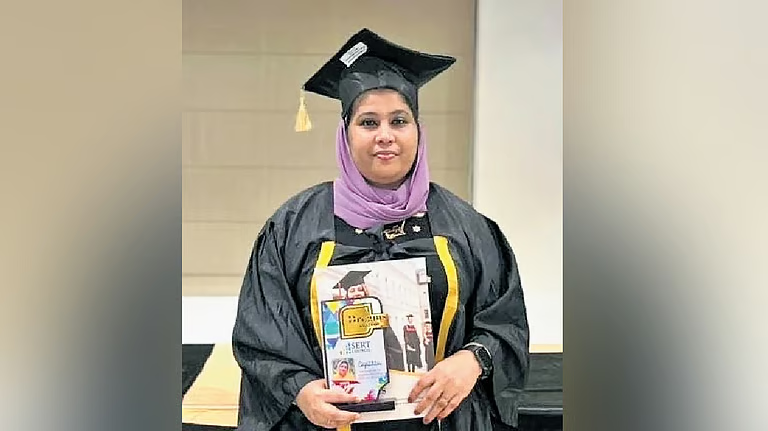
Married off at 14, confined within domestic boundaries for decades, and once ashamed to admit she had studied only up to Class 9, a woman from Malappuram has now rewritten her destiny through education. After 29 years of marriage, Makkaraparambha native Binziya has emerged with a postgraduate degree in psychology, proving that dreams delayed are never dreams denied.
Binziya was forced to abandon her studies when her family arranged her marriage in 1997. One year later, she became a mother. As the eldest daughter-in-law in a large joint family, she was tasked with looking after her husband’s younger siblings and managing all household responsibilities.
“I was still a child. But I had to act like a grown woman because everyone expected me to be one,” she recalls. Education became a distant memory as cooking, cleaning and childcare took over her life. “There was no space for my wishes. My daughter and later my son became my world. But deep inside, I always missed learning.”
A turning point came when the family shifted to their own home. She came to know about the government’s literacy mission and decided to ask her husband if she could attempt the Class 10 equivalency examination. “My husband supported me without hesitation. When I passed with good marks, I cried. I felt alive again,” she says. She went on to complete her higher secondary education next before enrolling for a BA English programme through distance education in 2020.
But her heart was always set on psychology. “I have gone through many emotional struggles in life. Who understands pain better than a woman? I wanted to learn psychology so that I could help others like me,” she says.
The biggest driving force behind her educational pursuit was her own self-respect. “Whenever someone asked me how much I had studied, I felt ashamed to say Class 9. That shame pushed me to continue learning. I wanted to feel proud of myself,” she explains.
Her years of effort finally came to fruition as she completed her MA in psychology. Binziya says she hopes her story encourages other women who were denied opportunities. “There are many women like me in Malappuram who are married off too early and remain confined to their homes. I want them to know that education is still possible.”
She is also proud of the change within her own family. “My daughter completed her Plus-II before marriage. She has finished her degree and is preparing for postgraduate studies. It makes me happy that she will not have to carry the same regrets I once had.”
Binziya now dreams of becoming a practising psychologist and providing support to homemakers who struggle.
source: http://www.newindianexpress.com / The New Indian Express / Home> Kerala / by Lakshmi Athira / November 28th, 2025
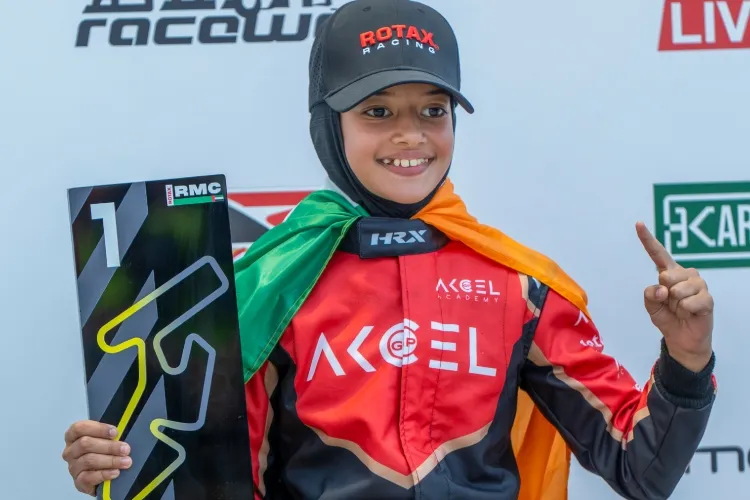
Formula 1 Academy-backed Indian racer Atiqa Mir showed scorching speed for her second pole position in as many weeks before picking up a Heat win in Round 2 of the RMC UAE Karting Championship here.
After a pole and podium finish in the Formula 1-backed COTFA series last week, Atiqa switched seamlessly into different equipment to set a blistering pace at the Al Forsan Circuit. She is the first Indian to be supported by Formula 1.
In the Official Practice sessions, Atiqa topped three out of the four sessions and clocked the fastest time of the day in a highly competitive field of international drivers. She was the only female.
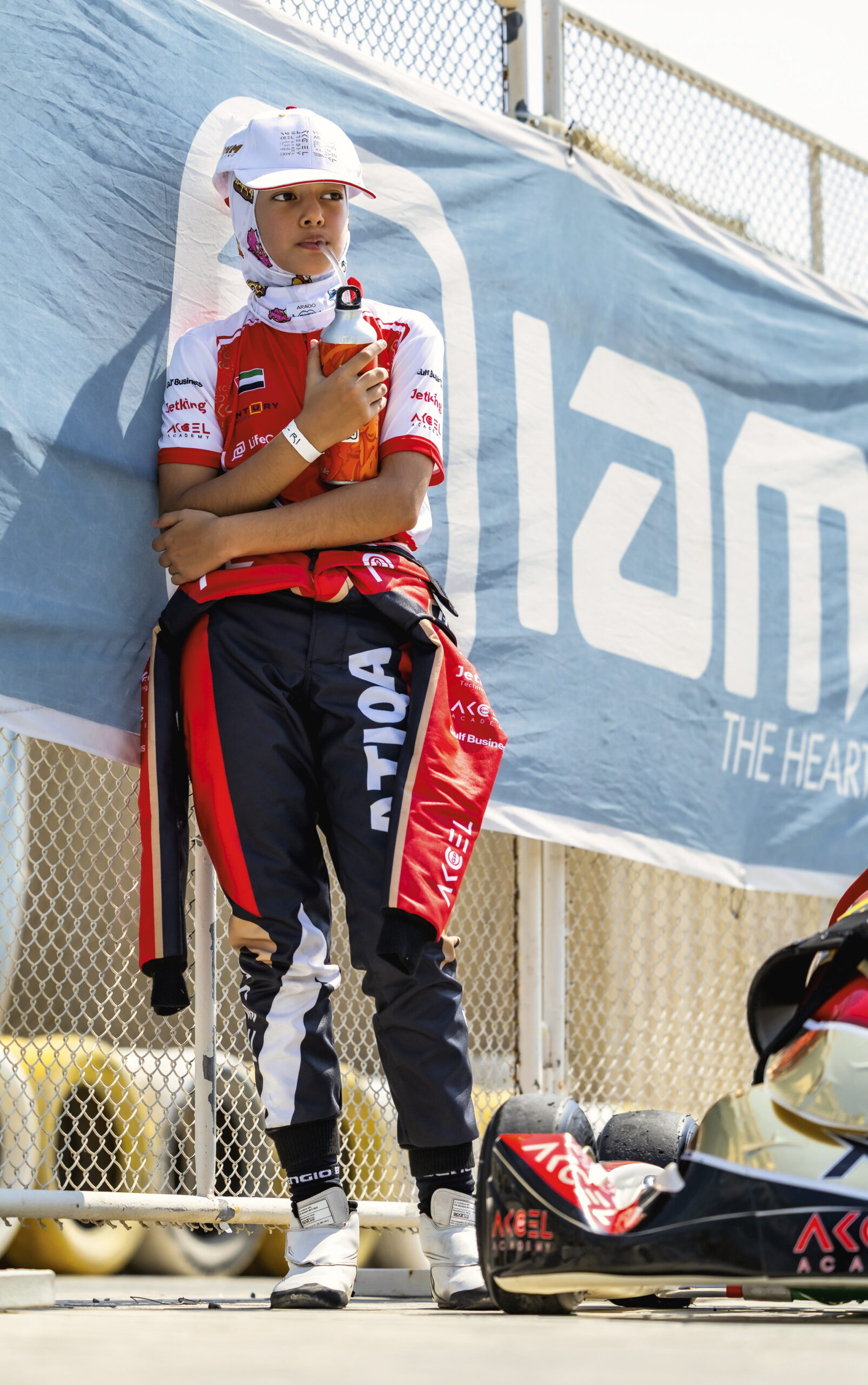
Dubai: Indian racer Atiqa Mir during round one of IAME UAE Karting Championship, in Dubai. (PTI Photo)
Atiqa, who turned 11 last week, carried that form into qualifying, clinching pole position in the dying minutes of the session with a sizzling time of 60.686 seconds.
Representing Akcel GP, she led from the front in the Heat race for a deserving victory. She lost the lead briefly on Lap 1 before regaining it soon after and pulling away from the field of 18 drivers.
In the pre-final race, Atiqa suffered a big crash while fighting for the lead on the last lap, injuring her elbow.
Her determination and fighting spirit came to the fore when she drove the final lap with the injury and a broken kart. After making up five places on the opening lap, Atiqa’s kart developed a technical problem, forcing an early retirement.
”What could have been a dominant weekend ended back in the pits. But that is racing, we are racing so close to each other at such high speeds that crashes are bound to happen.
“I got a hard hit on my elbow, and it is bruised quite badly. I wanted to fight and get back to the front in the final, but it wasn’t meant to be as my panel broke and due to that I couldn’t drive,” said Atiqa.
Her father and former Formula Asia Vice Champion Asif Mir said luck was not on her daughter’s side this weekend, but at the same time, he called the collision part of racing.
“A dominant show by her, a slight touch with another kart changed her entire weekend. She deserved a better result, but that is how it goes sometimes in sport. She is driving at a high level week in and week out in different karting championships.
“She has to switch engines, tyres almost every weekend, and she can adjust well,” said Asif.
source: http://www.awazthevoice.in / Awaz, The Voice / Home> Sports / by PTI / November 18th, 2025
From the tech labs of Bengaluru to the coffee plantations of Coorg, from the ancient ruins of Hampi to the bustling streets of Mysore, Karnataka exudes energy. This is where India’s IT revolution was born, where classical arts thrive alongside cutting-edge innovations, and where every district tells a story of transformation.
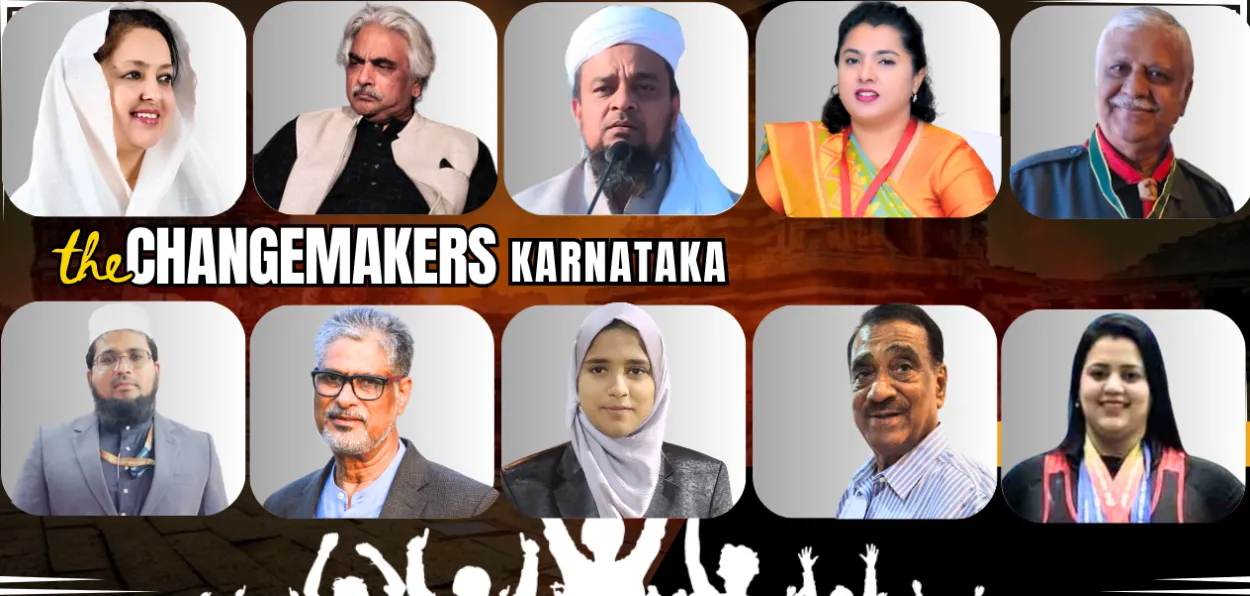
Many Kannadigas have built empires and earned acclaim—but some went further. They didn’t just succeed; they became the Changemakers—individuals who shattered barriers, rewrote destinies, and ignited revolutions that ripple far beyond their own lives. Here are ten personalities of Karnataka whose courage and vision are reshaping the future:
Rifah Taskeen
A 15-year-old firecracker from Mysore started racing at age three in a custom car built by her ex-racer father, Tajuddin. By five, she was driving Mysore to Bengaluru; by seven, she was drifting in school shows and stealing Republic Day parades.
Fighting red tape and disbelief, she stormed past every “too young” barrier to claim seven world records (Golden, Elite, High Range, India, Asia, Worldwide & Wonder Books), mastering bikes, JCBs, cranes, buses, tippers, road rollers, and even flying a plane at eight.
Mysore’s cleanliness ambassador for five years and tuberculosis state warrior for four, she’s also a state-level boxing medalist and karate fighter. She’s drifted for Rahul Gandhi, flown with Sonia Gandhi’s blessings, and left global crowds speechless.
Self-funded, unstoppable, and dreaming of IAS wings after SSLC, Rifah doesn’t just break records; she rewrites what “impossible” means. Age is just a number.
Mushtaq Ahmed
A Bengaluru-born visionary landed in Dubai when it was still sand dunes and a dream. For 41 years as head of Dubai Police photography (until 2018), the retired 1st Warrant Officer framed an entire nation’s rise—capturing the Burj Khalifa’s skeleton, the Kaaba from a crane, Sheikh Mohammed’s 1979 wedding, and sacred Medina in rare reverence.
From helicopter shots above a bridgeless Dubai to standing beside Sheikh Zayed and global icons like Lata Mangeshkar and Mohammed Rafi, the 79-year-old chronicler turned fleeting moments into eternity. Honoured, hugged, and kissed on the forehead by Dubai Police upon retirement, Mushtaq’s lens didn’t just document history—it built it. His quiet mantra: “The best shot is yet to come.”
Tazaiyun Oomer
Tazaiyun Oomer was 13 when she fought through a crowd in Parliament House and got Indira Gandhi’s autograph, an electric moment that taught her leadership has no gender.
From a Kutchi Memon girl helping in her father’s textile shop, she grew into Bengaluru’s quiet revolution. In 1999, she founded Humane Touch Trust: 100+ corrective surgeries for disabled children, Al-Azhar School, 1,750 dignified mass weddings, 2,000+ Muslim women turned entrepreneurs, and yearly scholarships lifting nearly 300 girls into tech careers.
Recipient of the Sulthan Nari Shakti and Karnataka’s Rising Beyond the Ceiling awards, she proved compassion can shatter centuries-old barriers. Where tradition once whispered “a woman’s place,” Tazaiyun built schools, businesses, and futures. Her mantra: “Change begins the moment you decide to act.”
Mohammed Ali Khalid
Mohammed Ali Khalid, India’s Bronze Wolf Award recipient —the highest global honour in Scouting—has lived the Scout promise for over four decades with breathtaking sacrifice and impact.
Mohammed Ali Khalid stands as one of India’s most influential Scout leaders, a visionary whose four decades of service have shaped millions of young lives. From volunteering at the 1980s National Jamboree to becoming Additional Chief National Commissioner of Bharat Scouts and Guides, he has built global partnerships, led landmark events like the 2017 National Jamboree and the 2022 International Cultural Jamboree, and strengthened Scouting across the Asia-Pacific Region. A strategic thinker behind Vision 2013 and a respected global diplomat, Khalid’s selfless leadership, mentorship, and bridge-building continue to inspire generations—earning him the Bronze Wolf and global admiration.
Architect of Vision 2013 for Asia-Pacific, broker of WOSM’s global fee consensus, founder of SAANSO, and mentor to countless young leaders, Khalid turned India into Scouting’s most connected powerhouse. At 70, he still pushes for 20% membership growth and 50% youth representation worldwide.
Rahmath Tarikere
Rahmath Tarikere, born in 1959 in Tarikere’s syncretic lanes, grew up where Hindus and Muslims shared the same street and stories. The 1992 Babri demolition jolted him into action: he left pure literary criticism to unearth Karnataka’s living pluralistic traditions—Sufi saints, Nathpanthis, Shakta poets, and folk Moharram rituals that united communities for centuries.
Author of 30 books—including four Karnataka Sahitya Academy winners and the 2010 Kendra Sahitya Akademi winner Kattiyanchina Daari—he returned the national award in 2015 protesting intolerance and the murder of M.M. Kalburgi. A humble professor who insists “I am not a changemaker,” Tarikere quietly weaves pluralism into Karnataka’s soul, proving unity is not uniformity but a vibrant mosaic of differences.
Khudsiya Nazeer
Khudsiya Nazeer, the “Iron Lady of India,” was born 1987 in Bangarpet and lost her wrestler father at two. Raised in a conservative Muslim family amid depression and mockery, she turned pain into power.
Post-Caesarean, she deadlifted 300 kg to set a world record (2022), then stormed the global stage: three golds at Asia Pacific Masters 2023 (South Korea), silver in Athens, golds in Commonwealth (Australia) and Germany. The first Indian Muslim woman to win international weightlifting medals, she lifts drug-free while working full-time at KSRTC.
From burqa-clad walks guarded by police to Harvard’s stage, Khudsiya proves motherhood multiplies strength. Her mantra: educate, play sport, write your own destiny. This Iron Lady doesn’t just break records; she shatters every ceiling for women.
Fouzia Tarannum
Fouzia Tarannum, 2015-batch IAS (AIR 31), cracked UPSC on her first attempt from Bengaluru’s public libraries—no coaching, pure grit. From IRS gold-medallist to Karnataka cadre, she turned arid Kalaburagi into a national millet powerhouse with “Kalaburagi Rotti,” empowered thousands of SHG women, lifted districts to top SSLC ranks, revived gram panchayat libraries, and delivered India’s cleanest electoral rolls—earning the President’s Best Electoral Practices Award in 2025.
At 36, this quiet DC faced Islamophobic slurs yet answered only with work. Unfazed, empathetic, and fiercely people-centric, Fouzia proves bureaucracy can have a heart and a steel spine. She doesn’t shout change—she builds it, one roti, one vote, one woman at a time.
Zafer Mohiuddin
pix09
Zafer Mohiuddin, Raichur’s radio-struck boy who once ghostwrote love letters in school, turned a bus-ride compliment from R. Nagesh into a lifetime on stage. He quit UPSC and Air Force postings to found Kathputaliyaan Theatre Group (1988), wielding puppets and plays as weapons against taboo.
From translating Girish Karnad’s Tipu Sultan ke Khwaab (Theatre Olympics 2018) to shattering Urdu myths with Zaban Mili Hai Magar, his raw, Amitabh-like voice has roared in ten languages, narrated Swaraj Namah, and defended Urdu’s secular soul alongside Karnad.
In November 2025, Karnataka crowned him with the Rajyotsava Award—its highest honour—for four decades pulling society’s strings toward truth and harmony. The puppet master still refuses to cut his own.
Moulana Dr. Mohamed Maqsood Imran Rashadi
Moulana Dr. Mohamed Maqsood Imran Rashadi, Principal and Chief Imam of Bengaluru’s iconic Jamia Masjid, memorised the Quran in 18 months, earned a PhD in Urdu literature, and turned a struggling madrasa into a 100%-pass powerhouse for 400 underprivileged students.
From quietly removing provocative meat thrown to spark riots to defusing the 2025 “I Love Mohammed” banner crisis with one calm sermon, he prevents violence before it begins. He negotiates fair loudspeaker rules across faiths, hosts Hindu swamis for iftar, and, after the Pahalgam terror attack, thundered “Terror has no religion—we love Hindustan.”
A scholar who preaches in Tehran, meets Saudi royals, and still walks the KR Market uniting traders, Moulana Maqsood proves that unity is built by deeds, not banners. Bengaluru’s heartbeat of harmony beats in his voice.
Syed Nawaz Miftahi
Syed Nawaz Miftahi, fully sighted yet forever changed by the tear-filled Quranic recitations of blind children in Mumbai in 2011, vowed to become their light.
He mastered Braille, invented the “broken-rice touch” technique to awaken ageing fingers, and turned Sultan Shah Markaz, Madrasa-e-Noor (70 students), and daily phone classes into sanctuaries where the visually impaired recite flawless tajweed and complete multiple khatms every Ramazan.
From Hyderabad to Kashmir, his model now trains teachers who were once his students. In November 2025, he launched Umang Foundations—a residential beacon run by seven blind trustees and one fearless young sighted woman—where every visually impaired soul, of any faith, learns Quran, computers, and independence.
Nawaz doesn’t give sight; he proves the heart’s vision is brighter.
source: http://www.awazthevoice.in / Awaz, The Voice / Home> The Changemakers of Karnataka / by ATV / posted by Aasha Khosa / November 22nd, 2025
The Faculty of Asian and Middle Eastern Studies at the University of Oxford is proud to announce the winners of the Frere Exhibition for Indian Studies 2023: Shireen Azam and Aftab Mallick.
Shireen Azam
Shireen Azam is a DPhil researcher at the Faculty of Theology and Religion, University of Oxford (St Antony’s College). Her research is centred on the uncomfortable fit between caste and secularism, and specifically on the invisibilisation of caste among Muslims. She was formerly Assistant Editor at the journal Economic & Political Weekly, where she founded the digital platform EPW Engage – which opened a new digital chapter for the 7-decade-old journal and reimagined the possibilities offered by the digital medium for visualising and communicating research. She regularly writes in the media, with articles in the Caravan Magazine, Indian Express, Mint Lounge, Wire, etc.
I will use the Frere Exhibition Grant to be able to complete the final part of my DPhil thesis on ‘The Invisibilisation and Assertion of Muslim Caste in India’. Caste is one of the key organisational principles of South Asian society. However, caste has largely been seen as a ‘Hindu’ phenomenon, rendering its impact on other communities in India, especially the Muslims, invisible. Even as Muslims are constantly studied in intellectual discourse and spoken of in public and political discourse in India, they are understood within the frameworks of religious politics alone: secularism, communalism, nationalism, or in terms of their religiosity.
My thesis looks at two intersecting phenomena of caste among Muslims—its invisibilisation by state and policy discourse and its assertion by lower caste Muslim organisations and politics. It also grapples with what the entity of Muslim caste is, and what it means for persons from an ‘egalitarian’ religion to have a caste. Political discourse of 20th century India constructed the ‘Muslim’ solely as a religious minority. However, different Muslim castes carry their historical and present predicaments differently. Muslims carry caste in their occupations, the locations of their homes, the ability with which they can say the names of their communities and make jokes about each other. My thesis probes the entity of Muslim caste in three intersecting sites: (a) in policy discourses in colonial and Independent India, (b) in Muslim caste organisations (c) in ‘lower’ caste selves. In relating the histories of several backward caste Muslim organisations and the negotiations they have been making with state and policy at various levels – I contest standard trajectories of how ‘Muslim politics’ in India has been chronicled by historians and political scientists alike. Ultimately, the thesis thinks through what changes in how we understand India’s religious politics when we acknowledge caste in Muslims.
Aftab Mallick
I work on the construction of identity (ethnic and cultural origin, sectarian affiliation, genealogy and kinship) among élite social collectives, its relationship to status, and the representation thereof in pre-modern historiographic and ethnographic texts. My DPhil concentrates on the circulation of Iranian and Turco-Mongol élite groups and individuals across transregional networks between Transoxiana, Iran and Mughal India, and the emergence of a distinct status culture at the Mughal court in the 17th century. I am more generally interested in the interaction between state formation, commercial activity, and military-bureaucratic success, and situate my work within broader scholarship on political, cultural, and commercial integration in Early Modern Eurasia.
I am grateful for the generosity of the Frere Exhibition in supporting my work as a social and cultural historian of the early modern Persianate world. Thanks to the Exhibition’s support, I will endeavour to complete my work on the re-conceptualisation of the Mughal nobility’s memory and legacy in the 18th century as its descendants sought to adapt to a changing sociopolitical landscape. I will demonstrate how this historiographic moment led to the formation of ashrāf identity among the Indo-Muslim gentry as a status group in subsequent generations.
I approach my work as a kind of posthumous ethnography of now non-extant élite groups, and to recreate their world and worldview through study of the literary and historiographic texts they produced. There is a widespread dearth of research on social élites, whether due to contemporary sensibilities or the lack of survival of relevant materials. However, in the absence of an adequate understanding of these social collectives, our understanding of stratified, complex pre-modern states and societies as well as of their self-perception and scales of moral and political value will necessarily remain incomplete and defective.
source: http://www.ames.ox.ac.uk / Faculty of Asian & Middle Eastern Studies, University of Oxford / November 21st, 2023
Nikhat clinched the women’s 51 kg gold medal at the 2025 World Boxing Cup Finals in Greater Noida.
Nikhat Zareen clinched the 51 Kg gold medal at the World Boxing Cup Finals 2025. (Photo Credits: The Bridge)
Greater Noida:
Star Indian boxer Nikhat Zareen has once again captured headlines after winning the gold medal at the 2025 World Boxing Cup Finals on Thursday.
The two-time World Champion delivered a commanding 5–0 victory over Guo Yi-xuan of Chinese Taipei in the women’s 51 kg final, returning to the top of the podium after 32 months.
Her last gold also came on home soil in 2023, when she clinched her second world title at the New Delhi World Championships.
“I always believe in manifestation, so I manifested that this time also, in India, I would repeat that. It’s always a pleasure to play in front of a home crowd, and today I did it,” Nikhat Zareen told the media after her win.
Bouncing back from two consecutive setbacks
Nikhat endured a difficult run in her last two major tournaments, the Paris Olympics and the World Boxing Championships, returning empty-handed from both.
At the Paris Games, competing as the reigning World Champion, she exited in the Round of 16 against eventual champion Wu Yu of China.
Later, at the 2025 World Championships in Liverpool, her first international event of the year, she fell in the quarterfinals to Turkiye’s Buse Naz Cakıroğlu.
Now, she has turned back the clock, returning to winning ways in front of her home crowd and putting behind her the disappointment of missing out on key medals.
“This medal is a big boost for my confidence. After a long time, I reached the final and won the gold. I’m very happy that I can once again compete as a gold medal contender,” Nikhat said, relieved to end her medal drought.
Nikhat also mentioned that she had very little time after the World Championships to prepare for this event. Within days, she shifted to Patiala to join the training camp.
“I spent a few days with my family, but then moved to Patiala for training since the Finals were in India and I didn’t want to disappoint fans. In Patiala, I sparred with boxers across weight categories, from 48 kg to 54 kg and even 57 kg, which helped me a lot,” she added.
Nikhat’s Road to the title
The World Cup Finals, expected to be a top-tier competition with the world’s best eight players in each weight category, did not fully live up to expectations as several major nations skipped the event.
In the women’s 51 kg category, only five boxers participated, which meant Nikhat received a bye in the quarterfinals and secured a medal without stepping into the ring.
Her campaign began in the semifinals against Uzbekistan’s Gulsevar Ganieva, where she won by unanimous decision to enter the final.
However, it wasn’t her most convincing bout, marked by frequent clinches and several clumsy falls near the ropes.
“The first bout was not as good as everyone expected, but I’m happy that I at least won and reached the final after so long,” Nikhat said after the semifinal.
In the final against Guo Yi-xuan, Nikhat looked much more composed, displaying sharper footwork and cleaner punches to seal the title at home.
“Today, I played against a boxer who moves a lot and is a counter-puncher. So I also opted for counter boxing instead of going all-out, which could have disadvantaged me,” Nikhat explained.
Future Plans
Nikhat shared that she often has to travel for training because there is no proper boxing academy near her home, something she now hopes to build herself for upcoming talent from Telangana.
“I mostly have to travel to Pune or IIS for training and don’t have a fixed location. So if the Telangana government allocates land, I will build my own academy where I can train and support rising boxers from the region,” she said.
This win may not carry immense competitive weight due to the limited field, but it has undoubtedly reignited her confidence after a challenging year.
With a packed 2026 season ahead, including major events like the Commonwealth Games and Asian Games, Nikhat will aim to use this momentum to elevate her performance further.
Her parting words, “This is just the start, and a lot more has to be done,” reflect the grit and hunger she will need as she prepares to face stronger opponents on the global stage.
source: http://www.thebridge.in / The Bridge / Home> Boxing / by Deepanshu Jain / November 21st, 2025
Jamia Millia Islamia Assistant Professor at Department of Chemistry, Dr. Ufana Riaz has been awarded “Sir CV Raman Young Scientist Award 2021” along with cash money of Rs 25,000 in recognition of her outstanding contribution in the field of Materials Chemistry by the St. Peters Institute of Higher Education and Research, Avadi Chennai. The award and citation were presented to her at the 12th convocation of the Institute.
Dr. Ufana Riaz has published more than 140 research papers in the field of conducting polymers, co-authored 3 books and 25 book chapters. Her research work has been published in renowned and highly reputed international journals.
Dr Riaz holds membership of the prestigious National Academy of Science (NASI) Allahabad, International Union of Pure and Applied Chemistry (IUPAC) and Royal Society of Chemistry (RSC).
Dr. Ufana Riaz has been the recipient of the International Research Excellence Award in Green Chemistry by Center for Professional Advancement and Continuing Education (CPACE), Senior Scientist Award by Environment & Social Development Association (ESDA), Green Technology Innovation Award by National Environmental Science Academy (NESA), National Education Excellence Award in Materials Chemistry by International Multidisciplinary Research Foundation (IMRF), and Outstanding Performance Award by Novel Research foundation.
source: http://www.siasat.com / The Siasat Daily / Home> News> India / by Mohammed Hussain Ahmed / February 05th, 2022
Prof Saira Mehnaz with other participants during the AI-Based Medical Education Research at International Conference
Aligarh:
Prof Saira Mehnaz, Department of Community Medicine, Jawaharlal Nehru Medical College (JNMC), Aligarh Muslim University (AMU), presented an innovative research paper at the International Conference on Advancements in Data, Information, and Systems (ICADIS) 2025, hosted by Noida International University.
Dr. Mehnaz’s paper, titled “AI-Augmented Assessment of a Medical Foundation Course: A Mixed-Method Study,” attracted widespread attention for its pioneering application of AI in medical education. The study evaluated a week-long foundation course for 150 first-year MBBS students at JNMC, aimed at strengthening communication, teamwork, ethics, and academic preparedness among new medical learners.
Using a mixed-method approach, the research combined quantitative student feedback with qualitative reflections, analysed through Rolfe’s reflective model and NVivo software. The integration of AI tools enabled adaptive feedback, more precise evaluation of learning outcomes, and data-driven improvements in curriculum design.
The presentation stimulated engaging discussions among international delegates about the growing role of AI in competency-based and reflective medical education.
source: http://www.radiancenews.com / Radiance News / Home> Latest News> Report / by Radiance News Bureau / October 27th, 2025
The band is set to make its World Premiere debut at the Tanweer Festival on 21 November in Sharjah, United Arab Emirates.
Rahman earlier dropped the teaser of the band on his Instagram account, which shows the band members dressed in purple, with headscarves covering their hair | By special arrangement
New Delhi:
Academy and National Award-winning composer A R Rahman announced the launch of Rooh-e-Noor, a six-member all-women band, formed under the leadership of his daughter, Khatija Rahman. The band has been launched under Rahman’s KM Musiq audio label, with Kannika Urs heading the project.
Rooh-e-Noor is set to make its World Premiere debut at the Tanweer Festival on 21 November in Sharjah, United Arab Emirates.
Apart from Khatija, the ensemble comprises musicians Pooja Tiwari, Sana Aziz, Shaoni Mojumdar, Amina Rafiq, and Shifa Ruby. Tiwari and Mojumdar are the vocal trainers, Rafiq and Ruby will lead music supervision, and production will be carried out by Sana Aziz, Sarthak Kalyani and Nakul Abhyankar. Rooh-e-Noor means “Soul of Light”, and it has been created to focus on the idea that women’s voices are transformative and can heal, inspire, and uplift.
“Rooh-e-Noor isn’t just a band, it’s a light that connects hearts. Each of these women carries the confidence of modern artistry. Their collective voice is pure, powerful, rooted, and futuristic,” said AR Rahman.
Rahman earlier dropped the teaser of the band on his Instagram account, which shows the band members dressed in purple, with headscarves covering their hair. Khatija is the only member who has also opted to wear a hijab in the video.
A rare sight in the music industry
All-girl bands in India are still few in the music industry. Music producer Mikey McCleary created the band W.I.S.H in 2021, which released their first single Lazeez last year. The last time a girl band took over the Indian music scene was in 2002 when Viva was created.
But soon after its launch, band member Seema Ramchandani left, and the remaining members continued without her for another year.
Rahman’s band—a new step in the world of Indian girl bands, for its distinctive aesthetic—seeks to bring reimagined classics, film compositions, and spiritual renditions.
The teaser shows the girls performing the whirling dervish, a Sufi form of devotional dance. Earlier, Rahman spoke of his own spiritual journey as well as embracing Sufism and its influence on his life and music.
(Edited by Saptak Datta)
source: http://www.theprint.in / The Print / Home> Features> Around Town / by Shubhangi Misra / February 19th, 2025