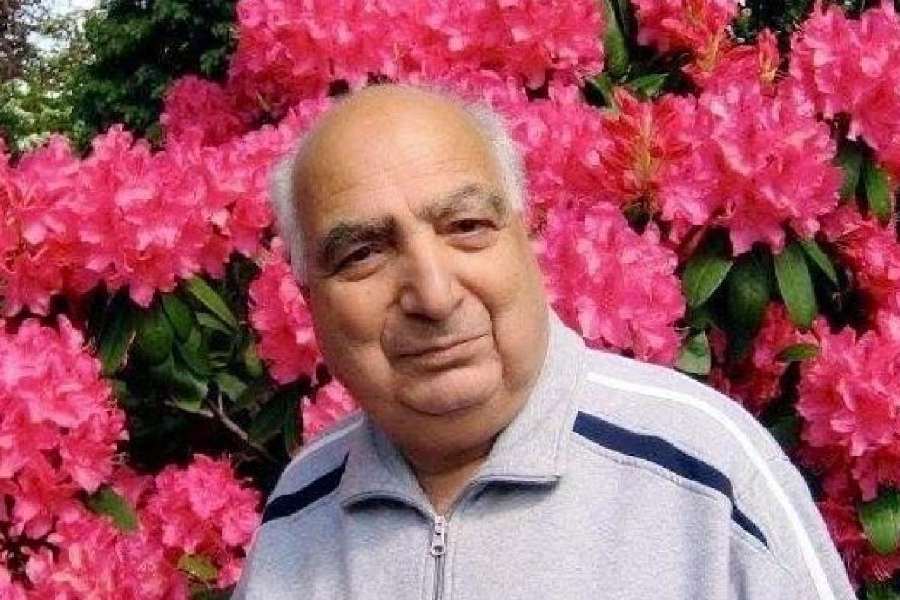
Shah Rukh Khan’s mother Lateef Fatima Khan’s picture with former Prime Minister Indira Gandhi went viral. A rank holder magistrate from Oxford University, England, she was a close associate of the former prime minister.
Lateef Fatima Khan was born and brought up in Tolichowki, Hyderabad on July 1, 1941. Khan was a social worker and passed away in 1990 due to complications with diabetes.
Lateef Fatima Khan was born and brought up in Tolichowki, Hyderabad on July 1, 1941. Khan was a social worker and passed away in 1990 due to complications with diabetes. She passed away before her son Shah Rukh Khan made his Bollywood debut Deewana.
Khan studied at Oxford University and was a first-class magistrate. The Bollywood actor spoke about her accomplishments and said, “She was among the first few Muslim women to have achieved so much.” He added that she was an executive magistrate for the longest tenure recorded. She was a close associate of the former Prime Minister Indira Gandhi and an image of her with the late prime minister is going viral.
In 1992, Shah Rukh Khan was awarded a newcomer award and dedicated it to his late mother. He said, “I am getting a major award in the film industry, she’s still not here. This one’s for you Ma.”
He also spoke about how he rarely prayed but began praying when his mother was battling for her life in the Intensive Care Unit (ICU).
Lateef Fatima Khan was the daughter of a senior government engineer and married Meer Taj Mohammed, an Indian independence activist from Peshawar.
Shah Rukh Khan recently completed 30 years in the film industry on June 25, 2022. His upcoming films include Jawaan, Pathaan, and Dunki. He is a co-producer for the Alia Bhatt starrer Darlings. He was last seen on screen in the 2018 film Zero along with actors Anushka Sharma and Katrina Kaif.
The actor and film producer was awarded the Padma Shri and has won 14 Filmfare Awards for his work in Bollywood. His career began with television appearances and made his Bollywood debut in 1992 in the film Deewana. In his thirty years of acting in Bollywood films, he has appeared in more than 80 films.
While initially resistant to acting in films, he decided to act in films in 1991 and cited it as a way to escape the grief of losing his mother, Lateef Fatima Khan.
source: http://www.shethepeople.tv / She The People / Home> Art> Culture / by Ritika Joshi / July 07th, 2022
For gender-responsive law-making, it is imperative to have a clear definition of consent.
An advocate at the High Court in Delhi, Aaliya Waziri lives with the horrors of the 2012 Delhi gangrape. In the aftermath of the Nirbhaya case, the J.S. Verma committee’s recommendations led to amendments in Indian criminal law. But why do women still live in fear? Waziri’s collection of essays, In the Body of a Woman, takes stock of the progress that has been made and the long road left to cover, even as she pushes for gender-responsive law-making. Excerpts from an interview.
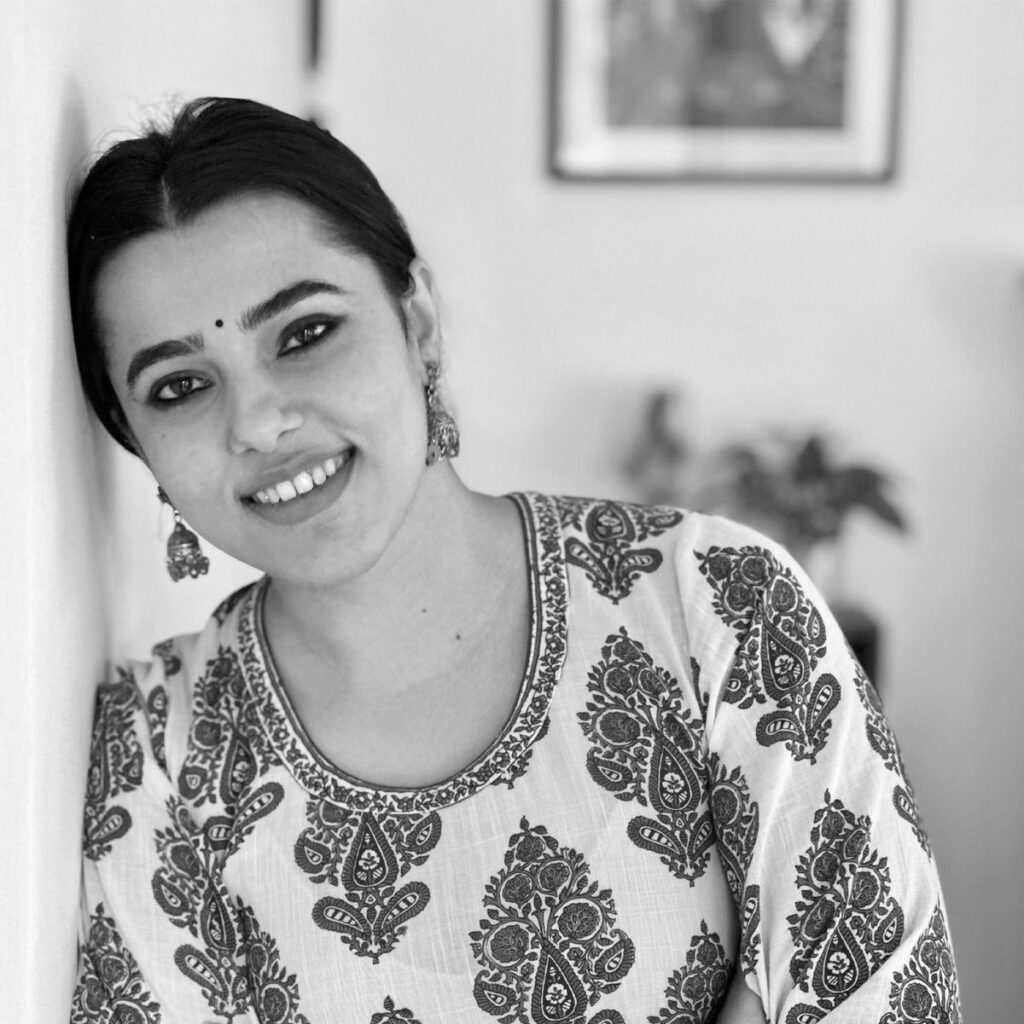
Aaliya Waziri | Photo Credit: special arrangement
A majority of women and girls live in some sort of fear — they fear for their safety in buses and trains and sometimes even at home. After the Nirbhaya case, a stringent law was put in place. What more needs to be done to make women feel safe?
As women, we carry pain and fear for our safety. Ask any woman walking the street after sunset how many times she looks over her shoulder. Nirbhaya was the tipping point for our insecurities related to our safety. It was also a watershed moment in terms of pointing out the lacunae in the legal framework. It would be false to state that things haven’t changed since Nirbhaya. For example, we now have vulnerable witness deposition complexes in district courts, victim compensation schemes etc. but there is much more to be done. We can do more to strengthen our laws and have a robust system in place that does not allow for procedural lapses. We must have a judicial gender-sensitisation training system that ensures victims are not subjected to re-victimisation. We need to allocate more resources and personnel to fast track courts and precipitate the specialised redressal mechanism in place. We can expand the definition of consent to make it more gender responsive by affirming what consent is.
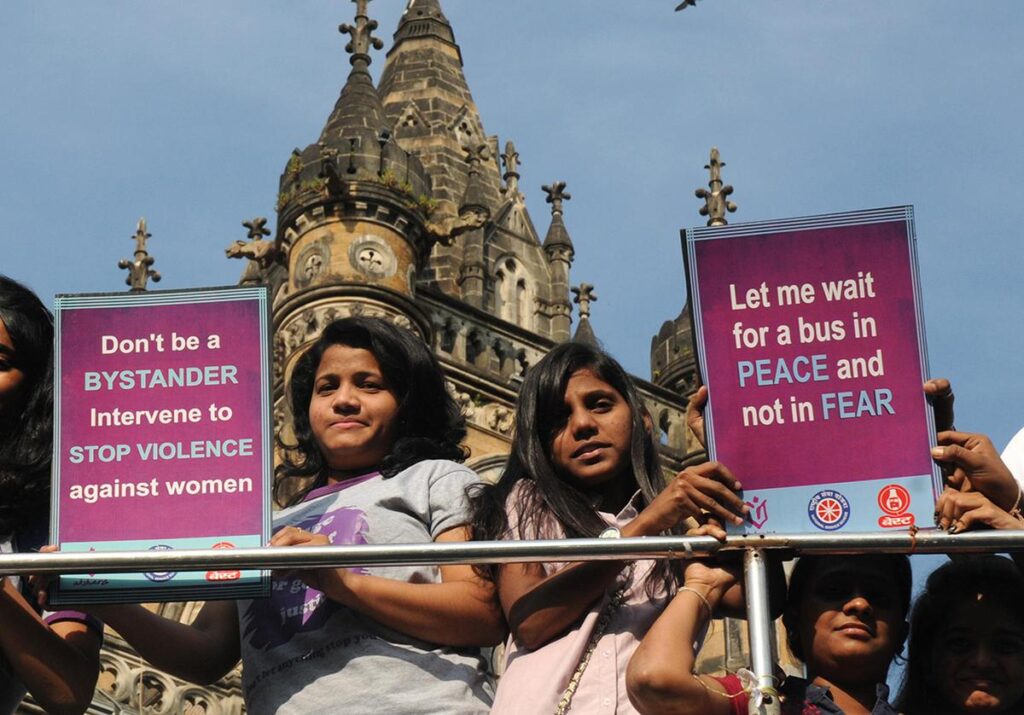
Students with placards emphasising the need for women’s safety at the ‘Freedom from fear’ rally organised in Mumbai. | Photo Credit: Vivek Bendre
Why should consent be at the centre of all discussions on gender sensitivity?
Talking about consent is perhaps the most important conversation when it comes to gender responsive law-making. Right now there is a grey area of offences that are not punishable by law because deciphering consent is tricky. Marital rape is one such example. The law defines consent in negative terms. At the same time, we have a statutory definition that talks about how consent must not be tainted with fear or duress or coercion. But this definition talks about all that consent is not instead of a definition that affirmatively defines what consent is, which is where the problem lies. Without a definition of what consent is, we are all shooting in the dark.
In a poor country like ours, why is it important for women to be equal beneficiaries in every sphere of life?
The answer is parity. Women are not a homogenous group. We are unevenly and disproportionately placed on the starting line. To give women a fair chance at competing with men, we have to first put them on an equal footing with men. Only then can we hope to ensure women are equal beneficiaries of the Indian success story. Unless women are equal recipients of state welfare mechanisms that form a conducive environment for women to participate freely in the open market, how can we expect women to enter, re-enter and exist in the work space? There is no one-step-panacea to put women on an equal footing with men but what is important is to identify and plug operational loopholes with affirmative action, no matter how much some of us might dislike the phrase.
Why do you want the focus to shift from a gender-neutral approach to a gender-responsive one if society and mindsets have to be transformed?
A gender-neutral approach might seek to bridge the differences between different genders. But what we need is an approach that acknowledges and addresses differences between genders and works towards parity and inclusion as opposed to homogenising them. I am not sure if the collective mindset of our society can be changed, that’s a pipedream, but we can take concrete steps towards smaller goals. Law is a mirror to our societal fabric and by inculcating a gender-responsive approach, we recognise that within the subcategory of women, we are not an analogous group, we differ in terms of our access to welfare services, the impact our geographical and marital status has on our socio-economic identities, and so forth. The goal is to target disadvantages that women face, simply by virtue of their gender, and equip them to better respond to these challenges.
In the light of the ‘sulli deals’, what should be done to prevent such cyber bullying?
The anonymous non-confrontational form of violence against women and girls, devoid of physical contact, in cyber space, must be viewed as an impeding factor to gender justice in the 21st century. Essentially, if women are at the receiving end of systemic gender-based violence in real life then the same will translate into an inequitable cyberspace.
With that in mind, we have to first understand the fact that the landscape of violence against women and girls has changed with the advent of technology. To counter this, what we need is targeted legislation that criminalises cyber violence against women and girls. In the absence of any special legislation, both the IT Act and the Indian Penal Code are interim solutions inadequate to contain the magnitude of problems brought on by digital technology.
In The Body of a Woman; Aaliya Waziri, Simon & Schuster India, ₹499.
sudipta.datta@thehindu.co.in
source: http://www.thehindu.com / The Hindu / Home> Books> Author / by Sudipta Datta / October 20th, 2023
The author talks about how identity and politics play a huge role in his writing.
Abdullah Khan will be at The Hindu Lit Fest 2024 in Chennai on January 26-27.
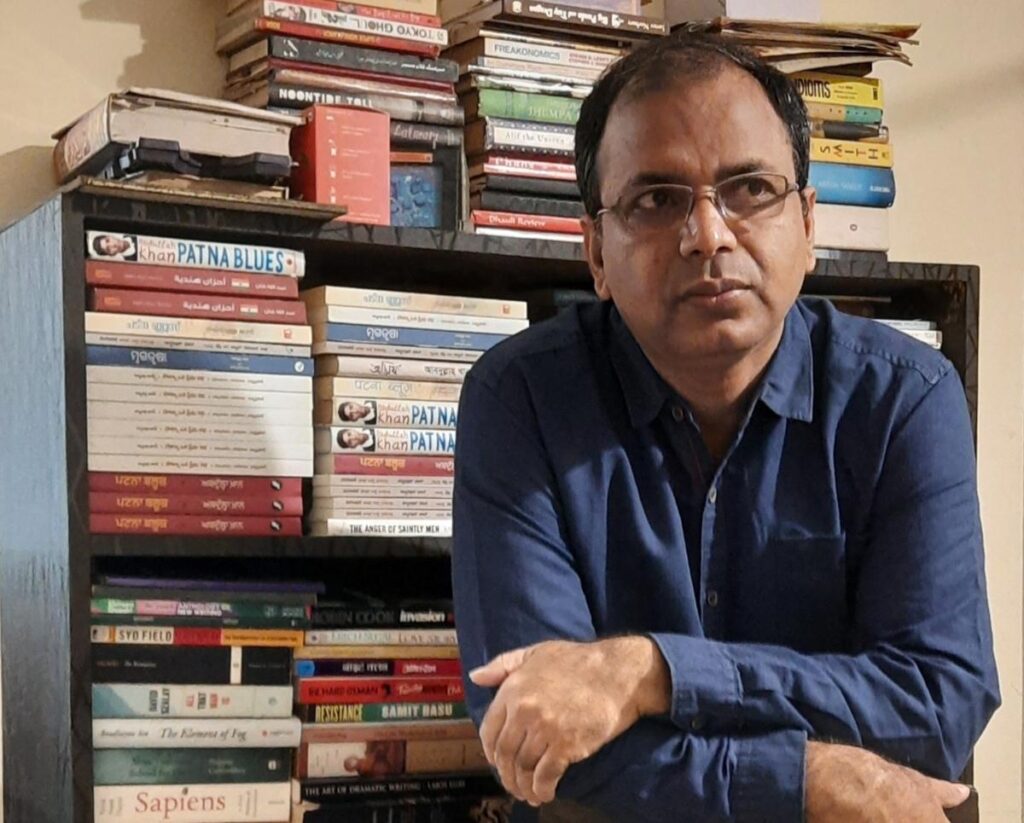
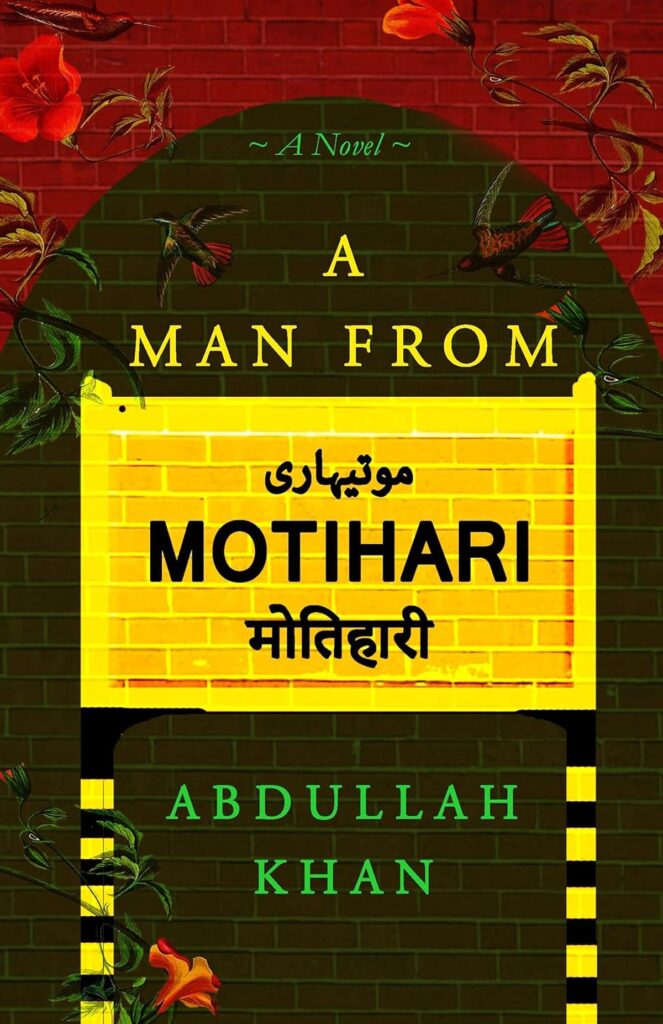
Abdullah Khan’s journey with literature began with a discovery — that he shared his place of birth, Motihari in Bihar, with one of the most prominent authors of the 20th century, George Orwell. Since then, the written word has remained Khan’s constant companion. From his debut novel Patna Blues (2018) to his latest, A Man From Motihari (2023), Khan employs a deft handling of sensitive subjects and hot-button issues to tell stories of everyday characters in Indian society. A speaker at The Hindu Lit Fest 2024 in Chennai on January 26-27, Khan discusses his thoughts on identity, desire and aspiration.
Edited excerpts:
How much of what you write is influenced by your own story?
During my school days in Bihar, my history teacher once asked, “Are you Muslim first or Indian first?” I confidently replied, borrowing the answer from my grand uncle: “I am both, born to Muslim parents, I’m Muslim; born in India, I’m Indian. Both identities came to me at birth.” As a boy, I didn’t fully grasp the complexities of identity.
During college, I pondered over how identity shapes thoughts, realising we’re not always aware of every facet of our identity. Sub-identities and super-identities emerge, revealed by others’ prejudices. In my village, I was Pathan; in school, a Muslim. Beyond Bihar, a Bihari. These identities intrigued me.
As I ventured into fiction writing, my reflections on identity seamlessly became woven into my stories. And, conflict between circumstances and desire is integral to human existence and is a vital element in crafting engaging narratives. I found inspiration in Bihari IAS/ civil services aspirants, news, historical incidents, real-life characters, beautiful places, and even SMS/ WhatsApp forwards for plot ideas.
What comes first — the plot or the point it makes? And in the case of ‘A Man from Motihari’, what was the genesis of the story?
Plots and characters naturally come to me without any preconceived plan. As I create the story, some significant points or messages often emerge organically.
Take, for instance, the inspiration behind A Man from Motihari. A few years ago, a Bangladeshi newspaper asked me to write about the house in Motihari where Orwell was born. While standing in front of that house, I had an idea: what if a boy from Motihari is born in the same room where Orwell was born many years ago? How would the boy react when he finds out, and how would it change his life? That’s how I came up with the character of the protagonist, Aslam Sher Khan, who is born in the same house as Orwell.
Tell us about your journey — from writing to publication.
Fresh out of completing my Master’s in chemistry, when I began writing Patna Blues, I had no knowledge of the technicalities of fiction writing and no background in literature. So, writing Patna Blues served as a kind of training for me, a sort of MFA, where I learned everything from scratch through trial and error. It took almost 10 years to write and nearly 9 years to get it published. I didn’t have a peer group then for beta reading or sharing comments. The journey to publication was challenging, enduring more than 200 rejections before it was published.
For my second novel, it took no more than a year to write, and finding a publisher was comparatively easier. Style-wise, I have improved significantly and gained more confidence in my writing.
There are strong political notes in your stories. What kind of responsibility do you feel towards your readers in terms of what you write about?
I believe no story exists in a vacuum. I allow the politics of the time to become a part of the narrative as I believe it is the only way to tell authentic stories.
While writing about politics, I do not shirk my responsibility as a writer and chronicler of the truth. I strive to be as impartial as possible. I generally don’t allow my personal beliefs or political ideology to creep into the story. Instead, I focus on the characters’ take on the politics of that time and keep myself a bit distant from those events.
What’s your take on literature festivals? What can they do for writers, and their readers?
Literature festivals offer writers a chance to share ideas. They gain inspiration and build a community, while readers enjoy insights into the creative process. As writers, we also get a chance to meet authors from all over the world, and learn from each other.
I think we should do more at these festivals for aspiring authors, like arranging pitching events or conducting writing masterclasses.
I have also observed a disturbing trend at many literature fests, where organisers invite celebrities such as film stars or cricketers to boost attendance. This often shifts the entire limelight to them, sidelining writers.
Gsquare Group presents The Hindu Lit Fest 2024 in Association with NITTE Education Trust & Christ University. Bookstore partner: Higginbothams
swati.daftuar@thehindu.co.in
source: http://www.thehindu.com / The Hindu / Home> Litfest> The Hindu Litfest 2024 / by Swati Daftuar / January 05th, 2024
The only Padma Shri Balti writer, Akhone Asghar Ali Basharat from the Kargil district of Ladakh, is struggling to get his anthology of native poetry published.
Akhoon has already published five books and when he was conferred with the Padma Sri by the government of India in 2022, it looked as if his career would take to newer heights. However, a year later, he lacks the resources to get his latest book published.
Speaking to Awaz-the voice from his home in the village Karkit Tchoo, 13 km from Kargil town, Basharat said that he was trying to get the collection of his poetry in Balti language published; he was looking for a means of subsidy. “It is a huge collection of my poems in Balti language; it highlights multiple facets of the language and culture divided by the Line of Control between India and Pakistan.”
The Balti language is spoken in the Gilgit-Baltistan region in the PoK and Kargil.
When the Awaz spoke to him last year, he was working on Aeena-e-Kargil (Reflections on Kargil), unfolding its history, geography, culture, writers and poets, the life of people, their dress, house, common food, following the religion of Islam, religious, social and political organizations.
His book, published this year, dwells upon the plight of the region during the Dogra rule, and also other ‘untouched issues in the post-Independence era’, he said. The 320-page book is a comprehensive account of the life and political issues the Balti-speaking people faced. His efforts in compiling details over more than 15 years have won him appreciation.
People are so impressed by Basharat’s achievements that a local poet Ashraf Ali Sagar, who is also the general secretary of the Association of Baltis in Himalayan Ladakh Territories of India, Kargil, composed a poem praising him. The poem is printed on the back side of the book. One couplet of the poem goes as follows:
“Kis Tarah Pur Soz Hai Tareekh-e-Kargil Kya Khabar
Yeh Basharat Teri Mehannat Ka Samar Honay Ko Hai”
(How vibrant is Kargil’s history, who knew; Basharat this is going to be fruitful for your hard work).
Akhone Asghar Ali Basharat (72), has not been to a school and he has no formal education. He learned Balti, Urdu, Persian, and Arabic languages from his father Sheikh Ghulam Hussain, who had set up a Madrasa in their home in 1972 and taught the children of the village for free.
Inspired by his father, he was attracted to learning, reading, and writing different languages.
His first anthology of Naat (in praise of Prophet Muhammad) and Manqabat (in praise of Allah) was published in the early eighties. His second publication, an anthology of poetry was published in 2002, followed by Waseelai Najaat, based on translations from Persian, which was published in prose form four years later, and, Bazme-Basharat including Naats, Manqabats, and poems on other issues got published in 2011.
Balti language is a Tibetan language spoken in parts of Kargil while it is the second largest language in the Gilgit-Baltistan area across the Line of Control (LoC). It is also spoken in parts of the Nubra Valley of Leh, Ladakh. Some of the Balti-speaking families from Kargil have also settled in the Tral area of Pulwama district in South Kashmir. There are 3.79 lakh Balti speakers in Pakistan, while the total Balti-speaking people in the world are estimated at 4.91 lakh.
The number of Balti speakers in India has shown a decline over the decades; today there are 13,774, Balti speakers in India, as per the 2011 census. It was around 20,053 in the 2001 census and 48,498 in 1981.
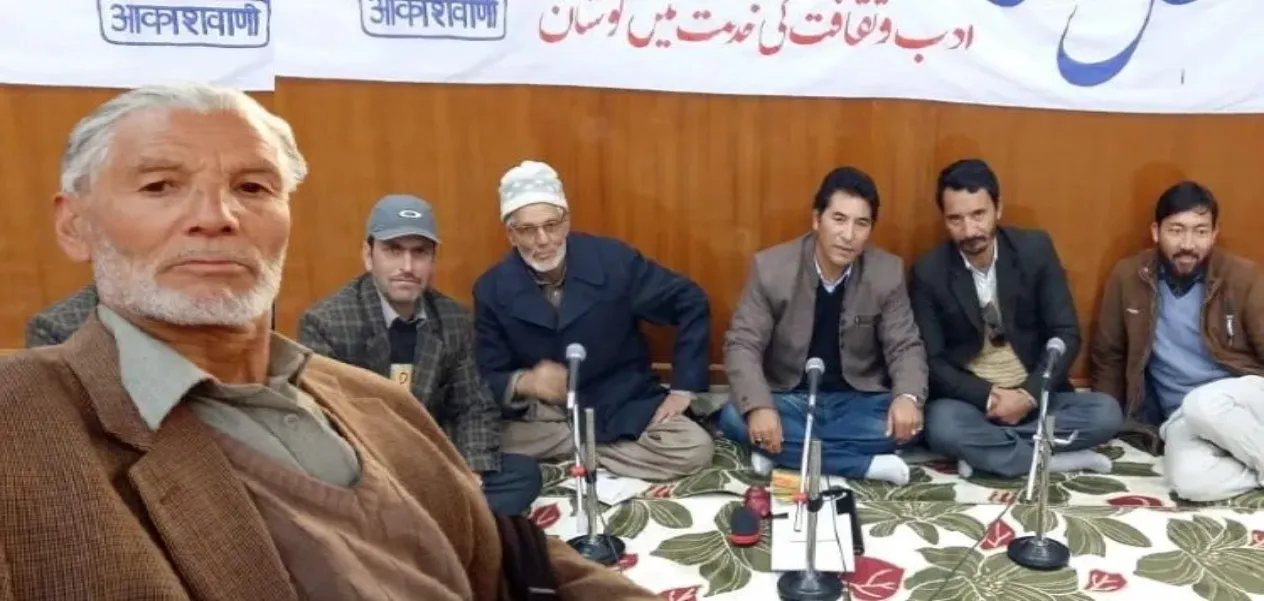
Akhon Asghar Ali Basharat gained popularity when he conducted regular Balti poetry shows on the AIR station of Kargil that took off in 1999. He became a regular participant in the local Urdu Mushairas and other cultural activities.
Basharat told a news portal that his father has been his inspiration. His father was the first published author from Kargil in the decade of 1980s.
“My father is my sole inspiration. He was a well-known social and religious activist. He had a huge collection of religious books. I sometimes feel writing is my inheritance and in my DNA.”
He says AIR Kargil station was of great help to people like him who live in remote areas. “My radio shows made me popular and encouraged me to write more. I am today because of AIR Kargil station.”
He says he fears that the Balti language may become extinct in Kargil. The fear of extinction is more because people across Ladakh tend to speak other languages and not their native ones to sound fashionable.
Bashart says to preserve language and culture, reading and writing books, and holding seminars and cultural programs must be encouraged.
He feels book writing should not be seen as a lucrative profession. “I feel book writing is not a lucrative profession. The author has to spend money to publish his book. Since the reader base is small the youth do not feel encouraged to write in regional languages. He has suggested that government must support writers of smaller languages.
source: http://www.awazthevoice.in / Awaz, The Voice / Home> Story / by Ehsan Fazili, Srinagar / January 07th, 2024
Pratinav Anil argues that policies of the Congress and the Muslim elite ended up hurting Indian Muslims the most.
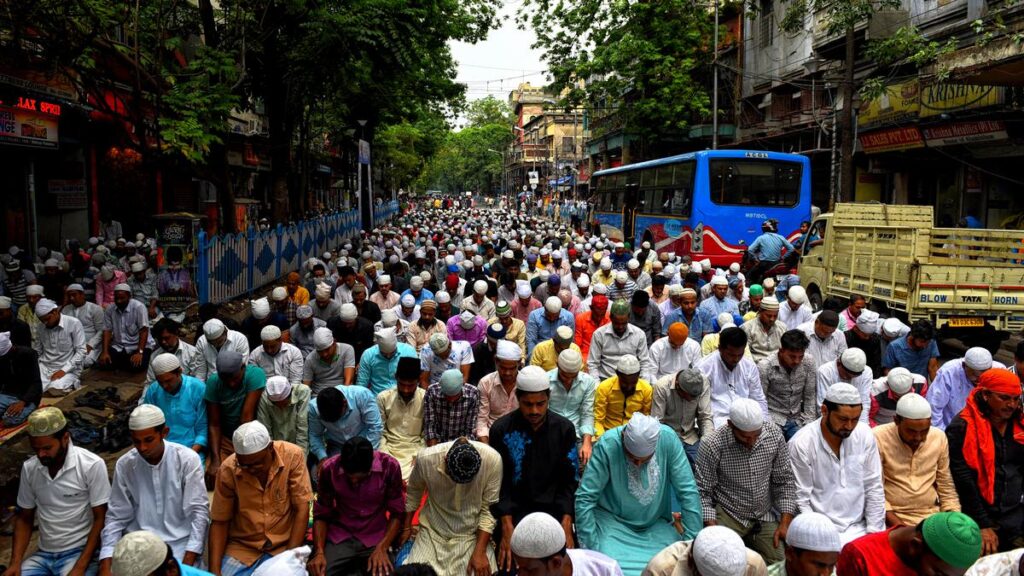
Muslim devotees praying on the street of Kolkata during the holy month of Ramadan. | Photo Credit: Getty Images/ istock
Unobjective commentators have, in the last decade, perfected the art of highlighting the tribulations of being a Muslim in “Hindu India” without contrasting them with the difficulties the same Muslim faced in “secular India” that supposedly existed before 2014.
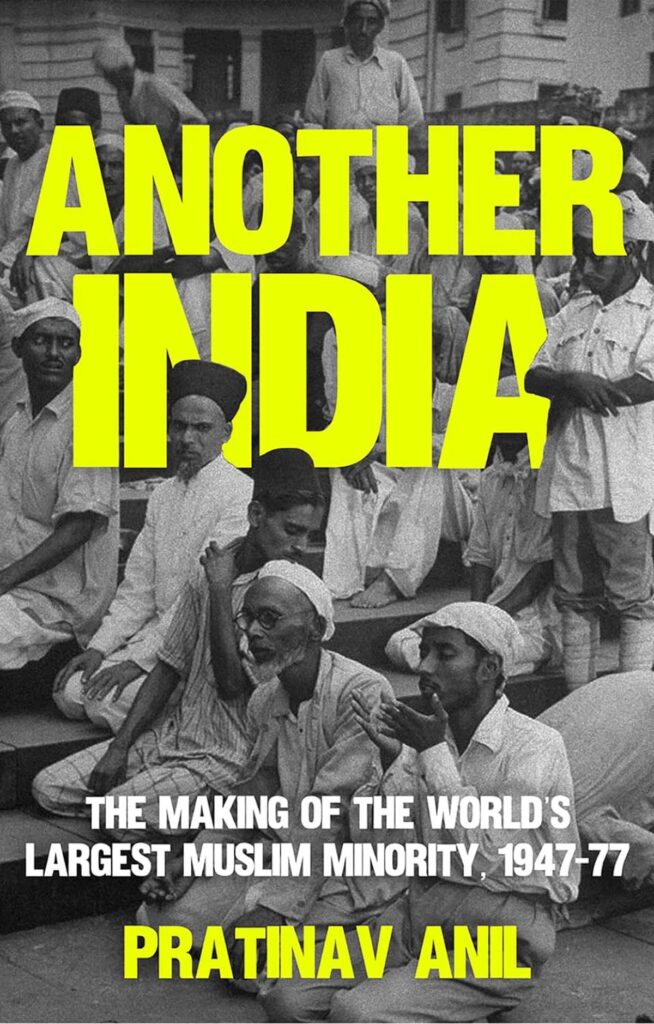
Pratinav Anil is perhaps the only modern historian who has gone against this trend to put right the wilful muting of Indian Muslim history. His new book Another India: The Making of the World’s Largest Muslim Minority, 1947–77 is an in-depth analysis of anti-Muslim violence since Independence that exposes the Islamophobic facet of the country the Congress established in August 1947.
In simple terms, the question that Another India seeks to answer is: Was the Congress’s idea of India genuinely secular and based on communal equality? From the facts it lines up, the answer is ‘no’.
Riots and taunts
Not many know that the “most violent Hindu-Muslim conflagration of postcolonial India” was unleashed in 1964 in which a staggering 800,000 Muslims from Bengal were pushed into East Pakistan.
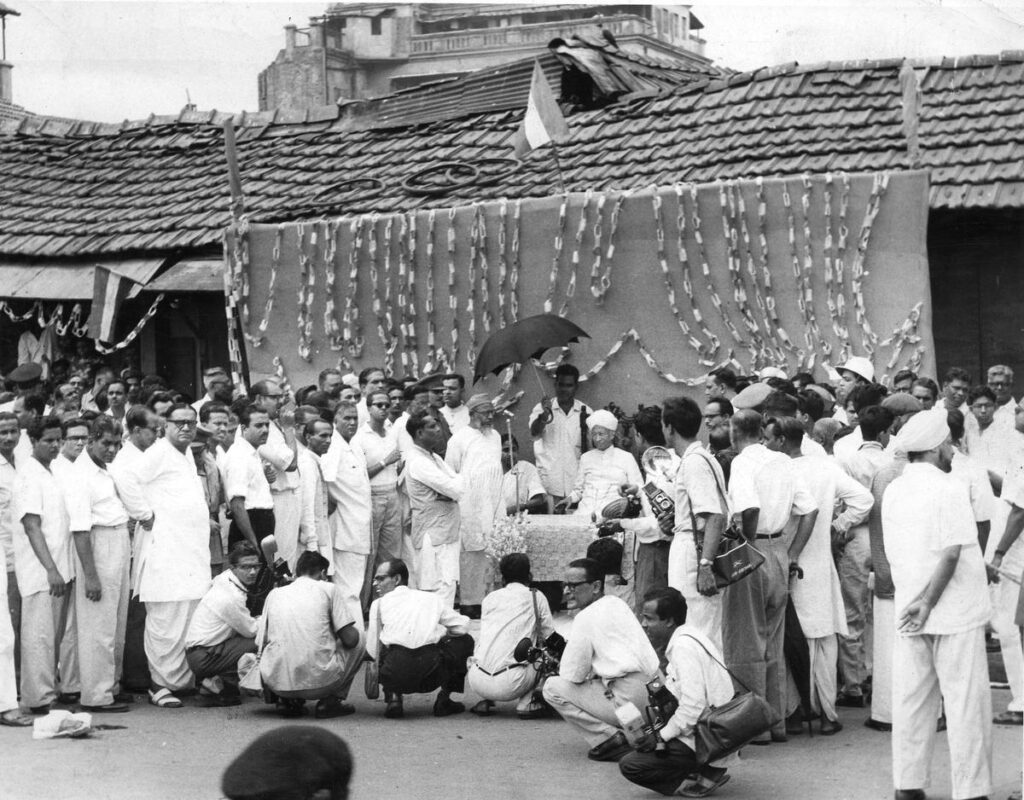
President S. Radhakrishnan visiting Central Calcutta, a predominantly Muslim locality, affected by the January riots. He is seen with the Muslims of the locality (Kalabagan area) on June 30, 1964. | Photo Credit: The Hindu archives
Indeed, it was under the Congress that the derisive “go to Pakistan” taunt was actualised when nearly 2% of the Indian Muslims were sent to Pakistan after being branded infiltrators who had sneaked in to convert Hindus to Islam. Before being expelled, they were dumped in makeshift camps on the border “like herds of cattle”, and forced to “sign papers declaring falsely that they were Pakistanis” when many of them were genuine Indians.
A large number of those who couldn’t be “sent to Pakistan” became the victims of the “riots galore” that dotted Nehru’s rule. The “institutionalised riot system” was so one-sided that Muslims made up 82% of the fatalities and 59% of the injured.
Prepossessed hostility towards Muslims was also the cause of the 1948 police action in Hyderabad which, for Anil, was “a mass pogrom” because it had resulted in the massacre of 40,000 Muslims, the rape of women, loot, arson, desecration of mosques, forcible conversions, and seizure of houses and lands. Nehru hastily suppressed the Sunderlal Report that brought out these facts.
Anil concludes that Nehruvian India was often “an Islamophobic agency” that wore secularism as “a fig leaf” to hide its pro-Hindu bias.
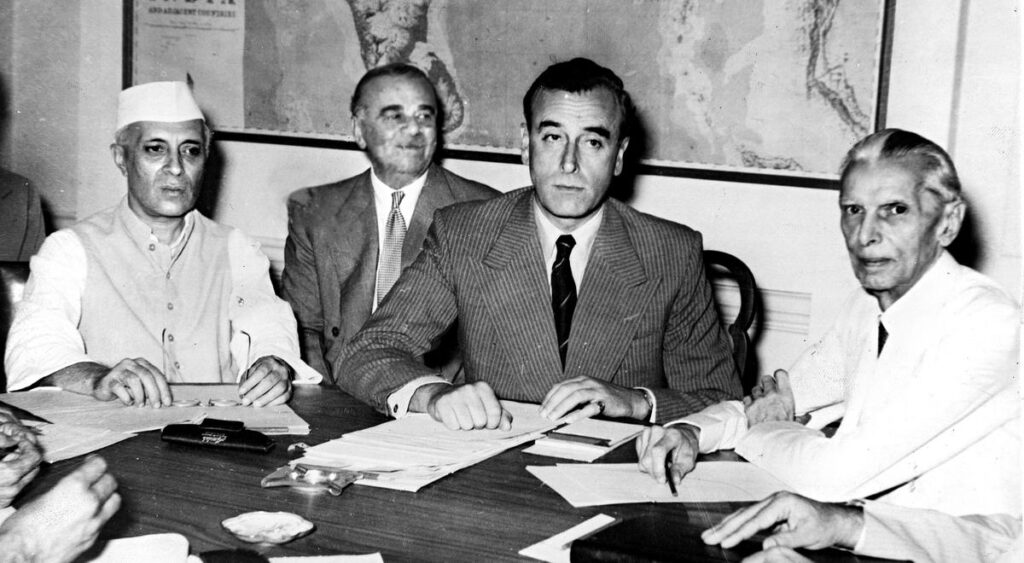
At the historic conference in New Delhi on June 7, 1947, when Lord Mountbatten disclosed Britain’s “partition” plan for India. (left to right) Jawaharlal Nehru, Lord Ismay, Adviser to the Viceroy, Lord Mountbatten, and M.A. Jinnah, President of the All-India Muslim League. | Photo Credit: The Hindu photo archives
The Ashraf betrayal
But how did the Congress get away with its brazen marginalisation of Muslims? With the help of “nationalist Muslims” and “notables”, says Anil.
The former were mostly Muslim Congressmen who harmed their community by conflating India’s progress with that of the Congress; shielding Congress from criticism by blaming Muslim communalists for Partition, and placing the constitutional protection of the shariah above the community’s political rights.
The “notables” comprised upper-class Muslims (the ashraf) such as mutawallis (custodians of waqf properties), waseeqadars (princely pensioners) and waaqifs (dedicators of properties for waqf) all of whom used their aristocratic agency to feather their nests in the guise of working for the community’s economic development.
A major preoccupation of these patricians was “the preservation of distinctive elements of Muslim culture in a non-Muslim environment.” Backing them to the hilt were the ulama, especially those belonging to the Jamiat Ulama-i-Hind which Anil calls a branch of the Congress in all but name.
The “ashrafised” Islam that the ashraf-clergy nexus promoted secured the class interests of the ashrafs and almost totally ignored the plight of common Muslims.
In a scathing attack on the Muslim elite’s obsession with the shariah-based Personal Law, Anil says that it furnished the patriarchs with “a private fiefdom to do as they pleased” without mitigating the community’s “despondent public existence in an Islamophobic society.”
No space for scrutiny
As a consequence, Muslim politics had no room for “trade unions, mass protests, anti-discrimination legislation, and subaltern solidarity” while it had plenty for “high cultural totemic symbols such as the AMU, auqaf, Urdu, and the sharia.” This suited the ruling “Hindu Congress” because a politically empowered non-Hindu group was not in its interest.
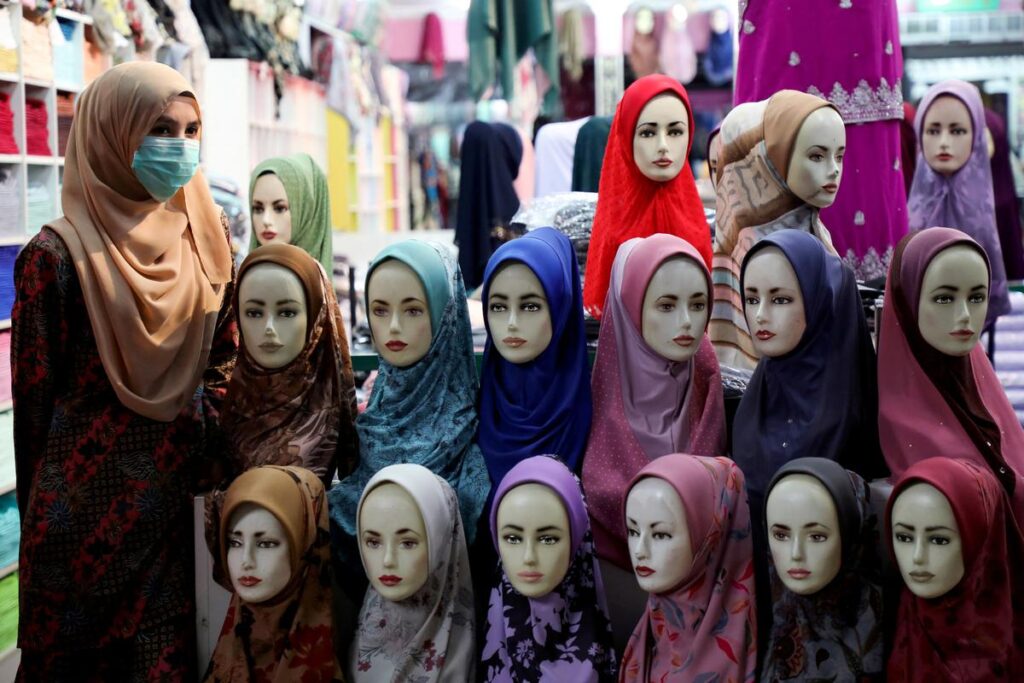
Even today the ashraf-clergy alliance prioritises religion and religious symbolism over social cohesion and political participation. If, for instance, ashraf-backed madrasas are fixated on anachronistic medievalism, many clergy-endorsed secular English medium schools controlled by wealthy Muslims promote religious identitarianism by making the skull cap (for boys) and the hijab (for girls) a mandatory part of the uniform.
At a hijab shop. | Photo Credit: Reuters
This self-ghettoisation, which is nothing short of an attempt to discourage the enrolment of non-Muslims in Muslim schools, sustains itself on the fear of the other and has the potential to render Muslim students incapable of living in multi-religious and multi-cultural societies after graduation.
Given this sad state of affairs, Another India couldn’t have come at a better time. Its neoteric narrative is not just a searing exposé of Congress’ betrayal of trustful Muslims who stayed back in India after rejecting Pakistan; it is also an invitation to Indian Muslims to acquire a sense of critical thinking and break free from the serpentine stranglehold of the ashraf-clergy alliance that is hell-bent on denying them the heaven-ordained right to intellectual liberation.
Another India: The Making of the World’s Largest Muslim Minority, 1947-77; Pratinav Anil, Penguin/ Viking, ₹999.
The reviewer is Secretary-General of the Islamic Forum for the Promotion of Moderate Thought.
source: http://www.thehindu.com / The Hindu / Home> Books> Reviews / by A Faizur Rahman / February 04th, 2024
Nazki took over as the director of Doordarshan and All India Radio, Srinagar — the twin propaganda arms of the State — after Lassa Koul, his boss at Doordarshan, was shot dead by militants on February 13, 1990
Farooq Nazki / Sourced by the Telegraph
Farooq Nazki, the versatile poet and broadcaster who steered India’s ship in Kashmir during the turbulent 1990s when the Valley was up in arms against the State, passed away on Tuesday at a hospital in Jammu’s Katra.
Nazki was 83 and is survived by his wife, son and two daughters. According to his relatives, he had been battling various health issues, including lung and kidney complications, for the past several years.
“The passing away of a qalander (ascetic or a carefree man) is not to be mourned; his fulfilling life is to be celebrated. For he has left this station after enriching it in many ways. A societal loss which is a personal bereavement. RIP Mir Mohammed Farooq Nazki (1940-2024),” his son-in-law Haseeb Drabu, a former journalist and politician, posted on X.
Politicians, including those from the BJP, National Conference and the People’s Democratic Party, mourned his death.
Nazki took over as the director of Doordarshan and All India Radio, Srinagar — the twin propaganda arms of the State — after Lassa Koul, his boss at Doordarshan, was shot dead by militants on February 13, 1990.
Militancy, which had erupted months earlier, was at its peak and the twin media institutions were its foremost targets, forcing authorities to turn the joint complex into a garrison. Under Nazki’s stewardship, they continued their fierce anti-militancy stand.
“He was like a one-man army, perhaps the lone Kashmiri Muslim who wore his Indian nationality on his sleeves those days, although I do not know how much of that was conviction and how much, compulsion,” a journalist, who covered Kashmir during the troubled 1990s, told The Telegraph.
“He was perhaps the most guarded Kashmiri those days, and he moved in a convoy of security vehicles. They were no ordinary times. National Conference leaders, including Farooq Abdullah, deserted Kashmir, and police too were in a mood of rebellion. Certainly, that did not go well with the people.”
Kashmir was rocked by a police revolt in 1993, forcing the army to storm into their headquarters to crush it. There was, however, no bloodshed.
Early in January 1990, Farooq Abdullah resigned as chief minister in protest against the installation of Jagmohan as governor. The Assembly was dismissed and governor’s rule was imposed, which triggered mass protests.
A former colleague of Nazki said there were no resignations at Doordarshan and AIR when militancy started, unlike in 1953 when Sheikh Abdullah was removed from power.
“He (Nazki) would say that he was doing his job and if there was anybody else, he would have done the same. He was brave enough to do it openly. In his poems, you will find him reflecting on the pain and sufferings of Kashmiris. But it is also true he was against militancy because he thought it would bring us ruin,” he said.
“He continued the parampara (tradition) of hoisting the Tricolour at Doordarshan, and that was no small feat in those days. He retired as deputy director-general, Doordarshan, in 2000, and to my surprise, he was never harmed. I have seen him moving around Lal Chowk without security. That is perhaps because he was a multi-faceted personality.”
Former Doordarshan director Shabir Mujahid, who worked under Nazki, said he was an ace broadcaster and a poet.
“He was a trendsetter at the national level. It is he who gave the concept of soap operas to Doordarshan, starting with Shabrang in the early 1980s. He produced many plays and serials. He was equally a wonderful poet,” Mujahid told this newspaper.
In 1995, Nazki won the Sahitya Academy award in Kashmiri language literature for his book of poetry, Naar Hyutun Kanzal Wanas (Fire in the Eyelashes).
After his retirement, he served as media adviser to two former chief ministers, Farooq Abdullah and Omar Abdullah.
source: http://www.telegraphindia.com / The Telegraph Online / Home> India / by Muzaffar Raina, Srinagar / February 07th, 2024
Dr Hussain was the kind of man, that if he himself were to read (or edit) this obituary, he would flinch at the mention of his generosity as a doctor or friend. Good deeds were to be done, he believed, not to be remembered or recounted.
Dr. Farasat Hussain (1952-2023)
This Sunday (August 6) when a group of people assemble to remember Dr Farasat Hussain, in ‘Renaissance’, an aptly named Cultural Centre in Gaya, set up by his lifelong friend, noted litterateur Sanjay Sahay and his wife Durba Sahay, the inter-faith gathering will be much more than a tribute to him. They will of course meet to talk about the good doctor who died on July 28 at the age of 71 in Delhi. But the meeting will embody the very essence of Dr Hussain’s life which was dedicated to bridging divides and building relationships. Be it religious, caste and class, there was not one single divide he had not jumped across.
The meeting will be very personal, no doubt, but it will also be a tribute to the India he inhabited for most of his life, where he was proud to serve as a doctor, live his life as a Magadh ka baashinda, a Bihari, an Indian, and all in all, a lively human being. But it will also be a necessary reminder in these vicious and polarised times of people who with their singular focus on humanitarian work are the secret sauce of what keeps or certainly kept India going.
Born in Bihar’s Chhapra district in 1952, Dr Hussain made Gaya his home soon after he completed his post-graduation in Orthopaedic Surgery at Government Medical College, Ranchi in 1983.
As a young doctor, he would kick-start his Rajdoot motorcycle and ride off to remote villages across Bihar to attend to emergencies. A pioneer in polio corrective surgeries in Bihar, he conducted scores of special camps where he performed more than 3,000 polio surgeries for poor children when he started his work here decades ago. He even conducted Caesarean sections when a gynaecologist wasn’t available.
In a state where public health was never really a thing, doctors like Farasat Hussain were the system. He was anyway an exceptional surgeon who had multiple opportunities and offers to make a career in the lucrative corporate medical sector, but he didn’t even consider it. He stayed in Gaya where he mixed his practice as a doctor with large-scale social work, community building and helped initiate a multi-faith effort to ensure communal harmony across the Magadh region.
But for people there, he wasn’t just a skilful surgeon and an efficient clinician, he was also a psychologist. His unique sense of humour, they suspected, was part of his treatment plan for a patient. Dr Hussain didn’t merely look at the disease of his patients, he treated the person. In a place where health infrastructure had crumbled in the decades of the 80s and 90s, he was an address for the sick where they knew they would surely get help.
He was also closely associated with the upliftment of the disabled population, who remember him as a mentor and benefactor for helping them with their livelihood. Several disabled people travelled from across the region, despite difficulties, and joined his funeral.
In 2010, the government of Bihar honoured Dr Hussain for his work. At that time, he was national president of the Association of Sports Medicine of India. He was honoured for his contribution to promote sports among disabled people, especially polio patients.
Dr Hussain was closely associated with Arpan, an organisation of disabled people in Gaya, where he was instrumental in motivating disabled youngsters to participate in sports and other activities to turn their physical challenges into opportunities that helped them move away from a life merely at the fringes of society.
Dr Hussain mentored Krishna Murari, who subsequently represented India at the sitting volleyball competition in the US.
Several other disabledyoungsters from the Magadh region also attended national sports events in cricket, volleyball and cycling. His focus on encouraging disabled youngsters to take up sports was to help in their inclusion in the social fabric, not as dependents, but as equal partners.
Dr Hussain was an integral part of the inter-faith dialogue, peace and harmony initiatives in the Magadh region.
This is why those who attended his burial say that it aptly exhibited the fruits of his lifelong work to build bridges between communities. Buddhist monks came to pay their respects to him. Hindus and Muslims came and prayed for him. Several disabled men came for the first time into a graveyard, only to express their love for the departed. There were madrassa children, who were helped by him when their institution was in extreme financial distress. A befitting farewell to a man of all persons.
Dr Hussain had been closely involved with one of Bihar’s oldest minority educational institutions – Mirza Ghalib College, where he consistently promoted progressive and secular values. Mirza Ghalib would be proud of all that he upheld there. He was also involved with a number of charity organisations, such as an orphanage at Cherki for more than two decades. This home for poor, underprivileged orphans is one of the biggest in India.
Dr Hussain was an exceptional man, who stood out because he was so restless and always busy, working, helping; a doctor in the truest sense of the word.
I happened to meet him several times, and saw an adoring grandfather to a precocious and thoughtful Farris. His quiet charm, polished demeanour and contagious smile did not mean that he ever held back on his views. A man capable of sharp candour and an openness of the heart, he could surprise you with his diagnosis of the social situation.
Dr Hussain was the kind of man, that if he himself were to read (or edit) this obituary, would frown and take serious umbrage at even a mention of his generosity as a doctor, friend, and human being. Good deeds were to be done, he believed firmly, and not to be remembered or recounted.
He is at eternal rest now. But his life needs to be celebrated for how he lived it and how he wanted the world around him to be. There is a need to nourish his legacy, intangible as it may seem. This is true today more than ever before, as we seem to have a hard time even imagining living a harmonious life as a collective.
He knew very well that there was no magic pill to fix the social fabric, no ready rafoo. But the good doc he was, he knew what it took to keep trying to get there and the importance of keeping all kinds of fevers down.
RIP, Dr Hussain.
source: http://www.thewire.in / The Wire / Home> English> Health> Rights / by Seema Chishti / August 05th, 2023
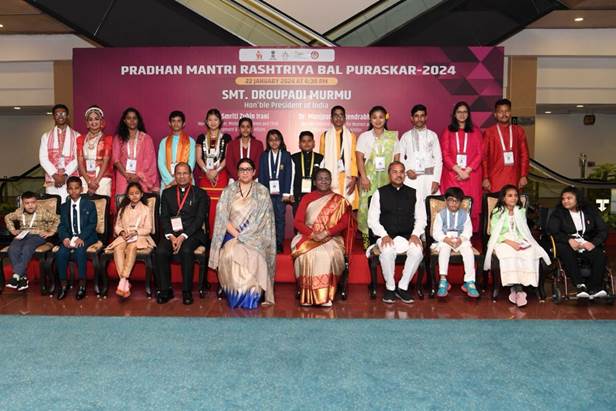
A nine-year-old mountaineer, a young AI scientist, a specially abled painter and a ‘Google boy’ were among the 19 children who were conferred with the Pradhan Mantri Rashtriya Bal Puraskar 2024 on Monday.
President Droupadi Murmu presented the national awards to them for their exceptional achievements.
Among the winners is Aaditya Vijay Brahmane, 12, from Maharashtra, who was awarded posthumously for his extraordinary act of courage. He sacrificed his life to rescue his cousins Harsh and Shlok from drowning in a river while playing.
Aryan Singh, 17, from Rajasthan is another remarkable recipient of the award. Singh ingeniously developed an Agrobot, an artificial intelligence-powered robot aimed at simplifying the lives of farmers by integrating cutting-edge technologies such as the Internet of Things (IoT).
In Chhattisgarh, Armaan Ubhrani, also known as the ‘Google boy’, has earned the award for his outstanding prowess in mathematics and science. At the tender age of six, Ubhrani has achieved numerous milestones, including becoming the youngest author of a book series and solving 100 multiplication sums, garnering recognition both nationally and internationally.
In the domain of art and culture, eight-year-old Anushka Pathak from Uttar Pradesh has established herself in ‘Katha Vachan’ (religious text narration). Following in her esteemed father’s footsteps, Pathak has captivated audiences across 22 states with her performances, becoming a recognised figure in the spiritual realm.
Arijeet Banerjee, 13, from West Bengal, a prodigy in playing the traditional Pakhawaj, has made an indelible mark on the cultural landscape. Having performed at prestigious events like the International Dhrupad Festival, Banerjee has received accolades such as the Bharat Ratna M S Subbulakshmi Fellowship and the Asia Book of Records.
Despite facing severe cerebral palsy, 13-year-old Hetvi Kantibhai Khimsuriya from Gujarat has displayed extraordinary artistic abilities, creating 250 works of free-hand painting, receiving numerous awards, and selflessly donating her monthly disability pension to support differently abled children.
Ishfaq Hamid, 12, from Jammu and Kashmir has become a maestro of Rabab and Matka, receiving accolades during various festivals and being honoured with the Bhai Mardana National Award in 2020.
Md Hussain, 16, from Bihar has excelled in handcrafted arts, winning accolades in state and national-level competitions, and even presenting his indigenous toys to Prime Minister Narendra Modi during the ‘Pariksha Pe Charcha’ programme.
Pendyala Laxmi Priya, 14, from Telangana is a Kuchipudi dancer, winning the Kala Utsav National Award 2023 in the classical dance category and holding titles like ‘Laasyapriya’.
In the realm of innovation, 16-year-old Suhani Chauhan from Delhi has developed ‘SO-APT’, a solar-powered agriculture vehicle, offering an impressive solution for sustainable farming.
Despite obstacles associated with Down syndrome, nine-year-old Avnish Tiwari from Madhya Pradesh trekked Mount Everest base camp at the age of seven and received the Shresth Divyang Bal Puraskar in 2022 for his exceptional social service.
Nine-year-old Garima from Haryana, a visually impaired girl, is dedicated to providing education to underprivileged children through her initiative called ‘Sakshar Pathshala’.
AWARDEES OF PRADHAN MANTRI RASHTRIYA BAL PURASKAR-2024
Sr. No.
Name
State
Category
1.
Aaditya Vijay Bramhane (posthumous)
Maharashtra
Bravery
2.
Anushka Pathak
Uttar Pradesh
Art & Culture
3.
Arijeet Banerjee
West Bengal
Art & Culture
4.
Armaan Ubhrani
Chattisgarh
Art & Culture
5.
Hetvi Kantibhai Khimsuriya
Gujarat
Art & Culture
6.
Ishfaq Hamid
Jammu & Kashmir
Art & Culture
7.
Md Hussain
Bihar
Art & Culture
8.
Pendyala Laxmi Priya
Telangana
Art & Culture
9.
Suhani Chauhan
Delhi
Innovation
10.
Aryan Singh
Rajasthan
Science & Technology
11.
Avnish Tiwari
Madhya Pradesh
Social Service
12.
Garima
Haryana
Social Service
13.
Jyotsna Aktar
Tripura
Social Service
14.
Saiyam Mazumder
Assam
Social Service
15.
Aaditya Yadav
Uttar Pradesh
Sports
16.
Charvi A
Karnataka
Sports
17.
Jesicca Neyi Saring
Arunachal Pradesh
Sports
18.
Linthoi Chanambam
Manipur
Sports
19.
R Surya Prasad
Andhra Pradesh
Sports
source: youtube.com / pib.gov.in
source: http://www.millenniumpost.in / Millennium Post / Home> Nation / by Team MP (headline edited) / edited with inclusion of full chart of awardees and you tube video and photograph source – pib.gov.in / January 22nd, 2024
Bangalore, Mangalore, KARNATAKA / New York, U.S.A :
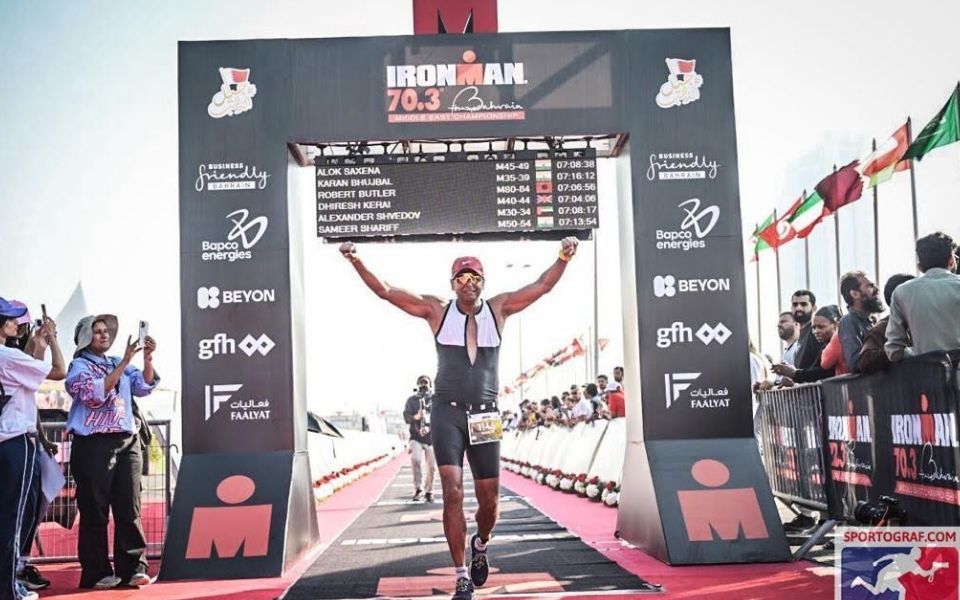
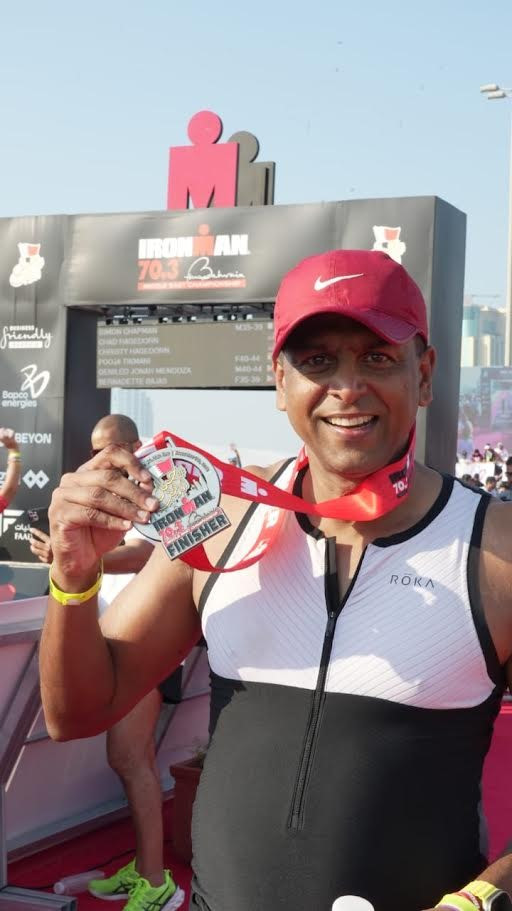
Sameer Shariff, the CEO of Impelsys, a prominent IT company with global offices, including one in Mangalore, successfully completed the IRONMAN 70.3 Bahrain triathlon on December 8, 2023. The challenging event, held at Reef Island, witnessed the participation of over 1500 individuals, with more than 1000 successfully completing it.
By accomplishing the IRONMAN 70.3 course, which comprises a 1.9 KM swim, 90 KM cycling, and a 21.1 KM run, Sameer Shariff joined an exclusive club of global business leaders who have conquered this grueling challenge. Beyond personal achievement, Shariff aims to inspire others to adopt a healthy and active lifestyle. He expressed, “Completing the IRONMAN triathlon pushed my endurance limits, and I believe it sets an example for others. We are making strides with the CEO Fitness Challenge for associates at Impelsys.”
Shariff’s achievement has motivated many colleagues at Impelsys to pursue their fitness goals. Sripad, heading cloud services, shared, “Sameer’s dedication motivated me to run a half marathon in 2023.” Prachi, a project manager, added, “After seeing Sameer’s preparations, I decided to participate in a half marathon. I completed my first half marathon on November 5, 2023, in Mangalore.”
These accomplishments mark the beginning of a broader wellness initiative envisioned by Sameer Shariff. In 2024, Impelsys aims to encourage more participants, extend the challenge to partner organizations and customers, and promote overall well-being. The ‘CEO Fitness Challenge’ is a voluntary program that has seen over a hundred associates engaging in specific health and fitness activities, collectively achieving impressive milestones.
source: http://www.english.varthabharati.in / Vartha Bharati / Home> Gulf / by Vartha Bharati / January 12th, 2024
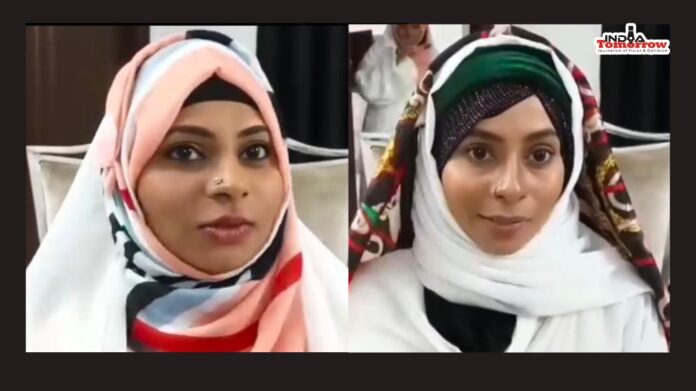
Bibi Tabassum and Suraiya Quraishi who embroidered the Quran.
Bengaluru :
This is a miracle. An awe-inspiring phenomenon took place in this city a few days back, as two sisters- Bibi Tabassum and Suraiya Quraishi- embroidered the sacred Quran onto 604 pages of plush velvet cloth.
Showing excellent craftsmanship, they used needles and threads to meticulously prepare an embroidered holy Quran. This embroidered Quran, prepared under the watchful guidance of an Alim-e-deen (religious scholar), is not only easily legible but also heavenly captivating.
Bibi Tabassum, the younger of the two sisters, holds a great fondness for doing embroidery ever since she was a child. In the beginning, she used to embroider only small verses of the Quran, but one day, an idea graced Bibi Tabassum’s mind – to intricately embroider the entire holy Quran. This took her on a laborious journey, one fueled by love and devotion.
Expressing extreme gratitude to Allah for giving them the opportunity to prepare this embroidered Quran, Bibi Tabassum says that she aspires to gift this embroidered holy Quran to a library in the holy city of Madina.
Venturing on this embroidery voyage of the Quranic verses along with her elder sister Suraiya Quraishi, Bibi Tabassum started with the first inaugural Surah of the Quran i.e. Surah Al-Fatiha, and continued diligently. The last surah- Surah An-Nas marked the culmination of their hard labour.
This embroidered holy Quran is divided into five volumes, and each volume consisting of six chapters. It went through a meticulous binding process by the skilled hands of its creators.
Initially, in the detailed process of embroidery, Bibi Tabassum used to inscribe the verses of the Quran with a pencil on the velvet cloth, followed by both the sisters intricately weaving threads along those sacred lines.
Carrying on the demands of daily life, both sisters, driven by unwavering dedication, used to finish their household chores and then engage in the embroidery work of the holy Quran.
To ensure the utmost accuracy of the embroidered work, a learned religious scholar closely scrutinized each verse upon the completion of a page. Bibi Tabassum says, ‘After completing every page of the embroidered holy Quran, we would show that to our scholar and do any correction if required.”
In the aftermath of this big achievement, family members are thoroughly elated for the two sisters. They say that the two sisters have utilized their time for a very noble endeavour. Extending heartfelt gratitude, they thank Allah for the manifestation of this lovely artwork, which stands as a testament to the beautiful blending of devotion and artistry.
source: http://www.indiatomorrow.net / India Tomorrow / Home> News> Society / by India Tomorrow (headline edited) / February 05th, 2024