Tag Archives: Arjumand Ara

10 Muslims women academicians of India

INDIA :

10 Muslim women academicians of India

New Delhi :

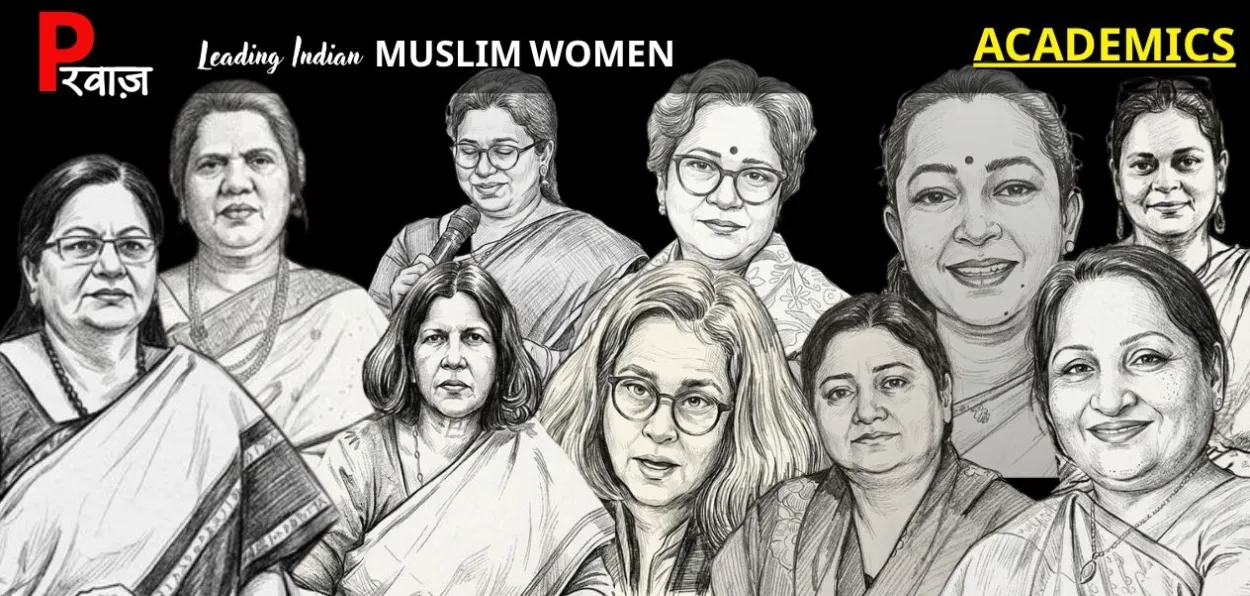
In its series Parvaz, Awaz-the Voice brings you stories of remarkable Muslim woman academicians, whose work across India’s universities, research institutions, and centres of learning, has redefined scholarship.

Their journeys span literature, history, science, social reform, diplomacy, and educational leadership, yet they are united by a shared belief that knowledge must serve society. Through classrooms, research labs, policy platforms, and grassroots engagement, these women have not only broken barriers but have created pathways for future generations.

Here is an introduction to ten selected Muslim Women Academicians of India:

Arjumand Ara :
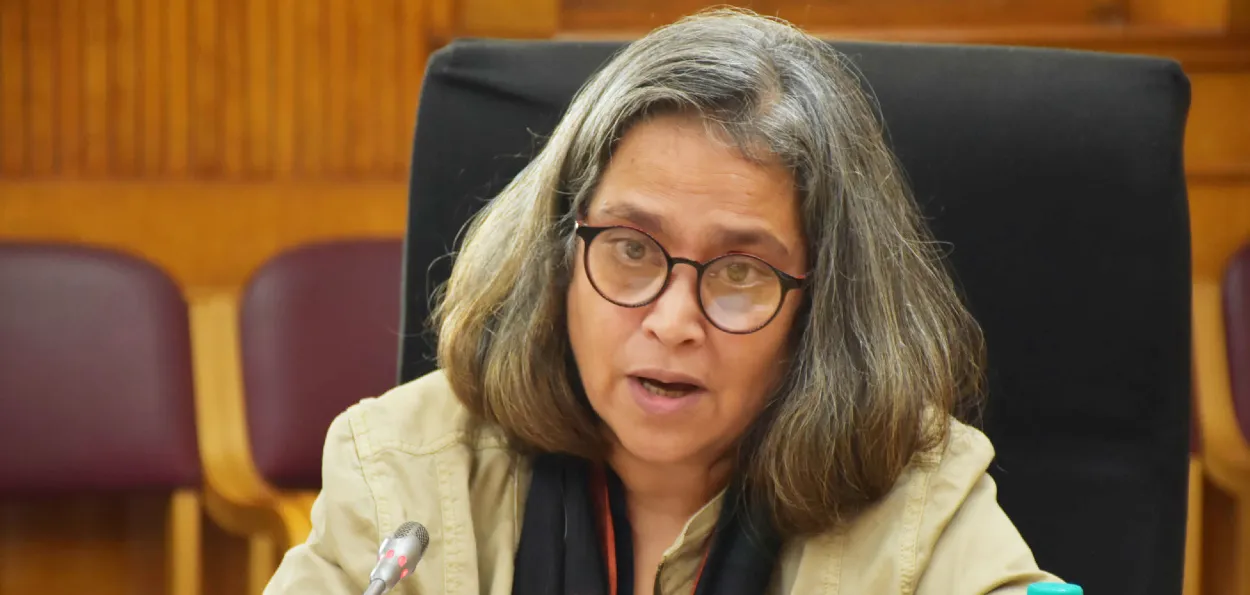
Arjumand Ara stands as a distinguished scholar of language, literature, and feminist thought. A professor at University of Delhi, she has translated more than twenty major literary works and earned the Sahitya Akademi Translation Award in 2021.

Through her scholarship, she has built enduring bridges between Urdu and Hindi while preserving literary heritage and amplifying women’s voices.

Syed Tanveer Nasrin :
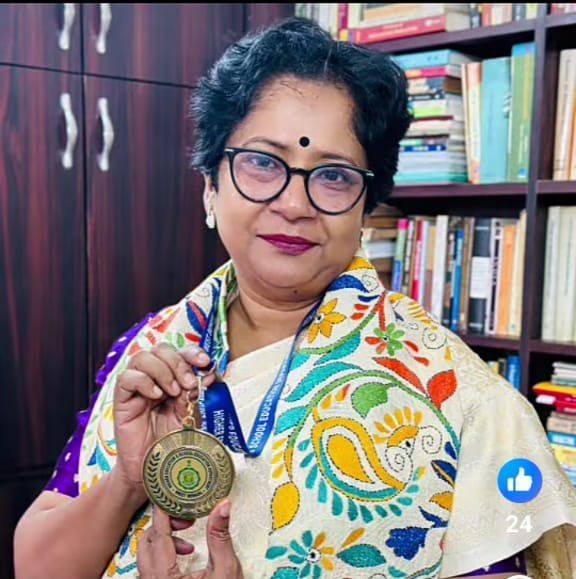
Syed Tanveer Nasrin has brought together scholarship, diplomacy, and social activism with rare distinction. Serving at University of Burdwan, she strengthened India’s cultural ties with the Maldives during her tenure in Malé while emerging as a respected voice on women’s rights, minority identity, and interfaith harmony.

Educated at Presidency College, Jadavpur University and JNU, she specializes in Gender Studies.

Abeda Inamdar :
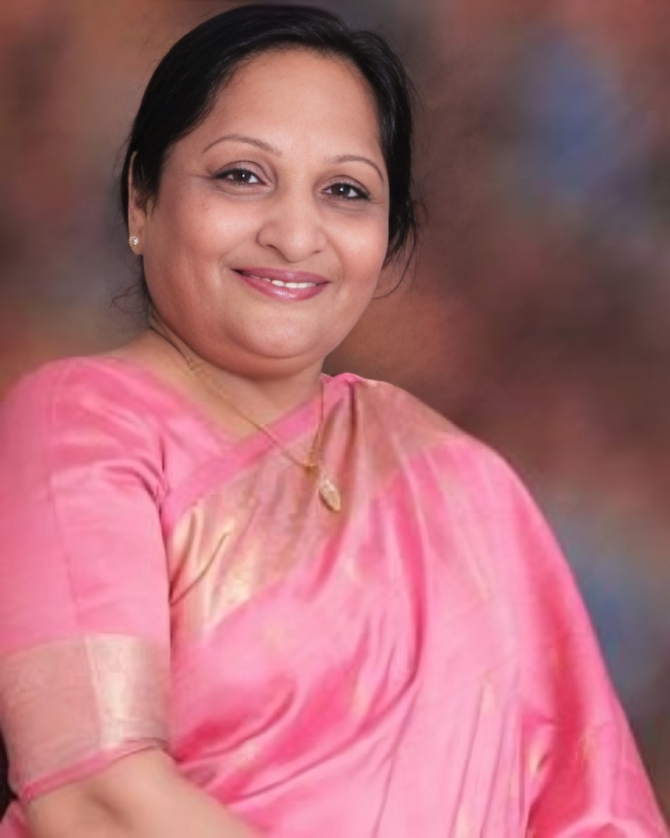
Abeda Inamdar chose service over security when she left a prestigious government career to dedicate herself to education.

Through the Maharashtra Cosmopolitan Education Society and the celebrated Azam Campus, she has transformed educational opportunities for thousands of girls and marginalized students, creating institutions that continue to uplift generations.

Benazir Tamboli :
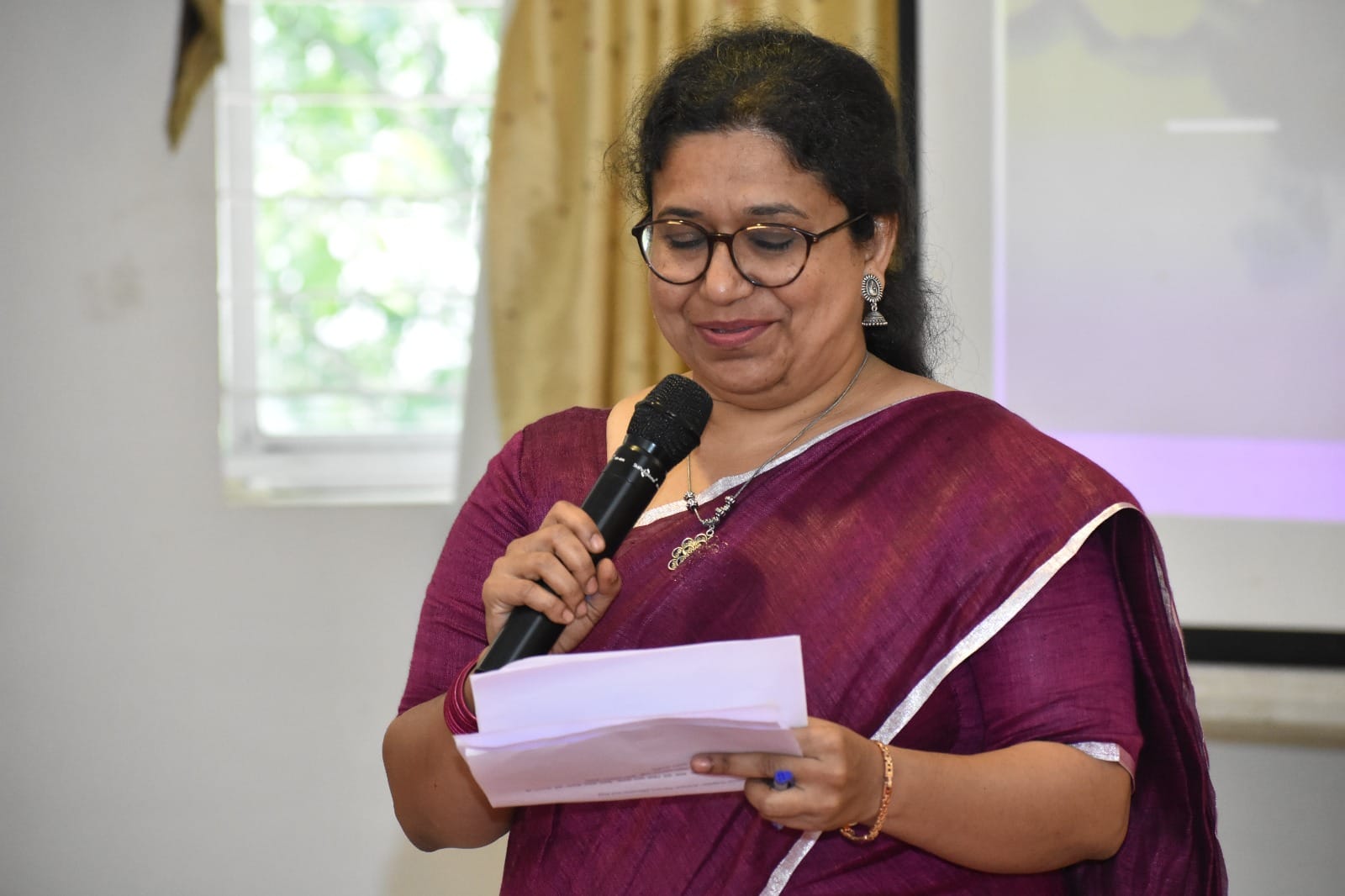
Benazir Tamboli turned personal adversity into a lifelong mission of empowerment and justice.

Through her work with the Muslim Satyashodhak Mandal and educational institutions, she has emerged as a fearless advocate for Muslim women, constitutional rights, and progressive social reform.

Naima Khatoon :
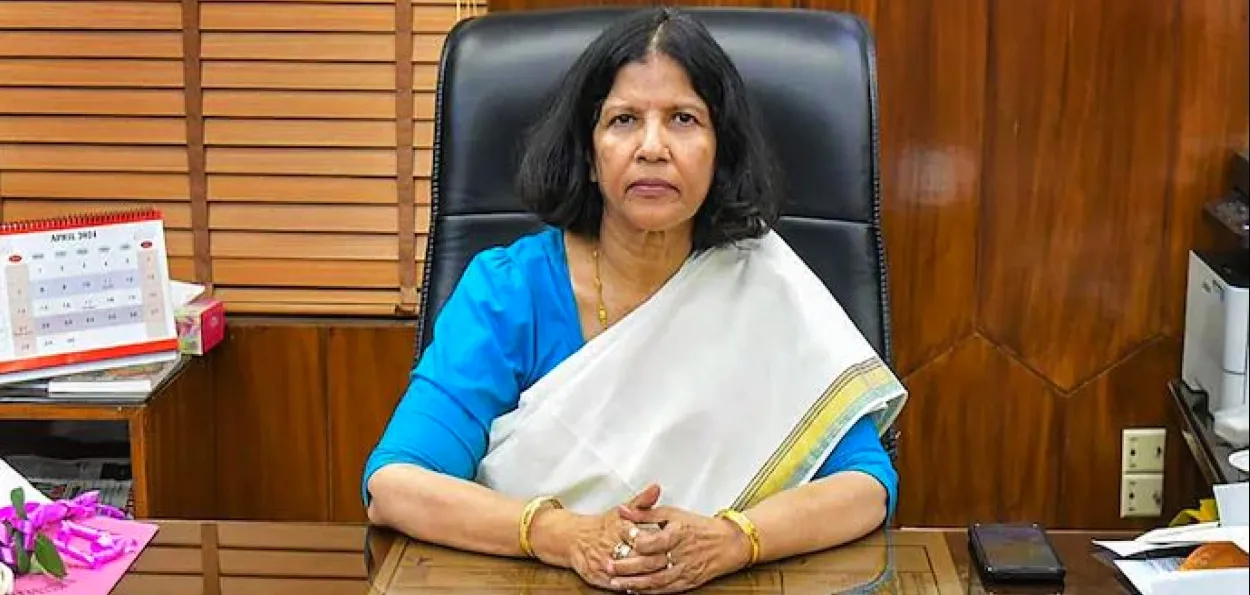
Naima Khatoon created history in 2024 by becoming the first woman Vice Chancellor of Aligarh Muslim University.

A renowned psychologist, author, and academic leader, she is steering institutional reforms, research excellence, and women’s empowerment while modernizing one of India’s most iconic universities.

Najma Akhtar :
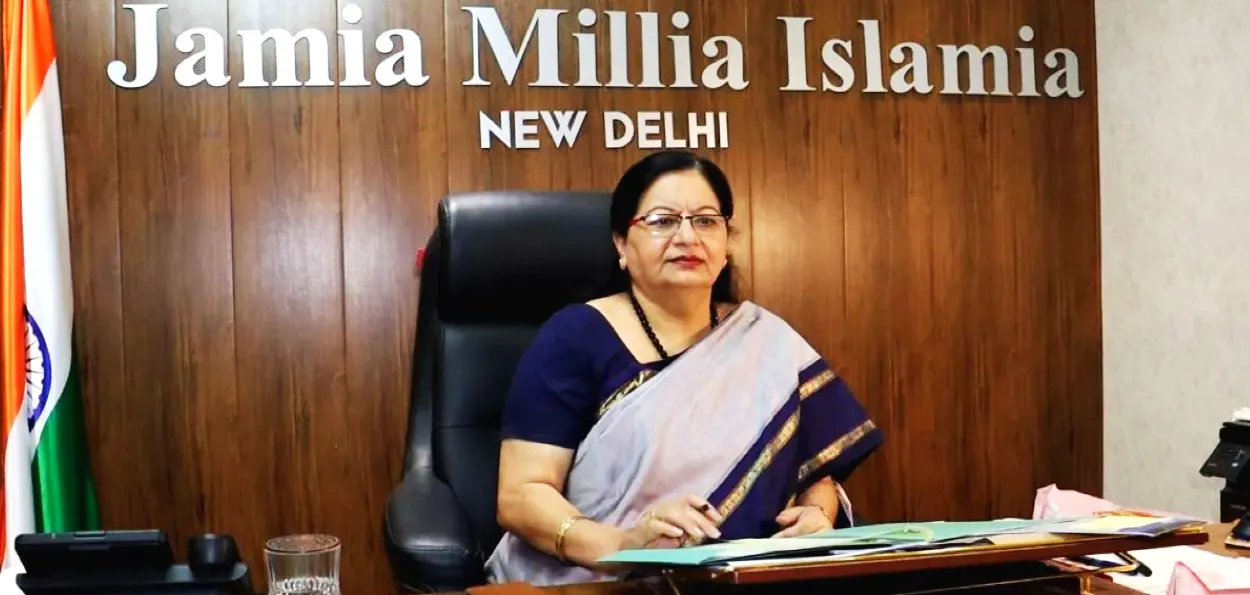
Najma Akhtar broke another glass ceiling as the first woman Vice-Chancellor of Jamia Millia Islamia. A recipient of the Padma Shri, she introduced transformative reforms, expanded professional education, and helped shape Jamia’s emergence as a globally respected academic institution.

She is also the first woman to hold the post in JMI. In 2022, she was awarded with Padma Shri by the Government of India.

Nilofer Khan :
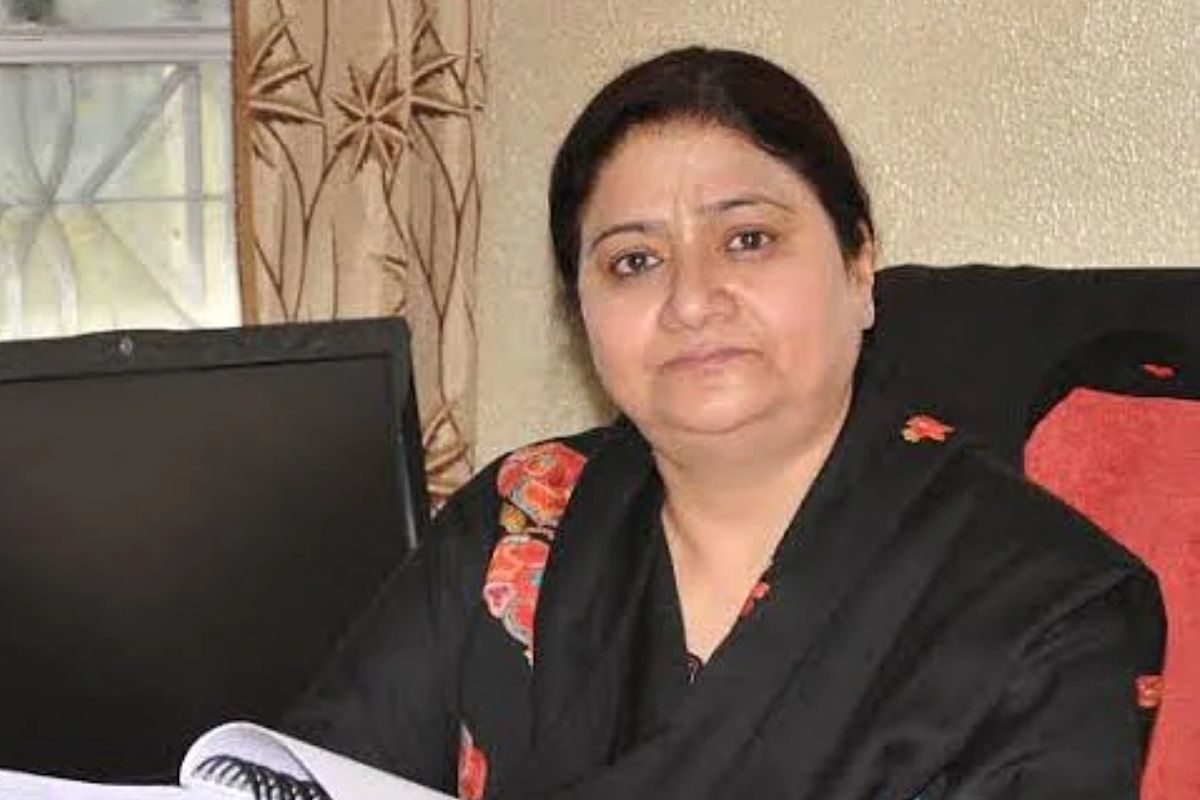
Nilofer Khan became the first woman to lead the University of Kashmir, marking a historic moment for higher education in the region. With nearly four decades of academic service and over a hundred research publications, she continues to inspire women to aspire to leadership in academia.

Shahida Murtaza :
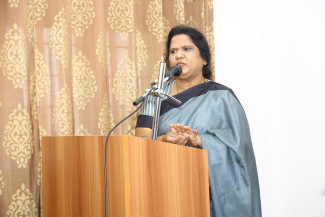
Shahida Murtaza has spent over three decades documenting the realities of marginalized women across southern India. A former Dean at Maulana Azad National Urdu University, she has turned ethnographic research into a powerful mission for gender justice, awareness, and grassroots empowerment.

Sofia Banu :
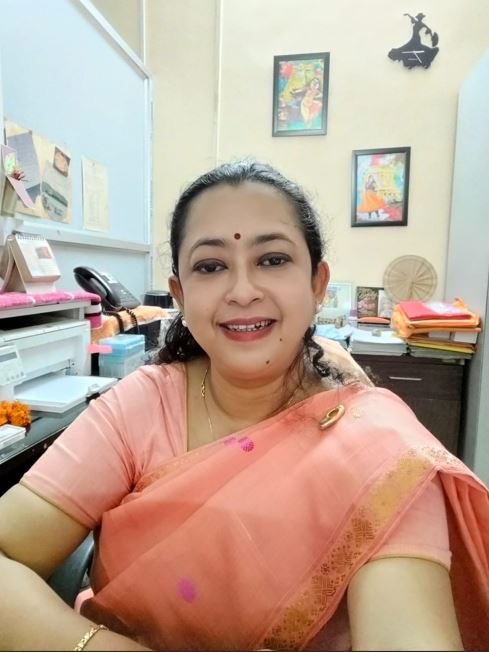
Sofia Banu represents the growing force of women in scientific innovation. As an Associate Professor at Gauhati University, her groundbreaking work in biotechnology, biodiversity, and agricultural sustainability is creating real-world impact while inspiring young scientists across Northeast India.

Syed Mubin Zehra :
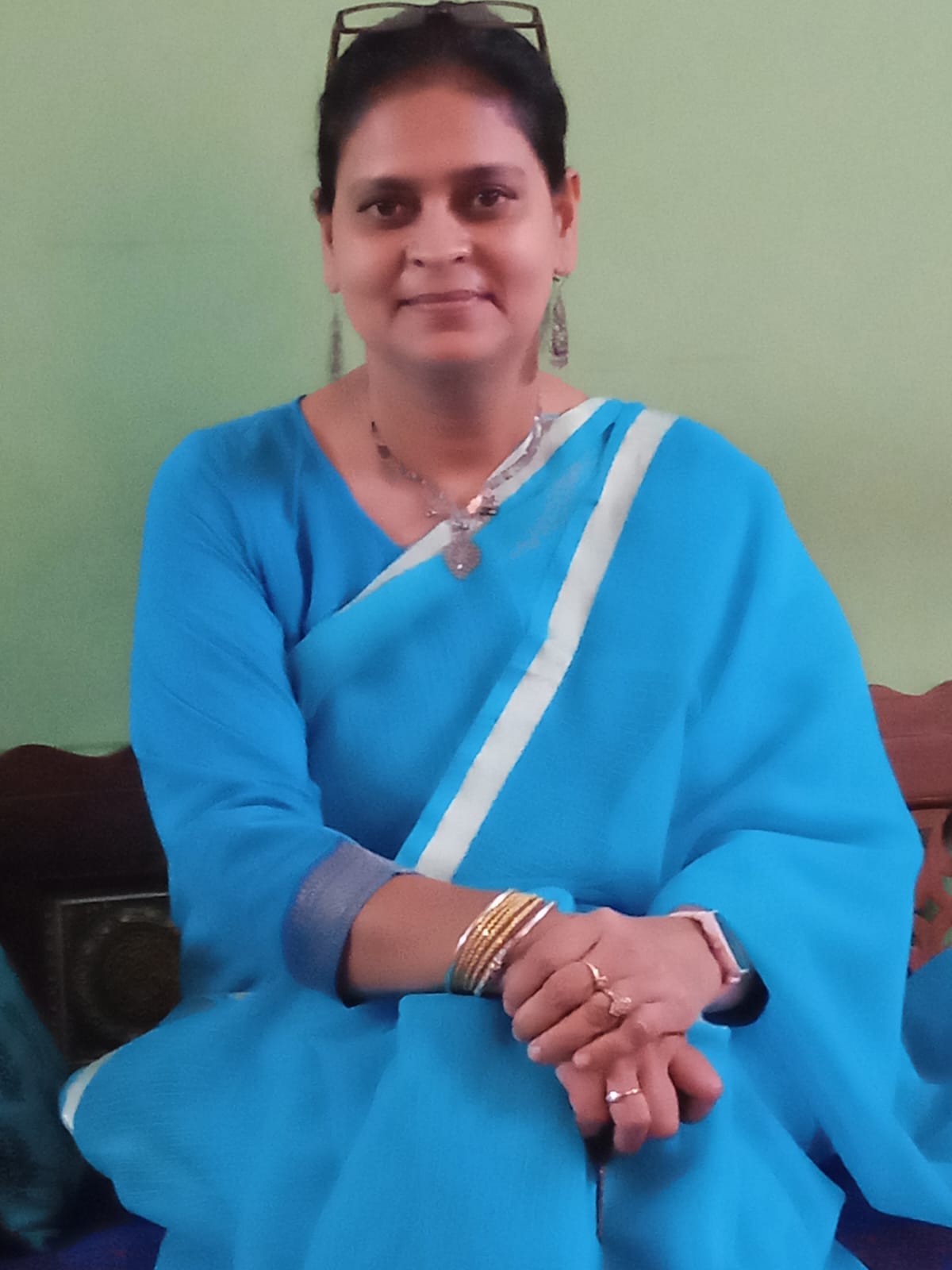
Syed Mubin Zehra has established herself as a leading scholar, author, and public intellectual. Serving at Atma Ram Sanatan Dharma College of the University of Delhi she continues to shape national conversations on gender equality, education, and social harmony through scholarship, advocacy, and global academic engagement.

source: http://www.awazthevoice.in / Awaz, The Voice / Home> Parvaz> The Changemakers / posted by Aasha Khosa / May 09th, 2026
Role of North Indian Muslims in Partition; Ather Farouqui picks holes in that largely held belief

INDIA :

Urdu periodicals, with their dwindling readership, often showcase uninspiring articles, predictable poetry, and pedestrian fiction.

Amidst mediocrity all around, there exists a pressing need for thoroughly researched and academically rigorous articles that challenge erroneous, yet widely accepted notions about the world around us.

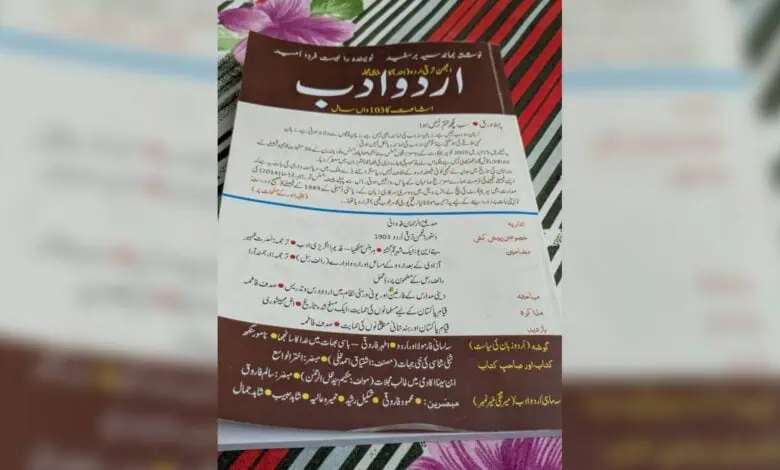
Some literary journals, including Bunyad (Lahore), Urdu Adab (Delhi), Isbaat (Mumbai), and Istefsaar (Jaipur), go beyond what common sense dictates. The latest issue of Urdu Adab, a quarterly publication of Anjuman Tarraqi Hind, bears testimony to this, as its content stimulates the intellect of its readers with a sense of exuberance.

The astutely edited journal by Ather Farooqui features three equally incisive and thoroughly researched articles on the much-maligned role of North Indian Muslims during the Partition, Madrassa students and understanding literature, and Namwar Singh’s tirade against Urdu. Unlike other run-of-the-mill literary journals in Urdu, the journal focuses on the dynamics and politics of language, which refers to the social and political implications of language use and the power dynamics inherent in cultural discourse. Also, it explores consequential questions related to culture and social consciousness. The influence of language on identity and the power dynamics inherent in cultural discourse also come under scrutiny in enriching academic discourse.

The overwhelming support of Muslims in the United Province for the Muslim League in the 1946 assembly elections, which was a sort of referendum on the partition issue, is often regarded as a truism; however, it does not sit well with veteran journalist and author Anil Maheshwari. Urdu Adab presents an article by him, “Support of Muslims for the Formation of Pakistan: A Distorted History: in light of the results of the decisive assembly elections in UP in 1946. Anil’s article, based on archival research, challenges the commonly held belief that the 1946 elections were a clear mandate for the Muslim League. He marshals many pieces of credible evidence that deflates the myth and suggests a more valid interpretation of the results.

Joining Ayesha Jallal (1994) and Christopher Jafferlot (2015), as well as a plethora of celebrated historians, Anil points out that Muslims in the United Province Assembly elections of 1946 did not vote overwhelmingly for the Muslim League. Voters comprising only 5% of the Muslim population cast their votes for the Muslim League, according to the official report of the 1946 elections. Placing the 1946 elections in the context of the universal adult franchise, he points out that only 3% of Indians could vote for the central assembly, while in the provincial assemblies, only 13% were allowed to vote. The article appeared in a reputed periodical, Economic and Political Weekly, laced with incisive interpretation, cogently concludes, “Had the partition of 1947 not occurred, Muslims would have constituted approximately one third of the population of an undivided Indian subcontinent. This demographic would have secured a majority in three to four states, providing them with a substantial and equitable stake in the political framework.”

A promising historian, Muhammad Sajjad, in his perceptive book on Muslim politics in Bihar, also connotes the same conclusion.

With an occasional rhetorical flourish, Anil inveighs against left historians for perpetuating this sort of falsehood.

Irfan Habib, Mazharul Hasan, and Bipan Chandra, too, did not place the onus entirely on Muslims, and HM Serwai’s book, Partition of India: Legend and Reality, provides an alternative understanding.

The article is supplemented with a stimulating critique by Sadaf Fatima, who holds the view that our reputed historians have glossed over the facts, thereby fostering anti-Muslim discourse. One tends to agree with the opinion that Indian Muslims got closely associated with Pakistan. The author seems too harsh when she accuses left historians of holding Jinnah mainly responsible for the partition, as they took Nehru’s side for personal interests.

It is a rare occurrence in Urdu periodicals for an article to spark such a polemical debate as Sadaf Fatima’s piece on madrassa graduates and the teaching of Urdu at universities. There is no denying the fact that most of the Urdu faculty at various universities are the product of oriental syllabi, who lack even rudimentary literary and aesthetic indoctrination. Curiously, the Madrassa’s students get admitted to a postgraduate course in Urdu literature. Sadaf Fatima makes this point pertinently and asserts, “It is incontestable that students are well short of foundational awareness about literature who join university as a postgraduate student of Urdu or opt for Urdu as an optional subject at the graduate level after graduating from a madrasa. Urdu literature does not appear in the syllabi of the madrassas. Urdu literature draws its sustenance from a literary culture that is composed of several local cultures and linguistic practices, reflecting centuries of shared heritage.

A student joining a madrassa at the age of 7 or so has no inkling of the cultural ethos of Urdu, which exists in his milieu.” Her cognate observation sparked controversy, and a smear campaign was launched against her and the editor, Ather Farooqui. Some well-meaning authors and journalists, including Ashar Najmi, Shakeel Rasheed, and Masoom Moradabadi, saw reason in her arguments. It is perplexing to see many vituperative postings on social media.

The author, while expressing deep concern for madrassa-educated students occupying positions in Urdu departments, made it clear that the solution does not lie in prohibiting their direct admission to courses in Urdu literature. There is an urgent need to equip students with literary and aesthetic sensibilities when they join the courses.

An exclusive section is devoted to the politics of the Urdu language, featuring two articles: “Three Language Formula” by Ahter Farooqui and a translation of “Basi Bhaat mein Kuda ka Sanjaha” by the prominent Hindi critic Namwar Singh. An avant-garde Hindi journal, Hans, published Namwar’s highly unreasoned and zealous article in 1987, and Athar Farooqui produced its Hindi text with the translation. In the introductory note, the editor points out that it unfailingly lays bare deep-seated venom against Urdu. Despite being committed to a shared linguistic and cultural legacy, Namwar Singh was bent upon declaring modern Hindi a separate language and restricting Urdu to Muslims only. It is the first instance when a cardholder Marxist critic launched a tirade against Urdu. The editor picked up many holes in the article; this aside, it has the traces of Namwar Singh’s speculative intelligence.

Ather Farooqui spelt out the contours of the three-language formula without taking recourse to official jargon and statutory regulations. An accomplished translator, Arjumand Ara produced an excellent translation of Ralph Russel’s insightful and detailed article on the Problems of Urdu and Urdu Organisations after the partition. Feedback on Russell’s article is also included.

Ather Farroqui deserves accolades for bringing out such an intellectually stimulating function.

source: http://www.siasat.com / The Siasat Daily / Home> Opinion / by Shafey Kidwai / June 21st, 2025