Tag Archives: Indian Muslims

CONNECTA Cultural Exhibition: Reclaiming Human Bonds in an Age of Separation

Kannur, KERALA :

Kannur:

On a January evening, the busy town square of Kannur changed in a big way.  Usually, the square is crowded with people rushing about their daily work. But on this day, it became a calm and welcoming space. People slowed down, reflected, and spoke with one another. They discussed daily habits, shared ideas, learned about different cultures, and understood what others believe in.

This transformation happened because the CONNECTA Cultural Exhibition was inaugurated. The event was organised by the Dialogue Centre Kerala.

A Call to Kindness and Togetherness

The inauguration was not a routine ceremony. It was a strong message inviting people to show kindness and build unity. CONNECTA reminded everyone that all human beings are connected in many ways. This message is especially important today, when people often focus more on differences than shared values.

CONNECTA highlighted common issues, lifestyles, and moral values that unite people, regardless of faith, culture, or background.

CONNECTA is built on three key ideas: Faith, Culture, and Dialogue. These elements can help heal divisions in society. The organisers carefully selected displays that encouraged visitors to reflect and engage in meaningful conversations. Alongside this, the exhibition included many cultural activities that brought people together.

Every display in CONNECTA carried a clear message: faith and culture should unite people, not separate them. The exhibition emphasised that belief systems and traditions are meant to build understanding and harmony.

We live in a world where disagreements are common and often lead to conflict. CONNECTA offers a hopeful vision. It encourages people to recognise differences, respect them, and even celebrate them. According to CONNECTA, diversity is not a weakness; it is what makes us truly human and is something to value.

Message from Ms. A. Rahmathunnissa

Ms. A. Rahmathunnissa, National Secretary of Jamaat-e-Islami Hind and Executive Member of All India Muslim Personal Law Board, addressed the gathering. She spoke about the deep importance of the exhibition’s theme and thanked everyone who worked together to make CONNECTA possible.
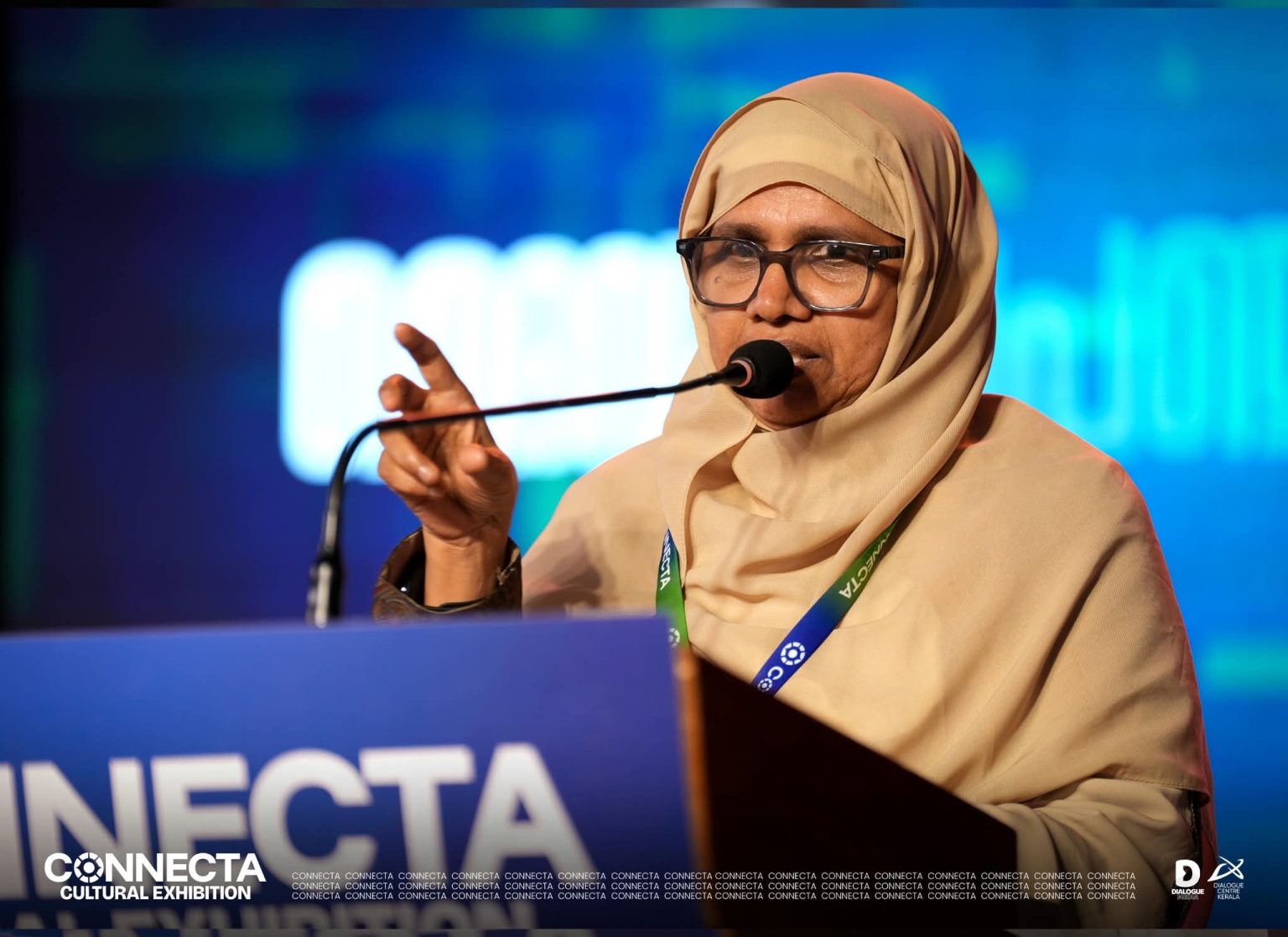
She began by highlighting the disturbing patterns that exist in today’s society. She noted that messages of disconnection, isolation, and separation are being heard again and again, shaping attitudes in ways that lead people to demonise one another, push others to the margins, and cut themselves off from the collective. In such a context, the call to connect people becomes not just relevant, but essential. Rebuilding bonds, restoring trust, and bringing people together is the urgent need of our time.

She pointed out that people today are growing increasingly distant from one another. In such times, exhibitions like CONNECTA are deeply needed, as they help rebuild human connections and strengthen relationships. CONNECTA, she said, reminds us to care for one another and to restore lost bonds.

CONNECTA as a Way of Life

Ms. Rahmathunnissa explained that CONNECTA represents a way of living. It encourages personal responsibility, peaceful coexistence, and moral awareness. CONNECTA serves as a guide for ethical and spiritual living, teaching people how to act with integrity and live in harmony with others.

She described CONNECTA as a path rooted in responsibility, social balance, and moral consciousness – principles that can help people lead meaningful lives.

Ms. Rahmathunnissa expanded CONNECTA as an acronym and explained its meaning as

C – Contemplate the signs of God in the universe

She encouraged people to reflect on nature, culture, and humanity. The variety we see in the world is a sign of God’s wisdom. Diversity is not accidental; it is part of the Creator’s design. Differences in creation reflect God’s intention and should be appreciated.

O – Open hearts to compassion and empathy

True faith, she said, softens the heart. It helps people feel compassion for others. Compassion allows us to see others not as strangers, but as fellow travellers sharing the same journey of life.

N – Nurture relationships with all creatures

Human beings have a duty to care for everyone, not just those close to them. Every person, animal, and living being deserves kindness and respect. Caring for the Earth and its creatures is a core human responsibility.

N – Navigate the path of balance and harmony

Extremes can damage communities. Balance creates unity. Harmony grows when justice, mercy, and wisdom work together. This balance strengthens society and brings people closer.

E – Embrace the interconnectedness of all things

No one lives in isolation. Each person’s life is linked to others. Communities thrive because of these connections, even when we are not always aware of them.

C – Cultivate gratitude and mindfulness

Gratitude keeps people aware of what truly matters. Mindfulness reminds us that our words and actions have consequences. Together, gratitude and awareness help people act responsibly and thoughtfully.

T – Transmit love, peace, and kindness

These values are not just beliefs; they must be practised. People must actively live these values and share them through their actions every day.

A – Awaken to our role as ambassadors of God on Earth.

Being ambassadors of Allah, it is our duty to consider everyone and take everyone together.

A Timely and Lasting Message

Ms. Rahamathunnisa expressed hope that CONNECTA would inspire people to practise kindness and responsibility. The exhibition encourages gratitude toward the Creator and care for one another.

CONNECTA promotes dialogue, shared values, empathy, and understanding – qualities essential for harmony in a diverse society. By encouraging connection over isolation and compassion over fear, CONNECTA calls on humanity to honour one another and the Creator who gave life to all.

[The writer is Assistant Secretary, Jamaat-e-Islami Hind, Media In-Charge Women’s Department]

source: http://www.radiancenews.com / Radiance News / Home> Latest News> Report / by Rabia Basri / February 06th, 2026
Madrasa Imdadiya in Tamil Nadu Offers Light to Poor and Blind Muslim Students

Chennai/Ranipet, TAMIL NADU :

Visually-impaired children from deprived Muslim families gain education and dignity at the institution founded by Mohammad Usman in Chennai and Ranipet

Chennai :

In the busy streets of Chennai and surrounding districts, where poverty often limits opportunity, one institution is rewriting the story for visually impaired Muslim children. Madrasa Imdadiya, a semi-residential trust founded by Mohammad Usman, offers education, skills, and dignity to children who might otherwise have spent their lives begging.

Ashraf Khan, a Tamil teacher in a private college in Chennai, was born blind into a poor family. He recalls his early years at a small madrasa for blind students in Melvisharam, near Ranipet, as life-changing. Today, he earns about ₹50,000 per month. “Education saved my life,” he says.

Usman draws a stark contrast. He has often seen blind children on streets with equally deprived parents. “This is what happens with the poorest Muslims. When parents are blind and poor, the children end up on the streets,” he explains. This inspired him to act.

Founded in 2010, the madrasa now runs centres in Chennai and Ranipet, inspiring similar institutions in Pune, Ahmedabad, Aurangabad, and Kashmir. The Tamil Nadu centre, the largest, covers 5,000 square feet and hosts 50 blind students, including ten girls, with hostel staff managing daily needs.

The madrasa blends religious and formal education, filling gaps left by government institutions. Students study the Qur’an, Hadith, and other religious texts in Braille, alongside school and college instruction via audio tools. Children with other disabilities are also accepted, though Braille education is separate.

Usman stresses self-reliance. “Some parents still take financial help from the trust, but many become self-reliant through their educated children. This is the real success,” he says. Students often pursue higher education, vocational training, or government jobs, with some returning as teachers.

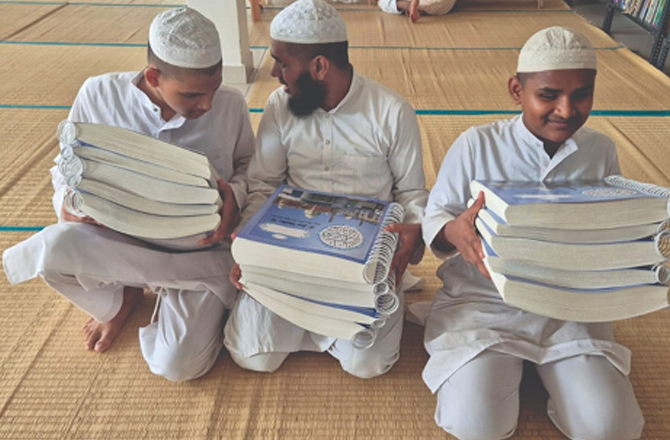
The madrasa also produces copies of Qur’an in Braille, distributed free across India and abroad. Each copy costs about ₹3,500 to print. “All our students become Huffaz and complete Class 12 and degree education,” Usman adds.

Mobina (name changed), a blind and disabled girl who lost her father early, is a shining example. With the madrasa’s support, she now teaches in a government school and earns ₹75,000 per month. “Without this madrasa, I would have remained invisible,” she says.

Challenges remain, especially for girls. Deep social barriers, safety concerns, and marriage prospects keep many girls out of school. Usman says patience is key. “Families do not outright reject education but hesitate. Inclusion is about changing attitudes regarding gender, disability, and value,” he explains.

Disability activists note that blind children in poorer districts often lack access to formal education. Government schools exist only on paper, and families may be unaware of disability certificates, scholarships, or assistive technology. Without early intervention, entire families risk cycles of begging or informal labour.

Madrasa Imdadiya shows how targeted community efforts can break generational poverty and empower blind Muslim children. By providing education, accommodation, and skills, the madrasa transforms lives and reinforces that education is a right, not charity.

“Other communities invest in education, but we do not,” Usman remarks, highlighting a broader challenge within the Muslim community. Yet he takes pride in his students’ successes. With over 500 students across India benefiting from similar madrasas, he dreams of a school for blind children in every district and tuition centre in every village.

“Every story here is regrettable. Happy stories go to cities and private schools; they do not come to my trust’s madrasa,” he admits, underscoring the ongoing need for support for India’s most vulnerable children.

source: http://www.clarionindia.net / Clarion India / Home> Editor’s Pick> India / by Team Clarion / January 10th, 2026

Feroza Begum chronicles hardships of life in her poems and stories

Jubuni Village (Rampurhat subdivision of Birbhum District), WEST BENGAL :

Feroza Begum

Firoza Begum’s language of protest against the harsh realities of rural India, gender inequality, and family adversity is a strong statement. The poet and writer in her, though, has emerged from a phase of struggle.

She was born into a respectable family in Jubuni village of Rampurhat subdivision of Birbhum district, West Bengal. Her parents, Abdul Hakim Mallick and Arestun Bibi, faced poverty, disease, and social uncertainty, due to which her childhood was difficult.

The struggle for survival of her family and relatives during the terrible smallpox epidemic influenced and triggered a humanitarian spirit in her.

In her childhood, when women’s education was neglected in rural society, she completed her schooling. She broke many social barriers. The discrimination and neglect she faced while in school ignited the spirit of rebellion in her, which, in due course, made the language of her writing sharp, protestant and sensitive.

Feroza Begum with an award

In 1974, she married Nurul Haque Mallick, a science-minded teacher. With her husband’s liberal attitude and inspiration, she managed to balance both her family life and pursuit of literature. She made sure her four daughters got educated and financially independent, self-reliant. Although her husband’s death in 2016 left a deep void in her life, she did not stop pursuing literature.

Since 1992, Firoza Begum has been regularly writing poems, songs and essays. Her writings have been published in various literary magazines of Murshidabad, Rampurhat and Kolkata, Pragati, Trinayani, Kalam, Bhabbana, Sangbad Darpan, Roddur, Arpan, etc.

Besides, she is also a regular participant in the radio and television programs and has received recognition beyond her hometown and community.

The poetry collection “Nayantara” published in 2010) and “Aparajita” published in 2014) clearly reflect the struggle of women, the adversities of life, and the human spirit.

She proofread and published the book, despite illness and limitations, and it reflected her perseverance.

 Firoza Begum has received several honours and awards in recognition of her contribution to literary endeavours.

The reception by the Bhabna O Anubhavber Dana newspaper of Rampurhat, the Rokeya Award from the Roddur newspaper, certificates from various radio stations in Kolkata and Baharampur, the Ambedkar Shilpi Ratna Award from New Barrackpore, and the recent “Best Bengali” award from the Asha Foundation are important recognitions of her literary and humanitarian activities.

The life of poet Firoza Begum is not just the autobiography of a writer, it is a courageous document of a struggling woman. Her pen still bears witness to the fact that even in the deep darkness of adversity, education, humanity and literature are capable of illuminating the path of humanity.

source: http://www.awazthevoice.in / Awaz, The Voice / Home> Stories / by Dev Kishore Chakraborty / February 03rd, 2026

Ladakh Mourns the Passing of Legendary Writer and Poet Haji Khawaja Abdul Hamid Tanveer

Kargil, LADAKH :

Kargil : 

A heartfelt Condolence Meeting in memory of the late Haji Khawaja Abdul Hamid Tanveer, the eminent scholar, writer, and poet of Kargil, Ladakh, was held today at the Ladakh Cultural Academy Hall, Kargil.

This gathering brought together the literary and cultural community of Kargil, including esteemed writers, poets, and cultural activists, who paid their deepest respects and expressed heartfelt condolences for the loss of this iconic literary figure.

Haji Khawaja Abdul Hamid Tanveer, who passed away today morning in Srinagar, Kashmir, was remembered for his immense contributions to literature and culture. Known as an “ocean of knowledge,” his prose and poetry were celebrated for their depth, wisdom, and literary craftsmanship. His work left a lasting impact on Kargil’s cultural identity, inspiring both his contemporaries and the younger generations.

The attendees honored the late scholar’s memory with a solemn two-minute silence, and “Surah-e-Fatiha” was recited to pray for his departed soul’s peace. His legacy as a guiding light in Kargil’s literary circles was acknowledged by all, with deep admiration for his significant contributions to the region’s literary heritage.

Distinguished individuals present at the meeting included Padmashree Dr. Akhoon Asgar Ali Basharat, State Awardee Ghulam Ahmed Jawan, Alhaj Aga Sayed Hadi Shah, Muhammad Hussain Rehnuma, Muhammad Hussain Fayaz, Nazir Hussain (Deputy Secretary, LAACL), Muhammad Ali Tak (OSD/Under Secretary), Department of Tourism & Culture, UT Ladakh,  Zakir Hussain (HA, LAACL), Gulzar Hussain Mendoktsar, Shafaqat Ali, and others.

In his speech, Alhaj Aga Sayed Hadi Shah highlighted that the late Haji Khawaja Abdul Hamid Tanveer was not only a respected literary scholar but also his personal mentor and a guiding influence in the field of literature. He was closely associated with All India Radio (AIR) Kargil, the J&K Cultural Academy, and the Ladakh Cultural Academy, leaving behind a rich legacy of cultural contributions.

On this occasion, both Padmashree Dr. Akhoon Asgar Ali Basharat and Muhammad Hussain Rehnuma paid tribute to the late poet by reciting a special poem dedicated to his memory and achievements.

The entire region of Ladakh grieves the loss of this legendary writer and poet. His wisdom, knowledge, and literary legacy will forever be cherished, serving as a source of inspiration for generations to come. His contributions to the field of education, particularly his role as Zonal Education Officer (ZEO) in Kargil, were also acknowledged with deep respect, reflecting his unwavering dedication to the community he served with passion and commitment.

source: http://www.boldnewsonline.com / Bold News / Home> Art & Culture / by Bold News Online Desk / November 16th, 2024

Ikram Hussain’s brass carvings fascinated PM Modi

Moradabad, UTTAR PRADESH :

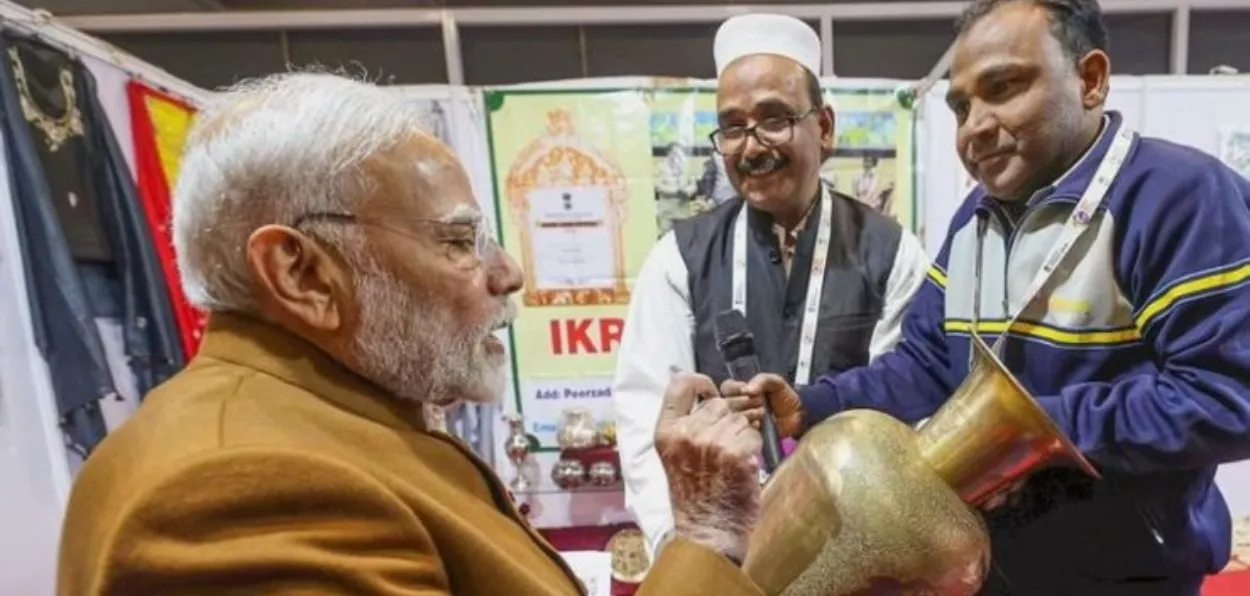
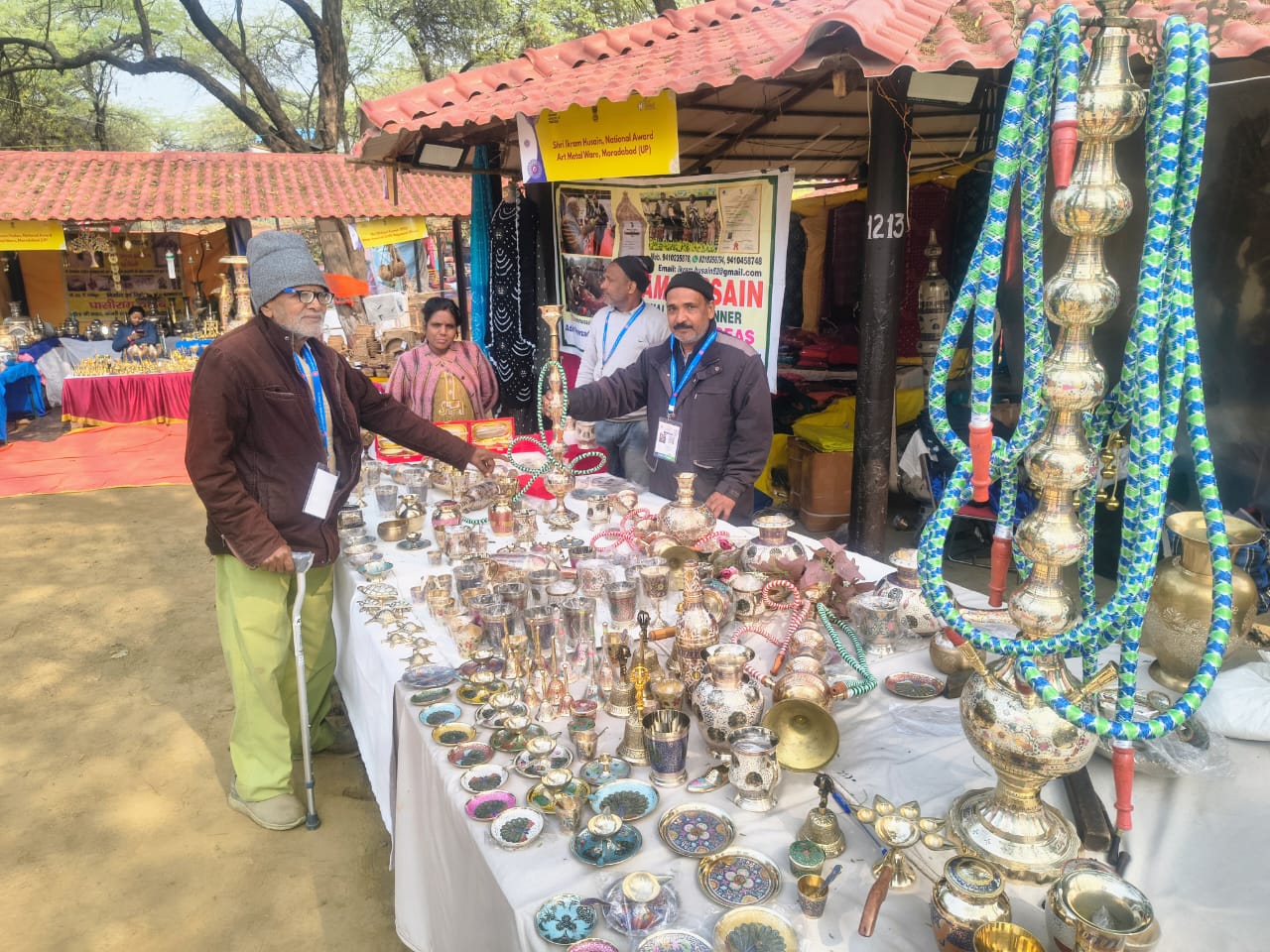
Ikram Hussain (wearing a cap) with Prime Minister Narendra Modi at Bharat Mandapam, New Delhi

Ikram Hussain was 15 years old when the manager of the Eidgah Gurdwara in Moradabad, UP, asked him to engrave his mother’s name on an aluminium plate. The young boy had never gone to school but had picked up the skill of metal carving from his father. The young boy felt embarrassed and told the manager that he must write the name for him since he was illiterate.

He engraved the name beautifully onto the plate and received Rs 10 for this work. This amount gave him confidence, and he decided to pursue his work seriously.

Today, Ikram Hussain, 61, from Moradabad, Uttar Pradesh, is a national award winner. None other than Prime Minister Narendra Modi praised him for his art.

One of the glorious moments of his life was when Prime Minister Narendra Modi was impressed and moved by his beautiful carvings at the The 12th Grameen Bharat Mahotsav  at Bharat Mandapam, New Delhi last year.

Ikram was carving a piece depicting Prime Minister with his late mother on a 3-feet brass jar. Prime Minister intently watched his carvings and patted him for his work and dedication. He displayed this work at the festival.

Moradabad, known as the “Brass City,” is renowned for its exquisite brass artefacts. Ikram Hussain says he could not study due to financial constraints at home. However, he never lost hope.

At a young age, he began assisting his grandfather and father in their brass engraving work. His father, Haji Abdul Hamid, and his uncle, Razak Medal winner Haji Ghulam Nabi, were well-known brass engravers in Moradabad. Ikram started learning this art at the tender age of seven.

Even today, his eyes well up with tears when asked why he couldn’t complete his studies. He explains that his family’s financial situation was extremely precarious. To help support the family, he had to leave school and start working.

The family worked day and night, yet they could barely earn five to seven rupees a week. Even that amount was hard to come by those days. Despite this, Ikram never let his circumstances become a weakness.

While working, he meticulously learned the intricacies of engraving. His hard work and dedication resulted in him gradually mastering the art of working with brass to the point where he could accurately engrave the likeness of any person’s face.

His engravings display emotion, depth, and lifelike detail. This is why his art has equally impressed people from all communities—Hindus, Muslims, Sikhs, and Christians alike.

His hard work paid off, and in 2004, he received an award from the Uttar Pradesh government for his outstanding carving skills. He also received a cash prize of 5,000 rupees.

At that time, five thousand rupees was a considerable sum of money. Ikram recounts that when he went to deposit the check at the bank, the bank manager even offered him tea. This recognition was like a dream come true for him. There was an atmosphere of joy in his family, and his morale was boosted manifold.

Today, Ikram Hussain is recipient of honours and awards from various parts of the country.

He runs his company, which he started with a bank loan. This craftsman, who once earned just five rupees a week, is now providing jobs and training to many.

Ikram Hussain’s story is not just a success story of a craftsman, but an example of struggle, perseverance, and self-confidence. He proved that with determination and hard work, a lack of formal education cannot be an obstacle to success.

The master craftsman is recognised throughout the country for his art and social message. The demand for his brass products is high, and his business is worth millions.

The Bihar government has hired him to train the artisans. He trained more than 400 artisans at the Upendra Maharathi Shilp Anudan Sansthan.

Ikram Hussain inherited his passion for this art form, as his father also trained people in the same craft. His exceptional carvings have earned him a place in the Guinness Book of World Records.

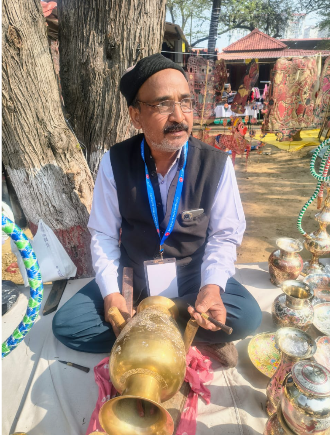
Ikram Hussain at his stall at the Surajkund Festival

Craftsman Ikram Hussain has conveyed a message of communal harmony by engraving symbols of Hindu, Muslim, Sikh, and Christian religions on his brass products.

He was honoured with a National Award in 2022 for his art and for promoting brotherhood in society.

Ikram Hussain believes that all religions are part of the same family and that we should rise above caste and creed to strengthen love and brotherhood. “We are all flowers of the same branch, only our colours are different. We should promote love and brotherhood, not hatred.”

His carving of the Ram Temple on a vase and his work on a 40-inch vase at the Golden Temple can be seen up close at the Lucknow Museum.

He has received numerous awards, including the State Award Second from Uttar Pradesh, the Bhim Rao Ambedkar Award, the Dr Ram Manohar Lohia State Award, the National Award Second from Union Minister Piyush Goyal, two honours from the Assam government, and an honour from the Prime Minister.

Overall, he has received 20 national and international awards. His work and contributions have also earned him a place in the Guinness Book of World Records.

source: http://www.awazthevoice.in / Awaz, The Voice / Home> Stories / by Dayaram Vashisth / February 05th, 2026

Sangeet sabha pays homage to Ustad Munawar Ali Khan

Kolkata, WEST BENGAL :

Tragically, Munawar Ali Khan Sahib died at the peak of his career, at the age of 59 in Kolkata in 1989.

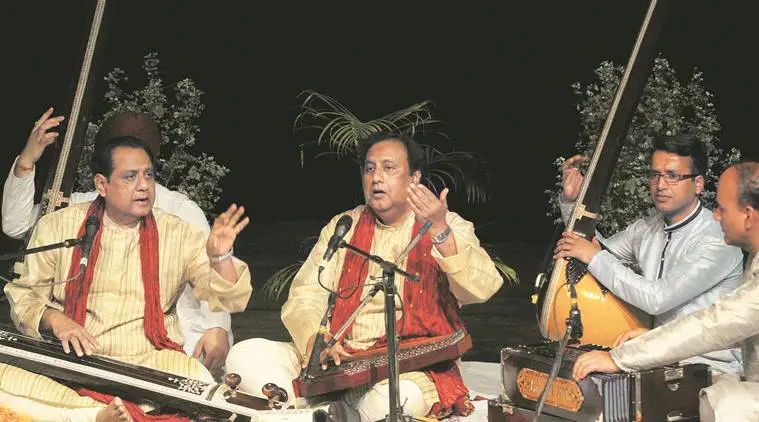
Artistes perform at Tagore Theatre in Sector 18, Chandigarh, on Saturday. Express

Triveni Sangeet Sabha paid a homage to late Ustad Munawar Ali Khan of Kasur Patiala Gharana on Sunday evening at Tagore Theatre. An audio-visual presentation on Ustad Munawar Ali by Niharika Popli was projected. This was followed by vocal recitals by Ustad sahib’s son Raza Ali Khan and his two nephews Ustad Mazar AlI and Awaad Ali Khan. Chandigarh-based Primila Puri, his disciple, also sang.

Ustad Munawar Ali Khan was born in 1930 in Lahore. He was the son of the legendry maestro Padmabhushan Ustad Bade Ghulam Ali Khan and trained under his father and his uncle Ustad Barkat Ali Khan. Munawar Ali Khan had a full-throated, powerful voice with open aakar, which adapted itself to different styles of bandishes like khayal, thumri, dadra and after his father’s death in 1968, he became a worthy representative and the ‘Khalifa’ of the Kasur Patiala Gharana. He created many khyals, thumris, geets and ghazals and sang brilliantly difficult ragas of his gharana and also created a new raga named Malini Basant.

Tragically, Munawar Ali Khan Sahib died at the peak of his career, at the age of 59 in Kolkata in 1989. The Kasur Patiala legacy is now carried on by his son Raza Ali Khan and his nephews Jawaad Ali Khan, Mazhar Ali Khan and Naqi Ali Khan.

source: http://www.indianexpress.com / The Indian Express / Home> News> Cities> Chandigarh / by Express News Service / March 18th, 2018

Muslim bodies reach out to Tripura villagers rendered homeless

TRIPURA :

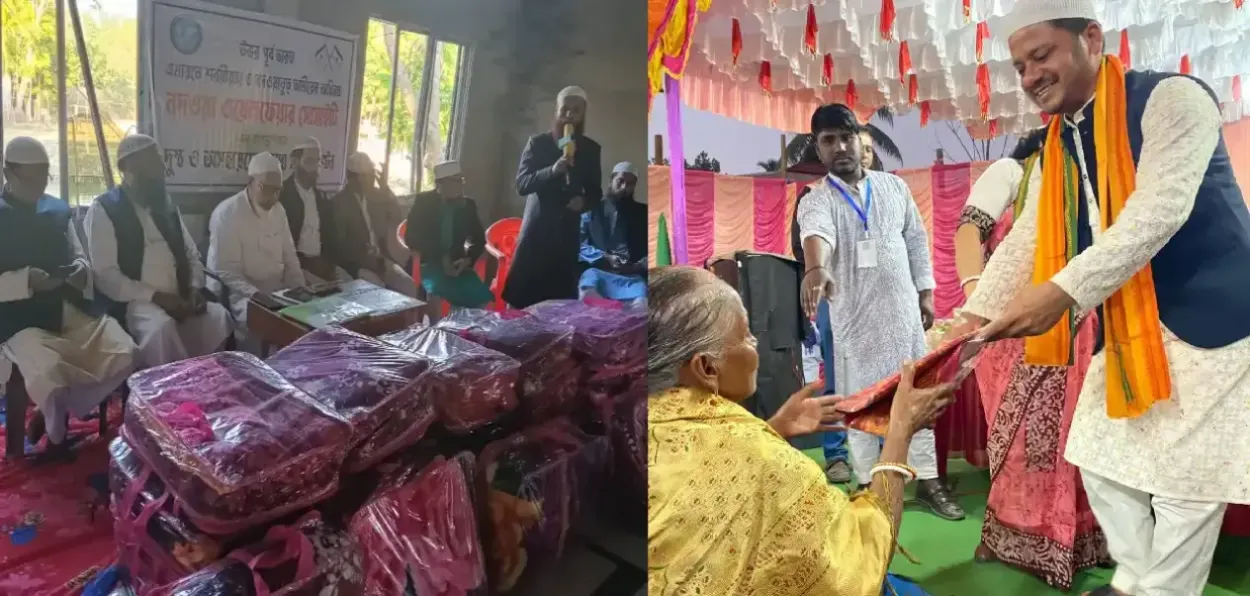
Muslim leaders with relief material

Ahead of the holy month of Ramazan, an inspiring example of humanity, compassion, and community solidarity has emerged from the northeastern Indian state of Tripura.

The Northeast India Emirate Sharia and Nadwatut Tameer jointly launched an initiative to assist distressed Muslim families affected by the recent violence in the Shimultali area of ​​Kumarghat Phatikra in northern Tripura.

This humanitarian effort involved the distribution of blankets and other essential household items to the needy families and also provided one-time financial assistance to enable them to live with dignity during the sacred month.

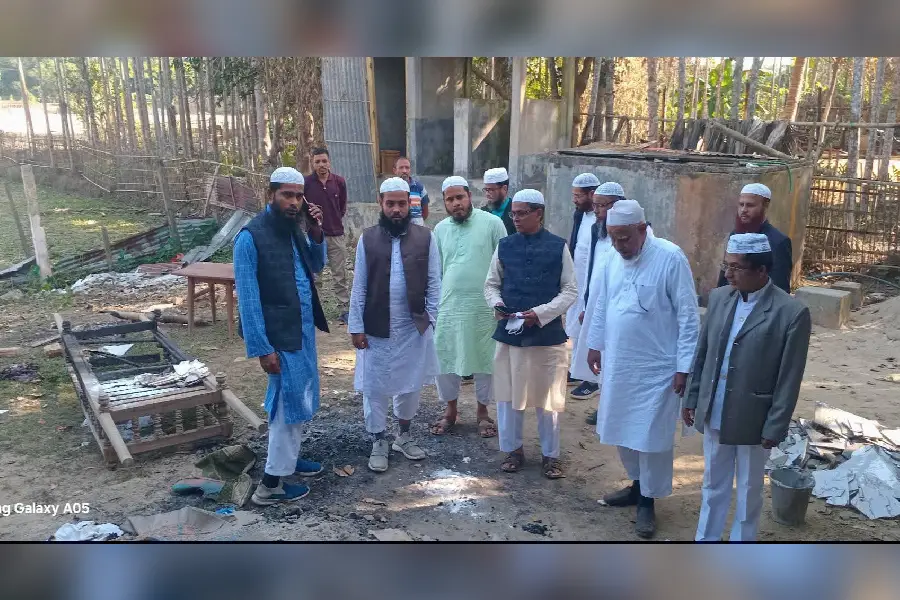
On January 10, a mosque in the Shimultali area of ​​Kumarghat Phatikara, and houses of Muslims around it were damaged. As such, the locals belong to the lower-income group.

This incident left many families suddenly homeless and helpless, ahead of the fasting month.

Although the state government provided one-time compensation to the affected families, at least five families in the area remained in dire straits due to their limited resources. The Northeast India Emirates Sharia and Nadwatut Tamir provided relief to such families.

The delegation leader at the venue of arson

A delegation led by the organisation’s central general secretary, Maulana Ataur Rahman Mazharbhuiyan, visited the affected homes and met with the families. It was ensured that the assistance provided was not merely symbolic but in line with actual needs.

Each affected family received cash assistance starting at a minimum of Rs 5,000. They also received blankets and other essential items.

On this occasion, the organisation’s leadership appealed to affected Muslim citizens to remain patient and reassured them that they were not alone.

They urged them to trust the state and national governments, protect their rights through constitutional means, and refrain from any provocation.

Speakers particularly emphasised that maintaining an atmosphere of social harmony and brotherhood is the need of the hour, so that such incidents are not repeated in the future.

The Tripura government’s Waqf Board has taken a significant step ahead of Ramazan. The Tripura Waqf Board has allocated Rs 3.8 lakh for the restoration of the damaged mosque in Shimultali.

Board Chairman and former MLA Mafswar Ali emphasised that the Waqf Board was working to preserve, maintain, and rebuild minority Waqf properties.

The delegation included Central Office Secretary Maulana Nayeem Uddin Choudhury, Tripura State Nadwa Secretary Abul Kalam, Kailashahar District Emirate Sharia and Nadwatut Tamir General Secretary Maulana Syed Ahmed, District Qazi Maulana Yusuf Ali, prominent Nadwa activist and advocate Kamal M. Masdar, and several other dignitaries.

source: http://www.awazthevoice.in / Awaz, The Voice / Home> Stories / by Nurul Haque, Agartala / January 31st, 2026

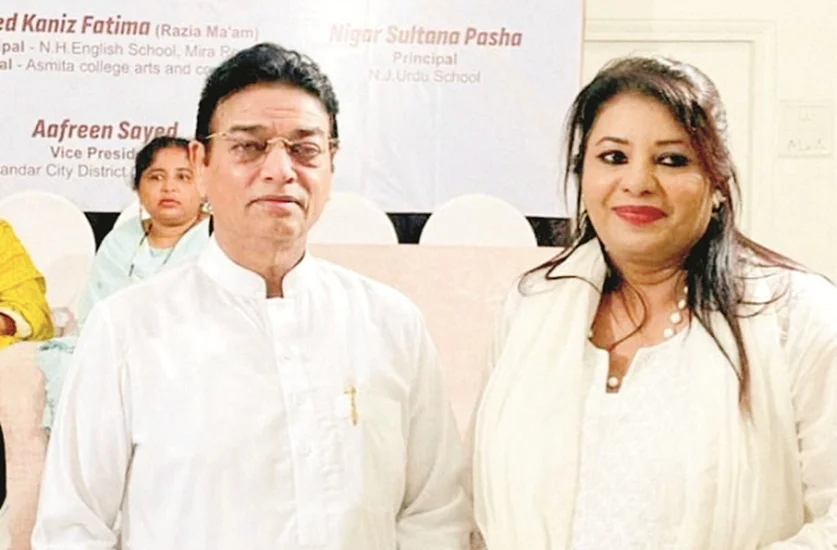
Maharashtra Polls: Rubina Feroze Wins Mira-Bhayandar Ward Again, Defying BJP Wave

Mira-Bhayandar (Thane), MAHARASHTRA :

Congress leader retains Prabhag 19 seat, credits public trust, service record and cross-community support

Mira-Bhayandar, Thane :

Congress leader Rubina Feroze has returned to the Mira-Bhayandar Municipal Corporation in Thane district of Maharashtra for a second consecutive term, winning from Prabhag No. 19 and leading all four candidates of her panel to victory. Her win stands out in an election largely dominated by the BJP, which saw several smaller parties wiped out.

Rubina, who first won the ward in 2017, secured a fresh mandate from the same constituency. Prabhag 19 has a mixed population of Marathi and Gujarati speakers, with Hindus, Muslims, Christians and Jains living together. Muslims form a small minority in the ward, yet the results reflected broad support cutting across community lines.

Speaking to Urdu daily Inquilab, Feroze said repeated attempts were made to polarise Mira-Bhayandar on religious and linguistic lines. “Over the last three years, there was a clear effort to push the city towards communal tension. Even the Marathi language was dragged into politics last year,” she said.

“Many parties tried to win votes by invoking religion and identity,” she added. “But in ward number 19, that kind of politics did not work. People judged me by my work and by the stand taken by the Congress.”

Overall, the Congress improved its performance in the civic polls, winning 13 corporator seats compared to 12 in the previous election, helping the party avoid a poor showing in the city. Shiv Sena (Shinde faction), backed by state minister Pratap Sir Naik, was restricted to just two seats.

Describing her victory as a responsibility rather than a personal achievement, Rubina Feroze said, “I thank the people of my ward for trusting me again. I will work harder in the new term and address every issue faced by residents.”

During her previous term, she focused on welfare initiatives and local issues, including helping women access government schemes, organising self-defence classes, holding a job fair for unemployed youth, and conducting career guidance programmes for students. She also assisted cancer patients in securing financial aid from the Municipal Corporation.

Residents cited her accessibility as a key factor behind her re-election. “She listens to people and follows up on issues. That is why people from every community voted for her,” a local voter said.

The result is being widely seen as a signal that development-oriented politics and social harmony continue to resonate with voters, even amid a charged political climate.

source: http://www.clarionindia.net / Clarion India / Home> Editor’s Pick> India / by Team Clarion / January 23rd, 2026

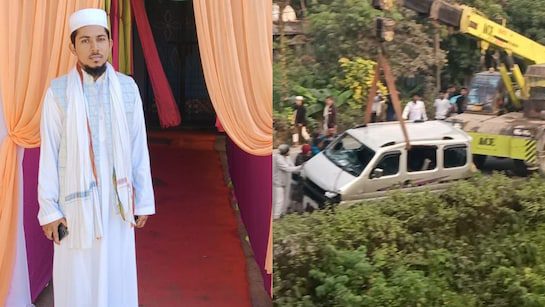
Assam imam uses mosque loudspeaker to save passengers trapped underwater

Sribhumi District, ASSAM :

A mosque imam in Assam used the mosque loudspeaker at dawn to raise an alarm that ultimately saved seven lives after a vehicle plunged into a pond.

The incident occurred early Tuesday in Sribhumi district when a car lost control on the National Highway, skidded off the road and crashed into a waterbody.

The passengers, most of whom were asleep, found themselves trapped as the vehicle began sinking with its windows shut.

Upon hearing the sudden crash, Maulana Abdul Basit, Imam of Jama Masjid and a teacher at Mirabari Madrasa, immediately turned to the mosque’s microphone to alert the community.

He called on residents to rush for help, a local resident told NDTV.

The appeal sparked a swift response. Villagers hurried to the site and launched a rescue effort, eventually pulling all seven passengers out of the submerged vehicle.

“I noticed the car’s lights glowing under the water and realised we had to act without delay,” Basit said, The Observer Post reported.

He added that his actions were driven purely by humanity: “We did not think about religion. Saving lives was all that mattered.”

source: http://www.maktoobmedia.com / Maktoob Media / Home> India / by Maktoob Staff / December 03rd, 2025.

Zahoor Lone-led Team India wins bronze in world snow sculpting championship

JAMMU & KASHMIR / INDIA :

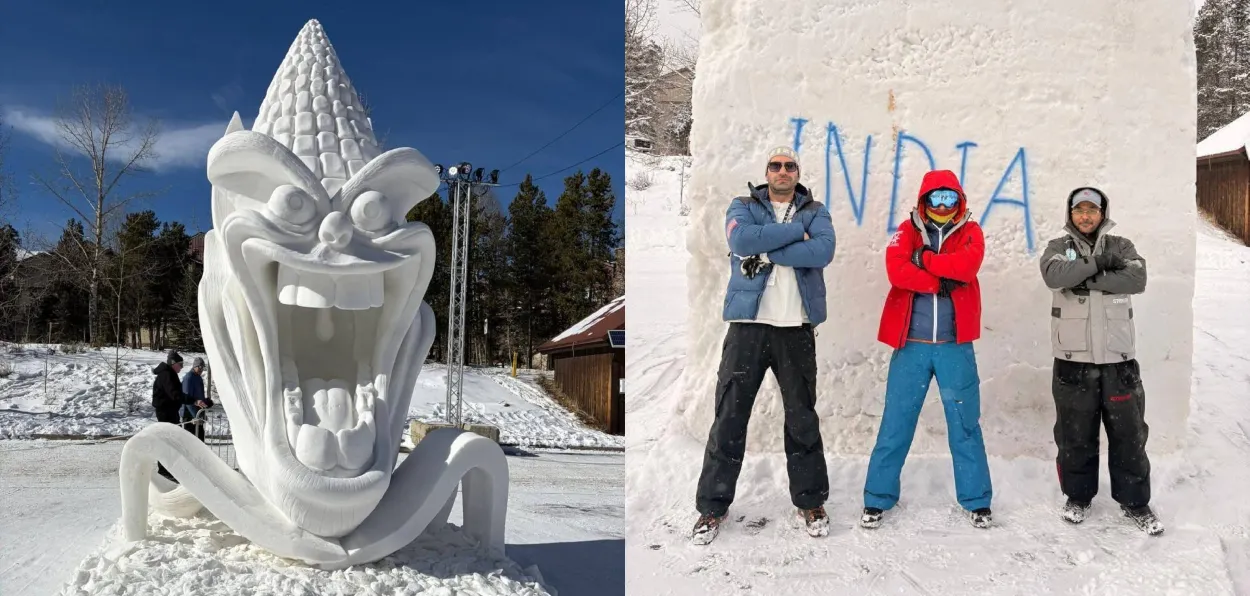
Team India -Zahoor Ahmed Lone, Suhail Mohammad Khan, Mridul Upadhyay with their snow sculpture

New Delhi :

For a second time, Team India has won a bronze medal and the People’s Choice Award in the international snow sculpture championship held in Colorado, USA.

The Indian team was led by the Kashmir-born Zahoor Ahmed Lone and comprised Suhail Mohammad Khan, Mridul Upadhyay, and Matt Seeley (USA).

While Lone belongs to Singhpora Pattan, Baramulla, Khan is a specially-abled person and also belongs to Kashmir.

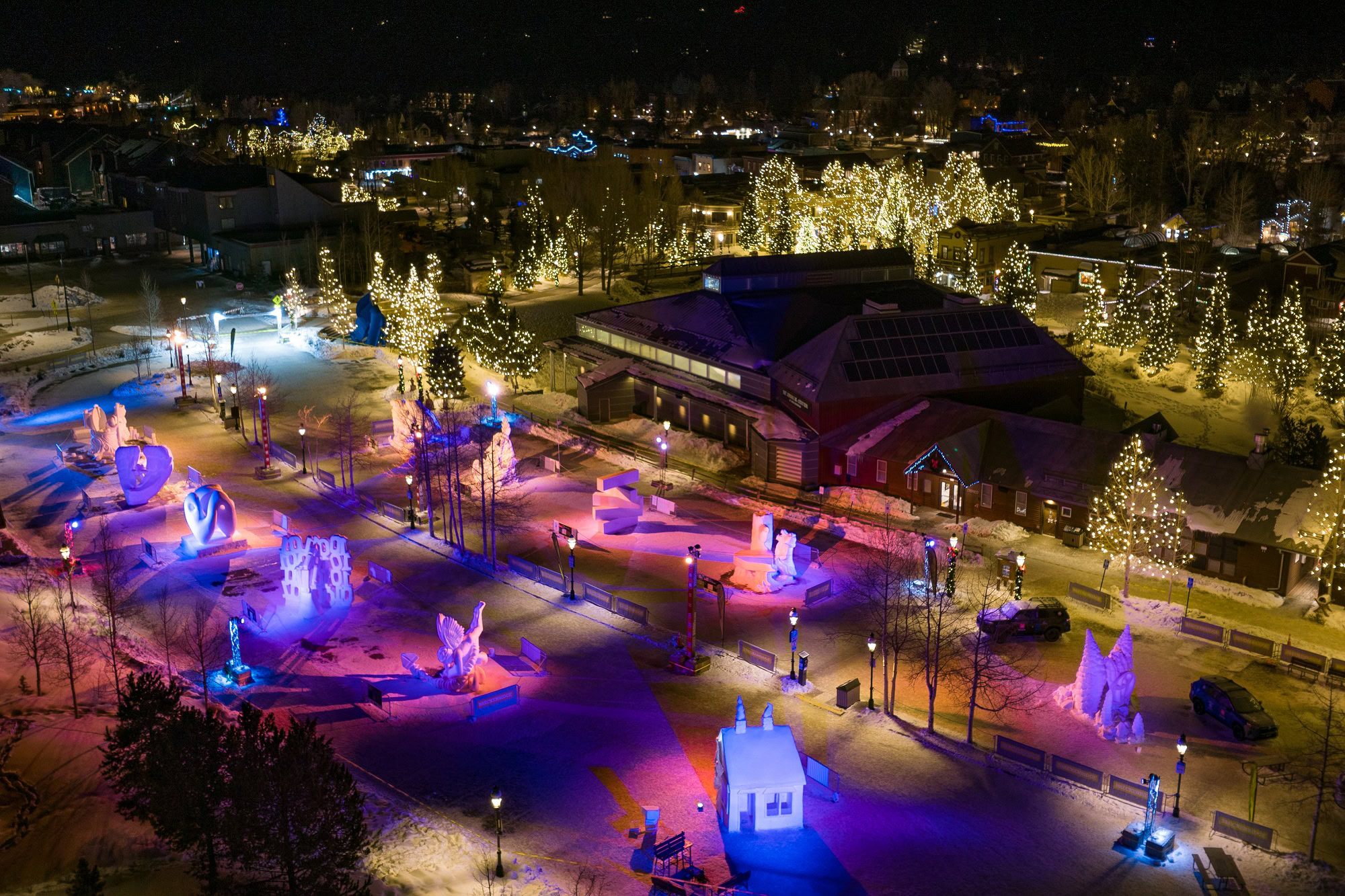
The organisers of the International Snow Sculpture Championship shared this visual of the competition on their website:

Breaking psychological barriers about India being a “hot country” and unfit for snow sports or arts, young Indians from “snow states” and others are gradually leaving their mark on snow art. Snow art has been associated with affluent First World Western European, Scandinavian & North American countries.

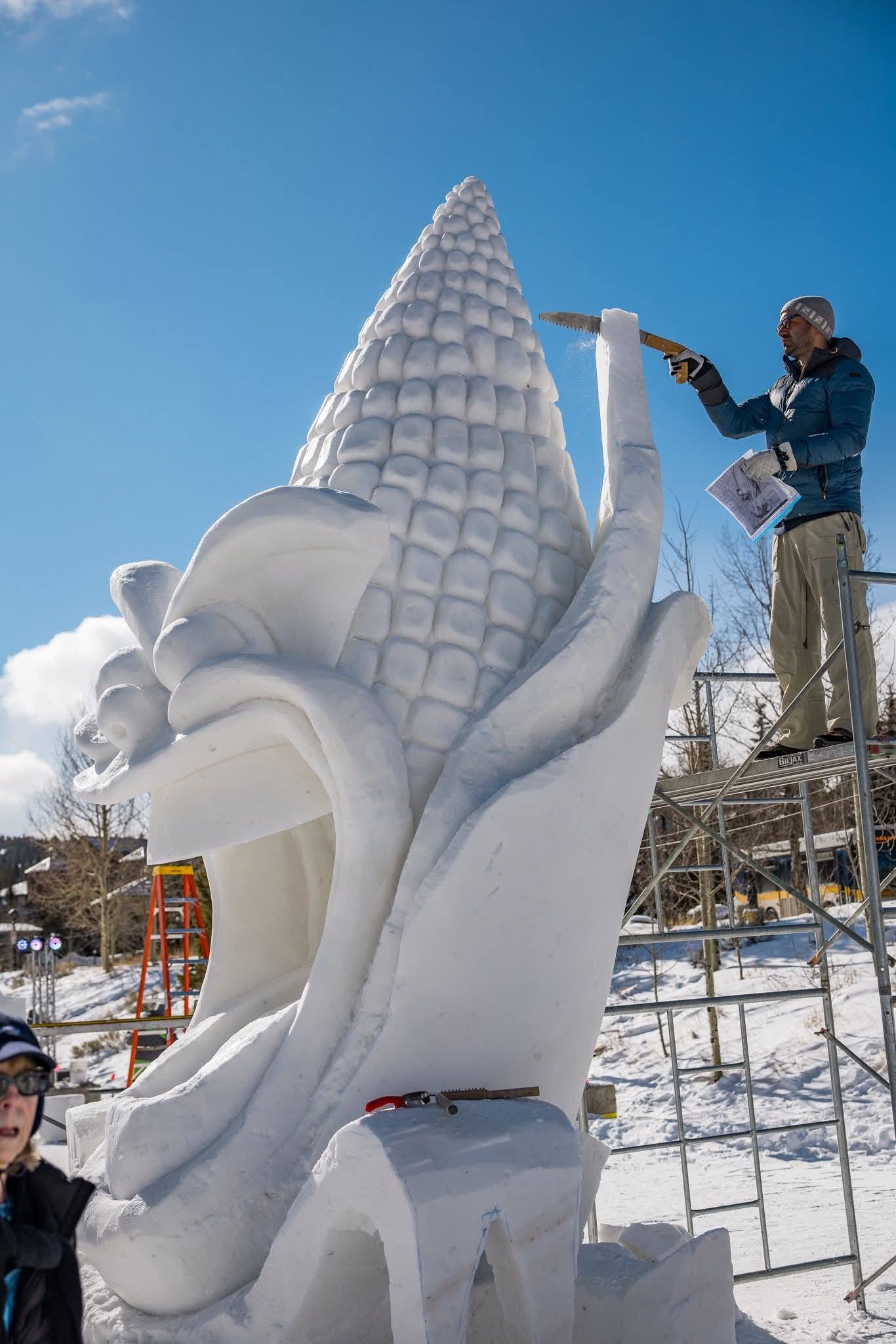
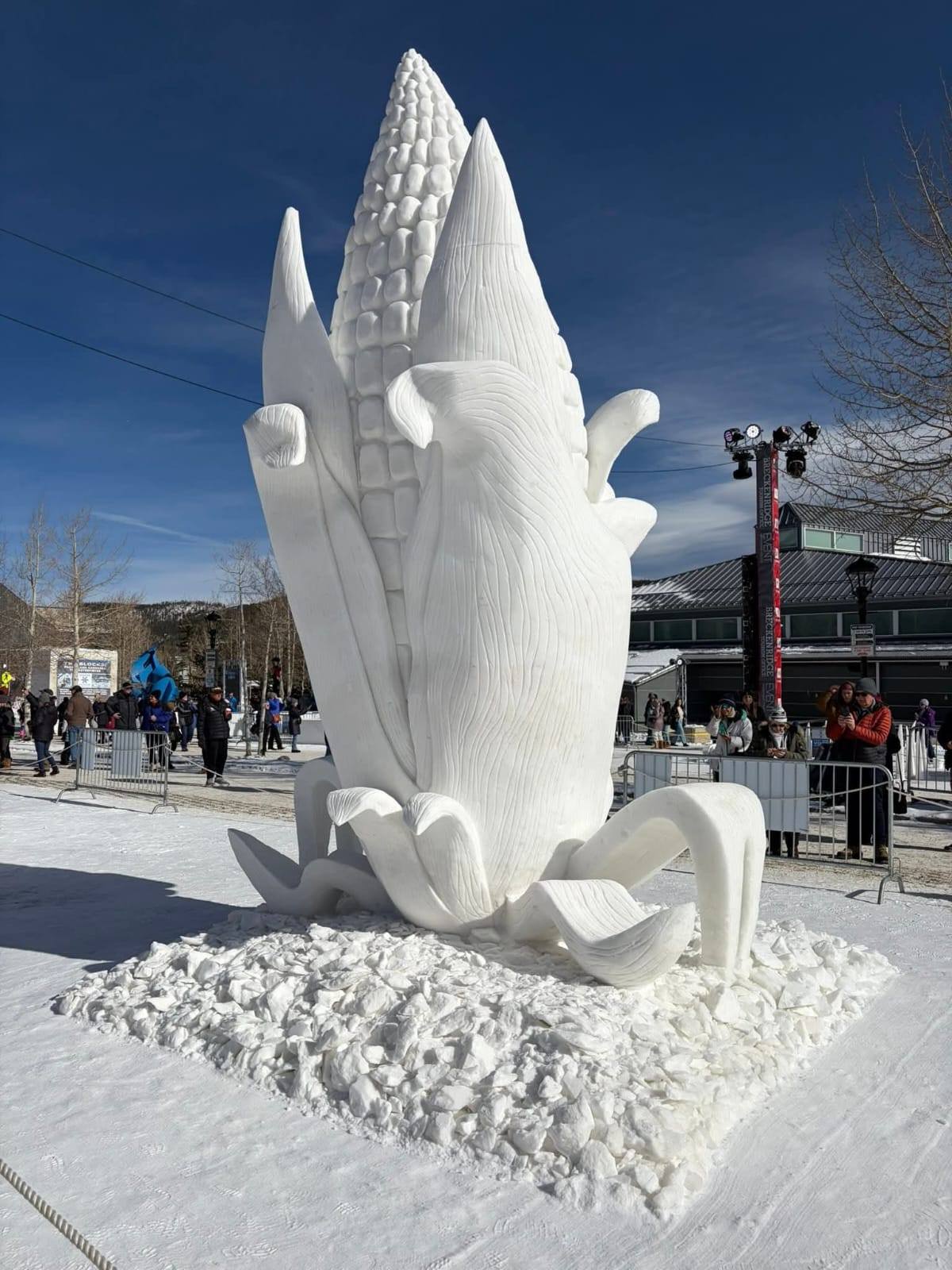
Team India’s 16 ft tall piece, “Corn: The Ultimate Domesticator — Who is truly in control?”, reimagines human history with humour and depth.

It’s inspired by Yuval Noah Harari’s Sapiens. The artists explored the idea that while humans believe they domesticated corn, perhaps corn—or crops—have been domesticating us, shaping our agriculture, diets, and landscapes for centuries.

The venue of the International Sculpting Championship

The sculpture invited audiences to reflect on the relationship between nature and humanity, sparking both curiosity and laughter among visitors and judges alike

The four-member Indian team, led by Suhail Mohammad Khan, worked tirelessly for four days in freezing temperatures ranging from -25°C to -35°C.

This marks Team Snow India becoming the first South Asian country to participate and win, a second time, an international medal in snow sculpting.

“Winning both the jury’s and the people’s awards is truly special. Every flake of snow here tells a story—of teamwork, passion, and India’s creative spirit,” said Mridul Upadhyay from Team Snow India, told the media.

Zahoor Ahmad Lone said that despite the challenging weather conditions and time constraints, Team India’s sculpture impressed the judges and spectators alike with its elegance and precision.  The 5-judge panel took more than 6 hours to evaluate 12 snow sculptures.

India ranked third, while Korea secured first and Mongolia second, amongst teams like the US, Finland, Canada, Argentina, and Turkey.

This achievement marks a significant milestone for Indian snow sculpting, showcasing the country’s talent and creativity globally.

The competition, held in Breckenridge, Colorado, featured 12 teams from around the world, including the US, Germany, Mexico, Finland, Canada, Mongolia, South Korea, Argentina, and Turkey.

Teams from Argentina, Germany, Finland, India, Italy, Lithuania, Malta, Mongolia, the Republic of Korea, Ukraine, USA – Breckenridge, and USA – Vermont participated in the championship.

The first prize – a gold – was won by Team Republic of Korea for their work “Beauty Beyond Difference: Harmony of Coexistence”.

Team Magnolia won a Silver for “Lassoing Time”

source: http://www.awazthevoice.in / Awaz, The Voice / Home> Stories / by Aasha Khosa / February 01st, 2026