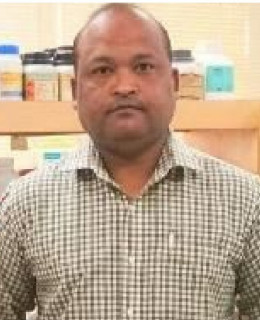
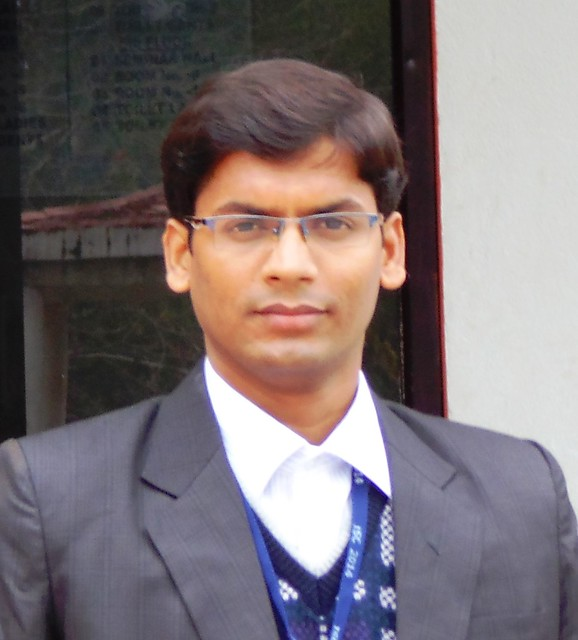
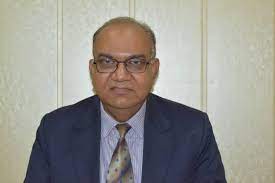
The Council of Science and Technology, Uttar Pradesh honoured Dr. Riaz Ahmad, Lecturer at Department of Zoology, Aligarh Muslim University (AMU), with ‘Young Scientist Award’ yesterday. The award has been given to Dr. Ahmad in recognition of his contributions in the area of Biochemical and Molecular Genetics. Besides cash prize of Rs. 25,000/, award carries a certificate, memento and a shawl.
The award was presented to Dr. Riaz Ahmad by Mr. Abdul Mannan, the State Minister for Science and Technology at the Vigyan Samaroh at Sir C.V. Raman Auditorium in Lucknow.
Dr. Ahmad is also a recipient of prestigious Dr. D. S. Kothari Post Doctoral Fellowship from UGC, Young Scientist Project of DST and Scientist of the Year Award-2009 given by the National Environmental Science Academy.
He has a number of research papers to his name published in various scientific journals of national and international repute.
source: http://www.twocircles.net / TwoCircles.net / Home> Indian Muslim / by TCN News / March 30th, 2010
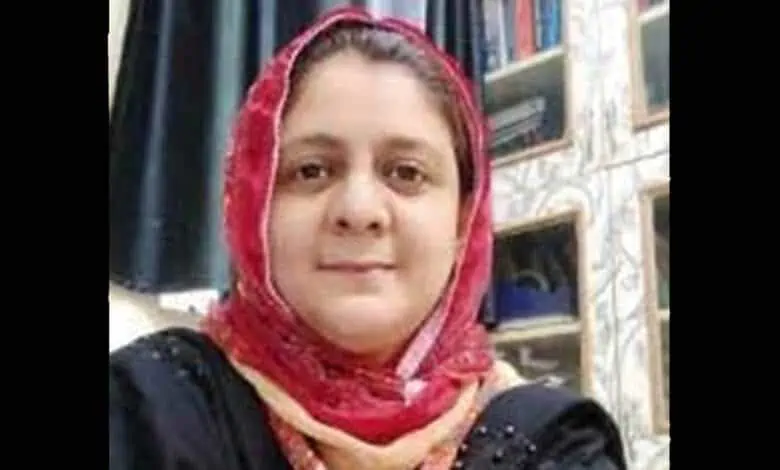
Jamia Millia Islamia Assistant Professor at Department of Chemistry, Dr. Ufana Riaz has been awarded “Sir CV Raman Young Scientist Award 2021” along with cash money of Rs 25,000 in recognition of her outstanding contribution in the field of Materials Chemistry by the St. Peters Institute of Higher Education and Research, Avadi Chennai. The award and citation were presented to her at the 12th convocation of the Institute.
Dr. Ufana Riaz has published more than 140 research papers in the field of conducting polymers, co-authored 3 books and 25 book chapters. Her research work has been published in renowned and highly reputed international journals.
Dr Riaz holds membership of the prestigious National Academy of Science (NASI) Allahabad, International Union of Pure and Applied Chemistry (IUPAC) and Royal Society of Chemistry (RSC).
Dr. Ufana Riaz has been the recipient of the International Research Excellence Award in Green Chemistry by Center for Professional Advancement and Continuing Education (CPACE), Senior Scientist Award by Environment & Social Development Association (ESDA), Green Technology Innovation Award by National Environmental Science Academy (NESA), National Education Excellence Award in Materials Chemistry by International Multidisciplinary Research Foundation (IMRF), and Outstanding Performance Award by Novel Research foundation.
source: http://www.siasat.com / The Siasat Daily / Home> News> India / by Mohammed Hussain Ahmed / February 05th, 2022
Joygram Village (North 24 Parganas District), WEST BENGAL :
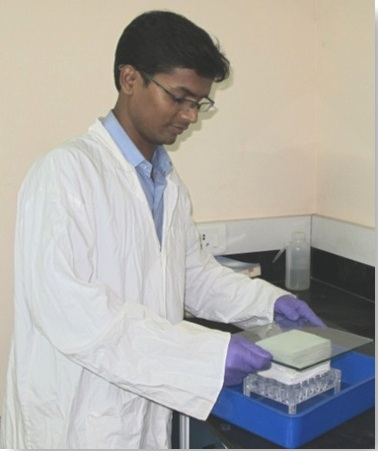
Kutubuddin Ali Molla in research lab
Kolkata:
A young researcher from West Bengal beat poverty to bag the Young Scientist Award 2013-14 of India. The Young Botanist Kutubuddin Ali Molla, who hails from a very poor family in North 24 Parganas district received the honour for his research on “Development of Transgenic Rice Plants for Sheath Blight Resistance”.
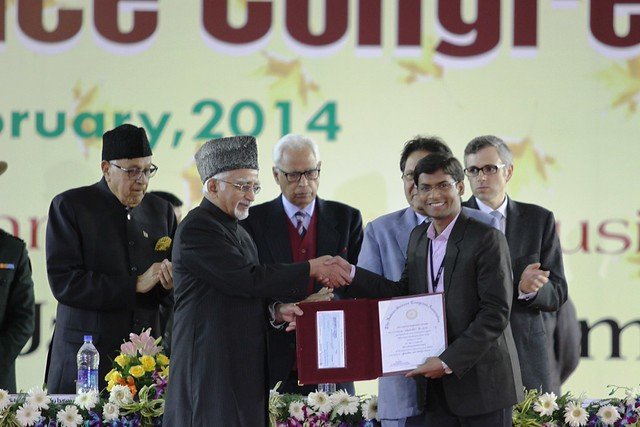
The young scientist was felicitated on February 7, 2014 at Jammu University by Vice President of India Hamid Ansari with a cheque of Rs 25000 and an Award Certificate in the field of Agriculture and Forestry Sciences.
Chief Minister of Jammu & Kashmir Omar Abdullah and Governor of Jammu Kashmir N N Vhora, Former CM of J&K Dr. Farooq Abdullah were also present in this award ceremony.
Kutubuddin is currently posted as a scientist trainee at National Academy of Agricultural Research Management in Hyderabad.
Originally from a remote village of Joygram in North 24 Parganas, Kutubuddin Ali Molla, his father Illias Molla is a farmer and Grandfather Nasim Molla was a Maulana and social worker.
With only three Bighaa of agricultural land in a joint family, Illias Molla was not able to fulfill all the needs of the family; his eldest brother Yusuf Molla, however, financially supported his bright nephew in times of economic-crunch.
Kutubuddin Ali Molla taking award from VP Hamid Ansari at Jammu University.
As a young boy, he Kutubuddin also helped his father in the agricultural fields and learnt several things about paddy cultivation that developed his interest for becoming an agricultural scientist. Stricken by poverty, his father told him, he will not stop him from studying, but he is not in a condition to financially support him and hence he would need to manage the expenses from somewhere.
After completing his senior secondary from Joygram JN High School, Kutub took admission at City College in Kolkata in B.Sc (Honours) in Botany. As the college was about 60 KM from his village, he shifted to a hostel near the college on a nominal fees of Rs 50.
Kutub is very grateful to his Professor in college Dr Argha Hait, who helped in several ways. After graduating with first class, he took admission for post-graduation in Calcutta University, which he completed with first class and ranked third.
All these while, he gave private tuitions to support the expenses of his study and staying in Kolkata. Meanwhile, he also cleared the Junior Research Fellowship (JRF) of the Council of Scientific and Industrial Research (CSIR), GATE, ICAR (NET) and ARS tests.
Kutubuddin Ali Molla
He took admission in Phd under the Dr Karabi Dutta in 2009 in Plant Molecular Biology and Plant Biotechnology. He did his PhD research (PhD award still awaited) on transgenic rice and published a research article in a Research Journal of the British Society on `Molecular Plant Pathology’ in 2013 that attracted the attention of the agricultural scientists in the country.
He then participated in All India Young Scientist Award Competition and was selected for the Best Young Scientist Award of India in the field of agriculture for 2013-14.
Speaking to TCN over phone from Hyderabad, Kutubuddin thanked the Almighty Allah for the honour and hoped that his research in agricultural yields good result in paddy cultivation.
source: http://www.twocircles.net / TwoCircles.net / Home> Indian Muslim / by Zaidul Haque, TwoCircles.net / March 19th, 2014
It was a cold day in February 2016. A woman from a small town of Uttar Pradesh received her Ph.D. at the 63rd Annual Convocation of Aligarh Muslim University (AMU), Aligarh. She was the first from her clan to have taken admission to AMU in 2003. Her parents never attended college; her four brothers took up family businesses at a younger age. The woman in the discussion is me. I am Mahino Fatima, a Muslim girl from a backward caste who became a scientist against all odds.
pix: heritagetimes.in / Dr. Mahino Fatima
Friends, relatives, and peers celebrated my becoming a scientist as a consequence of my hard work and perseverance. In my heart of hearts, I knew this day has not come only because of me; I was grateful for the privilege of education that I was born with.
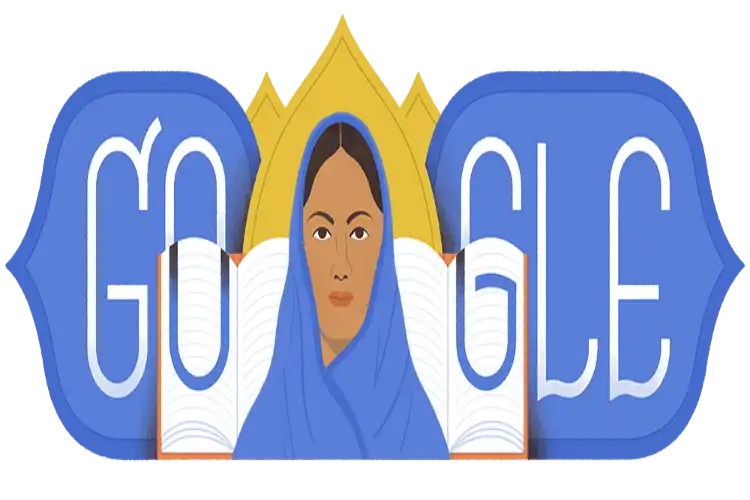
Most importantly, I should not forget Fatima Sheikh. If not for her, I would never have become a scientist. Lakhs of women who are successful because of education would have remained illiterate but for Fatima Sheikh’s pioneering work.
How can I, a woman, forget that my foremothers were not allowed to learn how to write? How can I, a backward caste woman, forget that my forefathers were not allowed to receive an education? Today, when we look at our curriculum, we find that women scientists, economists, philosophers, and intellectuals are negligible in comparison to men. Famous philosopher, Jaques Derrida, once remarked that no woman was a philosopher. His observation was true, but he did not delve into the reason. How can a woman become a philosopher when men for centuries controlled the development of her intellectual capacities in the name of culture?
In our society, men would not let women learn the art of writing for the fear that if literate these women would communicate to ‘lovers’ through letters. Bibi Ashraf, a late 19th-century educationist, recalled how she was not allowed to learn reading and writing like male members of her family. She secretly learned to write. The secret came out when during the revolt of 1857; she had to write a letter to her father and uncle. Instead of receiving accolades, she was abhorred by men in her family. Her uncle was furious and made her take an oath that she would never write a letter to a man. Similar was the story of Rassundari Devi, who secretly learned writing by stealing books from her son. How do we expect women scientists in such a society? Still, a large section of our society would not let women study more than what is needed in the ‘marriage market’.
In this society, Fatima Sheikh, along with Savitribai Phule, started a school for girls in 1848. Yes, 1848. 26 years before Sheikh Abdullah, who later founded a women’s college at Aligarh, and 32 years before Begum Rukaiya Sakhawat, doyen of women education, were born, Fatima had started a girls’ school and taught herself. Today, that small classroom of 9 girls has prepared lakhs of educated women.
Today women are asking for gender parity in opportunities and pay scales. Thanks to Fatima, women today are educated to understand their worth and assert their rights.
Fatima was a pioneer; she was followed by Begum Rukaiya, Begum Wahid, Muhammadi Begum. A revolution starts with an idea. Fatima’s was the idea that put women of India in general and Muslim women in particular, on the march to empowerment through education.
Today, I thank Fatima for making me a scientist. Nobody knows how many bright women before 1848 had been deprived of education and were not allowed to dream of becoming a scientist. But, we surely know that after 1848, women have slowly entered different fields through education and are today competing with men to have their rightful place in the books, laboratories, and society.
(Author is a neurobiologist with her major research on depression and Alzheimer’s)
source: http://www.awazthevoice.in / Awaz, The Voice / Home> Stories / by Mahino Fatima / Saquib Salim / January 09th, 2022
Mohd Zeeshan, a PMRF and doctoral researcher at Department of Chemistry, AMU, has earned national recognition as one of the Top 40 PMRF scholars across India for his exemplary contributions to cutting-edge research in CO₂ fixation
Aligarh:
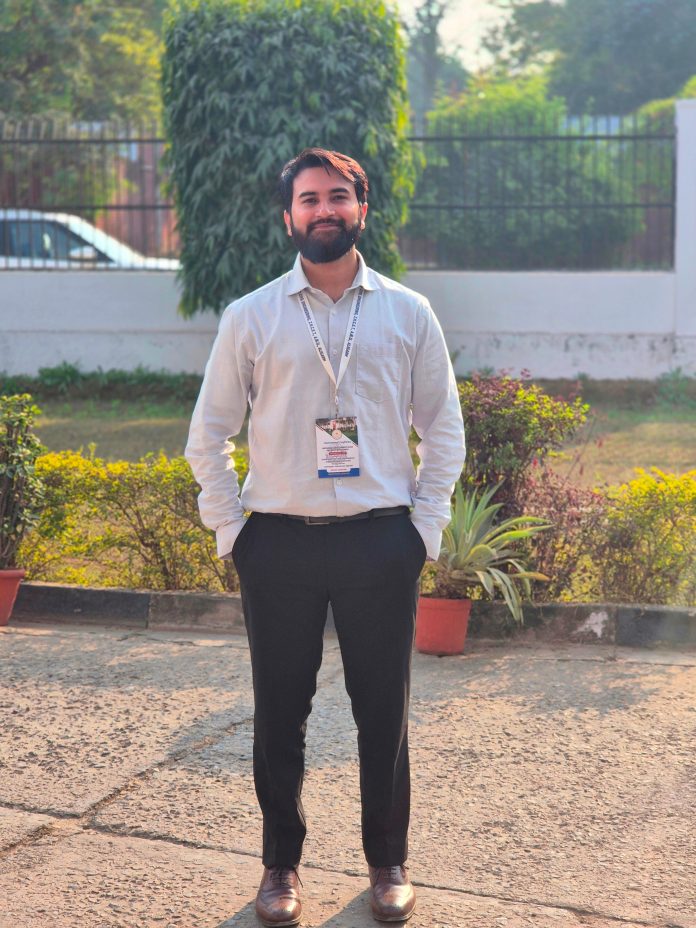
Mohd Zeeshan, a Prime Minister’s Research Fellow (PMRF) and doctoral researcher at the Department of Chemistry, Aligarh Muslim University (AMU), has earned national recognition as one of the Top 40 PMRF scholars across India for his exemplary contributions to cutting-edge research in carbon dioxide (CO₂) fixation.
Zeeshan’s research is centred on the development of heteroatom-functionalised linkers and metal–organic framework (MOF)-based materials for CO₂ capture and wastewater remediation. The selection was based on the national impact of his work, which combines experimental innovation with real-world applicability, addressing pressing environmental challenges.
His research has been conducted under the mentorship of Dr. M. Shahid, a noted scientist with over 170 publications.
Zeeshan acknowledged the constant academic and moral support of Professor Zeba N. Siddiqui, Chairperson of the Department of Chemistry, who congratulated him on receiving this prestigious honour. He also thanked Professor Aasim Zafar, PMRF Coordinator at AMU, for his dedicated mentorship, proactive engagement, and seamless coordination.
Zeeshan has authored 13 peer-reviewed research papers published in leading international journals, including Dalton Transactions and CrystEngComm (Royal Society of Chemistry), and Coordination Chemistry Reviews (Elsevier), with impact factors reaching up to 20.3. He has also contributed two book chapters, holds a granted patent, and has received multiple accolades for best poster and oral presentations at national and international conferences.
In recognition of his achievements, Zeeshan has been invited by the Ministry of Education, Government of India, for a high-level interaction with senior officials, where he will represent AMU and share insights on enhancing the PMRF scheme.
source: http://www.radiancenews.com / Radiance News / Home> Latest News / by Radiance News Bureau / June 21st, 2025
It is the story of a young boy who once wanted to take his parents to the moon. However, for Sabir Alam, the journey from a small village in Bihar to the one in which he was associated with ISRO’s Chandrayan Mission 3, Moon was a destiny chiselled with grit.
Sabir Ali’s story began in the Chhoghra village in Katihar district, 350 km from Patna, Bihar. Son of a primary school teacher from Seemanchal – one of India’s most underdeveloped regions – this young boy turned his limitations into challenges and life happened to him.
Sabir’s father, Harun Rashid, knew the value of a good education but often wondered how to make his son rise in life with his meagre earnings. “With my limited earnings and the struggle to secure quality education for him, it was a challenging journey,” Harun says.
Sabir Alam having chai
Sabir joined his father’s school, where learning was born from passion rather than resources.
When Sabir cracked the Jawahar Navodaya Vidyalaya (JNV) entrance exam, it was a monumental moment. JNV was a lifeline, offering free education to talented students from rural areas.
He joined the JNV in Kolasi, Katihar, and after his 10th-grade exams in 2012, he shifted to JNV, Puducherry.
Sabir also enrolled in a coaching program run by Avanti, an NGO in collaboration with Tata Motors, to prepare students for competitive exams like IIT–JEE, the gateway to some of India’s most prestigious engineering institutions.
He graduated with a B.Tech in aerospace engineering from the Indian Institute of Space Science and Technology (IIST) in 2018 and then joined the Indian Space Research Organisation (ISRO) at the Vikram Sarabhai Space Centre, Thiruvananthapuram, Kerala.
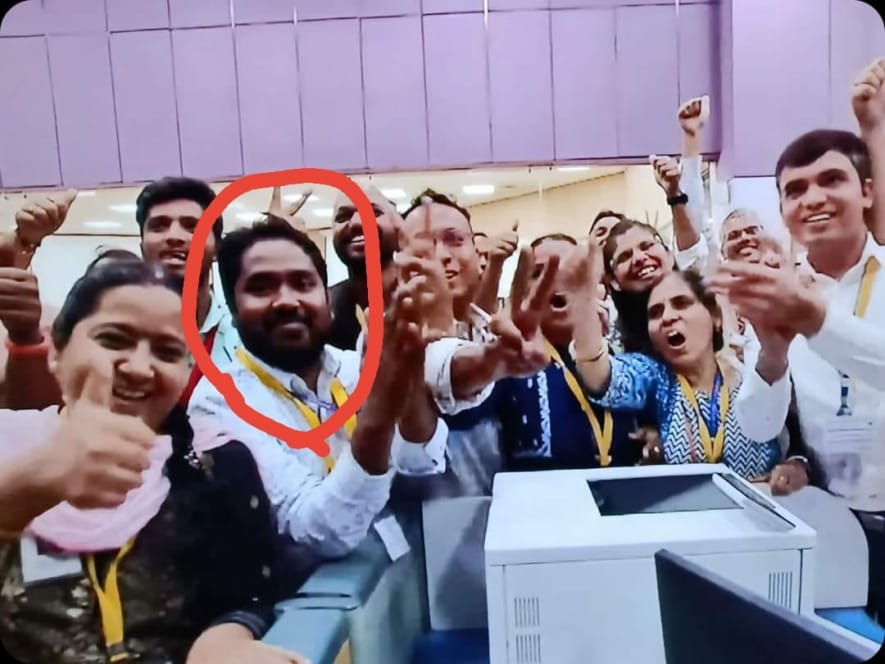
Sabir Alam with fellow scientists celebrating the launch of Chandrayaan-3
Then came the day that would forever etch Sabir’s name in history. On August 23, 2023, when India made its historic landing on the moon’s South Pole as part of the Chandrayaan-3 mission, Sabir stood among the brightest minds who made it possible.
The moment was both joyous and emotional for his family.
“It was like Eid for us,” says Harun Rashid. “People gathered at our house to congratulate us and shower blessings. It felt natural as a young man from a region often associated with poverty and underdevelopment contributed to the country’s successful lunar mission,” he says with palpable pride and happiness.
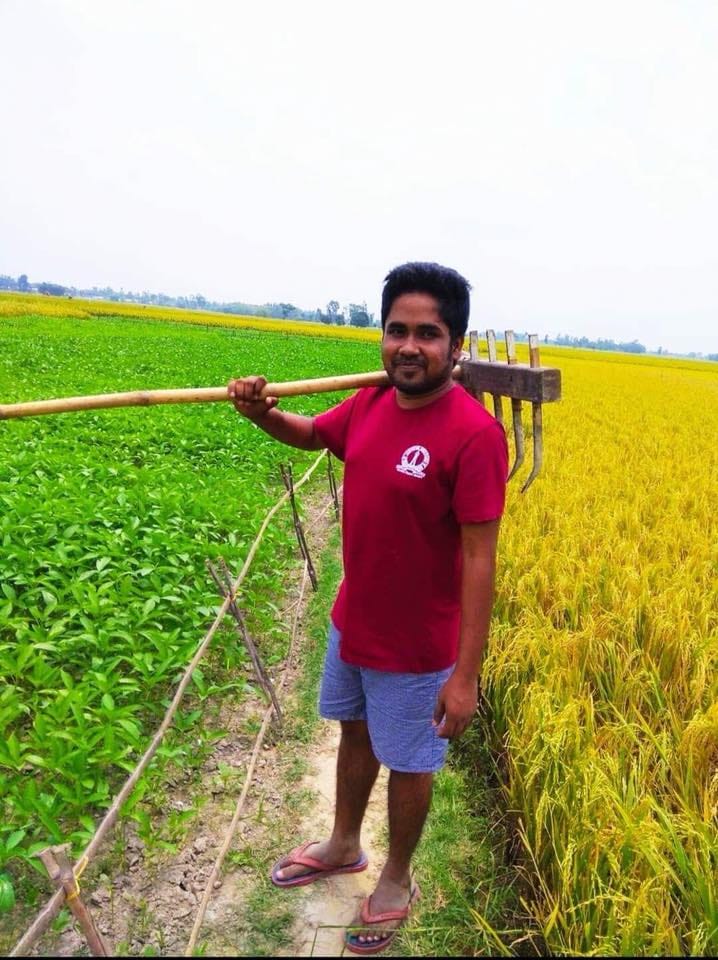
Son of the soil : Sabir Alam in his field in the village
Though his mother, a homemaker, may not fully grasp the enormity of the achievement, she stood in quiet pride, holding back her tears. “As a mother, I cannot put my emotions into words. All I know is that my son has made not just Seemanchal but the entire country proud,” she says, her voice trembling with love and joy.
For the family, Sabir’s rise was not about wealth. “There was no financial investment in his schooling,” his mother said.
Sabir’s education was sustained by the values of hard work, sacrifice, and scholarships. The JNV provided the crucial foundation, and scholarships allowed Sabir to scale the mountain that seemed insurmountable to so many.
Did Sabir’s mother ever imagine he would join ISRO or contribute to such a prestigious national mission? I asked her. “I always knew he would succeed,” she said. “He often joked during his visits home that he would take us to the moon one day.”
Sabir Alam showing a model of the lander at the surface of the moon to his son at ISRO center
Mumtaz Naiyer, a scientist based in the United Kingdom, shares a unique bond with Sabir. Hailing from the same region, he always acknowledged Sabir’s abilities. “Sabir has always been extraordinary. He stands out from other youth in Seemanchal because of his approach, temperament, and determination to learn and succeed. Thanks to Sabir, we, the Surjapuri-speaking (local dialect of the region) people, Seemanchalis and Biharis, are now part of history,” Naiyer says.
“This will certainly inspire the youth of this underdeveloped region to dream big,” Naiyer adds. “I also want to thank Sabir’s parents, as their son has brought immense pride to Seemanchal.”
Yet, despite all his achievements, Sabir has never seen himself as someone extraordinary. In a post on Facebook’s page ‘Humans of Seemanchal’ he wrote, “Honestly, I do not feel that I have achieved anything extraordinary or made any significant breakthrough in my field. I do not need to talk much about Seemanchal – its literacy rate already tells its story. I was just fortunate to find a way around the high cost of education.”
For Sabir, it was never about the prestige of joining ISRO. It is simply a milestone. “There are numerous challenges for those from backward areas, but with dedication, hard work, willpower, and, most importantly, awareness, you can overcome them,” he advises.
source: http://www.awazthevoice.in / Awaz, The Voice / Home> Stories / by Tarique Anwar, New Delhi / February 13th, 2025
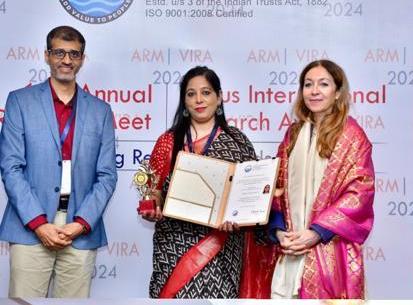
Dr Nishat Afroz receives the international award for research and innovation in medical sciences
Aligarh:
Dr Nishat Afroz, Professor, Department of Pathology, JN Medical College, Aligarh Muslim University (AMU) has been honoured with the award of “Distinguished Researcher in Histopathology” for her contribution and achievement in the discipline of Health and Medical Sciences by the Venus International Foundation.
The award was bestowed upon her at the 10th Annual Research Meet – ARM 2024 on the theme “Diverse Approach to Address Societal Challenges and Deliver Novel Solutions”, organised by the Centre for Research and Innovation – Venus International Foundation at Chennai.
Earlier, Dr Nishat Afroz attended the Pathology Conferences at Subharti Medical College Meerut, Narayana hospital & RN Tagore Medical College, Kolkata and SMS Medical College, Jaipur as guest speaker and workshop convener.
source: http://www.radiancenews.com / Radiance News / Home> Pride of the Nation. Awards> Focus / by Radiance News Bureau / December 12th, 2024
Prof Seyed Ehtesham Hasnain’s scientific research has changed the complicated regimen for the diagnosis of Drug-Resistant Tuberculosis and the Indian Basmati getting its patent and trademark in the UK in the fight against the Pakistani variant. This Bihar-born scientists’ findings have saved patients suffering from Drug-Resistant TB money and time and helped the Indian government and farmers earn through exports of the Basmati.
He told Awaz-the Voice in an interview that the government of India has taken at least two major policy decisions based on his research. “One decision was that previously the testing of tuberculosis (TB) was based upon antibody-antigen reaction. So, the antibody formed was based on the antigen of a bacterial protein, and the sequence (genetic) used was mostly European or American isolates.
“When I did sequencing in India, I found out that the Indian variant is completely different. Therefore, the test could give false positives or negatives…. I published this finding and had a meeting with the DG of ICMR (Indian Council for Medical Research) and recommended that the tests based on foreign kits be banned and that made a big impact.”
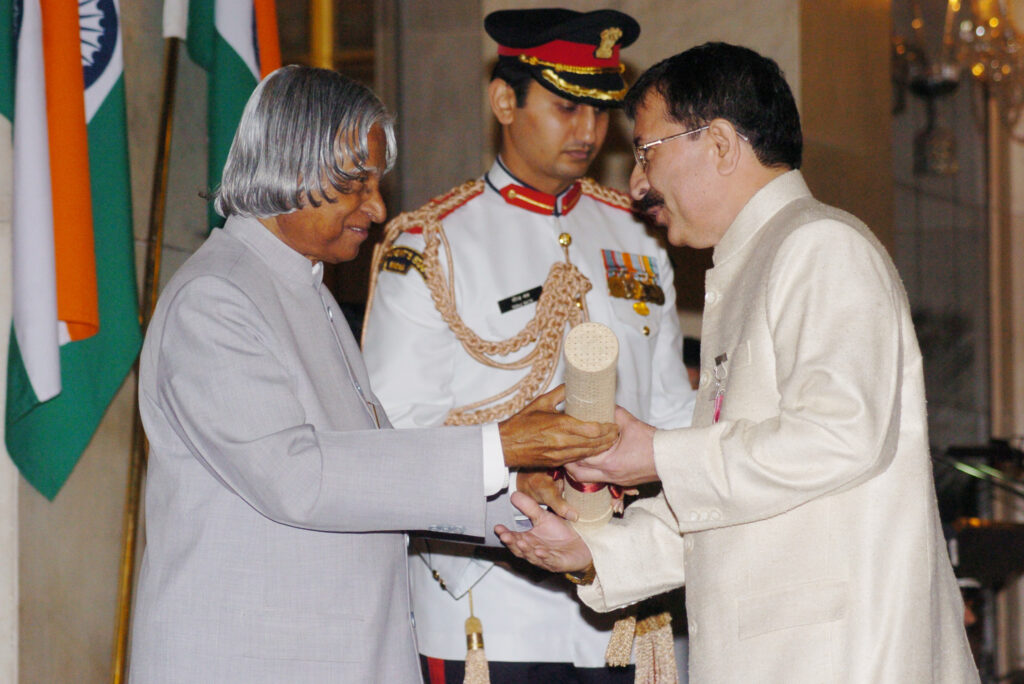
The President, Dr. A.P.J. Abdul Kalam presenting Padma Shri to Prof. Seyed E. Hasnain, renowned biologist, at an Investiture Ceremony at Rashtrapati Bhavan in New Delhi on March 29, 2006.
Padma Shri recipient Seyed Ehtesham Hasnain said. E. Hasnain was awarded the Order of Merit of the Federal Republic of Germany, the highest Civilian decoration of Germany in 2014. Nature, a famous scientific journal, reported on his receiving the award, “With the Order of Merit, he joins the league of outstanding personalities from various fields including Nobel laureate biologist Paul Herman Muller, former German Chancellor Helmut Kohl, former Japanese Prime Minister Yasuhiro Nakasone and music conductor John Crosby.”
In 2006, he received Padma Shri in recognition of his scientific work. Shanti Swarup Bhatnagar Prize (1995) and J. C. Bose Fellowship (2006), two of the most prestigious Indian Awards in the field of science have also come his way apart from numerous other decorations.
Hasnain was born in Gaya, Bihar in 1954. He was born seven years after India had attained independence. At that time Bihar was not the most developed of the Indian states. Hasnain’s father was a college lecturer and he nursed a dream of studying abroad. He studied at the Nazareth Academy, an expensive school in the town. It’s said that almost 20% of his father’s salary would go into children’s school fees.
He did his M.Sc. from the Jawaharlal Nehru University in New Delhi. However, though he was selected for his post-graduation studies by Harvard University, for some reason he could not join.
In 1981, Hasnain moved to Canada as a Post-doctoral Fellow (PDF). He worked in Canada and the USA for the next six years. At this stage, his father asked him to return home to serve his country and people. He was advised by many people that he must try to get his green card before moving back to India.
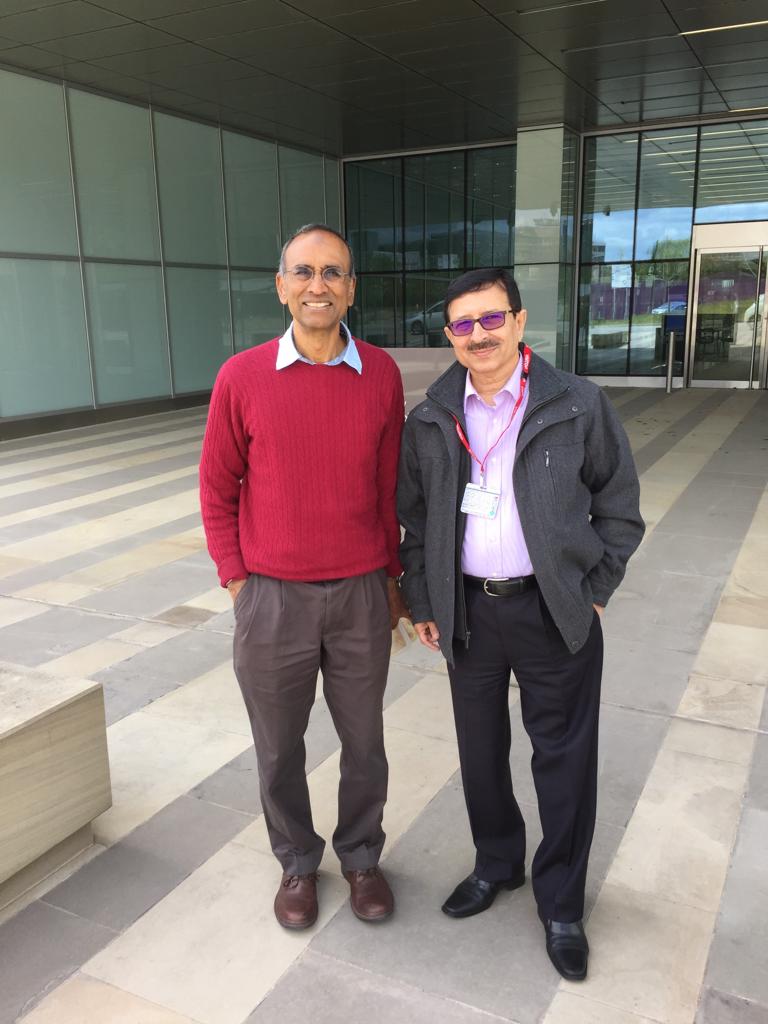
Seyed Ehtesham Hasnain with Dr Venky Ramakrishna, Nobel Prize Winner and President of Royal Society, UK, in Cambridge
In 1987, he joined the National Institute of Immunology (NII) as a scientist. Hasnain says, “I thought that after getting a green card, I would have a fall-back and a plan B. I did not want a plan B. My plan was the only plan A. I will work in India and do something good in India.”
Hasnain broke the convention by not continuing the research he was doing abroad. He started afresh and soon made a name for himself in research of baculoviruses. He established a baculovirus insect cell expression system (BEVS) for the first time in India and used this to express foreign genes and also to ask fundamental questions concerning gene expression in BEVS. The idea was to make India a scientific power.
Hasnain says that when his career was at the peak with research on baculovirus one day, Dr. Sandeep Basu, the then director of NII, asked him, “Seyed, you are publishing in good journals, it is fine, but how does humanity benefit? What is India gaining out of it? How are the common men benefiting from your papers? Doing research is good but do something which will benefit the common man.”
This was the turning point in Hasnain’s life and career. He says “I decided to do something where I can do direct application.” He started his research on tuberculosis.
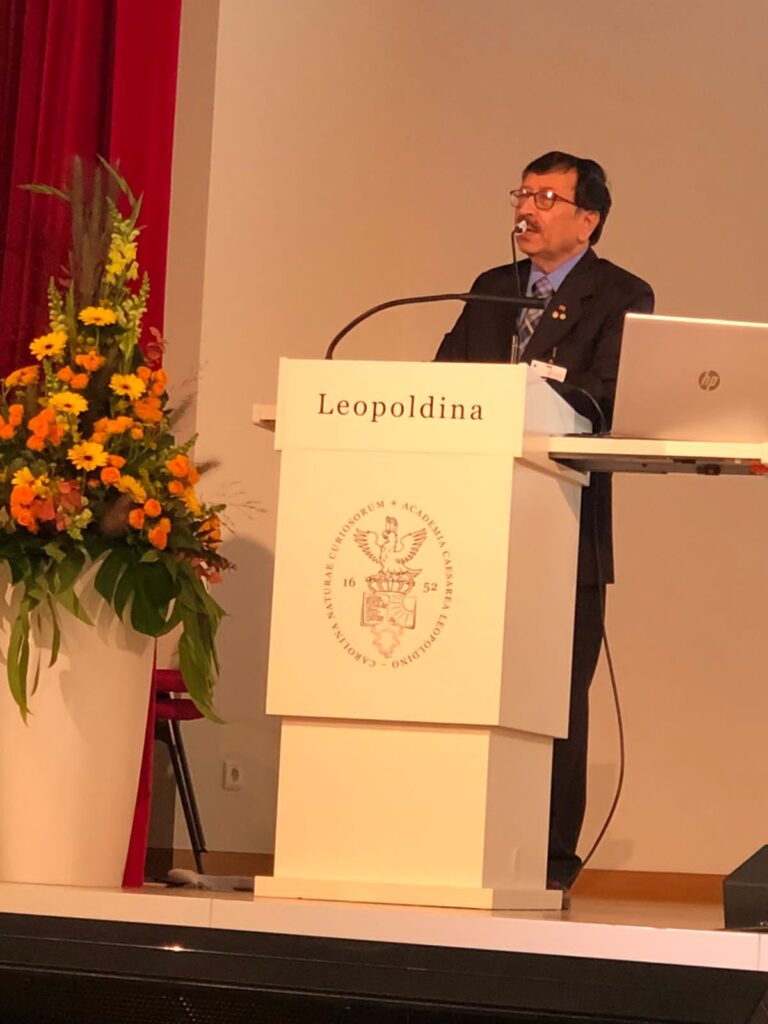
Seyed Ehtesham Hasnain at the Global Health Conference organized by the German National Academy of Sciences, Leopoldina, Halle, Germany
Hasnain initiated studies on molecular epidemiology and genetics of multi-drug resistant (MDR) M. tuberculosis (M.tb). He says, “second important observation that was published, again the first time in the world. We used to test TB for drug resistance. The bacteria was tested against each drug. I showed with my study that if the bacteria are resistant to one drug then it will be resistant to almost all other drugs. I established the correlation and proposed that you don’t need to do multi-drug resistance testing for all the drugs. Just test one drug rifampicin and if it is confirmed then 95%-99% of drugs will be resisted by the bacteria. That has become a standard treatment all over the world. He is still working on developing cheaper methods of diagnosing TB.
In 1999 Hasnain was invited as the first director of the Centre for DNA Fingerprinting and Diagnostics (CDFD), Hyderabad. It was based on his work on Indian Basmati Rice DNA fingerprinting that India won the Patent case against Pakistan enabling the export of the Indian Basmati to the UK. This prevented a major economic loss to India. Subsequently, the Ministry of Commerce established the CDFD-APEDA Basmati DNA Analysis Centre, where all Basmati exports are certified.
Hasnain also served as Vice Chancellor of the University of Hyderabad (2005-11), and Vice Chancellor of Hamdard University and is currently A National Science Chair of SERB, at the Department of Biochemical Engineering and Biotechnology at IIT-Delhi.
Hasnain Mantra is: “Nothing is a substitute for hard work.”
source: http://www.awazthevoice.in / Awaz, The Voice / Home> Story / by Saquib Salim / November 03rd, 2023
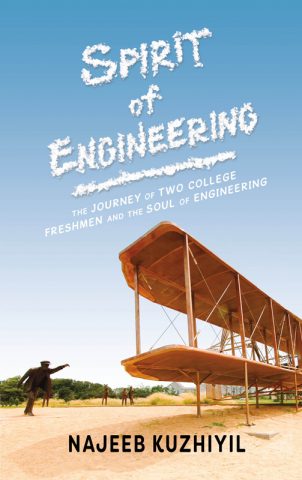
Spirit of Engineering, published by ME alum Najeeb Kuzhiyil in December 2017, tells the story of two freshman college students and their journey to discover what engineering is. Image courtesy of Najeeb Kuzhiyil
A novel penned by a mechanical engineering alum tells the story of two freshmen college students and their journey to discover what engineering is.
“So I thought before you begin your undergrad studies, you should understand what engineering is in simple terms,” said Kuzhiyil. “I really wanted to write a book that was simple enough for high school students.”
The book took about a year and a half to write and started out as separate essays covering four pillars of engineering: methodical approach, practical skills, abstraction, and creativity.
“One morning I was lying in my bed and I thought why don’t I tell this as a story. I can include all of these concepts and wind them into a nice plot,” Kuzhiyil said.
The target audience for the book is high school students or perhaps even freshmen in college. The plot is set in modern times and follows around two main characters who are both first year engineering students at an unnamed Midwestern college: Matt from northern Iowa and Maya from India.
Matt and Maya come across a presentation about the Wright Brothers which piques their interest to the point that they decide to travel to the Wright Brothers museum in Dayton, Ohio in an attempt to better understand what engineering really is. During their travels they meet an experienced, middle-aged engineer who helps them understand how math, physics, and other natural phenomena apply to engineering.
Kuzhiyil said that his PhD advisor Robert C Brown, Anson Marston Distinguished Professor in Engineering, was a major influence on him personally and with his writing style specifically.
“He’s a wonderful engineer and he’s a great writer because we as engineers aren’t always great writers,” said Kuzhiyil. “Before coming to Iowa State I never paid attention to my English but Dr. Brown told us ‘You might be great engineers but you also have to learn how to write well. It’s very important to be able to express your ideas.’”
Brown, who also serves as director of the Bioeconomy Institute at Iowa State, wrote the foreword of the book. He said he thinks the book can be helpful for the next generation of engineers.
“I would have benefited from this book when I was in high school, at the time having no clear idea of the engineering profession. Even today despite the emphasis on STEM education, engineers are rarely portrayed in popular culture except for the occasional less than flattering role of bumbling technocrat. Najeeb’s book helps to overcome this stereotype,” Brown said.
Kuzhiyil cited Brown, whose research focuses on biorenewable resources, as a major reason why he chose Iowa State to pursue his PhD. Kuzhiyil is originally from the state of Kerala in southern India. He attended school in the city of Kochi and began developing an interest in chemical engineering in high school. He attributed his interest in engineering to his older brother, Dr. Abdul Kader, who studied chemistry and worked at a fertilizer manufacturing company.
“I didn’t know anything about chemical engineering, but as a kid I thought it would be cool to learn about it,” he said, adding there was a large petroleum refinery close to home that always fascinated him.
Kuzhiyil graduated with a bachelor of technology in chemical engineering from the University of Calicut and went on to work as a tech service engineer for Indian Oil Corporation.
After a decade in industry, Kuzhiyil decided to pursue an advanced degree. In graduate school his interest shifted from chemical engineering to renewable energy. He graduated with a MS in Combustion and Energy from the University of Leeds in England in 2005.
Kuzhiyil came to Iowa State in 2008 and was involved in various groups outside of his engineering studies, including serving as president of the Indian Students Association from 2009 to 2010. Despite spending just three years in Ames, Kuzhiyil said he made friends and memories that will last a lifetime.
“There were so many moments I really enjoyed at Iowa State,” said Kuzhiyil. “Our research group was so big we had people from all over the world. We had people from India, China, Europe, Africa, from all over and we had discussions on science, on politics, on life, on love, on everything. They were all great for me because different viewpoints and perspectives on different things were really insightful. I really had a blast and enjoyed every moment of my PhD.”
Kuzhiyil added that he loved the beauty of Iowa State’s campus, especially during the spring bloom, and that he enjoyed participating in the International Food Festival during the annual VEISHEA celebration.
After completing his PhD, he worked as a fuels and lubricants technologist at General Electric for six years. In November 2017, he was hired as a staff engineer in synthetic lubricants at ExxonMobil Corporation. His current work focuses on engine oils and gear oils and how it relates to fuel economy.
“By using synthetic lubricants we can improve fuel and the energy efficiency. Synthetics are more of a move toward a sustainable future,” Kuzhiyil said, adding that the job has been a nice marriage between his interests in chemical engineering and renewable energy.
During his career, Kuzhiyil has studied or worked on three different continents. He said that these diverse experiences have contributed to his professional development and have been helpful when approaching challenges.
“In engineering most of the problems we deal with are open-ended. There’s no single answer to many of the problems. You can design things in different ways so the engineer’s job is to design a product or a process or whatever, within the constraints of resources, environment, culture and weather. All of those factors play into the engineering,” said Kuzhiyil.
“Because I come from India, and I lived in Europe and the U.S., all of these places are different if you look at the available resources, the weather, the philosophy, etcetera. I really got a lot of examples of how the same product can be different on these three different continents and I think that’s been helpful in getting me to where I am today.”
source: http://www.news.engineering.iastate.edu / Iowa State University, College of Engineering / by Nick Fetty (headline edited) / April 02nd, 2018
Prof Nafees Ahmad Khan, Department of Botany, Aligarh Muslim University, has been declared as the Elected Fellow of the National Academy of Sciences, India (NASI).
The National Academy of Sciences, recognises researchers who excel in the field of their research as Fellow of the Academy, which is considered as the most coveted accomplishment in academics.
Prof Khan has worked on the mechanisms of hormonal and nutritional regulation of plant development with emphasis on plant resilience against stressful environments using nutriomics and metabolomics.
He has published many research papers in crucial high Impact Factors journals and collaborated internationally for research. He has published about 200 research papers(H-index 67; i–10 index 175)and was noted as one of the most-cited Indian researchers in the area of Plant Science by Elsevier every year from 2019 to 2022.
He has edited 19 books published by Elsevier, Springer-Nature, Frontiers, NOVA, Alpha Science and others. Supervised research projects focused on signalling molecules-nutriomics and abiotic stress tolerance mechanisms, and served as Editor/Guest Editor of the leading plant science journals, published by Elsevier, Frontiers, Springer-Nature MDPI.
Prof Khan is also fellow of The Linnean Society, Indian Botanical Society, Indian Society for Plant Physiology.
source: http://www.amu.ac.in / Aligarh Muslim University / Home / by Public Relations Office / November 04th, 2022