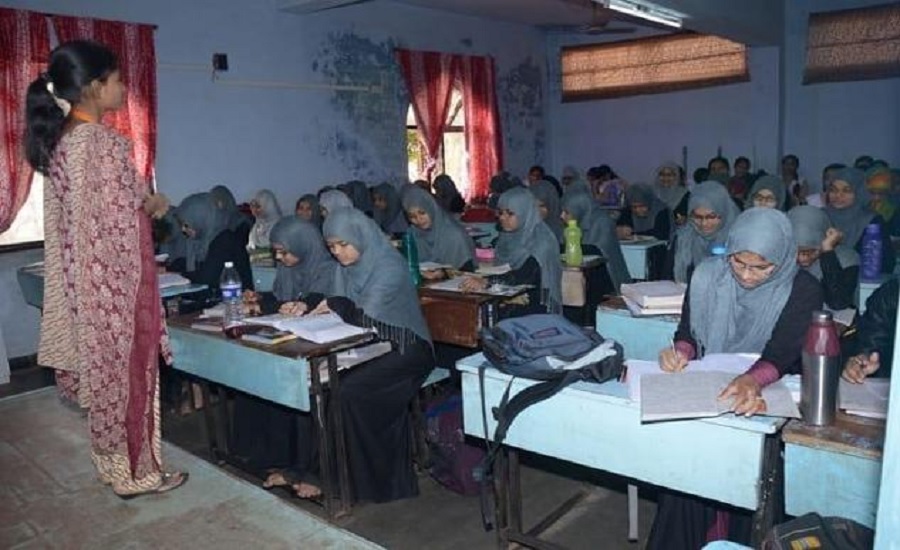
A survey covering more than 30 colleges across seven districts linked with Chhatrapati Shahu Ji Maharaj University shows a significant rise in female Muslim students
New Delhi :
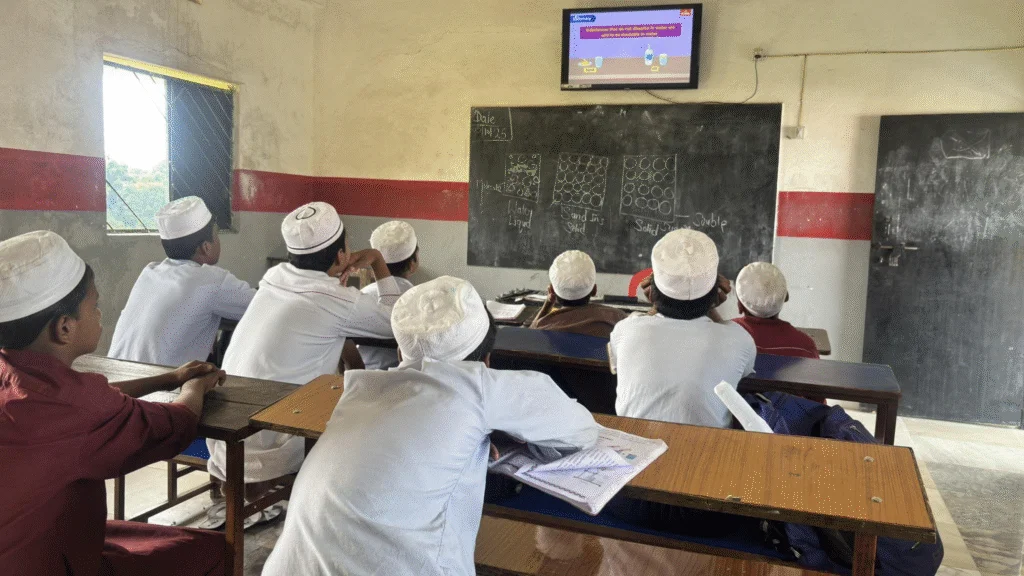
The number of Muslim girls pursuing higher education in Kanpur and nearby districts in Uttar Pradesh has increased significantly over the past five years, according to a survey conducted by a senior academic. The study shows that the share of Muslim female students in colleges has risen from around five per cent in 2021 to more than 21 per cent during the current admission process.
The survey was prepared by Prof B D Pandey, a senior teacher at PPN College and president of the Kanpur University Teachers’ Association (KUTA). The study was based on admission data collected from more than 30 colleges spread across seven districts of Uttar Pradesh.
The colleges included in the survey are located in Kanpur Nagar, Kanpur Dehat, Unnao, Kannauj, Farrukhabad, Etawah and Auraiya. All these colleges are affiliated with Chhatrapati Shahu Ji Maharaj University (CSJMU), Kanpur.
Prof Pandey said the data was collected from admission coordinators appointed in different colleges during the ongoing admission process. The survey looked at students enrolling in undergraduate courses such as Bachelor of Arts (BA), Bachelor of Science (BSc), Bachelor of Commerce (BCom) and other professional programmes.
According to the findings, Muslim girls accounted for around five per cent of female students enrolled in colleges in 2021. This figure increased to nearly 12 per cent in 2023 and has now crossed 21 per cent during the latest admission cycle.
The rise indicates a growing interest among Muslim families in sending their daughters for higher education. The survey also highlights that many of these students come from economically weaker sections of society.
Prof Pandey said one of the notable findings was that a large number of Muslim girls entering higher education belong to families with limited financial resources. In many such families, sons are also present, but instead of continuing studies after school, they often move towards employment or skill-based work.
“Many Muslim girls who are entering graduation and postgraduate courses belong to families where their brothers have studied only up to high school or intermediate level and then started working according to their skills,” Prof Pandey said.
The data suggests a changing attitude among some Muslim families towards women’s education. While economic challenges continue to remain a concern, more families are now supporting their daughters’ efforts to continue their studies beyond school.
The increase has been visible across different courses, including traditional degree programmes and professional courses. Teachers associated with these colleges believe that awareness about education, career opportunities and financial independence may be among the reasons behind the rise.
The trend also reflects a wider change in the participation of women from minority communities in higher education. More young women are seeking college education to improve their career opportunities and become financially independent.
Prof Pandey said the increase in Muslim girls’ admissions is a positive development and shows that educational aspirations among families are changing.
The survey, however, does not represent all colleges across Uttar Pradesh or the entire Muslim community. It is based only on admission figures from selected colleges affiliated with CSJMU.
Education experts say that continued support through scholarships, better awareness programmes and improved access to colleges will be important to maintain this growth.
The increasing presence of Muslim girls in colleges in the Kanpur region shows a gradual shift in educational choices, with more young women from the community moving towards higher education despite economic and social challenges.
source: http://www.clarionindia.net / Clarion India / Home> Big Story> India>Indian Muslims / by Mohammad Alamullah / August 04th, 2026
Itki Village (Itki CD Block, Ranchi Sadar Subdivision, Ranchi District, JHARKHAND :
Founded by Maulana Naseem Anwar Nadwi and his wife Tabassum Fatima, the academy educates hundreds of boys and girls with modern CBSE schooling and strong Islamic values in a safe and disciplined setting
Ranchi :
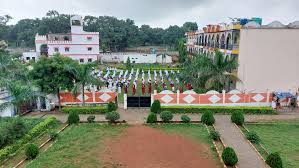
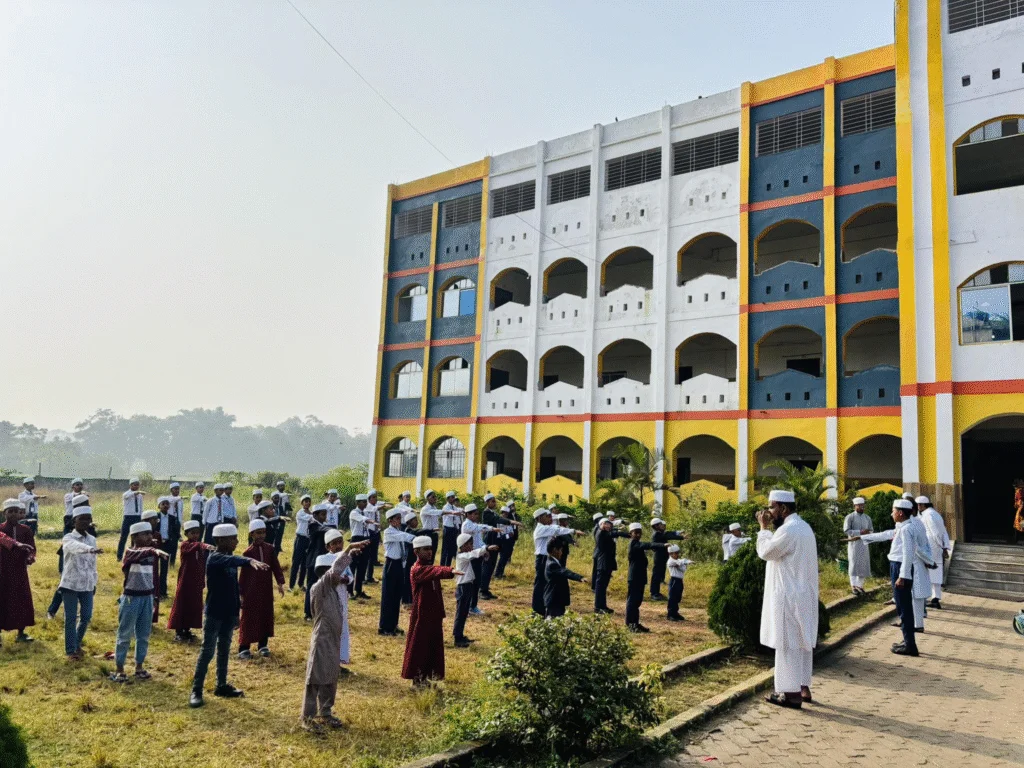
In the quiet green hills of Itki, about 25 km from the bustling capital of Jharkhand, a special school has grown from very modest beginnings into something much larger. Fatima Academy, which educates both girls and boys, is more than just another school. It is a place where Muslim families in rural areas can send their children for a quality modern education alongside proper Islamic learning, all in a secure and caring environment.
The academy is located in Fatima Nagar, Itki Jawhar. It was founded on 8 January 1998, at a time when modern schools were hard to find in this part of the countryside. Back then, many families—especially those with daughters—faced social pressure and economic hardship that made education difficult. Maulana Naseem Anwar Nadwi, the academy’s director and chairman of the Fatima Educational and Health Trust, decided to change that.
Speaking to Clarion India, Maulana Nadwi said, “When we came to Itki, there were almost no proper educational facilities for children, particularly girls. Social barriers and limited thinking in the rural area made things very difficult. But we believed that education is the way forward for our community.”
He and his wife, Tabassum Fatima, who serves as principal of the girls’ section, devoted everything they had to this work. Maulana Nadwi donated all his personal property and resources to the mission. His wife sold her jewellery to help raise funds for the school. Their sacrifices laid the foundation for what stands today.
Tabassum Fatima explained, “Both of us studied in Lucknow. When we arrived in Itki, we saw that girls were mostly confined to household work. We did not want that. We wanted them to become independent, confident, and strong in their faith as well as in modern knowledge. The early days were very hard, but with the help of Allah, we persevered.”
The academy began in a small rented hall with just 17 girls. There was no large building, no proper facilities, and plenty of doubt among locals. Yet the couple worked with patience and dedication. Gradually, as parents saw the positive results, strong discipline, and a safe Islamic environment, trust grew.
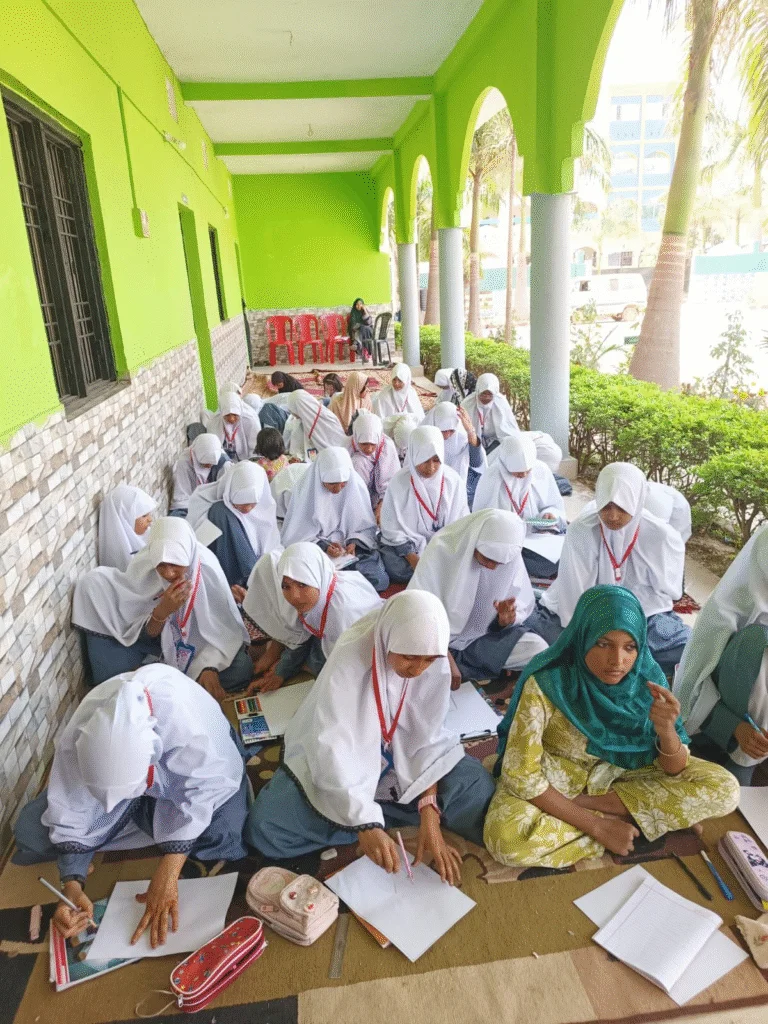
Today, around 600 boys and girls study at Fatima Academy. The school operates under the Fatima Educational and Health Trust, which focuses not only on academics but also on health awareness, moral training, social responsibility, and developing well-rounded personalities.
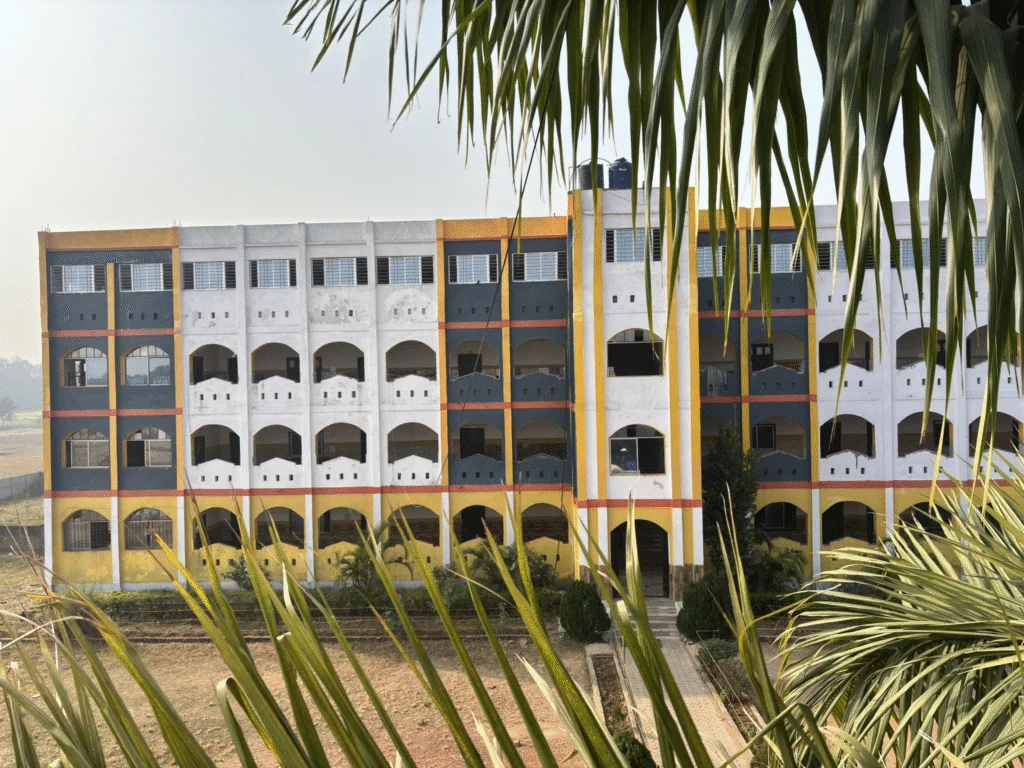
The campus spans five acres of green land, surrounded by hills and forests. This peaceful setting supports children’s mental and physical growth. There are separate buildings for different needs. The girls’ hostel is a three-storey structure covering about 15,660 square feet and can accommodate around 300 girls. The boys have their own separate and secure hostel. A three-storey classroom building of roughly 13,860 square feet houses smart classrooms, science laboratories, a computer lab, a library, a conference hall, offices, and guest rooms. There is also a dedicated prayer area for girls and a separate three-storey building for intermediate boys covering about 15,000 square feet.
What makes Fatima Academy stand out is its dual education system. Students follow the CBSE pattern in English medium for modern subjects while also learning Islamic sciences. This includes memorisation of the Holy Quran, its Tafseer (explanation), Hadith, Fiqh (Islamic law), and strong moral training. Education goes from nursery up to Class 10 and then to the intermediate level (+2). Both English and Urdu mediúms are offered. Classrooms, activities, and hostels remain completely separate for boys and girls, which gives parents, especially those sending daughters, a high level of confidence and security.
Tabassum Fatima said, “Teachers here do more than just teach from books. They guide every child in mental, moral, and educational growth. We have enough female teachers for the girls’ section. Girls can memorise the whole Qur’an in about 22 months while keeping up with their regular studies and doing well in both.”
The school puts a strong focus on the all-around development of the students. Besides regular classes, students take part in scientific experiments, educational tours to places like Science City and Fun Castle, drawing, painting, poetry sessions, and other cultural and moral programmes.
The academy also holds Qur’an and Tafseer competitions at the All Jharkhand level, where students from madrasas across Jharkhand and even Odisha take part. These activities help build confidence, discipline, and social awareness among the children.
Academic results have been consistently strong, showing that the dual system works well. In Class 10 board examinations, the academy recorded a 100 per cent pass rate, with many students scoring very high marks. Top performers included Juwairiya R with 99.20 per cent, Noreen Fatima with 98.40 per cent, Zuha Fatima with 96.80 per cent, Sadra Taqdees with 97 per cent, Bushra Arsh with 94 per cent, Ayesha Parveen with 92 per cent, and others. Class 12 results were also excellent, with a 100 per cent pass rate. Thirty students secured first division, 25 got second division, and 18 achieved third division. Many intermediate students, particularly from the science stream, go on to join good colleges in Ranchi such as Xavier College, Marwari College, Arsh Line Convent Girls College, Gossner College, and Women’s College.
Maulana Nadwi said with pride, “These results show the success of combining modern education with Islamic values. Our students are not only passing exams but are also becoming responsible members of society.”
The fee structure is kept reasonable so that families from different economic backgrounds can afford it. For the 2025-26 session, girls pay a one-time admission fee of 8,000 rupees, monthly tuition between 400 and 800 rupees depending on the class, and mess charges of 2,000 rupees per month. For boys, the admission fee is 10,000 rupees, with lodging and food at 3,200 rupees monthly. Boys memorising the Qur’an can get a reduced admission fee of 5,000 rupees. The academy offers free admission or fee concessions for poor and needy students.
Tabassum Fatima noted that the school is working to add more female teachers in the girls’ section to make the environment even safer and more comfortable.
Parents speak highly of the academy. On Justdial, it holds a 4.8-star rating based on about 70 reviews. One parent wrote, “The security is very good, so I feel safe sending my daughter. The fees are reasonable, there are no hidden costs, and the Islamic atmosphere is excellent.” Another review mentioned the experienced staff and the overall discipline.
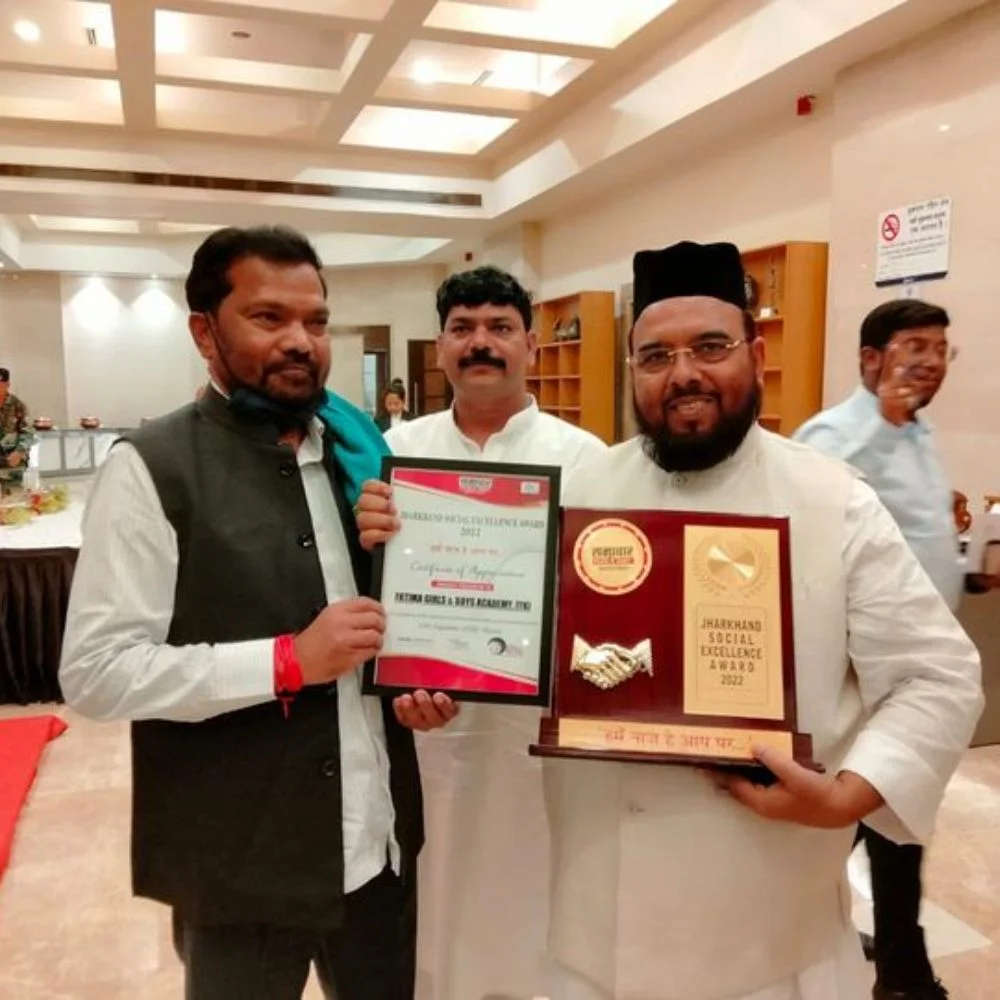
Maulana Nadwi has been honoured with the Academic Excellence and Community Leadership award for his services to education in Jharkhand.
Looking to the future, Maulana Nadwi has clear plans. He wants to expand the academy so more boys and girls can benefit. He aims to strengthen the intermediate classes, prepare students better for higher education, and develop the campus further.
Tabassum Fatima added, “We want girls not only to get educated but also to play a positive role in society. Our focus on personality development and moral training will continue.”
She said, “We hope Fatima Academy becomes a model for the whole region, producing a generation that is conscious, morally upright, and successful in both religious and worldly matters.”
source: http://www.clarionindia.net / Clarion India / Home> Editor’s Pick> India / by Mohammad Alamullah / April 28th, 2026
A labourer’s son in West Bengal defies all odds to achieve his dream of becoming a doctor
New Delhi :
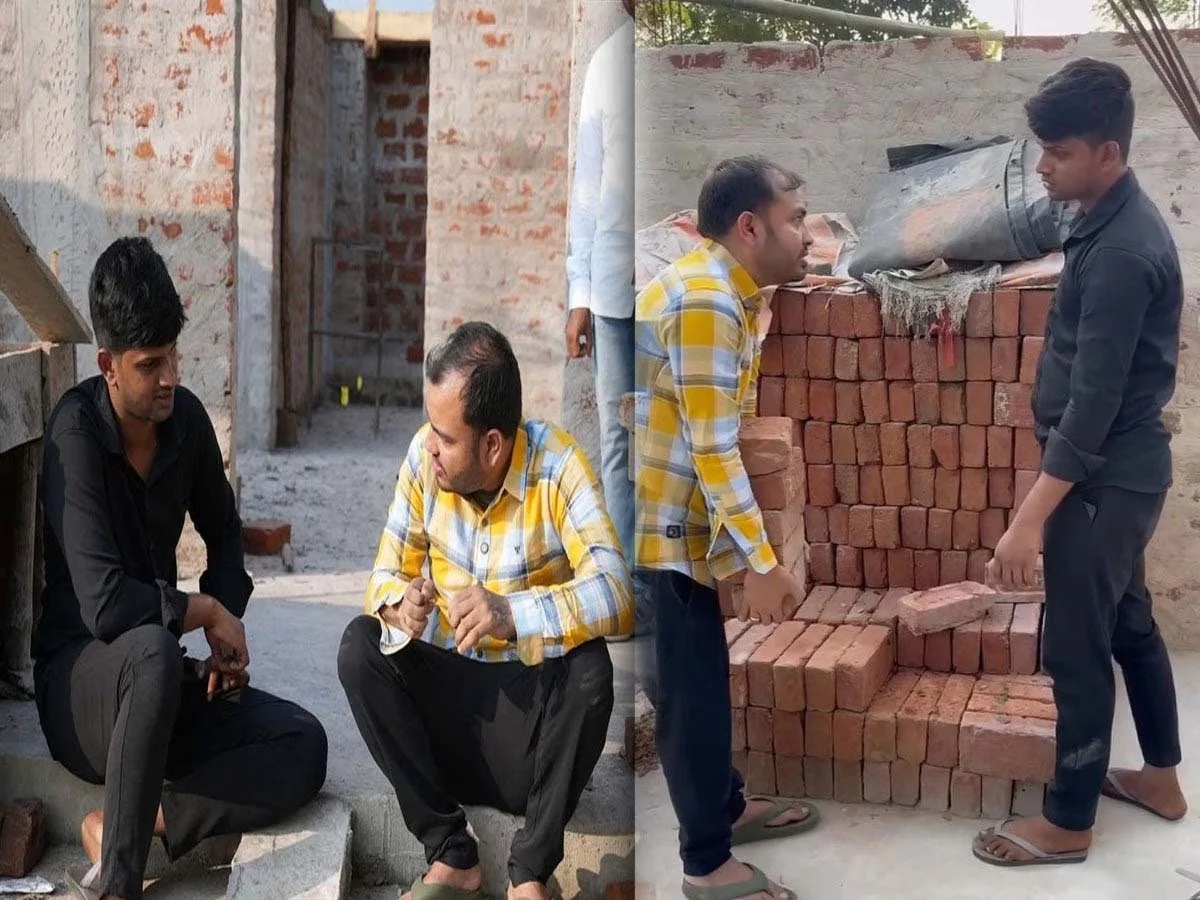
In an era where mobile phones are often criticised for their harmful impact on society, the story of 21-year-old Sarfaraz from East Medinipur, West Bengal, shines as a beacon of hope. Once a labourer carrying bricks under the scorching sun, Sarfaraz’s remarkable journey to gaining admission into the prestigious Nil Ratan Sarkar Medical College for an MBBS degree showcases grit, determination, and the transformative power of education.
Born into a family with limited financial resources, Sarfaraz’s childhood was marked by hardships. His father, also a labourer, earned a meagre daily wage, barely enough to feed the family of six. Despite these challenges, Sarfaraz excelled in his studies, harbouring the dream of joining the National Defence Academy (NDA).
An unfortunate accident dashed his NDA aspirations, but Sarfaraz did not let despair consume him. “Life was never easy, but giving up was never an option,” he said.
The COVID-19 pandemic brought a glimmer of hope in Sarfaraz’s life. With financial assistance from the government, his family bought a smartphone. This device became Sarfaraz’s lifeline, as he used free YouTube tutorials and online ed-tech platforms to prepare for the NEET, India’s highly competitive medical entrance exam.
“I studied through free YouTube videos initially and then enrolled in an online course with a concession in fees. It changed everything for me,” Sarfaraz said.
For three years, Sarfaraz juggled gruelling physical labour and relentless academic preparation. His daily routine involved carrying 400 bricks under the blazing sun for a wage of Rs 300, followed by seven hours of uninterrupted study.
“My father and I would work from morning until afternoon. After that, I would come home and dive into my books. It was difficult, but I never lost sight of my dream,” Sarfaraz explained.
In 2023, Sarfaraz’s NEET score qualified him for a dental college, but the prohibitive costs forced him to forgo the opportunity. Undeterred, he decided to make a final attempt at NEET in 2024.
“I thought, I’ve worked so hard — let’s try one more time. This was my last chance. If I hadn’t succeeded, I would have given up,” he said.
Sarfaraz scored an impressive 677 out of 720 in NEET 2024, securing his place in Nil Ratan Sarkar Medical College.
Behind Sarfaraz’s unwavering determination was his mother’s dream of seeing her son become a doctor. Her sacrifices inspired him to push through every obstacle.
“My mother always wanted me to be a doctor. I promised myself that I would make her dream come true,” Sarfaraz said, his voice filled with emotion.
Now donning a white coat and stethoscope, Sarfaraz is a source of pride not only for his family but also for his entire village.
Sarfaraz’s success has brought hope to his village, where many children often abandon their studies due to financial difficulties. Determined to give back, he has started mentoring young students.
“When I become a doctor, I want to work among the poor. My village folks have supported me throughout this journey, and now it’s my turn to support them,” he said.
Sarfaraz’s story has inspired countless people. His former teacher, who guided him in his early years, remarked, “Sarfaraz always had a spark. Despite his circumstances, he was determined to learn and grow. His success is a testament to his perseverance.”
A fellow villager, moved by his journey, said, “He has proven that no obstacle is insurmountable. He is the pride of our village.”
Sarfaraz’s journey from a labourer at a brick kiln to a medical student serves as a reminder of the potential within every individual, regardless of the circumstances. His story resonates deeply, offering hope to those who dream big despite the odds stacked against them.
“Dreams do come true if you work hard enough,” Sarfaraz said with a smile.
As Sarfaraz begins his medical education, his journey is not just a personal victory but a source of inspiration for countless others. It proves that with determination, resilience, and the right opportunities, even the toughest challenges can be overcome.
source: http://www.clarionindia.com / Clarion India / Home> Editors Pick> Indian Muslim / by Mohammad Alamullah, Clarion India / November 26th, 2024
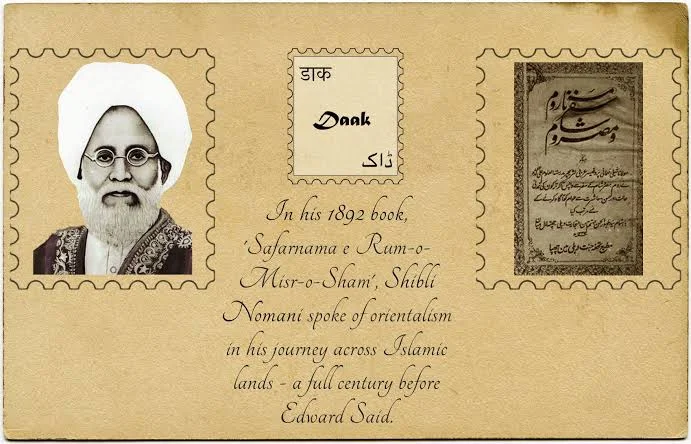
Allama Shibli Nomani was born in Bindol Azamgarh village on June 4, 1857, and passed away on November 18, 1914. He possessed a multifaceted personality and held an esteemed position in various fields. Considering his contributions to knowledge and literature from different perspectives, it is hard to believe that it was the work of a single individual. Besides his contributions to poetry and literature, Allama Shibli Nomani put his indelible mark on history and biography, research and criticism, and education and preaching.
The main focus of Shibli’s academic endeavours was education and religion showing a deep interest in education and educational philosophies. His life was dedicated to the educational activities of his time. From Aligarh Muslim University to Nadwatul Ulama, his sacrifices in the field of education were immense. His vision extended beyond India, encompassing the educational activities and needs of the Islamic world as well.
While he valued traditional education, he was also a proponent of modern sciences. At Nadwatul Ulama, when he was entrusted with educational responsibilities, he included “Al-Durus al-Awliyyah fi al-Falsafah al-Tabi’ah” in the curriculum. This book, written by Christian scholar Allen Jackson and published in Beirut in 1882, was an illustrated text on the basic sciences of its time, covering practical topics such as matter, motion, gravity, liquids, optics, heat, and electricity. Shibli appointed Allama Muhammad Hameed-ud-Deen Farahi and Mirza Muhammad Hadi Ruswa to teach it. This information is derived from Shibli’s letters.
Additionally, in 1901, Shibli hired an English teacher at Nadwatul Ulama with a monthly salary of 15 rupees. This decision led Maulana Abdul Bari Nadvi to translate several modern books on philosophy. The inclusion of English and modern philosophy in the curriculum was a revolutionary step by Shibli. However, after Shibli stepped down in 1913, these subjects were dropped from the curriculum.
Shibli spent his entire life cultivating knowledge and literature. He wrote books, encouraged others to study, and was devoted to the national spirit. Not only did he inspire the youth of the nation towards education, but also guided them in their educational pursuits. The openness of Shibli’s educational ideas is evident from his belief in higher education for women and his support for a curriculum that was equal for both boys and girls. In a letter to Atiya Faizi, he expressed his wish for her to become a speaker and lecturer like other famous women.
In a letter to Maulana Habib-ur-Rehman Khan Sharvani, he wrote about the impressive patterns of women’s education he observed in Bombay. Similarly, during his visits to Italy, Egypt, and Syria, he admired the women’s education and training system in Turkey, spontaneously writing words of praise for the Turks. Shibli tirelessly worked for the education and social awareness of Muslim women.
In 1908, when Nawab Bahawalpur’s grandmother donated 50,000 rupees for the construction of Nadwa, Allama Shibli wrote an enthusiastic article in Al-Nadwa. He referred to her as a “Living Zubaida Khatun,” comparing her generosity to that of Zubaida Khatun, Baramakka, and Taimoor. He wrote:
“The generosity of this lady has not only strengthened the foundation of Darul Uloom Nadwatul Ulama but has also paved the way for its future advancements.”
Extraordinary Passion
“O Subah Allahabad, O Oudh, you are a vast and distinguished region, but the truth is that now you must admit that it is not Punjab, but a part of it, that has earned your enduring respect through one of its revered women. You may have produced Burhan-ul-Mulk and Asif-ud-Daulah, but you cannot claim a Zubeda among your ranks.” (Maqalate Shibli, Vol. 8, p. 80)
Shibli’s travelogue “Safarnama-e-Room-o-Misr-o-Sham [Travelogue of Rome and Egypt, Syria] is essentially an educational report. Shibli’s writings reflect the deep passion he had for education and the kind of education he envisioned. His interest was not confined to India; he also kept a keen eye on the educational landscape of the Islamic world. The core of Shibli’s educational mission was the openness and spread of thought. While he respected ancient academic traditions, he was not averse to embracing new knowledge and wisdom. This excerpt from his travelogue is a significant reflection on the integration of modern and ancient educational ideas:
“Education among the Turks began with the Empire, which is what we now remember as ancient education… But the current state of education has declined so much that, in comparison, our education in India seems deteriorated. The realisation of this in the travelogue shattered all my joy and satisfaction — the fallacy of this ancient teaching… The grief and sorrow expressed by the newly educated in our country over the old education is not genuine sorrow, but rather arrogance and disdain. Although I appreciate new education, I am a strong advocate of old education. I believe that old education is necessary and very important for the survival of Muslim nationality.” (Safarnama-e-Room-o-Misr-o-Sham p. 56)
Due to his constant stress on education, Shibli concluded that it would be beneficial to reduce the gap between ancient and modern education and educational institutions, fostering a mutual exchange of benefits. Shibli believed that English education alone cannot address our current challenges, nor can the old style of education fully support us in the present era. In his opinion:
“We have said this again and again, and now we say it once more: it is not enough for us Muslims to only have English madrasas or ancient Arabic madrasas. The remedy for our pain is a combination of Eastern and Western education.” (Maqalate Shibli, Vol. III, P 57)
In his reference to Constantinople, Shibli emphasises that freedom of thought cannot thrive under government control. He also mentions educational institutes in Europe, where the people, rather than the government, play a significant role. He writes:
“What’s even more regrettable is that all the colleges and darul ulooms in Constantinople that I have mentioned are run by the government. The nation has not paid any attention to this yet. That is, there is not a single national college in such a big capital. No government, no matter how powerful and wealthy, can support the educational needs of the entire country. Even if it could, it wouldn’t be useful. The mental and spiritual powers of a nation whose needs are fulfilled by the government become dead and useless.” (P 40)
Shibli writes in his report on the School of Harbiya in Constantinople, after mentioning the happiness of the students, the ethics of the teachers, and the many branches of education:
“In fact, there is no better college in all of Constantinople in terms of building, supply of equipment, knowledge, education, and good management. However, it is regrettable that most of the people studying in its classes are Christians and the number of Muslims is very small.” (P 59)
Shibli’s analysis needs no further comment after mentioning the academic condition of Turkey, its authors, libraries, newspapers, magazines, and the writings of the masters of various arts:
“The fact is that the method of education in the Islamic world has become so degraded that people are not interested in any kind of modern information except for a few textbooks. As a result, the spirit of innovation and invention is lost to the nation, and there is no hope for it as long as this situation remains.” (P 69)
Shibli writes about the ethics of the students of Al-Azhar University:
“Throughout my journey, I was not as disheartened by the plight of Muslims as I was by the conditions at Al-Azhar University… But sadly, it has destroyed millions of Muslims instead of benefiting them… The condition of the students is such that when they buy goods in the market, they swear by ‘Bras Sayyidina al-Husayn,’ meaning they swear by the price of Imam Hussain’s head. Can such trained people be expected to enhance the glory of Islam?” (P 70)
Regarding the curriculum, Shibli writes:
“There is a continuous and basic teaching of fiqh and syntax, each for eight years. Logic, philosophy, mathematics, astronomy, and other sciences are not included in the teachings. The principles of fiqh, tafsir, hadith, literature, semantics, and narration are taught, but it is done at such a low level that such a large Darul Uloom does not hold any honour in any way.” (P 85)
About the teachers, he writes:
“Sheikh Taban has recently passed away. One of his works has been considered so significant that its annotations and commentaries are included in the curriculum. It is considered a great achievement to understand and memorize this entire series. I asked the students if Sheikh Azhar, who is regarded as a teacher, had done any original work. They proudly said yes, the annotations on Saban’s work are written by him.” (90)
Shibli was constantly active in the educational development of Muslims and did whatever was necessary to achieve this goal. The year 1913 was particularly challenging for him. After Aligarh, Nadwatul Ulama was the only centre of his aspirations, but he had to resign from there. He then dedicated himself to writing biographies. Meanwhile, in the April 15, 1913 issue of the Daily Zamindar Lahore, a proposal by Allama Shibli Nomani regarding the establishment of an Islamic university in Makkah was published. This proposal received many reactions, but Maulana Abul Kalam Azad and some other scholars supported it. Allama Shibli wrote:
“For me, the most important proposal is to establish a university of Islam in Makkah with a high level of education in all religious and worldly sciences (including modern sciences). It is obvious that today all kinds of power are based on knowledge, and in fact, knowledge is the real power. Therefore, nowadays the survival of every nation depends on being proficient in the sciences and arts.” (Ma’arif: November 2013, P 384)
Shibli provided several reasons for the establishment of a university in Makkah. The holy city is a centre of Muslims worldwide, and every Muslim could study there with enthusiasm. He also argued that no other place has as much financial resources as Makkah. If the pilgrims who visit every year were to contribute ten rupees individually to this university, the total amount could reach millions. Shibli also mentioned the presence of a very good library in Makkah. Additionally, he highlighted its pleasant weather conditions; favorable for both teachers and students. Moreover, he pointed out that all the tribes of Arabia, who have been “ignorant for thousands of years,” would benefit from education, with branches of the university being established in their major regions. They would be drawn to knowledge through consistent effort. Shibli concluded by expressing his conviction:
“All I can do is travel all over India for this and then migrate to Makkah and serve this blessed university.” (Zamindar/ April 15, 1913)
Allama Shibli holds a prominent position as a great writer and scholar, with a well-established reputation in this regard. However, less attention has been given to his educational efforts. The reality is that Shibli led a highly active life dedicated to education and educational activities. From his journey from Aligarh to Nadwa, he endured numerous challenges solely for the cause of education. He also faced adverse life circumstances in pursuit of education. If his curriculum reforms had been accepted at that time, the educational landscape today would be completely different. If Nadwatul Ulama had embraced his curriculum a hundred years ago, the madrasas in India today would have a distinct history and glory.
— Dr. Omair Manzar is an Assistant Professor in the Department of Urdu at Maulana Azad National Urdu University.
This article has been translated from Urdu to English by Mohammad Alamullah with the author’s permission.
source: http://www.clarionindia.net / Clarion India / Home> Clarion Special / by Dr Omair Manzar / translated by Mohammad Alamullah / June 05th, 2024
All six Muslim Lok Sabha candidates fielded by mainstream parties in Uttar Pradesh have emerged victorious.
Among the winners is Imran Masood, who contested from Saharanpur on a Congress ticket. “This victory is not just mine, but of every individual who believes in secularism and democracy,” Masood stated emphatically after his win.
Similarly, Maulana Muhibullah Nadvi, representing the Samajwadi Party, also secured a win in Rampur. “The people’s faith in us has been reaffirmed, and we will work tirelessly to honour their trust,” Nadvi said after trouncing Ghanshyam Singh Lodhi of the BJP with a total of 4.81 lakh votes, a margin of 89,370 votes.
Ziaur Rehman Barq, who contested from the Sambhal Lok Sabha seat, is on the path to victory as well. The Congress party’s candidate from Amroha, Kanwar Danish Ali, also achieved victory.
Reflecting on his triumphant journey, Ali said his suspension from the Bahujan Samaj Party was a turning point. “The support from the Congress party and the voters of Amroha has been overwhelming,” he said.
Afzal Ansari, a Samajwadi Party candidate, is leading in Ghazipur. Iqra Hasan, another Samajwadi Party candidate from the Kairana parliamentary seat, has also registered victory.
Before the elections, Imran Masood was affiliated with the Samajwadi Party, and Afzal Ansari was a Bahujan Samaj Party Member of Parliament. Danish Ali, formerly with the Bahujan Samaj Party, was suspended and later nominated by the Congress party, which led to his victory in Amroha.
Despite this success, the Bahujan Samaj Party, which fielded around 22 Muslim candidates, did not secure any seat. This outcome highlights a broader issue of representation, as only 78 Muslim candidates contested across the country under the Congress and other parties’ tickets. The Congress party itself offered tickets to just 19 Muslim candidates nationwide in this election.
With vote counting continuing, early trends indicate that the ruling NDA would form the next government. Nonetheless, the victory of these six candidates marks a noteworthy moment in this Lok Sabha election.
source: http://www.clarionindia.net / Clarion India / Home> India Votes> Indian Muslims> Politics / by Mohammad Alamullah, Clarion India / June 04th, 2024
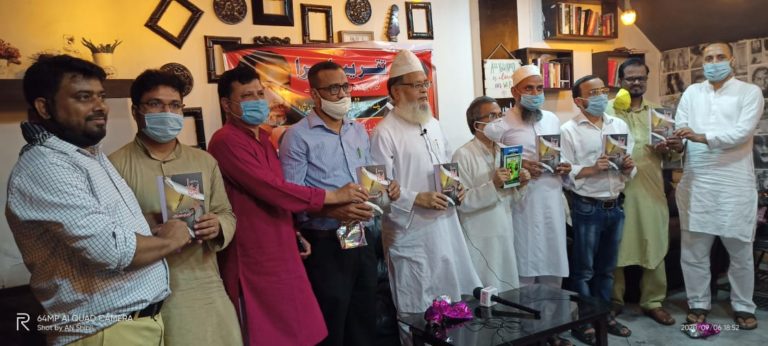
Andaz-e-Bayan is the outcome of my passion, a passion which I did not allow to die even during unemployment and the pandemic. These views were expressed by renowned Urdu critic and writer Haqqani Al-Qasmi.
He was speaking at the launch of the third book of his famous single-theme Andaze-e-Bayan series at a cafe in Shaheen Bagh, New Delhi on Sunday, 6 September, 2020.
The present journal, which in fact, is part of a series of books, “discusses about those poets, litterateurs, authors and novelists, who, despite being in the medical profession, are serving Urdu in areas of research and criticism”, said Haqqani.
Speaking on this occasion Maulana Ajaz Urfi Qasmi, president of All India Tanzeem Ulama-e-Haq, who chaired the session, lauded the author for his powerful, creative style of writing which had won him global acclaim.
Haqqani Al-Qasmi is an accomplished and distinguished litterateur and critic serving Urdu with great sincerity and humbleness. There is an unusual amount of literary taste in his works which can be felt by the reader. He further said that Haqqani is not unaware of the social world. “From above the literary firmament, Haqqani surveys the mundane world”, Mualana Urfi said adding that one can see that in his literary journal series Andaz-e-Bayan as well.
Abid Anwar, a senior journalist with UNI remarked that to say anything about Haqqani would amount to explaining the obvious.
Urdu critic and Post-Doctoral Research Fellow, Dr Noman Qaisar presented an overview of the author’s literary journey mentioning about some of his well-received and critically acclaimed books like Philisteen Ke Chaar Mumtaz Shu’ara, Tawaaf-e-Dasht-e-Junoon, La Takhaf, Takalluf Bar Taraf, etc which are full of literary aesthetics, creative imagination and academic insights.
It should be noted that the first issue of this book series (Andaz-e-Bayan-1, May-July 2016) was dedicated to literary contributions of women, especially of women from marginalized sections of society, with reference to biographical writings and their analysis.
The second one was dedicated to the creative facets of the police while the latest is an effort to unmasking the unrevealed literary contributions of doctors and medical professionals not just in Urdu literature but in English and Hindi literature as well.
Persons from media and different Urdu literary circles present on this occasion included Shahidul Islam, A N Shibli, Dr Khan Mohammad Asif, Ashraf Bastawi, Zubair Khan Saeedi, Majid Khan, Manzar Imam, Mohammad Alamullah, Nayab Hasan, Maulana Firoz Akhtar Qasmi, Shams Tabrez Qasmi, Ahsan Mehtab, Anwarul Haq, Abdul Bari Qasmi.
The launch programme was coordinated by T M Ziaul Haque. Salam Khan, head of Ibarat Publication which has published the book, presented the vote of thanks.
source: http://www.millattimes.com / Millat Times / Home> Education> National / by Md Irshad Ayub / Manzar Imam / September 11th, 2020