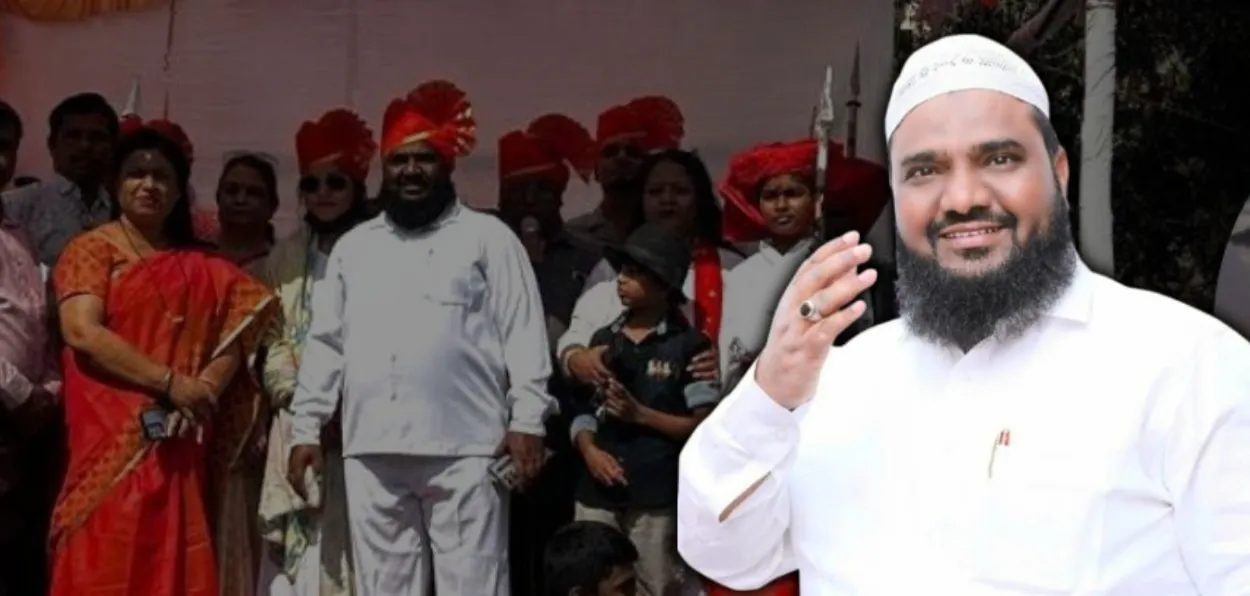
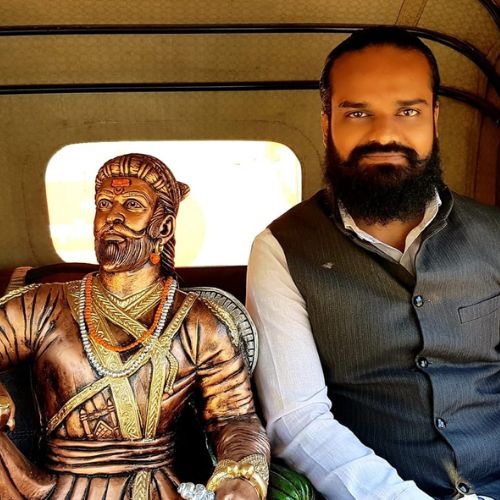
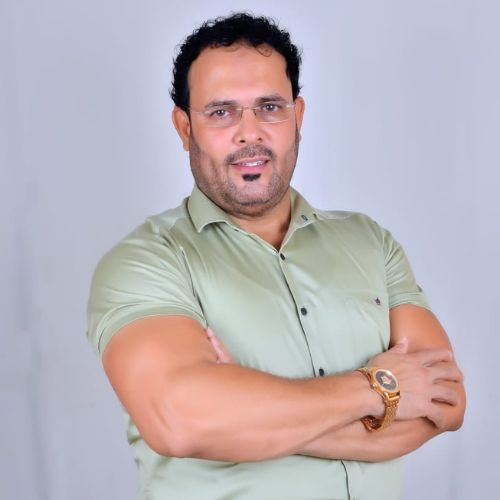
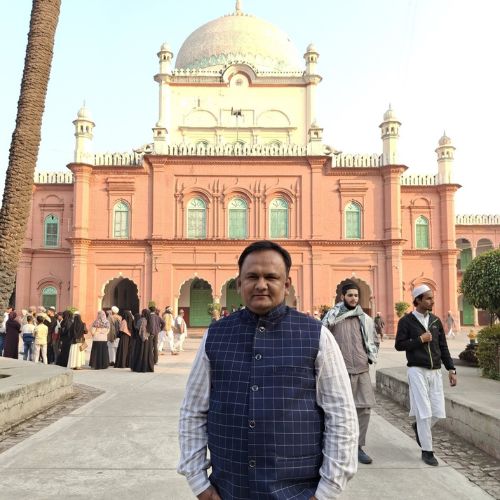
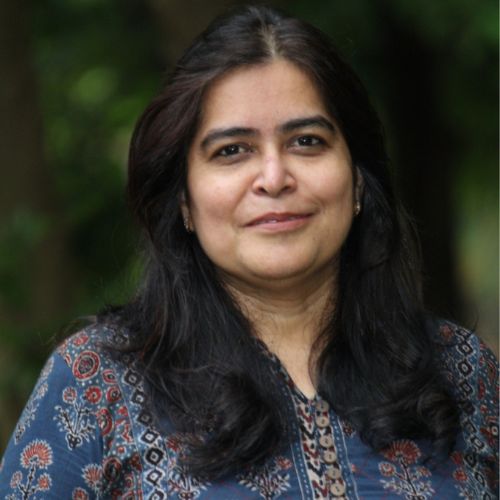
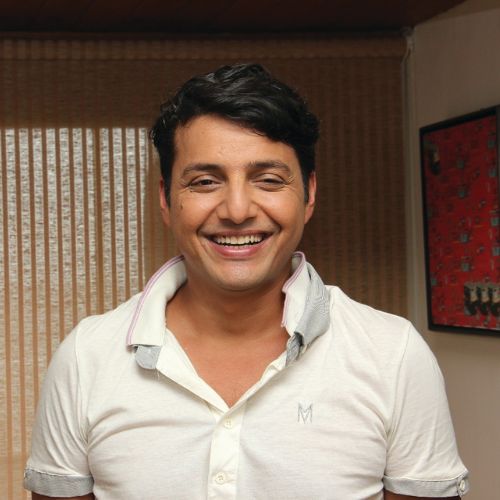
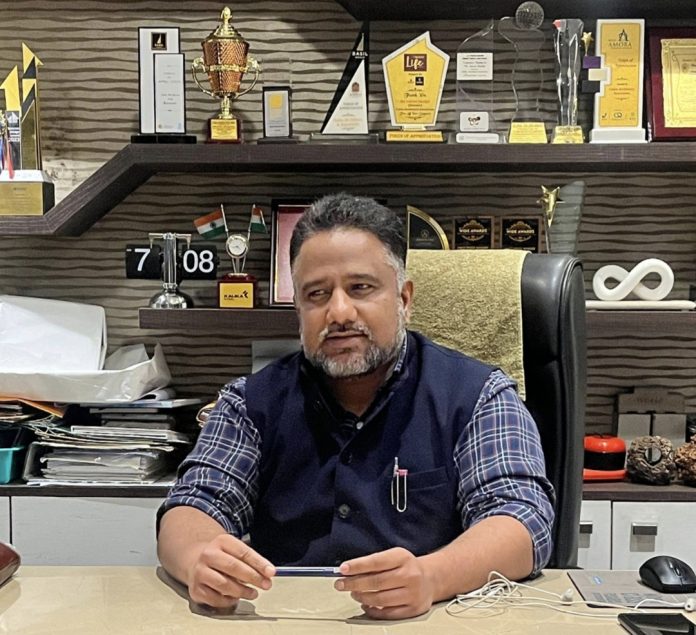
Corporator Haji Ghafoor Pathan, elected from the Muslim-majority Kondhwa Khurd-Kausarbaug ward of the Pune Municipal Corporation, invoked the legacy of Shivaji Maharaj in his very inaugural speech.
Speaking in the Chhatrapati Shivaji Maharaj Hall, he chanted the name of Shivaji Maharaj and delivered a message of inclusive politics. The video of his speech is currently going viral on social media.
Haji Ghafoor Pathan won the mandate from the Muslim-majority populace due to his years of campaigning for Shivaji’s ideals and his progressive stance.
Haji Ghafoor Pathan caught the attention of the house by invoking the name of the Maratha warrior. He congratulated the new office bearers on behalf of all Punekars and his ward. “This house belongs to Chhatrapati Shivaji Maharaj. The Honourable Mayor and Deputy Mayor should take progressive thoughts forward like an ideal King and give justice to all. Opinions, justice, equality, and brotherhood were the main principles of Shivraya’s Swarajya, and I express my wish that the same should be implemented in this house.”
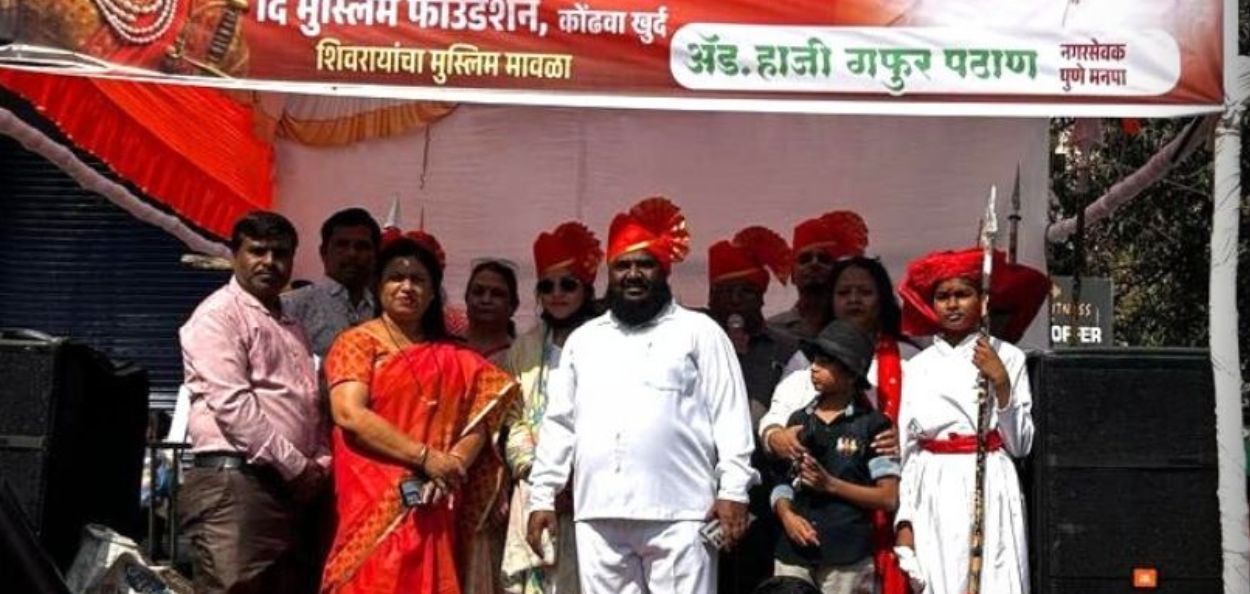
He introduced himself as ‘Chhatrapati Shivaji Maharaj’s Muslim Mavala’ (Muslim soldier/Loyalist of Shivaji Maharaj).
He said, “We always consider welfare for people of all castes and religions in this house. I will always fight for the development of the Kondhwa area. Just as Mavalas of all religions worked in Shivraya’s army, we will continue to serve the city with the same loyalty.”
Ghafoor Pathan has been celebrating Shivjayanti with great pomp in his Muslim-majority Kondhwa area for many years.
The day is celebrated with a statue of the King, a traditional palanquin, a chariot decorated with flowers, and the beats of Dhol-Tasha and Tutari.
Corporator Ghafoor Pathan
This all-faith ceremony is organised on behalf of the ‘Muslim Mavala Foundation’ led by Ghafoor Pathan. Women and school students participate enthusiastically in this. Notably, naming the flyover in Kondhwa after Chhatrapati Shivaji Maharaj was also part of his initiative. Recalling old memories, Corporator Pathan commented on the struggle for development. He said, “Earlier, we all used to be adamant about work in our ward. We have struggled for that. Now conflict must not come in the way of development.”
He requested the administration and group leaders to cooperate for the interest of Punekars and the holistic development of the city. He was particularly insistent that pending works in Kondhwa and the surrounding areas should be accelerated.
Haji Ghafoor Pathan also mentioned his mentor in politics, Ajit Pawar. “We will follow the ideals and precedents set by Respected Dada for five years. We will try to conduct ourselves in this house with Ajit Dada’s thoughts,” he promised the house.
Ghafoor Pathan’s speech in the historic hall of the Pune Municipal Corporation has set a new direction for social harmony and development. By invoking the name and ideals of Chhatrapati Shivaji Maharaj, he has started his journey as a public representative, on an inclusive note.
source: http://www.awazthevoice.in / Awaz, The Voice / Home> Stories / by Bhakti Chalak, Pune / February 16th, 2026
SP MLA Rais Shaikh counters BJP minister Nitesh Rane’s claim with historical evidence of Muslim chieftains in Shivaji’s forces.
SP MLA Rais Shaikh presents historical records listing Muslim chieftains in Chhatrapati Shivaji Maharaj’s army, challenging BJP minister Nitesh Rane’s statement. (Image: Facebook)
Mumbai:
To counter BJP minister Nitesh Rane’s claims that Muslims were not part of Chhatrapati Shivaji Maharaj’s army, Samajwadi party MLA Rais Shaikh has dashed off a letter to the saffron party leader listing out 10 Muslim chieftains in the legendary Maratha king’s forces.
In the letter to Rane, the SP MLA has given the names of 10 Muslim chieftains of Chhatrapati Shivaji Maharaj. These are Siddi Hilal and his son Siddi Wahwah, who supported the Maratha king in the siege of Panhalgad, cavalry chief Noor Khan Beg, Sardar Shama Khan, navy chief Ibrahim Khan, bodyguard Siddi Ibrahim, navy official Daulat Khan, trusted servant Madari Mehtar and lawyer Qazi Haider. Shaikh has also added evidence of historical sources to back up the names of these chieftains.
“Like Saint Tukaram and Saint Ramdas, Shivaji Maharaj also respected the Muslim Saint Baba Yakut of Ratnagiri. Shivaji Maharaj’s rule was not a religious war. He continued the tradition of gifting Pir, Dargah, and Mosque, as is documented in historical sources. These references are also provided in the letter, along with details of primary historical sources,” said Shaikh.
The SP MLA has also gifted Rane two books ‘Chhatrapati Shivaji: Kaal Aani Kartrutva’ (Times and Achievements of Chhatrapati Shivaji) by the renowned historian Jadunath Sarkar and ‘Who Was Shivaji?’ by Govind Pansare. “Minister Nitesh Rane should read objective history so that he does not make prejudiced statements distorting history, which could further increase rifts between communities,” said Shaikh.
Rane, while speaking at a meeting in Sangameshwar, Ratnagiri, had claimed that Shivaji Maharaj never appointed a Muslim chieftain and his war was against Muslims.
When asked, Rane said he was yet to receive Shaikh’s letter and he will comment on it after reading it. “But whatever I have said is true. Muslims were never a part of Chhatrapati Shivaji Maharaj’s army,” he said.
source: http://www.deccanchronicle.com / Deccan Chronicle / Home> Nation / by Bhagwan Parab / March 24th, 2025
Meet the man who is on a mission. He even gave up his lucrative job to completely devote himself to this cause. His goal is to inspire the next generation to become responsible and productive citizens by raising their level of awareness about education. He has been crisscrossing the length and breadth of the country since 2006.
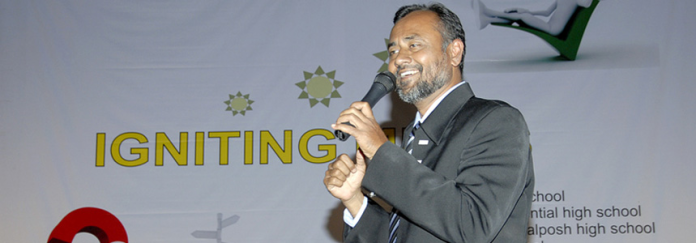
The man is Syed Saeed Ahmed, a distinguished motivational speaker with a multifaceted personality who inspires and motivates others and unearths their hidden potential. He has an amazing sense of spontaneity, an inquisitive mind, and a captivating personality.
Throughout India, he has conducted countless personality development programs for the student fraternity, diverse academic community stakeholders involved in the teaching-learning process, the corporate sector, workers in extremely stressful work environments, and the group of people who accept their fate as pseudo-failures.
Saeed Ahmed’s workshops are widely recognized for their great content and distinctive, compelling style of delivery.
Ranked as one of the leading motivational speakers in India, Saeed Ahmed’s workshops are widely recognized for their great content and distinctive, compelling style of delivery. His energizing classes are intuitive, inspiring participants to realize their full potential, release their innate energy, and develop a burning drive for achievement and personal excellence. They are intended to provide participants with a great deal of energy and vitality, enabling them to advance both personally and professionally.
His successful endeavors to bring back to life pseudo-failures, particularly those with low motivational factors and a criminal past, have grabbed significant media attention. The last few years have seen the frequent publication of pieces celebrating these accomplishments in prominent newspapers, and multiple news channels have aired his pre-recorded interviews on the subject.
Born in Sholapur, a textile town in Maharashtra, Saeed Ahmed did his schooling through the Urdu medium and graduated in geography and political science. He went on to pursue higher learning. After completing his studies in library and information science, he did his post-graduation in the Urdu literature from Shivaji University in Kolhapur. He started his career in a modest capacity as an assistant librarian at a reputable college in Pune.
His early and modest profession served as a palette for shaping him into a multifaceted personality, as he was surrounded by antique and modern books, newsletters, and printed reference material of inter-disciplinary content. Gradually and steadily, he began to embody the roles of an actor, director, dramatist, journalist, writer, peace activist promoting global fraternity, and, most recently, a student. He is currently pursuing a doctorate at Pune University on the extremely relevant subject of “Hindustani stage and tradition of Urdu drama in Maharashtra.”
He is an expert at improving life skills, including stress management, time management, positive thinking, emotion management (for overcoming fear, grief, sorrow, rage, boredom, etc.), and a number of other crucial areas that participants may reveal themselves in. The contents change based on the situation, the amount of time available for engagement, and the participants’ overall characteristics, expectations, and concerns.
The evolution of a nationally renowned motivational speaker can be summed up by examining the thirty years of his career. This shows how a person’s life experiences, some natural and some others artificially created, play a crucial role in shaping a flexible personality that can handle any circumstance with ease. What makes the one and only “Saeed Ahmed” is a combination of his varied experiences with controversial topics and his recording of the algorithms used to address them.
Having spent a significant portion of his career working for an organization, he has encountered the typical challenges that all workers face in today’s cutthroat and materialistic workplace. As he began his dazzling career, he experienced moments of rivalry, envy, and unpleasant camaraderie from coworkers, superiors, and even higher authorities. To nearly all of them, he answered with forbearance, patience, and strengthened willpower. In actuality, they functioned as an oven to solidify his supple clay and imparted to him free psychological counseling, stress management techniques, and elegant interpersonal interactions.
Saeed Ahmed is not just a motivator of the highest caliber; he is also an actor, director, writer, documentary filmmaker, and journalist.
He was connected to several prominent theaters in Lahore, Pakistan, as well as Prithvi (Mumbai), Nehru Centre (Mumbai), Rangshankara (Bangalore), Hamdard University, Delhi, Balgandharva (Pune), and Punjab Naat-shala (Amritsar). He performed widely for an Indian audience with these theater groups, and three of his shows, which were shown consecutively for three years in a row at the “World Performing and Visual Arts Festival” in Lahore, were acclaimed internationally (2004, 2005, 2006). These were “Naquab” by Rafi Peerzada, “Jis Lahore Naee Dekhya” by Dr. Asghar Wajahat, and “Portrait” by Ratnakar Matkari.
Prior to this, most of the plays he directed and performed across the country were “Dhilli Khaat” by Naseem Mannan, “Portrait” by Ratnakar Matkari, “Najat” by Abdul Wahab Lunje, “Nafrat ke Rang” by Kazi Mushtaque Ahmed, and a few plays he wrote himself, including “Sir Sayyed Ahmed Khan (Founder of Aligarh Muslim University)”, “Toba Tek Singh,” a drama based on Saadat Hassan Monto, “Kahain Hai,” and “Dilli Ka Thagh” have received favorable reviews from critics and audiences alike. He made his acting debut as a character actor in the “Sunita” serial that was broadcast on Doordarshan. His drama “Sare Jahan Se Accha” had more than forty performances in Maharashtra.
An audio presentation in the form of an audio cassette, followed by audio CDs, and is currently in the process of creating a documentary directed, produced, and narrated by him about the life of Sir Sayyed Ahmed Khan. He also wrote the book “Sare Jahan Se Accha,” released by the Haji Ghulam Mohammed Azam Educational Trust, Pune.
In addition, he has contributed his expertise to the production of multiple documentaries for Pune-based organizations and cable networks.
Alongside his involvement in theater and the arts, he pursued a career as a professional journalist. From 1995 to 2001, he worked as a correspondent for Mumbai’s daily Inquilab and Munsif of Hyderabad and Pune’s Urdu fortnightly Usool. He had also interviewed prominent figures.
When asked what inspired him to pursue a career in motivational speaking, he admitted with honesty that I was a shy boy in school with an inferiority complex who was accustomed to self-analysis.
Life is a “give and take” proposition, and the previous decades of my diverse work helped me learn enough to be ready for a “second innings” or platform change, in which I now hope to “give,” and in 2002, I made a lifestyle change, he said. In the year 2006, I left the well-secured job to venture into the turbulent waters of lending my ‘know-how’ for the personality development of all, he added.
About his experiences, he pointed out that materialism is prevalent in Muslim society, and there is a wrong notion prevailing in the society that education is for seeking a job. He stresses the need for “Taleem ke saath Tarbiat.”
Under his All India Educational Awareness 93-day tour, last year he traveled 10,000 km across the seven states and conducted 179 workshops in 134 cities. In the second part of the tour, starting on November 11, 2023, he will travel to 13 states.
source: http://www.radiancenews.com / Radiance News / Home> Focus> Pride of the Nation / by Abdul Bari Masoud / November 01st, 2023
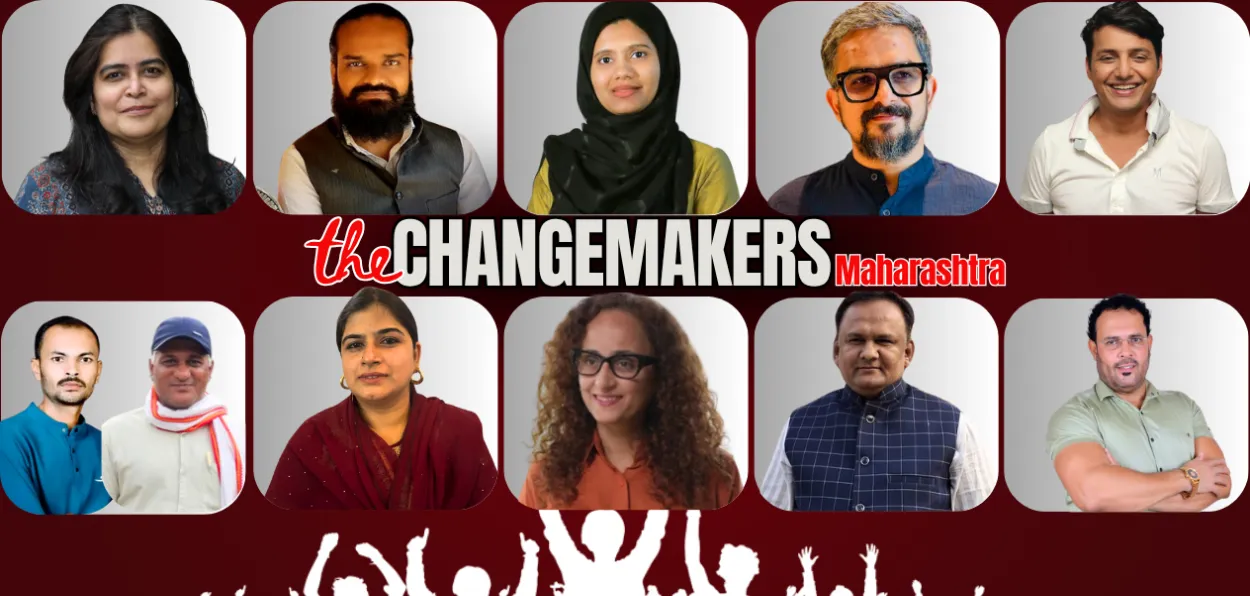
Awaz-The Voice, through its ‘The Changemakers’ series, has introduced readers to inspiring figures from Uttar Pradesh, Assam, and Jammu & Kashmir.
Starting July 6, we will feature ten remarkable changemakers from Maharashtra.
These individuals not only embody the state’s vibrant and progressive legacy but are also shaping a future that is tolerant, equitable, harmonious, and inclusive.
Working quietly away from the limelight, their impactful contributions are being brought to the public through Awaz-The Voice. Here’s a glimpse into their inspiring journeys.
Dr. Farah Anwar Husain Shaikh
Dr. Farah Anwar Husain Shaikh leads the Mis Farah Charitable Foundation in Pune’s Dapodi, delivering health, education, and disaster relief to communities. Her bold advocacy for Muslim women’s right to pray in mosques challenges deep-rooted traditions, earning her a doctorate in social work and women’s empowerment. Her story is that of the struggle for equality, Farah’s tireless efforts are transforming lives and reshaping Pune’s social landscape, making her a beacon of grassroots change.
Paigambar Shaikh
Rationalist Paigambar Shaikh is redefining tradition with his “Economic Qurbani” initiative from Pune, transforming the Eid al-Adha sacrifice into a force for community growth. By channeling resources into education, microfinance, and health camps, he blends faith with practicality. He is inspired by the Satyashodhak movement. His innovative approach fosters sustainable development and communal harmony in Maharashtra’s far-flung areas, marking him as a visionary changemaker.
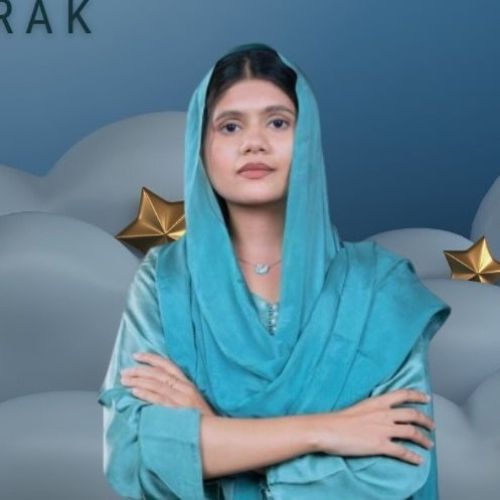
Marziya Shanu Pathan
Marziya Shanu Pathan, 24, is an activist. From leading a march for Malala Yusufzai at age 12 to organizing the vibrant Mumbra-Kausa Children’s Festival, she champions women and youth in her township. Her blend of fiery activism and community initiatives is uplifting Mumbra, proving her dedication to a brighter, more inclusive future.
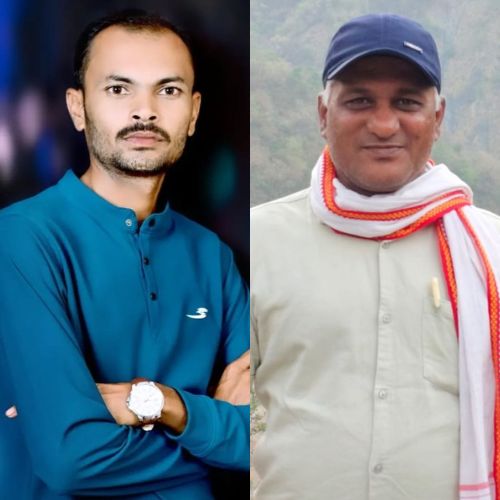
Hazrat Ali Sonikar and Munir Shikalkar
In Sangli’s agricultural heartland, Hazrat Ali Sonikar and Munir Shikalkar are empowering the Muslim community through grassroots activism. Hazrat rallies youth with awareness campaigns and workshops, while Munir bridges gaps with local authorities to secure resources. Their collaborative manifesto, amplifying education and employment, is reshaping the future of the community, showcasing the power of local action.
Sakib Gore
In Badlapur, Maharashtra, Sakib Gore is lighting up lives through his ‘Vision Friend Sakib Gore’ initiative, driven by his grandmother’s struggle with blindness. With a belief that glasses are more than a fashion statement—they’re a lifeline to sight—he’s brought eye exams to 2.6 million people, distributed 1.7 million free spectacles, and facilitated 63,000 free cataract surgeries. His ‘Devabhau’ glasses, priced at just 33 rupees, earned him global acclaim and the ‘System Leader Award’ at a World Summit in Kathmandu. Reinvesting every profit into free glasses for the poor, Sakib’s mission is simple but profound: to lift the visually impaired out of darkness, one pair of eyes at a time.
Sarfaraz Ahamad
Solapur’s Sarfaraz Ahamad, a 41-year-old historian, brings Maharashtra’s Deccan heritage to life through his eight books. His books include the acclaimed Hyder Ali, Tipu Sultan, and The Sultanate-e-Khudadaad. As a founder member of the Ghaziuddin Research Center which promotes objective historical research. His writings in Marathi, Hindi, Urdu, and English captivate readers. Sarfaraz’s work is reviving cultural pride and inspiring a new generation of scholars.
Sabah Khan
Sabah Khan’s NGO Parcham based in Mumbara, empowers girls through football, challenging norms and building confidence among them. Khan, 50, fosters gender equality and religious harmony, securing a dedicated football field and launching the Savitri-Fatima Foundation to support education and economic growth. Sabah’s transformative work offers Mumbra’s youth a vibrant path to self-discovery.
Afroz Shah
Mumbai’s Afroz Shah, a 42-year-old lawyer, turned Versova Beach into the site of the world’s largest clean-up, removing 20 million kilograms of trash. Afroz Shah Foundation now tackles rivers and waste culture, earning him the UN’s ‘Champion of the Earth’ title. From slums to schools, his “dates with the ocean” inspire thousands, proving one man’s grit can spark a movement.
Dr. Sabiha Inamdar
In Nashik, 43-year-old Dr. Sabiha Inamdar, an intimacy and relationship coach, is breaking taboos around sexual wellness. She creates safe spaces for women and couples to discuss intimacy and emotions openly. What makes Dr. Sabiha’s work important is her commitment to normalizing healthy conversations around sex, emotions, and interpersonal connection—especially for women. Her workshops shift mindsets, fostering healthier relationships and emotional well-being across Maharashtra.
Hussain Mansuri
Mumbai’s Hussain Mansuri, a 40-year-old philanthropist with 7.8 million Instagram followers, spreads compassion across the city’s streets. From feeding street kids to caring for stray animals, his quiet acts of kindness, rooted in Islamic values, touch countless lives. Whether delivering meals near Tata Hospital or comforting the grieving,
Hussain’s selfless mission ripples far beyond Mumbai.
source: http://www.awazthevoice.in / Awaz, The Voice / Home> The Changemakers / posted by Aasha Khosa, ATV / July 05th, 2025
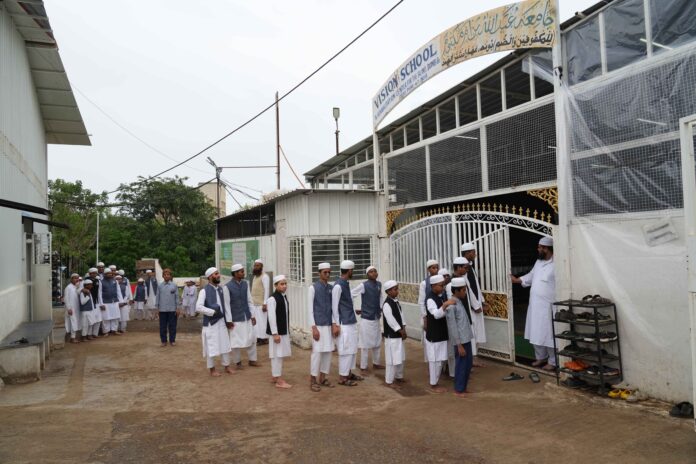
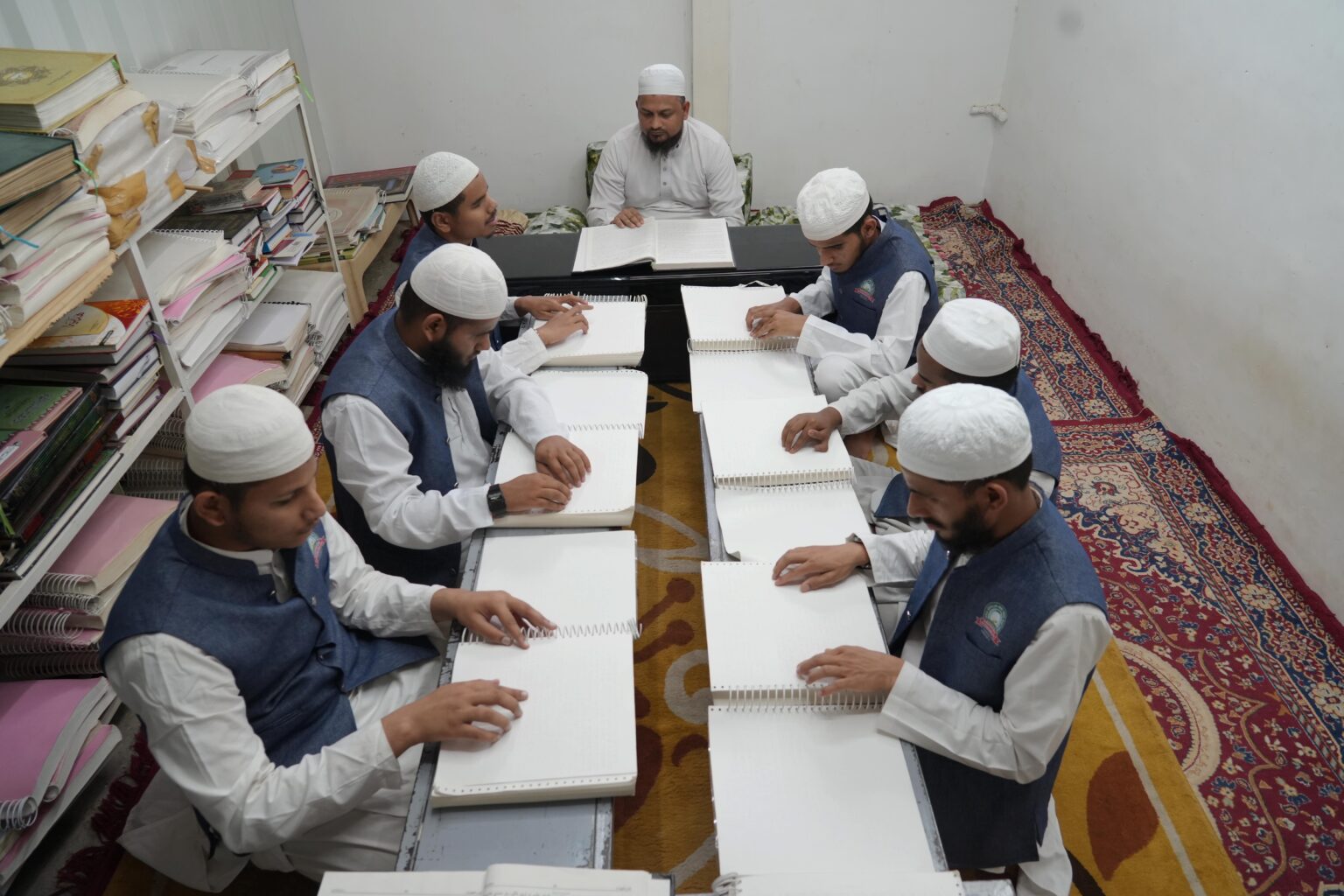
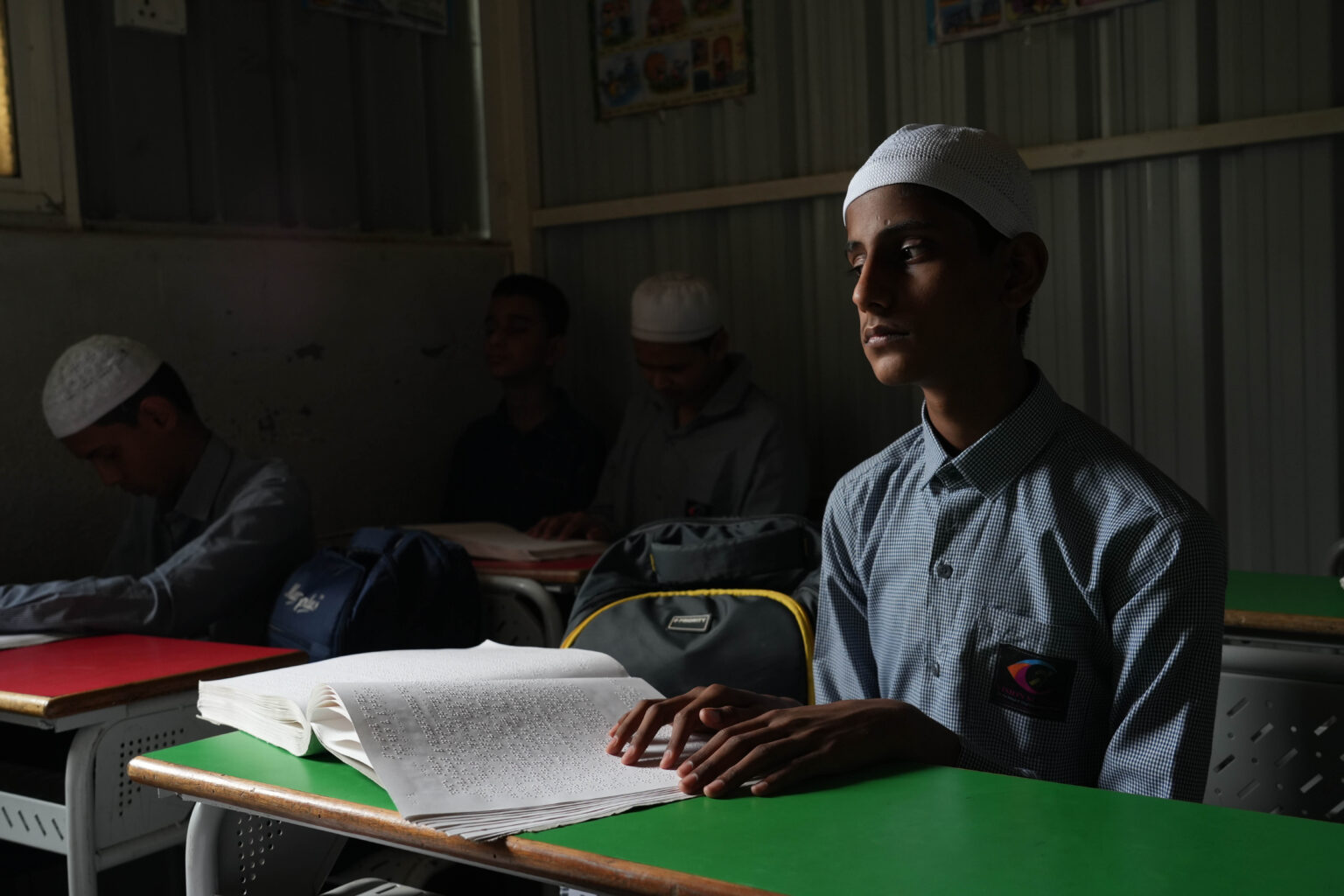
Students at Jamia Abdullah Ibne Umme Maktoom, India’s first inclusive madrasa for differently-abled children in Pune, Maharashtra, walk in a queue as they enter the Vision School campus. The madrasa provides free Islamic and contemporary education to mute, deaf and visually impaired students from 17 states across India.
In Pune, Maharashtra, Jamia Abdullah Ibne Umme Maktoom offers free Islamic and contemporary education to mute, deaf, and blind children from across 17 states—proving that disability is no barrier to dignity, faith, or ambition.
Pune (Maharashtra):
In a small park in Maharashtra’s Pune, on a Thursday morning in May, a group of well-dressed uniformed students stood barefoot, wearing white skull caps. Many of them were mute or visually impaired. As the national anthem played in the background, the students stood in solemn attention, while others – mute and deaf – used sign language to express the lyrics. It turned the moment into a display of patriotism and unity.
This is the usual beginning of the day at Jamia Abdullah Ibne Umme Maktoom (a religious seminary in Pune), where hundreds of mute, deaf and blind students receive free Islamic and contemporary education.
“It took us years to convince families of the importance of education for their special children,” says Nayeem Ahmad Qasmi, a secretary of the madrasa.
The institution was founded in 2013 with only two children with the vision to uplift differently abled children from across India through inclusive education.
According to the Census of 2011, approximately 2.2% of the population, around 26.8 million people, were identified as living with disabilities.
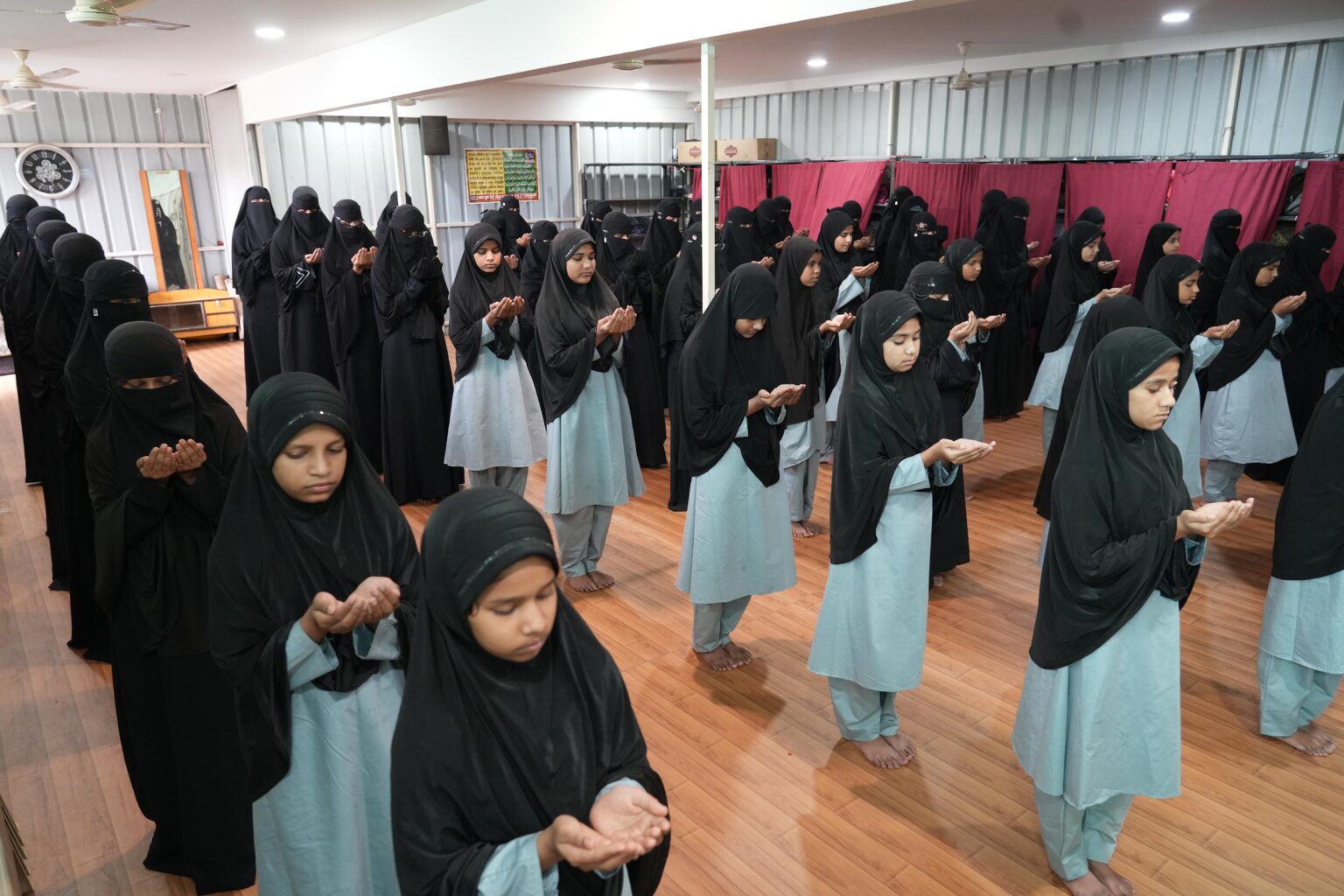
Female students at Jamia Abdullah Ibne Umme Maktoom in Pune, Maharashtra, offer prayers during school hours. The madrasa currently educates over 70 differently-abled girls – many of whom are mute, deaf or visually impaired – providing them with a safe and inclusive environment for both Islamic and contemporary learning.
Unfortunately, many families abandon differently abled children or keep them confined at home – considering them a burden.
“It is the duty of every person to support differently abled children so they can prove their capabilities,” he adds.
Many students come from rural areas in different states, where families often do not know the value of education or the opportunities available to them.
“Before coming to Jamia, I did not know anything about Islamic and contemporary education,” says 18-year-old Rehan Saleem from Jalgaon in Maharashtra.
Many students have received opportunities to present their skills on different platforms across India. Several have represented their school and secured positions in various sectors.
“By the grace of God, I have completed the Hifz-e-Quran (memorisation of the entire holy Quran) at this Jamia and got the opportunity to perform Umrah,” says Rehan.
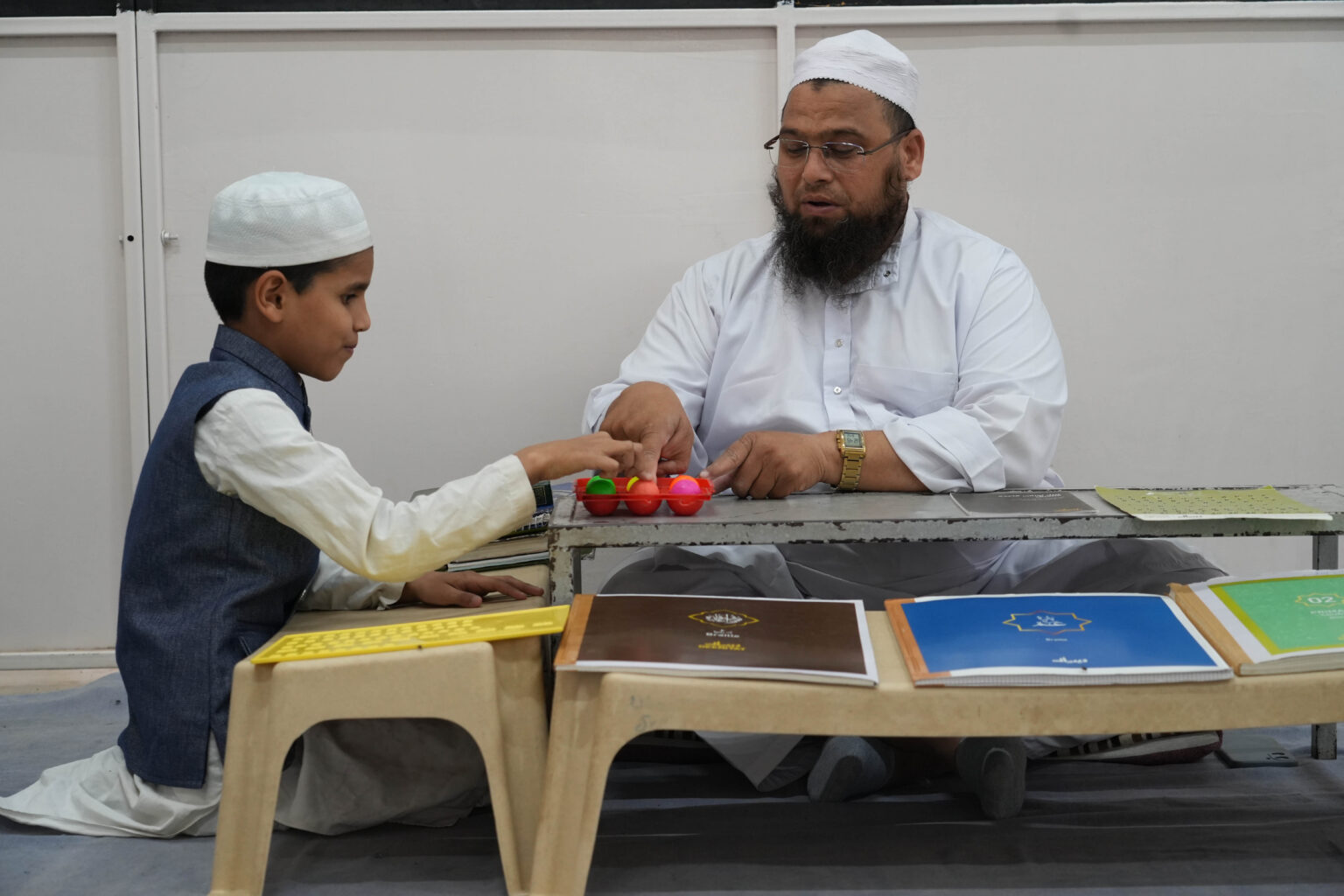
Students at Jamia Abdullah Ibne Umme Maktoom in Pune attend a classroom session where they receive both Islamic and contemporary education, guided by their teacher.
Today, the Jamia hosts 210 mute, deaf and blind students from 17 states across India. The seminary provides free education from Grade 1 to Grade 12, including subjects like science, computers, Islamic studies and advanced education.
Many students have gone on to study at various universities and colleges. For those unable to attend in person, the madrasa has launched an online education programme. Children here are provided with education, food, accommodation and even uniforms free of cost.
“Our mission is to see these children represent the country on every platform one day,” says Qasmi.
Despite the struggle, they have succeeded in building a thriving institution. In 2021, the madrasa launched separate sections for mute, blind and deaf women to ensure inclusive learning environments. Women’s education is just as important as men’s, and this initiative reflects that commitment.
Mubashira Sadiya Khan, who teaches specially abled girls at the madrasa, says, “Women’s education is equally important as male education. These girls are usually occupied with household work at their homes, but we are giving them better education and showing them the purpose of life.”
A young visually impaired student sits attentively in class, beside a Braille slate and stylus used for writing. At Jamia Abdullah Ibne Umme Maktoom, visually impaired children are given tools and support to receive religious and formal education in an inclusive environment.
Since safety is a major concern for women in the country, the madrasa has provided separate rooms for them, with all female helpers to ensure a secure learning environment.
Mubashira adds, “Usually, women are not safe in the country, but here we have created a safe space where they can learn and grow with confidence.”
Despite progress in education, children with disabilities in India often remain invisible – excluded from schools, denied opportunities and treated as burdens. Many end up begging or isolated at home, not by choice, but because society offers them no alternatives.
“We often see them begging on the roads, not because they want to, but because the society has failed to give them a chance,” says Qasmi.
Students in uniform attend class at Jamia Abdullah Ibne Umme Maktoom in Pune, where multiple sessions are held simultaneously in a shared hall to support inclusive learning.
The Jamia has been working to ensure that students with disabilities receive quality education, access to proper infrastructure and opportunities to engage in play and creative activities on campus. Its vision is to provide them with equal opportunities so they can compete and thrive like any other student.
“Our goal was simple – give them dignity, knowledge and a future,” Qasmi explains.
The Jamia is already offering digital learning tools, smart boards and inclusive facilities to ensure that the students receive a modern and accessible education. The institution continues to innovate and expand its reach through technology and tailored teaching methods.
“We have introduced smart boards, digital tools and inclusive classrooms because every child no matter their ability deserves access to quality, modern education,” says Qasmi.
In the current political climate in India, the Muslim community has often been portrayed in a negative light, and madrasa education is frequently misunderstood or dismissed. Despite these challenges, Jamia Abdullah Ibne Umme Maktoom continues to provide quality Islamic and contemporary education to differently-abled children, aiming to empower them with knowledge and confidence.
source: http://www.twocircles.net / TwoCircles.net / Home> Disability / by Suhail Bhat, TwoCircles.net / June 21st, 2025
These slogans are painted at vantage points inside cantonments or army units. However, if you want to see how a soldier always lives up to these adages, meet Brigadier (retired) Dr. Mukhtar Alam, who lives in Pune, Maharashtra.
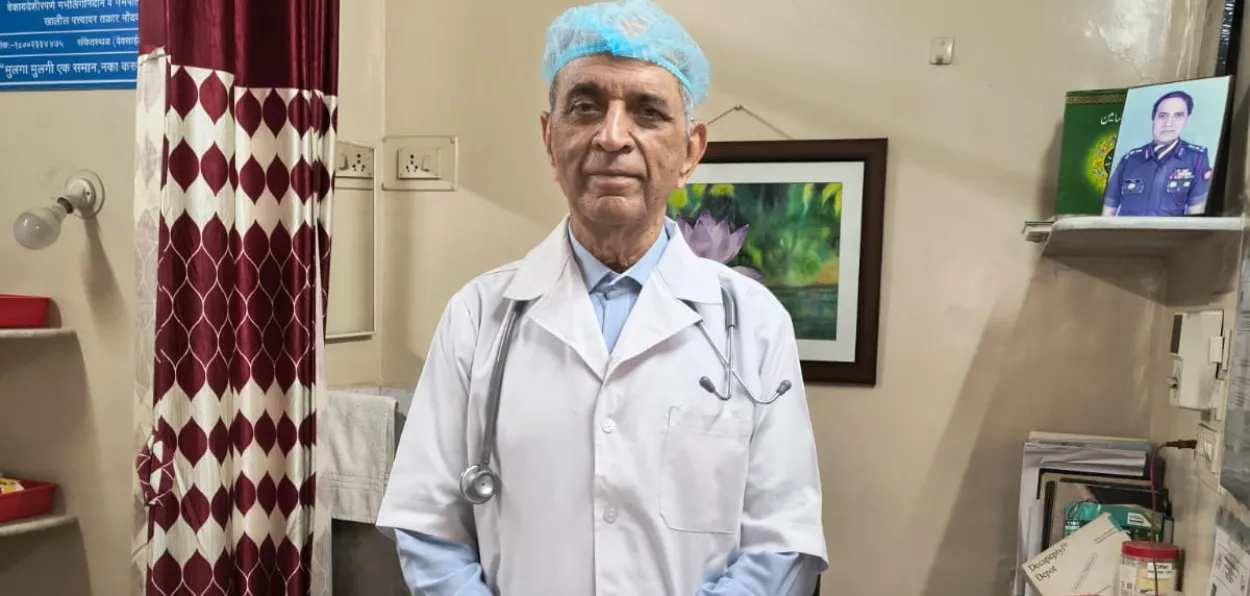
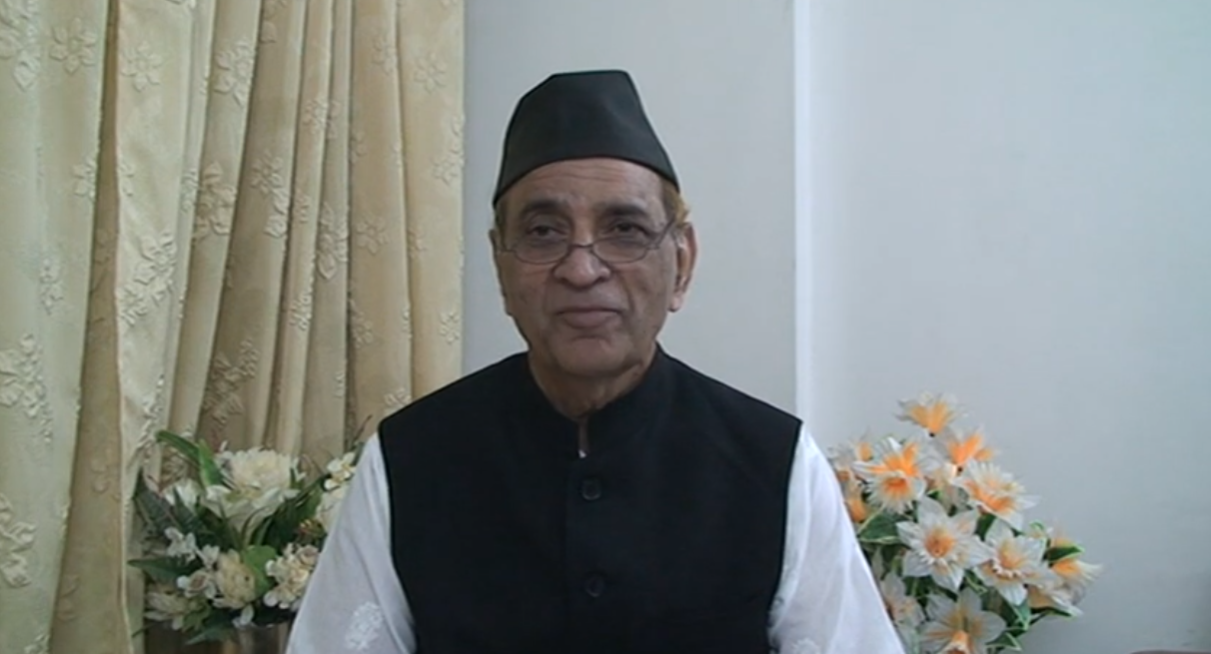
“Youth are the future of India and after serving my country I am now serving them,” says (Prof) Brigadier Dr. Mukhtar Alam, 80, Chairman, Department of Gynaecology, Ruby Hall Hospital, Pune.
Serving the Army for 35 years as a Professor in the Armed Forces Medical College, he became the Chief Consultant of Gynecology.
He is often called the father of the AFMC for his contribution to the development of this chain of prestigious Medical colleges run by the Military. As a student of the AFMC, Pune, he won 7 gold medals in MBBS and MD and became the first topper from AFMC in Pune University.
A multifaceted personality, Dr. Mukhtar Alam has been awarded the State Sahitya Akademi Award for 2013 by the Government of Maharashtra. He has published 21 books in Hindi, English, Urdu, and Marathi so far.
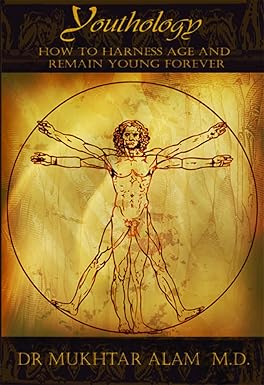
His book Youthology: How to Harness Age and Remain Young published by Power Publishers is a rage among the new generation.
His book seeks to connect man’s secret desire to attain eternal youth with amazing discoveries in the field of medicine and nutritional science and multidimensional explorations into the realm of Physiology.
Brig. Mukhtar Alam’s book
Speaking with Awaz-the Voice, Prof Brig (retd) Mukhtar Alam said that he has done extensive research in modern fields of endoscopy and oncology. He contributed to the medical world through his breakthrough work in assisted reproductive techniques at the Royal Postgraduate Medical College, University of London in the 1980s. His work has been recognized and published in medical journals around the world.
Brigadier Dr. Mukhtar Alam’s social work involves helping the youth. He said that he often visits the schools nearby and helps poor children in their education through scholarships. He also provides them with school uniforms and books.
He says that he does not want to be remembered and spoken of like a politician.
Brigadier Dr. Mukhtar Alam offers scholarships to students who score 80 percent marks. Already students whom he helped are busy studying for degrees like B.Tech. He remembers someone being the daughter of a barber and the son of a watchman, whom he could help and all are doing fine in life.
In literature, Dr. Mukhtar Alam is interested in spiritualism, philosophy, and humanism – elements that unite humans.
Some of his awarded works are: “ Majmuan Mazameen Quran Majeed ” in Urdu and “ Quran Majeed Ka Kavya Saar ” in Hindi, i.e. translation of the Quran in the form of poetry so that a common Indian person can understand the Quran in his Urdu/Hindi language.
Dr. Mukhtar Alam has published more than 50 research papers in national/international medical journals and has authored 21 books.
Brig. Mukhtar Alam
Dr Mukhtar Alam said, “Negativity is never a choice. It is a self-chosen suicidal tendency. Hatred cannot be eradicated by hatred. It can only be eradicated by love. Our nation is like a family. It demands a bond of love, compassion, and sacrifices to respect and celebrate diversity. We must be inclusive in our outlook, abilities, and disposition.”
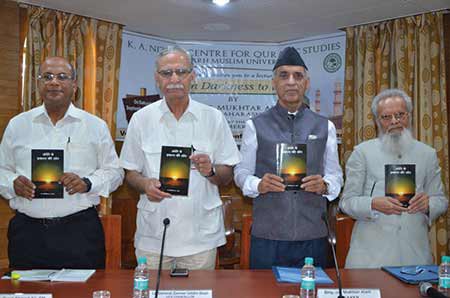
Brig. Mukhtar Alam delivers motivational lectures in educational institutions. Speaking on “From Darkness to Light” at Aligarh Muslim University on 17 September 2016, Brig Alam emphasized the need to acquire knowledge and get rid of the darkness of ignorance.
He said knowledge, which is acquired as a result of educational pursuits, is the only way to pull society out of the mire of illiteracy and backwardness. He said only “truthfulness, determination, commitment and hard work can take a person from darkness to light”.
Dr. Mukhtar Alam is Professor and HOD (Academics) at Ruby Hall Hospital (Research & Referral), Pune, and Director of Dr. Brig. Alam’s Clinic and Infertility Treatment and Research Centre, Parmar Park, Wanowrie, Pune.
On religion, Brig. Alam said that “the goal of Islam is to eliminate the darkness of ignorance from the human world and it never approves of “hatred, anger and barbarism”. He said that Islam is a religion of peace and love and compassion towards all is the only way of life for a true follower of this religion.”
Brig Alam’s book being released at AMU
Discipline is one of the most important personality traits in everyone’s life. It refers to a set of rules and regulations that must be followed while going through any task or activity. It is a way of being honest, hardworking, and motivated while accomplishing a task.
Brigadier Alam said that the spiritualism is a prsonal journey, which introduces us to our true nature. It is a path to experience the eternal truth within by moving away from the outside world. Seek peace and balance within yourself every day. Consider meditation, sadhana and self-reflection as a part of your life. Keep your thoughts pure and fill your actions with service and love.
Remember, every event in life brings a purpose. Every intangible thing is a means to improve the soul. Have faith in God and complete your journey with devotion, patience, and documentation. This journey is the path to bliss and liberation.
Brigadier Dr. Mukhtar Alam believes that all the youth should follow the path of spirituality only then they will be able to achieve the right goal in their life.
Brig. Alam said, “Let us together build an India that enlightens the world through its spiritual richness and human diversity. India is humanity and humanity is India. Let us present ourselves before the global fraternity as a symbol and pinnacle of peace and religious harmony. Spirituality is the real strength of India.”
source: http://www.awazthevoice.in / Awaz, The Voice / Home> Stories / by Onika Maheshwari, New Delhi / January 09th, 2025
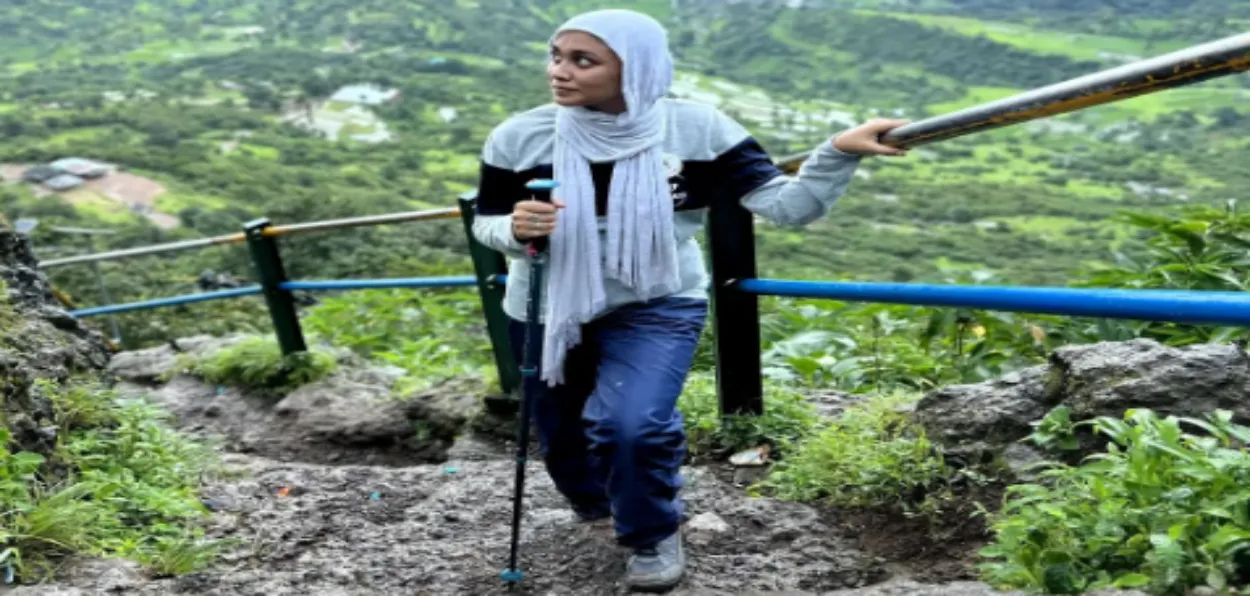
Haaequa Awati alias Hijabi trekker climbing Kalsubhi peak, the highest one in Maharashtra
Haaequa Awati of Junnar in Pune, Maharashtra, known as Hijabi Trekker for her passion for trekking in a hijab, is on an exploration of all the forts built by the Maratha Warrior Chhatrapati Shivaji Maharaj. It’s interesting to note that both were born in Junnar, a historic city of Maharashtra.
Haaequa Awati’s bio on her Instagram account @hijabitrekker includes a quote, “Nature’s path is where the mind finds clarity, the body finds strength, and the heart finds freedom” Haika emerging as ‘Hijabi Trekker’ is creating a different identity through trekking.
Haaequa has been fascinated by forts since childhood. She feels drawn to the stories of Maharaj Chhatrapati Shivaji’s bravery. She developed an interest in outdoor sports right in school. Inspired by Shivaji’s stories, she picked up adventure sports.
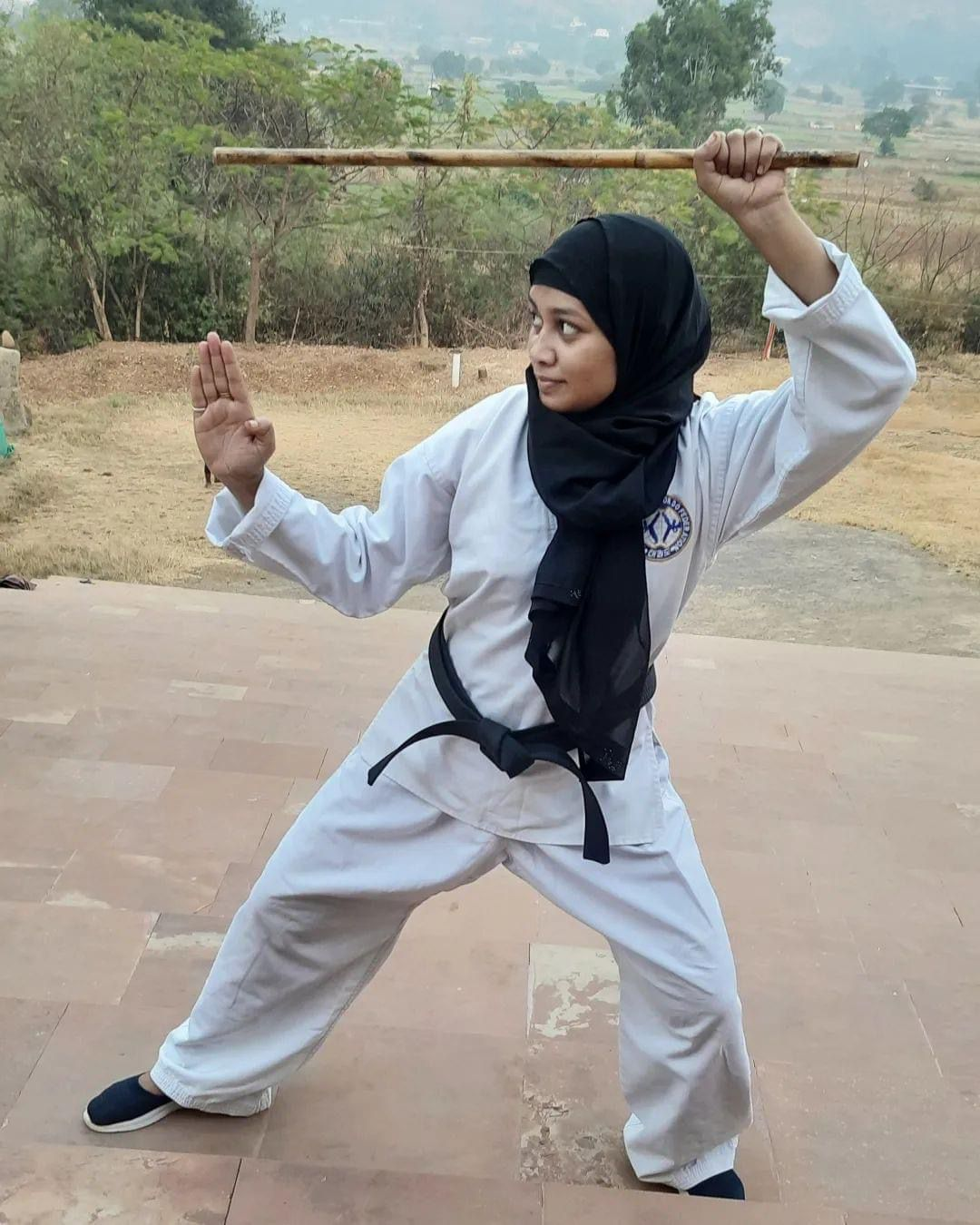
Haaequa’s wanderlust started because of her passion for sports. She had been practicing taekwondo from the age of nine years. She is the first Muslim woman from Junnar taluk to earn a black belt.
“Being born in Shiv Janmabhoomi, I have had an adventurous spirit since childhood. I don’t have a brother, so I felt responsible for the protection of my sisters… In that sense, I learned taekwondo for self-defense out of my love for sports… From that love, I developed the hobby of trekking.”
Haaequa Awati practising martial arts
Haaequa spent her childhood in a village. Her father has a small tailoring business and her mother is a school teacher. Haaequa is the eldest of three sisters.
Haaequa came to Pune to pursue higher education. Sports and trekking are popular in her community, but higher education among women is not common. She completed her education while maintaining her passion for sports.
Haaequa got inspired to play sports, she says, “Being born in Shiv Janmabhoomi, I have had an adventurous spirit since childhood. As I didn’t have a brother, I felt responsible for protecting myself and my sisters… In that sense, I learned taekwondo for self-defense out of my love for sports… From that love, I developed the hobby of trekking.”
She came to Pune and completed her MBA from a reputed college and soon got a job. Soon she started coaching schoolchildren in sports and would use her weekends for trekking.
Haaequa Awati posing for a picture during one of her treks
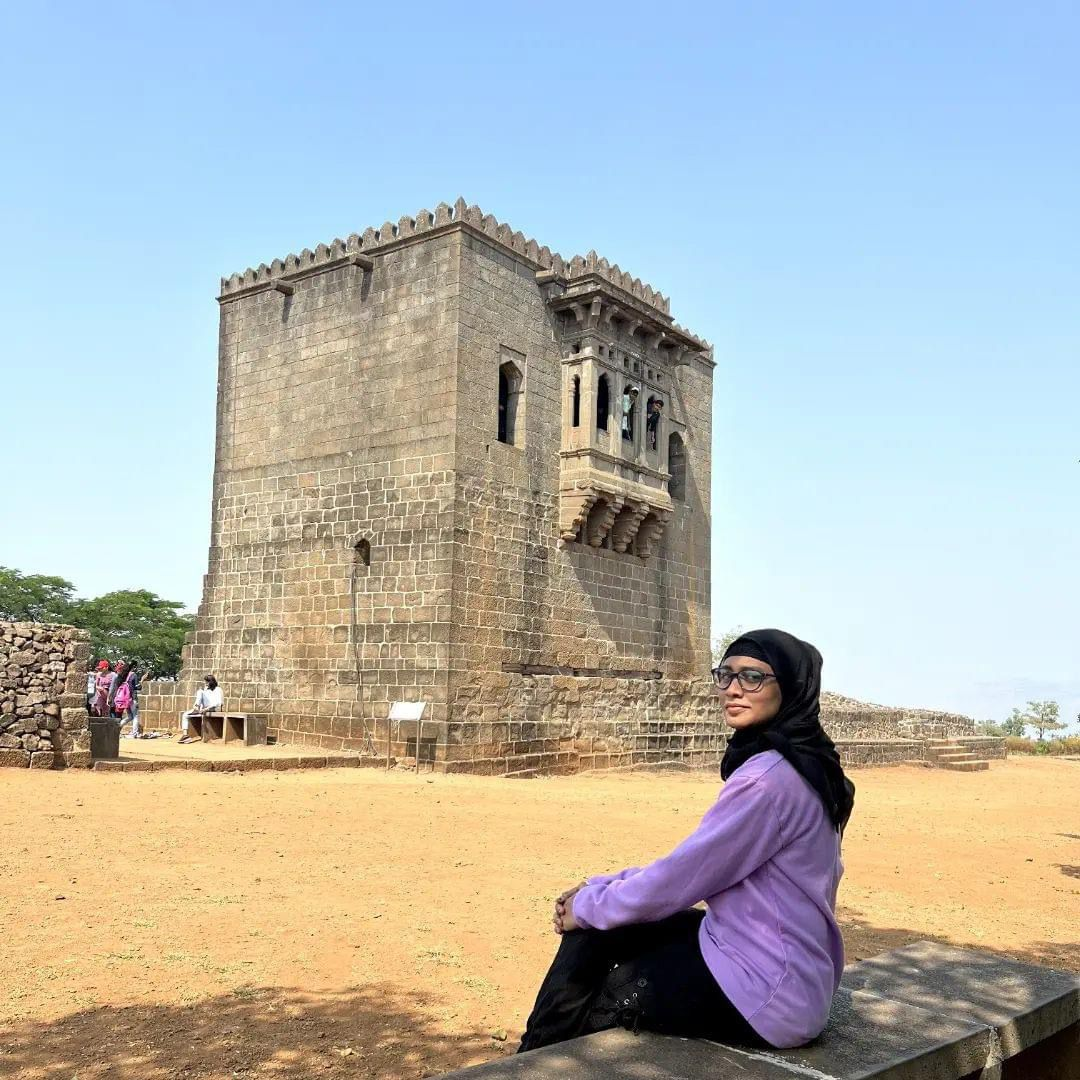
She started trekking from the Shivjanmasthan Fort Shivneri, a fort build by Shivaji Maharaj. So far, she has collected that information by wandering in many places like Torna, Harishchandragad, Korigad, Kokandiva, Rajmachi, Bhuikot, Sea forts, and Mountain forts. Her travel vlogs have also become popular on YouTube and Instagram.
She says, “My mother, being a teacher, is always innovative. She knows a lot about social media and technology. So she gave me the idea to start the channel. After that, I started my channel on social media called ‘Hizbi Trekker’.”
Along with showing the beauty of Sahyadri through her social media, Haaequa tries to convey the culture of Maharashtra and the history preserved through the forts. She chooses a high-altitude fort or a mountain and climbs it wearing casual clothes that blend in with the forest. Haaequa decided to trek wearing a hijab. The idea behind it was to break the stereotype of a Hijab-wearing Muslim woman.
Haaequa has shown how modernity can be embraced while still maintaining religiosity and modest dressing. On being asked about her Hijab while trekking Haaequa said, “When I performed Umrah and Hajj in 2019, I gained more respect for the hijab. That’s when I realized that religion or culture never comes in the way of your ambition. We can fulfill our dreams even by wearing hijab. Because hijab is not compulsory but a matter of choice.”
Haaequa adds, “Many people think that being religious means you can’t live life as per your choice. I wanted to break this misconception. So I decided to wear my religious identity on my sleeves while pursuing my passion for trekking. That is how the concept of ‘Hijabi Trekker’ was born.”
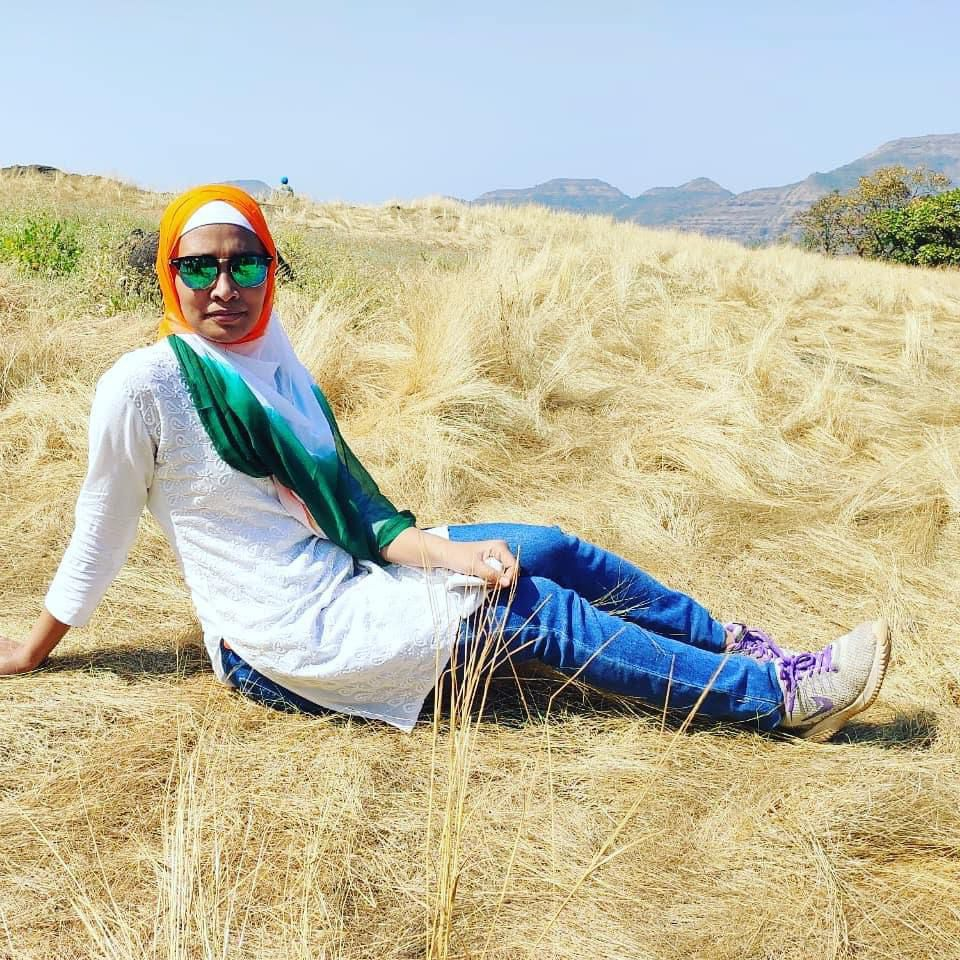
On her logo on her social media pages, she says, “There is a lot of respect for our tricolor. It is also a place of inspiration. Inspired by the three colors of the tricolor, I created my Hizbi Trekker logo.”
Haaequa Awati in front of a monument up in the hills
Speaking about her journey from a passion for sports to trekking, Hayka says, “I’m trying to prove myself through this. I want to show that Muslim women are also leading the way in sports. Today, my social media followers refer to me as Hizbi Trekker. Hijabi Haaequa has become my identity.”
When asked about the difficulties she faced in her early days of trekking as a woman, she says, “While trekking, you have to wear loose but skimpy clothes. But I feel comfortable in full body coverings. So that one thing bothered me, but luckily some companies in Kerala have marketed full-body clothing used during trekking. It solved the problems of many girls like me.”
She further says, “I have met a lot of girls who want to do trekking. However, when it comes to trekking by women, many people wonder about where they would stay. Sometimes, the trekkers may also carry their children. I mostly get such reactions, especially from Muslim families. While searching for answers to such questions, I thought that we should curate trekking groups for women.”
Haaequa feels education is an important component of development and empowerment. Unfortunately, the level of education of Muslims in India especially in higher education is not very satisfactory. Although this society has been somewhat backward due to the lack of education, today it seems to be undergoing many positive changes.
Women face many problems due to lack of education. Therefore, Haaequa has expressed her strong opinion on the importance of education. “I got married in 2017,” Haaequa adds, adding that women should be educated and empowered. Opinion I had to separate from my husband within a year of marriage. After that, I had to face the questions of relatives and society. The couple also started a huge court battle for divorce and that battle is still going on. I realized that this battle could not be fought effectively without knowing the law.”
She adds, “There are many laws for women in our country. But I did not know how to use those laws. So I decided to study law to fight my own battle effectively.”
Haaequa is completing her LLB from a reputed college in Pune. After becoming financially strong, she wants to cobble a trekking group of women and start a fitness training center for the elderly women.
source: http://www.awazthevoice.in / Awaz, The Voice / Home> Story / by Bhakti Chalaka, Pune / October 24th, 2024
Sarah Khan wins maiden race in Apache RTR 200 class.
KY Ahamed (33) edging out Jagan Kumar to win the Pro-Stock 165cc Open race on 15 June 2024. Photo by Anand Philar
Chennai :
Two sets of siblings from Chennai hogged the limelight by winning four of the nine races on Saturday at the Madras International Circuit to light up the first round of the MRF MMSC fmsci Indian National Motorcycle Racing Championship 2024.
The 15-year-old Dave twins, Rakshith and Rakshitha took the honours in the Idemitsu Honda India Talent Cup (NSF 250R) and the National Championship Girls (Stock 165cc) races. It was a maiden win for both of them, in their respective categories.
Two other siblings, 28-year-old KY Ahamed (Pro-Stock 165cc Open) and his 17-year-old brother Abdul Basim (Novice 165cc), also won a race apiece to set off celebrations in both families.
Elsewhere, Sarthak Chavan, the 17-year-old from Pune, led a 1-2 finish for TVS Racing along with Bengaluru’s Chiranth Vishwanath, also 17, in the premier Pro-Stock 301-400cc category. The race was cut to four laps from scheduled six after a red flag stoppage following a Turn-3 crash (riders ok) and Sarthak, starting from pole, virtually destroyed the field on restart. Chiranth came in second, ahead of Hyderabad’s Sairahil Pillarisetty (Gusto Racing).
Sarthak, however, had a disastrous outing in the Pro-Stock 165cc Open race as he crashed when in the lead. On his exit, Sathak’s two TVS Racing team-mates, KY Ahamed and multiple National champion Jagan Kumar, were involved in a tight finish. Ahamed pipped his mentor Jagan in a photo-finish with another TVS Racing ace, Deepak Ravikumar, who had started the race from the pit lane, completing the podium. Chiranth, who was running second, also crashed, but resumed to finish fourth.
Also finishing on top step of the podium was Chennai’s Kaushik Subbiah Ganesan (RACR Castrol Power1 Ultimate) who won as he pleased in the Novice 301-400cc class that gained National championship status from this season.
Earlier, pole-sitter Abdul Basim, held off a strong challenge from Mysuru’s Tasmai Cariappa (Motul Sparks Racing) who led briefly in the penultimate lap but conceded the advantage. Basim went on to win with Tasmai and Coimbatore’s Abhinav G (Chandra LGE Racing) finishing second and third, respectively.
Rakshitha Dave, starting from P2, moved in front by Turn-2, deftly avoiding any jostling that was happening behind her, and enjoyed a trouble-free run for a commanding win. Another Chennai rider, Jagathishee Kumaresan (One Racing) and Ryhana Bee (Motul Sparks Racing) settled for second and third spots, respectively, while pole-sitter Ann Jennifer (Alpha Racing) came in a disappointing fourth.
“I am very happy to score my first-ever win in the National championship. I had a good start today and a trouble-free run after going into the lead early in the first lap. The bike too performed very well,” said a delighted Rakshitha.
Idemitsu Honda India Talent Cup: Rakshith Dave reigned supreme in the NSF 250R race after initial battle with the more experienced Mohsin Paramban (Mallapuram) with Bengaluru’s AS James finishing third. It was Rakshith’s first-ever win in this class. Incidentally, Rakshith’s twin sister, Rakshitha made her debut in this class and finished 13th.
TVS One-Make Championship: Coimbatore’s Senthilkumar C took the honours in the truncated Open (Apache RR 310) race that was reduced to three laps from six due to a red flag stoppage following an on-track incident. Jayanth Pratipathi (Chennai) came in second, ahead of Nagercoil’s Ajai Xavier M.
Harshith V Bogar from Bengaluru notched a dominating win in the Rookie category with second-placed Saranjith KM (Thrissur) finishing some 10 seconds behind. Vijayawada’s Akarsh Jangam was a distant third.
Mumbai’s Sarah Khan won the Girls (RTR 200) race untroubled from Pune’s Saimah Ajaz Baig and Aisvarya V (Coimbatore).
The results (Provisional, all 6 laps unless mentioned):
Novice (Stock 301-400cc) Race-1: 1. Kaushik Subbiah Ganesan (Chennai, RACR Castrol Power 1 Ultimate) (12:17.257); 2. Lokesh V (Bengaluru, Pvt.) (12:23.458); 3. Varun Nanjundegowda (Mysuru, Gusto Racing India) (12:27.927).
Idemitsu Honda India Cup (NSF 250R) Race-1: 1. Rakshith S Dave (Chennai) (11:12.157); 2. Mohsin Paramban (Malappuram) (11:16.226); 3. AS James (Bengaluru) (11:16.669)
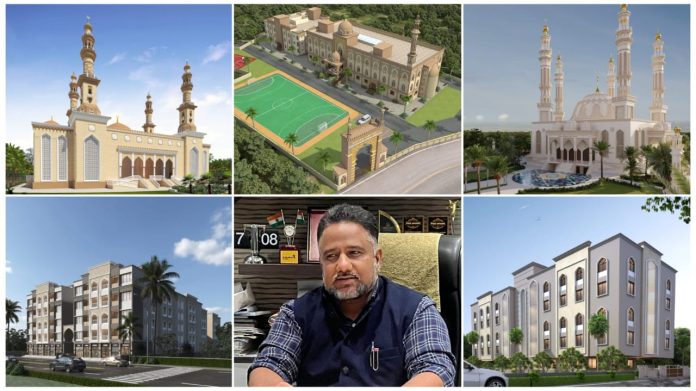
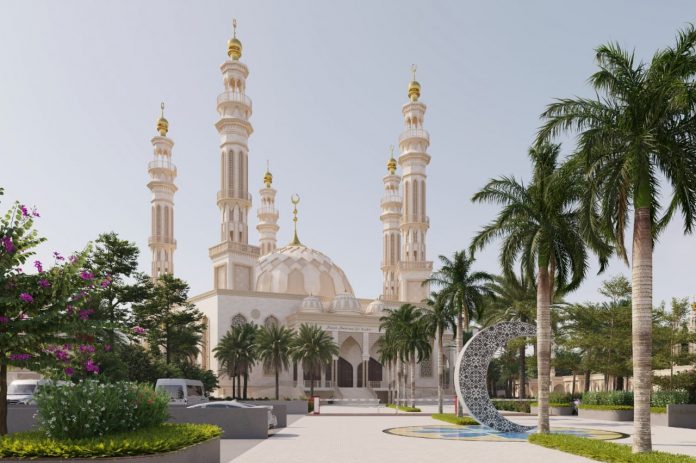
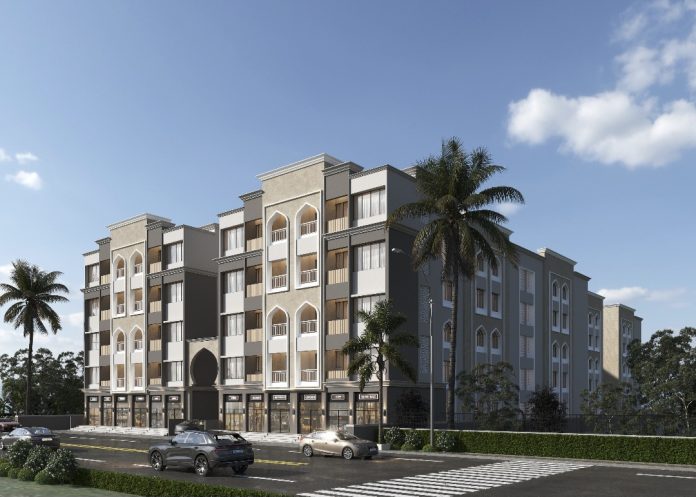
Architect Imran Abbas Shaikh and some of the mosques he designed.
Architect Imran Abbas Shaikh, a visionary based in Pune, Maharashtra, exemplifies the transformative power of architecture. With a passion for blending modern design with cultural heritage, Imran has developed a diverse portfolio ranging from innovative urban projects to iconic cultural landmarks. Renowned for his distinctive approach, he has redefined architectural design, particularly in the creation of mosques. His designs for these sacred spaces often include facilities like hospitals, museums, libraries, and community kitchens, showcasing his dedication to empowering the community. Through his work, Imran Abbas Shaikh has set a new standard for integrating functionality with tradition, earning widespread acclaim for his contributions to architecture.
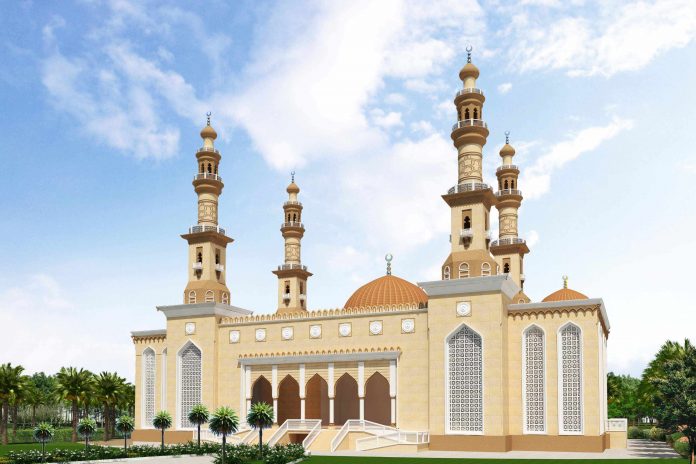
Muhammad Bin Abdullah Mosque’ in Dhannipur, Ayodhya district, Uttar Pradesh.
The Early Years
Mr. Mohammad Imran Abbas Shaikh, hailing from Pune, Maharashtra, has traversed an extraordinary journey from his roots to emerge as one of the most prominent architects of our time.
His architectural firm, Cubix Architects, situated in his hometown, reflects his deep-rooted connection to the place that nurtured his talents. Growing up, Imran was distinguished by his unique approach and a penchant for creative thinking, qualities that would later define his illustrious career as a visionary architect. However, it was the unwavering support and belief of his father that truly ignited Imran’s passion. His father instilled in him the notion that architecture was not merely about envisioning structures, but about crafting an unwavering future that could bring about positive change. This paternal guidance became the driving force behind Mr. Mohammad Imran Abbas Shaikh’s relentless pursuit of architectural excellence.
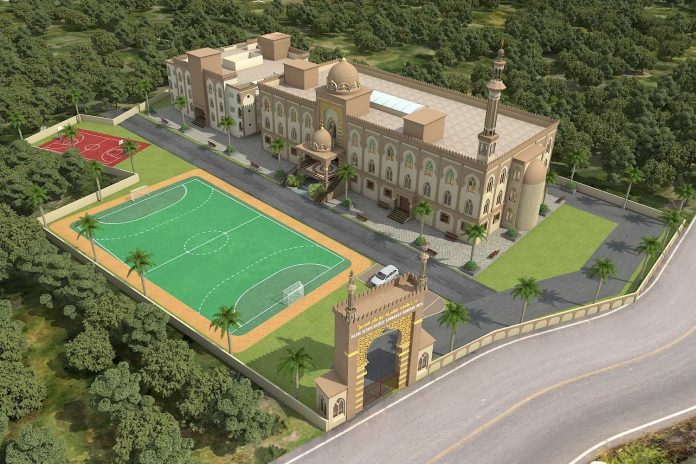
Islamic School and Institutional Campus, Phaltan, Maharashtra.
Educational Background
Imran Shaikh’s educational journey was marked by a pursuit of excellence from the outset. Beginning with his early schooling split between SSPM and Children’s Academy in Shivaji Nagar, Pune, he demonstrated a thirst for knowledge and innovation. His high school years at Poona College laid the groundwork for his academic prowess, setting the stage for his subsequent achievements.
Imran’s passion for architecture led him to Bharati Vidyapeeth, where he honed his skills and emerged as a consistent topper throughout his degree. Even after completing his formal education, Imran’s dedication to his field remained unwavering. He continues to share his expertise and insights by delivering lectures and guiding Ph.D. aspirants, leaving an indelible mark as an inspirational figure for aspiring architects and youngsters alike. His contributions as a guest lecturer have not only enriched the minds of his students but have also sparked a newfound enthusiasm for architecture among many.
Islamic Spiritual Centre of Maulana Sajjad Nomani – Neral, Maharashtra
Inspiration Behind Choosing Architecture as Career
Imran Shaikh always had a keen interest in travelling, exploring, and various forms of art. After high school, he decided to pursue architecture as a career, a field that had always intrigued him. Imran often spoke about how his father was his biggest motivator, playing a significant role in his journey to becoming a successful architect. During Imran’s college years, his father would proudly share his accomplishments with everyone. Imran’s fondness for art and his unique, abstract perspective on things have been evident throughout his career. Each of his projects bears a distinctive touch, showcasing his artistic vision and innovative approach.
“Modern technologies have made the youth increasingly dependent, resulting in a lack of motivation and original ideas. To foster change, it is essential to reduce dependency on readymade materials and encourage wholehearted engagement in learning, exploration, and hands-on activities. As long as a person is away from mental pollution, they can do wonders”
How Does Imran Shaikh See Architecture
Imran Shaikh states that architecture is a profession that has existed since the dawn of mankind, tracing its origins back to Adam (AS). Since the beginning, people have sought shelter, making architecture an integral part of human existence. This concept is not limited to humans; some of the best architectural forms can be seen in birds and animals. According to him, architecture starts with a dot, which evolves into a line, then a triangle, and gradually forms complex shapes and designs. The journey beginning with a simple dot encapsulates the essence of architecture.
His favourite works
The ‘Muhammad Bin Abdullah Mosque’ in Dhannipur, Ayodhya district, Uttar Pradesh, is under construction and spans 4,500 square metres.
Dar e Arqam
This mosque will include various facilities such as a hospital, community kitchen, library, and research centre.
Remarkably, it will be the first mosque in India to feature five minarets, symbolising the five pillars of Islam: profession of faith (shahada), prayer (namaz), almsgiving (zakat), fasting (roza), and pilgrimage (hajj). The mosque will be pentagon-shaped, further reflecting the significance of the five pillars. Additionally, it will boast a water and light show and house the world’s largest Quran, measuring 21 feet in height and 36 feet in width.
Architect Imran Abbas Shaikh
Some of architect Imran’s finest works include:
1-KAUSAR BAUGH MASJID – PUNE, MAHARASHTRA
2-ISLAMIC SPIRITUAL CENTRE OF MAULANA SAJJAD NOMANI – NERAL, MAHARASHTRA
3-ISLAMIC SCHOOL AND INSTITUTIONAL CAMPUS – PHALTAN, MAHARASHTRA
4-ISLAMIC SCHOOL AND INSTITUTIONAL CAMPUS – NEPAL
5-MASJID MUHAMMAD BIN ABDULLAH INDO ISLAMIC CULTURAL – BABRI MASJID, UP AYODHYA
5-ISLAMIC SCHOOL AND INSTITUTIONAL CAMPUS – BANGLADESH
Building a Better Society
Apart from his architectural achievements, Imran Shaikh is actively involved in education through his nonprofit ‘Human Embrace Foundation’, based in Pune. This foundation is dedicated to educating children from financially disadvantaged backgrounds, ensuring they have access to quality education and opportunities. Imran’s commitment to this cause has made a significant impact, inspiring many young people. His dedication and success serve as a powerful role model for youth, encouraging them to strive for excellence and make a positive difference in their communities. Through both his architectural work and his educational initiatives, Imran Shaikh exemplifies the values of innovation, compassion, and community empowerment.
source: http://www.muslimmirror.com / Muslim Mirror / Home> Indian Muslim> Positive Story / by Fiza Memon / May 25th, 2024
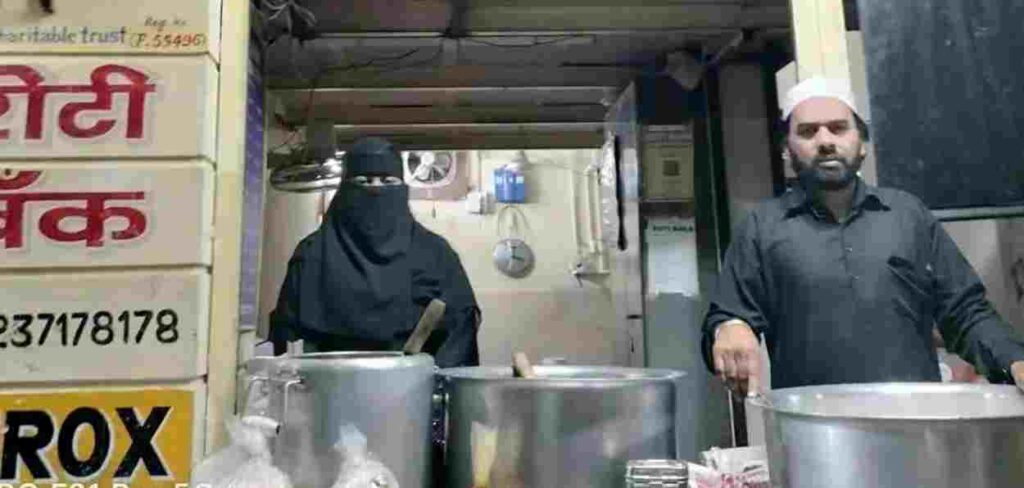
Following the Islamic principle that ‘if your neighbors sleep hungry while you are there, then you are not a true Muslim,’ neighbours in Pune Kondhwa in Maharashtra have replicated the initiatives of “Roti Bank” (bread bank) across many Indian cities and soup kitchens run by religious organization in the West, to address the hunger in the IT hub.
“Ark Charitable Trust’ was launched in August 2019 when many people in the city had lost jobs or livelihoods due to the COVID and hunger was rampant.
The trust was set up by a Kondhwah couple Aliya Shaikh and Nasir Shaikh from their house. The trust has been running a “Roti Bank” to and feeding widows and destitute women who are forced to wander around in search of food of alms to buy it.
Gradually, the Shaikhs realized that feeding people was a temporary solution to the problem of poverty and they started focusing on its root – lack of education. The trust got involved in educating children wandering on streets picking trash and leftover food and enrolled them in various schools
The trust has also provided job works to many widows whom they came in contact with while distributing food.
The Trust distributes food among people of all castes and religions.
Aliya Shaikh says she completed her 12th from Abeda Inamdar College in Lashkar area of Pune.
“I wanted to study, but I got married early, so I could not and then I realized what if I did not study? I can teach the girls living around me. My children today are doing well; studying in schools but what about those who do not have money? That is why I am trying to ensure that no one’s education stops due to financial constrains.”
Nasir also completed his schooling from Moledina High School in Lashkar area. Though he joined class eleventh he had to drop out due to financial problems at home. He started working as a commercial painter.
Nasir says, “Food satisfies the hunger of the stomach, while education satisfies the hunger of the mind. That is why both are considered basic needs.”
After seeing the work of Nasir and Aliya, a neighbor Ayesha Shaikh also joined them.
Ayesha, 65 has retired from a good position in a multinational company. Aliya, 30, works as a beautician and Nasir, 40, is a building contractor. All three work for ‘Ark’ while handling their business and family responsibilities.
In many weddings a lot of food is left over. To ensure this food doesn’t end in trash bins of the city, the Trust has displayed boards in key points in the city with this statement printed on these: ‘If you have leftover food, contact us… We will deliver this food to the hungry stomachs.’
‘Ark’ also gets financial support from various people and institutions on their auspicious occasions.
The three started this work from their homes without any funds. For the first eight days, Aliya used to cook food while Nasir distributed it. For the next eight days, Nasir took to cooking and Aliya to distribution. They would alternate their responsibilities ensuring that no single person has to take workload.
Aliya says, “We kept reaching out to the needy. As the work progressed, other people came forward to help us. Some started helping us financially, other by donating rations like oil, grains, etc.”
Soon many others more people had joined Ark.
Nasir empathises more with poor and says they are very sensitive. Instead of doling out food, the trio started a ‘Roti Bank’ to give dignity to those needing food.
Nasir says, “The work of ‘Roti Bank’ is not a one-day job. We cannot do one program in one month and then do the next program the next month. It has to be continuous work.
“It’s a challenge to feed their children and send them to school. But it’s also satisfying to see that someone’s life is changing because of you.”
“We have seen people cooking using paper as the only fuel. We have seen them struggling to satisfy their hunger,” says Ayesha. Food is provided to 50 families every day through ‘Ark’. Children’s education fees are paid.”
Aliya, Ayesha and Nasir deliver food to the people of Kondhwa, Bhagyodayanagar area. But the needy people of Hadapsar and Katraj area are not able to reach them every day, nor is it possible for Aliya, Ayesha and Nasir to take food boxes there every day.
So all three of them go to that area and distribute enough ration for at least two months on the basis of the given identity card. They also offer ‘Sehri’ and ‘Iftari’ facilities during Ramzan. A satisfied Ayesha says,
“It is a pleasure to be able to reach out and help the needy. Because of the work of Aliya and Nasir, I am associated with a good organization.”
source: http://www.awazthevoice.in / Awaz, The Voice / Home> Stories / by Chhaya Kavire, Pune / April 04th, 2024