Monthly Archives: August 2025

Jahangir Shaikh: A guardian of unclaimed dead bodies

Solapur, MAHARASHTRA :

For most people, social activities is defined as work carried out by people with the aim of alleviating the living conditions of those people in a community suffering from social deprivation. They strive for helping the poor and deprived people to live a better life. By this definition, it also implies that social work is for the living.
But what about people who are dead?

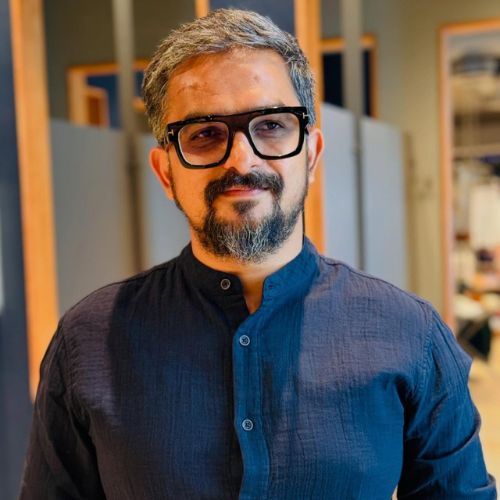
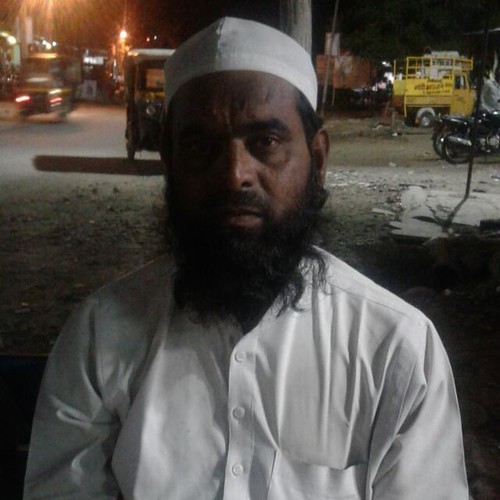
This question, and the answer to it, is what makes Jahangir Shaikh, a 47-year-old resident of Solapur, an exception. His social activity starts after he finds an unclaimed dead body. Once he discovers an unclaimed body, he assumes its guardianship and lays the body to its final abode.

“Initially I started to give gusl (bath) to unclaimed Muslim bodies on the request of Police. Later, I started doing it for people of other religions too”, Jahangir shares his journey of the past ten years; about a cause rarely undertaken by people.

Jahangir, a devout Muslim, first received a phone call in 2007 from a Muslim policeman who knew he can give gusl to unclaimed dead body. Jahangir had rushed to the spot and completed funeral right of a fellow Muslim.

“That was the first instance after which devotion for performing last right of unclaimed body arose inside me and thereafter I made it a duty to attend such bodies”, he recalls.

Jahangir’s strange choice of social work iniitally caught people by surprise, but he never doubted his commitment. “People disliked my work and they would treat me as an inferior individual but that did not stop me from carrying out the work that I supposed as my duty. I would pray to the almighty to strengthen me so that people’s objections do not hold me back,” Jahangir says, when talking about the initial days.

His family also strongly objected to this kind of work but he managed to convince them to allow him to continue doing it.
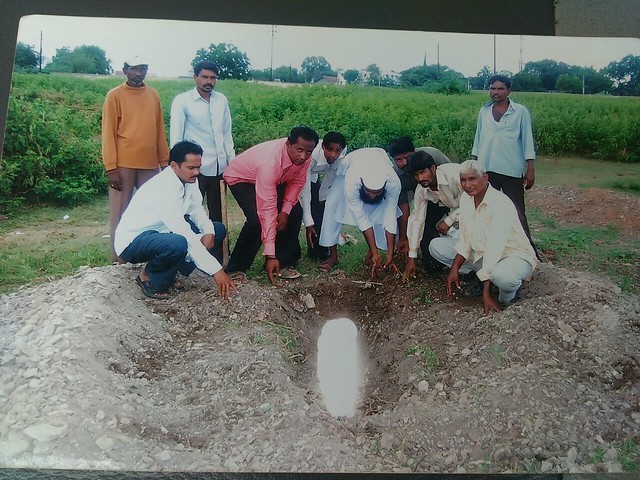
“I told them that I don’t do it for earning money; burying these bodies gives me pleasure as I became a guardian for them. They felt awkward initially, but gradually they got accustomed “, Jahangir explains how he convinced his family.

Till today Jahangir has performed last rites of as many as 1,600 people, out of which 1,400 were non Muslims. As he is used to of giving gusl, he is also called by people for giving gusl to their relatives. In return, they give him hadiya (gift).

But one might wonder; what is his main profession and source of living? For that, he cooks food in social functions. However, he is always on his toes when he gets to know about any unclaimed dead body either at a hospital or the police station.

Jahangir’s dedication to what he called his ‘duty’, and his sincerity towards this soon made him famous in Solapur. He started receiving phone calls from police stations and hospitals for burying unclaimed bodies. His amazing sense of kindness towards the unattended also moved many people; a few years ago, a young Muslim businessman Salman Shaikh took notice of his noble service and donated a second-hand Ambulance to help him carry out the work more efficiently.

“I was impressed with his dedication towards the work. The charred and blood-soaked bodies that a normal man don’t even look at, he would offer them a bath and bury them”, a bewildered Salman explains why he donated ambulance to him.
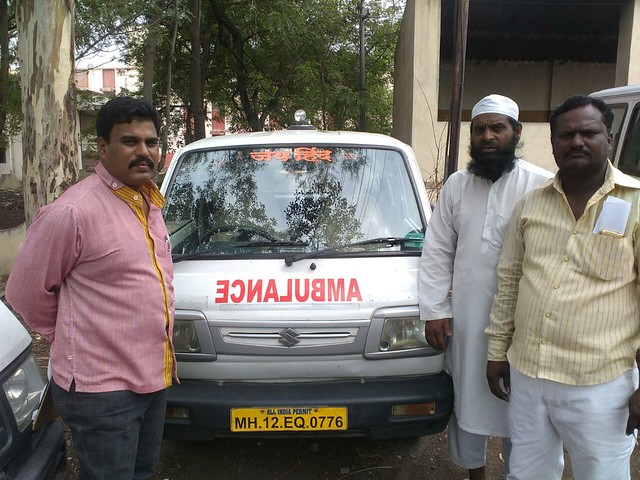
However, a couple of years after he got the ambulance, it met with an accident while carrying a body of little girl. This damaged the vehicle substantially and Jahangir too was injured in the accident. However, this did not break his determination and he bought two ambulances on loan and again started his service to the community. He got support from his son, who took a loan to buy an ambulance for Jahangir.

With some likeminded friends, he also formed the Baitul maal Shifa Committee through which he raises fund by collecting zakat (compulsory charity) or sadqa (voluntary charity) from people. However, he does not use this fund for performing last rites. Instead, he and friends pay money from their pockets for funerals and use the fund raised for poor patients admitted in hospitals.

“We use collected fund to help patients in buying medicines and other medical expenses”, Jahangir says with cheerful face.

When asked if police or hospitals pay him for carrying and burying bodies, he says, “They give Rs 300 but we give this money to the boys who help in carrying bodies to ambulance and dig holes for burial.”

For other expenses related to performing last rites: kafan (white cloths) and attar (perfume), Jahangir and his friends spend money from their own pocket.

His dedication has led to many people offering him voluntary service whenever needed. Currently, his Shifa committee has some active members: Gulam Shaikh, Zainuddin Nadaf, Sameer Shaikh, Daula Kumthe, Babulal Phaniband, Rashid Chaudhari and Shakila Shaikh are always ready to join hands with Jahangir.

Irfan S.M, a social activist and an educational personality from Solapur has nothing more than praises for Jahangir for his distinguished work.

“He is into this task of voluntary work and selfless service to humanity, it is really remarkable. Thousands of people are engaged in different social and religious activities but this is unique. There should be one Jahangir in every city”, Irfan says.

Imran Inamdar contributed to this story

source: http://www.twocircles.net / TwoCircles.net / Home> Indian Muslim> Youth / by A Mirsab, TwoCircles.net / October 07th, 2016
Bakhtiyar Tangsal, eminent journalist from Solapur, is no more

Solapur, MAHARASHTRA :

Solpaur (Maharashtra): 

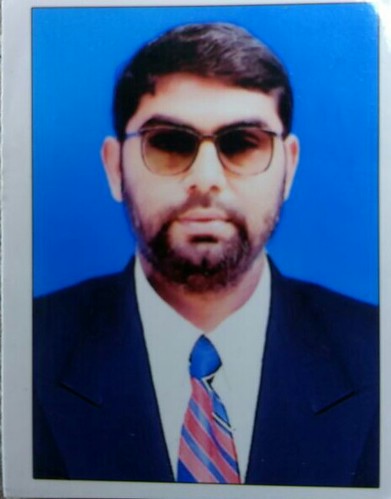
Bakhtiyar Ibrahim Tangsal, a senior English journalist, social worker and an Urdu poet from Solapur district passed away on Tuesday at the age of 54. Tangsal was suffering from a kidney disease for the last four years.

Tangsal forayed into the field of Journalism in late 90s, when the number of Muslims in the field of journalism, especially the ones educated in Urdu-medium schools, was extremely low.

Tangsal broke many barriers by joining Indian Express and proved himself in a very short time and started emerging as an outstanding journalist of the district. He also worked with Navbharat Times and Financial Express.

Tangsal was also a well-known Urdu poet and in 2013, when he was suffering extensively, he started publishing Urdu Daily ‘ Solapur Milaap’. Although he was running it successfully, his health and dialysis process couldn’t allow him to run it further. He always wanted muslims youth to choose journalism as a career or at least do it as part time job or hobby. In 1996 he started free journalism classes to train 20 youths to become journalists. Unfortunately, only two students: Ziyauddin Momin and Imran Inamdar remained in touch with him till his last breath.

He was equally popular in other community people and journalist community too.Today’s strong NGO of reporters ,Solapur dist shramik Patrakar Sangh.(Working journalist association) is the result of his efforts . He was the founder president of the same.

Mahmud Nawaz, a young teacher and a social worker, said it was a huge loss for the community. “He was not only a good journalist, but a great social worker too. He promoted young talents, providing them with all kinds of assistance. His role during 2002 riots and establishing relief committee was really remarkable,” said Nawaz.

source: http://www.twocircles.net / TwoCircles.net / Home> Indian Muslim> Youth / by Imran Inamdar, TwoCircles.net / October 07th, 2016
Our youths have to change the direction of thinking : Salman Taj Patil IPS

Solapur, MAHARASHTRA :

Salman Taj Patil

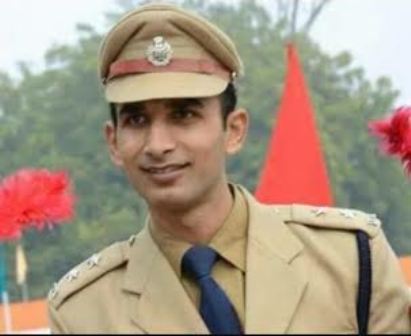
In 2012 Salman Taj Patil cracked the UPSC exam in first attempt and became the first Muslim IPS officer from Solapur.  In this candid conversation with Imran Inamdar the 31 year old talks of issues concerning the Muslim community, of the state of education among Muslims and of his own preparation for UPSC a few years ago.

How did you manage to achieve this feat?

I immersed myself into the preparation completely. There was only one aim in my mind and that was to crack UPSC. My parents provided very good emotional support and my father Mr. Jafar Taj always encouraged me saying that ‘you are too energetic and brilliant, you can easily crack UPSC, just focus on your studies and be consistent.’

Who is your role model and Why?

 Being a Muslim obviously Prophet Mohammed (PBUH) is my role model. He has showed us the complete way of life. My parents are also firm pillars of support for me. They are always there to guide me.

How to study to appear for UPSC exam?

The preparation starts at school level. Reading news papers, taking part in extracurricular activities, essay writing, debate competition play a key role. One needs to be updated about all current events. Critical analysis is also very important and it improves and polishes writing skill. Practice makes a man perfect. Nobody comes to the world with all the knowledge and skills. Effort, positive atmosphere, focus and support of near and dear ones matters most.

Why are Muslim youths far behind in cracking UPSC exam?

This is very important question. In my opinion our educational infrastructure and negative mentality are fully responsible for this. It has been hammered that qualifying this exam is very difficult or nearly impossible for minority community youth. This type of thinking is damaging and we should come out from this depressing thinking. It is a very fair competition. Achievement is a result of hard work only.  It’s time to change our direction of thinking.  When we focus and work hard Allah also helps us.

How do you feel serving as an IPS officer?

It’s a wonderful experience. In fact working as a police officer is a great social work itself where one gets an opportunity to help the oppressed, put criminal behind bars and provide safety and security to women and children. For this service we are getting salary from the government and will surely get Ajar (reward) from Allah too.

Sachar committee reports reveal tremendous decline of Muslims in India in all walks of life. What are the reasons behind it?

We are ourselves responsible for this backwardness. We don’t follow the path of Prophet Mohammed (PBUH) and teachings of Quran which shows the complete way of life. We don’t read, and think over it. ‘Iqra’ which means read was the very first Quranic word to be revealed. How many of us follow the same? Education should be on our top priority specially girls’ education.

During studies what did you do to relieve stress?

I used to study for about 10 to 12 hours a day. That was hectic so I played cricket with friends and took a walk in the park to get myself mentally fresh again. And horse riding is also my hobby.

source: http://www.muslimmirror.com / Muslim Mirror / Home> Exclusive Reports> Indian Muslim> Interviews / by admin / June 26th, 2016

How a research centre in Solapur is trying to remind Indians of their common, secular history

Solapur, MAHARASHTRA :

In recent times, the country’s past has become an extremely polarising point for its citizens. Many people have been brainwashed to believe that the advent of Islam in India and the subsequent period of Muslim rule across major parts of India was a period of dark ages.

However, it is also no secret that many scholars have convincingly argued otherwise, and now a Solapur-based Research Centre is doing the same. Named after pioneering activist Advocate Sayed Shah Gaziuddin, the centre is publishing books in Marathi and Urdu languages to help people understand and value the secular fabric of the nation.

The inspiration for this works comes from the life and works of Advocate Sayed Shah Gaziuddin, who strongly believed in social binding and communal harmony and always wanted Muslims to be aware of the social conditions of India.

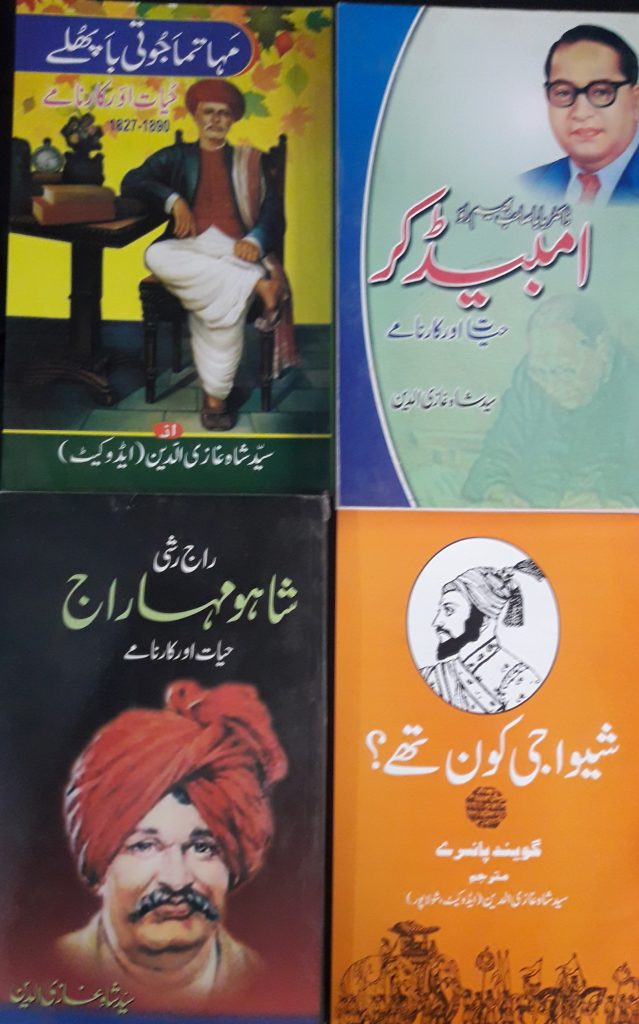
Through his Urdu books, he introduced life and work of many social reformers, including Jyoti Ba Phule, Shahu Maharaj, Dr. B.r Ambedkar and Chhatrapati Shivaji. Dr. Ambedkar Hayat aur Karname ( Life and work of Dr Ambedkar) and Urdu translation of Govind Pansare’s Marathi Book “Shivaji Kon Hota” ( Who was Shivaji) are masterpieces of his literary work.

After Adv. Gaziuddin passed away in January 2014 at the age of 79, some of his like-minded friends decided to establish a research centre to continue his vision and mission. In January 2015, the centre came into existence and started extending its literary services. Taking a cue from the works of Gaziuddin, his friends also started working on similar projects.

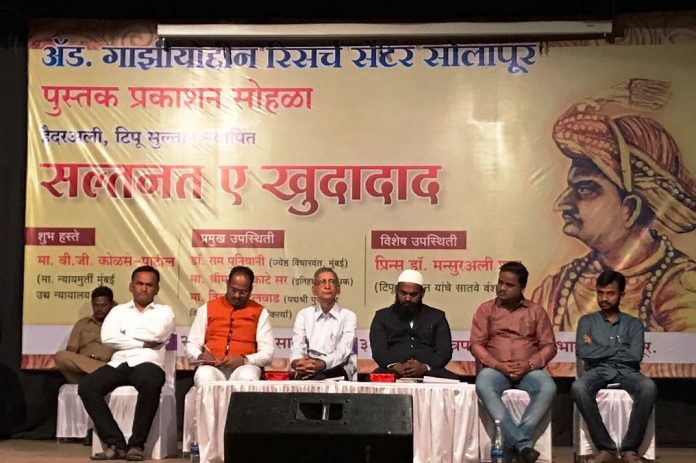
Sarfaraz Ahmed’s Marathi book on Tipu Sultan became popular in a very short time, with the book selling over 10,000 copies in a year. The fourth edition of the book is now ready to hit the market. Apart from a book on Tipu Sultan, Ahmed has also written Marathi books on Haider Ali, scholars of Medieval India.

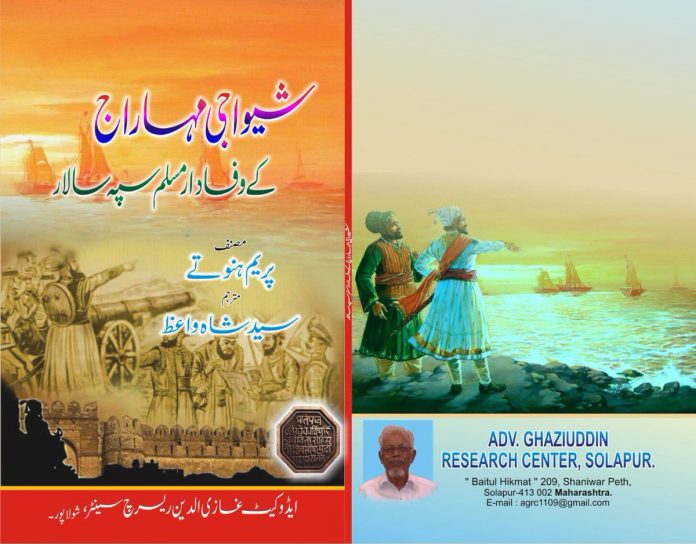
Also, Prem Hanvate’s “ Shivranche Muslim Sainik” ( Muslim soldiers of Shivaji ) was translated into Urdu by Sayed Wayez, the English book of Sayed Dawood “The Administration of the Deccan during Aurangzeb” has been translated into Urdu by Sayed Ismail.

In total, ten books have been published till now and work on some more books are in full swing, with ten young people also volunteering with the centre.

Talking about the centre, Vice president of the centre Ram Gaikwad said, “Late Adv. Gaziuddin was a dedicated progressive activist he has done a superlative job of bringing out the real history of social reformers of the majority community. His History research helps us in spreading brotherhood among Marathas and Muslims.

For the last ten years, I am also a part of his historical research panel and fortunately got an opportunity to continue this social work under his name.”

According to founder member and young historian Sarfaraz Ahmed identity of each and every community is based on its iconic personalities and social character is based on its history. “We carry out publication work by collecting donations from members. All the members from across Maharashtra are volunteers and they are all the under 30.

I must thank Sayed Ismail (Osmanabad) Sahil Shaikh (Sangli) Asif Mujawar (Latur), Kaleem Azeem (Pune) Prof. Mujeeb Kazi (Ambajogai) our President Samiullah Sheikh, Secretary Adv. Mahboob Kotimbre, Vice President Ram Gaikwad, Sayed Shah Wayez and our advisors B.G Kolse Patil, Shrimant Kokate, Sayed Iftikhar and M.I sheikh for their contributions.”

source: http://www.twocircles.net / TwoCircles.net / Home> Indian Muslim> Lead Story / by Imran Inamdar, TwoCircles.net / August 13th, 2018

The Muslim changemakers of Maharashtra

MAHARASHTRA :

Muslim changemakers of Maharashtra

New Delhi :

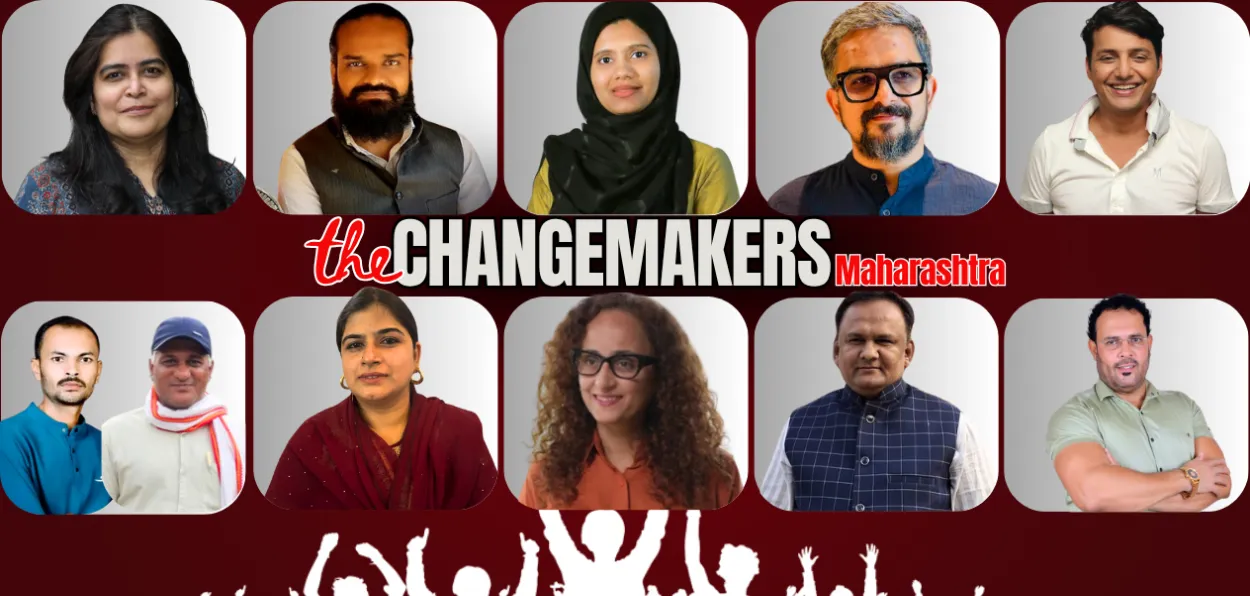
Awaz-The Voice, through its ‘The Changemakers’ series, has introduced readers to inspiring figures from Uttar Pradesh, Assam, and Jammu & Kashmir.

Starting July 6, we will feature ten remarkable changemakers from Maharashtra.

These individuals not only embody the state’s vibrant and progressive legacy but are also shaping a future that is tolerant, equitable, harmonious, and inclusive.

Working quietly away from the limelight, their impactful contributions are being brought to the public through Awaz-The Voice. Here’s a glimpse into their inspiring journeys.

Dr. Farah Anwar Husain Shaikh

Dr. Farah Anwar Husain Shaikh leads the Mis Farah Charitable Foundation in Pune’s Dapodi, delivering health, education, and disaster relief to communities. Her bold advocacy for Muslim women’s right to pray in mosques challenges deep-rooted traditions, earning her a doctorate in social work and women’s empowerment. Her story is that of the struggle for equality, Farah’s tireless efforts are transforming lives and reshaping Pune’s social landscape, making her a beacon of grassroots change.

Paigambar Shaikh

Rationalist Paigambar Shaikh is redefining tradition with his “Economic Qurbani” initiative from Pune, transforming the Eid al-Adha sacrifice into a force for community growth. By channeling resources into education, microfinance, and health camps, he blends faith with practicality. He is inspired by the Satyashodhak movement. His innovative approach fosters sustainable development and communal harmony in Maharashtra’s far-flung areas, marking him as a visionary changemaker.

Marziya Shanu Pathan

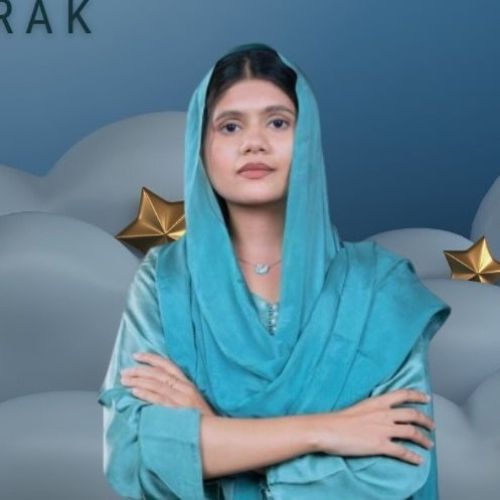
Marziya Shanu Pathan, 24, is an activist. From leading a march for Malala Yusufzai at age 12 to organizing the vibrant Mumbra-Kausa Children’s Festival, she champions women and youth in her township. Her blend of fiery activism and community initiatives is uplifting Mumbra, proving her dedication to a brighter, more inclusive future.

Hazrat Ali Sonikar and Munir Shikalkar

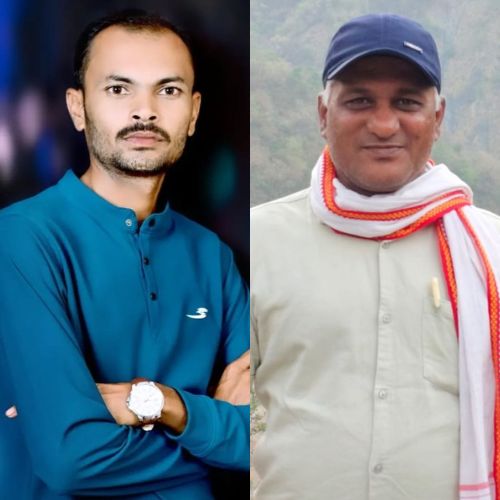
In Sangli’s agricultural heartland, Hazrat Ali Sonikar and Munir Shikalkar are empowering the Muslim community through grassroots activism. Hazrat rallies youth with awareness campaigns and workshops, while Munir bridges gaps with local authorities to secure resources. Their collaborative manifesto, amplifying education and employment, is reshaping the future of the community, showcasing the power of local action.

Sakib Gore

In Badlapur, Maharashtra, Sakib Gore is lighting up lives through his ‘Vision Friend Sakib Gore’ initiative, driven by his grandmother’s struggle with blindness. With a belief that glasses are more than a fashion statement—they’re a lifeline to sight—he’s brought eye exams to 2.6 million people, distributed 1.7 million free spectacles, and facilitated 63,000 free cataract surgeries. His ‘Devabhau’ glasses, priced at just 33 rupees, earned him global acclaim and the ‘System Leader Award’ at a World Summit in Kathmandu. Reinvesting every profit into free glasses for the poor, Sakib’s mission is simple but profound: to lift the visually impaired out of darkness, one pair of eyes at a time.

Sarfaraz Ahamad

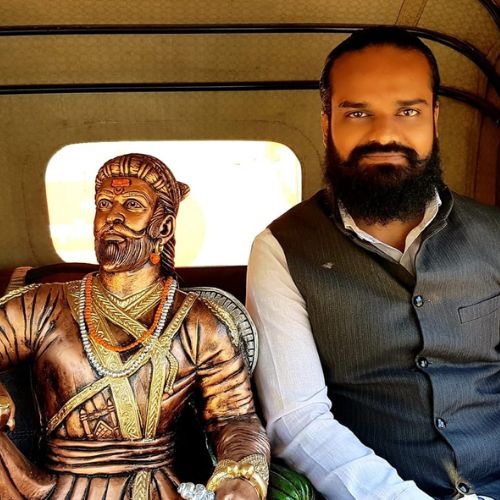
Solapur’s Sarfaraz Ahamad, a 41-year-old historian, brings Maharashtra’s Deccan heritage to life through his eight books. His books include the acclaimed Hyder Ali, Tipu Sultan, and The Sultanate-e-Khudadaad. As a founder member of the Ghaziuddin Research Center which promotes objective historical research. His writings in Marathi, Hindi, Urdu, and English captivate readers. Sarfaraz’s work is reviving cultural pride and inspiring a new generation of scholars.

Sabah Khan

Sabah Khan’s NGO Parcham based in Mumbara, empowers girls through football, challenging norms and building confidence among them. Khan, 50, fosters gender equality and religious harmony, securing a dedicated football field and launching the Savitri-Fatima Foundation to support education and economic growth. Sabah’s transformative work offers Mumbra’s youth a vibrant path to self-discovery.

Afroz Shah

Mumbai’s Afroz Shah, a 42-year-old lawyer, turned Versova Beach into the site of the world’s largest clean-up, removing 20 million kilograms of trash. Afroz Shah Foundation now tackles rivers and waste culture, earning him the UN’s ‘Champion of the Earth’ title. From slums to schools, his “dates with the ocean” inspire thousands, proving one man’s grit can spark a movement.

Dr. Sabiha Inamdar

In Nashik, 43-year-old Dr. Sabiha Inamdar, an intimacy and relationship coach, is breaking taboos around sexual wellness. She creates safe spaces for women and couples to discuss intimacy and emotions openly. What makes Dr. Sabiha’s work important is her commitment to normalizing healthy conversations around sex, emotions, and interpersonal connection—especially for women. Her workshops shift mindsets, fostering healthier relationships and emotional well-being across Maharashtra.

Hussain Mansuri

Mumbai’s Hussain Mansuri, a 40-year-old philanthropist with 7.8 million Instagram followers, spreads compassion across the city’s streets. From feeding street kids to caring for stray animals, his quiet acts of kindness, rooted in Islamic values, touch countless lives. Whether delivering meals near Tata Hospital or comforting the grieving,

Hussain’s selfless mission ripples far beyond Mumbai.

source: http://www.awazthevoice.in / Awaz, The Voice / Home> The Changemakers / posted by Aasha Khosa, ATV / July 05th, 2025

Khalid Jamil becomes Indian men’s football team coach on two-year contract

PUNJAB / KUWAIT / Mumbai, MAHARASHTRA :

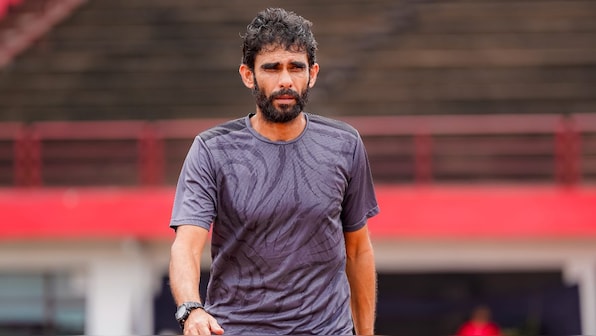
After confirming his appointment a few days back, AIFF has announced that Khalid Jamil has signed a full-time two-year contract to be the Indian football team coach.

The AIFF has announced that Khalid Jamil will be a full-time coach for the Indian men’s football team. Image: AIFF

Former midfielder Khalid Jamil has signed a full-time two-year contract to be the new Indian men’s football team coach, the All India Football Federation (AIFF) confirmed on Wednesday. Jamil, who was Jamshedpur FC’s coach in the Indian Super League (ISL), was picked as the top candidate by the AIFF Executive Committee on 1 August , but both parties were yet to agree on terms.

“I am both deeply proud and immensely privileged to have been entrusted with the responsibility of leading our national team,” Jamil said in an AIFF media release on Wednesday. “Over the years, I’ve had the opportunity to train Indian players, and I’ve grown to understand their strengths and weaknesses intimately.

“These insights will be fundamental to everything we do as we prepare for the CAFA Nations Cup and the upcoming crucial Asian Cup Qualifiers against Singapore.”

Jamil to start tenure with CAFA Nations Cup

Jamil was picked by the AIFF ahead of India coach Stephen Constantine and Slovakian tactician Stefan Tarkovic. He will be the first Indian to coach the men’s national team after Savio Medeira in 2012.

The first training camp for the Indian football team under Jamil will start on 15 August at the Dravid-Padukone Centre for Sports Excellence in Bengaluru. The list of probables is expected to be announced soon.

Jamil’s first assignment as India coach will be the CAFA Nations Cup, where India are set to face hosts Tajikistan (August 29), IR Iran (September 1) and Afghanistan (September 4) in Group B.

In the October FIFA Window, India are scheduled to play AFC Asian Cup 2027 qualifiers against Singapore (October 9 and 14).

Jamil’s coaching and playing career

While he doesn’t have the experience of coaching a national team, the 48-year-old has had an extensive management career at the club level, coaching Jamshedpur FC, NorthEast United FC, Aizawl FC, East Bengal FC, Mohun Bagan AC and Mumbai FC. With Aizawl FC, he won a historic I-League title in 2016-17.

He also helped Jamshedpur reach the Kalinga Super Cup 2025 final and the semi-finals of the ISL play-offs 2024-25.

As a player, he played 15 times for India, after making his debut in the 1997 SAFF Championship in Nepal, which the Blue Tigers won.

In his club career, Jamil won the National Football League, two Federation Cups and two IFA Shields with Mahindra United.

He also played for Air India and Mumbai FC. In the Santosh Trophy, Jamil represented Maharashtra, with whom he won the title in 1999.

source: http://www.firstpost.com / FirstPost. / Home / by FP Sports Desk / August 13th, 2025

AMU Scholar to Receive Kerala State Literary Honour

Valanchery Munnakkal (Malappuram District), KERALA /Aligarh, UTTAR PRADESH :

Dr Munawar Hanih, an ICSSR post-doctoral researcher under the mentorship of Professor T.N. Satheesan, Dean, Faculty of Arts, Aligarh Muslim University, has been selected for the 2023 Mahakavi Moinkutty Vaidyar Mappila Kala Akademi Literary Award

Aligarh:

Dr Munawar Hanih, an ICSSR post-doctoral researcher under the mentorship of Professor T.N. Satheesan, Dean, Faculty of Arts, Aligarh Muslim University, has been selected for the 2023 Mahakavi Moinkutty Vaidyar Mappila Kala Akademi Literary Award, instituted by the Mahakavi Moinkutty Vaidyar Smarakam under the Department of Culture, Government of Kerala.

He is being honoured for his scholarly work Malayala Sufi Kavitha, a significant contribution to the study of Mappila literature and arts.

The award will be presented at a ceremony in September 2025.

Dr Hanih holds an MA and PhD in Malayalam from AMU’s Department of Modern Indian Languages and has served as Assistant Professor of Malayalam at Sir Syed College, Taliparamba, Kerala.

source: http://www.radiancenews.com / Radiance News / Home> Pride of the Nation> Awards / by Radiance News Bureau / August 14th, 2025

AMU students develop innovative delivery drone prototype

Aligarh, UTTAR PRADESH :

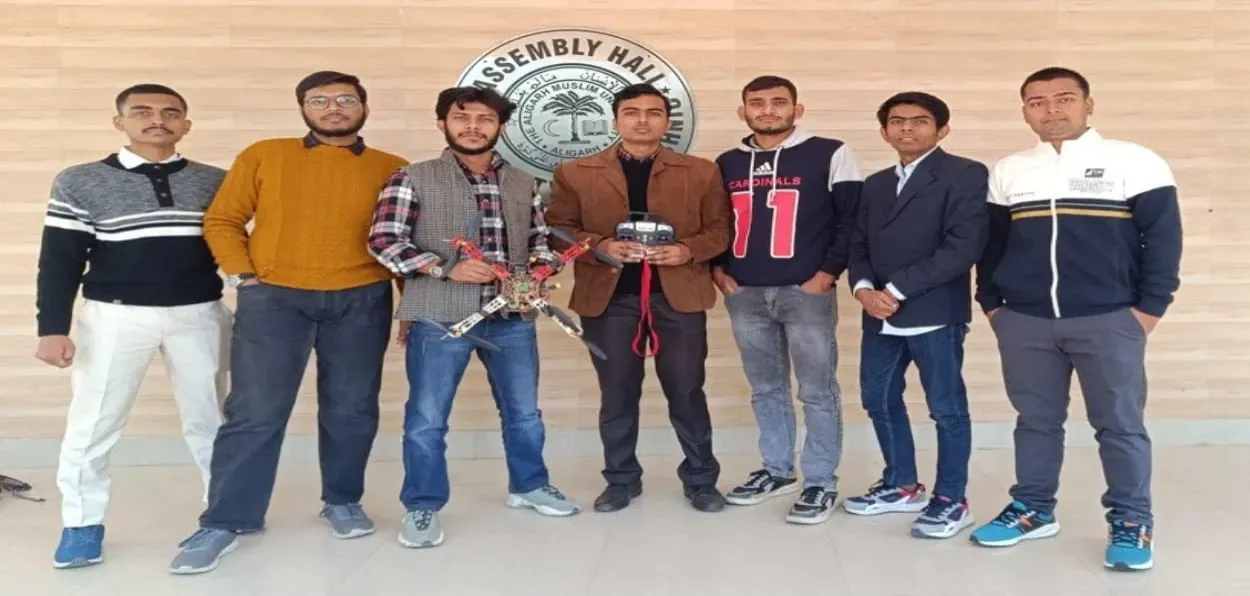
Students of AMU with their delivery drone prototype

Aligarh :

Showcasing creativity and technological ingenuity, a team of final-year students from the University Polytechnic, Faculty of Engineering and Technology, Aligarh Muslim University (AMU), has developed a Delivery Drone Prototype, a promising step towards autonomous aerial delivery systems.

Guided by former Principal of University Polytechnic, Prof. Arshad Umar and Dr. Tanveer Hasan, Associate Professor at the Polytechnic, the student team comprising Saubaan Ahmad Siddiqui, Ehtesham Ahmad, Shabab Khan, Ankit Tomar, Anas Khan, Muzaffar Hussain, and Omaan Ahmad Ansari successfully carried out six autonomous delivery missions within the university campus over a span of two months.

Equipped with real-time video streaming, autonomous navigation, gesture-controlled backup, and a custom dashboard to track flight data and delivery paths, the drone highlights the university’s commitment to hands-on, interdisciplinary learning.

This initiative is part of AMU’s larger vision to promote student-led innovation and applied research in emerging technologies. The project has received wide appreciation in academic circles for its relevance to real-world logistics, emergency response, and smart campus solutions.

Although this is a prototype for academic use, the team plans to enhance the system with AI-based object detection and an expanded operational range, reflecting the university’s emphasis on innovation-driven education and future-ready skills.

source: http://www.awazthevoice.in / Awaz, The Voice / Home> Stories / by Aasha Khosa, ATV / July 28th, 2025

Delhi: How Women Are Stitching New Lives from Fabric of Loss and Thread of Hope After in Riot-Hit Shiv Vihar

DELHI :

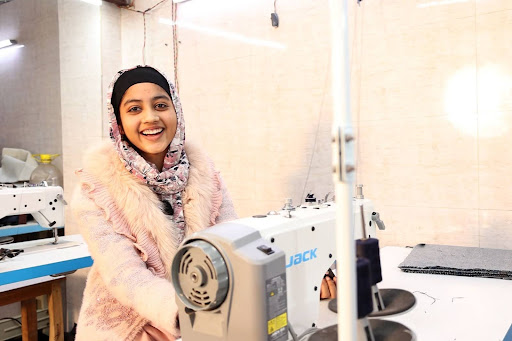
Women at the Sabaat Center share a moment of joy, building community through their shared work

New Delhi: 

Shiv Vihar carries the silence of broken dreams. The 2020 Delhi riots swept through this northeast Delhi neighbourhood. Homes were burned, shops looted and lives uprooted. Among the soot and rubble, 19-year-old Shumayla and her family lost everything. Their house was reduced to memories.

Today, she sits at a sewing machine in the Sabaat Centre, threading fabrics into full-grown suits. “I began at ground level. Now I can make entire suits. It feels nice to create something on my own,” she said.

For her, the needle of her sewing machine is like a compass guiding her towards hope.

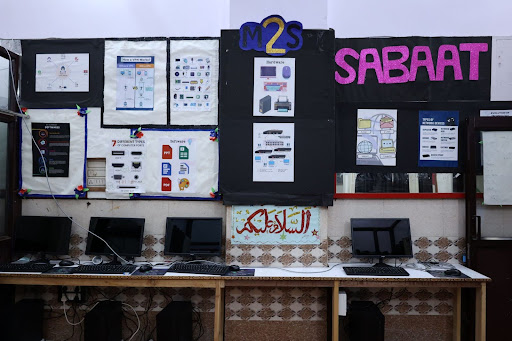
The Sabaat Center at Shiv Vihar

Sewing Stories with Sabaat

An initiative of the Miles2Smiles Foundation, the centre was born from the same flames that destroyed Shumayla’s world. Its founder, Aasif Mujtaba, witnessed firsthand how survivours in Shiv Vihar held together their shattered worlds.

“I saw women in Shiv Vihar holding their worlds together with grace, and I knew they deserved more than just pity,” he said.

From this empathy came Sabaat, a place where women learn to stitch, create and rebuild their identities.

Shabnam, a mother of three, leaves behind her home chores for a few hours to learn something creative at the centre.

“While managing the house along with the work is difficult, I love coming here,” she says.

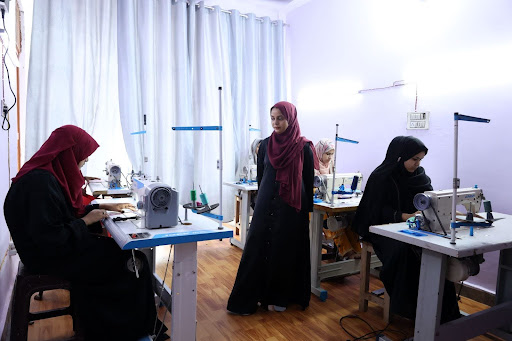
At the center, women thread, stitch and craft, turning cloth into outfits, tote bags, pouches, magnets, mugs and keychains.

Women work at sewing machines in the Sabaat Center, crafting outfits and other merchandise

Aasif calls their work a story: “Every tote bag, keychain, magnet or cup has a story of survival, strength and hope.”

Farheen Ansari, a fashion designer who leads the training, ensures their skills match market demands. The women attend morning sessions from 9 am to 11 am, growing from beginners to masters over six months or more, depending on their pace.

“We get orders from local boutiques,” she told TwoCircles.net.

Their crafts are sold through the Sabaat Store, returning income directly to the women who made them.

Beyond Stitching

But Sabaat’s work is not limited to sewing. Women learn how to handle orders, set prices, brand products and even promote them online. Acquiring these skills are essential to turn trainees into entrepreneurs.

“Whenever a student learns something new, I tell her to implement it at home,” says Farheen, adding that some do just that.

Sabaat empowers women by providing emotional support alongside practical skill training

Women like Sangeeta, Daraqshan, Saiba and Gulafshan have started their own small businesses.

Initiated for survivors of hate violence, widows and women from marginalised and economically vulnerable groups, Sabaat has already trained 70 women.

“Impressively, at least 70% of them have achieved financial independence, whether working within Sabaat or starting their own ventures,” claims Aasif.

Women at the center undergo an extensive training program for manufacturing products

In addition to offering skill-based training, the programme is also bridging trauma and offering dignity, trust and a voice. Most days end in shared smiles. The women’s laughter fills the centre, evidence that even broken neighbourhoods can teach courage.

Amid ongoing struggles for justice and pending compensation, Sabaat brings healing where paperwork lags. Plans are underway to expand, bringing this safe space to more women and more neighbourhoods.

source: http://www.twocircles.net / TwoCircles.net / Home> India News> Indian Politics> Indian Muslim> Lead Story> Women / by Maryam Hassan & Unzila Sheikh, TwoCircles.net / August 10th, 2025

Afrin becomes 1st from AMU to cross English Channel

Aligarh, UTTAR PRADESH :

In a momentous first for Aligarh Muslim University (AMU), Afrin Jabeen, a B.P.Ed. student, has scripted history by becoming the first-ever AMU student to successfully swim across the English Channel.

Aligarh Muslim University: 

In a momentous first for Aligarh Muslim University (AMU), Afrin Jabeen, a B.P.Ed. student, has scripted history by becoming the first-ever AMU student to successfully swim across the English Channel.

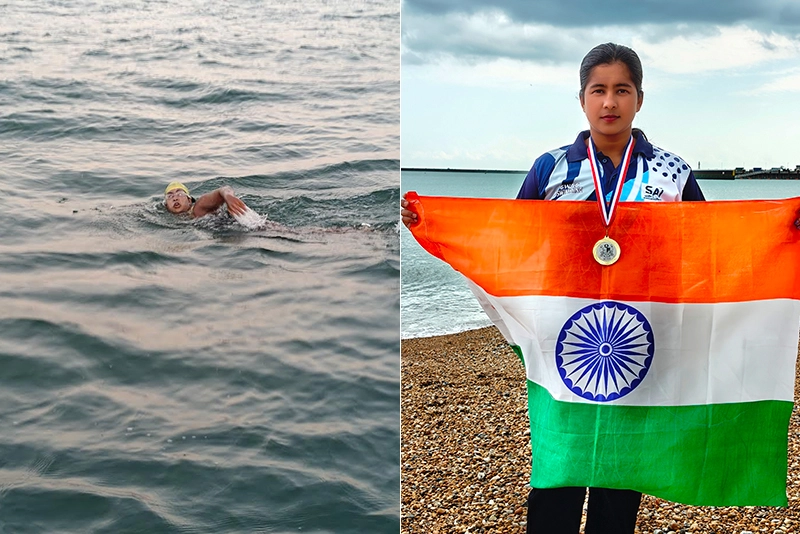
Afrin braved the frigid waters at 11°C and fierce currents on July 29, 2025 to complete the solo one-way swim from Dover (UK) to Cap Gris-Nez (France) at a stretch of 34 kilometers in 13 hours and 13 minutes, beginning at 3:45 AM London time.

This remarkable feat places her in the elite ranks of international endurance swimmers and brings immense pride to AMU, her home state West Bengal, and India at large.

Who is Afrin Jabee?

Rising from a modest background in Paschim Medinipur, Afrin’s journey is a stirring testament to perseverance, discipline, and unyielding ambition. Even before this feat, she had already distinguished herself as a formidable open-water swimmer.

She represented Vidyasagar University three times at the All-India Inter-University Aquatic Championships, competed twice for West Bengal at the national level, and conquered demanding long-distance swims spanning 13 kms, 21 kms, and 24 kms.

Her most remarkable pre-AMU achievement was securing 2nd position among girls in the world’s longest swimming event—an 81 kms marathon in the Ganges.

“Historic Milestone”

As a student of AMU, Afrin’s triumph is not only personal but also a historic milestone for the university.

Flanked by her proud brother, Adil Mohmmad (a PhD student in the Department of Chemistry at AMU) and her sister-in-law, Rizwana Yasmeen (a Gold Medalist in Nanotechnologty at AMU), Afreen, holding the Indian flag, expressed with thrill, “I am happy to have brought joy to my nation, University and family, who always support me in pursuing my dreams.”

AMU Vice Chancellor Prof. Naima Khatoon hailed her achievement as a moment of “collective celebration and pride.”

She said that Afrin’s extraordinary spirit will inspire generations of AMU students. “She has initiated a journey that will be taken up by many more talented students at AMU”, she said.

“Remarkable Achievement”

Prof Ikram Husain, Dean, Faculty of Social Sciences and the Chairperson, Department of Physical Education congratulated Afrin Jabee for her remarkable achievement and expressed hope that her education at AMU will ensure many more such laurels in her life.

Prof Vibha Sharma, Member Incharge, Public Relations Office, said that Afrin and her brother are still in the UK and they will be back to Aligarh soon. She congratulated them on phone and conveyed the best wishes on behalf of the university fraternity.

In Afrin, AMU has found a new icon, a daughter of Aligarh who swam into history, carrying the university’s name across nations and into global acclaim and offers great promises for future in sports.

source: http://www.ummid.com / Ummid.com / Home> Education & Career / by ummid.com news network / August 02nd, 2025