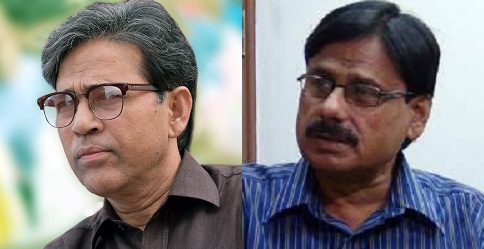
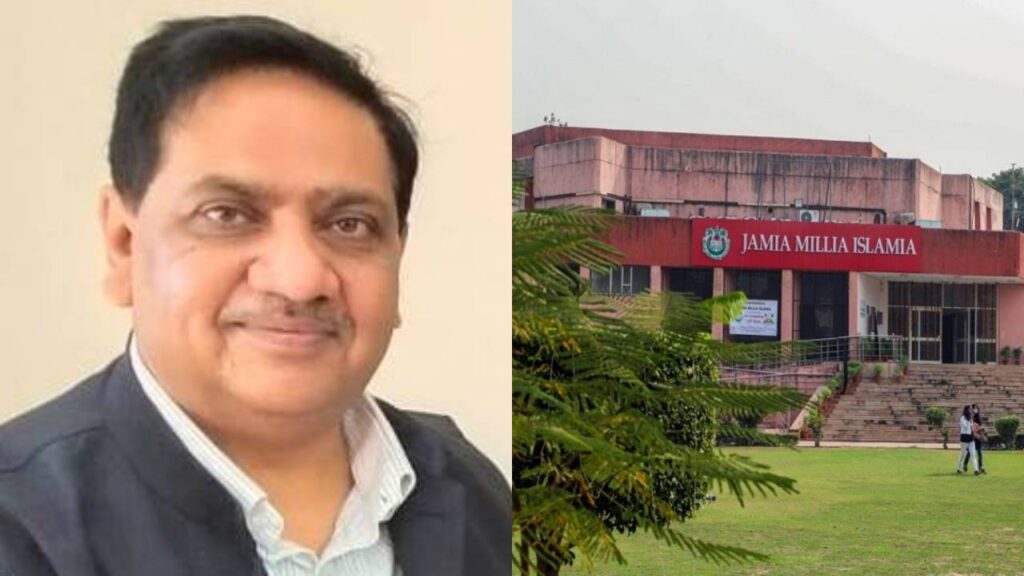
It is a matter of great pride for the Jamia Millia Islamia (JMI) that Dr. Abdul Naseeb Khan and Dr Khalid Javed of the university have been conferred with Uttar Pradesh Urdu Academy Award (Rs.One Lakh and citation).
Vice Chancellor Prof. Najma Akhtar extended her heartiest congratulations to both the awardees.
Dr Abdul Naseeb Khan who is currently working as the Secretary to the Vice Chancellor, JMI has been given ‘Award for Translation’. He has to his credit translations of Ghalib’s Urdu poetry, Premchand’s stories, urdu novels, critical urdu writings and several modern urdu poets. He has also been a recipient of Delhi Urdu Academy award for translation in the year 2018. He holds PhD on translation of modern urdu poetry into english.
Dr Khalid Javed a Professor, Urdu Department, JMI received the award for Urdu Fiction. He has also been a recipient of Delhi Urdu Academy Award for Fiction in the year 2018. He has authored three very famous novels- ‘Maut Ki Kitab’, ‘Nematkhana’ and ‘Ek Khanjar Paani Me’. His story ‘Aakhri Dawat’ translated as ‘The Last Supper’ by Abdul Naseeb Khan is on the syllabus of Urdu in Princeton University, USA. His ‘Maut Ki Kitab’ has also been translated as the ‘Book of Death’ by Abdul Naseeb Khan.
Besides, Prof. Khalid Mahmood, a Retired Professor of the Dept. of Urdu, JMI has also bagged a prize for his book ‘ Nuqush-e-Mani’ .
source: http://www.eduadvice.in / Edu Advice / Home> News Details> Latest News / by Edu Advice / December 18th, 2021
Professor Shehzad Anjum, Department of Urdu, Jamia Millia Islamia (JMI) is a renowned critic, researcher and the senior most Professor of the department.
Parvez Shahidi Award:
Professor Shehzad Anjum, Department of Urdu, Jamia Millia Islamia (JMI) has been conferred the prestigious ‘Parvez Shahidi Award’ of the West Bengal Urdu Academy for his great work in Urdu language. He is a renowned critic, researcher and the senior most Professor of the department.
JMI Vice Chancellor Professor Najma Akhtar, faculty members and students congratulated Professor Anjum for their great achievement.
Professor Anjum is one of the few prominent writers of the present era whose writings are thought-provoking.
Some of his published books are Urdu Ke Ghair Muslim Shaura-o-Udaba, Ahad Saz Shaksiyat: Sir Syed Ahmed Khan, Deedawar Naqqad: Gopi Chand Narang, Azadi Ke Baad Urdu Shairi, Azhar Inayati: Ek Sukhanwar Shayar, Ehtisham Hussain Ki Takhliqi Nigarishat, Tanqeedi Jehaat, Urdu Aur Hindustan Ki Mushtarka Tahzeebi Virasat, Rabindranath Tagore: Fikr-o-Fan, have been published.
He successfully completed the “Tagore Research and Translation Scheme” started by the Ministry of Culture, Government of India as the Coordinator, Department of Urdu, JMI. It is a historic, exemplary and proud achievement in the field of Urdu literature.
Professor Anjum also authored several monographs including Muhammad Ali Johar, Syed Ehtisham Hussain and Syed Muhammad Hasnain for Sahitya Academy, Delhi, Altaf Hussain Hali for Urdu Academy, Delhi, West Bengal Urdu Academy, Mirza Ghalib for Kolkata and Urdu Directorate. The Kalam Hydari monograph for Patna is particularly noteworthy. Several books translated by him have also been published. He also wrote a literary column on non-Muslim Urdu poets and writers for the daily ‘Inqlab’, Delhi, for about two and a half years.
source: http://www.shiksha.com / Shiksha / Home> News> College / by Anum Ansari, Asst Mgr Content, New Delhi / September 09th, 2022
Prof Farah Ghaus, Department of Anatomy, J.N. Medical College, Aligarh Muslim University (AMU) has been recognized by The Knowledge Review magazine as ‘one of the Most Influential Women Leaders – Shaping India’s Future, 2023’, for delivering noteworthy pedagogical facilities for the last two decades and leveraging exceptional leadership qualities via extensive expertise, progressive ideas and unrelenting dedication, and thus have left an impact on the industry.
The inspiring story of Dr Ghaus has been featured in the magazine, and she has been presented with a certificate for the same.
Notably, Dr Ghaus holds a prominent position in the field of Anatomy, serving as a member of the advisory board for ‘Inderbir Singh’s Human Embryology 12th and 13th editions’.
She is a life member of various anatomical societies and her book ‘Development of Maxillary Sinus-A Morphological Study in Human Fetuses’ is a testament to her expertise in the subject.
source: http://www.amu.ac.in / Aligarh Muslim University, AMU / Home> AMU News / by Public Relations Office, Aligarh (headline edited) / June 28th, 2023
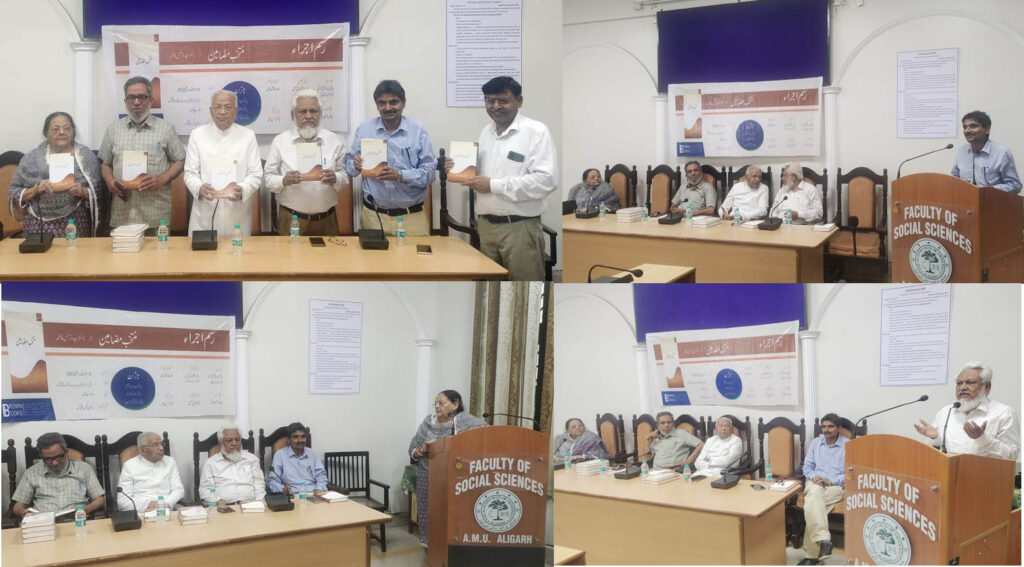
Faculty members and scholars of Aligarh Muslim University underscored the salient features of the writings of Dr Syeda Narjis Fatima, especially stressing the aesthetic and philosophical aspects of her work, during the release ceremony of her book, “Muntakhab Mazameen” (Selected Essays) in the conference hall of the Faculty of Social Science, Aligarh Muslim University.
In his presidential remarks, the founder and director of Ibn Sina Academy, Aligarh, Prof Hakeem Syed Zillur Rehman, congratulated Dr Narjis Fatima on the publication of the book and said that most of the articles included in the book bring forth the aesthetic aspects of Urdu literature, which is an important genre of literary criticism in Urdu. He said that her canvas of writing is vast and her articles introduce the Urdu readers to a new way of thinking.
The chief guest, Prof. Qazi Jamal Hussain, while underscoring the aesthetic aspect of various topics included in the book, said that studying Urdu literature from an aesthetic point of view is a difficult task because people generally do not differentiate between aesthetics and impressionistic criticism, while both are different things. He said that aesthetics covers all the genres of fine arts and Dr. Narjis Fatima has employed the aesthetic elements in her essays with great objectivity and dexterity.
He said that Dr. Fatima’s articles emanate from her philosophical concerns and this is another important quality of her writings.
The Guest of Honour, Prof Syed Siraj Ajmali, Department of Urdu said that the release of a book in an educational institution is an important event as it reflects its academic activities. Dr Narjis Fatima’s book is an embodiment of philosophical and aesthetic ideas with reference to her essays. He said that Dr Fatima belongs to a family of scholars and carries forward the scholarly tradition. She submitted her PhD thesis on Aesthetic Criticism in 2009, which was later published in the form of a book.
Former associate professor of the Department of Philosophy, Dr. Tasadduq Hussain said that although Dr Fatima is a housewife, her academic activities continued over a long span of time as she has a genuine aptitude for reading and writing and pondering over scholarly topics. He added that the book contains enough material for the students of literature and they can benefit from it in many ways.
While conducting the program, Prof Mohammad Asim Siddiqui, Chairman, Department of English, said that Dr Fatima’s book stimulates the thought process as the articles included in this book cover important subjects like the aesthetic dimensions of Iqbal’s and Faiz’s poetry and the aesthetics of progressive writers’ movement.
He said that the book is very helpful for students of English literature, especially comparative literature, as the it includes special studies on “Shakuntala and Shakespearean Heroines”, “Antigone and Greek Drama” and Manto’s “Toba Tek Singh: A Critical Review”.
Prof. Ashiq Ali, Chairman, Department of Hindi extended a vote of thanks.
Prof Mehtab Haider Naqvi, Prof Shahid Rizvi, Prof Madihar Rehman Suhaib, Prof Samina Khan, Prof Prem Kumar, Prof Sami Rafiq, Prof Shambhunath Tiwari, Mr. Ajay Basaria and a large number of teachers and students congratulated Dr Narjis Fatima for the publication of the book.
source: http://www.amu.ac.in / Aligarh Muslim University, AMU / Home> AMU News / by Public Relations Office, Aligarh / July 17th, 2023
Long thought to be simple fare, Kokni Muslim cuisine’s unique flavours and aromas are slowly wafting out of the confines of home kitchens.
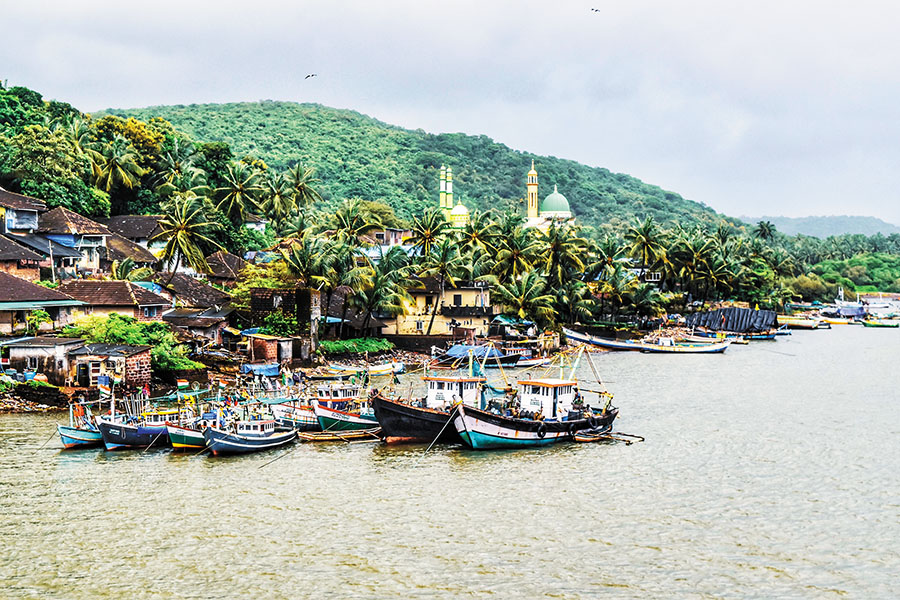
The Konkan coast, which is home to the Kokni Muslim cuisine
When you think of Muslim cuisine, what do you think of? Hyderabadi dum biryani, Lucknowi galouti kebab on a warqi paratha, or the lavish Bohri thaal? Dishes such as yakhni gosht (dry mutton), machli cha halduni (fish gravy), dum che Bombil (Bombay Duck made in the dum technique) are not the ones that readily come to mind as most of us are unfamiliar with the cuisine of the Kokni Muslim community.
What has kept this cuisine away from public knowledge is that it cannot be found at just about any restaurant and can be sampled only at home-dining experiences or pop-ups, that too only over the past couple of years.
One such is Ammeez Kitchen, a home-dining service on weekends at Marol, Mumbai, founded by Shabana Salauddin in 2017. “Ammeez Kitchen happened over a conversation with my mother, Ammee, while having our meal,” she recalls. “The discussion hovered around why Kokni Muslim food, which is so delectable, is unknown compared to other regional cuisines? Ammee dismissed the idea, saying our food is just ‘ghar ka khaana [simple home food]’. This strengthened my resolve, as I felt this was exactly what I wanted to showcase.”
*****
Kokni Muslims are a sub-ethnic group from the Konkan region, including the areas of Thane, Raigad, Ratnagiri and Sindhudurg. About 1,000 years ago, trade between the Indian sub-continent and West Asia saw Arab merchants coming to this region—to ports such as Chaul, near Alibaug—and, over centuries, settling along the coast, marrying into the local communities and giving rise to the Kokni Muslim community of seafarers. The Arabs brought along with them the knowledge of food such as yakhni or mutton dishes, and spices such as fennel. Besides, owing to their location, seafood became an integral part of their cuisine along with local, Maharashtrian influences.
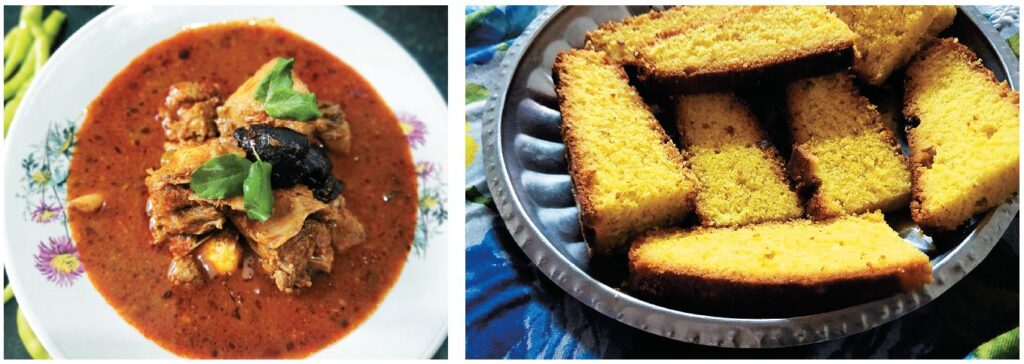
(From top left) Khatte bangde; roath, a semolina-based cake
Nujmoonnisa Parker, author of Kokni Delights (a book of recipes and history of the community) and an exponent of Kokni Muslim cuisine, explains, “The backbone of Kokni Muslim cuisine has always been what is harvested from the ground, i.e. local produce. Like the cuisine of the Goud Saraswats of Konkan and Christians in Goa, Kokni Muslim cuisine is largely dairy-free, and, in this respect, differs from the Mughlai cuisine. There are various permutations of any given recipe, based on the region, availability of ingredients and seasonality. Coconut, rice, lentils, onions, potatoes and red chilies are the main ingredients of this cuisine.”
Although a myriad spices and ingredients go into each dish, according to Shahida Khan, a Kokni Muslim from Navi Mumbai, the food is light on the stomach. “Kokum, dry mango, black sesame seeds, coconut, red chilies, turmeric—all grown in the region—are used in our cuisine. Rice, which is also common, is used in whole or powdered form in almost every dish.”
Elaborate meals are the cornerstone of this cuisine. Popular dishes include machli cha halduni, chavachi chutney (coconut chutney that is eaten as a main dish), chawrachi roti (boiled rice flour chapati), kavtacho bojar (stuffed egg), kolbi chi chutney (dried prawns chutney), alni paalni (chicken soup without salt).
“Kokni Muslim food is always a complete meal. We have roti, chawal (rice), sabzi (vegetables), saalan (gravy), kebab or talela, and tondilavayla (condiments). Many a time, the number of condiments exceeds the number of main courses, and typically include hari chutney (green chutney), sirke ka achaar (onions pickled in vinegar), kalkhand, kuldey (rice papad), thecha (chilli chutney), raita or kachumber,” says Salauddin.
Saravle, a wheat pasta
The cuisine has similarities with other Konkan cuisines and yet remains distinct. Mumbai-based home chef-turned-entrepreneur Mumtaz Kazi Pawaskar, who hails from the fishing village of Harnai in Ratnagiri and runs a catering business along with her cousin Sameera Gawandi, elaborates: “We call ourselves Kokni and not Konkani. The use of coconut milk as in other Konkan cuisines is common. But we use it instead of water to make curries, and this is one such distinction of Kokni food. So much so, that coconut milk is even used to cook rice, which gives it a glaze and extra flavour.”
Pawaskar adds that the cuisine has three broad spice combinations: Fish masala, mutton masala, and haldi (a combination of turmeric and fennel ground together). Fennel, a key ingredient of Kokni cuisine, is an example of the Arab influences. “Isan is the process of adding a few prawns to some vegetable preparations like stuffed brinjals, a yellow curry with drumsticks, and yam in garam masala for extra flavour,” she explains. “In our village, during summer, all household courtyards have whole red chillies drying in the sun, while households make and store spice mixtures for the whole year.”
Each meal has some special dishes. “Ghavne and sandan are breakfast dishes made with rice flour and a bit of jaggery. While ghavne [delicate crepes] is made on a tawa with pure ghee, sandan [similar to the Goan sanna] is steamed and is lighter in texture,” Khan explains. “Ghario, on the other hand, is an evening snack made with shredded cucumber, jaggery and rice flour, deep fried and typically served with Sulaimani chai.”
Cooking methods and ingredients vary from village to village, according to Salauddin. “Every family has their own version of the recipe. Most of the Kokni families have at least one clay pot or degh in which machli ki halduni and kalsani ka saalan (fish gravy) are prepared. The wet spice mixture—coriander, chillies and garlic—is always freshly ground. There are two extremes in our cooking: An entire meal can be fixed in 30 to 45 minutes, while others that include sandan (like idlis, made of coarse rice, coconut, milk, sugar and steamed), roath (semolina-based cake), khichda (slow-cooked meat and lentils), sarole or saravale (wheat pasta), bhakorche (like rotis), and ukdi ke kanole (rice dumplings) are laborious.”
Chonge, or sweet puris
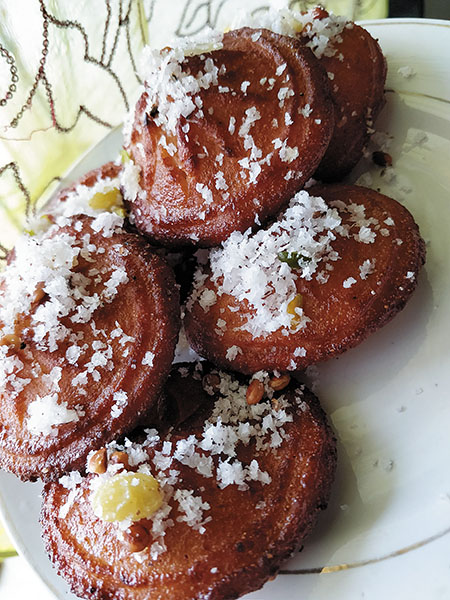
Desserts occupy an important place in this cuisine. Pelve are rice flour crepes stuffed with grated coconut and jaggery and garnished with chironji, a variety of nut. Poppy seeds are used abundantly to garnish sweet dishes like mitli (made of rice flour and coconut), peyushi (coconut milk and cashew pudding), duderi (flour and egg pudding), chonge (sweet puris) and seviya (vermicelli in milk).
Although Kokni Muslims have traditionally cooked and enjoyed their own cuisine at home, Parker feels that in the last few decades the community has learnt to incorporate various styles of cooking into their kitchens.
Saravle, a pasta made from wheat dough moulded into tiny rings, is a favourite in this cuisine. It plays a significant role in weddings as it is part of a bride’s ‘rukhwat’ (gifts) when she leaves her parents’ home. It is cooked as a savoury dish with mutton or chicken, or as a sweet when steamed and topped with eggs.
Salauddin says, “Ukdi ke kanole, small half moon-shaped rice dumplings stuffed with freshly grated coconut, sugar and nuts, are prepared on the wedding day. These piping hot dumplings are bought in a big plate and placed in front of the couple. The groom is expected to pick up the maximum number of dumplings and gift them to the bride. The belief is that the larger the number of dumplings he picks, the more likely he is to take care of his wife.”
Religious occasions, too, call for special dishes being prepared at home. “Women prepare sandan on Ramadan Eid, and roath and malido in the first week of Muharram,” says Parker.
Until recently, Kokni Muslim food had remained restricted to homes and was not considered to be a cuisine that could be popularised beyond the community. However, many women are now making an effort to help more people become aware of their rich culinary heritage through pop-ups and curated home-dining experiences.
Since 2017, Pawaskar and Gawandi have been delivering food from their home under the name of Kokni Dastarkhwan, and have joined hands with Authentic Cook, an organisation that offers unique culinary experiences hosted by home chefs. For instance, in 2019, Neel, a popular Mughlai and North Indian cuisine restaurant with branches in Mumbai’s Mahalaxmi and Powai held a Kokni Muslim cuisine pop-up with Pawaskar and Gawandi.
Salauddin’s Ammeez Kitchen offers home dining experiences on weekends, where customers can reserve their seats in advance, and also delivers Kokni Muslim fare to the homes of customers. “Most Kokni Muslims now live in nuclear families, and with the busy lives we lead we all prefer to have quick-fix meals rather than our own cuisine, which can be quite elaborate. Families have either stopped making these dishes, or are unaware of old recipes made by our grandparents,” laments Salauddin. “This is why the transfer of knowledge from one generation to another is at a standstill. While we Koknis love our food, we have always undervalued it. It is confined within the walls of our kitchens. It is now time to let the world know.”
Check out our Festive offers upto Rs.1000/- off website prices on subscriptions + Gift card worth Rs 500/- from Eatbetterco.com. Click here to know more.
(This story appears in the 14 February, 2020 issue of Forbes India. To visit our Archives, click here.)
source: http://www.forbesindia.com / Forbes India / Home> Life> Forbes Life / by Mini Ribeiro / February 08th, 2020
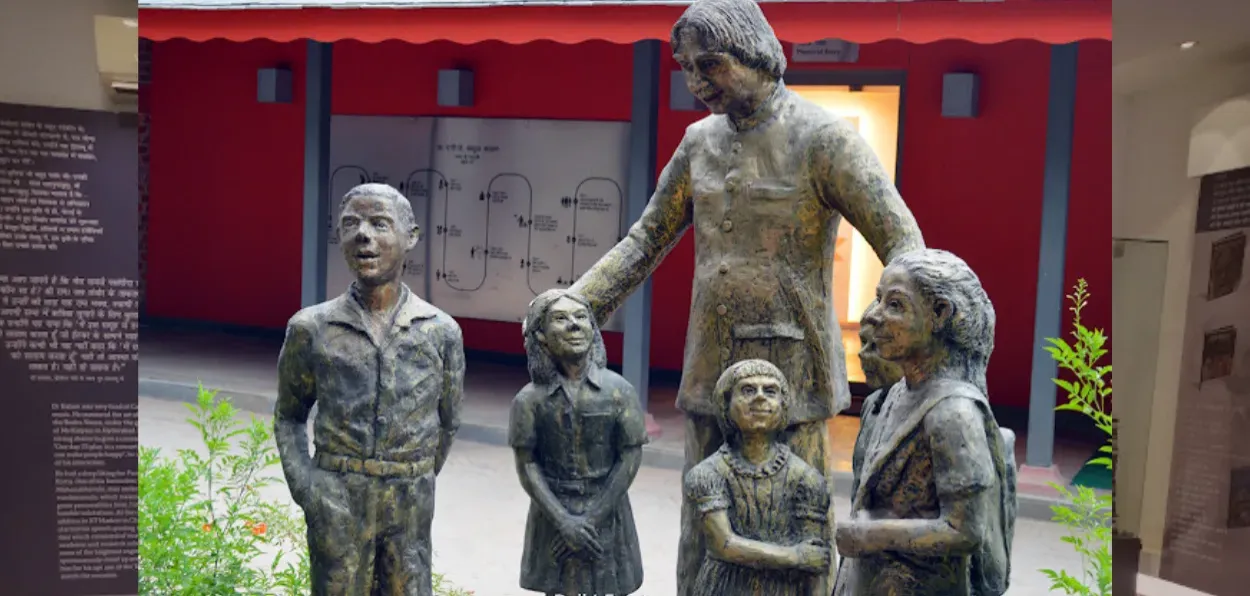
A P J Abdul Kalam with children: an exhibit from the National memorial at Rameshwaram
In mid-December, when Suman and her husband Diwan Arora of Sonepat, Haryana, left for Rameswaram in Tamil Nadu, for performing the pilgrimage to one of the holiest sites of Hindus, little did they know that their journey would also take them to another sacred place – a memorial to the son of the soil Avul Pakir Jainulabdeen Abdul Kalam aka Dr. A P J Abdul Kalam.
“I didn’t feel like leaving the place,” said Suman, a retired central government official of her experience of visiting the National Memorial for the 11th President of India A P J Abdul Kalam, located in his native city of Rameshwaram.
Suman said that the moment she removed her shoe to enter the National Memorial she experienced a surge of positive energy inside her. She and other tourists paid obeisance to the People’s President at his resting place inside the memorial.
“I was visiting the place after I visited the temple; there I felt I had entered another sacred place,” she told Awaz-the voice.
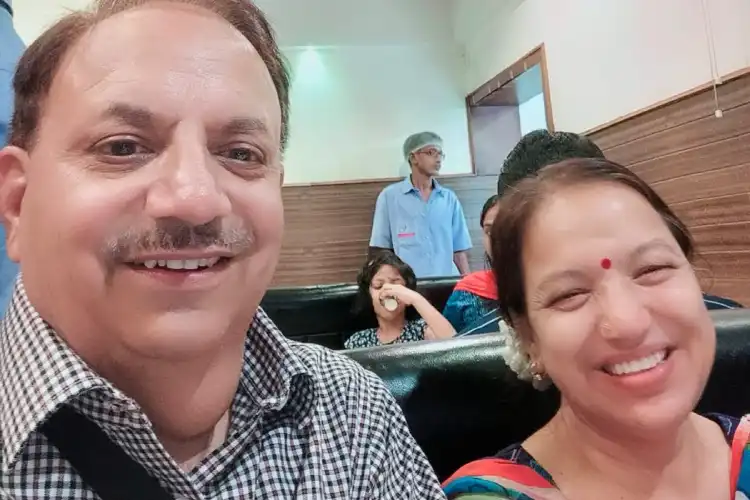
Suman and Diwan Arora in Rameshwaram
On her maiden journey to South India, Suman said she was as much awestruck by the grandiosity and architecture of temples – Rameshwaram, and Meenakshi at Madurai as with the simplicity and grandeur of the life of the great Indian – A P J Abdul Kalam.
“Seeing the incredible architecture of the temples was a great experience. Visiting the Museum of President Abdul Kalam was no less. It was also like a pilgrimage.”
Though not hyped as much as many other places, the museum is on the Tourism map of Rameshwaram city. According to Aroras, even the local auto-rickshaw drivers who offer tour packages to visitors, recommend the museum as the first place.
Suman said although their tour was in connection with the seven-day Bhagwad Gita path (Narration of the Bhagwad Gita) and was organized by a religious group, a friend had advised her to visit the museum at any cost. “After visiting the place, I can never thank my South Indian friend enough,” Suman said.
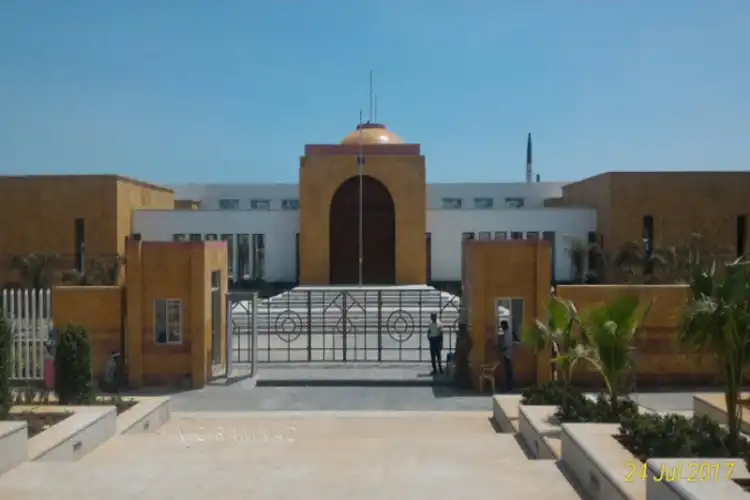
Dr. A P J Abdul Kalam’s memorial, Rameshwaram
Kalam’s grand-nephew APJMJ Sheik Saleem told Awaz-the voice that so far one crore people have visited the museum that was set inaugurated by Prime Minister Narendra Modi on July 27, 2017.
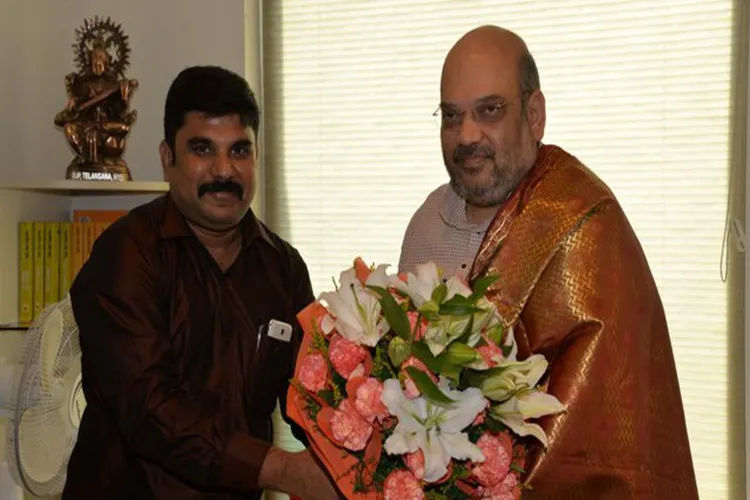
Sheik Saleem who recently joined the BJP runs his business and a Foundation for social work. He says he is privy to people’s devotion and love for his ancestor as they visit his memorial.
“The museum is visited by at least 7,000 visitors per day and so far about one crore have paid their obeisance to the people President,” Saleem told Awaz-the Voice.
“Earlier people came to our city for pilgrimage to the (Rameshwaram) temple but now the pilgrimage is combined with the visit to the national memorial for APJ Abdul Kalam,” he said.
“I have seen people coming to the place and feeling there is something great there. Many visitors do stand silently in front of the memorial, some bow their heads, and others simply go in the prayer mode as if they are seeking His blessings,” the former President’s grand-nephew said.
APJMJ Sheik Saleem with Home Minister Amit Shah
He said it’s touching and a humbling experience to see how much Indians cutting across religions or other barriers loved Dr. Kalam.
Suman, her husband, and many in their group spent nearly two hours inside the memorial. Visitors must enter barefoot and not use cameras or mobiles to click the pictures. All this adds to the sacredness of the space.
Saleem said since the place sees a high footfall, the cameras are forbidden simply because if everyone starts clicking there will be chaos.
Diwan Arora said the pilgrimage jatha comprised 300 people from Punjab and Haryana who visited Rameshwaram for “Bhagwat sapthah’ the weeklong narration of the Bhagwat Gita.
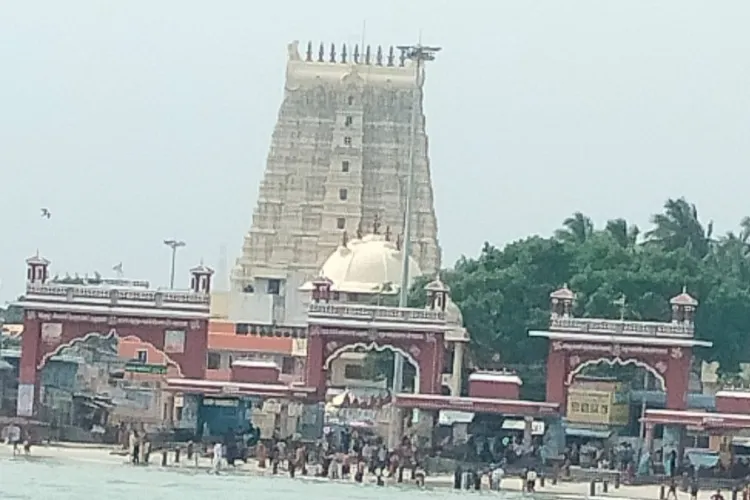
Meenakshi Temple and the Sea at Rameshwaram
Besides the museum, A P J Abdul Kalam’s childhood home has also been converted into a museum that his elder brother maintains. “It’s a smaller collection of photos and family memorabilia. The place is visited by at least 4,000 persons per day,” Sheik Saleem said.
The national museum maintained by the DRDO narrates the story of the life of India’s missile man from a newspaper hawker in the coastal city to India’s missile man and the most popular President. It showcases pictures and models of missiles, rockets, and the Pokhran Nuclear test that Kalam was involved in. His favourite Veena which he played every morning sitting on the bare floor even in Rashtrapati Bhawan is also displayed in the museum.
Dr. A P J Abdul Kalam lived in the Rashtrapati Bhawan from 2002 to 2007. He became the most loved and respected head of the nation to get the sobriquet of People’s President.
Kalam was a respected scientist specializing in aerospace engineering. His simplicity and dedication to serving the country motivated many youths to follow his path and he became an inspirational figure for the youth of India.
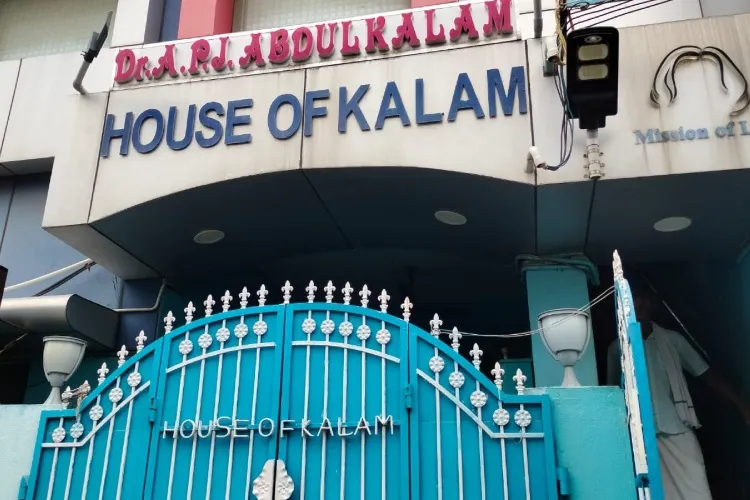
House of Kalam: the private Museum dedicated to the memory of Dr. APJ Kalam inside his ancestral house in Rameshwaram
Inside the memorial, one can see the selected photos, paintings, miniature models of missiles, etc. The memorial is less than 1 km from Rameswaram.
The museum’s exhibits narrate the story of his life and achievements. It’s located on Mosque Street and is open from 8 a.m. to 7 p.m.
A. P J Abdul Kalam was born and brought up in Rameswaram and became a scientist and worked for DRDO and ISRO before being chosen to become India’s 11th President by the then NDA government headed by Atal Bihari Vajpayee.
He passed away suddenly while attending the IIT Shillong convocation on July 27, 2015, and was laid to rest at Pei Karumbu, Rameswaram on 30 July.
According to the statement of the Museum, Dr. Kalam always reflected the simplicity, depth, and calmness of Rameshwaram throughout his life, and it’s showcased in his memorial. Dr. APJ Abdul Kalam National Memorial was inaugurated by Prime Minister of India Narendra Modi on 27th July 2017.
The memorial is spread over 2.11 acres of land, the memorial is constructed on the gravesite of Dr. Kalam, where his mortal remnants were put to rest on July 27, 2015. To pay tribute to India’s missile man, The Defence Research and Development Organisation (DRDO), with which Dr. Kalam had been associated for several years of his life, came up with an initiative to construct his memorial.
pix07
The memorial was constructed in a record time of nine-month at the cost of Rs 120 crore,
The Museum is also included in the recommended place in Rameshwaram by the Trip Advisor company.
On its website, people who visited the place have rated it very highly. Their comments in the review section show that the People’s President continues to be in the heart of Indians even after his passing away. For example, Saurabh from Patna, Bihar, says:
..must visit place for everyone. I’m a huge follower of Bharat Ratna Late APJ Abdul kalam sir. It was inaugurated by Our prime minister in 2017. Here you can learn many things about Bharat Ratna APJ Abdul Kalam sir.
I visited this and will recommend every people to visit this place and should remember the person who shape and sculpt the Indian defense and space research organisation.
A Tourist from Bangladesh wrote in the same section: “A scientist and leader has been honoured in the best way in his birthplace “
Another tourist to the museum from Hyderabad wrote:
.. A fitting tribute to the great son of India. Amazing that a man with such humble origins and from a very small town rose to the highest office in this country. A must-visit for students and youth who can take inspiration from the great man’s life. Plenty of Photographs, a peek into the life of Dr. A.J.P. Abdul Kalam.
A visitor from the NCT of Delhi wrote on Trip Advisor’s website :
Not only a memorial but a temple or place of worship where you can motivate yourself how an innocent boy who was used to distributing newspapers in a nearby area has become India’s first citizen. The place is full of photographs, a replica of missiles, statues, Samadhi, and many more … a calm environment despite of rush of school children.. A must-visit place at Rameshwaram.
source: http://www.awazthevoice.in / Awaz, The Voice / Home> Story / by Aasha Khosa, New Delhi / July 27th, 2023
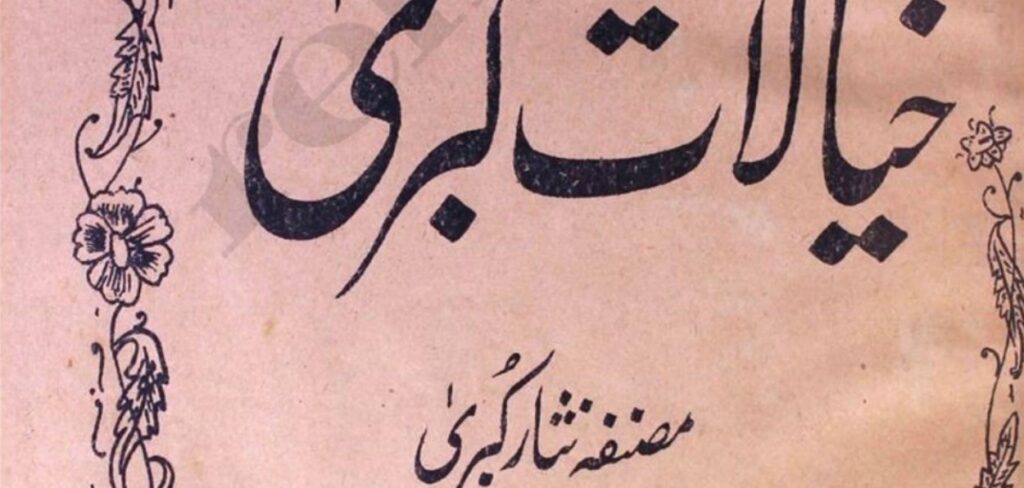
The cover of Nisar Kubra’s only published book Khayalat e Kubra
“I used to write criticism of every book or article which I believed needed to be countered. Apart from these, I had written fiction, non-fiction, satires, and novels. Unfortunately, I could not publish any of these works because my Father-in-Law (May Allah Bless him with Paradise) was old-fashioned. In his opinion, good women did not write or engage with the public. Still, I got a few of my articles published in magazines under a pseudonym.”
These are the words of a Muslim woman writer from Patna who lived about a century ago. She was Nisar Kubra, one of the first women Urdu poets from Bihar to get published. She had written at least 50 books that were never published. In fact her works got destroyed by natural calamities. Her first notebook with her poems was torn by her elder brother, who questioned her daring act of being like Sauda (a famous Urdu classical poet). The poems were lost.
Probably, looking back, one could have reconciled to her plight had she been from a less-educated or backward family. Kubra’s mother Rashid un Nisa was the first woman author to publish a novel in Urdu. She had also established one of the first girls’ schools in Patna. Her father-in-law was Syed Ali Karim, who took part in the 1857 revolt and was a well-known scholar of his time. Kubra’s family and her in-laws belonged to Patna’s intellectual class.
In her memoirs, Kubra wrote that in the early 20th century “women’s education was considered to be evil, and teaching them the art of writing was no less than a grave sin”.
Muslim women are taught to read the Quran but without understanding it. They weren’t taught to read or write Urdu, Hindi, or English. She was no different. The female tutor hired for her didn’t know anything but the Quran, without understanding its meaning.
Kubra would have ended up like other girls of those times, uneducated but for her passion for reading and writing. She imitated alphabets on waste papers with the help of a piece of straw dipped in colour. One day her mother, who was an advocate of women’s education but couldn’t do much against the wishes of male members to help her daughter, saw Kubra trying to write. She was moved. She immediately gave her pen, ink, and paper. A tutor was hired for her. A female tutor who herself didn’t know much about writing could teach only the basics. But, this was enough for Kubra. She started practising.
Kubra learnt Arabic by comparing Arabic with Urdu translations; English from male family members’ books and Hindi from a Hindu maid at home. She would read any scrap. She followed her mother’s advice that girls should be exposed to both good and bad literature. Their minds should be developed in a fashion that they could distinguish between good and evil.
Kubra and her niece, Asghari, started writing poems. Once, when the Urdu poet Shad Azimabadi was shown her poems, he appreciated those and said that she should have been sent to a formal educational institution. Professor Syed Abdul Ghafur also appreciated her writings but Kubra’s elder brother did not endorse a woman from the family writing poetry. He tore down her notebook of poems. Kubra recalled, “This humiliation killed my passion for poetry and I would not write another poem for years to come”.
Kubra felt independent only in 1934, after the death of her father-in-law. Her children had grown up by then and she was on a pilgrimage to Arab. She got her poems published and called it Khayalat e Kubra (Kubra’s thoughts).
Kubra’s poems written before 1934 were lost because she also feared the rage of male members of her family if she discloses her passion.
Kubra wrote on religion, women’s rights, political movements, social movements, freedom struggle, Hindu-Muslim unity, and education.
In one of her poems on Hindu-Muslim unity, she wrote, “Suno aey Hindostaan waalo tum aey Hindu Musalmaano, Tumhi aapas ke kul jhagdo ko bekhatke mita sakte” (Listen my Indian people divided into Hindus and Muslims only you can solve these internal communal feuds).
Kubra also wrote about the need for education among women. She welcomed the freedom of women with a caution that Indians should not get carried away with western ideas. Kubra was satisfied. She wrote, “Now the times are changing. Women are attaining freedom, rather they have gained freedom. Old traditions are now past. We have no dearth of teachers for girls. Girls’ schools are being opened. Muslim women should also move forward with women of other communities to educate themselves. They should not lag.”
source: http://www.awazthevoice.in / Awaz, The Voice / Home> Story / by Saquib Salim / July 21st, 2023
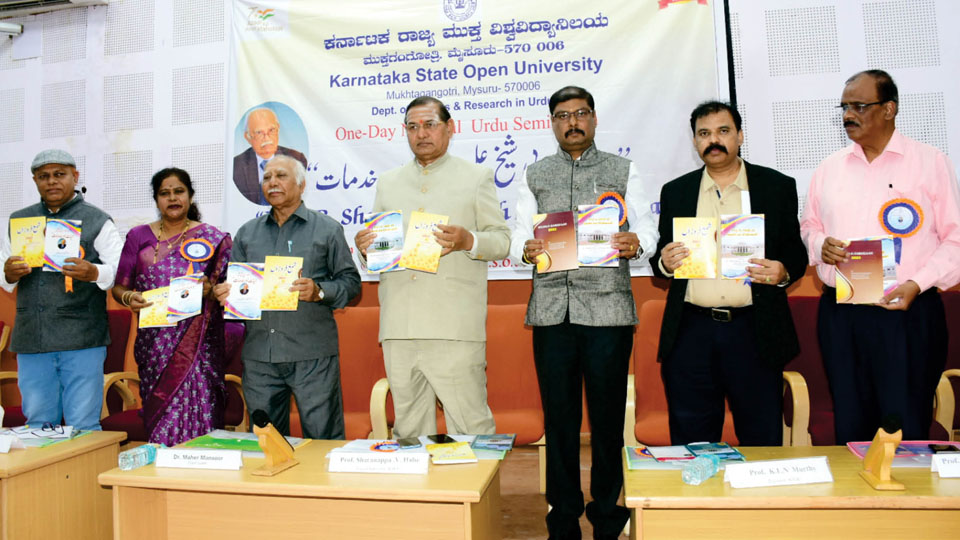
Maintaining that former Vice-Chancellor of Goa and Mangalore Universities Prof. B. Sheik Ali was a highly talented scholar and a renowned historian, Rajyotsava awardee Dr. Maher Mansur said that Prof.Ali severely opposed the partition of the country during the freedom struggle.
He was speaking after inaugurating the one-day seminar on “Prof. B. Sheik Ali Hayath Aur Khidmaath – His life and views” organised at Kaveri auditorium in KSOU premises on Hunsur road here recently.
Maintaining that Prof.Sheik Ali strongly opposed the partition of the country at the end of British rule, Dr. Mansur said that Prof.Ali was well-versed in languages such as Urdu, Kannada, Hindi and English and has 55 works to his credit.
Highlighting the contributions of the former VC to the growth and promotion of Urdu language, he said that his (Ali) work ‘British rule in Mysore Kingdom’ has documented many important happenings then. Noting that the erstwhile Mysore Maharajas had lauded the knowledge of Prof.Ali, he said that the late VC, after his return from England, scripted 12 books in Urdu.
KSOU Finance Officer Khader Pasha, in his address, said that Prof.Ali had great concerns for education of poor Muslims and established educational institutions at Ghousianagar and other parts of the city. Prof.Ali had contributed a lot for the language when he served in the Department of Urdu, University of Mysore, he added.
KSOU Dean Prof. N. Lakshmi too spoke. KSOU Vice-Chancellor Dr. Sharanappa V. Halse, Registrar Prof. K.N. Murthy, Urdu Department Dean Prof. Ramanath Naidu, Registrar (Evaluation) Prof. K.B. Praveen, Dr. M.D. Nasrulla Khan, Dr. Syed Ishrath Fatima and others were present at the seminar.
source: http://www.starofmysore.com / Star of Mysore / Home> News / July 17th, 2023
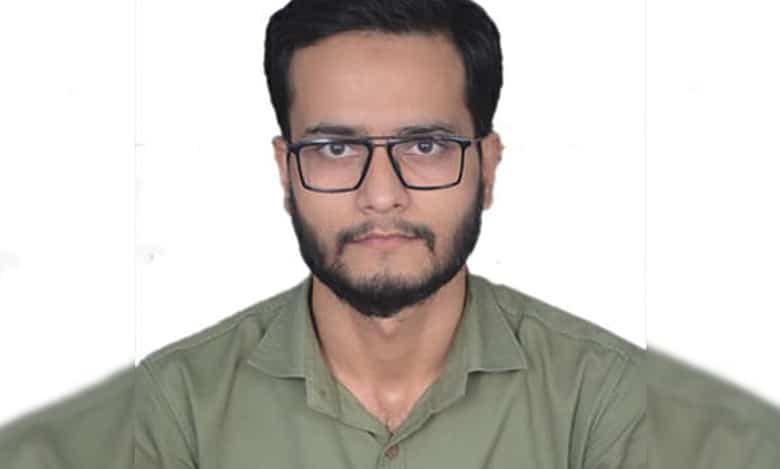
Maulana Azad National Urdu University (MANUU) has declared Moosi Raza qualified in Doctor of Philosophy in Urdu from Lucknow Campus.
He worked on the topic Abid Suhail Ke Ghair Afsanvi Adab Ka Tanqeedi Mutalia (A critical study of non-Fictional Literary Work of Abid Suhail) under the supervision of Dr. Ishrat Naheed, Assistant Professor, MANUU Lucknow Campus. The viva-voce was held on June 6.
source: http://www.siasat.com / The Siasat Daily / Home> News> Hyderabad / by News Desk / July 13th, 2023
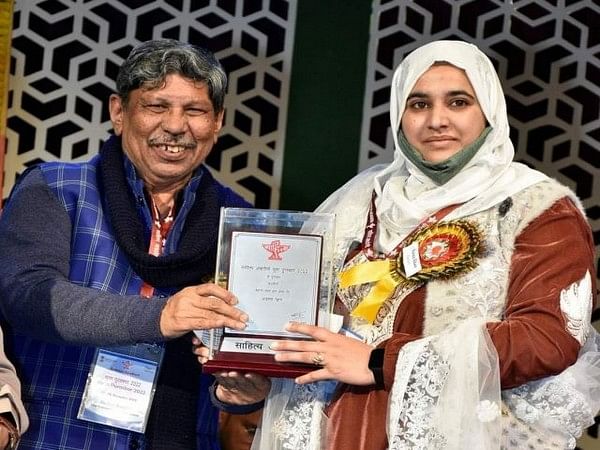
J-K’s Shaista Khan wins ‘Sahitya Akademi Yuva Puraskar’ in 2022
New Delhi [India], (ANI):
‘Sahitya Akademi Yuva Puraskar’, initiated in 2011 to promote language and literature, has served as an inspiration in the lives of youth in Jammu and Kashmir, leading to the rise of their interest in the Kashmiri language.
Sahitya Akademi New Delhi had started this award in 24 languages. Nine writers have received this award for the Kashmiri languages so far, according to a report.
The latest in the list is a Srinagar-based young writer Shaista Khan who won the award for her fictional collection “Brand Birs Peeth” in 2022.
“It has been observed that due to this award, other novice writers are also getting inspiration and they are getting interested in Kashmiri language and literature,” the report said.
According to the report, the previous recipients of this award in the field of fiction, poetry, and criticism in the Kashmiri language include Nishad Azam, Farooq Shaheen, Adil Mohiuddin, Nighat Sahiba, Diba Nazir, Sagar Nazir, Muzaffar Ahmad Pare, and Razi Tahir Baghat.
A young writer, Nisar Azam, was the first one to receive this award in 2011 for his poetry collection ‘Pathalej Zone Dars’.
Farooq Shaheen was awarded this award in the year 2012 for his literary criticism book “Gash Miller”. Adil Mohiuddin received this award for criticism in his book “Zol Dith Sardars” in 2016. Nighat Sahiba was awarded the Yuva Praskar in 2015 for her poetry collection “Zardpankh Dear” while Diba Nazir won the award for her fictional collection “Zarin Zhom” in 2018.
Sagar Nazir won the award for his poetry collection “Thar Anganch”. Awarded in 2019 for Uva Proscar while the 2020 Yuva Proscar was won by Muzaffar Ahmed Pray for his poetry collection “Wauch Baath” and the 2021 Uva Proscar recipient in the Kashmiri language is Razi Tahir Bhagat who received this honour for his fictional collection “Yela”. Awarded for “Ain Phath”, the report said.
A certificate of Rs 50,000 is given to writers up to 35 years of age in a grand ceremony.
“This is a welcome step by the Sahitya Akademi to encourage young writers. It gives more inspiration to the writers and encourages them to produce quality literature,” the report quoted researcher Mohammad Salim Salik as saying. (ANI)
This report is auto-generated from ANI news service. ThePrint holds no responsibility for its content.
source: http://www.theprint.in / The Print / Home> India / by ANI / January 01st, 2023