Category Archives: Business & Economy

Jamaat Expands Interest-Free Finance Network to Boost Economic Stability in Karnataka

Bengaluru, KARNATAKA :

Bengaluru:

Jamaat-e-Islami Hind (JIH) Karnataka is stepping up its drive to promote economic stability by expanding interest-free financial institutions across the state. At a meeting with Souharda Cooperative Society leaders, JIH Karnataka State President Dr. Belgami Mohammed Sa’d stressed the need to free people from exploitative moneylenders.

Dr. Sa’d outlined plans to set up interest-free cooperative societies in major cities and towns as the first step in a state-wide mission. “Economic stability is a cornerstone of positive social change,” he said, urging community support to replicate the model in more regions.

JIH Karnataka State Secretary Mohammed Yusuf Kanni highlighted the success of existing Souharda Societies. About 18,000 members are part of these societies in Bidar, Kalburgi, Raichur, Ilkal, Bellary, Davangere, Bhatkal, Udupi, and Mangalore. Last year, they handled transactions worth ₹125 crore.

Mr. Kanni announced expansion to Sindhanur, Hubli, Hassan, and Bijapur by March 2026. He said the aim is to give more people access to interest-free finance, promote equitable participation, and reduce reliance on conventional banks.

Mriza Abid Baig Falahi from Jamaat’s Shariah Council recently visited societies in Bidar, Kalburgi, Raichur, Ilkal, and Bellary. His inspection focused on Shariah compliance and staff training in Islamic finance modules like Mudarabah, Musharakah, and Murabaha. “Interest-free finance is an ethical necessity for a just and inclusive economy,” he said.

Prominent members from different districts attended, including Mujtaba Khan from Bidar, Hamza Muazzam from Kalburgi, Imtiaz Baig from Davangere, Nazeer Ahmed Qazi from Bhatkal, and Riaz Ahmed from Koppal. Souharda Societies’ convenor Rafiq Ahmed opened the meeting, focusing on operational expansion, Shariah compliance, and greater community involvement.

The initiative is part of Jamaat’s mission to drive societal reform through ethical measures. By offering cooperative, interest-free finance, it aims to empower individuals, support small businesses, and protect vulnerable people from debt traps.

With planned expansions, JIH Karnataka hopes to build a strong network of Shariah-compliant institutions. Leaders believe sustained community participation will make interest-free finance a widely accessible reality in the state.

source: http://www.radiancenews.com / Radiance News / Home> Latest News> Report / by Radiance News Bureau / August 13th, 2025

Kerala-born entrepreneur Shaikh Mohammed is Kyrgyz major general

Kozhikode, KERALA / KYRGYZSTAN :

Man from Kozhikode left state at young age, visited last in 2007.

Kozhikode:

Kerala-born entrepreneur Shaikh Rafik Mohammed, 42, has been appointed Major General of Kyrgyzstan, in a first for an Indian in the Central Asian country.

Mr Mohammed assumed the prestigious post in the presence of defence minister Ali Mirza at an official ceremony held in Kyrgyzstan. He holds Kyrgyzstan nationality, conferred by former President Kurmanbek Saliyevich Bakiyev, whom he had met in his late-20s while working in Iran.

Mr Mohammed, who heads Gammon Middle East in Saudi Arabia, used to be an adviser to Kyrgistan President and the latest appointment is in recognition of his contributions to the country, sources in Dubai said.

Rafik, known as Rafi here is the son of Late Abdul Hameed and Fathima of Eravannur, 12 km from Kozhikode. He had studied up to Class VII at local AMPL School, Eravannur. According to his sister Rukhiya K.M, Rafik left for Mumbai at the age of 20 and then to Gulf. “We are all elated by his elevation to the prestitgious post. He called us on Saturday and we spoke a lot. Mr Mohammed’s last visit to Kozhikode was in 2007,” Ms Rukhiya told this newspaper. Mr Mohammed, who has an Iranian wife, has made it big from a humble background. His father was a fisherman and struggled to make two ends meet.

Mr Mohammed’s neighbour and distant relative, Mr Azis Master U.P., says he maintains a warm relation with his birthplace. “It was Rafik who gave ’25 lakh for the construction of a madrasa recently. Similarly he will reach out to anyone in time of need,” Mr Azis master said.

Sources said that Mr Mohammad keeps cordial relations with major political leaders of Kerala. He holds Kyrgyzstan nationality conferred by its former President Kurmanbek Saliyevich Bakiyev whom he casually met in his 20s while working in Iran. Later, he became the adviser to Mr Bakiyev.

Dubai reports said Mr Mohammed, after selling the successful project to the Iranian government, went to Kyrgyzstan and presented a similar project to Mr Kurmanbek, then a governor who was preparing to contest presidential elections.

After Kurmanbek won the election, he appointed young Rafik as his chief adviser – a milestone in his career.

He developed wide network of friends in the Central Asian country, which has witnessed a rapid flow of foreign investment and reversal of socialist mode of development to a capitalist mode of production, reports said.

source: http://www.deccanchronicle.com / Deccan Chronicle / Home> Nation / by Amiya Meethal / January 02nd, 2017

Obaid Siddiqui revolutionized bio-sciences

Basti, UTTAR PRADESH / Bengaluru, KARNATAKA :

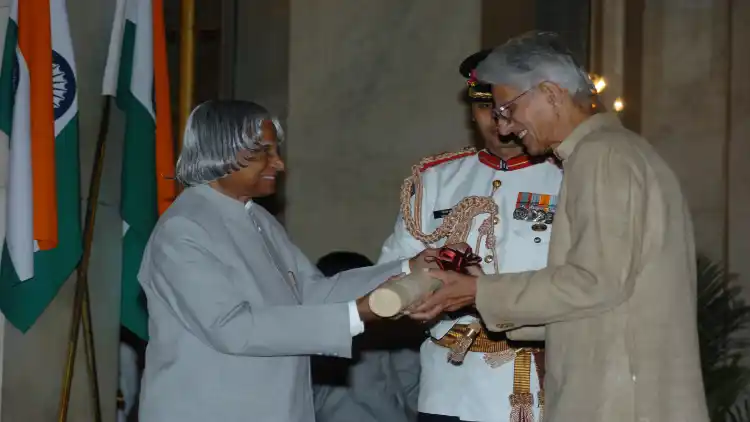
Obaid Siddiqui receiving Padma Vibhushan from the President

Genes and DNA are the words we hear frequently on our Televisions and other media. Genetic mapping has revolutionised the way humans understand organisms in general and themselves in particular. The past few decades have witnessed developments in biotechnology and genetics leading us to understand and treat diseases hitherto thought curable. Very few among us know that one of the important men who laid the foundation of this revolution was an Indian, Obaid Siddiqui.

Born on this day in 1932 in Basti, Uttar Pradesh, Obaid Siddiqui completed his Masters in Botany from Aligarh Muslim University (AMU) in 1953. Initially, he joined AMU as an agricultural scientist, after his Masters, and later moved to Indian Agriculture Research Institute (IARI), New Delhi. At IARI Siddiqui had prepared a testbed for wheat crossbreeds. But a devastating hail storm destroyed the crop and ruined his year-long labour. A frustrated Siddiqui, who had a keen interest in genetics, an emerging field at the time, wrote a letter to Professor Guido Pontecorvo at Glasgow asking him for a research opportunity with him. Pontecorvo accepted him and Siddiqui started his PhD at Glasgow on microbial systems – a paradigm shift from Botany.

During his PhD, Obaid made some path-breaking observations, which revolutionised the field of Genetics. Two very important observations made by him  were:

  • His studies were the first reports of fine mapping of a gene.
  • He pointed out the concentration of mutational sites in a small part of genes.

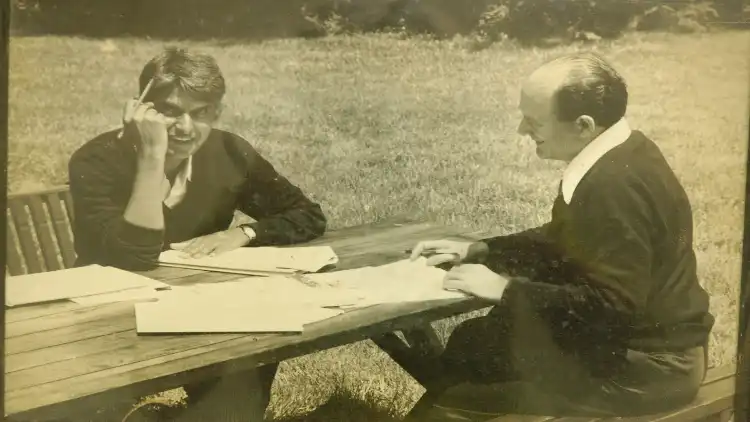
Obaid Siddiqui with Semour Benzer

So, when he submitted his PhD thesis in 1961 Siddiqui had already revolutionised the sciences in general and genetics in particular. Considering the fact that he shifted from Botany to a different field makes his achievement even more stellar.

The same year Siddiqui moved to Pennsylvania to work with Alan Garen as a postdoctoral fellow. Here, he discovered the suppressors of “nonsense” mutations. In simpler words, he discovered why a few mutations in a gene would not express themselves and remain suppressed. The discovery was a logical result of his earlier pioneering work in mapping of genes. Another important impact of this discovery was the finding of “nonsense” codons, the stop signal of genes. Har Gobind Khorana, Robert Holley, and Marshall Nirenberg received the 1968 Nobel prize for identifying “nonsense” codons and they personally acknowledged the role of Siddiqui in their research.

Siddiqui did not pursue his study of Codons further which got others a Nobel Prize because his heart was not in the USA. Siddiqui wanted to return to India to serve his motherland. This selfless patriot left the lucrative opportunities and told Alan Garen, in 1962, that he wanted to return to India.

Garen asked renowned physicist Leo Szilard to write to Homi Bhabha asking him to arrange a position for Siddiqui in India. Ignoring the opposition from fellow scientists in India, Bhabha showed confidence in Siddiqui and gave him the responsibility of establishing a molecular biology unit at Tata Institute of Fundamental Research (TIFR).

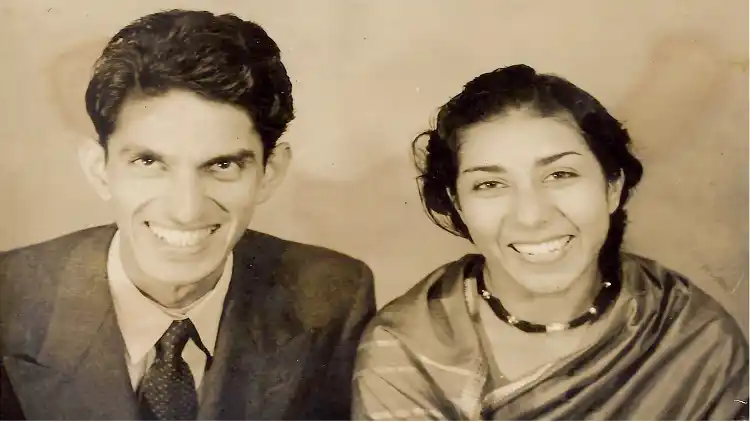
Obaid ASiddiqui with Wife Asiya Siddiqui

At TIFR, Siddiqui nurtured a younger crop of scientists and also brought Indians working in foreign labs back to India. With one of his students, P. Vijay Sarathy, Siddiqui showed that recombinant bacteria inherit DNA of bi-parental origin thus laying the foundation of principles of lateral gene transfer. In layman’s language his findings are the basis of the now well-known principle that genes pass from one generation to another.

With his other students like Kavita Arora and Veronica Rodrigues, Siddiqui showed that taste and smell of Drosophila have a genetic basis and thus opened a new field of chemosensory neurogenetics. These findings led others to research the role of genes on sensory perceptions, learning and memory.

Siddiqui was not a man who would compartmentalize his intellect to one branch of science. He contributed to fields as diverse as plants, Drosophila, bacteria, and genetics. He did not stop at research. He was an institution builder and established the National Centre for Biological Sciences in 1992 in Bangalore. Siddiqui was known for nurturing young minds by giving them the freedom to question.

Moreover, Siddiqui was a man who believed that sciences cannot operate in isolation of society. Scientists have a social responsibility and Siddiqui understood this. He stood for Human Rights, campaigned against communalisation and took part in social movements. Not only a music lover of Hindustani Music, Siddiqui was an established Sarod artist.

Obaid Siddiqui was awarded the second-highest civilian award, Padma Vibhusahan, by the Government of India. He was the true son of the soil who left lucrative offers in a foreign land to establish a research culture in India. His students are now serving the nation, which includes the present Principal Scientific Advisor of India, Professor Vijay Raghavan. 

source: http://www.awazthevoice.in / Awaz, The Voice / Home> Stories / by Saquib Salim / July 26th, 2021

‘Karnataka Kala Ratna Award’ presented to Radiulla Khan

Mysuru, KARNATAKA :

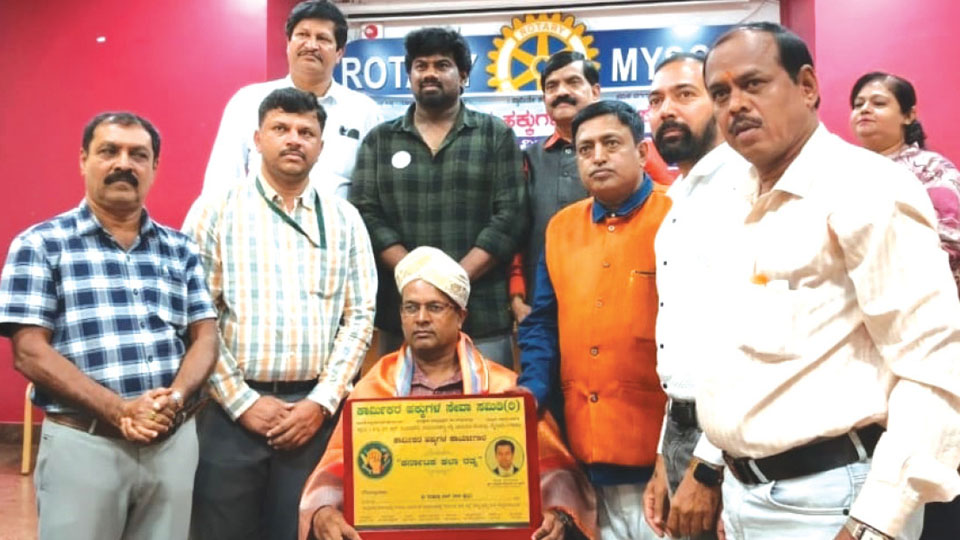
Radiulla Khan, Organising Secretary of Mysuru District Kannada Sahitya Parishat, being presented with ‘Karnataka Kala Ratna’ State Award during the workshop on ‘Labour Rights’ organised by Karmikara Hakkugala Seva Samiti at Rotary Hall on JLB Road in city recently.

The award was presented to Radiulla Khan in recognition for his works in multilingual films especially in Kannada language as a junior artiste.

M.S. Naveen, Chief Legal Aid Guardian, District Legal Services Authority (DLSA), V. Vinay Kumar from Employees State Insurance Corporation, industrialists and social workers M. Lalita Rao, Shubh Krupesh, V. Ramamurthy and Prashanth P. Aask, Actor-director Mahesh K.H. Belur, journalist Kasthurichandru and others were present.

source: http://www.starofmysore.com / Star of Mysore / Home> Photo News (headline edited) / July 26th, 2025

10 extraordinary men and women of Bihar who changed society

BIHAR :

New Delhi :

Among them are women who, through their work, have not only guided society but also become role models themselves. With courage, dedication, hard work, and limited resources, they are bringing about changes.

The list includes teachers, entrepreneurs, social workers, and heralds of change. Their stories fill us with pride and remind us that you can realise your objectives of serving society.

Khursheed Ahmad

Khursheed Ahmad has played a pivotal role in reviving Bihar’s cultural soul and turning Patna into a vibrant center of literature and arts. He has brought traditional forms like qawwali, poetry, literature, and Sufi music back into public life, infusing them with fresh energy and contemporary relevance.

Jabir Ansari

The right guidance at the right time can profoundly shape a life. Jabir Ansari, who hails from a humble background, reached the international martial arts arena thanks to his unwavering dedication. Hailing from Tumba Pahaad village in the Naxal-affected Jhajha block of Jamui district, he has won many gold medals and made his mark in martial arts.

Shams Alam

When doctors diagnosed a tumor in Shams Alam’s spine, they reassured him he would be running again in weeks. That day never came. Paralysis left his body’s lower half numb—a life-changing moment. Instead of despairing, Shams chose determination. Through grit and love for swimming, he emerged as a para‑swimmer who has made an indelible mark in Bihar, across India, and on international stages—breaking records and breaking barriers.

Tayyaba Afroz

She’s a pilot, and her social media bio proudly features phrases like “Born To Fly,” and “Dream, Achieve, Fly.” But behind these inspiring words lies a powerful story—selling ancestral land, withstanding social criticism, and overcoming physical and emotional barriers. Tayyaba Afroz from Jalalpur village in Saran district is not just the state’s first Muslim woman commercial pilot—she is a vibrant symbol of struggle, perseverance, and lofty dreams.

Dr. M. Aijaz Ali

Former Rajya Sabha MP Dr. M. Aijaz Ali has been an advocate for the marginalized for nearly 30 years. His guiding belief is that true development is incomplete without social equality and protecting the rights of the poor. Born in 1958 and raised in an orphanage, he overcame poverty through his academic passion to gain admission to the prestigious Patna Medical College.

Jameel Akhtar

As Deputy General Manager at NTPC, Jameel Akhtar has dedicated his life to educating underprivileged children in Bihar. His commitment is so intense that he has chosen to remain unmarried, believing marriage might hinder his mission. “If I marry, managing the education and care of 550 children will become difficult,” he told Awaz –The Voice. In a senior role at NTPC, his heart beats for the children who have no means to attend school.

Mohammad Ibrahim

A resident of Ramna in Motihari, Mohammad Ibrahim’s extraordinary journey inspires not just the youth of Bihar but all of India. His path from Motihari to Dubai is a powerful testament to determination and purpose. Recently honoured with Oxford University’s Best Travel & Immigration Services Award, his story marks a significant milestone in his professional journey.

Dr. Mumtaz Nair

Dr. Mumtaz Nair hails from a small village in the Kishanganj district of Bihar. In her early years, her family struggled even to meet basic needs. Despite hardships, her family chose to invest in her education—a decision that one day contributed significantly to the global fight against some of the world’s deadliest viruses.

Faizan Ali

At just 18 years, Faizan Ali was earning a degree in business studies when life called him to a deeper purpose. More than studies or ambition, he realised his true calling was serving humanity. “If you truly want to share someone’s pain, age and education don’t matter—passion does,” Faizan told Awaz – The Voice. Now 23, Faizan from Gaya is a shining example of selfless service. Raised in a modest family, he never imagined his life would pivot from a corporate future to community work.

Rani Khanam

Rani Khanam is the first Muslim Kathak dancer in Independent India to turn her love for classical dance into a profession. Originally from Gopalganj, Bihar, she practiced Kathak clandestinely, in a family that did not allow music or dance. Through her art, she has empowered women and highlighted key social issues.

source: http://www.awazthevoice.in / Awaz, The Voice / Home>The Changemakers / July 20th, 2025

Hamd Foods expands footprint with fourth outlet in Udupi’s Kaup

Mangaluru, KARNATAKA :

Udupi:

Hamd Foods, a rising name in the natural food products sector, inaugurated its fourth exclusive outlet in Kaup on Thursday, reinforcing its commitment to the brand’s vision, ‘Healthy Food, Healthy Life.’ The launch was spearheaded by Founder Shahida A, Co-founder Mariyam Shahira, and Branch Manager Khairunnisa.

Following the success of its earlier outlets in Falnir, Krishnapura, and Thokkottu, the Kaup branch marks a significant step in the company’s expansion journey. With over 150 natural food and personal care products on offer, the outlet provides customers with options ranging from spice blends, stone-ground pastes, and frozen snacks to flour varieties and skincare items, all free from artificial colours and chemical preservatives.

“In today’s fast-paced world, many people struggle to find time to prepare healthy meals. Through this outlet, we aim to make wholesome, ready-to-use natural products easily accessible to everyone,” said Shahida A, addressing the gathering.

The launch event was attended by several prominent women including Reshma Thota, Prameela Jatanna, Alia Sayyed, and Nilofer Parveen, who expressed their appreciation for the brand’s consistent growth.

“Your consistency and hard work over the past seven years has led you to launch your fourth store today,” noted Reshma Thota. “For working women like us, Hamd’s products are a real support. In a market full of choices, it’s rare to find ones that are both hygienic and chemical-free — Hamd is a brand we truly trust.”

source: http://www.english.varthabharati.in / Vartha Bharati / Home> Karavali / by Vartha Bharati / July 13th, 2025

Dr. Parveez Ubed’s makes eye-care accessible, affordable across NE India

ASSAM :

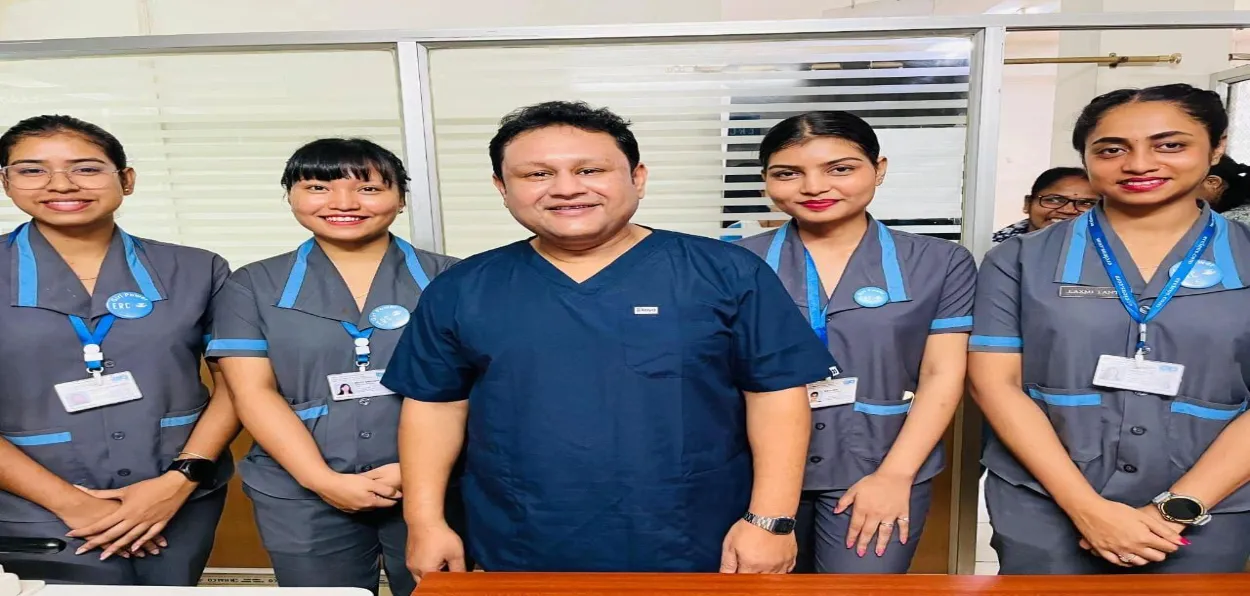
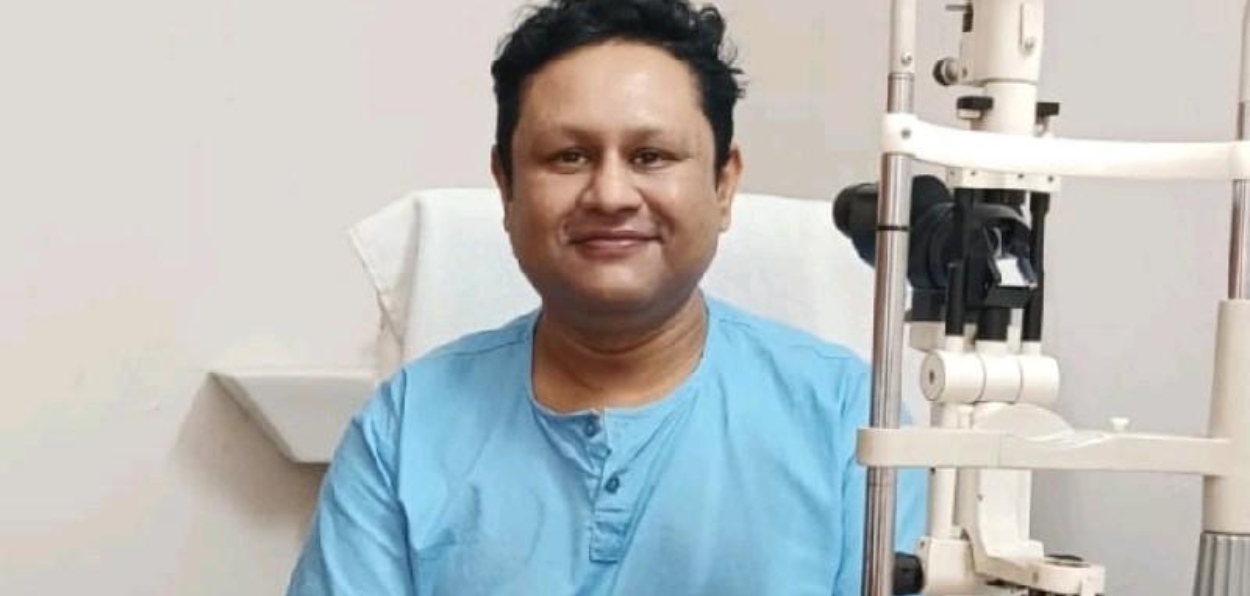
Dr Pervez Uber with his staff

On July 10, a significant milestone in Northeast India’s healthcare landscape unfolded as Dr. Parveez Ubed inaugurated the 7th Hub Hospital of ERC Eye Care in Abhayapuri, Bongaigaon district, Assam.

The ceremony represents more than just another hospital opening—it symbolizes the transformative vision of a social entrepreneur who chose to stay in his homeland over greener pastures in metropolitan cities.

Dr. Parveez Ubed’s story begins in Jorhat, Assam, where, after completing his ophthalmology specialization from the Gauhati Medical College in 2007, he decided to change lives.

His classmates left for bigger cities for attractive offers, but Dr. Ubed chose to stay put in Assam to serve his people. His decision was driven by his understanding of the region’s healthcare challenges.

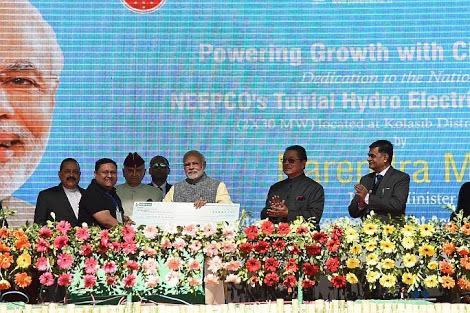
Prime Minister Narendra Modi Presenting an award to Dr Perveez Ubed

His entrepreneurial journey started in June 2011, when he founded ERC Eye Care in a converted kitchen space with just Rs 4 lakhs borrowed from his mother.

What began as a single-man mission has now evolved into a phygital (physical + digital) eye care network spanning across Northeast India with 267 full-time employees and 190 part-time staff.

Dr. Ubed’s venture addresses a critical healthcare gap in Northeast India, where the statistics paint a sobering picture.

Assam has a blindness prevalence of 3.03% against the national average of 1.99%, with an estimated 92% preventable blindness. The World Health Organization reported that 18.8% of Indians suffer from vision impairment due to cataract in Assam alone, making it one of the most affected regions in the country.

Bad roads and difficult terrain, lack of information, poor overall health status, and absence of escorts are barriers that limit access to eye care services in the region.

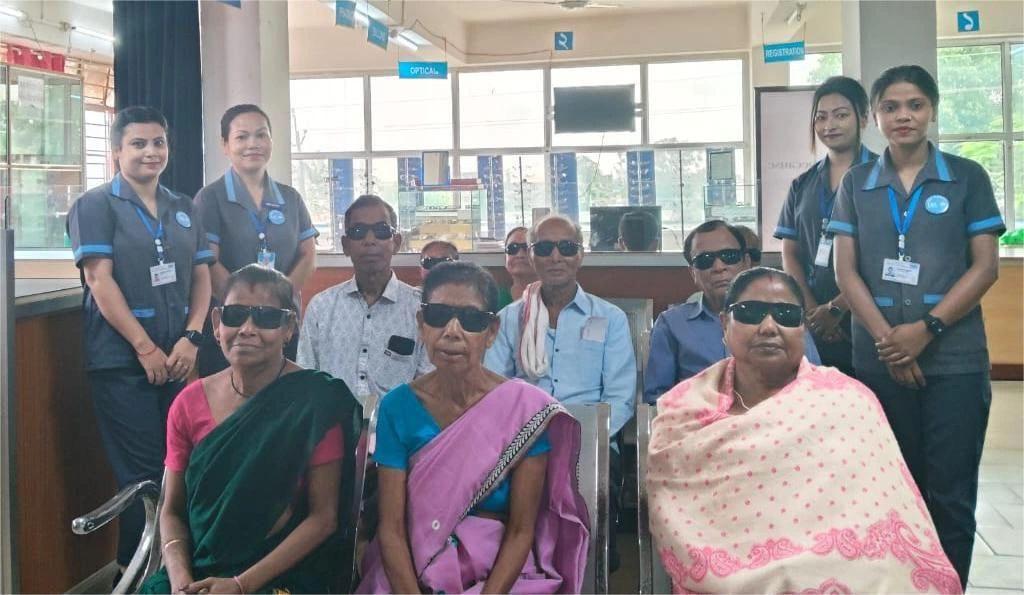
The beneficiers of Dr Perveez Ubed’s eyecare facilities

With only 0.6 ophthalmologists per 100,000 population in Assam, the doctor-patient ratio represents a massive healthcare infrastructure deficit.

Dr. Ubed’s entrepreneurial genius lies in his innovative hub-and-spoke business model that tackles the three critical healthcare challenges: affordability, accessibility, and availability. The model operates through: Hub Hospitals: (i) Equipped with surgical and diagnostic facilities serving as main centres in Sivasagar (2015), Nagaon, Silchar, Guwahati, Tezpur, Boko (6th hospital, January 2025), and now Abhayapuri (7th hospital, July 2025).

(ii) Spoke Centres: Satellite vision centres and mobile units extending basic eye care to remote areas, bringing services directly to patients’ doorsteps. (iii) Digital Integration: The organization leverages AI and IoT technology through their digital platform erclens.com, making them the world’s first phygital eye care company.

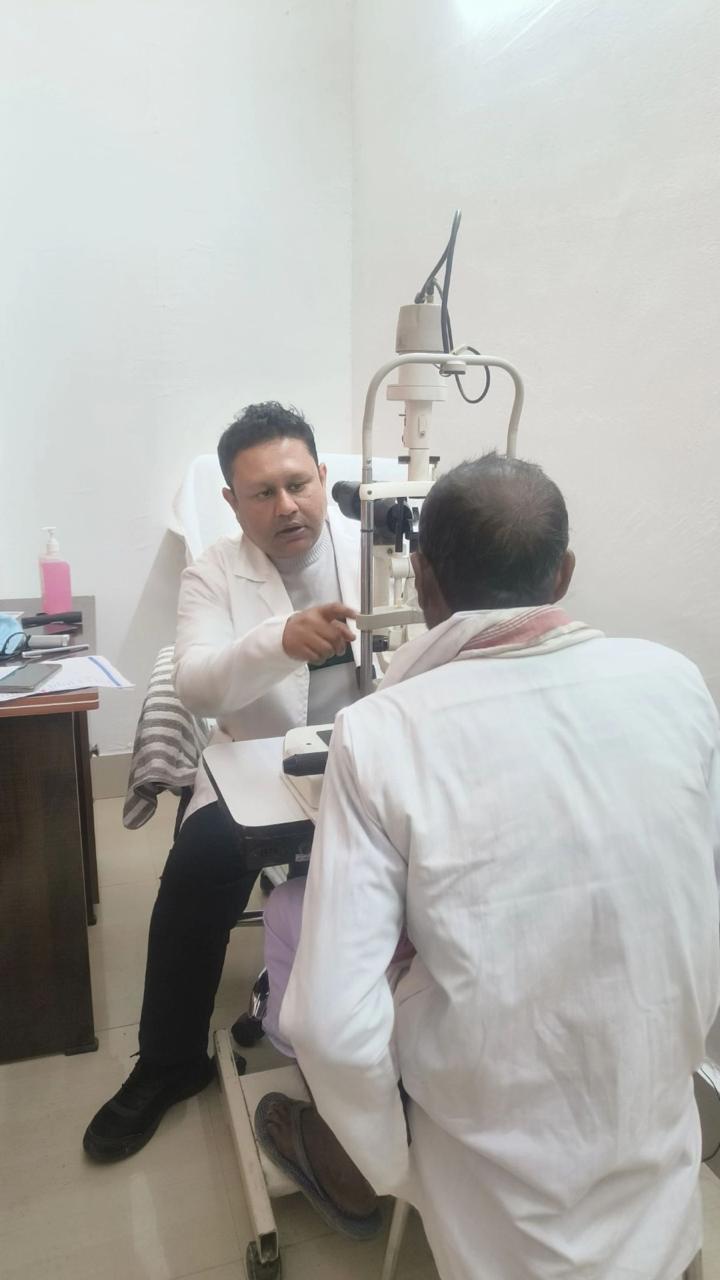
Dr. Perveez Ubed with a patient

Dr. Ubed’s transformation from a medical professional to a successful social entrepreneur showcases remarkable business acumen. “All my nights were spent reading MBA books to find a business plan,” he recalls with characteristic humility.

This self-directed learning was later complemented by formal business education at Stanford University Graduate School of Business (2019-2021), where he completed the Stanford Seed Transformation Programme Certificate.

Dr. Ubed’s work has garnered prestigious recognition, underscoring his impact as a changemaker. He received several awards and recognition in India and abroad.

Dr. Ubed’s vision extends far beyond numbers, though the statistics are impressive: over 1.1 million patients served, 500,000 eyeglasses distributed, and 43,000 cataract surgeries performed. Each figure represents a life transformed, a livelihood restored, and hope renewed.

The organization’s pricing model reflects its social mission: eye consultations for Rs 50, optical retail starting at Rs 99, and cataract surgeries from Rs 3,500. Studies referenced by ERC indicate that good vision can increase incomes by 30% and productivity by 25%, making eye care not just a medical intervention but an economic empowerment tool.

Dr. Parveez Ubed

Dr. Ubed’s forward-thinking approach incorporates artificial intelligence, machine learning, and IoT technologies to create scalable healthcare solutions. The digital platform erclens.com offers teleconsultation services, online appointments, and home eye testing, making ERC a pioneer in tech-enabled healthcare delivery for underserved markets. The organization’s expansion plans extend beyond India to Southeast Asia and Africa, positioning ERC as a global model for affordable healthcare delivery.

Dr. Parveez Ubed stands as living proof that one person’s commitment to serve can illuminate the path for millions. In a world where success is often measured by personal wealth, Dr. Ubed has chosen a different metric—the number of people who can see clearly enough to dream again, work productively, and live with dignity.

His story reminds us that true entrepreneurship lies not in creating unicorns, but in nurturing phoenixes—taking communities from the ashes of neglect and helping them rise to their full potential.

As thousands more patients walk through the doors of this new hospital in Abhayapuri, they will not just be receiving medical treatment; they will be touching the legacy of a man who saw beyond the obvious, dreamed beyond the conventional, and dared to stay when leaving would have been easier.

In the annals of social entrepreneurship, Dr. Parveez Ubed’s name will be etched not just as a successful businessman but as a visionary who gave vision to the visually impaired and hope to the hopeless, proving that sometimes, the greatest journey is not about going far but about going deep into the heart of what truly matters.

The author is the former DGP of the Assam Police

source: http://www.awazthevoice.in / Awaz, The Voice / Home> Stories / by Pallab Bhattacharyya / July 17th, 2025

Portrait of a journalist as a national icon

Mumbai, MAHARASHTRA :

Inquilab and Mid-Day founder Abdul Hamid Ansari is an inspiration not just for journalists but millions of youngsters … A special report by Siraj Ali Quadri.

Indian journalist and Muslim nationalist Abdul Hamid Ansari founded Inquilab, an Urdu daily in Mumbai in l937. The newspaper soon became a landmark in Urdu journalism which caught the attention of Muhammad Ali Jinnah, the founder of Pakistan. But when Jinnah asked Ansari to come to Karachi to publish the newspaper in the new country, Ansari said that he would prefer to live in India like the many million Muslims who would rather stay in the country than join Jinnah. Those who joined Jinnah undoubtedly left everything behind. Some flourished while others got established. But that’s another story, which has never ended since l947.

Today’s story is about the veteran journalist, publisher and businessman Khalid A.H. Ansari, son of Abdul Hameed. After passing out from St. Xavier’s in Mumbai, Khalid did his master’s at Stanford University in the US.

Khalid returned to Mumbai to establish Sportsweek, a weekly sports magazine, which became a huge success soon after its launch. The magazine’s immediate success can be attributed to the fact that its founder was himself an excellent sportsman and did a great job with the magazine, in addition to his father’s paper Inquilab.

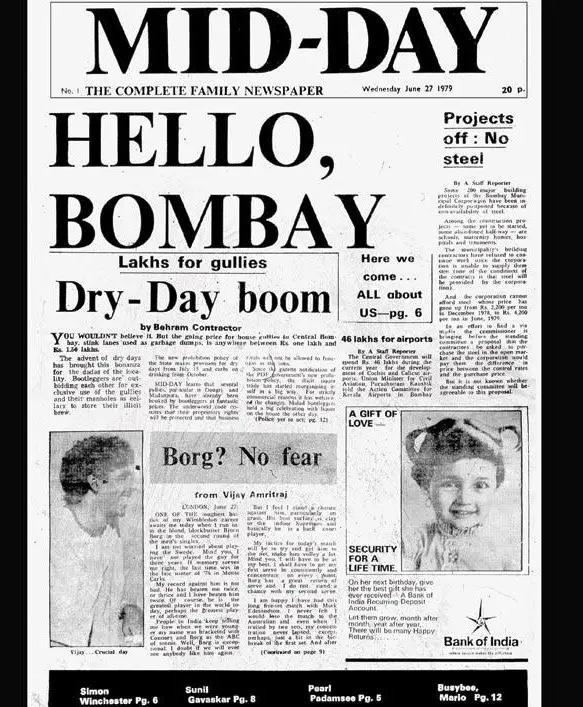
Meanwhile, the idea came to launch India’s first daily tabloid, Mid-Day, which he modelled in many ways after the English tabloids from Fleet Street. During the planning phase of their new venture, he spent hours discussing it with staff and mulled over its format to ensure success, especially since there were already two eveningers in Mumbai, one by The Times of India and the other by the Indian Express. Both suffered from a lack of innovation to attract large numbers of readers. So when Mid-Day appeared with a new face and content, the two old ones just collapsed. Although the ToI eveninger protested the pace of time for a while, it eventually perished as it had already become obsolete.

Mid-Day became a resounding success, with many comparing it to the British Daily Mirror and Daily Mail. However, being an Indian tabloid, it was much quieter and a whole lot more civilized, without the British fondness for nudity and sex, and nonsensical stories of stupidity.

Khalid was helped by his wife, Rukaya. She was very active on the administrative side and contributed to the editorial content and layout, which helped the paper sustain itself in the demanding market of Mumbai. She knew what was going on in the office and in the newspaper that was fast becoming India’s flagship eveninger.

Meanwhile, Khalid accepted an offer to become editor-in-chief of the Dubai-based Khaleej Times, and handed over the paper to his son, Tariq. After a few years in Dubai, Khalid returned to Mumbai and launched Mid-Day in Bangalore and Delhi and a regional Gujarati version for millions of Gujaratis in the country.

He has been involved in various programmes with the Indian government during conferences in Delhi and New York, launching and editing newspapers, and was awarded the Padma Shri in 2001 while continuing to play and write about his old passion, cricket.

Writing about his eveninger, Khalid says, “Mid-Day is a light-hearted, easy-to-read, entertaining, and ‘naughty’ paper that now has a new purpose which is to make work fun. Gives young professionals an entertaining newsbreak. The focus is on young, urban, mobile professionals across India and the company is leaving no stone unturned to engage with them. Today’s workplace’s fast-paced work style and crazy deadlines are full of stress and pressure. Mid-Day as a brand believes in spreading the message of reducing stress and making work fun.”

“What’s on, a host of addictive, fun sections like Hit List Crosswords, Horoscopes, and Fun at Work ensure that the newspaper remains a welcome diversion for young professionals,” he adds.

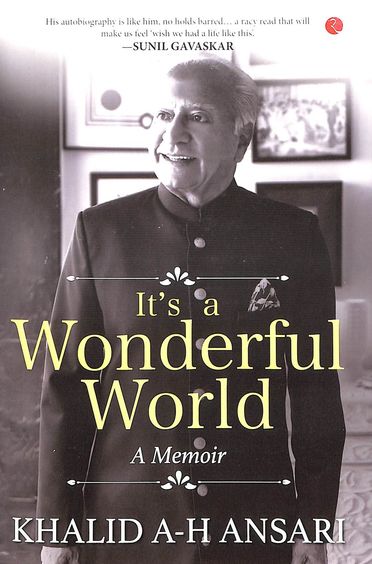
Khalid’s Sportsweek later was shut down with the television boom making it hard to garner advertisements and interest. Khalid has also published his memoir (It’s A Wonderful World) and continues to inspire a stream of journalists apart from various generations to keep the boat afloat and touch new heights.

 (The Author is Journalist & associated with Dainik Bhaskar)

source: http://www.asianlite.com / Asian Lite / Home / by Siraj Ali Quadri / October 10th, 2022

Dr. B.S. Abdur Rahman: The Man who Died Young

Kilakarai (Ramanathapuram District) / Chennai, TAMIL NADU :

Death of Dr. B.S. Abdur Rahman has not only shocked who knew his mission and lifelong works but also those who have benefited by his devotion and those who took inspirations from him. His untimely death has brought a vacuam in Indian educational scenario and it is almost impossible to be filled up in near future.

Indian Muslim Community has legacy of Sir Syed Ahmad Khan, the founder of the Aligarh Muslim University before it, Dr. B.S. Abdur Rahman has achieved almost that place and has become another inspirational figure.

Dr. B.S. Abdur Rahman was born in kilakarai falling under Ramanathapuram district of Tamilnadu state in 1927. Due to his works and philanthropist bent of mind, Dr. Rahman became a well known personality who devoted himself for the upliftment of the economically weaker sections and minorities through their educational empowerment. He did not lagged behind in providing good facilities of health care to the deprived sections of society.

B.S. Abdur Rahman, Vice Chairman of Emirates Trading Agency LLC and Associated Construction and Investments Co. LLC (ETA-ASCON), the Dubai-based $2 billion industrial behemoth, was a multi-faceted personality, much like the diamonds he dealt with when he began in humble business in Sri Lanka, over half a century ago.

Diamond merchant, industrialist, educationist, philanthropist, shipping magnate, generous contributor and enthusiastic participant in many other business and social activities he is a renaissance man whose outlook was Millennial. Meaning, while his values were classical, his thinking was forward looking.

Kilakarai, on the coast of Ramanathapuram district in Tamil Nadu, where Abdur Rahman (fondly known as Sena Aana) was born, is a town made famous in the region by his illustrious ancestor, Vallal Seethakathi.

The forbears of Abdur Rahman migrated to Kilakarai from Arabia in the 12th century. Kilakarai, which means East Coast in Tamil, was a flourishing port to which mearchants from the east and west came. A densely populated area, predominantly by Muslims, it owned its prosperity to them.

From centuries they traded with Sri Lanka (then known as Ceylon), dealing in pealing in pearls, gemstones and conches. Even today, many of them live in Sri Lanka or do business with the island. Abdur Rahman too began his career in Ceylon. Among the pearl traders of Kilakarai was Buhari Aalim. Abdur Rahman was his son.

Aalim was an expert in valuing precious stones and pearls. He would hold a gem between his right thumb and index finger and, looking at it against the sun, study the quality of the watermark within to judge the worth of the precious stone. He would be unfailingly correct.

Watching his father at work, the young Abdur Rahman was soon able to understand the nuances of the trade. This training and experience helped him to become one of the most successful merchants in the diamond trade in due course. When Abdur Rahman first went to Colombo, he was fifteen years old. He had with him just Indian Rupees 149. He worked as an errand boy for diamond merchants, carrying their diamonds and other gems from sellers to buyers and back. He was at the time staying with some traders from Kilakarai and neighbouring villages. They allowed him to stay with them without any payment, but he had, instead, to fetch tea them from a nearby hotel, clean the rooms and perform other menial tasks.

A lesser person perhaps would have thrown in the towel. But Abdur Rahman was made of sterner stuff. Before long, he used his persuasive skills to obtain gemstones from another merchant and began trading in them. In time he became a successful gem trader. The base that Abdur Rahman built in Ceylon was to help him in all his future activities.

He began visiting Belgium, then as now, a centre of the gem trade, the USA, South America and set up business in Penang, Malaysia, Chennai, Kolkata (then Calcutta), and then in Hong Kong. It was in Hong Kong that his business flourished. Incidentally, Abdur Rahman was the first person from Kilakarai to go to Hong Kong.

In Hong Kong he launched the Precious Trading Company in 1954. Later, his very special brainchild, the Amana Group of Hong Kong, was established. It was under its banner that the multinational company ETA-ASCON came into existence.

He was a firm believer in education and took upon himself the task of educationally empower the poor and the deprived. He established a wide network of educational institutions. In 1967, he founded Seethakathi Trust and in 1979, All India Islamic Foundation to achieve his target of serving the community and nation. He founded twelve educational institutions including an Engineering University, a woman’s college, an Arabic College two boys schools, 3 girls schools, a woman Nursing college, a Teacher Training College, B.Ed College for woman and 2 hospitals beside orphanages in rural and urban areas. His biggest achievement was founding a 60 bed Yousuf Zulaikha hospital at Kilakrai and a 150 bed Crescent hospital at Madurai. He did not lagged behind in providing comfort of life to most deprived orphanages and founded Al Momin orphanages for boys and girls at Ottapidram, Tanjore, Kilakarai and Thiruvithancode of Tamilnadu.

Dr. B.S. Abdur Rahman was farsighted man and knew the importance of administration. He was well aware that to uplift community, it is very necessary that Muslim youths join Indian Administrative Services and so he established Crescent IAS and Carriers Guidance Academy in 1994 beside an Islamic Studies & Cultural Centre at Chennai.

His social works span to wide area. Dr. B.S. Abdur Rahman founded B.S. Abdur Rahman Zakat Fund Foundation in 2007 which provides educational grants for students. Through this foundation, B.S. Abdur Rahmand has maintained magniticence of Zakat which may be called a pillar of Islam and which is an instrument for survival of poor Muslims. He 1017 Self Help Group (SHG) which became beneficial to 17093 deprived and helpless women. He also founded and managed various other trusts like Yousuf Zulaikha (1993) Chennai for education, health care and women empowerment. United Economic Forum in 1994 and Seethakathi NGO in 2002.

He also establish new milestones in business field.

He was founder Chairman of Dubai based ETA – Ascon – Star Group and was treated a renowned Indian entrepreneur in UAE. It may be known that the group has a turn over US$ 5.5 billion and employs 50,000 people. With his visionary zeal and entrepreneurial spirit.

B.S. Abdur Rahman has been the guiding force behind many companies in India, among which the most important is the Buhari Group the Indian Multinational. The prominent companies and establishments under Buhari Group include East Coast Construction Ltd. (ECCI) 50 years in the field of construction, Coal & Oil and many other automobile dealership companies.

In recognition of his services he received many awards also.

The Aligarh Muslim University Students Union conferred him life membership while Sathyabama University awarded Honorary Doctorate in recognition of his contribution to Women Education.

In fact Dr. B.S. Abdur Rahman had became an inspirational force to young generation during his own life time. There are very few people who climb the ladder of success and remember the down trodden sections of the society or do anything meaningful for them.

Whatever Dr. B.S. Abdur Rahman has done for the manginalised and deprived sections of society will be always not only remembered but will also be documented in social and educational history of India. The best tribute to Dr. B.S. Abdur Rahman will be to follow the path shown by him not only in business but other fields also.

-Dr. Jasim Mohammad / Author is Editor of The Aligarh Movement monthly

source: http://www.hastakshep.com / Hastakshep.com / Home> Uncategorized / by Dr Jasim Mohammad / March 29th, 2019
Unsung Hero: Pav-seller Nazim Sheikh saves lives on Mumbai shores

Mumbai, MAHARASHTRA :

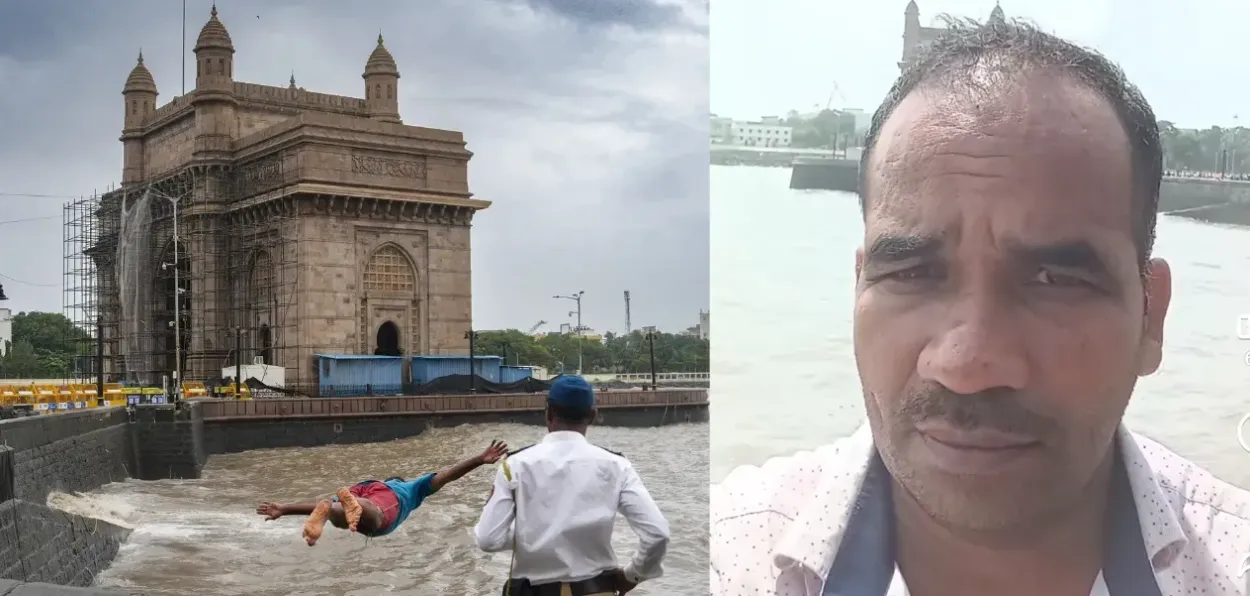
Mohammed Nazim Sheikh

Mohammed Nazim Sheikh, 51, is a silent saviour of lives on the Mumbai shores. After selling pav (Mumbai bread) at the Colaba, from early monring till noon, the 51-year-old Mumbaikar, leaves for the beach at the Gateway of India to keep an eye on the sea lovers who might be unknowingly putting their lives at risk.

Like a silent sentinel, he has been guarding the dangerous beach at the Gateway of India for 35 years and has saved more than 300 persons so far.

Nazim says,”They (tourists) come closer to the sea to feel the splash. Once they slip, the tide pulls them into the water,” he says. “If somebody doesn’t rush for their help, they’re gone.”

Nazim started rescuing drowning people at the age of just 16. With the skills of a trained lifeguard and a sense of mission, he pulls people out of the water who are unaware of the dangers and are carelessly near death.

“They come just to feel the splash or to see the view, but one slip is enough, and the wave takes them away. If immediate action is not taken, it is not possible to save them,” he says.

Nazim says he has also recovered about 25 to 30 bodies so far—mostly men. He has witnessed many accidents during festivals.

Nazim’s most memorable rescue operation was in 1996 when he swam across during high tide. For this feat, he was awarded the title of ‘Best Swimmer’. In recent years, especially during the 2022 Ganpati immersion, he saved two people from drowning.

According to hawkers who set up shop around the Gateway of India, Nazim is always the first to arrive. Nowadays, due to social media, tourists often start making videos by crossing the safety barrier, which proves to be dangerous. In such a situation, when someone falls into the sea, the first name that comes to everyone’s mind is Nazim – even before the police or the fire brigade.

A 60-year-old woman who runs a stall in front of the Taj Hotel says: “I have been seeing Nazim for years. He has saved countless lives. Everyone working at the gateway knows that he is the one to call immediately in an emergency.”

A local photographer says, “Earlier they used to patrol right in front of the gateway, but now that area is closed for security reasons. Nowadays they are seen in front of the Taj Hotel where people come to enjoy the ocean waves.”

Another 51-year-old cameraman says: “Everyone working at the gateway knows the moderator and knows when to contact him. The best thing is that whether you call him or not, he arrives on his own.”

However, despite his selfless service Nazim has not received any official government recognition or honor till now. The Nazim said that he has written letters to the Prime Minister and the Chief Minister (Devendra Fadnavis), but no action has been taken.

“Still waiting, nothing has happened,” he shrugs. Many of Nazim’s awards and newspaper clippings have also been lost during the renovation of his house. He finishes selling pav by noon, but as soon as the tide comes in, he becomes alert.

“When someone is in trouble, be it locals or the police, they call me. I am not afraid of the sea. Allah has given me this strength, I just do my job,” he says humbly. Nazim was also part of the rescue team during the 2003 Gateway bombing and helped recover bodies from there.

Today, while beach safety has improved and suicides have declined, Nazim still stands as a silent sentinel on Mumbai’s beaches. “If anything happens, I’m ready,” he says resolutely.

Colaba Senior Police Inspector Pramod Bhaute said, “Nazim works as a lifeguard for us. He is always active and alert. His help has proven invaluable in many cases. He lives in the Jetty area. Mumbai Police says it’s grateful to him for him selfless mission in saving lives.

source: http://www.awazthevoice.in / Awaz, The Voice / Home> Story / by Onika Maheshwari, Mumbai / July 13th, 2025