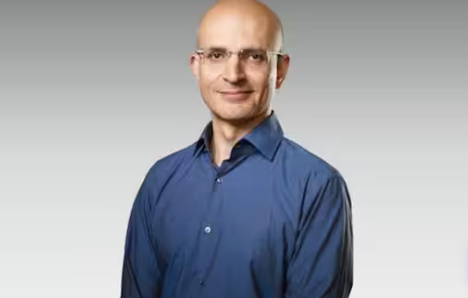
Indian origin Sabih Khan, a native of Moradabad in Uttar Pradesh brought laurels to India in general and his hometown in particular on being appointed as the new Chief Operating Officer (COO) at Apple. He replaces Jeff Williams. Currently, Khan serves as Senior Vice President of Operations. Indeed, an honour to Sabih Khan, known for his extraordinary skill and a brilliant strategist besides an architect of Apple’s supply chain.
Bringing glory to his native Moradabad in Uttar Pradesh, Sabih Khan (58) has been honoured with the post of Chief Operating Officer (COO) at Apple, marking a significant step in the company’s ongoing leadership transition. Notably, Khan has been with Apple for three decades and currently serves as Senior Vice President of Operations and will take over from Jeff Williams later this month, the iPhone maker announced in a statement.
Before joining Apple’s procurement group in 1995, he worked as an applications development engineer and key account technical leader at GE Plastics. A quick look into his biodata revealed that he was born in 1966 in Moradabad, Uttar Pradesh and later moved to Singapore during his school years before settling down in the US. Interestingly, he is armed with dual bachelor’s degrees in economics and mechanical engineering from Tufts University, and a master’s in mechanical engineering from Rensselaer Polytechnic Institute (RPI).
Sabih Khan’s father Saeed Ullah Khan was a resident of Rampur who had settled down in Singapore decades ago. Sabih received his primary education there, after which he moved to America and received higher education from there. Apple CEO Tim Cook described him as “a brilliant strategist and one of the central architects of Apple’s supply chain.”
“Sabih leads with heart and values, and I know he will make an exceptional chief operating officer,” Cook added. “He helped ensure that Apple can be nimble in response to global challenges.”
Moreover, Khan has been playing a vital role in shaping the global supply chain that powers Apple’s operations around the world. In 2019, he was promoted to Senior Vice President of Operations, reporting directly to Jeff Williams. In this role, he led key initiatives in advanced manufacturing, expanding Apple’s global footprint, and navigating complex supply chain challenges, especially during turbulent global events.
According to sources, Khan has also been a major force behind Apple’s environmental efforts. Under his leadership, the company has reportedly reduced its carbon footprint by over 60 per cent, thanks to stronger supplier partnerships and green manufacturing practices.
Further, he also oversees Apple’s supplier responsibility programmes, which aim to improve labour conditions, and provide education and training for workers at production facilities globally. In his new role, Khan will be playing a vital role in shaping the global supply chain that powers Apple’s operations around the world. He has also been a major force behind Apple’s environmental efforts. Under his leadership, the company has reportedly reduced its carbon footprint by over 60 per cent, thanks to stronger supplier partnerships and green manufacturing practices.
Jeff Williams, who has been with Apple for 27 years, will continue to report to CEO Tim Cook and oversee Apple’s design team and health initiatives until his planned retirement later this year. His transition also signals a shift in the structure of Apple’s leadership, with the design team set to report directly to Tim Cook after Williams steps down. Sabhih Khan has made not only his native Moradabad but also his home country India proud.
[The author is former Indian Express and Deccan Chronicle chief]
source: http://www.radiancenews.com / Radiance News / Home> Latest News> Pride of the Nation / by M Rafi Ahmed / July 10th, 2025
Pallikkere (Kasargod District) / Kozhikode, KERALA / Dubai, U.A.E :
Kozhikode:
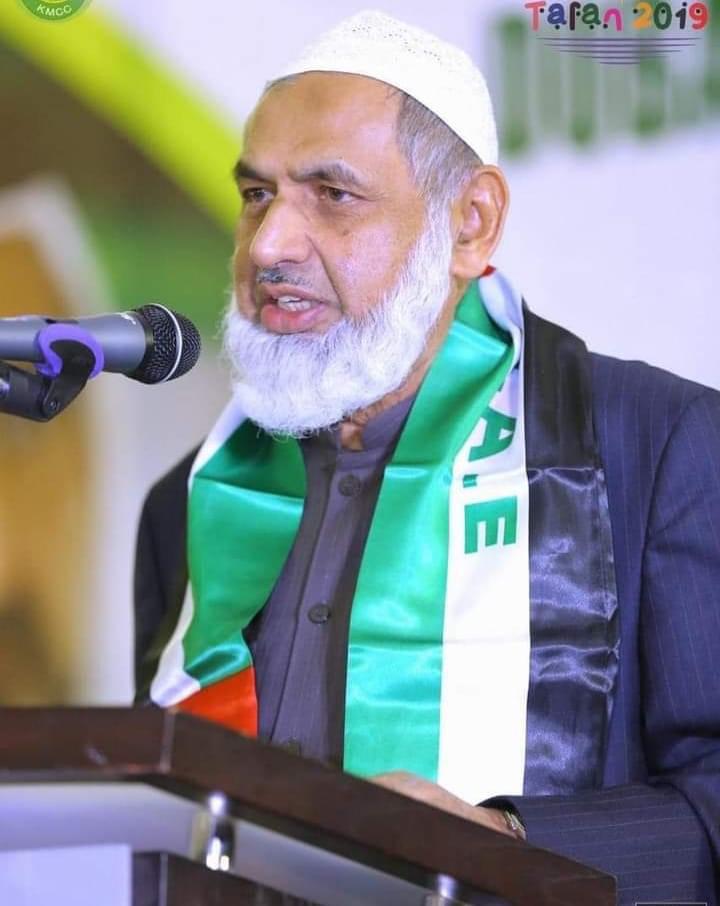
PA Ibrahim Haji, one of the most prominent businessmen, educational entrepreneurs, and philanthropists of India and the Middle East, passed away on Tuesday in Kozhikode aged 78.
According to the reports, Ibrahim Haji was first hospitalized on December 11 in Dubai Healthcare City on December 11 after he suffered a major cardiac arrest. He was later shifted to MIMS Hospital in Kozhikode on December 20. He breathed his last on Tuesday afternoon at the hospital.
Ibrahim Haji was the founder vice-chairman of Malabar Gold and Diamonds. He also served as the director of Chandrika newspaper, vice-chairman of Indus Motors, and founder chairman of PACE Group of Institutions.
Born in Pallikkara in Kasaragod district on September 6, 1943, Ibrahim Haji migrated to the Gulf in 1966 where he set up the successful textile, garment, and jewelry businesses. He ventured into the education sector with the launch of Pace Group of Institutions in 1999. At present, 20,000 students from 25 countries pursue many courses in various PACE institutions in India, United Arab Emirates, and Kuwait. In Kerala, the group owns RIMS International School in Kannur, PACE Residential School, and Blossom Public School, both in Manjeri. The group also owns the PA College of Engineering, PA College of Pharmacy, PA Institute of Physiotherapy, PA Polytechnic, and PA First Grade College in Mangaluru in Karnataka.
His mortal remains will be kept for public viewing at his house in Kuttikkattoor in Kozhikode till 3 pm.
Burial will take place at Vettekkad Juma Masjid in Manjeri after 4pm.
source: http://www.english.varthabharati.in / Vartha Bharati / Home> Karavali / by Vartha Bharati / December 12th, 2021
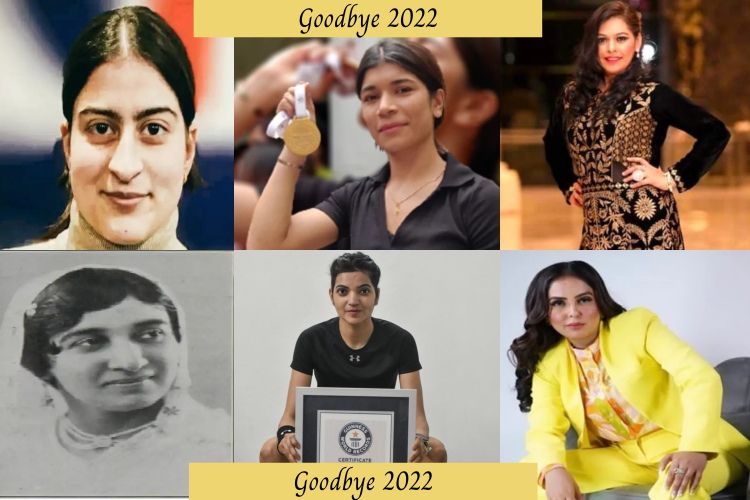
As we gear up to bid goodbye to the year 2022, here’s an about-turn to look at the most influential Muslim women who with their girt and strength have embedded their names in history.
Meet Mehr Sheikh from being a news anchor working with a company in Noida, Uttar Pradesh, to setting up her office in front of the same company, she has come a long way. She is presented as one of India’s youngest mainstream female motivational speakers, founder-director of Papr Network, and Editor-in-Chief of Nikology, a YouTube channel with nearly 2 million subscribers.
From being routed in regular corporate life to breaking the barriers and taking running as a full-time profession Sufiya Sufi set many records. From being the fastest female to run the Indian Golden Quadrilateral Road in 6 days, 12 hours, and 6 minutes to taking up the challenges of running continuously 200 km in Qatar and later running across the globe she has come a long way.
With many beauty pageants coming back to India in 2022, Tabassum took the podium a notch up when she represented India as one of the jury members in a beauty event held in South Korea’s Seoul
In the field of sports, Nikhat brought laurels to India as apart from winning the gold at the world championship, she won gold at the National Championship, the CWG and the Stranjde Memorial championship.
Do not marry your sisters, daughters, and other relations to men as their second wives or to those who are inclined on marrying another woman for no reason.” Hundreds of Muslim women unanimously passed the above resolution moved by Begum Jahanara Shahnawaz at the 7th All India Muslim Ladies Conference in 1920.
The All India Muslim Ladies Conference was established in 1914 under the presidentship of Begum Sultan Jahan, the ruler of Bhopal, and the leadership of women like Begum Waheed, Abru Begum, and Begum Shafi to bring social, educational, and economic reforms among Muslim women. Within six years of its inception membership of the Conference increased from a few dozens to hundreds. These women raised money to open and maintain girls’ schools in different parts of India and formed a public opinion in support of education.
Apart from the white robe of a doctor and the operation theatre, Dr. Jahanara Begum, a prominent obstetrician of Assam, also dons colourful costumes and has a wide stage to perform. Away from the hospitals and clinics, Dr. Begum has made theatre a part of her life despite her hectic professional schedule. While she has healed thousands of people as a doctor, she has also impressed numerous playwrights and audiences as an actor.
Syeda Salva Fatima – Amazed at her confidence, he decided to give wings to her dreams and she was enrolled in the Andhra Pradesh Aviation Academy in 2007. Despite failures, she remained undeterred and finally completed her training. She logged in 200 hours of flying in the Cessna 152 aircraft and 123 Hours of solo flight. She says,My best moment was when I flew for the first time. Also, every time I fly the big bird Airbus 320 in command, that’s the best feeling ever!
Farida Jalees, the founder of Lucknow Mahila Sewa Trust, who had boldly four startups during the Covid-19 lockdown to sustain the livelihoods of some 2.5 lakh women associated with her self-help group, said, “we have never felt these two (festivals) are different. We endeavor to make Jeevika Bakers viable and for this, I have been making use of every festival to sell baked foods under a canopy in marketplaces.”
Dr.Muhammad Raziul Islam Nadvi is a renowned Urdu author advocates Muslim women’s participation in mosques and namaz
Naseem Shafaie, the only Kashmiri woman to get the Sahitya Akademi award and the recipient of this year’s State Award for Literature rues that the Kashmiri language is being ignored by natives who prefer to speak with their children in Urdu (Hindustani) and not in their mother tongue. She laments that the language was not getting due treatment by its natural speakers. “Let all read it and be it our language,” she told Awaz-the Voice. She said there is a general trend among people in Kashmir to speak in the Urdu (Hindustani) language to their children at their homes.
source: http://www.awazthevoice.in / Awaz, The Voice / Home> Stories / by Shaista Fatima, New Delhi / December 29th, 2022
From rose syrup to mango panna, Indian Muslims continue the Mughal tradition of crafting cooling summer drinks originally developed by royal physicians.
New Delhi :
Muslims in India proudly carry forward the centuries-old tradition of crafting refreshing drinks that originated in the Mughal era, a time when royal physicians invented syrups not only for their enduring taste but also for immense health benefits.
Salma Hussain, a researcher who has studied Mughal food and drink habits for over fifty years, explained: “Most of the drinks were invented by the royal physicians, who sometimes prepared drinks for medicinal purposes and sometimes for a refreshing taste, and they were very popular.”
She shared how the art of making these drinks flourished under royal patronage, especially during the reign of Empress Noor Jahan, whose influence in the royal kitchen brought many innovations. “Noor Jahan had creative talent. Under her leadership, excellent syrups were developed. The food was also good, tasty. She especially supervised the royal kitchen,” she told Clarion India recently.
Salma recalled an interesting anecdote from the Mughal court: “Once Queen Noor Jahan was strolling in the garden. Rose flowers were in full bloom. Noor Jahan’s mother, Ismat Ara Begum, used to make perfumes from these flowers. Noor Jahan called the royal physician and said many medicines were made from flowers; why cannot a syrup be extracted from the roses? ‘Many people drink in the name of medicine, but you should make something that will relieve us from the heat and be refreshing, and we will also enjoy it.’”
This simple request from the queen gave birth to the now-famous rose syrup, a cooling drink cherished across the Indian subcontinent to this day.
According to Salma, syrups were not limited to rose alone. “Syrups started to be made from roots, like khus syrup; Panna from mango. Similarly, vine syrup came up. Pomegranate syrup was made by cooking sour and ripe fruit, both said to be very beneficial for the skin,” she said. These drinks were especially popular among the royals, famous for their passion for beauty and health.
Salma further highlighted how Indian Muslims and Mughal royalty took special care to combat the intense Indian heat. “The heat in India was extreme, like today’s heat. Kings also used to cool drinks. Emperor Akbar started ordering ice from the mountains.”
The knowledge of cooling drinks extended to using yoghurt, lemon, and various salts to make beverages like shikanji and lassi, which remain popular today.
“Rose syrup was made from flowers, custard from custard. Jamun syrup was made from fruits, vine syrup was made from mango syrup. Yoghurt was used a lot then. We learned how to make raita from it. They used to cool the yoghurt or mix it in water and make a drink,” she said.
She also pointed to the influence of neighbouring cultures: “A syrup came from Turkey, Aryan, which is the buttermilk we drink today. Almonds were used to make a lot of syrups. It is said that in Iran, almonds were put in hot water and savoured.”
Salma stressed the importance of these drinks beyond refreshment. “There are some unsubstantiated stories about drinks, but all of them seem appropriate, such as the first among the sages who made syrup; his name was Fitha Ghoras. Sage Fitha Ghoras was the first to give a medicinal drink the form of a syrup, like a decoction, etc. Over time, the trade in syrup gradually started and all kinds of syrups started being made.”
She also mentioned that in 1906, Hakim Abdul Majeed (founder of Hamdard) made the spirit-enhancing syrup. The same refreshing syrup is still alive, and we drink it to relieve the heat.
The purity and quality of ingredients were also important to the Mughals. Salma explained: “The water mixed in the syrup was from the Ganges, although the Yamuna River was closer to Delhi. Its water was not used because of the belief that it caused diseases.”
Water management was taken seriously: “The Mughals used to inspect water tanks. Special officers were assigned to procure and preserve the Ganges water.”
This careful tradition of preserving royal recipes and using pure ingredients continues in India’s Muslim communities, who keep the memory of Mughal cuisine alive through generations.
Local historian Ahmed Khan commented, “These drinks are not just a part of our culture, they connect us to our glorious past. They remind us of the wisdom of our ancestors and the care they took in making life enjoyable and healthy.”
As the summer sun blazes, families across the subcontinent continue to enjoy these time-honoured drinks, a tribute to the enduring legacy of the Mughal era and the Indian Muslim custodians who have preserved these traditions.
source: http://www.clarionindia.net / Clarion India / Home> Editor’s Pick> Indian Muslims / by Mohammed Bin Ismail / May 26th, 2025
Royal Parvez, Krishnabh Das, Ashique Anowar, and Proyash Paban Sarma Borah
Are you moving to a new city to study or work? You will find it difficult to rent accommodation without being taken advantage of by property dealers who often hold the upper hand in the final deal and also charge a substantial service fee.
Invariably, those seeking affordable and suitable rental accommodation in a city like Guwahati, have to pay a minimum of Rs 500 for showing rental houses or guest accommodations. And if the deal is fixed, 50% of the first monthly rent is paid to the broker. This makes a person feel unwanted in a new and unfamiliar city.
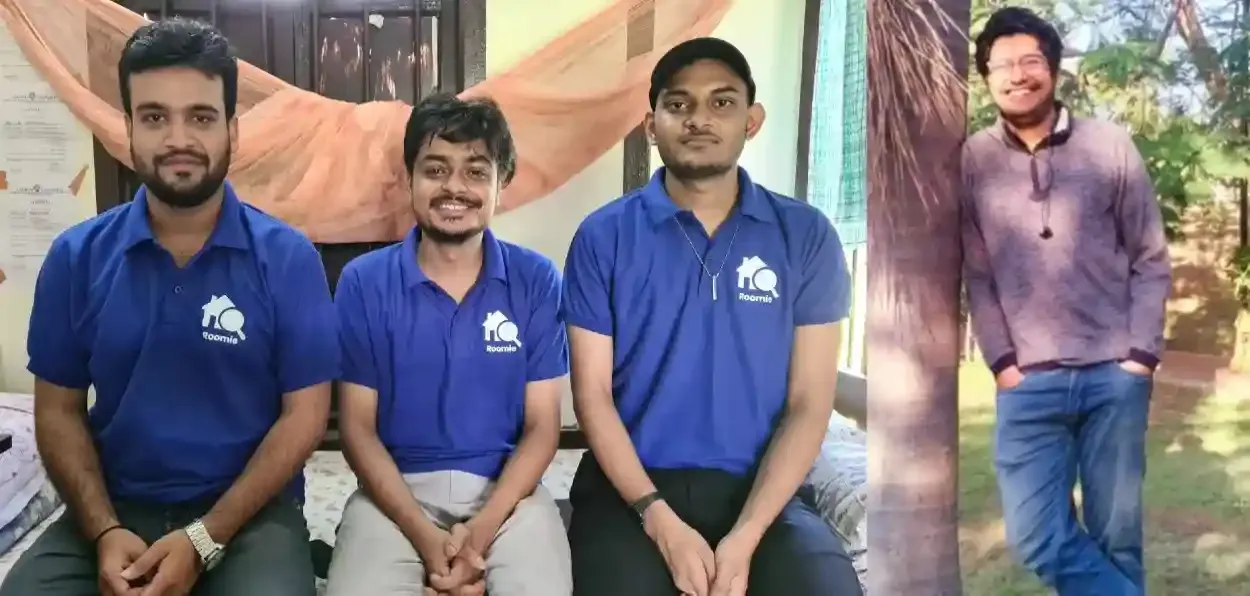
Having gone through this experience, four students from the Gauhati University and Assam Engineering College have developed a special mobile application called ‘Roomie’.
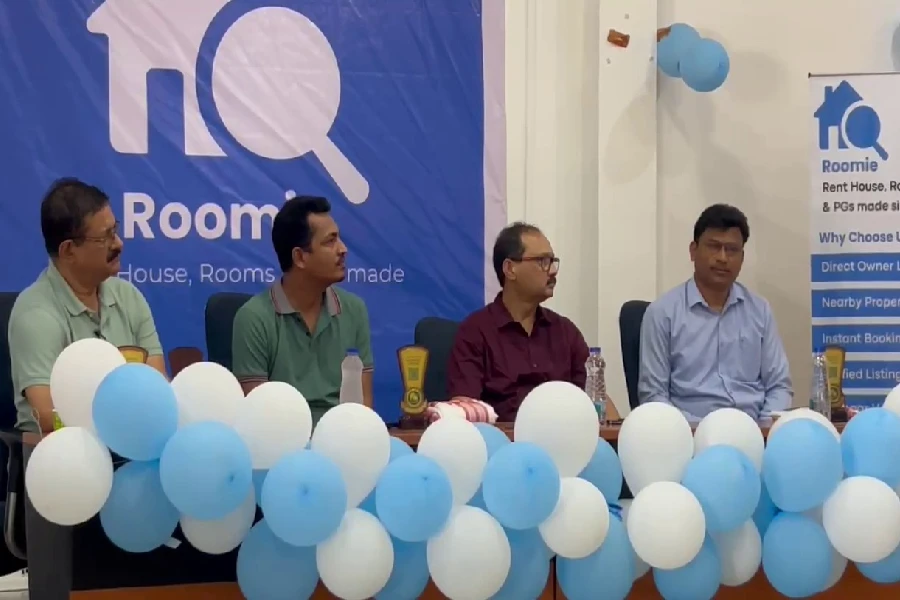
The function to mark the launch of Roomie App
This application is designed to make it easier for students and job seekers to find rental accommodation in Guwahati.
The application is developed by Royal Parvez, a student of law at Gauhati University, and three other students of Assam Engineering College – Krishnabh Das, Ashique Anowar, and Proyash Paban Sarma Borah. Roomie is an easy-to-use mobile app that helps users find rental and PG (paying guest) accommodation without any brokers or middlemen.
Talking to Awaz-the Voice, the CEO of Roomie Royal Parvez said; “We faced a lot of problems when we first came to Guwahati. We were very disappointed with the rental or PG accommodation. We had to look in many places to stay in a PG of our choice. Eventually, though I found a hostel in Gauhati University we wanted to make this process easier for the future students.”
“Then the four of us discussed if we could involve the owners of PGs or hostels in a mobile app. If students can contact the owners directly in the app and get a rental or PG accommodation, it would not be very convenient for brokers and middlemen to charge money from students who come to Guwahati for study or job,” Parvez said.
The app was launched on May 24. So far, 122 owners have registered their rentals on the app and 3,700 students have rented through the app.
Roomie Mobile application
Krishnabh Das, Chief Technical Officer (CTO) of the application, said; “Owners of rental houses or PGs have to register through another app called ‘Roomie’ Landlord App. In this app, owners can provide their facilities. Our Roomy app allows you to see where rentals or PGs are available through maps.”
Ashique Anowar, CMO of the Roomie application, said; “We want to start from Guwahati. After Guwahati, we will expand it to other places. We will take it to places where there are more students. The app is free for those who want a place to rent. Our app will save you money to pay to the broker.”
The four talented youths aim to launch the Roomie app initially across Assam and later across India.
“Our goal is to ensure that everyone new to Guwahati can download the ‘Roomie’ app and take advantage of it,” said Ashiq Anwor.
source: http://www.awazthevoice.in / Awaz, The Voice / Home> Story / by Ariful Islam, Guwahati / July 08th, 2025
Chocolate is a universal favourite. Associated with love, health, and romance, the fanciful food has also created a cottage industry across the country with the makers using social media to innovate and sell handmade chocolates all over.
Chocolate also caught the imagination of Kashmir’s Ifshana Feroz, an MSc student living in srinagar, who is a self-taught chocolate maker and prides in being called Kashmir’s first floral chocolate maker.
pix
She sells her chocolates through her popular Instagram page, “Choco Charms”, which has more than 12 thousand followers. If you are a regular on Instagram, you must have seen her page named Choco Charms. She is known for her unique floral customized chocolates, nut-stuffed chocolate dates, coconut truffles, and more.
“Chocolates have a magical way of winning hearts over. They are not only delicious, but are also universally loved by both children and adults. Whether you choose to give them to your furry cousin or your closest friend, these sweet gifts are guaranteed to bring a smile to anyone’s face,” she told Awaz-The Voice.
Ifshana’s handmade Eid hampers that featured three delightful varieties of chocolates – dark, milk, and white – were sold like hot cakes. “And for those who love chocolates with a little crunch, we have added premium dry fruits to them. The box also includes chocolate-coated dates and coconut truffles, ensuring a varied and delightful chocolate experience,” she said.
Inspired by her mother, she was interested in innovating recipes since the age of 9. When she started, she was struggling with many things, but she felt comfortable making recipes and working with the ingredients.
She said; “I realised that the photos of my customised floral chocolates were getting a good response from fellow Instagrammers, people outside of my immediate circle. So I started investing more time into styling and customising, and, making chocolates beautiful.
“Later, I streamlined my content and posted more chocolates. That’s how I built it from scratch. More people started following me for the pictures of chocolates and started ordering. I had always dreamt of starting my own business. When I got the opportunity to start my own business, I invested the tuition fees that I earned from teaching students.
“For me, making chocolate is magical! It helps me relax and explore my creativity. And that’s one thing about it, I always say – it’s so fascinating how you turn chocolate into something so beautiful,” she said.
Recently Ifshana started making customised chocolates. This was an instant and a huge hit. It has been more than five months that she is overwhelmed by the demand for these through social media.
Ifshana said that she wants people not to always be looking for jobs and gain some skills. ”A person should focus on himself and acquire some kind of skill.”
“Unlike the chocolates available in the market, our products are always fat-free and low-sugar,” he said. Featuring luscious coverture chocolate dates filled with nut stuffing, complemented by a velvety hazelnut center and a chocolaty exterior.
Ifshana Feroz’s story is not just the success of a chocolate chef, but it is also a symbol of the growing wave of youth entrepreneurship in the Kashmir Valley. From a sensitive region like the valley, where challenges are often high, it is inspiring to see a young woman turn her passion into a business and make a mark with a brand like “Choco Charms”.
This example shows that Kashmiri youth are now moving away from traditional paths and becoming self-reliant in creative fields and contributing towards economic development. Many youths like Ifshana are creating new opportunities for self-employment with the help of their skills and digital platforms, which is a sign of positive change in the socio-economic scenario of the valley.
source: http://www.awazthevoice.in / Awaz, The Voice / Home> The Changemaker / by Onika Maheshwari, New Delhi / July 07th, 2025
That women’ s bodies and choice of clothing are ostracized and politicized, is not new discourse. Much discussion on the subject has ensued in recent decades by liberals, feminists, progressives and conservatives alike. Add to that visible religious practices, such as head covers (Hijab) and face veiling (Niqab) among Muslim women, and the scrutiny is further exponentialized. So much so, that it disrupts the principles of liberal and western feminists, and suddenly women’s rights to choose what they want to wear begins to be rephrased, and women’s agency to choose to cover themselves is questioned and looked down upon as ignorance or backwardness. As such, Muslim women who practice various degrees of visible modesty, from Hijab to Niqab navigate feelings of discomfort, unwelcome, as well as (c)overt violence when accessing public spaces, including schools, workplaces, markets, restaurants and more. They are often perceived as beings without agency and intellect, and far removed from the mainstream intellectual public realm. Their choice to dress themselves in accordance with their religious and spiritual goals makes their presence in public unwelcome and politicized.
In this article, through interviews with three Niqab-observing Muslim women who have successfully curated , established, and operate their own faith-based businesses primarily selling products through digital means,we draw attention not only on the discomfort and challenges faced by Muslim women in public spaces and traditional office workplaces, but we also highlight the agency embodied by these women to pursue their professional goals in accordance with their personal religious beliefs.
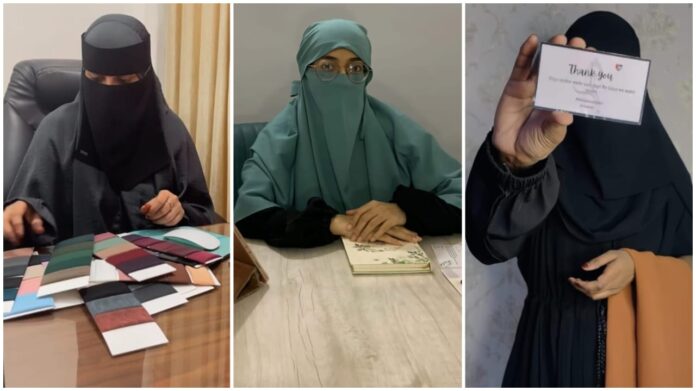
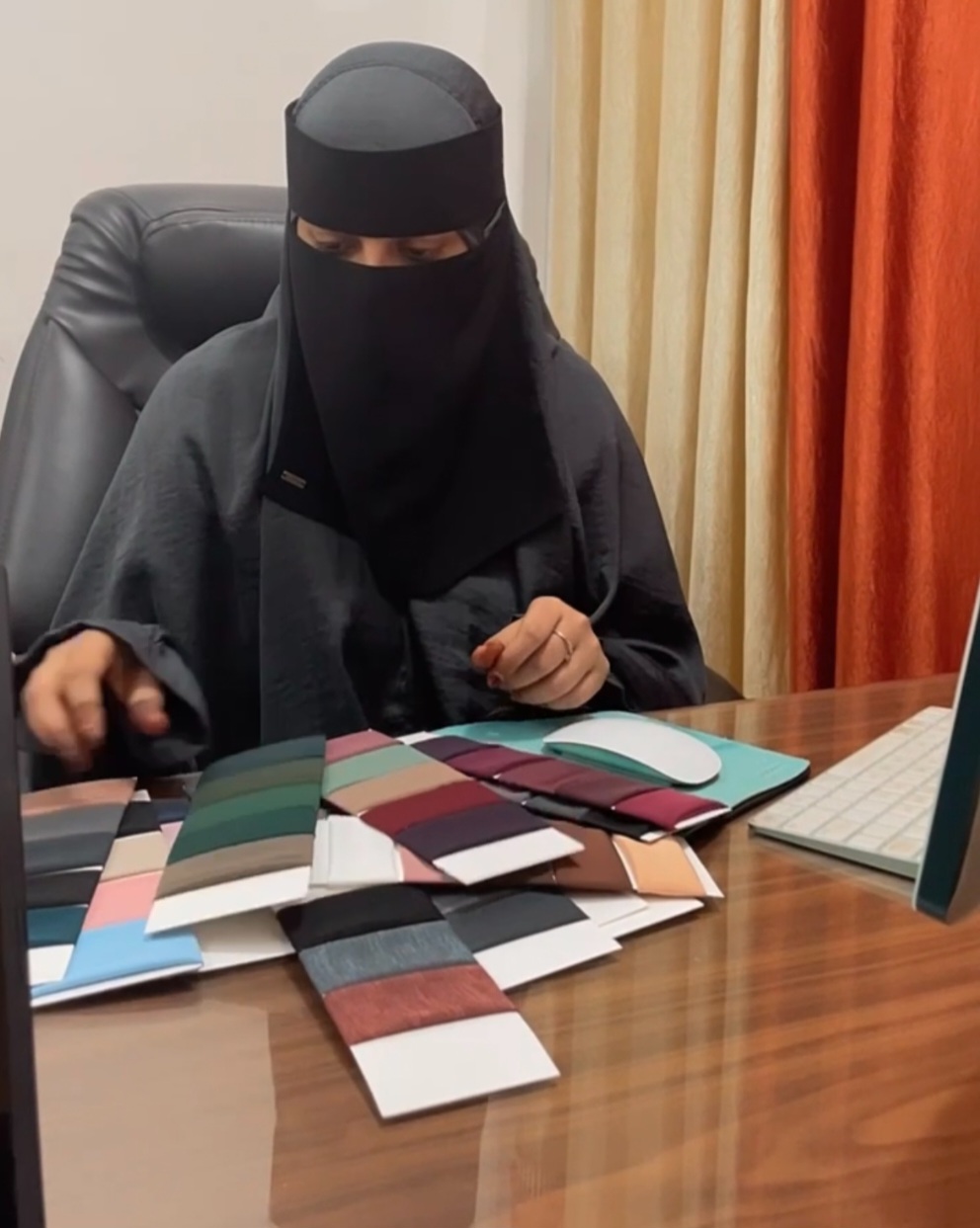
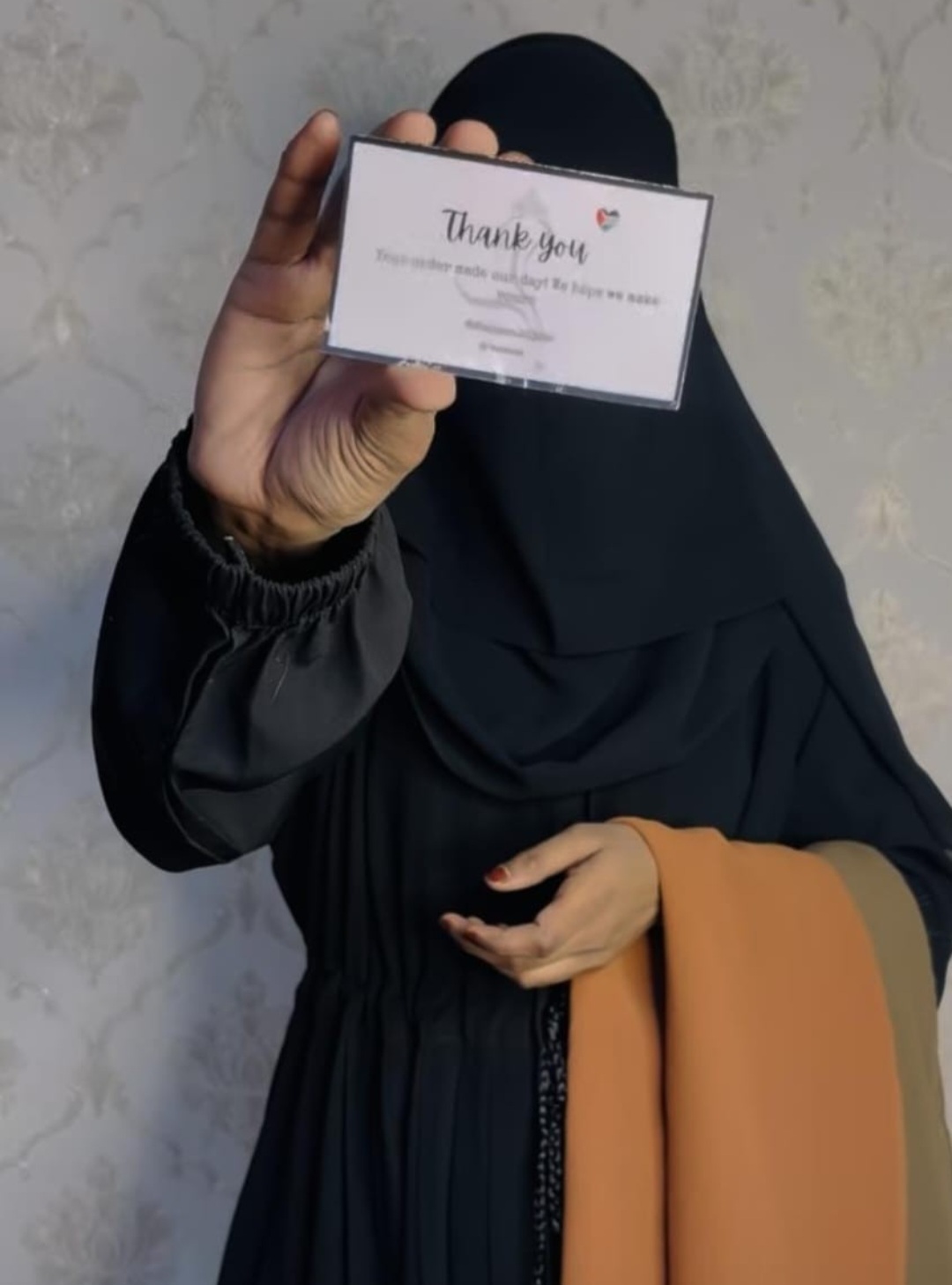
Residing and operating their businesses in India, our interviewees – Kehkashan, Asma Nafis Ansari and Mantasha– have been able to capitalize on the growing adaptation of digital technologies in recent years and produced workspaces for their businesses that offer them the safety and flexibility to pursue their multifaceted aspirations holistically. Rather than waiting for space to be given to them or created for them, they have taken the initiative upon themselves, and are doing so with grit, faith and vision. In doing so, they not only benefit themselves, but also provide employment opportunities, inspiration, and alternative workplace options to others who may find themselves facing similar challenges of discomfort in the public realm.
Faith as an anchor
For these three muslim women, faith is not just a silent actor, but the compass that guides their journeys. Kehkashan, who co-founded ‘Shop Taaseen’ with her business partner Saida Moin, says that they started with a small product, an Umrah dua card in 2024. Today, Shop Taaseen offers a range of faith-based lifestyle products—designed to make Islamic knowledge and reminders part of everyday routines, especially for young Muslims in India. Early on in her academic life, Kehskashan says, she recognized a desire in her to create something of her own but did not know what it would be. She describes herself as someone who has always leaned into creativity with a strong sense of self – “Whatever I do, I want it to be for the sake of Allah.” she shares. That clarity guided her decisions, especially when the spaces around her were not accommodating to her identity. When asked what helped her stay rooted in her vision, Kehkashan said, “the Niqab became my north star. It shaped how I wanted to show up in the world.”
Kehkashan co-founder of Shop Taaseen
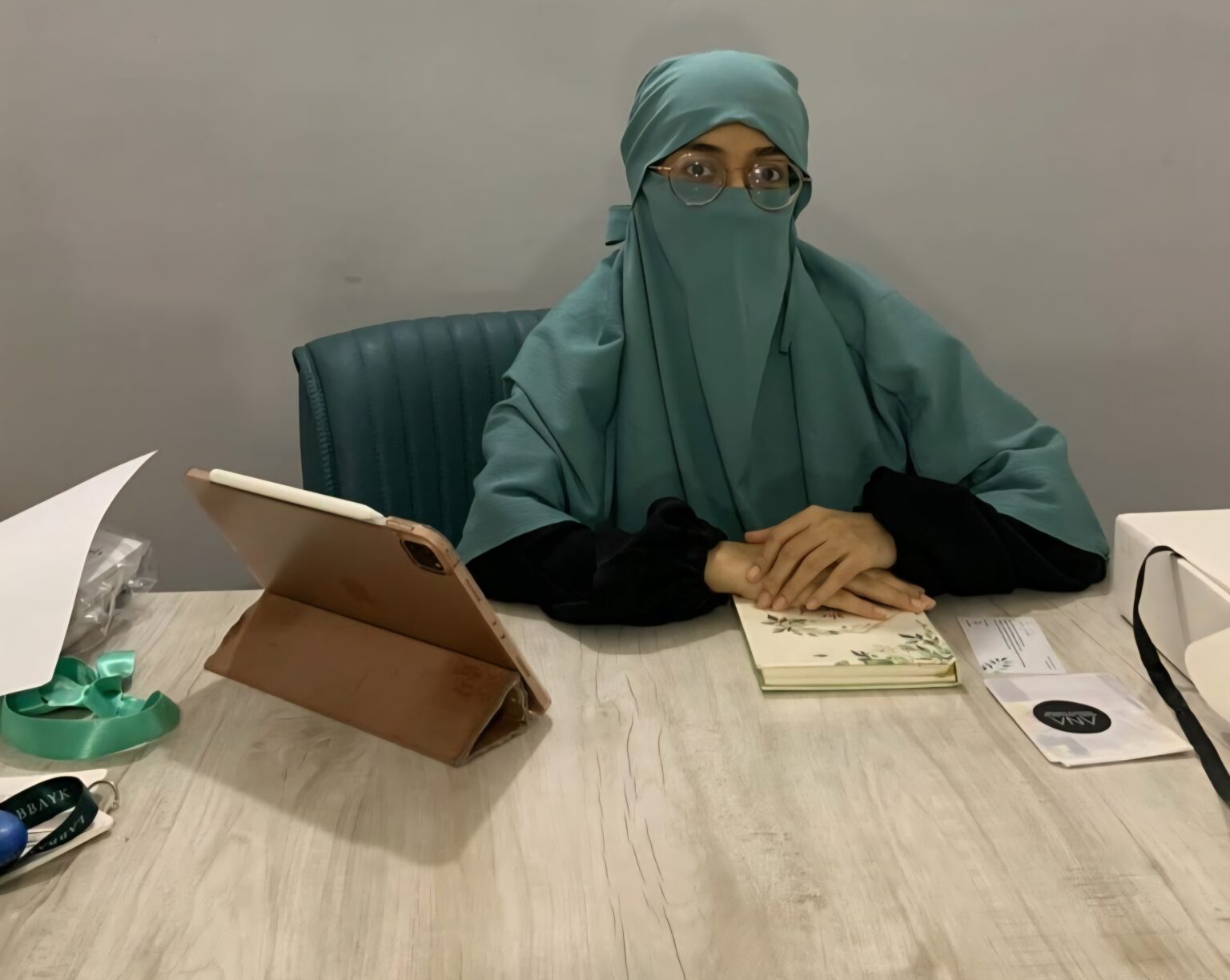
Similar to Kekhashan, our second interviewee, Asma Nafis Ansari, founder of ANA, a modest wear brand, spoke of her strong aesthetic sense, shaped by her training at the National Institute of Fashion Technology (NIFT) Kolkata. As a student at NIFT, Asma developed a signature style for her designs over the years, eventually winning her school’s Graduation Award in her final year, for her knitwear collection inspired by the mid-20th century style, Brutalism. Before launching ANA, Asma began a more intentional journey of reconnecting with the Qur’aan. It was during her study of Surah An-Nur, she says, that her personal understanding of purdah or veiling/modesty deepened. “That connection with the Qur’aan gave me clarity…” she says, “… I didn’t just want to work in fashion —I wanted to create something deeply rooted in modesty and meaning.” Today, ANA is not just a clothing brand, but a value-aligned space for modest fashion.
Asma Nafis Ansari the founder of ANA.
Our third interviewee, Mantasha, who holds a postgraduate degree in development communication from Jamia Millia Islamia, launched Shaheen Hijabs after realizing that mainstream, traditional workspaces would not be welcoming of her niqab. After post-graduation, she accepted a position in the development sector that involved extensive fieldwork. While her supervisor remained supportive, she realized that navigating public-facing roles as a Niqabi came with quiet, persistent tensions. “In that environment, personal identity played a critical role…” she reflects, “… people advised me to remove my niqab temporarily—saying it was not obligatory. But no matter how practical their advice sounded, I could not bring myself to do it.” She underscores that, “My niqab is not just a piece of cloth, it is a reflection of my faith.” What followed was a phase of uncertainty, reflection, and quiet resistance. Eventually, she decided to start something of her own and launched Shaheen Hijabs.
Mantasha, the owner of Shaheen Hijabs
For these women, faith is not just their religious belief. It is the guiding principle in their work. They refused to be reduced to stereotypes or forced into palatable molds, and instead have each chosen to build businesses that reflect their aspiration, purpose, religious, spiritual, and personal values.
(In)visible Practices of Faith
For Muslims, religious faith is embodied and practiced in a myriad of ways. Some aspects remain quietly held within—like Taqwa (consciousness of God) or Tawakkul (trust in divine will) – are inward practices that guide one’s principles.
However, there are other religious practices that present more visibly, like offering Salah or dressing modestly in accordance with religious guidelines. Similarly, for many Muslim women who adorn the hijab or niqab, their choice to do so is rooted in faith, devotion and identity.
For Kehkashan, the tension between her visible and invisible religious practices became apparent during a fellowship she had joined before Shop Taaseen. She recalls, “Her cohort of Fellowes were mostly non-Muslim, but they were respectful and very welcoming towards me. I felt seen.” But that feeling did not last long for her. She goes on to say, “[However,] The founder would question my practices, compare me to other Muslims. Many times I was subjected to tokenism disguised as inclusion.” She says that her choice to wear the niqab was repeatedly framed as a limitation – “I was told that niqab will hinder my growth. That it would isolate me and hold me back professionally.” It was in these moments of subtle exclusion — more than overt rejection —that she became more certain that her faith would not be negotiable.
In such ways, niqab-practicing women face exclusion, rejection, humiliation and suppression in traditional workplaces, particularly from those in higher and more powerful positions. These unwelcoming experiences inevitably discourage women from either practicing their faith wholeheartedly, or pursuing their professional aspirations wholeheartedly, pushing them to pick between one or the other.
In Asma’s story, we see a higher degree of exclusion from the public realm. After her graduation from NIFT, Asma was placed at a company in Gurgaon along with two other peers. The three of them then began to look for housing in the vicinity of their new workplace. Through an online portal, they found a potential apartment, and one of her two peers visited the flat, viewed it, and sent a video of the apartment to Asma. Satisfied with the place, Asma and her peers agreed to put down a deposit on the flat. Asma emphasizes that the management knew that someone named ‘Asma’, a common Muslim name, would be moving in. However, when she arrived with her sister at the apartment on a rainy day, they were stopped at the gate and denied entry because of their appearance as veiled Muslim women. “There are many Muslims here… ” the guard told her, “… but they do not dress like you.” It did not matter that she was a skilled designer or that she was simply looking for a place to live. Her Niqab and possibly her Abaya/Burqa ascribed her a communal and/or political identity, and that identity was decidedly excluded . She recalls being told, “If you want to live here, you can’t wear these things.” In that moment, Asma became a symbol of something “other,” something unwanted. Eventually, Asma had to find other housing accommodations. This is the quiet violence many veiled Muslim women face: being tolerated only if they erase or soften visible parts of their identity. It is an expectation that to belong, one must visibly look less Muslim or act less Muslim, and appear more as everyone else. This kind of politics of visibility relies on the erasure of visible culture and tradition that is not just harmful to Muslims, but all social groups and cultures that present more visibly. These stories give us an insight into the direct co-relations between degrees of unwelcome in public space and degrees of visible practice of religious faith. Therefore, much dialogue is needed on the reception of visible practices of faith in a society that portrays itself as a democratic and egalitarian one.
Agency X (Niqabi) Women
Women’ s struggles for agency are multifold. On the one hand, historically, women have had to fight for the right to vote, to be in the workforce, for banking rights, financial freedom, and more. On the other hand, women who exercise agency over their lives have to deal with persistent undermining of their achievements and independent decision making. This kind of undermining is further exacerbated for Niqabi Muslim women, with the most common assumption made about them that they wear it on orders from a male member of family – like a father, husband, or brother – rather than of their own convictions. They are often presumed to be voiceless, passive, or lacking autonomy. To be visibly Muslim, for veiling women, is to constantly push back against the erasure of one’s intellect and agency.
The veil has widely been painted as a symbol of restriction and oppression. Like the other two interviewees, Asma rejects this thinking and instead describes her choice to veil as an expression of deep personal identity. “People see me with respect,” she says, describing how clients and collaborators from across India engage with her during business travel. Her presence, veiled, carries authority. But that authority is also questioned and undermined by others. For instance, at an award ceremony where she was being honored as women entrepreneur of the year, a senior government official turned to her husband and asked, “She is doing such good work, why have you made her cover her face? “, to which her husband responded, “This is her choice. It wasn’t imposed on her by me.” This attitude is not uncommon, and is reflective of how, even in spaces meant to celebrate her success, the assumption of male control and female subservience still lingers. These narratives uncover deeper problems concerning women’s rights, often held by those with saviour complexes, without a true commitment to the cause. It victimizes the Muslim woman and villainizes the Muslim man, framing the problem as ‘saving muslim women from muslim men’. Not only does it misrepresent social issues, it further exacerbates the actual problems Muslim women face by consciously ignoring them. Furthermore, in denying women their proven potential, it highlights the discomfort society still holds about women who achieve success while staying true to their self and not following orders set by and within patriarchal frameworks – that a woman can be successful and devout, that she can lead and be veiled, that she can dress in faith and still possess sharp, unshakeable agency.
Although this article highlights the stories of three Niqab-wearing Muslim women, similar experiences are faced by the broader veiling, Muslim women community. From unwelcoming experiences to rejections, Niqabi women are forced to navigate a number of identity-based hindrances in their personal, professional, and spiritual journeys.
To compensate for their perceived incompetence, many feel forced to overperform, overachieve in comparison to their peers for the same level of acceptance.
Our three interviewees have shown that they do not seek validation in the language or frameworks of others. Their choices are not compromises—their decisions anchored in faith, and carried out with purpose. Agency, for them, is not about abandoning identity to gain access. It is about bringing their whole selves into every space—and reshaping what power, intellect, and leadership look like. What sets these women apart is not just their ability to navigate exclusionary spaces, but their refusal to be defined by them. In centering their faith, they have not only claimed their agency but have also carved out paths of success that are deeply rooted in service to their communities. Women like Asma, Kehkashan, and Mantasha are writing a different story—one where agency is not hidden beneath their veil, but asserted through it.
Kehkashan, through Shop Taaseen, is cultivating a space of belonging. The Taaseen Tribe, a growing digital initiative, brings together Muslim women from across the walks of life to reflect, learn, and connect.
It is a community that echoes Kehkashan’s own journey—a space for young Muslim women to feel seen, intellectually engaged, and emotionally supported.
Asma, from her small town of Mau in Uttar Pradesh, established ANA, that not only reaches customers across India and abroad but also creates livelihood for a team of about 30, consisting of kaarigars, accountants, managers, and assistants. In a world that often parades notions of diversity and inclusivity, but then almost exclusively produces urban, English-speaking workspaces and equates them with success, Asma’s journey redefines what inclusivity looks like. ANA prides itself in maintaining a balance of 1:1 ratio of men to women across their workforce. She is proof that one can build while holding fast to faith, staying rooted in place, and uplifting others along the way.
Mantasha’s story is one of resilience, where she was willing to risk uncertainty to preserve her identity and stay true to herself, rather than diluting her identity to fit in. With no prior business experience, she started Shaheen Hijabs teaching herself the ropes of the business along the way. “I rushed into it… ” she says. “… there were mistakes. I’m still learning. But I’m doing it in a way that doesn’t require me to compromise on who I am or how I want to live my faith.”
So, what then does it mean, to navigate public spaces where one is made hyper-aware of themselves, simply for living in accordance with their faith, which in a democracy, is apparently their fundamental right? What does it mean to carry the weight of assumptions—about agency and intellect—before one even speaks? What could our society look like if we stopped incessantly asking Muslim women to prove their worth, and instead, started paying attention to how they are already building, leading, and transforming the world around them? And more importantly, what could our society look like if we stopped tokenizing identity in the name of (pseudo) diversity and (pseudo) inclusivity, and started creating truly inclusive and democratic spaces for all?
****
About the Authors
Aazeen Ghaus is a Development Communication practitioner & freelance writer, based in India. Saba Fatima is an architect based in Albuquerque, USA. She is an incoming PhD student (Fall 2025) in the Built Environments program at the University of Washington, Seattle
source: http://www.muslimmirror.com / Muslim Mirror / Home> Exclusive Reports> Positive Story> Women / by Aazeen Ghaus and Saba Fatima / July 03rd, 2025
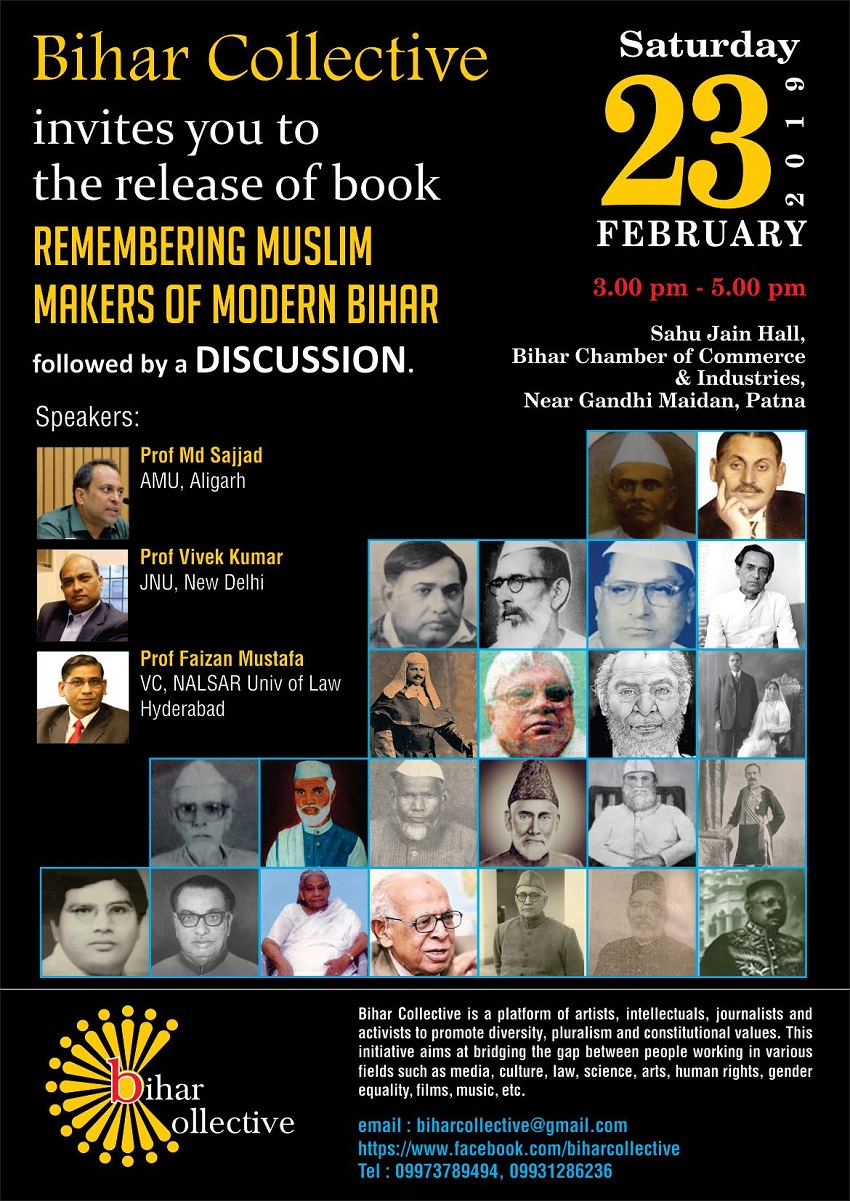
In an era of unprecedented majoritarian ascendance and anti-Muslim hatred, Bihar Collective, a platform of intellectuals and activists, has brought out a booklet highlighting the contribution of eminent Muslims in making the modern Bihar in the last 200 years.
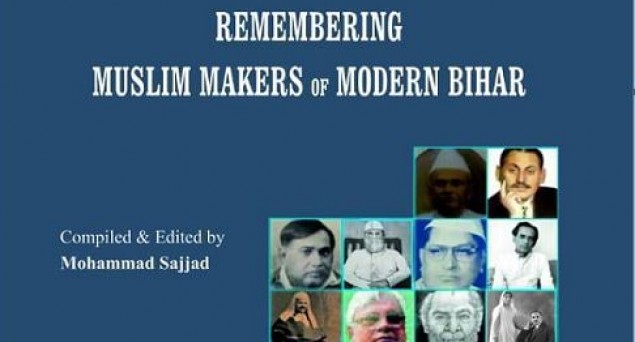
The booklet titled Remembering Muslim Makers of Modern Bihar has been compiled and edited by renowned academician and writer Prof. Mohammad Sajjad on the initiative of Bihar Collective.
The booklet will be released at an event in Patna on Saturday (February 23).
On the occasion, a discussion will also be held with Prof Faizan Mustafa, Vice Chancellor, NALSAR University of Law, Hyderabad; Prof Vivek Kumar, JNU, New Delhi; and Prof Mohammad Sajjad, AMU, Aligarh as panelists.
A Brief about Booklet:
Pre-empting a reasonable question about the title of the booklet, Prof Sajjad, who has compiled and edited it, writes in its preface: “A simple and obvious question that may readily arise is: why only Muslim makers of modern Bihar? Why not others too? This is indeed a valid and pertinent question.”
Responding to the question, he further says: “Candidly put, this is because of an unprecedentedly menacing rise of majoritarianism, bigotry, and anti-Muslim hatred, with open support of the state.
The Muslim identities are ominously threatened. There are also unabated attempts to dilute (or even take away) whatever little accomplishments have been made by the forces of social justice and secularism.
Only the Muslim segment however is threatened by the jingoist, exclusionary, violent nationalists, to be thrown out to another country. As if the other country is a dustbin, owned by these bigots, into which they can throw away everything they dislike! As if only the religious majority constitutes the nation! Notably, these jingoists had aligned with the British and had stayed away from the national movement.”
“Muslim contributions in the nation-making (and in the freedom movement) remain under-acknowledged, forgotten or even omitted. Erasure of their histories and memories seem to have become even more pronounced and vociferous, now, than ever before…The Bihar Collective therefore decided to compile a short profile of these inspiring role models, history-makers…This is small and humble step towards retrieving and restoring the nationalist provincial pantheons bearing Muslim identities,” says Prof Sajjad.
He, however, admits that the list of Muslim heroes of Bihar given in the booklet is not exhaustive as “…many have been left out essentially because of lack of documentations and researches. Not many have left their own accounts/memoirs; the available memoirs/accounts have not written much about all the personalities. In many cases, even otherwise “resourceful” descendants and/or associates of the history-makers have not been able to provide us with adequate (and credible/verifiable) details.”
Prof Sajjad hopes this small exercise may lead to some big academic work on these history-makers. “In short, this kind of venture may be said to be an ongoing exercise. This effort may hope to open up (and obtain) more details about such history-makers and would also get to know about many more of such peoples and processes, we failed to include here in this hastily prepared tiny volume, amidst constraints of resources and time.”
Names of Muslim Makers of Modern Bihar Mentioned in Booklet: 1. Syed Imdad Ali (d.1886] 2. Khuda Bakhsh (1842-1908) 3. Syed Amir Husain (1843-1910) 4. Imdad Imam Asar (1849-1934) 5. Shah Badruddin(1852-??) 6. Syed Ali Bilgrami (1853-1911) 7. Rasheed-un-Nesa (1855-1926) 8. Syed Noorul Huda (1855-1939) 9. Justice Syed Sharfuddin (1856-1921) 10. Shaikh Gulab (1857-1920) 11. Sarfaraz Husain Khan (1860-1931) 12. Maulana Mazharul Haque (1866-1930) 13. Batakh Miyan Ansari (1867-1957) 14. Sir Fakhruddin (1868-1933) 15. Syed Ali Imam (1869-1932) 16. Syed Hasan Imam (1871-1933) 17. Salahuddin Khuda Bakhsh (1875-1931) 18. Shafi Daudi(1875-1949) 19. Khwaja Md. Noor(1875-??) 20. Abdul Wadood (d.1955) 21. Syed Abul Hasan (1878-1960) 22. Sir Sultan Ahmad (1880-1963) 23. Maulana Sajjad (1880-1940) 24. Pir Mohammad Munis (1882-1949) 25. Abdul Bari (1882-1947) 26. Syed Sulaiman Nadvi (1884-1953) 27. Mohammad Yunus (1884-1952) 28. Shah Md. Zubair (1884-1930) 29. Syed Abdul Aziz (1885-1948) 30. Zubaida Begum Daudi (1886-1972) 31. Syed Tafazzul Karim (1886-1964) 32. Mr. Mohammad Shafi (1888-1955) 33. Qazi Ahmad Husain (1889-1961) 34. Dr. Syed Mahmud (1889-1971) 35. Ali Husain Aasim Bihari (1890-1953) 36. Shah Mohammad Umair (1894-1978) 37. Abdul Ahad Mohammad Noor (1894-1975) 38. Hakeem Md. Kabiruddin (1894-1976) 39. Maulana Usman Ghani (1896-1977) 40. Manzoor Ahsan Aijazi (1897-1969) 41. Shah Md Ozair Muni’mi (1899-1961) 42. Maghfur Aijazi (1900-1966) 43. Syed Jafar Imam (1900-1965) 44. Syed Badruddin Ahmad (1901-1983) 45. Mohammad Tahir (1903-???) 46. Syed Jafar Imam (1903-1979) 47. Syed Fida Husain (1904-80) 48. Abdul Qaiyum Ansari (1905-1974) 49. Wajihuddin Minhaji (1907-1984) 50. Syed Md. Aiyub (1910-1964) 51. Abdul Sami Nadvi (1913-????) 52. Abul Hayat Chand (1914-1958) 53. Ahad Fatmi(1915-1980) 54. Zawwar Husain (1916-80) 55. Shafiqullah Ansari (1917-1980) 56. Shah Mushtaq Ahmad (1917-2002) 57. Abdul Ghafoor (1918-2004) 58. Col. Mahboob Ahmad (1920-1992) 59. Taqi Raheem (1920-1999) 60. Zahra Daudi(1923-2003) 61. Shakoor Ahmad (1924-1981) 62. Syed Hasan (1924-2016) 63. Yunus Lohia (1925-2019) 64. Ghulam Sarwar (1926-2004) 65. Syed Shahabuddin (1935-2017)
A Brief about Author:
Prof Mohammad Sajjad teaches late-colonial and post-independent Indian history at the Centre for Advanced Study in History, Aligarh Muslim University. He has written several books including Muslim Politics in Bihar: Changing Contours; and Contesting Colonialism and Separatism: Muslims of Muzaffarpur since 1857.
His articles are published in reputed academic journals from Routledge, Sage, EPW etc. and also in anthologies from the Oxford University Press and Cambridge University Press.
Bihar Collective: It is a platform of artists, intellectuals, journalists and activists to promote diversity, pluralism and constitutional values. It aims at bridging the gap between people working in various fields such as media, culture, law, science, arts, human rights, gender equality, films, music, etc. Email: biharcollective@gmail.com Facebook: https://www.facebook.com/biharcollective
source: http://www.indiatomorrow.net / India Tomorrow / Home> Society / by India Tomorrow / February 21st, 2019
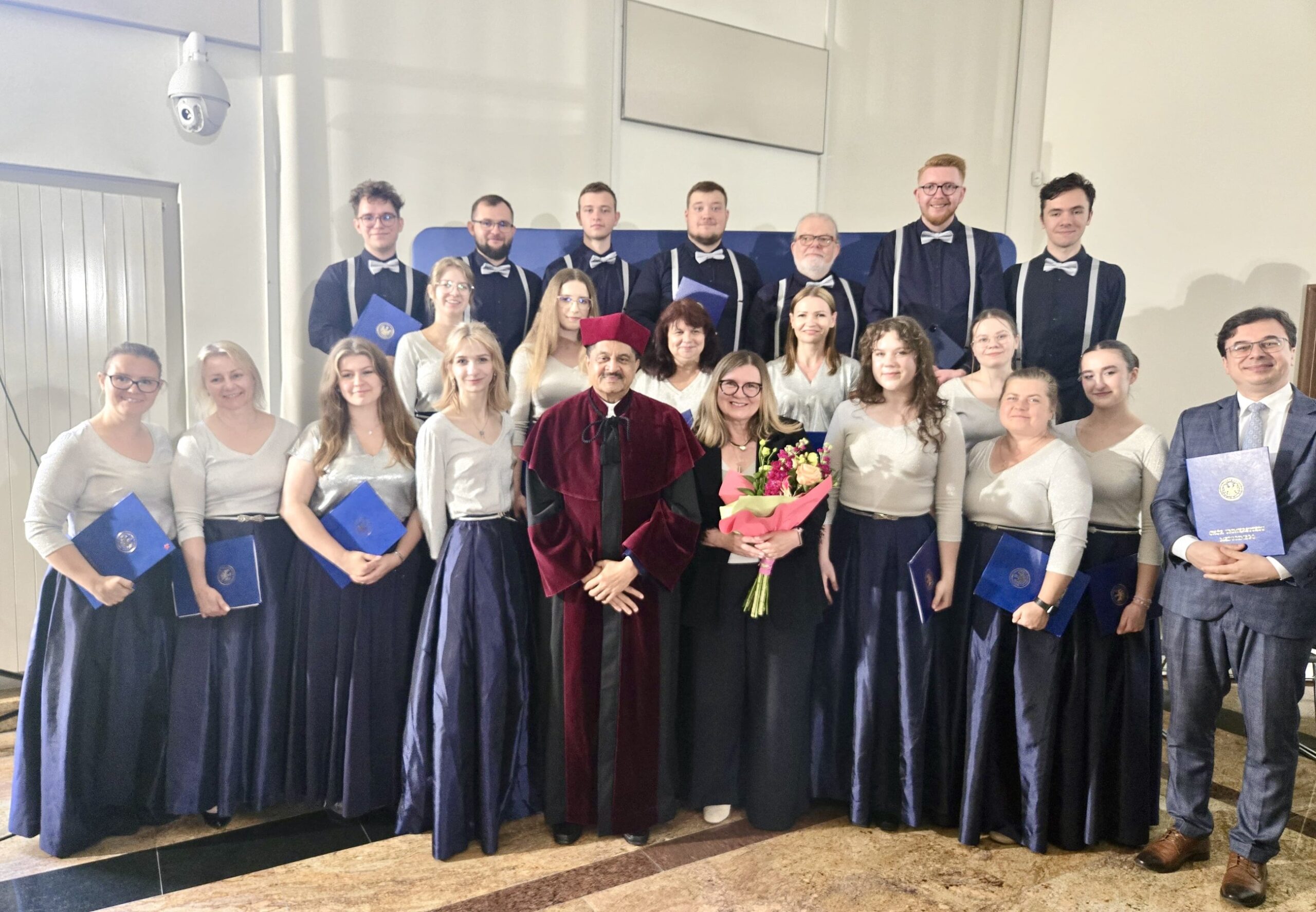
Dr Thumbay Moideen was honoured for transforming the Thumbay Group into a global model of purpose-driven entrepreneurship in healthcare, education & Research.
In a moment of immense pride and global recognition, Dr. Thumbay Moideen, Founder and President of Thumbay Group, has been conferred his Fifth Honorary Doctorate, this time by the prestigious University of Lublin, Poland.
This accolade reaffirms his unmatched contributions to global healthcare, medical education, and Research for the community development.
The honorary doctorate was awarded in recognition of Dr. Moideen’s extraordinary leadership in establishing the First Private Academic Health Sytem and the region’s largest private medical university — and for transforming Thumbay Group into a global model of purpose-driven entrepreneurship in healthcare, education & Research.
Under his visionary leadership, Thumbay Group has impacted millions across more than 175 nationalities, offering compassionate care, research excellence, and world-class medical training.
The University of Lublin acknowledged Dr. Moideen’s pioneering efforts in integrating innovation with empathy, notably through the Thumbay International Research Grant (TIRG) — an initiative investing AED 3 million annually in areas like cancer immunology, AI in healthcare,precision medicine and many more Area’s of Research.
From a young entrepreneur in Karnataka to being celebrated as the most respected Indian Muslim and leading Beary in the world, Dr. Thumbay Moideen’s journey is a testament to what’s possible when faith meets action. Recognized as the leading NRI from Karnataka in the Gulf region, he is admired not just for his accomplishments, but for the values that drive them.
Once someone who measured success through projects and milestones, he has evolved into a changemaker who defines impact by how many lives his work touches.
With this latest recognition, Dr. Moideen joins an elite group of globally honoured visionaries who have reshaped industries while staying rooted in service, humility, and impact.
This doctorate reflects not only his entrepreneurial brilliance but also his enduring belief that health and education are fundamental rights, not privileges.
Speaking at the ceremony, Dr. Moideen said: “If our work has empowered others to dream, to heal, to grow, then I consider it a success. It’s no longer about how far I’ve gone, but how many I’ve taken along. I want Thumbay Group to be remembered as a force that empowered the underprivileged, raised the standards of education, healthcare & Research.”
The vision of Thumbay Group is to deliver excellence by building a seamless ecosystem of education, healthcare, and innovation. From its flagship Gulf Medical University to hospitals, labs, rehabilitation centers, and AI-driven research programs, the Group continues its mission of shaping the future of healthcare —the Group plans to Double its Healthcare capacity and expand its all business to grow 5 fold and have a global presence.
source: http://www.gulftoday.ae / Gulf Today / Home> News / by Gulf Today, Staff Reporter / June 18th, 2025
Noushaba Jeelani, popularly known as the ‘Saffron Queen of Kashmir’, has turned a traditional crop into a global sensation, with an aim of women’s empowerment. Her saffron brand ‘Noush’ exports saffron in Europe and the Middle East.
Jeelani involved hundreds of local women in saffron harvesting, packaging, and quality control, turning saffron cultivation into a sustainable livelihood. Her startup has collaborated with global e-commerce platforms and luxury wellness brands, putting Kashmir’s saffron back on the worldwide map.
Speaking to ANI, Noushaba Jeelani said, “We shifted to Saudi Arabia for five years. Seeing a decline in the saffron business, we thought to come back and give a new identity to an already running business. We did a survey and found that people did not know about adulteration.”
She said that the firm has a network of 600 farmers, and growing and sowing are done by women, as the initiative aimed at empowering them.
Discussing the challenges they faced initially, she said the lack of education among people, as they could not differentiate between Kashmiri and foreign saffron.
“We have our in-house production and processing, so quality control is in our hands, so we make sure we give unadulterated saffron. In the survey, the farmers said their monetary return isn’t included in the business. We wanted to show the process to the farmers so they get a return on their money,” she said.
She said, “We want the women who grow and process saffron to feel empowered and build a community. Basic vision is to grow more saffron, we want to take it forward and want more women to join.”
Giving a message to young girls, Jeelani said, “Today, girls are brave and focused. I would say, do what you want and take the first step. You will evolve as you enter the process… Be fearless.”
Her husband, Afan Basu, told ANI, “We took the initiative to support my wife. In families, women control the work of saffron. In parallel to our B2B business, we wanted to have a women-led, women-empowered business. In Kashmir’s culture, women don’t open up to men, so we wanted to build a society of empowered women and transparency from top to bottom.”
Basu is an alumni of the BITS Pilani and he identifies himself as “chief farmer with an experience of six decades.”
On building a Kashmir brand, Basu said, “In India, there are a lot of brands which sell foreign saffron. Here we have the GI tag also, but if you go out of Kashmir and ask for saffron, they will name brands which do not belong to Kashmir… This is our identity, like apples and walnuts.”
source: http://www.awazthevoice.in / Awaz, The Voice / Home> Stories / by ANI / June 14th, 2025