Category Archives: Uniquely Indian – Inter Faith (wef. February 08th, 2023)

10 inspirational stories of visionaries from Kerala

KERALA :

Kannur

Among the change makers from Kerala are pioneers and achievers in various fields of life. They have either been trying to bring about changes in society or the fields of business. They have used music, literature, and sometimes love to bring humanity closer, to spread joy and peace.

The list includes social activists, singers, spiritual mentors, lawyers, teachers, and even IAS officers.

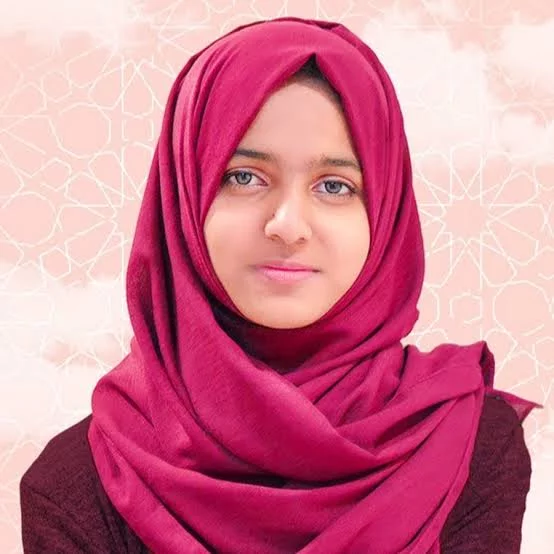
Ayisha Abdul Basith

Ayisha sings Naat or Islamic devotional songs, and at the age of 20, she has enthralled listeners in over 80 countries. Born in Kerala, Ayisha has migrated to Abu Dhabi, where she is pursuing spiritual music as a way to universal peace and joy, as she puts it.

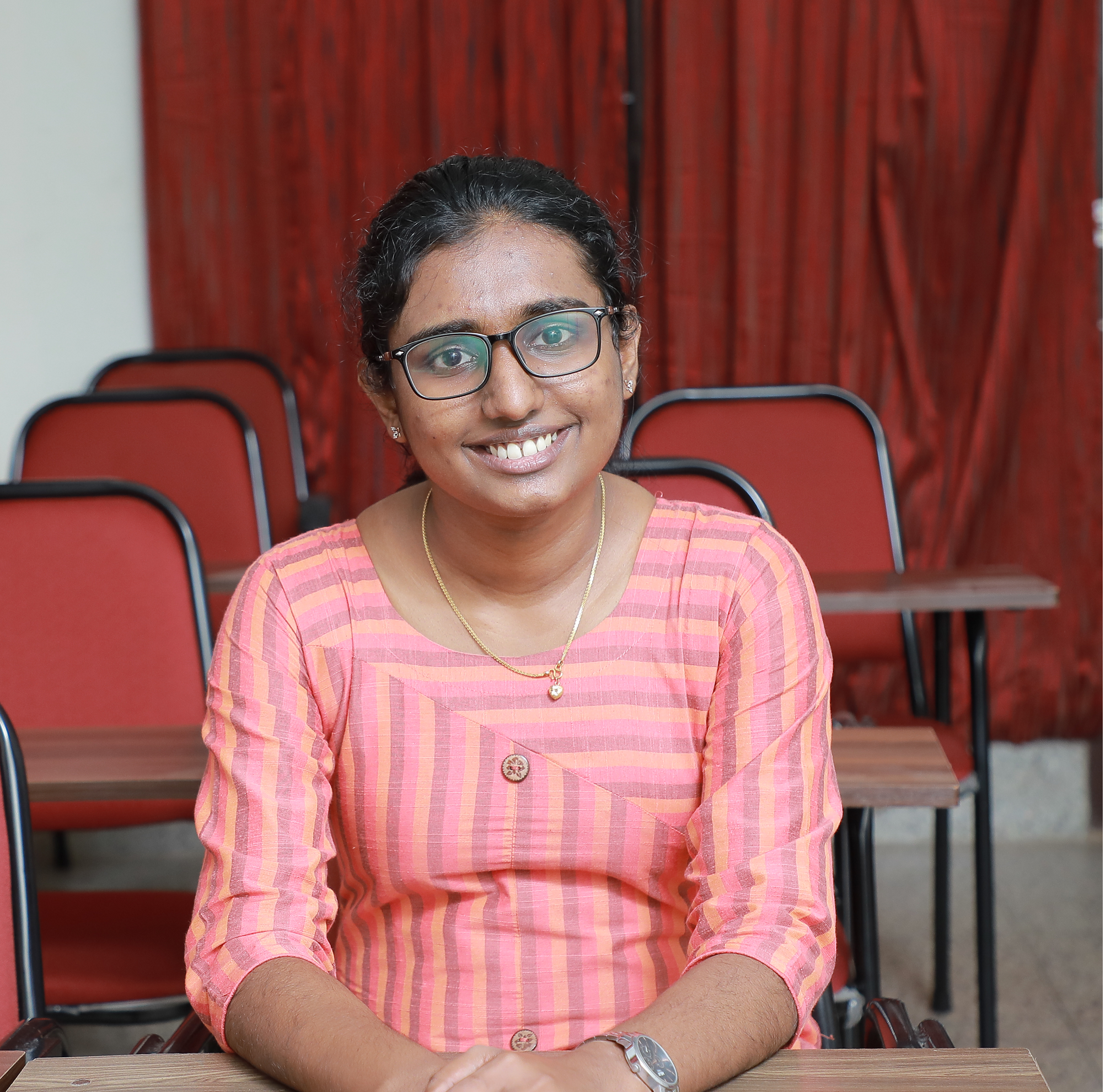
Safna Nazruddin

She dreamt of becoming someone who could help the disadvantaged sections of society. Safna Nazruddin thought being an IAS officer would help her achieve that goal.

And she took her dream so seriously that at the age of 23, she became Kerala’s youngest Muslim IAS officer.

PC Musthafa

He wanted to pull his family out of their poverty. Growing up in rural Wayanad, watching his father toil in the fields as a farm labourer, he wanted to change his parents’ lives for the better.

When he completed his studies at IIM, he started small with his cousins in a 500 square feet room, selling 100 packets of idli batter to 30 shops in Bangalore.

Today, he is the king of idli batter supplying in more than 10 countries outside India and reigning over a 4000 crore business.

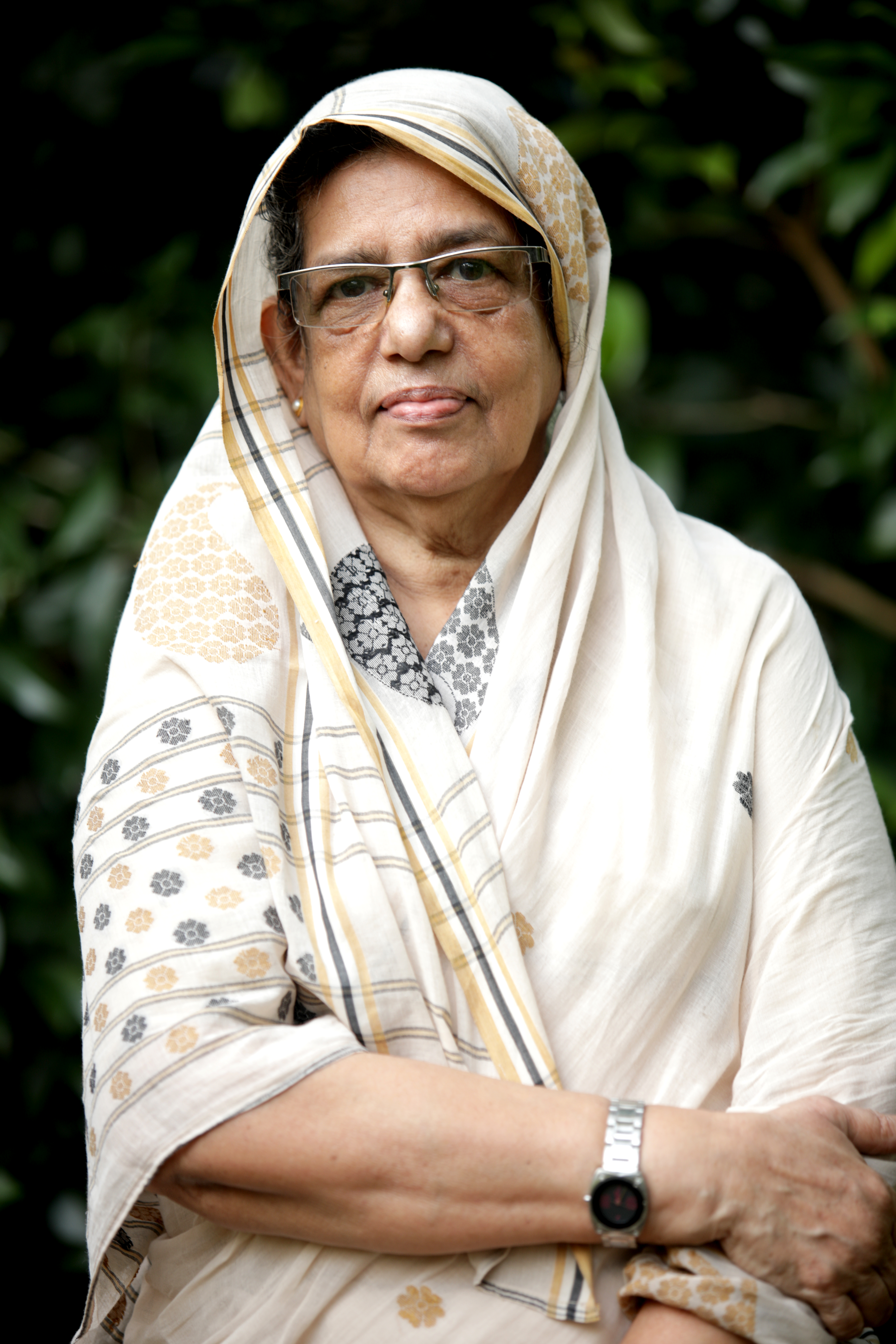
VP Suhara

VP Suhara has been fighting for changes in the Muslim personal law and is one of the petitioners appealing for equality of gender in the matter of succession rights.

She says she is not very optimistic, but she is not ready to give up her fight.

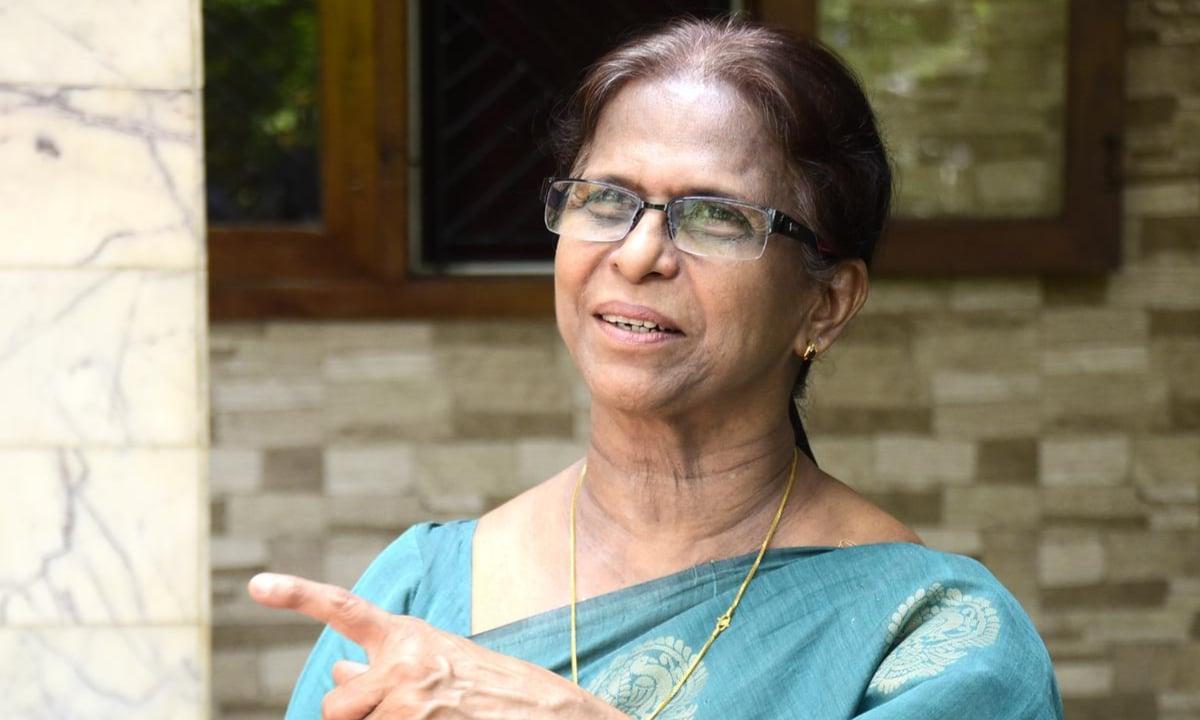
Kadeeja Mumtaz

Kadeeja is a novelist who won the Sahitya Academy award for her novel. But today she has taken to activism on a full-time basis, and her main preoccupation is with bringing different religious communities together to improve mutual understanding and communication.

Advocate Sukkur

Advocate Sukkur did the unthinkable when he remarried his legally wedded wife just to make a point to all his fellow Muslims.

He wanted to tell them that they can overcome the barriers to succession rights of their daughters by remarrying their spouses under the Special Marriages Act.

Noor Jaleela

Noor means light, and the luminous smile on Noor Jaleela’s face echoes her name. She was born without her four limbs. But her smile does not betray any such disability. She has been a model for courage and creativity in the worst circumstances.

She has been an influencer and also an artist, and a singer.

Padma Shri Mumtaz Ali

Mystic and spiritual mentor Padmashri Mumtaz Ali, or Sri M as his followers call him, hails from Thiruvananthapuram and heads a spiritual group called Satsang Foundation. His spiritual pursuits and his work among the people as a symbol of the oneness of humanity and the divine have made him transcend all man-made boundaries and divisions.

He has become an example of universal oneness and love as his life’s work and teachings appeal to people of different nationalities and religions. He asks them to continue following their religion while practising meditation and other spiritual pursuits to realise themselves.

 Hadiya Hakeem

Can a football mean anything other than a game? Well, Hadiya Hakeem has turned a football into a statement for the empowerment of women.

She is a freestyle football performer born in Kozhikode who has overcome all possible barriers of gender, nationality, and religion through her talents and her hard work in excelling in a unique kind of performance.

Onampally Faisy

Progressive scholar and Sanskrit enthusiast Onampally Faisy has tried to transcend boundaries by promoting interfaith education in his madrassa. A well-known scholar from Thrissur in Kerala, he has been working towards building bridges of understanding and communication between Muslims and other communities in Kerala.

Since he believes in becoming the change he wants, he started teaching holy texts of other religions in his madrassas in order to remove the veil of ignorance and bring communities closer.

source: http://www.awazthevoice.in / Awaz, The Voice / Home> The Changemakers / by Sreelatha Manon / August 17th, 2025

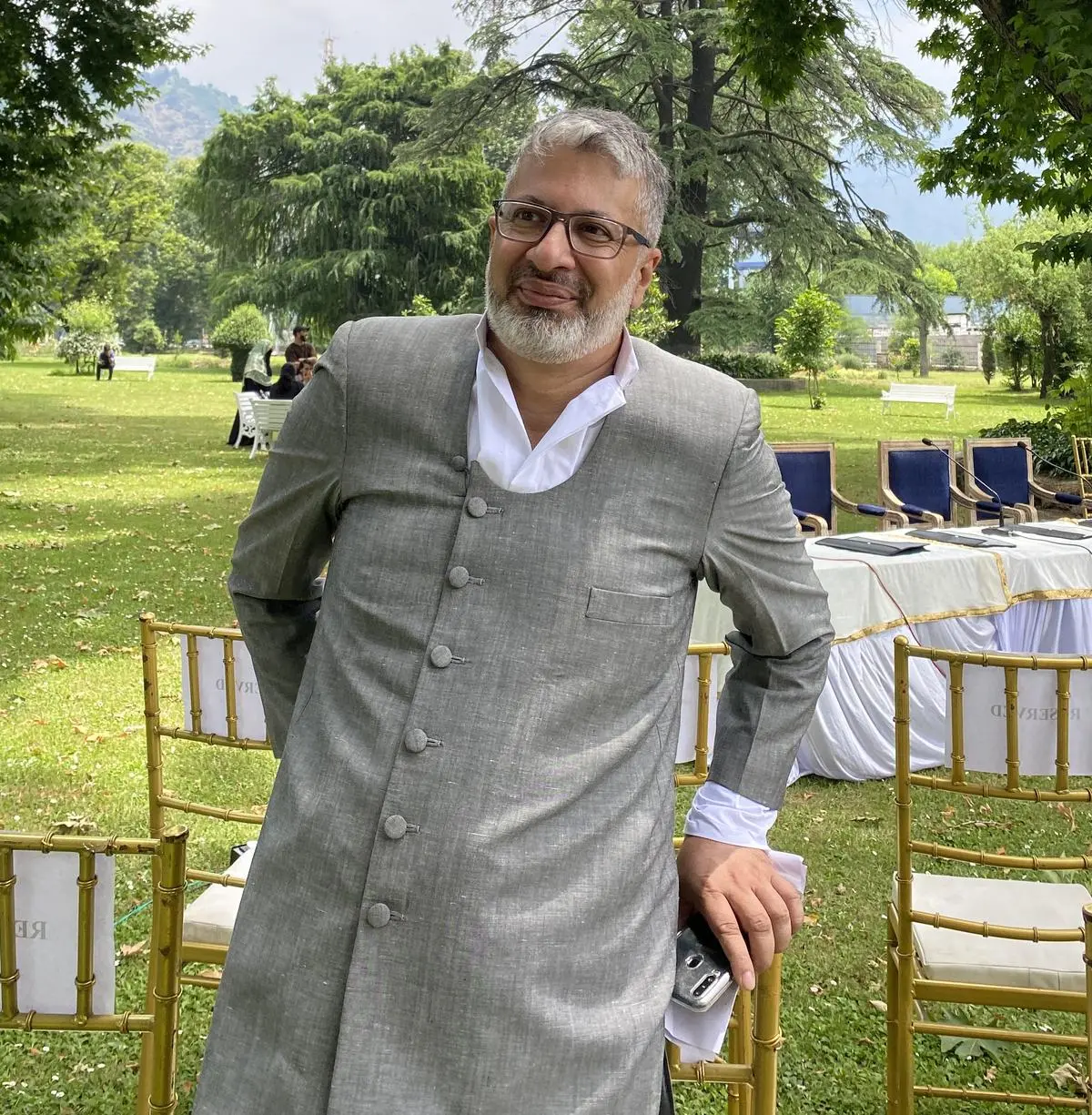
Bond between Assamese Muslims, Hindus very strong: Author Wasbir Hussain

Guwahati, ASSAM :

Photo Credit: X/@WasbirH

Guwahati (PTI):

The bond between Assamese Hindus and Assamese Muslims is very strong and no one can easily break the traditional friendship between the two communities, Wasbir Hussain, author and executive director of Centre for Development and Peace Studies, has said.

Addressing the fourth anniversary celebrations of the Assamese Syed Welfare Trust, an organisation representing the Assamese Syeds, Hussain on Sunday urged Gauhati University to start a chair in the name of Azan Pir, a 17th-century Muslim reformer and Sufi saint, on the subject of ‘inter-faith harmony or harmony of communities’.

Assamese Syeds are one of the five Muslim groups officially recognised by the Assam government as indigenous communities of the state.

Hussain said except religion, there is no difference between Assamese Hindus and Assamese Muslims. Their language is the same, culture is the same, food habits are the same and they dress the same way, he said.

“I strongly believe that no one can easily break the traditional bond of friendship between Assamese Hindus and Assamese Muslims,” he said.

Hussain, who is also the editor-in-chief of Guwahati-based Northeast Live, spoke about how the indigenous Muslims of Assam follow cultural Islam compared to religious Islam and live peacefully with the larger Hindu population of the state.

He complimented Assam Chief Minister Himanta Biswa Sarma for taking initiatives for the protection of the heritage of the Assamese Muslim community and its overall growth.

Gauhati University Vice Chancellor Nani Gopal Mahanta, the chief guest of the event, said people or communities can have multiple identities that transcend religion.

He cited the example of Assamese Muslims and Syeds who are descendants of Sufi saint Azan Pir, saying they are part of the greater Assamese society.

Mahanta assured that he will push for the Assamese Syed Welfare Trust’s proposal to introduce the Azan Pir chair in Gauhati University and that he will work towards republishing the works of renowned Assamese writer Syed Abdul Malik’s ‘Jikirs Aru Jari’.

Assamese Syed Welfare Trust president Syed Abdul Rashid Ahmed also spoke on the occasion.

source: http://www.english.varthabharati.in / Vartha Bharati / Home> India / by Vartha Bharati / January 20th, 2025

A worthy example of communal harmony

Rasipuram Town (Namakkal District) , TAMIL NADU :

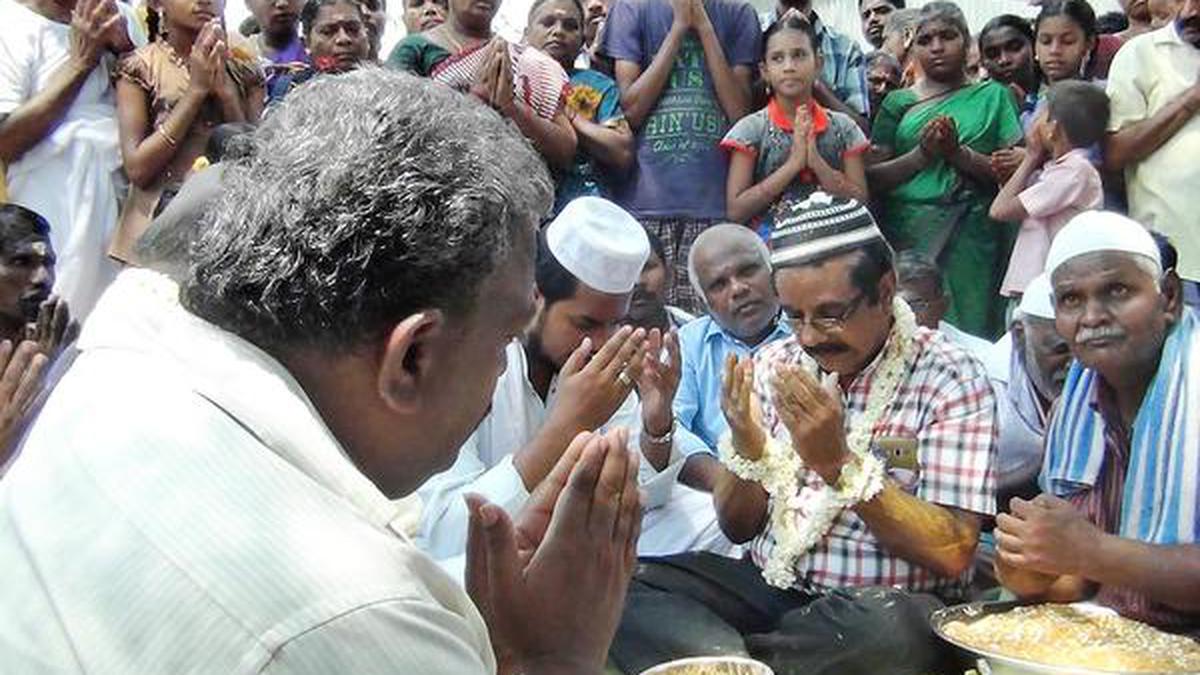
Joint celebration: Hindus and Muslims at the valediction of the Panguni Uthiram festival in Namakkal.

By honouring members of the Muslim community at the annual Panguni Uthiram festival on Wednesday, the Hindus in Gurusamipuram, a small village near Rasipuram, have set a worthy example of communal harmony.

It is a thanksgiving gesture to the Muslims of Rasipuram town, whose forefathers were believed to have cured through prayers many children of the Hindu community of cholera.

This practice has been in vogue for over a century now, the village elders say.

The Panguni Uthiram is a major festival of Arulmigu Sivasubramaniar Temple and is celebrated with usual gaiety every year. It is at the valediction of this festival the Hindus honour the Muslims.

According to K. Thalamuthu, a former school headmaster and president of the Sengunthar Nala Kalvi Arakkattalai, and Devarajan, its treasurer, many children of the weaver community in Gurusamipuram were affected during a cholera outbreak in the village.

On learning about this, the Muslims of Raispuram who used to visit the village for business transactions, offered special prayers by tying a white holy flag to a tree. They smeared sandalwood paste on the doors and walls of each and every house in the village. Following this, all the children were believed to have recovered.

Since then, the residents of the village make it a point to honour the Muslims of Rasipuram at the annual Panguni Uthiram festival.

The organising committee of the festival visited Rasipuram and extended invitation to members of the Muslim community belonging to Achukatti Street Mosque Jamath.

The Jamath members, accepting the invitation, visited the village on Wednesday with fruits and sweets . The Hindus and Muslims holding the holy white flag went through all the streets in the village, when the Muslims smeared sandalwood paste on the doors of all the houses. After tying the flag to the tree, which is popularly known as ‘jhanda’ (flag) tree, they assembled at the Paavadi ground.

The Hindus honoured the visiting Muslims with garlands and vice-versa. Special ‘fathiha’ was recited by the Muslim religious scholar for communal harmony , followed by the distribution of a mixture of jaggery and roasted gram by the visitors.

Later the Muslims took leave.

“This is a worthy gesture practised by our forefathers and we are continuing this tradition in the interest of strengthening the bond between both the communities for decades together,” says Mr. Thalamuthu.

source: http://www.thehindu.com / The Hindu / Home> Today’s Paper> National> Tamil Nadu / by Syed Muthahar Saqaf / April 15th, 2017

Focus on communal harmony

Salem, TAMIL NADU :

The Margazhi Peruvizha Committee functioning in the city has set a worthy example for communal harmony for other associations to emulate by inviting scholars of other faiths to address the Margazhi and Navarathri festival programmes.

T.M. Abdul Khader, an eminent Tamil scholar and former Head of the Department of Tamil, Islamia College, Vaniyambadi, is a regular at the Margazhi and Navarathri festival programmes here for the past 15 years at a stretch, along with the scholars of other faiths.

The Margazhi Peruvizha Committee has been organising special discourses, lecture programmes and poets’ symposium etc for the past 33 years without any break during the Margazhi and Navarathri festivals.

The committee members have been ardent followers of Vallalar, a famous Tamil saint and one of the greatest poets, who endeavoured to eliminate caste and promote a society sans religious and caste considerations.

The committee has been organising programmes to create awareness on the religious practices which had negative impact on the entire society. It invited scholars of all religious faiths from across the country and also from Sri Lanka to address its members.

According to A.K. Palaniappan, president of the Margazhi Peruvizha Committee, the Navarathri festival is celebrated for 10 days and the Margazhi festival for about a month every year.

The committee has made it a point to invite like-minded scholars from all faiths to participate in their programmes. “Kavikko” Abdul Rahman and Periyar Dasan, who later converted to Islam, have addressed the Margazhi gatherings in the past.

Mr. Palaniappan said that Prof. Khader has been attending the Margazhi and Naravathri programmes for the past 15 years. His lectures always evoked good response and the jam-packed hall on Saturday when he spoke on the topic ‘Bothimarathu Kilaiyil Poonthamizh’ (Tamil on the branch of Bothi tree) was an ample proof of his popularity with the local audience, he said.

Prof. Khader also presided over the poets’ symposium on the topic ‘Kodugalal or Kolam’ on Sunday evening.

Mr. Palaniappan said Jegath Gaspar Raj, a Chennai-based Catholic priest and founder of the “Tamil Maiyam”, will be addressing the gathering on January 5.

Politicians including Vaiko and Nanjil Sampath have also addressed these festivals.

Another highlight of both the festivals organised by the committee is the equal importance given to women. Many women scholars are regular in delivering special addresses at these meetings.

Uma Devarajan of Salem, N. Vijayasundari of Tiruchi, Devi Gunasekaran of Salem, Desa Mangaiyarkarasi of Chennai, and M. Uma Maheswari of Coimbatore are among the list of speakers for this year’s meetings.

source: http://www.thehindu.com / The Hindu / Home> Today’s Paper / by Syed Muthahar Saqaf / January 02nd, 2017

Why Guru ki Maseet in Punjab has no Muslim worshippers

Hargobindpura, PUNJAB :

Guru ki Maseet at Hargobindpura, Punjab

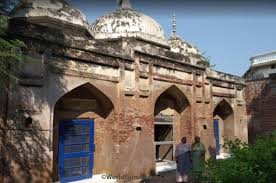
A 17th century mosque in Punjab declared declared as a symbol of religious tolerance by the UNESCO and UNDP has no Muslim worshippers. Called Guru ki maseet (Mosque of the Guru) it is being looked after by the Sikhs.

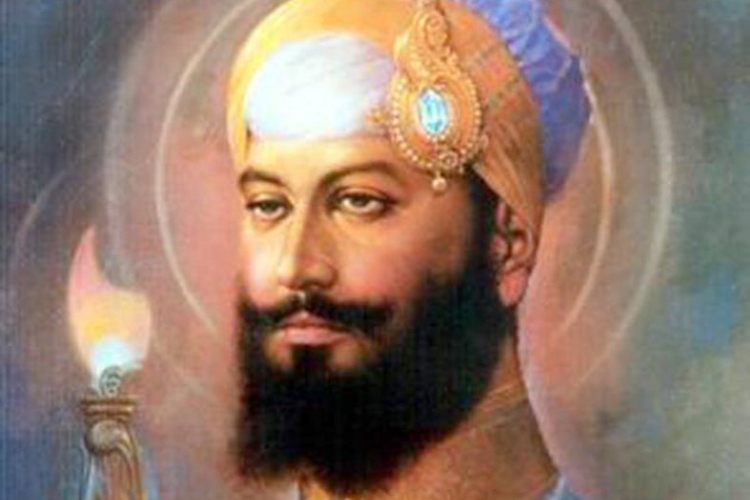
Its story dates to the early 17th century. When the sixth Sikh Guru, Hargobind Singh, took over the throne, Emperor Akbar’s efforts to bring all religions together had already failed. In the reign of Jahangir, animosities based on religious difference had begun to surface across India.

Soon, Hargobind Singh realized that in the midst of growing tension and threats, only spirituality would not work.

With this idea, Guru Hargobind Singh started wearing two swords on his body. He called them the swords of Piri and MiriPiri referred to spirituality and Miri to power. He also raised an army to fight wars.

In one of his armed campaigns, his army camped on the banks of the Beas River. Soon a big settlement came up here and it was called Hargobindpur. Today one can reach this place while travelling on Hoshiarpur-Batala Road in Punjab.

The township had people of all religions. Soon a temple and a Gurudwara were built there. There were only a few Muslims there and they had no place of worship. As their numbers were low, building a mosque was not feasible at the community level.

They went to Guruji and told him their problem.

Guru Hargobind Singh instructed his authorities to build a mosque for the Muslims to worship. In no time the mosque was built on a small hillock on the banks of the Beas River. The sound of Azan from the mosque reverberated in the air for the next several hundred years.

Guru ki Maseet at Hargobindpura, Punjab

However, after the partition of India and many Muslims leaving for Pakistan in 1947, this mosque was deserted. All the Muslim families of Hargobindpura had left for Pakistan.

As the mosque was related to Guru Hargobind Singh, the Nihang Sikhs built a Gurudwara there. Today, the sounds of Gurbani resonate there the place every morning and evening.

In the last decade of the twentieth century, Muhammad Rizwanul Haq of the Punjab Waqf Board visited the town and met many Sikh leaders. He requested the Sikhs that since this mosque was built on the orders of Sikh Guru it should be allowed to remain a mosque.

The Sikh leaders consulted historians; they too concurred with the idea of the place being retained as a mosque.

Soon a consensus was reached. Once again the kar seva started and the mosque was renovated. Some people from the Punjab Waqf Board also came there but most of the kar seva was done by Sikhs.

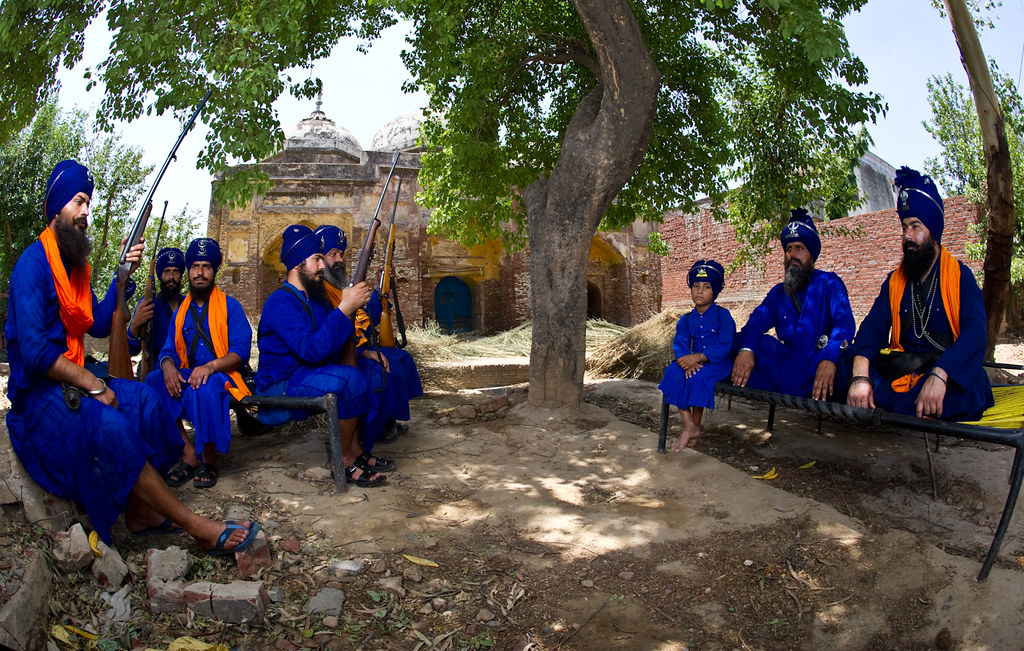
Nihang Sikhs who look after the mosque sitting outside Guru ki Maseet

The mosque was restored to its original shape in 2002.

For its inauguration, the locals invited Imam Maulana Hamid Hussain Qasmi of Amritsar’s Jama Masjid to lead the Eid-ul-Fitr prayers at the mosque.

Even today there is no Muslim living in Hargobindpur and yet the mosque stands tall. Today, Guru ki Maseet is cared for by Nihang sevadars.

In 2003, this historic mosque gained international recognition when UNESCO and the UNDP’s Culture for Peace project highlighted its importance as a symbol of religious tolerance. 

(The author is a senior journalist)

source: http://www.awazthevoice.in / Awaz, The Voice / Home> Stories / by Harjinder / April 01st, 2025

Cooch Behar is mourning loss of celebrity artisan Altaf Hussain

Cooch Behar, WEST BENGAL :

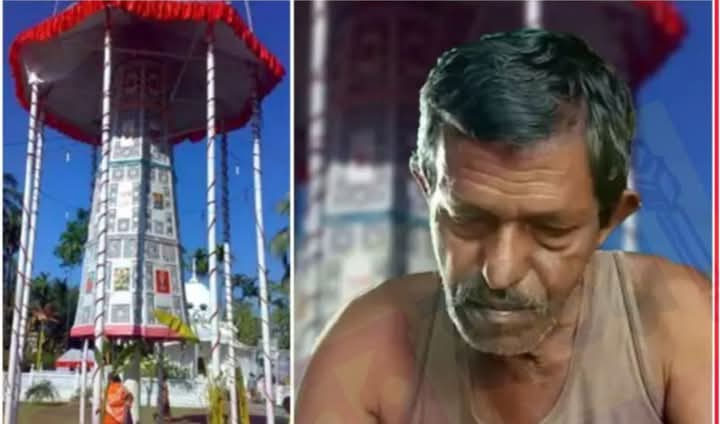
Altaf Hussain, Artisan and chief decorator of Ram Leela Utsav

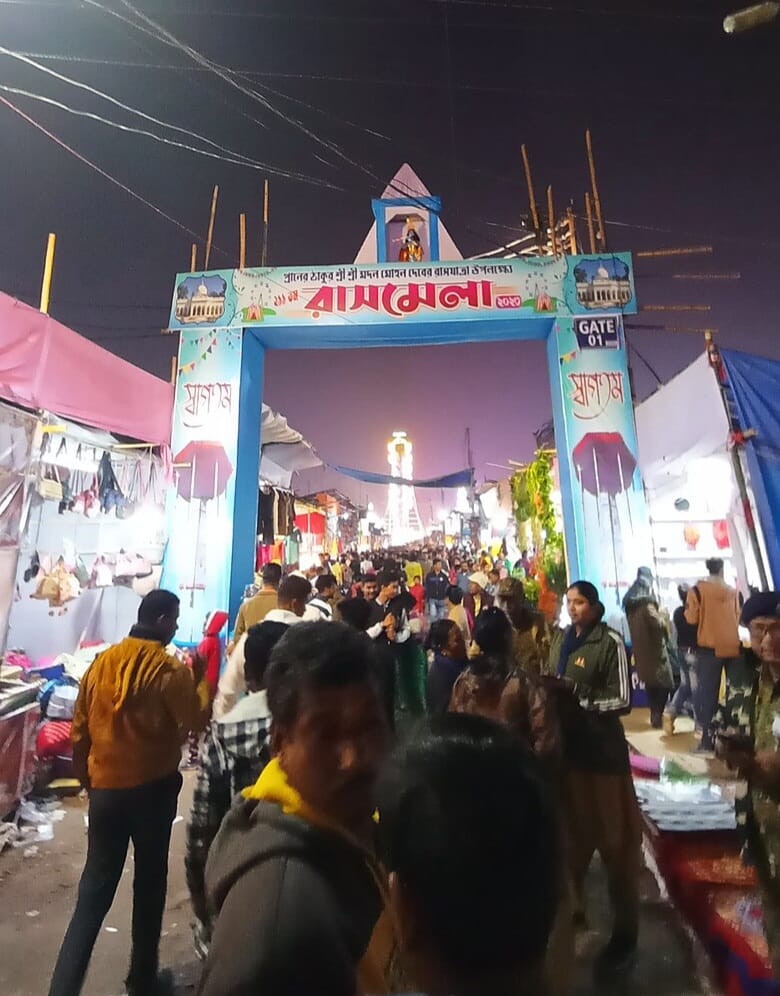
The death of Altaf Hussain, one of the well-known artisans whose family had been involved in decorating the venue of Raas Mela Utsav, a famous cultural event of the city of Cooch Behar of West Bengal is being widely mourned across the state.

Altaf Mian, 70, passed away on Saturday. He was buried in Cooch Bihar, located about 7.5 hours drive from Kolkata.

His family, popularly known as ‘Altaf Mian’, had been organizing the famous ‘Raas Mela Utsav’ of Cooch Behar for a long time.

For forty years, Altaf Hussain was involved in decorating the venue of the Raas Leela Utsav – a play based on the life of Lord Krishna, particularly romantic and naughty interactions with Gopis the local young women, at the Madan Mohan temple every year in November.

Altaf Hussain was famous for designing the archway of the Raas Mela festival.

Even Bengal Chief Minister Mamata Banerjee has expressed deep grief over his death.

Altaf Hussain had not been well for two years. For this reason, his son Aminur Hussain take charge of decorating the ‘Ras Leela Utsav’

Work

Altaf Hussain was being treated at MGN Medical College Hospital in Cooch Behar.

As soon as the news of his death came in, a big crowd of his admirers gathered at his house in the Harin Chaura area. Hindus and Muslims, children, old and young alike came to pay their respects. Women were seen weeping.

A pall of gloom fell on the city. Chief Minister Mamata Banerjee, joined his admirers in expressing grief and offering condolences to his family.

She also directed the Cooch Behar district administration to bury Altaf Hussain with state dignity.

What is Raas Mela festival?

‘Raas Mela festival’ is an artistic presentation of Lord Krishna’s dance with his consort Radha and gopis of Braj. This dance festival of Radha-Krishna is also mentioned in Bhagwat Purana and Geet Govinda.

The ‘Raas festival’ of Cooch Behar district is quite famous. It lasts a fortnight This ‘Raas Mela Utsav’, which lasts for fifteen to twenty days, starts on 15 November and continues till the first week of December. This ‘Raas Utsav’ is also called ‘Winter Carnival’ in Cooch Behar.

This ‘Raas Mela Utsav’ has been going on in Cooch Behar district for two hundred years. It is said that this happened for the first time during the time of the 17th king of Cooch Behar Harendra Narayan. His descendants celebrated it with pomp and show.

During the time of Raja Madan Mohan, the format of this festival changed. It was during this time that Altaf Hussain’s ancestors were given the responsibility of decorating this festival. For the first time, big arches were erected and this tradition continues.

The attraction of this ‘Raas Mela Utsav’ spread far and wide and people were drawn to see this festival.

So far the Raas Mela Utsav of Cooch Behar was only disrupted twice – in 1912 when cholera disease spread and the second time in 2020 during the Corona pandemic.

source: http://www.awazthevoice.in / Awaz, The Voice / Home> Story / by Jaynarayan Prasad, Kolkata / March 04th, 2025

NDLS stampede tragedy: Porter Hashim revived a ‘dead’ child

NEW DELHI :

Porter Mohammad Hashim

New Delhi :

Mohammad Hashim, a porter at the New Delhi Railway Station railway station and an eyewitness to the horrific tragedy of stampede in which 18 persons died, tuned into a savior of a four-year old child.

He gets emotional as he recounts how a 4-year-old girl was resuscitated.

“…We were working like any other day when we suddenly heard screams. All of us, all porters, rushed there. We saw children on the floor, women & men running helter-skelter.

“People were screaming. We pulled up a lot of children and brought them out. A few people had died and some others had fallen unconscious. We brought them to the ambulance.

“I rescued out 8-10 children…A woman was crying that her 4-year-old daughter died. I rescued the child and brought her out. Two minutes later, the child started breathing again, and she broke down.

“Her mother burst into tears of joy…We can call ourselves either brave or fools that we too jumped in, risking our lives…We saved several lives…”

He said he and other porters had never seen such scenes in their lives.

“Entire staff, GRP, RPF and porters were working on it…The crowd was for several trains. It happens every day, not just yesterday. But only God knows what happened…But porters helped a lot, there are 1478 porters here…”

source: http://www.awazthevoice.in / Awaz, The Voice / Home> Stories / posted by Aasha Khosa / February 19th, 2025

Mahakumbh: Farhan Alam saved Ramshankar’s life to emerge as hero

Prayagraj (formerly Allahabad), UTTAR PRADESH :

PIC

New Delhi

“When you help someone, you don’t think of his religion or sect; saving a life is human and a duty. Religion also teaches that human life is the most precious thing in the world.”

This is what Farhan Alam, a young lawyer and social worker from Prayagraj, who saved Ramshankar by giving him timely CPR  when the former suffered a heart attack during the Mahakumbh at Prayagraj, Uttar Pradesh, said. Cardiopulmonary resuscitation (CPR) is an emergency treatment done on someone who se breathing or heartbeat has stopped.

Last week’s incident came to light when a video of Farhan Alam administering the life-saving procedure on Ramshankar went viral on social media. In the clip, Farhar is seen applying pressure with both hands on the chest of an unconscious Ramshankar as his wife and child are seen crying.

Later it was revealed that Farhan Alam had saved the life of Ramshankar, a devotee who had come to Maha Kumbh.

Speaking with Awaz-the Voice, Farhan Alam said this was not unusual for him. “It was a part of my responsibility that I performed well. The important thing is that I tried reviving him through CPR and Allah helped me.”

pix02

Remembering the incident, he said, “I was posted at the railway station, but one of my colleagues Muhammad Arshad told me about the passing out of a devotee on the walkie-talkie. I rushed there within a few minutes. He was unconscious and his breathing had stopped. I quickly started the CPR procedure. After a few moments of hard work, he started breathing; his heart was beating. As the wave of life ran through Ramshankar, it also rejuvenated the people around – onlookers and most importantly his child and wife.”

Farhan Alam is working with UNICEF on behalf of the Prayagraj-based NGO HAQ that works on child rights. Along with HAQ, he is also the founder of Prim Rose Siksha Sansthan.

Farhan’s interest in volunteering as a social worker comes from his late father Dr. Noor Alam. In 1994, he trained the Railway Protection Force personnel in emergency medical assistance procedures.

However, Farhan Alam says saving life is always a challenge; so it was in the case of Ramshankar. “I can do my best with all the courage I have. The rest is Allah’s will”.

Farhan Alam told Awaz-The Voice that before the Maha Kumbh, he trained  Railway Protection Force jawans led by Inspector Shiv Kumar Singh in the run-up to the Mahakumbh. He imparted them training on administering CPR. This was part of the preparations for the Mahakumhb which is expected to be visited by a record 45 crore people.

Farhan Alam says that the Maha Kumbh Mela is the center of the faith of Hindus, but we all respect it and the residents of Prayagraj are ready to take up every kind of responsibility for its smooth conduct as “All devotees are our guests.”

He says being from Prayagraj it’s “our responsibility and duty to protect them till they return from the Kumbh Mela. I believe that this is the Maha Kumbh of brotherhood and communal harmony. There are also Muslims here who volunteer to serve crores of devotees. Muslim volunteers work day and night with great pride to help the devotees.”

pix03

Farhan Alam told Awaz-The Voice that at the Maha Kumbh Mela, there is no difference between Hindus and Muslims. “No one stopped us from serving because of our religion nor did anyone object. We, the people of the city, consider it our social and human responsibility to serve the visitors. We all work with the spirit that we should tackle problems that devotees might face. Volunteers have no religion; they are in the service of humanity.”

Later, Farhan Alam met Ram Shankar in the hospital in Prayagraj. All those in the hospital came to meet and thanked him for his act. However, Farhan Alam was happy to see Ramshankar’s smiling countenance.

Interestingly, Farhan Alam also shared a video clip in which he is seen administering CPR on a devotee at a religious festival on social media.

Speaking as a volunteer, Farhan Alam told Awaz that this incident demonstrated to common devotees how much preparations have been done by the administration for the Mahakumbh.

People are praising Farhan Alam for this deed and calling him the real hero of Mahakumbh.

source: http://www.awazthevoice.in / Awaz, The Voice / Home> Stories / posted by Aasha Khosa, ATV / January 30th, 2025

Muslim Girl’s Mastery of Sanskrit, Cultural Harmony Inspires Assam

Guwahati, ASSAM :

Ten-year-old Alia Nasreen from Nalbari excels in both the Quran and the Bhagavad Gita

Guwahati :

Assam, known for its diversity of races, languages, and cultures, has once again demonstrated the spirit of inter-religious harmony and unity through the remarkable achievements of a young Muslim girl from Nalbari.

Alia Nasreen Rehman, a ten-year-old student from Nalbari’s Shantipur, has captivated her community with her mastery of both the Quranic verses and the Sanskrit shlokas of the Bhagavad Gita. A student of Vivekananda Kendriya Vidyalaya, Alia’s fluency in these sacred texts has made her a symbol of cultural inclusion and mutual respect.

Her father, Mukib-ur-Rehman, believed in the importance of understanding different religions, saying, “I am teaching my daughter the Gita because we all need to know about each other’s religions. We should not shy away from learning and reading anything.”

Mukib-ur-Rehman ensures that Alia receives a balanced religious education. “As a Muslim girl, I am also teaching her the Holy Quran and Hadith. We send her to the mosque to learn Arabic. She prays with me, although she is still very young for formal prayers,” he added.

Alia’s linguistic talent extends beyond spiritual texts. She can fluently recite Arabic alongside Sanskrit verses, impressing both her local community and educators. Her achievements have earned praise from both Muslims and Hindus, reflecting the spirit of coexistence Assam is known for.

However, her family’s progressive approach has not been without challenges. Mukib-ur-Rehman acknowledged that some within the Muslim community have criticised his decision to teach her the Gita. “There are some ignorant people who criticise her, but we ignore their words. We should study everything and remove all kinds of ignorance,” he stated firmly.

Alia excels in academics and the arts. She is a talented dancer, performing in Satriya and Kathak styles, and has won awards for singing and painting. “She has not taken any formal dance training, but this year, I have enrolled her in an art school where she will receive proper guidance,” said her father.

Recently, Alia was honoured with the prestigious Shilpi Sadhana Award from the Qazi Para Club in Behanpur, Nalbari District, for her exceptional talent. This recognition highlights her growing influence as a young ambassador of peace and understanding.

The support of Alia’s parents, Mukib-ur-Rehman and Papuri Begum, has been instrumental in her development. They ensure she receives quality education but also teach her about her culture, religion, and the importance of harmony. “We want her to become a real human being who respects all cultures,” said Mukib-ur-Rehman.

Alia’s story continues to inspire many in Assam, reinforcing the state’s identity as a land of unity in diversity. Her example stands as a powerful message against communal divisions, showing how understanding different faiths can strengthen societal bonds.

source: http://www.clarionindia.net / Clarion India / Home> Editor’s Pick> India> Indian Muslim / by Team Clarion / January 09th, 2025

Healing Touch: Muslim Doctors in UP’s Kairana Soothe Blisters of Kanwariyas

Kairana (Shamli District) , UTTAR PRADESH :

Muslim Doctors in UP’s Kairana Soothe Blisters of Kanwariyas

Heartwarming display of unity in a city once known for communal tensions 

Kairana :

The Uttar Pradesh city of Kairana in Shamli District, once known for its communal tensions, has now become a symbol of harmony and unity.

Muslim doctors in the area are providing medical assistance to Kanwariyas, the devotees of Shiva, during the annual Kanwar Yatra. These doctors are applying the “balm of harmony” by treating the blisters and injuries of the Shiva devotees, showcasing a touching example of communal harmony.

At a bustling medical camp on Kairana Road, Dr. Babar Chauhan, Dr. Syed Nadeem, and Dr. Shavez Rana are dedicated to serving the Shiva devotees. Despite their busy schedule at a private hospital, these doctors make time to volunteer at the camp, providing essential medical care to the Kanwariyas.

Dr. Chauhan reassures a Kanwariya, “Hey Bhole, don’t panic. I have cleaned the blisters and bandaged them with good medicine. Now keep taking these antibiotics and pain medicines on time. Don’t worry, be carefree. This pain, wound, and skin will all be fine.”

The gratitude and relief are palpable as another Kanwariya requests, “Doctor Sahab, please bandage me. There is some relief from the medicine, if you feel the need, give me an injection.” Dr. Nadeem responds with a smile, “Oh, no, there is no need for this. Take rest, it will be fine.”

Rising Above Caste and Religion

In a country often divided by caste and religion, these Muslim doctors set a powerful example by serving the Shiva devotees with dedication and compassion. “Humanity, service, and sympathy give immense peace,” says Dr. Rana, reflecting the ethos of their selfless service.

Dr. Nadeem adds, “Religious discrimination is not right; everyone should live with humanity. We are providing all kinds of facilities to Shiva devotees, from treating blisters to addressing accidents and fever.”

Positive Impact on the Community

The positive impact of this service is echoed by the Shiva devotees themselves. Aman and Rajan from Haryana and Dhirendra from Sonipat expressed their appreciation. “On reaching Shamli, we felt very good to see the spirit of service of the doctors of the Muslim community. If everyone lives together in this way and serves each other with devotion during religious festivals, then the path of happiness, peace, and progress will be paved in the country,” they said.

This initiative by Muslim doctors of Kairana not only provides essential medical aid but also fosters a spirit of unity and communal harmony, setting a hopeful example for the entire nation.

source: http://www.clarionindia.net / Clarion India / Home> Editor’s Pick> Indian Muslim / by Clarion India / July 30th, 2024