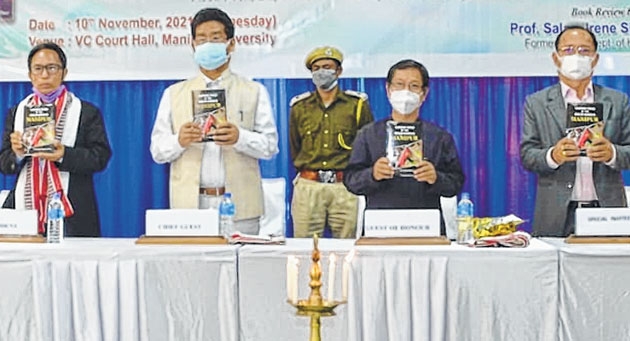
Changing Status of The Muslim Women in Manipur, a book wriiten by Dr Haobam Bidyarani and published by Sunmarg Publishers & Distributors New Delhi was released today at Manipur University.
The author is an Assistant Professor at the Department of History, Kumbi College.
Speaking as the chief of the ceremony, MU Vice Chancellor Professor Naorem Lokendra lauded Dr H Bidyarani for highlighting the social issues of the muslim women in Manipur through her book.
Saying that the author took suggestions from different sources, carried out intensive field work to complete the book, Prof Lokendra maintained that the book focused on the social norms, dress code and other features of the Meitei pangal.
Meitei pangal are a socially and culturally hardworking community, he said and added that the book would be helpful to future scholars and draw the attention of many.
The book was reviewed by Former HoD of Department of History, MU Salam Irene.
Kumbi College Principal Kumam Jugeshor; Manipur University School of Social Science Dean Professor Senjam Mangi and College Development Council (CDC) Director Professor Soibam Jibonkumar also attended the programme.
source: http://www.thesangaiexpress.com / The Sangai Express / by Staff Reporter / November 11th, 2021
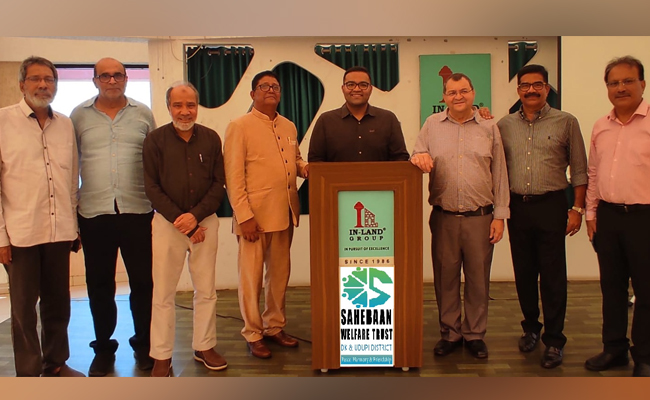
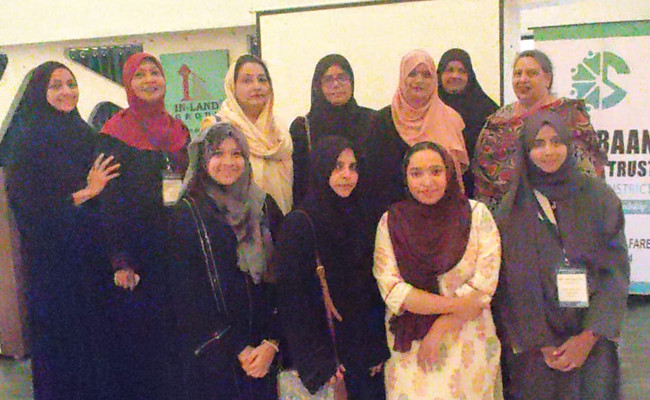
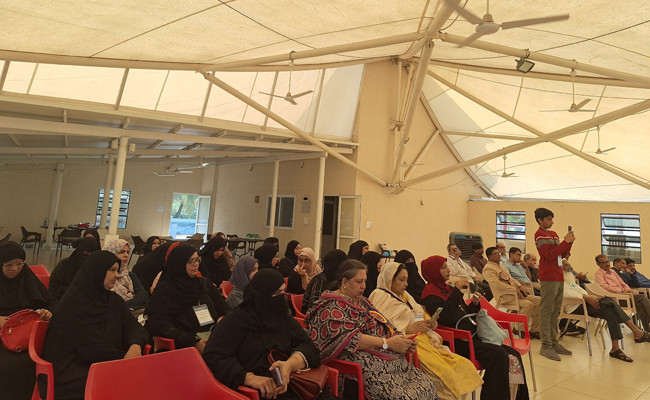
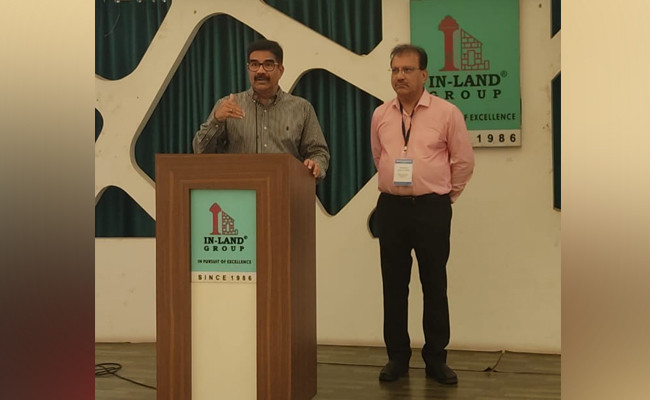
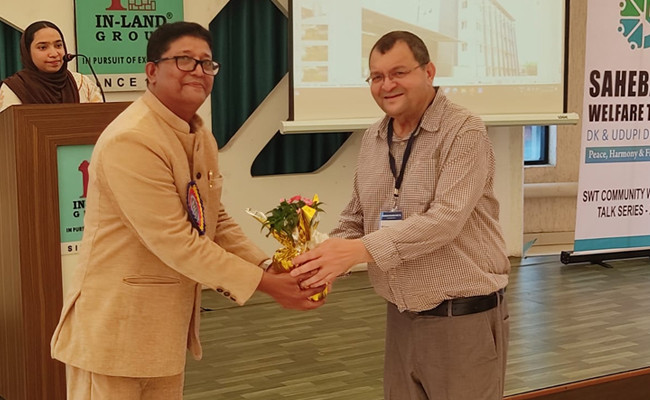
The ladies’ wing of Sahebaan Welfare Trust (SWT) hosted the inaugural session of the ‘Community Welfare Talks Series 2024’ at Senate Hall, Inland Ornate Complex, in the city on January 21, with Siraj Ahmed, Managing Director, Inland Infrastructure Pvt Ltd, inaugurating the event.
Ahmed, in his inaugural address, lauded the efforts of SWT at initiating the talk series for the benefit of the community members as well as the society at large.
Meraj Yousef, Executive Director, Inland Buiders, who spoke on the occasion, pledged his support towards community welfare activities of SWT.
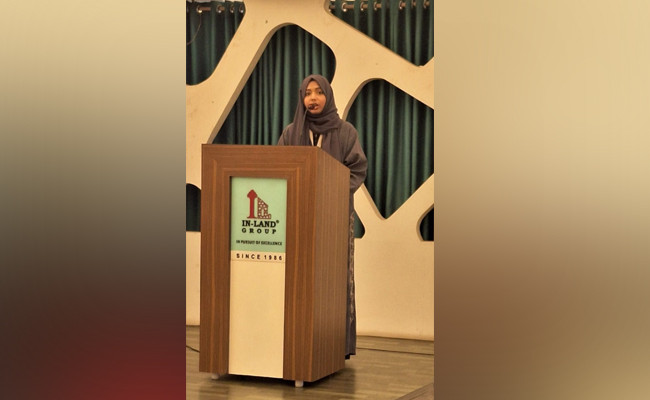
Educationist and Motivational Speaker Obeida Shoukath, who was one of the speakers of the day, spoke on the challenges faced by students on campus and the remedial measures while the second speaker Dr. Mohammed Noorulla, Senior Unani Consultant at the District Wenlock Hospital, Mangaluru, explained on the occasion the history and benefits of AYUSH, the Indian Alternative Medicine system, and the services available at the Ayush Hospital in the city.
Syed Siraj Ahmed, Secretary of SWT, welcomed the gathering on behalf of the President, Afroze Assadi Saheb. The program was ably compered by Zaiba Khatib.
The Qirat was read by Fariha Fathima and Ayesha Shahnaz.
The event was conducted by the Ladies’ Youth Wing of the SWT under the leadership of Amreen Khatib, who was ably assisted by Aliya Imtiaz and Rifaa Sheikh, with the support extended by Ayaan Sheikh and Luqman Tonse.
Umme Kulsum proposed the Vote of Thanks.
Senior Sahebaan Community members and SWT trustees Althaf Khatib, Rafik Assadi and Imtiaz Khatib were present on the occasion.
source: http://www.english.varthabharati.in / Vartha Bharati / Home> Karavali / by Vartha Bharati / January 26th, 2024
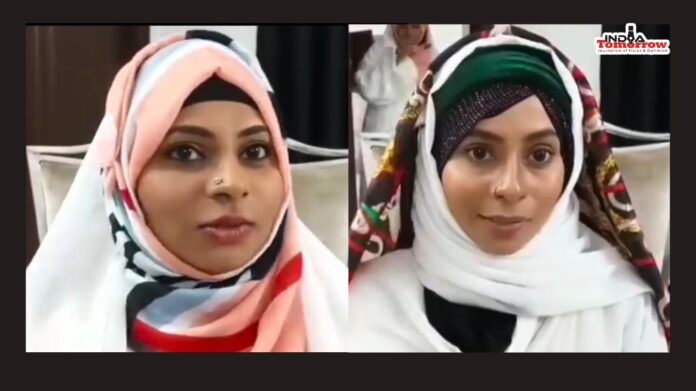
Bibi Tabassum and Suraiya Quraishi who embroidered the Quran.
Bengaluru :
This is a miracle. An awe-inspiring phenomenon took place in this city a few days back, as two sisters- Bibi Tabassum and Suraiya Quraishi- embroidered the sacred Quran onto 604 pages of plush velvet cloth.
Showing excellent craftsmanship, they used needles and threads to meticulously prepare an embroidered holy Quran. This embroidered Quran, prepared under the watchful guidance of an Alim-e-deen (religious scholar), is not only easily legible but also heavenly captivating.
Bibi Tabassum, the younger of the two sisters, holds a great fondness for doing embroidery ever since she was a child. In the beginning, she used to embroider only small verses of the Quran, but one day, an idea graced Bibi Tabassum’s mind – to intricately embroider the entire holy Quran. This took her on a laborious journey, one fueled by love and devotion.
Expressing extreme gratitude to Allah for giving them the opportunity to prepare this embroidered Quran, Bibi Tabassum says that she aspires to gift this embroidered holy Quran to a library in the holy city of Madina.
Venturing on this embroidery voyage of the Quranic verses along with her elder sister Suraiya Quraishi, Bibi Tabassum started with the first inaugural Surah of the Quran i.e. Surah Al-Fatiha, and continued diligently. The last surah- Surah An-Nas marked the culmination of their hard labour.
This embroidered holy Quran is divided into five volumes, and each volume consisting of six chapters. It went through a meticulous binding process by the skilled hands of its creators.
Initially, in the detailed process of embroidery, Bibi Tabassum used to inscribe the verses of the Quran with a pencil on the velvet cloth, followed by both the sisters intricately weaving threads along those sacred lines.
Carrying on the demands of daily life, both sisters, driven by unwavering dedication, used to finish their household chores and then engage in the embroidery work of the holy Quran.
To ensure the utmost accuracy of the embroidered work, a learned religious scholar closely scrutinized each verse upon the completion of a page. Bibi Tabassum says, ‘After completing every page of the embroidered holy Quran, we would show that to our scholar and do any correction if required.”
In the aftermath of this big achievement, family members are thoroughly elated for the two sisters. They say that the two sisters have utilized their time for a very noble endeavour. Extending heartfelt gratitude, they thank Allah for the manifestation of this lovely artwork, which stands as a testament to the beautiful blending of devotion and artistry.
source: http://www.indiatomorrow.net / India Tomorrow / Home> News> Society / by India Tomorrow (headline edited) / February 05th, 2024
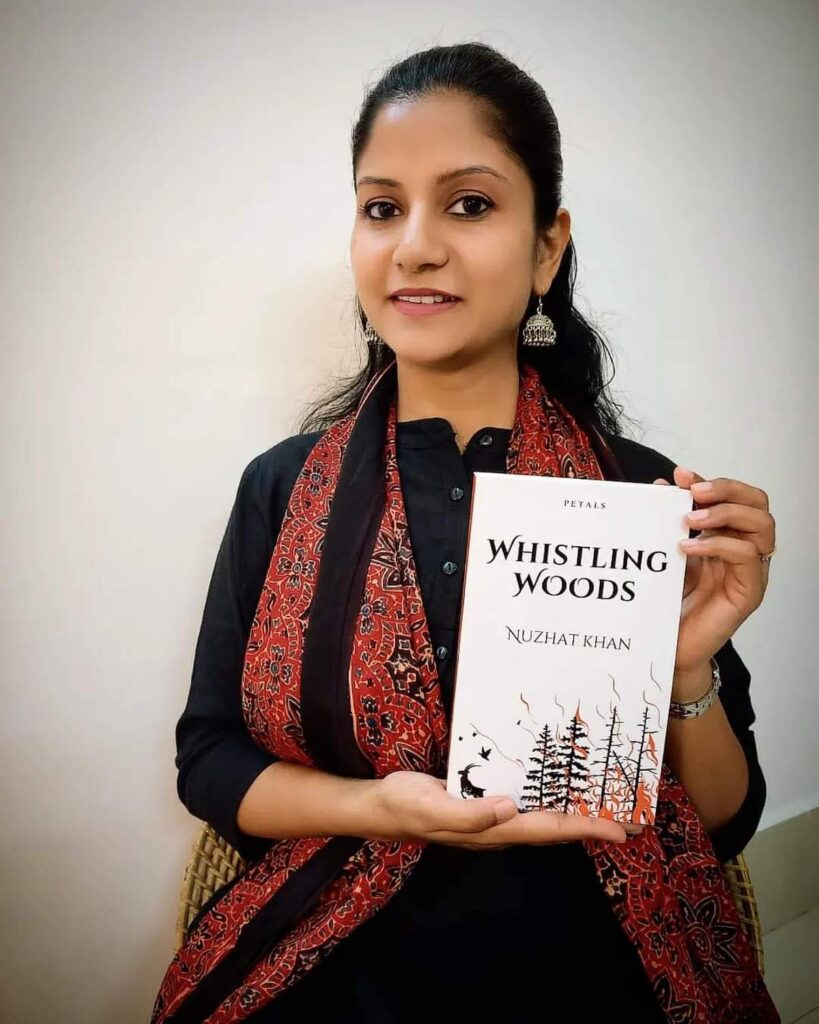
Author Nuzhat Khan weaves a story of love and loss against the backdrop of Uttarakhand’s forest fire catastrophe in her latest novel.
Author Nuzhat Khan | Photo Credit: Special Arrangement
Author Nuzhat Khan is among the growing tribe of writers confronting the world’s most pressing issue — climate emergency and the unfolding weather catastrophe — through a genre of fiction set in natural ecosystems. In her latest novel Whistling Woods (Petals Publishers), she highlights the impact of forest fire on people’s livelihood in Uttarakhand along with the story of two strangers — Akshay and Kaveri — who embark on a journey of self-discovery to the hills.
Nuzhat says the book is her way of doing her bit for Nature and the environment. “Growing up in Almora hill station amidst the snow-capped Himalayan ranges of Uttarakhand, I was blown away by the stunning landscape. This is the case with anyone who belongs to the hills. It pained me to watch forest fires ravage the serene hills.” She decided to act by writing a light-hearted story around the issue to reach out to more people. “I thought presenting plain facts and figures would be drab on topics like, what’s fuelling forest fires that continue to scorch hectares of green cover? I have tried to propose a solution, although it may not be the perfect one,” she says.
Her style of storytelling, both evocative and driven by research, helps readers get a grip of the issue while enjoying the budding romance between the lead characters. “I have attempted to capture a mix of human emotions, complexity of relationships, and the innocence of love. The setting helped me run parallels between urban and rural lives. For people in villages, even access to clean drinking water can be challenging ” explains Nuzhat adding that the book has been in the making for five years which also involved several trips to institutes like Avani Bio-Energy plant in Pithoragarh, the Naula Foundation, an NGO that creates awareness on the problems of dying aquifiers (naulas) in the hills of Uttarakhand.
“My interactions with the locals and forest department officials was an eye-opener. They are constantly working to mitigate the problem. Organisations like the Himalayan Institute For Environment, Ecology & Development have developed fire reporting apps that can alert people on forest fires across various locations.”
She points out that the ashram described in the book that works towards empowering girl children was inspired by the Lakshmi Ashram run by a couple in Uttarakhand. “Some of the characters are not entirely fictional,” she hints.
The book also touches upon excessive tourism in the hills. “Several unplanned constructions in the form of resorts have come up usurping the forest cover and triggering landslides. The region is also prone to earthquakes.” She wants people to sit up and take note of Uttarakhand. “Everyone wants to live in the hills. I want to tell them it is beautiful, but everyday life can be challenging.”
source: http://www.thehindu.com / The Hindu / Home> Books / by K Jeshi / December 26th, 2023
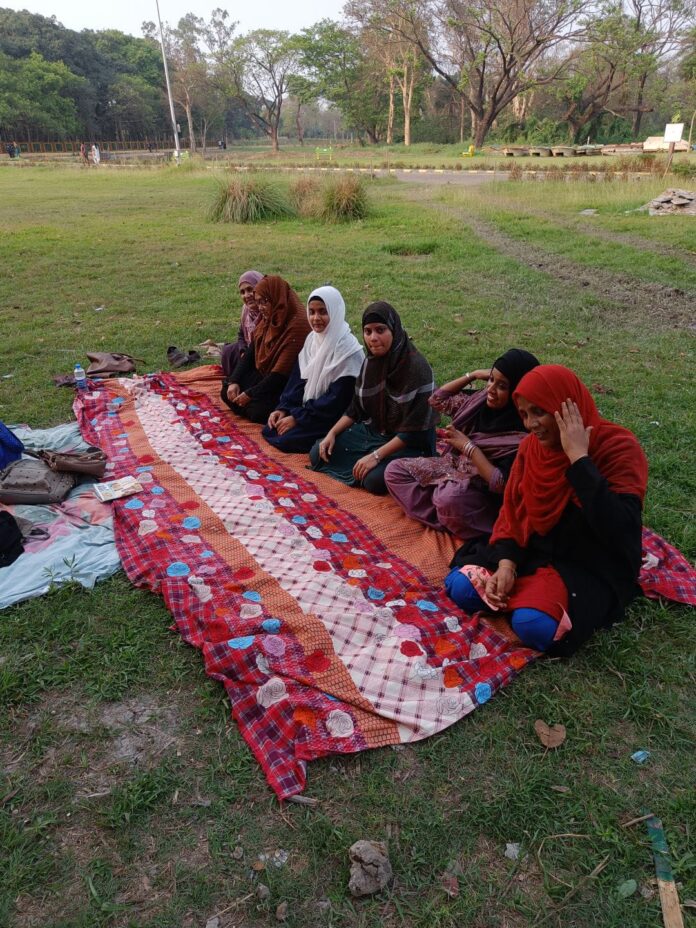
Muslim Women Study Circle’s Team Kolkata offering namaz at Botanical Garden, Kolkata
A Kolkata-based collective Muslim Women Study Circle is working towards reclaiming the agency of Muslim women at a time when Islamophobia has been reared into the country’s social and political fabric.
New Delhi:
In April 2019, a collective of Muslim women predominantly belonging to Metiabruz, a suburb in Kolkata, came together to understand the Quran, Hadith, and contemporary news events. As the year progressed, the group actively participated in the protests against the contentious Citizenship Amendment Act. This prompted the realization of a need for a more extensive network of Muslim women from across India, which marked the beginning of the Muslim Women Study Circle (MWSC).
The formation of the MWSC comes at a time of unprecedented rise of islamophobia in India with Indian Muslim women, a regular target of the Hindu right wing. For instance, in 2021, Hindu right-wing men scraped the internet for pictures of prominent Indian Muslim women and uploaded them to an app called Sulli Deals, hosted on GitHub, listing them on “sale” with the intent to humiliate them. A year later they held a similar “auction” with pictures of Muslim women posted on another app called Bulli Bai. Same year, the high court in India’s Karnataka state ruled that the hijab is not “essential” to Islam. Amidst this, digital platforms such as Twitter, Facebook, WhatsApp, YouTube, and Reddit have accelerated the spread of anti-Muslim hate.
However, as COVID-19 spread in India, MWSC transitioned to the online platform, broadening its reach and significantly enhancing engagement. This transition facilitated the systematic recording, archiving, and dissemination of their sessions through various social media platforms.
MWSC operates as a porous organisation. Volunteers from across the country, including Islamic reverts participate in discussions that are conducted mainly in English, Urdu, and Hindi. Sessions with experts are conducted by the core team or MWSC Chat group, comprising around seven people. Beyond that, MWSC dedicates time to its Muslim Women Mental Health Support Group. These sessions provide a safe space to delve into issues pertinent to Muslim women, addressing challenges and solutions.
In day-to-day functioning, the organisation remains active on multiple fronts. WhatsApp chat groups buzz with conversations spanning the Muslim Women Book Club readings, subjects such as domestic violence, secularism, caste, creative writing politics, citizenship, legal rights, academic scholarships, etc., and the creation of materials for social media platforms.
“We explored ideas at the intersection of politics and spirituality, which were never previously discussed before, and were often overlooked in the context of Muslim women. Moving to an online platform helped us connect with other Muslim women specialising in different fields, such as academics, journalists, mental health professionals, religious scholars, etc. While sharing their knowledge, they also got to amplify their voices. Once we got that momentum, it just kept going,” said Sania Mariam, a MWSC founder and a research scholar of Political Science and Governance at IIT Bombay’s Monash Research Academy.
Bringing Muslim Women to Mosques
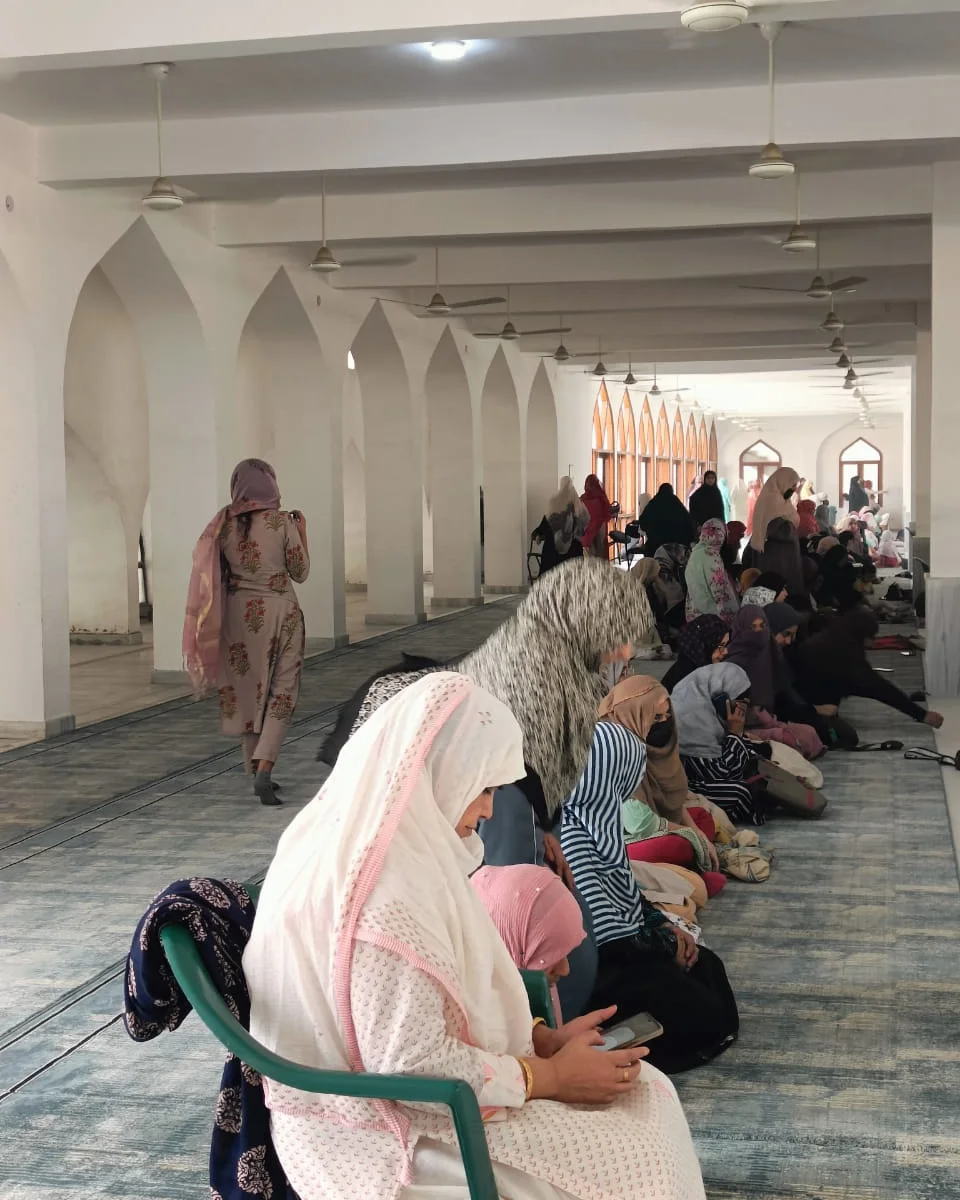
Women praying together at Ishat-e-Islam Mosque, New Delhi as a part of the Masjid Project
Despite the global historical prevalence of Muslim women praying in mosques, such spaces are noticeably lacking in India. MWSC’s ‘Muslim Women Masjid Project’, inspired by Al-Masjid-an-Nabawi (The Prophet’s Mosque), not only served as a palace of prayer for both men and women but also sheltered the homeless and the hungry.
The project started by making a catalog of existing women-friendly mosques. Along with open- discussions on “Women in masjids” online, MWSC started with Quranic dars on the importance of women in prayer spaces. They found that a huge number of women longed for offering namaz in Eidgah, instead of being at home waiting for the men to come back.
Aisha Masooma, a volunteer with MWSC from Guwahati said, “It is common to find women’s prayer areas confined to small rooms or basements of the mosques. When I was volunteering for the Assam chapter of this project, I was astonished to find women who had never been acquainted with the idea of visiting a mosque. So many Muslim women told me that the very idea of attending a mosque is an alien concept to them.”
Women the organisation visited different mosques to inquire about spaces for women to pray. “We made a list of such mosques and talked to the Imams. In Kolkata, for example, we had a one-on-one conversation with Imams, and they appreciated the ideas. Even if there was no separate place for women to pray, they allowed women to come, designating them an area in the mosque and promised to make a separate space for women in the future,” said Mariam.
A Petition Challenging the Hijab-Ban
In 2022, with the Hijab ban issue in Karnataka and court proceedings, MWSC recognized that among the arguments and counter-arguments by different parties, the most critical voice of the discourse was silenced, that of young Muslim women who chose to pursue their education as well as their faith.
They believed that the Hijab-row in Karnataka was essentially infantilising, and dismissing Muslim women, forcing them to choose between non-existing binaries such as education or hijab, Indianness or Muslimness, especially at a time when Muslim women are one of the lowestliteracy rates in the country.
Therefore, in July 2022, MWSC challenged the Karnataka High Court’s decision to ban Hijabs in educational institutes in the Supreme Court. Prominent lawyer-activist Prashant Bhushan pro-bono represented the organisation.
While the petition challenged the idea that the two, Hijab and education are antagonistic in principle, it was also meant to create awareness that oppositional forces exist to the country’s increasing saffronisation. As a result, MWSC aimed to create an active role for Muslim women in the public sphere, and demand to creation of more such spaces. “There is a lot of skepticism related to Muslim women owning their agency from the existing political scenario. People always think, about who’s funding them, and which political arm they belong to. There is skepticism from within the community,” said Mariam.
She said that as Muslim women trying to create a forum like MWSC, they are often boxed into distinct categories such as secular Muslims, feminist Muslims, and religious Muslims. “It is difficult for them to imagine that there are Muslim women who want to be committed to their Deen [religion] while achieving a lot in this world,” she told Two Circles.
Backlash and Targeting From Hindu Right-Wing
In India, Muslims have been experiencing discrimination across various spheres, such as employment, education, housing, law, and justice among others. This pattern of discrimination has notably marginalised Muslim women, materialising in their isolation, for instance, a recent study revealed that Muslim women in India are half as likely to get callbacks for entry-level jobs as compared to Hindu women. Another study underscores the compounded disadvantage faced by Muslim women, positioning them as one of the least empowered segments of society. This disadvantage stems from their dual status as women and as members of the minority community in India.
During the Sulli deals incident, certain members of MWSC were subjected to an “online auction” due to their outspoken political views on social media. The organization has consistently encountered online trolling, with a notable example being a video addressing Hindu nationalism that attracted numerous offensive comments. The backlash has emanated from both inside and outside the Muslim community.
Ghazala Jamil, assistant professor at the Centre for the Study of Law and Governance, Jawaharlal Nehru University said, “Muslim Women’s organisations like the MWSC can be seen as a corner in the larger public sphere or a satellite public sphere, which can give Muslim women a chance to express their views without feeling they have to maintain silence about or hide their Muslim identity.”
Across the subcontinent, a dynamic wave of Muslim women’s rights networks is actively challenging essentialist perceptions of Muslim womanhood. Situated within the burgeoning Islamic feminist movement, these organisations articulate the multiple identities of Muslim women, cultivating a unique Islamic feminist consciousness as opposed to the idea of ‘universal sisterhood.’
“Instead of criticising these spaces as regressive or causing division, we should recognise them as opportunities for learning within the larger movement for gender equality. Organisations specifically for Muslim women provide a valuable place for them to express themselves without feeling overshadowed by dominant perspectives of Hindu or liberal feminists,” Jamil added.
The founders do not intend to convert the organisation into an NGO but rather see it as a diversified environment where Muslim women may freely express themselves and share their perspectives. “We just wanted to be a collective where women can come, speak, and put their views forward. They develop their agency, they get inspired. We aim to be better Muslims, better Muslim women, more confident Muslim women,” said Mariam.
Tasneem Khan is a student of History at Delhi’s St. Stephens College.
Nuzhat Khan is an independent reporter based in Delhi.
source: http://www.twocircles.net / TwoCircles.net / Home> Indian Muslim / by Tasneem Khan and Nuzhat Khan / January 11th, 2024
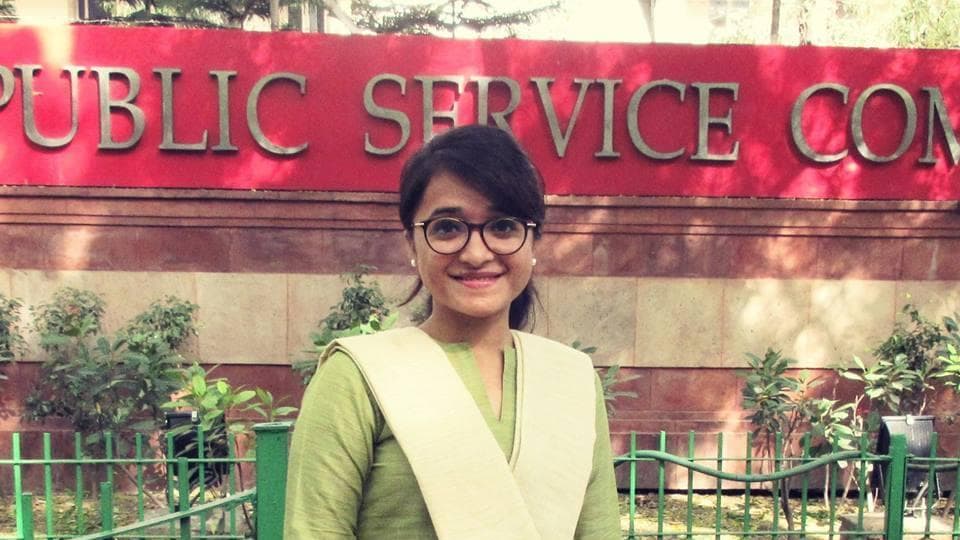
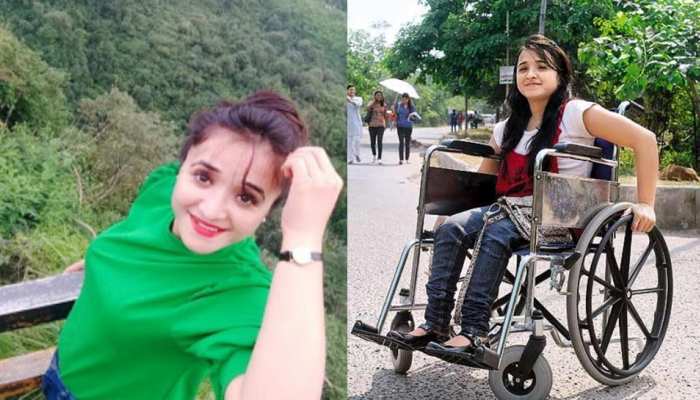
The inspiring story of Ummul Kher, a 28-year-old fragile girl who defeated all odds to achieve her dream. Ummul Kher was born in a Muslim conservative family that belonged to Marwar, Rajasthan. She faced several hardships to reach her goal. She fought a disease called Fragile Bone Disorder from childhood which caused her 16 fractures and underwent 8 surgeries. But that couldn’t break her determination of becoming an IAS officer.
Ummul was five when she migrated to Delhi with her parents and lived in the slums of Nizamuddin, Delhi. Her father was a street vendor. Their family was displaced when the slums of Nizamuddin were demolished and moved to the slums of Trilokpuri.
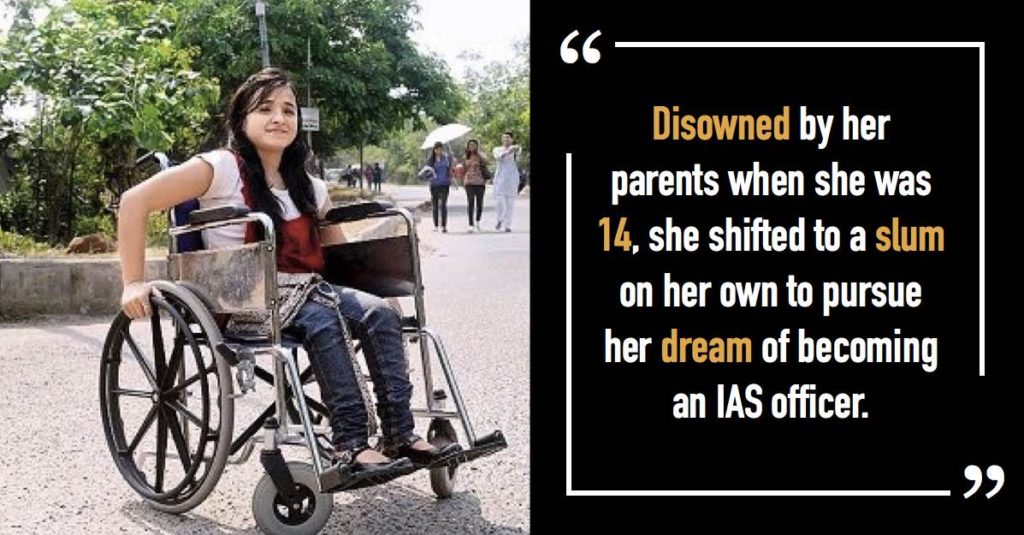
Ummul Kher went to Pt. Deendayal Upadhyay Institute for the Physically Handicapped for schooling till 5th Class and continued her education till 8th in a Government-run Charitable Organisation Trust, Amar Jyoti. Much to her dismay, her family forced her to discontinue her studies after 8th but Ummul decided to move out of her parent’s home and continue her education and started living alone in Jhuggi Jhopri(JJ) cluster, Trilokpuri. She started giving tuitions to slum children to support her living who paid her not much than rs 50-100.
Unfazed, She completed her graduation from Gargi College, Delhi, and got admission to JNU for Masters in International studies. She secured Junior Research Fellowship at JNU which helped her in getting a stipend of Rs 25,000 per month. To serve as an IAS was a dream of Ummul Kher that’s why despite pursuing a Ph.D. she appeared in the UPSC exam and cracked it in her first attempt and bagged All India rank 420.
She Got the posting in IRS Indian Revenue services, where she was posted as the DC, i.e Deputy Commissioner in Indian Revenue Service.
Highlights:
UmmulKher lived alone after 8th std due to her family disowning her for education. During this time, it was Amar Jyoti Charitable Trust that financed her education and also funded her tuition for classes IX and X.
In class XII, Kher achieved 91% and secured admission into a prestigious Delhi University college, Gargi College.
She continued to take tuitions to fund her college education. She also got much-needed money by winning debate competitions in college. She graduated in Psychology (Hons).
Tragedy struck in 2012 when a small accident confined her to a wheelchair for one year.
After completing graduation, Ummul Kher cleared an entrance exam for a master’s in International Studies at JNU. This gave her sufficient money which meant that she no longer had to give tuition.
In 2013, she secured a Junior Research Fellowship at JNU under which she started getting a stipend of Rs.25, 000 per month.
Since September 2014, Ummul was working as a trainee at Duskin Leadership Training in Shunjuku, Japan.
In 2016, She appeared for UPSC exam first time and cracked it with 420 AIR rank.
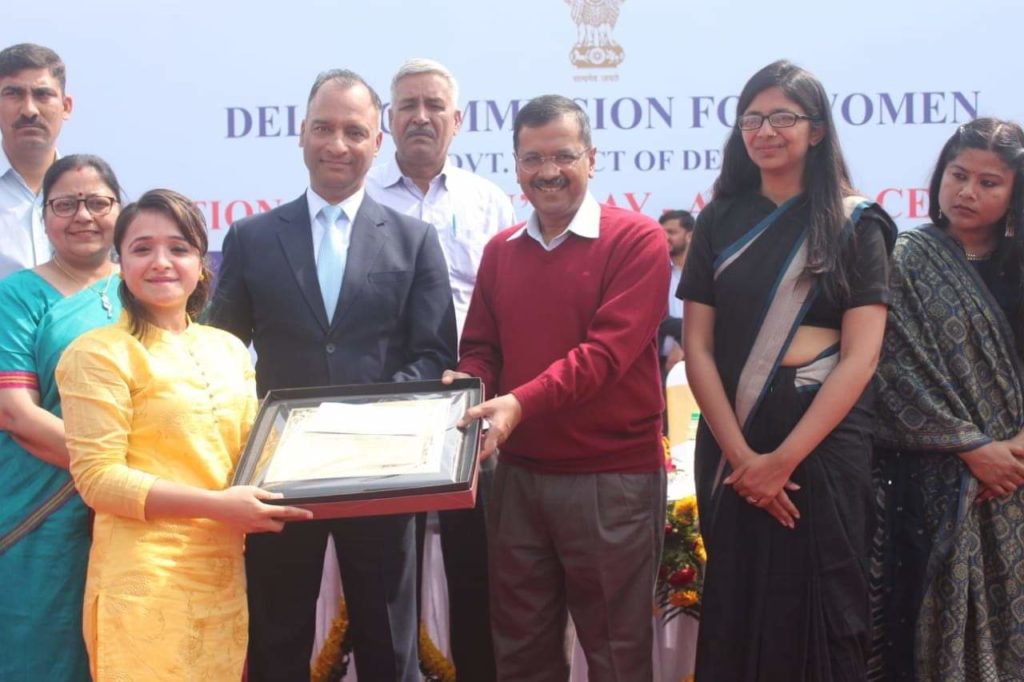
In 2019 She was conferred with Delhi Women Commission’s DCWAward. The Award was handed over by Delhi CM Arvind Kejriwal.
source: http://www.deccandigest.com / Deccan Digest / Home> Featured Sliver, National / by Saba Khan / January 26th, 2022
Sabahat Afreen’s life will make you believe in the adage: where there is a will there is a way. Being born into an educated and prosperous family, Sabahat realized early in her life that her family was not open to women coming out of the four walls of the house, bracing against all odds to create their identity. She was raised seeing all women in her family in purdah.
However, somewhere in her heart, Sabahat Afreen was like a Secret Superstar of the Hindi movie by that name. Afreen was raised in a small village in Siddharthnagar district of Uttar Pradesh by her advocate father and a homemaker mother.
Sabahat Afreen started living in purdah in 10th class and after passing her 12th standard, She was not supposed to move out of the house alone. This resulted in her not attending college and opting for home study and writing examinations as a private student for her graduation years.
She was completing her master’s degree when she got married. Her husband’s family was politically connected and prosperous. She could have easily lived in comfort; Sabahat did not like to dress up like a doll wearing jewelery and expensive sarees and lounging around all day.
She said, “My mother was fond of reading and writing. She had an impact on me too. I used to write poems and stories in my childhood. Mom and Dad always encouraged me. It is a different matter that my works were never sent for publication as they didn’t believe in getting a picture of their daughter printed in the newspaper.”
Sabahat Afreen with her book
She also realized the environment in her in-laws’ house was less conservative. “My father-in-law knew that I write, so he used to gift me a diary and pen; my husband also supported me.” She told Awaz-the Voice.
After marriage, she opened a secret account on Facebook and did not use her pictures for the DP. “I started writing stories on Facebook, my posts went viral. Someone suggested that I should send my stories to Neelesh Misra, (Editor, Gaon Connection, lyricist, and storyteller). His storytelling was popular. I emailed my story to him and he liked it. From that point, I was in his circle.”
Like Insia Malik (Played by Zaira Wasim) of Aamir Khan’s 2017 film Secret Superstar, she revealed her talent to the world by hiding her identity. Soon Sabahat Afrin was writing audio series, stories, and books for magazines and many apps across the country. She moved her two little daughters out of the closed environs of the village to Lucknow.
As it happens in such cases, most of the people who had opposed her once now praise and respect her. Her family is proud of her.
Recently her first story collection Mujhe Jugnuon Ke Desh Jaana Hai (I Want to Go to the Land of Fireflies)(Rujhan Publications, Rajasthan) was released. In it, Sabahat imagines in this country of fireflies women are also enjoying the same freedom as men, the doors of their hearts cannot be guarded, they too have the freedom to remarry after divorce, and they have the right to decide if they want to return to their husband’s house after feeling unwanted there.
Sabahat Afreen with friends
Her stories are set in the backdrop of Muslim culture, but she manages to show that when it comes to the status and rights of women, it’s the same every year. Sabahat wants to free the fireflies from the clenched fists of Afreen women.Her first remuneration of Rs 30,000 as a writer was encouraging for Sabahat. She felt that being financially strong should be the priority of a woman. Now she shares her pictures on social media and with her stories.
Sabahat has written amazing stories that she must have picked up from around her and kept in the secret chamber of her heart to let them metamorphose into another form. Her stories look familiar to readers; after reading each one of her stories, the reader feels that he has seen these incidents.
Sabahat has adapted one such incident into a captivating story. The story Khoobsurat auratein (Beautiful Women) starts with this sentence – “even good looks are like a punishment, wherever she went people’s eyes were fixed on her.’ The heroine of the story, Alia, is very beautiful.”
Sabahat Afreen with her daughters
Women are at the center of all Sabahat’s stories. The joys and sorrows of a woman, her dreams, her desire to fulfill them and social restrictions are the key elements in her stories. Sabahat is seen breaking these restrictions and traditions. Women in her stories are silent protesters except for Alia from her story Beautiful Women. However, they encounter opposition and in some cases, it’s also effective.
Sabahat becomes emotional while narrating her stories. She wishes to create a world for women where they have the freedom to fulfill their wishes and make their dreams come true. Her stories reflect her progressive thoughts.
Sabahat says that she never went to the market alone and yet when people knew about her through her stories, she felt confident to move to a big city with her daughters. “I reached Lucknow and rented out an apartment and enrolled my daughters in a good school. Today my daughters are studying, and life has become a bit easier for all three of us.”
source: http://www.awazthevoice.in / Awaz, The Voice / Home> Story / by Onika Maheshwari, New Delhi / January 03rd, 2024
In 2004, she completed her PhD from the Jawaharlal Nehru University (JNU) on “Central Asians in Mughal India: Migration, Settlement and Impact on North Indian Culture”.
Prof Tasneem Suhrawardy (Photo | Twitter)
New Delhi :
Tasneem Suhrawardy, a well-known Indian medieval history academic who was teaching at the Delhi University’s St Stephen’s college , died at the Fortis hospital in Gurugram on Tuesday. She was 58.
Suhrawardy passed away after suffering a cardiac arrest in the morning. She was ailing for some time and was being treated at the hospital for pneumonia.
Suhrawardy graduated with an Honours in History from the St Stephen’s college in 1986.
In 2004, she completed her PhD from the Jawaharlal Nehru University (JNU) on “Central Asians in Mughal India: Migration, Settlement and Impact on North Indian Culture”.
Besides teaching at the St Stephen’s college, she was also invited as a guest teacher in prestigious American and Indian educational institutions.
Suhrawardy was an associate professor at the St Stephen’s college and was well known academically for her specialisation in Indian medieval history.
She was the daughter of late Syed Saeedul Haq and late Shahida Suhrawardy.
Her brother Anis Suhrawardy was a noted lawyer who died in 2012.
She is survived by her sister Nilofar Suhrawardy, a senior journalist, and other relatives.
Her demise was described as a great loss to the academic world by her students and colleagues.
source: http://www.newindianexpress.com / The New Indian Express / Home> Cities> Delhi / by PTI / December 26th, 2023
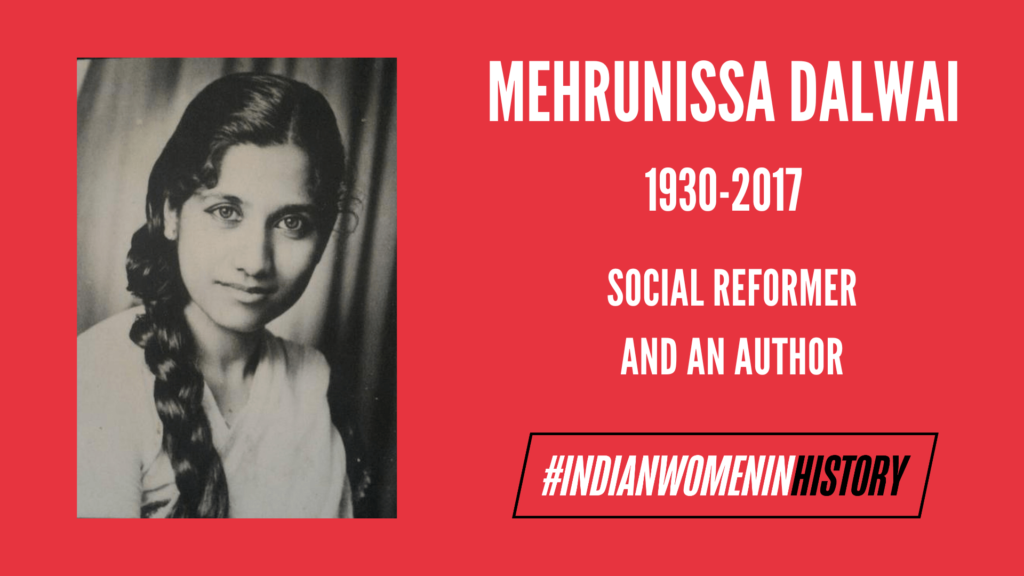
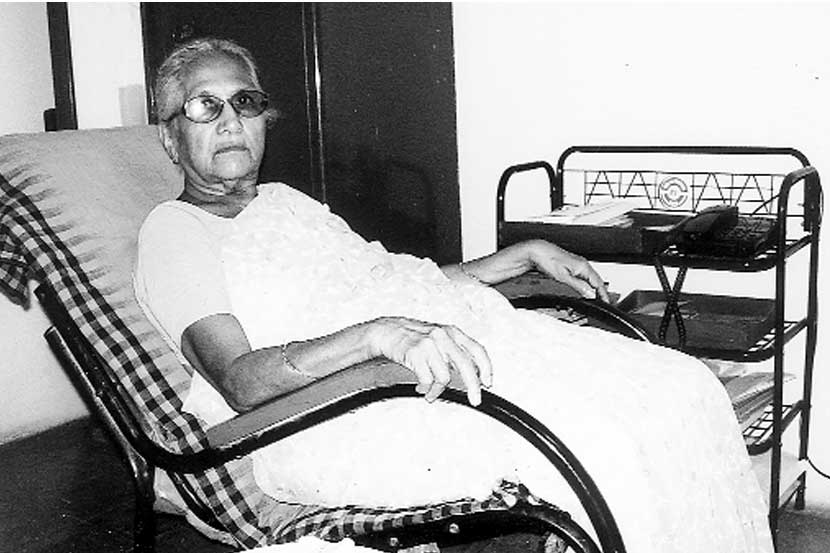
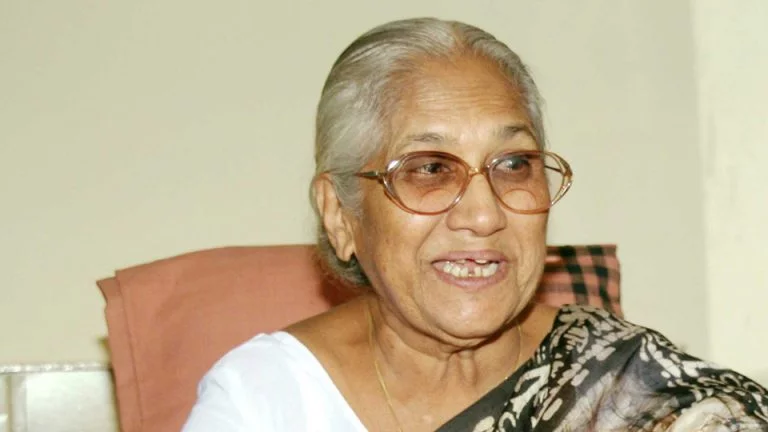
Mehrunissa Dalwai is not a common name heard amongst the slew of activists & yet she played an integral role in the Muslim reformist movement.
India, as a nation, treasures the ‘image‘ of women. There is a great sense of respect and reverence for female goddesses, traditional housewives and of course, the concept of our ‘motherland‘. Yet, when this image of a woman intersects with religion, caste and class, this view gets blurry and distorted. Similarly, being a Muslim woman in India is a battle unlike any other and brings with it a series of struggles, discrimination and prejudice. The nation is graced with a history of several prominent social activists who have been instrumental in bringing about change across the country, with several of them being unhonoured and forgotten, such as Mehrunnisa Dalwai.
Source: The Hindu
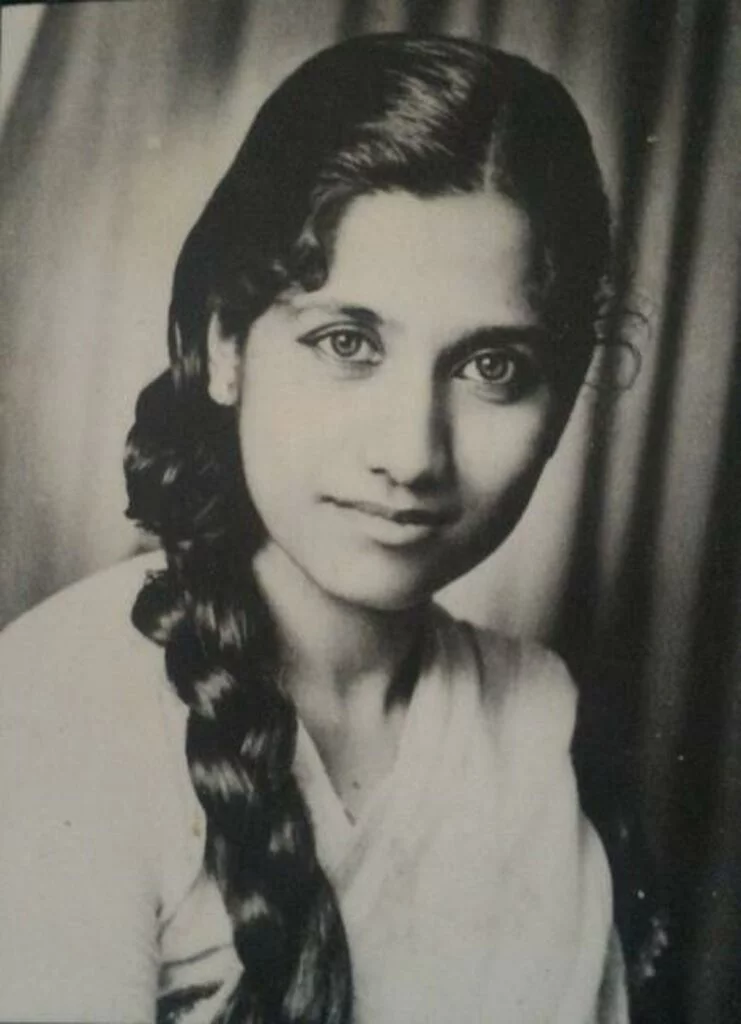
Mehrunissa Dalwai is not a common name heard amongst the slew of social reformers and activists that are popular in Indian society. Yet here we have a woman who played an integral role in the Muslim reformist movement. Born on May 25, 1930, and brought up in Pune, Dalwai came from a conservative, Urdu-speaking Muslim family.
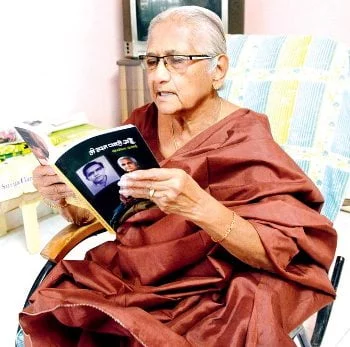
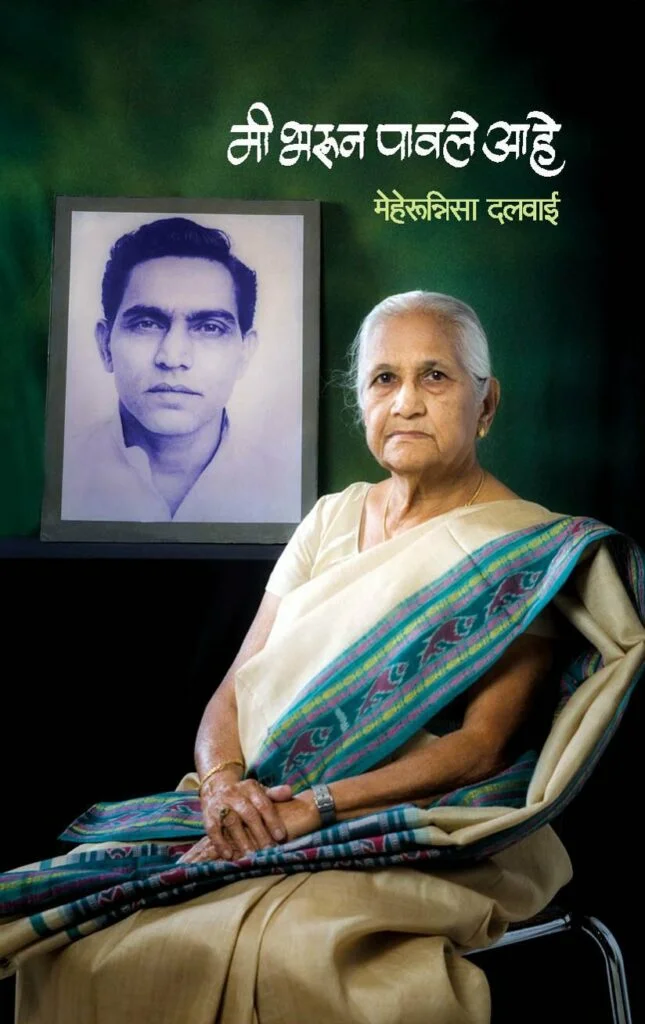
While Mehrunnisa Dalwai underwent a traditional Urdu education, she still managed to master the language of Marathi. She later went on to write her autobiography ‘Mi Bharoon Paavle Aahe‘ in the Marathi language (where she also writes in detail regarding food and recipes). After completing her matriculation, she worked at the Khadi and Village Industries Commission (KVIC) in the city of Mumbai.
The beginning of her journey
After moving to Mumbai, it was here that Mehrunnisa Dalwai met the progressive Muslim reformer, Hamid Dalwai, and thus her fate as a future representative of the Muslim community was sealed. Hamid came from a poor Konkani Muslim family, a stark difference from Mehrunissa, and worked for the upliftment of the poor status of women in the Muslim community.
His name was established in the community for his daring stances like the condemnation of practices of triple talaq, alimony and polygamy. He was also an author, publishing the classic, ‘Indhan’ in 1965 and was courageous to take a stand against Brahmanical Hinduism as well as radical Islam and the two of them contributed greatly towards the liberalisation of the Muslim community.
Being a Muslim woman in India is a battle unlike any other and brings with it a series of struggles, discrimination and prejudice.
However, being such a controversial figure, he remained unemployed. His most controversial take yet was when Mehrunnisa Dalwai declared that she would marry him. The large class disparity and general stigma of an upper-class woman marrying beneath her caused quite the stir which Hamid of course was used to. The two were married through traditional Muslim rituals and after a month also married through the ‘Special Marriage Act‘ (1954), which possibly made them one of the first marriages of a Muslim couple to be registered that way.
Source: Jargon Josh
The Special Marriage Act was one of Independent India’s methods of maintaining a secular fabric in society, mainly to protect and legalise interreligious and inter-caste marriages that were atypical to the usually arranged marriages of dominant Indian culture. The newly married couple found a space for themselves in the Majaswadi area of Jogeshwari. They resided in a small room which got even smaller as they were joined by Hamid’s younger siblings, one of whom was Hussain Dalwai, the Rajya Sabha MP of the Congress party, who had completed his education in Mumbai.
The social work of the Mehrunnisa Dalwai
In his wife, he found a partner in crime, a fellow crusader and together they took many bold stands for justice and equal rights of Muslim women. Mehrunnisa Dalwai continued working as well as remaining dedicated to her ascribed role of a housewife, maintaining their life at home. Although juggling the two seems like a modern concept of a 21st-century working woman, Mehrunissa was ahead of her time and supported her husband’s endeavours.
Mehrunnisa’s salary was their only stable and regular source of income, but along with this she still found the time to put a part of herself into Hamid’s work of the organisation of movements, social protests and campaigns along with bringing about a rational and scientific school of thought to the forefront to eradicate the rigid and blind dogmas within Muslim community which caused an unequal balance of power and rights of men and women.
Source: Amazon
In Mehrunissa Dalwai’s autobiography, she mentions her husband’s gratitude for her role and the satisfaction that she was able to economically support her family during these times. The life of a social activist and reformer is not one of ease. Dalwai also mentions the tensions within the protest movements and the threats that were posed against her husband by the orthodox Muslim community. Although she herself was not actively involved in the movement until after his death, through her writing, it is visible that being tied to Hamid meant being under the fire.
Source: The Indian Express Marathi
Sadly, Hamid passed away from kidney failure in 1977 at the age of 44. After the tragic death of her husband, she threw herself into his work. She dedicated her time to the Muslim Satyashodak Mandal which was the reformist organisation founded by Hamid in Pune, focussing on providing solutions to the Muslim community and creating a space for its history and socio-cultural transformation.
Mehrunissa Dalwai dedicated a good part of her life to this organisation and was the first executive President and later served as President for several decades.
Mehrunnisa’s journey of leadership
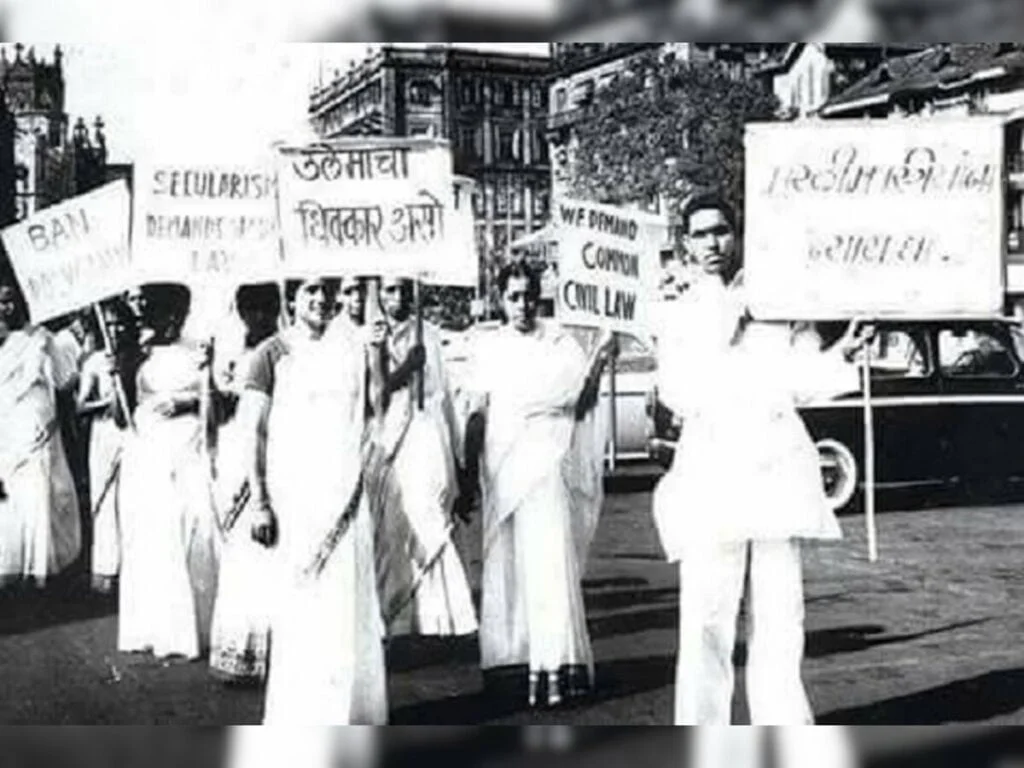
In April 1996, Mehrunissa Dalwai boldly led a march to ‘Mantralaya’ in Mumbai along with six other women carrying on the work of her late husband in the abolition of triple talaq. There, they met Vasantrao Naik, the Chief Minister of Maharashtra at the time and gave him their memorandum of demands. This caused a big stir leading to strong opposition, meetings being constantly interrupted and even reached the extent of death threats.
Source: News 18
Mehrunissa Dalwai continued to lead the movement of protecting the rights of Muslim women and the modern reformation of the Muslim community. She later founded the Hamid Dalwai Islamic Research Institute as well as the Maharashtra Talaw Mukti Morcha.
The Shah Bano case
During Dalwai’s leadership of the Muslim Satsyashodak Mandal, the organisation played an important role in the Shah Bano case. This case was seen as a milestone in the fight for equal rights of Muslim women in India as well as the ongoing battle against the orthodoxy of Muslim personal law. The case was unprecedented and paved the way for other women to make similar legitimate claims.
In 1978, a 62-year-old Muslim woman, Shah Bano filed a petition in court against her divorced husband Mohammed Ahmad Khan, demanding maintenance (alimony)after she was given talaq by Khan. After a series of detailed sessions in court, in 1985, it was taken to the Supreme Court where Chief Justice Y. V. Chandrachud upheld the decision made in the High Court, ensuring that maintenance would be given to Shah Bano (under CrPC, the Code of Criminal Procedure). However, the Congress led by Rajiv Gandhi overturned the decision of the Supreme Court under serious pressure faced by Ulemas and Maulavis but the Muslim Satyashodak Mandal boldly opposed this action and through a series of protests, insisted that it be implemented.
Source: One India One People
Mehrunissa Dalwai passed away at the age of 87 at her home in Pune, survived by her two daughters and as per her last wishes, her body was donated. Maharashtra has had a history of significantly active social reformers and social activists, especially in Pune. They have been important in altering the culture and norms of the city with their hard work and effort and have brought about positive change in society.
In this process, there are many names that get lost, therefore it is essential to remember those like Mehrunissa Dalwai so as to not forget that they are an important and enriching part of our history.
source: http://www.feminisminindia.com / Feminism In India / Home> History / by Gia Alvares / April 10th, 2023
“Asma Banu, collector of seeds of various paddy breeds, helping in social and farming activities will be felicitated with B Appanna Hegde agriculture award during an award program on the birthday of religious leader and former MLA B Appanna Hegde on December 24,” said trust president B Rama Kishan Hegde.
He further said, “Asma who works saying that work is worship is collecting various paddy breeds that are on the verge of extinction from various states. She has collected and grown more than 840 varieties of paddy this year. She is conducting a study about those seeds and creating awareness about their benefits to health. She has been selected for the award considering her rare achievements.
“The award programme will be held by Basrur Appanna Hegde Prathistana in the premises of Sharada college, Basrur. Monetary help will be distributed to students, the sick and weak during the program.
“The award will be presented by Ishapriya Theertha Swamiji of Adamar math. Karnataka backward class commission president K Jayaprakash Hegde will preside over the programme,” he said.
source: http://www.daijiworld.com / DaijiWorld.com / Home> Karnataka / by Silveste D’Souza / Daijiworld Media Network – Kundapur (EP) / December 20th, 2023
.jpeg)
.jpeg)