Tag Archives: Positive News of Indian Muslim Scientists

Zoological Survey of India Has 23 Muslims Among its 591 Officers and Other  Employees

Kolkata, WEST BENGAL / INDIA :
PUSHED TO THE MARGIN

On the list are 14 Muslim zoologists and scientists

To date, India has identified 102,718 animal species

Work is underway to discover new species in ecosystems

15 million living species still to be discovered

THE Kolkata-headquartered Zoological Survey of India (ZSI), whose scientists and field staff are engaged in exploring, naming, describing, classifying, and documenting animals from all over the world’s most populous country, has a miserably low number of Muslims – 23 – on its rolls that has a total of 591 officers, administration and field staffers, according to Mohammed Abdul Mannan’s new book, At the Bottom of the Ladder: State Of The Indian Muslims – https://www.amazon.in/dp/B0GF1Q9R25. The book quantifies Muslim presence in 150 key organisations, including Union ministries, departments, and organisations.

The Muslim scientists and zoologists at the ZSI are – Sarfraz Ul Islam Kazmi, Shaikh Rehnuma Sultana, Mohammed Hafiz, Imran Alam, Shabnam Nizamuddin Ansari, Jalil Ahmed, Mohammed Rasmanjani Ali, Anjum Nasreen Rizvi, Rifat Hussain Raina, Jafer Palat, Mohammed Ethtesham Ul Hassan, Ruqiya Bano, and K Bakh Mollah. There are seven Field Assistants from the largest minority community.

Among 82 ZSI scientists are two Muslims – Dr M E Hassan, a Scientist ‘E’ at the Gangetic Plains Regional Centre in Patna, and S R Sultana, Assistant Zoologist at the Freshwater Biology Regional Centre in Hyderabad. Among 98 officials at 15 Regional Centres, eight are Muslims, including two NRCs in Dehradun – Dr. Anjum Nasreen Rizvi, a scientist in Nematology, Helminthology and Molecular Systematics, and Dr S I Kazmi, a scientist in Hymenoptera. The Western Regional Centre in Pune’s four staff members include Dr Muhamed Jafer Palot, a scientist in animal taxonomy with a special interest in birds, reptiles, and butterflies. Dr Anjum Rizvi is the Managing Editor of the Journal of Indian Zoology.

The 108-year-old organisation has been working to understand and investigate the faunal diversity for scientific use and equitable sharing of the benefits of animal resources of the country. Formed in July 1916, it conducts surveys, exploration, and research that lead to the advancement of zoological knowledge. ZSI originated from the establishment of the Zoological Section of the Indian Museum at Calcutta in 1875.

It gradually expanded in terms of its manpower and research programme. Today, India is among the 17 mega-diversity countries of the world, with four biodiversity hotspots, including the Western Ghats/Sri Lanka, Indo-Burma, and the Himalayas. Currently, there are about 1.7 million living species described from all over the world, and another 15 million species are waiting to be discovered. To date, India has been able to describe 102,718 species of animals, and work continues to discover and explain new species, especially from the lower invertebrate groups occurring in various ecosystems. Also, the status of the higher group of animals is studied before their habitats disappeared on the planet Earth.

The country’s custodian of the animal resources has broadened its work in line with the Articles of the UN Convention on Biological Diversity (UNCBD), a multilateral treaty focused on conserving biodiversity, promoting its sustainable use, and ensuring the fair and equitable sharing of benefits from genetic resources.  As many as 157 countries signed it, like the United Nations Framework Convention on Climate Change (UNFCCC) and the United Nations Convention to Combat Desertification (UNCCD), at the UN Conference on Environment and Development in Rio de Janeiro in 1992. The CBD now has 196 countries as signatories, including India.  

To take the agenda further up, India also enacted the Biological Diversity Act in 2002 to implement the provisions of CBD, which covers biodiversity at all levels: ecosystems, species, and genetic resources. To support the implementation of its objectives, two internationally binding agreements were adopted within the framework of the CBD. The Cartagena Protocol, adopted in 2000 and entered into force three years later, regulates the transboundary movement of living modified organisms (LMOs).

The Nagoya Protocol, adopted in 2010 in Japan and entered into force four years later, establishes a legally-binding framework for access to genetic resources and the fair and equitable sharing of the benefits arising from their use. Experts say considerably less is done to assess the degree and value of biodiversity without knowing the species involved. The ecosystem’s health also cannot be monitored without recognizing the presence of the individual organisms crucial for the indication of ecological processes.

The ZSI has made extensive surveys across the country, and a large number of specimens have been collected. Of these collections, only about 65 percent have been taxonomically studied. These include the major groups of vertebrates. The organization provides information and vital data for the in-situ conservation of various species in different ecosystems, both within and outside the protected areas. The ZSI provides regular services with regard to permissible limits of legal trading of faunal resources or derivatives thereof, monitoring services on population status of commercially important species, and providing inputs for underutilised, culturable species, both from terrestrial and aquatic systems.

A part of the Union Ministry of Environment, Forest and Climate Change, it also undertakes Environmental Impact Assessment (EIA) with special reference to ecology and wildlife. Zoological surveys worldwide are crucial for understanding and managing biodiversity. These surveys involve various methods to collect data on animal populations, behaviour, and habitats, including field observations, monitoring programs, and advanced techniques like DNA analysis and satellite tracking.  

There are about 1.7 million living species described from all over the world and another 15 million species are waiting to be discovered. Based on the largest dataset to date, the global Living Planet Index (LPI) shows an average 73 percent decline in monitored wildlife populations between 1970 and 2020. It reports that there has been a large average decline across more than 34,000 animal populations.  In 2024, ZSI set up a pilot project to use eDNA (environmental DNA) to study and monitor wildlife.

Data analysis of the 2010-2020 decade reveals that a total of 4,112 species — 2,800 new species and 1,312 new records in 2020, India added 557 new species to its fauna, which included 407 new species and 150 new records, according to a document by the ZSI. The number of faunal species in India has climbed to 1,02,718 species with the discovery of the new species. There is no definitive, universally agreed-upon number for the total number of animal species in the world.

Estimates range from three million to 100 million. However, the most common estimates fall between seven and 10 million. About 1.5 million animal species have been formally described and named by scientists.  The ZSI publishes the Red Data Book on Indian Animals, which was first published in 1983 and is similar to the Red Data Book published by the International Union for Conservation of Nature (IUCN), the world’s largest and most diverse environmental network known for producing authoritative reports, standards, and tools for conservation.

To read and obtain more data, please visit:

At the Bottom of the Ladder: State of the Indian Muslims – https://www.amazon.in/dp/B0GF1Q9R25

source: http://www.clarionindia.net / Clarion India / Home> Big Story> India / by Team Clarion / April 27th, 2026
Ather Siddiqi: Journey as a Zoologist, Scholar, and Urdu Literary Maestro

Sahranpur, UTTAR PRADESH / NEW DELHI :

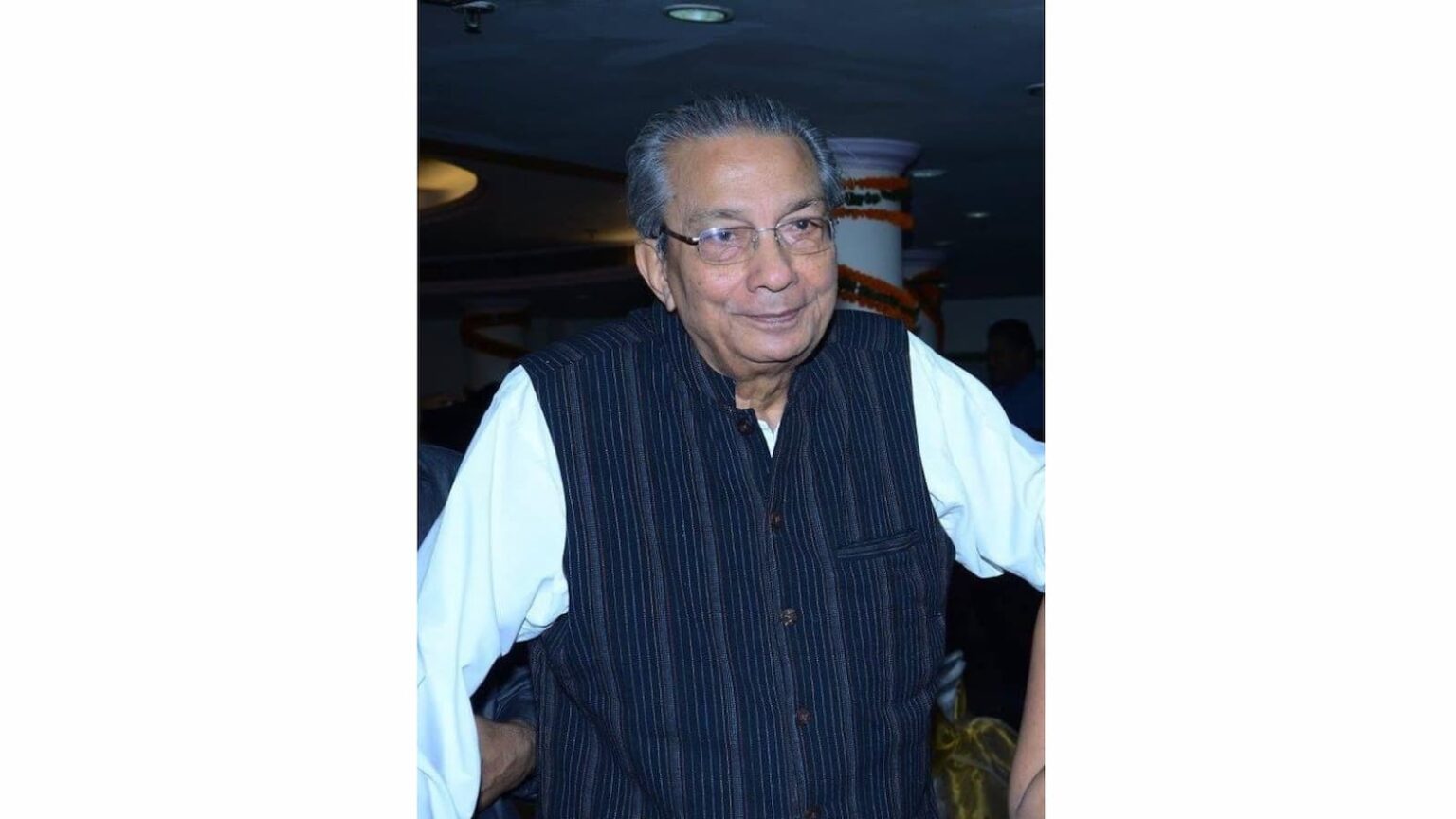
Ather Siddiqi was a researcher of eminence in his field and his research has been nationally and internationally recognised in the scientific world.

Professor Ather H. Siddiqi was born on December 29, 1931, in Saharanpur, Uttar Pradesh. He attained his early education at the Govt. High School, Saharanpur and obtained the degrees of B.Sc. (1950) and M.Sc. (1953) from A.M.U. Topping the university in Science and Zoology, he received two gold medals. He did his PhD in 1956 under the supervision of Professor Babar Mirza from Aligarh Muslim University.

Ather Siddiqi joined the Department of Zoology as a lecturer in 1953. After three years, he joined Purdue University, USA and completed another doctorate in 1958. He became a reader in 1961 and was appointed as a professor in 1977. Prof. Siddiqi also taught at universities in Nigeria and Libya and returned to India in 1980. He served as the Chairman of the Department of Zoology (1985-88) and as the President of the Indian Society for Parasitology. He also served as the Dean of the Faculty of Life Science in 1988-89, finally retiring from his services in 1994.

His scientific work on helminth taxonomy was published by the New York Academy of Sciences in the form of an exhaustive monograph. Despite that, he received his basic training in classical zoology in the early sixties. Later on, he switched to experimental work in parasitology. Ather Siddiqi was a researcher of eminence in his field and his research is nationally and internationally recognised in the scientific world.

Siddiqi’s Immersion in Urdu Writing

Apart from research articles, his popular writing in Urdu started in the 1980s. His first article in Urdu appeared on the life and scientific contribution of his mentor Professor Babar Mirza in the Quarterly “Fikr-o-Nazar” (January 1987). He published two articles in the early years of “Tehzib-ul-Akhlaq”, Aligarh: ‘Ilm-ul-Hayatiat ke Isatiza se Khitab’ (December 1987), ‘Mohammad Babar Mirza-Apnay Chaman ka Aik Deedawar’ (August 1989).

After his retirement in 1994, he devoted himself completely to Urdu writing. His lengthy article, ‘Mashriq say bezar na Maghrib say Hazar Kar’ narrateing the scientific and cultural activities of European countries was serialised in January 2005-June 2006 issues of “Tehzib-ul-Akhlaq”.

Similarly, his Urdu travelogue ‘Saat Haftay Inglistan Main’ (Seven Weeks in England) was published in the June and July 2006 issues of “Tehzib-ul-Akhlaq”. It carried interesting information regarding the scientific and cultural development of England.

His article based on his visit to Spain ‘Undlus Ka Shandaar Mazi’ (The Bright Past of Spain) discussed the scientific and cultural development of medieval Spain.

Ather Siddiqi along with Syed Zillur Rahman, contributed a chapter, ‘Aligarh Muslim University: Development and Progress of Science Teaching and Research, 1877-1947’ in Science and Modern India: An Institutional History, c. 1784-1947 (ed. Uma Das Gupta), Centre for Studies in Civilisation published in 1999.

A Glimpse into his Published Works

He is regularly contributing a literary column ‘Hairat Sarai Ke Kahania’ to “Tehzib-ul-Akhlaq” which consists of the translation of interesting short stories taken from the internet.

Recently, his popular science articles ‘Parasitism: Aik Dilchasp Tareeq Zindagi’ (Parasitism is an Interesting Way of Life) and ‘Yek khuliya Tufailiati Beenariyan’ (Unicell parasitic diseases) appeared in the February 2022 and February 2023 issue, respectively, of the Urdu monthly ‘Aajkal’, Delhi.

After retirement, Ather Siddiqi devoted himself to Urdu writing and authored, translated and edited dozens of books. The names of some of his books are: ‘Kiya aur meri Hayat Kiya’, ‘Lizzat Aabla Pai’, ‘Nishat Aabla Pai’, ‘Hairat Sarai ke Kahaniyan’ (Vol. 1, 2, 3, 4). In 2022, he published “Rah wa Rasam Aashnai”, his last book. He also rendered Retd IAS officer Musa Raza’s book, “Land of Regrets: Kashmir”, in Urdu as “Kashmir Sarzamin Pashemani”.

Ather Siddiqi was one of the best teachers, an internationally acclaimed Zoologist, and a passionate Urdu writer. And above all, he was a wonderful human being. He passed away on 8th November, 2023, in Delhi at the age of 92 years due to old age illness.

References:

 Tehzib-ul-Akhlaq, Aligarh (various issues)
 Science and Modern India: An Institutional History, c. 1784-1947 (ed. Uma Das Gupta), Centre for Studies in Civilisation, New Delhi, 1999.

source: http://www.heritagetimes.in / Heritage Times / Home / by Dr Asad Faisal Farooqui

Ruhul Amin Hazarika from Assam joins cancer detection research in Italy

Chenibari Village (Darang District) , ASSAM / ITALY :

Dr. Ruhul Amin Hazarika

A young scientist from a small village Chenibari in the Darang district of Assam has brought laurels to the country in global medical research. Dr. Ruhul Amin Hazarika has been appointed as a research scientist at the prestigious University of Calabria in Italy, where he will conduct research on cancer detection and diagnosis with the help of artificial intelligence (AI) and will assist in teaching.

Dr. Ruhul Amin Hazarika is the son of Bashiruddin Ahmed Hazarika and Rabia Khatun, residents of Chenibari village. He received his early education from local Assamese-medium government schools and after matriculation moved to Mangaldoi for further studies.

After passing 12th in Science from Mangaldoi Government Higher Secondary School, he obtained B.Tech, M.Tech, and PhD degrees from North Eastern Hills University (NEHU), Shillong. Due to his hard work and dedication, today he has secured such an achievement which is a matter of pride for the entire state and country.

His main area of research in Italy is to develop AI-based cancer detection systems. This technology can prove helpful in the early detection of cancer and can revolutionize medical science at the global level.

Dr Hazarika believes, “Medium of education and social status are not barriers if the hard work and dedication is genuine.”

He himself studied in Assamese medium government schools from primary to 12th standard and then achieved this position by obtaining a PhD from government universities.

After completing his education, Dr. Ruhul Amin worked as an Associate Professor at Manipal University, Bangalore, where, observing his research work and technical expertise, he received a research invitation from the Italian University.

This achievement of Dr. Hazarika is not just an inspirational message for his family or village but also for the students of Assam and India who dream of touching heights despite limited resources and difficult circumstances.

“With hard work and determination, any obstacle can be overcome. If I can do it, anyone can,” said Dr. Ruhul Amin Hazarika.

His achievement not only strengthens India’s role in the field of medicine and technology but also shows that boundaries cannot stop talent.

source: http://www.awazthevoice.in / Awaz, The Voice / Home> Stories / by Ashad Ali, Mangaldoi / April 2Oth, 2025

Dr. Fatima Jalid of NIT Srinagar Featured Among 75 Indian Women in Chemistry

Srinagar, JAMMU & KASHMIR :

Srinagar :

Dr. Fatima Jalid, an Assistant Professor in the Department of Chemical Engineering at the National Institute of Technology (NIT) Srinagar, has been recognized in the newly published book She Is – 75 Women in Chemistry.

Published by Beyond Black in collaboration with the Office of the Principal Scientific Adviser (PSA) to the Government of India and the Royal Society of Chemistry (RSC), UK, the book was unveiled on February 6 at the Indian Institute of Science Education and Research (IISER) in Bhopal. It is the fourth edition in the She Is series and highlights the achievements of 75 Indian women making remarkable contributions in chemistry and related fields.

The book, authored by Elsa Marie D’Silva and Supreet K Singh, sheds light on the journeys of women from Tier 2 and Tier 3 cities who have persevered against challenges to establish themselves in the field of chemistry. The authors emphasize that these women serve as beacons of inspiration, proving that determination and dedication can lead to excellence in scientific research.

Dr. Jalid’s research at NIT Srinagar focuses on developing chemical compounds and processes with applications in material science, environmental chemistry, and biotechnology. By integrating interdisciplinary approaches, she has advanced scientific knowledge in both theoretical and applied chemistry.

In a male-dominated field, Dr. Jalid has emerged as a role model for aspiring women in STEM. Her mentorship has created an inclusive academic environment at NIT Srinagar, encouraging more female students to pursue careers in scientific research. Actively involved in initiatives promoting women in science, she has organized workshops, seminars, and outreach programs to enhance female representation in STEM fields.

Believing that science should be accessible to all, Dr. Jalid advocates for inclusivity in research, ensuring that knowledge benefits society beyond socio-economic and gender barriers. Her published research papers in reputed international journals have received significant citations, further cementing her impact in the field.

The book She Is – 75 Women in Chemistry is available online for purchase at ₹1,645.

source: http://www.radiancenews.com / Radiance News / Home> Focus> Markers of Excellence / by Radiance News Bureau / February 16th, 2025

Jamia Professor Dr. Tokeer Ahmad Conferred Prestigious MRSI Medal 2023

NEW DELHI:

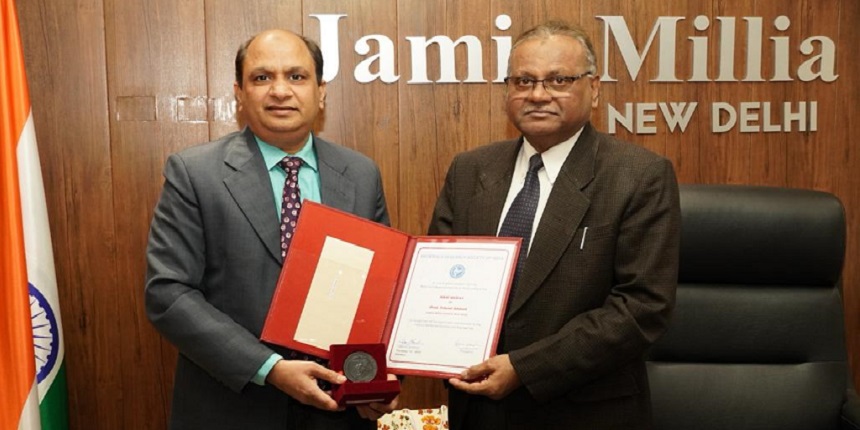
Prof. Tokeer Ahmad at Department of Chemistry, Jamia Millia Islamia (JMI) has been conferred the MRSI Medal-2023 for his outstanding contribution to Materials Science & Engineering especially Functional Materials for Sustainable Green Hydrogen Energy by the Materials Research Society of India.

Jamia Millia Islamia: 

Prof. Tokeer Ahmad of Department of Chemistry, Jamia Millia Islamia (JMI) has been conferred the MRSI Medal-2023 for his outstanding contribution to Materials Science & Engineering especially Functional Materials for Sustainable Green Hydrogen Energy by the Materials Research Society of India.

The award ceremony was organised during the MRSI Annual General Meeting in the 5th Indian Materials Conclave held at IIT (BHU) Varanasi.

Prof. Ahmad was conferred the MRSI Medal, Citation and Rs. 10,000/- as award money. He has also delivered the MRSI Medal Lecture on Hydrogen Energy.

About MRSI

The Materials Research Society of India (MRSI) is a professional scientific body founded by the farsighted vision of Bharat Ratna Prof. C. N. R. Rao to promote education, research, and applications of materials among researchers in India and abroad. MRSI functions through 18 Regional Chapters and 16 Subject groups.

MRSI is supported by individual members and institutions who will be patrons of the society. MRSI is now having around 5000 life members. MRSI has been regularly publishing the MRSI Newsletter quarterly. MRSI co-sponsors the publication of Bulletin of Materials Science (BMS) published by the Indian Academy of Sciences and Springer.

MRSI is also a founding Adhering Body of the International Union of Materials Research Societies (IUMRS) and participates in the international arena of materials research.

About Prof. Tokeer Ahmad

Prof. Tokeer Ahmad graduated from IIT Roorkee and Ph.D. from IIT Delhi. Presently, he is full Professor at Department of Chemistry, Jamia Millia Islamia, New Delhi. His research interest includes the designing of functional heterostructures for nanocatalysis, sustainable green hydrogen energy production and gas sensing applications.

Prof. Ahmad has supervised 16 PhD’s, 77 postgraduates, 10 projects, published 181 research papers, one patent and three books with research citation of 6435, h-index of 48 and i10-index of 130.

Prof. Ahmad is active reviewer of 156 journals, delivered 155 Invited/keynote/plenary talks, presented 128 conference papers and also evaluated around 55 external doctorate theses. Prof. Ahmad is also serving as an editorial board member for several journals.

Prof. Ahmad is the recipient of MRSI Medal, SMC Bronze Medal (BARC), ISCAS Medal, Inspired Teacher’s President Award, DST-DFG award, Distinguished Scientist Award, Maulana Abul Kalam Azad Excellence Award of Education, Teacher’s Excellence Award and elected as Member of National Academy of Sciences India.

Prof.Ahmad has been figured in World Top 2% Scientists for consecutive four years since 2020 in both coveted lists including career long by Stanford University, USA.

Prof. Ahmad has been recently admitted as Fellow of Royal Society of Chemistry (FRSC), UK.

Offng. Vice-Chancellor of JMI Prof. Eqbal Hussain congratulated Prof. Ahmad for the achievement and extended best wishes for his future endeavors. He hoped that this would surely encourage him to bring more laurels for the institution.

source: http://www.ummid.com / Ummid.com / Home> Education & Career / by ummid.com news network / December 27th, 2023