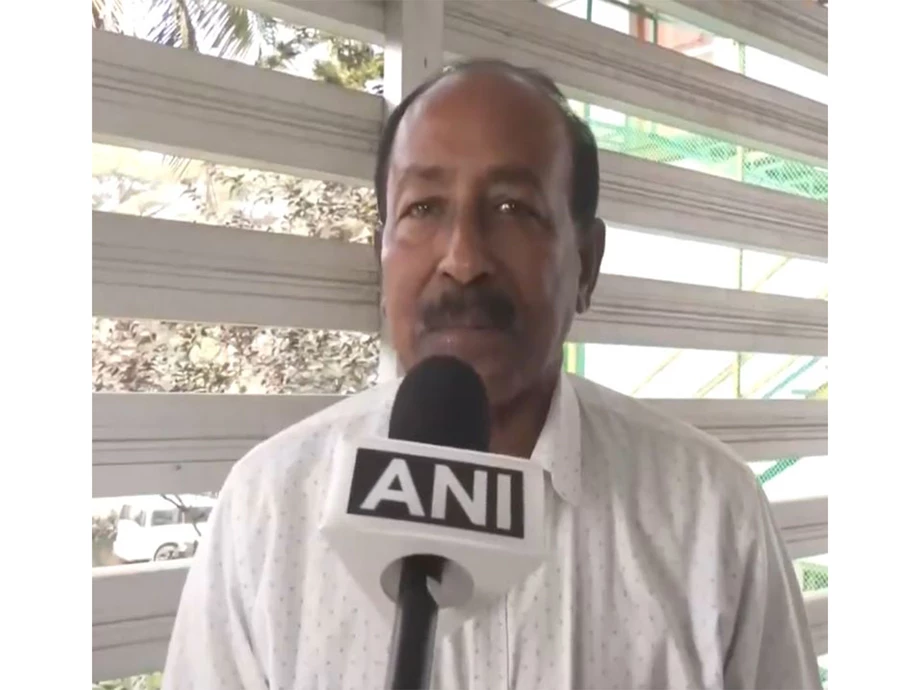
Nuruddin Ahmed, Assam’s sculptor and art director (Photo/ANI). Image Credit: ANI
Assamese sculptor Nuruddin Ahmed has been awarded the Padma Shri 2026, recognizing his outstanding contributions to art. Expressing gratitude towards the people of Assam, Ahmed hails the award as a life-changing moment. The Padma awards honor distinguished service in various fields, with 131 recipients, including posthumous recognitions, announced this year.
In a remarkable acknowledgment of his artistic contributions, Assamese sculptor and art director, Nuruddin Ahmed, has been awarded the prestigious Padma Shri for the year 2026 in the field of art. On receiving the honor, Ahmed expressed heartfelt gratitude to the people of Assam, considering the award a defining moment in his career.
Speaking with ANI, Ahmed extended his thanks, attributing his success to the unwavering support from Assam’s residents. ‘This recognition serves as a milestone, propelling me towards greater aspirations in life,’ he remarked.
The esteemed Padma Awards, announced annually on Republic Day, highlight exemplary service in diverse domains. This year, the President of India approved 131 honors, spanning categories like art, public affairs, medicine, and more. The revered Padma Vibhushan, Padma Bhushan, and Padma Shri awards were conferred on both national and posthumous figures, recognizing their invaluable contributions.
(With inputs from agencies.)
source: http://www.devidiscourse.com / Devi Discourse / Home> News> Law & Governance / by Devi Discourse News Network / January 27th, 2026
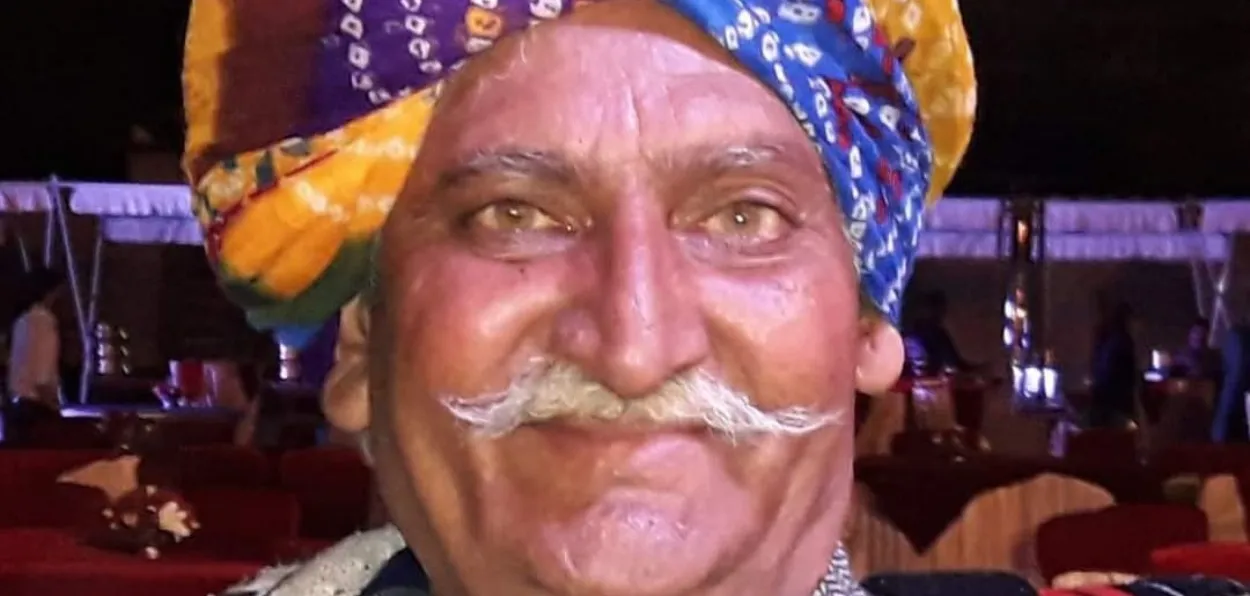
In a move that has sparked widespread outrage across Gujarat, a local BJP corporator has filed an objection to the voter registration of legendary folk artist and Padma Shri awardee, Mir Hajibhai Kasambhai, popularly known as “Haji Ramkadu.”
The controversy erupted just 48 hours after the Central Government announced the prestigious Padma Shri for the artist’s lifelong contribution to the arts. During the ongoing Voter Revision Program (SIR), BJP Corporator Sanjay Jamnadas Manvar submitted a Form 7 application, seeking the removal of the name “Hajibhai Rathod” from the electoral roll in Ward No. 8.
A Question of Identity or “Incorrect Motives”?
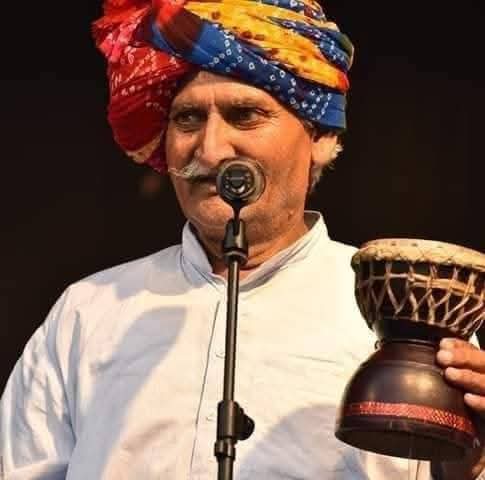
The artist, who has played dholak in over 3,000 charity programs for cattle welfare and 1,000 stage shows, expressed deep hurt over the move.
“They tried to remove my name from voter list, I have received award. I am very upset with this. I have lived in Ward No. 8 for over 60 years. Both the State and Central governments have honoured my work. What is lacking in my identity that an objection has been raised against my name?” Haji Ramkadu asked, calling for the government to ensure such incidents do not recur.
Defending his actions, Corporator Sanjay Manvar clarified that his objection was not a personal attack on the legend. “Hajibhai is the pride of the nation. My objection was regarding the surname ‘Rathod’ listed in the rolls, whereas his official name is Mir Hajibhai Kasambhai. To avoid confusion and potential misuse of dual identity cards, I requested a correction,” Manvar stated, adding that the artist is “like family.”
Political Firestorm
The opposition has been quick to seize the moment. A Congress spokesperson slammed the BJP-led administration and the Election Commission, labelling the incident “the height of malpractice.”
“On one hand, the government honours a man with the Padma Shri, and on the other, their own corporator tries to strike his name from the voter list,” the spokesperson said. “If a national icon like Haji Ramkadu is being played with, what must be the plight of the common citizen?”
The Legacy of Haji Ramkadu
Mir Hajibhai Kasambhai is a household name in the world of Bhajan, Santvani, Ghazal, and Qawwali. Known for his unique style of playing the Dholak, he has dedicated his life to spiritual and social causes. The announcement of his Padma Shri on the eve of Republic Day was celebrated as a victory for traditional Gujarati folk art-a celebration now clouded by this local electoral dispute.
As the Election Commission reviews the application, the citizens of Junagadh wait to see if this “clerical correction” will be settled amicably or continue to fuel political tensions.
source: http://www.ndtv.com / NDTV / Home> News> India News / by Saurabh Vaktania (headline edited) / January 28th, 2025
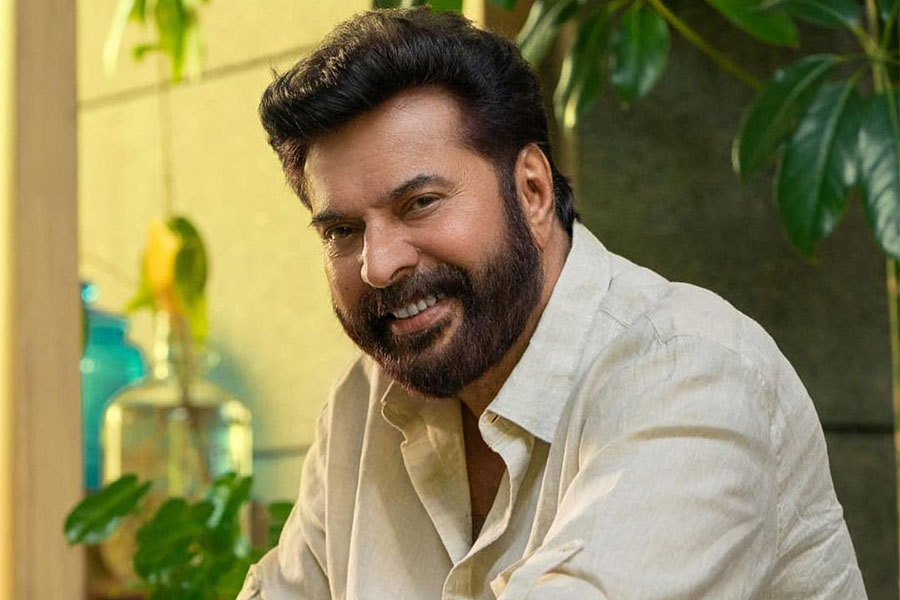
Fondly called ‘Mammukka’ by his fans and those close to him, the 74-year-old actor described the award as ‘unexpected’.
Malayalam superstar Mammootty, who was conferred the Padma Bhushan on Sunday, said he was “very happy” and that there was “nothing greater than the country honouring one”.
Fondly called ‘Mammukka’ by his fans and those close to him, the 74-year-old actor described the award as “unexpected” while speaking to a TV channel.
Wishes poured in on social media as news spread about the honour, which was conferred on Mammootty for his contributions to the field of art. “My friend Mammootty has now become Padma Bhushan Mammootty. Congratulations to my friend,” actor-politician Kamal Haasan wrote on X.
“Congratulations, Mammukka! And thank you for showing us how boundaries are broken, and challenges are taken up with a smile! You’re our pride and one of a kind,” actress Manju Warrier wrote in a Facebook post.
Later, at the Kerala State Film Awards ceremony, Mammootty was congratulated by Chief Minister Pinarayi Vijayan and Culture Minister Saji Cherian. In his address at the event, Vijayan said Mammootty had been honoured by the country with the Padma Bhushan.
“The Kerala cabinet is happy it could take part in this joyous development, as we have been recommending him for the award for the past several years. Everything has its time. Heartfelt congratulations to him. No one in the history of Indian cinema has performed such diverse characters as he has,” the Chief Minister said.
Mammootty has acted in over 400 films across languages including Malayalam, Tamil, Telugu, Kannada, Hindi and English, in a career spanning more than five decades.
He is a recipient of three National Awards, several state awards, and two honorary doctorates, apart from Padma Shri.
Mammootty made his film debut in 1971 with Anubhavangal Paalichakal. His most recent big-screen outing was Kalamkaval.
source: http://www.telegraphindia.com / The Telegraph Online / Home / by The Telegraph, Entertainment Web Desk / January 26th, 2026
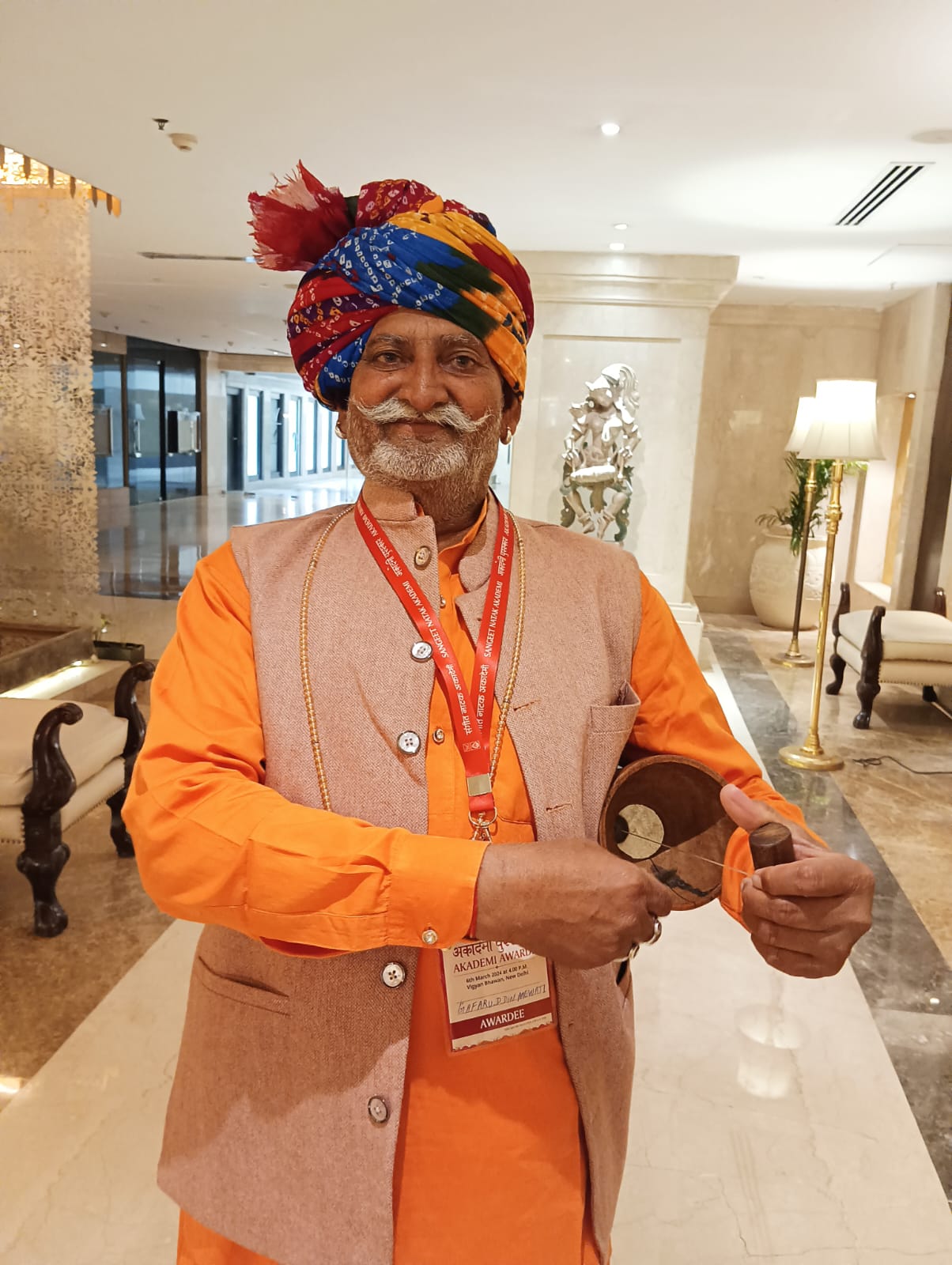
My joy is like that of a labourer who goes to work in the morning and receives his wages the same evening,” said Ghafruddin Jogi Mewati, a traditional singer, who has been selected for this year’s Padam Shri award by the government of India.
Ghaffaruddin, 68, has showcased his art for more than half a century, from the rugged lanes of Mewat to the seven seas. As soon as the announcement of the coveted award poured in, Ghafruddin, a resident of Alwar, was overwhelmed with emotion.
Memories of him wandering barefoot through the villages of Mewat, playing the bhapang (A traditional string instrument) and begging for flour, flashed in his mind. Today, he feels that he has received the wages for all that hard work he did to keep a traditional art form alive.
He feels the Padam Shri is not just an honour for an individual, but for the centuries-old Mewati culture, the legacy of the Jogi community, and the rhythm of the bhapang, which is on the verge of extinction.
The Mewat region, which straddles the borders of Haryana and Rajasthan, possesses a unique identity as a syncretic culture.
Here, the Jogi community, who are Muslims, has, for generations, sung episodes from the Mahabharata and other folk tales.
#WATCH | Folk artist Gafruddin Mewati Jogi, awarded the Padma Shri in the field of art, said the honour marks the culmination of a lifelong struggle.
He recalled learning and preserving the art by travelling with his father, passing it on to others, and continuing the… pic.twitter.com/xiYDWTOqSQ— DD News (@DDNewslive) January 26, 2026
Ghafruddin is one of the strongest exponents of this tradition. He says, “Stay connected to your language, culture, and folk art; that is our true identity.” For him, this honour is a debt he owes to the soil of Mewat, which nurtured him during his days of struggle.
Born in Kaithwara village in the Deeg district of Rajasthan, Ghafruddin’s childhood was no less dramatic than a film script. His father, the late Budh Singh Jogi, was an accomplished artist. At the tender age of four, when children usually play with toys, his father placed a ‘bhapang’ in Ghaffaruddin’s hands.
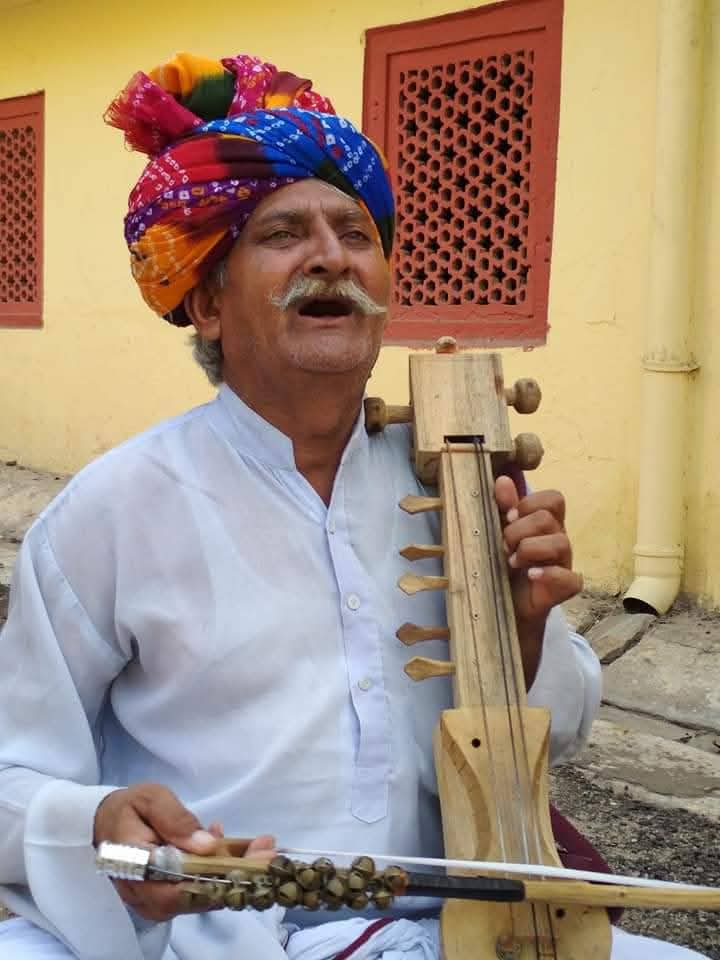
The Bhapang, which resembles a small drum but has a single string, is considered an evolved form of Lord Shiva’s damru (a small hourglass-shaped drum). Playing it requires an extraordinary coordination of abdominal muscles, fingers, and vocal rhythm.
As a child, he learned by travelling from village to village with his father, sitting in village squares, and listening to folk tales.
They had to beg for grain and flour in villages to support the family. Those were difficult days, but the rhythm of the Bhapang never let him lose hope.
The most significant aspect of Gafruddin Jogi’s art is his rendition of the Mahabharata. Remarkably, a Muslim artist sings the epic of Lord Krishna and the Pandavas with such devotion and purity that the listener is completely captivated. Alwar and the surrounding areas are historically linked to ‘Viratnagar,’ where the Pandavas spent their period of exile.
When Gaffaruddin narrates these folk tales in the Mewati dialect, history comes alive. His art has proven that music and culture know no religious boundaries.
The year1992 marked a major turning point in his life. He travelled abroad and performed for the first time. There has been no looking back since then.
He carried the sound of Bhapang to over 60 countries, including England, Australia, Canada, France, and Dubai. When he played Mewati folk tunes at an event celebrating Queen Elizabeth’s birthday in London, even the foreign audience was captivated by the magical rhythm.
When the call on his mobile came, he initially thought someone was playing a prank on him, but when the news was confirmed, he was emotional. He dedicated the award to the Mewat region and the Jogi community.
#WATCH | Alwar, Rajasthan: On being conferred with the Padma Shri 2026 in the field of art, folk artist Gafruddin Mewati Jogi says, “I am very happy that the struggle of my life has finally yielded results, and I have received this recognition… For seven years, I went from… pic.twitter.com/66UQBRb4W5
Today, the eighth generation of his family is carrying on this art form. His son, Dr Shahrukh Khan Mewati Jogi, has not only learned music but also earned a PhD on the culture of Mewat. While many traditional art forms are fading away, Ghaffaruddin’s family is keeping this flame alive.
Ghafruddin Jogi Mewati wants to open a school for folk arts. He wants the government to provide him with land where he can teach the new generation the art of playing the Bhapang, Mewati folk singing, and their traditional stories.
He says that if the younger generation does not stay connected to its roots, we will lose our identity. He says receiving the Padma Shri is not the destination for him, but the beginning of a journey that he wants to continue until his last breath.
source: http://www.awazthevoice.in / Awaz, The Voice / Home> Stories / by Younus Ali, Alwar / January 28th, 2026
The new Mumbai Municipal Corporation (Brihanmumbai Municipal Corporation 2026 or BMC 2026) to have 01 more Muslim corporator as compared to the community’s tally last time.
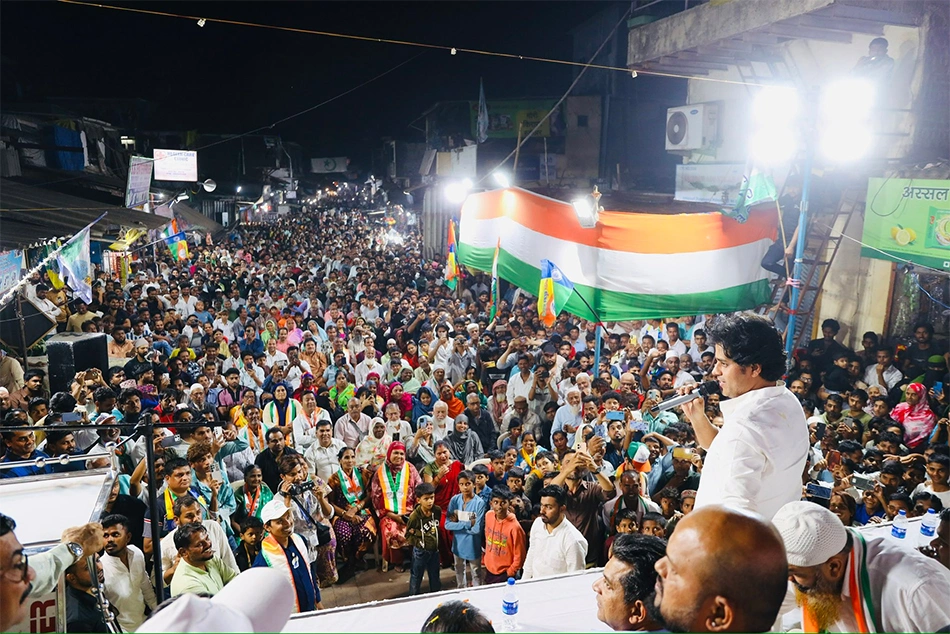
[Imran Pratapgarhi, Member of Rajya Sabha from Maharashtra and National Chairman Congress Minority Department, leading a rally in support of Congress candidates in Mumbai]
BMC 2026 Final Result:
The new Mumbai Municipal Corporation (Brihanmumbai Municipal Corporation 2026 or BMC 2026) to have 01 more Muslim corporator as compared to the community’s tally last time.
A total of 29 Muslims from different parties had won the 2017 BMC elections. As against this, number of Muslims in the Mumbai Mahanagar Palika 2026 is 30, as per the final election result announced by the Maharashtra State Election Commission Saturday.
Of the total 30 Muslim Corporators who have won the 2026 Mumbai Municipal Corporation Elections the maximum 13 are from Congress, 07 are from Asaduddin Owaisi’s All India Majlis e Ittehadul Muslimeen (AIMIM), 03 each are from NCP (Ajit Pawar) and Shiv Sena (UBT), 02 are from Samajwadi Party (SP) and 02 each from Shiv Sena (Eknath Shinde) and NCP (Sharad Pawar).
List of Muslim Corporators in Mumbai Corporation
Following is the party-wise full list of Muslim corporators in Mumbai.
Muslim Corporators of Nationalist Congress Party (NCP Sharad Pawar)
30. Bushra Nadeem Captain Malik (Ward No. 170)
What is important is that the Muslim candidates have won the BMC 2026 elections from all parties – including Congress, AIMIM, Samajwadi Party, NCP (Ajit Pawar), NCP (Sharad Pawar) and also from Shiv Sena (Eknath Shinde) and Shiv Sena (Uddhav Thackeray or UBT).
This is a clear message to the BJP, which because of its communal agenda and hate for Muslims does not give the party tickets to Muslims, and gives an excuse that the community does not vote for it.
Along with the Mumbai Municipal Corporation (BMC), civic body elections were also held in 28 other corporations of Maharashtra.
As per the final result announced by the state election commission, out of the total 2,869 seats, the BJP has won 1,420 seats, Shiv Sena (Eknath Shinde) 375, Congress 329, NCP (Ajit Pawar) 175, Shiv Sena (UBT) 160, AIMIM 125, NCP (Sharad Pawar) 40 and MNS just 13 seats. (The result of some seats have not been announced.)
source: http://www.ummid.com / Ummid.com / Home> Maharashtra / by ummid.com news network / January 18th, 2026
The Museum of The Holy Quran in the Hira Cultural District of Makkah is showcasing a rare 18th century Quran calligraphed in India exemplifying Muslim devotion to the Holy Quran.
Makkah al Mukarramah:
The Museum of The Holy Quran in the Hira Cultural District of Makkah is showcasing a rare Quranic manuscript exemplifying Muslim devotion to the Holy Quran.
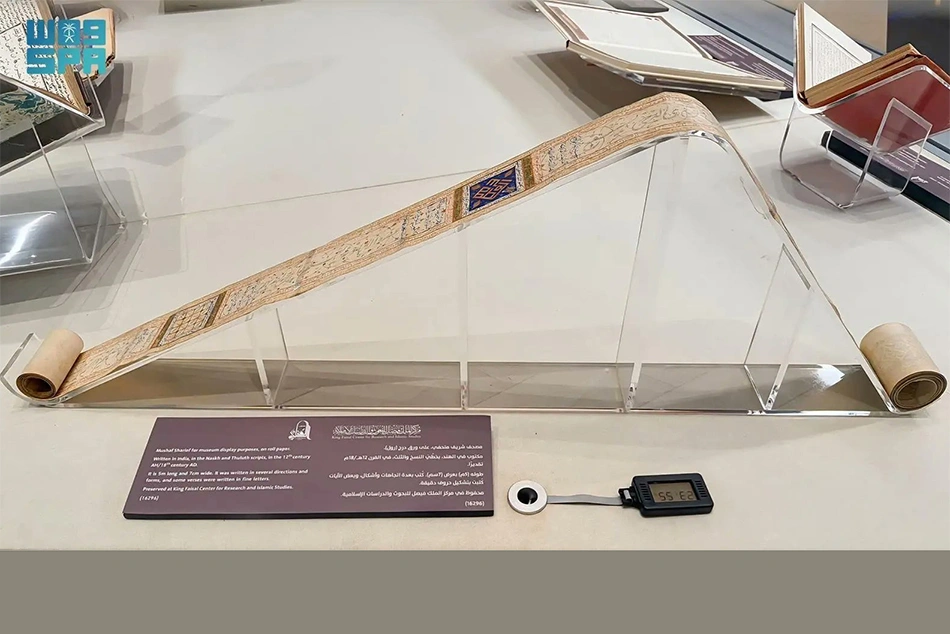
This museum-grade Quran, written on roll paper, was completed in India during the 12th century AH (the 18th century AD), Saudi Press Agency reported.
Featuring Naskh and Thuluth scripts, the manuscript displays artistic skill and precision. Its diverse orientations and unconventional styles showcase creativity in Quranic production.
Measuring approximately five meters in length and seven centimeters in width, the scroll is unique in shape and size, reflecting the ingenuity of Quranic craftsmen in maximizing narrow spaces for clarity and aesthetic appeal.
Part of the King Faisal Center for Research and Islamic Studies (KFCRIS) collection, which houses a rich assortment of rare Islamic artifacts, this manuscript’s display at the Holy Quran Museum is part of a cultural partnership with KFCRIS.
This initiative is aimed at enriching visitors’ intellectual experience and providing access to unique examples of Islamic heritage.
source: http://www.ummid.com / Ummid.com / Home> Life & Style / by ummid.com news network / January 21st, 2026
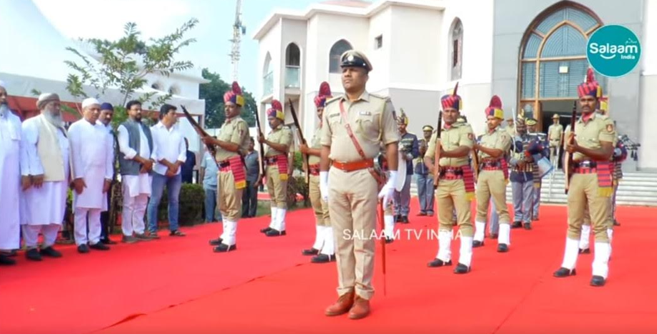
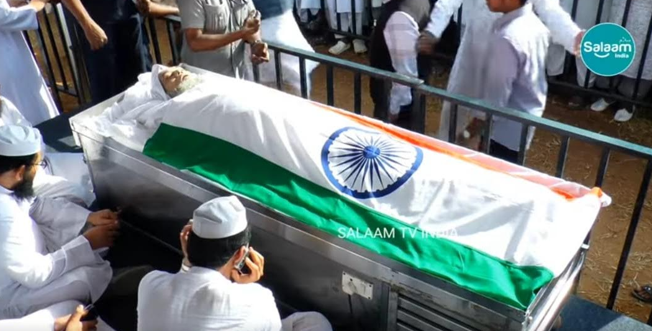
Chief Minister Siddaramaiah paid his last respects to Hazrat Maulana Sagheerr Ahmed Khan Rashadi, Amir-e-Shariat of Karnataka and rector of Darul Uloom Sabilur Rashad, expressing deep grief over his passing. He conveyed condolences to the bereaved family and prayed for strength and patience during the period of mourning.
Recalling the life and work of the late scholar, the Chief Minister said Maulana Rashadi devoted his entire life to Islamic education, moral guidance, and the cause of communal harmony. He described him as a respected religious scholar and social leader whose influence reached far beyond classrooms and institutions. According to Siddaramaiah, the Maulana’s scholarship and counsel shaped generations of students and earned respect across religious and social communities.
Several senior leaders and officials attended the prayers, including Ministers K J George and Zameer Ahmed, Chief Minister’s Political Secretary Naseer Ahmed, and Additional Chief Secretary Anjum Pervez. Their presence underlined the regard held for the late Maulana within the administration and public life.
Community leaders also joined the gathering. Among them were Dr Belgami Mohammed Sa’ad, state president of Jamaat-e-Islami Hind Karnataka, Maulana Ifteqar Qasmi, president of Jamiat ul Ulema Karnataka, along with scholars and representatives from different walks of life.
The mortal remains of Maulana Sagheerr Ahmed Khan Rashadi were laid to rest at the burial ground within the Darul Uloom Sabilur Rashad campus.
The funeral prayer drew thousands of students from across Karnataka, fellow scholars, and members of the public.
His son, Maulana Zubair Ahmed Khan, led the prayer in an atmosphere marked by grief and reverence.
Speakers described the late Maulana as a symbol of knowledge, humility, and lifelong service whose legacy will guide future generations.
source: http://www.radiancenews.com / Radiance News / Home> Latest News> Report / by Radiance News Bureau / January 14th, 2026
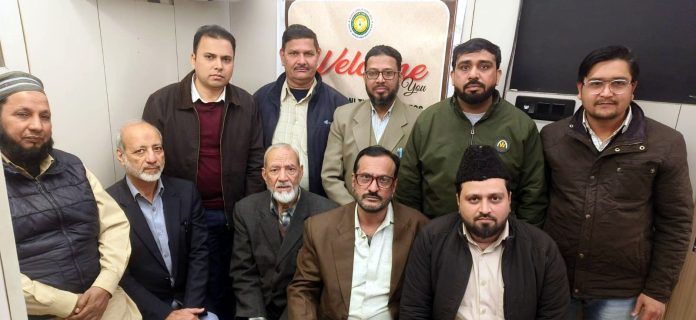
A meeting of the Pharmacy Wing of All India Unani Tibbi Congress (AIUTC), New Delhi, was held under the chairmanship of Hakim Arbabuddin (Sadar Dawakhana), at the clinic of Hakim Uzair Baqai in Daryaganj here.
Addressing the meeting, the Secretary General of All India Unani Tibbi Congress, Dr. Syed Ahmad Khan, emphasised that classical medicines should be used as much as possible in clinical practice. He also stressed that Unani pharmaceutical institutions must ensure that Urdu is printed on the packaging of medicines, as Urdu and Unani medicine are inseparable. He said that Urdu is the identity of Unani medicine and a matter of pride for India. He further stated that Urdu originated and flourished in India, and therefore there is a need to remain sensitive towards the language. He added that Unani medicine is in its best condition in India, and today India is the global leader in this field.
On the occasion, preparations for the World Unani Medicine Day programme scheduled to be held in Lucknow on February 12 were reviewed.
Prominent participants in the meeting included Dr. Zakiuddin, Dr. Shakeel Ahmad Meerathi, Dr. Ghiyasuddin Siddiqui, Dr. Mufti Javed Anwar, Dr. Mirza Asif Beg, Dr. Faheem Malik, Hakim Naeem Raza, Hakim Mohammad Murtaza Dehlvi, Israr Ahmad Ujjaini, and Mohammad Imran Qanooji, among others.
The vote of thanks was presented by Hakim Uzair Baqai, National General Secretary of the Pharmacy Wing of the All India Unani Tibbi Congress.
source: http://www.radiancenews.com / Radiance News / Home> Latest News> Report / by Radiance News Bureau / January 14th, 2026
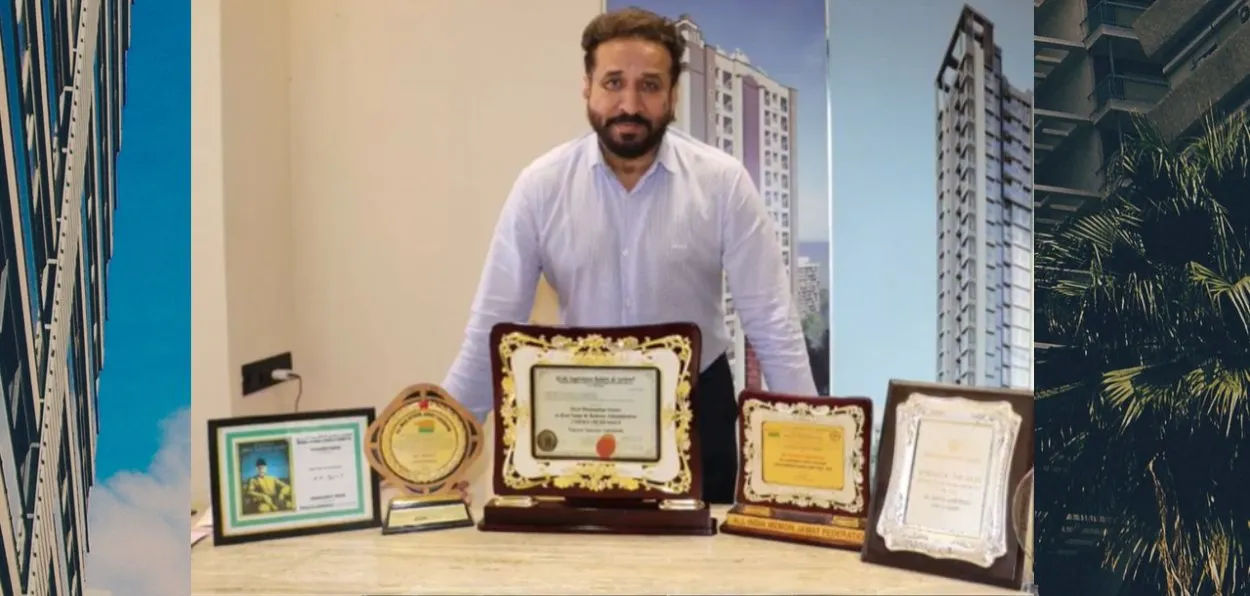
Parvez Suleman Lakdawala, founder CEO, Grace Group of Companies
Mumbai :
Mumbai-based real estate developer Parvez Suleman Lakdawala, who has played a significant role in building homes for slum dwellers, has received an Honorary Doctorate from the University of Sorbonne of France at the British Parliament for his extraordinary work in real estate and housing infrastructure particularly in slum redevelopment, over the last three decades.
He was given this award during the ‘Sorbonne International Convention’ held at the ‘House of Lords’ in London by the French higher education institution ‘Ecole Supérieure Robert de Sorbonne.’
Speaking about the honour, he said, “I never even dreamt that I would receive such an honour.”
This institution is known worldwide for granting degrees based on professional experience. Speaking after accepting the honorary degree, Lakdawala said, “This is a global success for the slum rehabilitation work I have done through SRA schemes. I have been in this business for 30 years and have completed the construction of 32 buildings so far.”
Parvez Lakdawala was born into poverty in a small hutment in Bandra when conditions in the slums were sub-human, and the residents had to struggle for basic amenities like water.
Parvez recalls that there was a filthy settlement outside his house, and the condition of the household was very poor. For children living in such conditions, even dreaming big was considered a crime.
However, Parvez never let his poverty weaken his resolve to rise above his circumstances.
Despite the fear of dropping out due to poverty, Parvez held onto his education. Studying while living in a slum, he completed his education. Not many know that Parvez Lakdawala, the successful businessman, is a law graduate.
The law gave him discipline in life and the knowledge to fight against injustice. He often says that he prospered in life only because of education.
In 1989, he laid the foundation of the Grace Group of Companies and started working in the real estate sector.
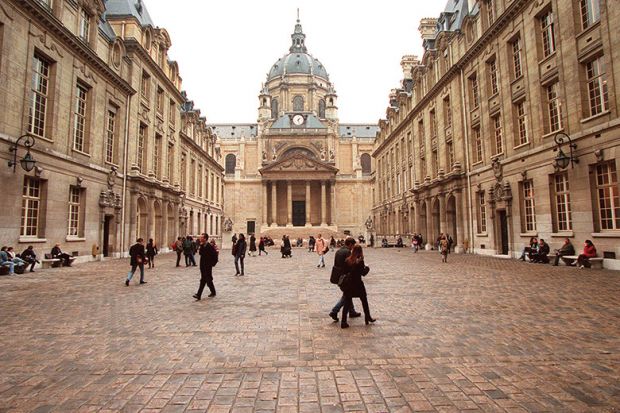
Sorbonne University campus
Around 1995, he worked for the Slum Rehabilitation Authority of Mumbai (SRA) to provide highly subsidized apartments to slum dwellers. At that time, not many builders were willing to work there. Today, he has completed projects of more than 32 grand buildings in Mumbai.
He gave a new face to the homes of the poor by implementing new designs, modern amenities, and innovative concepts.
Earning money was never his sole aim. Having experienced poverty, he empathized with the poor. That is how he bears the educational expenses of thousands of poor children. For parents who cannot afford to pay their children’s school or college fees, Parvez Lakdawala has become a ray of hope. “Allah has given to me so that I can give it back to society,” he says.
During the Corona lockdown, when the entire country was under the shadow of fear, Parvez Lakdawala was working in the streets.
Thousands of labourers with their small children were walking towards their villages. Parvez arranged for vehicles and buses for them. He transported more than 3000 people to their homes.
He also ensured the travelers got food and water. For this work, he received appreciation not only from Mumbai but also from states like Rajasthan.
In a city like Mumbai, where even dreaming of a home is a luxury, Parvez Lakdawala has helped thousands of families get their rightful homes. His journey builds buildings worth crores today, starting from a 250-square-foot house.
The most important aspect of Parvez Lakdawala’s work is the self-respect he has given to the common man. Recalling old memories, he says, “Earlier, people living in slums used to feel ashamed about their address. They regretted their living conditions. Today, when the same people enter flats equipped with all amenities, they proudly disclose their address to others. Giving them the property they deserve and a sense of security gives me the most joy.”
Parvez Lakdawala’s mantra is: Your intention is more important than your destiny. If your intention is good, God comes to your aid and grants you success.
source: http://www.awazthevoice.in / Awaz, The Voice / Home> Stories / by ATV / posted by Aasha Khosa / January 09th, 2026
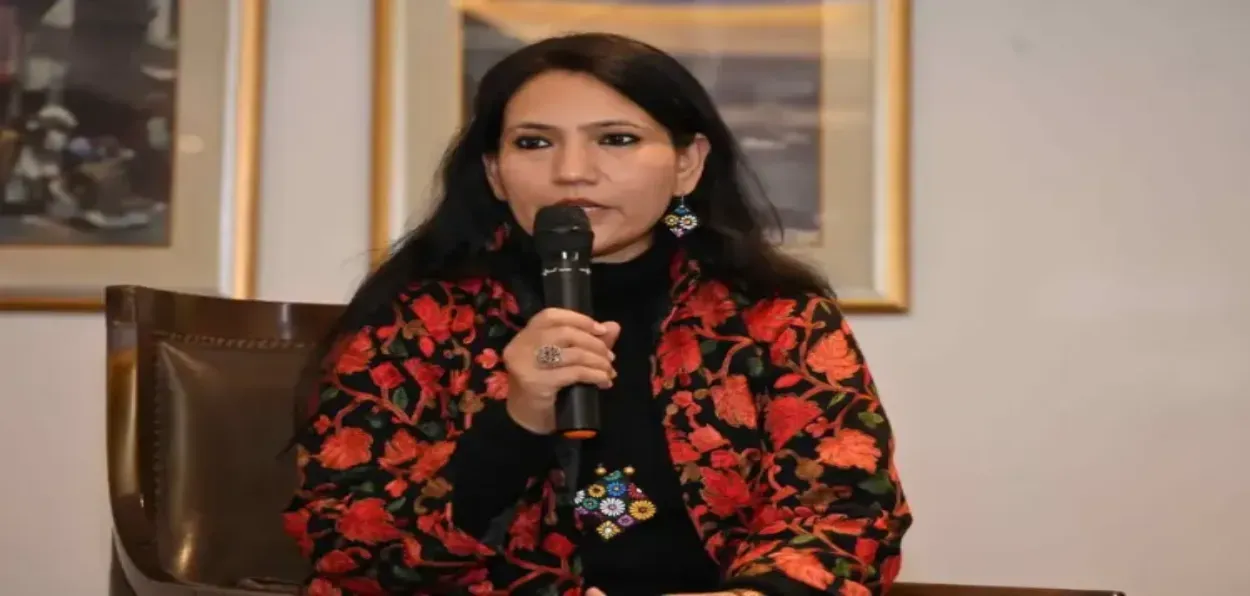
Coming from a small town and making a mark on the national scene, writer-journalist Tasneem Khan brings women’s concerns to the forefront through her journalism and literature. Her narratives are sensitive, clear, and attempt to offer solutions. Her writing and television programmes do more than narrate women’s struggles; they challenge social mindsets and inspire change.
Here are excerpts from an exclusive conversation with her:
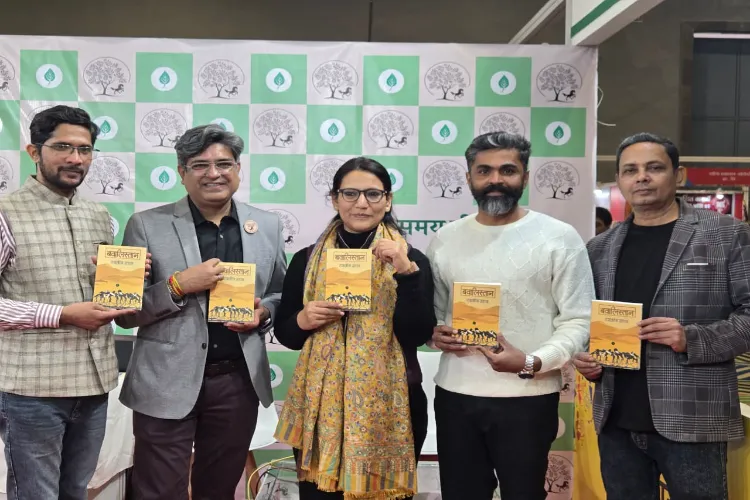
Let’s begin with Bwalistan. What is it about?
Bwalistan is a collection of stories rooted in Rajasthan, particularly its desert life. These stories belong to a distinct literary tradition that deeply portrays the complexities and struggles of life in the Thar Desert. Rajasthan’s desert is not just a physical landscape—it is defined by its people, culture, traditions, and way of life, all of which give it a unique identity.
Coming from a small town, it isn’t easy to make a mark in journalism and literature. How did your journey begin?
A: It’s true that paths have never been easy for women. I come from Didwana tehsil in Rajasthan’s Nagaur district. Though I grew up in a small town, my parents were educated, and our home had a culture of reading and learning. My mother’s love for books shaped me deeply. Growing up among books sharpened my ability to think, debate, and reason. I also won several awards during my school and college years.
When did you choose journalism as a career?
I formally entered journalism in 2005. From the very beginning, I was drawn to women-centric issues. I consistently wrote on gender sensitivity, domestic violence, and women’s social rights. For me, journalism is not just about reporting news; it is about engaging in dialogue with society.
Your television programmes gained special recognition. Could you tell us about them?
A: I hosted a programme called Samar Shesh Hai, which discussed women’s social and political concerns. Later, my regular show on Patrika TV, Aadhi Duniya, Poori Baat – with Tasneem Khan, became quite popular. The aim was to present women not merely as victims, but as thinking, reasoning individuals.
For which report did you recently receive the Ladli Media Award?
I received the award for my show “When Will Domestic Violence Go into Lockdown?”, presented by Population First and UNFPA. The jury felt the report exposed a harsh truththat during lockdown, women faced another terrifying pandemic inside their homes: domestic violence.
Your writing focuses less on complaints and more on solutions. How did this approach develop?
I don’t want to merely describe women’s pain. I believe writing should point toward solutions. If even one woman finds a way forward through my work, I would consider my life meaningful.
You began novel writing in 2015. How special is Mere Rehnuma to you?
A: Mere Rehnuma is extremely close to my heart. Published by the Jnanpith Trust, it was selected in a young writers’ competition. I became the second woman writer from Rajasthan whose debut novel was published by Jnanpith. Through this novel, I tried to establish that women’s empowerment cannot come through financial independence alone without a change in social mindset, empowerment remains incomplete.
Research has been conducted on this novel. How did that feel?
A: It was a matter of great pride that Mere Rehnuma became the subject of PhD and MPhil research. It reaffirmed my belief that my writing has connected at both academic and social levels.
Could you tell us about your other works and awards?
A: My short story collection Dastaan-e-Hazrat Mahal was published in 2019 and earned me the Chandrabai Award. In 2021, I received the Shakuntalam Award from the Rajasthan Progressive Writers’ Association. My stories have been translated into several languages. Rukh-e-Gulzar was translated by the Indian Translation Council, while The Blue of Silence was published in a Pakistani Urdu magazine and won the Mirror Award. My story My Share of Moonlight will soon appear in a collection by Oxford University Press.
What is your writing process like?
I observe people around me very closely their characters, pain, and struggles shake me from within. Until that restlessness finds words, I find no peace. That unrest gives birth to my stories.
What role did your parents play in your life?
My parents have been my greatest support. At difficult turns, they always encouraged me. I firmly believe parents’ education plays a decisive role in shaping a child’s future. I have seen many girls unable to move ahead simply because their parents did not value education.
The heroine of Mere Rehnuma is in search of liberation. How do you view this liberation?
A: For me, liberation is not just personal; it is social. Until society learns to accept strong women, their freedom will remain incomplete. If my writing can guide even one woman in this direction, that will be my greatest achievement.
You recently interacted with readers during the ‘Chaturang #LockdownLive’ session on Facebook. How was that experience?
The Rajasthan Forum organised the session. I spoke openly about my education, career, and literary journey. I emphasised that becoming a writer requires years of preparation, deep reading, and psychological analysis of society. I also read excerpts from my novel Ai Mere Rehnuma. The interaction was deeply personal and immensely inspiring for me.
Tasneem Khan’s journey shows how words, when driven by empathy and purpose, can challenge patriarchy, reshape thought, and quietly spark a revolution, one story at a time.
source: http://www.awazthevoice.in / Awaz, The Voice / Home> Stories / by Onika Maheshwari, New Delhi / January 19th, 2026