Category Archives: Business & Economy

Ikram Hussain’s brass carvings fascinated PM Modi

Moradabad, UTTAR PRADESH :
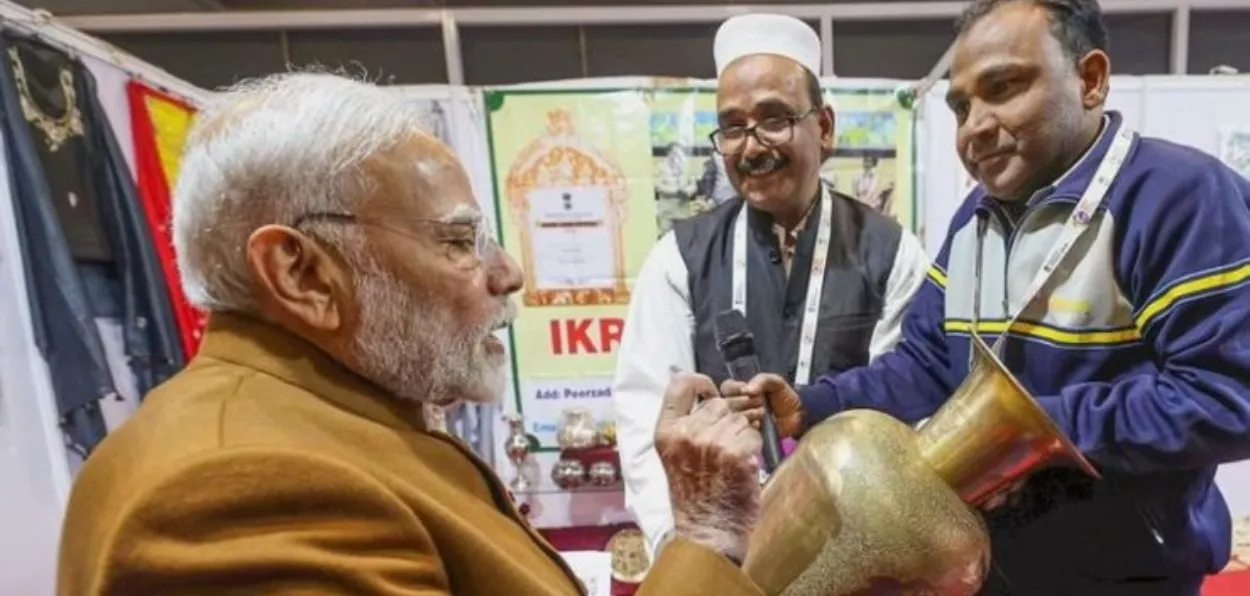
Ikram Hussain (wearing a cap) with Prime Minister Narendra Modi at Bharat Mandapam, New Delhi

Ikram Hussain was 15 years old when the manager of the Eidgah Gurdwara in Moradabad, UP, asked him to engrave his mother’s name on an aluminium plate. The young boy had never gone to school but had picked up the skill of metal carving from his father. The young boy felt embarrassed and told the manager that he must write the name for him since he was illiterate.

He engraved the name beautifully onto the plate and received Rs 10 for this work. This amount gave him confidence, and he decided to pursue his work seriously.
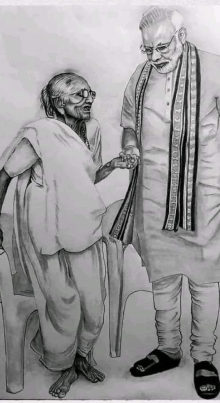
Today, Ikram Hussain, 61, from Moradabad, Uttar Pradesh, is a national award winner. None other than Prime Minister Narendra Modi praised him for his art.

One of the glorious moments of his life was when Prime Minister Narendra Modi was impressed and moved by his beautiful carvings at the The 12th Grameen Bharat Mahotsav  at Bharat Mandapam, New Delhi last year.

Ikram was carving a piece depicting Prime Minister with his late mother on a 3-feet brass jar. Prime Minister intently watched his carvings and patted him for his work and dedication. He displayed this work at the festival.

Moradabad, known as the “Brass City,” is renowned for its exquisite brass artefacts. Ikram Hussain says he could not study due to financial constraints at home. However, he never lost hope.
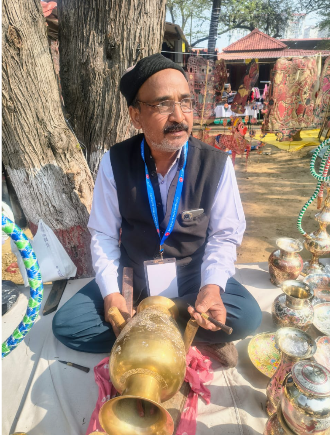
At a young age, he began assisting his grandfather and father in their brass engraving work. His father, Haji Abdul Hamid, and his uncle, Razak Medal winner Haji Ghulam Nabi, were well-known brass engravers in Moradabad. Ikram started learning this art at the tender age of seven.

Even today, his eyes well up with tears when asked why he couldn’t complete his studies. He explains that his family’s financial situation was extremely precarious. To help support the family, he had to leave school and start working.

The family worked day and night, yet they could barely earn five to seven rupees a week. Even that amount was hard to come by those days. Despite this, Ikram never let his circumstances become a weakness.

While working, he meticulously learned the intricacies of engraving. His hard work and dedication resulted in him gradually mastering the art of working with brass to the point where he could accurately engrave the likeness of any person’s face.

His engravings display emotion, depth, and lifelike detail. This is why his art has equally impressed people from all communities—Hindus, Muslims, Sikhs, and Christians alike.

His hard work paid off, and in 2004, he received an award from the Uttar Pradesh government for his outstanding carving skills. He also received a cash prize of 5,000 rupees.

At that time, five thousand rupees was a considerable sum of money. Ikram recounts that when he went to deposit the check at the bank, the bank manager even offered him tea. This recognition was like a dream come true for him. There was an atmosphere of joy in his family, and his morale was boosted manifold.

Today, Ikram Hussain is recipient of honours and awards from various parts of the country.

He runs his company, which he started with a bank loan. This craftsman, who once earned just five rupees a week, is now providing jobs and training to many.

Ikram Hussain’s story is not just a success story of a craftsman, but an example of struggle, perseverance, and self-confidence. He proved that with determination and hard work, a lack of formal education cannot be an obstacle to success.

The master craftsman is recognised throughout the country for his art and social message. The demand for his brass products is high, and his business is worth millions.

The Bihar government has hired him to train the artisans. He trained more than 400 artisans at the Upendra Maharathi Shilp Anudan Sansthan.

Ikram Hussain inherited his passion for this art form, as his father also trained people in the same craft. His exceptional carvings have earned him a place in the Guinness Book of World Records.
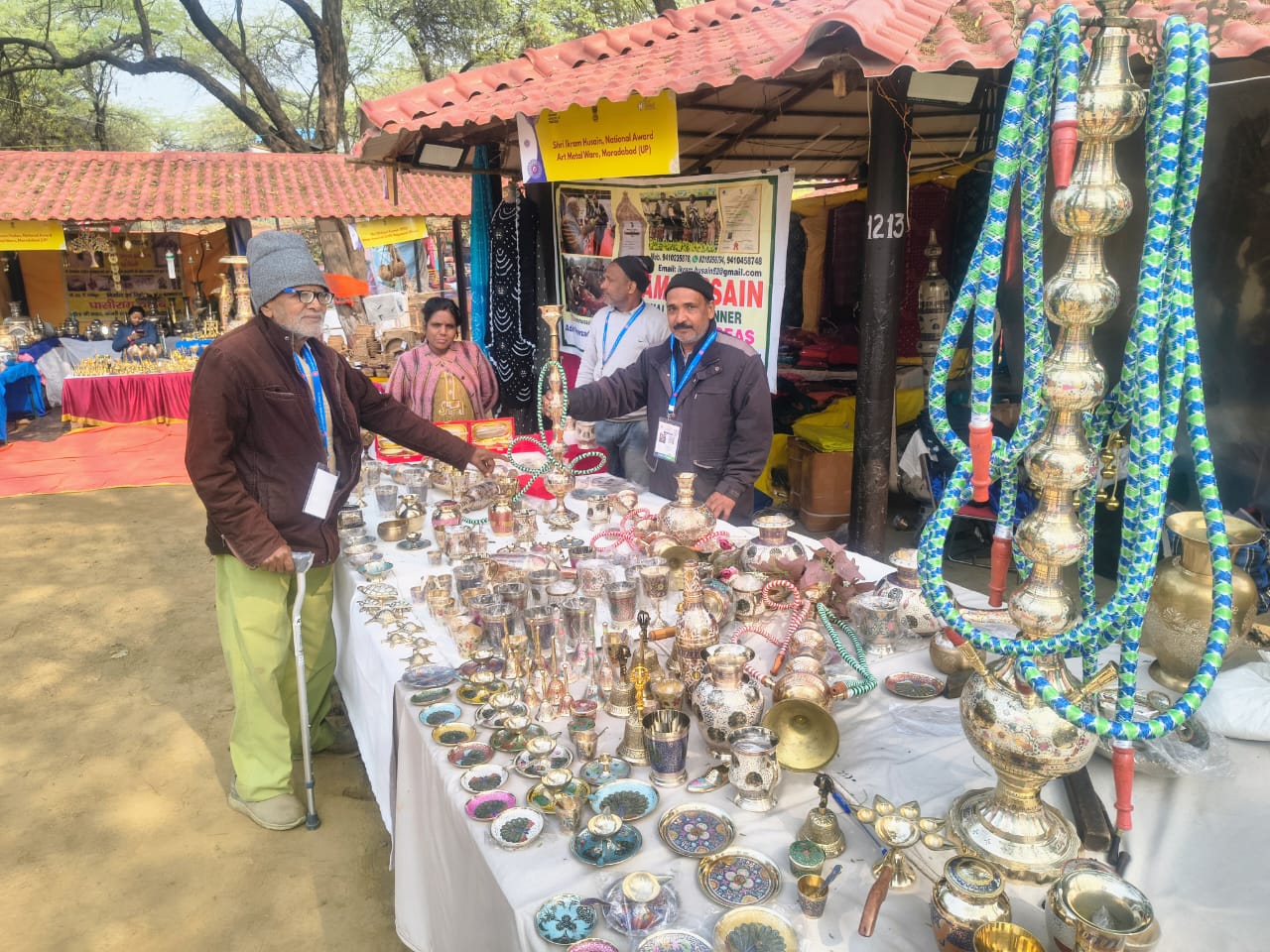
Ikram Hussain at his stall at the Surajkund Festival

Craftsman Ikram Hussain has conveyed a message of communal harmony by engraving symbols of Hindu, Muslim, Sikh, and Christian religions on his brass products.

He was honoured with a National Award in 2022 for his art and for promoting brotherhood in society.

Ikram Hussain believes that all religions are part of the same family and that we should rise above caste and creed to strengthen love and brotherhood. “We are all flowers of the same branch, only our colours are different. We should promote love and brotherhood, not hatred.”

His carving of the Ram Temple on a vase and his work on a 40-inch vase at the Golden Temple can be seen up close at the Lucknow Museum.

He has received numerous awards, including the State Award Second from Uttar Pradesh, the Bhim Rao Ambedkar Award, the Dr Ram Manohar Lohia State Award, the National Award Second from Union Minister Piyush Goyal, two honours from the Assam government, and an honour from the Prime Minister.

Overall, he has received 20 national and international awards. His work and contributions have also earned him a place in the Guinness Book of World Records.

source: http://www.awazthevoice.in / Awaz, The Voice / Home> Stories / by Dayaram Vashisth / February 05th, 2026
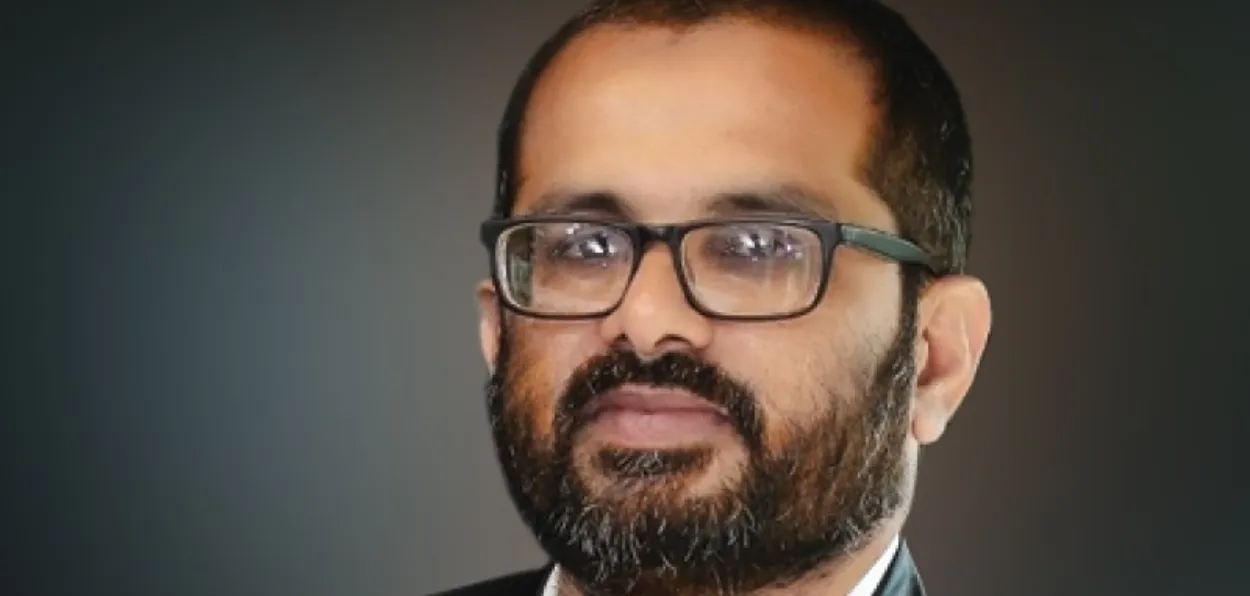

Mohammed Haris’ journey to Indian skies began from a ticketing office in Kerala

Kozhikode (formerly Calicut) KERALA :

Mohammed Haris T,. Chairman and Owner of alHind Air

New Delhi :

From a small ticketing office in Calicut, Kerala to entering India’s aviation space, T. Mohammed Haris is taking on one of the most competitive markets as his Al Hind Air is all set to enter the Indian aviation sector, building a full-scale airline empire.

AlHindAir and FlyExpress are set to take to the skies, after receiving their No Objection Certificates from the Civil Aviation Ministry.

Al Hind Air is being promoted by Kerala-based Alhind Group, which was established three decades ago in Calicut. The promoter of Al Hind Air is Mohammed Haris T. 

Mohammed Haris is the promoter of Alhind Group of Companies. His experience in the travel and tourism industry is extensive. Haris also holds the position of founder General Secretary of the Indian Hajj Umrah Association. Born in Calicut, he completed his education with a Bachelor’s degree in Arts (BA History and Economics) and a degree in Pharmacology.

AlHind Air

Alhind Group offers a wide array of travel-related services, making it a one-stop shop for all travel needs. Its global footprint has expanded significantly over the years. With offices and partners in several countries, including the UAE, Saudi Arabia, Qatar, Oman, Bangladesh and Kuwait, the company has managed to serve a diverse clientele from different parts of the world.

Part of the Alhind Group of Companies, Alhindair is preparing to make its debut in the aviation industry as a regional commuter airline, with operations scheduled to commence later this year. “The airline will begin its journey with a fleet of ATR 72- 600 model aircraft, initially focusing on providing efficient and reliable domestic air travel,” it said.

Alhind Group was established in 1990 and has emerged as a prominent leader in the travel and tour management industry in Asia.

Over the years, the group has built a strong reputation and has a presence in diverse fields such as transportation, software, Umrah travel, mobile application development, education, etc.

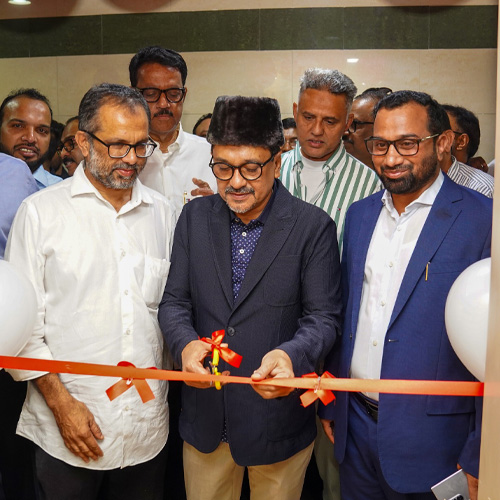
T.Mohammad Haris (Left) and others at an public function

Alhind’s global footprint has expanded significantly over the years. With offices and partners in several countries, including the United Arab Emirates, Saudi Arabia, Qatar, Oman, Bangladesh and Kuwait, the company has managed to serve a diverse clientele from different parts of the world.

This global presence ensures that Alhind is well-equipped to cater to the needs of international travellers, whether for leisure or business purposes. In a rapidly evolving industry, Alhind has shown its adaptability by embracing technology and innovation. 

Its website claims that “In a rapidly evolving industry, Alhind has shown its adaptability by embracing technology and innovation. Alhind has invested in user-friendly websites and mobile apps, allowing customers to book their travel services conveniently. Additionally, they have integrated various online booking tools and platforms to ensure a seamless booking process. This forward-thinking approach has enabled Alhind to stay competitive and relevant in the digital age.”

source: http://www.awazthevoice.in / Awaz, The Voice / Home> Stories / by Aasha Khosa / December 28th, 2025

Women-Exclusive Exhibition-cum-Sale in Shivamogga Empowers Women Entrepreneurs

Shivamogga, KARNATAKA :

A one-day Exhibition-cum-Sale was organised by the Women’s Wing of Jamaat-e-Islami Hind, Shivamogga District. The exhibition was inaugurated by the State Secretary of the Women’s Wing, Jamaat-e-Islami Hind, Mohtarma Taskeela Khanum.

The objective of such programmes is to economically strengthen and empower women. In the context of rising inflation, unemployment, and poverty, it was emphasised that addressing these challenges is a shared responsibility, and that women must play an effective role alongside men in the nation’s economic development.

The organisers highlighted that such exhibitions provide women with practical business experience, opportunities to interact with people from diverse backgrounds, and support in developing entrepreneurial ideas. These platforms also enable women to engage in halal business practices within the limits of Shari’ah, while facilitating growth through networking and referrals.

Islam permits women to engage in business, including running enterprises from their homes, as reflected in Islamic history through the example of Khadijah bint Khuwaylid رضی الله عنها, a successful businesswoman. Islam also encourages honest and ethical business practices for both men and women.

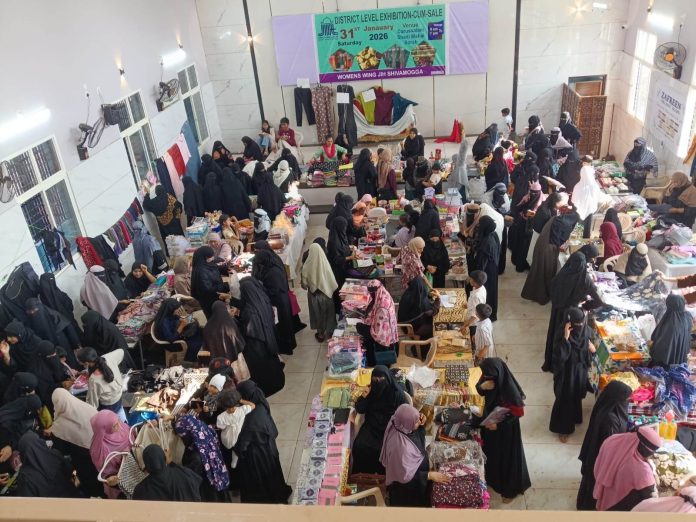
Nearly 100 women from across the district set up stalls showcasing clothing, handbags, fancy items, abayas, home-made products, and more. A food court offering a wide variety of food items was another major attraction. Members, associates of Jamaat-e-Islami Hind, and women entrepreneurs from different parts of the district actively participated in the exhibition.

The women-exclusive exhibition attracted around 3000 women visitors, who actively shopped at the stalls. The event was described as highly encouraging, as it highlighted the talents, skills, and entrepreneurial potential of women.

Such exhibitions form part of the organisational plan of Jamaat-e-Islami Hind to promote women’s empowerment. Efforts will be made to strengthen the women entrepreneurs’ network.

Feedback received from participants reflected a high level of satisfaction, with many expressing a desire for similar programmes to be organised regularly. Participants particularly appreciated that the exhibition was organised by women, for women, and exclusively for women, creating a comfortable environment that enabled them to conduct business with confidence.

The organisers were widely appreciated, and participants expressed eagerness to remain connected and take part in future programmes. The total sales from all stalls amounted to approximately ₹3 lakh during the one-day exhibition.

The programme concluded on a positive note, reinforcing the importance of such initiatives in promoting women’s economic empowerment and community development.

[The writer of this report is Member Mashavrati Board Karnataka, and District Organiser of JIH Women’s Wing Shimoga]

source: http://www.radiancenews.com / Radiance News / Home> Entrepreneurship> Focus / by Naseema Begum / February 01st, 2026

IIT Bombay’s Prof Juzer Vasi Receives Padma Shri for Lifetime Work in Engineering

Mumbai, MAHARASHTRA :

Mumbai:

IIT Bombay has marked a proud moment with the conferment of the Padma Shri on Prof Juzer M. Vasi, former Deputy Director and senior academic of the institute. The national honour recognises his lifelong contribution to science and engineering, with a strong focus on semiconductors, microelectronics, and solar energy research.

Prof Vasi has served Indian academia for over four decades. He remains associated with IIT Bombay as Professor Emeritus in the Department of Electrical Engineering. His work spans nanoelectronics, solar photovoltaic deployment in India, global solar PV systems, nanocrystal-based solar cells, and the reliability of solar modules. These areas hold strong relevance for sustainable development and energy access.

An alumnus of IIT Bombay, Prof Vasi completed his B.Tech in 1969. He earned his Ph.D. in Electrical Engineering from The Johns Hopkins University in 1973. His academic journey reflects deep commitment to knowledge and public service, values strongly rooted in the Islamic tradition of ilm and community benefit.

Prof Vasi joined IIT Bombay as an Assistant Professor in 1981. He rose through the ranks to serve as Professor, Head of the Electrical Engineering Department, and later as Deputy Director from 2006 to 2009. He also taught at IIT Delhi and served as Visiting Assistant Professor at Johns Hopkins University.

Students and colleagues regard him as a dedicated teacher and institution builder. His leadership strengthened academic standards and research culture at IIT Bombay.

The Padma Shri recognises sustained excellence and service to the nation. For the Muslim community, Prof Vasi’s achievement stands as a reminder of the impact of scholarship, discipline, and ethical pursuit of knowledge in public life.

source: http://www.radiancenews.com / Radiance News / Home> Latest News > Report / by Radiance News Bureau / January 27th, 2026

Pervez Lakdawala honoured in British House for building houses for slum dwellers

Mumbai, MAHARASHTRA :

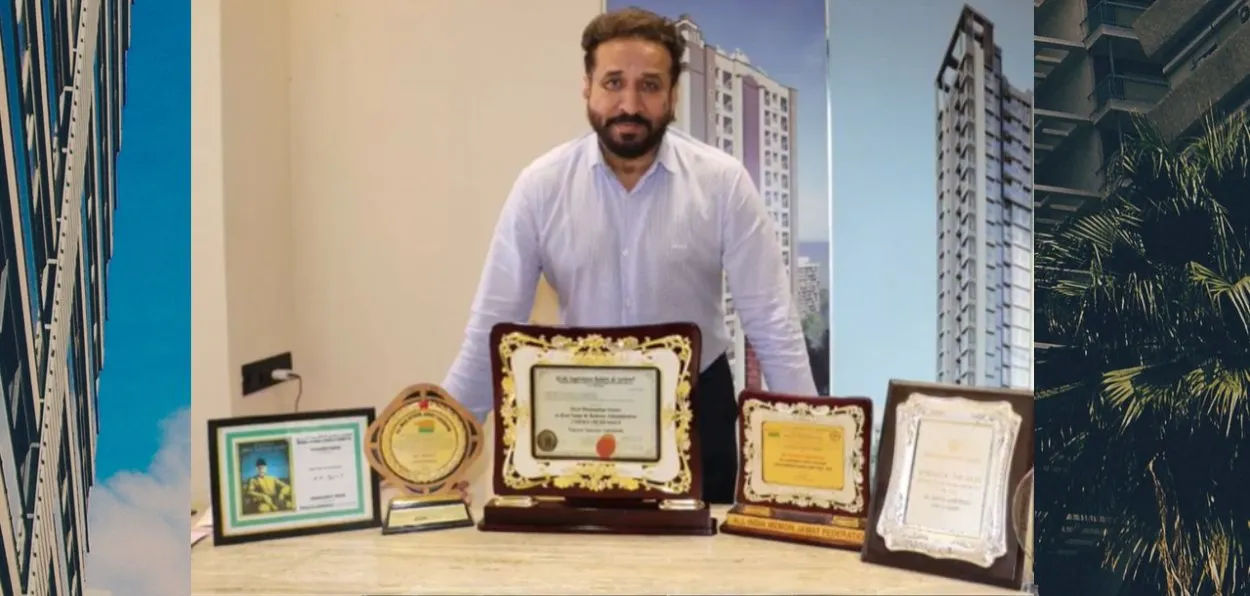
Parvez Suleman Lakdawala, founder CEO, Grace Group of Companies

Mumbai :

Mumbai-based real estate developer Parvez Suleman Lakdawala, who has played a significant role in building homes for slum dwellers, has received an Honorary Doctorate from the University of Sorbonne of France at the British Parliament for his extraordinary work in real estate and housing infrastructure particularly in slum redevelopment, over the last three decades.

He was given this award during the ‘Sorbonne International Convention’ held at the ‘House of Lords’ in London by the French higher education institution ‘Ecole Supérieure Robert de Sorbonne.’

Speaking about the honour, he said, “I never even dreamt that I would receive such an honour.”

This institution is known worldwide for granting degrees based on professional experience. Speaking after accepting the honorary degree, Lakdawala said, “This is a global success for the slum rehabilitation work I have done through SRA schemes. I have been in this business for 30 years and have completed the construction of 32 buildings so far.”

Parvez Lakdawala was born into poverty in a small hutment in Bandra when conditions in the slums were sub-human, and the residents had to struggle for basic amenities like water.

Parvez recalls that there was a filthy settlement outside his house, and the condition of the household was very poor. For children living in such conditions, even dreaming big was considered a crime.

However, Parvez never let his poverty weaken his resolve to rise above his circumstances.

Despite the fear of dropping out due to poverty, Parvez held onto his education. Studying while living in a slum, he completed his education. Not many know that Parvez Lakdawala, the successful businessman, is a law graduate.

The law gave him discipline in life and the knowledge to fight against injustice. He often says that he prospered in life only because of education.

In 1989, he laid the foundation of the Grace Group of Companies and started working in the real estate sector.

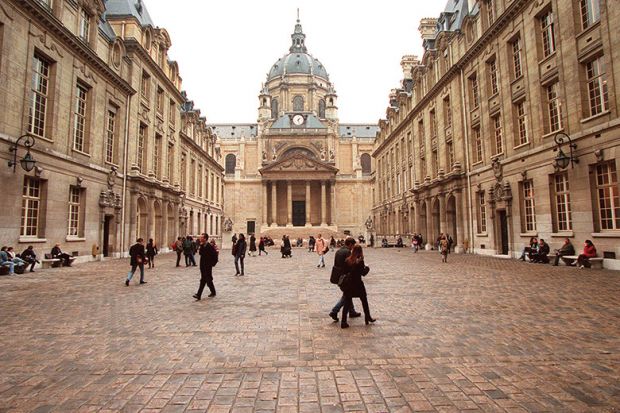
Sorbonne University campus

Around 1995, he worked for the Slum Rehabilitation Authority of Mumbai (SRA) to provide highly subsidized apartments to slum dwellers. At that time, not many builders were willing to work there. Today, he has completed projects of more than 32 grand buildings in Mumbai.

He gave a new face to the homes of the poor by implementing new designs, modern amenities, and innovative concepts.

Earning money was never his sole aim. Having experienced poverty, he empathized with the poor. That is how he bears the educational expenses of thousands of poor children. For parents who cannot afford to pay their children’s school or college fees, Parvez Lakdawala has become a ray of hope. “Allah has given to me so that I can give it back to society,” he says.

During the Corona lockdown, when the entire country was under the shadow of fear, Parvez Lakdawala was working in the streets.

Thousands of labourers with their small children were walking towards their villages. Parvez arranged for vehicles and buses for them. He transported more than 3000 people to their homes.

He also ensured the travelers got food and water. For this work, he received appreciation not only from Mumbai but also from states like Rajasthan.

In a city like Mumbai, where even dreaming of a home is a luxury, Parvez Lakdawala has helped thousands of families get their rightful homes. His journey builds buildings worth crores today, starting from a 250-square-foot house.

The most important aspect of Parvez Lakdawala’s work is the self-respect he has given to the common man. Recalling old memories, he says, “Earlier, people living in slums used to feel ashamed about their address. They regretted their living conditions. Today, when the same people enter flats equipped with all amenities, they proudly disclose their address to others. Giving them the property they deserve and a sense of security gives me the most joy.”

Parvez Lakdawala’s mantra is: Your intention is more important than your destiny. If your intention is good, God comes to your aid and grants you success.

source: http://www.awazthevoice.in / Awaz, The Voice / Home> Stories / by ATV / posted by Aasha Khosa / January 09th, 2026

Bengaluru to get 1,000-bed charitable super-speciality multi-organ transplant hospital; pact inked

Bengaluru, KARNATAKA :

The Foundation has set a target of spending ₹4,000 crore over the next five years to build and operate a 1,000-bed charitable super-speciality and multi-organ transplant hospital in Bengaluru.

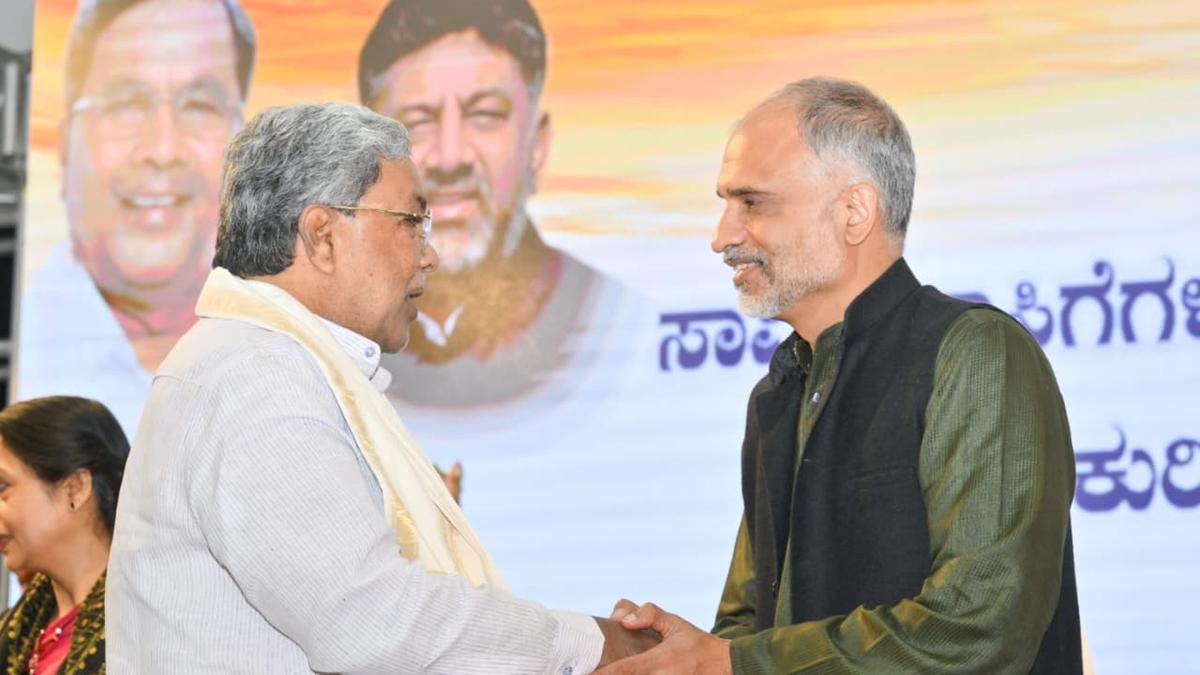
Chief Minister Siddaramaiah with Anurag Beharm, CEO, Azim Premji Foundation, at a ceremony in Bengaluru on Saturday. | Photo Credit: SPECIAL ARRANGEMENT

Chief Minister Siddaramaiah said the Azim Premji Foundation has set a target of spending ₹4,000 crore over the next five years to build and operate a new 1,000-bed charitable super-speciality and multi-organ transplant hospital in Bengaluru.

The hospital will come up on 10 acres within the Rajiv Gandhi Institute of Chest Diseases campus in Bengaluru, which the government has agreed to lease to the Foundation for 99 years, he announced on Saturday after the Medical Education Department and the Foundation signed a Memorandum of Understanding (MoU) for the construction and management of the facility.

Mr. Siddaramaiah said the State was grateful to the Foundation and to Azim Premji ‘for undertaking this noble initiative’, and for deciding to run the facility free of cost. The Foundation will invest ₹1,000 crore on building the hospital and more over the years to run the facility, he said.

Over the last 25 years, the Foundation has supported teacher training, contributed ₹1,500 crore to the government’s egg distribution scheme in schools in 2024, and extended annual scholarships of ₹30,000 each to students from government colleges under the Deepika scheme, the Chief Minister added.

Public systems key

Anurag Behar, CEO, Azim Premji Foundation, emphasised the importance of strengthening public systems, saying private initiatives cannot compensate for weak public infrastructure.

“The foundation believes that public systems are central to a good society. Our commitment is to work with the government to strengthen them,” he said, pointing out that healthcare begins with ASHA workers, primary health centres, and preventive work in communities. “Hospitals are critical, but the first goal must be to prevent people from falling ill,” he said.

Mr. Behar praised Karnataka as ‘one of the three most proactive States’ the Foundation works with. He noted that the Foundation’s 25-year engagement in Karnataka has shown progress most visibly in grassroots work in, among other places, Surpur and Sindagi.

Transplant hub

Medical Education Minister Sharan Prakash R. Patil said the proposed hospital will provide transplant services across multiple organs, with 70% of procedures free of cost and the remaining 30% at minimal rates on the lines of the autonomous Sri Jayadeva Institute of Cardiovascular Sciences and Research and the Kidwai Memorial Institute of Oncology.

He said more than 5,000 patients in Karnataka are currently awaiting kidney transplant, and over 1,000 require liver transplant.

Dr. Patil added that the project aligns with the government’s larger roadmap to strengthen tertiary healthcare. “We have set a target of establishing one medical college, one super-speciality hospital, one trauma centre, and one cancer hospital in every district,” he said.

At present, Karnataka has 22 government medical colleges, 10 super-speciality hospitals, eight trauma centres, and eight cancer centres, and is ‘halfway through’ with the plan. He said the State intends to transition towards a universal health coverage model, as in the UK, in the coming decade.

This article has been updated to rectify a factual error

source: http://www.thehindu.com / The Hindu / Home> News> India>Karnataka / by The Hindu Bureau / January 18th, 2026

Muslim Mirror Releases List of 100 Most Influential Indian Muslims 2025; Young Faces Gain Prominence

INDIA :

Muslim Mirror’s 100 Most Influential Muslims of 2025

New Delhi: 

Muslim Mirror has released its much-anticipated annual list of the “100 Most Influential Indian Muslims of 2025,” spotlighting individuals who have made significant contributions to India’s public life across a wide spectrum of fields including politics, culture, education, business, media, religion, sports, and social service. Now in its second edition, the list aims to document influence not merely as power or popularity, but as sustained impact, leadership, and the ability to shape public discourse.

A defining feature of the 2025 edition is the growing prominence of younger achievers, signalling a visible generational shift within Indian Muslim leadership. Alongside established national figures, the list includes emerging voices who have built influence through grassroots activism, professional excellence, digital platforms, legal advocacy, education, and community engagement. Editors associated with the project said this was a deliberate attempt to recognise new centres of influence beyond traditional hierarchies.

The list reflects the diversity and plural character of Indian Muslim society, cutting across geography, ideology, profession, and language. From seasoned politicians and religious scholars to artists, entrepreneurs, academics, and social reformers, the compilation offers a broad snapshot of leadership trends at a time when issues of representation, constitutional values, and social justice remain central to national debate.

Representation Across Sectors

The 2025 list features several eminent academicians and intellectuals who have shaped higher education, policy discourse, and social research. Among them are Abul Qasim Nomani, Ameerullah Khan, Furqan Qamar, Shahid Jamil, and Ubaid-ur-Rahman, recognised for their contributions to education, public policy, and academic leadership.

In the business and entrepreneurship category, the list includes influential names such as Azad Moopan, Azim Hashim Premji, Farah Malik, Irfan Razack, M. P. Ahammed, Mecca Rafiq Ahmed, Meraj Manal, Syed Mohamed Beary, P. Mohammed Ali, Shahnaz Hussain, Tausif Ahmad Mirza, Yusuff Ali, and Ziaullah Sharif. Their inclusion underlines the growing economic footprint of Indian Muslim entrepreneurs, both domestically and globally, spanning sectors from retail and healthcare to infrastructure and consumer goods.

Community leadership remains a strong pillar of the list, with figures such as Arshad Madani, Mahmood Madani, Malik Motasim Khan, Mehmood Pracha, Syedna Mufaddal Saifuddin, Navaid Hamid, Pirzada Md Abbas Siddiqui, Qasim Rasool Ilyas, Sadatullah Husaini, Umer Ahmed Ilyasi, and Yusuf Mohamed Abrahani recognised for their roles in religious guidance, legal advocacy, social mobilisation, and institutional leadership.

Culture, Media, and Public Discourse

In arts and entertainment, globally recognised names such as A. R. Rahman, Aamir Khan, Mammootty, Munawar Faruqui, and Shah Rukh Khan continue to command immense cultural influence, shaping narratives that extend well beyond cinema and music into social consciousness.

The list also acknowledges the growing importance of media and journalism in shaping opinion and challenging dominant narratives. Journalists and commentators such as Arfa Khanam, Irfan Meraj, and Seema Mustafa are recognised for their consistent engagement with issues of democracy, minority rights, and constitutional values.

Religious and Intellectual Scholarship

A significant section of the list is devoted to Islamic scholars and religious thinkers, reflecting their continued influence on moral leadership and intellectual discourse. Names such as A. P. Aboobacker Musliyar, Qasim Nomani, Prof. Akhtarul Wase, Asghar Ali Imam Mahdi Salafi, Asjad Raza Khan, Ibraheem Khaleel Al-Bukhari, Javed Jamil, Khalid Saifullah Rahmani, Khaleelur Rahman Sajjad Nomani, Qamaruzzaman Azmi, Rashid Shaz, Shakir Ali Noori, Shamail Nadvi, and Yasoob Abbas find place for their scholarly work, writings, and public engagement.

Politics and Governance

The political category features leaders cutting across party lines and regions, including Asaduddin Owaisi, Ghulam Nabi Azad, Hamid Ansari, Mehbooba Mufti, Omar Abdullah, Salman Khurshid, Najeeb Jung, Syed Naseer Hussain, Engineer Rashid, Akhtarul Iman, Iqra Hasan, Zameer Ahmed Khan, Rakibul Hasan, K. Rahman Khan, Kadir Mohideen, Mohibullah Nadvi, Md Shafi, Agha Mahadi, Asim Waqar, and Sadiq Ali Shihab Thangal. Their inclusion reflects influence exercised through electoral politics, governance, diplomacy, and legislative advocacy.

Changemakers and Social Reformers

One of the most dynamic sections of the 2025 list is that of changemakers and social reformers, featuring individuals such as Safeena Husain, Shahabuddin Yaqoob Quraishi, Syeda Hameed, Zameer Uddin Shah, Mahbubul Hoque, Sabahat S. Azim, Mehmood Pracha, Faiz Syed, and Zahir Ishaq Kazi, among others. Many of these figures have earned recognition through long-term grassroots work rather than formal authority.

International Booker Prize 2025 winner Banu Mushtaq for Heart Lamp, along with renowned poet Wasim Barelvi, has been placed in the category of Literary Figures.

In sports, iconic names Sania Mirza and Irfan Pathan continue to inspire younger generations through excellence and public engagement beyond the playing field.

Beyond Rankings

The editors emphasised that the list does not claim to be exhaustive, nor does it measure influence solely through fame, wealth, or official position. Instead, it seeks to capture real-world impact, moral authority, intellectual contribution, and the ability to shape conversations within and outside the community.

The annual list has increasingly become a reference point for understanding evolving leadership patterns among Indian Muslims. By foregrounding both established figures and rising talents, the 2025 edition reflects continuity as well as change, underscoring how Indian Muslims continue to contribute meaningfully to India’s democratic, cultural, and social field.

source: http://www.muslimmirror.com / Muslim Mirror / Home> Indian Muslim / by Muslim Mirror / January 15th, 2026

UP tops nation in online registration of Waqf properties on UMEED portal

UTTAR PRADESH :

Lucknow :

Uttar Pradesh has emerged as the top-performing state in the country in the digital registration of Waqf properties on the Centre’s ‘Unified Waqf Management, Empowerment, Efficiency and Development (UMEED)’ portal, completing the process for 92,832 properties within the stipulated timeframe, the state government said.

The Union Ministry of Minority Affairs had on June 6, 2025, directed all states to ensure online registration of Waqf properties on the UMEED portal by December 5, 2025. Although the deadline was later extended by six months, Uttar Pradesh completed the exercise well ahead of schedule.

According to official data, the registered properties include 86,347 Sunni Waqf properties and 6,485 Shia Waqf properties, making Uttar Pradesh the largest contributor nationwide to the portal.

State officials said extensive awareness campaigns and sustained administrative support played a key role in ensuring timely compliance by Mutawallis, or managers of Waqf properties, across districts.

District-wise figures show Lucknow leading in the registration of Shia Waqf properties with 625 entries, followed by Amroha with 539 and Meerut with 533. In the Sunni Waqf category, Barabanki topped the list with 4,940 registered properties, followed by Sitapur and Azamgarh. Bijnor, Moradabad, Saharanpur, Meerut and Jaunpur were also among the leading districts.

Officials said the digital registration drive is expected to enhance transparency in the management of Waqf properties, curb misuse and aid in their protection and development.

source: http://www.daijiworld.com / Daijiworld.com / Home> National-World / by Daijiworld Media Network – Lucknow / December 14th, 2025

Adorn by Shahid: A Wheelchair-Bound Entrepreneur Who Built His Own Digital Empire

Gopalpura (Mattan, Anantnag), Kashmir / JAMMU & KASHMIR :

In Kashmir, a short Instagram reel posted last year unexpectedly drew significant attention. The video showed a man in a wheelchair presenting traditional Kashmiri clothing from his home. Its simplicity and warmth resonated widely, resulting in thousands of views within a short span. Behind this viral moment is Shahid, a 36-year-old resident of Gopalpora in Mattan, Anantnag, who now runs an online apparel venture he calls Adorn by Shahid.

Shahid’s life took a difficult turn early in childhood. He remembers being an energetic eight-year-old before sudden pain led doctors to diagnose him with a brain tumor. Although the surgery was successful, it left the left side of his body paralysed, forcing him to pause his studies. He recalls the aftermath as a period marked by long recovery and growing isolation. Many of the friends who once visited gradually stopped coming, which motivated him to pursue his education independently. Over several years, he completed his graduation privately.

As he grew older, Shahid hoped to find stability through a government job. He applied repeatedly, but because of his physical condition, his applications were consistently rejected. These setbacks eventually convinced him to look for a path he could shape himself.

Social media became that path. After observing others promote their work online, he decided to try something similar. With emotional and financial support from his family—especially his parents, siblings, and extended relatives—he launched his online business a year ago. What began as a small initiative gradually developed into a promising venture.

His Instagram account now showcases a variety of Kashmiri garments, including pherans, embroidered suits, shawls, and other traditional pieces. The viral reel that drew widespread attention introduced him to a much larger audience. Shahid says the feedback has been overwhelmingly positive. Since he works from home, managing orders and responding to messages online suits him well. Although he oversees the entire operation, his cousins and niece frequently help him film videos and create reels.

Despite limited mobility, Shahid’s outlook remains grounded and optimistic. He believes that difficulties can affect anyone, but what truly matters is having support and encouragement. For him, running this business represents independence, dignity, and the chance to express himself creatively. The same home where he once spent years recovering is now a workspace where he engages with customers from within and outside Kashmir.

Encouraged by continued online support, Shahid hopes to expand. He plans to open a physical store in the future so customers can visit and interact with him directly. Social media, he says, has given him opportunities he once couldn’t imagine, and he is determined to build on this momentum.

Shahid’s journey reflects resilience shaped by experience and determination. Rather than focusing on the limitations imposed by his childhood illness, he has chosen to rebuild his life through entrepreneurship, family support, and steady persistence.

source: http://www.muslimmirror.com / Muslim Mirror / Home> Positive Story / by Babra Wani / November 30th, 2025

Global summit will focus on democratising AI, says Safirulla

INDIA :

At the India AI Impact Summit, which will be hosted by New Delhi in Feb. 2026, global tech leaders will also address issues surrounding the fear of job losses and equipping job-seekers to meet the needs of the changing job market, says the director, IndiaAI Mission.

The India AI Impact Summit to be held in New Delhi in February 2026 will witness deliberations between world leaders and top global tech leaders, leading to a formal declaration on ways to balance innovation and safety and the areas to be focussed for artificial intelligence innovation, Mohammed Y. Safirulla K., Director, IndiaAI Mission under the Union Ministry of Electronics and Information Technology, has said.

In an interview to The Hindu on the sidelines of a pre-summit conference here on Thursday, Mr. Safirulla said India can take pride in that it is the first country in the Global South to host the summit. New Delhi is hosting the fourth edition of the summit.

Objectives of summit

The objectives of the AI Impact Summit include democratisation of AI and bridging the AI divide, development of indigenous and local AI, aligning global standards and models for AI governance and innovation to needs of the developing world, harnessing AI for social good and development, and positioning India as a leading voice of the Global South on AI. The deliberations will take place across seven working groups, in which experts from over hundred countries will participate.

“We can see that there is a concentration of AI resources in certain countries in the Global North, especially when it comes to high-end data centres. There are biases which are coming out of algorithms because it is developed only from situations focussing on certain countries. We can also notice a language-wise divide since much of it is in English. One of our focusses will be on democratising AI so that no country in the Global South is left behind,” says Mr. Safirulla.

The summit will also address issues surrounding the fear of job losses and equipping job-seekers to meet the needs of the changing job market.

Training for youth

“We will look at how to train the youth coming into the job markets to be ready for AI-related jobs. Also, we need to see how we can use AI to increase the efficiency of the people who are already in the job markets working in various domains or how do we reposition them. We also have to nurture this intentionally in society so that we achieve economic growth,” he says.

Earlier this year, the IndiaAI Mission had opened up the MyGov platform to collect innovative ideas across sectors from researchers, startups, and students. Some of the innovation will be focussed on developing tools to authenticate AI-generated content, ensuring it’s traceable, secure, and free of harmful materials. Deepfake detection tools will also be developed to enable real-time identification and mitigation of deepfakes.

source: http://www.thehindu.com / The Hindu / Home> News> India> Kerala / by S R Praveen / November 20th, 2025