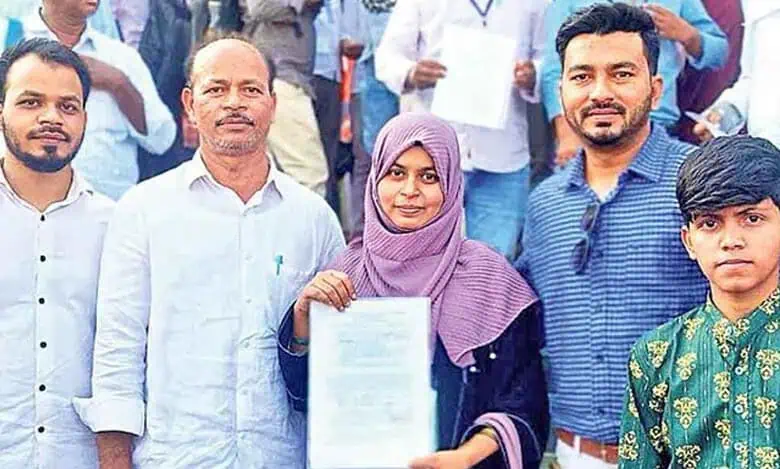
Fathima has consistently excelled in academics, scoring 9.5 GPA in Class X and 943 out of 1,000 marks in intermediate.
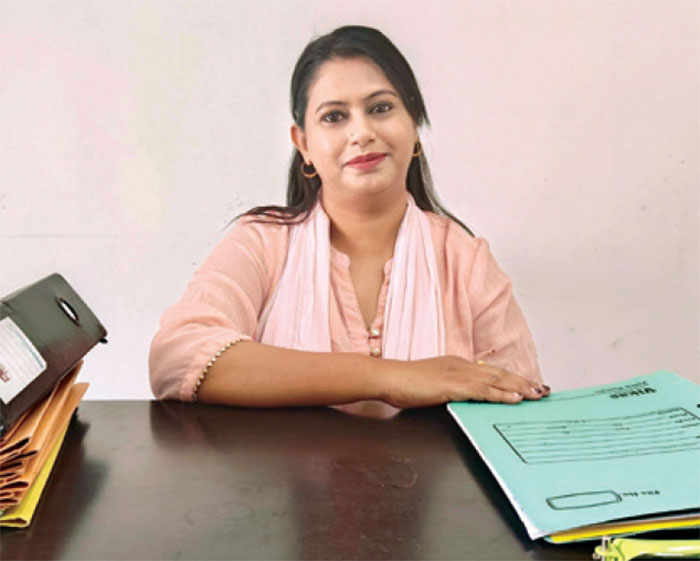
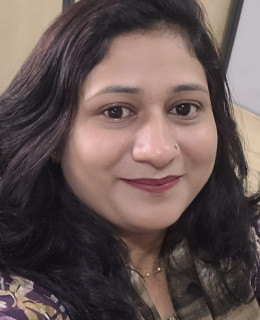
Taslima Fathima and family with the appointment letter in Hyderabad.
Hyderabad:
Taslima Fathima (26), the daughter of a hammal (loading, unloading labour) at a civil supplies godown in Sadasivapet, has secured first rank in the Junior Lecturer (Zoology) recruitment examination in Telangana.
Fathima, a resident of Ishrathabad, will now begin her career as a lecturer at the Government Junior College in Sadasivapet, her hometown. Her father, SK Babumiya, who has worked as a labourer for three decades, expressed pride in her achievement. He recalled the financial struggles he faced to support his two children’s education.
Despite studying in Urdu medium until Class X, Fathima overcame challenges by switching to English medium for intermediate at Indo British Junior College, Sadasivapet.
She later completed her graduation at Women’s College, Koti. Excelling in academics, she secured sixth rank in TSPGCET and pursued a postgraduate degree in Zoology at Osmania University’s College of Science.
Less than two years after completing her post-graduation, she achieved the top rank in the Junior Lecturer recruitment exam following the state government’s job notification.
Speaking to Telangana Today, Fathima expressed her desire to give back to society by teaching students in Sadasivapet.
She also hopes to pursue a PhD and become a professor in the future.
Fathima has consistently excelled in academics, scoring 9.5 GPA in Class X and 943 out of 1,000 marks in intermediate.
source: http://www.siasat.com / The Siasat Daily / Home> News> Telangana / by Zahed Farooqui – X / March 15th, 2025
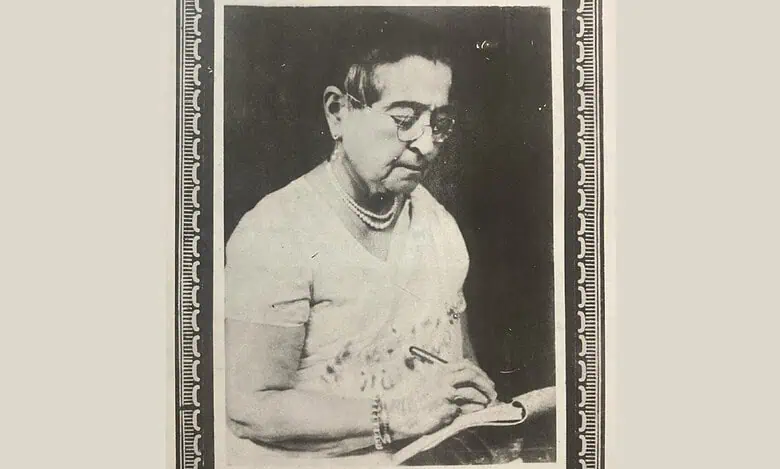
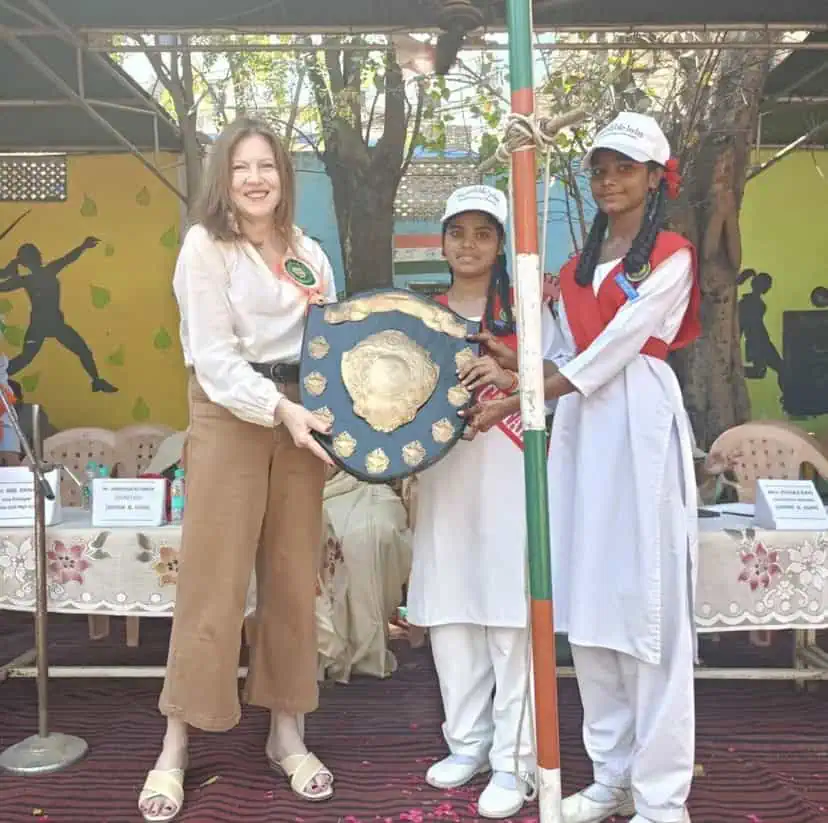
Sughra Humayun Mirza; Photo courtesy: Safdaria school
Today, we honour the legacy of Sughra Humayun Mirza Begum, whose courage and vision paved the way for future generations.
Sughra Humayun Mirza was born in December 1882 in Hyderabad. Her father, Dr. Safdar Ali Mirza, was a Captain-Surgeon in the Nizam’s Army and a pious man of Sufi leanings. He had migrated to Hyderabad during the reign of Mir Nizam Ali Khan, Asaf Jah Il.
Growing up Begum Sughra was home tutored in Persian and Urdu. As a young woman, she was inspired by nationalist and reformist ideals. She was married to Barrister Syed Humayun Mirza, after whom the Humayun Nagar area in Hyderabad is named.
Edited magazines
After her marriage, she travelled widely and read extensively and became a person of wide knowledge. Sughra Mirza served as the editor of many journals related to women. They include Al-Nisa (The Woman), and Zaib-un-Nisa (Women’s Adornment). Al-Nisa focused on social issues like cleanliness, health, nursing, and critiqued outdated customs like child marriage and polygamy. The readers of the magazine extended beyond the Deccan region. It spread throughout the mainland of British India, which included Lahore, Delhi, Lucknow and Aligarh.
By 1913, Begum Sughra became the secretary of the Anjuman-e-Khawatin-e-Islam (Association for Muslim Women), contributing to the organization’s efforts toward improving the status of women. Soon after, she joined the Anjuman-e-Khawateen-e-Dakkan (Deccan Ladies’ Association).
She spread her work
She started similar organisations in Madras, Delhi and Aurangabad. They became platforms for discussing issues related to girls’ education, teaching trades and crafts, fundraising for educational initiatives, vocational training and arranging sports activities for women.
Begum Sughra contributed articles to various newspapers and magazines advocating for social reforms. Being a prominent Urdu language writer of her time she authored several books on women’s education, ‘Safarnamas’ or travelogues, novels, short stories, poetry, and essays.
Wrote books
Some of her well known literary works include – Sarguzisht-e-Hajra (1926), Mohini (1929), Musheer-e-Niswan ya Zohra (1930), Raaz-o-Niyaaz (1933), Bibi Toori ka Khwaab (Toori’s Dream–1952), Awaz-e-Ghaib (Voice of the Unknown).
Begum Sughra wrote her thoughts and authored most of her books by the pen name ‘Haya’.
Writing about Hindu-Muslim unity, encouraging the use of swadeshi goods, working towards setting up national universities and promoting education in the mother tongue, Begum Sughra’s achievements set her apart as a pioneer of her era.
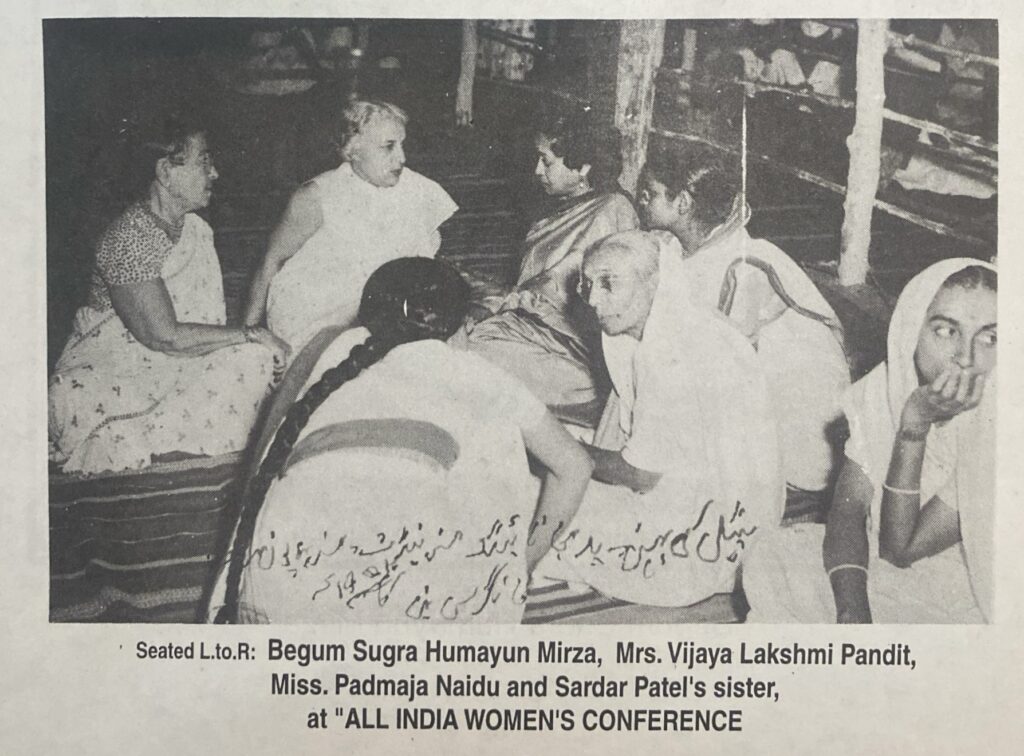
She extensively traveled in India as well as many countries in Europe meeting people of repute and broadening her horizons. She met prominent figures like Mahatma Gandhi, Kasturba Gandhi, Dr. Rajendra Prasad, Pandit Jawaharlal Nehru, Shah and Queen of Iran, Dr. Ravindranath Tagore, Vijaya Lakshmi Pandit, Sarojini Naidu and many others.
She expressed through her poems, books and letters. Begum Sughra wrote letters to Jawaharlal Nehru, and even to Adolf Hitler asking him to end the war.
She kept an autograph book which was filled with messages from her esteemed friends and acquaintances. On 11th April 1944, Vijaya Lakshmi Pandit penned a message in Sughra’s book–“India will progress in proportion to the progress of its women. Let us realize this and march forward boldly with faith in the future.”
Royal Asiatic Society, London
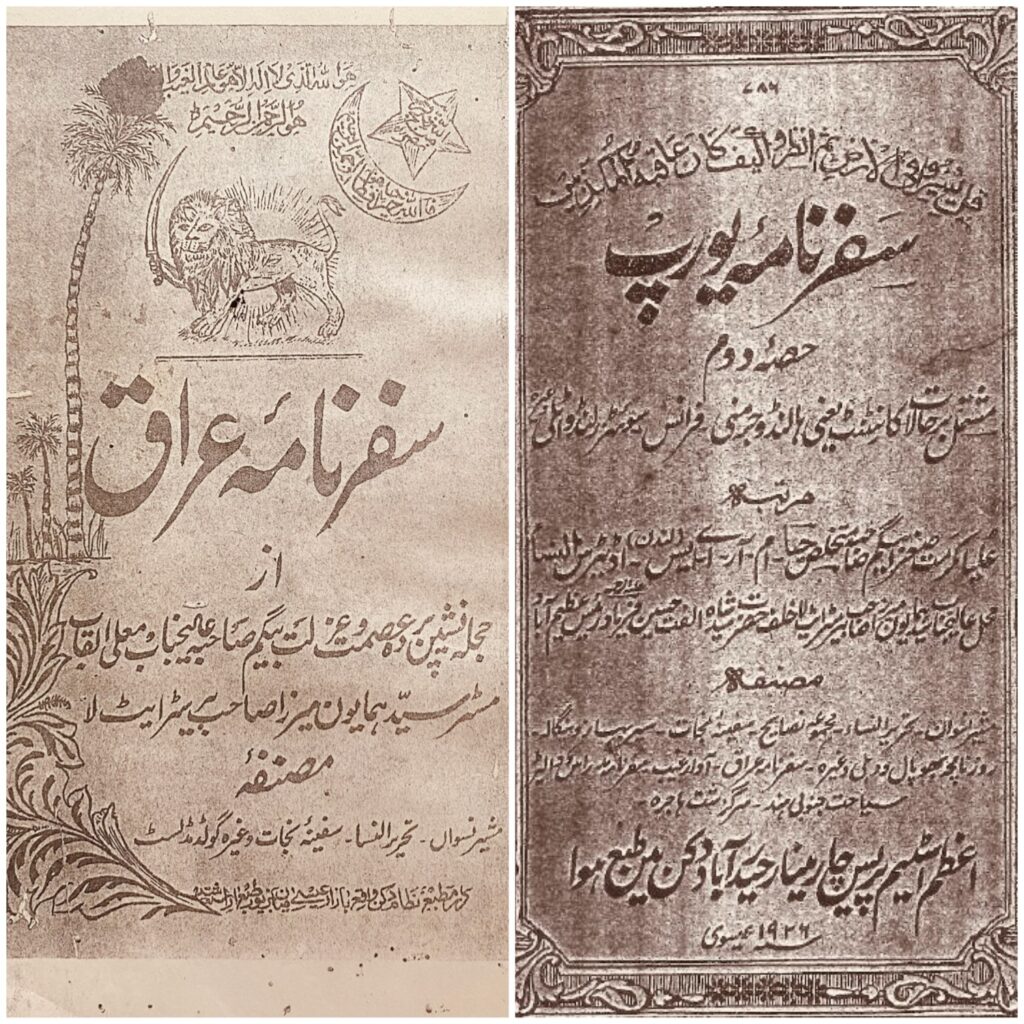
In 1923, she was made a member of the Royal Asiatic Society of London. Begum Sughra wrote five travelogues, three of which document her travels within India between 1914 and 1918, while two feature her journeys to Iraq in 1915 and through Europe in 1924.
Her domestic travel books focus more on social engagement and reformist ideas. Her international travels explore more her personal observations of the countries she visited, while discussing social issues.
In her travel book ‘Safarnama-yi Yurap’ published in 1926, she detailed her travels through England, Germany, France and Switzerland, and mentions about her time as a guest in Geneva of Sultan Abdulmejid II of Turkey, the last Ottoman caliph.
Madarasa-e-Safdaria
One of Sughra Begum’s most extensive educational projects was the Madarasa-e-Safdaria, which she founded in 1934, it has flourished since and is a beacon of education. Located in Humayun nagar
Safdaria school’s objective is to provide free of cost education to the girl child born in Hyderabad’s lowest socio-economic class families. Several dignitaries and luminaries have visited the school since its founding. They include Dr. C Rangarajan, former governor of A.P., Air Chief Marshal Idris Latif, former MP Denzil B. Atkinson, Kumudben Joshi, former governor of AP, Dr. Syed Abid Hussain, and very recently in 2025 U.S. Consul General of the US in Hyderabad, Jennifer Larson.
A few years back, the students of Safdaria school had the opportunity to visit Delhi to meet Dr A.P.J. Abdul Kalam at the Rashtrapati Bhavan.
Screenshot
Over the years, Safdaria School made rapid progress, achieving high standards of girls’ education at both Urdu and English medium levels.
When Begum Sughra founded the school, she had to donate her property for its maintenance to meet the expenses and give scholarships to orphans and girls from destitute families.
Her acts of kindness and service include directing her efforts in raising funds for Aligarh Muslim University, providing relief for those affected during the Musi floods of 1908, and even for the victims of an earthquake in Persia.
Standing firm
As one of the first woman activists in Hyderabad, Begum Sughra faced a great deal of challenges yet she stood firm in her resolve to work for women’s rights and their education. Her impact resonates far beyond her time, reminding us of the strength and resilience that women embody in every field and every corner of the world.
She’s a prominent figure in the history of Hyderabad who needs to be celebrated and recognised on a global platform.
Ameera Aaiza is based in Washington, DC, with her roots in Hyderabad, India. Her work explores history, culture, art, and architecture. She contributes columns and blogs and is currently in the process of writing/authoring a book.
source: http://www.siasat.com / The Siasat Daily / Home> News> Hyderabad / by Ameera Aaiza / March 12th, 2025
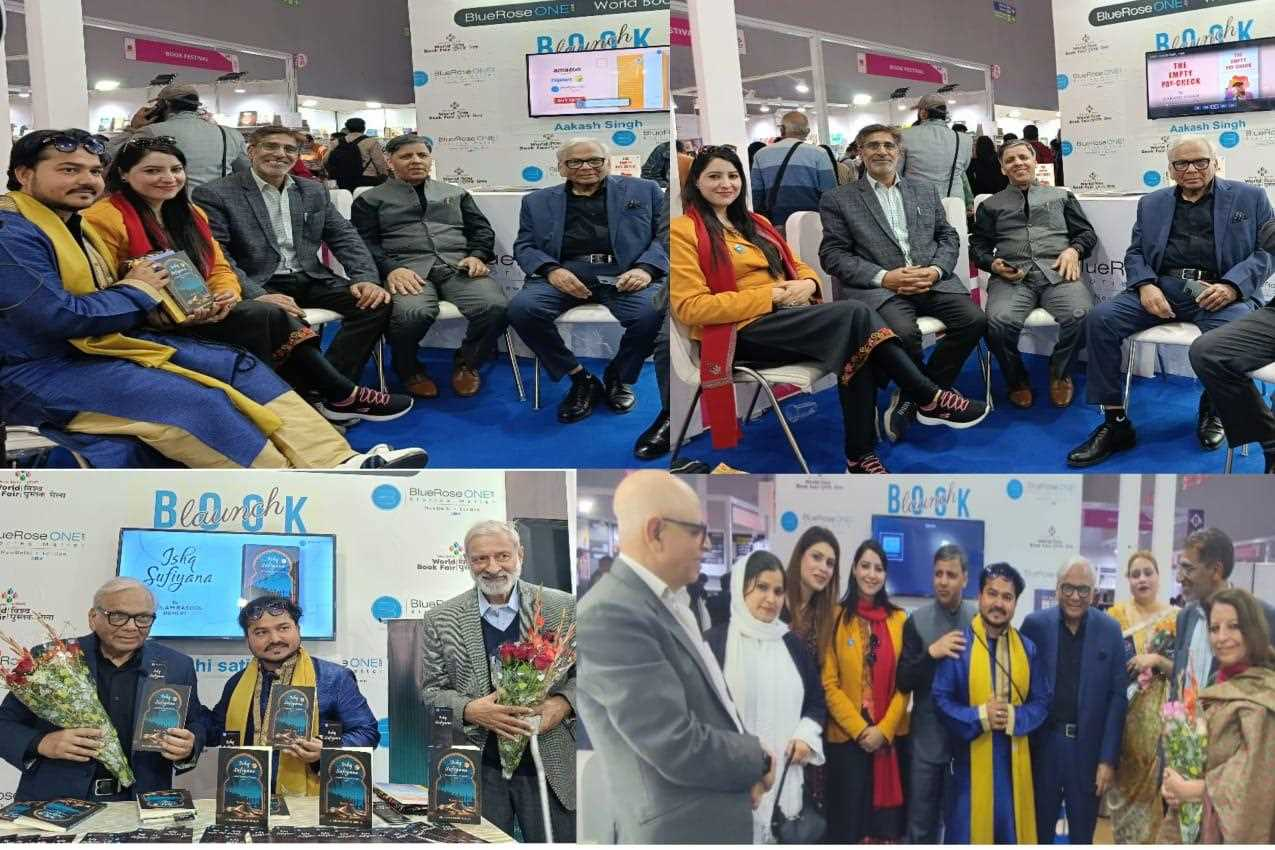
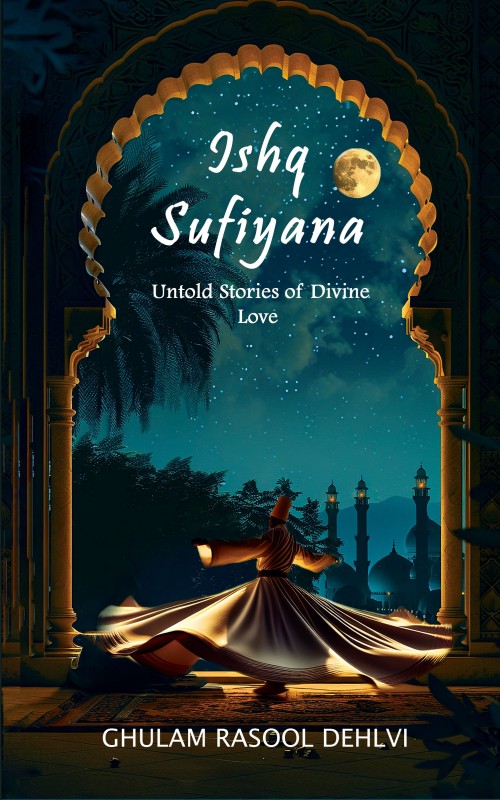
On the concluding day of the World Book Fair 2025, held in at Bharat Mandapam / Pragati Maidan New Delhi from February 1 to February 9, the book “Ishq Sufiyana: untold stories of divine love” by young writer and intellectual Ghulam Rasool Dehlvi was officially launched.
Ishq Sufiyana: Untold Stories of Divine Love / by Ghulam Rasool Dehlvi / image: blueroseone.com
The book launch ceremony took place at Stall No. 12 in Hall No. 6, with several distinguished personalities in attendance.
Notable figures present at the event included Kamlesh Sharma, former Secretary General of the Commonwealth and former Indian Ambassador to the United Nations (New York and Geneva), Padma Shri Professor Iqbal Hasnain, former Vice-Chancellor of Calicut University, Professor Madhu Khanna, former Director of the Department of Comparative Religions and Spirituality, Jamia Millia Islamia, Dr. Shahid Rasool, Dean of Academics at the Central University of Kashmir, Dr. Anita Benjamin, Founding Director of the Rashtriya Christian Mahasangh, Farooq Wani, Chief Editor of the daily Brighter Kashmir, Syed Abid Gowhar, renowned broadcaster and journalist from Jammu & Kashmir, Tasleema Akhtar, human rights activist, Tahmeena Rizvi, researcher, Dr. Rachika Arora, Syed Affan Yasawi, among others.
During this vibrant event, all the distinguished guests shared their thoughts about the book and its author. Ishq Sufiyana is a unique blend of reality and imagination. It creatively presents the real-life stories of thirty renowned Sufi saints of India.
The book among other Sufi intellects also highlights four revered saints and spiritual figures from the Kashmir Valley, Mir Syed Ali Hamdani (RA), Sheikh Noor-ud-Din Noorani (Nund Rishi) (RA), Sheikh Hamza Makhdum (RA) and Lal Ded (Lalla Arifa)
Additionally, Ishq Sufiyana includes a collection of narratives based on Sufism, ethics, and spirituality, many of which have been previously published in various newspapers and journals. The book aims to inspire seekers of all religions and spiritual traditions to dive into the ocean of divine love. The values and teachings of the personalities featured in the book remain relevant today, helping individuals grasp the depths of divine love that transcend worldly boundaries.
Ghulam Rasool Dehlvi is a well-known Sufi scholar, researcher, critic, speaker, and author based in Delhi. He is fluent in Urdu, Arabic, and Persian and is a trained scholar in Indo-Islamic traditions. He has received in-depth education and training in various spiritual orders, particularly the Naqshbandi, Qadiri, and Chishti Sufi traditions.
He has also undergone spiritual training and initiation under Turkish-origin Naqshbandi Sufi Sheikh Ashraf Effendi (Founder of Sufi Land, Germany). Pir Zia Inayat Khan (Global Head of the Inayati Chishti Sufi Order), American Sufi guide Pir Shabda Khan (Director, Sufism International, USA). He has studied under several esteemed Sufi scholars and spiritual elders in India. Recently, he was invited as a scholar-in-residence at the Bawa Muhaiyaddeen Fellowship (Philadelphia) and the Awliya Council of North America (New York, USA).
He has also served as an advisor on Islamic affairs for the National Security Council Secretariat, New Delhi.
Moreover, he has participated as a permanent representative of UN-affiliated NGOs at the United Nations Human Rights Council in Geneva, Switzerland.
The author is also an independent writer, poet, translator, and commentator.
source: http://www.brighterkashmir.com / Brighter Kashmir / Home> Breaking News / by Abid Gowhar / image of publication edited by blueroseone.com / February 12th, 2025
Her dedication to enhancing people’s quality of life sets her apart. With patience, empathy and strong communication skills at the core of her work, she has built deep connections with those she serves.
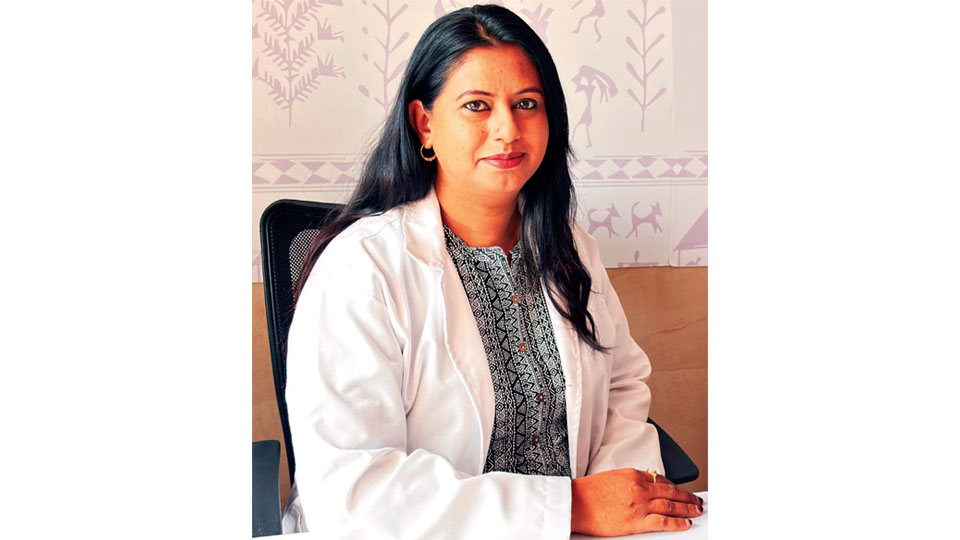
Introducing Irfana Husen, whose unwavering commitment to understanding the challenges faced by individuals with speech and hearing impairments not only improves their lives but also highlights the power of compassion in transforming communities.
In this special interview with Star of Mysore on the occasion of International Women’s Day, Irfana shares her journey, insights and the driving force behind her mission to create a more inclusive world. —Excerpts:
Star of Mysore (SOM): Tell us about the significance of the ‘Karnataka Brain Health Initiative’ and your involvement in it.
Irfana: The Karnataka Brain Health Initiative (KABHI), launched by the Government of Karnataka in collaboration with National Institute of Mental Health and Neuro Sciences (NIMHANS), aims to facilitate the early identification and management of neurological disorders such as stroke, epilepsy, dementia and headache. The initiative has established Brain Health Clinics in District Hospitals, integrating neurological care into primary healthcare.
My role involves assessing and rehabilitating patients with speech, language and swallowing disorders caused by neurological conditions. I work closely with neurologists, physiotherapists and other specialists to provide comprehensive care. Additionally, I actively participate in awareness campaigns and trainings to promote brain health and early diagnosis.
SOM: What inspired you to take up this profession?
Irfana: My motivation to pursue Speech-Language Pathology and Audiology was shaped by my experiences at the All India Institute of Speech and Hearing (AIISH) in Mysuru. Witnessing children seeking help ignited my passion for a field that can profoundly impact individuals with communication and hearing challenges. Many children suffer due to late diagnoses and societal stigma, which inspired me to focus on early detection, rehabilitation and community education. My goal is to bridge this knowledge gap and ensure communication accessibility for all, especially for children with disabilities, empowering them to lead fulfilling lives.
SOM: How do you demonstrate patience, empathy and effective communication in your profession?
Irfana: These qualities are essential for building strong connections with patients, especially children with disabilities. Patience is crucial, as progress can be slow, particularly for individuals with speech delays or autism.
I tailor each session to their pace, fostering a supportive and encouraging environment. Empathy allows me to understand the struggles faced by individuals with speech and hearing impairments. I actively listen to both patients and their families, providing them with emotional support throughout their rehabilitation journey.
Strong communication skills enable me to simplify complex medical information for families, ensuring they understand the treatment process. Additionally, these skills help me collaborate effectively with other professionals, ensuring holistic care.
Awareness programme in the Maternity Ward of District Hospital, Mysuru.
SOM: How do you provide guidance to patients and their families regarding their health issues and treatment options? What about children with special needs?
Irfana: Counselling patients and their families requires compassion and clear communication. I hear their concerns, provide emotional support and simplify medical explanations to help them better understand their condition and treatment. For families with children with disabilities, I emphasise the importance of early intervention, educate them on the benefits of therapy and set realistic expectations for progress.
When working with children with special needs, I build trust through play-based therapy, incorporating sensory tools and visual aids to make sessions engaging and effective. I tailor therapy to each child’s strengths and use positive reinforcement to encourage their progress.
SOM: What is the most difficult part of being an Audiologist and Speech Pathologist?
Irfana: The most challenging aspect is addressing the emotional needs of children with disabilities and patients with severe neurological disorders. Families often struggle to accept diagnoses, especially after life-altering events like strokes or brain injuries.
Balancing emotional support with therapy can be demanding, as slow progress sometimes leads to frustration. However, witnessing patients regain communication skills and achieve milestones makes it all worthwhile.
SOM: In what ways do you believe the current lifestyle of young individuals will impact their hearing?
Irfana: The modern lifestyle, particularly excessive headphone use and exposure to loud music, poses a significant risk to hearing health. Prolonged exposure to high-volume sounds, noisy environments and poor ear hygiene can lead to noise-induced hearing loss.
Individuals should limit exposure to loud noises, avoid using cotton swabs for ear cleaning and maintain proper ear hygiene. A balanced diet, regular exercise and avoiding tobacco can improve blood circulation and nerve function.
SOM: Can you share some tips on maintaining composure and managing time? How do you handle stress?
Irfana: To maintain composure and balance multiple responsibilities, I rely on structured planning, prioritisation and self-care. Creating a daily schedule and setting realistic goals helps me stay organised and efficient.
When dealing with stress, I adopt a calm and solution-oriented approach. Taking short breaks allows me to reset and refocus. Most importantly, the unwavering support of my family keeps me strong. Spending quality time with my children and engaging in activities that bring me joy helps me rejuvenate.
SOM: What message would you like to give to youngsters who want to pursue a career in your field?
Irfana: They must be patient and committed to making a difference in people’s lives. It is not just about diagnosing and treating communication and hearing disorders — it’s about giving individuals a voice, restoring their ability to connect and improving their quality of life.
The demand for skilled professionals is growing, with opportunities in hospitals, rehabilitation centres, schools, research and private practice.
SOM: How do you define women empowerment?
Irfana: Women empowerment is about enabling women to access their rights, opportunities and confidence to make independent choices. It involves ensuring equal participation in all fields while dismantling societal barriers.
True empowerment is achieved when women attain financial independence, social respect and control over their decisions — both in their careers and personal lives.
ACADEMICS & PROFESSION
Irfana Husen holds a Master of Science in Audiology from Dr. Chandrasekar Institute in Bengaluru and a Bachelor of Science in Speech and Hearing from JSS Institute, Mysuru.
Beginning her career at AIISH in 2010, she specialised in advanced assessments and has accumulated over a decade of expertise in healthcare and rehabilitation.
From 2011 to 2013, she gained clinical and research experience at the Samvaad Institute and Dr. B.R. Ambedkar Hospital in Bengaluru. Between 2013 and 2016, she served as a Speech Therapist and Audiology Specialist at Shifaa Hospital.
From 2018 to 2024, she contributed to the District Disability Rehabilitation Centre in Mysuru, supporting individuals with disabilities. In her current role, she focuses on speech and swallowing disorders related to neurology.
Beyond her clinical work, Irfana is passionate about advocating for disability rights and actively engages in community interventions and awareness programmes.
In her personal time, she enjoys travelling, cooking and cherishing moments with her children.
source: http://www.starofmysore.com / Star of Mysore / Home> Feature Articles> Top Stories / by Shadan Muneer / March 13th, 2025
Cemeteries representing Patna’s chronicle of history and heritage are dying a slow death
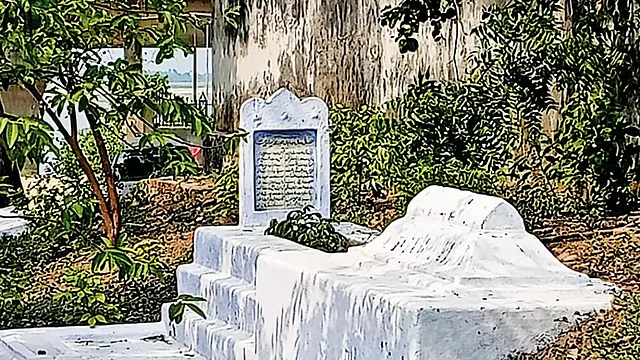
Unkept Legacy: The grave of Shahzada Karim Shah, the great-grandson of Tipu Sultan.
Like every other city, Patna also owes, to an extent, its cultural and literary existence to the courtesans who blended with the local society and provided it with a new dimension. One among them was Allah Jilai, who had settled in Patna from Allahabad. She was considered a gorgeous woman and sported a honey-dipped voice which had an arresting power. While visiting Calcutta, she developed a terminal illness. She was barely 24 when she died in 1918 and was buried in the Pakki Dargah Muslim graveyard. Her tombstone with 12 lines of Urdu couplets helped in figuring out her biographical information. Had there been no tombstone one would have never known her existence in Patna and the services that she rendered to the city.
Patna, other than being the capital of Bihar, served as a home to multiple cultures, identities, art forms and families. Today, the city has almost lost the reminders of its glorious past. But a few graves still stand as reminiscent of a bygone era. These tombs, or time capsules, where hundreds of stories remain buried, are largely deserted, ignored and unknown.
Bihar is home to more than 9,272 graveyards, according to the government’s estimate. The Bihar government planned to fence these cemeteries, and in 2022-2023, a total of Rs 93.74 crore was approved for this purpose, while an additional amount of Rs 1.25 crore was set aside for the same. According to Bihar Finance Minister Vijay Kumar Chaudhary, the fencing of about 7,647 graveyards has been completed, and the remaining will be done shortly.
In addition to the 9,272 cemeteries, Bihar also has a sizable number of privately-owned graveyards maintained by the families of former nobles, aristocrats, zamindars, jagirdars and nawabs. Thus, the overall number of burial grounds in Bihar would be close to 10,000. Moreover, several Christian cemeteries are located in Patna.
Further east on Ashok Rajpath, one can find the Gurhatta cemetery which chronicles the gruesome massacre of the British prisoners at the house of Haji Ahmad Ali in 1763 at the command of Mir Qasim, the nawab of Bengal.
The tomb of Mir Mohammad Naseer, the father of the first Nawab of Awadh Photo: Ali Fraz Rezvi
Padri Ki Haveli is the final resting place of people from Armenia, Portugal, France, Persia, Italy and the UK. In a sense, this place is a symbol of international harmony. Here, one can find a Jewish grave next to a Chinese, and a Greenlander adjacent to a Mozambican.
Near Patna Ghat Railway Station is the Danish Kothi—established in 1775—signifying the presence of Denmark in Patna in the past. It was the house of Jorgen Hendrich Berner (1735-1790), Chief of the Danish Factory in Patna, who was buried on the premises as demonstrated by his tombstone. There are at least three more tombs here which are bereft of inscriptions. Later, the Kothi became the residence of the station master of Patna Ghat, and is at present, the office of the store in-charge of railway electrification.
The Lost Glamour
While Zohra Bai, the queen of thumri, remains buried within the campus of Rauza Masjid at Maharaj Ganj, Haider Jaan, Najban, Ramzu, and Chhottan were also the tawaifs (courtesans) whose presence had made Patna a lively place.
These courtesans participated in religious activities as well, and the existence of the Imambara at Chowk is a living example of their dedication towards such pious endeavours.
As we move towards the eastern corner of the city, another story lies buried in the deadlands of Begumpur.
Father of a Persecuted Son
Popularly known as Nawab Shaheed Ka Maqbara among the locals, is the tomb of Ihteram-ud-Daula Nawab Zain-ud-Deen Ahmad Khan Bahadur Haibat Jung, the father of Nawab Siraj-ud-Daula of Bengal. Nawab Haibat Jung successfully defended Patna during the Maratha attacks but was later murdered by the Afghan rebels. His wife and children were imprisoned when he was killed.
The tomb of this martyr lies deserted in Begumpur, guarded by Dashrath Gope Yadav who comes at dawn and leaves by dusk. “The tomb, mosque and the several acres of land belong to the State Waqf Board which is least interested in the property unless there’s a chance to sell,” says Dashrath, as he cleans the interiors of the tomb. The place also had an Imambara which used to host majlises during the month of Muharram in the presence of Raja Ram Narain, the then deputy governor of Bihar.
Padri Ki Haveli is the final resting place of people from Armenia, Portugal, France, Persia, italy and the UK. it is a symbol of international harmony.
Dashrath has devoted 45 years of his life to this tomb of Nawab Shaheed. “This place had a dense jungle and I cleared it all on my own. No one from the Waqf Board or the caretakers helped me. There was no roof at this tomb, so I went around begging in the streets of Patna so that there could be a roof at the grave,” he says.
Affectionately, he calls Nawab Haibat Jung as Data Sahib—a term usually used for Sufis. Dashrath believes that he is at peace and his children are married because of the blessings of Nawab Haibat Jung.
This is not the only case of a burial place turning into a mazar. While he is aware of Nawab Haibat Jung and the history, another tomb in the city’s centre has been converted into a Sufi shrine by the people unaware of the person buried inside.
Nawab Munir-ud-Daula Raza Quli Khan Bahadur Nadir Jung, a minister of Mughal emperor Shah Alam, was the founder of the Patna Bhiknapahari and Bhagalpuri families. He was instrumental in obtaining a grant from the emperor for the East India Company and assisting the reappointment of Shuja-ud-Daula to the Vizarat. He remained in charge of Korah and Allahabad until a little before his death in Benares on October 11, 1773. Later, his corpse was transported to Patna, where he was laid to rest.
His tomb, embracing a Persian inscription of eight lines, is located west of the Government Hospital in Patna. The vicinity is collectively known as Bawli. The grave is located on a raised platform of about four feet from the ground level and enclosed by intricate lattice designs of stone.
Surprisingly, his grave has lately attained the status of a Sufi shrine where devotees of all faiths converge to venerate him. His followers used to organise a majlis (a religious discourse to commemorate the martyrdom of Imam Hussan, the grandson of Prophet Mohammad) at his shrine during Muharram. It is imperative to observe how the mausoleum of an astute politician is providing spiritual respite to everyone and is acting as a melting pot of different cultural, religious and ethnic affiliations, thereby bridging the communal and sectarian divides.
The Awadh Connection
Mir Mohammad Naseer Nishapuri was the father of the first Nawab of Awadh, Mir Mohammad Amin. Being a descendant of the Seventh Shiite Imam, Musa Kazim—a progeny of Prophet Mohammad—he was considered among the nobles. He along with his eldest son, Mir Mohammad Baqar, reached India in the reign of Mughal emperor Bahadur Shah and settled in Patna, where he was provided with subsistence allowance by Murshid Quli Khan, the governor of Bengal, at the recommendation of his son-in-law, Shuja Khan, who also had his roots in Persia.
When his son, also named Mir Mohammad Amin (Saadat Khan Burhan-ul-Mulk), came to Patna in 1708-09, his father had already passed away and was buried in a cemetery. Subsequently, both brothers, Mir Mohammad Amin and Mohammad Baqar, in search of employment, set out for Delhi in the beginning of 1709.
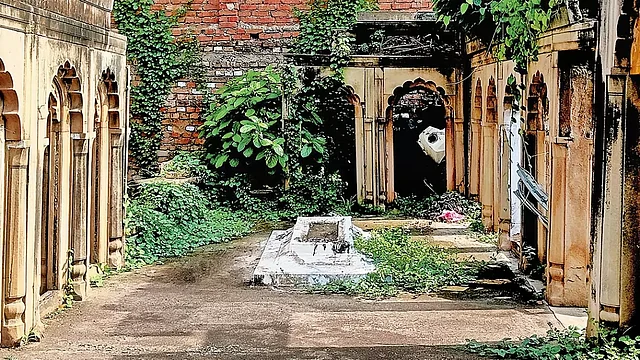
The tomb of Nishapuri is located to the north of Patna City Railway Station. It borders the Kachchhi Bagh Cemetery and the nearest landmark is the now-defunct Pradeep Lamp Factory. It lies in a roofless rectangular enclosure, supported by ornamental arches and turrets of small heights. There are remains of flower motifs on the walls. The intricate stone lattice work on the arches has disappeared and the horizontal beams supporting the enclosure have also fallen at places due to the absence of proper maintenance. There is a garage in the vicinity which is using the site as its dumping ground, thereby causing further damage to it. Moreover, the overgrowth of trees and shrubs is also playing its notorious role to damage the place. This neglected heritage, which should have been a symbol of Patna’s glorious past and its royal association with Awadh, is counting its final days.
Several tombs are scattered across the city of Patna; some are fortunate to bear a name or a tombstone while the others remain deserted and ignored.
When Safdar Jung visited Patna in 1742 to support Ali Vardi Khan to push the Marathas out, he paid a visit to the grave of his maternal ancestor and recited the Quranic verses or Fatiha to his soul. It was at his instance the walled enclosure and latched screen (carved jaalis) were built around the burial place.
The aforesaid site had an attached Imambara where Muharram majlis were held, but nothing remains now. The disappearance of such heritage is swiftly obliterating the past of the city and disconnecting the cultural thread which joins several eras.
The Prince of Mysore
Among all the legendary personalities buried in the city, there exists a chapter of Mysore’s history in an unimaginable grave at Meetanghat, Patna. In the compound of Khanqah Bargah-e-Ishq Takiya Shareef—where rests the great Sufi mystic and poet of the 18th century, Shah Rukn-ud-Din Ishq Azimabadi—exists the burial place of Shahzada Karim Shah, the great-grandson of Tipu Sultan.
He was a man of mystic inclination and was thus affiliated to the Khanqah of Hazrat Ishq Azimabadi, through his pir, Syed Shah Khwaja Amjad Hussain Saheb. He died in Patna in 1915, and Shamshad, a poet, composed a Persian inscription of 10 lines for his tombstone.
He was a man of mystic inclination and was thus affiliated to the Khanqah of Hazrat Ishq Azimabadi, through his pir, Syed Shah Khwaja Amjad Hussain Saheb. He died in Patna in 1915, and Shamshad, a poet, composed a Persian inscription of 10 lines for his tombstone.
There exists as a cemetery of history in Bihar—the grave of Shahzada Mirza Zubair-ud-Deen Bahadur Gorgani, the grandson of the last Mughal Emperor Bahadur Shah Zafar, at Darbhanga or the tomb of Yusuf Shah Chak, the Sultan of Kashmir who reigned from 1578 to 1586, and was exiled by the Mughal Emperor Akbar. He along with his family members now rest in Biswak, Nalanda. Furthermore, Mahmud Shah, the fourth king of the Hussain Shahi dynasty of Bengal, died in 1538 AD in Kahalgaon (previously spelled Colgong), Bhagalpur, and was buried there. Similarly, Hussain Shah, the last king of the Sharqi dynasty of Jaunpur, took refuge at Kahalgaon and died there, and Sher Shah Suri, the founder of the Sur dynasty, lies buried in Sasaram. Sadly, Bihar’s Chief Minister Nitish Kumar is busy presenting a model of development upon the ruins of Patna’s heritage, while these graves representing the chronicle of history are dying a slow death.
Syed Faizan Raza is the area representative of the British Association For Cemeteries In South Asia
Ali Fraz Rezvi is an independent journalist, theatre artist and a student of preventive conservation
source: http://www.outlookindia.com / Outlook / Home> National / by Syed Faizan Raza and Ali Fraz Rizvi / Novmber 04th, 2023
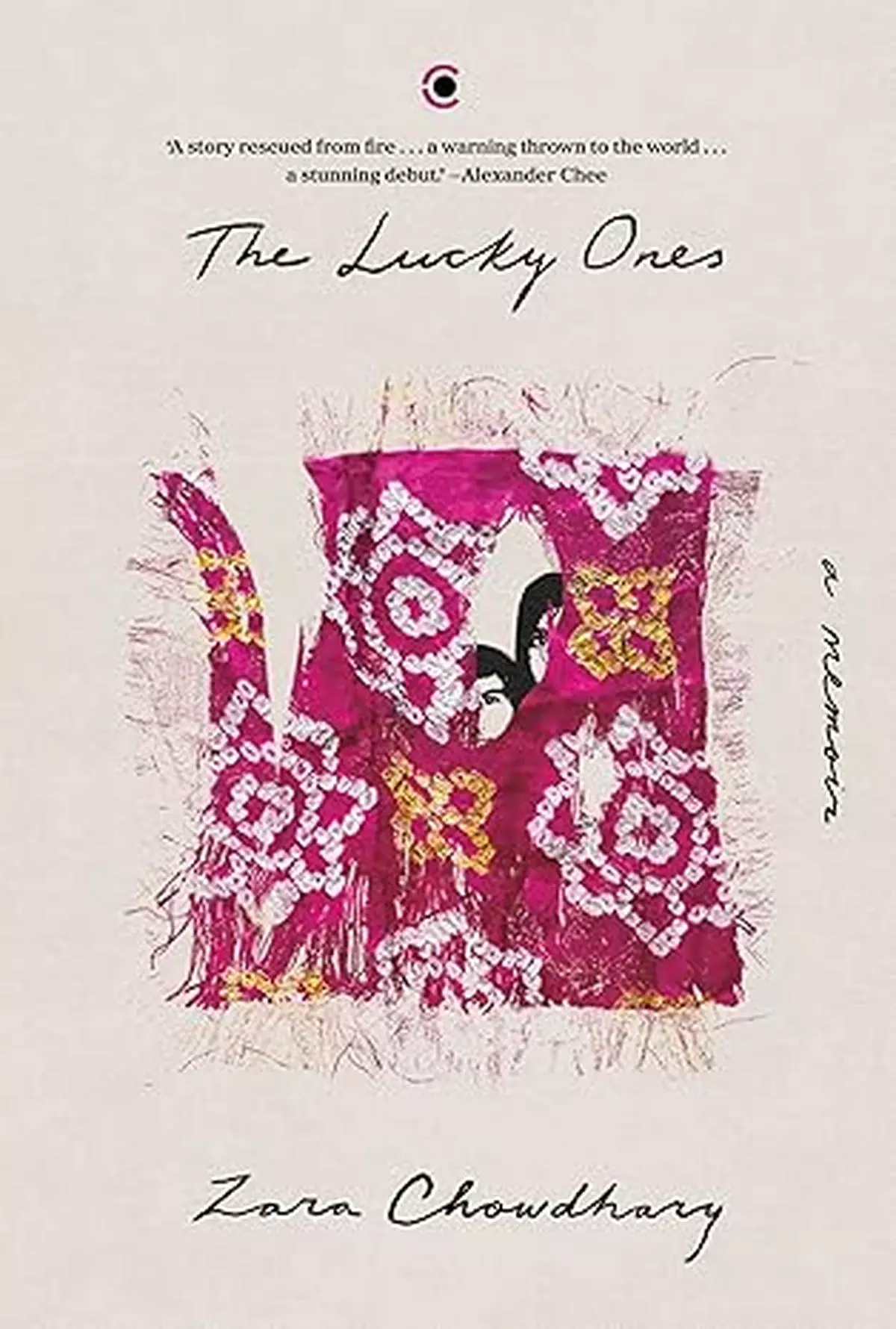
In ‘The Lucky Ones’, Zara Chowdhary, who survived the 2002 Gujarat riots, recasts her memories into a bold assertion of identity beyond trauma.
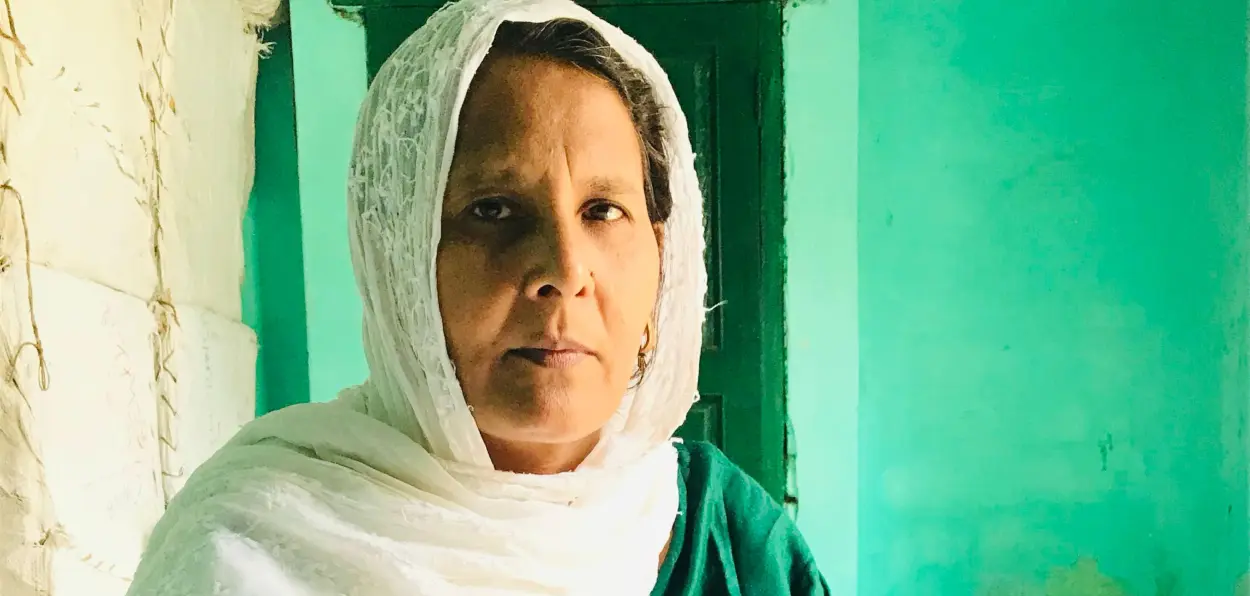
the 2002 riots. | Photo Credit: JANAK PATEL
Most of us suck at telling the truth. We would rather dress up facts into stories, tie them up with a neat disclaimer: this is a work of fiction. A memoirist is a person so caught in the nuclear fallout of overpowering, unspeakable facts that she must set aside the pretense of fiction and simply assert, this happened. Saying “I lived through this” becomes a way to unpin the self from the yoke of a toxic and restrictive past. Calling things by their name frees the soul.
But writing a memoir is a tricky terrain to navigate. Why should the world be concerned with what happened to someone? How is anyone to know if the person is telling the truth? They may simply be begging for cheap pity by recounting some traumatic truth. Even when a memoir is truthful, trauma tends to constitute a totalising identity, says the literary critic Parul Sehgal of The New Yorker, by making a singular event the whole story, the definitive story. From this point of view, the very claim of truth a trauma narrative makes is suspect.
Most of us suck at telling the truth. We would rather dress up facts into stories, tie them up with a neat disclaimer: this is a work of fiction. A memoirist is a person so caught in the nuclear fallout of overpowering, unspeakable facts that she must set aside the pretense of fiction and simply assert, this happened. Saying “I lived through this” becomes a way to unpin the self from the yoke of a toxic and restrictive past. Calling things by their name frees the soul.
But writing a memoir is a tricky terrain to navigate. Why should the world be concerned with what happened to someone? How is anyone to know if the person is telling the truth? They may simply be begging for cheap pity by recounting some traumatic truth. Even when a memoir is truthful, trauma tends to constitute a totalising identity, says the literary critic Parul Sehgal of The New Yorker, by making a singular event the whole story, the definitive story. From this point of view, the very claim of truth a trauma narrative makes is suspect.
The Lucky Ones: A Memoir / By Zara Chowdhary
Context / Pages: 342 / Price: Rs.699
Zara Chowdhary’s memoir of coming of age in 2002 Ahmedabad incinerates all such reservations in the first few pages. The title sets the tone by making the point that it was her family’s great fortune to have survived “those days” physically unscathed. The narrative begins with the terrible feeling of being a marked people, of living holed up in a flat “waiting for the mob to find us” in a city where laws and rules have ceased to exist, closeted with a dysfunctional family. Around them, headlines spew hate, rumours fly, and black smoke fills up the sky and the television screen. The narrative moves inward and holds to light multiple threads of identity that bind her people in one family, her family to the city and its society, and the citizens to a nation. This brings a deep awareness of how violence within the family or outside unravels the most essential, joyful aspects of any identity whether one is a victim or the perpetrator.
The facts around which the narrative unfolds have been so extensively documented, written about, probed by courts, parliaments, tribunals, and fact-finding missions that they constitute the nation’s subterranean truth. The author intersperses reportage with lived experience, weaves Gujarat’s history with her own family’s past, to provide context to her endeavour of processing the anger at what she experienced and helplessness with her father’s denial and minimising of it, which was the only way he knew to cope.
Curfewed terror
Early on, Zara came to the realisation that no strongman could save them.
“…The madness in our home, like in the rest of this country lay in our search for a strongman. In our home no man is strong enough. Dada is haunted by how he failed. Papa withers under the burden of his own mistakes. The women become dictators….”
In the city that is the only home she knows, Zara is preparing for her board exams in the cramped and dark family home while “history is happening on the streets”. For the next three months as the city burns, the eighth-floor family home, C-8 Jasmine, in a 40-year-old building in a Muslim area, will be their prison. Zara approaches the task of reliving those days by opening the door on the othering and suffocation experienced within the four walls of her own home. Her Gujarati-speaking Dadi considers her south Indian mother an outsider. Proud of her anglicised antecedents, her college-educated Dadi—who came of age in the pre-Independence years when her elite family were people of consequence in the city—holds sway over the household. She grew up playing badminton and dancing at the club and even now wears chiffons and pearls.
Disgruntled with the gradual lowering of their status and circumstances, Dadi kept her Punjabi Muslim “peasant” husband on a tight leash until he passed away and hates her dusky south Indian daughter-in-law. Both her granddaughters are terrified of her. Zara’s father, a pampered, educated-in-the-US son, is now a mid-level employee in the electricity board who faces daily humiliation in the office because he is a Muslim. Unable to either assert himself or to take the microaggressions in his stride, he copes by drinking heavily and bullying his wife, often encouraged in this by his mother. In view of the deteriorating situation, her father’s younger sister phupo, an imperious college professor and a divorcee who lives on “the other (Hindu) side of the city”, also moves into their flat with her daughter, who is a superior and disdainful apa to Zara and Misba.
Struggling to make sense of her family is a part of her struggle to process the curfewed terror of those three months. Why was her father so easily bullied by the world? Why was he so willing to undermine his wife all the time? Why did her intelligent, honey-eyed mother submit so willingly? Zara’s prose carries the weight of every question and reveals that belonging and unbelonging are not givens but manufactured prejudices “that offer security but in return [for] your unquestioning loyalty”. Whether in families or in nations.
Everyone in her family has a past made of things that make them less hateful. Dadi—who loves to spread disinformation about her daughter-in-law, which Zara’s father is only too ready to believe—is at her best when dancing the garba. The only time she is proud of her twinkle-toed granddaughters is when they are doing the bhangra or the garba. Just as flying kites during Uttarayan is her father’s secret superpower.
Denial, diminishment, erasure
To understand why her family is the way they are, Zara gently probes the past of each family member—which is also her past. Thus, she can look at what they do without losing the gifts that her diverse heritage brings. Examining the fault lines within her own house enables her to ask the question of home and belongingness at multiple levels. This question that simmers inside chants and slogans hurled from across the dry riverbed also lurks in the animosities in her own house. The denial, diminishment, erasure practised within the family as on the streets is a game of numbers and power. The excavation of family politics lends great moral clarity to Zara’s examination of other alienations inflicted upon them, and gratitude for the things that sustain them. What sustains the girls is their mother’s love, the hope inspired by the kindnesses of their Hindu friends, and above all their ability to dance to Bollywood numbers even in terrible times, because what is the alternative?
When the curfew is partially let up, it is time for Zara to write the now meaningless examinations in centres located (deliberately) in Hindu localities. Some even inside temples. Her rattled family steps out for the first time, and more than the exams her focus is on trying to look like a non-Muslim. She thanks her mother’s wisdom in giving her a neutral sounding name. Once the exams end, her rich Hindu classmates, who never once called up to check on her all through the terrible months of March and April, blithely propose an outing. Zara declines, citing the situation. Her friend counters by scoffing: “What rubbish yaar, there’s been no curfew for months.”
This heart-wrenching moment stays with the reader. In this moment, the young Zara registers the difference between herself and “them”—whose cushy lives never stopped in the tracks because of unremitting violence. Who never experienced the terror that reduced her family, her building, her Muslim neighbourhood to a bundle of nerves.
“Our loss doesn’t exist. Our pain isn’t real, it never happened. Their malls still brim, their restaurants fill with chatter… while we live hunkered in our own homes…. We live in two different Ahmedabads, two different Gujarats, two different Indias.”
All these experiences sharpen her ability “to distinguish between the oppressed and the oppressor” and bring in her “a refusal to live life as either”. This clarity enables her to wrest back the agency denied to her by her city. Her need to be not defined by trauma shines throughout the book. She has taken her lessons but also come to the realisation that her faith and belongingness as an Indian Muslim are not what others get to define. Her unique identity comes to her through the Punjabi, Gujarati, south Indian Islamic strands of her family, and no one else’s definitions can wrest this away from her. A text of such radical empathy can emerge only when the author has unflinchingly held the sharp blade of memory, of times unspeakable and times happy, in her bare hands and stayed with them until out of the silence emerges her truth, her belongingness story, her way out of the dungeon of erasure.
Varsha Tiwary is a Delhi-based writer and translator. She recently published 1990, Aramganj, a translation of the bestselling Hindi novel Rambhakt Rangbaz.
source: http://www.frontline.thehindu.com / Frontline / Home> Books> Book Review / by Varsha Tiwary / January 14th, 2025
The Department of Niswan wa Qabalat, Faculty of Unani Medicine at Aligarh Muslim University (AMU), has announced the release of a new book, Mualajat Amrad-i-Niswan-o-Qabalat, authored by Dr. Fahmeeda Zeenat, and Hakim Mohd Afsahul Kalam, Research Scientist at RRIUM, Kashmir.
The book presents comprehensive treatment regimens for various gynaecological disorders and obstetric complications, offering a unique integration of Unani medical principles with modern healthcare approaches. It is poised to be an essential reference for medical practitioners and students specializing in women’s health.
The launch coincided with the National Workshop on Managing Menopause, organized by the Department of Niswan wa Qabalat on February 24.
The event was presided over by Professor Asfar Ali Khan, withDr. Kausar Usman, a distinguished physician from KGMU, Lucknow, as the Chief Guest. His keynote address provided an in-depth analysis of contemporary challenges in menopause management, blending clinical expertise with evidence-based insights.
Dr. Zeenat’s work represents a significant advancement in the field of Unani medicine, exhibiting AMU’s commitment to research and innovation in healthcare.
source: http://www.amu.ac.in / Aligarh Muslim University (AMU) / Home> News / by Public Relations Office, AMU (headline edited) / February 25th, 2025
Dr. Mariyam Fatima, Assistant Professor in the Department of Home Science, Aligarh Muslim University, was honored with the Young Professional Award – 2025 for her research on “Nurturing the Future: The Role of Eco-conscious Parenting in Promoting Sustainable Lifestyles” at the International Conference on Cutting-edge Research Innovation in Sustainable Education, Environment, and Agriculture (CRISEA – 2025).
The conference was jointly organized by the Agricultural Technology Development Society and the School of Biological Sciences and Biotechnology, Goa University.
Dr. Fatima emphasized the vital role of eco-conscious parenting in fostering a sustainable future. She highlighted how parental choices shape children’s habits, values, and attitudes toward environmental responsibility.
By integrating simple eco-friendly practices at home—such as reducing waste, conserving energy, and making sustainable purchasing decisions—parents can instil environmental stewardship in future generations.
source: http://www.amu.ac.in / Aligarh Muslim University (AMU) / Home> News / by Public Relations Office, AMU / February 28th, 2025
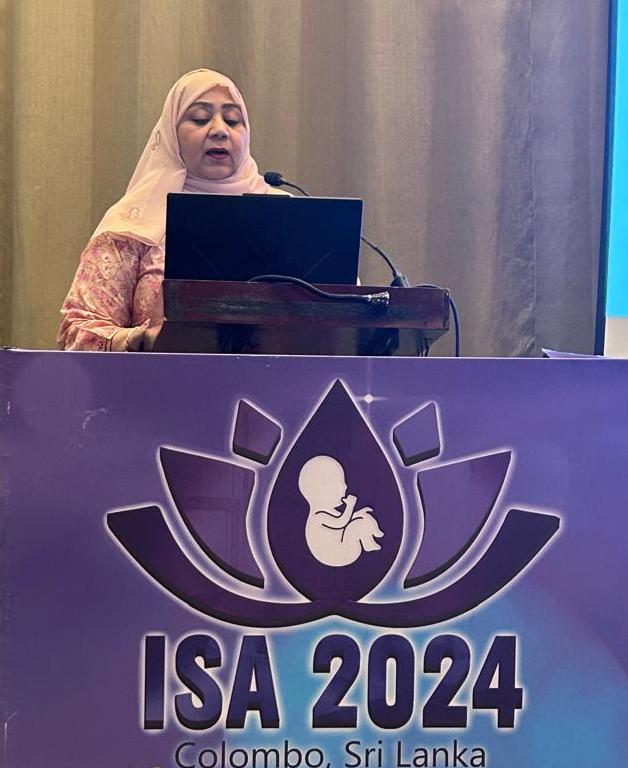
Prof. Tamkin Khan delivering the lecture at the programme on Roundtable on Stillbirth Bereavement Care at Colombo, Sri Lanka
Aligarh:
Prof. Tamkin Khan, faculty member at the Department of Obstetrics and Gynecology, J.N. Medical College, Aligarh Muslim University, and Founder Secretary of the Stillbirth Society of India, attended the Parent Roundtable Session at the 19th Annual Conference of the International Stillbirth Alliance (ISA) in Colombo.
The session, organised by the International Stillbirth Alliance and supported by the World Health Organisation (WHO), brought together experts from India, Indonesia, Singapore, Sri Lanka, South Africa, and the USA to discuss advancements in stillbirth bereavement care.
Moderated by Theresa Shaver (USAID), the discussion focused on the importance of compassionate support for grieving families and the need for collaborative global efforts to improve bereavement care practices. Prof. Khan shared insights on bereavement care and highlighted the role of healthcare providers in offering emotional and psychological support to families coping with stillbirth.
As part of her participation, she also presented two scientific papers on stillbirths, contributing valuable research to the ongoing discourse on maternal and infant health.
Prof. Khan described the opportunity as an honour, emphasising the significance of working alongside global experts to enhance care for families experiencing pregnancy loss.
source: http://www.radiancenews.com / Radiance News / Home> Focus> Report / by Radiance News Bureau / March 07th, 2025
Designer bangles made by Afsana Choudhary, 42, of village Salai, Hapur district of Uttar Pradesh, are a rage even among people in foreign lands.
Starting her business small, Afsana has displayed her art of bangle-making in 19 countries, so far. Her business has grown so much that she has appointed her nephew to handle sales.
Afsana Chaudhary’s journey from a school dropout to international fame is a saga of focus and hard work. Her father was an inspector in the Agricultural Mandi Committee and he wanted his daughters to study. He sent both his daughters to a school in Hapur. However, back then society followed strict restrictions on girls’ education.
Afsana had to leave her studies even though she did not want it.
In 2000, “Action India Organization”, an NGO based in Delhi, offered training to women in making designer bangles as part of their campaign to empower rural women through self-reliance.
Some 50 women participated in this three-month course, and Afsana mastered this art. She loved it and soon established herself as a skilled handicraftsman.
In 2001, Afsana put up a stall of her handmade bangles.at the Handicrafts Faire at in Delhi Haat. This was for the first time for her to step out of her home for work.
Her handmade bangles received tremendous appreciation and she hit great sales. This boosted her confidence and she decided to take her art as a full-time business.
Afsana continued working hard to take her art to the global level. She participated in a handicraft exhibition in China in 2014. This was for maiden flight and she said her “happiness knew no bounds.”
Afsana’s handmade bangles being sold at Surajkund Mela
The experience of staying in a five-star hotel in China was unforgettable for her. Her art was highly appreciated there.
Her next international exhibition was held in Colombo, Sri Lanka in 2015. Again, her handcrafted bangles were a rage and she made great sales.
Two years later Afsana expanded her business. She also started making designer necklaces, earrings, eyeglass chains, bracelets, anklets, belts, flower sticks, etc.
Her business had increased in volume and sales.
Afsana never borrowed money from family to set up her business. Whenever she needed money for raw materials, she would take a loan from the NGO and repay it in time.
Soon her turnover was in several lakhs.
Afsana Chaudhary got married in 1997 and has two daughters. Her elder daughter finished her MBA and is working in a high position in a company in Gurugram.
After the business grew, he also included his nephew Savage Ali in his work, so that the businesses could be expanded further.
Afsana Chaudhary’s dream is to make every woman self-reliant. She wants to train women in design and help them launch their businesses.
source: http://www.awazthevoice.in / Awaz, The Voice / Home> Stories / by Dayaram Vashisht, Faridabad, Haryana / February 24th, 2025