Tag Archives: Muslim Women of India

Lalu Keeps His Promise: Shahabuddin’s Son Osama Fielded from Raghunathpur

BIHAR :

Siwan strongman late Shahabuddin’s wife, Hina Shahab, had personally appealed for her son’s electoral debut in Bihar politics
New Delhi / Patna :

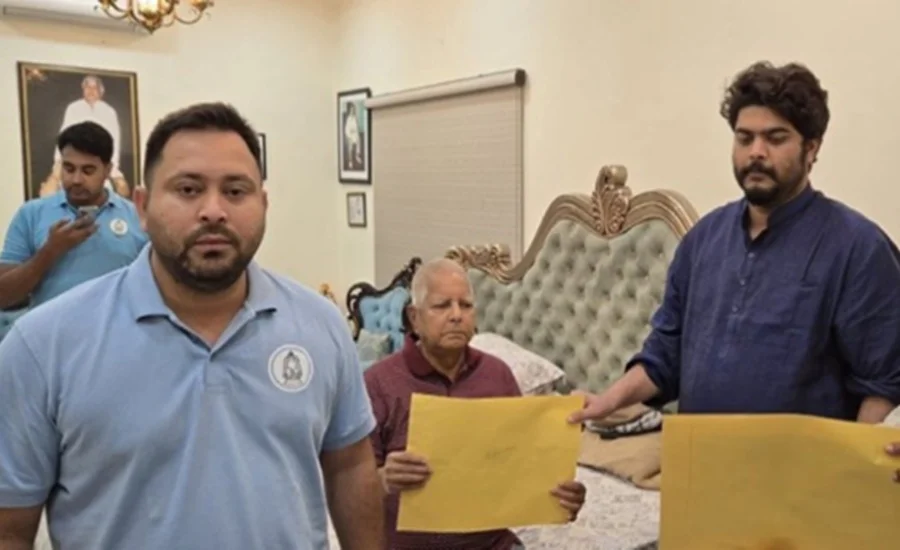
Rashtriya Janata Dal (RJD) chief Lalu Prasad Yadav has fulfilled his long-standing promise to the family of late party strongman Mohammad Shahabuddin. The RJD has announced Osama Shahab, son of the late leader, as its official candidate from Raghunathpur constituency in Siwan district.

The announcement came on Tuesday as part of the RJD’s list of candidates for several key constituencies. Along with Osama Shahab, Awadh Bihari Chaudhary has been fielded from Siwan, while Akhtarul Shaheen has been given the ticket from Samastipur.

Party insiders said that Lalu Yadav had made a personal commitment to Hina Shahab, widow of the late Shahabuddin, to give her son an opportunity in active politics. Hina had met both Lalu Prasad and Tejashwi Yadav earlier this year, urging them to consider Osama for the Raghunathpur seat.

After that meeting, she had told reporters: “Raghunathpur is our traditional seat. My husband served the people here with loyalty and commitment. I want my son Osama to continue his legacy.”

According to party sources, Lalu Yadav had assured her during that meeting that her request would be honoured, a promise now fulfilled.

In a significant show of loyalty to the party leadership, sitting MLA Harishankar Yadav stepped aside to make way for Osama Shahab. Harishankar, who had won the seat twice for RJD, reportedly agreed without hesitation when asked to vacate it for the late leader’s son.

“I have complete faith in Lalu ji’s decision. Osama is young and carries the legacy of a great leader. The people of Raghunathpur will support him,” Harishankar said.

The Raghunathpur seat is considered one of RJD’s strongholds in Siwan, having been dominated by the party for several years. Political observers believe Lalu’s move is both emotional and strategic, aiming to consolidate Muslim-Yadav votes and rekindle Shahabuddin’s once formidable influence in the region.

Mohammad Shahabuddin, once regarded as a powerful figure in Siwan politics and a close aide of Lalu Prasad Yadav, passed away in 2021 due to COVID-19 complications while in prison. His death left a void in the RJD’s local leadership.

Now, with Osama entering the fray, many in Siwan see it as a revival of Shahabuddin’s political legacy.

Local RJD workers gathered outside Hina Shahab’s residence in celebration after the announcement.

“This is not just a political decision; it’s an emotional one. The people of Siwan still remember Shahabuddin Sahab for his service and strength. His son will carry that name forward,” said Mohammad Arif, a local party worker.

Political experts view this development as a calculated move by Lalu Yadav to strengthen RJD’s traditional support base. Prof NK Sinha, a Patna-based political analyst, commented, “The decision to give Osama the ticket is more about legacy politics. The Shahabuddin family still commands strong emotional ties in Siwan.”

Meanwhile, supporters of Osama have started campaigning energetically in the constituency. Posters of Osama with his father’s image have appeared across Raghunathpur, with slogans reading “Waqt aa gaya hai, Shahabuddin ka beta aa gaya hai” (The time has come, Shahabuddin’s son has arrived).

Osama Shahab and his mother Hina Shahab officially joined RJD in October 2024, ending years of speculation about their political future. Hina, who had contested earlier elections as an independent, had repeatedly expressed her faith in Lalu Yadav’s leadership.

Speaking to media persons after the announcement, she said with tears in her eyes, “Lalu ji has honoured his word. My son will serve the people just like his father did. This is a moment of pride for our family.”

The coming election will determine whether Osama Shahab can uphold the legacy of his father, a man both feared and admired in equal measure, and re-establish the Shahabuddin family’s political influence in Siwan.

source: http://www.clarionindia.net / Clarion India / Home> Politics / by Mohammad Bin Ismail / October 16th, 2025

Turning Failures into Success: UP’s Anjum Ara Tops Judicial Service Exam

Prayagraj, UTTAR PRADESH :

Educated at Allahabad University, the daughter of a State Bank of India officer credits self-study, family support and disciplined preparation to secure first rank

New Delhi :

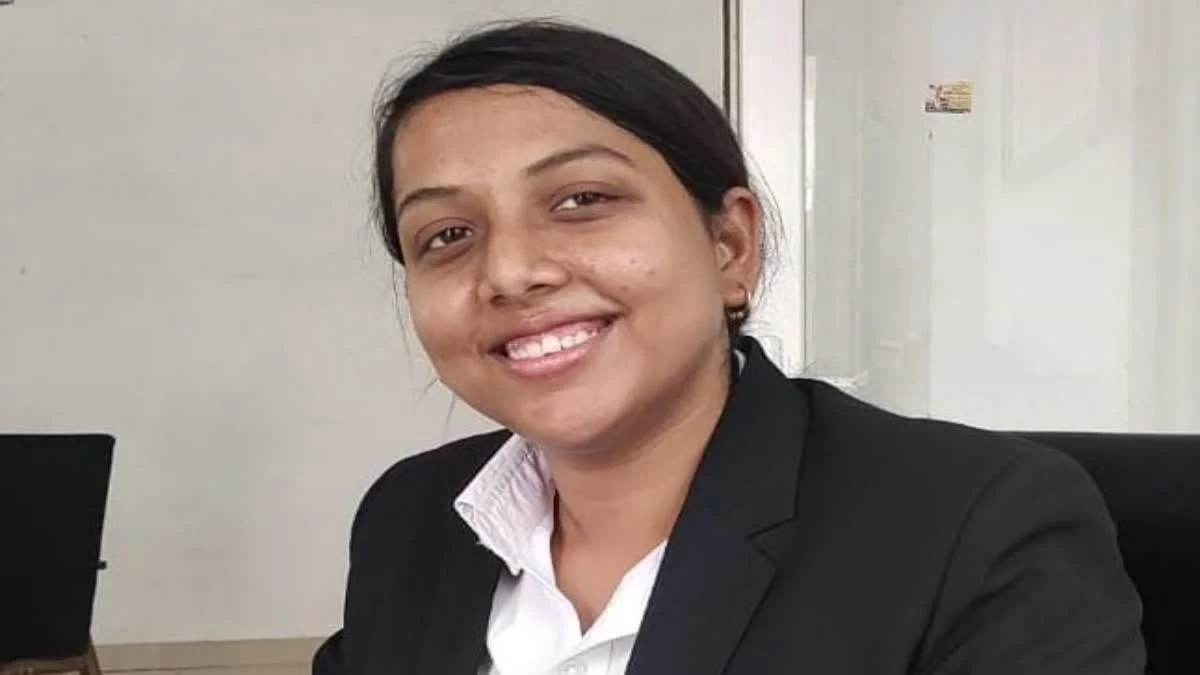
In a story of determination, faith and steady hard work, Anjum Ara from Prayagraj in Uttar Pradesh has secured first rank in the Chhattisgarh Provincial Judicial Service Examination, becoming a judge and bringing pride to her home state. Her success has been widely celebrated in Prayagraj, where neighbours and well-wishers described her achievement as a moment of honour for the city.

Anjum, who comes from an educated Muslim family, said her journey was shaped by a personal loss that changed the direction of her life. Her uncle, whom she lovingly called Bade Abu, served as an Additional District Judge. His death left a deep impact on her and inspired her to choose the path of judicial service. “I used to call him Bade Abu,” Anjum recalled. “After he passed away, I made up my mind that I would become a judge like him and serve society.”

She completed her early schooling at Central Academy in Jhunsi town in Prayagraj District before pursuing her BA and LLB from the University of Allahabad. Reflecting on her university years, Anjum said the Law Faculty played a major role in shaping her approach towards legal studies. “The Law Faculty taught me to understand the law, not just memorise it,” she said. “Our professors focused on practical learning. That helped me a lot in the judicial exams.” She added that because of the strong academic environment at the university, she did not feel the need to rely on costly coaching institutes. “If your basics are clear, you can prepare on your own,” she said.

Her father, Shamim Ahmed, works as an assistant manager at the State Bank of India, while her mother, Akhtari Begum, is a homemaker. Anjum described her parents as her biggest support system. She said her preparation was entirely self-driven and disciplined. “I studied five to six hours every day with full focus,” she explained. 

For the mains examination, she focused strongly on judgment writing. She regularly practised answer writing and carefully studied judgments delivered by local courts in Chhattisgarh to understand how decisions are framed. “I practised writing answers regularly. I also studied judgments from local courts in Chhattisgarh to understand how decisions are structured,” she said. She also credited her habit of reading newspapers daily for helping her during the interview stage. “Current affairs helped me respond confidently,” she added.

At home, her family ensured that her studies were never disturbed. “They made sure there was no noise while I studied. They always encouraged me, especially when I failed in the Rajasthan and Delhi judicial exams,” Anjum said. Her father said the family never allowed disappointment to take over. “We always believed in her ability. Failure is part of life. We told her not to lose hope,” he said. Her mother added, “She worked very hard day and night. We only tried to give her a calm environment.”

Before achieving success in Chhattisgarh, Anjum faced setbacks in other states. She admitted that those failures were painful but also important lessons. “Failures taught me where I was lacking,” she said. “Instead of getting upset, I improved my answer writing and strengthened my understanding of the law.” Her perseverance paid off when the results were declared and she secured the top rank in the state.

Residents in Prayagraj expressed pride in her achievement. A neighbour said, “This is a proud moment for the entire area. She has shown that with hard work, anything is possible.” A former teacher from the University of Allahabad said, “Anjum was always sincere and focused. Her success proves that strong academic grounding and discipline make a real difference.”

Now appointed as a judge, Anjum says her goal is to carry out her duties with honesty and integrity. “I want to fulfil my responsibilities towards society through the judiciary with sensitivity,” she said. “Justice should be fair and humane.” Her achievement is being seen as an inspiration, particularly for young women from minority communities who dream of entering the judiciary.

Anjum also shared advice for aspirants preparing for judicial services. She urged students to build a strong grasp of the basic language of law. She advised regular answer writing practice for the mains examination and stressed the importance of understanding how court judgments are read and written. She encouraged students to maintain a routine of five to six hours of focused study daily and not to lose heart in the face of failure. “There is no easy way,” she said. “You have to stay focused and believe in yourself.”

From the classrooms of Prayagraj to securing the top rank in Chhattisgarh, Anjum Ara’s journey reflects discipline, patience and family support. As she prepares to take her place on the bench, many young aspirants now look to her story as proof that steady effort and belief in one’s goal can turn a dream into reality.

source: http://www.clarionindia.net / Clarion India / Home> Editor’s Pick> Indian Muslims / by Mohammad Bin Ismail / February 23rd, 2026

Kerala schoolboy’s bravery brings three back from the brink of death

Mankada Village (Malappuram District), KERALA :

Mohammed Shamil C

That Sunday afternoon still lingers in Mohammed Shamil’s mind: the loud cries for help and the rush to save lives. Without hesitation, he dived into a murky village pond and brought three girls back to life from the brink.

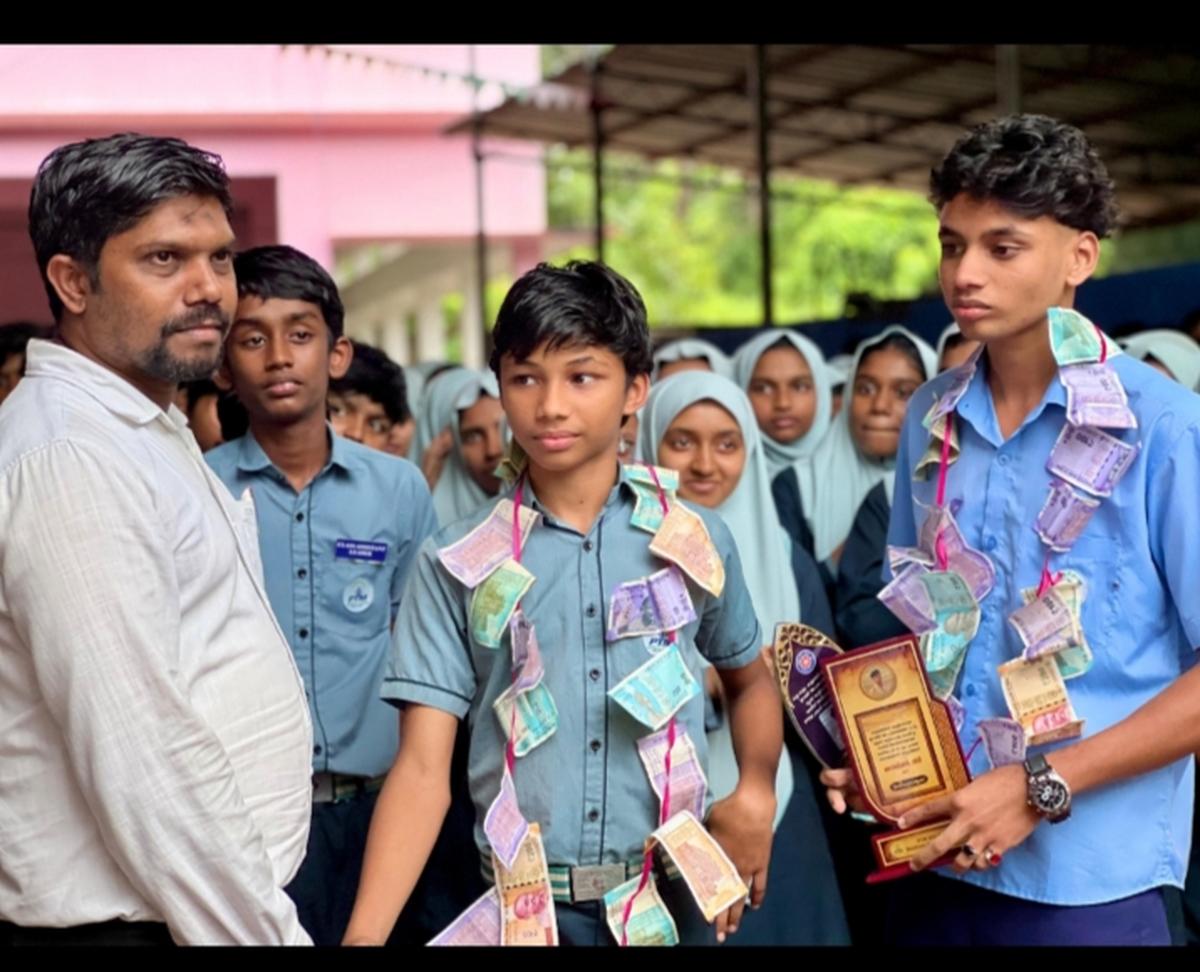
One of them needed CPR, and he gave her the breath of life with the little knowledge he learned from school. Now, Shamil is hailed as a hero and showered with felicitations, trophies and mementoes – more than three dozen in less than two weeks.

Schools and clubs invite him to share his story, inspiring others to act in moments of crisis. For the Class 12 boy, it is about saving lives and not seeking praise.

Mohammed Shamil (right) and his younger brother Mohammed Shehin being felicitated with currency garlands at their school. | Photo Credit: SAKEER HUSSAIN

On July 13, around 2 p.m., Shamil’s peaceful afternoon at his Puthanveedu home at Mankada near Manjeri was disrupted. His mother Shahida had just received a distressing alert from ASHA worker Hafsath Palliyalthodi that three girls were drowning in a nearby pond.

Shahida’s frantic cry propelled Shamil into action. He sprinted 200 meters to the pond and plunged into the muddy waters, where two girls were desperately struggling to stay afloat while the third had already slipped underwater.

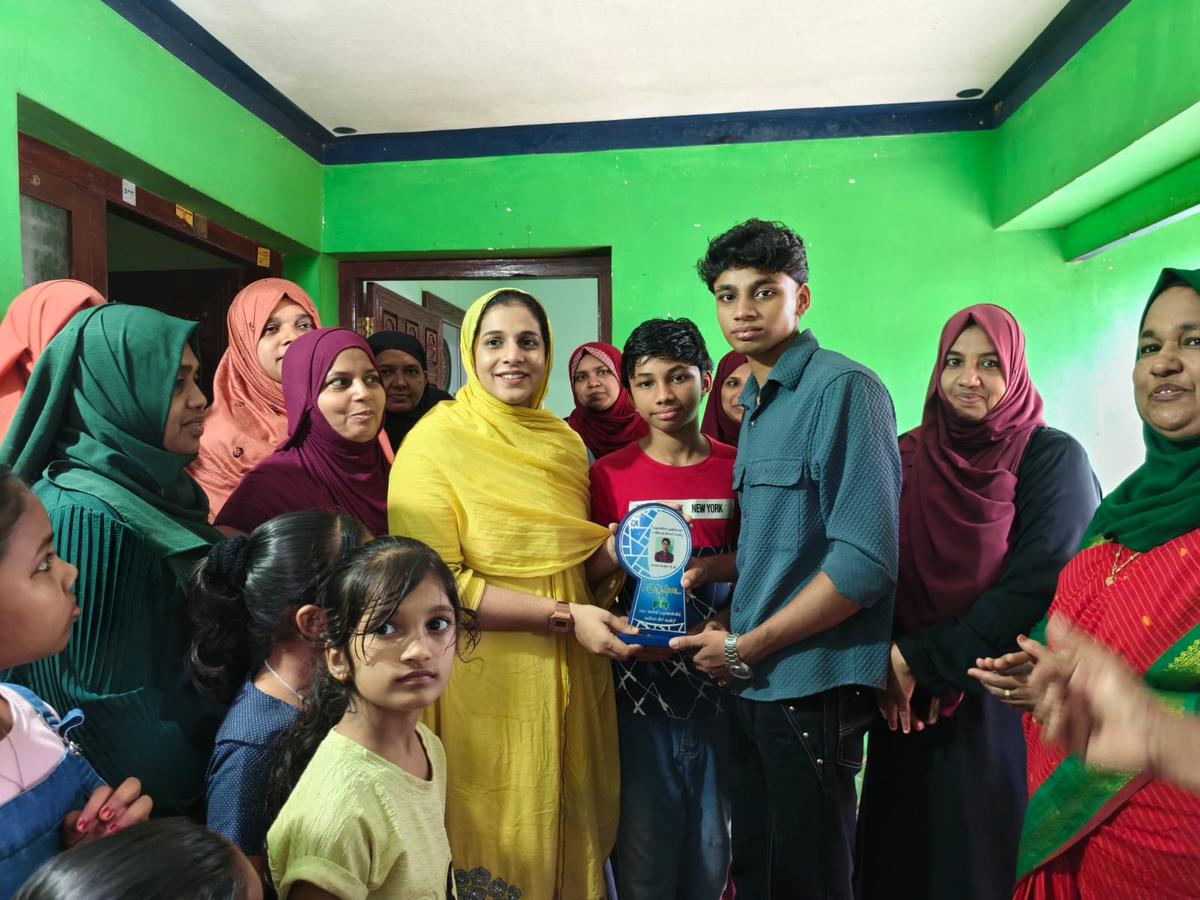
Muslim Youth League national secretary Najma Thabsheera felicitating Mohammed Shamil. | Photo Credit: SAKEER HUSSAIN

With careful precision, Shamil rescued the two girls. He was mindful of not putting himself in danger. “When one girl raised her hand, I did not grab it,” he said. “Instead, I caught her dress from behind and pulled her to safety.”

Just as Shamil thought it was over, the rescued girls broke down in tears, revealing that one more person was still submerged underwater. “That moment sent shivers down my spine,” Shamil recalled. “Initially, I was unsure what to do, but I took a few deep breaths and dived multiple times in a desperate attempt to rescue the last one.”

Fire and Rescue Services officers felicitating Mohammed Shamil. | Photo Credit: SAKEER HUSSAIN

The pond was over two meters deep, with murky water, making it difficult to locate the missing girl. As more people arrived, Shamil dove in three times before finally pulling out the 12-year-old girl with the help of his younger brother, Mohammed Shehin, who is a class 8 student.

She was not breathing, and her face was pale. Shamil used his school biology knowledge to do chest compressions. When she showed signs of life, he gave her mouth-to-mouth resuscitation. Within minutes, she started breathing again. The girl was then rushed to the hospital.

Shamil’s parents, Shahina and Ashraf, beamed with pride as they looked at the table filled with trophies and mementoes. The recognition came from all corners – the Fire and Rescue Services, local clubs, the MLA, the district, block, and grama panchayats.

Shamil, once just a student, has become a symbol of hope and bravery for the people of Mankada. “I just did what needed to be done,” he humbly said.

source: htttp://www.thehindu.com / The Hindu / Home> News> India> Kerala / by Abdul Latheef Naha / July 25th, 2025

Mumtaza Begum’s sheep farm is inspiring women in Kashmir

Watrina Village (Bandipora District, North Kashmir), JAMMU & KASHMIR :

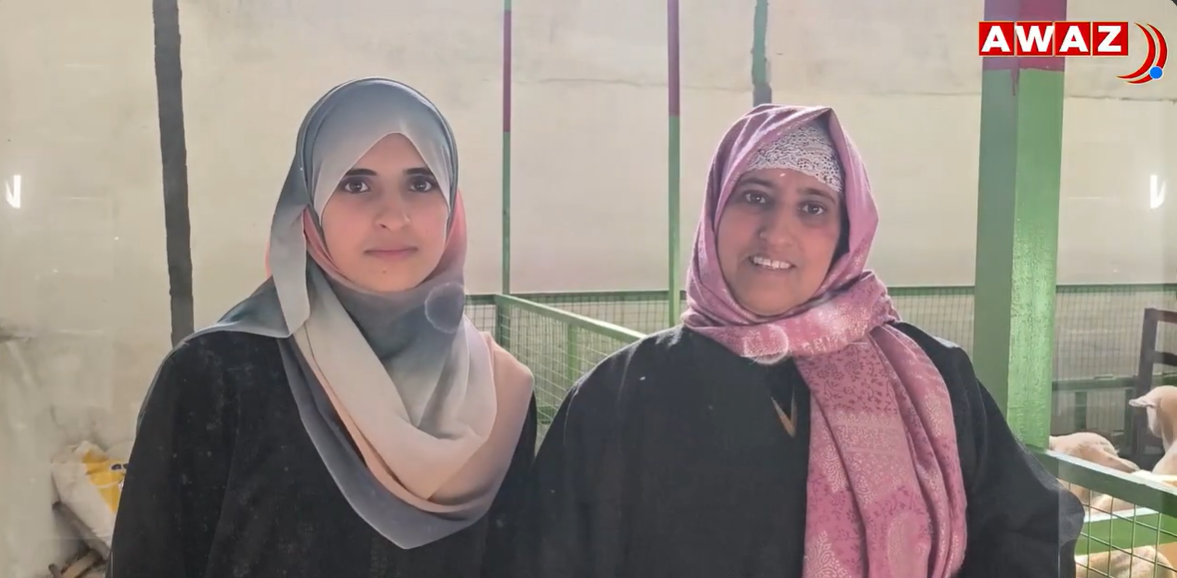
Mumtaza Begum, Sheep farm owner

Mumtaza Begum, a 33-year-old homemaker from Watrina village in Bandipora district, North Kashmir, has changed her life through sheep farming. Despite limited resources, social challenges, and the compulsion to drop out of college early, Mumtaza refused to give up and is today recognised as a successful female entrepreneur in the area.

Mumtaza’s story is one of struggle and the spirit of fighting out adversity. Financial difficulties forced her to drop out of college, but she never gave up on her dreams. Her matrimonial family had 10 to 15 sheep, which were reared using traditional methods. This sparked the idea of ​​pursuing sheep farming on a larger scale.

Mumtaza’s dream wasn’t limited to mere subsistence; she wanted to turn it into a systematic and successful business.

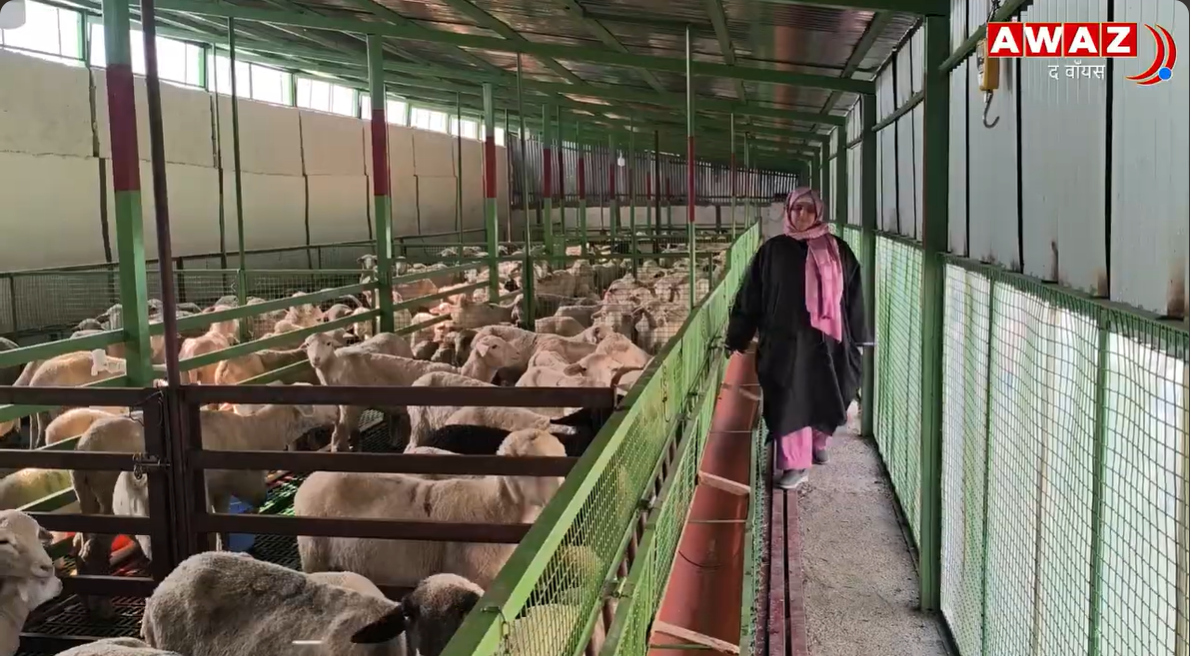
With this thought in mind, she approached the Animal Husbandry Department in Bandipora. With the department’s guidance, she applied under the state-sponsored subsidy scheme, “Mini Sheep Farm.” In February 2019, she was selected and allotted a unit of 50 sheep.

Sheep rearing requires hard work and patience. Besides, for Mumtaza, the lack of experience was also a major challenge. But Mumtaza didn’t give up. Through persistent hard work, a passion for learning, and a strong will, she gradually expanded her business. Over time, her experience grew, and her farm expanded.

Mumtaza credits her family, especially her husband, for her success. She says that her husband stood by her every step of the way. “He is always there for me, offering emotional support and actual help with work,” she says.

Mumtaza believes that family support is crucial for women entrepreneurs, especially when they have to juggle both home and work responsibilities.

Mumtaza also praises the officials of the Animal Husbandry Department for her success. Proper guidance, technical advice, and knowledge of government schemes helped her overcome many challenges. With the department’s support, she could manage her farm efficiently and increase production.

Today, Mumtaza Begum owns a successful farm with over 210 sheep. She earns a net income of over 5 lakh rupees annually. Most of her sheep are sold during Eid al-Adha, providing her with a substantial income. This work has not only improved her financial situation but also boosted her confidence and self-worth.

Mumtaza no longer considers herself merely a sheep herder; She wants to inspire other women to opt for entrepreneurship.

She shares her experiences with women and encourages them to move forward. She says that if women utilise the opportunities available to them, they can certainly improve their social and economic status.

Mumtaza says that the true rewards of hard work come when one proves oneself. For her, sheep farming is not just a means of earning money, but a path to self-reliance and respect.

This woman from Bandipora has proven that with the right mindset, hard work, and support, any dream can become a reality.

source: http://www.awazthevoice.in / Awaz, The Voice / Home> Stories / by Arsla Khan, New Delhi / February 11th, 2026

Army officers Saria Abbasi, Fatima Wasim show women power in Army

INDIA :

Captain Saria Abbas and Captain Wasim

New Delhi :

If you thought that the marching of an all-women tri-services contingent in the Republic Day Parade was just a show-off, you need to know about two women in the Indian Army to realise how women are not only joining the Military but also get the toughest assignments by being posted on treachrous terrains and hostile borders of India.

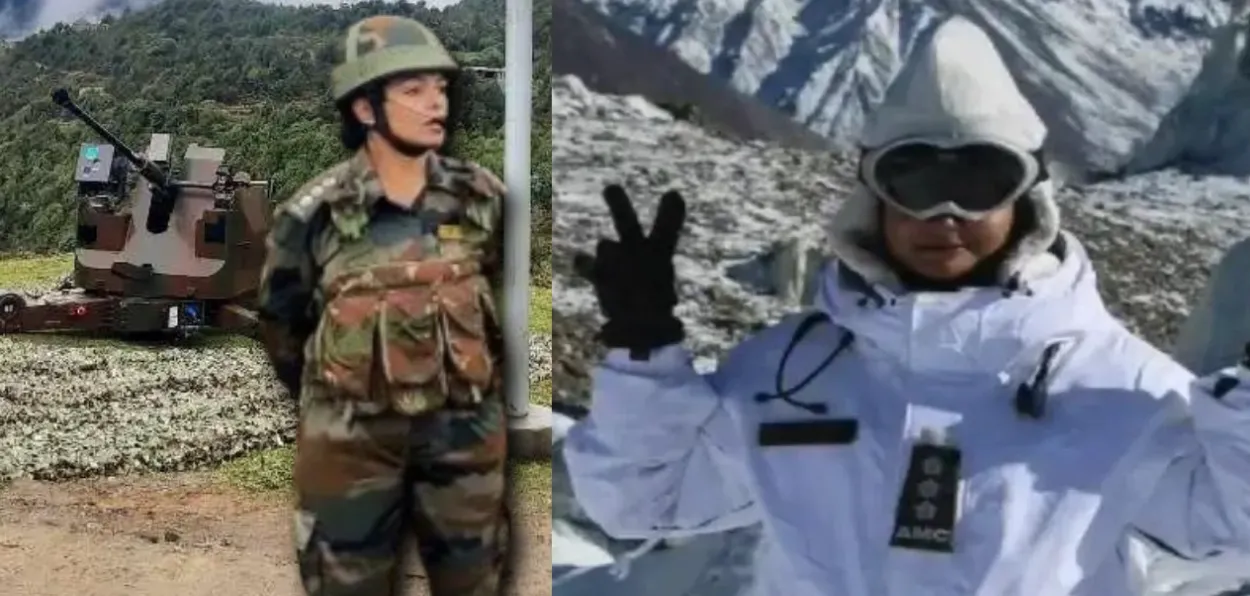
Captain Saria Abbasi and Captain Fatima Wasim are two women army officers whose names surfaced on social media. Abbasi is posted on the post on the Line of Actual Control (LAC) the contentious working boundary with China and Fatima Wasim on a post in Siachen, the world’s highest and coldest battlefield along Pakistan.

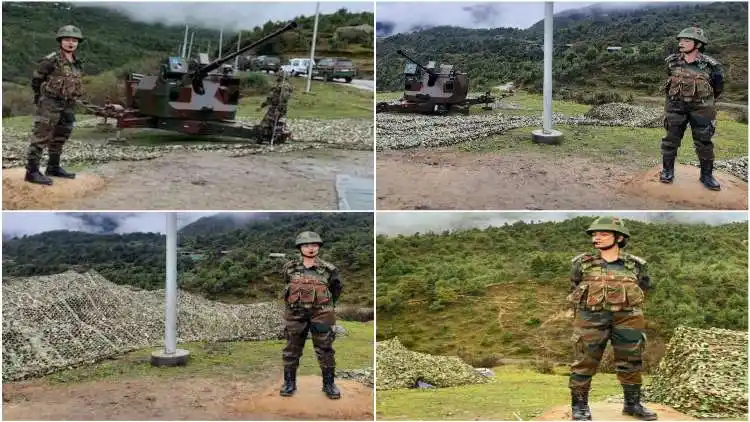
Captain Saria Abbasi’s picture surfaced on social media after a visit of the media team to the Tawang border where India had deployed its latest acquisition anti-aircraft gun L70.

Capt Saria Abbasi on duty

Capt. Saria Abbasi briefed the media on the merits of the L-70 anti-aircraft gun with its deployment, which can target all types of unmanned aerial vehicles, helicopters, and drones.

Capt Abbasi hails from Gorakhpur, Uttar Pradesh, and had dreamt of wearing the Army uniform as a child.

This one video and some pictures caught the attention of the entire country as people were awed by a woman in that role and the gender parity in the Indian army.

Abbasi’s unit is one of the first AD regiments in the country, equipped with 70 guns. India has deployed anti-aircraft guns L70 in Tawang, Arunachal Pradesh, amid ongoing tensions on the Indo-China border in eastern Ladakh and Arunachal Pradesh.

Saria Abbasi’s father Dr. Tehseen Abbasi is associated with All India Radio, and her mother Rehana Shamim is a junior high school teacher.

The second woman whose image also captured the imagination of the country’s men is Captain Fatima Wasim of the Siachen Warriors. She created history by becoming the first woman medical officer to be deployed to an operational post on the Siachen Glacier.

Capt Fatima Wasim at Siachen

Her posting was proclaimed by the Indian Army’s Fire and Fury Corps in a post on X.

“She (Captain Fatima Wasim) was inducted to a post at an altitude of 15,200 feet after undergoing rigorous training at Siachen Battle School, which speaks of her indomitable spirit and high motivation,” Fire and Fury Corps posted on X.

The Indian Army’s Fire and Fury Corps also uploaded a video in the post to further highlight Captain Fatima Wasim’s achievement and celebrate it.

Earlier this month, Captain Geetika Koul from the Snow Leopard Brigade became the first woman medical officer of the Indian Army to be deployed at the world’s highest battlefield, Siachen, after completing the induction training at Siachen Battle School.

Siachen Glacier is known as the highest-altitude battle site in the world and is situated near the Indo-Pak Line of Control.

It is the largest glacier in India and the second-largest in the world. It is the highest battleground on earth.

Back to Saria Abbasi’s story: she is a graduate of Genetic Engineering and joined the army four years ago. She said she had no interest in engineering and was always dreaming of becoming an army officer as some of her relatives were. She was attracted to donning the olive green after listening to the stories of valour from her ‘fauji’ relatives.

Capt Abbasi with L70 Gun (released by Army)

She rejected all the job offers from big companies and focused on clearing the Combined Defence Service (CDS) competitive examination conducted by the UPSC for taking in officers for the Military.

There were only 12 seats for women and Saria cleared her examination in her second attempt. After passing the ongoing interviews held over several tours, she was selected for the training that is considered to be the toughest of all.

source: http://www.awazthevoice.in / Awaz, The Voice / Home> Stories / by ATV / posted by Aasha Khosa / January 30th, 2024

Kerala’s child climate warrior proposes recycled paper for passports

Kozhikode, KERALA :

Roohi Mohazzab at the UN Conference in Bangkok


New Delhi :

In 2023, India issued more than 13 million passports, using about 468 metric tons of paper. Globally, about 100 million passports are issued each year, requiring about 3,600 metric tons of paper—the equivalent of cutting down about 86,400 trees.

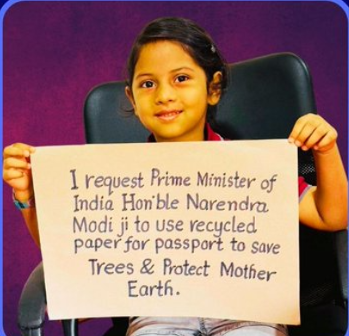
At this scale, using recycled paper passports could save thousands of trees each year and greatly reduce environmental damage. These statistics were compiled by six-year-old environmentalist Roohi Mohazzab of Kerala.

In a handwritten letter to world leaders, including Prime Minister Narendra Modi and the heads of 195 countries, Roohi has asked the leaders to replace traditional passport paper with recycled paper to save trees and protect Mother Earth.

Roohi Mohazzab also set a remarkable global milestone by delivering the keynote address during the Global Conference on Education for a Sustainable Future (GCE 2026) at the United Nations Asia-Pacific Headquarters in Bangkok.

Roohi Mohazzab has taken on a challenge that many adults might never even consider – to revolutionise the way passports are made. 

Their idea is not only profound but also practical—a step that could make India the first country in the world to issue passports made from recycled paper, setting an inspiring example for global sustainability.

Roohi Mohazzab, a first-standard student of Common Ground International Academy, Kozhikode, was formally invited as a keynote speaker and SDG (Sustainable Development Goals) Impact Award winner.

The event was organised by the UNESCO Youth Education Research Centre and the Sustainable Development Council, which has special consultative status with the United Nations Economic and Social Council ECOSOC.The conference was held at the United Nations Conference Centre, Bangkok, on 11-12 February 2026.

At the conference, the young environmental activist spoke about the devastating impacts of paper use on forests and climate change.

He stressed that a common item like a passport, which is issued in millions every year, can become a symbol of sustainability rather than being harmful to the environment.

In a symbolic moment on the UN platform, Roohi officially launched her global initiative, “The Children’s Movement for Climate Action.” The foundation aims to foster environmental responsibility and civic awareness among children so that young minds can become active participants in climate policy and sustainability solutions.

Roohi was recognised as one of the world’s youngest environmental voices and is known for her impactful local initiatives.

Other initiatives launched on the occasion:

The Country Tree Project  – Launched on World Environment Day 2025, aims to plant 10 million trees through one million school micro-nurseries.

Tree Bank Nursery Project  – Inaugurated by Rajendra Vishwanath Arlekar, which aims to create a green educational environment in 10,000 schools.

Recycled Paper Passports Campaign   – At the age of five, Roohi wrote a letter to Narendra Modi and 195 world leaders, recommending eco-friendly passports to save trees.

 The conference sent out a message that Children are not just the future – they are the present custodians of Mother Earth.”

source: http://www.awazthevoice.in / Awaz, The Voice / Home> Stories / by ATV / posted by Aasha Khosa / February 18th, 2026

From Treatment to Ethics: Three-Day Orientation at Government Tibbi College Hospital Starts Today

Patna, BIHAR :

Patna:

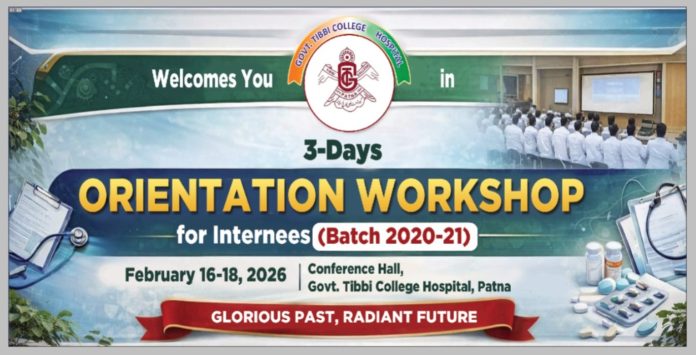
Government Tibbi College Hospital, Patna, will host a three-day special orientation workshop from February 16 to 18, 2026, for the trainee doctors of Batch 2020. The objective of this workshop is to practically acquaint incoming doctors with professional demands, medical laws, administrative principles, and ethical values to ensure they can fulfill their responsibilities effectively.

Under the vision of “A Glorious Past, A Bright Future,” the institution has designed this comprehensive training program.

On the first day, Dr. Mohammad Tanweer Alam will provide a detailed briefing on internship rules and regulations. Dr. Mohammad Razi Ahmad will highlight the importance of vital signs and correct examination methods, while Dr. Khesal Ahmad will explain X-ray diagnosis and study techniques in the ENT (Ear, Nose, and Throat) department.

This will be followed by a detailed discussion on modern diagnostic equipment and its effective use.The second and third days of the workshop will feature experts speaking on various medical topics. Dr. Mohammad Nizamuddin will provide guidance on the principles and rules of prescription writing. Dr. Shoeba Feroz Ahmad will share insights on prenatal and postnatal care, while Dr. Rizwan Ahmad will present practical tips on prenatal and postnatal emergency management. Dr. Raj Kumar Chandan will deliver a lecture on the practical use of anesthesia.

Dr. Amresh Kumar and Dr. Javed Ahmad will deliver a special address on the integration of Physiotherapy and Unani medicine in treating musculoskeletal and joint disorders.


To promote high ethical values alongside professional expertise, a special session on “Medical Ethics” will be conducted by Dr. Mohammad Nafees Iqbal.

On the final day, Dr. Aliya Parveen will hold a detailed discussion on clinical protocols related to infertility management.

The workshop will conclude with an inspiring address by Dr. Shailesh Kumar Pankaj, aimed at instilling new energy and professional commitment in the trainee doctors.


In his message, the Hospital Superintendent, Professor Dr. Shahnawaz Akhtar, stated that this workshop would prove to be a milestone for future doctors. He remarked that the institution’s goal is not merely to award degrees but to prepare physicians who are both technically skilled and ethically sound. He urged all interns to make the most of this opportunity and further refine their skills.

source: http://www.radiancenews.com / Radiance News / Home> Education> Latest News / by Sami Ahmad / February 16th, 2026

Born together, studied together, cracked JEE Main with same rank

Bhubaneswar, ODISHA :

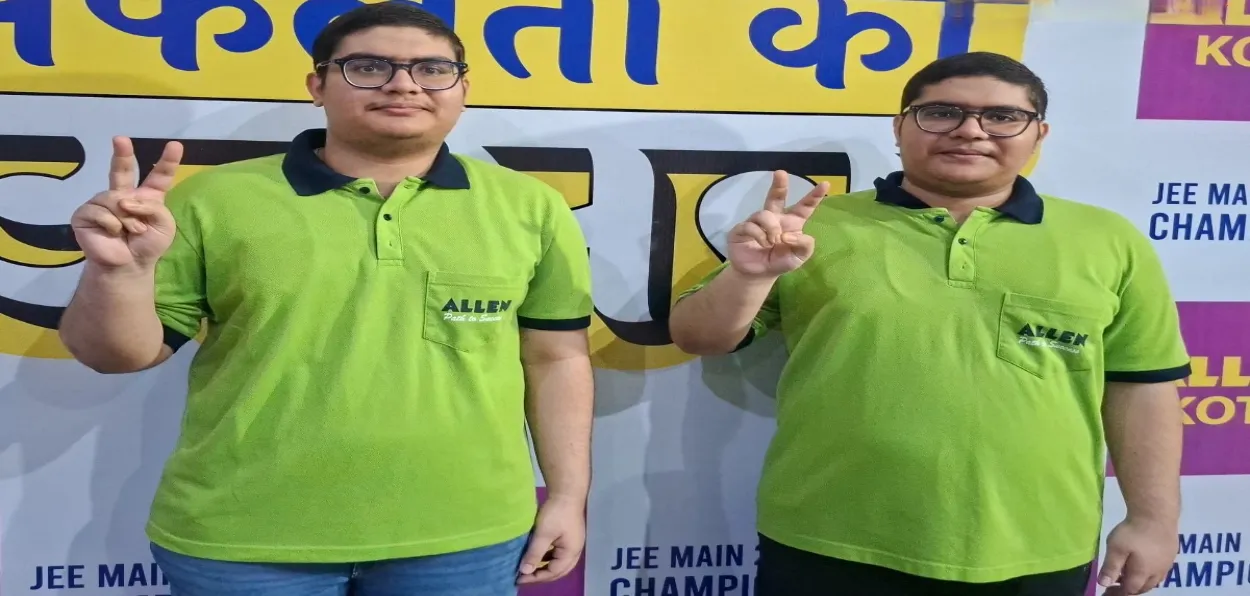
Mahroof Ahmed Khan and Masroor Ahmed Khan


Twin brothers Mahroof Ahmed Khan and Masroor Ahmed Khan from Odisha have cleared the Joint Entrance Examination (JEE) Main, and qualified for the advance examination which is the gateway to India’s top engineering and technical colleges, and, amazingly, with the same percentile.

As the JEE Main 2026 results were announced recently, the twins from Odisha who studied in the same coaching classes at Kota, Rajasthan, were among the successful candidates.

This success has created an atmosphere of joy and excitement among students studying in Kota, a city famous for its coaching classes for entrance of engineering colleges.

Mahroof and Masroor scored 285 out of 300 in the JEE Main 2026. What’s more remarkable is that these two brothers had studied at the same coaching institute in Kota and wrote the exam together.

Mahroof said, “I have been in Kota since class 10, attending the coaching material for three years. I followed the class lectures and took regular tests. I would review and revise my doubts again and again. I also got motivation from my brother. There were always ups and downs, but I always remained motivated. We both studied together from the beginning. Our study time was also the same. We both used to sit on the same study table and motivate each other. We learnt a lot from each other.

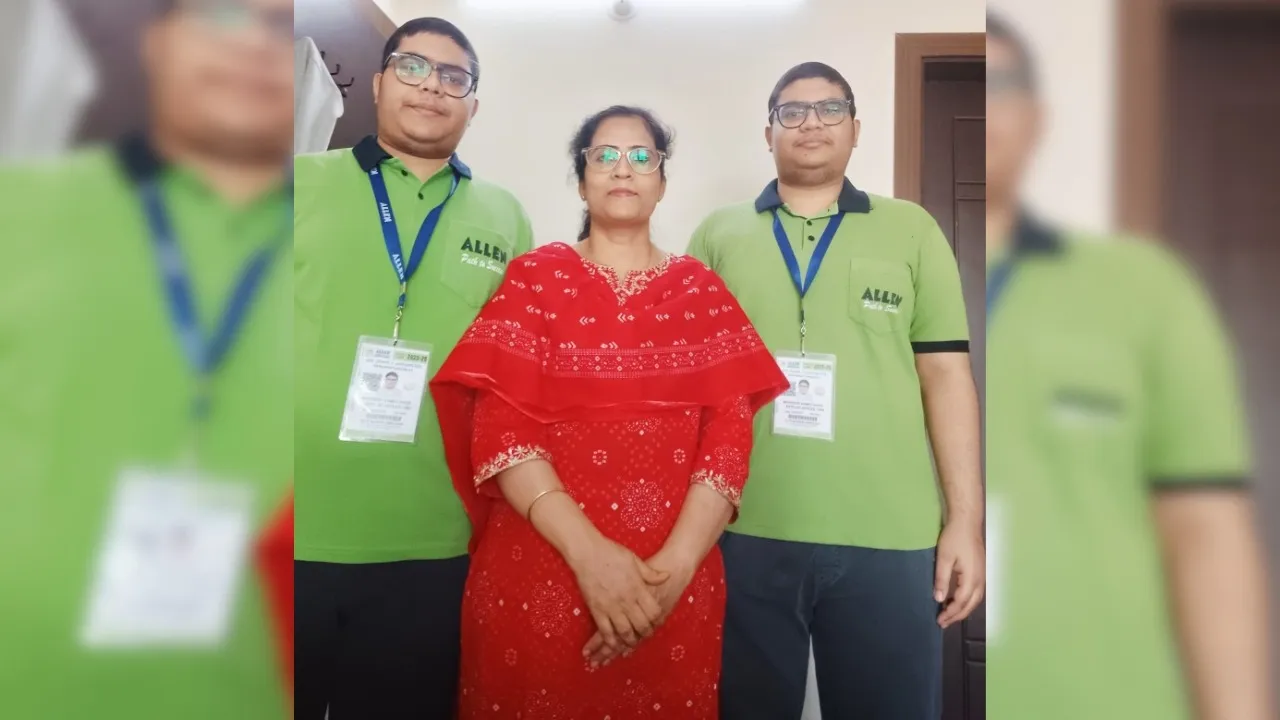
Mahroof and Masroor’s family, especially their mother, Dr Zeenat Begum, a gynaecologist in the Odisha government, has been a great support to the brothers. She left her job to support her children’s education. Three years ago, she moved to Kota to live with them.

Mahroof and Masroor with their mother Dr Zeenat Begum

Dr Zeenat not only provided mental and emotional support to her boys, but also kept their morale high when they scored low in tests.

Her constant refrain to her children was, “Don’t be discouraged by low scores; work hard and move forward.”

Interestingly, Maharoof and Masroor also studied in the same school till their 10th grade. Mahroof scored 95.2 per cent and Masroor 97.2 per cent.

Their dream is to study Computer Science at IIT Bombay.

Maharuf and Masroor’s success wasn’t limited to the JEE Main. They also performed exceptionally well in national and international Olympiads, winning over 30 gold medals.

After their JEE Main success, Mahroof and Masroor are now focused on the JEE Advanced.

Their goal is to study Computer Science at IIT Bombay. They believe that with the right amount of hard work and focus, any success is achievable. Now, they are fully focused on preparing for their upcoming exam, and they are ready to work hard to achieve this goal.

source: http://www.awazthevoice.in / Awaz, The Voice / Home> Stories / by Onika Maheshwari, New Delhi / February 18th, 2026

A doughty warrior builds a mosque for women

Lucknow, UTTAR PRADESH :

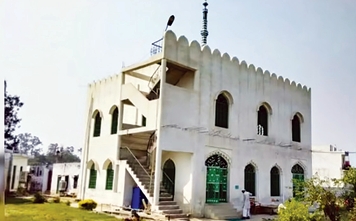
Mosques in Hindi heartland states are an exclusive male preserve. Though Islam doesn’t barentry of women into mosques, they are scrupulously kept away from the holy precincts all across north India. But Amber Mosque in the outskirts of Lucknow challenges this shibboleth. It was founded and built by Ms. Shaista Ambar, a social activist from Lucknow who wouldn’t take such taboos lying down.

Wife of a bureaucrat in Uttar Pradesh, Shaista conceived the idea of a mosque where women could also offer namaz alongside men, in 1995. As a young woman, Shaista would take up social causes during the 1980s and 90s. Construction of a mosque was certainly not on her mental screen. But the rebel in her got awakened when she took a child inside a mosque to introduce him to the collective prayers.

For the imam the sight of woman inside the mosque was no less than a sacrilege. She was ordered out. The outrageous behaviour left a deep imprint on her. Beating a hasty retreat, she vowed to build a mosque where both men and women could pray. She drove straight to Nadwatul Uloom, the world famous centre of Islamic learning in Lucknow seeking an audience with Maulana Ali Miyan, the 7th Chancellor of the seminary and a world re nowned scholar of Islam.

The revered Maulana signalled her to go ahead pledging his full support. Pouring the family’s savings, a 26,000 square feet plot of land was bought in Teli Bagh, 15 kms away from the city centre on the road going to Rae Bareli. She sold away her car and ornaments to raise the required funds. The move gathered support from wider circle of relatives and acquaintances.

Lo and behold! The mosque came up opposite the trauma care centre of the Sanjay Gandhi Post Graduate Institute of Medical Sciences. And it was none other than Maulana Ali Miyan Nadwi who presided over the consecration of the mosque in 1999. (He passed away on December 31, 1999). The mosque can host a congregation of over a thousand persons on a Friday when doughty Shaista Amber ensures her weekly presence.

She presides over the committee taking care of the mosque as the chief mutawalli with several other members of the family. She has resolutely stood against traditional maulvis taking over the management of the mosque. There have been pleas to start a madrassa (Islamic theological school) within the precincts.

She has declined permission and has instead started a dharamshala (stay-homes for wayfarers) within the boundary of the mosque where women attendants of inmates at the Sanjay Gandhi Institute find accommodation at a very reasonable rent. And they could belong to any faith. She says Uttar Pradesh has several thousands of madrassas but no dharamshalas and other such key civic facilities set up by Muslims.

The mosque is open for namaz to Sunnis as well as Shias, the major sects within Muslims. The mosque also runs a counselling centre where family disputes, mainly post-marital, are referred for resolution. Shaista has had differences with the All India Muslim Personal Law Board on several issues pertaining to women’s rights in Islam.

Critical about the rigidity on its outmoded stances, she and several of her supporters set up the All India Muslim Women Personal Law Board nearly a decade ago. The Board has appreciated the law banning the practice of triple talaq at one sitting and has suggested several progressive reforms. One who completed her graduation from the Aligarh Muslim University and later acquired Adib and Kamil certificates, Shaista has willed that her two daughters and son would look after the management of the mosque after her passing away.

Shaista came visiting Bengaluru last May at the invitation of the Azim Premji University for a seminar where this author had a chance meeting as a participant. Log onto www.shaista ambar.com for an overview of her vision and activities. 

source: http://www.newstrailindia.com / News Trail / Home / by M A Siraj / October 19th, 2025

Celebrating Unsung Heroes: Indian Muslim Changemakers

INDIA :

AI generated image

Amid our fast-paced lives, there exists a remarkable group of individuals who believe in slow, steady, and consistent efforts to create meaningful change.

These individuals are known as changemakers—people who quietly dedicate themselves to bettering society, far from the spotlight and the noise of daily routine.

They don’t seek fame or recognition. Instead, they focus on making a positive impact in their communities. Often unheard of, these changemakers influence others through their actions, values, and vision for a better world.

Awaz–The Voice is proud to launch a special series starting this Sunday, spotlighting Indian Muslim changemakers of India.

Through their inspiring stories, we aim to shine a light on individuals whose work exemplifies compassion, dedication, and innovation.

Our editorial team has carefully selected these changemakers based on several parameters, including the authenticity of their efforts and the tangible impact they have made.

These are everyday heroes who are addressing pressing social, environmental, and economic challenges—often with limited resources but unwavering commitment.

They are improving access to education, healthcare, and sanitation; they are empowering women, protecting the environment, and uplifting their communities—all without expecting any rewards or recognition. For them, the satisfaction of doing good is reward enough.

Their actions may seem small, but their impact is profound. As the saying goes, “Every drop counts in making an ocean.” Each changemaker is a vital part of the wave of progress that is quietly transforming India.

One of our key criteria in identifying these individuals was whether they are creating tangible change or inspiring others to become changemakers themselves. For us, a changemaker is someone who brings positivity into the world through innovative solutions, leadership, and a commitment to improving lives and systems.

In a world that often celebrates loud success, we believe it’s important to pause and acknowledge those who uphold the highest ideals of humanity. These changemakers serve as a moral compass, reminding us of our own responsibilities to society and to one another.

We begin our series with changemakers from Uttar Pradesh, featuring stories like that of Capt. Saria Abbasi, who dreamt of joining the Indian Armed Forces from a young age. After earning her engineering degree and receiving multiple job offers, she chose instead to follow her dream and joined the Indian Army—becoming a role model for countless Muslim women aspiring to serve the nation. She has done challenging missions like serving at Indo-China border post at Tawang in October 2021.

Rubina Rashid Ali, who lives in Aligarh Muslim University’s campus has become a champion for women earning their livelihood out of applique (ornamental needlework in which pieces of fabric are sewn or stuck). She has stood up for them to ensure that these women from poor backgrounds get the wages they deserve.

The changemakers of India

Dr Farha Usmani, a medical practitioner who hails from Aligarh, went to US to pursue her career in the United Nations Population Fund in 2007. Leaving behind her family was a tough call for her. She is the only Muslim woman to have risen to the position of director in the UNFPA. Today, she is making world policies for women’s health and rights. She is the Vice President of SAFAR, an organization that is responsible for the overall advancement and rights of minority and marginalized women and girls in India. 

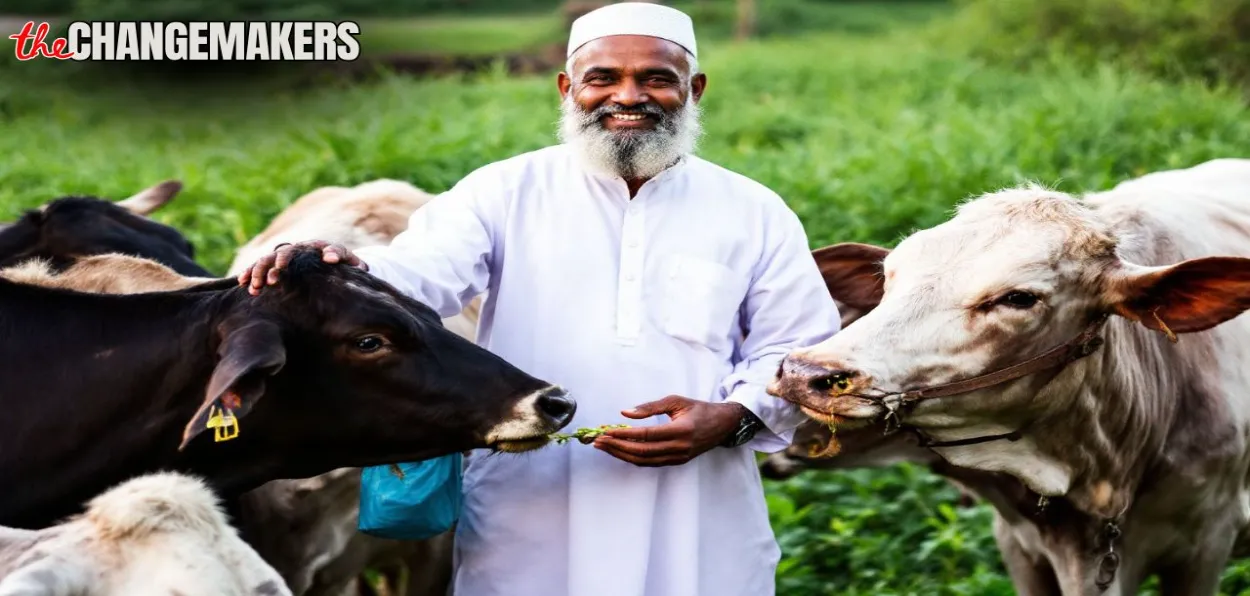
Another inspiring figure is Babban Mian, a businessman who runs a large gaushala (cow shelter) in Bulandshahar, caring for hundreds of cows. Inspired by his late mother’s deep affection for animals, Babban Mian’s work also challenges stereotypes and promotes harmony by offering a different perspective on the Muslim community’s relationship with animal care.

Some of the changemakers will remind you of characters straight from Indian folklore and vernacular literature. People who have been nurtured by Indian civilizational values of compassion and selflessness.

Through these stories and many more, we hope to inspire our readers and celebrate the quiet revolution being led by changemakers who are shaping a better, more inclusive India.

We’d love to hear your thoughts on this series. Write to us at input@awazthevoice.in or engage with us on our social media platforms.

The author is the Editor-in-Chief of Awaz-the Voice portal

source: http://www.awazthevoice.in / Awaz, The Voice / Home> Stories / by Atir Khan, Editor-in-Chief, Awaz-the Voice portal / May 22nd, 2025