Tag Archives: Muslims of India – Positive News

Sustainability is a way of life, says Dr Samiullah Khan

Chennai, TAMIL NADU / Dubai, U.A.E :
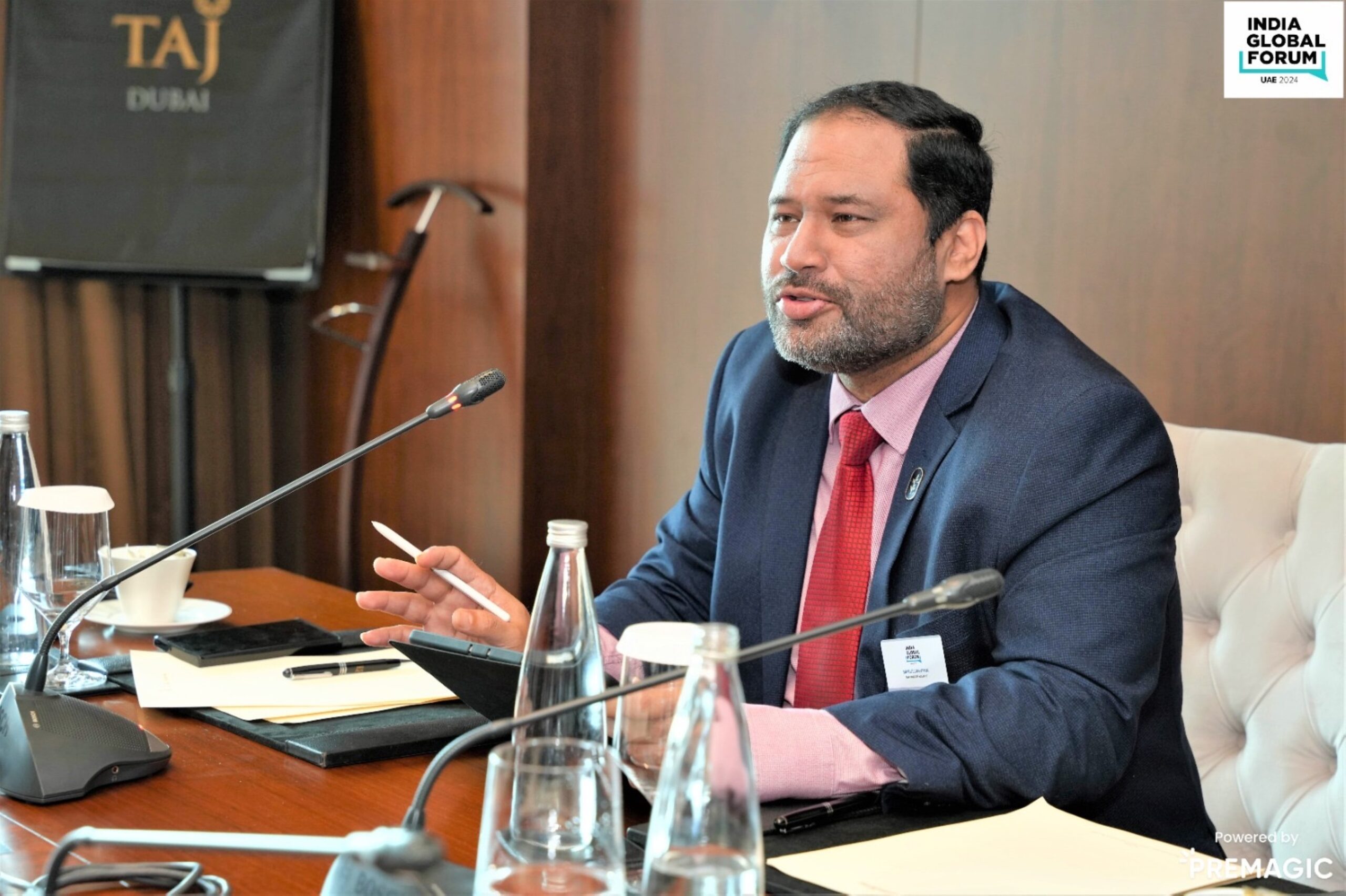
Dr. Samiullah Khan

Sustainability is no longer a choice—it’s a way of life. This is an exciting field to explore. With AI, blockchain, IOT and other advanced technologies, we have the tools to build a truly sustainable future, stated by Dr. Samiullah Khan, one of the most influential voices in the UAE’s sustainability movement and Chief Sustainability Officer at Fakhruddin Holdings Dubai. Talking to Gulf Today, he said, “As the world intensifies efforts to combat climate change, sustainability has become more than just a buzzword – it’s a global imperative.”

Dr Khan also known as Dr Sam is a key figure in sustainability summits and discussions, often the first to evaluate innovative sustainability solutions that promise a greener future. For many, sustainability is a practice. For him, it’s second nature – ingrained since childhood in Chennai, India. “Wasting even a grain of rice was unacceptable in our home. Extra food was either shared with those in need or fed to cows, whose dung was used as manure in our garden,” he recalled.

These early lessons shaped his understanding of sustainability and the circular economy. His passion for technology and the environment led him to prestigious institutions such as Anna University, Cambridge University, MIT, Delft and Harvard.

His career began with Tata Motors, where he became among the youngest engineer to lead international operations into Bangladesh and Saudi Arabia and growing Tata’s market share to an impressive 96 per cent in the school bus sector.

After an illustrious 17 years with Tata and five years at SRM University, Sam found his true calling in 2015 as CEO of World Islands, He introduced air-to-water technology, harnessing humidity in the deserts of Dubai to generate clean drinking water, using Solar power – an innovation that gained significant traction in the desert landscape.

Recognised among the 100 Iconic Indians by the Indian Embassy in the UAE, Dr Sam soon became a leading advocate for sustainability, collaborating with individuals, private sector and government, notably with Marwan Bin Jassim Al Sarkal and playing a pivotal role in the “Dubai Can” initiative under the vision of Crown Prince of Dubai Sheikh Hamdan Bin Mohammed Bin Rashid Al Maktoum in initiatives to eliminate plastic bottles in Dubai.

As a Championing Green Innovation post COVID, Dr Khan focused on air quality, energy conservation, water purity, food security, waste management and circular economy.

Under his leadership, Smart Air Handling Units (S.A.H.U.) are being introduced to improve indoor air quality and reduce energy consumption by up to 40% compared to traditional HVAC systems.

The other initiatives included a centralised, organic mineral-enriched hydrogenated, Ionised, Alkaline drinking water system is being developed for healthier hydration as well as a radiant-cooled greenhouse café with hydroponics is being explored to boost UAE’s food security and comprehensive waste management and recycling systems, including composting, are being implemented.

source: http://www.gulftoday.ae / Gulf Today / Home> News / by Jamil Khan, Senior Reporter / June 17th, 2025
A worthy example of communal harmony

Rasipuram Town (Namakkal District) , TAMIL NADU :

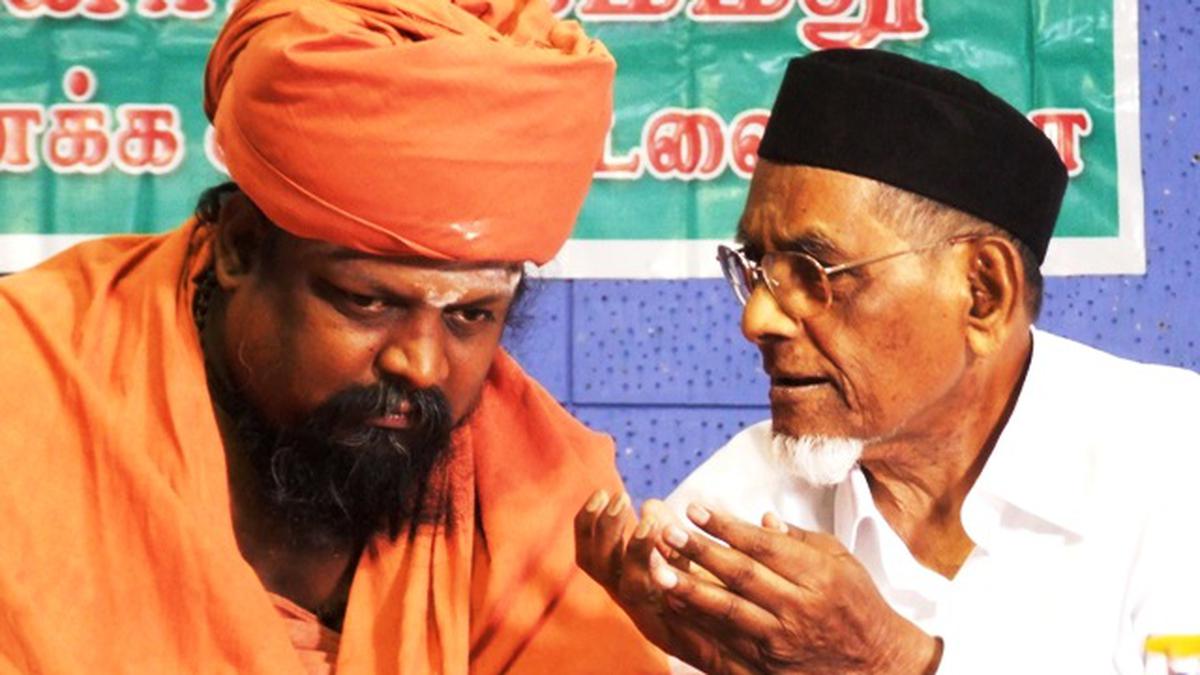
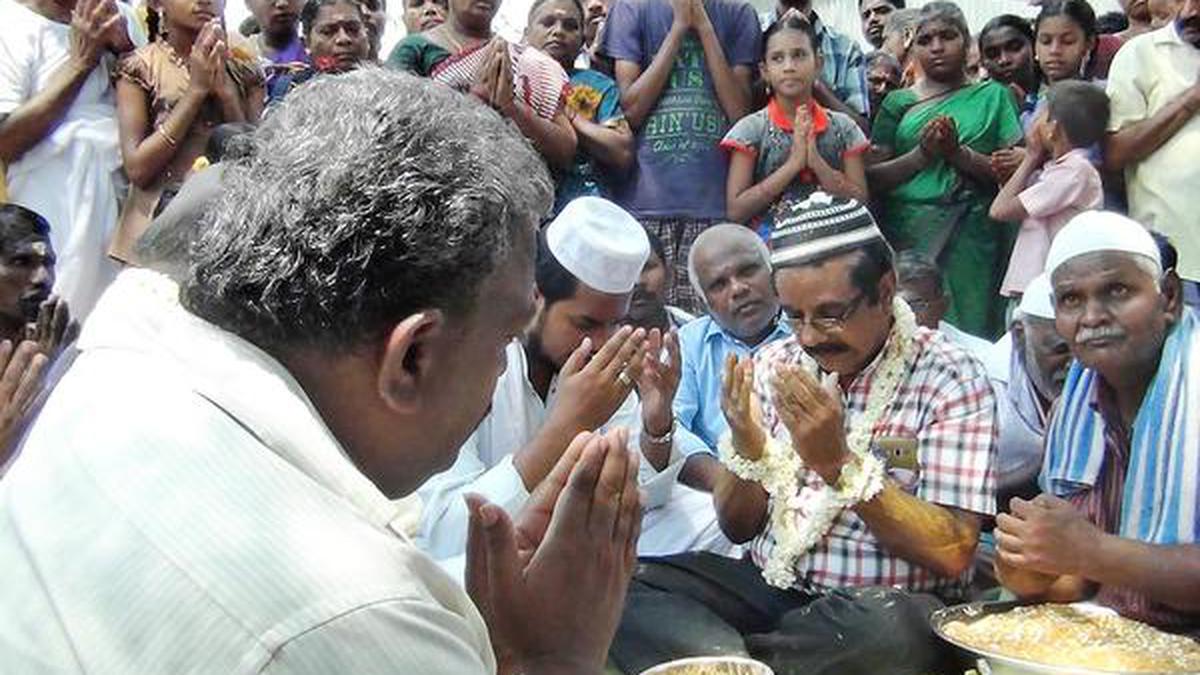
Joint celebration: Hindus and Muslims at the valediction of the Panguni Uthiram festival in Namakkal.

By honouring members of the Muslim community at the annual Panguni Uthiram festival on Wednesday, the Hindus in Gurusamipuram, a small village near Rasipuram, have set a worthy example of communal harmony.

It is a thanksgiving gesture to the Muslims of Rasipuram town, whose forefathers were believed to have cured through prayers many children of the Hindu community of cholera.

This practice has been in vogue for over a century now, the village elders say.

The Panguni Uthiram is a major festival of Arulmigu Sivasubramaniar Temple and is celebrated with usual gaiety every year. It is at the valediction of this festival the Hindus honour the Muslims.

According to K. Thalamuthu, a former school headmaster and president of the Sengunthar Nala Kalvi Arakkattalai, and Devarajan, its treasurer, many children of the weaver community in Gurusamipuram were affected during a cholera outbreak in the village.

On learning about this, the Muslims of Raispuram who used to visit the village for business transactions, offered special prayers by tying a white holy flag to a tree. They smeared sandalwood paste on the doors and walls of each and every house in the village. Following this, all the children were believed to have recovered.

Since then, the residents of the village make it a point to honour the Muslims of Rasipuram at the annual Panguni Uthiram festival.

The organising committee of the festival visited Rasipuram and extended invitation to members of the Muslim community belonging to Achukatti Street Mosque Jamath.

The Jamath members, accepting the invitation, visited the village on Wednesday with fruits and sweets . The Hindus and Muslims holding the holy white flag went through all the streets in the village, when the Muslims smeared sandalwood paste on the doors of all the houses. After tying the flag to the tree, which is popularly known as ‘jhanda’ (flag) tree, they assembled at the Paavadi ground.

The Hindus honoured the visiting Muslims with garlands and vice-versa. Special ‘fathiha’ was recited by the Muslim religious scholar for communal harmony , followed by the distribution of a mixture of jaggery and roasted gram by the visitors.

Later the Muslims took leave.

“This is a worthy gesture practised by our forefathers and we are continuing this tradition in the interest of strengthening the bond between both the communities for decades together,” says Mr. Thalamuthu.

source: http://www.thehindu.com / The Hindu / Home> Today’s Paper> National> Tamil Nadu / by Syed Muthahar Saqaf / April 15th, 2017

Focus on communal harmony

Salem, TAMIL NADU :

The Margazhi Peruvizha Committee functioning in the city has set a worthy example for communal harmony for other associations to emulate by inviting scholars of other faiths to address the Margazhi and Navarathri festival programmes.

T.M. Abdul Khader, an eminent Tamil scholar and former Head of the Department of Tamil, Islamia College, Vaniyambadi, is a regular at the Margazhi and Navarathri festival programmes here for the past 15 years at a stretch, along with the scholars of other faiths.

The Margazhi Peruvizha Committee has been organising special discourses, lecture programmes and poets’ symposium etc for the past 33 years without any break during the Margazhi and Navarathri festivals.

The committee members have been ardent followers of Vallalar, a famous Tamil saint and one of the greatest poets, who endeavoured to eliminate caste and promote a society sans religious and caste considerations.

The committee has been organising programmes to create awareness on the religious practices which had negative impact on the entire society. It invited scholars of all religious faiths from across the country and also from Sri Lanka to address its members.

According to A.K. Palaniappan, president of the Margazhi Peruvizha Committee, the Navarathri festival is celebrated for 10 days and the Margazhi festival for about a month every year.

The committee has made it a point to invite like-minded scholars from all faiths to participate in their programmes. “Kavikko” Abdul Rahman and Periyar Dasan, who later converted to Islam, have addressed the Margazhi gatherings in the past.

Mr. Palaniappan said that Prof. Khader has been attending the Margazhi and Naravathri programmes for the past 15 years. His lectures always evoked good response and the jam-packed hall on Saturday when he spoke on the topic ‘Bothimarathu Kilaiyil Poonthamizh’ (Tamil on the branch of Bothi tree) was an ample proof of his popularity with the local audience, he said.

Prof. Khader also presided over the poets’ symposium on the topic ‘Kodugalal or Kolam’ on Sunday evening.

Mr. Palaniappan said Jegath Gaspar Raj, a Chennai-based Catholic priest and founder of the “Tamil Maiyam”, will be addressing the gathering on January 5.

Politicians including Vaiko and Nanjil Sampath have also addressed these festivals.

Another highlight of both the festivals organised by the committee is the equal importance given to women. Many women scholars are regular in delivering special addresses at these meetings.

Uma Devarajan of Salem, N. Vijayasundari of Tiruchi, Devi Gunasekaran of Salem, Desa Mangaiyarkarasi of Chennai, and M. Uma Maheswari of Coimbatore are among the list of speakers for this year’s meetings.

source: http://www.thehindu.com / The Hindu / Home> Today’s Paper / by Syed Muthahar Saqaf / January 02nd, 2017

Standing tall with the new minaret

Salem, TAMIL NADU :

The latest addition at the historic Jamia Masjid, Salem, is the nine-tier tower

The historic Jamia Masjid on the southern banks of River Tirumanithar in the heart of Salem city has got a 135 ft. tall ‘minaret.’ This is said to be one of the tallest minarets to be constructed in a mosque in South India in the recent past.

The minaret is a significant feature of mosques across the world, and is one of the earliest characteristics of Islamic architecture. The ‘muezzin,’ a person who announces the call of prayer, usually delivers the ‘azaan’ from the minarets.

Jamia Masjid in any town or city is considered as the chief mosque. They are known as congregational mosques, as Muslims gather in large numbers to offer prayers on Fridays and during Ramzan, Bakrid and other festivals.

Rich past

Jamia Masjid in Salem city, standing on about 1.5 acres of land, has a rich past. It is one of the oldest mosques in the state and was said to have been built by the Mysore ruler Tipu Sultan (1750 – 1799), popularly known as the Tiger of Mysore, more than two centuries ago. Tipu Sultan, who had visited the Salem region on various occasions, is said to have offered prayers in this mosque. He has also donated inams (properties) for this mosque. The British regime, which understood the importance of this Jamia Masjid, also extended assistance to this mosque and gave ‘inams’.

This Jamia Masjid is built on the lines of the North Indian mosques. The prayer hall of this grand mosque stands on an elevated ground and is decorated with tall, elaborate granite pillars. On Fridays, this masjid gets more worshippers from the town and neighbouring areas of Salem.

According to S.R. Anwar, the Muthawalli of the Jamia Masjid, the minaret has nine small tiers ranging between 10 ft. and 20 ft. The cornice (metal kalasam), atop the minaret was made in Kumbakonam. A silver cone and crescent decorate this metal structure.

Anwar says that this Jamia Masjid plays a stellar role in promoting communal harmony in the entire western belt and has been held in high esteem by everyone.

S. Veerappan, an expert architect from Kamanayakkanpatti, led a team which was in-charge for the construction of this minaret. His name is engraved on the inaugural stone. “It is a great honour that my name is on the tablet stone of the mosque,” says Veerappan. “This highlights the mutual respect and goodwill that the people from different communities have for each other,” he adds.

The new minaret was inaugurated recently by A. Anwar Raajha, MP and Chairman of Tamil Nadu Wakf Board, in the presence of MPs V. Panneer Selvam, P.R. Sundaram and K. Kamaraj.

source: http://www.thehindu.com / The Hindu / Home> Today’s Paper> Features> Friday Review / by Syed Muthahar Saqaf / July 06th, 2018

Tamil scholar Nainar Mohamed passes away

Tiruchirapalli, TAMIL NADU / Texas, U.S.A :

Thavathiru Kundrakudi Ponnambala Adigalar having a word with C. Nainar Mohamed (right). File Photo: R.M. Rajarathinam

Renowned Tamil scholar, writer and former Principal of Jamal Mohamed College, Tiruchi, C. Nainar Mohamed passed away at his daughter’s residence at Texas in USA on Wednesday night. He was 85.

Popularly known as ‘Perum Pulavar’, a title conferred on him by late Kundrakudi Adigalar, Nainar Mohamed served as the Head of the Department of Tamil of Jamal Mohamed College for a record 32 years, and its Principal for four years in the 1980s. After retiring from the college service, he served as professor at Tamil University, Thanjavur for five years.

 He launched the Tamizhaga Pulavar Kuzhu along with late K.A.P. Viswanatham and served as its secretary for 28 years. He also set up the Islamia Ilakkiya Kazhagam. A leading figure in Tiruchi Tamil Sangam, he continued to remain as its deputy Minister till now.

The Madurai Kamaraj University honoured him with ‘Tamil Chemmal’ award and the Ulaga Tirukkural Peravai with ‘Tirukkural Neri Thondral’ and ‘Kural Gnayiru’ awards. Through the Islamia Ilakkiya Kazhagam, he organized five International Tamil Literary conferences, which brought to light the richness of the Islamic Tamil literary works to the world. 

A regular in world Tamil conferences, he has authored many books.

He is survived by wife Hasina Nainar, four sons and a daughter.

source: http://www.thehindu.com / The Hindu / Home> News> Cities> Tiruchirapalli / by Syed Muthahar Saqaf / July 24th, 2025

UAE-based Indian doctor Shamsheer Vayalil announces Rs 6 crore aid for Air India crash victims

KERALA / Abu Dhabi, U.A.E :

PC: mathrubhumi

Dubai :  

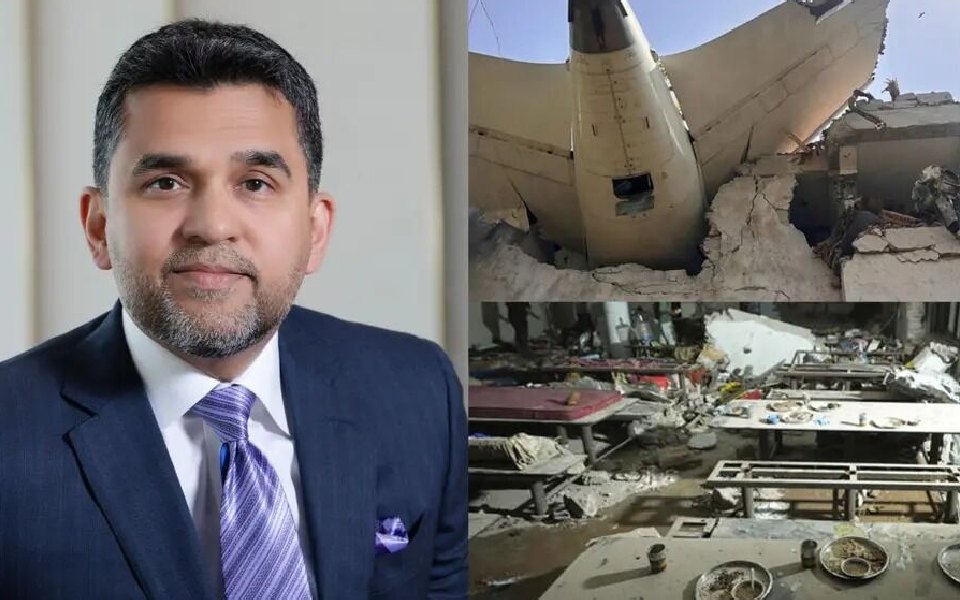
UAE-based Indian doctor and philanthropist Dr Shamsheer Vayalil has announced Rs 6 crore in financial aid for the families of medical students and doctors affected by the Air India plane crash in Ahmedabad last week.

The ill-fated aircraft struck the BJ Medical College’s Atulyam hostel complex during lunch hour, reducing student residences and the dining hall to rubble.

All but one of the 242 passengers and crew on board the Boeing 787-8(AI 171) and another 29 persons, including five MBBS students, on the ground were killed when the London-bound aircraft crashed, moments after it took off from the Sardar Vallabhbhai Patel International Airport.

Announcing the relief from the UAE capital of Abu Dhabi, Dr Shamsheer, founder and chairman of Burjeel Holdings and managing director of VPS Health, said he was deeply shaken when he saw the aftermath of the crash.

As someone who had lived in similar hostels during his medical education at Kasturba Medical College in Mangalore and Sri Ramachandra Medical College in Chennai, the images struck a chord, he said.

“I saw the footage from the mess and the hostel, and it truly shook me. It reminded me of the places I once called home, the corridors, the beds, the laughter, the pressure of exams, and the anticipation of a call from family,” he said.

“No one expects a commercial aircraft to come crashing into that world,” he added.

“Those students started the day thinking about lectures, assignments, and patients. Their lives ended in a way none of us could ever imagine. It hit close. Too close,” he said.

Dr Shamsheer’s relief package includes Rs 1 crore for each of the four deceased students’ families, Rs 20 lakh each for five seriously injured students, and Rs 20 lakh each for the families of doctors who lost loved ones.

The financial assistance will be delivered in coordination with the Junior Doctors’ Association at BJ Medical College, ensuring that those in need receive support swiftly.

This is not the first time Dr Shamsheer has responded to such a crisis. In 2010, following the Mangalore air crash, he provided financial assistance and employment opportunities to affected families at Burjeel Holdings, a leading healthcare provider in the Middle East.

source: http://www.english.varthabharati.in / Vartha Bharati / Home> Gulf / by Vartha Bharati / June 17th, 2025

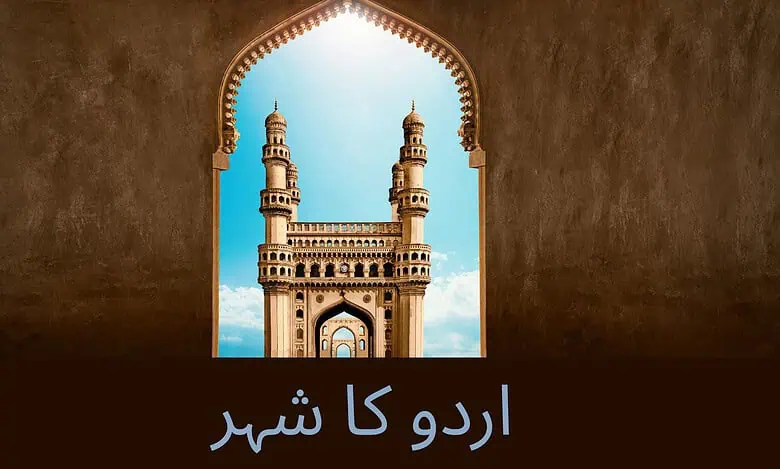
Hyderabad Urdu Ka Shahar: A cultural chronicle by Farooq Argali

Fatehpur, UTTAR PRADESH :

Hyderabad: 

Hyderabad is not merely a dot on the map; it is a vibrant symbol of elegance, culture, and an enduring legacy. Often hailed as the city of domes and minarets, Hyderabad is where history echoes through its majestic palaces, bustling bazaars, and the unmistakable aroma of biryani that fills the air. But beyond its architectural grandeur and culinary delights, the city is known for its Nawabi grace — a heritage shaped by the Nawabs and Nizams, whose generosity and cultural patronage continue to define its identity.

Capturing this soul of Hyderabad is the mission of noted journalist and author Farooq Argali. His upcoming documentary titled ‘Hyderabad: Urdu Ka Shahar’ offers a compelling journey through the city’s layered history — from the Qutb Shahi dynasty to the modern era. In this hour-long film, viewers are treated to glimpses of Hyderabad’s monuments, traditions, cuisine, and the famed tehzeeb — a word that transcends simple etiquette to embody respect, warmth, hospitality, and grace in everyday life.

Over the past three days, Argali has been crisscrossing the city, engaging with its people, documenting their stories, and capturing the sights, sounds, and scents that define Hyderabad. His previous acclaimed documentaries — Delhi: Rangon Ka Shahar and Lucknow: Tamaddun Ka Shahar — stand as testaments to his commitment to preserving cultural heritage through storytelling. His next project is set to focus on Azeembad, the ancient name of Patna.

At 86, Farooq Argali remains remarkably energetic and mentally sharp. Alongside the documentary, he plans to author a book titled Hyderabad Nama, envisioned as an archival treasure for researchers and culture enthusiasts alike. What strikes Argali most about Hyderabad is the thriving presence of Urdu — still seen on shop signs and nameplates, a sight now rare in Delhi and Lucknow.

A man of many talents, Argali is a journalist, playwright, historian, novelist, and poet. Over the last six decades, he has authored more than 500 books, ranging from romantic and detective fiction to literary criticism. In the 1960s, his pulp fiction, written at a breathtaking pace — sometimes a novel in just five days — was immensely popular. Titles like Haye Main Haar Gayee marked the beginning of a prolific writing career. Surprisingly, Argali never studied beyond the third grade in Urdu. When asked about his academic qualifications, he modestly replies, “Fourth failed.”

What, then, is the secret behind such a towering literary output? “Read more than you write,” he says simply. He credits his success to continuous reading and the vibrant literary circles he was part of in Delhi.

Born in Fatehpur, Uttar Pradesh, Argali held various odd jobs before turning to writing full-time. Despite his limited formal education, he calls his gift of writing a divine blessing. Writing under pseudonyms like Hasina Kanpuri in Urdu and Rati Mohan in Hindi, he penned bestsellers such as Ek Toofan Jawani Ka and Chahne Wale, which enjoyed huge success.

However, Argali now views his pulp fiction era as his personal ‘Ayyam al-Jāhiliyya’ — a period of creative indulgence. Over time, he shifted focus to enriching Urdu literature through research, biographies, and literary criticism. His two-volume work Urdu Hai Jis Ka Naam explores the contributions of as many as 400 renowned Urdu writers like Lala Sriram Dehlvi, Firaq Gorakhpuri, Saadat Hasan Manto, Nisar Ahmad Farooqi, and Rahi Masoom Raza to name a few.

Farooq Argali, who also served as the founding editor of the film magazine Rubi, has written extensively on Indian cinema. His historical writings include Bahadur Shah Zafar Ke Dardnaak Halaat, chronicling the last Mughal emperor’s tragic life, the partition story, Dastaan 1947, and Jahan-e-Khusro, a detailed account of the Sufi poet Amir Khusrau.

At a recent felicitation event hosted by Fazil Husain Parvez, Editor of Gawah and Mediaplus Foundation, Argali humbly dismissed the accolades, calling himself a “mazdoor qalam ka” — a laborer of the pen. “I write something broken and incomplete, yet it gets published,” he said with characteristic modesty.

As he continues his journey of literary and cultural documentation, Farooq Argali shares a heartfelt couplet expressing his deepest wish:

Aakhri waqt jab aaye to qalam haath mein ho,
Lafz ‘Allah’ likhoon aur dum nikal jaaye


(When my final moment comes, may the pen be in my hand,
May I write the word ‘Allah’ as I breathe my last)

source: http://www.siasat.com / The Siasat Daily / Home> Featured News / by J S Ifthekhar / May 10th, 2025

Abdul Raheem Khan: A silent champion of Urdu

TELANGANA :

Hyderabad: 

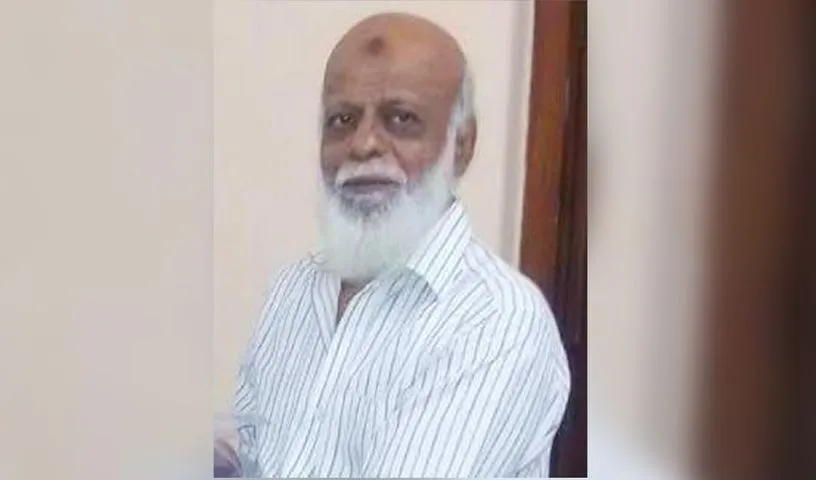
In his passing away, Hyderabad has lost not just a good educationist, an able administrator but a great champion of Urdu cause. No wonder the death of Dr. Abdul Raheem Khan, former Principal, Urdu Arts College, has plunged Urdu lovers into grief and left Urdu circles shell-shocked. Khan leaves behind two sons, a daughter and a legion of Urdu aficionados teary-eyed.

Over the years the soft spoken Khan became synonymous with Urdu and the Urdu Hall, Himayatnagar where he worked till the very end. He spent his entire life in this campus, joining the Urdu Arts College as a commerce lecturer in 1973 and retiring as its principal in 2006. But he contributed a lot for the propagation and preservation of Urdu as the general secretary of Anjuman-e -Tarqqi Urdu Telangana and Andhra Pradesh.

Khan touched many lives and moulded students looking for quality education. Quiet, firm and unrelenting in pursuit of causes dear to him, his death the other day following a brief illness, brought the curtains down on a multifaceted career. The crowded Urdu Hall on Sunday indicated his popularity. A large number of professors, teachers, students and Urdu lovers turned up to pay their respects at the condolence meeting organised here. ‘Ustad-e-mohtaram’ was how many chose to address him. He encouraged many of his students to take up teaching professions and gave breaks to the struggling ones. Dr. Nikhat Ara Shaheen recalled how Khan engaged her services for teaching of Urdu even though there was no vacancy. “I will miss him every day of my life”, she remarked.

Usually teachers do not make good administrators. But Khan begged to differ. His administrative skills came to the fore when he took up the affairs of the Anjuman-e-Taraqqi Urdu and management of the Urdu Hall. Though a commerce teacher basically, he strove to promote the Urdu language. He took the initiative of organising free Urdu classes during the summer vacations. Khan also organised budget discussions in Urdu to explain in simple terms a dry subject like budget. Under the title ‘Apne mulk aur budget ko janiye’, every year a lecture was organised at the Urdu Hall. Prof. Masood Ahmed, a management expert, explains the nitty-gritty of the Union budget within a week of its presentation.

As Prof. Majeed Bedar says, Khan remembered the past, worked for betterment of the present and meticulously planned for the future. No wonder he left his mark of excellence in whatever he did. It speaks about his honesty and integrity that he never misused his office position. He spent from his pocket to treat visitors who came to meet him. His colleague of several years, Zahoor, says he still has about Rs. 3000 given by Khan to arrange tea and snacks for people who come to meet him.

Though the vacuum created by his departure is difficult to be filled, the successor of Abdul Raheem Khan should be one who should carry forward the mission of Urdu so dear to him, said many including senior advocate, Ghulam Yezdani, who is also the president, Anjuman-e-Taraqqi Urdu.

source: http://www.telanganatoday.com / Telangana Today / Home> Hyderabad / by J S Ifthekhar / May 09th, 2022

KKMA Karnataka branch hands over two new homes to needy families

KERALA / KARNATAKA / KUWAIT :

Mangaluru :

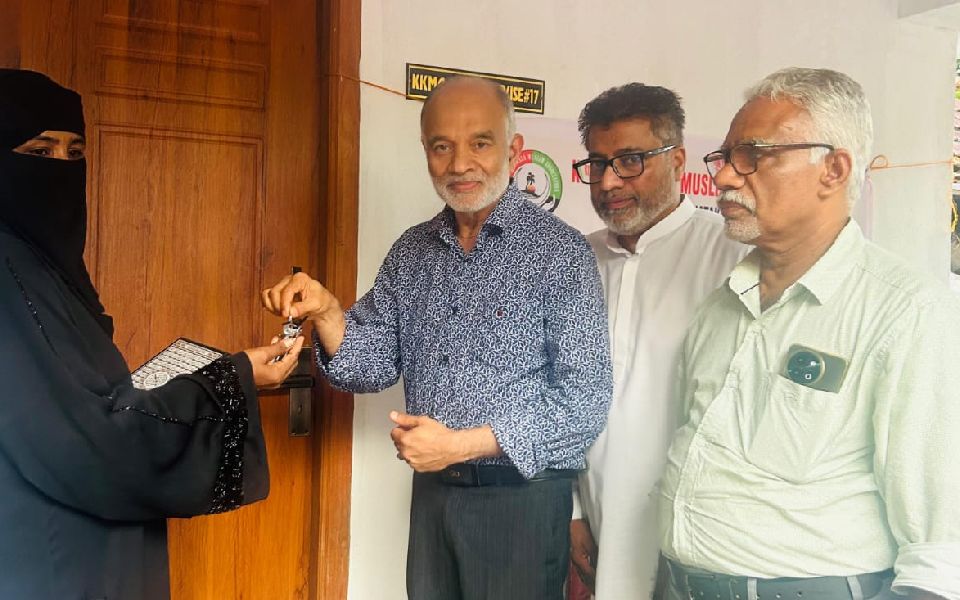
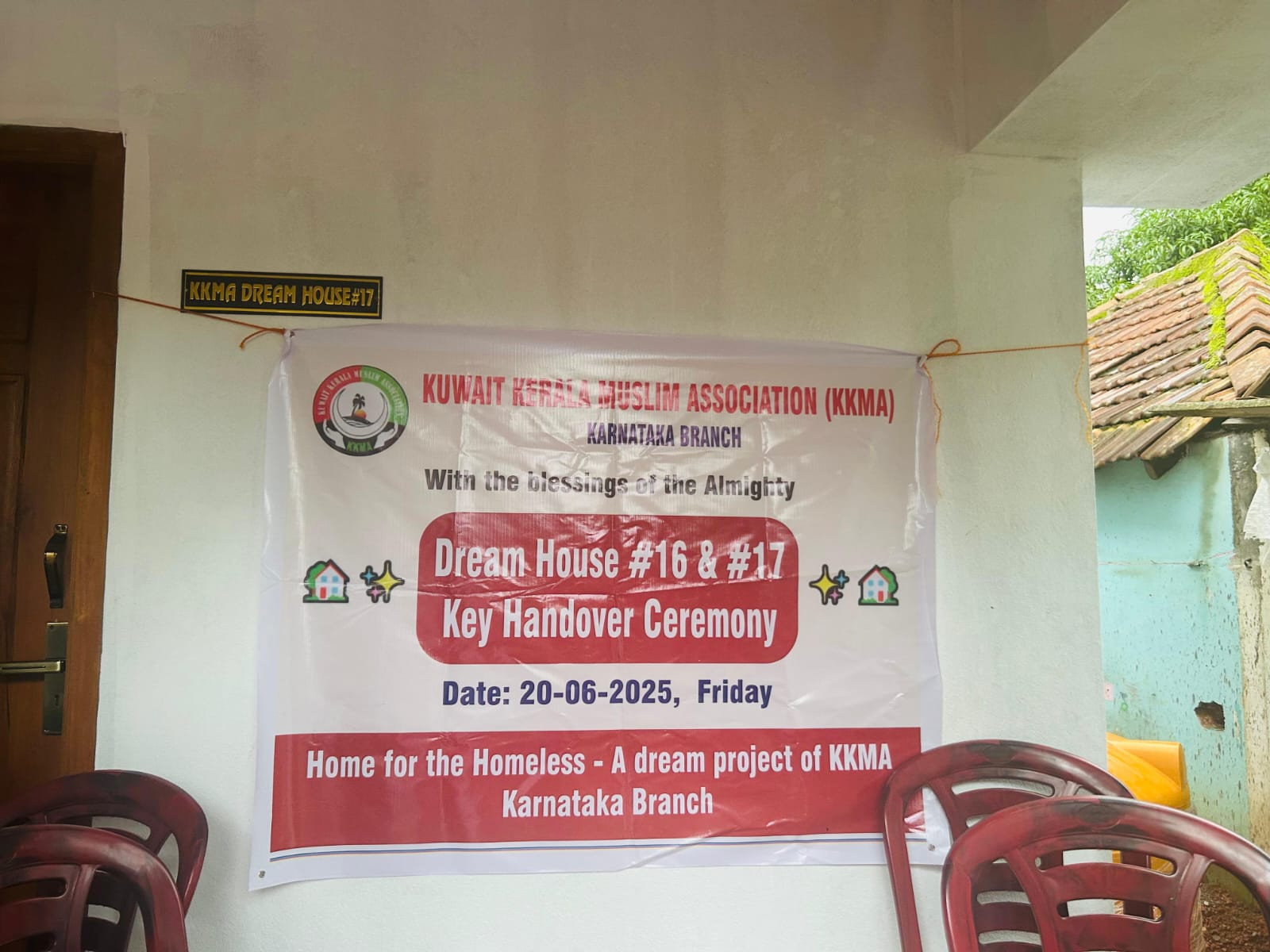
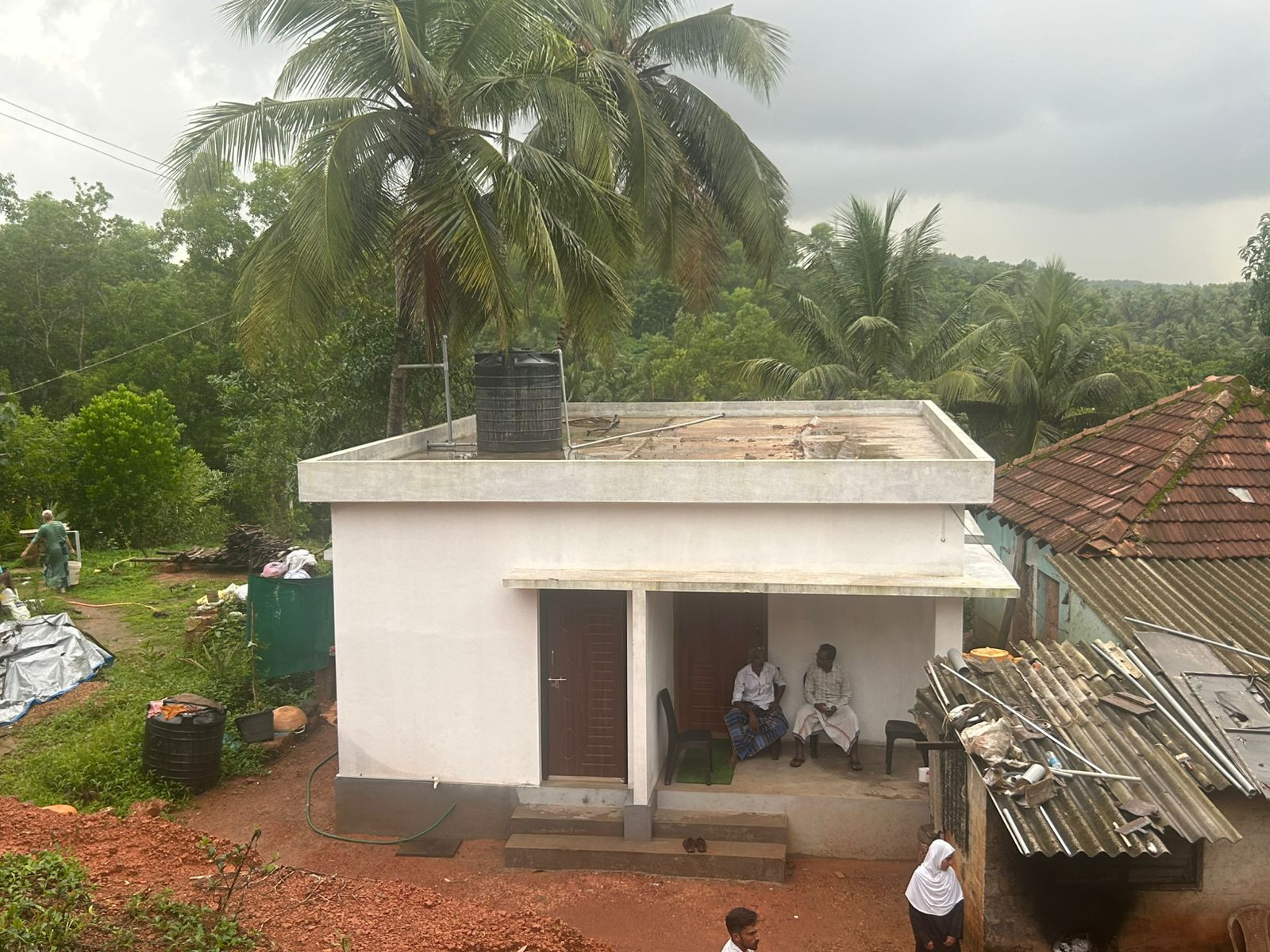
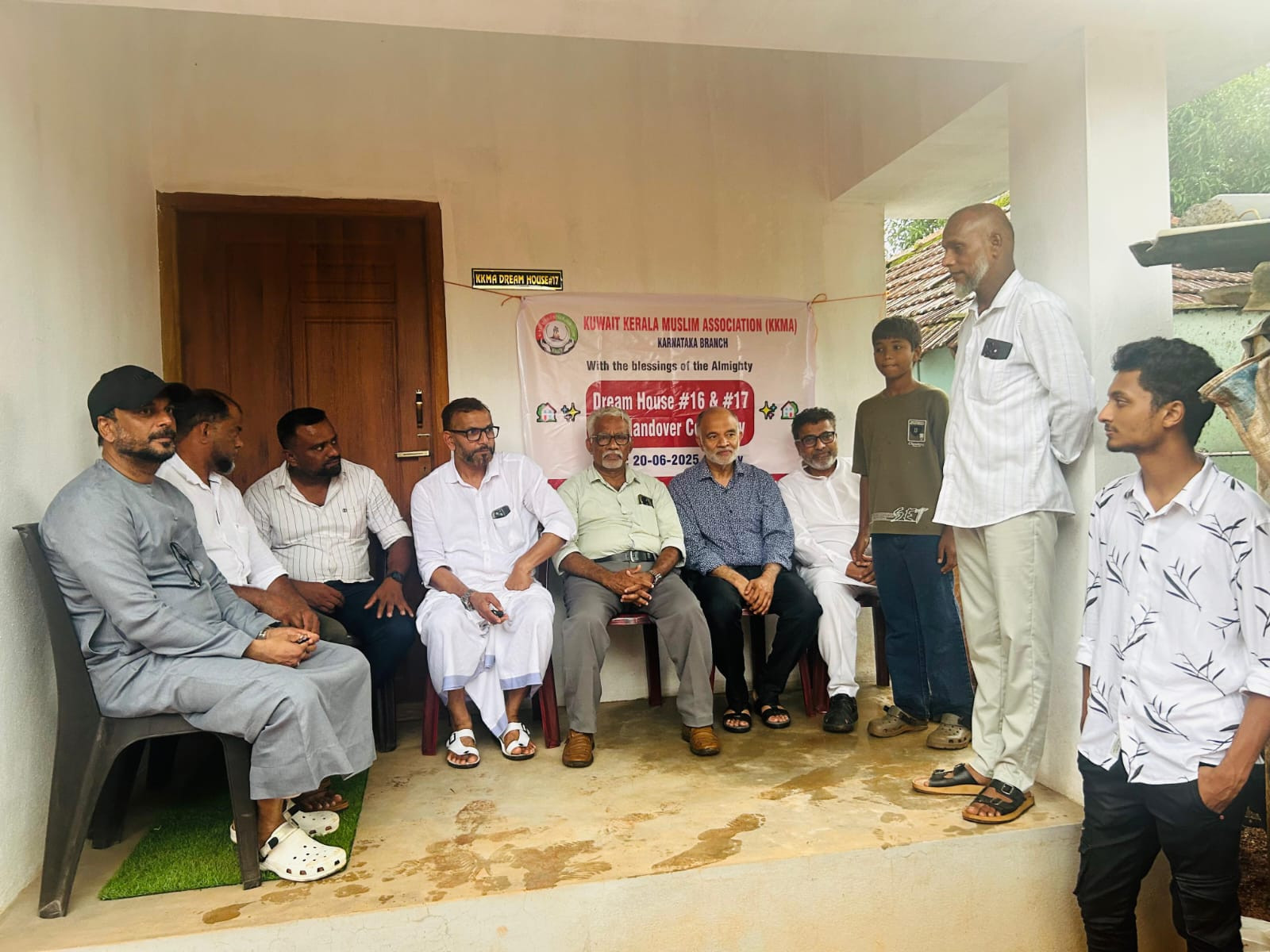
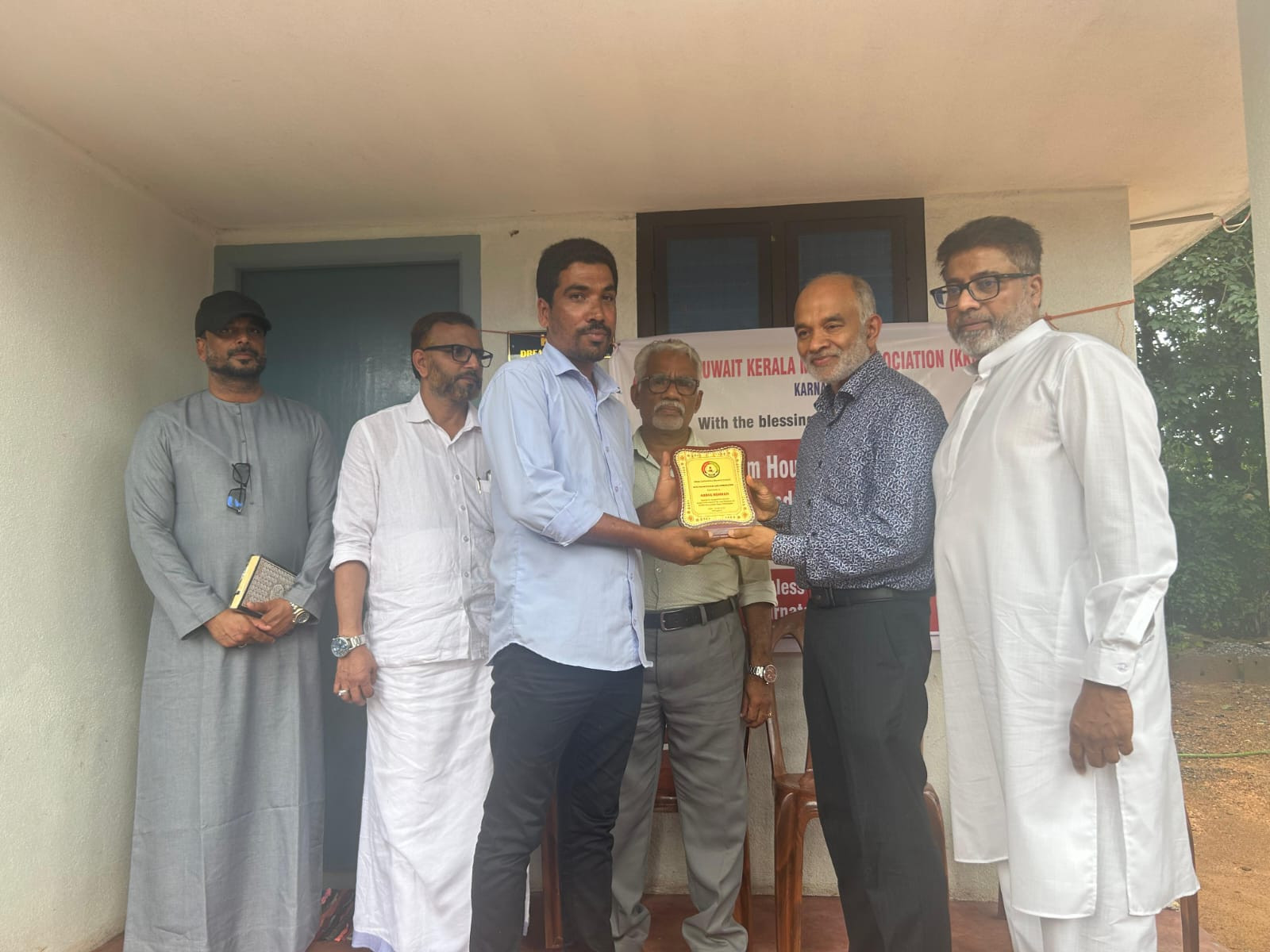
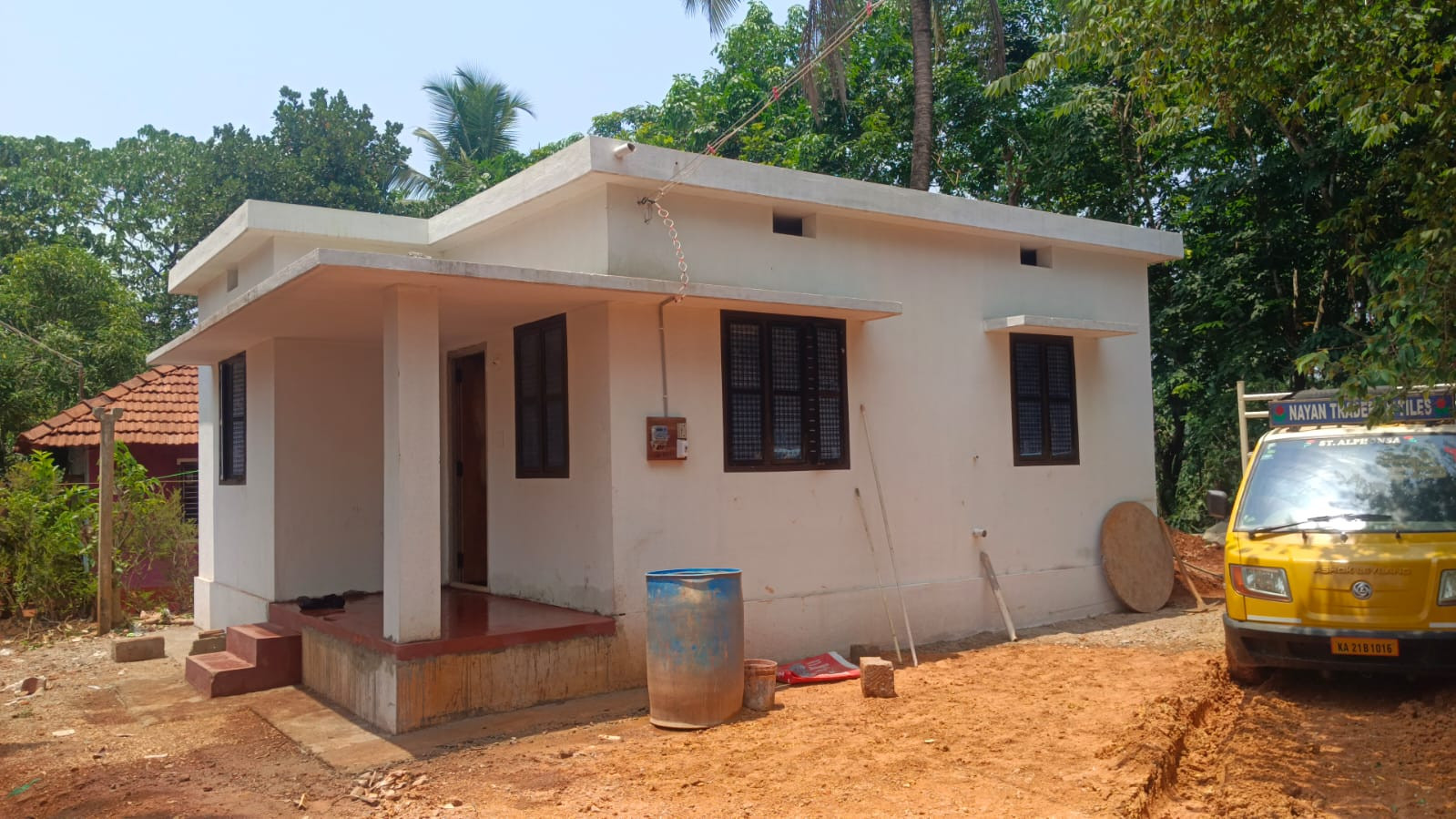
 As part of its efforts to support poor families, the Kuwait Kerala Muslim Association (KKMA), Karnataka Branch handed over two newly built houses on June 20 under its flagship project, ‘Home for Homeless’.

The houses were given to deserving families in the villages of Nelyadi and Kukkaje of Dakshina Kannada, who were in need of permanent shelter. With this, KKMA has now completed 17 homes under the project, marking an important achievement in its mission to help the underprivileged.

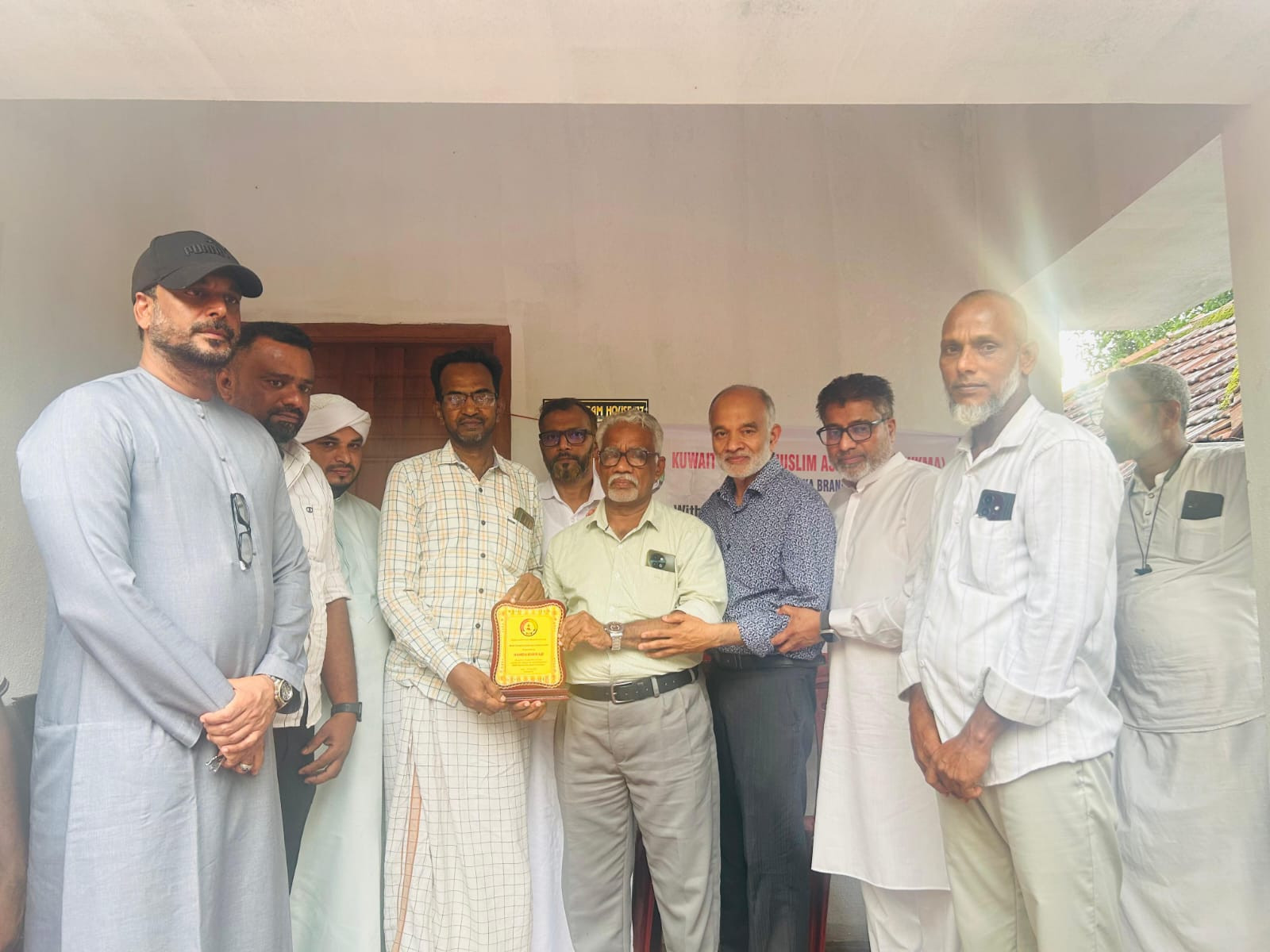
The key handover event was attended by senior leaders from KKMA Central, Kerala, and Karnataka units. Their presence showed the unity and strong commitment of the organization toward community service.

The ‘Home for Homeless’ project is led by the KKMA Karnataka Branch and its State Committee. The goal is to build strong, good-quality homes that improve the lives of poor families in rural areas. The project is a clear example of KKMA’s long-term dedication to social welfare.

This work is made possible by the generous support of Malayali and Kannadiga expatriates, as well as kind-hearted donors and well-wishers who believe in helping others and giving back to society.

Important guests at the event included KKMA Patron P. K. Akbar Siddique, KKMA Kerala State Secretary Abdul Razak Melady, KKMA CFO Rafiq Mulky, KKMA Karnataka State President S. M. Farooq, senior member Rafiq Manchi, and community members Shaz Yusuf, Salam, Adam Aahil, among others.

KKMA celebrates more than 20 years of service, and continues to be recognised for its helpful projects and strong commitment to social responsibility.

source: http://www.english.varthabharati.in / Vartha Bharati / Home> Karavali / by Vartha Bharati / June 21st, 2025

AMU PMRF Scholar Mohd Zeeshan Named Among India’s Top 40 for Research Excellence

Aligarh, UTTAR PRADESH :

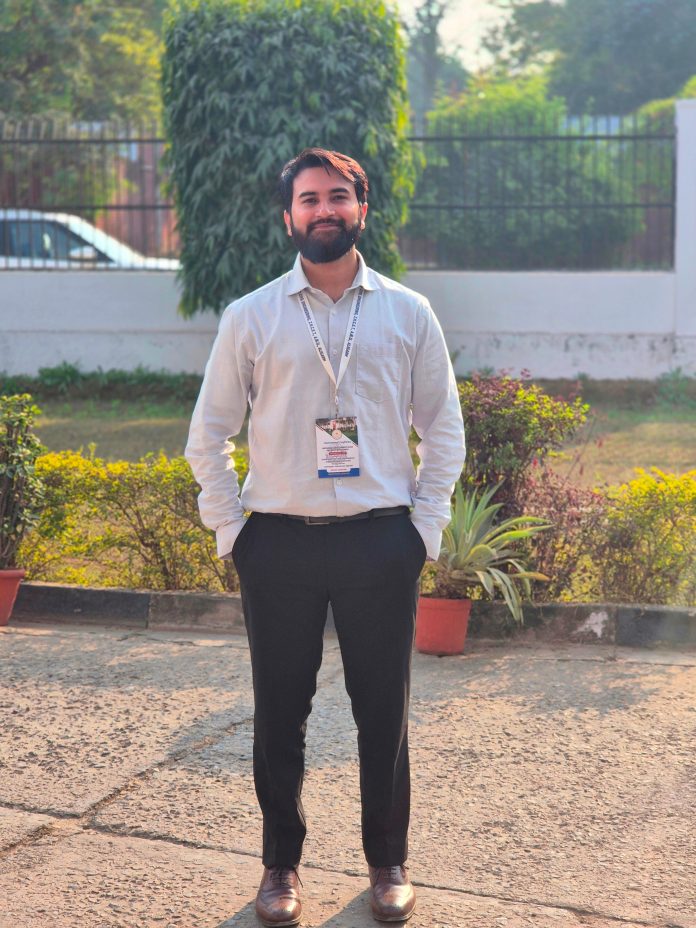
Mohd Zeeshan, a PMRF and doctoral researcher at Department of Chemistry, AMU, has earned national recognition as one of the Top 40 PMRF scholars across India for his exemplary contributions to cutting-edge research in CO₂ fixation

Aligarh:

Mohd Zeeshan, a Prime Minister’s Research Fellow (PMRF) and doctoral researcher at the Department of Chemistry, Aligarh Muslim University (AMU), has earned national recognition as one of the Top 40 PMRF scholars across India for his exemplary contributions to cutting-edge research in carbon dioxide (CO₂) fixation.

Zeeshan’s research is centred on the development of heteroatom-functionalised linkers and metal–organic framework (MOF)-based materials for CO₂ capture and wastewater remediation. The selection was based on the national impact of his work, which combines experimental innovation with real-world applicability, addressing pressing environmental challenges.

His research has been conducted under the mentorship of Dr. M. Shahid, a noted scientist with over 170 publications.

Zeeshan acknowledged the constant academic and moral support of Professor Zeba N. Siddiqui, Chairperson of the Department of Chemistry, who congratulated him on receiving this prestigious honour. He also thanked Professor Aasim Zafar, PMRF Coordinator at AMU, for his dedicated mentorship, proactive engagement, and seamless coordination.

Zeeshan has authored 13 peer-reviewed research papers published in leading international journals, including Dalton Transactions and CrystEngComm (Royal Society of Chemistry), and Coordination Chemistry Reviews (Elsevier), with impact factors reaching up to 20.3. He has also contributed two book chapters, holds a granted patent, and has received multiple accolades for best poster and oral presentations at national and international conferences.

In recognition of his achievements, Zeeshan has been invited by the Ministry of Education, Government of India, for a high-level interaction with senior officials, where he will represent AMU and share insights on enhancing the PMRF scheme.

source: http://www.radiancenews.com / Radiance News / Home> Latest News / by Radiance News Bureau / June 21st, 2025