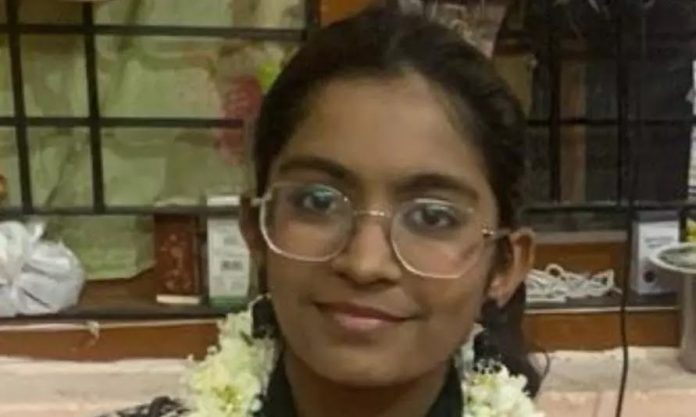
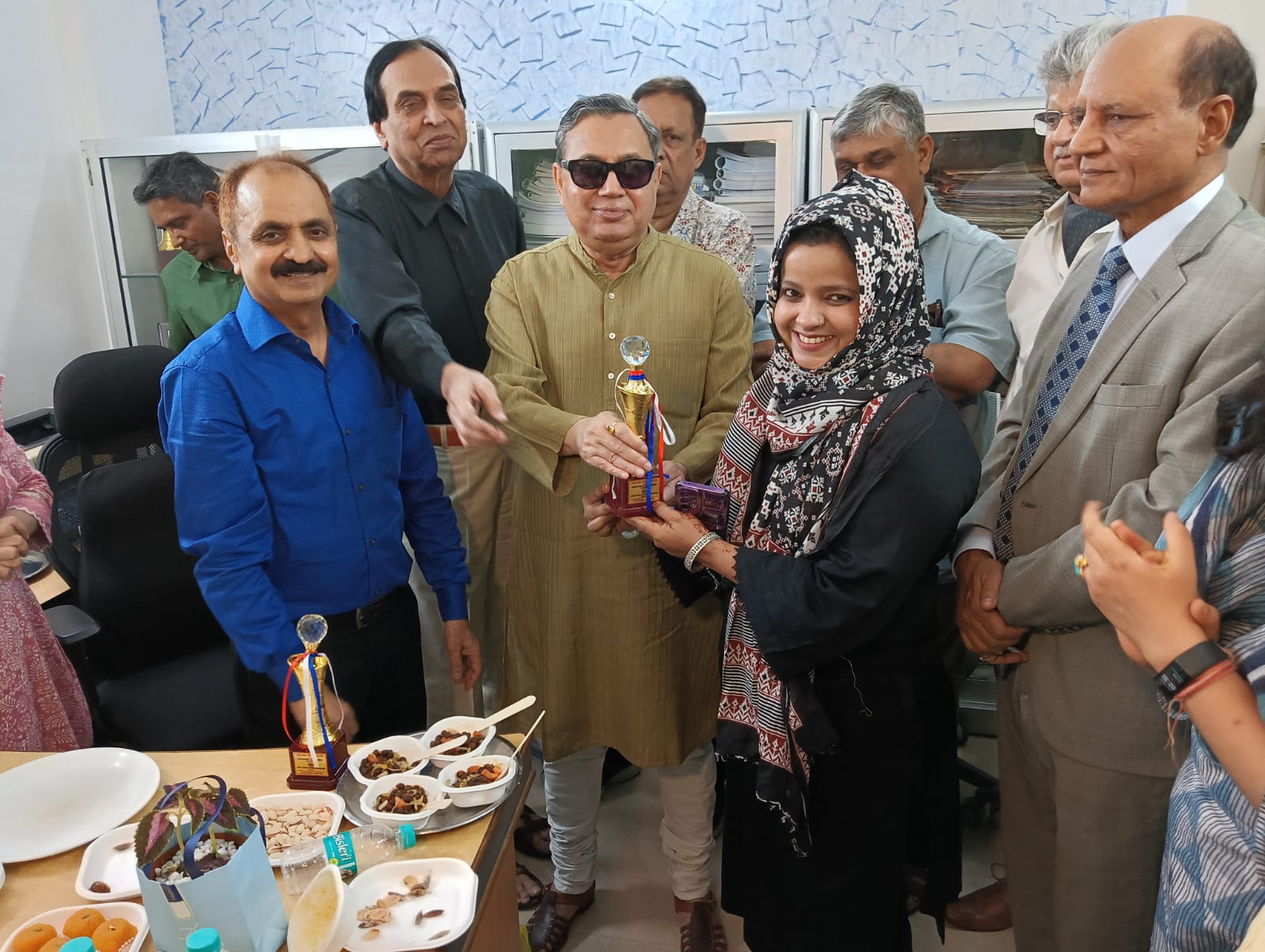
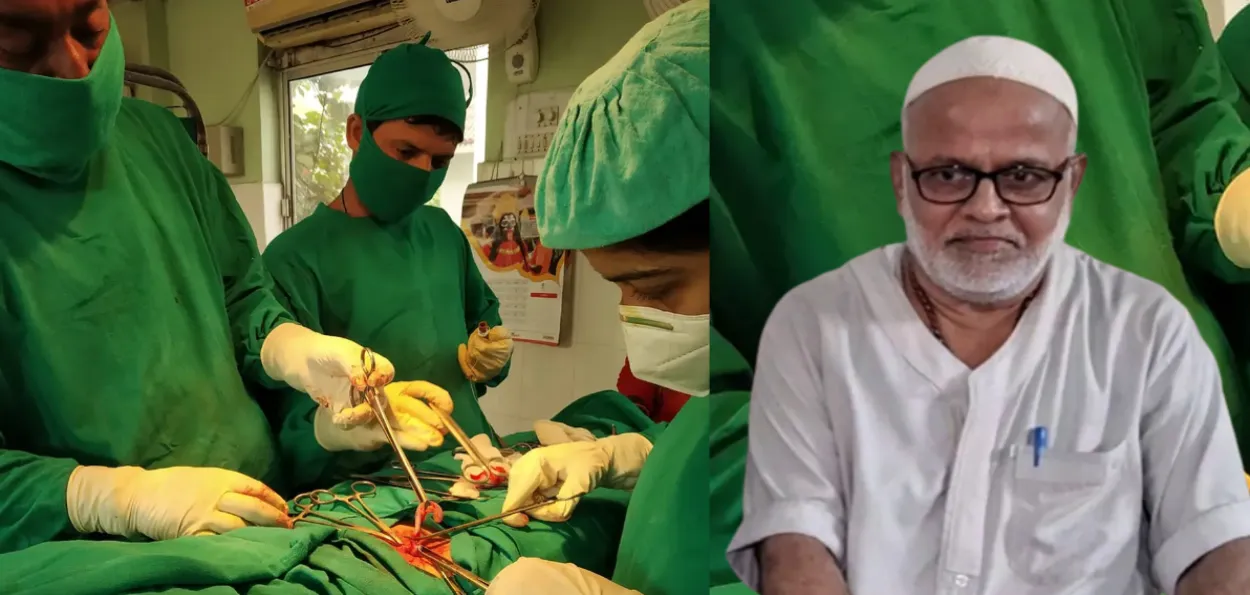
Hiba Fatima Khan, a student from Hyderabad, has been awarded the prestigious Outstanding Cambridge Learner Award for achieving the highest marks in India for the Cambridge IGCSE English as a Second Language (Speaking Endorsement) examination.
Cambridge Assessment International Education recognized Hiba’s remarkable performance, formally announcing the award via email and honoring her at a felicitation event with an official certificate and letter of appreciation.
Hiba’s journey from Dubai to India during the Covid-19 pandemic brought significant challenges, including adapting to new languages such as Hindi, Telugu, Sanskrit, and French. Despite these hurdles, she maintained a strong focus on English.
Her father, Shaji Khan, expressed immense pride in her achievement, noting her dedication to English and her academic interests. Initially inclined towards automobile engineering until the 8th grade, Hiba later shifted her focus and excelled in her chosen subjects.
Hiba achieved a perfect score of 100/100 and A+ grades in her Cambridge IGCSE exams, which included subjects such as English, Special English, Economics, and Environmental Management. Reflecting on her success, Hiba emphasized the importance of understanding the marking scheme, practicing past papers, and constant revisions.
She also credited her parents for their unwavering support and encouragement. “My parents have been my biggest support. Their encouragement and belief in my abilities kept me motivated throughout my preparation,” she said in an interview with DC.
Looking forward, Hiba, a student at Solitaire Global School, aspires to further her education in psychology and teaching, with a particular interest in studying in Finland, known for its top-rated education system.
source: http://www.radiancenews.com / Radiance News / Home> Latest News> Markers of Excellence / by Radiance News Bureau (headline edited) / May 15th, 2024
Chahalka Village (Tanadu Kasba, Mewat District), HARYANA :
Parvez Khan on the track
Nuh, a Meo Muslim dominated district of Haryana burst in celebration as the son of the soil Parvez Khan won a major sports title in the USA on Saturday.
Parvez won the 1500m title at the SEC Outdoor Track and Field Championship 2024 of Collegiate Athletics held in Louisiana, USA.
Parvez, 19, hails from the Chahalka village of Tawadu Kasba, and is studying in the US on scholarship from the University of Florida. On Saturday, he clocked 3 minutes and 42.73 seconds to win the race at the LSU Bernie Moore Stadium in Baton Rouge. His personal best is 3:38.76, which he achieved in California last month.
Parvez said, “Yes, representing India in the Olympics is on my mind. But qualifying for Paris is difficult because I am far behind others. However, I will give my 100 percent to reach there.”
Nuzhat Gull, secrertary of J&K Sports Council posted this video of Parvez Khan’s race to victory on X:
“I do my workout every day. People believe in me, so I am doing well day by day to execute my plans well and hopefully, I will achieve the Olympic standard.”
Later, Parvez competed in the 800m race and finished third with a time of 1:46.80, just seven-tenths behind his personal best in Florida in March.
Parvez is the National Games 2022 champion in the 1500m during which he broke the 28-year-old record of sports.
The locals are ecstatic and proud of Parvez’s achievements and are pouring in at his home to congratulate his parents.
Parvez’s brother Khalid said that in the SEC Track and Field Outdoor Championship 2024 held in Florida, America, Parvez participated in the 1500 m and 800 m competition on behalf of the University of Florida, in which more than two dozen athletes from different zones of America participated.
As soon as he got success in the 1500 meter heat event on Saturday, the people of the area expressed happiness and congratulated his family members on becoming the champion.
Growing up in Chahalka, a village in Haryana’s Mewat district, about 50 kilometers south of New Delhi, Khan was raised with limited financial resources.
His father, Nafees Ali, supports the family by cultivating wheat and fodder on the five acres of land he shares with his brothers.
Despite adverse financial conditions, Khan had aspirations beyond the limits of his village. His parents didn’t attend school.
His parents initially dissuaded him from sports and they thought there was no future for him there. “There are no players in my village, but I have always been someone who wants to do things differently.
Khan was inspired to run during physical preparation for army recruitment. He didn’t have a coach. Often even in adolescence, he used to outshine his older competitors.
Realizing the need for better training opportunities, Khan moved to New Delhi at the age of 13. He joined the coaching at the Jawaharlal Nehru Stadium and thus started his athletic journey.
Despite doubts about meeting academic standards, Khan’s talent as a sprinter continued to blossom. His notable achievements include winning gold in 800 meters at the Under-16 Nationals and a bronze medal at the Under-18 Khelo India Games.
However, it was Khan’s victory in the 1500m at the Open National Championships in Warangal in 2021 that brought him into the spotlight. He got selected for the Indian Navy.
In 2022, Khan won the gold medal in 1500m at the National Games where he clocked his personal best of 3:40:89. This win paved the way for him to join the Indian national camp and subsequently train at the Olympic Training Center in Colorado, USA.
source: http://www.awazthevoice.in / Awaz, The Voice / Home> Story / by Yunus Alvi, Nuh / May 13th, 2024
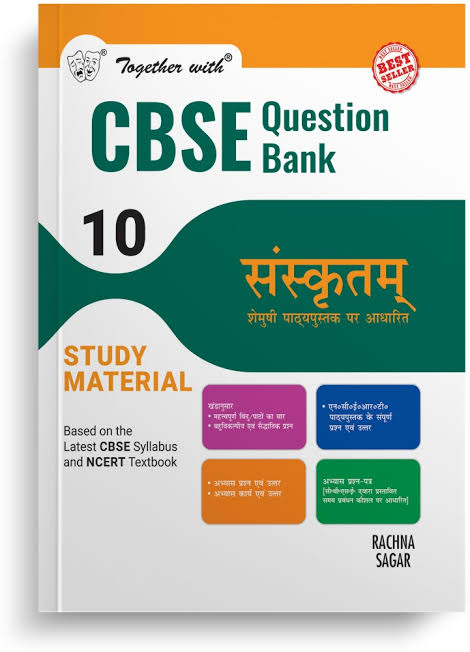
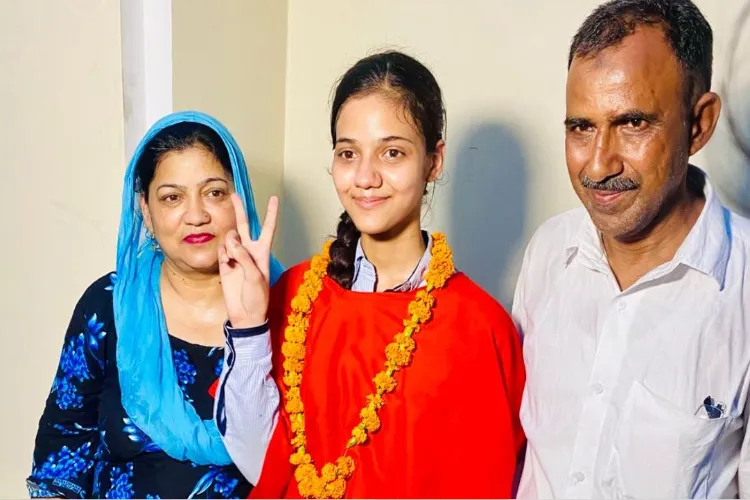
The 2023-24 ESL results have been unveiled, showcasing Fatima Samiha’s remarkable achievement. Hailing from Chikkamagalur district, Fatima, a student of Sri Sadguru Vidyamandir in Basarikatte, chose Sanskrit as her primary language and achieved a perfect score of 125 out of 125 marks in the subject.
Her exceptional performance extends across other subjects as well, with scores of 99 in Kannada, 94 in English, 83 in Mathematics, 69 in Science, and 100 in Social Science, resulting in an impressive overall score of 590 out of 625 marks, equivalent to 94.4%.
Fatima is the daughter of Muhammad Rafiq from Chikkamagaluru and Selikhat Begum from Panemangalore.
source: http://www.thehindustangazette.com / The Hindustan Gazette / Home> News> Latest News / by The Hindustan Gazette / May 12th, 2024
Oomerabad Village (Tirupathur District, Ambur Taluk), TAMIL NADU :
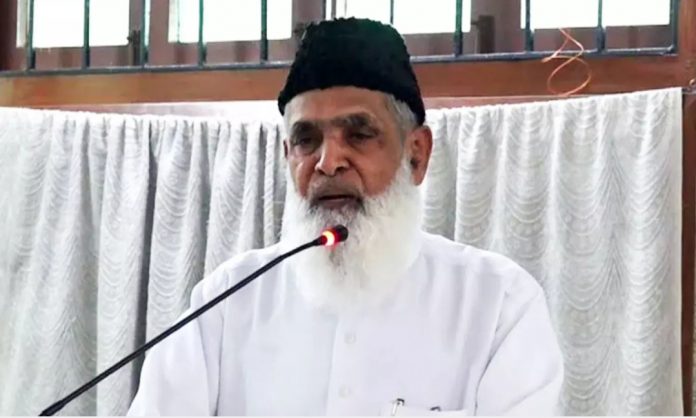
Renowned Islamic scholar and Chancellor of Jamia Darussalam Oomerabad, Maulana Kaka Sayeed Ahmed Oomeri, has passed away on Saturday, May 11, 2024, in Oomerabad, Tamil Nadu. He also held the esteemed position of Vice President of the All India Muslim Personal Law Board (AIMPLB).
Maulana Kaka Sayeed Ahmed Oomeri hailed from the distinguished Kaka family of Oomerabad, renowned for their enduring contributions to education and philanthropy. The family’s legacy dates back to his great-grandfather, the esteemed philanthropist and hides and skins merchant, Kaka Mohammad Oomer Sahib. In 1924, Kaka Mohammad Oomer Sahib founded Jamia Darussalam College, a testament to his commitment to education. The college’s location, Oomerabad, was named in honor of his invaluable contributions.
Jamia Darussalam, now a part of a broader educational society, remains a beacon of education and service. It encompasses a Tamil medium primary school, an Urdu medium primary school, a technical institute focusing on computer education, and Jamia Hospital, a comprehensive healthcare facility catering to the community’s healthcare needs.
The passing of Maulana Kaka Sayeed Ahmed Oomeri leaves a profound void in the scholarly and educational spheres. However, his enduring contributions and teachings will continue to inspire generations to come. The entire community extends heartfelt condolences to his family, friends, and associates during this period of mourning.
source: http://www.muslimmirror.com / Muslim Mirror / Home> Obituary / by Muslim Mirror Desk / May 11th, 2024
Ex bureaucrat Moosa Raza has passed away in Chennai on Thursday. He was 87. He is survived by his son and two daughters.
Moosa Raza’s life is a testament to dedication, integrity, and a deep-rooted commitment to public service. Born on 27th February 1937 in Minambur, a small village in Tamil Nadu, India, Moosa Raza’s journey from humble beginnings to becoming a respected bureaucrat and prolific writer is marked by his unwavering principles and tireless efforts to make a positive impact on society.
Education played a pivotal role in shaping Moosa Raza’s worldview. He displayed exceptional academic prowess from a young age, graduating with a Bachelor of Arts (Honours) degree in English Language and Literature from Madras Presidency College, now Presidency College, Chennai. His academic achievements were exceptional, winning seven college medals across various disciplines. This included a First Class First in his degree, a testament to his dedication and intellectual acumen.
In 1958, Moosa Raza embarked on a dual path of academia and civil service. He was appointed as an Assistant Professor of English at Presidency College, his alma mater, while also preparing for the prestigious Indian Administrative Service (IAS) examinations. His commitment to both teaching and public service underscored his multifaceted talents and passion for contributing to society.
In 1960, Moosa Raza’s dedication paid off as he was selected for the Indian Administrative Service for Gujarat in his first attempt. This marked the beginning of a distinguished career that spanned over three decades and left an indelible mark on India’s administrative landscape.
Throughout his career, Moosa Raza held several key positions that showcased his leadership abilities and commitment to public welfare. He served as Collector and District Magistrate in various districts of Gujarat, managing critical responsibilities such as flood relief operations and drought management with unparalleled dedication and effectiveness. His tenure as Principal Secretary to the Chief Minister of Gujarat and later as Chief Secretary of Jammu and Kashmir demonstrated his administrative acumen in handling complex governance challenges.
Moosa Raza’s contributions extended beyond government service. He played pivotal roles in prestigious industrial and commercial enterprises, including chairing the National Textiles Corporation and Gujarat State Fertilizers Company Ltd. His strategic leadership helped turn around struggling enterprises, saving thousands of jobs and contributing to Gujarat’s industrial growth.
In recognition of his exemplary service and contributions to society, Moosa Raza was awarded the Padma Bhushan in 2010, one of India’s highest civilian honors. This prestigious accolade is a testament to his lasting impact and dedication to public welfare.
Apart from his illustrious bureaucratic career, Moosa Raza is also a celebrated author. His book “Of Nawabs and Nightingales” offers a glimpse into his early experiences in the Indian Administrative Service, showcasing his keen observations and insights into governance and society. He has also authored books on spirituality and personal reflections, such as “In Search of Oneness” and “Khwab-e-Natamaam” (Incomplete Dreams), showcasing his diverse literary interests and philosophical depth.
Moosa Raza’s contributions go beyond professional achievements. He has been actively involved in educational initiatives, serving as the chairman of the South Indian Educational Trust (S.I.E.T.) and supporting initiatives for women’s education, dyslexic children, and communal harmony.
In his personal life, Moosa Raza is a devoted husband and father, exemplifying the values of family and community that underpin his life’s work.
Moosa Raza’s journey from a small village in Tamil Nadu to a revered bureaucrat, accomplished author, and dedicated advocate for societal progress embodies the essence of service, leadership, and intellectual pursuit. His life and legacy continue to inspire generations, reminding us of the transformative power of individuals committed to making a positive difference in the world.
source: http://www.muslimmirror.com / Muslim Mirror / Home> Indian Muslim> Obituary / by Muslim Mirror / May 08th, 2024
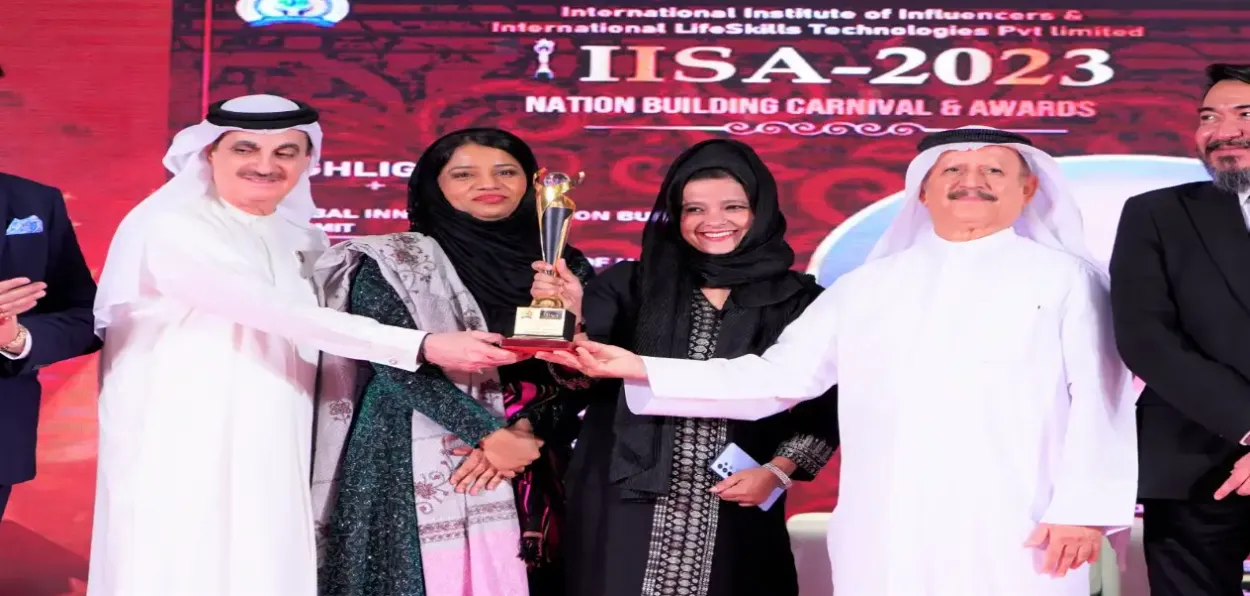
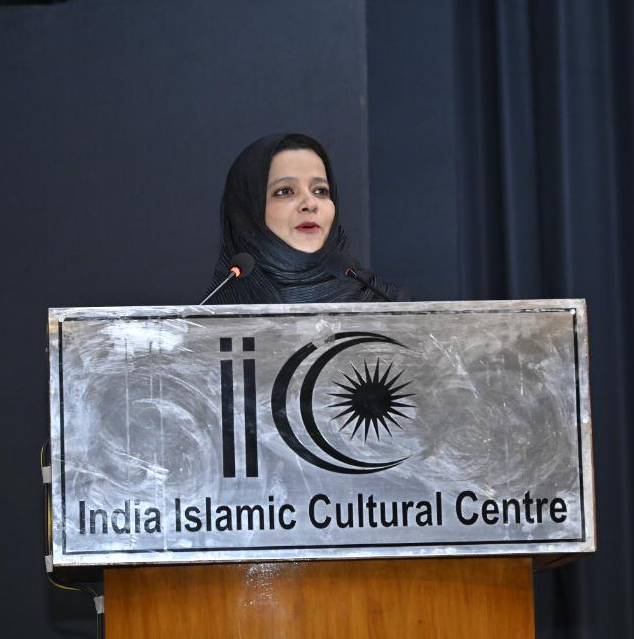
Sana Khan, founder Rahat Foundation receiving an award in Dubai
Sana Khan set up the Rahat Foundation on 26 February 2010 and during the 14 years of its existence in the states of Uttar Pradesh, Uttarakhand, and Maharashtra it helps women school dropouts.
Sitting in her modest office in Jasola village in south east Delhi, Sana Khan, 47, told Awaz-the Voice that presently her most important project is about getting the school dropouts to complete their education. She gets such women admitted to the Jamia’s openm school of National Institute of Open Schooling (NIOS).
Sana Khan says belueves that the right to education is universal and with this thought she has so far rehablitated 2,000 dropout children back into the educational mainstream.
Sana Khan not only sends the dropouts back to school but also takes the responsibility of imparting them skills and ensuring their job placements.
Her NGO teaches courses like digital marketing, fashion designing, etc. Interestingly, Rahat Foundation also managed to train 256 women drivers and helped them get licenses to drive.
Sana Khan says so far her NGO has employed about 10 thousand young men and women. They had acquired different skills at the classes of the Rahat Foundation.
Of these, 6000 did learn digital marketing, and 4000 fashion designing . Sana Khan says she contacted the fashion designing industry located in Okhla Phase 2 in Delhi, while the digital marketing trainees gots jobs in the IT sector, call centers, Swiggy, Zomato, Ola, etc
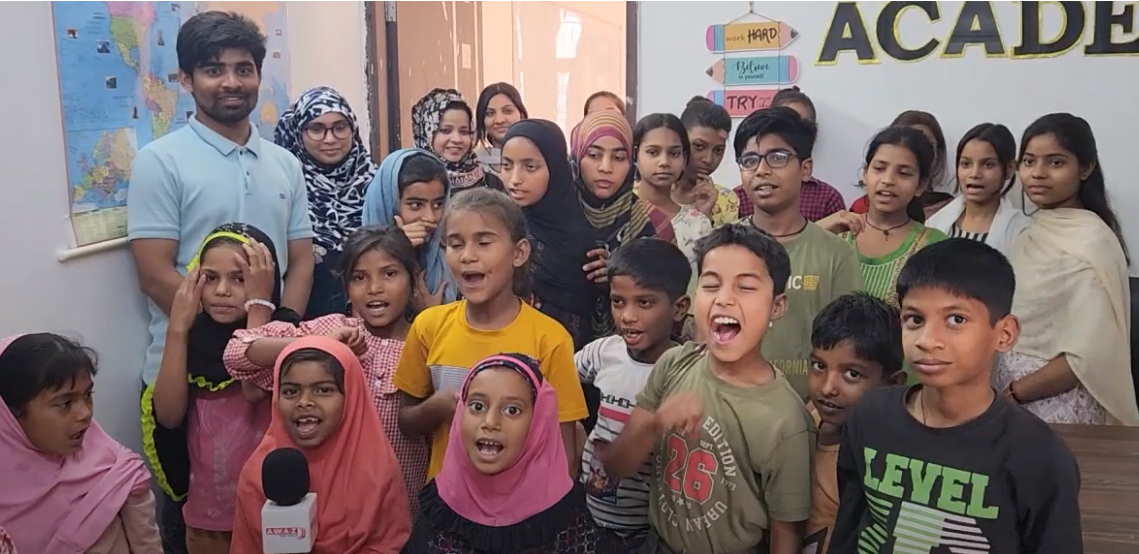
Some beneficieries of Rahat Foundation
She also remains in touch with the companies where she enrolls the skilled young men and women of the Rahat Foundation for jobs.
Sana Khan said, “My father died when I was in my 8th class. I was 13 years old. I had two elder brothers and a mother in my house. I can’t even describe the financial difficulties we faced at that time. One day a person from an NGO touched our lives and everything started changing.”
“Back then I got support and today I am at the stage where I have created a successful world of my own. I always try to help others, ” she says.
Rahat Foundation takes utmost care of all their beneficiaries. It arranges their exam fees, books, etc. The NGO does occasional fundraising to meet its expenses.
Sana Khan receiving an award
Sana Khan says she is careful in checking the genuineness of the beneficiery. She says there is a strict system of checking and whetting of a potential beneficiery. Rahat Foundation takens both boys and girls under its wings, she said.
Sana Khan has 70 people in her team who are divided into groups to form sub-units and working at the grass root in Uttar Pradesh, Uttarakhand, Maharashtra.
Sana Khan said that soon Rahat Foundation will set up its centers in Bangalore, Karnataka.
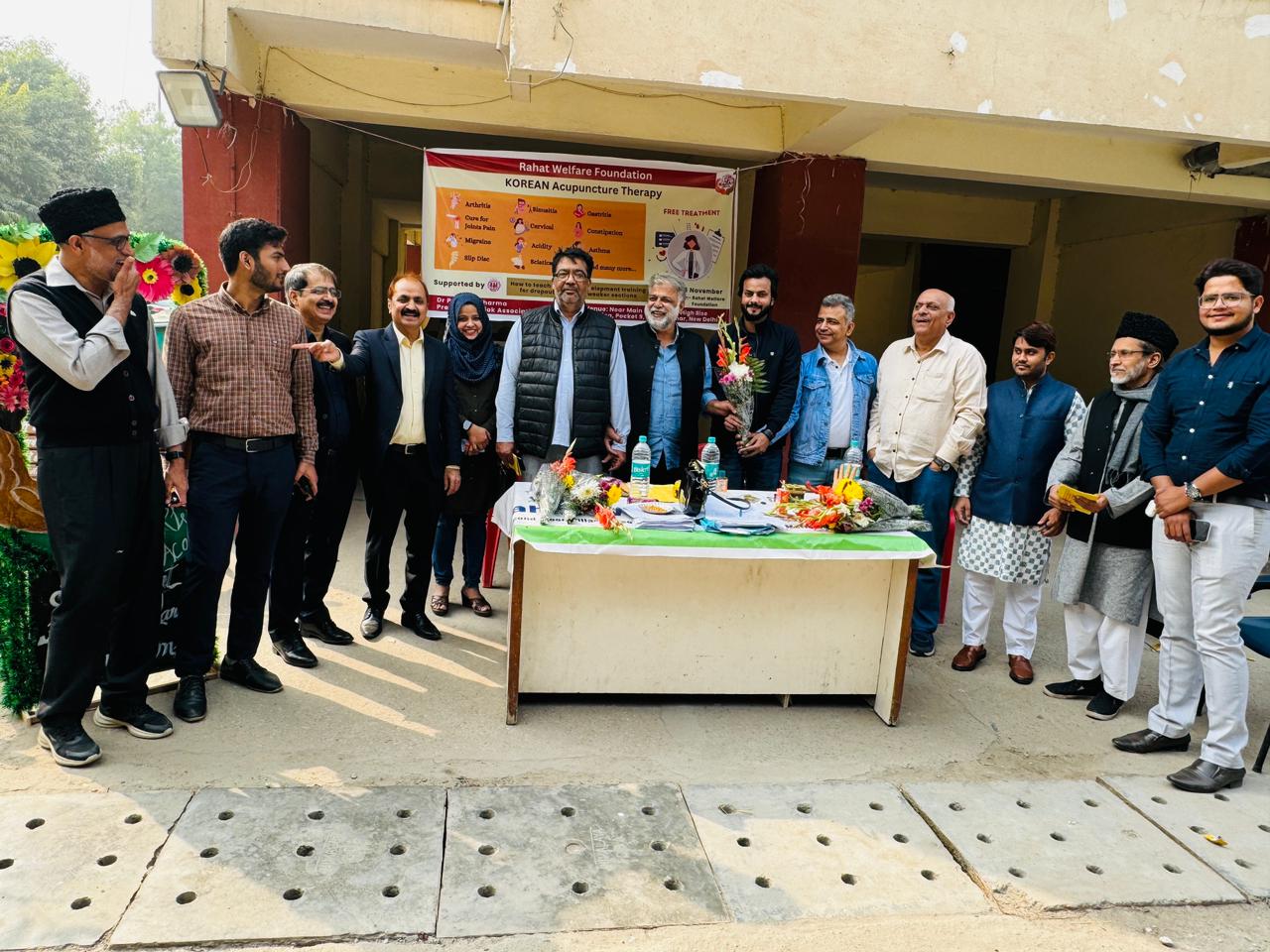
Sana Khan says that from time to time she organizes camps in which awareness about education is spread in society. So far, she has set up 500 to 600 campuses under the banner of Rahat Foundation.
Sana Khan receiving an award
Going down memory lane, Sana Khan said that when she did a mass communication course from South Delhi Polytechnic, New delhi in 2010, she also worked with the Sahara group of publications.
“However, while working with the newspaper, my wish to help the needy kept over powering my mind and ultimately, I had laid the foundation of Rahat Foundation.”
Sana Khan says that today her NGO is well-known for its work and people do recognise her work. She said she received immense support from society during the Covid-19 pandemic when Rahat Foundation distributed blankets and dry rations to the people. It also ditributed school bags for children to keep their hopes alibe and essential medicines during that difficult phase.
Recently Sana Khan was honoured in Dubai, the UAE. She had already received several awards and honours from companies and forums in Bengaluru, and Delhi.
Sana Khan is willing to help people who contact her on her website and Facebook page. .
source: http://www.awazthevoice.in / Awaz, The Voice / Home> Story / by Onika Maheshwari, New Delhi / May 04th, 2024
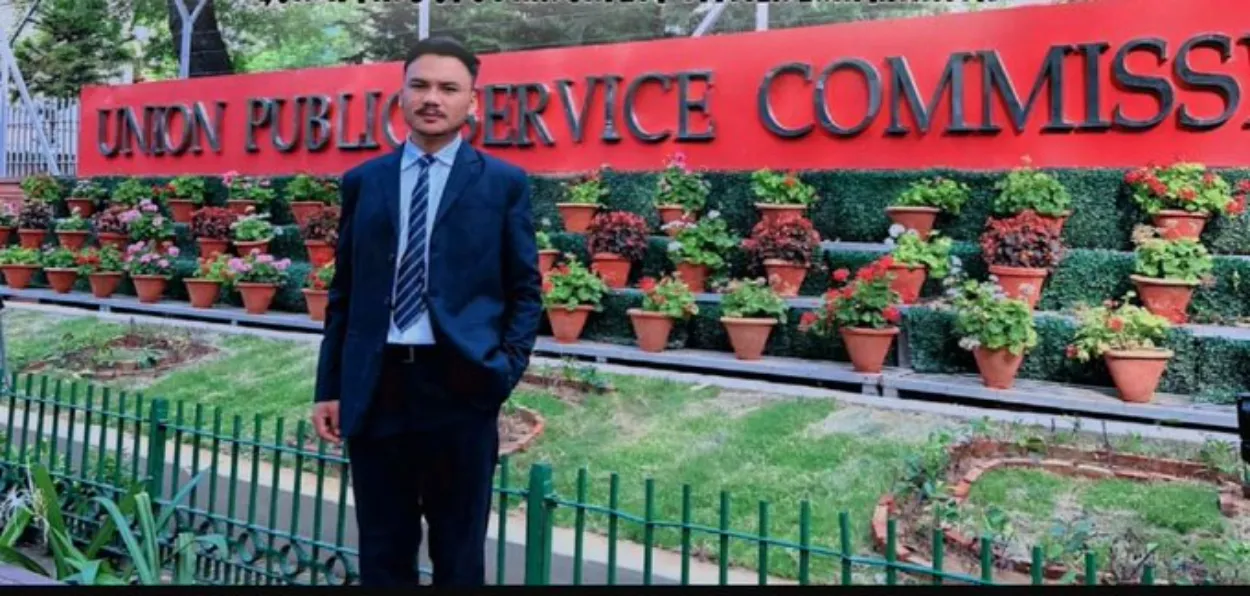
Mohd Akeel, a 22-year-old Aeronautical engineer hailing from Ladakh has become the first person from the frontier region to be selected as the Air Safety Officer in the Directorate General of Civil Aviation (DGCA).
Akeel cleared the Union Public Services Commission’s national examination held for selecting Air safety officers for 2023.
People are congratulating Akeel on social media, praising his achievement at such a young age, and calling it a breaking the barriers phenomenon.
Akeel is one of the youngest people to clear this coveted examination.
He belongs to the village Sankoo Thangdumbdur, located about 42 km from Kargil town in the Union territory of Ladakh.
source: http://www.awazthevoice.in / Awaz, The Voice / Home> Story / by Aasha Khosa, ATV / May 08th, 2024
Saria Khan of Lucknow has become the second topper in the International Council for Schools Certification (ICSC) Board.
Saria Khan’s family lives in the middle-class neighborhood of Daliganj in the city. Her father Rais Khan is a lawyer by profession. She has two brothers senior to her.
After her results were declared, Saria said since she has an interest in Biology, she wants to become a doctor. She says medicine is a profession in which there is an opportunity to help others.
She said she is determined to become a doctor since her teachers have taught her not to have options in life. Options will not allow one to focus on the goal. Her parents and brothers have been supportive of her dreams and kept encouraging her to continue her focus. Saria says that she left no stone unturned in preparing for the board examination. She used to study for seven to eight hours after school.
The ICSE board released the 10th standard results with 99.97 percent clearing it. The result for the girl students was 99.98 percent and for boys 99.97 percent.
There are four toppers of the exam: Hargun Kaur Matharu from Pune, Anika Gupta from Kanpur, Pushkar Tripathi from Balrampur, and Kanishka Mittal from Lucknow – with 499 marks (99.80%).
Saria says there is only one mantra for success in life -focus on your goal. While doing other work never forget the target. To become a topper, she studied hard and diligently.
“I could see my goal and stay focused by adopting different strategies. Today, I am very happy that I have reached the first step toward fulfilling the dreams of my parents. But the destination is still far away, and I have to work for it.
Saria and her family have been busy receiving the congratulatory message on phone and receiving guests who are dropping in to meet her.
“I will never forget this moment, the way the people of the country are showering love on me. I am even exhausted from attending to the phone, but I am attending to each call and visitor. A total of 110 students are included in the list of top three rank holders for the ICSE board 10th examination. In which there is a difference of one point each between the three ranks.
While four candidates secured the top rank with 499 marks out of 500, 34 students including Saria stood second with 498 marks. Similarly, 72 candidates secured the third rank with 497 marks out of 500.
The Council for the Indian School Certificate Examinations announced a merit list after two years. The results were declared based on an alternate evaluation scheme after the examination was not conducted due to the COVID-19 pandemic. The overall pass percentage is 99.97, the officials said.
source: http://www.awazthevoice.in / Awaz, The Voice / Home> Story / by Tajo Khan, Lucknow / July 18th, 2022
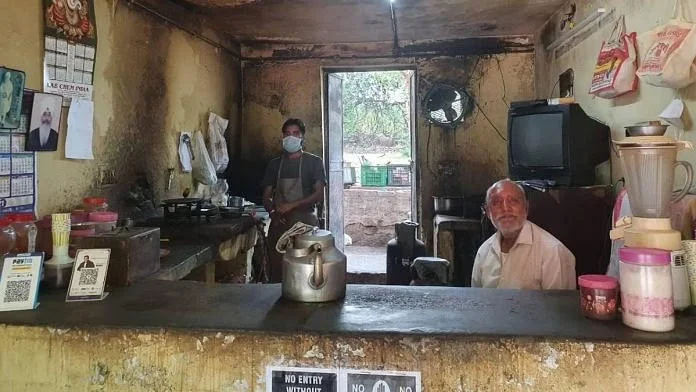
Dr. Shahzad Ibrahimi’s Maamu Dhaba has captivated patrons with tea and Urdu poetry for about two decades.
New Delhi:
In the bustling corridors of Jawaharlal Nehru University (JNU) in Delhi, a distinctive aroma of tea mingles with the resonant verses of Urdu poetry. This unique sensory experience is courtesy of Maamu Dhaba, a cherished and venerated institution on the campus, nurtured by the academic prowess and entrepreneurial spirit of its owner, Dr. Shahzad Ibrahimi.
Hailing from Bihar and armed with a PhD in Urdu language, Dr. Shahzad’s journey from academia to entrepreneurship is as fascinating as it is inspiring. Twenty years ago, fresh after completing his doctoral thesis, Dr. Shahzad made a pivotal decision to establish Maamu Dhaba within the precincts of his alma mater. Adjacent to the university library, the dhaba swiftly became a sanctuary for students and professors alike, offering not just tea but also a refuge for scholarly discussions and intellectual pursuits late into the night.
Dr. Shahzad reflected on his unconventional career trajectory: “After obtaining my PhD, I briefly explored opportunities outside academia, including a stint at a TV station. However, I soon realised that my true calling lay elsewhere.” With the unwavering support of his wife, Dr. Shahzad embarked on the journey of dhaba ownership, a decision that would shape the cultural landscape of JNU for years to come.
Maamu Dhaba, christened after their shared vision and dedication, stands out amidst the plethora of dhabas in JNU not only for its aromatic tea but also for its unique blend of academia and culture. Dr. Shahzad’s commitment to his craft surpasses even his dedication to his doctoral thesis, as he divulges, “Running this dhaba demands more time and effort than my PhD ever did.”
Beyond serving tea, Maamu Dhaba serves as a platform for fostering a love for the Urdu language and poetry. Dr. Shahzad, with his profound affection for Urdu literature, regales patrons with verses from renowned poets such as Ghalib, Mir, and Momin. “I consider it my duty to share the beauty of Urdu poetry with all who visit, regardless of their familiarity with the language,” he asserts, underscoring his dedication to preserving and promoting Urdu culture.
source: http://www.clarionindia.net / Clarion India / Home> Clarion Special> Editor’s Pick> India / by Mohammad Alamullah, Clarion India / May 07th, 2024
Dr. Ijaz Ali wears many hats: he is a well-known surgeon of Bihar, a former member of Parliament, and a crusader for the rights of marginalized people. As president of the All India United Muslim Morcha, he has extended his support to the BJP for its pro-Pasmanda stance, and, is thereby, supporting the NDA candidates in the ongoing Lok Sabha Elections, Mahfooz Alam spoke to Dr. Ijaz Ali on his life and mission.
Dr.Ijaz Ali was born in a lower-middle-class family in 1958. His father Sheikh Mumtaz Ali was the first in the family to have received an education and he rose to the position of BDO in the British Raj. Ijaz Ali started his education at a Madrasa Anjuman Islamia School associated with an orphanage in Munger town up to the seventh standard.
However, he joined the government school for his eighth standard and later cleared his matriculation examination from the Hazaribagh District School. He was always a topper in school and also topped the matriculation examination at the State level.
Dr Ijaz Ali at his clinic
Ijaz Ali says that he was the sixth among 10 brothers and sisters. Though his father was paid well due to a large brood of children, the family lived hand to mouth. So as a father, he focused on giving education and imparting moral values to all his children.
Dr.Ijaz Ali says he studied in a school meant for orphans since his father could not afford to send him to a private school. “I was a very good student and stood first in every class,” he said proudly.
Thereafter, he joined the prestigious Science College in Patna for further studies. “I loved mathematics, physics, and chemistry, but my parents wanted me to become a doctor and I shifted to biology. At first, I didn’t like it ( the idea of studying biology), but my family admitted me to the Science College in the Biology stream.
“Studying biology was the turning point in my life,” says the surgeon, who is a name to reckon with in the state and outside.
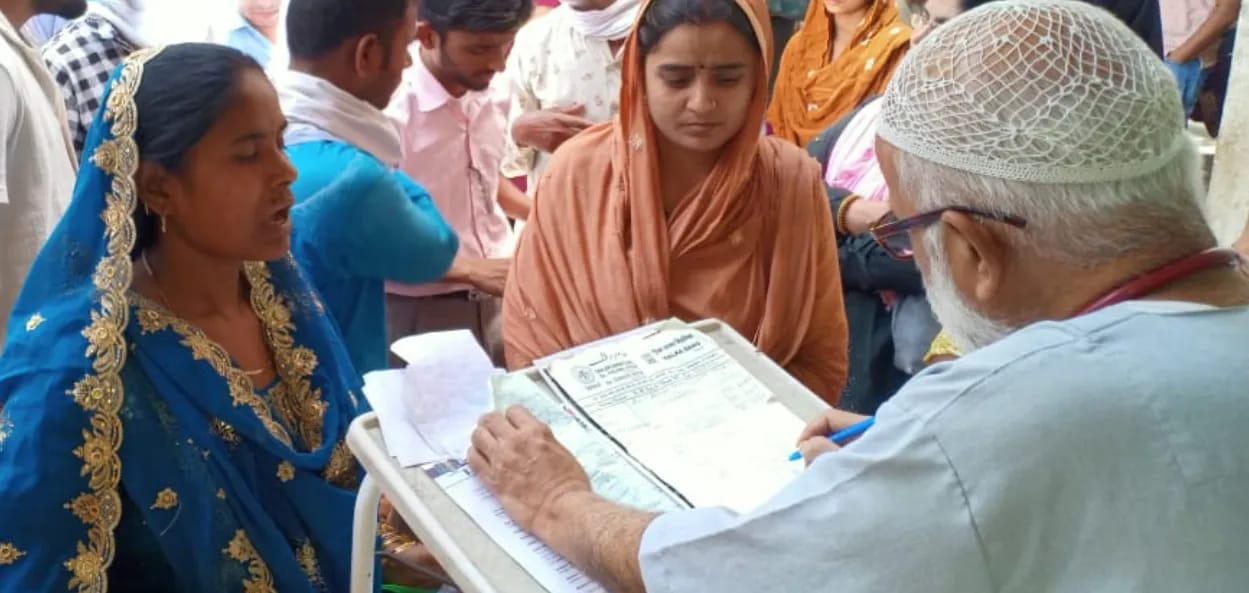
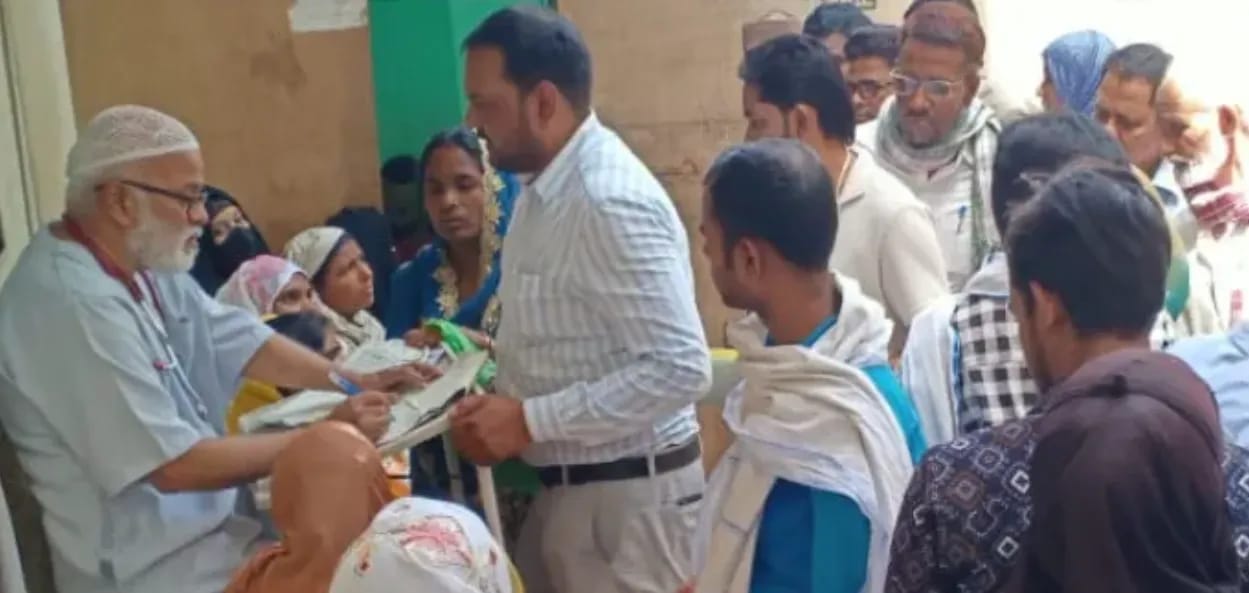
Dr Ijaz Ali is always surrounded by patients
For him, the first year of college was very difficult, as he had no interest in biology. Soon he realized there was a good future ahead for him if he studied well. “As a student, I never wasted time – he follows this routine even today. I worked hard, and soon I started enjoying the subject I once hated. I also topped the higher secondary examination in the Patna Science College I also was among three toppers of the entrance examination for the MBBS course in the Patna Medical College.”
When Ijaz Ali joined the Patna Medical College in 1975, his family was proud of him as he would be the first one among them to become a doctor. However, he faced financial difficulties while studying in the PMCH, “Food in PMCH canteen was expensive so I arranged to eat at another hostel, next to PMCH and spent two years studying and spending time in the crowded neighborhood. Buying books was also difficult for me. When he reached the second year”
He said, “Books were costly and I didn’t have money to buy them, so I used to manage my studies somehow. “Even during my medical studies, my passion for studies did not let any difficulty stand in the way. I was in the top three in MBBS in medical college and I got admission for M.S.”
Dr. Ijaz Ali says he got some relief while studying for his Master’s in Surgery. In 1980, he married the daughter of Ghulam Sarwar, a prominent political leader. Due to his in-law’s support, he was relieved of basic financial problems and also joined as an assistant to Dr. Kamal Ashraf, a well-known surgeon of the city.
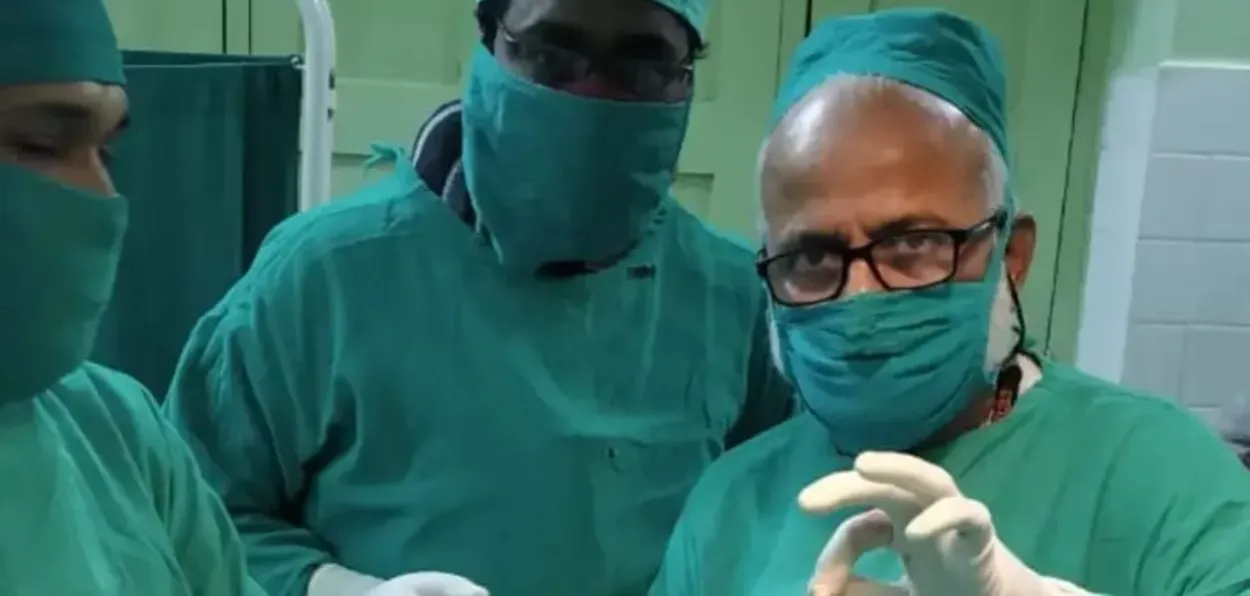
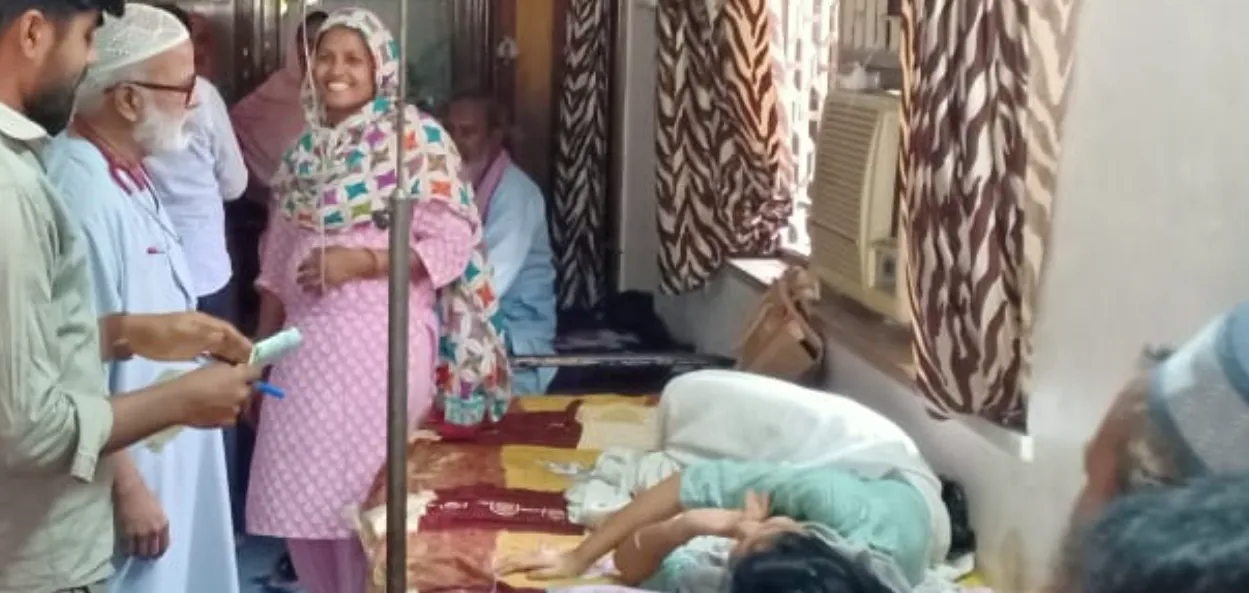
Dr. Ijaz Ali treating a hospitalised patient
“I used to get a Rs 400 stipend from PMCH and most importantly, I got the opportunity to stay with Ghulam Sarwar and learn from Dr. Kamal Ashraf. I was eating home-cooked food and was being trained as a surgeon by the best person.” He completed his MS degree from Patna Medical College and again topped the exams.
On the advice of Ghulam Sarwar, he opened a clinic in 1984 in his house in Patna. In the same year, Prime Minister Indira Gandhi was assassinated and there was uproar throughout the country. Slowly my picked up. “In 1990, Ghulam Sarwar became the Minister of the Bihar Government and he handed over his house to me for use as a clinic.
Dr. Ejaz Ali took up medicine as a social service and while all consultants in Patna charge Rs 300 as consultation fees he has kept it as low as Rs 10.
“A good doctor was available at a lower fee, so a caravan of people started arriving at the hospital. The rickshaw-pullers, thela-walas, sabzi-walas, and people from the rural areas started coming in droves,” he said.
“I was a surgeon but started all kinds of treatment. Many villagers who came to me had no money to eat and I wondered how they would buy medicines. Though I was a surgeon, I was treating patients with tuberculosis, kala azar, and everything.”
He realized most of his patients were poor Muslims. He reduced his fees for surgery to a minimum. I understood that there is so much poverty among Muslims.
Dr. Ijaz Ali
Dr. Ijaz Ali says he became successful because of his hard work and discipline but he is pained to see that children in neighbourhood where he was born were living in the same conditions. “Children are still hurling abuses at each other while playing street games and indulging in Lathi Danda in Muharram
“After I became a doctor and started practicing, many poor Muslims came to me for treatment and consultations. I started visiting the villages to know their conditions. After visiting hundreds of villages and seeing the condition of people, I felt that I should fight for their development and welfare.”
For 44 years, Dr. Ijaz Ali has been traveling to a village every Friday to be with the people and understand their problems. “During 1990-92, the environment across the country was surcharged. Ghulam Sarwar Sahib was a great leader of the Muslims of Bihar, so many people used to visit him. He was my father-in-law, and I lived with him. He did not like people who seek political advantage by inflaming the feelings of Muslims. Under these circumstances, I felt that Muslims do not need emotional slogans but should get opportunities to become good and empowered citizens.”
Dr. Ijaz Ali says that to bring justice to the weaker sections of backward Muslims, he set up the All India Muslim United Morcha. “Our demand to the government is that the Dalit section of the Muslims should also be provided with the facility of Section 341 of the Constitution so that they can also raise their standard of living.
“From what we have seen on the ground’, Dr. Ijaz Ali says, “There is a need for reservation for this section of the Indian population for the overall development of society and the nation If this large section of the population is facilitated to join the developmental mainstream, it will change the situation.”
Dr Ijaz Ali says that no one can be successful in life without clear goals and objectives. The greater the success, the more effort it will demand. Therefore, even in difficult situations, people should not leave the path of justice, patience, and peace.
He says that for a successful person, it is equally important that he thinks about the welfare of the society.
source: http://www.awazthevoice.in / Awaz, The Voice / Home> Story / by Mehfooz Alam, Pune / May 06th, 2024