The actor-turned-director will also play the lead role, alongside Brahma.
Afzal
Afzal, known for his journey from journalism to acting and his recent venture into film production with VIP, is now stepping into the director’s role with his upcoming project, Hosathara.
Not limiting himself to direction, Afzal has also penned the story and screenplay for the film. Additionally, he will play the lead role alongside Brahma, who is also part of the principal cast.
Produced under the banner of Jai Vijay Productions, Hosathara marked their first production venture. The film promises to offer a fresh narrative infused with elements of love, suspense, thriller, and a sprinkle of comedy.
The pre-production phase has just commenced, with plans to feature three melodious songs, with music composed by Raju Emmiganuru and background score by Anthony Poyanoo. Action stunts will be composed by Ultimate Shivu. The makers have roped in Rajeev Ganeshan as the cinematographer, with Sukkku choreographing the dance sequences.
Incorporating cutting-edge technology, the makers have collaborated with JHJ Studios in America for VFX. Afzal, who has brought in a set of skilled technicians for the project, plans to reveal the rest of the cast and crew in the upcoming days.
source: http://www.newindianexpress.com / The New Indian Express/ Home> Kannada / Express News Service / April 22nd, 2024
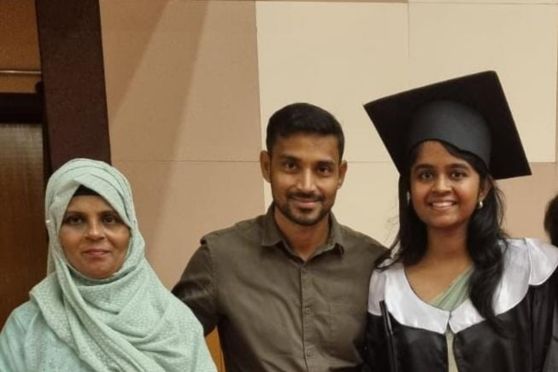
Farheen Masood with her family.The Telegraph Online Edugraph
Summary
In the heart of bustling Kolkata, where the cacophony of life reverberates through narrow alleyways, there lies a tale of grit, determination and unyielding hope.
Meet Farheen Masood, a champion of resilience whose journey from humble beginnings to corporate corridors is as inspiring as it is extraordinary.
In the heart of bustling Kolkata, where the cacophony of life reverberates through narrow alleyways, there lies a tale of grit, determination, and unyielding hope. Meet Farheen Masood, a champion of resilience whose journey from humble beginnings to corporate corridors is as inspiring as it is extraordinary.
Chapter 1: A Dream Ignited
She was raised in a modest household by hardworking parents who were filled with aspirations – her father a security guard and her mother a homemaker.
“My mother could not complete her schooling although she was a good student. That is why she was always keen on us (she and her two siblings) completing our education. Despite our financial struggles, she instilled in us the belief that education was the key to unlocking a better future. My mother became my source of inspiration,” reminisced Farheen, her voice reflecting the unwavering resolve that would come to define her journey.
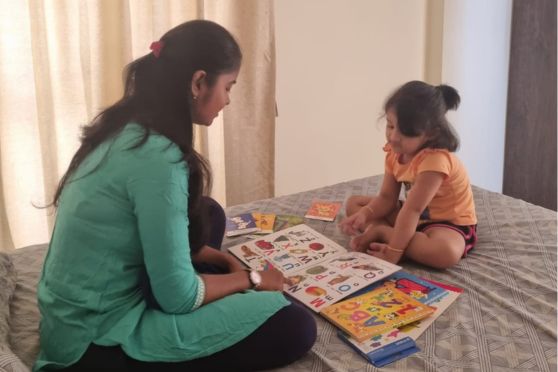
Farheen giving tuition to a child in her neighbourhood.The Telegraph Online Edugraph
Chapter 2: Echoes of Empowerment
As the days unfolded, Farheen found inspiration within the corridors of AK Fazlul Haq School and Khalsa English High School. It was there that she discovered her passion for public speaking. “What I am today, in terms of my confidence in speaking and everything else, is due to the education I received in my schools. I used to participate in monthly debates and extempore competitions and my teachers would always motivate me. That helped sharpen my communication skills,” she shared with us in words that echoed the profound impact of her formative years.
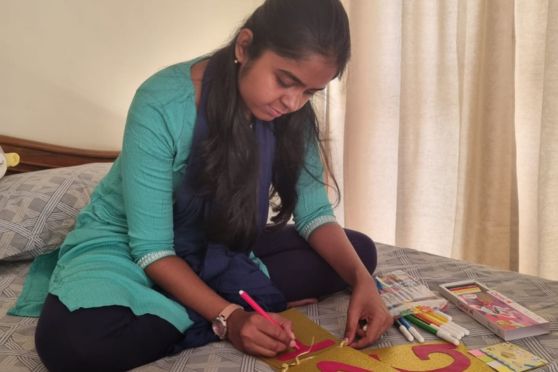
Busy with her art and craft engagements.The Telegraph Online Edugraph
Chapter 3: A Path Revealed
Today Farheen stands tall empowered with a Post Graduate Diploma in Management (PGDM) degree with specialisation in Analytics and Marketing from Praxis Business School and working as a Management Trainee (Operations) at DHL Global Forwarding. So what inspired her to pursue studies in this field?
She recalled, “Though I initially opted for the science stream in my plus 2, I soon realised that my heart was not in it. That is when my uncle guided me to consider management studies. He told me about all the career opportunities that would open up for me if I did a PGDM/ MBA degree; and that would help me achieve the success I had always dreamed of.”
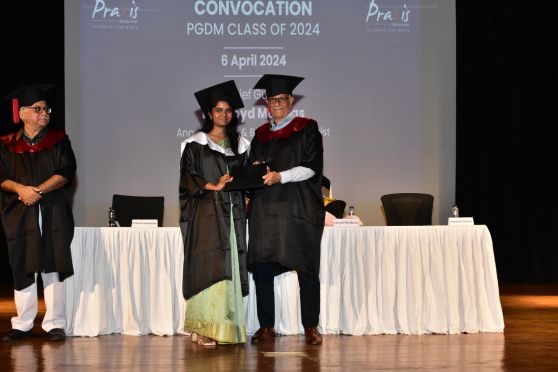
A shot from her convocation ceremony day.The Telegraph Online Edugraph
Chapter 4: Praxis: A Journey Within
At business school, amidst the nurturing learning environment, Farheen’s metamorphosis began. “After joining , I was made a Placecom member. I was responsible for coordinating the students’ placement process, acting as a bridge between them and our college’s placement cell. It gave me the opportunity to connect with various HR heads, thereby helping me make connections. I felt more confident through meeting and speaking with new people. Moreover, I learned management skills which gave me the confidence to handle challenging situations,” she said while recounting the perks of studying in a truly enabling educational environment.
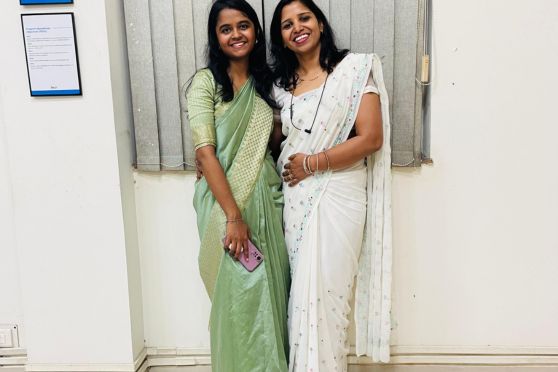
Farheen posing with her teacher.The Telegraph Online Edugraph
Chapter 5: The Tapestry of Experience
Further into the conversation we learned that, in her bid to craft a successful career path, alongside excelling in her PGDM programme at Praxis, Farheen had also gained real world experience through an array of internships with reputable brands spanning fundraising, sales and digital marketing. “Internships gave me practical training before entering the corporate workplace. I had done fieldwork too. That opened up different aspects of business management to me. I met new people and expanded my network. Also, I learned that if one has an idea, one needs to voice it. Not wait for the person on the other side to ask,” she affirmed, emphasising the importance of hands-on learning.
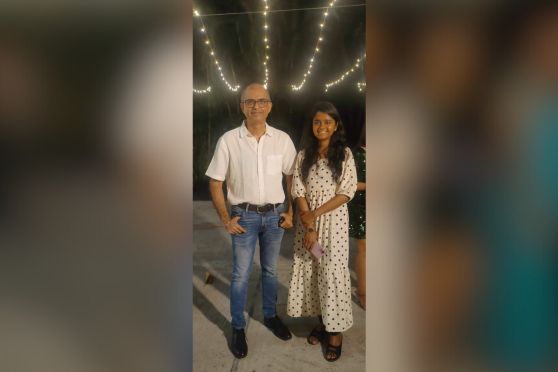
Farheen with Charanpreet Singh, Co-founder and Director, Praxis Business School, Kolkata.The Telegraph Online Edugraph
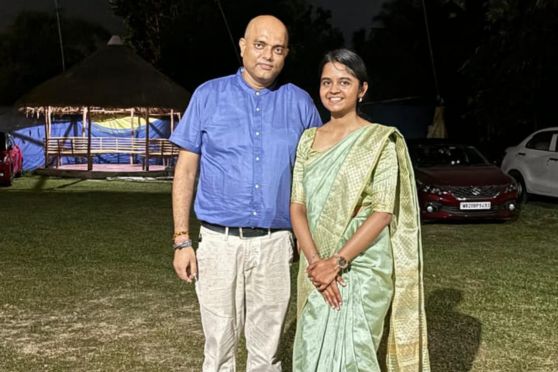
Farheen with Praxis management.The Telegraph Online Edugraph
Chapter 6: Words of Encouragement
While Farheen gazed upon the gamut of her achievements, we asked what would her advice for young people who are striving against life’s challenges be.
“One should not stop dreaming!” she proclaimed, her words infused with the determination of a go-getter. “Always be eager to learn, stay kind and just keep going. The avenues will open up sooner than later,” she said confidently.
As the sun set over the city of Kolkata, casting its golden hues upon the distant horizon, Farheen Masood appeared before us as an embodiment of the indomitable human spirit!
From humble beginnings to soaring heights, Farheen’s journey reinforces the transformative power of education yet again and serves as a source of hope for generations to come, irrespective of their challenging circumstances!
source: http://www.telegraphindia.com / The Telegraph Online / Home> Edugraph> Career / by Sejuti Roy / April 17th, 2024
Shakhapur Village, KARNATAKA / NEW DELHI / Bokharo, JHARKHAND:
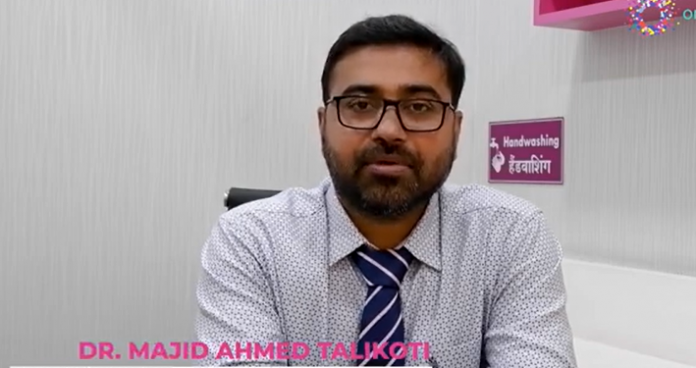
Dr. Majid Ahmed Talikoti
Dr. Majid Ahmed Talikoti is not just a distinguished oncosurgeon but a trailblazer whose dedication to combating cancer through surgical intervention has left an indelible mark in the field of oncology. His exceptional expertise and unwavering commitment have led him to successfully perform surgeries on over 16,000 cancer patients, a feat that speaks volumes about his impact and contributions to the medical community.
The Early Years and Determination
Dr. Majid’s journey from the small village of Shakhapur in Karnataka to becoming one of Asia’s renowned oncosurgeons is a testament to his resilience and determination. Growing up in a backward area, he faced numerous challenges but was fortunate to have parents who believed in the transformative power of education. His father’s unwavering support and belief that education could bring about positive change became the driving force behind Dr. Majid’s journey.
Educational Pursuits and Professional Growth
Driven by a strong work ethic and a thirst for knowledge, Dr. Majid pursued his education with determination. He completed his schooling in Belgaum and went on to secure admission to Al Ameen Medical College for MBBS.
His journey took a significant leap when he got admission to AIIMS and later became a senior resident in the Department of Surgical Oncology. Seeking further expertise, he pursued advanced training in Japan, honing his skills and expanding his knowledge base.
Upon his return, Dr. Majid’s dedication and skills were put to the test in the private healthcare sector. Despite initial challenges and being initially overlooked, his commitment to excellence shone through. Offering to work for free initially to showcase his capabilities in a private hospital where he got 40k in the first month as stipend, but he soon garnered recognition and remuneration for his outstanding surgical prowess. Over the past 15 years, he has performed an astounding number of surgeries, averaging about three surgeries per day—an achievement that reflects his passion for serving patients and combating cancer.
Dr. Majid’s role extends beyond individual surgeries. As the Director of Surgical Oncology at Moolchand Healthcare and a consultant at Batra Hospital & Medical Research Center, Delhi, he has not only provided exemplary patient care but also contributed significantly to advancing surgical techniques.
He is credited with starting oncosurgery at Majeedia Hospital (Hamdard University) and the Faculty of Medical Sciences of KBN University (Gulbarga), among others.
His contributions extend to training the next generation of oncosurgeons, having mentored over 200 professionals in the field.
Additionally, Dr. Majid has been proactive in raising awareness about cancer through organizing over 500 cancer awareness camps, furthering the cause of early detection and prevention. Through these initiatives, Dr. Majid has left a lasting impact on the field of oncology, not only through his surgical expertise but also through his efforts in education and advocacy.
Inspiration and Humanitarian Values
Dr. Majid found inspiration from a surgeon who regularly visited Gulbarga on Sundays to attend to patients, drawing large crowds outside his clinic. Witnessing this dedication to serving the community ignited Dr. Majid’s desire to pursue a career in medicine. However, his determination faced a test during a cricket match when he was injured, and a friend sarcastically remarked, “Look at this guy, he wants to become a doctor.” Rather than discouraging him, this comment fueled Dr. Majid’s resolve, turning what could have been a setback into a catalyst for his journey towards becoming a doctor.
Dr. Majid’s commitment to serving the nation is evident in his practice, where he performs surgeries on 100 patients every month, with almost 40 of these surgeries offered free of cost.
Dr. Majid undeniably possesses a heart of gold. He firmly believes that no one should lose their life due to financial constraints. For him, saving a life is paramount, and financial barriers should never stand in the way of providing essential medical care.
This compassionate approach is evident in his advocacy for hospital owners and management to admit poor patients if there are available beds, ensuring that those in need receive the care they deserve, regardless of their financial situation.
Vision for Universal Healthcare and Preventive Medicine
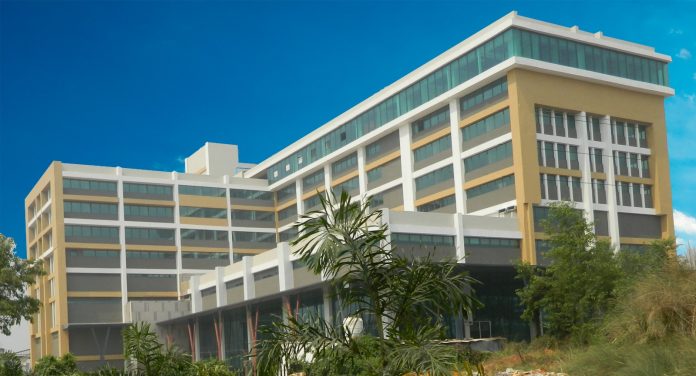
After getting overs 15 years of invaluable experience in surgical oncology, Dr. Majid made a significant decision—to establish Medicant Hospital & Research Centre – a 600-beds hospital in the steel city of Bokaro in Jharkhand. Set to commence operations next month, this hospital represents Dr. Majid’s commitment to giving back to society.
Dr. Majid enlisted the expertise of Mr. Khurshid Alam , an esteemed health and educational consultant based in London, for this mega project.
When asked about his choice of location, he explained that his patients had given him a great deal, inspiring him to return the favour by serving the community. Despite acknowledging Delhi as a lucrative place for earning, Dr. Majid prioritized providing the beat medical facilities to the most backward area like Jharkhand, where proper medical infrastructure is lacking. His decision reflects his dedication to improving healthcare access in disadvantaged regions and ensuring that quality medical care is accessible to all, regardless of their background or location.
Medicant Hospital & Research Centre in Bokaro, Jharkhand.
Dr. Majid firmly advocates for a universal health plan and security, stressing the importance of including healthcare as a fundamental right in India. He emphasizes that everyone should have access to essential health services without discrimination.
Dr. Majid’s belief extends to the core understanding that good schools and hospitals are foundational elements that should take precedence in societal priorities. His resolute stance reflects a vision for a more equitable and accessible healthcare system, where quality education and healthcare are fundamental rights accessible to all individuals, regardless of their socio-economic status.
Dr. Majid advocates for mandatory health checkups, especially for individuals aged 40 and above, as he believes they are crucial for early detection and prevention of diseases. He emphasizes the necessity of regular health screenings for women, citing the fact that diseases like cancer are highly curable when diagnosed in the initial stages. Dr. Majid’s advice underscores the critical role of health education for all individuals, as it empowers people to prioritize their health and seek timely medical interventions, ultimately contributing to better health outcomes and quality of life.
Dr.Majid Ahmed Talikoti‘s journey from a small village to a renowned oncosurgeon is not just a personal triumph but a testament to his unwavering dedication, exceptional skills, and humanitarian values. His contributions to oncology and healthcare advocacy stand as a beacon of hope for a healthier and more equitable society.
source: http://www.muslimmirror.com / Muslim Mirror / Home> Health> Positive Story / by Syed Zubair Ahmed / April 07th, 2024
Rizwan Ahmad, a research scholar, working under the supervision of Prof. Moinuddin in the Department of Biochemistry at the Faculty of Medicine, Aligarh Muslim University has won the “Young Innovator Award-2023” from the Indian Academy of Biomedical Sciences, held at AIIMS, Patna.
Ahmad’s outstanding poster presentation, titled “Modified Fibrinogen Entraps Blood Cells and Induces Oxidative Stress, Leading to Deposition of Arterial Clot: Possible Pathway in Metabolic Disorder and Development of a Novel Biomarker,” secured the second prize.
His research sheds light on the effects of fibrinogen protein under diabetes-induced stress, potentially aiding in the early detection of metabolic diseases.
Ahmad also attained first prize in an oral presentation at a symposium organized by the Endocrine Society of India and third prize at the Hematology conference organized by the Department of Pathology last year.
source: http://www.indiaeducationdiary.in / India Education Diary / Home> National News> University News / by India Education Diary (headline edited) / March 05th, 2024
Prof Towqueer Alam, Department of Sunni Theology, Aligarh Muslim University has been appointed Editor of Fikr-o-Nazar, a quarterly literary and scholarly magazine published by the university, for a period of one year or until further orders, with immediate effect.
Prof. Falahi joined the Department of Sunni Theology as a lecturer in 1993 and became a professor in 2010. He has published about 35 books in Urdu, Arabic, English and Hindi, and more than 200 research papers in the journals of national and international repute.
He visited Mercer University, Atlanta USA in April 2016 as a Visiting Professor and travelled to UK, Iran, Kuwait, and USA to present lectures at international conferences.
The research areas of his interest are Quraniyat, Arabic Literature and Comparative Study of Religions.
source: http://www.radiancenews.com / Radiance News / Home> Latest News / by Radiance News Bureau / March 05th, 2024
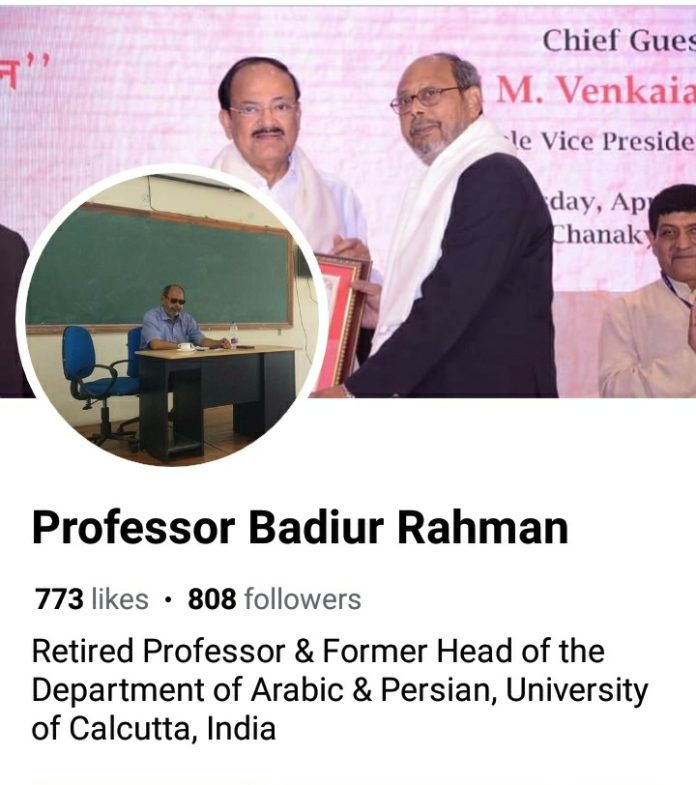
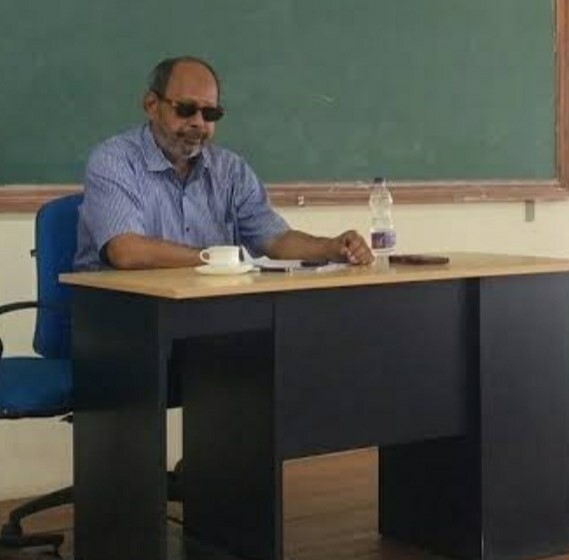
Professor Badiur Rahman, former Head of the Department of Arabic and Persian, University of Calcutta, a well-known educationist, celebrated writer, accomplished journalist, prominent Islamic scholar and a beloved teacher passed away in Kolkata on September 19, 2023.
He was scion of an illustrious and religious family of district Hooghly of West Bengal. His father Abdur Rahman was also an MBBS and associated with Tablighi Jamat.
He got his basic education at Darul Uloom Pandua, Hooghly, West Bengal. Thereafter, he did Alim in 1967 and Fazil in 1969 respectively from Madrasa Alia, Calcutta. He derived considerable benefits from a galaxy of eminent Islamic scholars over there. Especially, he achieved immense academic gains from noted Islamic scholars like Maulana Abu Mahfuz Karim Masumi and Maulana Rahatullah Azhari. After that, he did his B.A. (Hons) in 1974 and M.A. in 1976 respectively from University of Calcutta. He also did L.L.B and Ph.D therefrom.
Professor Badiur Rahman was an institution in himself. He was a familiar figure among the intellectual circles throughout India. Due to his extraordinary knowledge and being a paragon of morality, he carved a niche in the temple of fame. He had a say at the University of Calcutta. Despite being an Islamic scholar, he considerably impressed all faculty members, including VCs of University of Calcutta. Because of his profound knowledge of different languages, noble qualities and sublime norms everyone held him in high esteem.
Visiting Professor of Alia University, Kolkata, Dr. Rahman was also on the Senate and Syndicate of Calcutta University and Ph.D. Communities, Calcutta University and Alia University. He was also Ex-Chairman of PG Board of Studies in Arabic, Calcutta University, and U.G.B.O.S in Arabic, Kalyani University.
My acquaintance with Professor Badiur Rahman I think it was during the summer of 2009 when I first met him. The meet was actually regarding my Ph.D admission at University of Calcutta. Dr. Masihur Rahman, now professor at Alia University, Kolkata introduced me to him. Since then till his last breath, I remained in touch with him. I am fortunate enough to have done my Ph.D. under his supervision and guidance. He always treated me like his brother. Whenever I met him, I gained immense inspiration from him. Despite being a celebrated scholar, he was devoid of arrogance.
As a Teacher Professor Badiur Rahman started his teaching career as a lecturer at the University of Calcutta in 1983 and retired in 2016. Even after his retirement, he kept on teaching as a visiting faculty in the University of Calcutta and Alia University, Kolkata. He always proved himself as a selfless and dedicated teacher. He was an embodiment of all sublime qualities and virtues necessary for a good teacher. His method of teaching was unprecedented. It was his sword which he wielded so effectively that very few persons could match him. During lectures he pointed out such subtle points as students could not help without being impressed with him. He left an indelible mark in the domain of the teaching profession.
Undoubtedly, he was a beloved teacher. He was fondly described as B.R. Sir by his students. Scores of students quenched their thirst for knowledge from him. His talk was very touching. He met everyone cheerfully. His deep knowledge of comparative studies made him popular among his contemporaries. His learning was varied and profound. His personality was many-sided and balanced.
Right from the beginning, he was laborious and punctual. He was a man of transparent heart. No doubt, his extraordinary scholarship and erudition brought him wide reputation and fame. His main mission was to spread education. He left a galaxy of pupils behind him who impart education and work in various fields in and out of India. In fact, it is an everlasting tribute to him.
Dr. Badiur Rahman and Dr. Taha Husayn Dr. Rahman was an ardent admirer of Dr. Taha Husayn. He had vast knowledge about Dr. Taha. He did not only study all his books but he digested them. He also wrote a book titled, “Essays On Dr. Taha Husayn” published by Mazhar Education and Welfare Society, Malda.
Maulana Alauddin Nadwi, Head of the Department of Arabic, Darul Uloom Nadwatul Ulama, Lucknow wrote in the Preface of the said book, “To a great extent Dr. Badiur Rahman tried to introduce Dr. Taha Husayn in the Introduction to his book. The author regards Dr. Taha as a born critic. He presented Taha’s thoughts in a lucid way. To clear his viewpoints, he propounded various references from Dr. Taha’s books. Besides, he holds Taha as a moderate critic to the core.”
He had also done several research works on the first Nobel Laurate in the Arabic language Dr. Naguib Mahfouz.
Dr. Badiur Rahman and Rabindra Nath Tagore
Like Dr. Taha, Dr. Rahman was also a fan of Rabindranath Tagore. He wrote various articles and short stories on Tagore’s life and works in Arabic. And thus he introduced him in the Arabic World.
It should be noted that Dr. Rahman participated in different national and international seminars and exhibited his scholarly caliber there.
Because of his outstanding and remarkable services to the Arabic language and literature, he was conferred the President Award in 2018.
As a Writer Dr. Rahman was a prolific writer. He wrote several books on different subjects. Some of his major publications are:
History of Arabic Literature (Pre-Islamic Period)
Textbook for B.A. Arabic (Hons.) Calcutta University
Textbook for B.A. General, Calcutta University
Essays On Dr. Taha Husayn
Besides, he had 31 research articles in Arabic, English, Urdu and Bengali published in different literary journals. He had earned distinction in Belles Letters, short stories, poetry in English, Arabic and Bengali. He had long experience of research guidance in Arabic. He had examined about 26 theses and 15 M.Phil dissertations of various universitas of India and abroad.
Truly speaking, the comprehensive knowledge and intellectual brilliance of Dr. Rahman had been acknowledged by his contemporaries.
Describing his yeomen services, Professor Mohammad Noman Khan, former Head of the Department of Arabic Delhi University stated that the passing away of Dr. Badiur Rahman was a personal loss to him. He played a leading role in spreading the Arabic language in West Bengal. He gave new impetus to the students of W.B.
Professor Sanaullah Nadwi, Head of the Department of Arabic said, “Dr. Badiur Rahman was a highly qualified person and he was an emblem of morality. Everyone who observed him very closely would testify it. He also described his outstanding contribution in the field of education.
Similarly, Professor Ashfaq Ahmad Nadwi Head of the Department of Arabic Banaras Hindu University stated that Almighty Allah bestowed upon him different qualities. His personality was a marvellous amalgamation of teacher, writer and guide par excellence. Besides, he was a righteous, God-fearing and pious personality.
Dr. Rahman’s death caused a great vacuum. His myriad contributions to promotion and propagation of the Arabic language and literature will always be remembered. He is survived by his wife.
Thousands of his admirers thronged to attend the last rite of the departed soul. He was buried at Ghobra-1 Graveyard, of Park Circus Kolkata. May Allah adorn his grave with luminosity and refulgence and grant peace to his soul. Aameen!
[The writer is Faculty Member, Darul Uloom Nadwatul Ulama, Lucknow]
source: http://www.radiancenews.com / Radiance News / Home> Latest News / by Dr. Obaidur Rahman Nadwi / Radiance News Bureau / September 24th, 2023
MILLIONS of people around the world benefit from interest-free baking. But, not many know that the scholar who made it possible within the context of the modern economic system left for his final abode on November 11 in San Jose, some 8,000 miles away from a small village in Northern India where he was born in Gorakhpur in 1931.
Dr. Muhammad Nejatullah Siddiqi left a legacy that will continue to help countless access interest-free loans to achieve their dreams. Nejat means salvation. Dr. Nejatullah’s work proved salvation to people who could not advance their financial growth in the highly competitive world due to a lack of capital. Who would have thought that growing up in colonial India, Dr. Nejat would surpass the peak of academic excellence and achieve professorship in two of the world’s most prestigious universities, the Muslim University of Aligarh and Kind Abdul Aziz University, Saudi Arabia. Indeed, education in British India was reluctant to open the door for an aspiring Muslim student to help develop the Islamic Development Bank, which has financed thousands of development projects worldwide.
But he did it with dedication, commitment, and desire to translate concepts into concrete programs to benefit people. He labored hard to author 63 significant books, hundreds of articles, and thousands of lectures worldwide while pioneering economics based on divine principles of justice and equity.
His most widely read book is “Banking without interest,” published in more than 30 editions between 1973 and 2022. His other works in English include Recent Theories of Profit: A Critical Examination (1971); Economic Enterprise in Islam (1972); Muslim Economic Thinking (1981); Banking Without Interest (1983); Issues in Islamic banking: selected papers (1983); Partnership and profit-sharing in Islamic law (1985); Insurance in an Islamic Economy (1985); Teaching Economics in Islamic Perspective (1996); Role of State in Islamic Economy (1996); Dialogue in Islamic Economics (2002) and Islam’s View on Property (1969). He received two major awards for his work: King Faisal International Prize for service to Islamic Studies and Shah Waliullah Award for his contribution to Islamic Economics.
Describing the future of Islamic Economics, he wrote in 2013 that the changing world would call for five strategic changes in approach: Family rather than the market as the starting point in economic analysis; Cooperation playing a more significant role in the economy, complementing competition; Debts playing a subsidiary rather than the dominant role in financial markets; Interest and interest-bearing instruments playing no part in money creation and monetary management; and, lastly, Maqasid based thinking supplanting analogical reasoning in Islamic economic jurisprudence. In what follows, I’d like to discuss these points to help you get in touch with these challenging propositions.
He wrote about his involvement in Islamic economics.
“I have been involved in Islamic economics most of my life. At school, however, I studied science subjects but switched to economics, Arabic, and English literature for my BA degree at Aligarh Muslim University (AMU), which I joined in 1949. My reading habit influenced my decision. I was devoted to al-Hilal and al-Balagh magazines, published under Maulana Abul Kalam Azad (1888–1958), poet, critic, thinker, and one of the great leaders of the Independence Movement. I also read al-Tableegh and was influenced by the Deobandi scholar Maulana Ashraf Ali Thanawi (1863–1943), the author of the famous book on belief and correct conduct (for women), Heavenly Ornaments. And as most young people of my age and time, I studied the works of Maulana Abul Ala Maududi (1903–1979). Two of Maududi’s pieces deeply impacted me: lectures at Nadwatul Ulama, Lucknow, and a scheme he proposed to Aligarh Muslim University, both in the mid-1940s, later published in a collection titled Taleemat. Under the influence of these ulama – religious scholars – I abandoned science and the engineering career I had planned. Instead, I wanted to learn Arabic, gain direct access to Islamic sources, and discover how modern life and Islamic teachings interacted. I stuck to this mission, even though I had to take several detours stretching over six years – to Sanwi Darsgah e Jamaat e Islami, Rampur, and Madrasatul Islah in Saraimir before I arrived eventually at Aligarh to earn a Ph.D. in economics.
The years spent in Rampur and Saraimir were full of lively interaction with Ulama. We spent most of our time discussing the Qur’an, the traditions of the Prophet, commentaries on the Qur’an, fiqh (jurisprudence), and usul-e-fiqh, or principles of jurisprudence. That this happened in the company of young men my age, fired by the same zeal, was an added advantage. We had each chosen a subject – political science, philosophy, economics – that we thought would enhance our understanding of modern life. We combined modern secular and old-religious learning to produce something that would right what was wrong with the world. We received a warm welcome from Zakir Hussain (1897–1969), the former President of India, then Vice-Chancellor of Aligarh Muslim University; Mohammad Aaqil Saheb, Professor of Economics at Jamia Milliyah Islamia, Delhi; and by eminent teachers at Osmania University in Hyderabad.
Our mission was to introduce Islamic ideas to economics. These were at three levels:
A background provided by Islam’s worldview places economic matters in a holistic framework.
A set of goals for individual behavior and monetary policy,
Norms and values, resulting in appropriate institutions.
Maududi argued that this exercise performed in critical social sciences would pave the way for progress toward an ‘Islamic society. I was fully sold on the idea. We were also influenced by the extraordinary times through which Islam and Muslims were passing worldwide. Islam was ‘re-emerging’ after three centuries of colonization which was preceded by another three centuries of stagnation and intellectual atrophy. The great depression had just exposed capitalism’s darker side, and Russian-sponsored socialism was enlisting sympathizers. We thought Islam had a chance if only a convincing case could be made.
Dr. Nejatullah Siddiqi devoted an entire book to the Objectives of Shariah (Maqasid Shariah). He did not agree with those writers who insisted on the five categories of objectives mentioned by al-Ghazali, claiming that many other purposes come under them in one way or another. He suggested more goals to be added beside and beyond the five mentioned above, such as honor and dignity of humankind, fundamental freedom, justice and equity, poverty alleviation, sustenance for all, social equality, bridging the gap between the rich and the poor, peace and security, preservation of system, and cooperation at the world level. He supports his stand by various verses of the Qur’an and the sayings of the Prophet, especially in dealing with the non-Muslims.”
Dr. Siddiqi surveyed the history of the idea of Shariah objectives. To him, the concept of Shariah objectives has existed from the very beginning of Islamic history. But it was al-Juwayni (d. 478/1085) who first used the term, from whom his disciple al-Ghazali (d. 505/1111) took it and divided it into five categories: Protection of religion, life, reason, progeny, and property. Ibn Taymiyah (d. 728H/1328) introduced the protection of dignity in place of progeny. He also argued that objectives should not be limited to the protection from haram (forbidden) but should include securing benefits. Thus, the number would be unrestricted to five objectives. Ibn al-Qayyim followed the suit of his teacher, Ibn Taymiyah, and included justice among the objectives. He examined the opinions of al-Shatibi (d. 790/1389), Shah Wali Allah al- Dihlawi (d. 1172/1763), and a quick survey of the contemporary literature.
At 91, when he breathed his last in this mortal world surrounded by his life-long partner, three sons, and two daughters, Dr. Nejat had already achieved what only a few chosen ones achieved. He ensured perpetual reward from his creator for his contributions to bringing millions into the fold of economic growth. As a result, marginalized people who lagged because of the lack of capital are in the process of building a stable financial life. Dr. Nejatullah turned concepts of divine justice and equity into practical reality. When he started his work on Islamic banking, there was hardly an institution applying religious principles; now, there are over 500 Islamic banks and thousands of other non-interest-bearing financial institutions. His legacy is there to stay and benefit people worldwide. His work has turned him into a legend, and the future generation would rightly call him the father of modern Islamic banking. His nephew, Dr. Ahmadullah Siddiq, Professor of Media Studies in Illinois, said, “It is not a loss of a family, but a loss of a generation that always looked at uncle Nejatullah as a shining source of inspiration.”
Academic honours
Awarded King Faisal International Prize for Islamic Studies, 1982.
American Finance House Award, 1993
Ph.D. in Economics from Aligarh Muslim University, India, 1966.
Arabic and Islamic learning from Rampur, India, 1954.
Work experience
Professor of Economics, King Abdulaziz University, Jeddah, Saudi Arabia, from October 1978 to the present.
Professor of Islamic Studies, Aligarh Muslim University, India, from 1977 to 1978. (On leave from AMU from 1978 to 1983)
Reader (Associate Professor) in Economics, Aligarh Muslim University, India, from 1975 to 1976.
Lecturer (Assistant Professor) in Economics, Aligarh Muslim University, India, from 1961 to 1974.
Supervised several Ph.D. dissertations at Aligarh University, Ummul Qura University, Makkah, Imam Saud University, Riyadh, and Sokoto University, Nigeria.
Editorial and Advisory positions
Member, Editorial Board, Journal of King Abdulaziz University: Islamic Economics, Jeddah from 1983 to present.
Member International Board, Review of Islamic Economics, International Association of Islamic Economics, Leicester, U.K. from 1991 to present.
Member, Advisory Board, Islamic Economic Studies, Islamic Research, and Training Institute, Islamic Development Bank, Jeddah.
Member, Board of Trustees, AAOIFI (Accounting and Auditing Organization for Islamic Financial Institutions, Bahrain) 1999 –
Member, Editorial Board, IQTISAD Journal of Islamic Economics, Yogyakarta, Indonesia, 1999
Member, Advisory Editorial Board, The American Journal of Islamic Social Sciences, AMSS & IIIT, U.S.A. from 1985 to 1991.
Member, Advisory Board of the Journal, Humonomics, Toronto, Canada from 1985 to Present.
Member, Advisory Board, MASS, Journal of Islamic Sciences, Aligarh, India, from 1985 to 1997.
Editor, Islamic Thought, Aligarh, 1954-1959.
List of published books
English
1. Economics, an Islamic Approach, The Islamic Foundation, Leicester, U.K. 1999
2. Teaching Economics in Islamic Perspective, Centre for Research in Islamic Economics, KAAU, Jeddah, 1996
3. Role of the State in the Economy, The Islamic Foundation, Leicester, U.K, 1996
4. Insurance in an Islamic Economy, The Islamic Foundation, Leicester, U.K. 1985
5. Partnership and Profit-Sharing in Islamic Law. The Islamic Foundation, Leicester, U.K. 1985
6. Banking Without Interest, The Islamic Foundation, Leicester, U.K. 1983
7. Issues in Islamic Banking. The Islamic Foundation, Leicester, U.K. 1983
8. Muslim Economic Thinking. The Islamic Foundation, Leicester, U.K. 1981
9. Contemporary Literature on Islamic Economics, The Islamic Foundation, Leicester, U.K. 1978
10. Economic Enterprise in Islam, Markazi Maktaba Islami, Delhi, India. 1972
11. Some Aspects of the Islamic Economy, Markazi Maktaba Islami, Delhi, India. 1972
12. Muslim Personal Law (Edited), Markazi Maktaba Islami, Delhi, India. 1972
13. Recent Theories of Profit: A Critical Examination. Asia Publishing House, Bombay, India. 1971
N.B: Some of these books have also been published in Arabic, Persian, Turkish, Indonesian, Malay, Hindi, and Bengali languages.
Urdu
1. Tahreek Islami Asr Hazir Men (Contemporary Islamic Movement). 1995 Markazi Maktaba Islami, Delhi, India.
2. Quran awr Science (Excerpts from Syed Qutb’s Tafsir with a detailed Introduction). 1978 Markazi Maktaba Islami, Delhi, India.
3. Nash’at Saniyah Ki Rah (Towards Islamic Renaissance) 1974 Markazi Maktaba Islami, Delhi, India.
4. Insurance Islami Ma’ishat Men (Insurance in Islamic Economy). 1974 Markazi Maktaba Islami, Delhi, India.
5. Ghair Sudi Bank Kari (Interest Free Banking) 1969 Markazi Maktaba Islami, Delhi, India.
6. Shirkat awr Mudarabat Ke Shar’i Usul (Sharia Principles of Partnership and Profit-Sharing). 1969 Markazi Maktaba Islami, Delhi, India.
7. Islam Ka Nazarriyah Milkiyat (2 Vols.) (Islam’s Theory of Property). 1969 Islamic Publications, Lahore, Pakistan.
8. Islam Ka Nizam-e-Mahasil (Translation of Abu Yusuf’s Kitab al Kharaj).1966 Islamic Publications, Lahore, Pakistan.
9. Islam Men `Adl-e-Ijtimat’i (Translation of Syed Qutb’s al `Adalah al Ijtimaiyah fi’l Islam). 1963 Islamic Publications, Lahore, Pakistan.
10. Islami Adab (edited) (Islami Literature) 1960 Markazi Maktaba Islami, Delhi, India.
_______
Dr Aslam Abdullah is an Indian American writer and activist.
source: http://www.clarionindia.net / Clarion India / Home> Features> Indian Muslim / by Dr. Aslam Abdullah / November 14th, 2022
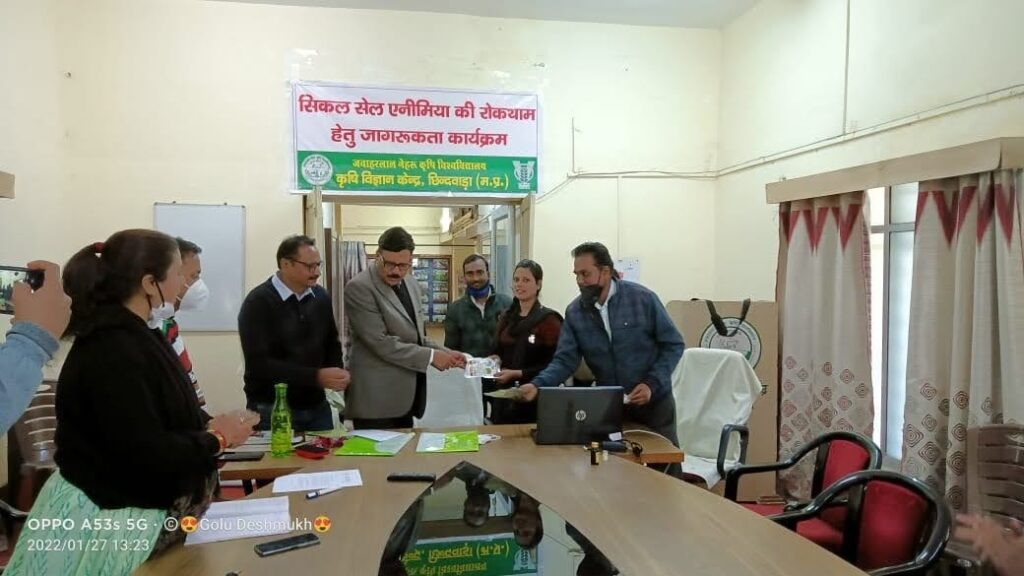
At the age of two and a half years, Swaleha Naaz Khan fell down the stairs while playing and broke her hand. This incident marked the first time she visited a hospital. However, for Khan, a patient of Sickle cell disease, it set off a cycle of sickness, incorrect medications, hospital visits, and unsuccessful treatment. Now at 26, she recently completed her M.Sc (Masters in Science) in Computer Science from a private institute in Chhindwara, Madhya Pradesh and helps people fight suffering from Sickle cell disease in this small town of Madhya Pradesh.
Facing Problems in Identifying the Disease
Growing up, she constantly experienced severe body pain. Due to a limited medical infrastructure in the city at that time, doctors were unable to identify the source of her pain. Her body would frequently stiffen, prompting her father to assume she was possessed by a spirit or djinn. They sought help from hakims and babas in hopes of finding an explanation for her pain but to no avail. Khan and her family went from city to city in order to get her treated. They even travelled to Nagpur in Maharashtra for this purpose.
Dr. Shrivastav, a doctor at the city government hospital, finally diagnosed Khan with sickle cell disease while she was in 10th grade, after she was brought to the hospital the night before her board exams. “It was for the first time that I received correct treatment,” she went on to say.
The Disease Affected Khan’s Education
Previously, whenever Khan’s condition deteriorated, she was given injections to soothe her unbearable pain. “The injections were given every 8 days, causing me so much pain that I could only sleep on one side. I couldn’t sit down properly. My education was also greatly affected. I often had to miss school,” she explained. Due to being admitted a day before exams, she flunked in 10th grade.
Sickle cell disease [SCD] is a hereditary medical condition that persists throughout a person’s life and affects red blood cells, which in turn impacts hemoglobin – the carrier of oxygen in the body.
Unlike the typical disc-shaped red blood cells found in a healthy person, in SCD, these cells take on a crescent or “sickle” shape. The alteration affects their manoeuvrability in blood vessels, leading to a range of complications such as strokes, vision issues, infections, and bouts of intense pain known as pain crises.
According to Gautam Dongre, Secretary of National Alliance of Sickle Cell Organisations (NASCO), sickle cell disease can cause great damage to people’s lives. “Without accurate diagnosis, individuals with this condition may not live more than 4 years. They can be affected by organ damage within 20 years. Their joints may stop functioning properly, potentially leading to disability. In the absence of proper treatment, it can result in premature death. Otherwise, their entire life may be centered around going between the hospital and home,” said Dongre stressing that timely treatment of the disease is extremely critical.
Creating a WhatsApp Group of Sickle Cell Patients To Help Them
Khan was admitted in 2016, along with two other SCD patients, Deepika and Aishwarya. She had previously thought she was the lone patient suffering from the disease. However, she began to meet more people suffering from the disease. “Aishwarya formed a group of all Chhindwara’s sickle cell patients. We discovered that there are numerous patients with SCD in that district. At the time, we were only 15-16 years old,” she explained.
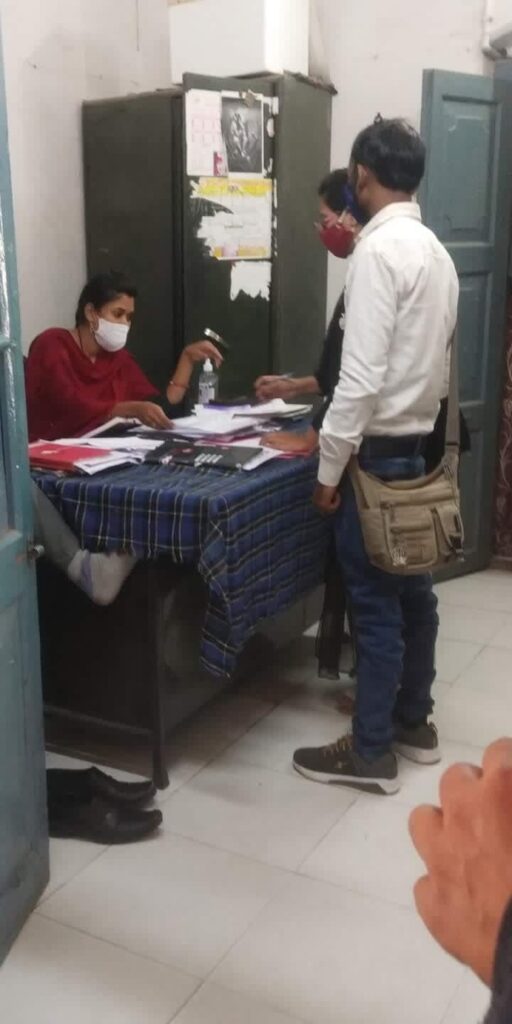
After she discovered more than 500 SCD patients in Chhindwara, Khan decided to visit the District Magistrate’s office in order to demand a separate hospital ward for them. She says that when she used to visit the government hospital, they had to purchase everything from outside. The only thing they provided was a bed, which was free. She observed that patients coming from remote villages faced several difficulties in accessing proper healthcare due to this.
“We demanded for all patients to get access to Dr. Shrivastav. After that, we asked for the availability of medicines. The whole process was really taxing. After going through several offices and facing rejections, medicines were finally made available in the hospital for free. Rarely does anyone need to purchase something from their own pockets,” Khan stated, proudly.
‘Cared for Me as if I Were Her Own Sister’: A Sickle Patient
22-year-old Nazrana Mansuri, a patient suffering from Sickle Cell Disease (SCD) in Chhindwara, recounted her first meeting with Khan at the hospital. Upon learning that Mansuri is an orphan, Khan assumed full responsibility for her operation. “I used to live with my khala (aunt), who worked as a daily wage earner and didn’t have the means to look after me. Swaleha took all my responsibilities. Despite being unwell herself, she stayed with me throughout the night of the operation. She not only brought me food but also cared for me as if I were her own sister. It’s been two years since my operation, and she still feels like family to me,” Mansuri said.
How Extreme Weather Made Khan’s Condition Worse
Khan said that during wintertime, her blood vessels used to thicken causing her extreme pain.
Dr. Gaurav Kharya, the clinical lead at the Centre for Bone Marrow Transplant and Cellular Therapy, Indraprastha Apollo Hospital, New Delhi, explained that under normal circumstances, sickle cell disease may not pose a problem. However, during hot weather when dehydration occurs, and in extremely cold temperatures when small blood vessels constrict, a crisis can occur. During these episodes, the shape of sickle-shaped cells can become further distorted and obstruct various blood vessels, resulting in the typical symptoms of sickle cell disease.
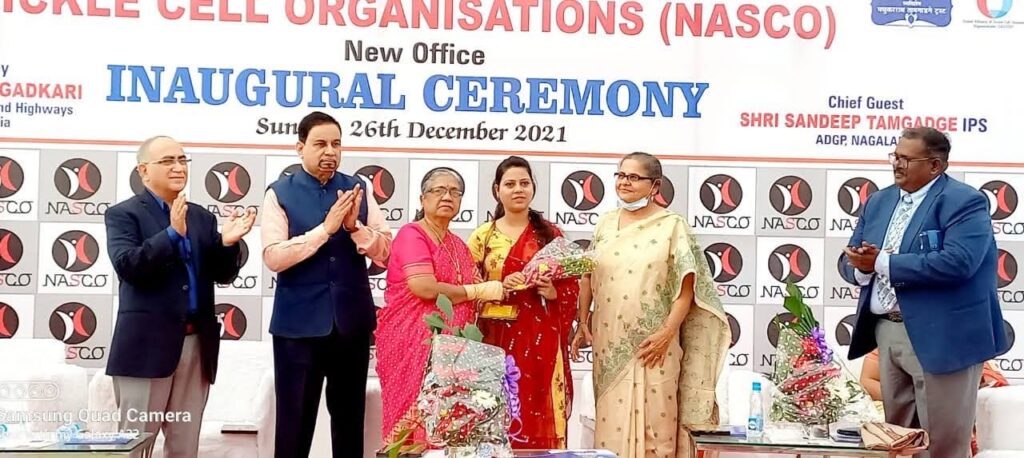
In 2020, Khan joined the National Alliance of Sickle Cell Organisations (NASCO), after meeting Gautam Dongre. Today, she manages all of NASCO’s work in Madhya Pradesh and helps out hundreds of patients of the sickle cell disease with getting them treatment, diagnosis and recovery.
Shaba Manzoor and Nuzhat Khan are independent reporters based in New Delhi, India.
source: http://www.twocircles.net / TwoCircles.net / Home> Indian Muslim> Lead Story> Science-Health> TCN Positive / by Shaba Manzoor & Nuzhat Khan / October 31st, 2023
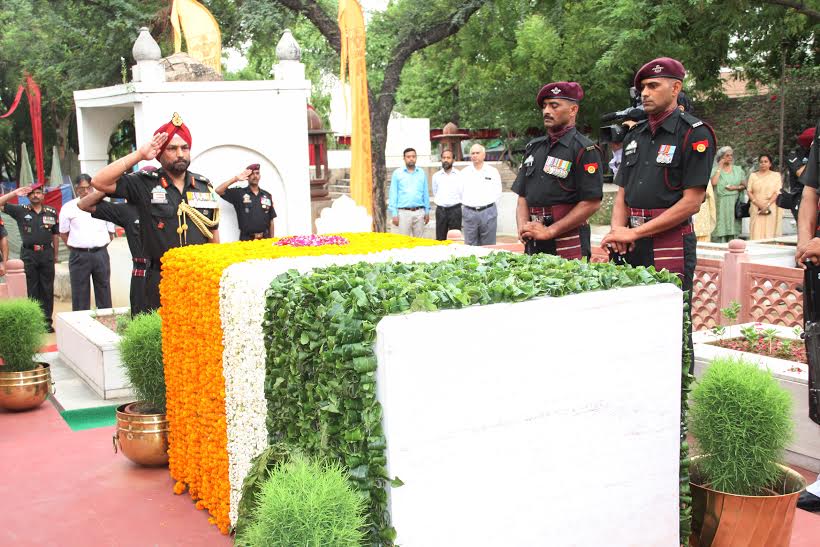
A Wreath Laying Ceremony to commemorate the death anniversary of Brigadier Mohammad Usman, MVC (P) was organised at his Memorial in Jamia Millia Islamia (JMI) Cemetery on 03rd July 2023.
Several Retired and Serving officers including Lt Gen Pushpendra Singh, SM** Col of the PARA Regiment and DG OL & SM, Brig. Rajneesh Mohan Cdr 50 (I) PARA Bde, Lt. Gen Gurbir Pal Singh, AVSM, VSM, DG NCC Delhi, Lt. Gen Velayudhan Sreehari, AVSM, SC, SM, AG’s BR DG (MP&PS), Lt Gen Subriti S Dahiya, SM VSM, Comdt NDC and Maj Gen Prashant Srivastava, AVSM, SM, Addl MS (B) attended the function and paid their tributes by laying a wreath at the Memorial of Brig. M. Usman, MVC (P).
A wreath was also placed at the Memorial of Brig. M. Usman PVC (P) on behalf of JMI Vice Chancellor Prof. Najma Akhtar (Padma Shri), as her tribute to the memory of the gallant officer. NCC cadets and officers were also present to witness the solemn occasion and pay their respects.
Under Brig. Mohammad Usman, MVC (P) Para Brigade successfully defended the city of Naushera against Pakistani Tribal forces, and then valiantly recaptured the city of Jhangar.
Late Brigadier Mohammad Usman, also known as the savior of Naushera, was responsible for the recapture of Jhangar & Naushera (Jammu & Kashmir) during 1947- 48 war with Pakistan.
The gallant officer attained martyrdom on 03rd July 1948 when an enemy artillery shell landed close to him in Naushera.
source: http://www.jmi.ac.in / Jamia Millia Islamia – JMI / Home / by Public Relations Office / July 03rd, 2023