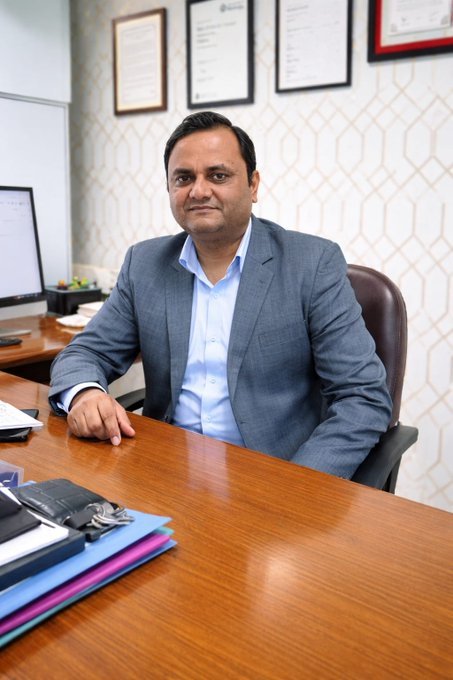
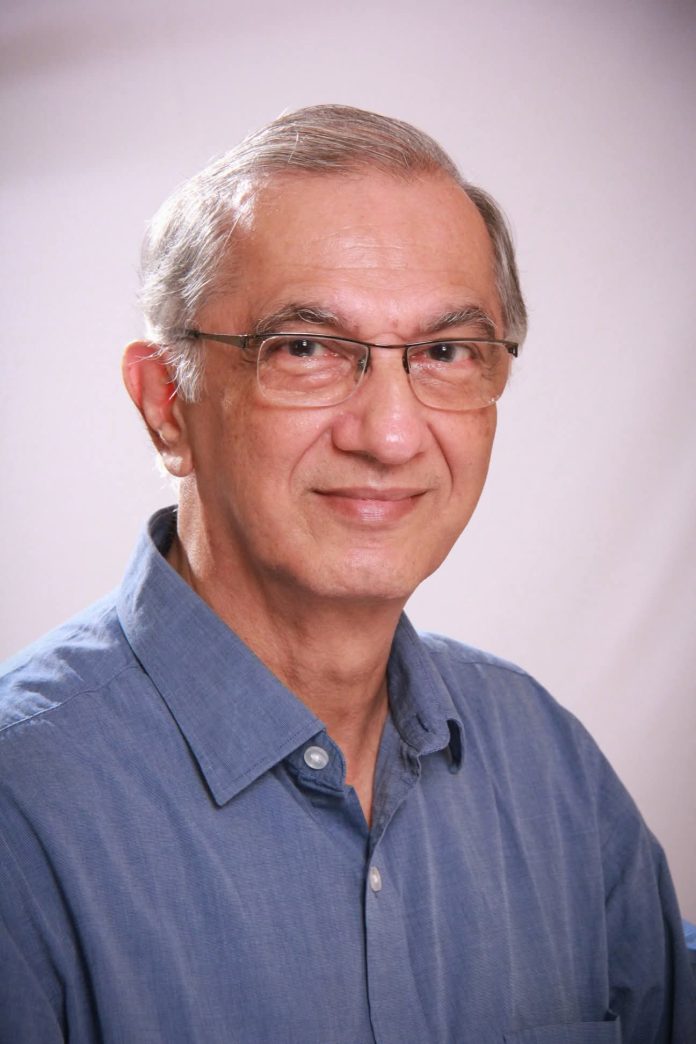
Prof Md Imtaiyaz Hassan of Jamia Millia Islamia has received a research grant of Rs 8.05 crore from the Department of Biotechnology for a major study on cancer cachexia among Indian patients. Prof Md Imtaiyaz Hassan will lead the project focusing on head and neck cancer, where the condition affects a large share of patients.
Cancer cachexia causes severe weight loss, muscle wasting, and fatigue. It affects nearly 70 percent of patients with head and neck cancer and reduces quality of life. Prof Md Imtaiyaz Hassan and his team aim to examine the causes of this condition and improve methods for early detection and management.
The study will use advanced scientific methods such as transcriptomics, metabolomics, microbiome analysis, DNA repair studies, and neurobehavioural assessment. These approaches will help identify biological markers and support the development of targeted treatments.
Prof Md Imtaiyaz Hassan said the project addresses a major gap in understanding cancer related complications in India. He stated that the research will focus on improving patient outcomes through precise medical approaches.
The team will validate findings through laboratory studies involving cell lines, animal models, and patient derived samples. This step aims to ensure practical use of results in clinical settings.
The project includes collaboration with leading institutions such as the Indian Institute of Science Bangalore, Dr B Borooah Cancer Institute, University of Mysore, HCG Cancer Hospital, and the Institute of Bioinformatics and Applied Biotechnology.
The university said the grant strengthens its position in biomedical research. The work led by Prof Md Imtaiyaz Hassan is expected to contribute to better understanding and treatment of cancer related weight loss in India.
source: http://www.radiancenews.com / Radiance News / Home> Latest News> Pride of the Nation> Markers of Excellence> Report / by Radiance News Bureau / March 23rd, 2026
Tribute Paid to Hakim Ajmal Khan’s Medical Services; Awards Presented to Doctors
New Delhi:
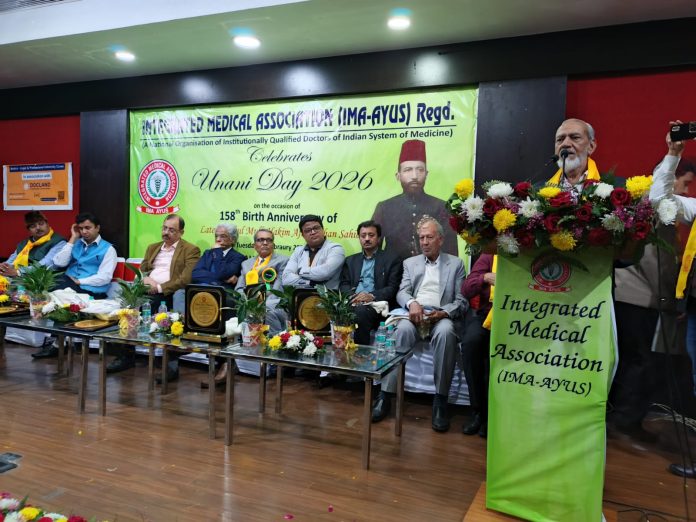
On the occasion of the 158th birth anniversary of the eminent medical personality Hakim Ajmal Khan, a dignified felicitation ceremony was organised by the Integrated Medical Association (IMA–AYUSH) at the Ghalib Institute, Mata Sundri Lane, New Delhi. A large number of distinguished physicians and practitioners from across Delhi attended the event and paid rich tribute to Hakim Ajmal Khan’s outstanding contributions to Unani medicine.
Addressing the gathering, former Head of the Unani Department at Safdarjung Hospital, Syed Ahmad Khan, stated that Hakim Ajmal Khan elevated Unani medicine to new heights and introduced innovative treatment methods in line with modern medical requirements. He further said that Hakim Ajmal Khan’s intellectual insight and research contributions continue to serve as a guiding light for practitioners, and his medical philosophy will remain a source of inspiration for future generations.
During the ceremony, doctors associated with various medical institutions in Delhi were honoured with awards and certificates in recognition of their remarkable services. Speakers on the occasion reaffirmed their commitment to making collective efforts for the promotion of Unani medicine and for providing effective and safe treatment to the public.
At the conclusion of the programme, the organisers from the Integrated Medical Association announced that scientific and literary programmes would continue to be organised in the future to promote the ideas and medical legacy of Hakim Ajmal Khan, so that the younger generation may become acquainted with the services of this great medical leader.
On this occasion, Dr. R.S. Chauhan, in his address, said that Unani medicine is in fact a complete way of life and a balanced therapeutic system, to which Masih-ul-Mulk Hakim Ajmal Khan gave renewed vitality. He remarked that Hakim Ajmal Khan’s medical vision, research, and humanitarian approach continue to guide practitioners around the world. According to him, Hakim Ajmal Khan’s ideas hold fundamental importance in the promotion of the AYUSH system of medicine, the growing inclination toward natural healing, and the strengthening of public health. Dr. Chauhan further emphasised that introducing the younger generation to Hakim Ajmal Khan’s intellectual legacy and spirit of service to humanity is the need of the hour, so that this great treasure of Eastern medicine may be passed on to future generations.
Among those present on the occasion were Professor (Dr.) Kashinath Samagandi, Dr. Arif Zaidi, Dr. Raghu Ram Ayyagari, Professor (Dr.) Mohammad Idris, Hakim Imamuddin Zakaai, Professor (Dr.) Naseem Akhtar Khan, Dr. Syed Ahmad Khan, Dr. R.S. Chauhan, Dr. O.P. Vashisht, Dr. Naresh Kumar Chhwania, Dr. Raman Khanna, Dr. Mohammad Usman, Dr. Mohammad Asad, Dr. Arun Kataria, and Dr. Krishan Kumar Singhal.
source: http://www.radiancenews.com / Radiance News / Home> Latest News> Report / by Radiance News Bureau / February 19th, 2026
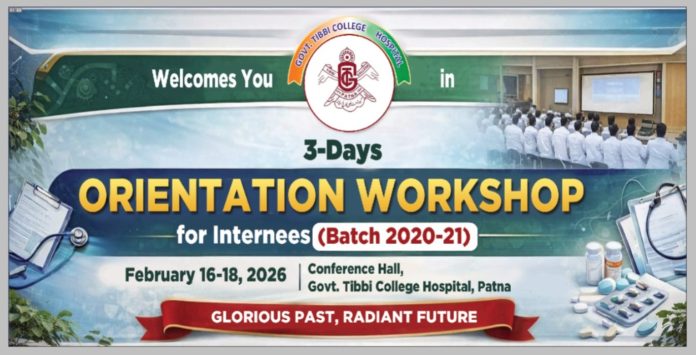
Government Tibbi College Hospital, Patna, will host a three-day special orientation workshop from February 16 to 18, 2026, for the trainee doctors of Batch 2020. The objective of this workshop is to practically acquaint incoming doctors with professional demands, medical laws, administrative principles, and ethical values to ensure they can fulfill their responsibilities effectively.
Under the vision of “A Glorious Past, A Bright Future,” the institution has designed this comprehensive training program.
On the first day, Dr. Mohammad Tanweer Alam will provide a detailed briefing on internship rules and regulations. Dr. Mohammad Razi Ahmad will highlight the importance of vital signs and correct examination methods, while Dr. Khesal Ahmad will explain X-ray diagnosis and study techniques in the ENT (Ear, Nose, and Throat) department.
This will be followed by a detailed discussion on modern diagnostic equipment and its effective use.The second and third days of the workshop will feature experts speaking on various medical topics. Dr. Mohammad Nizamuddin will provide guidance on the principles and rules of prescription writing. Dr. Shoeba Feroz Ahmad will share insights on prenatal and postnatal care, while Dr. Rizwan Ahmad will present practical tips on prenatal and postnatal emergency management. Dr. Raj Kumar Chandan will deliver a lecture on the practical use of anesthesia.
Dr. Amresh Kumar and Dr. Javed Ahmad will deliver a special address on the integration of Physiotherapy and Unani medicine in treating musculoskeletal and joint disorders.
To promote high ethical values alongside professional expertise, a special session on “Medical Ethics” will be conducted by Dr. Mohammad Nafees Iqbal.
On the final day, Dr. Aliya Parveen will hold a detailed discussion on clinical protocols related to infertility management.
The workshop will conclude with an inspiring address by Dr. Shailesh Kumar Pankaj, aimed at instilling new energy and professional commitment in the trainee doctors.
In his message, the Hospital Superintendent, Professor Dr. Shahnawaz Akhtar, stated that this workshop would prove to be a milestone for future doctors. He remarked that the institution’s goal is not merely to award degrees but to prepare physicians who are both technically skilled and ethically sound. He urged all interns to make the most of this opportunity and further refine their skills.
source: http://www.radiancenews.com / Radiance News / Home> Education> Latest News / by Sami Ahmad / February 16th, 2026
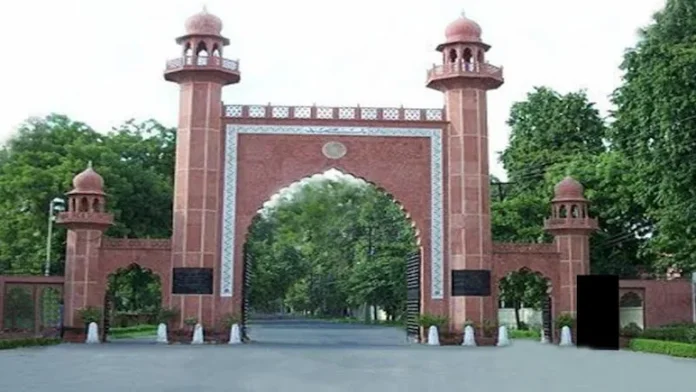
Students of the Interdisciplinary Department of Remote Sensing and GIS Applications at Aligarh Muslim University (AMU) have earned prestigious academic admissions and professional placements at leading institutions in India and abroad, underscoring the department’s growing reputation in geospatial sciences.
At the international level, Ms Areena has been selected for a PhD programme at the University of Waikato, New Zealand. Meanwhile, Mr Md Zaid Qamar has secured admission to the International PhD Programme under the UNESCO Chair in Environment, Resource and Sustainable Development at Parthenope University of Naples, Italy.
On the national front, Mr Ahsan Sayeed has gained admission to the PhD programme in Geomatics at IIT Guwahati. Additionally, Ms Mantasha, Mr Tauheed Ahmad Ansari and Mr Zuhail Abdullah have been selected as Junior Resource Persons at the National Institute of Hydrology, Roorkee.
The department’s students have also made notable strides in the corporate sector. Ms Shaista Perween has been appointed Assistant Manager at Tata Steel Limited in Jamshedpur, while Ms Juveriya Aqeel has secured a position with WSP in Bengaluru with an attractive remuneration package.
Congratulating the students on their accomplishments, Dr Haris Hasan Khan, Chairman of the department, said the achievements reflect both the students’ dedication and the department’s strong academic and research ecosystem in remote sensing and geospatial sciences.
source: http://www.radiancenews.com / Radiance News / Home> Education> Latest News / by Radiance News Bureau / February 12th, 2026
As the year draws to an end, we have compiled a brief list of the Indian Muslims who have been in news during 2021.
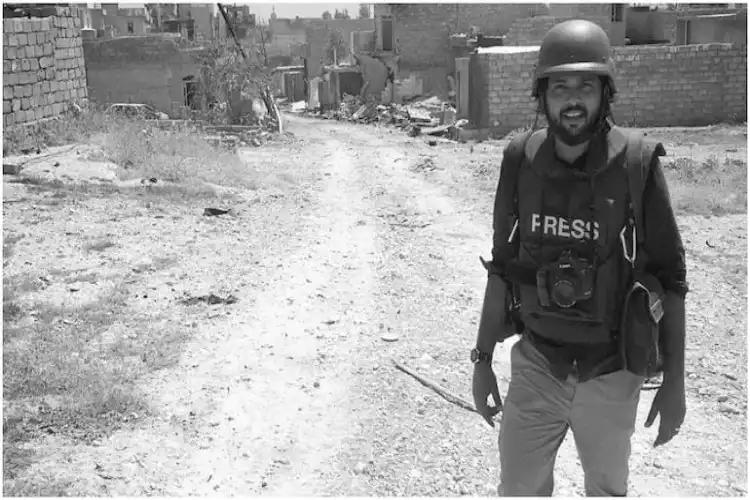
Danish Siddiqui :
Danish Siddiqui was a Pulitzer Award winning photojournalist from New Delhi, who was killed by Taliban while covering the war in Afghanistan. An alumnus of Jamia Millia Islamia, Siddiqui was one of the country’s most well known photographers who documented the Rohingya refugee crisis, Covid deaths and the Delhi riots to win several awards. In July 2021, Reuters assigned him documentation of the Afghanistan War as an embedded journalist with Afghan Special Forces. On July 16, Siddiqui was killed in action. Governments of India, USA, Afghanistan and United Nations expressed grief and shock on his death and thousands joined his funeral procession in DelhI.
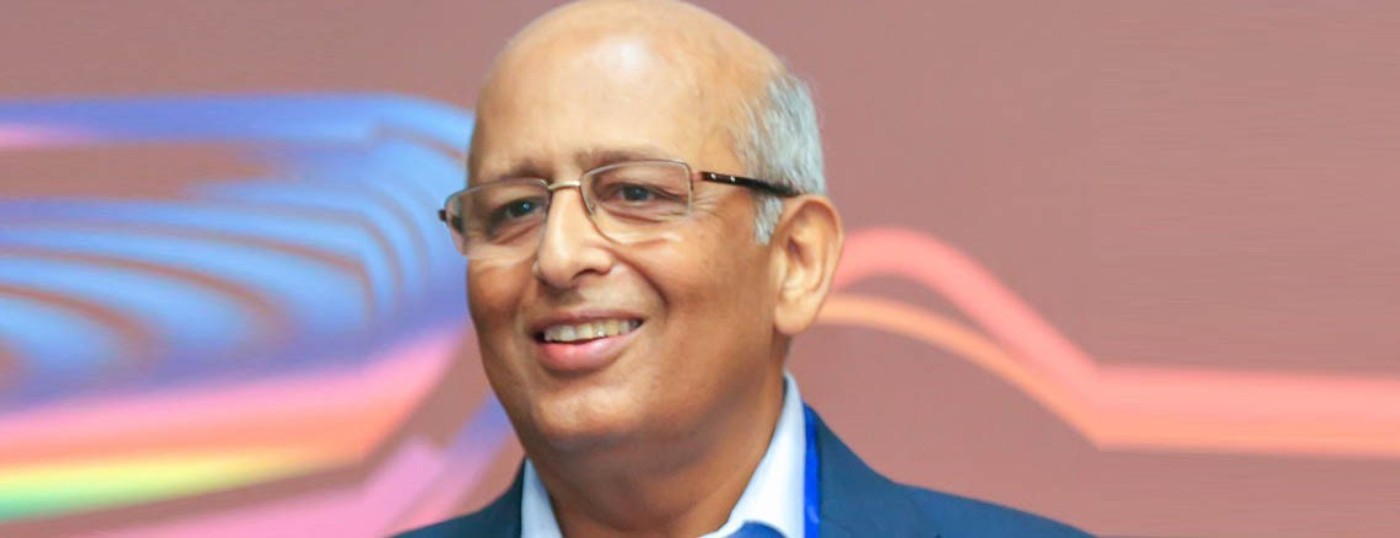
Dr Shahid Jameel :
Dr. Shahid Jameel is a world renowned virologist and is one of the leaders of India’s fight against Covid-19. The Covid-19 outbreak has thrown new challenges to the scientific community. When the Government of India set up an Indian Sars-Cov-2 Genomics Sequencing Consortium (INSACOG), which consists of 38 laboratories to monitor the genomic variations in the SARS-CoV-2, Jameel was appointed as the head of its scientific advisory group. He served the INSACOG in this position till May, 2021 and still advises different government and non-government bodies in strategising the war against Covid-19.
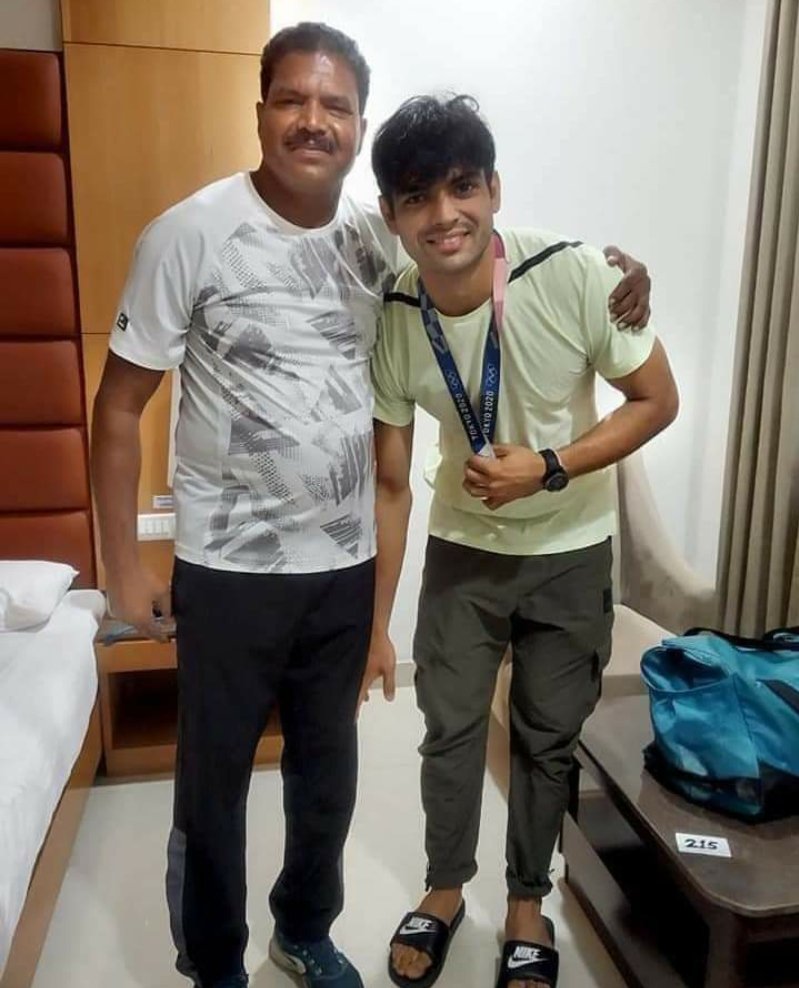
Coach Naseem Ahmed with Olympian Neeraj Chopra
Naseem Ahmed :
Naseem Ahmed: On 7 August, 2021, Neeraj Chopra threw Javelin for 87.58 mts. and became the first Indian to win an Olympic Gold in track and field events. With this success, Naseem Ahmed of Panchkula also hit the headlines. Ahmed was his first coach, who coached Chopra for almost six years at Tau Devi Lal Sports Complex in Panchkula. It was under his guidance that Chopra turned into an athlete from a chubby child. After returning to India, Chopra went to meet and receive blessings from his coach.
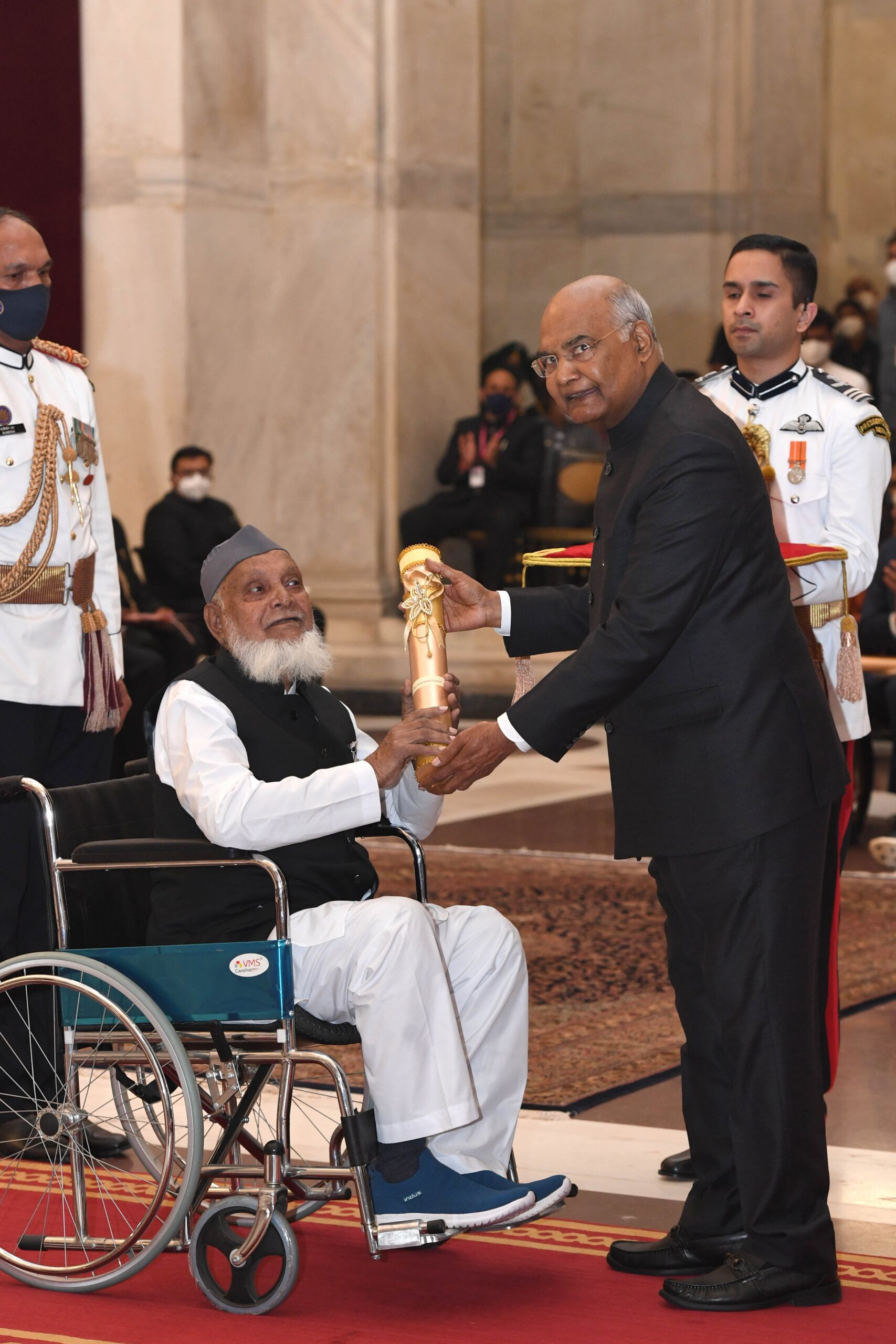
Mohammad Shareef alias Shareef Chacha receiving Padma Shri from President Ran Nath Kovind
Mohammad Shareef :
Mohammad Shareef is a bicycle mechanic from Faizabad, Ayodhya and hit the news headlines this year for receiving Padma Shri, the fourth highest civilian award in India, from the President Ram Nath Kovind. In 1992, his son was murdered and was eaten by animals as nobody claimed it. This incident moved him so much that he took it upon himself to perform the last rights of unclaimed dead bodies. In the last 28 years, he has performed the last rights of more than 25,000 unclaimed dead bodies according to their religions.
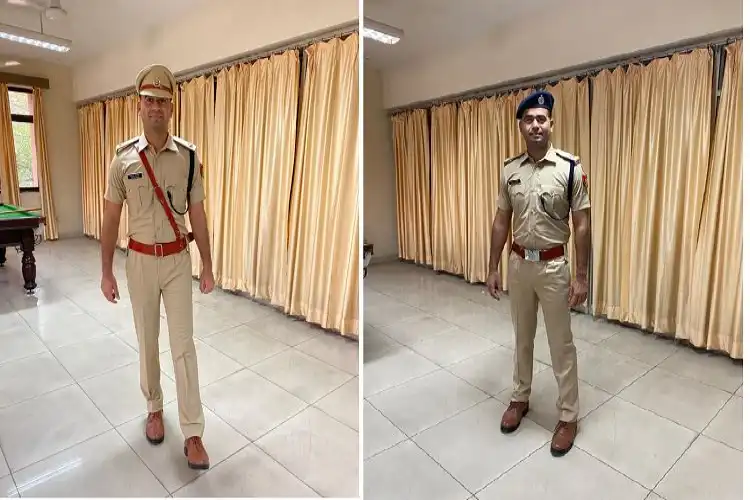
Firoz Alam as an IPS officer (Left) and as a Constable of the Delhi Police (Right)
Firoz Alam :
Firoz Alam’s story is straight out of a fiction, where his character bears resemblance to those played on screen by several film stars. Alam, a resident of Hapur in U.P, was a constable with Delhi Police since 2010. In 2014, he started preparing for UPSC CSE. The work pressure and family responsibilities did not allow him to devote full time to the studies, like many availing coachings could do. After five unsuccessful attempts, in his sixth attempt he qualified UPSC CSE and joined as an IPS officer. His inspiring journey from a constable to IPS had taken the nation by a storm when he joined the training after leaving the job as constable.
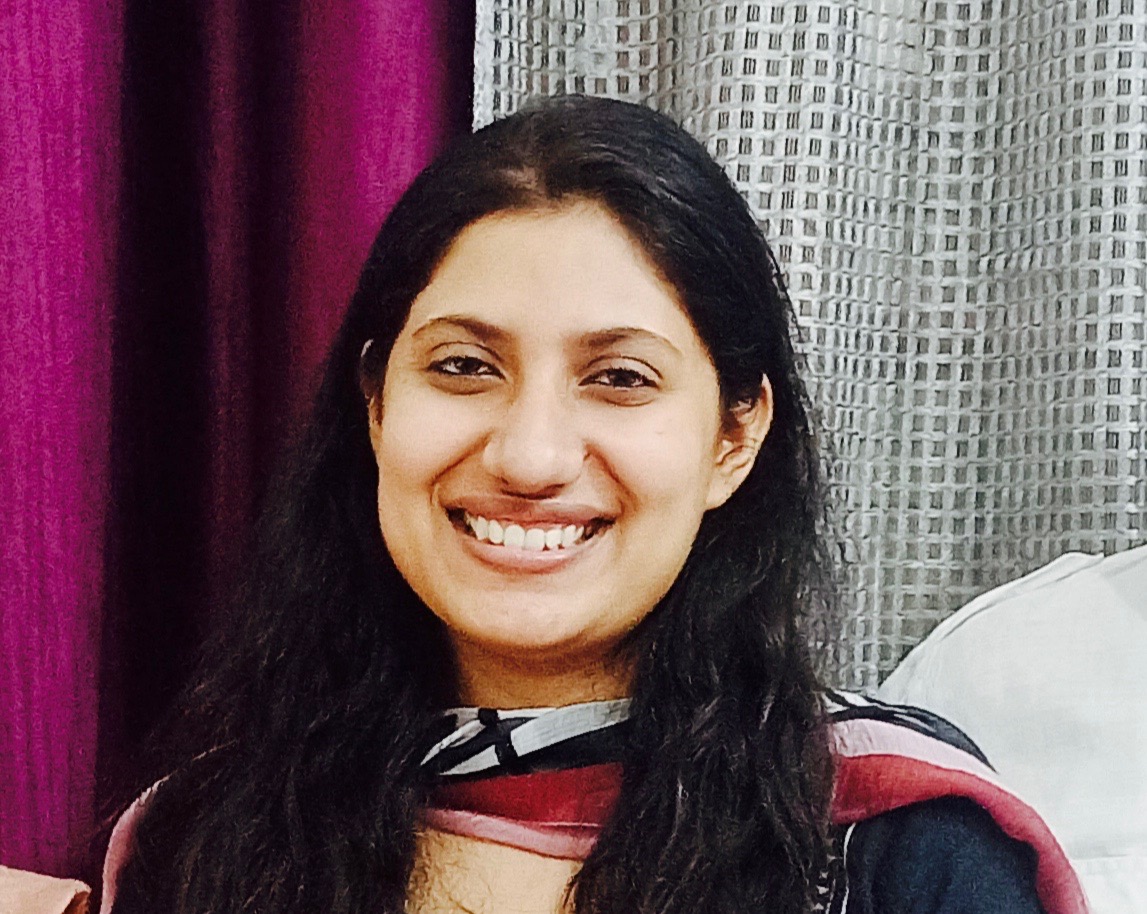
Sadaf Choudhary
Sadaf Choudhary :
Sadaf Choudhary came into limelight when the UPSC CSE results were declared in September and she secured 23rd rank. She was the highest rank holder among Muslims this year and will become an IAS officer. It must be kept in mind that since independence only 179 Muslims have secured ranks to get IAS allotted to them.
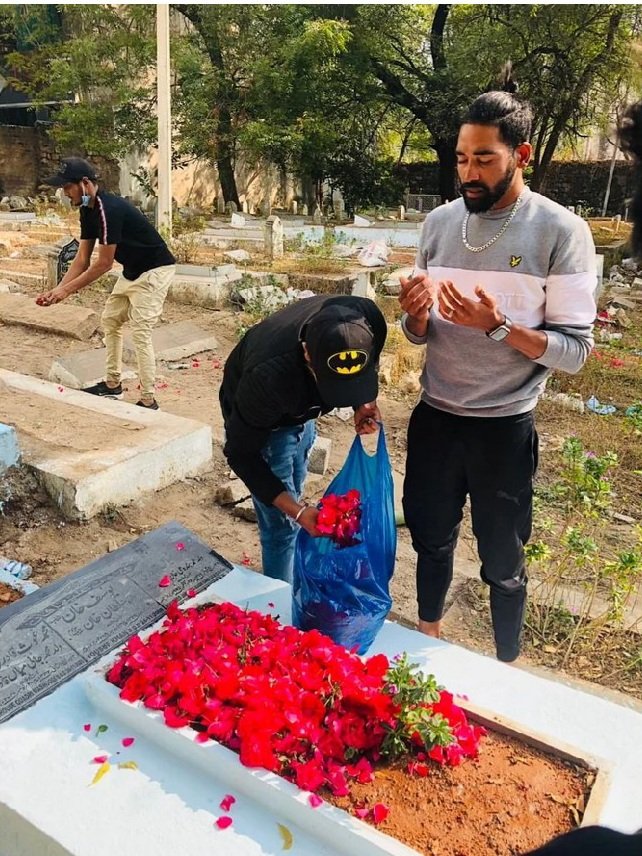
Mohammed Siraj praying at the gave of his father
Mohammed Siraj :
Mohammed Siraj is an Indian cricketer from Hyderabad who made it to the headlines in January by becoming the highest wicket taker from India during the India – Australia Test Match Series in Australia. To claim his 13 scalps, he played only three of the four tests in the series. The fact that his father had died just before the series and he was given an option to return to the country, which he declined citing his commitment to the nation made it even more special.
In the last test match at Brisbane, he bagged five Australian wickets to script a historic win and became a national hero. The headlines of the sports column were filled with his heroics, commitment and ability. Since then he has been a regular feature of the Indian Cricket team as a pacer.
source: http://www.awazthevoice.in / Awaz, The Voice / Home> Stories / by Saquib Salim / December 30th, 2021
Engineers at Aligarh Muslim University have developed a Ferro Cellular Insulated panel to reduce indoor heat during peak summer. The innovation comes from the Civil Engineering Department and offers an energy efficient alternative to brick walls.
The research team includes Prof Abdul Baqi, Dr Mohammad Rehan Sadiq, and research scholar Yasir Khan. They designed the 90 mm corten cement panel using cement and cardboard. A gap between two layers traps air, which works as insulation. The panel keeps indoor temperatures at 25 to 27°C when outdoor heat reaches 40 to 42°C. This means a drop of nearly 15°C.
Researchers say the panel reduces the need for air conditioners and coolers. It also blocks external noise, improving indoor comfort. Dr Sadiq said the team focused on durability and structural strength while introducing a material not widely used in India.
Cost comparisons show long term savings. Building a 10×10 foot room with bricks costs around ₹1 lakh. Using the insulated panel raises the cost to about ₹1.15 lakh. However, annual electricity expenses for a brick room reach around ₹22,651 due to cooling needs. A panel built room requires about ₹10,251 per year. This results in savings of nearly ₹12,400 annually.
Researchers also found electricity use remains lower throughout the year in panel built rooms. The lighter panels reduce structural load, which improves building safety.
The team plans to introduce the technology to the market. With rising temperatures and higher energy demand, this panel offers a practical option for heat prone regions. It also reduces dependence on bricks and mortar, lowering environmental impact.
source: http://www.radiancenews.com / Radiance News / Home> Uncategorized / by Radiance News Bureau / February 12th, 2026
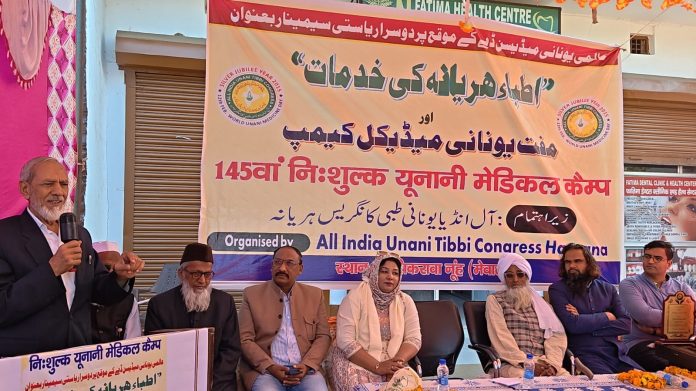
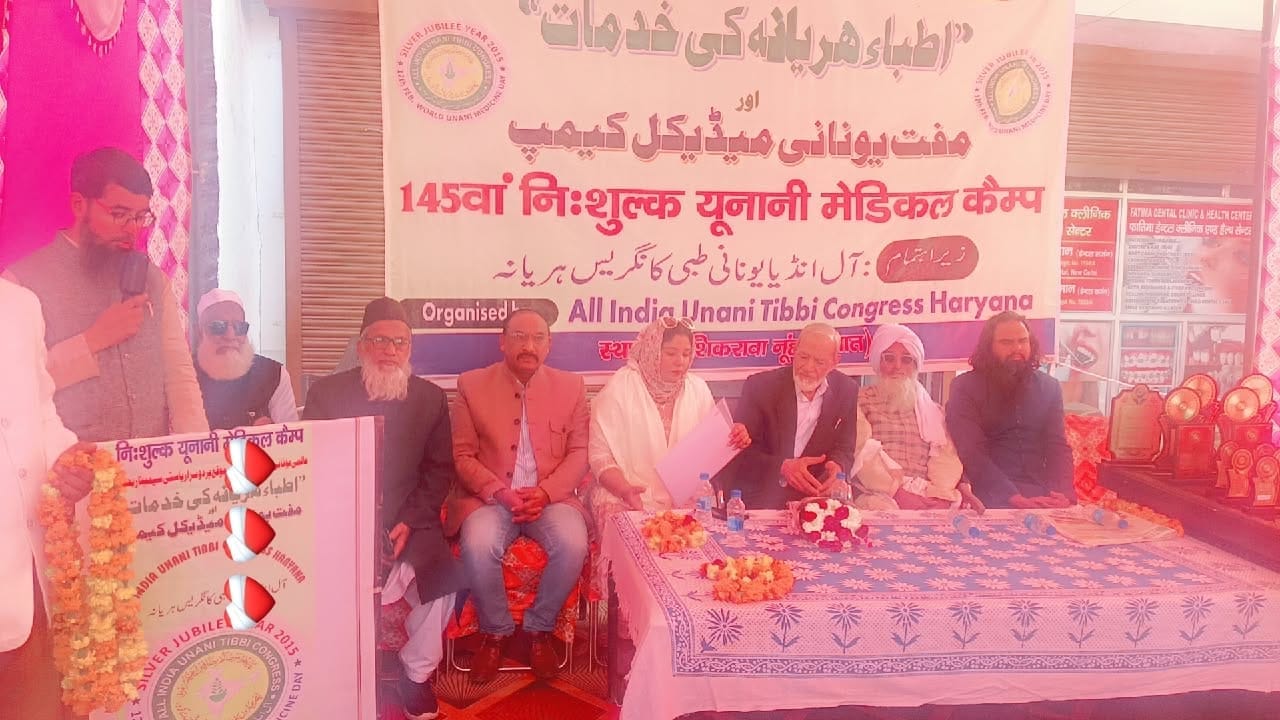
On the occasion of World Unani Medicine Day, the All India Unani Tibbi Congress (Haryana) [AIUTC-Haryana] organised its second state-level seminar along with the 145th free Unani medical camp at Fatima Health Care, village Shikrawa, Nuh. The main theme of the seminar was “Atibba-e-Haryana ki Khidmaat” (The Contributions of Unani Physicians of Haryana).
A total of 252 patients were examined at the free medical camp and provided with free Unani medicines. The chief guest of the programme was Dr. Syed Ahmed Khan, General Secretary of the All India Unani Tibbi Congress. He stated that Unani Medicine Day is observed to mark the birth anniversary of Masih-ul-Mulk Hakim Ajmal Khan. He noted that since 2011 the Tibbi Congress, and since 2016 the Central Government (CCRUM), have been officially observing this day. He credited Hakim Ajmal Khan with organising and institutionalising Unani medicine in India.
Maulana Siddique Sanabli, President of the Urdu Teachers Association; Advocate Shahjabeen Qazi, social worker; and Tehseen Ali Asarvi attended as distinguished guests.
Advocate Shahjabeen Qazi highlighted that a key strength of Unani medicine is its holistic approach, as physicians prescribe treatment according to an individual’s temperament (mizaj). Speakers at the event said that the land of Nuh (Mewat) has long been a living example of Unani healing. Tehseen Ali Asarvi remarked that when expensive treatments were beyond the reach of common people, Unani medicine offered an affordable and effective alternative.
On this occasion, veteran and renowned Hakims of Haryana were honoured for their services. The Lifetime Achievement Award for Unani medical service was presented to Hakim Maulana Mohammad Ilyas. Posthumous tribute awards were conferred upon Hakim Maulana Abdul Shakoor (Shikrawa), Hakim Ajmal Khan (Shikrawa), Hakim Maulana Habibullah (Sakras), and Hakim Maulana Abdul Sattar (Sakras).
Dr. Muhiuddin (former District Ayurvedic Officer, Palwal) and Dr. Qamaruddin Zakir (former District Ayurvedic Officer, Nuh) were honoured with the Khidmat-e-Tibb-e-Unani Management Award. Patron of the organisation Dr. Rafiq Azad, Dr. Abdul Salam Jalalpur, Dr. Abdul Salam Shikrawa, Dr. Mohammad Arshad Ghayas, and Dr. Aslam Ali received the Khidmat-e-Tibb-e-Unani Award. In the pharmacy category, Hakim Mubeen Ahmed, Hakim Zafar Ahmed, Hakim Akram Ali, and Hakim Nadeem Ahmed were presented with the Unani Pharmacy Award.
Dr. Qamaruddin Zakir, President of AIUTC-Haryana, said that the late Hakim Abdul Shakoor had established Mewat’s first Unani institution at Darul Uloom Shikrawa, where nearly 20 students were trained in religious and Unani medical education. Expressing his happiness, he stated that due to the organisation’s efforts, the Haryana government has resumed construction of the Unani Medical College and Hospital in village Akera, which is expected to be completed within a year. He thanked the government for this initiative.
The programme began with the recitation of the Holy Qur’an by Hakim Akram Ali. The event was conducted by Dr. Mohammad Arshad Ghayas (National Secretary). Among those present were Maulana Siddique Sanabli, Advocate Shahjabeen Qazi, Dr. Lokesh, Master Mohammad Saad, Master Sher Mohammad, Dr. Ataurrahman, Dr. Ziaurrahman, Hakim Abid, and several other dignitaries.
source: http://www.radiancenews.com / Radiance News / Home> Healthcare> Latest News / by Radiance News Bureau / February 09th, 2026
Assistant Professor Ejaz Ahmed further informed that the carbon nanotubes produced during the separation of hydrogen from methane are a high-strength material.
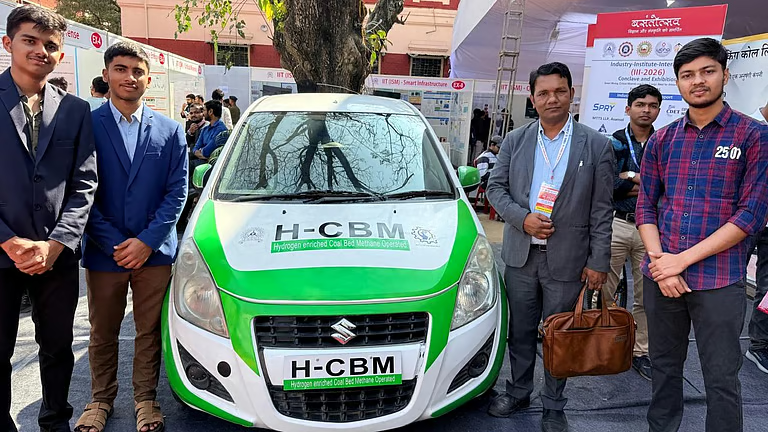
Jharkhand IIT-ISM students develop eco-friendly fuel by enriching coal bed methane with hydrogen.(Photo | Special Arrangement)
Ranchi :
Second-year students of the Chemical Engineering department at IIT-ISM Dhanbad have developed a technology to convert greenhouse gases like coal bed methane into environmentally friendly fuel, which can be used directly in CNG cars.
The eco-friendly fuel has been named as H-CBM (Hydrogen Enriched Coal Bed Methane). Chemical engineering students Kailash Krishna, Nitin Gaur, and Devashish Das, under the guidance of Assistant Professor Ejaz Ahmed, have also developed a hydrogen-enriched coal bed methane-powered car. Professor Alok Das of Mechanical Engineering Department also helped them in research work.
Coal-bed methane gas is released during coal mining. It is a dangerous greenhouse gas, considered to be approximately 25 times more harmful than carbon dioxide.
Ahmed said they are using a waste product that previously polluted the environment and creating an environmentally friendly fuel that can be used in any CNG car without any modifications.
Coal bed methane contains sulphur and methane, he said. “It is purified to produce pure methane. Then, a portion of the methane is cracked, through which hydrogen and carbon nanotubes are obtained. The hydrogen-enriched coal bed methane, produced through this process, can be used directly in cars as a substitute for CNG,” said Ahmed.
He further informed that the carbon nanotubes produced during the separation of hydrogen from methane are a high-strength material. They are used in bulletproof jackets and the steel industry. Its market price is up Rs 500,000 per kilogram, he said. The associate professor said that since carbon nanotubes are produced alongside hydrogen, the cost of the hydrogen becomes virtually zero.
Ahmed informed that the release of coal bed methane significantly increases environmental pollution. However, capturing coalbed methane offers considerable benefits. “Capturing 1 kilogram of coalbed methane is equivalent to reducing pollution by the same amount as 25 kilograms of carbon dioxide, which is crucial for environmental protection,” said the professor. It will prove to be a game-changer in the field of green mining, he added.
Second-year student Devashish Das, who is also a part of the research team, explained that CNG cars emit less carbon dioxide than petrol and diesel vehicles, but the emissions are not completely eliminated.
“Coal bed methane gas, extracted from the coal mines of Dhanbad, is far more dangerous. Considering this, hydrogen fuel has been developed from CBM,” said Das. Because hydrogen has a higher calorific value than CNG, it also provides better fuel efficiency for vehicles, he added.
source: http://www.newindianexpress.com / The New Indian Express / Home> Nation / by Mukesh Ranjan / February 09th, 2026
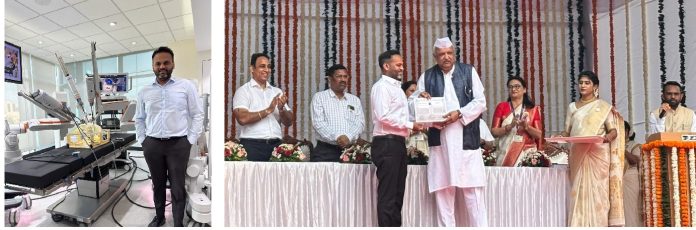
Grant Government Medical College and Sir J J Group of Hospitals marked Republic Day with an academic honour for Dr Kashif F Ansari, who received the Best Assistant Professor award from the Dean of the institution. The recognition reflects his teaching record, clinical service, and role in advancing minimally invasive surgery at one of the city’s largest public hospitals.
Dr Ansari serves in the Department of General Surgery and has built a profile in laparoscopic gastrointestinal surgery and laser proctology. Colleagues credit his structured teaching, steady operating room leadership, and work with postgraduate trainees for the award.
The honour follows a major institutional milestone in April 2025, when JJ Hospital performed its first robotic surgeries. Dr Ansari formed part of the core surgical team that completed three complex procedures using robotic systems under senior mentorship and institutional guidance. The operations marked the hospital’s entry into advanced technology based surgery with a focus on affordable public care.
Dr Ansari completed his MS in General Surgery at D Y Patil Medical College, Kolhapur, and later trained in advanced laparoscopic and minimal access surgery. His professional record includes service as Honorary Consultant at Prince Ali Khan Hospital, Masina Hospital, Apollo Hospital, and Noor Hospital. He earlier worked as Senior Resident at Cooper Hospital, Nair Hospital, and Ambedkar Memorial Hospital.
He holds fellowships with national surgical bodies and life memberships with leading professional associations. His research work on difficult laparoscopic cholecystectomy has appeared in a peer reviewed journal.
Faculty members said the award highlights the role of young Muslim medical professionals in public health institutions and their contribution to modern surgical care.
source: http://www.radiancenews.com / Radiance News / Home> Latest News > Report / by Radiance News Bureau / January 27th, 2026
IIT Bombay has marked a proud moment with the conferment of the Padma Shri on Prof Juzer M. Vasi, former Deputy Director and senior academic of the institute. The national honour recognises his lifelong contribution to science and engineering, with a strong focus on semiconductors, microelectronics, and solar energy research.
Prof Vasi has served Indian academia for over four decades. He remains associated with IIT Bombay as Professor Emeritus in the Department of Electrical Engineering. His work spans nanoelectronics, solar photovoltaic deployment in India, global solar PV systems, nanocrystal-based solar cells, and the reliability of solar modules. These areas hold strong relevance for sustainable development and energy access.
An alumnus of IIT Bombay, Prof Vasi completed his B.Tech in 1969. He earned his Ph.D. in Electrical Engineering from The Johns Hopkins University in 1973. His academic journey reflects deep commitment to knowledge and public service, values strongly rooted in the Islamic tradition of ilm and community benefit.
Prof Vasi joined IIT Bombay as an Assistant Professor in 1981. He rose through the ranks to serve as Professor, Head of the Electrical Engineering Department, and later as Deputy Director from 2006 to 2009. He also taught at IIT Delhi and served as Visiting Assistant Professor at Johns Hopkins University.
Students and colleagues regard him as a dedicated teacher and institution builder. His leadership strengthened academic standards and research culture at IIT Bombay.
The Padma Shri recognises sustained excellence and service to the nation. For the Muslim community, Prof Vasi’s achievement stands as a reminder of the impact of scholarship, discipline, and ethical pursuit of knowledge in public life.
source: http://www.radiancenews.com / Radiance News / Home> Latest News > Report / by Radiance News Bureau / January 27th, 2026