Category Archives: Women/Girls(since May26-2021)

Taxi Driver’s Daughter Iqra Wins Gold Medal in Maharashtra Medical Exams

Nashik, MAHARASHTRA :
A Muslim girl from Nashik tops the university in audiology and speech therapy, thanks to hard work, parental support and help from MESCO Educational Trust

New Delhi / Mumbai :

A young Muslim girl from a low-income family in Nashi has brought pride to her community by topping her university exams. Ansari Iqra Marzban, daughter of a taxi driver, secured the highest marks in the audiology and speech therapy course at the Maharashtra University of Health Sciences (MUHS). She was awarded the gold medal for her outstanding performance.

“I had never imagined I would be the university topper. It’s only because of my parents’ duas (prayers) and the help I received that I reached here,” Iqra told Clarion India over the phone.

Iqra comes from a simple home where her father, Marzban Ansari, drives a taxi to support the family. Despite financial struggles, Iqra worked hard and refused to give up on her dream of becoming a medical professional.

She completed her SSC from Anjuman Islam Begum Sharifa Kalsekar Girls English High School and her HSC from Peace Science College in Dadar. Though she failed to clear the NET entrance exam on her first try, she did not lose hope. On her second attempt, she scored 486 marks and gained admission to Topiwala National Medical College (Nair Hospital) in Mumbai.

Her father was overcome with emotion when he learned of her success.

“I had tears in my eyes when I heard she topped the university. We couldn’t afford the course, but Iqra insisted on continuing her education. She’s our pride,” he said.

Iqra’s achievement also shows the silent but strong role of Muslim organisations that help students in need. After getting admission, Iqra faced a major problem — a lack of funds for her studies. That is when MESCO Educational Trust came forward and paid for all her education expenses.

“I had lost hope, but when MESCO came forward, it felt like Allah had opened a door for me,” Iqra said with emotion.

A MESCO official said, “Iqra is one of hundreds of students we help every year. Her achievement proves that with a little help, our children can do wonders.”

Iqra scored 950 out of 1,200 marks in her first and second semester exams — the highest in the state. She received the gold medal and praise from her teachers and classmates alike.

Dr Shaikh Aamir, a faculty member at Nair Hospital, said, “Iqra is a dedicated and humble student. Despite all odds, she kept performing well in class and in exams. We’re proud to have her.”

Iqra’s story is important at a time when Muslims often face discrimination or are shown negatively. Her success proves that Muslim girls can do well when they get the right support.

Iqra had a message for other girls facing struggles: “Don’t give up. Work hard, pray regularly, and look for help from the right places. Allah will make a way.”

She also said more awareness is needed about support systems in the Muslim community. “Many people don’t even know that groups like MESCO are ready to help. Our people should come forward and ask for help when needed,” she added.

Prof Azra Fatima, a social activist and educationist, praised Iqra’s success. “Iqra’s victory is a strong reply to those who say Muslim girls are not interested in education. It’s not interest that’s lacking, it’s opportunity.”

Now, Iqra plans to continue studying and work in speech therapy to help children with speech problems. But for many, her biggest achievement is the inspiration she gives to other Muslim girls.

“We didn’t have money, but we had faith. And today that faith has brought us respect,” said her father.

Iqra’s gold medal is more than a personal victory. It is proof of what Muslim youth can achieve with faith, family support, and community help.

source: http://www.clarionindia.net / Clarion India / Home> Editor’s Pick> India> Indian Muslims / by Mohammad Bin Ismail / June 19th, 2025

Lubna Naseer Creates History with First Gold for J&K at National Taekwondo Championship

Churmujroo Village (Beerwah, Budgam), JAMMU & KASHMIR :

Photo Credit: X.Com

Budgam/Dehradun :

In a historic moment for Jammu and Kashmir, Lubna Naseer, a young Taekwondo athlete from Churmujura village in Beerwah, Budgam, has clinched the first-ever gold medal for the Union Territory at the 4th Cadet & Junior National Taekwondo Championship 2025, held in Dehradun, reported the Brighter Kashmir.

Representing the Khelo India Taekwondo Centre under the Jammu & Kashmir Sports Council, Lubna showcased an exceptional performance, defeating top contenders from Gujarat, Delhi, and Madhya Pradesh. In the finals, she delivered a clean sweep against Haryana, securing a flawless victory that highlighted her dominance on the national stage.

Lubna’s journey to the top was anything but easy. Battling a recent injury, she continued training under the dedicated mentorship of her coach, Rohit Sharma. Her perseverance and resilience have earned her praise from sports officials and admiration from across the region.

“This gold medal is not just mine—it belongs to my coach, my parents, my school, and the entire Jammu and Kashmir,” Lubna said, dedicating her win to everyone who supported her.

Looking ahead, the young athlete now aims to represent India in the Asian Games, the World Junior Championships, and eventually, the Olympics. Lubna has also appealed for enhanced sports infrastructure in Budgam, urging authorities to invest in the potential of Kashmiri youth.

Her victory not only marks a personal achievement but also serves as an inspiration for aspiring athletes in the Valley. Lubna Naseer is now a beacon of hope and pride for Jammu and Kashmir, symbolizing what determination and support can achieve.

source: http://www.radiancenews.com / Radiance News / Home> Latest News> Markers of Excellence / by Radiance News Bureau / June 12th, 2025

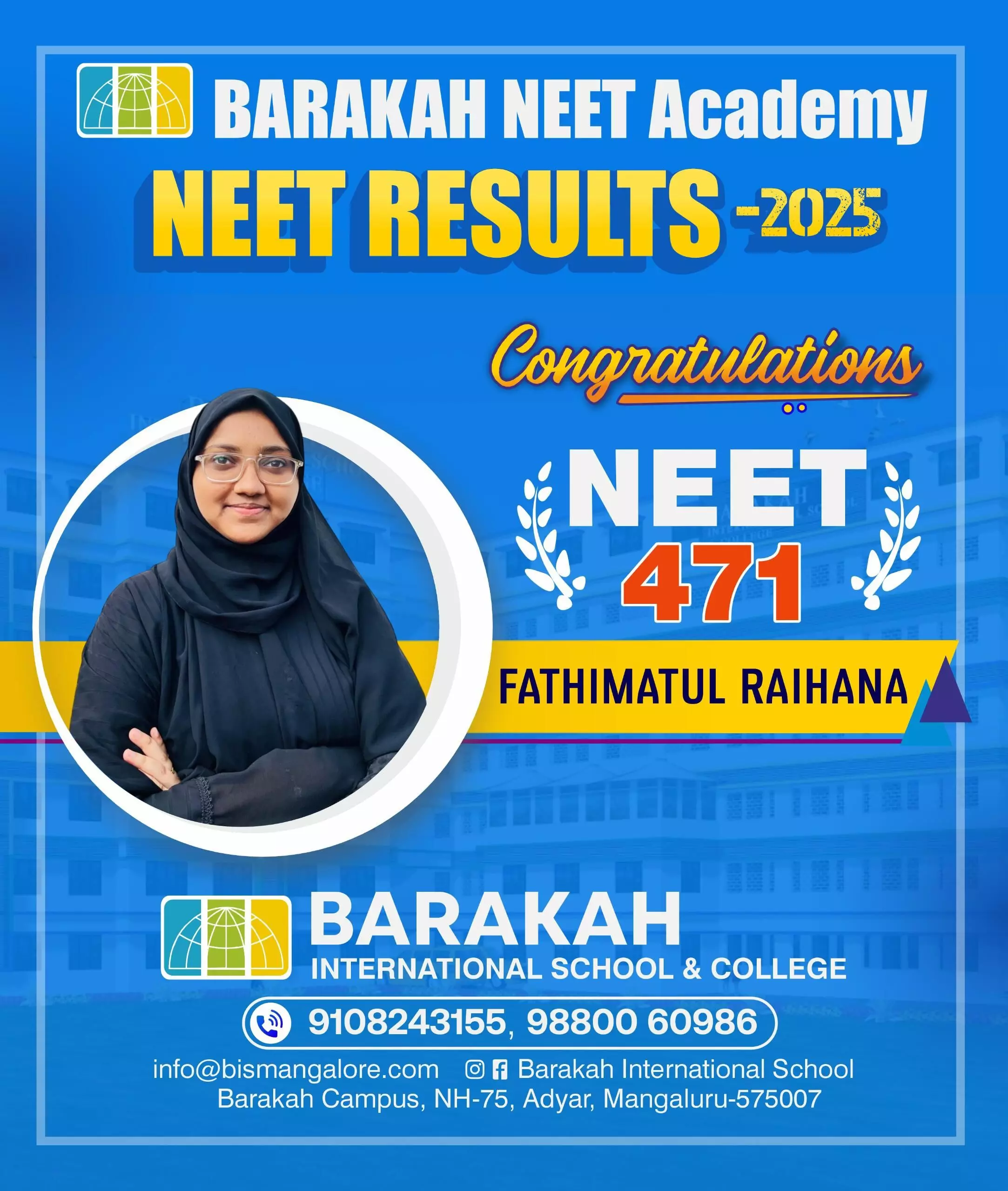
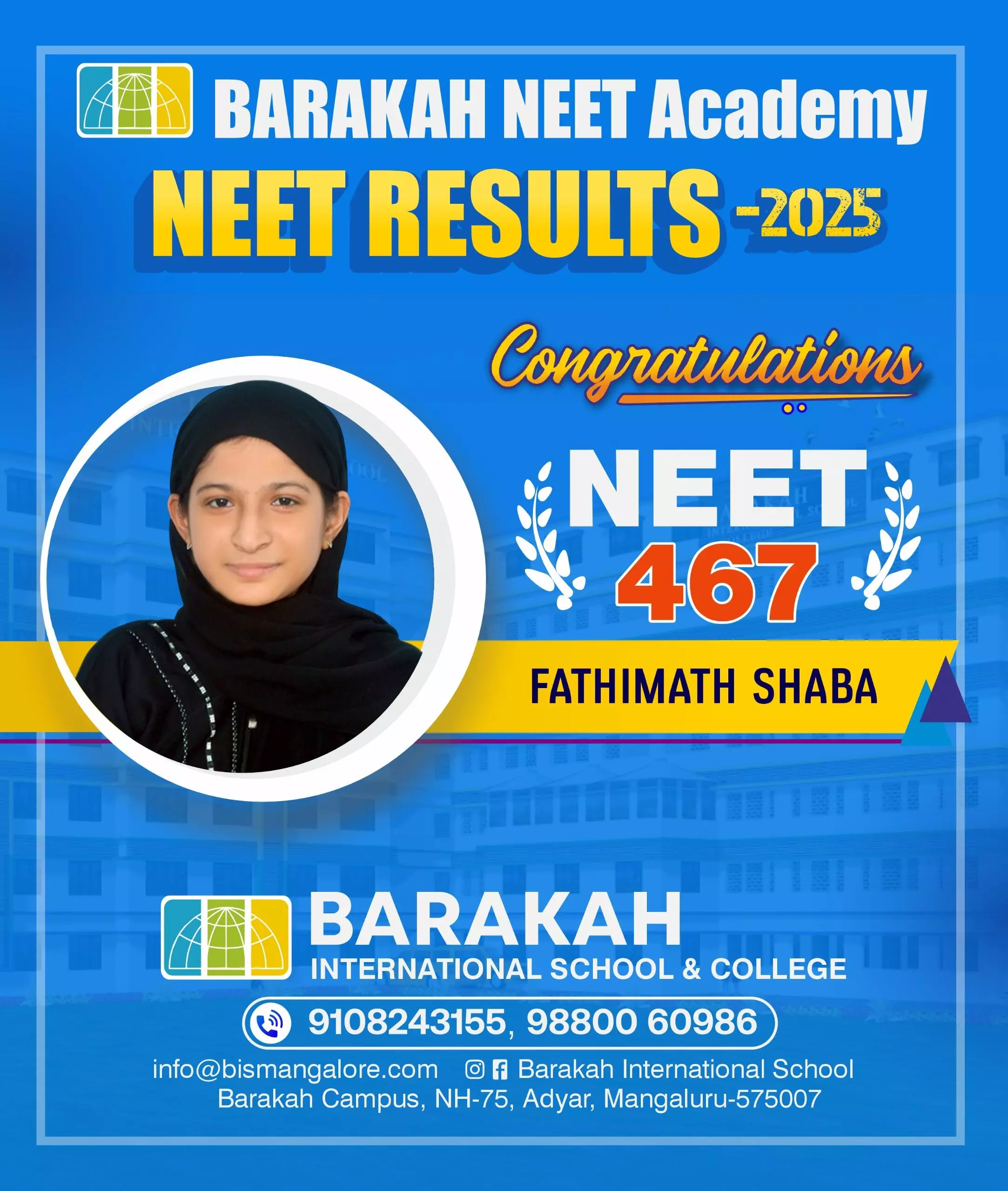
Barakah NEET Academy’s first batch clears NEET Exam; several qualify for Govt MBBS seats

Mangaluru, KARNATAKA :

Mangaluru: 

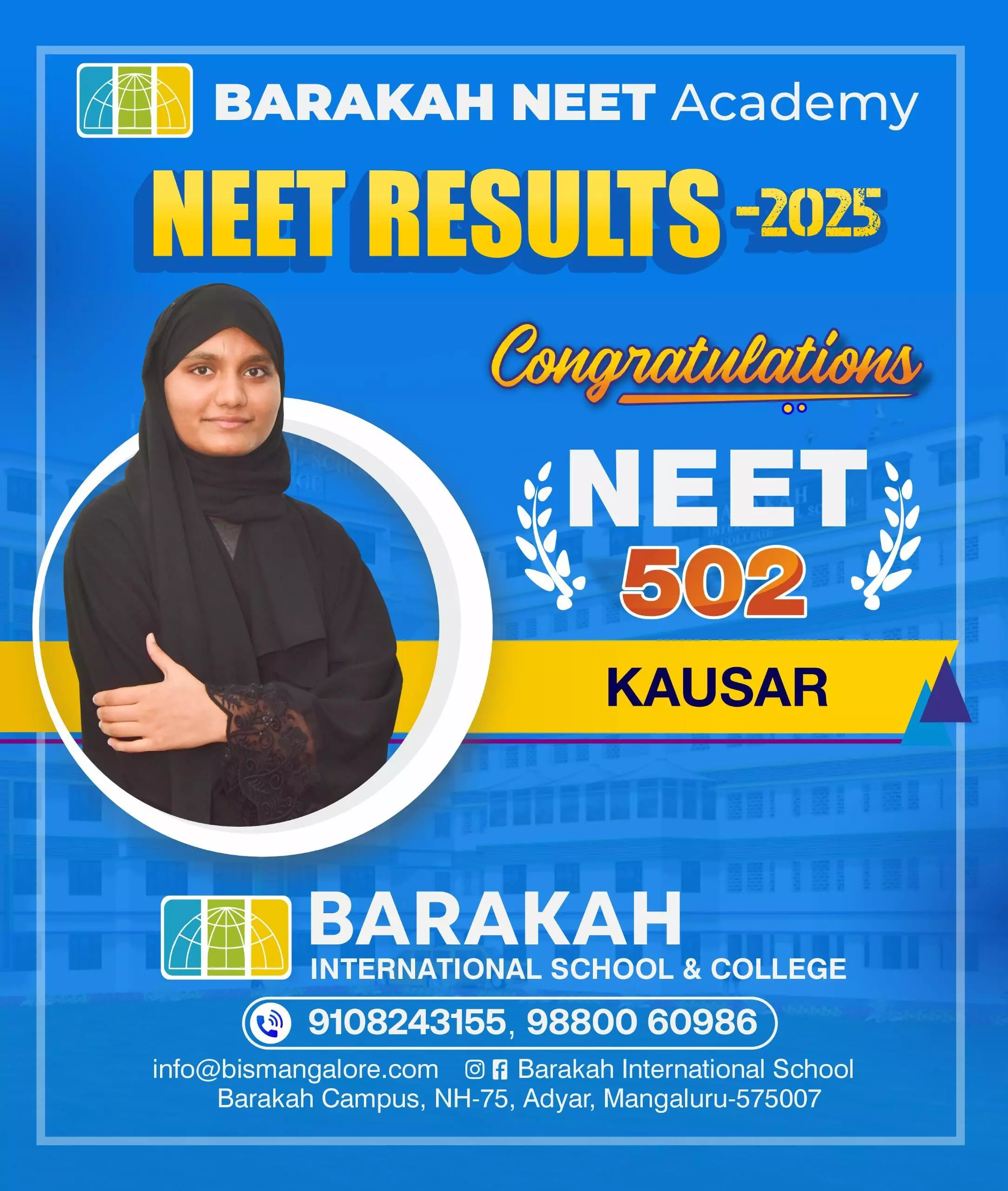
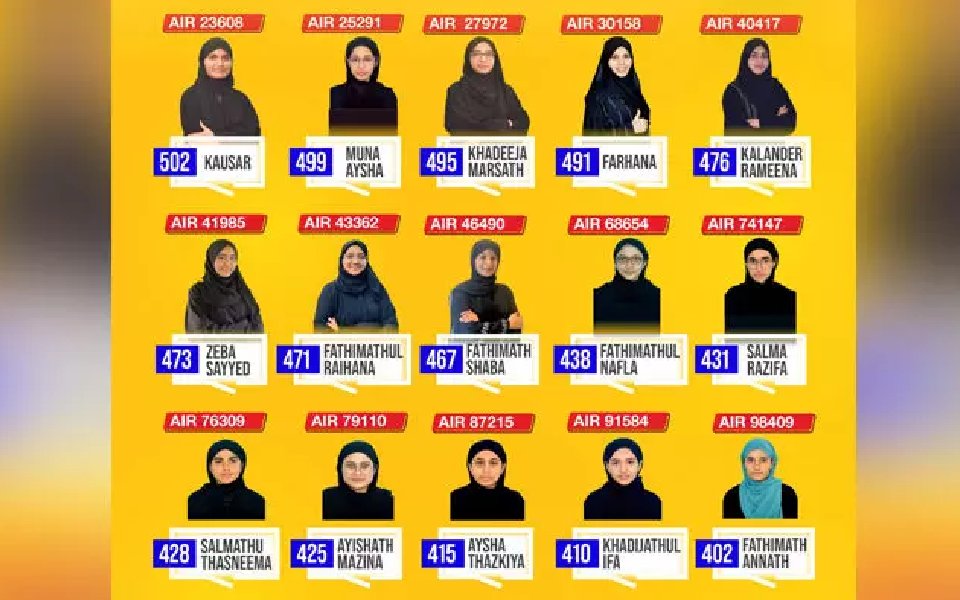
Barakah NEET Academy, a Mangaluru-based coaching institution, has announced that all 32 students from its first batch have cleared the National Eligibility-cum-Entrance Test (NEET) this year.

According to the academy, 25% of the students have qualified for government MBBS seats, while others have secured eligibility for courses like BDS, BAMS, and other medical programs.

Kausar, a student of the academy, scored 502 marks and emerged as the batch topper. In total, eight students have scored above 460 marks, qualifying for government medical colleges.

The institution, which offers residential NEET coaching along with an Islamic learning environment, said it aims to support students with focused academic guidance and preparation for medical entrance exams.

source: http://www.english.varthabharati.in / Vartha Bharati / Home> Karavali / by Vartha Bharati / June 15th, 2025
Zainab Hussain, Syeda Sadiya becomes first from Alvi Community to Clear NEET

Nuh District, HARYANA :

Syeda Zainab Hussain and Syeda Sadiya

Syeda Zainab Hussain and her aunt, Syeda Sadiya, of Nuh district in Haryana, have cleared the medical college entrance examination, the NEET 2025, and brought joy and pride to their families and the region, which is among the most backward areas of the country, as declared by NITI Aayog.

These young women’s achievements are all the more historic since they come from the Alvi community – a marginalized group of Muslims. From a lack of land ownership, education, and women’s empowerment, the Alvi community is among the most marginalized communities in Mewat.

Syeda Zainab Hussain has set a record by scoring 551 marks in NEET 2025. She has become the first woman from the Alvi community to clear this coveted examination.

It is often observed that girls in this community are not permitted to pursue education beyond primary level, but Zainab broke this notion, proving all naysayers wrong and becoming a change-maker.

Interestingly, Zainab cracked the exams in the third attempt.

Zainab’s aunt (mother’s sister), Syeda Sadia, scored 536 marks in NEET 2025, proving that this achievement is not just a coincidence, but the beginning of a social change.

Zainab’s father Zakir Hussain is an Assistant Sub-Inspector in Haryana Police and posted in the Security Branch of SP Office Nuh.

The family hails from Kamenda village (Ferozepur Jhirka).

Zainab’s grandfather, the late Jameel Ahmed, was a head guard in the State Bank of India. Raised in such a middle-class family, Zainab’s success in a competitive field like medical examination has become not just a personal victory, but a source of inspiration for girls of her community.

Zakir Hussain says “Zainab has been brilliant in studies from the beginning. Despite failing twice, she did not give up. She learned from every failure and moved forward and this time she passed NEET with good marks and proved that if you have passion, you will get success.”

Similarly, Syeda Sadia also comes from a family of modest means. Her father Haji Israel, who retired in 2016 from the post of driver in Mewat Civil Surgeon Office, left no stone unturned in providing good education to all his daughters.

According to Zakir Hussain, even though his wife is only a matriculation pass, all his sisters are doing MA, double MA and one of his brothers is doing MBBS.

Prominent members of the Alvi community such as District Councilor Sabir Hussain, Jakam Alvi, Ghulam Nabi Azad, Syed Zakir Hussain, and Master Nazim Hussain visited the house of Zainab and Sadia and congratulated them and their families.

Former President of Nuh Bar Association Tahir Hussain Rupdia told media persons after visiting the homes of the two women, “By clearing the NEET examination, they have opened a new path for other girls of the society. This will become an example which will work like a mission in the times to come.”

He also said “In an area like Mewat, where there is a huge shortage of female doctors, when our own daughters become doctors, they will not only treat the women here better, but will also change the thinking of the society. “

Social scientists say Zainab and Sadia’s achievement will boost the education of women in the entire Mewat region, a Muslim-dominated area in Rajasthan.

source: http://www.awazthevoice.in / Awaz, The Voice / Home> Stories / by Yunus Ali / Nuh (Haryana) / June 16th, 2025
Farah Usmani’s campaign to break stereotype of Indian Muslim women

Aligarh, UTTAR PRADESH / New York, U.S.A. :

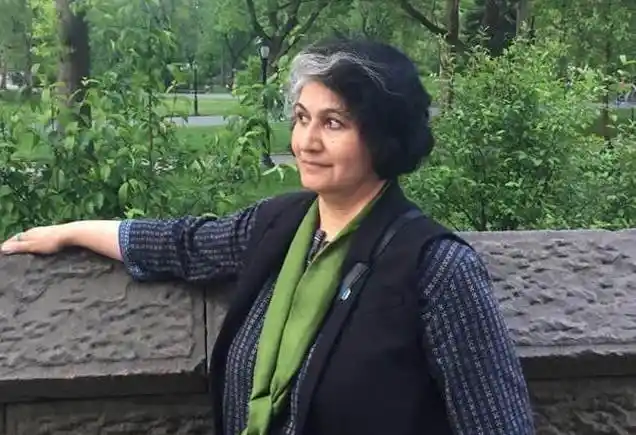
Dr. Farah Usmani

In 2007, Farah Usmani was working at the United Nations headquarters in New York when she made a pivotal decision that sparked a movement aimed at empowering women worldwide through financial independence.

Dr. Usmani, a physician from Uttar Pradesh, relocated to the city six years ago for work. During her search for a rental apartment, she discovered that New York’s rental prices were soaring and becoming unaffordable. After doing some quick calculations, she opted for a low-interest mortgage from the UN Federal Credit Union to purchase an apartment. She ended up buying a two-bedroom apartment in Manhattan, with a monthly mortgage payment that was only slightly higher than the rent she would have paid.

“This slightly higher expenditure (along with a down payment) would enable me to own an asset, and not fritter away my money on rent. It was such a wise decision. Today, 15 years later, I am on track to be a mortgage-free homeowner,” Usmani shared with the Morning Star newspaper. This experience inspired her to launch a campaign aimed at educating women around the globe about the importance of financial freedom and empowering themselves through financial independence.

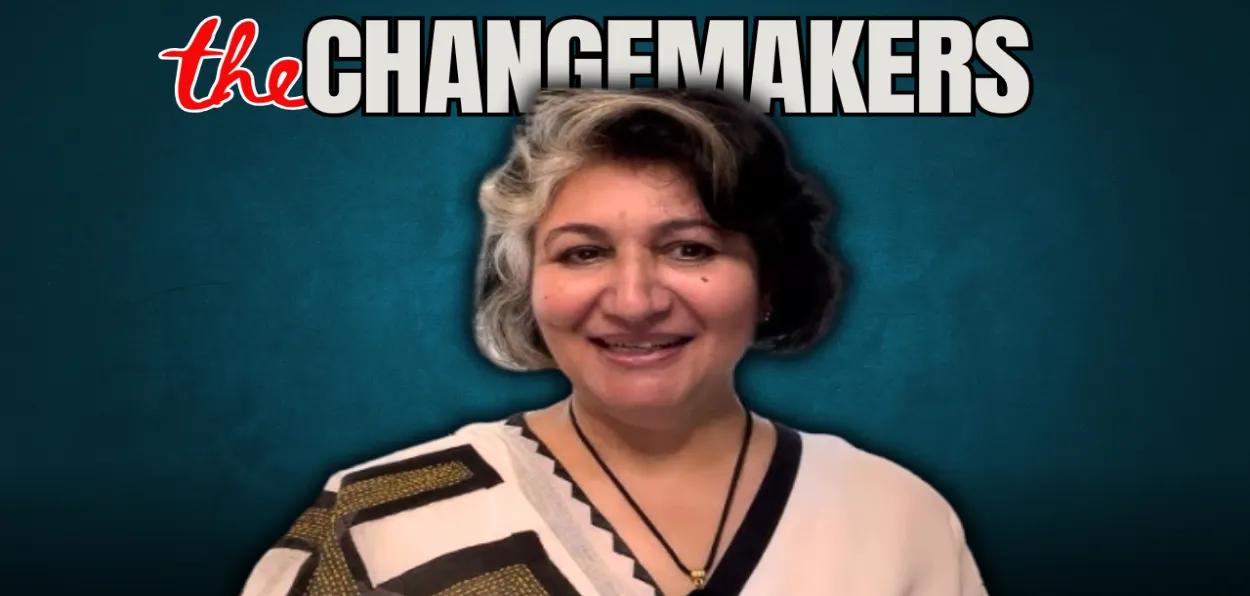
Today Dr. Farah Usmani is an international health, gender and development expert based in New York.

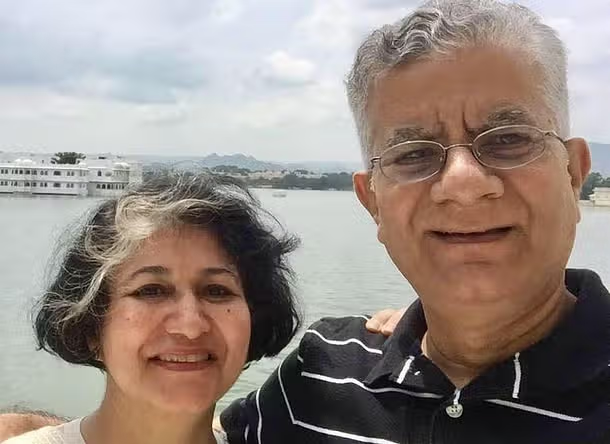
Dr. Farah Usmani with her husband Javed Usmani

Dr. Usmani is also the first Muslim woman from India to work with the United Nations International Civil Service at Director Level. She is the recipient of the 2021 Mahatma Award for Social Impact for her work with women, girls, and minorities.

She has 25 years of experience working with the United Nations International Civil Service with UNFPA, focusing on women and girls and their reproductive health and rights.

Carrying forward her mission to empower women, Dr. Usmani is the Global Vice President of SAFAR Foundation,(Supporting Action for Advancement and Rights), a philanthropic organization focused on uplifting marginalized women and girls.

Tap HERE to watch the video.

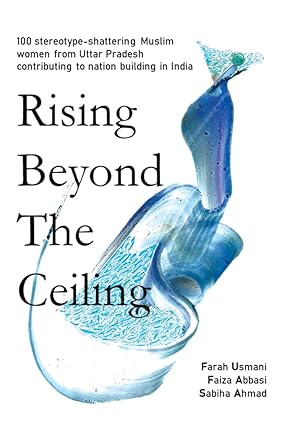
She is the Founder of “Rising Beyond The Ceiling”, a global initiative supported by SAFAR to shine a spotlight on Muslim women of India and contribute towards changing their stereotypical narrative.

The organization has published its first volume on Muslim women from Uttar Pradesh and is working on the rest of the Indian states.

Farah has received several awards and recognitions including the British Council and the Joint-Japan World Bank Merit Fellowships. 

Dr. Farah Usmani

At the UNFPA (United Nations Population Fund), Dr. Usmani played a pivotal role in policy, planning, technical leadership, and health services across more than 50 countries, working on the rights of women and girls. She became the first Indian Muslim woman to reach the Director level in the UN’s International Civil Service in New York.

She noticed that Muslim women were often boxed into stereotypical roles on every platform. Farah made it her mission to break that mold.

“Why are our stories limited to the veil and the home?”

Inspired by this question, Dr. Farah Usmani launched Rising Beyond the Ceiling a global initiative that highlights the achievements of Indian Muslim women, brings their hidden stories to light, and challenges societal stereotypes.

This initiative didn’t stay confined to books or speeches it became a movement. A beacon of hope for every woman in a small town who dreams of a bigger world.

Dr. Usmani believes that money is not just a necessity it is power. She says, “Instead of being afraid of money, we need to befriend it.” Her husband taught her: money that doesn’t generate returns slowly vanishes. And that’s where her journey into financial literacy began.She started investing in tax-free savings, fixed deposits, and NRE (Non-Resident External) deposits. Today, her daughter Saba is also a real estate investor in Manhattan. This is not just a financial legacy it is an intellectual one, building a story of empowerment across generations.

Dr. Usmani has received numerous accolades, including Merit Fellowships from the World Bank and the British Council, and the Mahatma Award in 2021. She has worked globally for the rights of women, minorities, and marginalized girls.

She also serves as the Global Vice President of SAFAR Supporting Action for Advancement and Rights a philanthropic organization focused on uplifting marginalized women and girls.Breaking many gender barriers at different stages in her life, she has the distinction of being the first woman student to top the merit list in the pre-medical examination of the Aligarh Muslim University, where she completed her medical training.

She is the recipient of the 2021 Mahatma Award for Social Impact for her work with women, girls, and minorities.

Farah Usmani comes from a middle-class Muslim Family in Aligarh, Uttar Pradesh.

She holds a Master’s in Health Policy, Planning & Financing given by the London School of Economics & London School of Hygiene & Tropical Medicine & a M.D. in Obstetrics & Gynecology from Jawaharlal Nehru Medical College, Aligarh India. She has certifications in leadership and organizational management from Cornell University, Cranfield School of Management, Stanford University & the American Management Association, New York.

Farah is married to Jawed Usmani, an Indian civil servant, who rose to the position of Chief secretary of the Uttar Pradesh government. They have two children Faraz Usmani and Sabah Usmani.

Dr. Usmani says, “The coins our mothers and grandmothers hid in their mattresses were not just savings they were their attempt at independence.

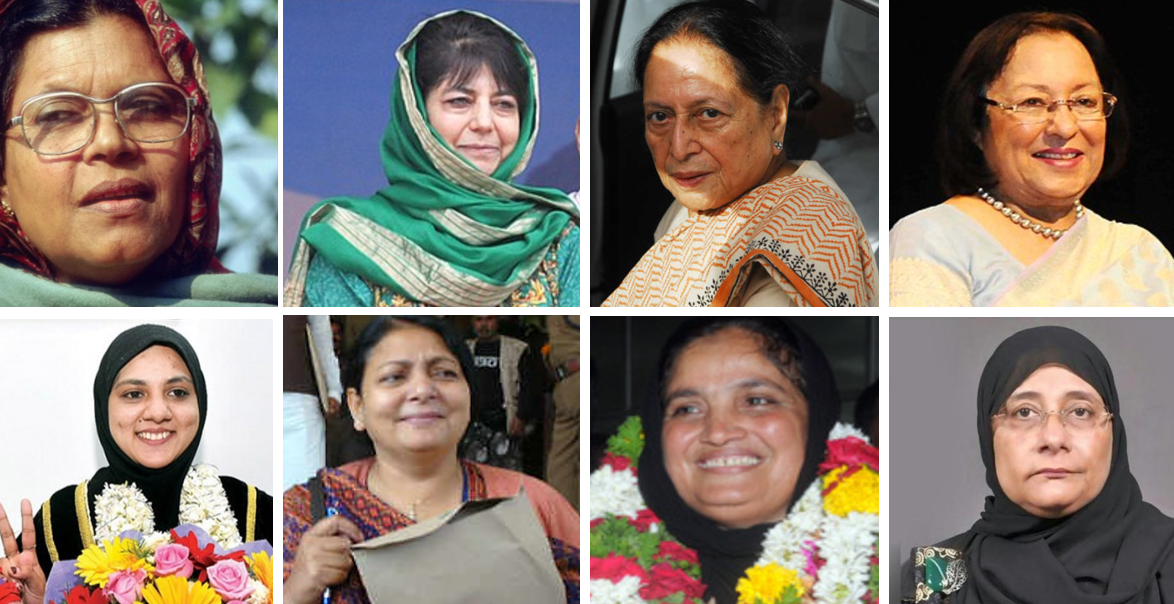
Indian Muslim Women who feature in the list of Rising Beyond the Ceiling 

The “The time has come for women to see money not as shame, but as strength.”

Her mindset, her struggles, her smile they are a source of inspiration for every woman who dreams of flying in an open sky, not a cage.

Dr. Farah Usmani’s story reads like a novel with trials, a determined heroine, a journey of transformation, and a path toward the light.

It teaches us that with courage, even the walls of a house can become the rooftop of the world’s tallest building.

Because when a woman shapes her identity by herself, she doesn’t just create a path for herself but for every generation that follows.

source: http://www.awazthevoice.in / Awaz, The Voice / Home> Stories> The Changemakers / by Onika Maheshwari, New Delhi / June 02nd, 2025

10 Muslim changemakers from the North-East

NORTH EAST , ASSAM :

Guwahati :

The Muslims of North eastern India are a spirited community and are contrinuting immensely to the nation building.

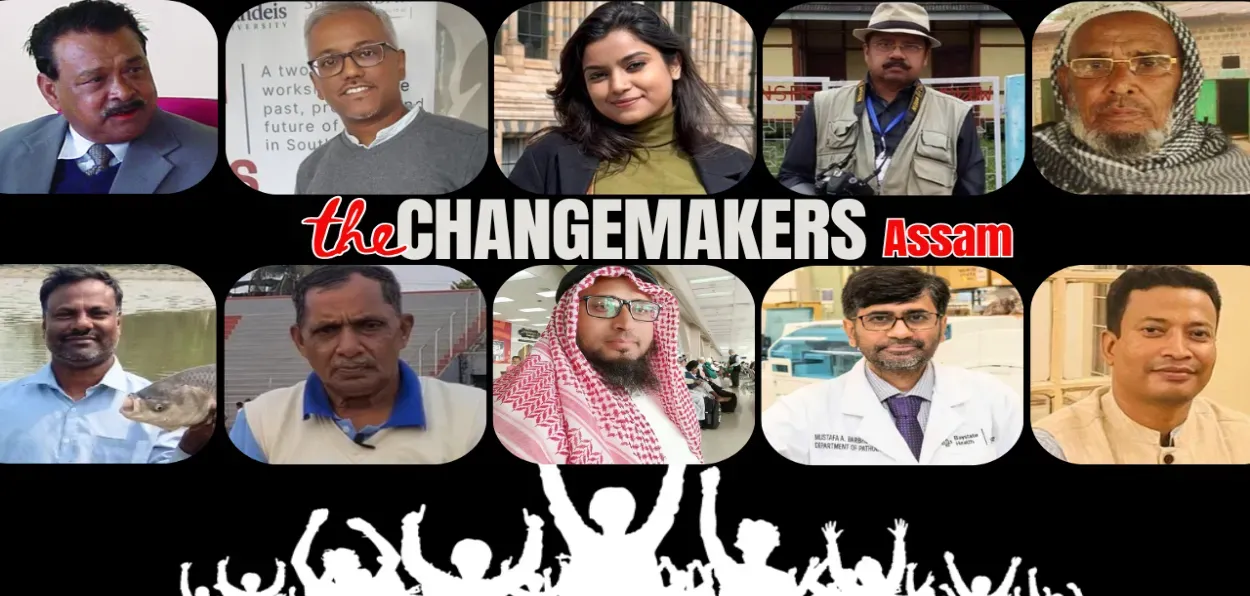
Here are ten Muslims whose stories inspire others and make us look at human spirit differently.

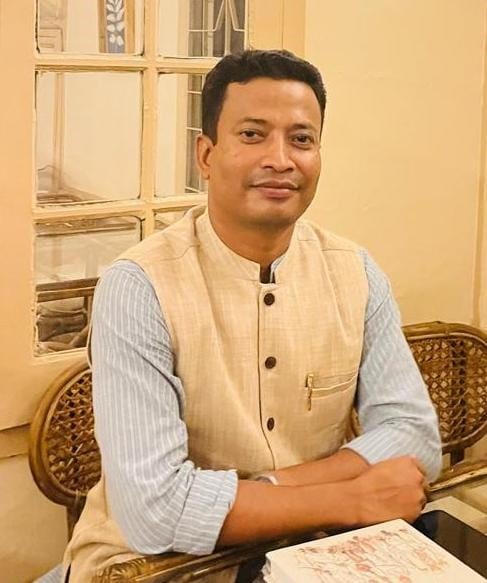
Abid Azad

After his work in the bank, this young professional roams around various places in Assam to feed the hungry. Since the days of COVID-19 and the consequent lockdown, Azad has been providing food to those on the streets, hospitals, and others in need.  He distributed meal packets to patients and their attendants at the Gauhati Medical College and Hospital (GMCH) for Iftar, and also delicious foods for Hindus and people from other faiths.

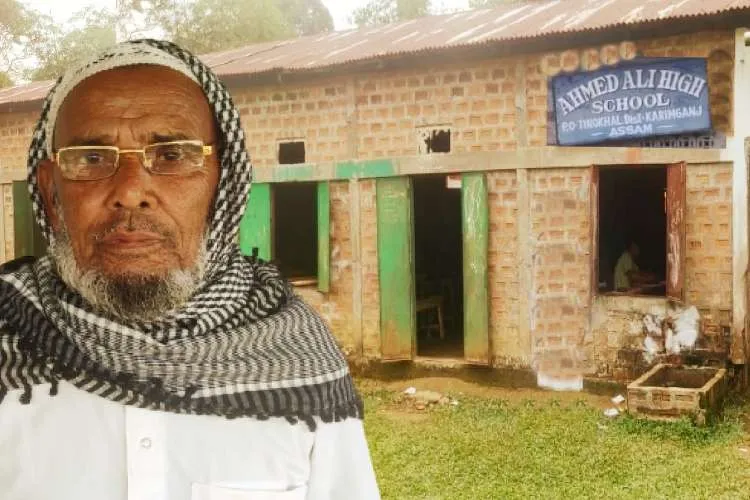
Ahmed Ali

The presence of Ahmed Ali, an unlettered rickshaw puller from Assam who has built a chain of schools in and around his native village, at the Republic Day celebrations in New Delhi on January 26 this year caught the attention of everyone. The Government of India had invited him as a special guest for his extraordinary services to society. He has built a chain of educational institutions from his earnings to encourage children to go to school.

Prime Minister Narendra Modi mentioned Ahmed Ali, a resident of a rural village in the Sribhumi district of southern Assam, in his monthly radio program ‘Mann Ki Baat’. Ahmed Ali used his earnings from pulling the rickshaws to support his family and established nine schools in southern Assam. Due to poverty, Ahmed Ali remained unschooled, but he wanted to ensure nobody in his society had to remain illiterate.

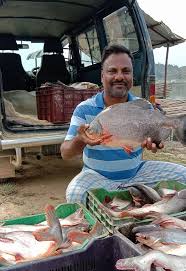
Nazrul Haque

He has been recently honored with the prestigious Assam Gaurav Award by the State Government for his outstanding achievements in fish farming and employment generation. Haque, who began his entrepreneurial journey with just Rs 10,000, has successfully overcome numerous challenges and now owns multiple fisheries. His dedication to aquaculture has not only contributed to the fishery sector’s growth in Assam but also provided job opportunities to hundreds of unemployed youths.

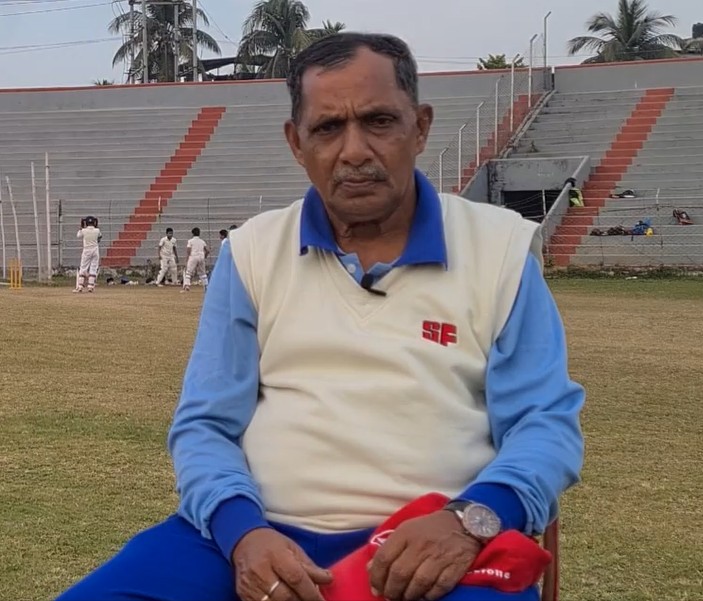
Nabab Ali

If Dronacharya awardee the late Ramakant Achrekar, the celebrated coach of legendary cricketer Sachin Tendulkar, had the privilege of nurturing the cricket legend’s son Arjun too, so did Assam’s very own Achrekar, Nabab Ali, who has not only molded former Assam Ranji captain Parag Das but also his son Riyan Parag to be the first ever cricketer from Assam to be in Team India. Fondly called Nababda (Brother Nabab) by one and all in the cricket circles, Nabab Ali may not have hit too many centuries and half centuries during his brief cricketing career, but he has cracked more than a ton as far as the number of quality cricketers he has produced for Assam as well as India.

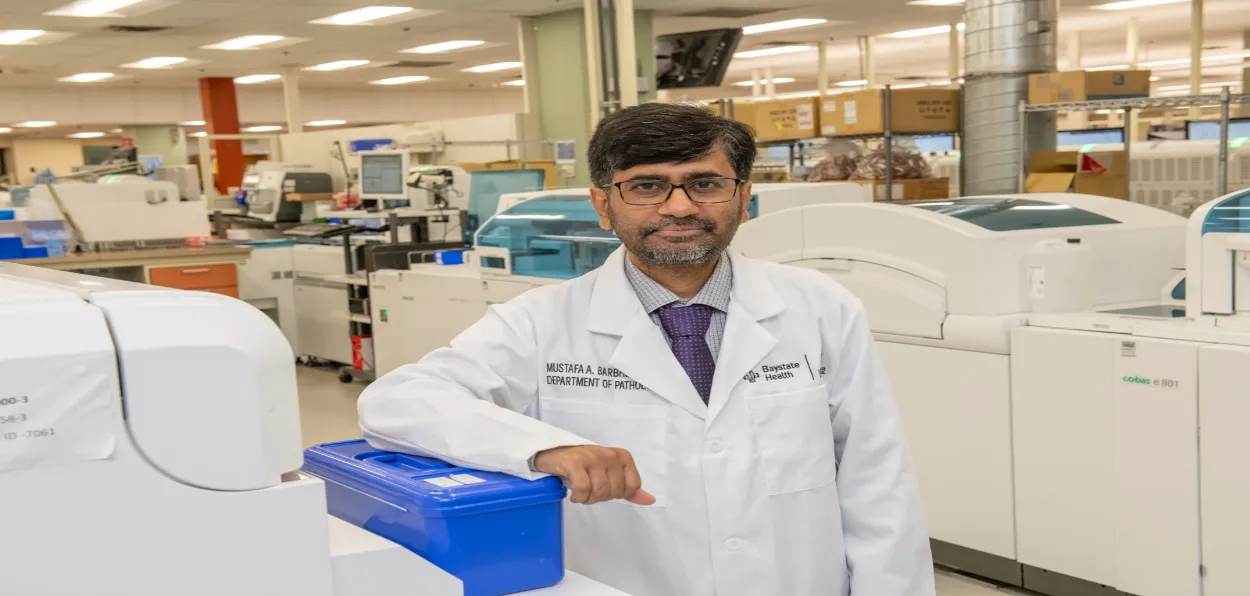
Dr. Mustafa A Barbhuyan

Hailing from a remote village in southern Assam’s Hailakandi district, Dr. Mustafa A. Barbhuiya has been selected among the top 100 most influential people in Pathology, specifically, as one of the Top 20 Heroes of Pathology in the US for this year.

Syedullah Nongrum

He is the voice of Khasi Muslims and a bridge between communities in Meghalaya. Nongrum spearheaded the construction of Madina Masjid, the only glass mosque in India. This magnificent structure situated in Shillong, not only serves as a place of worship but also houses an Islamic learning center, a school for underprivileged children, and a higher education college with modern facilities in science, arts, and technology.

The mosque is the only glass mosque in India, and reportedly the first glass mosque in Asia, making India the third country to have a mosque built of glass

Arshel Akhtar

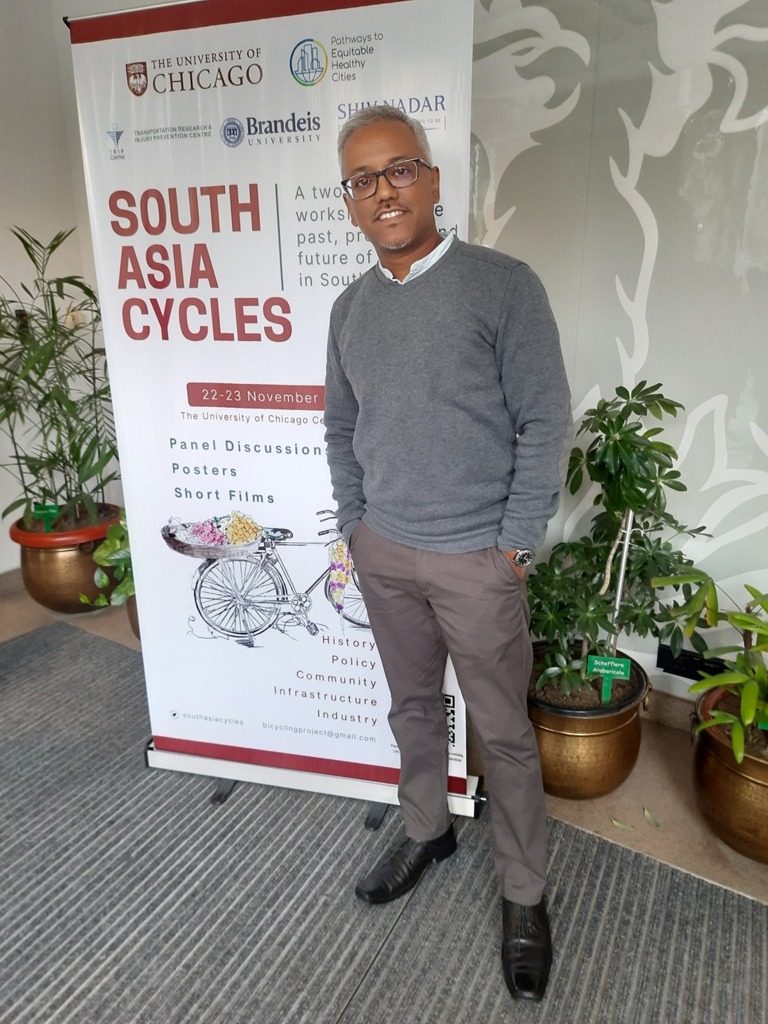
Arshel Akhtar wants to make cycling a priority for Guwahati residents and is working on creating a narrative on it. From working across diverse areas like Information and Technology, software development, banking, and share investing, Arshel was appointed as the first ‘Bicycle Mayor’ of Guwahati in 2018. He continues to find solutions to urban mobility issues through his non-profit organizations, Pedal for a Change and The Green Lane Foundation. Akhtar has formed an active citizens group called the Bicycle Councillors of Guwahati, which will work together to make cycling a safe, accessible, and aspirational mode of transport among all sections of society.

Nahid Afrin

She first shot to fame when she became the second runner-up in the 2015 edition of Indian Idol Junior. In 2016, she made her debut as a playback singer in Bollywood with the film Akira starring Sonakshi Sinha in the lead role. In 2024, Nahid Afrin was appointed as UNICEF India’s Youth Advocate, marking a significant milestone in her career. Nahid, along with three other Youth Advocates, will work with Bollywood’s star actor Kareena Kapoor-Khan, who is named as the National Ambassador by UNICEF.

Maulana Nurulamn Qasimi:

At a time when there are many misconceptions about Islam in society, Maulana has tried to dispel those by clearly explaining the principles and ideals of Islam. Maulana Nurul Amin Qasimi is a cleric who preaches Islam in the right form with exceptional thoughts.

Dr. Anwaruddin Choudhry

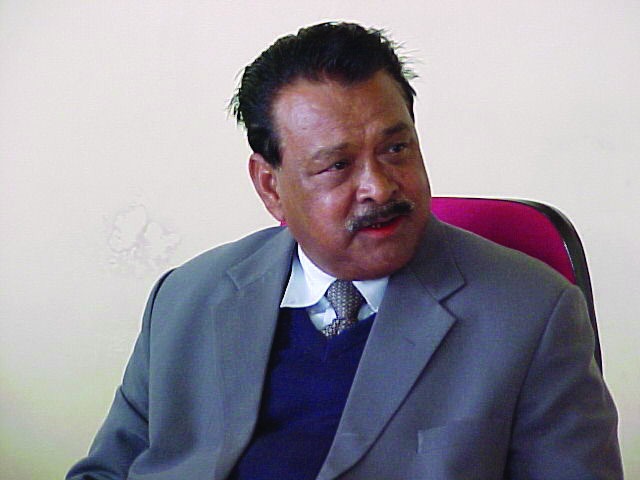
Dr. Anwaruddin Choudhury, who retired as the Commissioner and Secretary to the Government of Assam, has acquired the nickname of “The Birdman of Assam.” He is the first in Assam to write books on the birds of North Eastern States. His studies have contributed to the conservation and awareness of various bird species. He has authored 28 books, 50 technical reports, and more than 900 articles and scientific papers.

Choudhury, 63, had played a pivotal role in protecting habitats and declaring the white-winged wood duck as the State bird in Assam in 2003.

source: http://www.awazthevoice.in / Awaz, The Voice / Home> Stories> The Changemakers / posted by Vidushi Gaur / June 08th, 2025

Muslim Women, Waqf, and the Power of Charitable Legacy: A Forgotten Force in the Shadows of Reform

INDIA :

A New Law, A Timeless Legacy

The Waqf Amendment Act 2025, recently passed by the Government of India, has stirred a wave of public discourse. Promising to regulate and modernize the administration of waqfproperties across the country, the law is being introduced as a means to improve transparency and benefit marginalized communities, especially Muslim women.

However, in this swirl of policy language, governance reform, and bureaucratic oversight, we must not forget a foundational truth: Muslim women have always been central to the waqftradition—not as passive recipients, but as active architects of community transformation.

Waqf as a Tool of Empowerment—Before the State Claimed It

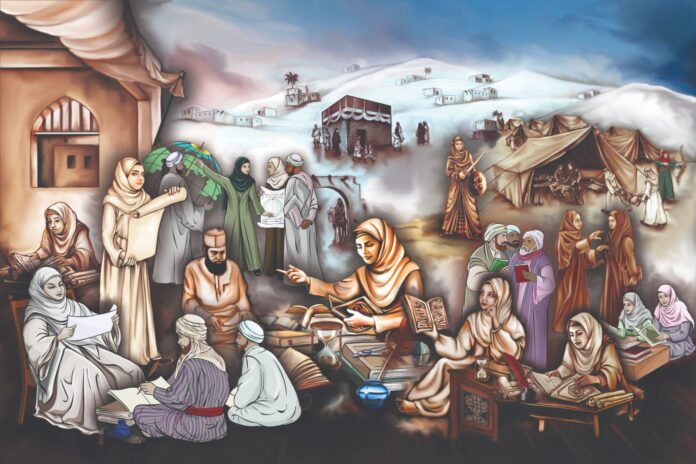
Before governments created waqf boards, before institutional frameworks shaped their regulation, and long before women were officially recognized in policy narratives, Muslim women in India were shaping societies through charitable endowments.

They:

• Founded schools and madrasas for girls and boys alike

• Donated lands and properties for the construction of mosques, shrines, and Sufi lodges

• Built hospitals, water fountains, and orphanages

• Funded scholarships, welfare kitchens, and even public rest-houses for travelers.

This was not mere charity—it was strategic social intervention, embedded in Islamic ethics and guided by a vision of communal upliftment.

👑 Queens of Waqf: A Glimpse into Heroines of Charity and Community Leadership

🏛️ Razia Sultana (1205–1240, Delhi)

India’s only woman Sultan, Razia established educational and civic institutions supported by state waqf. Her leadership emphasized justice, learning, and infrastructure.

🏛️ Jahanara Begum (1614–1681, Delhi)

Daughter of Shah Jahan, she created waqf endowments for Sufi shrines, caravanserais, and public gardens. Her waqf documents are among the earliest female-authored ones preserved in India.

🏛️ Roshanara Begum (1617–1671, Delhi)

Sister to Jahanara, she built Roshanara Garden and a Sufi lodge. She maintained religious institutions through royal waqf.

🏛️ Sultan Jahan Begum (1858–1930, Bhopal)

The last Begum of Bhopal, she modernized education, built hospitals, supported madrasas, and legally registered many waqf properties to support her reforms.

🏛️ Begum Hazrat Mahal (1820–1879, Lucknow)

Regent of Awadh, she protected the city’s religious institutions and supported waqf-based welfare during the 1857 Rebellion.

🏛️ Khair-un-Nissa Begum (18th c., Hyderabad)

Established Khairtabad Mosque and other public works through her waqf. One of the early noblewomen to invest in education and water supply systems.

🏛️ Begum Rokeya Sakhawat Hossain (1880–1932, Kolkata)

A visionary educationist, she established the Sakhawat Memorial Girls’ School using her own resources and informal waqf practices. A true reformer of women’s rights.

🏛️ Begum Sughra Humayun Mirza (1884–1958, Hyderabad)

Urdu novelist and educationist who established the Safdariya Girls School through personal endowment. One of India’s earliest women school founders.

🏛️ Princess Durru Shehvar (1914–2006, Hyderabad)

Ottoman princess and daughter-in-law of the Nizam. Founded the Durru Shehvar Hospital, a major maternity and child-care waqf.

🏛️ Princess Niloufer (1916–1989, Hyderabad)

Ottoman royal by birth and philanthropist. Established Niloufer Hospital for women and children in response to maternal health tragedies.

🏛️ Dr. Uzma Naheed (Contemporary, Mumbai)

Thinker and leader who founded the IQRA International Women’s Alliance. Created vocational and educational centers for women through charitable trusts and waqf-like models.

🏛️ Begum Abadi Bano (Bi Amma) (1850–1924)

Mother of freedom fighters Maulana Mohammad Ali and Shaukat Ali, she supported the Khilafat movement and women’s education through charity and informal waqf support.

🏛️ Begum Qudsia Aizaz Rasul (1909–2001)

Only Muslim woman member of the Indian Constituent Assembly. Promoted educational waqfs and women’s legal rights in independent India.

🏛️ Hamida Habibullah (1916–2018, Lucknow)

Educator, politician, and philanthropist who helped establish Talimgah-e-Niswan, a leading girls’ school, partially supported by endowments and community waqf models.

🏛️ Tayyaba Begum (early 1900s, Hyderabad)

Co-founder of Anjuman-e-Khawateen-e-Deccan, she organized women’s welfare through educational trusts and neighborhood charities alongside Sughra Humayun Mirza.

These women are not anomalies in history. They are evidence of a forgotten mainstream—a rich legacy of Muslim women using waqf, education, and philanthropy to shape the public sphere.

What the Law Misses

The 2025 Amendment claims to create better access for women and transparency in waqfgovernance. Yet, many community members raise concerns about:

• Increased government control over waqf boards

• Reduced autonomy of local Muslim stakeholders

• Weak representation of women in decision-making roles

If reform is truly meant to benefit women, it must not just focus on current access. It must honor and preserve the legacy of those women who built the system through vision, sacrifice, and faith.

Reclaiming the Narrative

As students of history and as researchers in the contributions of Muslim women across disciplines—al-Muhaddithat, scholars, judges, educators, warriors, nurses, and philanthropists—we find it essential to reclaim and highlight this tradition in the current discourse.

This document delves into the intersections of gender, history, law, and social development, spotlighting women’s roles in charitable work and community building through waqf and related institutions.

Our goal is not just to preserve history, but to activate it: to inspire current and future generations to recognize the power of service, leadership, and waqf in reshaping communities. The struggle for recognition today stands on the shoulders of those who built with purpose and gave with dignity.

Conclusion: From Past to Future

Muslim women in India have been pioneers of welfare through the waqf system for centuries. Their work wasn’t performed for applause or public acclaim. It was done with quiet resolve, deep faith, and a vision for lasting impact.

As new policies reshape the landscape of waqf, let us not merely react—we must respond with wisdom, rooted in history and hope. Let the legacy of women like Razia, Jahanara, Durru Shehvar, Niloufer, Sughra, and Uzma guide us in reimagining waqf as a tool not only for preservation—but for progressive, inclusive development.


The author is a Social Worker, Student of History and Educator

source: http://www.muslimmirror.com / Muslim Mirror / Home> Education> Positive Story> Waqf> Women / by M A Lateef Atear / June 04th, 2025

Purkazi leader Zaheer Farooqui shows the way to transforming India at grassroots

Purkazi (Muzaffarnagar District), UTTAR PRADESH :

Purkazi, a small town in the Muzaffarnagar district of Uttar Pradesh, would soon have its first higher secondary School, and students would no longer have to travel to neighbouring towns to pursue studies after the 10th class.

This happened due to the generosity of Zaheer Farooqui, Chairperson of the Nagar Panchayat, who donated his land valued at 1.5 crore for the project.

Farooqui, a peasant leader, and a lawyer, was dismayed to see the young girls and boys traveling in local buses and rickety three-wheelers to higher secondary schools in other towns and he chose to do something about it.

Following the adage Charity begins at home, he gave away his land which is otherwise a prized possession of any farmer or realtor.

Though he always championed the change to improve the lives of people living in this Muslim-dominated town, Farooqui was elected as Chairperson of the Nagar Panchayat in 2017.

As an elected head of the local body, his priority was to improve educational facilities since this is the surest way to improve the lives of common people. He initiated the change in schools; and equipped primary classes in the local government schools with an adequate number of chairs and tables for students and internet-linked smart boards.

His efforts were recognized as the local government school was covered under the Prime Minister Shri School scheme of Narendra Modi under which chosen schools are turned into model schools.

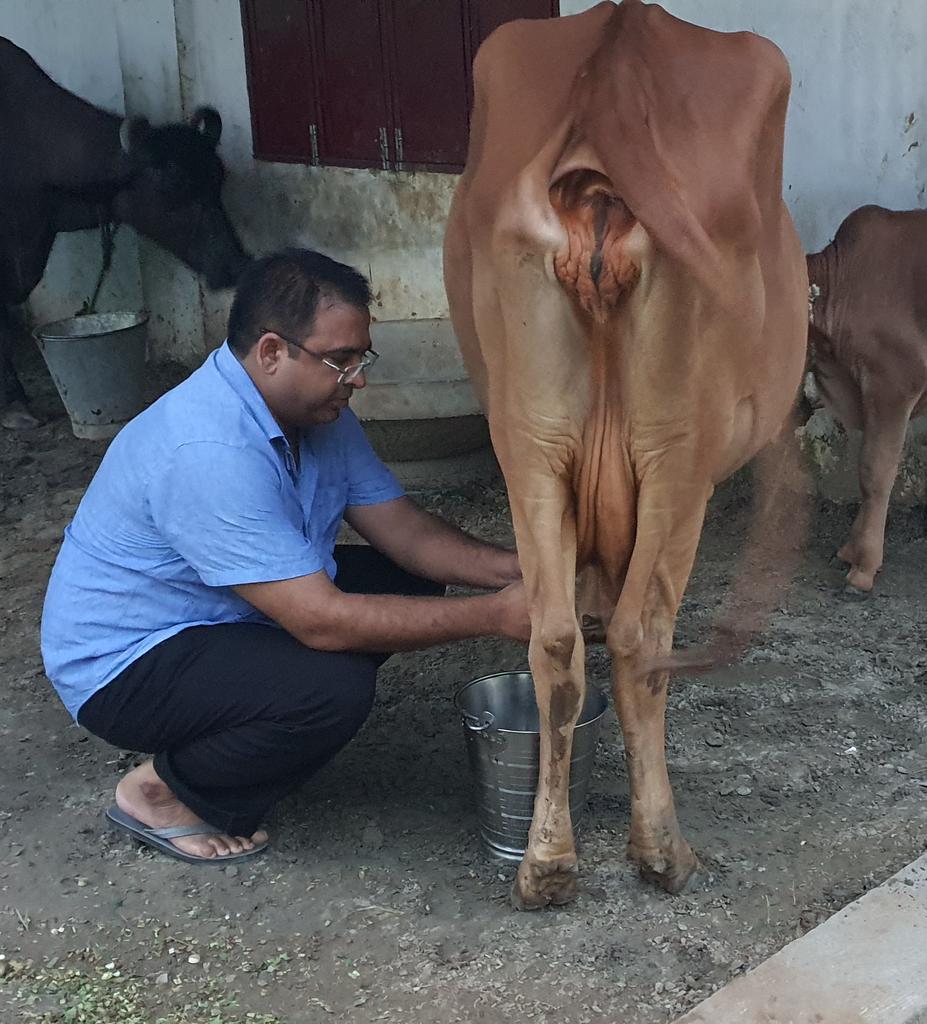
Debunking the common image of a Muslim, he showed keen interest in the upkeep of gaushalas (cow shelters). Till his initiative, the government funds for the establishment of gaushalas often remained unused by most of the Panchayats.

Farooqui-led Panchayat set up what is purported to be the first double-storey government-owned gaushala in India.

The gaushala has separate spaces for calves, pregnant cows, injured, and elderly cows. Its fodder-chopping machine runs on solar power. A veterinary doctor conducts daily health checkups of the animals.

Additionally, the dung produced is converted into manure, and sold to generate income to make gaushala financially viable.

In 2018, Farooqui-led Purkazi Panchayat installed Internet Processing Closed Circuit Television (IP-CCTV) cameras at various locations in the town to combat crime and make locals, especially women, feel safe.

The cameras of the circuit have powerful lenses that can read vehicle license plates. This circuit helped the Muzaffarnagar Police apprehend a man from Uttarakhand, who was identified as rapist of a local six-year-old child.

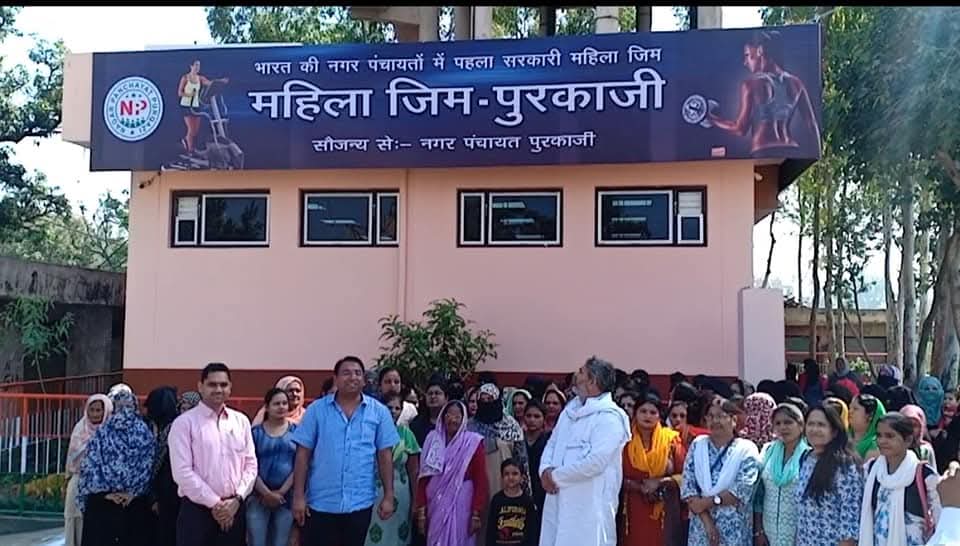
Zaheer Farooqui (In Blue shirt) with locals at the Women’s Gymnasium at Purkazi

Each camera is equipped with loudspeakers which are used to announce fresh government initiatives, raise alarms in an emergency, and community-related messages.

The Purkazi Panchayat was the first one to open a women-exclusive gymnasium to raise health and fitness awareness among women.

The gymnasium was opened in 2019, and its popularity has proven critics and skeptics, who wondered if the burqa-wearing Muslim women would even venture out there of their homes, wrong.

The gymnasium trainer Shaheen Usmani arrives early morning for work. Once in the woman-only space, she removes her burqa. Usmani says, ‘I cannot explain why, but the gym has significantly enhanced the reproductive health of women in the town.’

Independence Day procession at Suliwala Bagh, Purkazi

The gymnasium has nearly one hundred member

The residents of Purkazi led by Farooqui have transformed Suliwala Bagh (garden of the gallows) into a pilgrimage site. This place was used by the British Army to hand Indian revolutionaries during the First War of Independence in 1857.

On the Independence Day and Republic day, thousands of people congregate in this iconic place and take out a rally in memory of freedom fighters. The locals have been carrying out a procession in which the youth carry the longest-ever tricolour as part of the national commemoration of freedom fighters of India.

source: http://www.awazthevoice.in / Awaz, The Voice / Home> Stories> The Changemakers / by Saquib Salim / June 01st, 2025

Deaf-Mute Kashmiri Girl Handwrites Entire Quran, Inspires Nation with Unwavering Faith

Batara Gawalo Village,(Bhalesa, Doda District), JAMMU & KASHMIR :

In the serene, mountainous terrain of Bhalesa in Jammu and Kashmir’s Doda district, where life flows gently with nature, a remarkable tale of faith and perseverance has emerged — one that is touching hearts across the country, reported the Chenab Times.

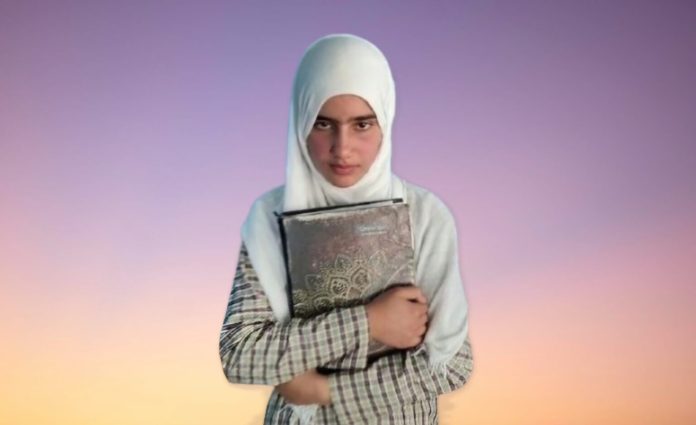
Mavish Arif, a 16-year-old Class 10 student from the remote village of Batara Gawalo, has achieved an extraordinary spiritual milestone: she has handwritten the entire Quran Sharif. What makes her achievement even more awe-inspiring is that Mavish was born deaf and mute.

In a world consumed by distractions and noise, Mavish’s silent journey of devotion speaks volumes. Over a span of nine months, without any formal guidance or assistance, she meticulously copied the Quran from start to finish, line by line, in the solitude of her home. Her determination, fueled by a deep spiritual purpose, astonished not only her family but the entire region.

Her parents, emotional and proud, shared how she immersed herself in this divine task, refusing help — not out of pride, but from an unwavering sense of purpose. Her days were spent absorbed in transcription, her hands speaking the language her voice could not.

This self-motivated act of worship, especially by a differently-abled young girl, has been hailed as unprecedented by local educators and scholars. Her school, Government Girls Higher Secondary School in Gandoh, has quietly supported her, and its principal, Mr. Ajeet Singh, expressed deep admiration:

“Mavish may be unable to speak, but her actions have roared louder than words. She has become a role model not just for students but for our entire community.”

The villagers of Bhalesa are united in pride and joy. Elders, neighbours, and teachers alike see her as a symbol of unwavering focus in a world that too often celebrates superficiality.

“In today’s time, when goals are often fleeting and attention is short-lived, this girl’s devotion is a lesson in spiritual resilience for all of us,” shared one elder.

Despite limited resources and geographical isolation, Mavish’s story radiates with spiritual brilliance and personal triumph. Her journey is not just a personal achievement, but a beacon of hope and inspiration for the entire nation.

Without uttering a word, Mavish Arif has etched a legacy — not just on paper, but deep in the hearts of everyone who learns of her devotion. Her story is one of faith, fortitude, and the silent strength of a pure soul on a sacred mission.

source: http://www.radiancenews.com / Radiance News / Home> Latest News> Markers of Excellence / by Radiance News Bureau / June 06th, 2025

Empowering women thru’ education, AIMMS path-breaking initiative

Coimbatore / Chennai, TAMIL NADU :

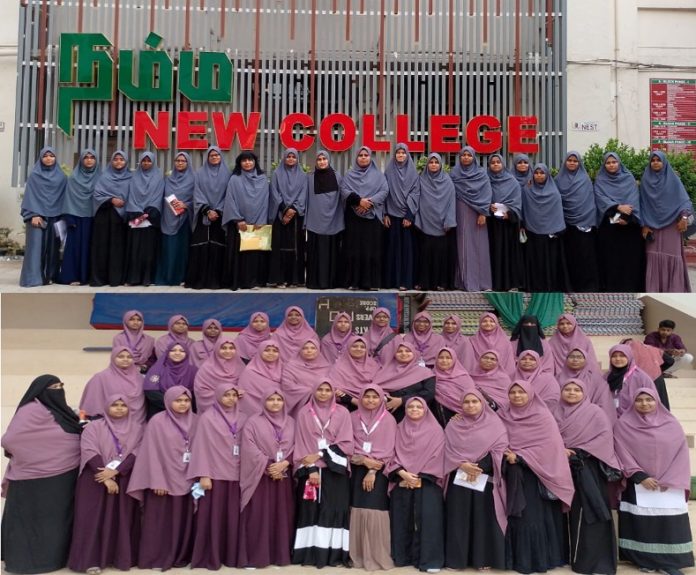
Muslim women-folk with a major chunk of them being home-makers showed keen interest to take up the Afzal-Ul-Ulama degree examinations conducted by the Madras University at The New College premises. Interestingly, this year 93 students from Coimbatore Sundarapuram based Advanced Institute for Modern and Moral Science (AIMMS) wrote their exams with zeal and confidence.

“All I want is education and I am not afraid of no one.” So said Malala Yousafzai, 2014 Nobel Peace Prize Laureate, UN Messenger of Peace and co-founder of the Malala Fund, who is credited to be the youngest education campaigner to address the UN Youth Assembly when she was just 16 years old. No doubt, this had a great impact among the Muslim women across the globe to continue their education breaking the taboo and gender bias.

Taking a cue from “Rabbi Zidni Ilma” which is a powerful Quranic Dua from Surah Taha Verse 114 which means “O My Lord! Increase my knowledge”, the Coimbatore Sundarapuram based Advanced Institute for Modern and Moral Science (AIMMS) under the able guidance of noted Holy Quran researcher, writer, orator and publisher Haji Dr Ameer Althaf, about 93 Muslim women aged between 19 and 55 enthusiastically wrote Afzal-Ul-Ulama examinations with confidence.

With a sharp increase this year (last year 85 students), it only proves to show the awareness among the Muslim women to get educated. About 850 students drawn from different corners of the State (last year 827) took up the exams conducted by the Madras University at The New College premises. All credit goes to AIMMS, the maiden Muslim women community college in Tamil Nadu established in 2005 with the sole objective of helping Muslim women mostly home-makers from lower echelons of the society to pursue their education with the support of their family.

From a humble beginning, AIMMS grew from strength to strength to become one of the much sought-after institutes by Muslim women. As to the revelation of the first word “Iqra” in the Holy Quran meaning ‘To Read’, AIMMS left no stone unturned to impart education to women using modern methods in tune with the emerging trend keeping in view of technological development.

Notably, the Institute is located in a good environment equipped with all latest facilities including powerpoint presentation, modernised Arabic computer lab besides scope for doing MA, MPhil and PhD in Arabic while exempting the women from poor family background from paying fees.

Yet another redeeming feature is guest lectures by experts and resource persons giving useful tips to the students in getting their varied skills honed. Thanks to the wholehearted support extended by the AIMMS trustees.

In today’s globalised world, knowing multiple languages can significantly boost one’s career prospects. And one language that stands out for its potential to expand job opportunities is Arabic since it offers a plethora of opportunities right from becoming an Arabic teacher, translator, software pro, Medical Tourism, Language adviser, Editor, E-publishing, Journalism, Multi Media, Advertisement and Data Collection.

It may be noted that the Arabic language is among the oldest and most spoken in the world, serving as a cornerstone of cultural and historical identity across many nations. It is spoken by more than 550 million people and is the official Arabic language in 25 odd countries, mostly in the Middle East and North Africa. To top it all, Arabic is one among the six languages – English, Chinese, Russian, French and Spanish to be recognised by the UN as the official language.

The zeal to excel through education among the Muslim women is definitely a welcome sign at a time when many success stories were pouring in from several quarters with the first Muslim female to become IAS officer in Maharashtra after clearing the civil services in AIR 142 this year while not to speak of S Ajeetha Begum from Coimbatore who made headlines after cracking civil services to become IPS (2008 batch). Age is never a barrier to those who have the will to learn at any stage. AIMMS women-folk have proved this through dedication and determination.

source: http://www.radiancenews.com / Radiance News / Home> Education> Features> Report / by M Rafi Ahmed / May 07th, 2025