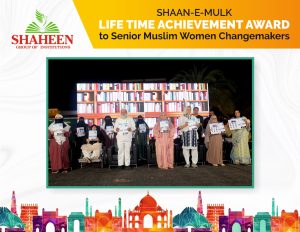
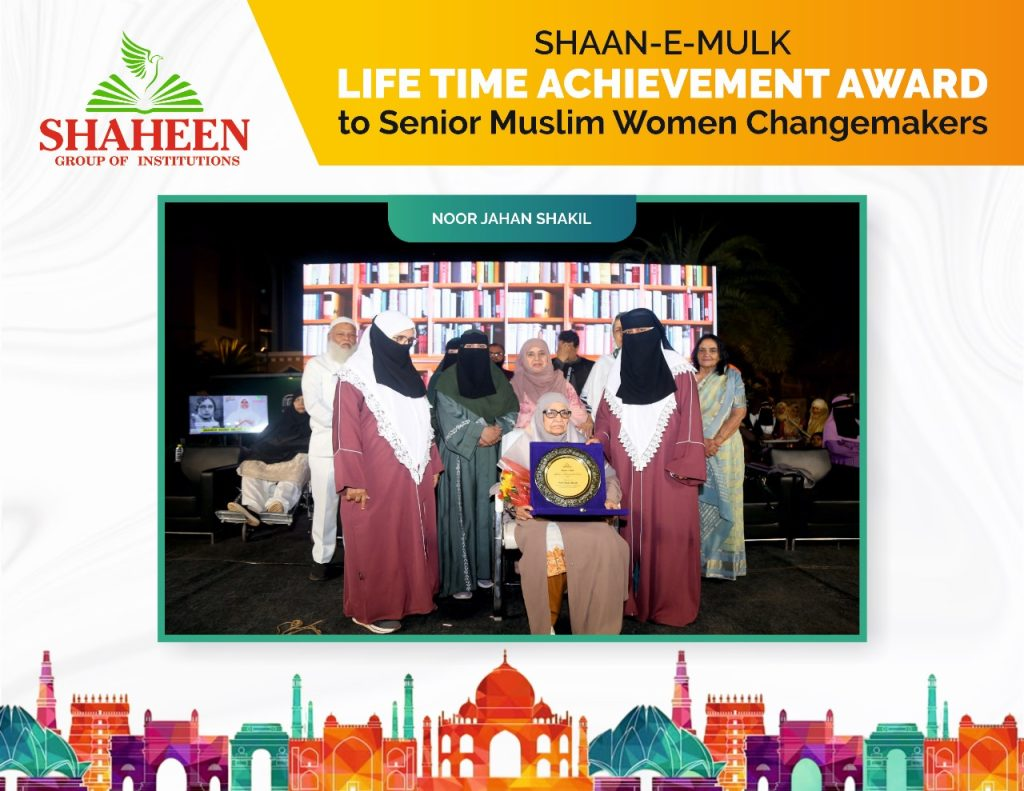
On India’s 76th Republic Day, Shaheen Group of Institutions, Bidar, organized the “Shaan-e-Mulk” Lifetime Achievement Award to honor five distinguished women for their contributions to education, business, humanitarian services, and healthcare.
Dr. Abdul Qadeer, Chairman of Shaheen Group, emphasized the vital role of women in society, stating, “Women are the backbone of families and communities, yet their contributions often go unrecognized. It is crucial to celebrate their achievements and inspire future generations.
Honorees
The award was presented to:
Ms. Shaukat Begum (Institutional Development)
Ms. Noor Jahan Shakeel (Humanitarian Services)
Dr. Rana Noor Siddiqui (Education & Research)
Ms. Uzma Naheed (Entrepreneurship)
Dr. Noor Jahan Sagheer (Healthcare)
The event, attended by thousands of female students, showcased academic performances and aimed to challenge stereotypes, inspire young women, and foster community pride.
Key attendees included Managing Director Abdul Haseeb, Academic Director Abdul Muqeet, and directors Shaista, Wafa, Zakia, Meher Sultana, Afra Naaz, and Munir Deshmukh.
source: http://www.thehindustangazette.com / The Hindustan Gazette / Home> Education / by The Hindustan Gazette / January 29th, 2025
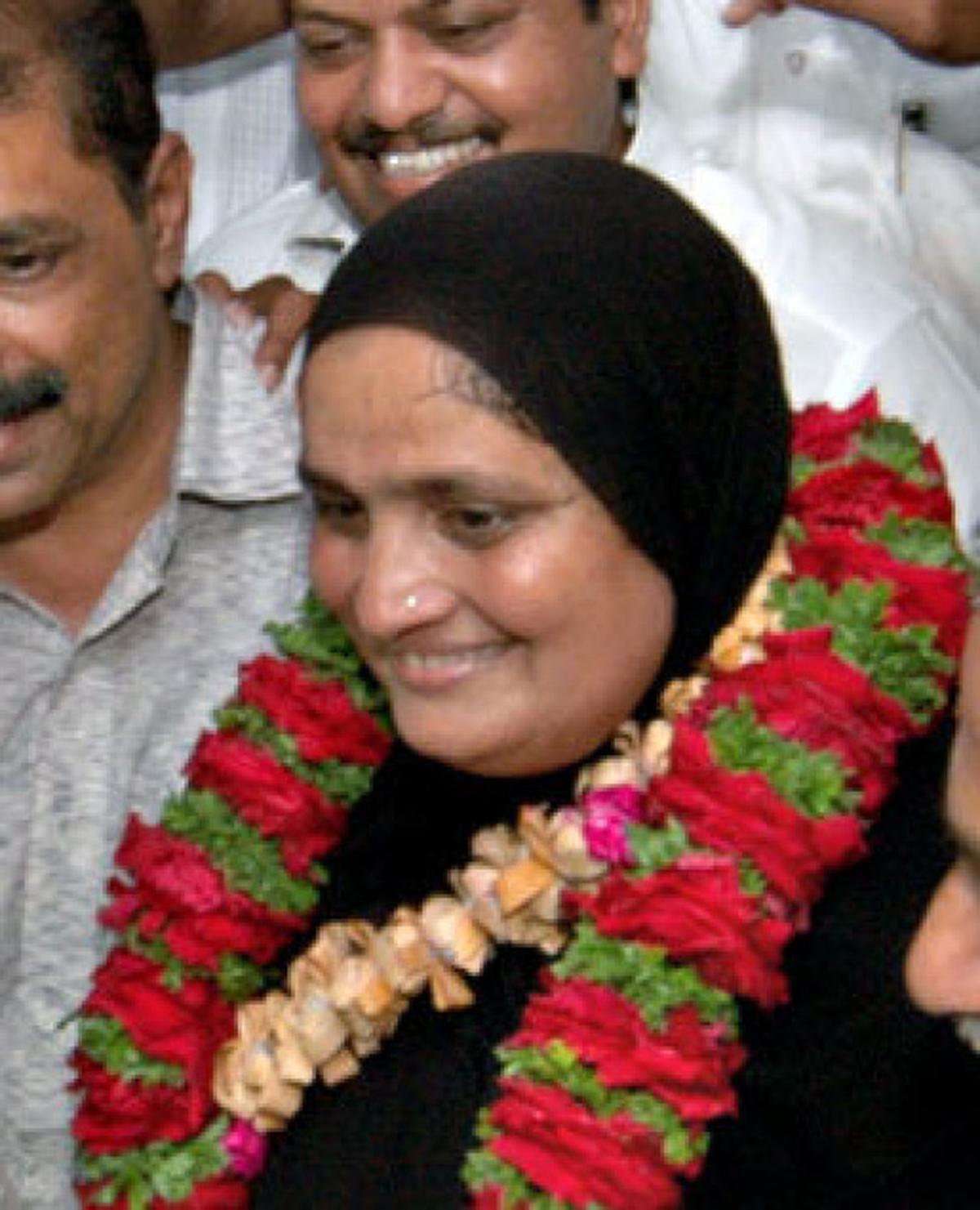
Gulzaar Banu of Congress being offer a bouquet by B.Ramanath Rai, MLA (second left) and Vijayakumar shetty fomer MLA (second right) after she was elected unopposed as the new Mayor of Mangalore City Corporation surrounded and greeted by Congress councillors and and supporters in Mangalore on March 07, 2012. Photo: R.Eswarraj
The ruling Bharatiya Janata Party (BJP) in the council of Mangalore City Corporation faced an embarrassment on Wednesday as a councillor from the Opposition Congress was elected Mayor unopposed.
Rejection of the nomination papers of the official nominee from the BJP led to this fiasco. However, a BJP candidate was elected Deputy Mayor.
M. V. Jayanthi, Regional Commissioner, Mysore, who was the Election Officer, rejected the nomination papers of the BJP candidate Roopa D. Bangera on the grounds that she had not submitted her caste certificate in the prescribed format within the given time. There was no dummy candidate of the BJP in the fray. Hence, the Opposition Congress candidate Gulzaar Banu (49) was declared unopposed.
Ms. Banu became the first Muslim Mayor of Mangalore.
The Government had reserved the post of Mayor to a woman councillor from Backward Caste 2 A category.
In the 60-member House, the BJP 35 councillors, the Congress 21, the Janata Dal (Secular) and the Communist Party of India (Marxists) one each. There are two Independent councillors.
Thus, the BJP had 36 votes (including Mangalore South MLA N. Yogish Bhat) on Wednesday. But it could not get its candidate elected against the Congress which had 21 votes. After the Election Officer announced that Ms. Banu had been elected unopposed as the Mayor, Mr. Bhat left the council hall while the other BJP councillors continued to participate in the meeting. Ms. Bangera’s ward (Kadri North) falls under the limits of Mangalore City South Assembly constituency represented by Mr. Bhat. In the election held for the post of Deputy Mayor later, Amitakala of the BJP defeated S. Appi of the Congress by a margin of 14 votes. Ms. Amitakala secured 35 votes and Ms. Appi 21 votes.
The Election Officer conducted the election to four standing committees of the council which went on smoothly.
After the election process was completed by about 5 p.m. all BJP councillors, including the Deputy Mayor, and officials walked out of the meeting presided by the new Mayor. Only one official was present at the meeting.
The Congress councillors alleged that outgoing the Mayor Praveen did not hand over the Mayor’s gown to Ms. Banu. Independent councillor Mariyamma Thomas, an advocate, told The Hindu that there was no provision in the Karnataka Municipal Corporations Act, 1976, to move a no-confidence motion against the Mayor. Hence the BJP could not overthrow the new Mayor.
source: http://www.thehindu.com / The Hindu / Home> News> Cities> Mangaluru / March 08th, 2012
Education Today / Times of India Oct 08, 2025 / 208 Views
In a modest karate training hall inside Nagpada Neighbourhood House NGO in Mumbai, one teenager’s sharp punches and swift footwork command immediate attention. Akku Sarah Shabbir, a 15-year-old karate student and Class 11 commerce student at Maharashtra College, has become a symbol of pride for her community after winning gold medals at both the District Sports Organisation (DSO) competition and the Asia Cup held at Andheri Sports Complex.
Organised by the Asian Shito-Ryu Sports Karate-Do Association, the Asia Cup saw participation from countries like India, Sri Lanka, Nepal, and Malaysia. Sarah clinched her gold by defeating a tough Sri Lankan opponent—solidifying her status as a rising star in the sport.
A Champion in the Making
Sarah’s achievements have made her a mini-celebrity not just in her karate club, but also in her college and in the Mumbai Central neighbourhood, where she lives with her family. Despite following a traditional lifestyle—wearing a hijab like most girls in her community when outdoors—Sarah is clear-eyed and focused about her sporting ambitions.
“My family, friends, and neighbours are happy I got gold medals in back-to-back competitions,” said Sarah, modest about her success but aware of its growing significance.
Her father, Shabbir Akku, a perfumer by profession, has supported her from the beginning. “We are religious, but I didn’t stop Sarah when she said she wanted to join a karate club,” he said, highlighting a shift in perception among parents in conservative communities.
Breaking Stereotypes and Inspiring Change
Sarah’s achievement has stirred conversations and pride within her community and beyond. Congress MLA Amin Patel, who recently felicitated her, emphasised the broader social impact:
“Muslims are often blamed for not encouraging their daughters to go out and make a career in games and sports. Sarah’s success punctures this stereotype. We will do whatever we can to encourage such budding sporting talents.”
For many community leaders, Sarah’s story is about more than just sport. Asif Farooqui, Congress general secretary and a court member at Aligarh Muslim University and Jamia Millia Islamia, expressed how symbolic her victory is:
“This young girl from Mumbai Central has made us all proud with her achievement in Karate. Her dedication and spirit are truly inspiring. The world is changing fast—our girls see everything happening around them and are becoming more aware, strong, and determined. It’s wonderful to see this new confidence, especially among Muslim girls, who are proving that with opportunity and encouragement, they can shine in every sphere.”
The Coach Behind the Confidence
Sarah’s journey wouldn’t be possible without the guidance of her coach, Salahuddin Khan, who has been instrumental in training hundreds of students—many of them girls—from 25 different schools across the city.
Khan sees Sarah as part of a larger transformation happening in traditionally conservative pockets:
“I train students at 25 schools and the majority of my students are Muslim girls. I see a positive change in the attitude of parents. They are increasingly aware of the benefits of Karate and why girls need to learn it.”
He also credited Shama Taraporewala, the former principal of an Anjuman-I-Islam school, for supporting and encouraging students to take up martial arts and other empowering activities.
Karate as a Tool for Empowerment
For Sarah, karate isn’t just about medals—it’s about self-confidence and safety. “Earlier, I was a bit timid and shy to converse with strangers. Now, I am confident of tackling anyone who tries to misbehave with me,” she shared, showing just how transformative the discipline has been in her life.
Her words reflect a growing realisation among girls and their families about the practical benefits of martial arts, especially in urban settings where issues of safety and harassment are real concerns.
Looking Ahead
With gold medals already to her name and community support backing her, Sarah’s future looks promising—not just as an athlete, but as a role model for young girls across India. Her journey from a shy teenager to an Asia Cup champion is a story of resilience, cultural balance, and empowerment through sport. As more girls like Sarah step onto the mat and into the limelight, they are not just winning matches—they are shattering outdated narratives, proving that faith, tradition, and ambition can coexist, and that every girl deserves the chance to dream—and fight—for her future.
The 18-year-old girl, who memorised the Qur’an alongside her studies, has won ten medals, including two golds, making her community proud
Mumbai :
In the crowded locality of Madanpura, where dreams often battle circumstances, a young Muslim girl has emerged as a symbol of grit and grace. Hafiza Louiza Khan Ziauddin, a student of Maharashtra College, has made her community proud by winning the silver medal in the Under-18 category at the Asian Open Karate Championship held recently at Andheri Sports Complex, Mumbai.
Louiza, who has memorised the noble Qur’an, secured second position in the continental tournament. The first prize went to a participant from Sri Lanka, but Louiza’s performance, marked by determination and skill, drew applause from coaches and spectators alike.
“I thank Allah for this success,” Louiza told Clarion India with a modest smile. “It was my mother’s wish that I memorise the Qur’an, and I completed my Hifz in 2019. Along with that, I wanted to learn self-defence to become strong and confident.’
Louiza’s journey began during her school days at Anjuman Islam Begum Sharifa Kalsekar English High School, Byculla. When her school arranged a visit to Budkonn Foundation’s karate class in Nagpada, she was deeply inspired by a demonstration by coach Khan Salahuddin. “His words about discipline and self-defence stayed with me,” she recalled. “That day I decided to learn karate seriously.”
Since then, there has been no looking back. From interschool and district competitions to state and national levels, Louiza has collected ten medals, including two golds. She has also completed a karate referee course, for which she is now preparing for the final examination.
“Louiza is one of the most disciplined and focused students I have ever trained,” said coach Khan Salahuddin, who runs the Budkonn Foundation karate classes. “She proves that with faith, discipline, and hard work, nothing is impossible for our girls.”
Her mother, visibly proud, expressed her joy with moist eyes. “When my daughter decided to memorise the Qur’an, I prayed she should also gain strength to protect herself and inspire others. Today, she has done both.”
Louiza’s success carries deep meaning for the Muslim community, often stereotyped and overlooked in sports achievements. Her story breaks barriers and challenges social norms that limit girls’ participation in martial arts.
Now, with her eyes set on the World Karate Championship, Louiza continues her training with greater passion. “I want to represent India at the international level and show that Muslim girls can excel in every field,” she said firmly.
In a society where religious education and modern learning are often seen as opposites, Louiza’s example bridges the gap. She stands as a living reminder that faith and ambition can coexist beautifully — and that the strength of a Muslim woman lies not only in her devotion but also in her courage.
“Every girl should learn self-defence,” Louiza added. “It gives you confidence, and it teaches you patience, respect, and balance — just like Islam does.”
Her journey from Madanpura’s by-lanes to an Asian championship podium is more than a story of medals; it’s a story of belief — in herself, in her religion, and in the boundless power of perseverance.
source: http://www.clarionindia.net / Clarion India / Home> Editor’s Pick> India> Indian Muslim / by Team Clarion / October 13th, 2025
Remembering the fearless freedom fighter, who led thousands of women in civil protests, championed Urdu and education, and defied social evils
Patna :
In the midst of the ongoing Bihar Assembly election campaigns, the state pauses to honour a remarkable figure in its history: Anees Fatima, Bihar’s first Muslim woman MLA, a freedom fighter, teacher, and social reformer whose courage and vision continue to inspire generations.
Born in Patna in 1901, Anees Fatima’s early years were marked by a sharp mind and fearless disposition, qualities that distinguished her in a time when women’s education and participation in public life were extremely limited. She completed her primary education at the Badshah Nawaz Rizvi School, also known as Madrasa Islamia, setting the stage for a life devoted to public service and national freedom.
“From childhood, she was determined not to remain silent,” said historian Dr Meena Sharma. “Her courage and intellect made her stand out, and she carried these traits into the freedom struggle, inspiring countless others.”
Anees Fatima’s commitment to India’s freedom movement was evident from her active participation in the Non-Cooperation Movement launched by Mahatma Gandhi in 1920. She fearlessly led protests against liquor shops in Patna, an audacious move for a woman at the time. During the 1930 Civil Disobedience Movement, she and fellow activist Gauri Das led a procession of more than 3,000 women in Patna. When fined ₹201 by the British government for her activism, she refused to pay.
She had to go to jail for her boldness but she neither accepted defeat in front of the British nor did she weaken in front of the cruelty of the British.
Her remarkable leadership earned her national recognition, with the Indian National Congress including her in the delegation sent to England to protest the Montagu-Chelmsford Reforms.
In 1937, Anees Fatima made history as Bihar’s first woman MLA, contesting and winning the election as an independent candidate. Her oratory skills were so compelling that she was awarded the title of “Lady Imam.” She was also an active member of Anjuman Tehreek-e-Urdu, campaigning for Urdu to be recognised as Bihar’s second language.
“Her election was more than a political victory,” said educationist Prof Arif Khan. “It was a statement that women, and especially Muslim women, could lead and shape society.”
Beyond politics, she dedicated her post-independence years to promoting education in Bihar, remaining associated with the Khuda Baksh Oriental Public Library, and advocating against social evils like child marriage and strict purdah practices.
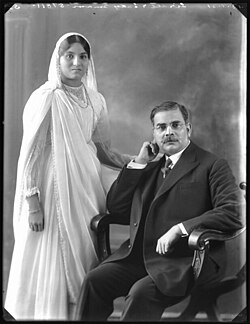
Anees Fatima’s life reflects a deep commitment to service, courage, and women’s empowerment. Married to Sir Syed Ali Imam, she helped lay the foundations for what is considered “Jadid Bihar,” or New Bihar, through her tireless efforts in education, social reform, and public service.
“Anees Fatima showed that courage and dedication know no gender,” remarked local activist Fatima Rizvi. “She not only fought for the nation’s independence but also for the rights of girls and women in society. Her legacy continues to guide us.”
As Bihar celebrates its electoral processes, remembering pioneers like Anees Fatima offers a reminder that true leadership is measured not by position but by service, bravery, and commitment to equality and justice.
source: http://www.clarionindia.net / Clarion India / Home> Editor’s Pick> India> Indian Muslim / by Team Clarion / October 16th, 2025
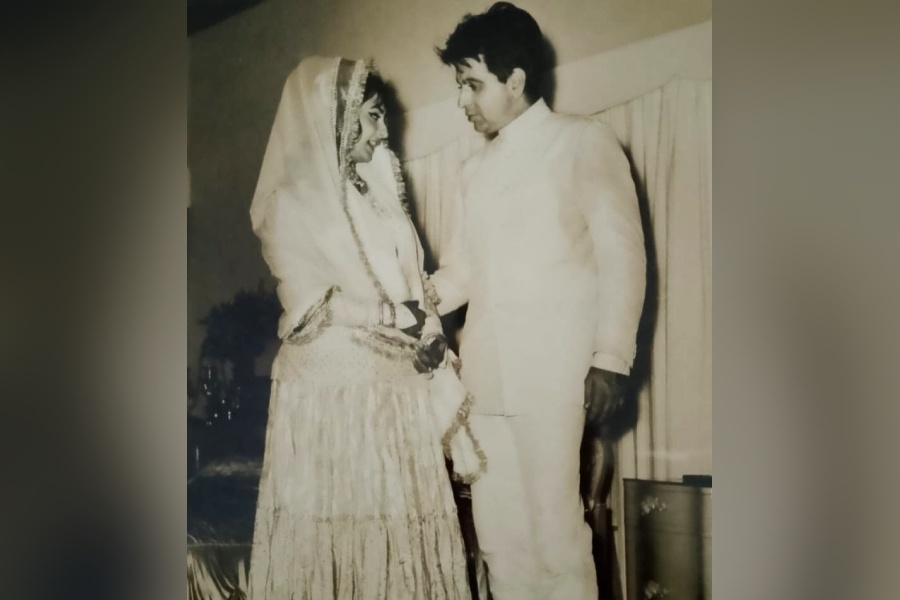
Banu had tied the knot with the late Dilip Kumar on October 11, 1966
Saira Banu and Dilip Kumar on their wedding day / Instagram
Bollywood veteran Saira Banu’s wedding with the late Dilip Kumar on October 11, 1966, was ‘dreamlike, unscripted and full of delightful chaos’, the actress recalled on her 59th marriage anniversary on Saturday.
In a long note on Instagram, Banu noted that her wedding was not extravagant. Instead, it was marked by ‘simplicity, hurried excitement and heartfelt emotion’. Though Banu and Kumar were to tie the knot in November, Kumar insisted on an early nikkah. The couple tied the knot in an ‘unscripted’ ceremony, nine days after their engagement on October 2 that year.
Banu hardly had any time for preparation. Her bridal ensemble was stitched by a local tailor and she got married without any printed cards or detailed plans.
“The song Do Sitaron Ka Zameen Par Hai Milan Aaj Ki Raat floated through the air like a blessing that wouldn’t fade. It played all night long, echoing the joy in my heart, and I remember thinking that if someone told me I could truly fly that evening, I would have believed them. That’s how unreal, how dreamlike it all felt,” wrote the 81-year-old actress, alongside pictures from the ceremony.
“Nothing about that day was extravagant, yet it was perfect in its simplicity. My wedding joda was lovingly stitched by our local tailor; there were no grand designers, no detailed plans, no printed cards, just hurried excitement and heartfelt emotion. The Nikaah was meant for November, but destiny had other plans. I can still hear Sahib’s gentle but firm voice over the telephone from Calcutta saying, “Aap ek Maulvi ko bulaiye aur Nikaah karwa dijiye!” And just like that, the most important day of my life unfolded before I could even blink,” she continued.
Reflecting on her wedding day and the crowd of Kumar’s admirers who had gathered outside her house to witness their special day, Banu wrote, “The wedding itself was full of delightful chaos. Sahib and I lived close by, and when his Baraat came down the lane, the Ghodi descended a small slope, the umbrella brushing against his Sehra, a sight so charming that it still makes me smile. In no time, word spread that Dilip Kumar was getting married, and hundreds of admirers found their way into my home. The house was overflowing with laughter, noise, and strangers who felt like family.”
Banu recalled that the sheer number of guests left them short of food. “The crowd was so large that we even ran short of food, people began pocketing tiny souvenirs, a fork here, a spoon there as if they were collecting tokens from a fairytale,” she wrote.
“Oh, what a day that was. Unscripted, imperfect, and yet filled with a kind of joy that words can never truly capture. That night remains etched in my heart a memory that still glows softly, even after all these years,” the actress concluded.
Banu, who made her Bollywood debut opposite Shammi Kapoor in the 1961 film Junglee, starred alongside her husband in films like Gopi (1970), Sagina Mahato (1971) and Jwaar Bhata (1973). Kumar passed away on July 7, 2021, at the age of 98.
source: http://www.telegraphindia.com / The Telegraph Online / Home> Entertainment / by Entertainment Web Desk / October 12th, 2025
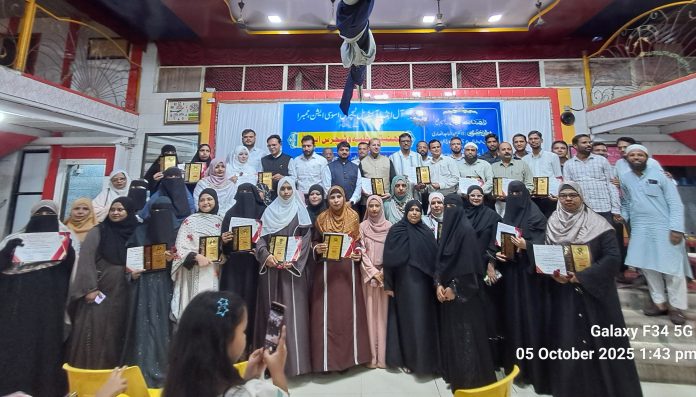
The Maulana Afzal Hussain Ideal Teachers Award 2025 and Students’ Felicitation Programme were held here Sunday to celebrate dedicated educators and outstanding students.
Teachers play a pivotal role in shaping a nation’s future, and societies that honour their teachers set a benchmark for others to follow.
Reflecting this spirit, the All India Ideal Teachers Association (AIITA), which has been active in Mumbra since 2019, organised the event to recognise exemplary teachers for their service and commitment to education.
The award is named in the memory of Maulana Afzal Hussain, a distinguished educationist and author of several books. This year, the AIITA Mumbra Award Committee selected 26 teachers from various institutions for the honour. The awards, presented annually on World Teachers’ Day, cover multiple categories including Primary, Secondary, and Headmaster levels, from schools in Mumbra, Thane, and Mumbai Municipal Corporation areas.
The Award recipients at the level of private educational institutions included Khan Safia (Al-Ehsan School), Altaf Patel (Abdullah Patel School), Lubna Khot (Central Public School), Khan Sadaf (Rafiqah School), Qazi Alia (Dr. Asadullah School), Syed Rizwana (Mumbra Public School), Syed Feroza (National School), Sheikh Zaheer (Nice School), Zahida Chotani (Patel School), Ansari Nasreen (Sameeya English School), Rukhsanda Khan (Saadia School), Shabana Azmi (Shoaib School), and Sadiqa Sheikh (Saadia Primary School).
In the Mumbai Category, the Award recipients included Arshia Shah (Vakola Municipal School), Mehboob Makandar (Vanoba Bhave School), and Ismail Bagwan (Anjuman Khair-ul-Islam School),
In the Thane Municipal Corporation Category, the Award recipients included Fatima Naz (TMC 116), Halima Qazi (TMC 117), Tabassum Khan (TMC 124), Syed Sameena (TMC 125), and Sufyan Ansari (TMC 40),
Thane Headmaster Category, the Award recipients included Mansoori Tehzeeb (Sameeya School), Ansari Tasneem (TMC 13), Syed Sana (Leader School), and Sheikh Khairul-Nisa (Abdullah Patel School).
A posthumous award was also conferred upon Late Naheed Fatima Zainuddin Jamali Sahiba of Abdullah Patel School in recognition of her lifelong contribution to education.
The event was presided over by Advocate Jasim Sheikh, with Dr. Abdul Majid Ansari serving as the Chief Guest. Distinguished guests included Professor Javed Sheikh (JIH Local Ameer of Mumbra), Khan Najma (President, GIO Mumbra), and Ansari Nasir of Khidmat Khalq Trust.
In addition to teacher awards, students from 24 schools were felicitated for their academic achievements in the 10th and 12th board examinations.
The event, held at Sania Hall, witnessed an enthusiastic turnout of teachers, students, and community members. Members of AIITA Mumbra and the Markazi Talimi Board Mumbra played a key role in organising and ensuring the success of the programme.
source: http://www.radiancenews.com / Radiance News / Home> Pride of the Nation> Awards> Latest News / by Radiance News Bureau / October 07th, 2025
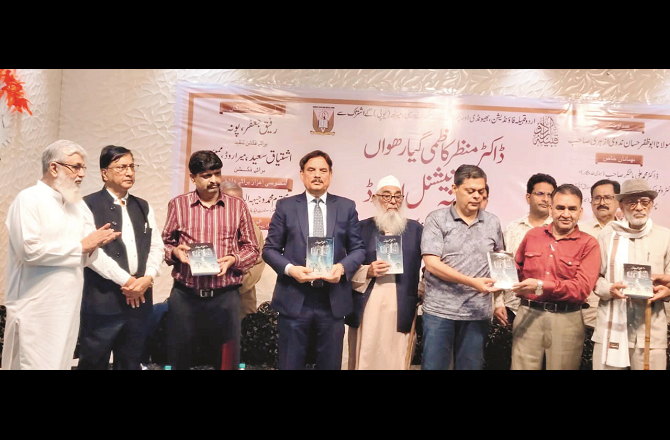
Renowned Urdu author Shama Akhtar Kazmi launched her latest works, “Aitraf Nama” and “Naqosh Pindar”, during the Dr. Manzar Kazmi National Award Function. The event was jointly organized by the Urdu Qabeela Foundation and the Department of Urdu at Chaudhary Charan Singh University.
The books were released by Dr. Vinod Kumar Tripathi (IRS), who served as the chief guest. The ceremony was presided over by Maulana Abu Zafar Hassan Nadvi Azhari and attended by distinguished literary figures including Prof. Aslam Jamshedpuri, Rafi Jafar, Darraj Kamankar, Mohammad Wajihuddin, Fayyaz Ahmed Faizi, Shakeel Rashid, Akhtar Kazmi, and Irfan Arif.
The event celebrated Shama Akhtar Kazmi’s enduring contributions to Urdu literature, highlighting her ability to blend personal reflection with literary insight. Both books were described as a reflection of Kazmi’s literary depth and engagement with Urdu heritage, showcasing her skill in addressing contemporary themes while maintaining classical literary elegance.
Speakers emphasized the importance of initiatives that preserve and promote Urdu literary traditions, noting that events like these strengthen cultural continuity and encourage younger generations to engage with Urdu literature. The launch also served as a platform for scholars and enthusiasts to discuss the evolving role of Urdu writing in modern India.
Through her work, Kazmi has reinforced the relevance of Urdu as a medium for both intellectual discourse and creative expression. The successful launch of “Aitraf Nama” and “Naqosh Pindar” demonstrates the continued vitality of Urdu literary culture and the role of dedicated authors in sustaining its prominence.
source: http://www.radiancenews.com / Radiance News / Home> Latest News / by Radiance News Bureau / October 11th, 2025
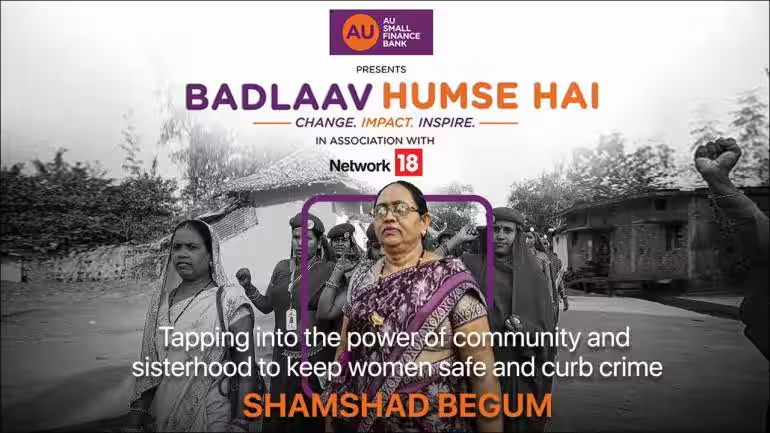
Discover the transformative story of women in maroon berets rewriting their community’s narrative.
In the heart of Chhattisgarh, where challenges of illiteracy, alcoholism, and crimes against women cast long shadows over communities, a remarkable force has emerged to rewrite the narrative. In the villages of Gunderdehi region, groups of women wearing maroon berets stand as a testament to resilience, empowerment, and the unwavering spirit of change. This is the brigade of Mahila Commandos, a force initiated in 2006 by the indomitable Shamshad Begum, an activist and Padma Shri recipient.
The journey began with a stark reality: women voicing the anguish of living in households marred by alcohol abuse, domestic violence, and the perils of substance abuse engulfing their children. The Mahila Commandos emerged as a response to this cry for change. Shamshad Begum, the founder and guiding force behind this brigade, transformed the pain of these women into a movement that has since become synonymous with hope, empowerment, and courage.
Shamshad Begum’s vision reached beyond the constraints of societal norms, and the Mahila Commandos became the embodiment of strength and resilience. From homemakers to labourers, these women found a new identity in the title of “Mahila Commando.” Voluntarily patrolling their villages at night, they became the frontline warriors against fights, gambling, and substance abuse, tirelessly combating domestic violence, dowry, female foeticide, and gender discrimination.
What sets the Mahila Commandos apart is their commitment to creating a safer and more just society. Recognizing the importance of their mission, the Chhattisgarh Police conferred the title of Special Police Officer to 200 Mahila Commandos as a testament to their dedication and to the impact they’ve had.
Beyond their role as guardians of societal norms, the Mahila Commandos have also extended their impact to education and economic empowerment. They have reached out to help over 9,000 underprivileged girls with their education. The Mahila Commandos also engage in economic activities, producing and selling items like cow dung diyas, leaf plates and vermicompost, in addition to cultivating flowers and engaging in agricultural work.
Shamshad Begum’s transformative work goes beyond the immediate impact on families. Under her guidance the Mahila Commandos have helped form 5,000 self-help groups, empowering 75,000 women with an outstanding 98% loan recovery rate from banks. A movement that began with a hundred women has now blossomed into a movement involving 65,000 women across 14 districts of Chhattisgarh. The Mahila Commandos are not just protectors; they are catalysts for change. Shamshad Begum’s vision, courage, and determination have created a network of empowered women who refuse to be silent spectators to the challenges that plague their communities.
To honour stories like Mahila Commandos and Shamshad Begum, AU Small Finance Bank presents Badlaav Humse Hai Season 2, in association with Network18. Just like the first season, Season 2 celebrates 25 stories that showcase changemakers whose unsung work has helped carve out cultural identities for communities, lifted them out of poverty; created access where only barriers existed; shown communities how to work with nature to create true sustainability; changed hearts and minds about othered communities; changed the lives of many through economic, social or educational empowerment, and much, much more.
Shamshad Begum’s Mahila Commandos Transforming Balod’s Safety Landscape | Badlaav Humse Hai Season 2 / youtube.com / moneycontrol.com
source: http://www.moneycontrol.com / MoneyControl.com / Home> Badlaav Humse Hai
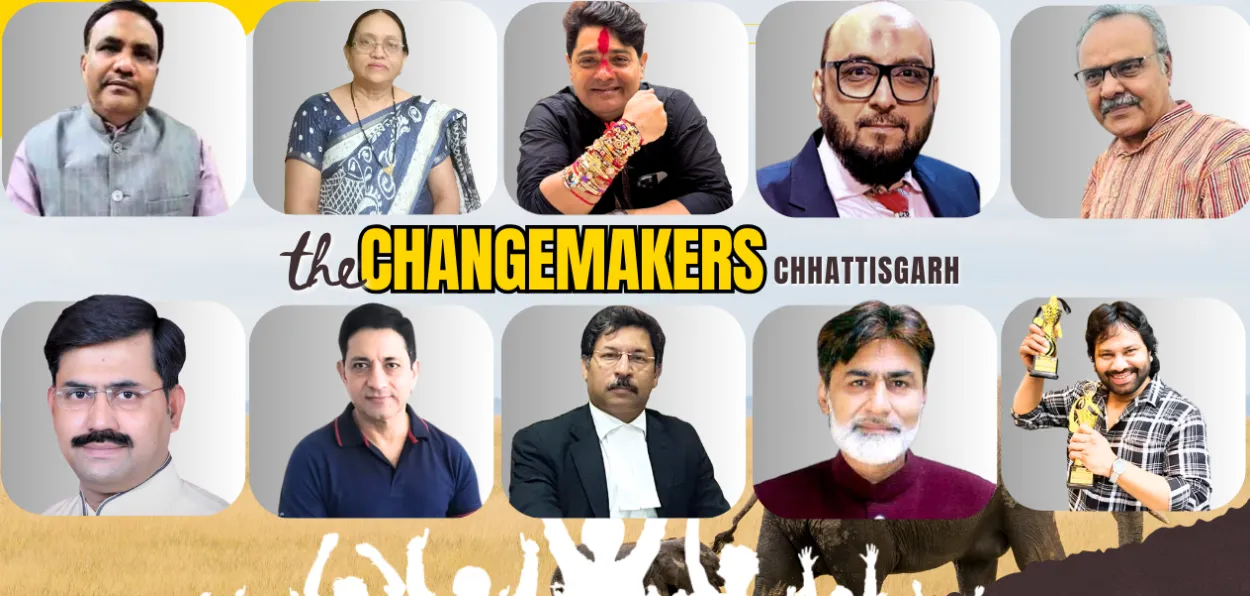
Chhattisgarh, the youngest of Indian states, is a repository of culture and antiquity and also home to spirited people. Some of them have set the trends and become changemakers. Here, we present 10 Changemakers from Chhattisgarh, whose work, grit and initiatives not only set examples for their state but also changed the lives of millions.
These 10 personalities are establishing benchmarks across art, politics, education, science, health and social servicein the state.
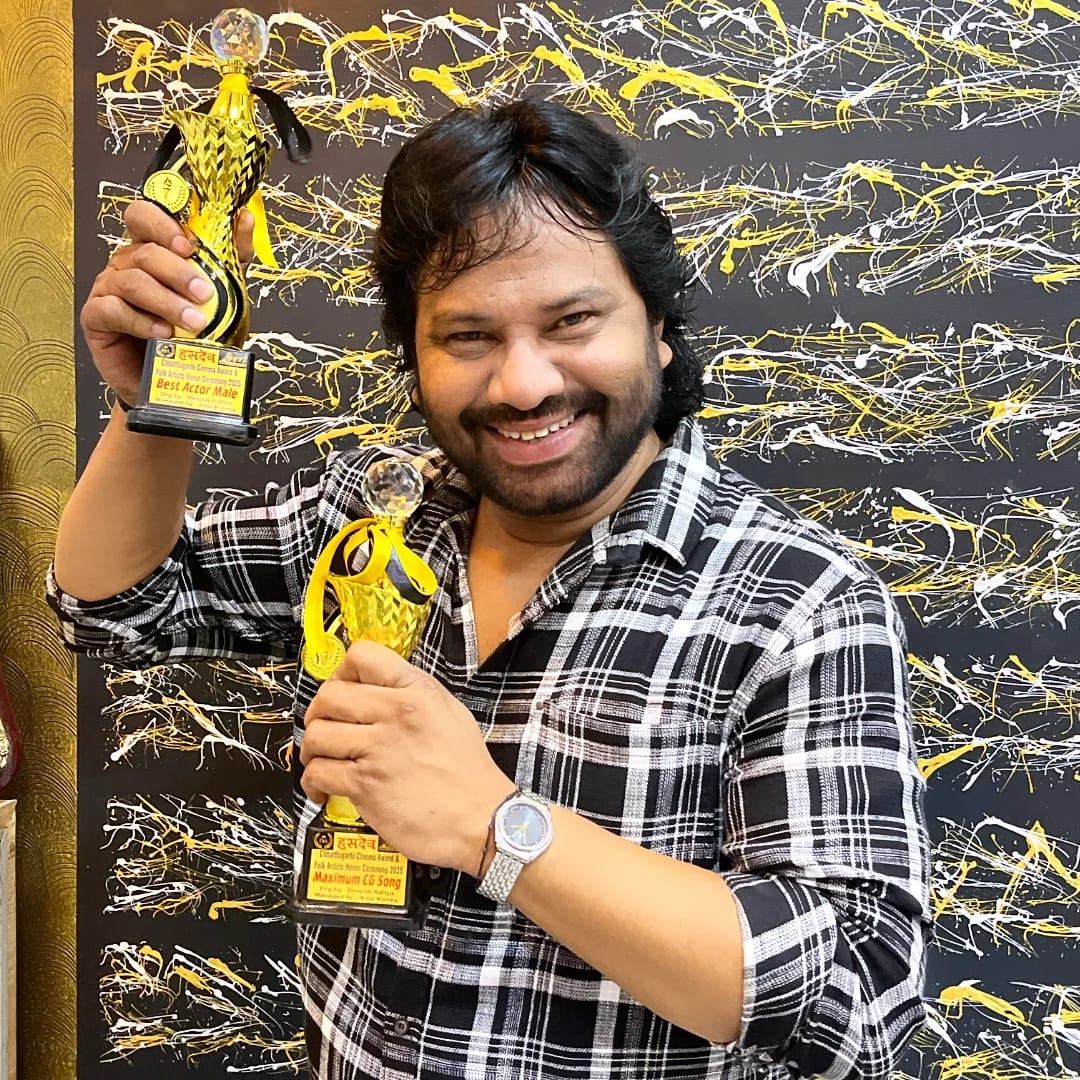
Karan Khan: Superstar of Chhattisgarhi Cinema
Karan Khan is a superstar of the Chhattisgarhi cinema, popularly known as “Chhollywood.” His work extends beyond feature films into music albums, video songs and live cultural events. In recent years, he has appeared in hundreds of Chhattisgarhi songs and albums, many of which have gone viral on YouTube and other platforms, such as the “Ditto Karan Khan Mona Sen” album.
Born Syed Tahir Ali, Karan Khan worked from cinema and music to broaden his reach and fan base. He has been a strong advocate of raising production quality in the regional films. His upcoming filmis being shot on an Arri Alexa—a professional-grade camera rarely seen in Chhattisgarhi productions, which usually face limited budgets and access to high-end technology. Khan strikes a balance between tradition and contemporary presentation to meet the expectations of changing audiences.
Mir Ali Mir: Poetic genius
When you hear the lines “Nanda jahi ka re… kamra au khumari, araitutari…” one name instantly comes to mind: Mir Ali Mir. His real name is Syed Ayyub Ali Mir, but in the world of literature, he is popularlyknown as Mir Ali Mir. Famous for expressing deep thoughts about life in simple words, his ghazals portray love, longing and life’s contradictions, while his Chhattisgarhi compositions are steeped in the fragrance of folk life.
Chhattisgarh has always been fertile ground for literature, art and culture, and Meer Ali Meer carries this legacy forward. His writings strengthen the pride of the Chhattisgarhi language and give voice to the pain, struggles and sensitivities of common people. Born on 15March 1953 in Kawardha, Meer Ali Meer enriched the Chhattisgarhi language and gave it a new identity.He is not only a poet but also an indefatigable promoter of Chhattisgarhi literature, actively working to connect younger generations with the region’s poetry and verse.
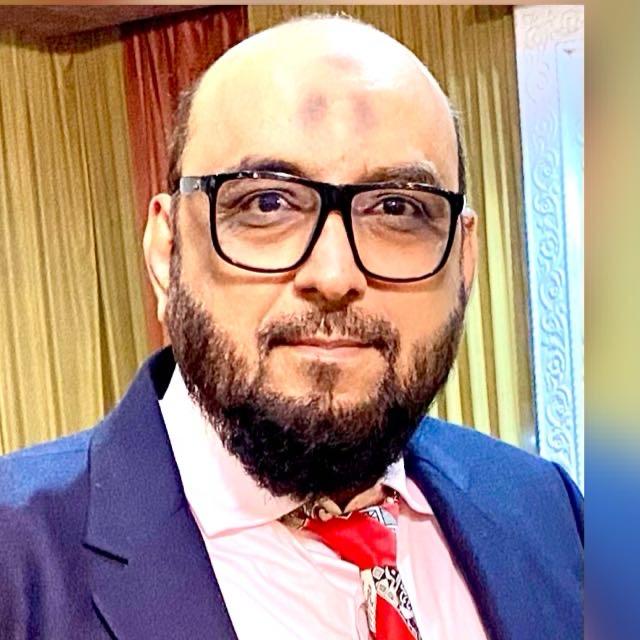
Aijaz Dhebar: transforming Raipur
The story of Chhattisgarh’s transformation is incomplete without the mention of Aijaz Dhebar’s name. He is more than just the mayor of Raipur, the capital of Chhattisgarh; he is a symbol of struggle, commitment and secular politics.
Born in a modest Muslim family in Maulana Abdul Rauf Ward of the Old Raipur, Dhebar helped run his household while pursuing his education. “My circumstances didn’t hold me back; they propelled me forward,” he often says. In January 2020, he was elected Mayor of Raipur Municipal Corporation, defeating his opponent, Mrityunjay Dubey. “I never considered myself a representative of just one religion,” he says. Recognising his leadership, he was appointed National Vice-President of the All India Mayors Council—the first mayor from Chhattisgarh to hold this post. His message to youth: “Don’t waste your energy on hatred and negativity. Politics and society today need constructive, innovative young people.”
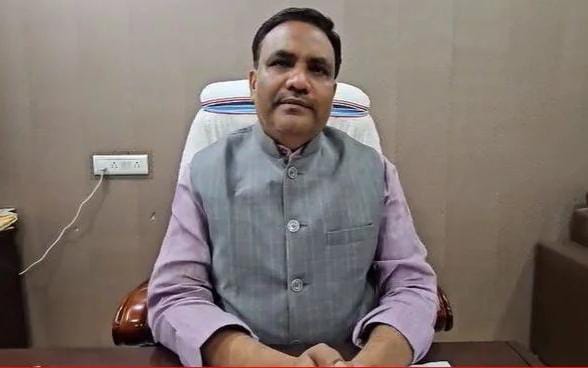
Dr.Saleem Raj: Restructuring Waqf Board
Dr.Saleem Raj stands tall among a few who have played a crucial role in Chhattisgarh’s minority politics and social reform movement. A long-time member of the Bharatiya Janata Party, Raj serves as Chairman of the Chhattisgarh Waqf Board, a position with cabinet rank.
His rise is not just a story of political success but of a man determined to transform religious institutions from centres of controversy into engines of social and national development. “Religious institutions should be partners in the nation’s progress, not centres of disputes,” he often says. Raj joined the BJP in 1992 and steadily rose through the ranks, serving at district, state and national levels in the party’s Minority Morcha. From 2016 to 2020, he chaired the state Minority Morcha, earning a reputation for Muslim outreach and consensus-building.
Tauqeer Raja: Accessible Politician
Tauqeer Raja embodies a rare blend of political activism, entrepreneurship, sportsmanship and cultural pursuit—serving as a model of dedication in Chhattisgarh’s public life. He is widely recognised as the BJP’s state spokesperson, a sharp debater, a successful entrepreneur, a sports and music enthusiast, and a committed social worker.
What sets him apart is his ability to pursue society, politics and business with equal commitment. He focuses on issues likeeducation, healthcare and employment, with special attention to integrating youth into the mainstream. Born on 15 September 1973 into a modest family, Raza displayed leadership qualities from an early age, excelling in studies as well as sports and cultural activities. Today, he is actively involved in all three fields and is known for his approachable nature—equally accessible to the public and party workers.
Dr Shams Parvez: Keeping air clean
Professor Dr Shams Parvez guides students and the public with an approach that blends scientific rigour with social responsibility. An expert in air pollution, environmental health and chemistry, Dr Parvez is one of the few scientists in Chhattisgarh to link academic research with societal needs.
His extensive studies on changing air quality in Raipur and surrounding areas have given policymakers a solid scientific basis for interventions. Defined by simplicity, rigour and dedication to students, he is a key figure in Chhattisgarh’s academic landscape for environmental protection. His research has been published in numerous national and international journals, informing state environmental policies and public health programmes. Collaborations with prestigious institutions such as NASA and the Chinese Academy of Sciences reflect the high quality of his work, through which he has led multimillion-dollar projects.
Dr Abbas Naqvi: Building a Medical Centre with a Human Touch
Dr Abbas Naqvi is a prominent name in Raipur’s healthcare sector. He is not just any other doctor but is known for his unmatched dedication, honesty and an unshakeable spirit of service. Dr Naqvi is among a select few who take their profession not just as a career but as a means to serve society.
In 2004, Dr Naqvi founded Ramkrishna Hospital, which has become one of Chhattisgarh’s leading multi-speciality healthcare centres. He currently serves as Director and Consultant in the Department of Medicine. Patients know him as a sensitive human being. Born and raised in Raipur, he chose to return to his hometown after completing his medical education rather than seek opportunities in larger cities. He treats thousands of patients daily using a blend of modern technology and empathy and compassion.
Mohsin Ali Suhail: Positive Reporting
Amid a changing media landscape, Hajji Dr Mohsin Ali Suhail has preserved the dignity, integrity and responsibility of the profession of journalism. He is one of Chhattisgarh’s most respected journalists, known for fearless, people-centred reporting and an unwavering commitment to truth.
Suhail hopes the next generation of reporters will retain honesty and care for depth in their stories. His advice: “Don’t just chase breaking news. Dig deep into society’s roots. Journalism means bringing change, and change comes only when we show the truth.”
Born on 7 May 1953, Suhail displayed curiosity and social awareness from an early age. He recalls deciding as a child that he would speak up whenever his village faced problems.
Shamsad Begum: Chhattisgarh’s Women Commando
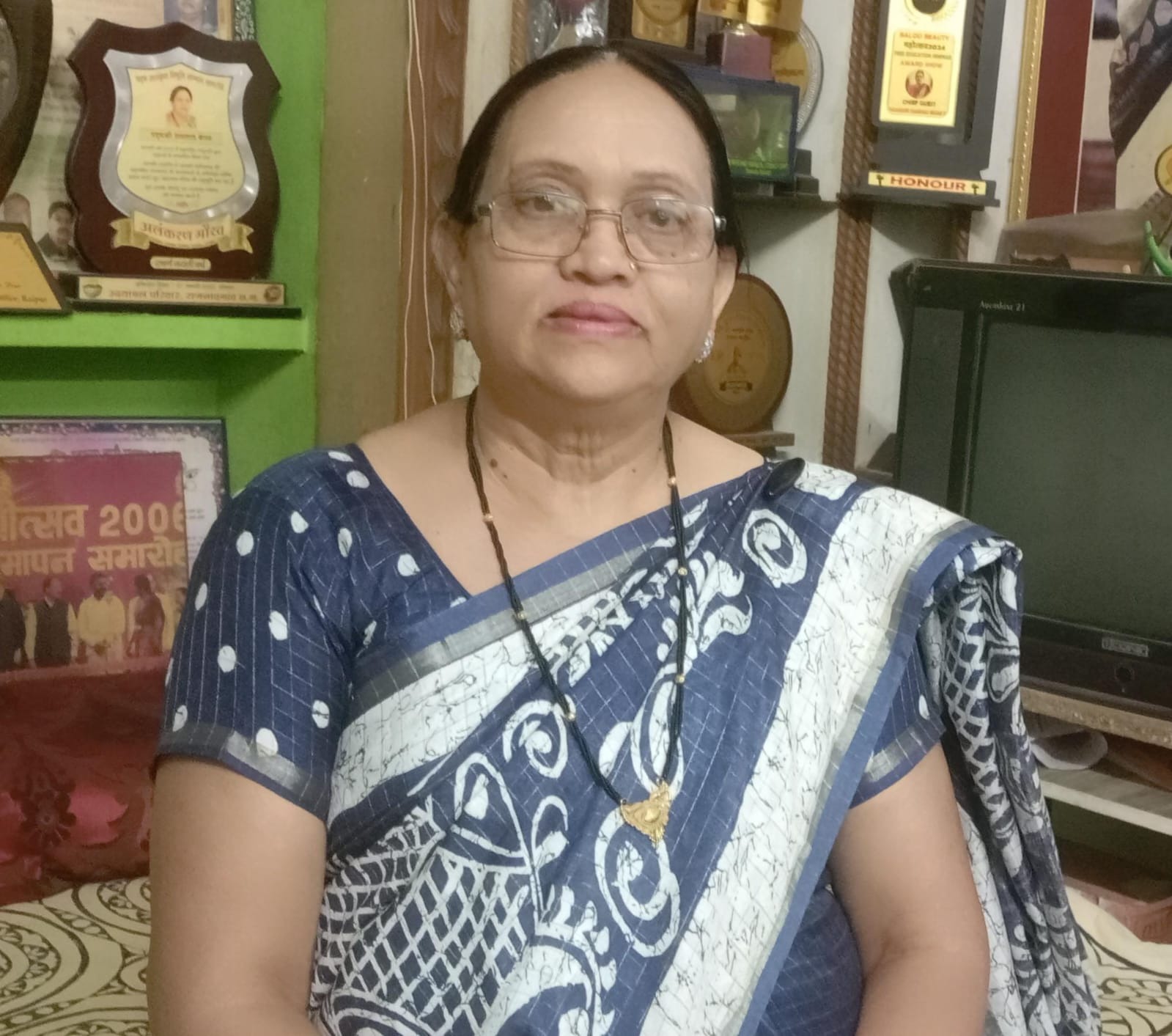
Padma Shri awardee Shamsad Begum is living proof of how a woman’s determination can transform an entire community. With unwavering honesty and a focus on inclusion, she has built one of India’s most inspiring grassroots networks, empowering thousands of women in Chhattisgarh to live safer, more self-reliant lives. She is the driving force behind the women’s commando movement.
Her journey began in the small town of Balod, where she witnessed firsthand the obstacles women faced. “If I ever get the chance, I will work for women’s education and empowerment,” she resolved. Coming from a modest family, she drew inspiration from her mother, Aamna Bee, who balanced work and education to ensure all six of her children studied. Her impact was nationally recognised when she was included in the list of 100 Muslim women honoured for their role in India’s development.
Faisal Rizvi: A Lawyer with an Unyielding Sense of Justice
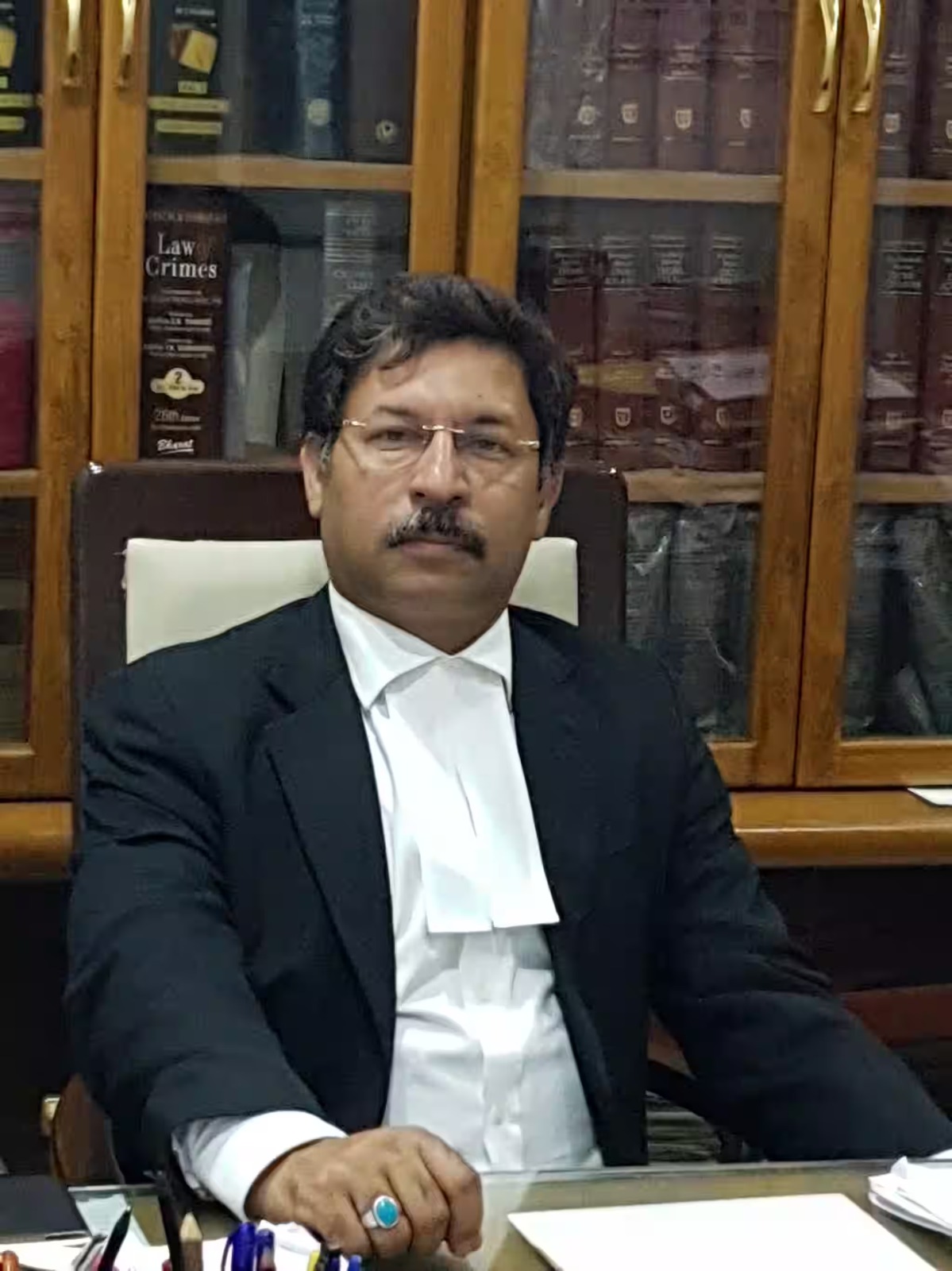
Faisal Rizvi has made his nameas a leading criminal lawyer in Raipur. His arguments, cross-examination skills and strong command of legal intricacies have made him one of Chhattisgarh’s most respected legal figures.
From a young age, Rizvi displayed keen observation and a natural inclination towards law, with a deep interest in social issues and legal awareness. Understanding the importance of nurturing the next generation of lawyers, he has distributed more than10,000 books on the Indian Penal Code and Constitution to law students in memory of his father. Born into a cultured, educated family, Rizvi completed his LL.B. from CLC College, Raipur in 1995 and later earned an LL.M. During his studies, he immersed himself in judicial perspectives, constitutional principles and the workings of society and administration.
source: http://www.awazthevoice.in / Awaz, The Voice / Home> The Changemakers / posted by Aasha Khosa / October 05th, 2025