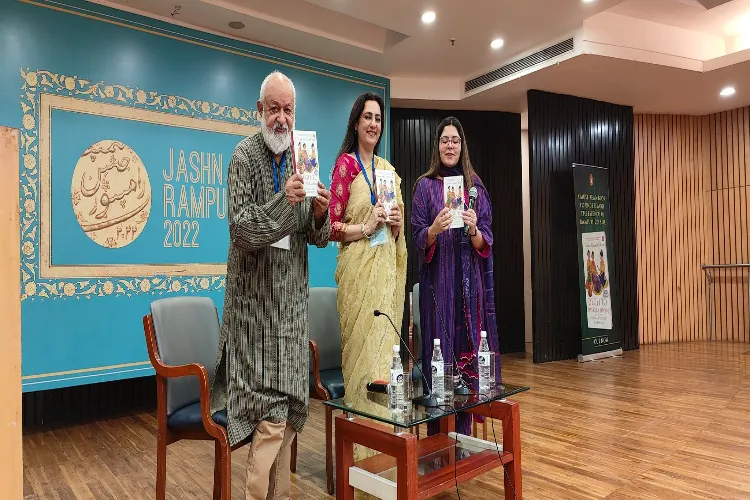
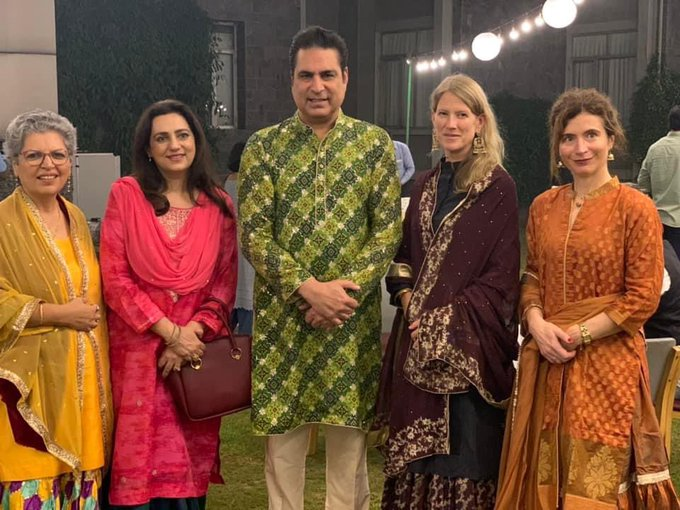
Away from the hustle and bustle of the national capital Delhi, the food lovers gathered in Delhi’s India International Center to discuss the food – delicacies, genres and history – all day. It was for the release of Dr. Tarana Hasan Khan’s book ‘Deg to Dastarkhwan: Stories and Recipes from Rampur.
In this era of pizza, burger, and fast foods, we seems to be forgetting traditions of the Shahi, Mughlai and old delicious food.
Dr. Tarana Hasan Khan is one of the few to write on Dastarkhwan – the Indian cusine. She is also cultural historian.
Dr. Tarana Hasan Khan and her book
Her other book is: The Begum and the Dastan.
Dr. Tarana says It took her three years to cover the forgotten recipes of Rampur for the book. There is a chapter on rice and spices in this book.
Famous food writer Pushpant Pant also participated in the book launch ceremony. The program started with welcome address by Swati Pal, Principal of Janki Devi Memorial College.
She also discussed the problems faced in writing the book on the ‘forgotten foods of Rampur’ were mentioned. Yusuf Saeed and Naseema Naqvi had a long conversation on this subject. This was followed by a discussion on the history of the foods between Dr. Tarana and Pushpant Pant.
Dr. Tarana specially thanked Pushpesh Pant for attending the program and joining the discussion on delicious food. He has written about Pushpent Pant by posting on Twitter:
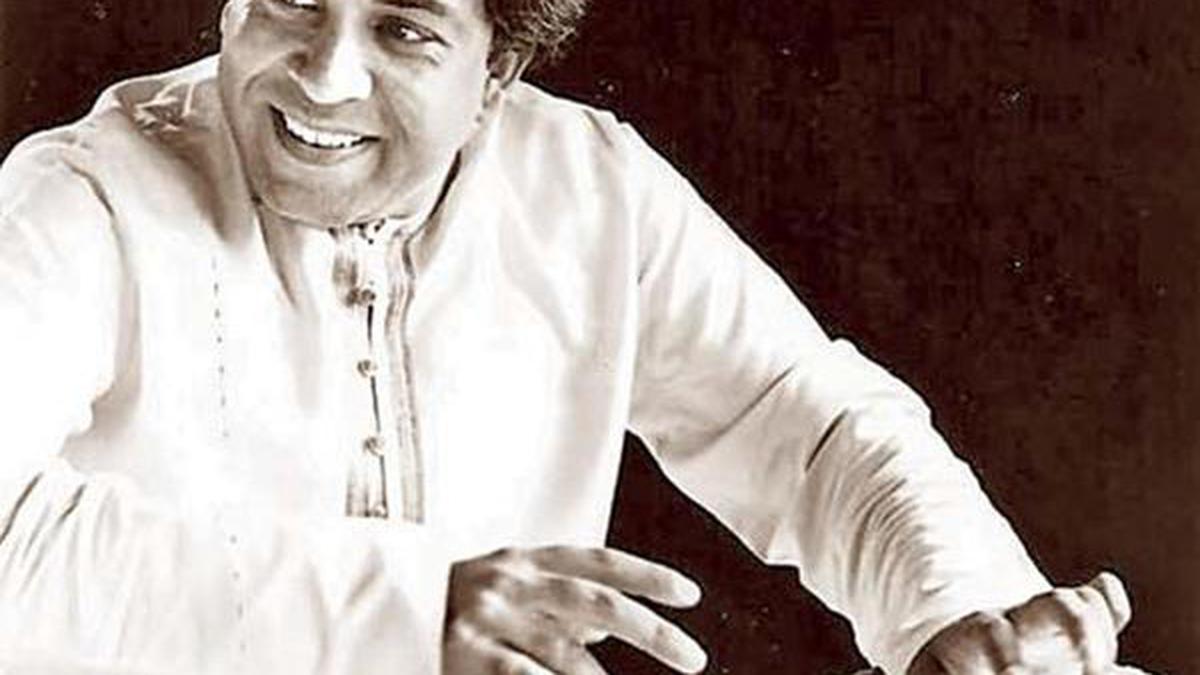
Much before I became an admirer of Ustad Zakir Hussain, I was a devoted fan of Ustad Shafaat Ahmed Khan. The reason was simple. Growing up in New Delhi, I had the chance to see the tabla maestro regularly when I was a teenager, often with luminaries like santoor monarch Pandit Shivkumar Sharma, flautist Pandit Hariprasad Chaurasia and sarod maestro Ustad Amjad Ali Khan.
After moving to Mumbai, I continued to attend Khan’s shows, and interacted with him twice as a music journalist. It came as a huge shock when he passed away on July 24, 2005, at the untimely age of 51, after a bout of hepatitis. Among classical music lovers, memories of Khan’s music remains fresh. Coming Wednesday, on his 14th death anniversary, Pancham Nishad is organising a tribute concert at the Veer Savarkar auditorium, Shivaji Park. It will feature vocalist Sanjeev Chimmalgi and tabla maestro Swapan Choudhuri, whose performance was a highlight of the Ustad Allarakha birth centenary celebrations on April 29.
I first heard Khan perform in 1977 when I was 14, at the Shri Ram Centre, New Delhi. He was accompanying Shivkumar Sharma on Raag Bhoopali. It was the first time I heard the santoor and the experience was magical. I didn’t understand the technicalities, but was totally enraptured. Both Sharma and Khan became my heroes. The same show also featured violinist N. Rajam and vocalists Rajan and Sajan Mishra, with different tabla accompanists. So imagine my joy. I told my parents to take me to more concerts, and very often, Khan would perform.
Senior aficionados often talked about Khan representing the Delhi gharana, and Hussain being associated with the Punjab school. It made no difference to me, until I started writing about them. I also had the good fortune of seeing tabla players like Kishen Maharaj, Anindo Chatterjee and Suresh Talwalkar perform.
My first meeting with Khan took place in the early 2000s, when he was to perform at the Gunidas Sangeet Sammelan at Nehru Centre, Worli. While the interview was formal, he was delighted to see an ardent admirer like me. “People normally try to find fault in my technique. You are different,” he had joked. The second encounter was at Sharma’s birthday celebrations in 2004. It was a select gathering of about 25 people. This was where I discovered what a fantastic mimic Khan actually was.
He narrated hilarious incidents about musicians. One of them was about a senior instrumentalist who was yelled at by an elderly foreign lady at the Amsterdam airport because he was humming the notes of Raag Bageshri a tad loudly.
When Sharma pointed out that he was mimicking those not present at the party, prompt came the reply, “If I mimic you, you won’t let me play at your shows. My career will finish,” stated Khan clearly.
source: http://www.thehindu.com / The Hindu / Home> Entertainment> Music / by Narendra Kusnur / July 18th, 2019
Saad Mohammad Zahirali Patel practicing in the Godavari river
Practicing on the waves of the Godavari River, Saad Mohammad Zahirali Patel is delivering stellar performances in water sports. Since taking up the sport in his 11th grade, he has competed in numerous tournaments and won a trove of medals.
Saad believes that with better infrastructure and government support, he can definitely win a medal for the country in the Asian Games.
Originally from Ahergaon, a village in the Niphad region of Maharashtra, Saad Mohammad comes from a middle-class farming family.
Like other children, his school life was filled with play and fun, but his college years proved to be a turning point for his career. In the eleventh grade, he joined the boat club affiliated with K. K. Wagh College in Pimpalgaon Baswant.
In the seven years since, he has consistently delivered impressive performances.
So far, Saad Mohammad has participated in four All India, six national competitions, one Khelo India event, and six state-level tournaments. He won a gold medal in the 500-meter category at the 2021-22 All India competition held in Chandigarh.
He followed that up with a bronze medal at the same competition in 2023-24. At the national level, his team narrowly missed a medal, finishing in fourth place.
These national competitions taught him a valuable lesson: a single tournament can teach you what hours of practice might not. This realization has driven him to participate in as many competitions as possible.
Saad Mohammad competes in four categories: Single Scull, Double Scull, Four Scull, and Mixed events. At the university level, he was awarded as “Outstanding Athlete of the year 2022-23” by the University. He has secured one gold and one bronze medal.
His journey, both for competitions and year-round training, has been arduous. In the early days, he would work in the fields in the morning before heading for practice. It was a difficult balancing act. Currently, he is in the second year of his post-graduate studies.
Saad Mohammad’s day begins at 5 AM, and he does his workout, followed by practice for four hours. He then goes for practice in the evening.
Saad Mohammad points out that athletes from Maharashtra use “Sunny” or “Cargo” boats in most competitions, while others use modern “Nelo” boats.
“If our state also upgrades our equipment, the number of medal-winning athletes will surely increase.”
source: http://www.awazthevoice.in / Awaz, The Voice / Home / by Arun Malani / August 28th, 2025
We celebrated the 100th birth anniversary of Prof Rais Ahmed, the former head of the Physics Department, Aligarh Muslim University and the person to whom I owe a great deal for starting me off on my career path in plasma physics research.
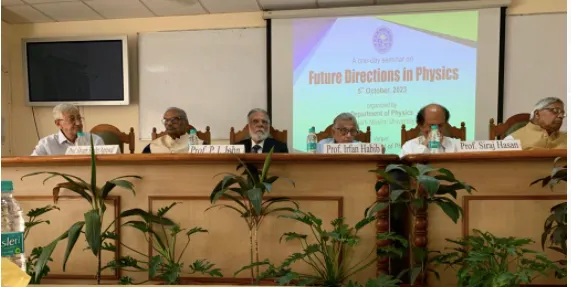
A one-day memorial cum seminar on Future directions in Physics was held at the University on 5th October 2023 Venue. Prof. Irfan Habib, Prof. of History, AMU, Prof. Siraj Hasan (Former Director, Indian Institute of Astrophysics), Prof. Naresh Dadhich (Former Director, IUCAA), Prof. S. K. Singh (Former VC, HNBU), Prof. Wasi Haider and Prof. Shyam Sunder Agrawal (Director General, KIIT Group of Institutions) spoke on the occasion. I spoke about my association with him and the future of Plasma Physics and Thermonuclear Fusion Research in India.
It was a forenoon in July 1964 when I first met Prof Rais Ahmed, who had become the Head of the Department that very year. I had travelled from Kerala seeking an opportunity to do research. He asked me a few questions on Physics, and I suppose I answered them reasonably well. But then he wanted to know why I wanted to pursue research.
I had rather romantic ideas like research leading to new knowledge and our responsibility to seek pure knowledge etc. It was clear that he did not take me seriously as he went on to say that science is what drives social transformation by changing our perception of our relationship with nature. Another observation was about science leading to technology which improves the quality of life.
Our conversation covered many things. I suppose he was gauging my mind and trying to find what kind of person I was. If it was a test, I passed it as he said that I could join for research. He made sure that I had no preference for Nuclear Physics or Spectroscopy, the areas of ongoing work in the department. He talked to me about Plasma Physics as an emerging field and about the work which was going on in Harwell and Oxford on Thermonuclear Fusion Research.
I did not know about Plasma Physics even at an elementary level. However, I was willing to learn and was asked to talk to Prof. D C Sarkar about the thesis work in more detail. I went through an intense learning programme, primarily reading Physical Review and Review of Scientific Instruments. There was no previous laboratory I could walk into and start work and I had to start from scratch. Looking back, I was taking an enormous risk as I had to build an entire laboratory for me to start the thesis work.
I rigged up a Radiofrequency generator with Japanese power tubes scavenged from the Electrical Engineering Department. Prof Venkateswarlu’s lab was full of microwave equipment, which Rais Sab allowed me to borrow. With all this, I set up an experiment and after a struggle of five years, put together a thesis which got me a degree. Almost immediately he gave me a regular job as a lecturer in the department as some vacancies were due to be filled.
As the Head of the Department, he did much to expand research and teaching in Physics in new areas. As Director of Academic Programmes, he organized the Semester System designed to update courses and provide more rigorous instruction to students. He made an alliance with Uppsala University in Sweden for faculty members to do research there. He arranged for PhD scholars to start teaching postgraduate students.
I recalled my interaction with university life during my eight years there. At first, Aligarh gave me a culture shock. My inability to comprehend Urdu was the first barrier to appreciating the culture. The exalted forms of addressing, and the too formal and exaggerated ‘Tehzeeb’, the gestural ‘adaabs’ strewn around were all alien. The food, though delicious, was completely unfamiliar. But the campus was a dream with beautiful buildings, stately halls, verdant lawns, and lush gardens. The library gave me all the books I wanted to read. The accommodation I got at the Sulaiman Hall was quite adequate. The students from central Travancore preferred this. There was a South Indian mess catering our preferred food. Tea at the Paradise restaurant with friends was fun.
Rais Ahmed had interests ranging from his specialization in Electronics to varied areas of science and education. He published over 100 papers on Electronic Circuit Analysis. Analogue Computers. Speech Recognition and Production, and Creative Teaching of Physics. The work he started in the 1970s on speech perception would eventually become an important branch of artificial intelligence and machine recognition of speech.
I recall a symposium he had organized on higher education, where we were asked to be volunteers to help the organization. The attendees were all academics from Universities and IITs and I was fortunate to listen to many of them. The remarkable skill with which Rais Sab generated consensus on many issues which were debated was an eye-opener for me.
In a department seminar, when his student Moonis Ali spoke on the design of an analogue computer system, some of us, ridiculed the idea calling it a paper machine. Rais Sab defended the presentation vigorously, saying that new ideas were what drove science forward and that they had as much importance in science as building new instruments.
His remarkable organizational skills were brought to bear at the prestigious Annual Meeting on High Energy and Nuclear Physics, sponsored by the Department of Atomic Energy. Prof Roy Daniel from TIFR was the coordinator of the meeting, and his being from Kerala, we used to chat about the preparations for the meeting. The participants included bigwigs like Vikram Sarabhai, Prof M G K Menon and Dr Raja Ramanna. The meeting was hailed as very successful thanks to the planning and preparations led by Rais Saheb.
All of us in the department rejoiced when he was made a member of the Science Advisory Committee to the PM, then Mrs Gandhi. After each meeting, he would call all of us to the lawn near the workshop to convey to us the flavour of the meeting. We had the vicarious pleasure of being informed about the thinking in the places of power.
He would call me occasionally to his office to find out how I was doing. In one of these meetings, he advised me to read journals other than those dedicated to pure physics. He cited the Bulletin of Atomic Scientists as an example.
Rais Sab had an abiding faith in Scientific Socialism and felt strongly about the increasing global dominance of the multinationals and about what he saw as a retreat by India from its independent position both in the Economic and Intellectual fields. He had a strong belief that human capital, in the form of expanding knowledge and scientific spirit, held the key to India’s salvation. For this ideal, he worked tirelessly both as an individual and in administrative capacities.
In the 1950’s he was an energetic organizer of the Association of Scientific Workers of India. Once when I asked him about the ethics of unionizing scientific workers, he defended it by saying that collective bargaining need not be about wages and working conditions only. Professional bodies of scientists had a role in influencing public policy.
After I left Aligarh in 1972 to join the Physical Research Laboratory in Ahmedabad, I had occasional interactions with him. He made me a member of the UGC Committee to visit Marathwada University to make an academic assessment. He funded my proposal to have an orientation programme for university teachers in the emerging field of Plasma Physics.
I had an exciting and eventful life contributing to Plasma Physics in India, right from its inception at the Physical Research Laboratory, during the Plasma Physics Programme and its eventual transformation to the Institute for Plasma Research and when India became a proud partner in the ITER project of building the world’s first Thermonuclear fusion reactor in France. I owe a debt of gratitude to Rais Saheb for initiating me into the research path, which made all this possible.
source: http://www.john-pucadyil.medium.com / Medium.com / Home / by John Pucadyil / October 06th, 2023
P Hiba, the Muslim girl from Manjeri in Malappuram district, who topped the 2015 Kerala Medical Entrance Examination, while dedicating her success to her late father said she wanted to become a doctor with social commitment.
“I want to be a good doctor with social commitment and will use the opportunity to serve the society”, Hiba said while talking to reporters after the results.
“If you are driven by stern decision towards something, you will get for sure,” she added.
As per the state medical entrance exam results declared Wednesday, P. Hiba of Malappuram scored 954.7826 and stood first in the list.
Hiba had not expected the rank. “I was confident that I could make it to a government medical college in the State,” she said, without hiding her surprise at winning the first rank.
Hiba completed her Class 12 last year with 98 per cent marks from the Manjeri GBHSS and worked hard for the entrance examination last year.
She had joined an entrance examination centre at Pala in the beginning but left it owing to home sickness. She then joined Bhabha Institute of Sciences at Manjeri which proved to be a key factor in her success.
Hiba is keen to join MBBS at the Government Medical College, Kozhikode. But she is waiting for the results of the All India Medical Entrance Examination. She would not be in two minds if she gets admission at All India Institute of Medical Sciences (AIIMS), New Delhi.
Hiba was followed by Marium Rafi from Aluva who stood second with 944.3478. The third rank went to Ajeesh Sabu from Kollam, who also scored 944.3478.
Mariam termed her victory as grace of Allah and help and support extended by the parents and sister. She told a local news website that she never expected such an achievement.
Mariam is also preparing for the All India Medical Entrance Examination and will join All India Institute of Medical Science (AIIMS) if she is blessed with a chance.
source: http://www.ummid.com / Ummid.com / Home> India / by ummid.com news network (headline edited) / May 22nd, 2015
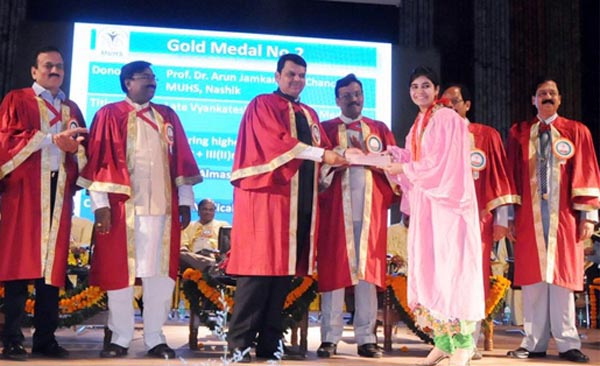
Continuing her dream run of academic success, Almas Nazim Syed of Government Medical College Nagpur, crossed yet another milestone by securing the top position in Maharashtra MBBS final exam, bagging 11 gold medals and a scholarship.
Daughter of Dr Syed Nazim, a general practitioner, Almas Nazim Syed, has topped every exam in her career, including the 2009 Maharashtra HSC board exam before the impressive performance in the Maharashtra MBBS final exams.
Maharashtra Chief Minister Devenndra Fadnavis in Nashik to address the 14th Convocation of the Maharashtra University Health Sciences (MUHS), felicitated Almas Nazim Syed and also conferred on her citation and gold medals.
Along with Almas Nazim Syed, a total of 7,478 students from different streams of medicine were awarded with the convocation. Of these 71 gold medals were given to the students. Nine students were awarded with Doctor of Philosophy (PhD).
Interestingly, after topping the 2009 HSC exams, Almas Nazim Syed, whose brother was then studying in second year MBBS, had vowed to study medical science with specialisation in gynaecology, and build a hospital for poor people.
“I want to fulfil my mother’s desire that I open a nursing home or a hospital to serve the needy,” she had said.
Almas’ motivation, however, was her grandma Safiya, a writer.
“I wanted to be gynaecologist and open a hospital since I was in class 5. It was prompted by my grandmother telling us one day that she was not able to pursue her dream of opening a nursing home to look after children’s studies,” she said.
A vivid reader of novels, Almas is fully determined to achieve her target.
“Dare to dream. Have passion to fulfill that dream. Be persistent in hard work. Don’t be aimless in life”, were her words after cracking the 2009 HSC exams.
After clearing the MBBS finals and becoming a doctor, it will now be interesting to see how Almas Nazim Syed, married to a politician’s grandson in Akola, fulfils her mother’s desire to open her dream hospital for poor.
source: http://www.ummid.com / Ummid.com / Home> Education & Career / by ummid.com news network / May 27th, 2015
Jamia Mohammadia Mansoora, as this complex is named by its founders, is not only an education hub but also a symbol depicting state-of-the art combination of Islamic and modern Indian culture.
Sultan Manzil (Photo: ummid.com)
Malegaon, despite an appalling history of negligence by successive governments at the centre and state, still has the tag of being a town of literate, erudite and cultured masses firmly intact.
True to this identity, the first thing that greets the people entering the town from the western side on the Mumbai-Agra National Highway and touching the banks of Girna River is the grand educational complex.
Mansoora, as this complex is named by its founders, is not only an education hub but also a symbol depicting state-of-the art combination of Islamic and modern Indian culture.
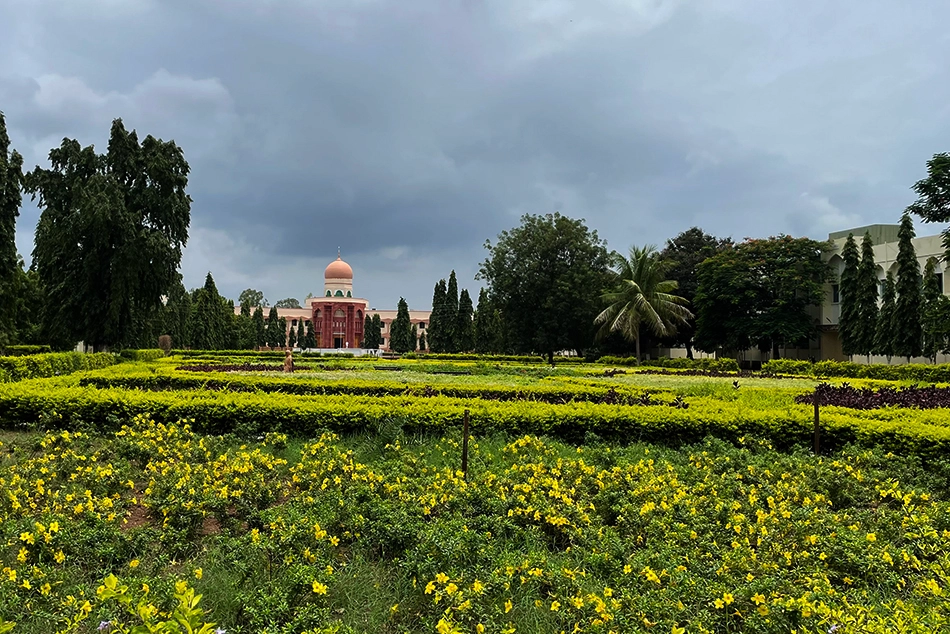
Lush green lawns, buildings of class architecture, classrooms with modern amenities, model computer rooms – one each for boys and girls, well-equipped laboratories, library with valuable collection of rare books, hostel with suitable lodging, playground – enough not only for cricket but also for games like basketball and football, giant mosque with separate arrangement for women having a capacity exceeding 5000 people and what not. The campus stretched on 56 acres of land has everything that parents would love to have for the education of their children.
Moreover, Mansoora is perhaps the only place in India having a dedicated mosque for girl-students where they not only offer prayers five times a day but also it is they who lead the prayers every day. Above all, they have a unique syllabus for study that not only masters them in Islamic as well as Modern subjects but also train them in meeting the emerging challenges.
The brainchild of Maulana Mukhtar Ahmad Nadvi, who with the help of his friend Saith Mohammad Khaleel of Malegaon initially, and single-handedly later on, turned the Mansoora into a model not only for those working eagerly on Madrasa modernization but also for many schools and educational institutions in India where quality education and desired results have become scarce.
The Beginning
King Abdul Aziz University of Saudi Arabia had organised an International Conference in 1975. The theme of this conference was to deliberate on the possibilities to amend the existing Madrasa syllabus followed at the time by most of the Islamic institutions and bring them in line with the modern requirements. Besides Muslim scholars and Ulema from all across the world, Maulana Mukhtar Ahmad Nadvi and noted Muslim scholar Maulana Abul Hasan Ali Miya Nadvi were also invited to the conference. The deliberations on the all-important issue in the conference kept Maulana Mukhtar Ahmad Nadvi impatient throughout the way back to India. He consulted on the matter with Maulana Ali Miya Nadvi and then tirelessly began searching for options to establish a Model Madrasa in India.
Masjid Aisha of Mansoora is the largest Mosque in Malegaon (Photo: ummid.com)
At this juncture, Maulana Mukhtar Nadvi met his friend Saith Mohammad Khaleel of Malegaon in Mumbai. The two men, though living miles away from each other, had many things in common. While Maulana Mukhtar Ahmad Nadvi had the vision and plan to convert his dream into a reality, Saith Mohammad Khaleel had the required resources in plenty.
Simultaneously, Saith Mohammad Khaleel proved a powerful backer and a great motivator for Maulana Nadvi. The combination worked and what Muslim leaders and Islamic scholars dreamt at King Abdul Aziz University, Saudi Arabia in 1975, became a reality in 1979 thousands of miles away in Malegaon.
Mansoora
A man with a vision, Maulana Mukhtar Ahmad Nadvi was also a master in doing things in novel ways. Hence for his dream Education Institute – running on a unique syllabus based on Islamic as well as Modern Education pattern and stretched on 56 acres of land touching the banks of Girna River along the Mumbai-Agra road in Malegaon – chose Mansoora as its name.
Mansoora, as Maulana Mukhtar Nadvi used to recall, in the 9th century was a historic locality in Baghdad. Iraq’s capital Baghdad during that time was the source of wisdom, knowledge and erudition, and a preferred destination for scholars and academicians. People from all across the globe seeking knowledge and wisdom used to converge at Baghdad. In the heart of the city and centre of all academic activities in Baghdad was Mansoora. A thousand years later, Mansoora took rebirth in Malegaon – a small town in North Maharashtra predominated by Muslim population.
A Model Curriculum
For the Curriculum and Syllabus to be followed at Jamia Mohammadia for boys and Kulliyah Aisha Siddiqua for girls – as he named the first two institutions founded by him in Malegaon – Maulana Mukhtar Ahmad Nadvi worked on two levels.
Realising that the existing Dars-e-Nizami – normally followed by the Mada’ris (plural of Madrasa) in India – is not sufficient to meet the emerging challenges and requirements of even the Islamic studies, he after consulting renowned academicians and scholars of the time, introduced suitable and needful amendments in it.
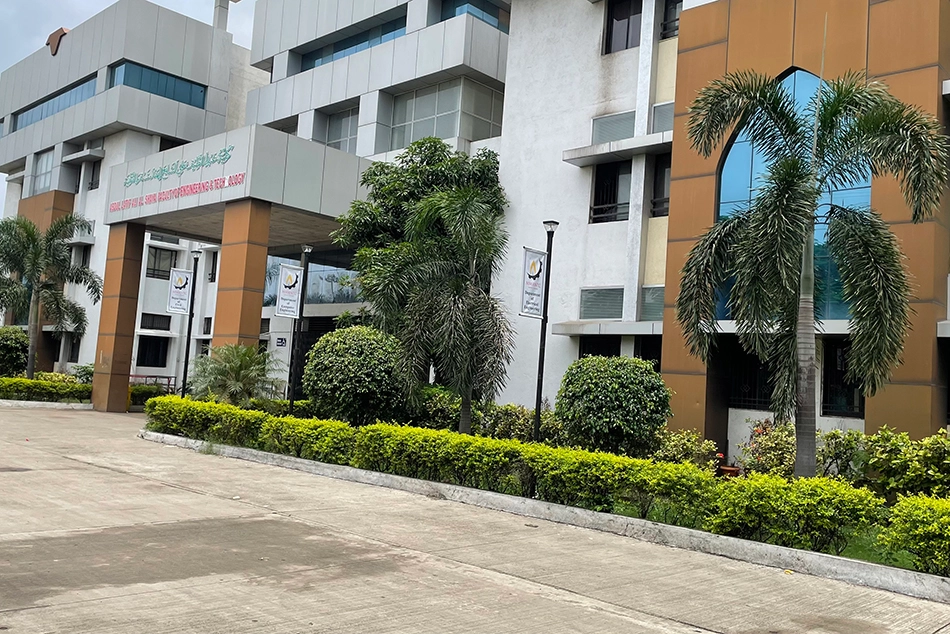
Abdul Latif Ali Al Shaya Faculty of Engineering, Mansoora (Photo: ummid.com)
At the same time, he introduced the modern subjects like Science and Mathematics, and also the languages like English, Hindi and Marathi for students that included boys and girls both. Finally, the curriculum that came into being out of his efforts was a perfect combination of Islamic and Modern Education pattern.
Simultaneously, he meticulously worked for obtaining the all-important affiliation and recognition from the state education board, and also from the Indian and foreign universities. Thanks to the determination, commitment and speed with which he worked, both of his institutes were very soon recognised by the Mahrashtra State Secondary Board and also by Jamiah Islamia, Madinah Munawwarah, Saudi Arabia and Jamia Millia Islamia, New Delhi.
Mansoora: A Force to Reckon With
Due to the hard-work it needed on the part of the students as well as the teachers, the curriculum was really tough when introduced in the beginning. However, once it was on the roll, results started pouring in consistently and with surprising rewards. The Jamia students – both boys and girls, soon found them not only scoring excellently in Islamic studies but also coming with flying colors in state board exams.
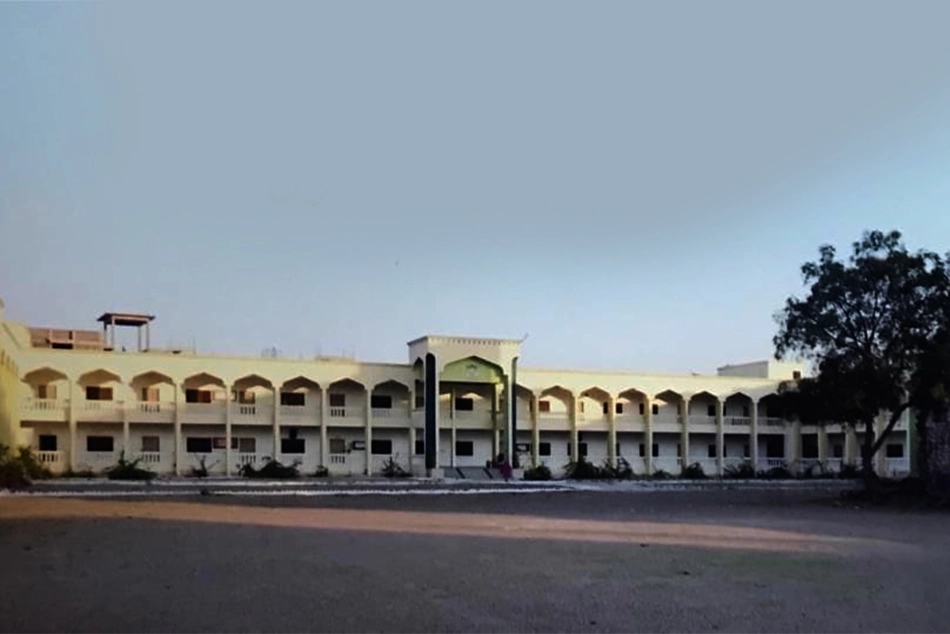
Kulliyah Aisha Siddiqua for girls
However, the brightest moment for Mansoora came in 2008-09 when one of its students Abdur Rehman along with sixteen others created history at Jamia Islamia Madinah Munawwara, Saudi Arabia. While Abdur Rehman topped his faculty and bagged student of the year award, sixteen others from Mansoora cleared the University exams with distinction. The results were so impressive that Jamiah Islamia sent its Head of the Education Department to Mansoora. He specially traveled from Saudi Arabia to Malegaon to have a personal and first-hand account of the way students are taught.
JMES Goes National
After he succeeded in his mission, Maulana Mukhtar Ahmad Nadvi invited people from various places – specially those who were part of the deliberations with him at King Abdul Aziz University in 1975 – to have the first hand experience of what was dreamt in that conference. At the same time, while extending all supports, he urged them to replicate the model in their localities.
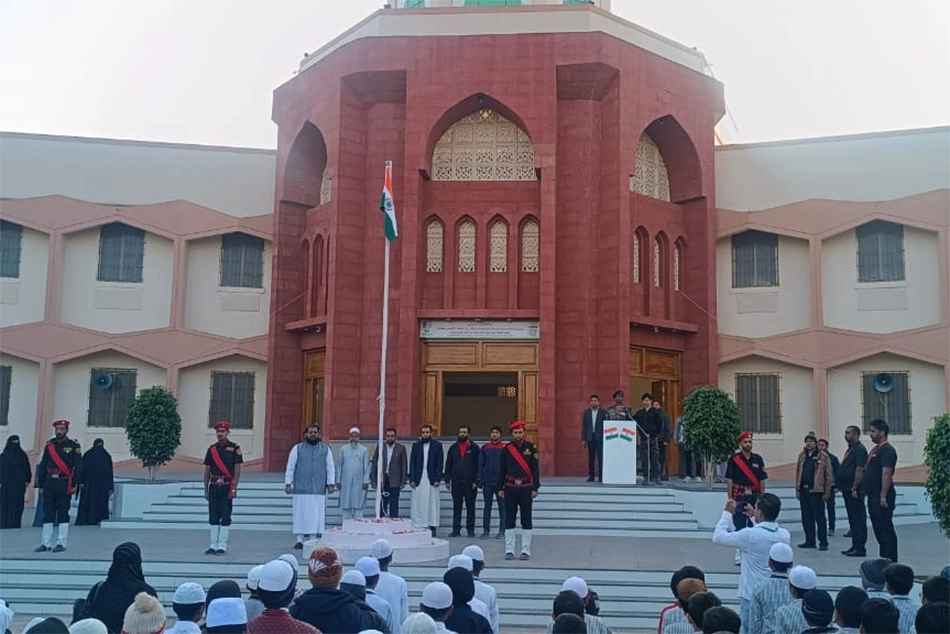
Independence Day Celebrations at Jamia Mohammadiya Mansoora, Malegaon
However, when he found some of them wary and some others hesitant, he took it upon himself to do the job. Soon JMES spread its wings to other parts of the country and established branches at Maunath Bhanjan, Aakot, Dhule, Bangalore, Mahesla and Mewaat – all running on the Mansoora pattern and affiliated to the respective state boards.
Future Ambitions
The Mission was partly accomplished. Maulana Mukhtar Ah Nadvi died September 9, 2007. Behind him he left, besides Mansoora in Malegaon and a chain of education institutes spread all across the country, an able and equally ambitious son Arshad Mukhtar. At the helm of the affairs now, Arshad is smartly following his father’s footsteps. His dream is to convert Mansoora into a big University – capable of offering every subject that exists on the earth.
——————————
[The writer, Aleem Faizee, is Founder Editor of ummid.com. Aleem Faizee has also worked as a Researcher at Tata Institute of Social Sciences (TISS) and with Action Aid for its research work published as “BROKEN PROMISES -A study on the socio-economic status of Indian Muslims: Seven years post Sachar”. His research work “Mollywood: The Rise and Fall of a Subaltern Cinema” is part of the book “Creative Industries in India” published by Routledge India of Taylor and Francis Group, London. A prolific writer, Aleem Faizee has also wrote for The Times of India as a Freelance Journalist for over 10 years. The above article was originally published on January 22, 2010.]
————————–
source: http://www.ummid.com / Ummid.com / Home> Education & Career / by Aleem Faizee, ummid.com news network / August 20th, 2025
Showcasing the brilliance and legacy of the Aligarh Muslim University (AMU) Faculty of Law, Akbar Siddiqui has secured the top position in the Delhi Higher Judicial Services Examination.
Aligarh Muslim University:
Showcasing the brilliance and legacy of the Aligarh Muslim University (AMU) Faculty of Law, Akbar Siddiqui has secured the top position in the Delhi Higher Judicial Services Examination.
The result of the Delhi Higher Judicial Services Examination 2024, along with the merit list, was announced on August 20, 2025.
“A Distinguished Lawyer”
An alumnus of AMU 2007 batch, Akbar Siddiqui, is Advocate-on-Record, Supreme Court of India. He is celebrated for his distinguished practice before the Supreme Court of India.
Siddiqui’s role in the landmark Satender Kumar Antil case, which significantly shaped the jurisprudence on bail, is also noteworthy.
His achievement yet again cements the Faculty of Law, Aligarh Muslim University as a cradle of some of the finest legal minds in the country.
“A Matter of Great Pride”
AMU Vice-Chancellor, Prof. Naima Khatoon, has congratulated Akbar Siddiqui on this remarkable feat.
“Siddiqui’s accomplishment is a matter of great pride for AMU and its Faculty of Law. His journey from Aligarh to the Supreme Court and now to the higher judiciary is an inspiring example of academic rigor, professional excellence, and perseverance. We wish him continued success in serving the cause of justice.”
Akbar Siddiqui has obtained a total of 712 marks out of the total 1,000 marks to secure the first position in the merit list.
Siddiqui’s success adds another illustrious chapter to AMU’s rich tradition of producing leaders in the legal fraternity, inspiring future generations of aspiring jurists.
source: http://www.ummid.com / Ummid.com / Home> Education & Career / by ummid.com news network / August 22nd, 2025
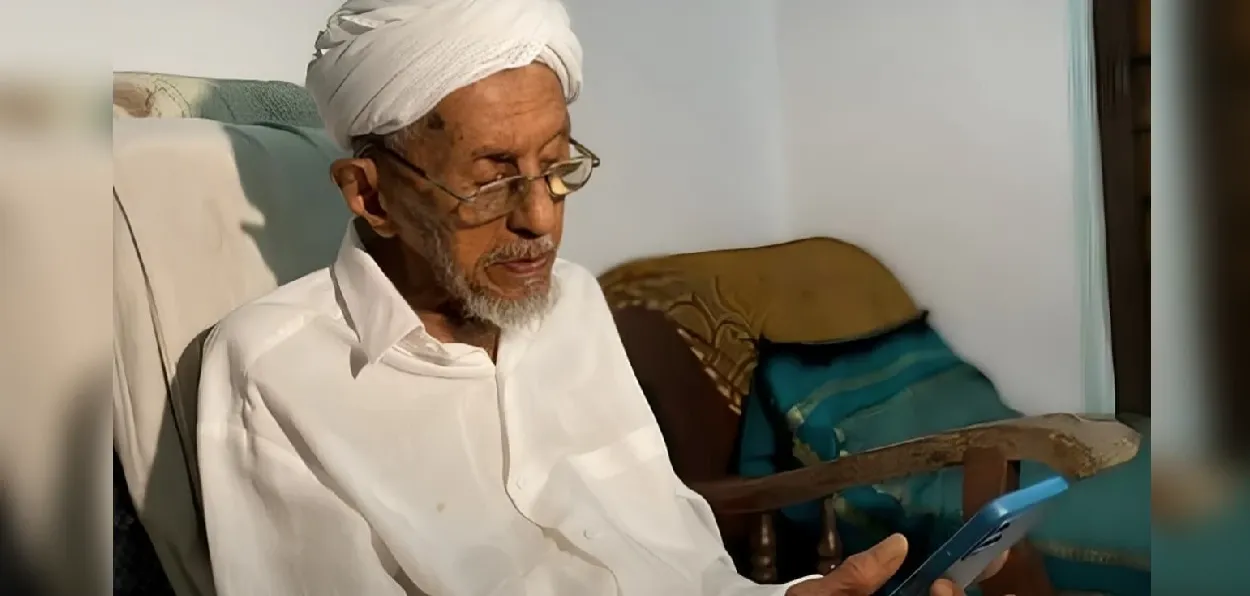
Age is just a number and never a barrier to keep up with the changing times. MA Abdullah Maulavi Kerala has proved as at the age of 105 years, he is as good at using his smartphone as a teen ager.
During the COVID-19-induced lockdown, Abdullah Maulvi did not get newspapers delivered to his home. Being an avid news buff, he picked up a smartphone as an alternative.
Today, he enjoys scrolling through social media for reels and other content, searching news on YouTube, logging on to prayer songs on his son’s smartphone, and making video calls to his grandson abroad.
Abdullah of of Oddakali in Ernakulam district’s Peerambavoor, was one of the 2.2 million people who received digital education under the Kerala government’s ‘Digi Keralam’ scheme. The campaign has changed the way of life for people in the state.
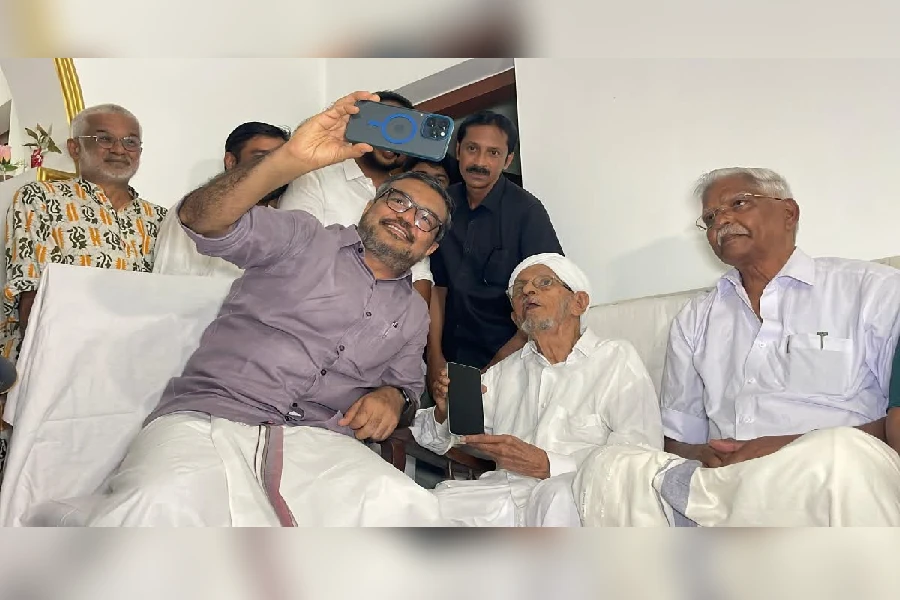
Locals taking a selfie with MA Abdullah Maulavi
“When newspapers stopped coming to my house during the lockdown, my father asked me if it was possible to read the news on the phone,” said Faizal Ali, son of Abdullah Maulvi.
That question was his first step toward digital literacy. He and his children later supported the Patriarch’s wishes. His grandson Shakir was the first to teach him the use of a smartphone.
Faizal said a ‘Digi Keralam’ volunteer from Asmanur Gram Panchayat visited their house during this period and trained his father. This enabled the 105-year-old to become digitally literate and independently use a smartphone. Using voice typing, he now looks up news on YouTube. He makes video calls every day to his grandson Shakir, who now lives abroad and was instrumental in steering him into the digital world.
At first, Abdullah Maulavi relied on his son’s and grandchildren’s smartphones. Kerala Minister MB Rajesh presented the eldest digitally literate Malayalee with a smartphone at his home.
Minister Rajesh asked the cleric what difficulty he faced in his learning. “Everything was easy,” the cleric replied with a smile. He even demonstrated how he uses YouTube and made a video call.
The cleric told the minister that he would also call him on his phone.
There are many success stories of the Digi Kerala campaign.
MA Abdullah Maulvi using his smartphone
A 79-year-old worker, who opposed digital education, has now launched his YouTube channel. Sulchana, 80, now accesses government services through her mobile phone, independently.
According to officials, Kerala would soon be declared the first digitally literate state in the country, with 99.98 percent of students acquiring basic digital skills.
On September 22, 2022, the Local Self-Government Department (LSGD) launched the ambitious campaign. Under this, digitally illiterate persons are identified and trained in the use of smartphones, access to online government services, and the use of digital tools.
LSGD minister, M B Rajesh, said that 21,87,677 digitally illiterate persons identified through a survey were trained to use digital tools effectively. Chief Minister Pinrayi Vijayan will declare Kerala a fully digitally literate state at a function at the Central Stadium in Thiruvananthapuram in August.
He said, “A Digital literacy program is being implemented on the lines of the full literacy movement. We felt the need for total digital literacy when government services, especially the LSGD department services, went online.
A Digi Keralam Vounteer teaching a woman how to use her smartphone
“When we implemented the initiative to put all our department’s services online, the digital literacy initiative was also undertaken simultaneously, to digitally empower people,” the minister explained.
LSGD Principal Director Jeromic George said, Digi Keralam has been launched to enable every citizen to access and benefit from e-governance and digital services.
This is not just a government program, but a people’s movement, connecting generations and communities. More than 15,000 of these digital learners are over the age of 90, including sources of inspiration like Abdullah Maulavi.
“During the pandemic, we used to see long queues in front of the only bank in our village,” said an official who conceptualized and led the digital literacy drive in Pullampara. They were just queuing up to see if the MGNREGA wages had been credited to their accounts. Some even spent ₹200-300 to go to the bank by auto just to check their balance.
“If they were digitally literate, they would be able to check their balances on their mobile phones, and that thought inspired the Panchayat authorities to start planning a digital literacy drive.”
The Kerala Institute of Local Administration developed training modules suitable for the entire state. “Then we started volunteer registration. Master trainers were identified, and trainers were trained through them. They, in turn, imparted training to the volunteers. The training sessions were almost online,” Minister Rajesh said.
source: http://www.awazthevoice.in / Awaz, The Voice / Home> Stories / by Aasha Khosa, ATV / August 24th, 2025
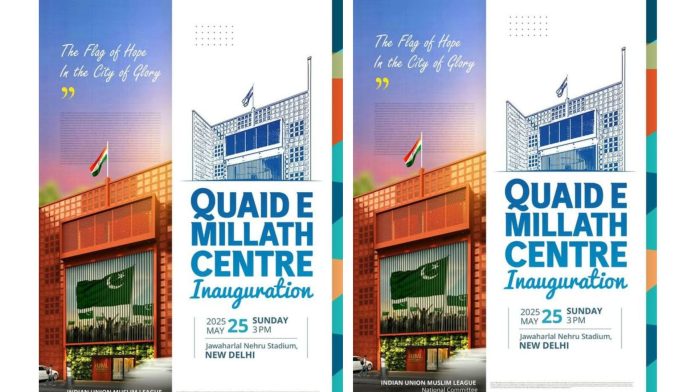
The Indian Union Muslim League (IUML) formally opened its first national headquarters in Daryaganj, marking a major step in expanding its role in Indian politics. The five-storey building, named after party founder Qaid-e-Millat Mohammed Ismail Saheb, was inaugurated by National Affairs Committee Chairman Panakkad Syed Sadik Ali Shihab Thangal in the presence of MPs, MLAs, and leaders from across the country.
The IUML, founded in 1948, has until now confined its activities largely to Kerala and Tamil Nadu. In Kerala, it has played an influential role for decades, partnering with both Congress-led and Left-led coalitions. Its participation in government helped secure significant progress for Muslims in education, business, and social development.
To introduce itself in North India, IUML will hold a public meeting at Jawaharlal Nehru Stadium with senior leaders of the INDIA bloc, including Sonia Gandhi, Priyanka Gandhi, and Akhilesh Yadav. Senior advocate and MP Kapil Sibal will deliver a keynote address on “Election Fraud: Death of Democracy.”
IUML leaders said the party plans to engage OBC, Dalit, and minority communities while tackling the challenge of operating in a more polarized political environment. They stressed that the IUML is open to all communities and already has non-Muslims in leadership roles in Kerala.
Analysts believe the Delhi headquarters signals a long-term strategy to counter the influence of AIMIM and provide an alternative Muslim-led voice within the INDIA alliance framework. The move is expected to amplify IUML’s national presence and influence in the coming years.
source: http://www.radiancenews.com / Radiance News / Home> Latest News> Report / by Radiance News Bureau / August 24th, 2025