Irfan, who aspires to be a Sanskrit teacher, is the only Muslim among the top 20 scores in the classes 10 and 12.
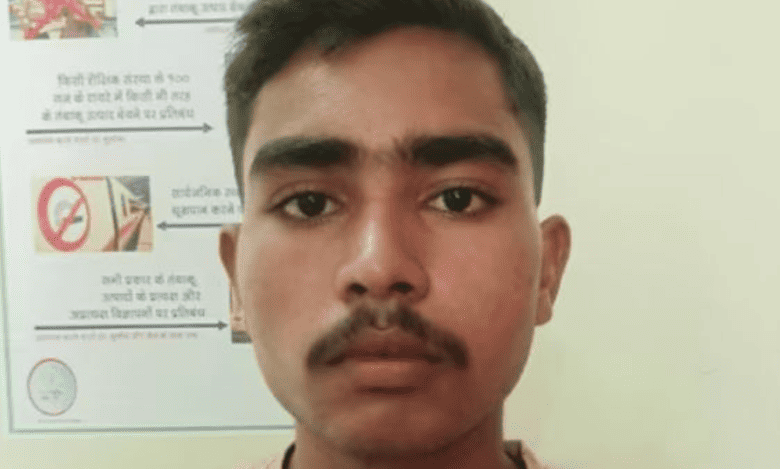
Mohammed Irfan, the UP Sanskrit board exam topper.
Mohammad Irfan, the 17-year-old son of a farm daily wage labourer Salauddin in Uttar Pradesh’s Chandauli district, has scored 82.71% in the Uttar Pradesh Madhyamik Sanskrit Shiksha Parishad Board’s Uttar Madhyama-II (class 12) examinations.
The board requires Sanskrit language and literature as two compulsory subjects, along with other subjects.
Irfan, who aspires to be a Sanskrit teacher, is the only Muslim among the top 20 scores in classes 10 and 12.
The boy reportedly got admitted to the Sampurnanand Sanskrit Government School because that is the only school his father could afford to send him to. Salauddin earns a mere Rs 300 per day and the school charged Rs 400-500 as an annual fee.
Irfan comes from a devout Muslim family and his father said that they have never stopped the kid from achieving his dreams.
“In junior classes ‘Sanskrit’ was a compulsory subject and it was from there that he developed a liking for the language. He now plans to do Shastri (equivalent to BA) and Acharya (equivalent to MA) and will then look for a job as a Sanskrit teacher,” he said, speaking to The New Indian Express.
Irfan on language- religion connection
“I’m not sure why people associate a language with a religion. A Hindu can be extremely good at learning Urdu, while a Muslim can be very good at studying Sanskrit. I am a graduate who understands the value of education,” Irfan said, addressing media on the question of people connecting certain languages with some religions.
source: http://www.siasat.com / The Siasat Daily / Home> News> India / by News Desk / May 06th, 2023
Competition concluded with two national meet records.
Bhopal (Madhya Pradesh):
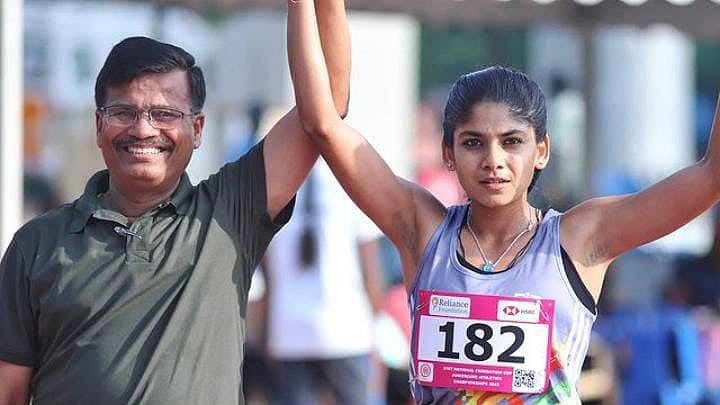
Bushra Khan of the Madhya Pradesh State Athletics Academy has created a national meet record in the 3000-metre run in the 21st National Federation Cup Jr. U20 Athletics Championships, which concluded on Sunday in Thiruvannamalai.
Khan created a national meet record with a timing of 9:35.21 seconds. She has qualified for the Junior Asian Championships for the second time in this tourney. With a meet record to her name, Bushra won the gold medal. This is her second medal for this feat.
In this tournament, Bushra finished second in the women’s 5000m race with a timing of 16.59.05. She is training under coach SK Prasad. In the youth games, she won the 3,000-metre gold at Tatya Tope Stadium.
In the men’s 3000m, Vikas Bind finished third in 8:29.32 to win the bronze medal, while Mo Nadeem won the silver medal in the hammer throw by finishing second in 61.56m.
In the men’s 800m, Shyam Bind finished second in 1:50.27, won the silver medal, and qualified for the Junior Asian Championships.
In men’s 3000m steeple chase, Gaurav Yadav finished second in 9:20.37, winning the silver medal.
source: http://www.freepressjournal.in / The Free Press Journal / Home> Bhopal / by Staff Reporter / May 01st, 2023
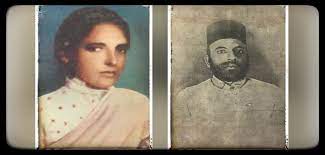
“I appeal to the youth of this country that they sit at the feet of this goddess (Nishat un Nisa Begum) to learn the lessons of independence and perseverance.” Famous Indian writer Brij Narayan Chakbast wrote this in 1918 about the freedom fighter Nishat un Nisa Begum.
People knew more about her husband Maulana Hasrat Mohani, who coined the slogan Inquilab Zindabad (Long live revolution). Historians have kept Nishat, like many other women, at the margins of historical narratives. She existed not as a protagonist but as a supporting actor in a play that had her husband as the protagonist.
This happened even though Hasrat admitted that he would have remained an apolitical editor if he had not married her. Maulana Abul Kalam Azad likened her to “a mountain of determination and patience.” Mahatma Gandhi also acknowledged a key role in the Non-Cooperation Movement. By no stretch of the imagination, she was a dependent woman and owed her existence to Hasrat.
Born in Lucknow in 1885, Nishat was home tutored, as was the custom of those times. She knew Urdu, Arabic, Persian, and English. Even before she married Hasrat in 1901 was teaching girls from backward sections of the society at her home. Marriage exposed her to the world of politics. Nishat and Hasrat were among the first Muslims in India to join Bal Gangadhar Tilak’s extremist group of Congress and open a Swadeshi shop in Aligarh. In 1903, the couple started a nationalist Urdu newspaper ‘Urdu e Mualla’. The British did not like it and jailed Hasrat in 1908. After his release, the couple resumed the newspaper. The newspaper had only two employees – Nishat and Hasrat.
Hasrat was again jailed during the First World War. Nishat, who like other Muslim women of her times, used to take a veil, came out in public to defend her husband in the court trial. She wrote letters to leaders, and articles in newspapers, and removed her veil while visiting courts. To go out of one’s house without a purdah was a courageous act.
Hasrat’s friend Pandit Kishan Parshad Kaul wrote, “She (Nishat) took this courageous step at a time when the veil was a symbol of dignity not only among Muslim women but among Hindu women as well”.
In those times Congress and other organizations used to raise public funds to help the families of jailed freedom fighters. Nishat declined to accept her share from it. Pandit Kishan Parshad recalled later that in 1917 when he once visited her in Aligarh he saw her living in abject poverty. Being a friend of Hasrat, he offered her money. Nishat told him, “I am happy with whatever I have”. She later asked him if he could help her in selling the Urdu books printed by their defunct press.
Kishan Parshad told Shiv Prasad Gupta, another prominent freedom fighter from Lucknow about Nishat’s condition. Gupta didn’t take a moment to write a cheque to purchase all the books from Nishat.
When Edwin Montagu visited India in 1917, Nishat was among the representatives of the All India Women’s Conference (AIWC) to meet him. In the meeting, she demanded that all the freedom fighters be released from jail.
Nishat had abandoned the purdah for good. In 1919, she attended the Amritsar Congress session after the Jallianwala Massacre and impressed everyone with her passionate speeches. A Muslim woman, without purdah and participating in politics at par with her husband, she was noticed as a “comrade of Hasrat.”
Nishat and Hasrat were sure that asking for concessions from the British was futile. They moved a resolution for Purna Swaraj (Complete Independence) and not a dominion status at the Ahmedabad session of Congress in 1921 as the party’s goal. Nishat spoke in support of the motion. The resolution was defeated as Mahatma Gandhi opposed the idea. Eight years later, Congress adopted the Purna Swaraj as its goal.
Hasrat was again jailed in 1922 and this time Nishat attended the Congress Session at Gaya without him. She eloquently opposed the participation of Congress members in the Legislative Councils. She said those who wanted complete independence from British rule could not dream of entering the assemblies formed by them.
According to Prof. Abida Samiuddin, Nishat’s politics did not depend on Hasrat alone. She was the first Muslim woman to address a Congress Session. Her work for the popularisation of Swadeshi, the All India Women Conference, correspondences with the nationalist leaders, articles in newspapers, public speeches, and other political activities are proof that she carried her identity in the Indian Freedom Struggle. She was active in workers’ movements till her death in 1937.
source: http://www.awazthevoice.in / Awaz, The Voice / Home> Stories / by Saquib Salim / May 14th, 2023
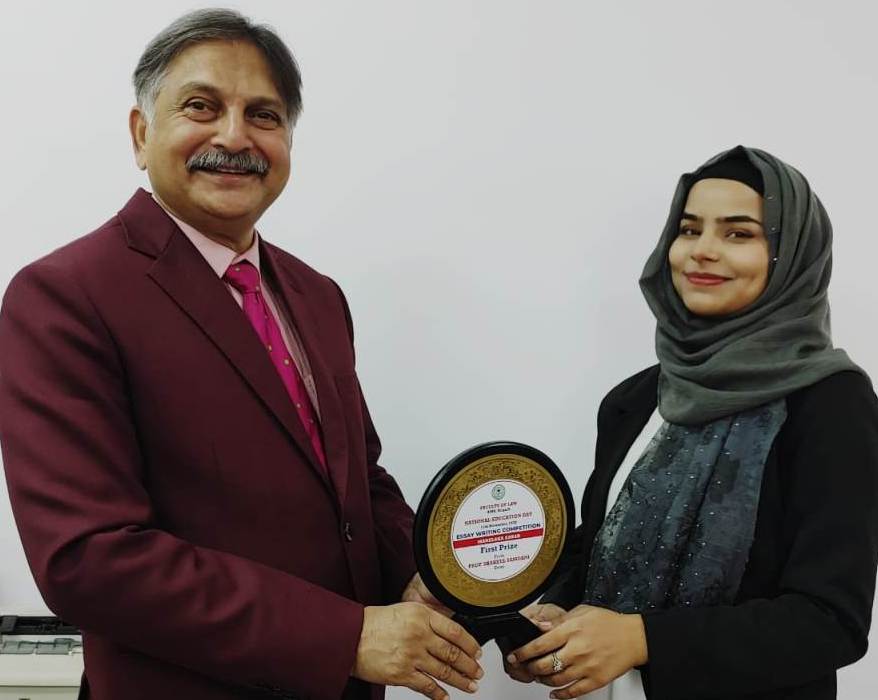
Mahelaka Abrar, a second year, BA LLB student won the essay writing competition on ‘New Education Policy: Boon or Bane’ organised by the Faculty of Law, Aligarh Muslim University (AMU) to observe the National Education Day.
She was felicitated by Prof M Shakeel Ahmed Samdani, Dean, Faculty of Law.
source: http://www.indiaeducationdiary.in / India Education Diary / Home> Competition / December 01st, 2020
Jilani died during treatment at Lucknow’s Nishat Hospital in Qaiserbagh and is survived by daughter Maria Rehan, sons Najafzafar Jilani and Anaszafar Jilani, and wife Azra Jilani. The family resides in Qaiserbagh. Jilani was buried at the Qaiserbagh graveyard late Wednesday evening.
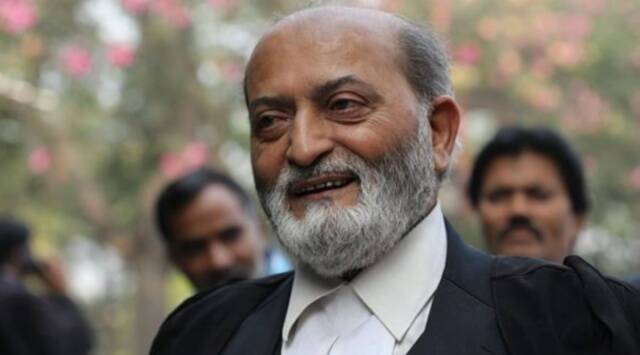
All India Muslim Personal Law Board (AIMPLB) secretary and senior advocate died at a Lucknow hospital on Wednesday after a prolonged illness followed by a fall in May 2021 during which he suffered brain haemorrhage. He was 73.
Jilani, a former Additional Advocate General for Uttar Pradesh, was the convenor of the Babri Masjid Action Committee and had argued in the Ram Janmabhoomi case in different courts over decades.
Jilani died during treatment at Lucknow’s Nishat Hospital in Qaiserbagh and is survived by daughter Maria Rehan, sons Najafzafar Jilani and Anaszafar Jilani, and wife Azra Jilani. The family resides in Qaiserbagh. Jilani was buried at the Qaiserbagh graveyard late Wednesday evening.
“He had multiple health issues for which he was being treated. He had a urinary tract infection which had spread to his lungs. His kidney and brain were also affected. All these issues started after he fell in May 2021 and suffered brain haemorrhage,” said a family member.
Jilani, a native of Malihabad town, was among the decorated alumnus of Aligarh Muslim University, from where he got his law degree.
He will be remembered for his soft-spoken nature and his in-depth knowledge of law, said his colleagues and peers.
Senior advocate SFA Naqvi said, “He was among the most soft-spoken and kind-hearted people I knew. There was a grace about him which is hard to put in words. But his arguments were never soft in court, and he had the law on his fingertips. We have lost a pioneer in law, and he will be missed.”
“During his time as the Additional Advocate General, even when I was arguing against him, he forgot all about it once we were outside the court. Then, we would go back to being friends. He always kept what happened in court to the courtroom only,” added Naqvi.
After the Supreme Court verdict in the Ram Janmabhoomi case in November 2019, Jilani had remarked, “The judgement has just been pronounced, it says a lot of things about the Constitution and about secularism. We are very dissatisfied with this judgement. Article 142 does not let you do this.”
After a special CBI court on September 30, 2020 acquitted all 32 surviving accused in the Babri Masjid demolition case, citing lack of evidence, Jilani had told The Indian Express , “The verdict is wrong. It is against the law and evidence (in the case). It is an erroneous judgement. However, a judgement is a judgement. We will avail the remedy available. The remedy is with the High Court. It has the power to reverse the judgement and we will go to the High Court.”
Advocate Rakesh Chaudhary, former president of the Oudh Bar Association, Allahabad High Court, said that Jilani had a great equation with everyone in the court. “He was a very helpful person, who never took anything personally. He had great sportsmanlike spirit,” said the lawyer.
Sarah Haque, a Delhi-based lawyer who worked alongside Jilani on the Babri Masjid case before the Supreme Court, said he was one of the kindest and most respected members of the Bar. “His demise is a huge loss to the legal fraternity. He was extremely passionate in his craft and made commendable efforts towards the pursuit of justice,” she said. “His attention and commitment to the Babri matter was laudable and he will be remembered forever.”
source: http://www.indianexpress.com / The Indian Express / Home> News> India / by Asad Rehman, Lucknow / May 18th, 2023
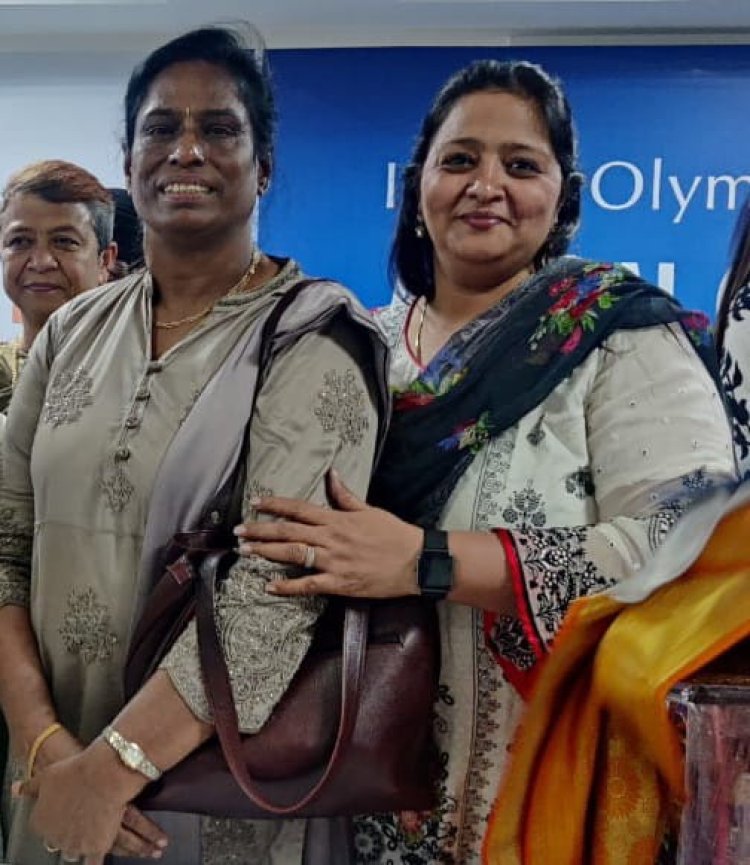
Mrs. Aaesha Munawar, General Secretary, U.P. Judo Association, has been nominated as a member of the Infrastructure Committee of the Indian Olympic Association.
Mr. Amitabh Sharma is the Chairman of this Committee. Apart from Aaesha Munawar, the other members are Mr. Bhola Nath Singh, Mr. Vaghish Pathak, Mr. Akhil Kumar, Mr. Ravi Bengani and Dr. Amit Bhalla. This Committee will serve till the year 2026.
This is for the very first time that a female Judoka from U.P. has been nominated in an IOA committee.
Mrs. P.T. Usha , President,IOA ; Mrs. Alaknanda Ashok , Joint Secretary, IOA; Mr. Harpal Singh and Mr. Bhupendra Singh Bajwa – Executive Council Member, all congratulated Mrs. Aaesha on her nomination.
Munawar Anzar, CEO, U.P. Judo Association.
source: http://www.ismatimes.com / Isma Times / Home> News> National / by Afzal Shah Madudi / March 13th, 2023
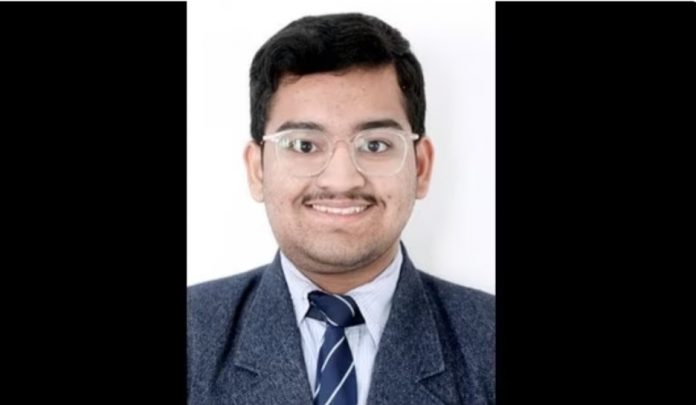
Mohd Aryaan Tariq jointly shares the first rank with four others in ISC. ( Photo courtesy HT )
In the results announced yesterday, a total of 98,505 students participated in the Council for Indian School Certificate Examinations 2023.
Of them, five students shared the top most rank with all scoring 99.75% marks.
Mohd Aryaan Tariq, Montessori Inter College, Rajajipuram, Lucknow is one of the top most scorers in the examination.
Riyya Aggarwal (Guwahati), Ipsita Bhattacharya (Thane), Shubham Kumar Aggarwal (Bhaktinagar) and Manya Gupta (Kolkata) are the other ones.
Tariq informed media that he regularly spent four hours daily for his studies. He remained cut off from social media to focus on his academic preparation.
He scored perfect 100 in chemistry, physical education and biology and hauled 99 out of 100 each in English and biotechnology.
Congratulations to all the successful students and good luck to those who couldn’t do better this time.
source: http://www.muslimmirror.com / Muslim Mirror / Home> Indian Muslim> Positive Story / by Muslim Mirror / May 15th, 2023
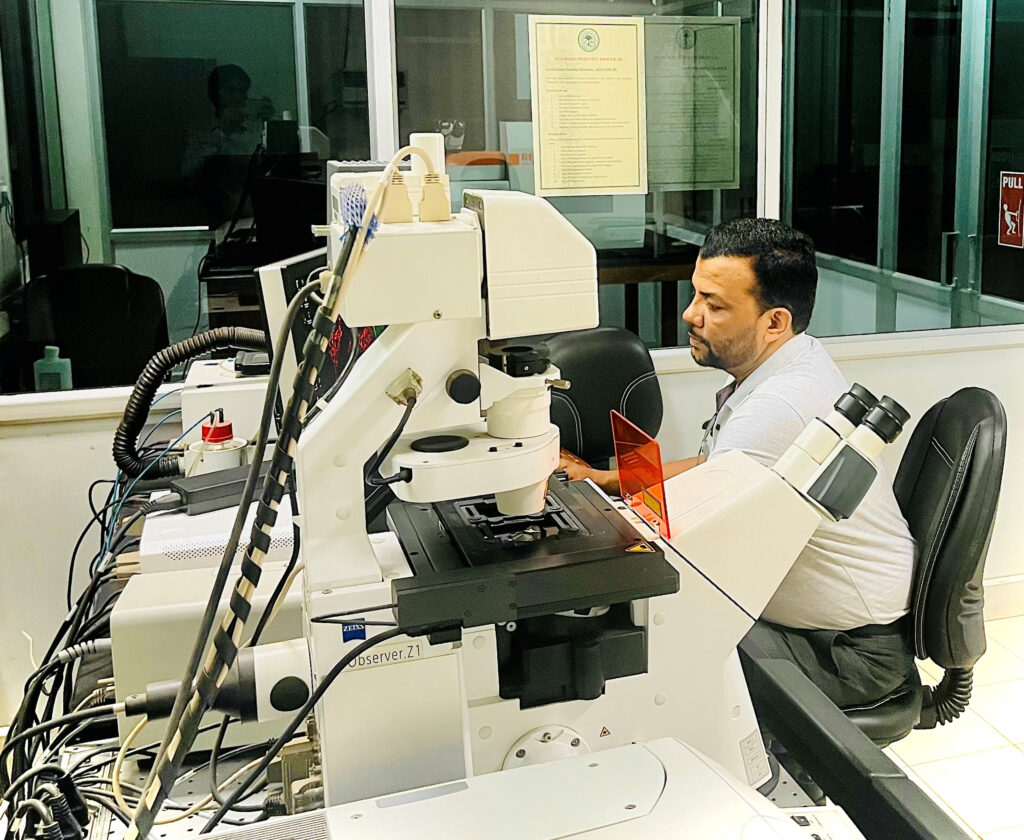
In a big breakthrough in the field of cancer prevention, Dr Hifzur Rahman Siddique, Department of Zoology, Aligarh Muslim University, in coordination with Dr. Keigo Machida, University of South California, USA, has discovered a common mechanism that activates disruption of a single RNA binding protein, MSI-2 binding to mRNAs of the cancer-causing proteins and significantly reduces the synthesis and accumulation of these proteins, reducing HCV infection and proliferation. The single RNA binding protein (named MSI-2) helps to accumulate multiple cancer-causing proteins in patients and helps to proliferate Hepatitis C Virus to promote liver cancer.
Dr. Siddique and the team who have identified this protein by analyzing the liver tissues of 374 liver cancer patients, said, “As we know, alcohol and cholesterol-rich high-fat diet and hepatitis infection promotes cancer initiation, but the exact molecular mechanism is unknown. In this research work, we have discovered that MSI-2 protein helps to accumulate multiple cancer-causing proteins and supports HCV proliferation to aggravate the disease.”
Dr Siddique said that Liver hyperplasia is also reduced in the animal model predisposed to viral infection fed with alcohol mixed cholesterol-rich high-fat diet. This is a very exciting discovery and could serve as a potential therapeutic target for the drug design and give direction to the management strategy for this deadly disease.
“The study has been recently published in Cell Death Discovery (April 2023, available at www.nature.com/cddiscovery),” he added.
Dr Siddique and his team had earlier discovered the molecular pathway that promotes the abnormal division of Cancer Stem Cells that are responsible for cancer therapy failure and Cancer reappearance/recurrence. Their study was then published in the prestigious journal Nature Communications 11 (2020) and found a place in different national and international dailies.
He said that the liver is considered the powerhouse of the body and due to the change in lifestyle, chronic alcohol consumption, high-fat diet, and hepatitis virus infection, the incidence of liver cancer is increasing fast. More than 350 million people are currently infected with hepatitis viruses, out of which 70 million are infected with Hepatitis C. It is estimated that approximately 40 million people are chronically infected with Hepatitis B and 6-12 million people with Hepatitis C. The situation worsens when Hepatitis infection occurs in an alcoholic person.
He said that the discovery is significant in the treatment of liver cancer as blocking the identified protein has an immense effect on liver cancer in the animal model and also stops the accumulation of the number of human cancer-causing proteins, the proliferation of hepatitis viruses and improving recovery.
Dr Siddique has been working on Cancer Stem Cells for a decade and has established a dedicated lab to initiate pioneer research on Cancer Stem Cells at AMU with a team of 10 researchers and collaborators from the USA, Russia, China, the UK, India, etc.
Recently, he got a Patent for his herbal formulation to prevent liver cancer and expecting some extramural grant from the Government of India for further clinical research.
source: http://www.amu.ac.in / Aligarh Muslim University – AMU / Home> AMU News / by Public Relations Office / May 01st, 2023
Guru Dutt’s masterpiece ‘Pyaasa’ (1957), just before its soulful dirge on relationships, shows two poets reciting ‘shers’.
The elder one later also politely reprimands a guest for his snide remark at the “servant” (Dutt), who had begun humming “Jaane woh kaise log the..”, declaring: “Mian, shayri koi daulat-mando ke jagir thodi hai”. Though unnamed, his appearance, sher, and comment were enough to identify him.
Urdu Poetry and Social Reach
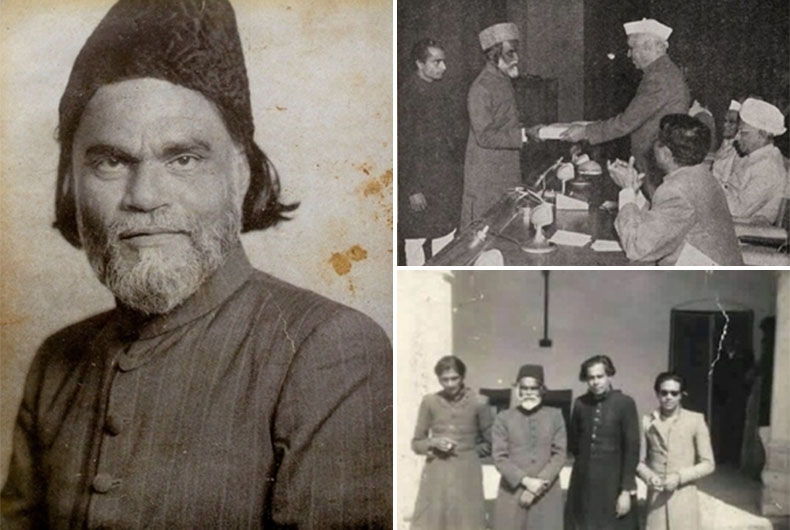
The unnamed actor was representing Ali Sikandar ‘Jigar Moradabadi’, who, in his heyday, was so known by his persona – an intense gaze but an air of absent-mindedness too, groomed beard but slightly unkempt long hair, traditional garb and courtly behaviour, as well as poetry, that he could be shown without being named.
‘Jigar’ is seen as the last standard-bearer of the classical ghazal, or the ghazal’s classical tradition, but was rather a ‘bridge’, between its highpoint in the mid-19th century and its transition to the 20th century and beyond.
He was also a connecting link between Urdu poetry and its widening social reach as the dialogue the character utters shows – and is followed by him encouraging Dutt to continue:
“Tum kuch keh rahe the, barkhurdar. Chup kyun ho gaye. Kaho, kaho..”
Jigar Moradabadi – Real Life
This was true in real life too – a young Jigar took instruction from Nawab Mirza Khan ‘Dagh Dehlvi’ – who had participated in mushairas with Ghalib and Zauq – and himself later, mentored poets like Asrar-ul-Hasan Khan ‘Majrooh Sultanpuri’, Jan Nisar Akhtar, and others.
And then like many contemporaries, he did not write for films, yet his work willy-nilly figured in them. While “Kaam aakhir jazba-e-beikhtiyar aa hi gaya/Dil kuch is surat se tadpa unko pyaar aa hi gaya” was used in ‘Pyaasa’, in ‘Daag’ (1952), the Hasrat Jaipuri-written “Ham dard ke maaron ka, itna hi fasana hai/Peene ko sharaab-e-gam, dil gam ka nishana hai” seemed inspired by his “Ham ishq ke maaron ka itna hi fasana hai/Rone ko nahi koi hasne ko zamana hai”.
Then, ‘Be-Raham’ (1980) used this sher – along with most of its ghazal which begins: “Ik lafz-e-mohabbat ka adna yeh fasana hai/Simte to dil-e-aashiq phaile to zamaana hai”. Another master sher in this is “Yeh ishq nahi aasan itna hi samajh lijiye/Ek aag ka darya hai aur dub ke jaana hai.”
Before that, Shyam Benegal’s ‘Junoon’ (1979), the 1857 drama starring Shashi Kapoor, used his ghazal, “Ishq ne todi sar par qayamat.”
How Jigar’s Prime Couplets became popular in films?
But, the prime example was how the prime couplet of ‘Jigar’ became most known to film buffs after actor Raj Kumar made it a dialogue, delivered in his bombastic, drawling style: “Ham ko mita sake yeh zamaane mein dam nahi/Ham se zamana khud hai zamaane se ham nahi.”
Born in April 1890 in Moradabad, ‘Jigar’ was the son of Syed Ali Nazar, who worked in the Law Department and was inclined to poetry too, being a disciple of Khwaja ‘Wazir Lakhnavi’.
After elementary education, including in English, he worked as a salesman for a local spectacles dealer. Later, he turned to poetry full-time, settling in the town of Gonda, where he found in noted poet Asghar Hussain ‘Asghar Gondvi’ a mentor of sorts. He was a familiar face in mushairas all over the country till the mid-1950s, when he began slightly distancing himself from shayri, ahead of his death in September 1960.
‘Jigar’, as mentioned, was a paladin of the classical tradition, and as such, his shayri usually dwelt on love and other facets of the human condition. As he said:
“Un ka jo farz hai vo ahl-e-siyasat jaane/Mera paigham hai mohabbat jahan tak pahunche.”
Yet, while he used the usual tropes associated with the topic, he imparted his own stamp on them with his own stylistic variations.
One of these was paradox. Take:
“Atish-e-ishq woh jahannum hai/Jis mein firdaus ke nazaare hai”, or “Kamaal-e-tishnagi hi se bujha lete hai pyaas apni/Isi tapte huye sahra ko ham darya samajhte hai”, or even “Mohabbat mein yeh kya maqam aa rahe hai/Ki manzil pe hai aur chale jaa rahe hai” and “Usi ko kehte hai jannat usi ko dozakh bhi/Woh zindagi jo haseenon ke darmiya guzre”.
“Abad agar dil na ho to barbad kijiye/Gulshan na ban sake to bayaban banaiye” is another example.
Then, ‘Jigar’ frequently resorted to some deft wordplay and situations: “Tere jamaal ki tasveer khinch doon lekin/Zabaan mein aankh nahi aankh mein zabaan nahi”, “Suna hai hashr mein aankh use be-parda dekhegi/Mujhe dar hai na tauheen-e-jamal-e-yaar ho jaaye”, and “Aghaaz-e-mohabbat ka anjaam bas itna hai/Jab dil mein tamanna thi ab dil hi tamanna hai.”
Vivid imagery was another strength: “Baithe huye raqeeb hai dilbar ke aas-paas/Kaaton ka hai hujum gul-e-tar ke aas-paas” and “Har taraf chaa gaye paigham-e-mohabbat ban kar/Mujh se achhi rahi qismat mere afsanon ki.”
And ‘Jigar’ could use rhetorical devices, like repetition to good effect, as in: “Dil hai kadmon par kisi ke sar jhuka ho ya na ho/Bandagi to apni fitrat hai Khuda ho ya na ho”, “Kabhi un mad-bhari aankho se piya tha ik jaam/Aaj tak hosh nahi, hosh nahi, hosh nai” and sometimes, alliteration: “Hai re majbooriyan mahroomiyan nakaamiyan/Ishq aakhi ishq hai tum kya karo ham kya karen.”
At other times, he could be engagingly simple: “Garche ahl-e-sharab hain ham log/Yeh na samjho kharab hain ham log”, or “Pehle sharab zeesht thi ab zeesht hai sharab/Koi pila raha hai piye ja raha hoon main.”
And a philosophical outlook can always be discerned. It may be active like: “Kya husn ne samjha hai kya ishq ne jaana hai/Ham khaak-nashinon ki thokar mein zamana hai” and “Apna zamana aap banate hai ahl-e-dil/Ham vo nahi jin ko zamana bana gaya”, or a bit resigned: “Jo un pe guzarti hai kis ne use jaana hai/Apni hi musibat hai apna hi fasaana hai”, “Maut kya ek lafz-e-bemaani/Jisko mara hayat ne maara”, and “Yeh misraa kaash naqsh-e-har-dar-o-deewar ho jaaye/Jise jina ho marne ke liye taiyar ho jaaye.”
There is much more to enjoy in the extensive corpus of ‘Jigar’, whose own epitaph could be: “Hami hab na honge to kya rang-e-mahfil/Kise dekh kar aap sharmaiyega.”
source: http://www.ummid.com / Ummid.com / Home> International / by Vikas Datta / IANS / April 16th, 2023
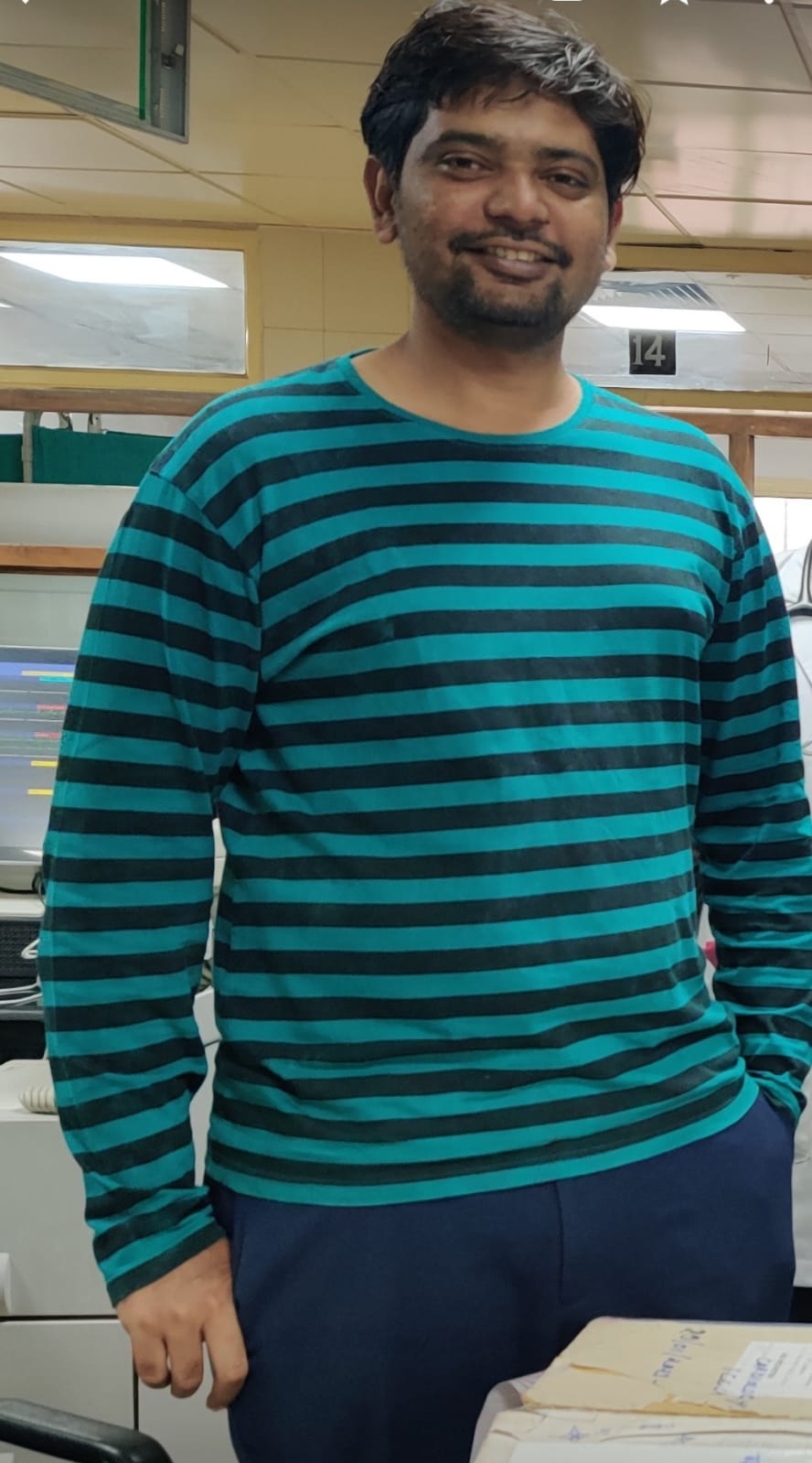
Dr Shaikh Yunus in the I.C.U of King George’s Medical University, Lucknow
Dr Shaikh Yonus, a Senior Resident in the Cardiology department of the prestigious King George’s Medical University, Lucknow, is the first Muslim doctor from the Jalna district of Central Maharashtra. He completed his MBBS degree in 2015.
This is no small accomplishment for this cheerful 34-year-old doctor who studied in a village school till Class X. His father even borrowed money to fund his medical education.
Shaikh grew up sowing cotton with his father Khudbuddin and elder brother Aslam in their four-acre land in Dadhegaon in Jalna district.
As a schoolboy, he remembers his relatives insisting that he be sent to a Madrasa along with their children. But Shaikh wanted to attend a regular school and his father respected his wish. He was always drawn to the science stream and chose his career path when he was in Class X.
Shaikh says that in his backward village of 800 people there was hardly anyone holding a high post. “Thankfully, my seniors in school had become career-minded and some become teachers. They inspired me to focus on my ambition.’’
Shaikh struggled against all odds and cracked the Medical college entrance test.
Dr. Yunus says, “It was a huge struggle. My father who passed away in August 2022, at the age of 62, was a cotton farmer. Because of the challenges that cotton farmers face in Maharashtra, he was on the brink of starvation. We are four siblings – two brothers, and two sisters. In 2008, my father’s annual income was Rs 30,000. It was difficult for him to pay Rs 3000 for my monthly room rent and living expenses for a year and annual fee of Rs 12,000 for professional coaching in Aurangabad for entrance examination of the medical college.”
Shaikh’s coaching cost Rs 50,000 per year. His father even took a loan of Rs 30,000 to fund his coaching.
This promising cardiologist says students in the village aspiring to study after Class X had to move out. So did Yunus. He then began studying in Ambad Taluk, 20 kilometres away from home, for Class XI and XII.
Although Shaikh managed to get an annual minority scholarship of Rs 25,000 for his six-year MBBS course in Government Medical College, Nagpur, he still had to depend on his father for Rs 3000 every month to meet his living expenses.
Looking back at his struggle, he says, “My father had limited means. Saving money to marry my sisters and having to set aside Rs 2000 for my fee was a huge challenge but he never let it bother me. The annual fee for MBBS was Rs 18,000. The annual hostel fee was Rs 4000. The remaining amount was spent on buying books. I still had to depend on Rs 2000 every month from my father. I could hardly afford to travel to my village. I was homesick but meeting my family members was a luxury. So, once in six months, I would take a 16-hour long journey by train to meet my family.’’
Shaikh’s first earning came after the final year of MBBS at Government Medical College in Nagpur. “During the year-long internship, the government was paying us Rs 6000 a month. After this, I appeared in the NEET examination for MD in Medicine. I got 104th rank in the country. There were only 26 seats for MD in Medicine in Maharashtra. “I got a chance to pursue MD for three years in Government Medical College in Miraj near Pune. I completed MD in 2020,’’ he recalls.
The competition for DM (Doctorate in Medicine) is even more difficult. Out of the 3,000 students who apply for DM in Cardiology every year, only one-tenth get through. KGMU admits only eight students every year after a nationwide selection. Dr Shaikh is among the eight doctors who was selected for DM in Cardiology in KGMU.
Dr Yunus is the only doctor in his extended family. “My father studied till class X but he stood behind me like a rock. He was determined to do whatever he could to help me fulfil my dreams. My sisters who are now married, studied only till Class IV or V. My mother, Shaheen is a homemaker. She too hardly studied. My elder brother did his postgraduation in Hindi from Dr Baba Saheb Ambedkar University in Aurangabad but was not able to find a job. So, he took to cotton cultivation.’’
Although Dr Yunus is satisfied that his hard work helped him crack the examination, he deeply regrets that he was not able to save his father’s life last year. “I was on I.C.U. duty when I got a call from my family that my father was unwell. When I made a video call to the doctor who was attending to him in a private hospital, 50 km from my village home, I realized that he was critical. He had pneumonia. I specialize in treating these diseases but I could not save his life. This is a lifelong regret.’’
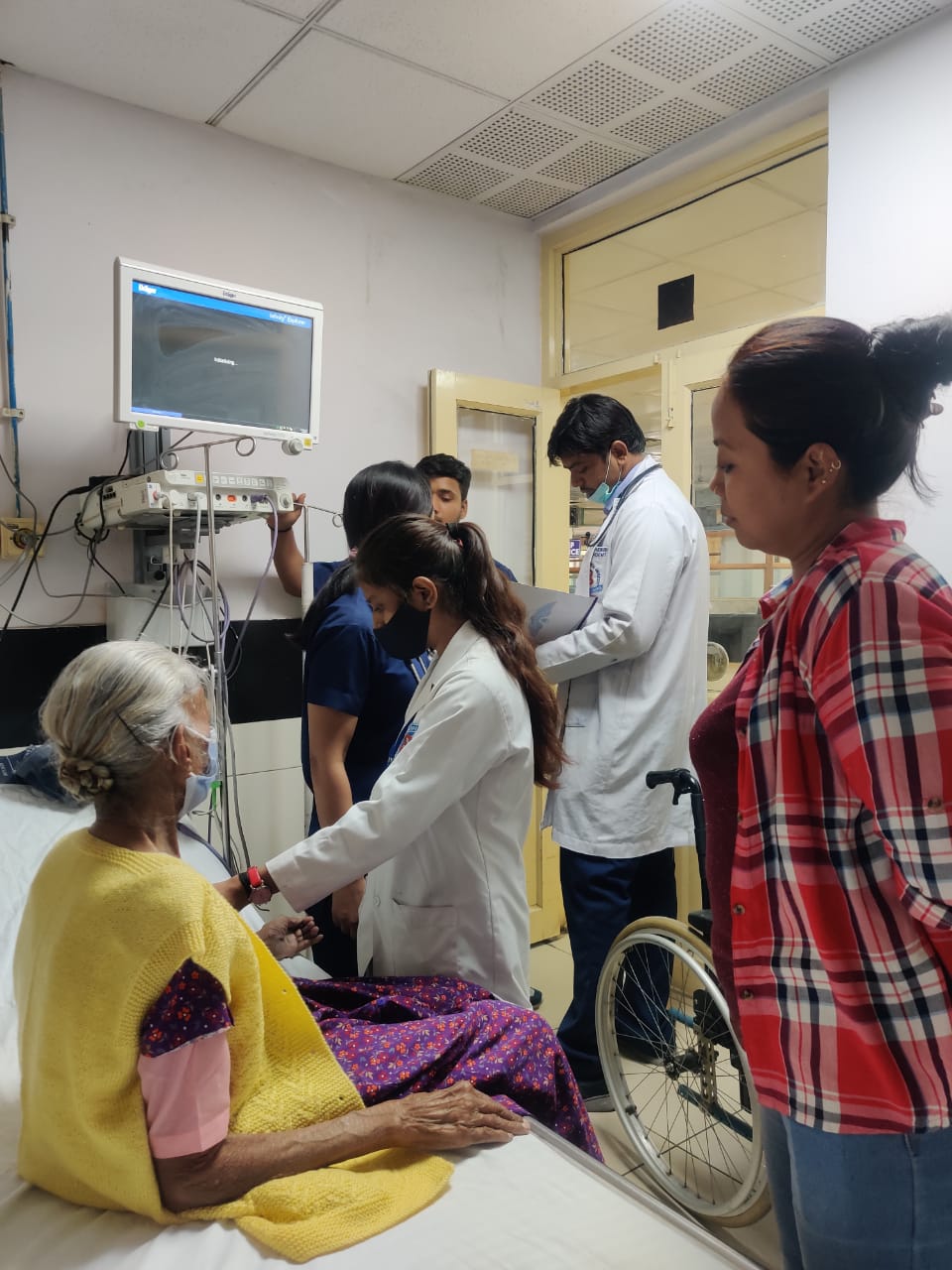
Dr Shaikh Yunus (in the lab coat) going through the records of a patient in KGMU, Lucknow
Like most of his colleagues, Dr Yunus who is in the second year of DM, has unbelievable duties in the Cardiology department of KGMU. “The disease burden is huge and the number of patient consultations and admissions is huge. There have been times when my colleagues and I have come for duty on Sunday and left on Friday. On an average, we see 400 patients in OPD (Monday to Saturday) and 200 in emergency who are coming from all over the country and even Bhutan, Nepal and Saudi Arabia.’’
He also wishes that more young students from Jalna district would join the medical stream and become doctors. “ It has been eight years from the time I finished my MBBS but so far, I have come across only two students from my district who were enrolled for MBBS courses in private universities in China or Russia. Only those students who are unable to crack the competitive examination in India, go there. I know how I have studied. I would sleep only five hours. ‘’
In February 2022, Dr. Yunus married Mahjabin, his junior who is now a surgical gynecologist in Bans-Bareilly in Uttar Pradesh. Dr. Yunus’ family who attended the wedding in Bareilly is extremely proud that their son and daughter-in-law are doctors. “ I first accompanied them on the train from Jalna to Delhi. That was the first time they saw the national capital. In so many years, that was the first time that they travelled outside the State. They enjoyed visiting Uttar Pradesh also. It was a 26-hour long journey.’’
Mahjabin who is working at Ram Manohar Lohia Institute of Medical Sciences in Lucknow is deeply appreciative of Dr Yunus’ struggle. “ When I visited my in-laws after my marriage and after my father-in-law’s demise, I felt that they were very proud of the fact that both of us are doctors.’’
Dr. Yunus’s elder brother Aslam Shaikh is very proud of him. Aslam told this correspondent over the phone from his village “Other than my brother, no student from Jalna district has been able to get selected in competitive examination to enroll in MBBS.”
Aslam earns Rs 60,000 a year from cotton cultivation and supports a family of five. “I send my son, Arhaan Aslam Shaikh, 12 km away to study in an English medium school. My daughter, Jiya is only two and a half years old. I want them to become doctors like my brother and his wife. ”
After becoming a specialist, Dr Yunus has not forgotten his roots. He tends to his father’s farmland whenever he visits home. Ths doctor’s heart beats for the farmers of India.
source: http://www.awazthevoice.in / Awaz, The Voice / Home> Story / by Tripti Nath, Lucknow / March 24th, 2023