Tag Archives: Positive News of Muslim Women of India

Ultra-runner Sufiya Sufi sets record of Leh-Manali run in 98 hours

Ajmer, RAJASHTAN :

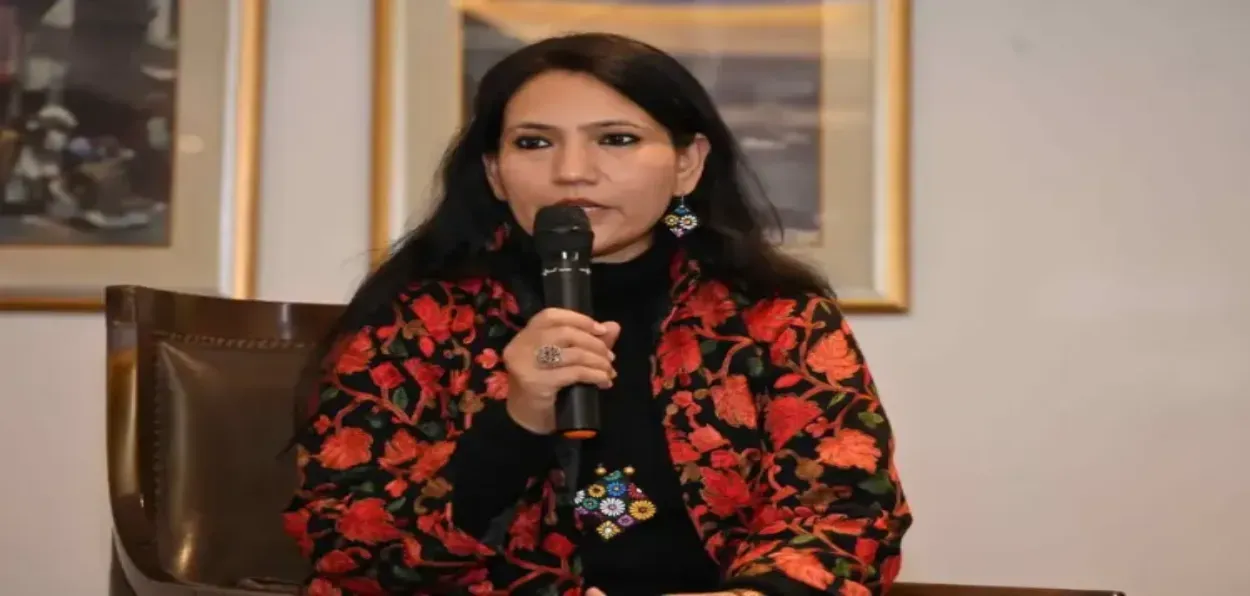
Ullta Runner Sufiya Sufi

New Delhi :

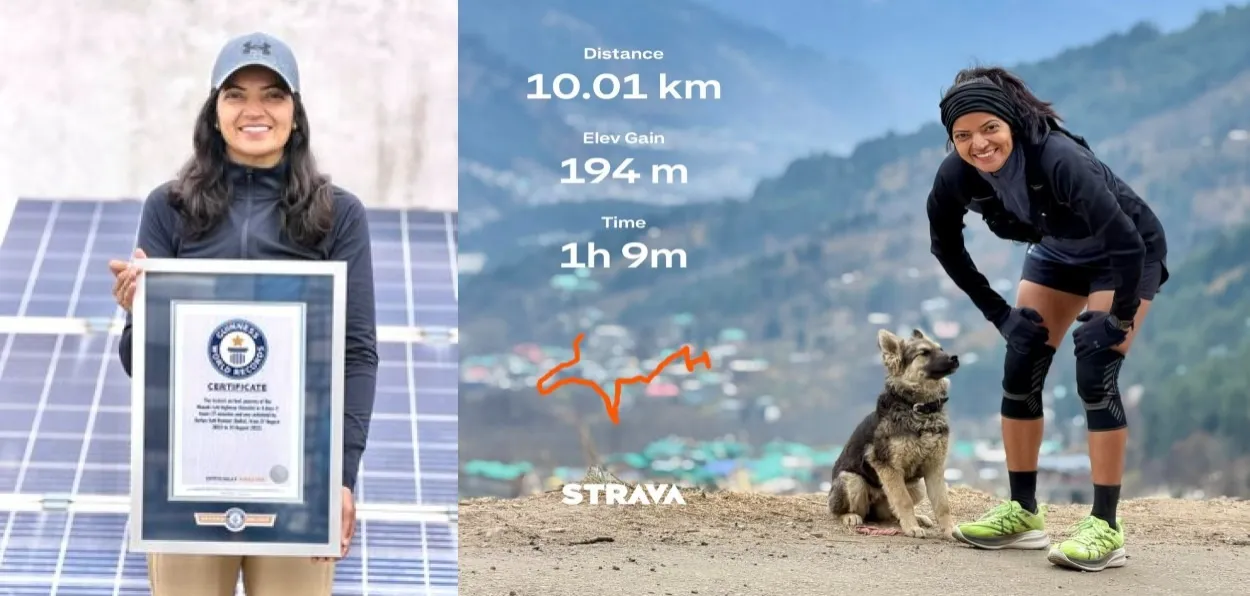
Indian ultra-distance runner Sufiya Sufi, 38, from Ajmer, Rajasthan, has officially received her Guinness World Record certificate for completing the formidable Manali–Leh high-altitude run in 98 hours and 27 minutes, a feat no woman in the world has accomplished before.

The record, formally approved by Guinness World Records in 2023, spans nearly 480 kilometres across some of the most treacherous terrain in the Himalayas. The route crosses five high mountain passes, involves a cumulative elevation gain of over 8,500 metres, and exposes runners to freezing temperatures and dangerously low oxygen levels. The challenge is widely regarded as one of the toughest endurance runs on the planet.

Although the achievement was validated in 2023, the physical certificate reached Sufi only in early 2026, following prolonged delays related to international delivery logistics and customs clearance. Once the certificate arrived, her accomplishment drew renewed admiration from the global running community, sponsors, and the wider public. Supporters celebrated the milestone as another defining moment in an already extraordinary athletic journey.
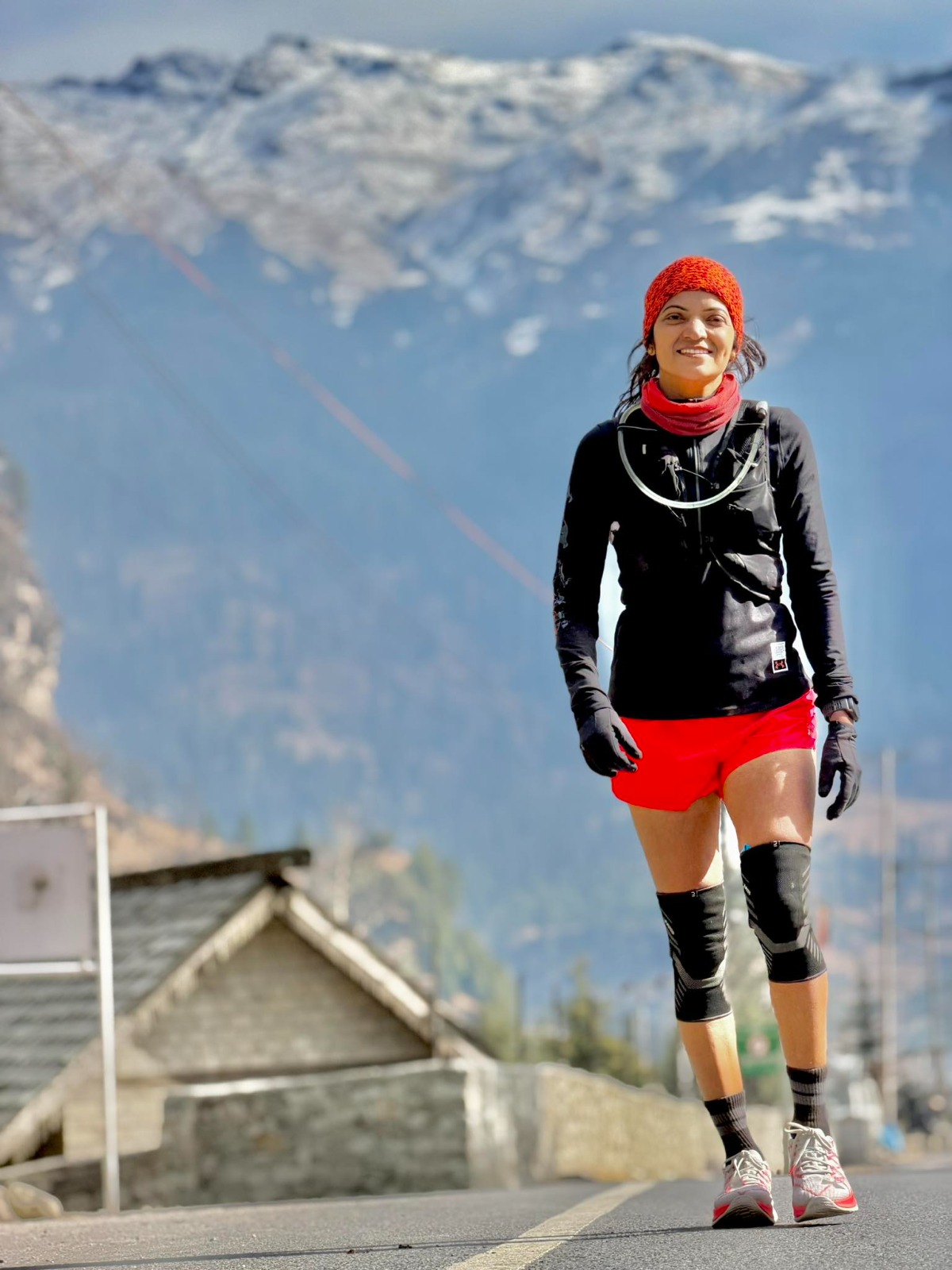
Sufiya Sufi on Manali-Leh run

Sufiya Sufi’s record-setting run on the Manali–Leh route represents a remarkable benchmark in endurance sports. The challenge begins in Manali, a Himalayan hill town in Himachal Pradesh, and winds its way through rugged, unforgiving landscapes before culminating in Leh, Ladakh. Along the way, runners cross legendary high-altitude passes such as Rohtang Pass and Tanglang La, where temperatures often plunge well below zero and oxygen levels drop dramatically.

At such extreme altitudes, even the most experienced athletes struggle to breathe, recover, and maintain pace. Completing this journey on foot in under 100 hours is considered exceptional. By finishing in 98 hours and 27 minutes, Sufi not only met the challenge but surpassed it, becoming the fastest woman ever* to traverse this Himalayan stretch on foot.

Despite the physical run being completed and officially recognised in 2023, the nearly two-year delay in receiving the certificate became a story in itself. Sufi later spoke about the delay publicly, addressing it with humour and gratitude rather than frustration.

In a post on the social media platform *X*, she described her accomplishment as the fastest-ever run from Manali to Leh across all five high passes. She also expressed heartfelt thanks to her sponsors, support crew, and well-wishers who stood by her throughout months of preparation and recovery. Members of the running community and followers on social media responded with admiration, highlighting the sheer brutality of the terrain and the mental toughness required to succeed.

Sufiya Sufi’s journey is as compelling as the record itself. Born in *1987 in Ajmer, she spent nearly 10 years working in the aviation industry. Running initially entered her life as a way to stay fit and break free from the monotony of a demanding job. Over time, what began as a fitness routine evolved into a deep passion for endurance sports, eventually redefining her professional and personal identity.

Her rise as an ultra-runner has been marked by a series of achievements. In 2018, she earned her first Guinness World Record for running the most marathons by a woman in a single calendar year*. This milestone established her as a serious force in long-distance running.

She went on to complete the Kashmir to Kanyakumari run, covering approximately 4,000 kilometres in 87 days, another Guinness-certified feat. Shortly thereafter, she conquered the Golden Quadrilateral, a 6,002-kilometre route linking India’s major highways, in just 110 days, securing yet another world record.

Sufiya Sufi’s journey is as compelling as the record itself. Born in *1987 in Ajmer, she spent nearly 10 years working in the aviation industry. Running initially entered her life as a way to stay fit and break free from the monotony of a demanding job. Over time, what began as a fitness routine evolved into a deep passion for endurance sports, eventually redefining her professional and personal identity.

Her rise as an ultra-runner has been marked by a series of achievements. In 2018, she earned her first Guinness World Record for running the most marathons by a woman in a single calendar year*. This milestone established her as a serious force in long-distance running.

She went on to complete the Kashmir to Kanyakumari run, covering approximately 4,000 kilometres in 87 days, another Guinness-certified feat. Shortly thereafter, she conquered the Golden Quadrilateral, a 6,002-kilometre route linking India’s major highways, in just 110 days, securing yet another world record.

Each of these runs required not only exceptional physical endurance but also rigorous mental conditioning, logistical planning, and resilience. Sufi has often credited her family for their unwavering support, especially her partner, who frequently serves as part of her on-ground support crew.

 She has spoken about the challenges of acclimatising to high altitudes, training in extreme conditions, and preparing her body for prolonged exposure to thin air and severe cold.

Sufi’s expanding list of accomplishments has drawn the attention of corporate partners as well. In October 2024, Hindustan Zinc Limited appointed her as a brand ambassador, reflecting growing corporate confidence in her ability to inspire communities and promote fitness as a sustainable lifestyle choice.

Looking beyond national records, Sufi has set her sights on even larger international goals. According to previous interviews and public statements, she plans to undertake a “Run Around the Globe” expedition, covering tens of thousands of kilometres across multiple continents. She envisions the project not merely as an athletic challenge, but as a global mission promoting *Humanity, Oneness, Peace, and Equality, collectively referred to as HOPE.

Sufiya Sufi’s journey stands as a powerful testament to human resilience, courage, and the transformative power of unwavering determination. Her transition from a stable career in aviation to pushing the limits of endurance in the harshest Himalayan conditions reflects a profound belief in personal growth and self-discovery.

In a world often dominated by narratives of division and despair, her story offers a rare and uplifting reminder of what is possible through perseverance, discipline, and purpose. Her achievements celebrate not only athletic excellence, but also the boundless potential of the human spirit.

source: http://www.awazthevoice.in / Awaz, The Voice / Home> Stories / by Aasha Khosa / February 03rd, 2026
A First for Malegaon: Muslim Women Elected Mayor and Deputy Mayor

Malegaon, MAHARASHTRA :

The Malegaon Secular Front of ISLAM Party and the Samajwadi Party, secured the mayor and deputy mayor posts in the civic body, while AIMIM and BJP stayed away from voting

Malegaon :

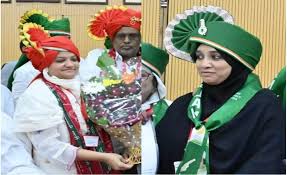
Malegaon in Maharashtra has entered a new phase in local politics after the mayor and deputy mayor elections brought a clear win for the ISLAM Party–Samajwadi Party alliance, known as the Malegaon Secular Front. Sheikh Nasreen Khalid was elected mayor, while Shan-e-Hind Nihal Ahmed was chosen as deputy mayor on Saturday.

The election took place in the 84-member Malegaon Municipal Corporation, where 43 votes were needed to secure a majority. With the backing of the Congress, the Malegaon Secular Front reached the required number and took control of the civic body.

Sheikh Nasreen Khalid received 43 votes in the mayoral election. These included 35 councillors from the ISLAM Party, five from the Samajwadi Party, and three from the Congress. Her nearest rival, Shiv Sena candidate Lata Ghodke from the Eknath Shinde group, managed to secure only 18 votes.

All India Majlis Ittehad-ul Muslimeen’s (AIMIM) 21 councillors and the BJP’s two councillors stayed away from the voting process. The BJP, which is part of the ruling alliance at the Centre and in Maharashtra, did not vote in support of the Shiv Sena candidate, dealing a setback to the Shinde faction in Malegaon.

Speaking after her election, Mayor Sheikh Nasreen Khalid said, “This victory belongs to the people of Malegaon. We will work for justice, development, and equal respect for every section of society.”

In the deputy mayor election, Samajwadi Party councillor Shan-e-Hind Nihal Ahmed defeated Shiv Sena’s Advocate Nilesh Kakade by the same margin. Nihal Ahmed secured 43 votes, while Kakade received 18. AIMIM again stayed away, and the BJP did not take part in the vote.

After her win, Deputy Mayor Nihal Ahmed said, “Malegaon has shown faith in secular values. Our duty is to serve the city honestly and listen to the voice of the common people.”

The municipal elections were held on 15 January. Results showed the ISLAM Party emerging as the single largest party with 35 seats. AIMIM won 21 seats, Shiv Sena secured 18, the Samajwadi Party five, Congress three, and the BJP two.

The ISLAM Party was founded by former Congress MLA Sheikh Asif Sheikh Rashid on 20 October 2024. In its first civic election, the party succeeded in winning the mayor’s post, marking a strong start in local politics.

District Collector Ayush Prasad conducted the election as the presiding officer. He said, “The mayor and deputy mayor elections were completed in a peaceful and orderly manner.”

For many residents, the result reflects the political strength and unity of Malegaon’s Muslim-majority population and reinforces their role in shaping the city’s democratic future through the ballot box.

source: http://www.clarionindia.net / Clarion India / Home> Editor’s Pick> India> Indian Muslims / by Team Clarion / February 08th, 2026

Meet Lubna Qazi Who Takes Oath as Administrative Law Judge in New Jersey

KUWAIT / Raigarh District (MAHARASHTRA) / New Jersey (U.S.A) :

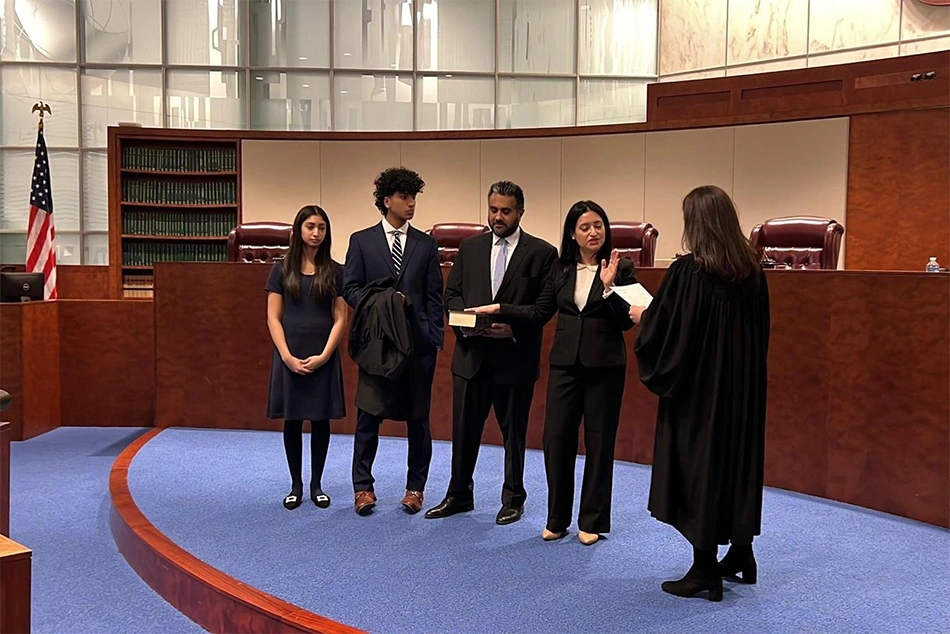
Kokan’s daughter Lubna Qazi Chaudhry took the oath as Administrative Law Judge in New Jersey with her hand placed on The Holy Quran, pledging to uphold constitutional responsibilities.

Mumbai: 

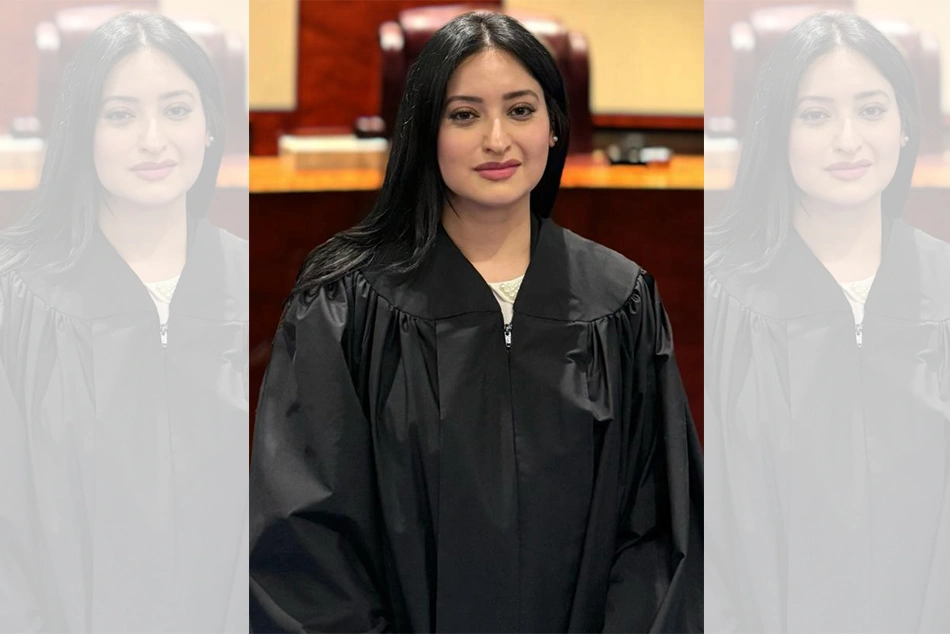
Lubna Qazi, a lawyer originally from Maharashtra’s Raigad district, has created history by taking oath as an Administrative Law Judge (ALJ) in the US state of New Jersey, becoming the first Muslim woman to be appointed to this position in the state. The appointment is being widely regarded as a significant milestone for minority representation in the American judiciary.

The oath-taking ceremony was held recently, where Associate Justice Rachel Wainer Apter of the New Jersey Supreme Court administered the oath. On the occasion, Lubna Qazi placed her hand on the Holy Quran and pledged to faithfully discharge her constitutional duties.

The position of Administrative Law Judge holds considerable importance within the American judicial system. ALJs preside over cases involving decisions of government agencies, administrative disputes and public grievances, delivering rulings based on established legal principles.

Lubna Qazi’s Life Journey

Lubna Qazi’s life journey spans multiple countries and cultures. She was born in Kuwait, where she spent her early childhood with her parents. In 1990, during a school vacation, she travelled to the United States. However, following the outbreak of the Gulf War, the family decided to settle there permanently.

Lubna later pursued her education in California, completed her graduation from the University of California, and earned her law degree from Western State University College of Law.

After marrying Ahsan Chaudhry in 2005, Lubna moved to New Jersey, where she served in various government legal positions for nearly two decades. Recognising her extensive legal experience and professional competence, the Governor of New Jersey nominated her for the post of Administrative Law Judge in 2025.

Lubna Qazi is also distinguished for her linguistic abilities. In addition to English, she is fluent in Urdu, Hindi and Konkani, and has working knowledge of Arabic. Committed to preserving cultural and linguistic heritage, she is personally teaching Urdu and Arabic to her two children at home.

Family Feels Honoured

Expressing his pride, Lubna’s father Inayatullah Qazi said that the entire family feels honoured by her achievement. He described the appointment not merely as a position, but the result of years of hard work, sacrifice and prayers.

Speaking to the correspondent, Inayatullah Qazi said that his family hails from Tala taluka of Raigad district in the Konkan region. He completed his education up to Class VI at Jamia Millia Islamia School, Delhi, and his high school education at Anjuman Islam, Mumbai.

After obtaining a degree in Mechanical Engineering from Government College of Engineering, Aurangabad, in 1975, he moved to Kuwait for employment, beginning his career with an air-conditioning company. After working there for fifteen years, he migrated to the United States with a single suitcase following Iraq’s invasion of Kuwait after the Gulf War, as his children were already in the US at the time. He later ensured higher education for all four of his children.

Inayatullah Qazi said that the family’s roots are deeply embedded in Islamic tradition and that Urdu is spoken with pride at home. He added that Lubna completed recitation of the Holy Quran at the age of seven.

He further shared that around five to six generations ago, their ancestors were sent to the Konkan region as Qazis (judicial authorities) to administer justice without discrimination based on religion, caste or race. Although the profession discontinued a few generations ago, he expressed happiness that his daughter has now proudly revived the family’s judicial legacy.

Lubna Qazi is also the granddaughter of Dr Rehana Ahmed, a noted educationist and Executive Chairperson of the Girls’ Board of Anjuman Islam, Mumbai. Dr Ahmed expressed joy over Lubna’s achievement, stating that it serves as a shining example for young women across the community and will inspire girls to pursue higher education and professional careers. She is widely recognised for her dedicated efforts toward the promotion of girls’ education, particularly within the Muslim community.

Meanwhile, several social and legal organisations, including the Asian Pacific American Lawyers Association of New Jersey, have congratulated Lubna Qazi on her appointment. Observers believe that this development marks a significant step forward in strengthening Muslim and minority representation within the American judicial system.

source: http://www.ummid.com / Ummid.com / Home> United States / by Mohiyuddin Altamash / January 30th, 2026

Award-winning writer Tasneem Khan’s stories are harbingers of change

Didwana Tehsil (Nagaur District), RAJASTHAN :

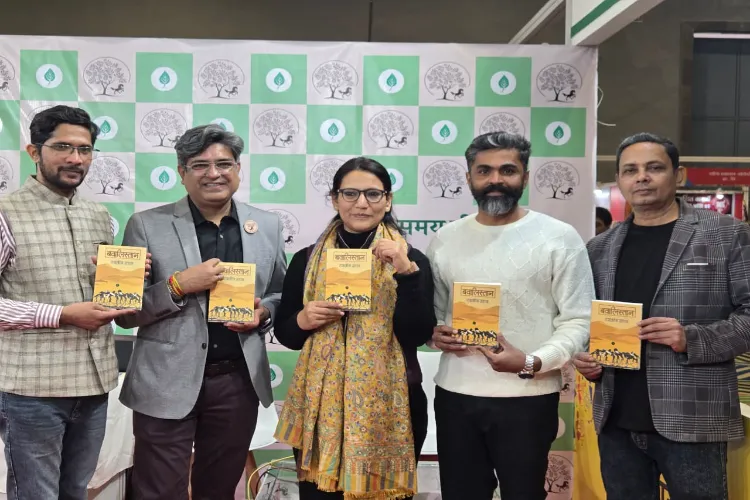
Tanseem Khan, Writer-Journalist

Coming from a small town and making a mark on the national scene, writer-journalist Tasneem Khan brings women’s concerns to the forefront through her journalism and literature. Her narratives are sensitive, clear, and attempt to offer solutions. Her writing and television programmes do more than narrate women’s struggles; they challenge social mindsets and inspire change.

Here are excerpts from an exclusive conversation with her:

Let’s begin with Bwalistan. What is it about?

Bwalistan is a collection of stories rooted in Rajasthan, particularly its desert life. These stories belong to a distinct literary tradition that deeply portrays the complexities and struggles of life in the Thar Desert. Rajasthan’s desert is not just a physical landscape—it is defined by its people, culture, traditions, and way of life, all of which give it a unique identity.

Coming from a small town, it isn’t easy to make a mark in journalism and literature. How did your journey begin?

A: It’s true that paths have never been easy for women. I come from Didwana tehsil in Rajasthan’s Nagaur district. Though I grew up in a small town, my parents were educated, and our home had a culture of reading and learning. My mother’s love for books shaped me deeply. Growing up among books sharpened my ability to think, debate, and reason. I also won several awards during my school and college years.

When did you choose journalism as a career?

I formally entered journalism in 2005. From the very beginning, I was drawn to women-centric issues. I consistently wrote on gender sensitivity, domestic violence, and women’s social rights. For me, journalism is not just about reporting news; it is about engaging in dialogue with society.

Your television programmes gained special recognition. Could you tell us about them?

A: I hosted a programme called Samar Shesh Hai, which discussed women’s social and political concerns. Later, my regular show on Patrika TV, Aadhi Duniya, Poori Baat – with Tasneem Khan, became quite popular. The aim was to present women not merely as victims, but as thinking, reasoning individuals.

For which report did you recently receive the Ladli Media Award?

I received the award for my show “When Will Domestic Violence Go into Lockdown?”, presented by Population First and UNFPA. The jury felt the report exposed a harsh truththat during lockdown, women faced another terrifying pandemic inside their homes: domestic violence.

Your writing focuses less on complaints and more on solutions. How did this approach develop?

I don’t want to merely describe women’s pain. I believe writing should point toward solutions. If even one woman finds a way forward through my work, I would consider my life meaningful.

You began novel writing in 2015. How special is Mere Rehnuma to you?

A: Mere Rehnuma is extremely close to my heart. Published by the Jnanpith Trust, it was selected in a young writers’ competition. I became the second woman writer from Rajasthan whose debut novel was published by Jnanpith. Through this novel, I tried to establish that women’s empowerment cannot come through financial independence alone without a change in social mindset, empowerment remains incomplete.

Research has been conducted on this novel. How did that feel?

A: It was a matter of great pride that Mere Rehnuma became the subject of PhD and MPhil research. It reaffirmed my belief that my writing has connected at both academic and social levels.

Could you tell us about your other works and awards?

A: My short story collection Dastaan-e-Hazrat Mahal was published in 2019 and earned me the Chandrabai Award. In 2021, I received the Shakuntalam Award from the Rajasthan Progressive Writers’ Association. My stories have been translated into several languages. Rukh-e-Gulzar was translated by the Indian Translation Council, while The Blue of Silence was published in a Pakistani Urdu magazine and won the Mirror Award. My story My Share of Moonlight will soon appear in a collection by Oxford University Press.

What is your writing process like?

I observe people around me very closely their characters, pain, and struggles shake me from within. Until that restlessness finds words, I find no peace. That unrest gives birth to my stories.

What role did your parents play in your life?

My parents have been my greatest support. At difficult turns, they always encouraged me. I firmly believe parents’ education plays a decisive role in shaping a child’s future. I have seen many girls unable to move ahead simply because their parents did not value education.

The heroine of Mere Rehnuma is in search of liberation. How do you view this liberation?

A: For me, liberation is not just personal; it is social. Until society learns to accept strong women, their freedom will remain incomplete. If my writing can guide even one woman in this direction, that will be my greatest achievement.

You recently interacted with readers during the ‘Chaturang #LockdownLive’ session on Facebook. How was that experience?

The Rajasthan Forum organised the session. I spoke openly about my education, career, and literary journey. I emphasised that becoming a writer requires years of preparation, deep reading, and psychological analysis of society. I also read excerpts from my novel Ai Mere Rehnuma. The interaction was deeply personal and immensely inspiring for me.

Tasneem Khan’s journey shows how words, when driven by empathy and purpose, can challenge patriarchy, reshape thought, and quietly spark a revolution, one story at a time.

source: http://www.awazthevoice.in / Awaz, The Voice / Home> Stories / by Onika Maheshwari, New Delhi / January 19th, 2026

Marziya Pathan breaks stereotypes to lead from the front

Mumbra, MAHARASHTRA :

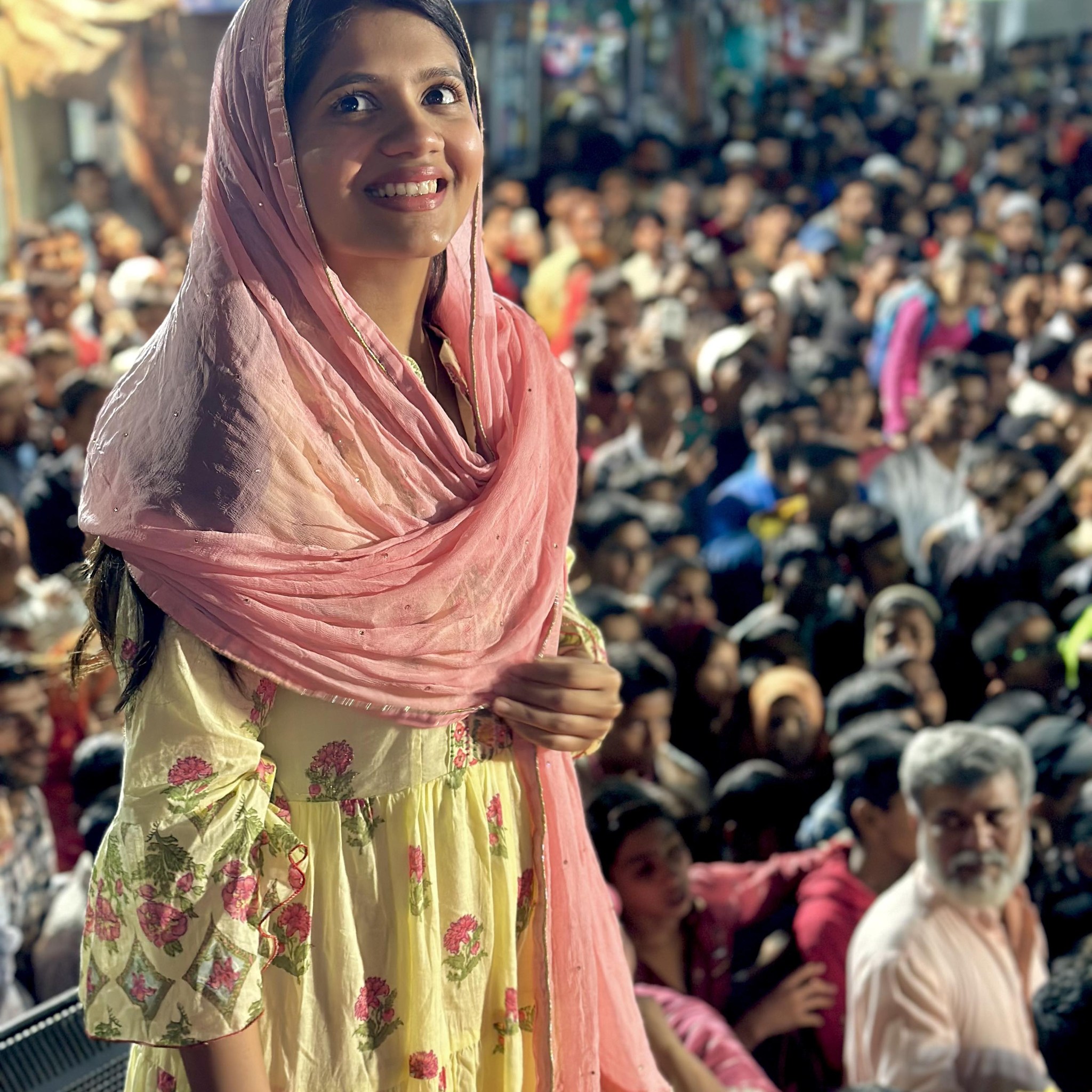
Marziya Shanu Pathan

In the bustling suburb of Mumbra, on the outskirts of Mumbai, a young Muslim woman is emerging as a fearless leader—breaking stereotypes, raising her voice for justice, and empowering her community through bold, grassroots activism.

“People often underestimate how critical basic amenities are,” she says. “But when citizens lack even clean streets or functioning drains, how can we talk about empowerment?”

Marziya Shanu Pathan is not just addressing civic issues—she’s rewriting the script for what political and social leadership can look like, especially for women in marginalized communities.

From an early age, Marziya has been at the forefront of local activism, particularly in areas where Muslim women have historically faced barriers to education, mobility, and leadership.

Marziya Shanu Pathan at a Public rally

Through perseverance and determination, she overcame those challenges, completed her education, and entered public life. Now, through her NGO, the MSP Care Foundation, Marziya is creating lasting impact, one initiative at a time.

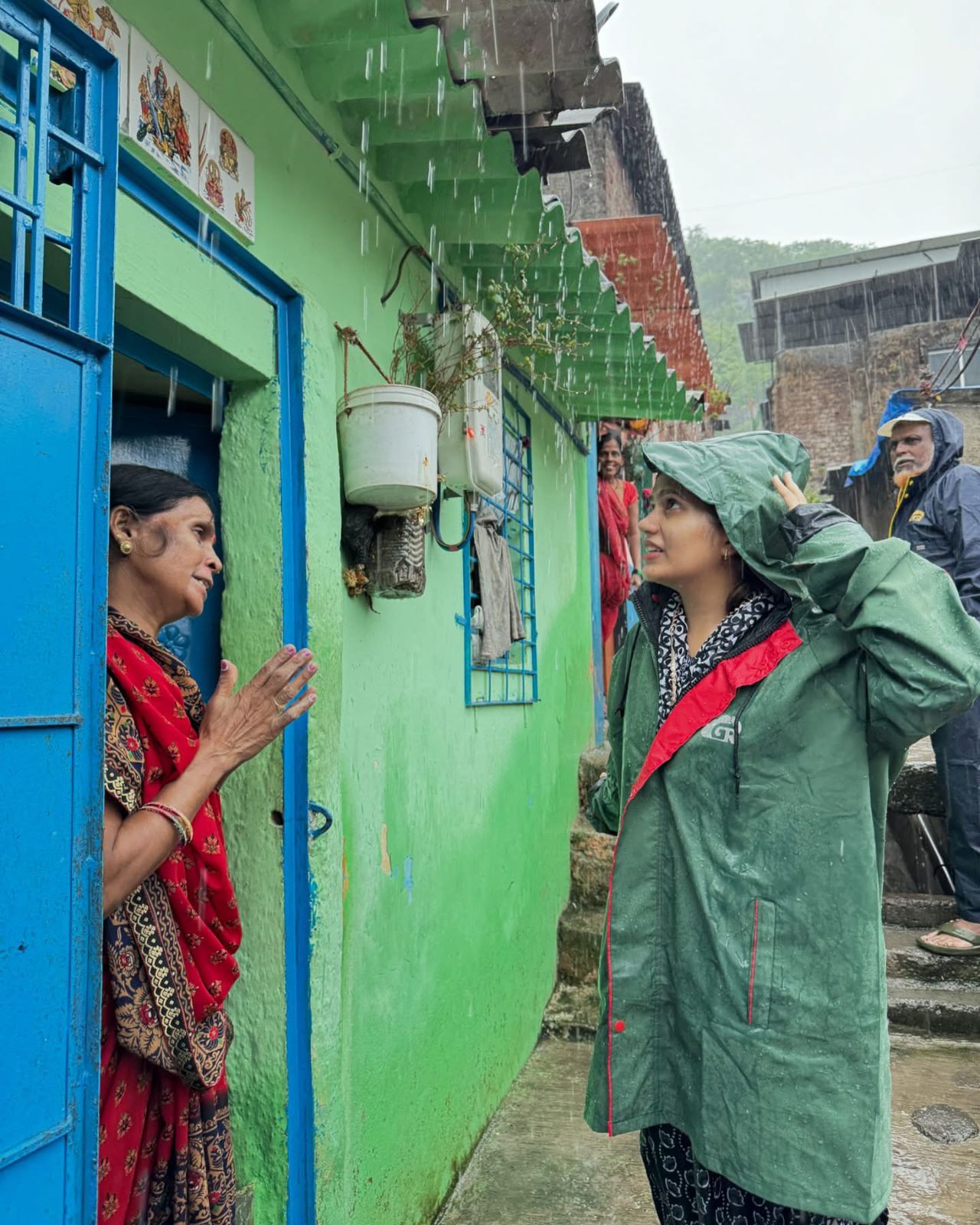
Mumbra struggles with overpopulation, inadequate civic infrastructure, and limited access to basic services. Marziya works tirelessly to bring attention to these problems—rallying for better roads, clean water, improved sanitation, reliable healthcare, and quality education.

Through her Foundation, Marziya leads campaigns to clean drains, address waste management issues, and pressure local authorities to respond to citizens’ needs. She doesn’t just talk about change—she gets her hands dirty doing it.

In 2012, the world was shaken when Malala Yousafzai was shot for advocating girls’ education in Pakistan. That same year, in a quiet corner of India, 12-year-old Marziya Pathan led a march through the streets of Mumbra, demanding access to education for girls. That moment was a turning point—not just for her, but for many in her community.

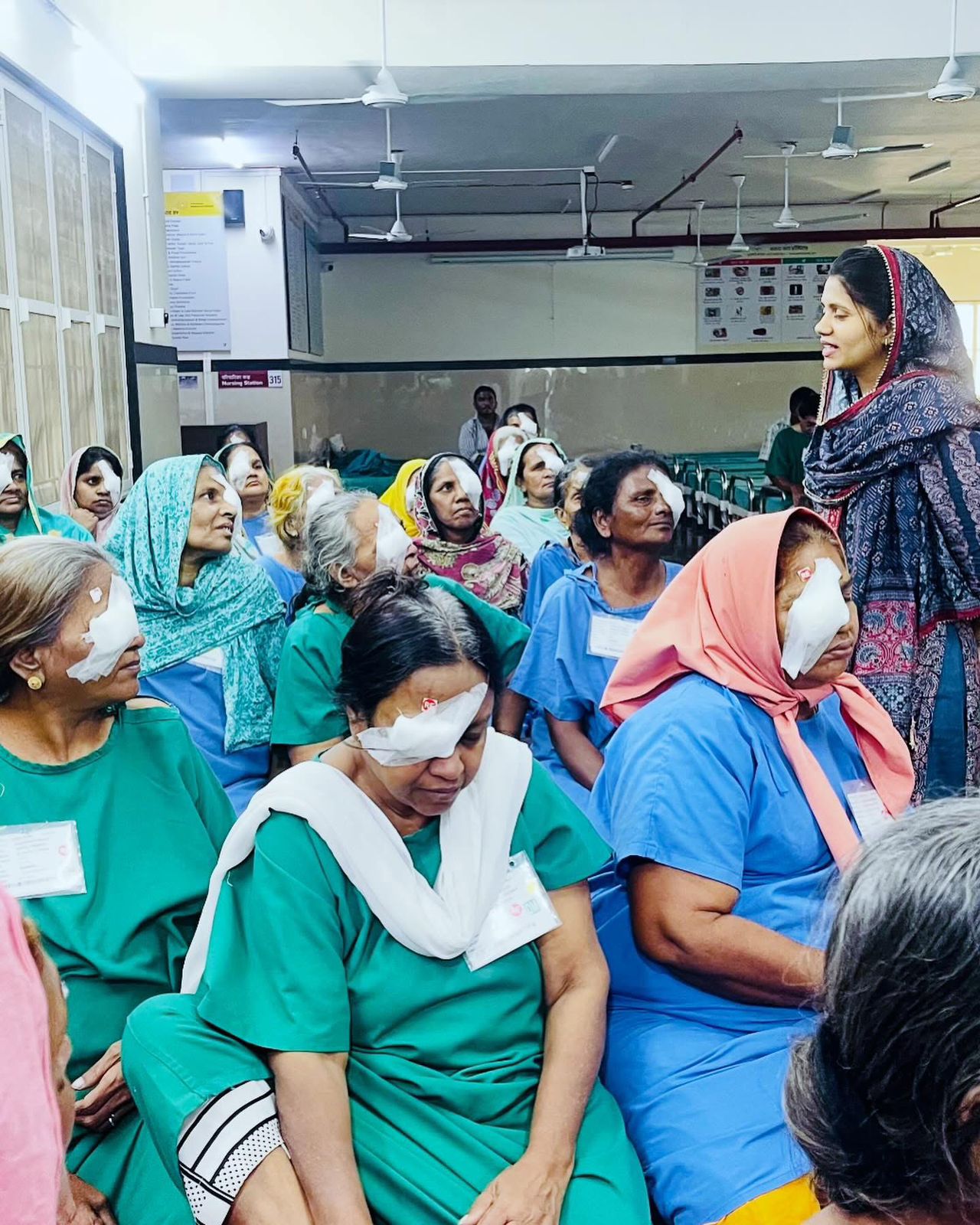
Marziya Shanu Pathan at a Eye surgery camp organised by her Foundation

Since then, she has remained at the frontlines of social reform.

Marziya is the daughter of Ashraf (Shanu) Pathan, a dedicated regional politician in the Thane Municipal Corporation. The father-daughter duo has long worked to address the region’s pressing issues—from water shortages and garbage collection to healthcare and crimes against women.

But Marziya is not content to walk in her father’s footsteps—she’s paving her path. Her focus on youth engagement, women’s empowerment, and constitutional awareness has brought new energy to Mumbra’s civic landscape.

She organizes workshops in schools to educate students about their constitutional rights. She arranges monthly eye camps for senior citizens, ensuring access to free cataract surgeries for those who can’t afford them.

Marziya Shanu Pathan meeting common people during her campaign on civic issues

Two years ago, a video of Marziya managing traffic during Ramzan went viral. Wearing her hijab, she was seen directing traffic late into the night in the congested Mumbra-Kausa market.

“After Mohammad Ali Road, Mumbra hosts Maharashtra’s largest Ramzan market,” she explains. “Women come from far-off areas to shop. We, the women of Mumbra, took it upon ourselves to ensure their safety and convenience.”

That viral moment wasn’t just symbolic—it was transformative. It showcased a new kind of leadership: visible, grounded, and unafraid.

Marziya’s foray into politics is not about power—it’s about purpose. “When I talk to people or address their issues, I don’t just see myself as a politician. I see myself as a citizen standing up for others,” she says.

Marziya Shanu Pathan with Shiv Sena leader Sanjay Raut

Marziya initially aspired to be a government officer and moved to Pune to prepare for competitive examinations. When the COVID-19 pandemic struck, she returned to Mumbra where after watching her father serve during the crisis made her take up social work as full-time work.

She believes more women must enter politics—but acknowledges it’s not easy. “Patriarchy and rigid mindsets create obstacles. But women who persist, who claim their space, can change the narrative,” she says.

“I admire every woman who carves out her identity, no matter the field. It takes courage and resilience.”

Quoting the findings of the 2009 Sachar Committee Report, Marziya points out that Muslim neighborhoods remain critically underdeveloped. “Not much has changed since that report. It’s our responsibility to bring attention to these gaps,” she says.

Whether through organized protests, petitions, or direct engagement with officials, Marziya ensures that issues like education, sanitation, and women’s safety stay at the top of the agenda. Her efforts have already led to the resolution of several long-standing civic problems in Mumbra.

Though born into a politically active family, Marziya has never relied solely on that legacy. Instead, she has chosen the harder road—working alongside the people, from the ground up.

Marziya Shanu Pathan courting arrest

Her courage, vision, and consistent community engagement have made her a role model, especially for young Muslim women and girls.

Marziya Pathan is more than just an activist—she’s a symbol of what young leadership in India can look like: principled, people-first, and fearless. Through constitutional values, civic engagement, and community-led solutions, she is reshaping not just Mumbra, but the larger discourse around women’s rights, minority representation, and participatory democracy.

In her quiet determination and bold action, Marziya proves that true leadership starts not in offices or headlines—but in the streets, schools, and hearts of the people.

source: http://www.awazthevoice.in / Awaz, The Voice / Home> Story / by Bhakti Chalak / July 09th, 2025

AMU’s Nabeela Khan shines as Uttar Pradesh clinches gold at 2025 Roller Skating Derby Championship

Aligarh, UTTAR PRADESH :

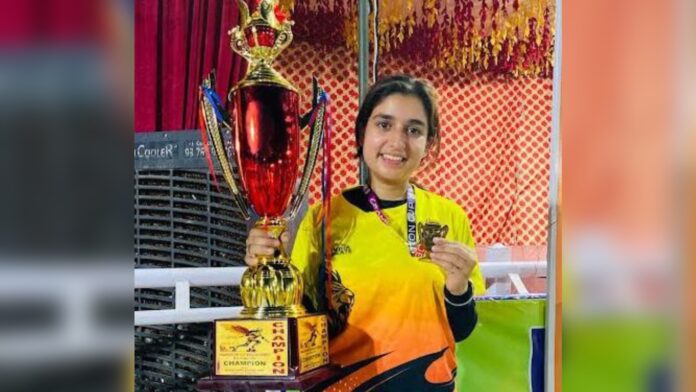
Nabeela Khan, a B.Sc. Biochemistry student from the Women’s College at AMU.

Aligarh Muslim University (AMU) continues to make headlines, not just in academics but also in sports. Nabeela Khan, a B.Sc. Biochemistry student from the Women’s College at AMU, played a pivotal role in leading Uttar Pradesh to a gold medal at the prestigious Federation Cup 2025 Roller Skating Derby Championship held in Bikaner, Rajasthan.

Representing Team Uttar Pradesh, Nabeela demonstrated outstanding skill and determination throughout the tournament. Her performance was instrumental in securing strong victories during the pool stage, including a dominant 44–11 win over Tamil Nadu. In the final, her team put up an equally impressive show, defeating the host team Rajasthan 26–12 to clinch the championship title.

Adding further pride to the university, Syeda Laiba Ali, a recent Class X graduate from AMU, was also part of the victorious state team. Her selection highlights AMU’s growing emphasis on promoting women’s participation in sports and nurturing young talent.

Nabeela’s selection to the state team followed a standout performance during a 10-day intensive training camp in Mohali in 2024. Her speed, consistency, and strategic play caught the attention of national selectors. No stranger to competitive success, Nabeela has already won five medals on the National Roller Derby Circuit, including three golds.

Remarkably, she balances her athletic pursuits with academic excellence. Nabeela has cleared the NEET examination twice, showcasing her dedication to both sports and studies. Her journey reflects the holistic environment AMU fosters—where students are encouraged to pursue excellence in all spheres.

With achievements like these, AMU is reinforcing its reputation as a nurturing ground for talent, empowering women like Nabeela and Laiba to shine on national platforms. Their success stories continue to inspire the next generation of student-athletes at the university. — With Agencies Inputs

source: http://www.muslimmirror.com / Muslim Mirror / Home> Indian Muslim> Women / by Muslim Mirror Desk / July 10th, 2025

Setting up higher targets

Hyderabad, TELANGANA :

Siblings Nargis Fatima, Saba Fatima and Mohammed Zainulabedein on charting their own path in shooting

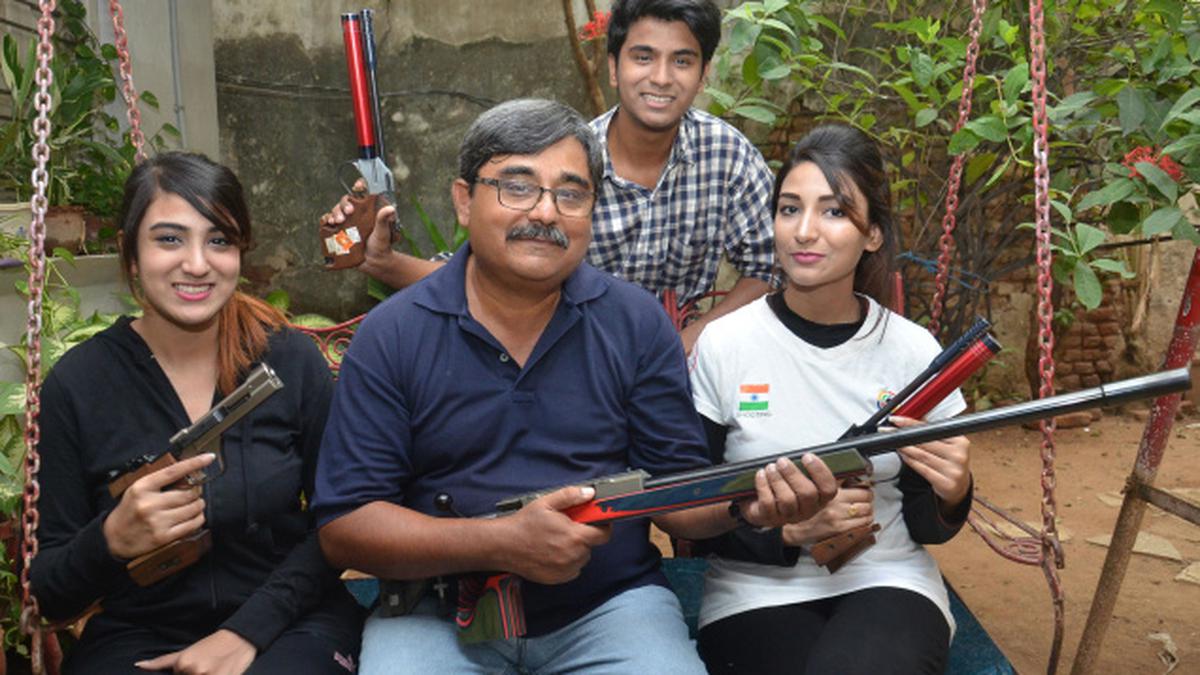
Narjis Fatima, A.M. Zainulabedin, and Saba Fatima with their father and coach Abbas / Photo: Nagara Gopal

On the first floor of Aga Mohammed Hussain’s house, Saba Fatima aims at the target as her sister Nargis Fatima and brother Mohammed Zainulabedein watch on. “I am very strict during practice and keep giving instructions,” laughs Saba. The trio do not indulge in the usual brother-sister spats and instead regularly practice on the home trainer range installed at home. These siblings make Hyderabad proud with their shooting achievements.

Interestingly, they are fulfilling their father Hussain’s dreams. Hussain has been shooting for the past 16 years and is a renowned shot. “Since I was into shooting, the children saw me and got guidance. The biggest advantage was that the weapons were at home,” recalls Hussain on how his children took to shooting. He also adds that his fatherly instincts do not come in the way of coaching. “When I am coaching I tend to forget I am their father. I am disciplined and strict and the results show. The only reason they have come up in the field at such a young age is because of their perseverance, discipline and dedication,” he says.

While Nargis Fatima won her first national medal at the age of 11, her aim is to make it to the Olympics. “By God’s grace both Saba and Zain are in the Indian national squad,” states Hussain. Saba, whose ranking is no. 4 is practicing to take part in shooting championship later this year. “Only the top three are sent by the sports ministry and she will be going at her own cost,” says Hussain.

Recently Saba, a D. Pharm student couldn’t go to Germany because of her final year exams. “D. Pharmacy is worse than medicine; it is a five-year course and I told her not to take it because she has to study a lot,” adds the father. However, he is more than glad with Zain’s performance and feels he will bring in laurels to the country. “Zain, whose ranking is number 5 is going for selection trials; Next year, he will be representing the country but getting into the Indian squad itself is a big achievement,” he points out.

Hussain speaks of his recent visit to Uttar Pradesh. “Youngsters are working very hard and one can see them practicing for even six hours,” he adds.

What do the girls do when not shooting? “I study or attend family parties,” laughs Saba. She feels Indian women shooters are charting their own path. “There is Heena Siddhu, who is making us proud,” she beams.

On the importance of having calm nerves during shooting, Hussain says, “For shooting, one needs a temperament that is extraordinarily soft and a synchronisation of multiple things; about 20 things happen in a fraction of a second and one needs to hone the technique and register it in the sub-conscious mind. Conscious mind is very powerful and the moment you shoot with it, you tend to lose everything. One needs to blindly follow what one has put in the training. Ninety percent shooters fail because they get excited and go in for score and don’t get the technique,” he explains.

source: http://www.thehindu.com / The Hindu / Home> Features> Metroplus / by Neerja Murthy / October 18th, 2016

At 21, Muskan Begum from Hyderabad becomes licensed commercial pilot

Hyderabad, TELANGANA :

At 21, Muskan Begum from Hyderabad becomes licensed commercial pilot

  A 21-year-old from Hyderabad, Muskan Begum.

Hyderabad: 

A 21-year-old from Hyderabad, Muskan Begum, has obtained her commercial pilot licence after completing training in Cape Town, South Africa, becoming one of the youngest from the city to have achieved the feat.

She completed her schooling from Narayana and her intermediate education from Chaitanya before starting her aviation journey. “I did my medicals in Hyderabad and cleared the Directorate General of Civil Aviation (DGCA) exams from V2 Aviation Academy in Khader Bagh,” she said.

She joined the 4 Aviators Flying School in Cape Town in 2023 after receiving her South African visa. “I completed both my theory and practical exams there, and I was tested with the examiner for my CPL checkride,” she said.

“I’ve flown more than 250 hours and now legally hold a commercial pilot licence,” she told Siasat.com.

Belonging to a middle-class family of seven, Muskan credits her parents for their unwavering support. “My mom does small businesses, and my dad works in Doha, Qatar. Initially, convincing them was a tough task due to the community and irrelevant stereotypes, but in the end, I had their full support,” she said.

“Being a hijabi and getting trained in South Africa was fine with a bit of struggle. But the key was not letting others’ opinions influence me,” she added.

She is currently pursuing instructor training from the same flying school. “I’ll be working here as an instructor to build a good amount of hours and experience,” she said. “So when airline vacancies are available, I can join directly.”

Recalling where it all began, she said, “As a child, I used to see aircraft near the airport. Since then, I imagined myself sitting in the cockpit, flying it by myself.”

“Aviation was a dream at first. Now, it’s everything,” she added further.

source: http://www.siasat.com / The Siasat Daily / Home> News> Hyderabad / by Tamreen Sultana / May 06th, 2025

Farkhanda Qureshi: Small town woman achieves big success by securing 67th rank in UPSC

Balaghat, MADHYA PRADESH :

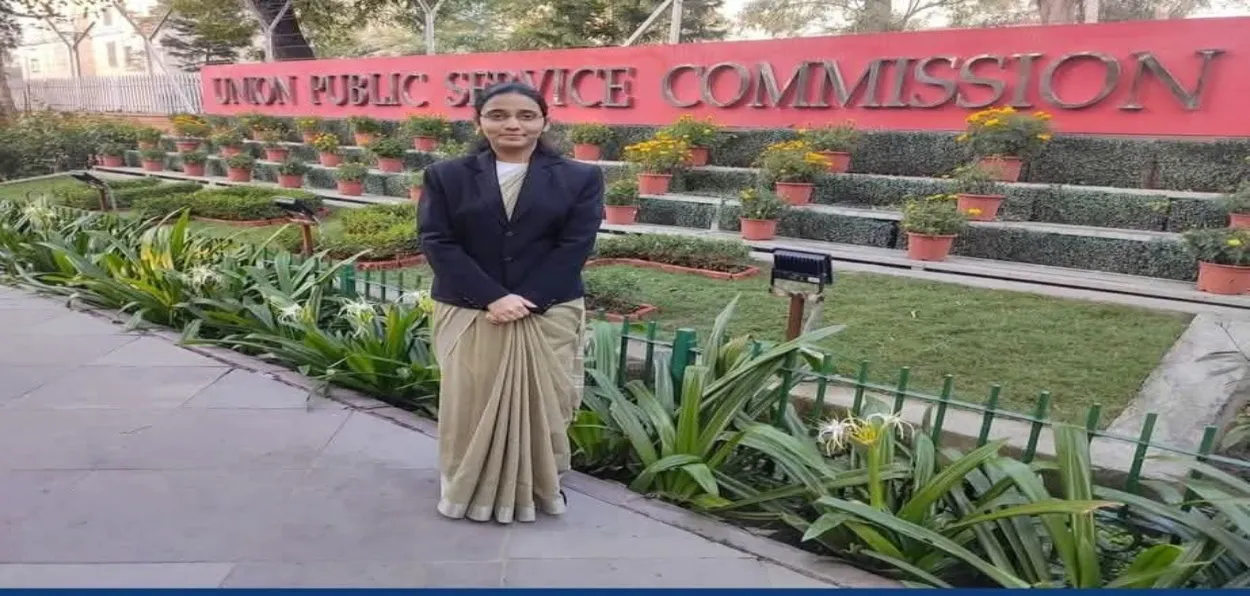
Farkhanda Qureshi of Balaghat, Madya Pradesh, outside UPSC office in Delhi

Farkhanda Qureshi was in her eighth grade when she saw district Collector B. Chandrasekharan son a local Television channel. This visual ignited a dream in her mind; she too wanted to become a civil servant. Today this Muslim woman from from Balaghat, a small town of Madhya Pradesh, has realized her dream which she nurtured over the years with passion, hard work, overcoming failures and perseverance.

Farkhanda Qureshi has secured 67th rank in the UPSC 2024 Civil Services Examination and would soon join the Lal Bahadur Shashtri National Academy for Administration, Dehradun, for training to become an Indian civil servant.

“I had decided that one day I will also become a collector and work for society.” She credits her success in her fourth attempt to her family’s support.

She started preparing for UPSC in 2021. Despite failures, she did not give up. She says, “My parents did not let me break down; they motivated me and told me that I will get success one day. Had they not supported me, I would have probably given up in the first or second attempt,” she told the told media persons.

Farkhanda believes that for a tough exam like UPSC, studying for 18 hours is not necessary, but consistency and strategy are. “I studied for 6 to 8 hours every day, but I studied every day. Old year papers, standard books, current affairs and newspapers were an important part of my preparation.”

Farkhanda Qureshi flanked by her parents Nikhat Anjum and Abdul Malik Qureshi

Farkhanda, who completed her 10th from St. Mary’s School and 12th from Methodist Mission, says, “Being from a small town like Balaghat has never been my weakness. I believe that if the youth here get the right direction and resources, they can make a name for themselves across the country.”

Farkhanda considers her father Abdul Malik Qureshi, who is a lawyer, and her mother Nikhat Anjum Qureshi, a homemaker, her heroes and credits her success to them.

Her father said, “Today people recognize me by my daughter’s name, nothing can give me greater happiness than this.”

There is a festive atmosphere in the area, the collector congratulated Farkhanda and and wished her a bright future. The local mosque committee (Anjuman( also felicitated her and called her inspiration for the Muslim youth.

Out of the 1,009 candidates recommended by UPSC this year, 26 are Muslims, though none made it to the Top 25. 

Iram Choudhary (Rank 40) and Farkhanda Qureshi (Rank 67) are the highest-ranking Muslim candidates in the merit list. A total of 97 Muslim candidates were selected for the interview stage, and the success rate stands at 2.57%, lower than previous years.

source: http://www.awazthevoice.in / Awaz, The Voice / Home> Stories / by Abdul Wasim Ansari, Balaghat, Bhopal (name error edited) / April 26th, 2025

In a first, Maharashtra gets first Muslim female IAS officer – Adeeba Anam Ashfaque Ahmed

Yawatmal (Vidharba Region), MAHARASHTRA :

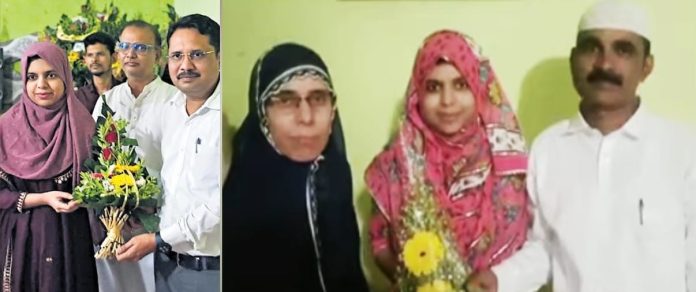
Do it again and again. Consistency makes the raindrops create holes in the rock. Whatever is difficult can be done easily with regular attendance, attention, and action. Perhaps imbibed by the words of Israelmore Ayivor, an inspirational writer, blogger and LifeSkills Entrepreneur, Adeeba Anam Ashfaque Ahmed from Yavatmal in Maharashtra created a record of sorts to become the first female Muslim IAS officer after successfully clearing the civil services with All India Rank 142.

The success saga of Adeeba only proves the awareness shown by Muslim girls to take up civil services exams breaking the barriers.

On cloud nine are Adeeba’s parents, relatives, friends and more particularly her teachers on seeing her victory after three failures. She came out with flying colours in her fourth attempt after getting the necessary guidance and coaching from Jamia Millia Residential Coaching Academy in Delhi.

Can’t imagine a girl hailing from a parched and drought-prone Yavatmal district bringing glory to her native. All because of her patience and consistency as to the quote of American business honcho Robert Kiyosaki – “Successful people don’t fear failure but understand that it’s necessary to learn and grow from.” It is learnt that Maharashtra hardly witnessed any female Muslim IAS officers in the last one decade or so.

Kudos to her dad Ashfaq Ahmed, an auto driver, who despite financial constraints strained his nerves to make his daughter’s civil service dream a reality. Of course, her mom and uncle were very supportive in ensuring she achieved her IAS after successive failures. Adeeba started her early education at Zafarnagar Zilla Parishad Urdu Primary School, where she studied from Class 1 to Class 7. Thereafter, she finished schooling from Class 8 to 10 at Zilla Parishad Government Girls High School. And she completed her 11th and 12th grades at Zilla Parishad Ex-Government College in Yavatmal.

Armed with BSc Mathematics from Inamdar Senior College in Pune, she joined a coaching academy in Pune to take UPSC foundation classes based on the advice of her maternal uncle Jan Nizamuddin Sahib, who works as secretary at Seva NGO.

She got interested after meeting a few IAS officers and was determined to become an IAS. The road to civil services wasn’t smooth for her as she faced many obstacles. However, she was firm and worked relentlessly to taste success.

Noteworthy to mention that her dad Ashfaq Ahmed dropped out of school after tenth standard due to family circumstances. But decided not to let her daughter face the same fate, left no stone unturned and encouraged Adeeba to do her UG. Right from her school days, she had a fascination for civil services inspired by the young IAS officers’ remarkable feat through newspapers. Since then, she has been working towards her civil service dream.

In an interview to a local television channel, she is reported to have said that studying isn’t easy, especially for girls in patriarchal communities like Muslim, but her parents stood by her. She expressed her gratitude to mom, who extended support for her in her endeavours. The community was against girls pursuing higher studies, but her dad told her not to worry about society, and focus on her goal.

It is interesting to infer that she chose Urdu Literature as her optional subject despite having a science background. However, she displayed her prowess in clearing the civil services with confidence. A total of 32 candidates from Jamia Millia Islamia and 3 from Aligarh Muslim University (AMU) Residential Coaching Academy (RCA) have figured in the UPSC Civil Services 2024 Merit List. Of the 1009 candidates selected, only two Muslim candidates figured in the top 100.

She said that IAS is the first step to serve the society and added that her area of interest is to work for the underprivileged, more specifically girls. And she wanted to contribute to the education and health sector as a civil servant. Jamia Millia Islamia (JMI) and Aligarh Muslim University (AMU) RCAs are renowned academies in the field of coaching students for Civil Services. They provide free coaching and training for preparing for the Civil Services Examination for candidates from SC, ST, Women, and Minority communities.

source: http://www.radiancenews.com / Radiance News / Home> Focus> Markers of Excellence / by M Rafi Ahmed, Radiance News Bureau / April 28th, 2025