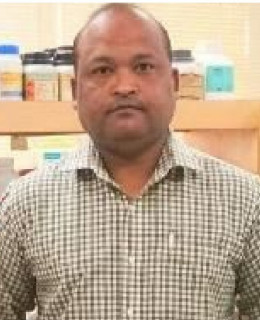
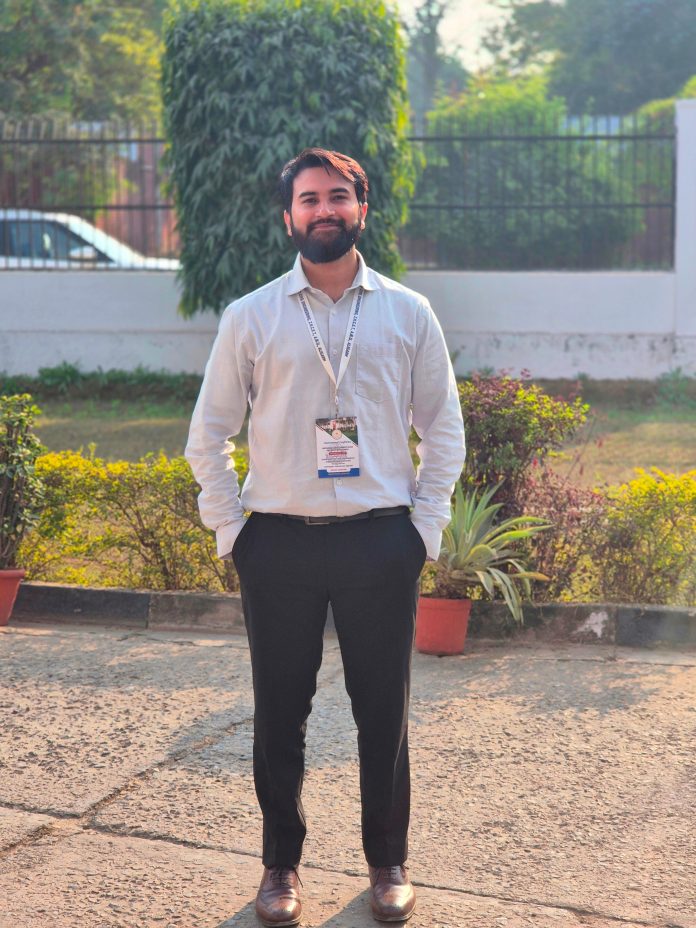
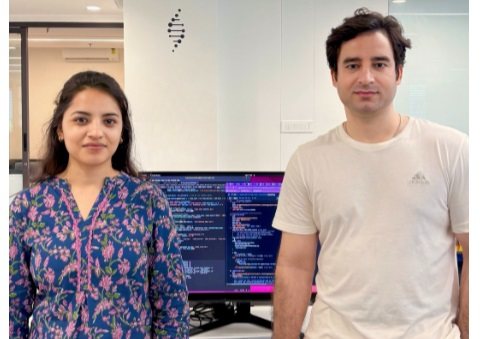
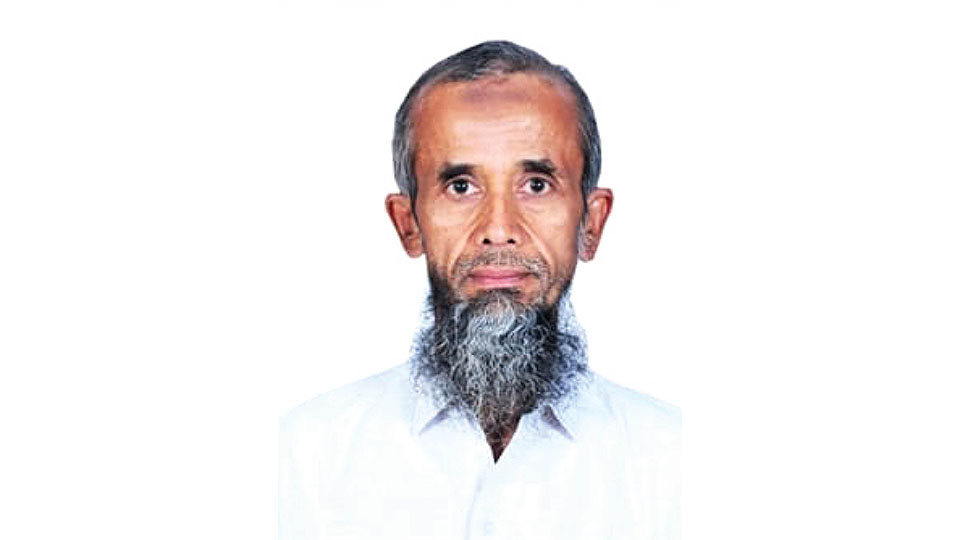
The Council of Science and Technology, Uttar Pradesh honoured Dr. Riaz Ahmad, Lecturer at Department of Zoology, Aligarh Muslim University (AMU), with ‘Young Scientist Award’ yesterday. The award has been given to Dr. Ahmad in recognition of his contributions in the area of Biochemical and Molecular Genetics. Besides cash prize of Rs. 25,000/, award carries a certificate, memento and a shawl.
The award was presented to Dr. Riaz Ahmad by Mr. Abdul Mannan, the State Minister for Science and Technology at the Vigyan Samaroh at Sir C.V. Raman Auditorium in Lucknow.
Dr. Ahmad is also a recipient of prestigious Dr. D. S. Kothari Post Doctoral Fellowship from UGC, Young Scientist Project of DST and Scientist of the Year Award-2009 given by the National Environmental Science Academy.
He has a number of research papers to his name published in various scientific journals of national and international repute.
source: http://www.twocircles.net / TwoCircles.net / Home> Indian Muslim / by TCN News / March 30th, 2010
The Council of Science and Technology, Uttar Pradesh honored Dr. Tamanna Jahangir, from Jamia Hamdard, currently working as Assistant Professor at Jazan University, Kingdom of Saudi Arabia with ‘Young Scientist Award’ on Jan. 29th 2011.
The award has been given to Dr. Tamanna Jahangir in recognition of her contributions in the area of Cancer Chemoprevention Toxicology. Besides cash prize of Rs. 25,000/ award carries a certificate, memento and a shawl.
The award was received by her Father Mr. Mohd. Jahangir presented by Mr. Abdul Mannan, the State Cabinet Minister for Science and Technology at the Vigyan Samaroh at Sir C.V. Raman Auditorium in Lucknow.
Dr. Tamanna Jahangir is also a recipient of prestigious DST fast track Young Scientist Award and Young Scientist Award at TOXCON 2010 given by the Slovak Toxicological Society (SETOX), Slovakia.
She has a number of research papers to her name published in various scientific journals of national and international repute.
source: http://www.twocircles.net / TwoCircles.net / Home> Indian Muslim / by TCN Staff Reporter, TwoCircles.net / February 01st, 2011
Joygram Village (North 24 Parganas District), WEST BENGAL :
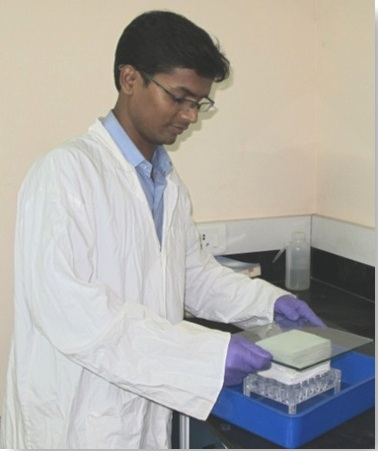
Kutubuddin Ali Molla in research lab
Kolkata:
A young researcher from West Bengal beat poverty to bag the Young Scientist Award 2013-14 of India. The Young Botanist Kutubuddin Ali Molla, who hails from a very poor family in North 24 Parganas district received the honour for his research on “Development of Transgenic Rice Plants for Sheath Blight Resistance”.
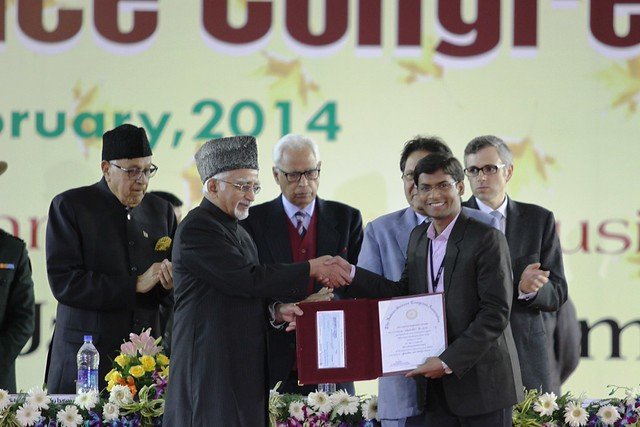
The young scientist was felicitated on February 7, 2014 at Jammu University by Vice President of India Hamid Ansari with a cheque of Rs 25000 and an Award Certificate in the field of Agriculture and Forestry Sciences.
Chief Minister of Jammu & Kashmir Omar Abdullah and Governor of Jammu Kashmir N N Vhora, Former CM of J&K Dr. Farooq Abdullah were also present in this award ceremony.
Kutubuddin is currently posted as a scientist trainee at National Academy of Agricultural Research Management in Hyderabad.
Originally from a remote village of Joygram in North 24 Parganas, Kutubuddin Ali Molla, his father Illias Molla is a farmer and Grandfather Nasim Molla was a Maulana and social worker.
With only three Bighaa of agricultural land in a joint family, Illias Molla was not able to fulfill all the needs of the family; his eldest brother Yusuf Molla, however, financially supported his bright nephew in times of economic-crunch.
Kutubuddin Ali Molla taking award from VP Hamid Ansari at Jammu University.
As a young boy, he Kutubuddin also helped his father in the agricultural fields and learnt several things about paddy cultivation that developed his interest for becoming an agricultural scientist. Stricken by poverty, his father told him, he will not stop him from studying, but he is not in a condition to financially support him and hence he would need to manage the expenses from somewhere.
After completing his senior secondary from Joygram JN High School, Kutub took admission at City College in Kolkata in B.Sc (Honours) in Botany. As the college was about 60 KM from his village, he shifted to a hostel near the college on a nominal fees of Rs 50.
Kutub is very grateful to his Professor in college Dr Argha Hait, who helped in several ways. After graduating with first class, he took admission for post-graduation in Calcutta University, which he completed with first class and ranked third.
All these while, he gave private tuitions to support the expenses of his study and staying in Kolkata. Meanwhile, he also cleared the Junior Research Fellowship (JRF) of the Council of Scientific and Industrial Research (CSIR), GATE, ICAR (NET) and ARS tests.
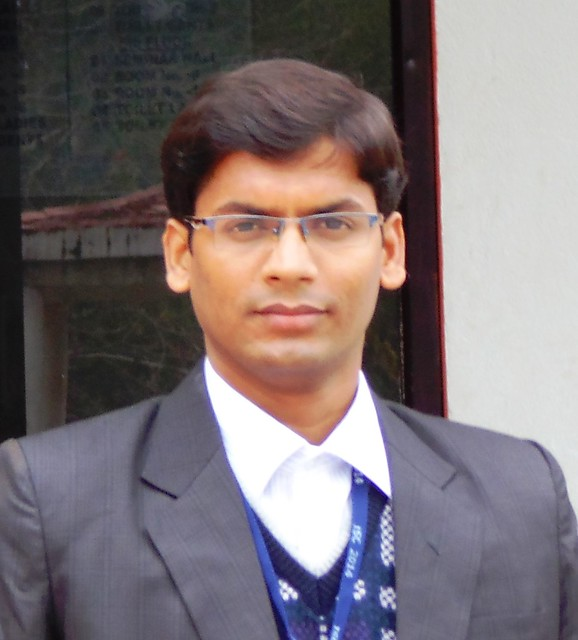
Kutubuddin Ali Molla
He took admission in Phd under the Dr Karabi Dutta in 2009 in Plant Molecular Biology and Plant Biotechnology. He did his PhD research (PhD award still awaited) on transgenic rice and published a research article in a Research Journal of the British Society on `Molecular Plant Pathology’ in 2013 that attracted the attention of the agricultural scientists in the country.
He then participated in All India Young Scientist Award Competition and was selected for the Best Young Scientist Award of India in the field of agriculture for 2013-14.
Speaking to TCN over phone from Hyderabad, Kutubuddin thanked the Almighty Allah for the honour and hoped that his research in agricultural yields good result in paddy cultivation.
source: http://www.twocircles.net / TwoCircles.net / Home> Indian Muslim / by Zaidul Haque, TwoCircles.net / March 19th, 2014
Rajasthan is known for its sandy deserts, historical monuments, especially forts, vibrant culture, and above all, its brave people, some of whom are inspiring others and changing society for the better. Under our series ‘The Changemakers’, Awaz-The Voice, brings you ten such personalities of Rajasthan, who have done extraordinary and pioneering work. Batool Begum: A living legacy of musical heritage.
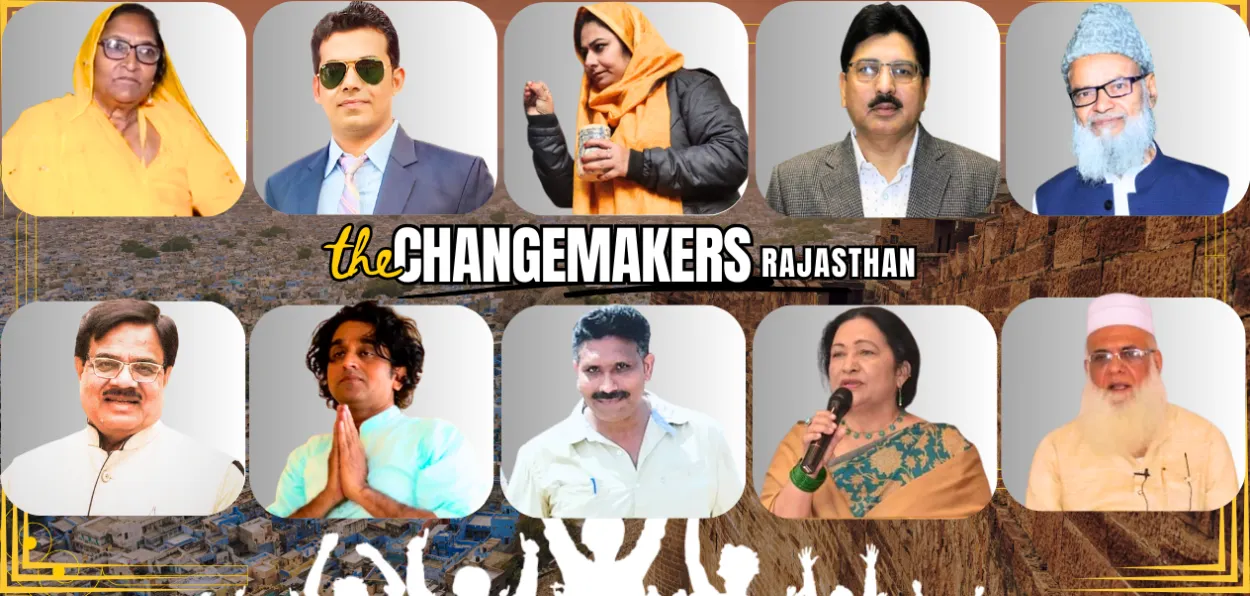
Batool Begum: Woman who took traditional music to the world
One name that resonates in the streets of Jaipur is that of Batool Begum. Born in Kerap village of Nagaur district, Rajasthan, this extraordinary singer is a living legacy of Indian classical music. Batool developed a deep passion for music in her childhood. Despite facing social and economic challenges, she continued her singing.
Her melodious voice and her passion for music not only earned her recognition as an artist but also proved that talent can break all barriers. Her art is a source of inspiration for her community and the entire Rajasthan.
Abdul Salam Johar: A lac bangle maker who received global recognition
The vibrant spirit of India’s Pink City, Jaipur, doesn’t only emanate from its colours and people but also from the traditional handicrafts that are made and sold here. Bangles worth lakhs are made in these streets, which are a symbol of the traditional beauty and hard work of thousands of its people.
Abdul Salam Johar is one such artist who not only preserved the traditional art of the State but also brought about a social change in a major way. Coming from the Manihar community, Johar was born in a family with little means, but his dreams were extraordinary. Seeing the struggles of his grandfather Hafiz Mohammad Ismail and parents Haji Abdul Aziz and Hajjan Qamar Jahan, he made hard work, dedication, and social service the main mantra of his life.
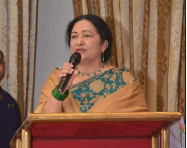
He began his journey from his ancestral shop ‘Indian Kangan and Colour Store’ located in Tripolia Bazaar of Jaipur, and today his wares are being sold under brands ‘Johar Design’, ‘Johar King’ and ‘Indian Crafts’ in the global markets. He is not only a successful entrepreneur, but also a social reformer who took his community and traditional art to new heights.
Abdul Latif ‘Arco’: A confluence of business and social service
Abdul Latif, who lives in Chini ki Burj in the capital Jaipur, and is known as ‘Arko’ in Rajasthan, is one such special personality. Born in a small village of Chomu in 1946, Abdul Latif’s father, Rahmatullah, and mother, Hafijan, taught him hard work, honesty, and the passion to help people, which became the basis of his life.
His company, Abdul Razzaq & Company (ARCO), is today a big name for social service along with electric motors, fans, and coolers. Apart from this, his hotel, ARCO Palace, is a symbol of his hard work and foresight. Abdul Latif’s story is not just of a businessman, but of a person who chose to work as a changemaker by combining his business and social responsibilities.
Qazi Nishat Hussain: A new voice breaking stereotypes
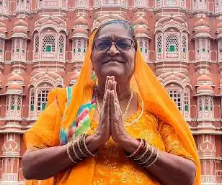
The voice rising from a small office located in the narrow streets of Johri Bazaar in Jaipur, the capital of Rajasthan, is today inspiring society to change. This voice is of Nishat Hussain, Rajasthan’s first Muslim female Qazi, social worker, and a strong advocate of the rights of Muslim women.
Her life journey is an example of courage, struggle, and change, which not only made thousands of women aware but also gave them a new direction to live.
Born in Sitabari Mohalla of Karauli district, Nishat’s childhood was spent in an environment of communal harmony. His family was the only Muslim family in the neighbourhood. There were three temples in front of her house. She says, “We did not know who was a Hindu and who was a Muslim.” In a backward area like Karauli, where girls’ education was not given importance, Nishat created history. She became the first Muslim girl in the district to pass the tenth standard, that too as the only Muslim student among 1200 girls. Today, she has become a torchbearer of the rights of Muslim women.
Captain Mirza Mohtasim Baig and Ruby Khan: An Inspiring couple in social service
An inspirational couple, Captain Mirza Mohtasim Baig and his wife Ruby Khan, hail from Jaipur. Captain Mirza is the first Muslim pilot of Rajasthan and has been operating national and international flights for the last 25 years. At the same time, his wife Ruby is an active social worker and politician.
Both believe that if one wants to bring change in society, then he has to take the initiative. Together, they had organised medical camps, documentation camps, free ration distribution, and offered financial help to families in the marriage of their daughters. The couple is an epitome of change brought about by spirited people.
Dr. Arif Khan: The village scientist who created history
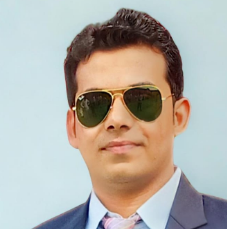
Thirty-four years ago, a child was born in the small village of Masani in the Hanumangarh district of Rajasthan. Today, he is Dr. Arif Khan, a scientist who has brought laurels to India. In his village, most of the people toiled in the fields. His father, Advocate Farid Khan, wanted his son to become a doctor. His mother and grandfather also had the same dream. But there were few schools in Masani, and the path to making dreams come true was difficult. Still, Arif had a passion to do something extraordinary in his life.
With his hard work and dedication, he became a bio-scientist and brought glory to his family and village. His research on milk and food products brought a wave of change. His story proves that if the intentions are strong, then even a boy from a small village can become a scientist and make the country feel proud.
Mainuna Nargis: First Shia Muslim woman in art conservation
In a vast country like India, art conservation is important since it not only preserves history but also connects future generations to our heritage. Mainuna Nargis, the country’s first and so far the only Shia Muslim woman art conservator, does the same work. Born in Bahjoi, a small town in Moradabad district of Uttar Pradesh, Maimuna’s childhood was ordinary, but her dreams were extraordinary. Rajasthan has now become Mainuna’s second home.
Her father, a Policeman in UP, always encouraged her. After studying Fine Arts from Aligarh Muslim University (AMU), she did a diploma in Museology, which became the most decisive turning point in her life. Maimuna’s story is not just of professional success, but a story of passion, struggle, and self-confidence, which revived the broken pieces of history.
Yoga Guru Naeem Khan: Global journey from music to yoga
The life journey of Yoga Guru Naeem Khan, who rose from the streets of Jodhpur, the cultural capital of Rajasthan, to spread his spiritual aura on international platforms, is a unique example. He rose from a common man to a global yoga guru and presented yoga as a universal energy beyond religion, culture, and boundaries.
Naeem Khan was born in a family where music was in every breath. His grandfather, Ustad Umardin Khan, was the court musician of the Jodhpur royal family, while his maternal uncle was Padma Bhushan-awarded Sarod player Ustad Sultan Khan. However, with changing times, that traditional flame of music started to fade. Naeem and his brother got involved in business, but yoga gave Naeem a new direction, and he took it to a global platform.
Syed Anwar Shah: A man who introduced girls to education
Thirty years ago, a dream was born in a small room in Jaipur, which has today become the light of education for thousands of girls. This is the story of Syed Anwar Shah, whom people fondly call Master Anwar Shah. He not only dreamt of his daughter’s education, but also made it a means of progress for the daughters of society.
Today his educational institution, Al-Jamia-tul Alia, is spreading the message of knowledge and Islamic ethics not only in Jaipur, but also in the whole of India and abroad. After completing his M.A. in Public Administration from Rajasthan University in 1980, he dedicated his entire life to the welfare of society and the service of education. In 1995, when his daughter Alia was born, he decided to set up an institution for the education of girls, which would impart both worldly and divine teachings.
Today, his effort has become a boon for thousands of families.
Padma Shri Shakir Ali: Patron of Miniature Painting
It’s no exaggeration to say that Jaipur is the art capital of Rajasthan. And in the field of miniature painting, the name of Syed Shakir Ali comes to the fore spontaneously. This genre of painting is an identity of the state of Rajasthan.
Padma Shri awardee Syed Shakir Ali is not only a great practitioner of this art, but he is also the guardian of that heritage, which is an integral part of the cultural identity of Rajasthan. Born in 1956 in Jalesar village of Uttar Pradesh, Shakir Ali’s family soon settled in Jaipur, where his art got a new direction.
Today, he has given recognition to this traditional art of Rajasthan not only in India but also on international platforms.
source: http://www.awazthevoice.in / Awaz, The Voice / Home> The Changemakers / by Aasha Khosa, ATV / September 14th, 2025
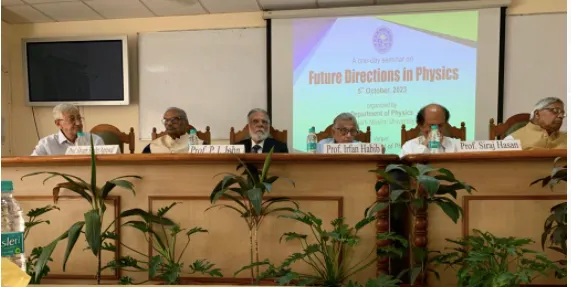
We celebrated the 100th birth anniversary of Prof Rais Ahmed, the former head of the Physics Department, Aligarh Muslim University and the person to whom I owe a great deal for starting me off on my career path in plasma physics research.
A one-day memorial cum seminar on Future directions in Physics was held at the University on 5th October 2023 Venue. Prof. Irfan Habib, Prof. of History, AMU, Prof. Siraj Hasan (Former Director, Indian Institute of Astrophysics), Prof. Naresh Dadhich (Former Director, IUCAA), Prof. S. K. Singh (Former VC, HNBU), Prof. Wasi Haider and Prof. Shyam Sunder Agrawal (Director General, KIIT Group of Institutions) spoke on the occasion. I spoke about my association with him and the future of Plasma Physics and Thermonuclear Fusion Research in India.
It was a forenoon in July 1964 when I first met Prof Rais Ahmed, who had become the Head of the Department that very year. I had travelled from Kerala seeking an opportunity to do research. He asked me a few questions on Physics, and I suppose I answered them reasonably well. But then he wanted to know why I wanted to pursue research.
I had rather romantic ideas like research leading to new knowledge and our responsibility to seek pure knowledge etc. It was clear that he did not take me seriously as he went on to say that science is what drives social transformation by changing our perception of our relationship with nature. Another observation was about science leading to technology which improves the quality of life.
Our conversation covered many things. I suppose he was gauging my mind and trying to find what kind of person I was. If it was a test, I passed it as he said that I could join for research. He made sure that I had no preference for Nuclear Physics or Spectroscopy, the areas of ongoing work in the department. He talked to me about Plasma Physics as an emerging field and about the work which was going on in Harwell and Oxford on Thermonuclear Fusion Research.
I did not know about Plasma Physics even at an elementary level. However, I was willing to learn and was asked to talk to Prof. D C Sarkar about the thesis work in more detail. I went through an intense learning programme, primarily reading Physical Review and Review of Scientific Instruments. There was no previous laboratory I could walk into and start work and I had to start from scratch. Looking back, I was taking an enormous risk as I had to build an entire laboratory for me to start the thesis work.
I rigged up a Radiofrequency generator with Japanese power tubes scavenged from the Electrical Engineering Department. Prof Venkateswarlu’s lab was full of microwave equipment, which Rais Sab allowed me to borrow. With all this, I set up an experiment and after a struggle of five years, put together a thesis which got me a degree. Almost immediately he gave me a regular job as a lecturer in the department as some vacancies were due to be filled.
As the Head of the Department, he did much to expand research and teaching in Physics in new areas. As Director of Academic Programmes, he organized the Semester System designed to update courses and provide more rigorous instruction to students. He made an alliance with Uppsala University in Sweden for faculty members to do research there. He arranged for PhD scholars to start teaching postgraduate students.
I recalled my interaction with university life during my eight years there. At first, Aligarh gave me a culture shock. My inability to comprehend Urdu was the first barrier to appreciating the culture. The exalted forms of addressing, and the too formal and exaggerated ‘Tehzeeb’, the gestural ‘adaabs’ strewn around were all alien. The food, though delicious, was completely unfamiliar. But the campus was a dream with beautiful buildings, stately halls, verdant lawns, and lush gardens. The library gave me all the books I wanted to read. The accommodation I got at the Sulaiman Hall was quite adequate. The students from central Travancore preferred this. There was a South Indian mess catering our preferred food. Tea at the Paradise restaurant with friends was fun.
Rais Ahmed had interests ranging from his specialization in Electronics to varied areas of science and education. He published over 100 papers on Electronic Circuit Analysis. Analogue Computers. Speech Recognition and Production, and Creative Teaching of Physics. The work he started in the 1970s on speech perception would eventually become an important branch of artificial intelligence and machine recognition of speech.
I recall a symposium he had organized on higher education, where we were asked to be volunteers to help the organization. The attendees were all academics from Universities and IITs and I was fortunate to listen to many of them. The remarkable skill with which Rais Sab generated consensus on many issues which were debated was an eye-opener for me.
In a department seminar, when his student Moonis Ali spoke on the design of an analogue computer system, some of us, ridiculed the idea calling it a paper machine. Rais Sab defended the presentation vigorously, saying that new ideas were what drove science forward and that they had as much importance in science as building new instruments.
His remarkable organizational skills were brought to bear at the prestigious Annual Meeting on High Energy and Nuclear Physics, sponsored by the Department of Atomic Energy. Prof Roy Daniel from TIFR was the coordinator of the meeting, and his being from Kerala, we used to chat about the preparations for the meeting. The participants included bigwigs like Vikram Sarabhai, Prof M G K Menon and Dr Raja Ramanna. The meeting was hailed as very successful thanks to the planning and preparations led by Rais Saheb.
All of us in the department rejoiced when he was made a member of the Science Advisory Committee to the PM, then Mrs Gandhi. After each meeting, he would call all of us to the lawn near the workshop to convey to us the flavour of the meeting. We had the vicarious pleasure of being informed about the thinking in the places of power.
He would call me occasionally to his office to find out how I was doing. In one of these meetings, he advised me to read journals other than those dedicated to pure physics. He cited the Bulletin of Atomic Scientists as an example.
Rais Sab had an abiding faith in Scientific Socialism and felt strongly about the increasing global dominance of the multinationals and about what he saw as a retreat by India from its independent position both in the Economic and Intellectual fields. He had a strong belief that human capital, in the form of expanding knowledge and scientific spirit, held the key to India’s salvation. For this ideal, he worked tirelessly both as an individual and in administrative capacities.
In the 1950’s he was an energetic organizer of the Association of Scientific Workers of India. Once when I asked him about the ethics of unionizing scientific workers, he defended it by saying that collective bargaining need not be about wages and working conditions only. Professional bodies of scientists had a role in influencing public policy.
After I left Aligarh in 1972 to join the Physical Research Laboratory in Ahmedabad, I had occasional interactions with him. He made me a member of the UGC Committee to visit Marathwada University to make an academic assessment. He funded my proposal to have an orientation programme for university teachers in the emerging field of Plasma Physics.
I had an exciting and eventful life contributing to Plasma Physics in India, right from its inception at the Physical Research Laboratory, during the Plasma Physics Programme and its eventual transformation to the Institute for Plasma Research and when India became a proud partner in the ITER project of building the world’s first Thermonuclear fusion reactor in France. I owe a debt of gratitude to Rais Saheb for initiating me into the research path, which made all this possible.
source: http://www.john-pucadyil.medium.com / Medium.com / Home / by John Pucadyil / October 06th, 2023
Ather Siddiqi was a researcher of eminence in his field and his research has been nationally and internationally recognised in the scientific world.
Professor Ather H. Siddiqi was born on December 29, 1931, in Saharanpur, Uttar Pradesh. He attained his early education at the Govt. High School, Saharanpur and obtained the degrees of B.Sc. (1950) and M.Sc. (1953) from A.M.U. Topping the university in Science and Zoology, he received two gold medals. He did his PhD in 1956 under the supervision of Professor Babar Mirza from Aligarh Muslim University.
Ather Siddiqi joined the Department of Zoology as a lecturer in 1953. After three years, he joined Purdue University, USA and completed another doctorate in 1958. He became a reader in 1961 and was appointed as a professor in 1977. Prof. Siddiqi also taught at universities in Nigeria and Libya and returned to India in 1980. He served as the Chairman of the Department of Zoology (1985-88) and as the President of the Indian Society for Parasitology. He also served as the Dean of the Faculty of Life Science in 1988-89, finally retiring from his services in 1994.
His scientific work on helminth taxonomy was published by the New York Academy of Sciences in the form of an exhaustive monograph. Despite that, he received his basic training in classical zoology in the early sixties. Later on, he switched to experimental work in parasitology. Ather Siddiqi was a researcher of eminence in his field and his research is nationally and internationally recognised in the scientific world.
Siddiqi’s Immersion in Urdu Writing
Apart from research articles, his popular writing in Urdu started in the 1980s. His first article in Urdu appeared on the life and scientific contribution of his mentor Professor Babar Mirza in the Quarterly “Fikr-o-Nazar” (January 1987). He published two articles in the early years of “Tehzib-ul-Akhlaq”, Aligarh: ‘Ilm-ul-Hayatiat ke Isatiza se Khitab’ (December 1987), ‘Mohammad Babar Mirza-Apnay Chaman ka Aik Deedawar’ (August 1989).
After his retirement in 1994, he devoted himself completely to Urdu writing. His lengthy article, ‘Mashriq say bezar na Maghrib say Hazar Kar’ narrateing the scientific and cultural activities of European countries was serialised in January 2005-June 2006 issues of “Tehzib-ul-Akhlaq”.
Similarly, his Urdu travelogue ‘Saat Haftay Inglistan Main’ (Seven Weeks in England) was published in the June and July 2006 issues of “Tehzib-ul-Akhlaq”. It carried interesting information regarding the scientific and cultural development of England.
His article based on his visit to Spain ‘Undlus Ka Shandaar Mazi’ (The Bright Past of Spain) discussed the scientific and cultural development of medieval Spain.
Ather Siddiqi along with Syed Zillur Rahman, contributed a chapter, ‘Aligarh Muslim University: Development and Progress of Science Teaching and Research, 1877-1947’ in Science and Modern India: An Institutional History, c. 1784-1947 (ed. Uma Das Gupta), Centre for Studies in Civilisation published in 1999.
A Glimpse into his Published Works
He is regularly contributing a literary column ‘Hairat Sarai Ke Kahania’ to “Tehzib-ul-Akhlaq” which consists of the translation of interesting short stories taken from the internet.
Recently, his popular science articles ‘Parasitism: Aik Dilchasp Tareeq Zindagi’ (Parasitism is an Interesting Way of Life) and ‘Yek khuliya Tufailiati Beenariyan’ (Unicell parasitic diseases) appeared in the February 2022 and February 2023 issue, respectively, of the Urdu monthly ‘Aajkal’, Delhi.
After retirement, Ather Siddiqi devoted himself to Urdu writing and authored, translated and edited dozens of books. The names of some of his books are: ‘Kiya aur meri Hayat Kiya’, ‘Lizzat Aabla Pai’, ‘Nishat Aabla Pai’, ‘Hairat Sarai ke Kahaniyan’ (Vol. 1, 2, 3, 4). In 2022, he published “Rah wa Rasam Aashnai”, his last book. He also rendered Retd IAS officer Musa Raza’s book, “Land of Regrets: Kashmir”, in Urdu as “Kashmir Sarzamin Pashemani”.
Ather Siddiqi was one of the best teachers, an internationally acclaimed Zoologist, and a passionate Urdu writer. And above all, he was a wonderful human being. He passed away on 8th November, 2023, in Delhi at the age of 92 years due to old age illness.
References:
Tehzib-ul-Akhlaq, Aligarh (various issues) Science and Modern India: An Institutional History, c. 1784-1947 (ed. Uma Das Gupta), Centre for Studies in Civilisation, New Delhi, 1999.
source: http://www.heritagetimes.in / Heritage Times / Home / by Dr Asad Faisal Farooqui
Mohd Zeeshan, a PMRF and doctoral researcher at Department of Chemistry, AMU, has earned national recognition as one of the Top 40 PMRF scholars across India for his exemplary contributions to cutting-edge research in CO₂ fixation
Aligarh:
Mohd Zeeshan, a Prime Minister’s Research Fellow (PMRF) and doctoral researcher at the Department of Chemistry, Aligarh Muslim University (AMU), has earned national recognition as one of the Top 40 PMRF scholars across India for his exemplary contributions to cutting-edge research in carbon dioxide (CO₂) fixation.
Zeeshan’s research is centred on the development of heteroatom-functionalised linkers and metal–organic framework (MOF)-based materials for CO₂ capture and wastewater remediation. The selection was based on the national impact of his work, which combines experimental innovation with real-world applicability, addressing pressing environmental challenges.
His research has been conducted under the mentorship of Dr. M. Shahid, a noted scientist with over 170 publications.
Zeeshan acknowledged the constant academic and moral support of Professor Zeba N. Siddiqui, Chairperson of the Department of Chemistry, who congratulated him on receiving this prestigious honour. He also thanked Professor Aasim Zafar, PMRF Coordinator at AMU, for his dedicated mentorship, proactive engagement, and seamless coordination.
Zeeshan has authored 13 peer-reviewed research papers published in leading international journals, including Dalton Transactions and CrystEngComm (Royal Society of Chemistry), and Coordination Chemistry Reviews (Elsevier), with impact factors reaching up to 20.3. He has also contributed two book chapters, holds a granted patent, and has received multiple accolades for best poster and oral presentations at national and international conferences.
In recognition of his achievements, Zeeshan has been invited by the Ministry of Education, Government of India, for a high-level interaction with senior officials, where he will represent AMU and share insights on enhancing the PMRF scheme.
source: http://www.radiancenews.com / Radiance News / Home> Latest News / by Radiance News Bureau / June 21st, 2025
Chenibari Village (Darang District) , ASSAM / ITALY :
Dr. Ruhul Amin Hazarika
A young scientist from a small village Chenibari in the Darang district of Assam has brought laurels to the country in global medical research. Dr. Ruhul Amin Hazarika has been appointed as a research scientist at the prestigious University of Calabria in Italy, where he will conduct research on cancer detection and diagnosis with the help of artificial intelligence (AI) and will assist in teaching.
Dr. Ruhul Amin Hazarika is the son of Bashiruddin Ahmed Hazarika and Rabia Khatun, residents of Chenibari village. He received his early education from local Assamese-medium government schools and after matriculation moved to Mangaldoi for further studies.
After passing 12th in Science from Mangaldoi Government Higher Secondary School, he obtained B.Tech, M.Tech, and PhD degrees from North Eastern Hills University (NEHU), Shillong. Due to his hard work and dedication, today he has secured such an achievement which is a matter of pride for the entire state and country.
His main area of research in Italy is to develop AI-based cancer detection systems. This technology can prove helpful in the early detection of cancer and can revolutionize medical science at the global level.
Dr Hazarika believes, “Medium of education and social status are not barriers if the hard work and dedication is genuine.”
He himself studied in Assamese medium government schools from primary to 12th standard and then achieved this position by obtaining a PhD from government universities.
After completing his education, Dr. Ruhul Amin worked as an Associate Professor at Manipal University, Bangalore, where, observing his research work and technical expertise, he received a research invitation from the Italian University.
This achievement of Dr. Hazarika is not just an inspirational message for his family or village but also for the students of Assam and India who dream of touching heights despite limited resources and difficult circumstances.
“With hard work and determination, any obstacle can be overcome. If I can do it, anyone can,” said Dr. Ruhul Amin Hazarika.
His achievement not only strengthens India’s role in the field of medicine and technology but also shows that boundaries cannot stop talent.
source: http://www.awazthevoice.in / Awaz, The Voice / Home> Stories / by Ashad Ali, Mangaldoi / April 2Oth, 2025
In a landmark achievement, the Government of India has recently awarded Patent No. 556810 to Jamia Millia Islamia (JMI) scholars Dr. Tanveer Ahmad, an Assistant Professor, and his PhD student, Miss Nisha Chaudhary, from the Multidisciplinary Centre for Advanced Research & Studies (MCARS) at JMI.
The patent granted on December 24, 2024, recognises their pioneering invention titled “A SYSTEM AND METHOD FOR GENOMIC MARKERS AND DIGITAL PATHOLOGY IMAGE-BASED PREDICTION OF ORAL MALIGNANT DISORDERS.”
Their innovative methodology, developed in collaboration with partners, leverages artificial intelligence (AI) and digital pathology to enhance the diagnosis and prediction of oral cancer.
Miss Nisha Chaudhary and Dr. Tanveer Ahmed
This advanced system can study tissue images to identify if they are linked to oral submucous fibrosis (OSMF), oral leukoplakia (OLL), oral lichen planus (OLP), or oral squamous cell carcinoma (OSCC). For OSCC, it can also determine how severe the cancer is—welldifferentiated, moderately differentiated, or poorly differentiated—using AI technology. The system predicts the chances of OSMF or OLP/OLL developing into OSCC, giving doctors helpful information about risks. By using genetic markers and digital tools, it provides clear treatment insights and lowers diagnostic costs compared to traditional methods. This invention is set to transform oral cancer detection by making it more affordable and accurate.
In addition to the patent, the research team has recently achieved another significant milestone with their publication in Scientific Data, a high impact factor (9.8) journal from the Nature Publishing Group. Their paper, “High-resolution AI image dataset for diagnosing oral submucous fibrosis and squamous cell carcinoma,” highlights the dataset underpinning their innovation, offering a valuable resource for researchers worldwide.
This accomplishment is shared with distinguished collaborators, including Dr. Akhilanand Chaurasia, Dr. Arpita Rai, Dr. Deepika Mishra, and Dr. Charbel Darido, whose contributions have been pivotal.
Together, these achievements have significant implications for medical treatment, underscoring the transformative potential of AI-driven solutions in digital pathology and oral cancer research, marking a significant leap toward improved diagnostic and prognostic outcomes.
Professor Mohammad Husain, Director of MCARS at JMI, congratulated all who were part of the study and expressed pride in the achievement.
source: http:/www.jmi.ac.in / Jamia Millia Islamia / Home / by Public Relations Office / December 31st, 2024
Syed Aslam (62), retired Nuclear Scientist of Bhabha Atomic Research Centre (BARC), Yelwal and a resident of Kalyanagiri Nagar, passed away yesterday in city.
He leaves behind his wife, two sons and a host of relatives and friends.
Namaz-e-Janaza was held today at Abi Akhil Masjid at Azeez Sait Nagar after Namaz Zahur (1.30 pm), followed by the burial at the Muslim Burial Grounds near Tipu Circle.
source: http://www.starofmysore.com / Star of Mysore / Home> Obituary / January 13th, 2025