All posts by mpositiveone@gmail.com

His Holiness Syedna Mufaddal Saifuddin’s Vision Takes Quranic Recitation to Global Audiences via Digital Platforms

INDIA :

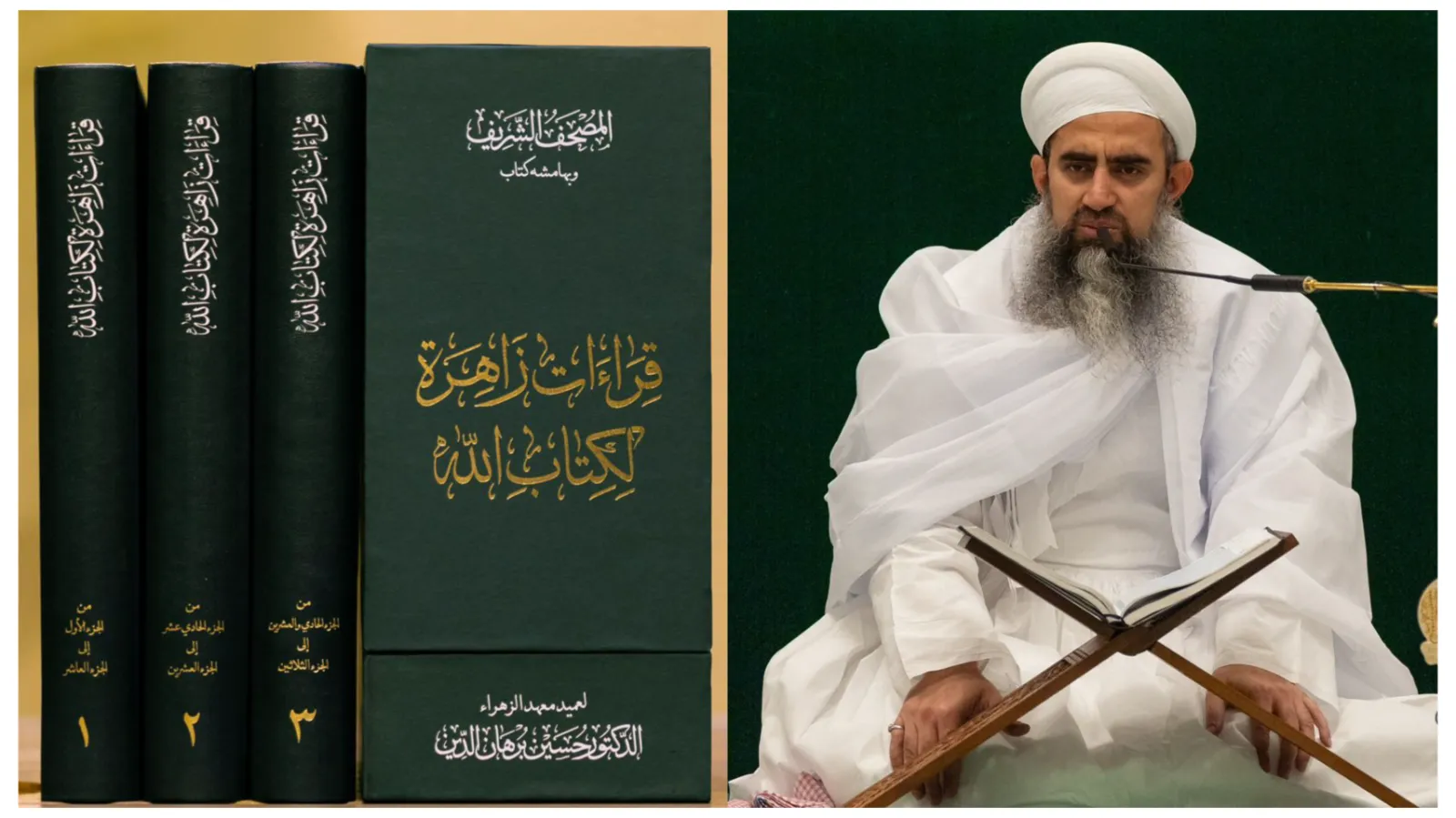
Shahzada Husain Burhanuddin, the youngest son of His Holiness Syedna Mufaddal Saifuddin.

Mumbai :

The Dawoodi Bohra community has launched a new online initiative aimed at expanding access to the sacred sciences of the Quran. The newly launched Sawt al-Quran al-Karim YouTube channel presents the recitation of the entire Quran in the voice of Shahzada Husain Burhanuddin, the youngest son of His Holiness Syedna Mufaddal Saifuddin. This project forms part of the work of Mahad al-Zahra, an institution dedicated to the study, memorisation and recitation of al-Quran al-Karim.

The channel presents the complete Quran according to the Khalaf ‘an Hamza narration, one of the ten canonical traditions of Quranic recitation preserved through continuous scholarly transmission over centuries. Known for its demanding precision and distinctive phonetic characteristics, this narration remains less widely available in full digital recordings. Its publication online offers students of the Quran a rare opportunity to study and listen to this recitational tradition in its entirety.

Mahad al-Zahra leads the Dawoodi Bohra community’s efforts in Quranic education. The institute was established in 1976 by the late Syedna Mohammed Burhanuddin to cultivate excellence in the memorisation and recitation of the Quran. Since 1998, Shahzada Husain Burhanuddin has guided the institution’s development, overseeing programmes that train students in the disciplines of tilawah (recitation) and hifz (memorisation) while maintaining rigorous scholarly standards.

In his role as provost of Aljamea-tus-Saifiyah, the community’s premier educational institute, Shahzada Husain Burhanuddin personally supervises examinations for huffaz (plural of hafiz, are individuals who have memorized the entire Quran), ensuring accuracy and mastery in Quranic memorisation. A distinguished qari himself, he also holds honorary membership in the Naqabat Qurra al-Quran al-Karim in Cairo, regarded as one of the world’s most respected guilds of Quran reciters.

His scholarship in the field of Quranic recitation includes the three-volume work Qiraat Zahira li Kitab Allah, which presents the principles of Quranic readings through structured tables and visual guides. Each page of the publication includes QR codes that connect readers directly to his recitation of the Qiraat ‘Ashr (the ten recognised schools of Quranic recitation, each preserving a unique phonetic tradition from a renowned reciter), allowing students to hear the precise rendering of the recitation rules they study. The work has received certification from Al-Azhar University, widely recognised as a leading authority in the teaching and transmission of Quranic sciences.

The launch of the Sawt al-Quran al-Karim channel reflects the vision of His Holiness Syedna Mufaddal Saifuddin to strengthen engagement with the Quran across generations. He has consistently encouraged families within the community to nurture the study of the Quran at home, expressing the hope that every household will include at least one hafiz and that the community will cultivate 100,000 huffaz worldwide.

By presenting authentic recitation through digital platforms, the initiative extends access to students and listeners across continents. Families, scholars and learners can now listen to and study these recitations regardless of location, strengthening their connection with the Quran in daily life.

Murtaza Jafar, a senior member of Mahad al-Zahra, described the initiative as an important step in sharing Quranic knowledge with a wider audience.

“The launch of this channel marks an important moment in our efforts to preserve and share the sacred sciences of the Quran. By publishing the complete Quran in the Khalaf ‘an Hamza narration, we are providing students and listeners around the world with access to a recitational tradition that requires great care and precision.”

He added that the project will continue to expand.

“We plan to add further recordings representing other recognised narrations of Quranic recitation. Work has already begun on recordings in the transmissions of Hafs ‘an Asim, Warsh ‘an Nafi and al-Susi ‘an Abi Amr. Our hope is that these resources will support students of the Quran for generations to come.”

The Sawt al-Quran al-Karim YouTube channel is now available online and offers listeners direct access to the complete recitation.

https://www.youtube.com/@SawtalQuranalKarim

source: http://www.muslimmirror.com / Muslim Mirror / Home> Positive Story / by Muslim Mirror Network /April 16th, 2026
Adnan, Ashraf, Azim, Fatema among JAM 2026 Toppers, check full list

Mumbai, MAHARASHTRA / INDIA :

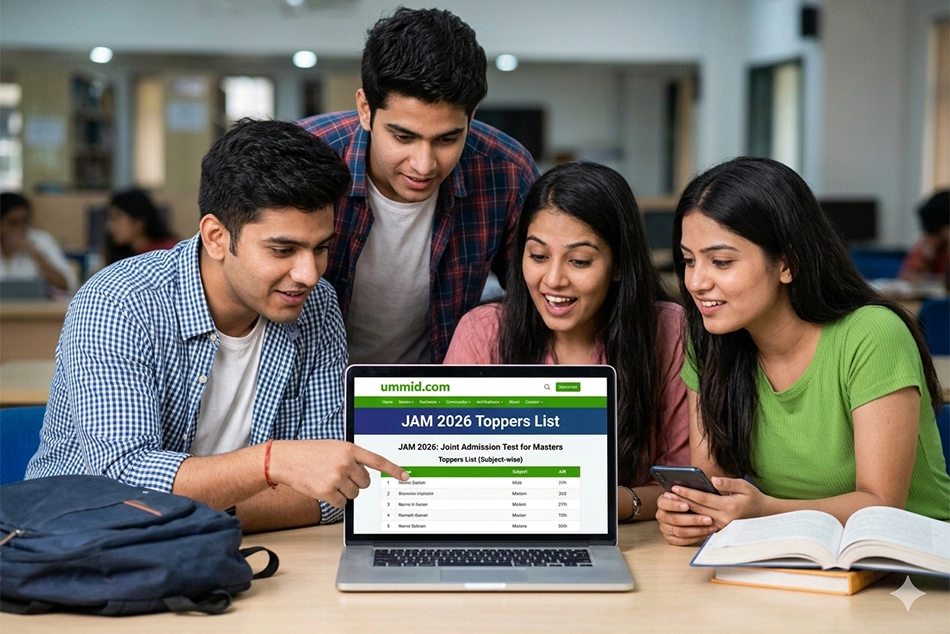
Syed Adnan Shafi, Afimol Ashraf, Ryan Azim Shaikh, Muskan Fatema, and Arisha Tauqeer are among the JAM 2026 toppers the list of which was released by the Indian Institute of Technology Bombay (IIT Bombay) Thursday.

JAM 2026 Toppers List: 

Syed Adnan Shafi, Afimol Ashraf, Ryan Azim Shaikh, Muskan Fatema, and Arisha Tauqeer are among the JAM 2026 toppers the list of which was released by the Indian Institute of Technology Bombay (IIT Bombay) Thursday.

The Joint Admission Test for Masters (JAM) is the entrance exam conducted for admission to top-tier postgraduate programs.

The JAM 2026 exam this year was conducted on February 15, 2026. JAM 2026 result was announced on March 19, 2026. The scorecard of the candidates along with the list of subjectwise toppers was released today i.e. Thursday March 26, 2026.

As per the JAM toppers list released today, Syed Adnan Shafi is among the Physics toppers, Afimol Ashraf is one of the toppers in Chemistry subject, Ryan Azim Shaikh is one of the toppers in Mathematics subject, whereas Muskan Fatema and Arisha Tauqeer are among the Biotechnology toppers.

JAM 2026 Top 10 List

JAM 2026: Physics Toppers

AIR Registration ID Name
1 PH811A336 Sarvesh Gupta
2 PH321A435 Jatin Yadav
3 PH620A193 Ankur Saha
4 PH811A310 Anmol Mehrotra
5 PH515A041 Varun Singh Gautam
6 PH407A501 Debarshi Das
7 PH304A048 Sudhanshu Sethi
8 PH407A250 Pratyush Yadav
9 PH406A092 Dinabandhu Maji
10 PH322A088 Syed Adnan Shafi

JAM 2026: Chemistry Toppers

AIR Registration ID Name
1 CY303F047 Ayushi Agrawal
2 CY301B011 Deepak Poonia
3 CY620F051 Soumo Pal
4 CY620F403 Anubrata Chatterjee
5 CY316F111 Nancy
6 CY113F052 Afimol Ashraf
7 CY314F199 Pihu Roy
8 CY616F277 Rahul Guchhait
9 CY320F148 Jaspreet Singh
10 CY406F235 Sourav Gorai

JAM 2026: Economics Toppers

AIR Registration ID Name
1 EN319A149 Suryoday Sethi
2 EN320A120 Raghav Khera
3 EN811A086 Tanvi Jaiswal
4 EN320A088 Arpit Gupta
5 EN321A386 Uttam Tiwari
6 EN319A357 Akshet Gupta
7 EN315A449 Dev Sharma
8 EN803A205 Divyansh Solanki
9 EN320A240 Rachit Gupta
10 EN501A123 Vedansh Agarwal

JAM 2026: Mathematics Toppers

AIR Registration ID Name
1 MA102F217 Madhur Agrawal
2 MA701F055 Sarath Chandra Reddy Poreddy
3 MA102F223 Naveen Kumar G
4 MA521F293 Khushpreet Singh
5 MA620F236 Barun Roy
6 MA102F177 Kalmanje Avyaktha Achar
7 MA620F054 Ayush Baran Sen
8 MA710F098 Surya Raju
9 MA217F235 Shubham P Pimple
10 MA319F112 Ryan Azim Shaikh

JAM 2026: Geology Toppers

AIR Registration ID Name
1 GG615F085 Hrushikesh Nahak
2 GG603F163 Prachee Ray
3 GG610F090 Ayushman Barik
4 GG601F461 Subhashri Sahoo
5 GG321F105 Om Kumar
6 GG520F068 Ranjan Raj
7 GG321F081 Ansh Kashyap
8 GG521F109 Shubham Kushwaha
9 GG519F088 Nimisha Mishra
10 GG315F013 Anushka

JAM 2026: Mathematical Statistics Toppers

AIR Registration ID Name
1 MS620A508 Koustav Chowdhury
2 MS403A014 Simran Kumari
3 MS213B057 Soham Rajesh Surve
4 MS104A034 Lavanis A
5 MS104A106 Darsh Jain
6 MS620A320 Arnab Das
7 MS521A342 Suryansh Pandey
8 MS711A081 Sharmilee Dhanasekaran
9 MS414A066 Hrishiraj Roy
10 MS316A075 Tanirikaa Gandhi

JAM 2026: Biotechnology (BT)

AIR Registration ID Name
1 BT805A034 Sakshi Nijwala
2 BT202A270 Rit Vipinbhai Patel
3 BT102A209 Reshma Ganesh Hegde
4 BT212A323 Aaryan Manish Nigudkar
5 BT202A091 Gajra Kashishben Bhaveshbhai
6 BT307A163 Diya
7 BT604A108 Muskan Fatema
8 BT411A152 Shashwata Chatterjee
9 BT212A301 Advait Raman Shankar
10 BT502A076 Arisha Tauqeer

Candidates who have qualified in the examination will be eligible to apply for admission to 89 postgraduate programes across 22 IITs for the academic year 2026-27 through the JAM Online Application Processing System (JOAPS 2026) from March 27 to April 15. The first admission list is scheduled to be released on May 25. The second, third and fourth admission lists will be respectively released on June 08, 16 and 27, 2026. Additional list if any will be published on July 03, 2026, IIT Bombay said.

source: http://www.ummid.com / Ummid.com / Home> Education & Career / by ummid.com news network / March 27th, 2026

Muslim Sisters from Meerut Excel in UP Board Exams Without Coaching

Meerut, UTTAR PRADESH :

The sisters come from a modest background. Their father, Abdul Malik, works as a carpenter, while their mother studied up to Class 9. 

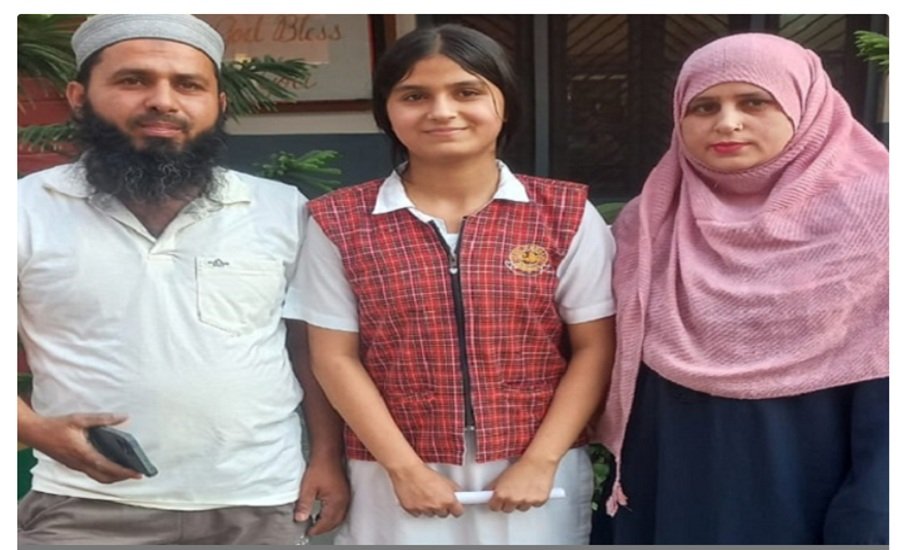
 Two sisters from Meerut have drawn attention with their impressive performance in the Uttar Pradesh Madhyamik Shiksha Parishad examinations, securing the top two positions in the district.

Adeeba Malik scored 95.68 per cent in the high school examination to secure first place, while her sister Shifa Malik ranked second with 82 per cent in the science stream.

Their achievement has brought joy to the locality, with residents visiting their home to congratulate the family.

Adeeba attributed her success to discipline and consistency. “I studied for long hours every day and stayed focused. Hard work and a proper routine helped me achieve this result,” she said. She scored full marks in mathematics, her strongest subject.

Notably, she prepared entirely at home without any tuition or coaching support.

The sisters come from a modest background. Their father, Abdul Malik, works as a carpenter, while their mother studied up to Class 9. Expressing his pride, Abdul Malik said, “I could not study much myself, but my daughter is making me proud. There is no difference between a son and a daughter. I want her to study and move ahead.”

The sisters were felicitated at St Joseph Inter College, where teachers and students celebrated their success. Sweets were distributed, and similar celebrations were held at their home.

Family members said the achievement reflects the sisters’ consistent dedication and hard work.

Adeeba aspires to become an IAS officer and serve the country.

Education experts say such success stories are significant, especially in areas where awareness about girls’ education is still evolving and students often face challenges in continuing their studies. The sisters’ achievement is being seen as an inspiring example for others.

source: http://www.clarionindia.net / Clarion India / Home> Editor’s Pick> India> Indian Muslim / by Mohammad Bin Ismail / April 25th, 2026

Last rites of soldier Althaf performed with State honours in Virajpet

Meenupete (Virajpet Taluk, Kodagu District), KARNATAKA :

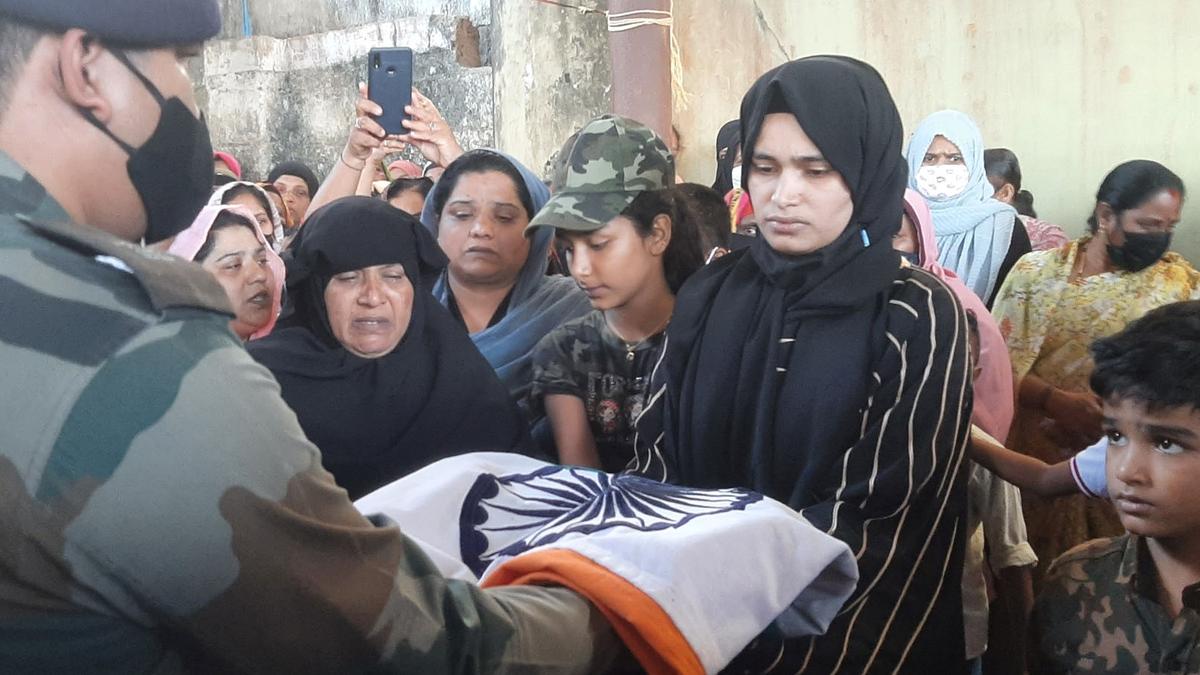
Army personnel handing over the tricolour to the wife of Hawaldar Althaf Ahmed, who died in Kashmir on February 22. | Photo Credit: Special Arrangement

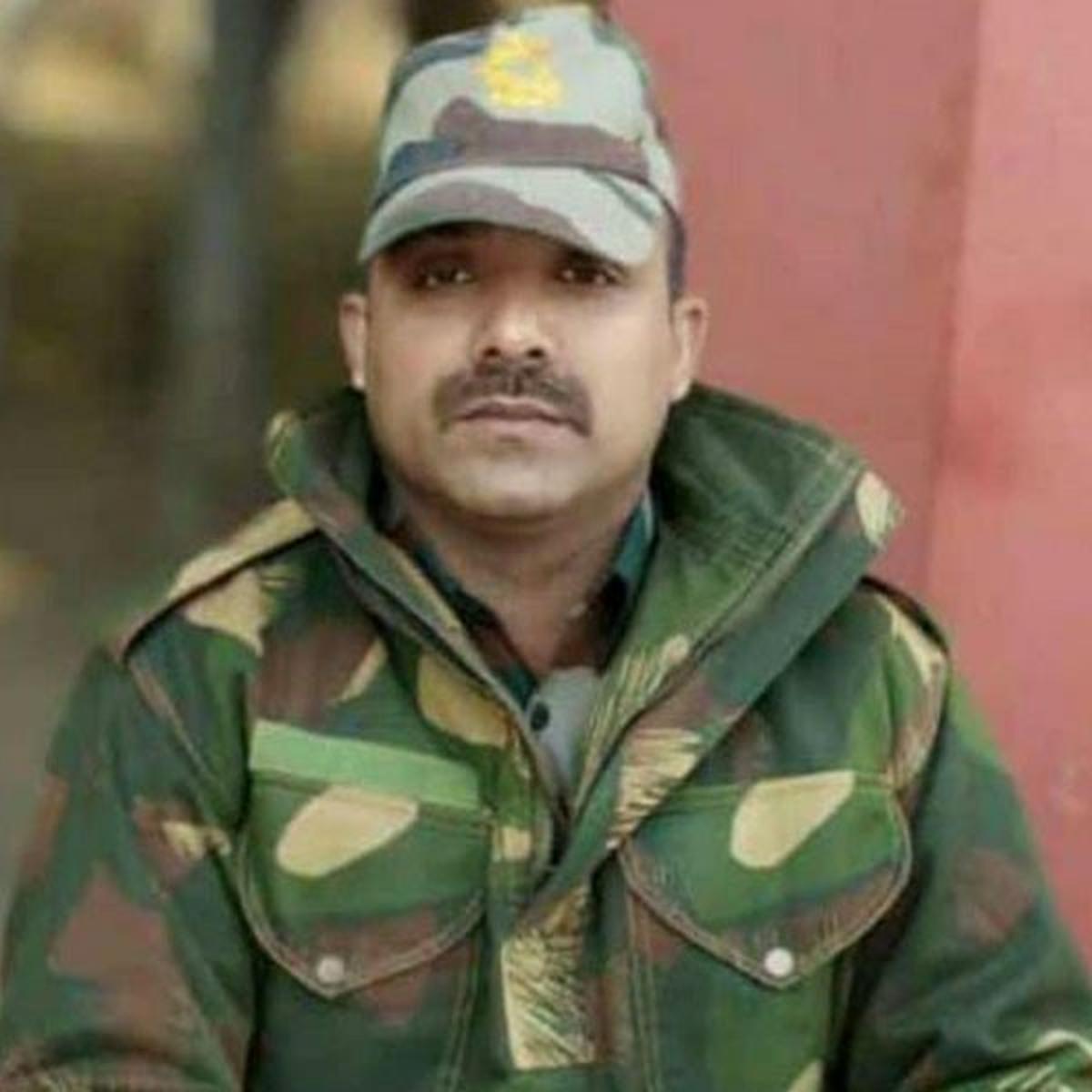
Althaf Ahmed | Photo Credit: Special Arrangement

The last rites of 37-year-old Indian Army Hawildar Althaf Ahmed, who died in a blizzard while on duty in Kashmir, were performed in his native in Meenupete in Kodagu district’s Virajpet taluk with state honours on Saturday.

The body of Althaf Ahmed, who had died on February 22, arrived in his native in Kodagu early on Saturday as its departure by air from Srinagar was delayed owing to bad weather. The body was kept at Eidgah Maidan in Meenupete for the public to pay their last respects before it was laid to rest at the burial ground as per Islamic rituals.

Virajpet MLA K.G. Bopaiah, MLCs Suja Kushalappa and Veena Achaiah, besides Deputy Commissioner B.C. Satish, Kodagu Superintendent of Police M.A. Aiyappa and other senior officials of the district administration were among the large number of people, who paid their last respects.

According to sources, Althaf Ahmed grew up in Meenupete and completed his SSLC in St Anne’s School in Virajpet and Pre University Education at the Virajpet Government Junior College. He later joined the Army Ordnance Corps (AOC) regiment. He had been serving the Army in various places since the last 19 years.

While guarding the border in Kashmir, Althaf Ahmed was caught in a blizzard on February 22 and died.

After the ceremonial gun salute during the funeral of the martyred solider, Army personnel handed over handed over the tricolour that draped Althaf Ahmed’s body and his uniform to his wife and two children. He leaves behind his mother, wife, a son and a daughter.

source: http://www.thehindu.com / The Hindu / Home> News> India> Karnataka / by Special Correspondent / February 26th, 2022

Zoological Survey of India Has 23 Muslims Among its 591 Officers and Other  Employees

Kolkata, WEST BENGAL / INDIA :

PUSHED TO THE MARGIN

On the list are 14 Muslim zoologists and scientists

To date, India has identified 102,718 animal species

Work is underway to discover new species in ecosystems

15 million living species still to be discovered

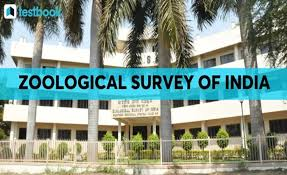
THE Kolkata-headquartered Zoological Survey of India (ZSI), whose scientists and field staff are engaged in exploring, naming, describing, classifying, and documenting animals from all over the world’s most populous country, has a miserably low number of Muslims – 23 – on its rolls that has a total of 591 officers, administration and field staffers, according to Mohammed Abdul Mannan’s new book, At the Bottom of the Ladder: State Of The Indian Muslims – https://www.amazon.in/dp/B0GF1Q9R25. The book quantifies Muslim presence in 150 key organisations, including Union ministries, departments, and organisations.

The Muslim scientists and zoologists at the ZSI are – Sarfraz Ul Islam Kazmi, Shaikh Rehnuma Sultana, Mohammed Hafiz, Imran Alam, Shabnam Nizamuddin Ansari, Jalil Ahmed, Mohammed Rasmanjani Ali, Anjum Nasreen Rizvi, Rifat Hussain Raina, Jafer Palat, Mohammed Ethtesham Ul Hassan, Ruqiya Bano, and K Bakh Mollah. There are seven Field Assistants from the largest minority community.

Among 82 ZSI scientists are two Muslims – Dr M E Hassan, a Scientist ‘E’ at the Gangetic Plains Regional Centre in Patna, and S R Sultana, Assistant Zoologist at the Freshwater Biology Regional Centre in Hyderabad. Among 98 officials at 15 Regional Centres, eight are Muslims, including two NRCs in Dehradun – Dr. Anjum Nasreen Rizvi, a scientist in Nematology, Helminthology and Molecular Systematics, and Dr S I Kazmi, a scientist in Hymenoptera. The Western Regional Centre in Pune’s four staff members include Dr Muhamed Jafer Palot, a scientist in animal taxonomy with a special interest in birds, reptiles, and butterflies. Dr Anjum Rizvi is the Managing Editor of the Journal of Indian Zoology.

The 108-year-old organisation has been working to understand and investigate the faunal diversity for scientific use and equitable sharing of the benefits of animal resources of the country. Formed in July 1916, it conducts surveys, exploration, and research that lead to the advancement of zoological knowledge. ZSI originated from the establishment of the Zoological Section of the Indian Museum at Calcutta in 1875.

It gradually expanded in terms of its manpower and research programme. Today, India is among the 17 mega-diversity countries of the world, with four biodiversity hotspots, including the Western Ghats/Sri Lanka, Indo-Burma, and the Himalayas. Currently, there are about 1.7 million living species described from all over the world, and another 15 million species are waiting to be discovered. To date, India has been able to describe 102,718 species of animals, and work continues to discover and explain new species, especially from the lower invertebrate groups occurring in various ecosystems. Also, the status of the higher group of animals is studied before their habitats disappeared on the planet Earth.

The country’s custodian of the animal resources has broadened its work in line with the Articles of the UN Convention on Biological Diversity (UNCBD), a multilateral treaty focused on conserving biodiversity, promoting its sustainable use, and ensuring the fair and equitable sharing of benefits from genetic resources.  As many as 157 countries signed it, like the United Nations Framework Convention on Climate Change (UNFCCC) and the United Nations Convention to Combat Desertification (UNCCD), at the UN Conference on Environment and Development in Rio de Janeiro in 1992. The CBD now has 196 countries as signatories, including India.  

To take the agenda further up, India also enacted the Biological Diversity Act in 2002 to implement the provisions of CBD, which covers biodiversity at all levels: ecosystems, species, and genetic resources. To support the implementation of its objectives, two internationally binding agreements were adopted within the framework of the CBD. The Cartagena Protocol, adopted in 2000 and entered into force three years later, regulates the transboundary movement of living modified organisms (LMOs).

The Nagoya Protocol, adopted in 2010 in Japan and entered into force four years later, establishes a legally-binding framework for access to genetic resources and the fair and equitable sharing of the benefits arising from their use. Experts say considerably less is done to assess the degree and value of biodiversity without knowing the species involved. The ecosystem’s health also cannot be monitored without recognizing the presence of the individual organisms crucial for the indication of ecological processes.

The ZSI has made extensive surveys across the country, and a large number of specimens have been collected. Of these collections, only about 65 percent have been taxonomically studied. These include the major groups of vertebrates. The organization provides information and vital data for the in-situ conservation of various species in different ecosystems, both within and outside the protected areas. The ZSI provides regular services with regard to permissible limits of legal trading of faunal resources or derivatives thereof, monitoring services on population status of commercially important species, and providing inputs for underutilised, culturable species, both from terrestrial and aquatic systems.

A part of the Union Ministry of Environment, Forest and Climate Change, it also undertakes Environmental Impact Assessment (EIA) with special reference to ecology and wildlife. Zoological surveys worldwide are crucial for understanding and managing biodiversity. These surveys involve various methods to collect data on animal populations, behaviour, and habitats, including field observations, monitoring programs, and advanced techniques like DNA analysis and satellite tracking.  

There are about 1.7 million living species described from all over the world and another 15 million species are waiting to be discovered. Based on the largest dataset to date, the global Living Planet Index (LPI) shows an average 73 percent decline in monitored wildlife populations between 1970 and 2020. It reports that there has been a large average decline across more than 34,000 animal populations.  In 2024, ZSI set up a pilot project to use eDNA (environmental DNA) to study and monitor wildlife.

Data analysis of the 2010-2020 decade reveals that a total of 4,112 species — 2,800 new species and 1,312 new records in 2020, India added 557 new species to its fauna, which included 407 new species and 150 new records, according to a document by the ZSI. The number of faunal species in India has climbed to 1,02,718 species with the discovery of the new species. There is no definitive, universally agreed-upon number for the total number of animal species in the world.

Estimates range from three million to 100 million. However, the most common estimates fall between seven and 10 million. About 1.5 million animal species have been formally described and named by scientists.  The ZSI publishes the Red Data Book on Indian Animals, which was first published in 1983 and is similar to the Red Data Book published by the International Union for Conservation of Nature (IUCN), the world’s largest and most diverse environmental network known for producing authoritative reports, standards, and tools for conservation.

To read and obtain more data, please visit:

At the Bottom of the Ladder: State of the Indian Muslims – https://www.amazon.in/dp/B0GF1Q9R25

source: http://www.clarionindia.net / Clarion India / Home> Big Story> India / by Team Clarion / April 27th, 2026

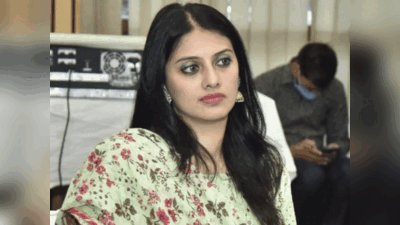
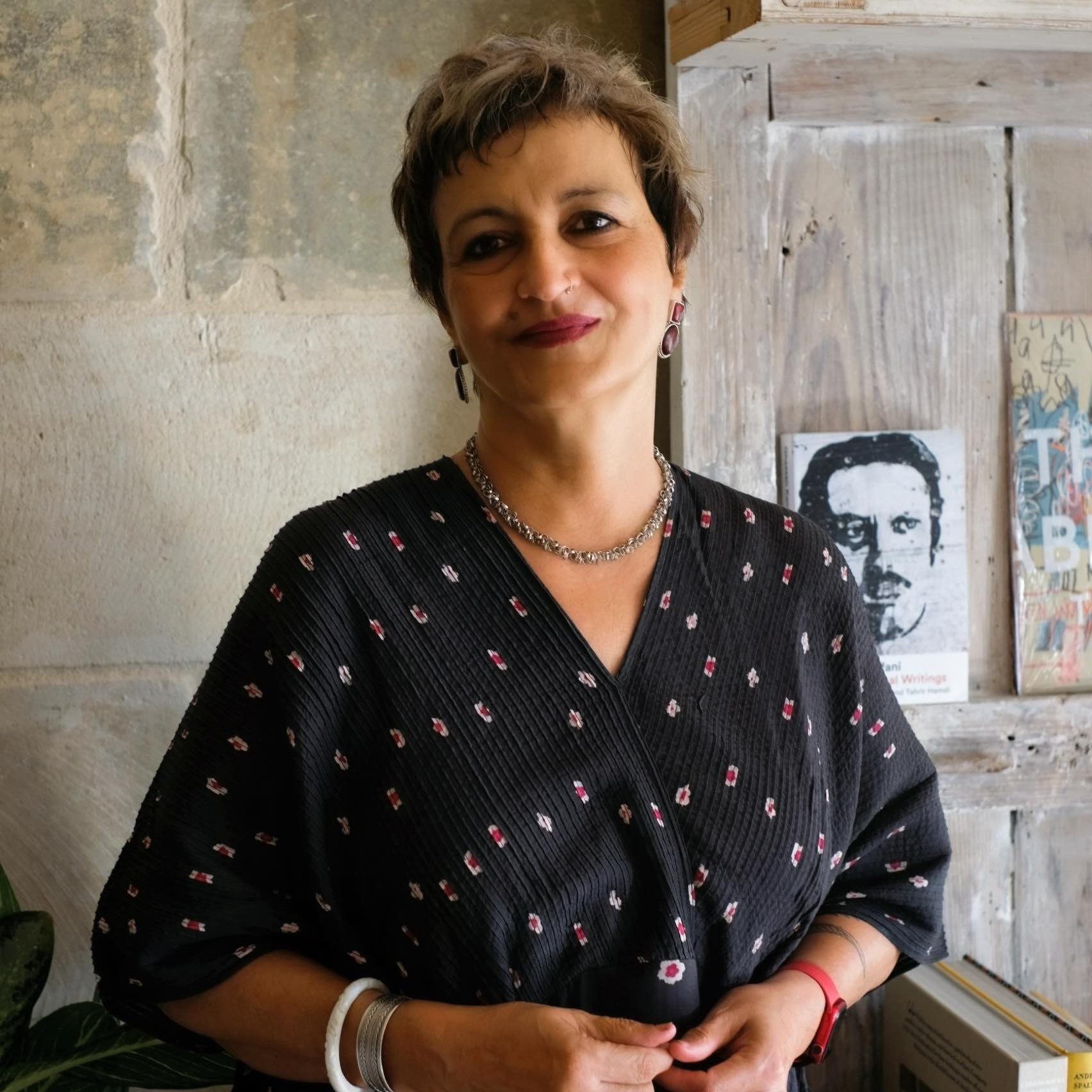
10 Muslim women who rule the Indian media space

INDIA :

Muslim women Journalists

New Delhi :

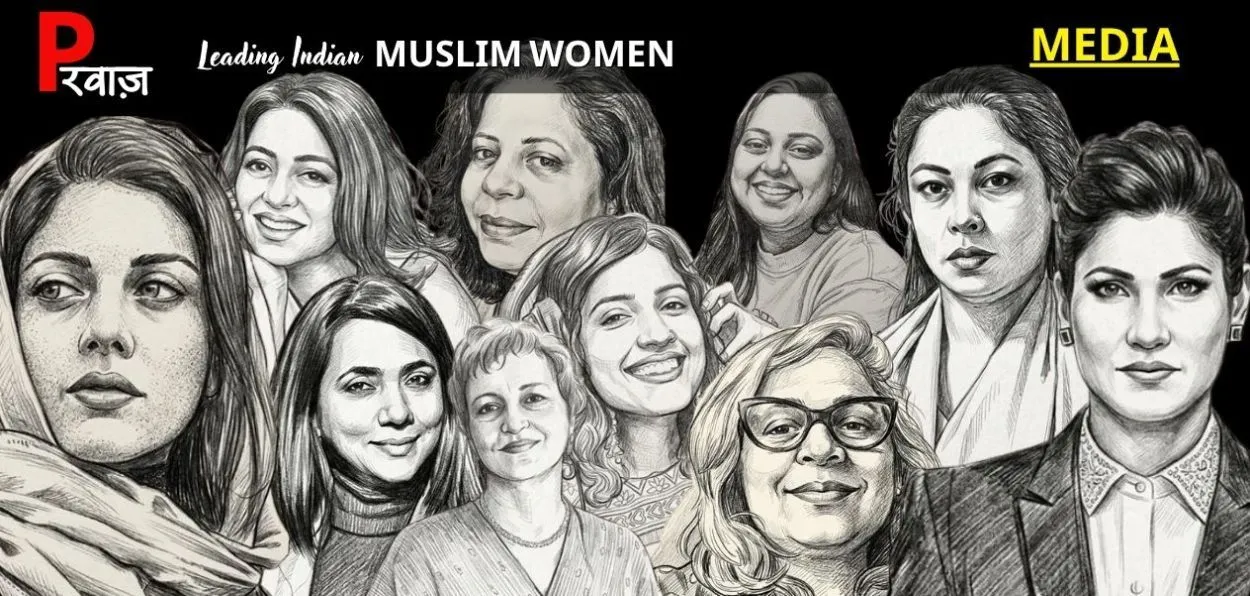
The media is considered a tough profession, and naturally, till few decades ago, very few women were part of it. However, the pioneers, especially among Muslims, whose journeys span television studios, radio booths, conflict zones, and digital platforms, helped turn the narrative on national and local issues. With a growing presence of Muslim women in newsrooms, on TV screens conducting prime-time news debates, as Radio Jockeys, and covering conflicts on the ground, they have empowered the community and made media space more inclusive.

Under its series ParvazAwaz-the Voice brings you the stories of ten women from the Indian media who have left a mark in the field. They represent a generation of women who refused to remain confined by convention and instead built identities rooted in excellence and purpose. Here are the top Muslim women media persons:

Yana Mir

Yana Mir has emerged as one of the strongest voices from Kashmir, challenging Pakistan-backed propaganda through journalism, entrepreneurship and advocacy. Educated in Mumbai and rooted in Kashmir, she returned to the Valley in 2020 to report stories often ignored, including the families of policemen killed by terrorists and the silence created by fear.

As CEO of the Real Kashmir Group, she has continued to document change despite threats and pressure.

Her speech at the UK Parliament in 2024 brought international attention when she spoke of feeling free and safe in India. Through her enterprise NourZuw, she also supports Kashmiri artisans and promotes economic self-reliance.

Seema Mustafa

Seema Mustafa stands among India’s most fearless journalists, with a career spanning nearly five decades. Beginning at The Pioneer at just nineteen, she went on to work with leading publications such as The Indian Express, The Telegraph and The Asian Age.

She reported from war zones, including Beirut and Kargil, earning the Prem Bhatia Award. Founder of the digital platform The Citizen, she remains a powerful advocate for independent journalism and women’s voices. As the first elected President of the Editors Guild of India, she reinforced the principle that journalism must question power, not flatter it.

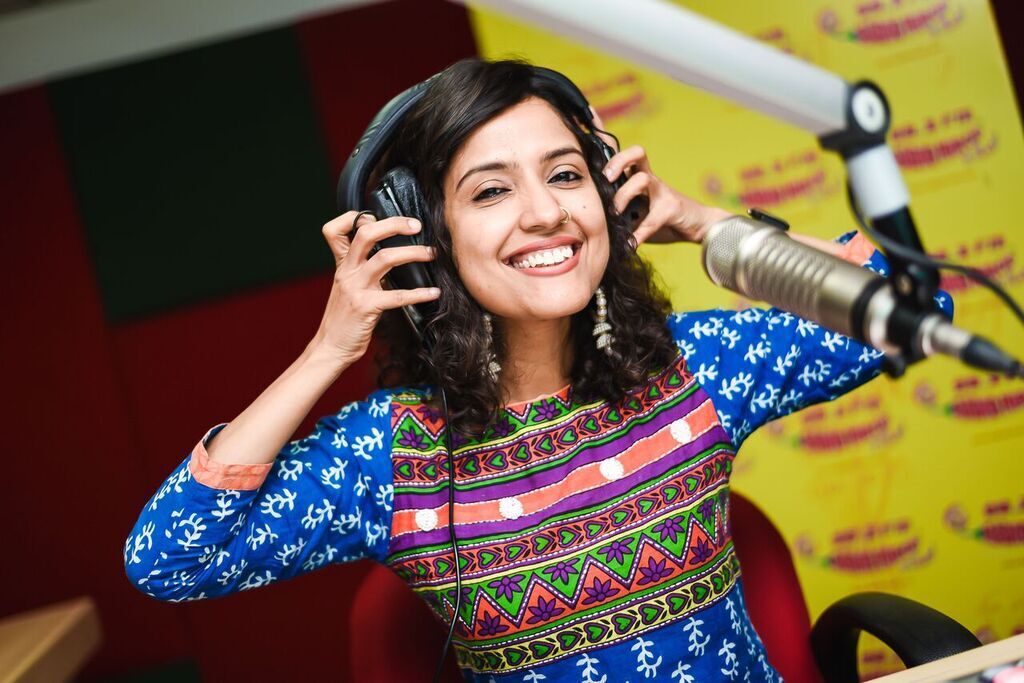
Saima Rahman

Saima Rahman, fondly known as RJ Saima, is one of India’s most loved radio voices.

Raised in Delhi after being born in Nigeria, she developed a passion for language, music and public speaking early in life. Her journey began with All India Radio’s Yuv Vani and blossomed through the iconic show Purani Jeans, where songs, poetry and nostalgia created an emotional bond with listeners.

Through Urdu Ki Paathshala, she has also brought audiences closer to the beauty of the Urdu language and literature. Her voice continues to blend memory, music and social awareness.

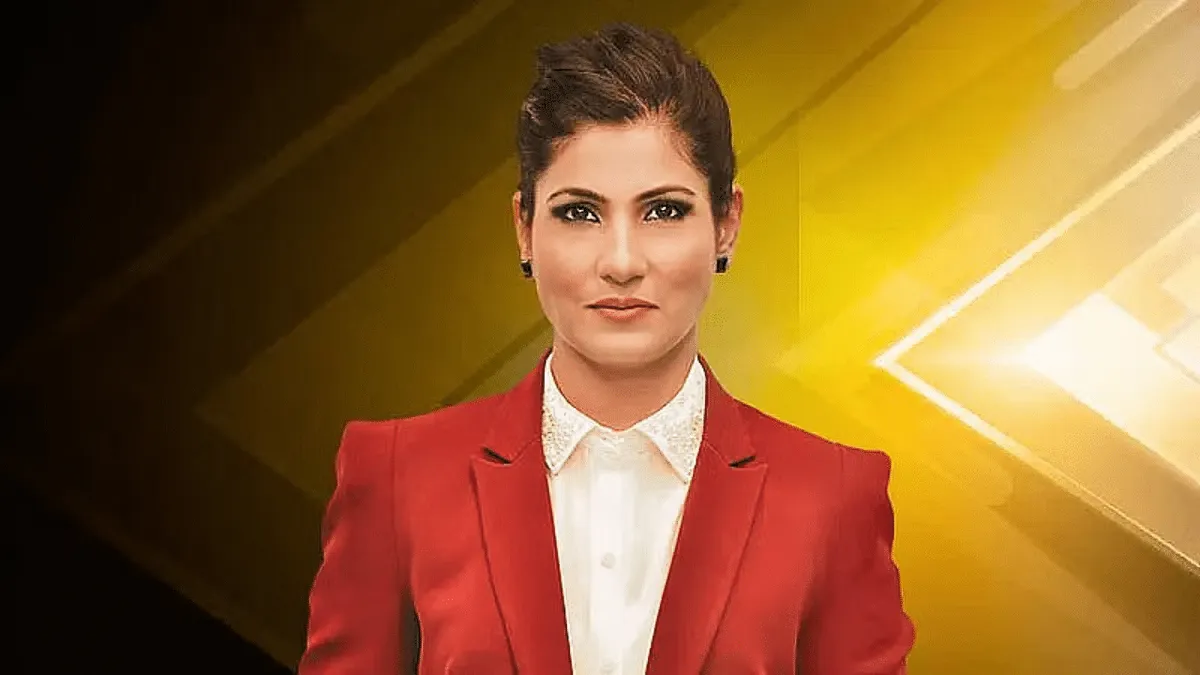
Rubika Liyaquat

Rubika Liyaquat has built a strong identity in Indian television journalism through discipline, sharp reporting and composed primetime anchoring. Beginning with field reporting, she worked with networks such as Live India, News24, Zee News and ABP News, steadily rising to national prominence.

Beyond the newsroom, she is recognised for affirming India’s plural social fabric through messages of mutual respect and Hindu-Muslim harmony. Her journey highlights resilience, merit and the importance of coexistence in a polarised age.

Rana Siddiqui Zaman

Rana Siddiqui Zaman broke barriers to become a respected voice in journalism, particularly in cinema, culture and the performing arts. Educated at Aligarh Muslim University, she chose journalism when it was still considered unconventional for women.

Her defining years at The Hindu earned her acclaim for insightful columns and interviews with major artists. After professional setbacks and economic challenges, she reinvented herself and now works with the Children’s Book Trust. Her story is one of courage, reinvention and quiet determination.

Nagma Sahar

Nagma Sahar is widely regarded as one of the most balanced and socially committed voices in television journalism. Born in Patna and educated in Delhi, including studies at JNU, she brought academic depth to her reporting. At NDTV India, she covered major events from the tsunami in Tamil Nadu to elections in Kashmir.

Her show Salaam Zindagi brought issues such as addiction, discrimination and transgender rights into mainstream conversation with empathy and dignity. Her career reflects integrity and meaningful journalism.

Heena Kausar Khan

Heena Kausar Khan has become an important journalistic and literary voice by bringing the inner realities of the Muslim community into mainstream Marathi discourse. Raised in Pune, she started her career with Lokmat before turning to feature writing.

Through platforms like Sadhana Weekly and Loksatta, she explored identity, reform and changing social consciousness. Her books, including Itranama and Ijtihad, have earned acclaim and honours. She continues to advocate humanity, coexistence and nuanced understanding.

Atika Farooqui

Atika Farooqui has enjoyed a distinguished media career spanning more than two decades. Known as a thoughtful host and interviewer, she built her reputation through consistency rather than instant fame.

Working across news and entertainment, she became known for warm, intelligent conversations that focused on creativity and personal journeys rather than sensationalism. A poet and writer fluent in multiple languages, she remains relevant by adapting gracefully from television to the digital era.

Dr. Firdous Khan

Dr Firdous Khan, celebrated as “The Princess of the Isle of Words,” is a scholar, poet, journalist and translator whose work bridges spirituality, literature and media. Associated with the Sufi tradition, she has authored books such as Fahm al-Qur’an and Pioneers of Ganga–Jamuni Culture.

Her career spans Doordarshan, All India Radio and numerous print platforms. Writing in Urdu, Hindi, Punjabi and English, she has earned honours for journalism and literature while promoting harmony, service and the enduring power of words.

Shah Taj Khan

Shah Taj Khan, professionally known as Sheh Taz Begum Khan, is a distinguished Urdu author, journalist, and educator whose career spans more than twenty-five years across print media, broadcasting, literature, and academia.

Based in Pune, she has earned respect in Urdu journalism through roles as reporter, editor, producer, and creative director with organisations such as ETV News, where she helped shape the special bulletin Khas Baat, as well as publications like Nai Duniya Urdu Weekly and Media Star News Feature Agency

She has also made a notable contribution to children’s literature through science-based Urdu books such as Seen se Science and Picnic, praised for making scientific ideas engaging for young readers and supported by the National Council for Promotion of Urdu Language.

source: http://www.awazthevoice.in / Awaz, The Voice / Home> Stories / by Aasha Khosa / April 26th, 2026

From Village Struggles to Police Uniform, Sahil Shaikh’s Persistence Pays Off

Gojubavi (Baramati Taluka) / Pune, MAHARASHTRA :

Undavadi, Pune:

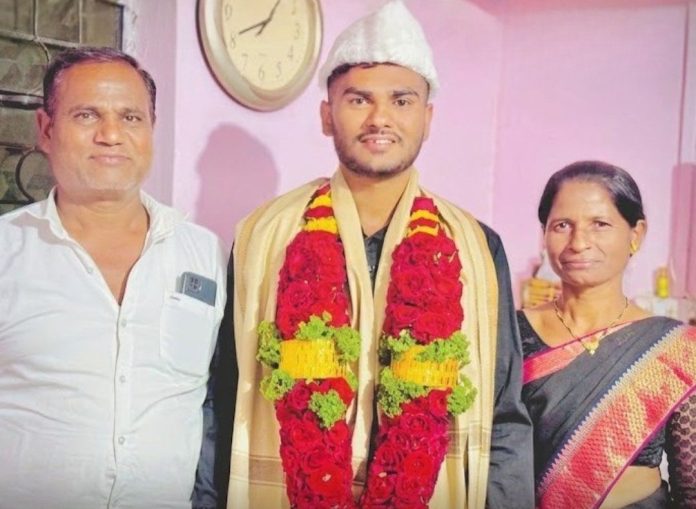
Sahil Shaikh, son of a daily wage mason from Gojubavi in Baramati taluka, has secured selection in the Pune city police force after years of effort and repeated setbacks. His journey reflects discipline, persistence, and family support despite financial hardship.

Sahil’s father, Sultan Shaikh, works as a mason, while his mother, Yasmin Shaikh, supports the family through farming. The family focused on education despite limited income. Sahil completed his primary education at the Zilla Parishad school in Gojubavi. He pursued secondary education at Shri Bhairavnath Vidyalaya in Undavadi and later completed higher secondary studies at Tuljaram Chaturchand College in Baramati.

With a clear goal of entering government service, Sahil enrolled in a police recruitment academy and prepared for five years. He faced failure five times during the recruitment process. Each attempt brought setbacks, yet he continued preparation with consistency and focus. This year, his effort resulted in selection as a police constable in Pune city.

Local residents organised a procession in the village to celebrate his achievement. The recognition reflects community pride in his journey from a modest background to a public service role.

Sahil’s story highlights the value of sustained effort. His experience shows how structured preparation, family support, and persistence help overcome repeated failure. For many youth from rural and low income backgrounds, his path offers a clear example of staying committed to long term goals.

source: http://www.radiancenews.com / Radiance News / Home> Features / by Radiance News Bureau / April 20th, 2026

Large Medical Camp Organised in Bithoor Village, 600 Patients Receive Free Treatment

DELHI / Ajmer (RAJASTHAN) :

Nasirabad/Ajmer:

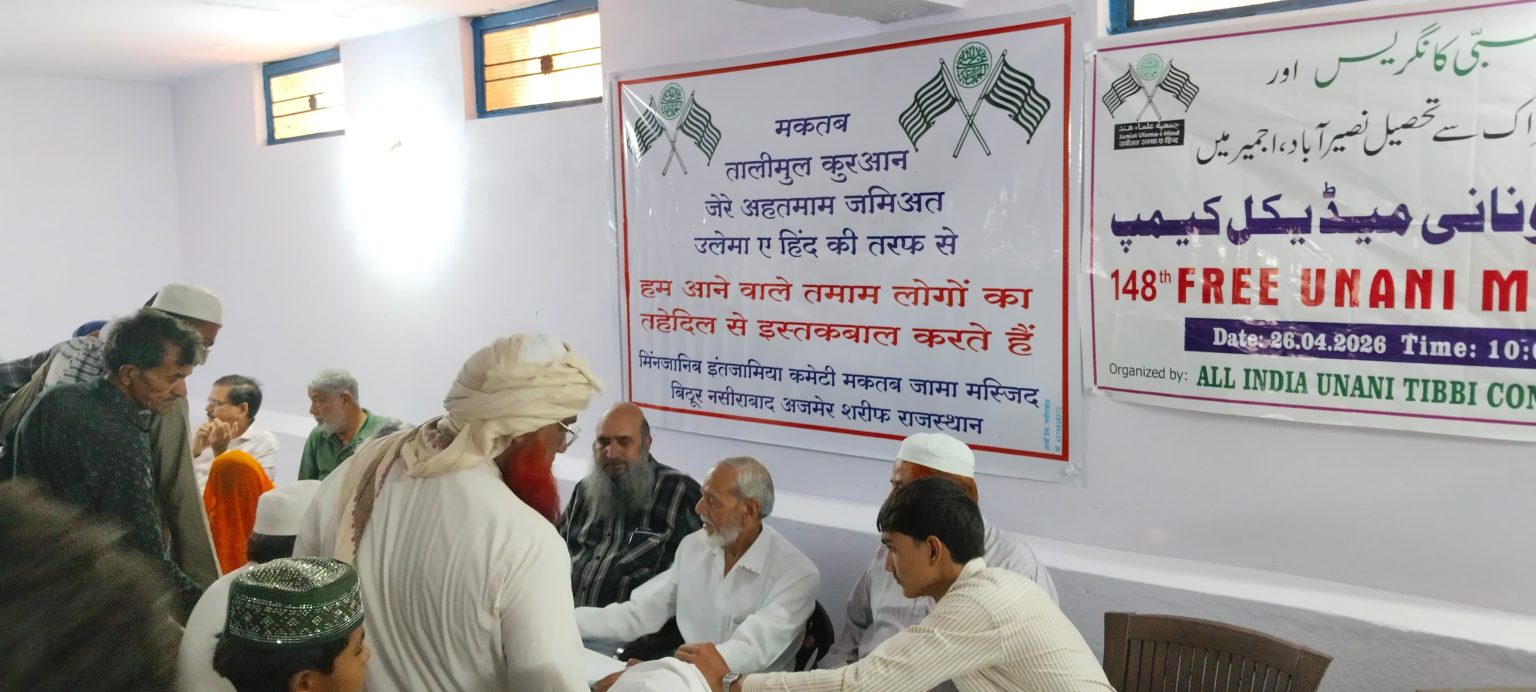
A large free medical relief camp was organised on Sunday in Bithoor village of Nasirabad tehsil under the joint aegis of Jamiat Ulema-i-Hind and All India Unani Tibbi Congress (AIUTC). Around 600 needy people from rural areas received treatment through the Unani system of medicine and were provided free medicines at the camp. This was the 148th Free Unani medical camp organised by AIUTC.

The main objective of the camp was to extend healthcare services to rural communities through the natural and effective Unani system of medicine. Held from 10:00 am to 2:00 pm, the camp witnessed a large number of patients seeking treatment for ailments such as stomach disorders, skin diseases, joint pain, fever, and common cold.

Medical experts not only examined the patients but also advised them on proper diet and preventive healthcare measures.

Experienced physicians from Delhi especially attended the camp and offered their services. They included Dr. Syed Ahmad Khan, Dr. Israr Ahmad Ujjaini, Dr. Nawaz-ul-Haq, Dr. Aneesur Rahman and Dr. Mohammad Roshan, along with other supporting staff.

A nursing team from Udaipur, comprising Afsana, Jodharam, Vineet Sharma, Krishna, and Prakash, managed the arrangements with dedication and played a key role in making the camp successful.

“Such camps are being organised under the guidance of Jamiat Ulema-i-Hind President Maulana Mahmood Madani so that healthcare services can reach even the last person in society.”

The successful conduct of the camp was made possible with the active support of several local social workers, including Maulana Aleemuddin (Organiser), Maulana Kamil, Mufti Mohammad Ahmad, and Mohammad Nazim of Madrasa Qasimul Uloom, Bithoor.

A notable feature of the camp was the enthusiastic participation of people from all faiths. Local residents appreciated the initiative, while the organisers reaffirmed their commitment to continue such welfare programmes in the future.

source: http://www.radiancenews.com / Radiance News / Home> Healthcare> Latest News / by Radiance News Bureau / April 26th, 2026

Reclaiming History: Exhibition Challenges Narratives on Muslims in India

NEW DELHI :

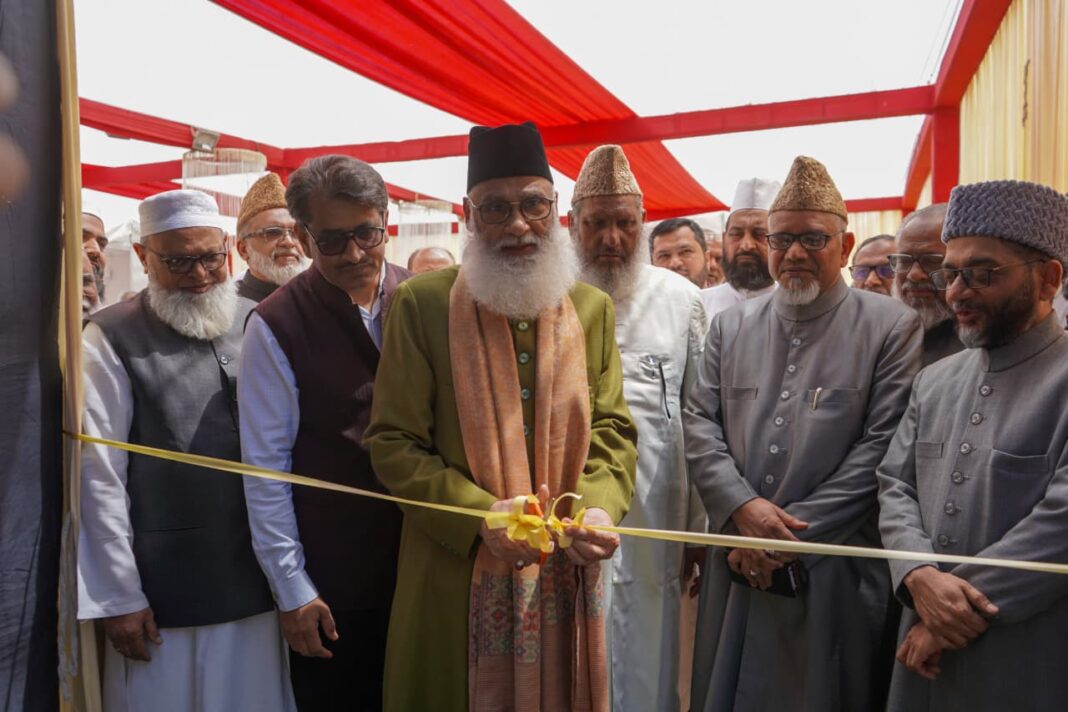
Syed Sarwar Chishty (wearing a scarf) inaugurates an exhibition on the contributions of Indian Muslims to India’s history, society, and civilization by cutting the ribbon at the headquarters of Jamaat-e-Islami Hind in New Delhi on April 14, 2026.

New Delhi :

At a time when efforts are being made at governmental level to erase the contributions of Indian Muslims and Islam to the glorious history of India, the Indian History Forum organised a unique exhibition titled “The Woven Land: A Visual Narrative of Muslim History in India” at the headquarters of the Jamaat-e-Islami Hind, exploring the historical contributions of Muslims to India’s civilizational journey.

The exhibition was formally inaugurated on Tuesday in presence of several prominent personalities, including Syed Sadatullah Husaini, President of Jamaat-e-Islami Hind; Maulana Syed Sarwar Chishty, Secretary of the Anjuman Committee of Ajmer Sharif Dargah; Maulana Asghar Ali Imam Mehdi, President of the Markazi Jamiat Ahle Hadees Hind, Senior Supreme Court advocate M R Shamshad, apart from other community leaders and intellectuals.

The exhibition will remain open to the public until 19 April 2026, from 10 am to 9 pm daily. Since its inauguration, it has witnessed significant participation, with visitors from different walks of life attending the event.

The exhibition presents an expansive visual narrative tracing the arrival of Islam in India and highlighting its multifaceted contributions across various fields. Through a series of well-curated displays and models, it brings to light the role of Muslims in education, trade, social equality, women’s empowerment, and the translation of classical texts. It also showcases contributions in architecture, culture, medicine, language development, as well as advancements in science and astronomy.

Dr. Shadab Moosa, Convener of Indian History Forum, explained the conceptual framework of the exhibition, stating that prevailing narratives often claim that Muslims came to India, demolished temples, and forced conversions.  The exhibition, he said, attempts to visually reconstruct how Muslims arrived, built settlements, constructed mosques, and developed architectural forms while integrating into local environments.

The first section of the exhibition presents scenes of early Muslim arrival in Kerala, including depictions of boats reaching the shore. It highlights that Muslims initially came as merchants, engaging in trade and establishing settlements. A strong focus is placed on their interaction with local communities, particularly marginalized groups, showing how justice-oriented business practices influenced these engagements. The exhibition traces a continuous coastal cultural pattern from Gujarat to Malabar, Chennai, Vizag, and Kolkata, demonstrating linguistic and cultural integration across regions such as Malayalam, Tamil, Bengali, and even parts of Assam.

Dr. Moosa emphasized that the exhibition highlights Islam’s ability to integrate within a plural society and accommodate diverse practices. One display shows the inclusion of Dalits in market spaces where their access was historically restricted, indicating social changes associated with Muslim presence.

Another section focuses on mosque construction, displaying models that illustrate the fusion of Indian architectural styles with Islamic ethics and theology. A prominent exhibit includes the model of the Cheraman Mosque in Kerala. Coastal trade routes are also mapped, showing the movement of goods, services, and people.

The exhibition further explores the spread of Islam through Sufi saints, mapping their routes across India. Colour-coded pins mark sea routes, historical sites, libraries, observatories, trading hubs, and Sufi centres. A notable highlight is a Sanskrit document describing mosque architecture, referred to as “Rehmana Prasada” or “Rehman Ki Ibadat Gah,” reflecting the blending of Indic and Islamic traditions. References are also made to structures such as the Qutub complex, Barwada Mosque, and Goga Mosque.

The education section depicts the close relationship between mosques and learning centres. It highlights linguistic synthesis between Arabic and regional languages like Malayalam. Models of institutions such as Madrasa Feroz Shahi during the reign of Sultan Feroz Shah and Madrasa Mehmood Gawand of the Bahmani dynasty are displayed, along with institutions established during the time of Usman Ali Khan.

Scientific contributions are also featured prominently. A painting shows Raja Jai Singh drawing inspiration from Ulugh Baig’s astronomical work to establish Jantar Mantar. Exhibits include instruments such as the astrolabe, celestial globe, and telescope, emphasizing the contributions of Muslim scholars to astronomy.

The exhibition also traces the development of educational institutions, noting that present-day Delhi University originated as Madrasa Ghaziuddin, where students from diverse backgrounds studied. Libraries, including the Raza Library, are highlighted for their role in translation movements that advanced scientific knowledge.

Medical advancements are presented through displays showing the synthesis of Greek, Indian, and Arabic medical traditions. The role of Tipu Sultan is also emphasized, particularly his efforts in promoting translation movements and knowledge exchange.

Industrial and economic contributions form another major segment. The exhibition discusses innovations in steam engine technology adapted to Indian terrain, developments in shipbuilding that made India a global leader in the 19th century, and the establishment of infrastructure such as roads, highways, and caravan-serais.

Urban development is explored through examples of cities such as Shahjahanabad(now called Delhi), Hyderabad, Lucknow, Aurangabad, and Ajmer, which flourished due to advancements in water systems, security arrangements, and architectural planning. Agricultural reforms during the Delhi Sultanate, including land measurement and irrigation systems, are also highlighted.

The exhibition concludes by presenting the evolution of standardized currency systems that enabled international trade, along with administrative and moral frameworks of the Mughal period, where both Muslims and non-Muslims contributed to governance. It illustrates how these systems supported India’s economic prosperity, often described historically as making the country a “golden bird.”

Overall, the exhibition offers a detailed visual narrative of Muslim contributions to India’s cultural, scientific, and economic history.

source: http://www.indiatomorrow.net / India Tomorrow / Home> Education / by India Tomorrow / April 14th, 2026

National History Conference: Contribution of Muslim Women to Indian Society

NEW DELHI :

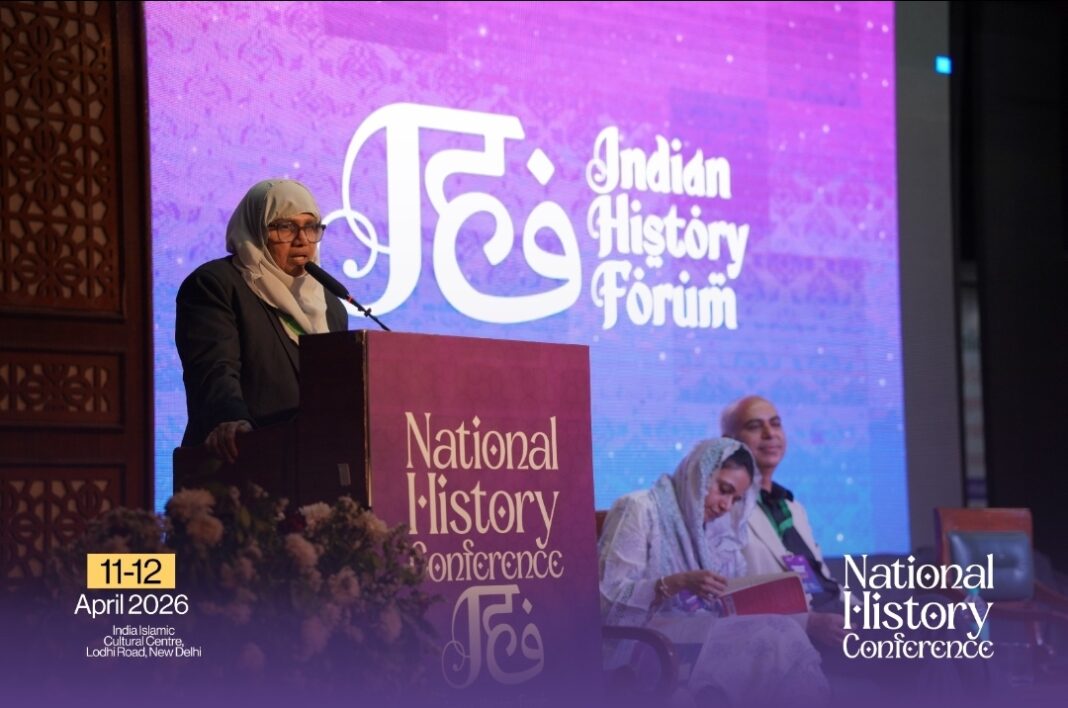
Rahmathunnissa A, National Secretary of Jamaat-e-Islami Hind, speaks at an event organised by the Indian History Forum at the India Islamic Cultural Centre in New Delhi on April 11, 2026.

In a thought-provoking conclusion to a scholarly session on women’s role in history, Rahmathunnissa A, National Secretary of Jamaat-e-Islami Hind, delivered a compelling reflection on the overlooked contributions of Muslim women in shaping India’s past and present.

Opening with gratitude to scholars and participants, she emphasized the urgency of reclaiming historical truth in an age where narratives are increasingly shaped by selective memory. Quoting George Orwell, she reminded the audience that “the most effective way to destroy people is to deny and obliterate their understanding of their history.” This, she noted, is not merely a warning of the past, but a reality unfolding in contemporary times—where facts are often erased and replaced with convenient fiction.

The Crisis of Historical Erasure

Appreciating the efforts of academic forums in reviving authentic inquiry, she highlighted the importance of connecting the present with a truthful understanding of the past. In today’s intellectual climate, narratives are frequently constructed to serve ideological purposes, leaving little room for nuanced and inclusive histories.

Within this context, the contributions of women—especially Muslim women—remain largely invisible. Despite living in what is often described as a progressive and democratic society, public discourse tends to focus disproportionately on negative portrayals, while constructive roles are sidelined or ignored.

Invisible Yet Indispensable

“History is not just his story; it is our story,” she asserted, emphasizing that women’s contributions—whether visible or invisible—are integral to the making of society. Yet, when it comes to Muslim women, even basic references are difficult to access. Scholars and writers often struggle to find credible material, moving tirelessly in search of scattered sources.

This absence, she explained, stems from two key reasons. First, there exists a deliberate or unconscious selective amnesia—an attempt to suppress or overlook certain narratives. Second, many Muslim women themselves have historically contributed with humility, prioritizing sincerity over recognition, often refraining from documenting their work.

Beyond the Archives: A Living Legacy

Despite these challenges, the historical record—however fragmented—reveals remarkable contributions. From governance to social reform, Muslim women have played a foundational role in shaping India.

Citing the Arakkal dynasty of Malabar, she noted that out of 38 rulers, 11 were women—an extraordinary example of female leadership. Among them, Bibi Junumabi emerged as a formidable figure, whose resistance against colonial powers was documented in British archives such as the Letters from Tellicherry. Today, the Arakkal Museum stands as a testament to this legacy.

She also highlighted the dynasty’s firm stance during the Partition of India, when its leaders refused calls to migrate, asserting their identity as Indians.

Historical figures such as Razia Sultan, the Begums of Bhopal, and M. Fathima Beevi further illustrate the diverse roles Muslim women have played—from political leadership to judicial excellence.

The Power of the Unrecorded

Yet, she emphasized, the most profound contributions often lie beyond formal recognition. During India’s freedom movement, countless women supported national struggles by donating their jewelry and resources to leaders like Mahatma Gandhi. Others sustained families under immense hardship, ensuring resilience in times of crisis.

Recounting her visit to the Cellular Jail, she shared moving accounts of women who upheld their families while their husbands were imprisoned. These women not only managed households but also raised children with strength and dignity, often visiting prisons with young children to console their loved ones.

Such stories, she stressed, form the backbone of India’s social and emotional history—yet remain largely undocumented.

Unsung Builders of Society

In post-independence India, Muslim women continued to contribute significantly to social transformation. Following the Sachar Committee Report, many initiatives aimed at community upliftment were driven by women at the grassroots level.

Particularly in regions like Kerala, while the contributions of men working abroad are widely acknowledged, the silent labor of women managing households remains overlooked. These women adapted to new financial systems, educated their children, and ensured stability despite limited resources and communication challenges.

Their resilience transformed remittances into long-term social development.

Redefining Narratives in Contemporary India

In recent years, movements such as the Shaheen Bagh protest have reshaped public perceptions of Muslim women. Led by young women, many of whom proudly embraced their identity, the movement demonstrated courage, conviction, and democratic engagement.

It sent a powerful message: that faith and cultural identity are sources of strength, enabling women to stand firmly for justice and question authority with dignity.

A Call to the Next Generation

Concluding her address, Rahmathunnissa A offered two key takeaways. First, she called for urgent and sustained efforts to document the legacy of Muslim women. This requires investment in research, archiving, and publication—efforts already initiated by organizations in regions like Kerala.

Second, she reminded the community of its collective responsibility. Drawing from Qur’anic guidance, she emphasized the role of both men and women as partners in promoting good and preventing injustice—an ethical duty that lies at the heart of societal progress.

Conclusion: From Silence to Recognition

The story of Muslim women in India is not one of absence, but of silence—an imposed and internalized silence that must now be broken. Their contributions, whether recorded or not, have shaped the nation in profound ways.

Revisiting this legacy is not merely about correcting historical records; it is about restoring dignity, inspiring future generations, and reaffirming a collective commitment to truth and justice.

As Rahmathunnissa A aptly concluded, the responsibility now lies with all of us—to rediscover, document, and carry forward this rich and enduring legacy.

source: http://www.indiatomorrow.net / India Tomorrow / Home> Education / by Rabia Basri / April 14th, 2026