The 75th Republic Day Parade in Delhi will witness an all-women Tri-Service contingent from the Army, Navy, and Air Force marching down the Kartavya Path for the first time.
source : youtube.com/ The Republic Day Parade this year will feature fifteen women pilots of the Air Force /
New Delhi:
The 75th Republic Day Parade at the Kartavya Path in Delhi on January 26 is going to be a women-centric event. The parade will witness an all-women Tri-Service contingent from the Indian Army, Indian Navy, and India Air Force (IAF) marching down the Kartavya Path for the first time.
The parade, which will have French President Emmanuel Macron as the Chief Guest, will also feature fifteen women pilots of the IAF who will operate various platforms during the aerial flypast.
Flight Lieutenant Ananya Sharma and Flying Officer Asma Sheikh, who would be present on the IAF tableau, said they are “proud” that the women are getting an “equal opportunity”.
Speaking to NDTV, the two Su-30 pilots said that the theme of the IAF tableau this year would be “Saksham, Sashakt, Atmanirbhar”, which translates to “Capable, Powerful and Self-Reliant”.
“The tableau’s rear portion would depict ‘saksham’ (capable) and feature C-295 transport aircraft, which was part of the Operation Kaveri and was conducted to evacuate Indians from war-torn Sudan in 2023,” Flight Lieutenant Ananya Sharma, whose father was a MiG-21 fighter pilot inthe IAF, told NDTV.
“The middle portion of the tableau would depict ‘sashakt’ (powerful) and show our expanding reach,” she added.
Flying Officer Asma Sheikh said that a total of 55 Agniveer Vayu women would be part of the IAF contingent and that women fighter pilots would also be part of the flypast.
“We are proud that the women are getting an equal opportunity,” she told NDTV.
Squadron Leader Rashmi Thakur will lead the IAF’s marching contingent at the Republic Day parade. She will be flanked by three women supernumerary officers — Squadron Leader Sumita Yadav, Squadron Leader Pratiti Ahluwalia and Flight Lieutenant Kirti Rohil.
A total of 51 aircraft of the IAF including 29 fighter jets and 13 helicopters are expected to be part of the Republic Day fly-past.
The Republic Day Parade will also witness 100 women artists playing Indian musical instruments for the first time.
source: http://www.ndtv.com / NDTV / Home> News> India News / by Pushkar Tiwari / January 24th, 2024
Manjit Thakur, Director of the Kayamkhani Bravehearts
New Delhi :
“There is no Kayamkhani who has been hit with bullets in his back,” says a veteran of the Indian Army, who like many others of his community have dedicated his life to uniform, discipline, and service to the nation.
This documentary, Kayamkhani Bravehearts is the saga of the Kayamkhani, a Muslim community from Rajasthan, whose first preference for a career is military or Police and who consider service to the nation as a matter of pride and responsibility. For them, patriotism is not just a slogan, but a tradition passed down through generations. The documentary is documentation of the story of these valiant sons of the soil who defended the country at the border, faced enemy bullets head-on, and who consider martyrdom an honour.
The first glimpse of the documentary, a 33-second teaser, is enough to send shivers down the spines of viewers. The teaser suggests that this film will not merely be a presentation of facts but an experience steeped in emotion, sacrifice, and patriotism. Watching it, viewers will not only be filled with pride but will also be compelled to understand that in defending the nation, only duty matters, not religion.
The history of the Kayamkhani Muslim community of Rajasthan is replete with valour, discipline, and service to the nation. Almost every family in this community has been connected to the armed forces in some way. The dream of the youth here is not to become a big businessman or an officer in a high-ranking government position, but to serve their motherland by joining the Indian Army, paramilitary forces, or the police.
Watch the teaser here:
Manjit Thakur, director and screenwriter of the documentary, states that soldiers from the Kayamkhani community have so far earned four Shaurya Chakras, 18 Sena Medals, and five Vishisht Seva Medals.These figures would be a source of pride for any community, but for the Kayamkhanis, they represent not just honour, but a symbol of responsibility.When it comes to sacrifice, this community has not lagged.
In Danduri village, which is now known as the “village of soldiers,” 18 Kayamkhani Muslims were martyred for the country. Similarly, 10 martyrs each from Jhajhot and Nua villages also laid down their lives for their motherland. These figures are not just numbers, but represent the tears of those mothers, the pride of those families, and the essence of the soil that gave birth to such brave sons.
The documentary presents the stories of these martyrs in a deeply sensitive and impactful manner. The camerawork, editing, and graphics are of a high standard, emotionally connecting the viewers to the narrative. Research, hard work, and authenticity are evident in every frame.
Before making this documentary, the Awaz-The Voice team conducted comprehensive research. Under the leadership of Editor-in-Chief Atir Khan, the team spent a long time researching, delving into history, and understanding the ground realities. The documentary was shot over several days in different villages of Rajasthan. The filming continued late into the night to present the true lifestyle, struggles, and pride of this community to the world.
The documentary also reveals several surprising facts. For example, Kayamkhani Muslims consider cows their most valuable asset and cannot even imagine harming them. This fact shatters the stereotypes that are often formed in society without proper understanding.
Manjit Thakur recounts that when the team arrived in the Kaimkhani villages, they were welcomed with a sense of pride and warmth. The villagers not only welcomed them wholeheartedly but also openly shared their stories, pain, and pride. This trust became the soul of the documentary.
Speaking about the documentary’s objective, Atir Khan sais that in today’s world, negativity has become the unique selling proposition of news. In this environment, Awaz-The Voice is the sole platform which brings forth positive stories of cooperation, and peaceful coexistence from India and around the world.
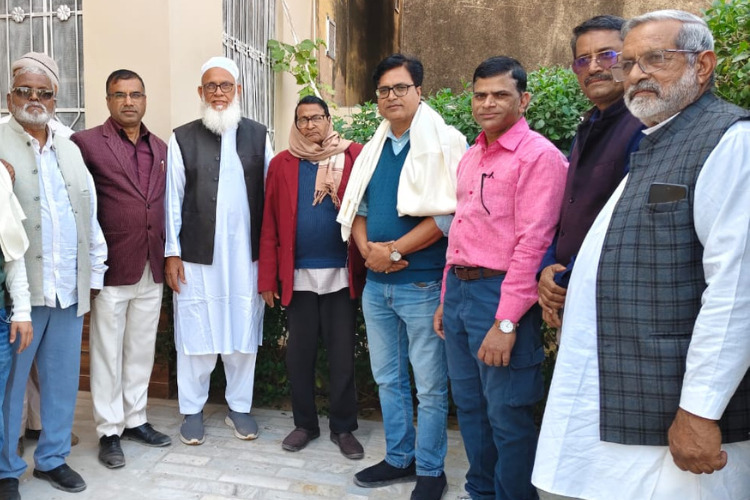
Awaz team with locals in a Rajasthan Village
He believes that beyond the walls of faith, caste, region, and language, Indians have many shared concerns, challenges, and dreams for the future that have the potential to bring people and communities together. Awaz-The Voice’s content promotes progressive, positive, and nation-building ideas not only in India but also among Muslim communities abroad.
This documentary is an extension of that very idea—an attempt to amplify the voice of true patriotism, a voice often drowned out by the noise of hatred. This film reminds us that the uniform has no religion, and every drop of blood shed for the country is purely Indian.
On release, this documentary will undoubtedly not only move viewers but also make them think, feel proud and energise them to serve the nation. This is not just the story of the Kayamkhani community, but the story of an India where the country comes first.
source: http://www.awazthevoice.in / Awaz, The Voice / Home> Stories / by Manjit Thakur / posted by Aasha Khosa, ATV / January 17th, 2026
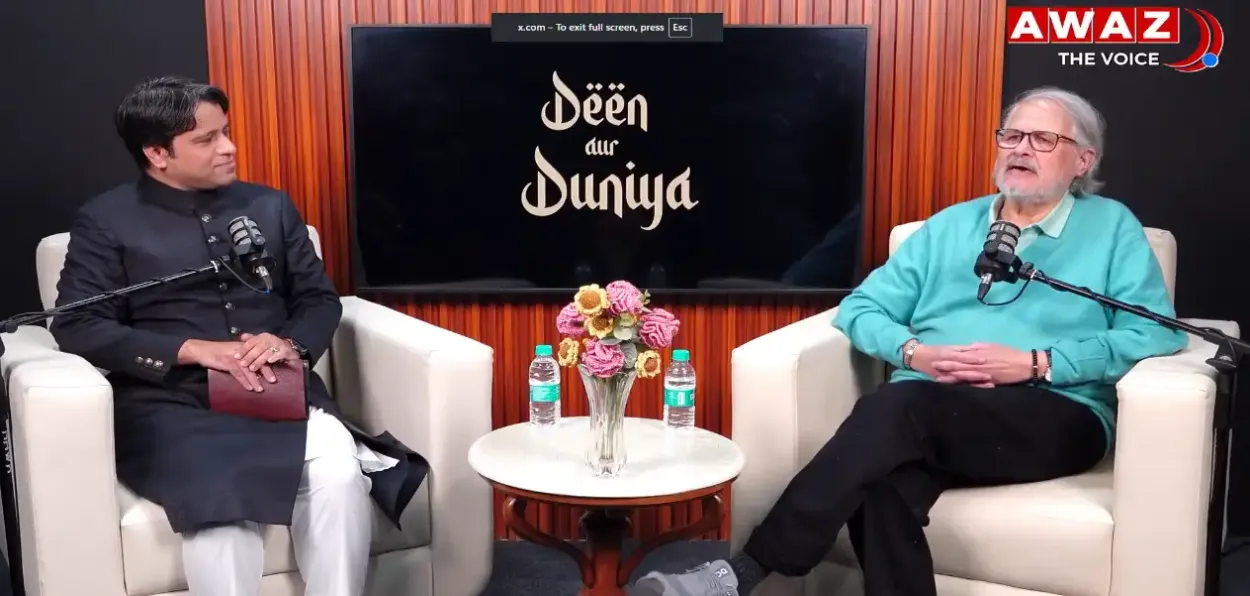
Saquib Salim and Najeeb Jung in Deen aur Duniya podcast
New Delhi :
The first episode of Awaz-The Voice’s new podcast series “Deen aur Duniya” was launched on Saturday evening. The programme has emerged as a serious attempt to understand and bridge the perceived divide between deen (faith) and duniya (society and civic life) within the Indian Muslim community.
The clarity, balance, and intellectual depth of the very first episode firmly established the podcast as a meaningful platform for thoughtful dialogue. The inaugural guest has Najib Jung, former Lieutenant Governor of Delhi, former IAS officer, and former Vice Chancellor of Jamia Millia Islamia, speaking candidly on crucial issues concerning Indian Muslims, democracy, education, and the Constitution to Saquib Salim.
At the heart of the discussion was the question of the Indian Muslim community and the idea of the “mainstream.” Najib Jung challenged the very premise of this debate, asserting that Indian Muslims have never been outside the mainstream. In his words, “First, it is important to understand what this ‘mainstream’ actually means.
“When were we ever outside it? I am a resident of India, and I have always been part of the mainstream.” He said that in an ancient and pluralistic civilisation like India, considering any community as an outsider is itself a flawed notion.”
He described it as a major irony and tragedy that in the Indian Subcontinent, the minorities are not given their due and they face dicrimination.
Najib Jung believes that the Indian Muslim community needs to move beyond the misconceptions surrounding its own identity. He emphasised that Muslims must understand that their identity is not separate from the identity of the nation. Self-acceptance and self-respect, he said, are what give any community the strength to move forward.
Speaking about young Muslims with clarity andf firmly, he said today’s Muslim youth should not live with any complex. “If a Muslim youth today considers himself inferior, that is his own shortcoming, not someone else’s,” he said. According to him, if one’s patriotism is questioned or one is viewed with suspicion, the response should come through confidence, hard work, and conduct, not through complaints or a sense of inferiority.”
The discussion also touched upon the issue of atrocities against minorities in Pakistan and Bangladesh. On this, Najib Jung offered a measured response, saying it is completely illogical to expect Indian Muslims to answer for what happens in neighbouring countries. “No mature and sensible society makes such demands,” he said. He made it clear that if injustice or oppression occurs anywhere in India, raising a voice against it is the responsibility of the entire society, not of any single community.
While speaking on Indian democracy and its secular character, Najib Jung highlighted the concept of fraternity enshrined in the Preamble of the Constitution as the most crucial element.
He said fraternity is even more important than secularism because it is what binds society together. “Fraternity means moving forward together, and that is the soul of our Constitution,” he noted. According to him, India’s freedom struggle was the result of a collective effort, and the rights enshrined in the Constitution are equal for all citizens, irrespective of religion, caste, or social background.
On the issue of education, Najib Jung’s concern and vision appeared both broad and thoughtful. He said education should not be limited to degrees or technical skills alone. Expressing concern over changes in history textbooks, he warned that incorrect history can mislead children’s thinking and shape their personalities in the wrong direction. Education, he stressed, should aim to develop the ability to think and reason, with subjects like history, philosophy, and sociology playing a vital role.
Referring specifically to the Muslim community, he described the growing awareness around education as a positive sign. He said that today the community is far more conscious about the education of its children than before, whether in government schools, private institutions, or madrasas. The changes taking place even in rural areas, he added, offer hope for the future.
Discussing the economic and social situation, Najib Jung observed that slow but visible change is taking place within the Muslim community. He noted that a large number of Muslim youth are now moving into medicine, engineering, and other professional fields. While acknowledging that economic hardship remains a major obstacle, he said the desire to progress is clearly evident within the community.
On the role of the government, he said that serious and concrete affirmative action is required to address the social backwardness of the Muslim community. He expressed regret that the necessary seriousness has not been shown in this direction so far. Just as special policies were formulated for Dalits and other marginalised sections, he said, there should be well-planned efforts for the Muslim community as well.
See the Full Podcast here:
Towards the end of the programme, Najib Jung delivered a positive and inspiring message. He said Muslims must learn to stand on their own feet, a process that has already begun over the past one-and-a-half to two decades. From small businesses to higher education, the community is striving to carve out its space.
He emphasised that unless a community becomes economically and socially empowered, it cannot assert its demand for equal rights with strength.
source: http://www.awazthevoice.in / Awaz, The Voice / Home / by Saqib Salim / January 18th, 2026
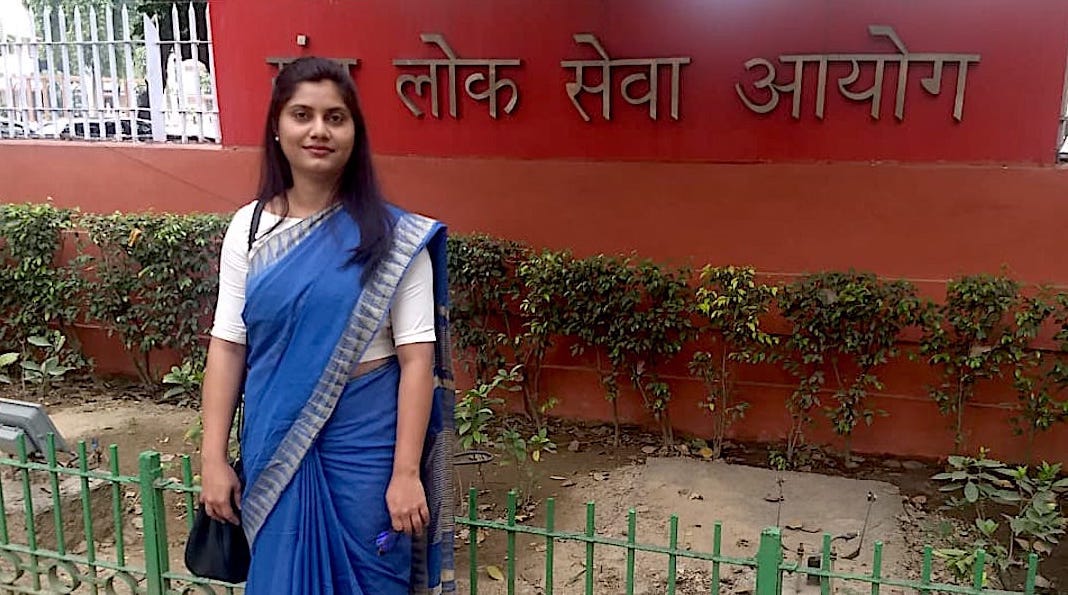
Everything cannot always be in your hands. But working hard to achieve something is definitely in your hands. Rena Jameel also had to work hard, and today she has become an IAS because of her hard work.
Born in Chhatabad village of Katras area of Dhanbad district of Jharkhand, Rena Jamil has secured 380th rank in the UPSC Civil Service Examination this time. Whereas in the year 2016 examination, she had secured 882 rank.
Rena Jameel says that she got Indian Information Service in 2016. But she had dreams of becoming an IAS. It was also necessary to join training. That is why she gave UPSC again in 2017 along with training, but failed in the prelims itself. Still, I did not give up. I took a few days off and prepared. And as a result, I got 380 rank and now I have become an IAS.
Rena Jamil, UPSC Rank -380
Rena Jameel’s father Mohammad Jameel Ansari has retired from Tata Company. He was a mechanical engineer in Tata. While mother Naseem Ara is a home maker. She has four siblings. Elder brother Raunak Jameel Ansari is in Indian Revenue Service. He had secured 763 rank in 2014. Younger brother is an engineer and is currently working with Prasar Bharati. While younger sister is doing her masters and is preparing for admission in PhD.
Rena studied in Urdu medium from Chhatabad Urdu Middle School till class 8. Then she completed her 10th and 12th from the same school. After that she did BSc in Zoology from S.S.L.N.T. Mahila Mahavidyalaya and M.Sc from P.K. Roy Memorial College. After this she also did B.Ed.
Rena says, Ammi was always motivating for me. She never made me do household chores, rather she always insisted on studying. However, all this was not so easy for me. Just to study in college, I had to travel about 50 kilometers every day. Sometimes by bus, sometimes by auto or sometimes by walking for hours… I would leave in the morning and reach home only at night.
When asked that now you are an IAS, what will be your first task in the district you go to after training, Rena says that every district has its own problems. But my special focus will be on education and health sector. Because my experience with both these sectors has been very bad. I would not want that in my district someone loses his life due to health service and someone’s daughter’s education gets interrupted just because the college is very far away.
Rena Jameel loves Urdu poetry. She has been reading Faiz, Ghalib and Iqbal in particular. The special thing is that Rena herself has written about 50 poems so far. All these poems are in Urdu language.
What was the reason that made you decide that I have to join the civil service?
In response to this question, Rena says that, generally, there is not much focus on the education of girls in our society. Even if the family is educating them, the only purpose is that they will get married in a good family. I also had many friends who were very sharp in studies, but somewhere they could not study further. Could not go ahead. Due to family pressure or other reasons. Many were not sent to college only because the distance to the college was too much, but in my case my family was a little supportive. In such a situation, I started thinking that I have to do something that becomes an example for others. Such people should listen to me who educate their girls only for marriages or do not educate them at all. Then I decided that I have to do something big so that I can become an inspiration for girls.
How and where did you prepare for the exam?
On this, Rena Jameel says that in 2014, my elder brother succeeded in this exam. I came to Jamia on his guidance. Before this, I had read NCERT thoroughly. I also used to read newspapers regularly. I took Zoology for this exam because I had done BSc and MSc in this subject.
In a long conversation, Rena tells about her struggles that there were many ups and downs in my life journey. I could not succeed even after reaching the mains twice. I succeeded the third time but did not get what I wanted. Despite this, I had confidence in myself and kept working towards my goal. Today I am successful because of this. Although I was happy with this service too, but it was not my aim or goal. That is why I kept preparing along with the service. I only wanted to become an IAS and I became one.
What message would you like to give to those preparing for UPSC?
On this question, Rena says that many things are not in your hands. Only hard work is in your hands. And yes! The fruit of hard work is always sweet. I also faced many problems. I also failed. All things kept happening with me. But I kept working hard continuously. I will tell you the same thing that always think about fulfilling your dreams. If I had not done this, then I would definitely not have been an IAS. I would have been doing the service of 2016. Therefore, patience is very important for success in this exam.
Also I would like to say that you must read newspapers because it is important to read people’s thoughts, it helps you to develop your own thoughts. And yes! You should always keep your resources limited. If you keep yourself busy reading everything then you will never be able to complete your syllabus. Whatever you read, read it with all your heart and give it enough time.
What would you like to say to the youth of the country, especially the girls of your community?
On this, Rena says that education is everything today. So pay attention to education at all costs. Never shy away from working hard. If I can do it, then believe me anyone can do it. But for this you will have to come forward and work hard.
She especially tells girls that you need to come forward and work hard. It is also the responsibility of the society to stop looking at girls with narrow mindedness. Rather, they should be encouraged. Girls have a lot of talent. If we just become a little open minded, they will go far ahead. It is also the responsibility of girls to work hard and fulfill their dreams… and yes, the dreams should be a little big.
source: http://www.beyondheadlines.in / Beyond Headlines / Home> India> Real Heroes / by Afroz Alam Sahil, Beyond Headlines / June 19th, 2019
Mohammad Hashim, a porter at the New Delhi Railway Station railway station and an eyewitness to the horrific tragedy of stampede in which 18 persons died, tuned into a savior of a four-year old child.
He gets emotional as he recounts how a 4-year-old girl was resuscitated.
“…We were working like any other day when we suddenly heard screams. All of us, all porters, rushed there. We saw children on the floor, women & men running helter-skelter.
#WATCH | Stampede at New Delhi railway station | Mohammad Hashim, a porter (coolie) at the railway station and an eyewitness narrates the scenes he saw yesterday; gets emotional as he recounts how a 4-year-old girl, who he saved, was resuscitated.
“People were screaming. We pulled up a lot of children and brought them out. A few people had died and some others had fallen unconscious. We brought them to the ambulance.
“I rescued out 8-10 children…A woman was crying that her 4-year-old daughter died. I rescued the child and brought her out. Two minutes later, the child started breathing again, and she broke down.
“Her mother burst into tears of joy…We can call ourselves either brave or fools that we too jumped in, risking our lives…We saved several lives…”
He said he and other porters had never seen such scenes in their lives.
“Entire staff, GRP, RPF and porters were working on it…The crowd was for several trains. It happens every day, not just yesterday. But only God knows what happened…But porters helped a lot, there are 1478 porters here…”
source: http://www.awazthevoice.in / Awaz, The Voice / Home> Stories / posted by Aasha Khosa / February 19th, 2025
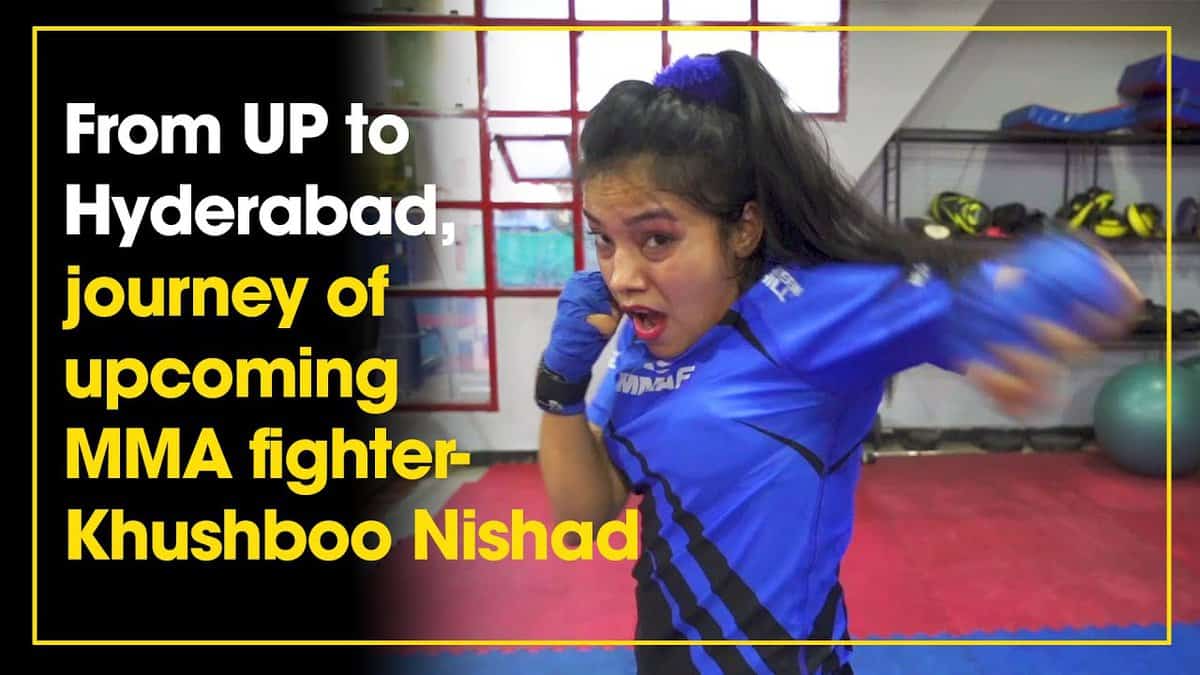
Khushboo has been practising different forms of martial arts for about 11 years.
Leaving her home and family behind in Uttar Pradesh, 23-year-old Khushboo Nishad secretly travelled to Hyderabad two years ago under the guise of a job transfer to become a mixed martial artist. Within a short period of time, she earned a silver medal at a national-level amateur Mixed Martial Arts (MMA) tournament.
A native of Allahabad, Khushboo has been practising different forms of martial arts for about 11 years now. She started with Judo at the age of 12, moving on to master the South Korean art of Taekwondo for another three years. Khusboo’s father taught her Karate.
Mastering different styles of fighting consequently developed her interest in the fastest-growing combat sport- Mixed Martial Arts. Khushboo said she tried learning MMA in UP, however,”I couldn’t find the level of training I was looking for,” she told Siasat.com.
She started her own research, some ‘asking around,’ and concluded that the best training she could find was in Hyderabad under the guidance of Sheikh Khalid. Moreover, Khalid taught MMA in a traditional form.
Khusboo never told her family about her dream to become a mixed martial artist. “I worked for Radisson in Ludhiana for eight months in order to save money and persue my goals,” she added.
Knowing very well her family would not allow her to go to Hyderabad, Khusboo told them she was transferred to the city of pearls by her company.
Narrating an incident that led to this decision Khushboo said, “One day my father saw a video where I was punched on my face by my coach. Disturbed, he immediately called me back.”
Khusboo was studying at Amity University, Lucknow at that time.
To keep her father happy, Khusboo studied hard and secured a top rank in her college. However, she still nourished the dream of becoming a mixed martial artist.
“I am extremely grateful to the person who recommended Sheikh Khalid to me. I have learned so many new things here,” she concludes adding that she has fallen in love with the city.
source: http://www.siasat.com / The Siasat Daily / Home> News> Hyderabad / by Usama Hazari / July 28th, 2022
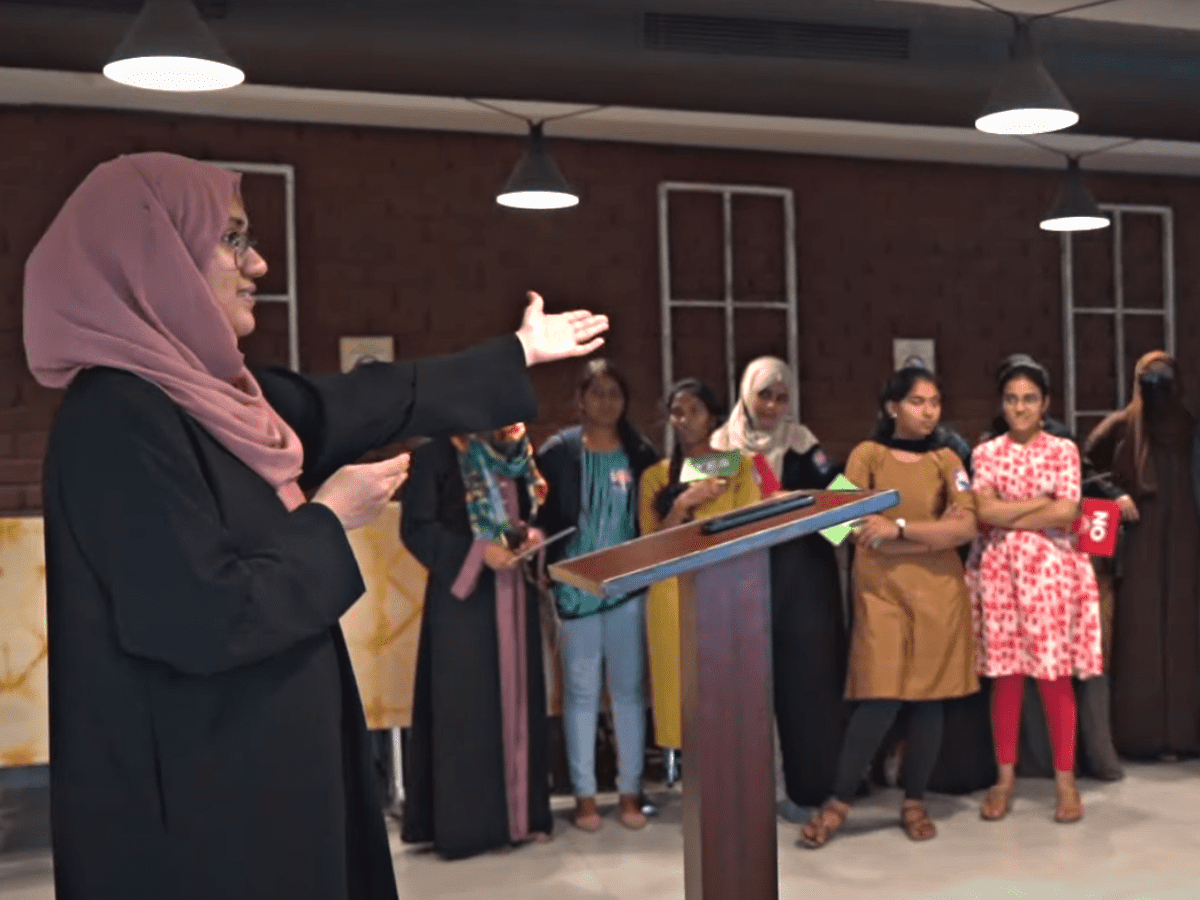
India’s first student-focused non-academic business incubator, Edventure park has incubated 157 student start-ups, out of which 30 have already been launched in the market and more than 10 have raised funding from institutional investors.
Founder and CEO Meraj Faheem told The Siasat Daily that the incubator has an army of campus leads who identify talented entrepreneurs with innovative ideas and provide them with the environment, support, and encouragement that they need.
“We have a four-month-long pre-incubation program where we work with idea-stage start-ups,” he added.
The students come up with ideas, the incubator assesses the ideas and after an application process, there’s a three-round interview process. This is followed by the selection of upto 25 start-up ideas that then go through a four-month-long pre-incubation program.
“On the basis of their progress, Edventure park selects 10 out of the 25 start-up ideas who are then taken to the incubation program, and then the acceleration program,” Meraj Faheem remarked.
source: http://www.siasat.com / The Siasat Daily / Home> News> Hyderabad / by Usama Hazari / June22nd, 2022
Salima Khan is seen with Dr Pratibha Sharma and her great-grand daughter-in-law
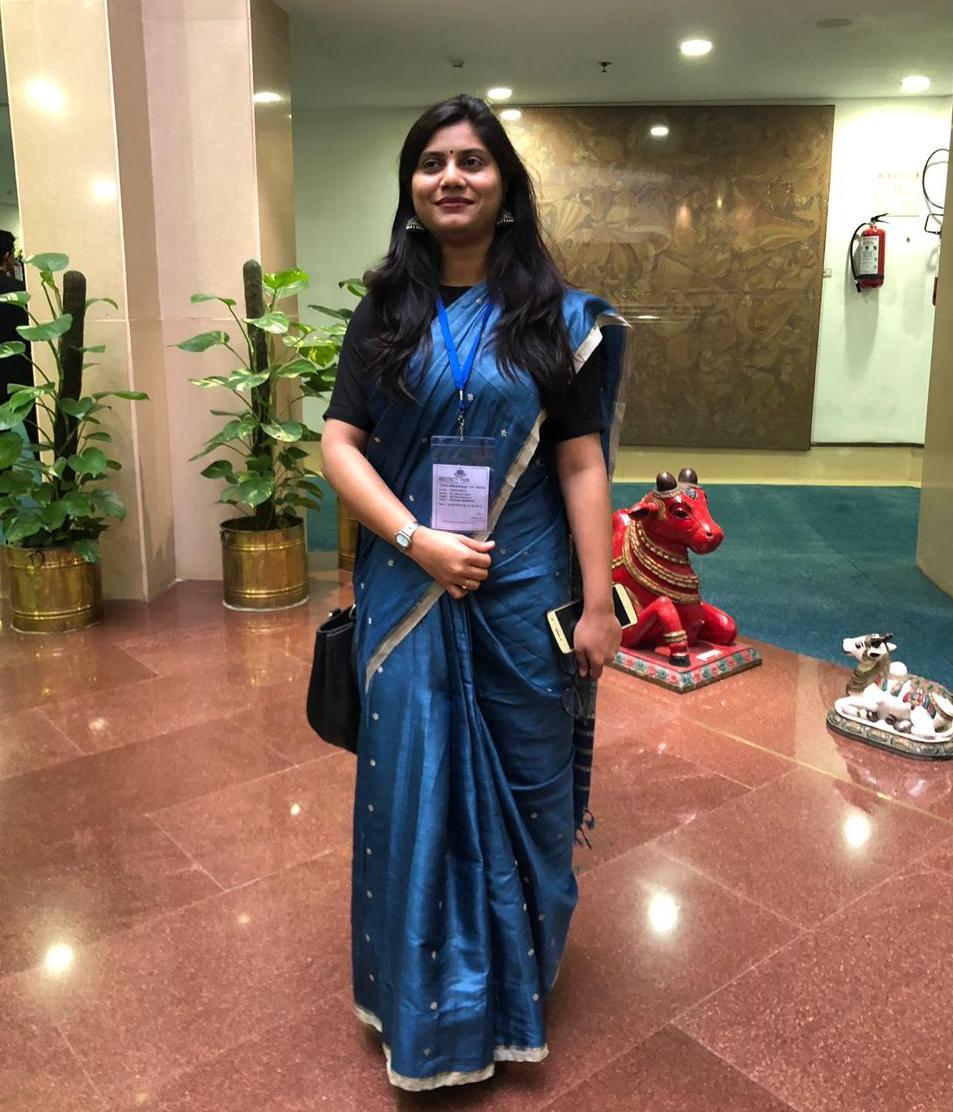
Salima Khan is a new Internet sensation who enrolled herself in Chawli Primary School in Bulandshahr at the age of 92, becoming an inspiration to many.
Bulandshahr (Uttar Pradesh):
Remember Swara Bhaskar’s much acclaimed film “Nil Battey Sannata” released in 2016 where the ace actress goes back to school, attending class right with her daughter much to her dismay?
The plot is “recreated” in real life in Bulandshahr, Uttar Pradesh though for a different reason where a Muslim woman in a video is seen sitting in a classroom with her great-grand daughter-in-law.
Salima Khan is a new Internet sensation who enrolled herself in Chawli Primary School in Bulandshahr at the age of 92, becoming an inspiration to many.
The immediate reason behind Salima Khan’s inspiring endeavour at this age is to receive pension given to elderly citizens under the Indira Gandhi National Old Age Pension Scheme (IGNOAPS).
The government under this scheme gives a monthly pension of Rs. 200 to elderly citizens of 60 to 79 years and Rs. 500 thereafter.
“Amma used to come to me with a request to help her in getting pension. I promised her help provided she come to school every day for at least half an hour and learn something”, the Headmistress told media.
Despite facing a number of age-related issues, including hearing loss and weak eyesight, Salima Khan started coming to school and attend classes.
“Salima is a regular student and is never absent. She is attending the school since the last ten months. In this period, she has learnt a lot of things”, Dr Sharma said.
“Even at this age the interest and dedication with which Salima Khan learns is motivatinf for other students”, she added.
Salima who was unable to recognise letters is now able to write her name with fare fluency and can also confidently count up to 100.
“Acha lagta hai padhna. School aana bahut badhiya lagta hai. (I like to study and attend school)”, 92-year-old Salima Khan said in the video now going viral.
Inspired by Salima Khan, as many as 25 other women of the village, including her daughter-in-laws, have decided to go to school.
source: http://www.ummid.com / Ummid.com / Home> Education & Career / by ummid.com news network / September 29th, 2023
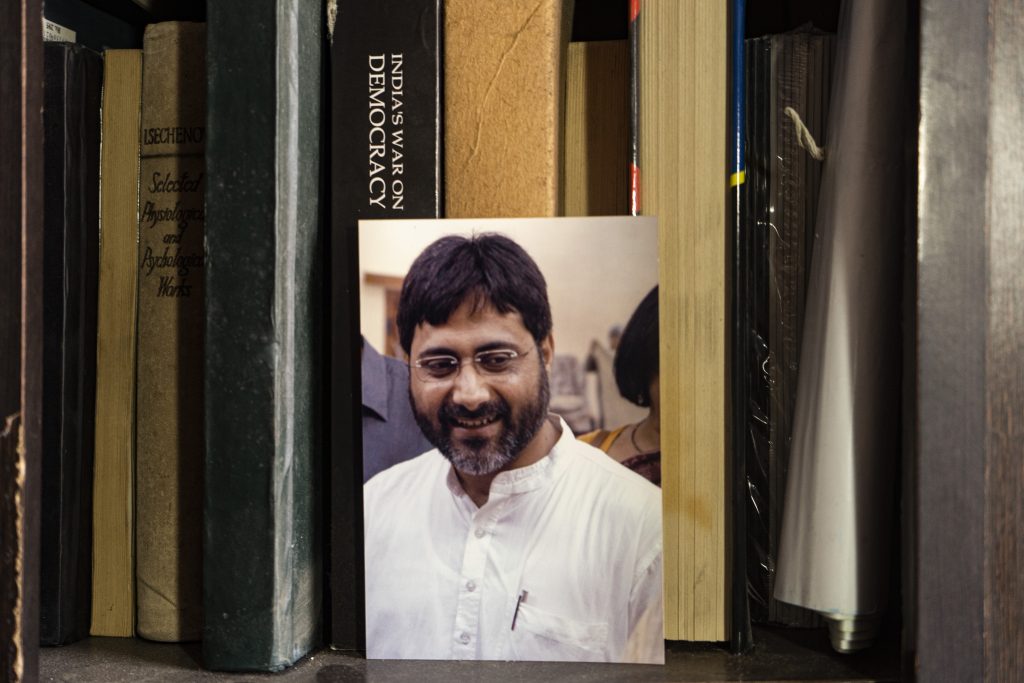
Geelani goes on to become one of the best human rights defenders of his time. He campaigned for prisoners, vulnerable communities, and individuals. Photo: Shaheen Abdulla/Maktoob
Syed Abdul Rahman Geelani was a professor at Zakir Hussain College, Delhi University. He was convicted for his alleged role in the 2001 Indian Parliament attack and sentenced to death by the trial court. Later, Delhi High Court acquitted him of all draconian charges in 2003, after 18 months of imprisonment.
Geelani goes on to become one of the best human rights defenders of his time. He campaigned for prisoners, vulnerable communities, and individuals.
Geelani died on 24 October 2019 at the age of 50, leaving behind a legacy of resistance against wrongful incarceration.
A documentary by Shaheen Abdulla, Madhuraj Kumar, Farkhanda Ashfaq, and Babrah Tabassum Naikoo.
Footage courtesy: AP News, Dalit Camera
Watch on YouTube:
source: http://www.maktoobmedia.com / Maktoob / Home> Features> India> Video / by Shaheen Abdulla / October 24th, 2021
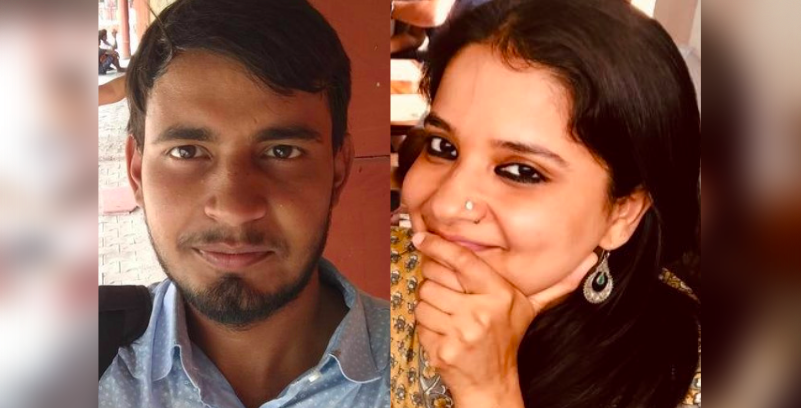
Both journalists have won in the Government and Politics category. While Mishra’s piece has won in ‘digital’, Pasha’s is the ‘broadcast’ division winner.
Dheeraj Mishra (left) and Seemi Pasha.
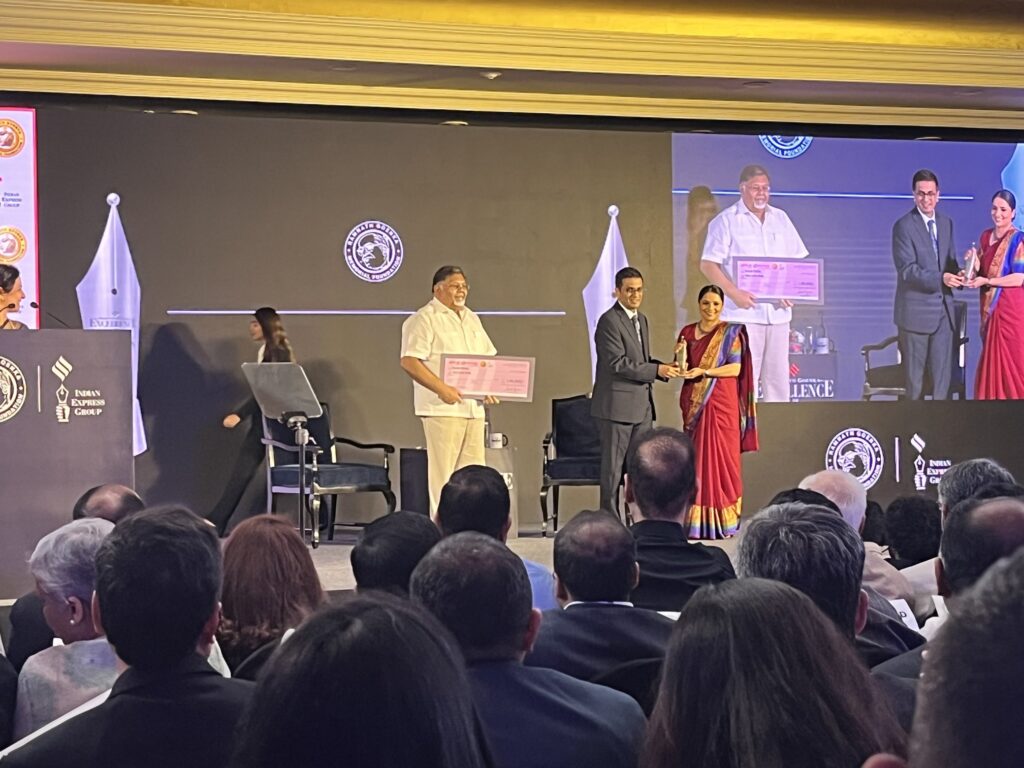
Note: This article was originally published on December 29, 2021, when the awards were announced, and was republished on March 22, 2023, when Chief Justice of India (CJI) D.Y. Chandrachud handed them out.
New Delhi:
Journalists Dheeraj Mishra and Seemi Pasha have won the Ramnath Goenka Award in the Government and Politics category for reports which were published in TheWire, in the ‘digital media’ and ‘broadcast media’ divisions respectively.
Established in 2006, the Ramnath Goenka Excellence in Journalism Awards, is one of the most prestigious honours for journalists in India.
Dheeraj Mishra’s report focused on MPs’ unusually high expenses while travelling, for which he filed “30 to 35 RTIs in each ministry,” tackling enormous data.
It found that violating the guidelines prescribed for streamlining parliamentary committee study tours and cutting down expenses, members of the Lok Sabha and Rajya Sabha have spent crores of taxpayers money on frequent outstation tours.
“The story had a noticeable impact as the Lok Sabha Secretariat issued instructions to sharply curtail [such] expenditure,” the IndianExpress noted in its announcement of the award.
twitter.com/seemi_pasha
Seemi Pasha’s video delved into Jamia Nagar, which in late 2019, developed into a neighbourhood attracting communal hatred from those opposed to the protests against the Citizenship Amendment Act. The otherness of the area was heightened with a brutal police crackdown on students of Jamia Millia Islamia in December 2019.
Even as stories of police brutality on students of Jamia Millia Islamia continue to unravel, the blame is being slowly being shifted to outsiders or locals residing in nearby areas of Batla House, Shaheen Bagh, Zakir Nagar – localities which are loosely referred to as Okhla or Jamia Nagar, the documentary found.
Titled Inside Jamia Nagar, the documentary sought answers for essential social questions. “This is a prominent Muslim ghetto in south Delhi and a place that is often viewed with suspicion. But why is that? What kind of people live here?” it asked.
source: http://www.thewire.in / The Wire / Home> Media / by The Wire Staff /edited by an additional picture via twitter / March 22nd, 2023